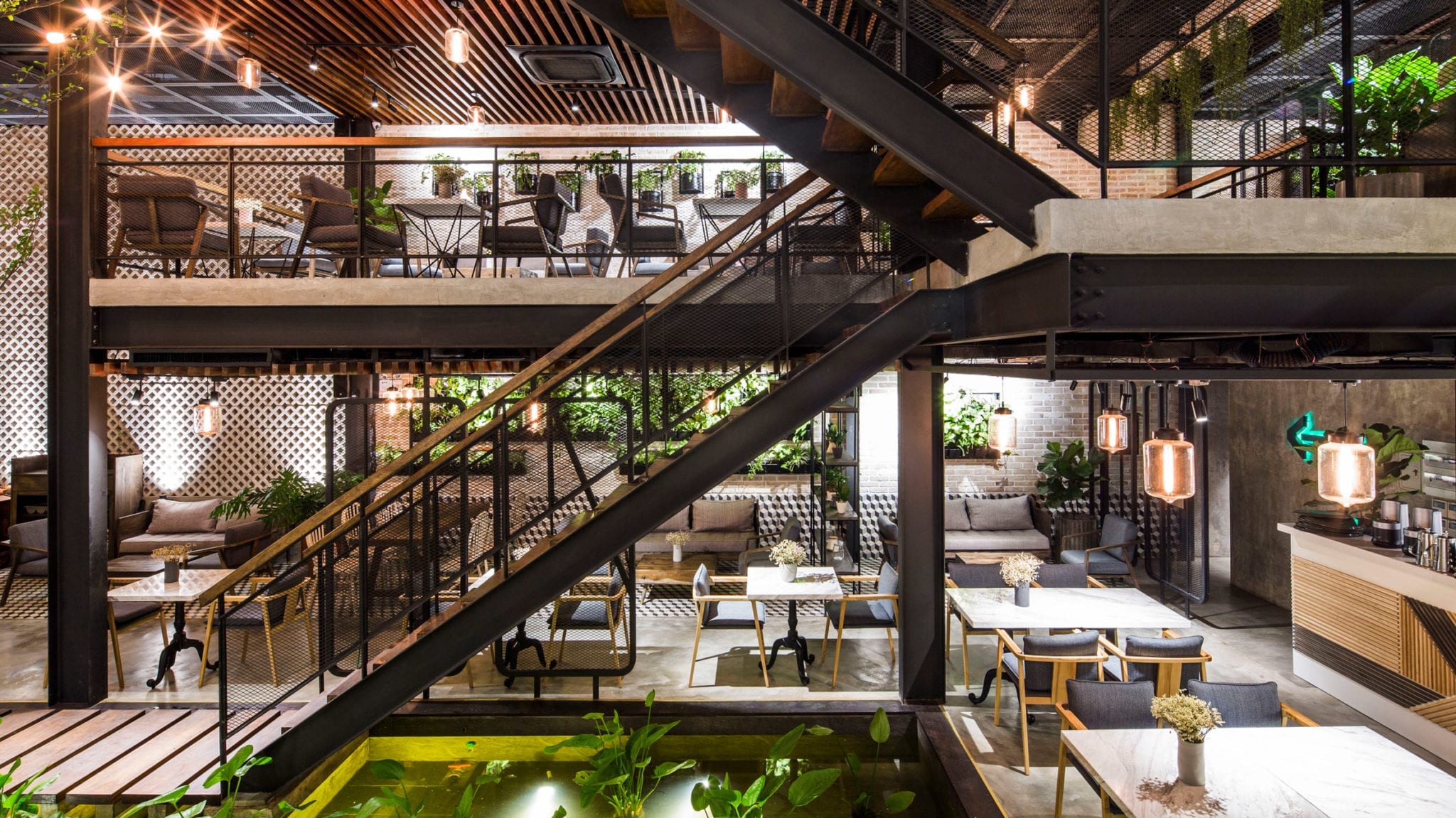
Hanoi studio Le House has designed An Garden Cafe in the Vietnamese capital as a relaxing space featuring greenery, trees and a pond.
It is in the newly redeveloped Van Quan urban area, part of Hanoi’s densely populated Ha Dong district. The building features a structural framework and angular concrete shell that encloses a large glazed facade facing the street.
The windows are interspersed with steel frames that resemble spreading tree branches. These shapes provide the first hint of the cafe’s natural theme, which is intended to soften the otherwise robust and industrial aesthetic of the architecture.
“While a steel frame may sound dry and heavy, An Garden’s hanging plant pots conjure up a vision of a dreamlike hanging garden,” says Le House.
A low concrete wall separates the building from the pavement, and planters built into the walls create a welcoming entrance. Inside the cafe, a pared-back palette of concrete, wood, black metal and patterned tiles creates a neutral backdrop for a variety of green plants.
There are several levels, with the ground floor providing the greatest amount of space for open seating. Tables and chairs are arranged around a pond filled with aquatic plants, which is next to a staircase. A tree reaches up from a planter toward the upper levels.
A pair of mezzanine floors provide extra seating overlooking the pond, while the top floor offers a view of the sky through a feature window and glazed roof partly covered by timber louvres to protect the interior from direct sunlight.
This level features a covered terrace lined with bamboo-filled planters.
South Korea’s Ediya Coffee has dropped its plan to go public this year, opting instead to re-enter China through Beijing.
“In terms of growth and profit margin, we are fully ready for an IPO, but we decided we must tend to our franchisees first,” says CEO Moon Chang-ki.
In a move that would have led to Korea’s first coffee stock, Ediya Coffee in December appointed Mirae Asset Daewoo as its underwriter for an IPO this year. Ediya had decided to list to help it challenge Starbucks Coffee on Ediya’s home territory.
Meanwhile, labour costs have shot up in South Korea after the hourly minimum wage was pushed up by 16.4 per cent to KRW7530 (US$7) from January.
“The subsidy to help franchisees sustain staff increased by 4.5 billion won,” says Moon, partly admitting the spike in labour cost had disrupted the IPO schedule. Instead, the coffee chain will renew its overseas campaign, starting with a shop in Beijing next year. It had pulled out of China in 2008 after three years.
Moon acquired Ediya Coffee from its founder in 2004. Twelve years later it became the first homegrown coffee brand to run 2000 stores. It is expected to open its 2500th store this month. The company generated KRW700 billion in sales last year and as about 10,000 employees.
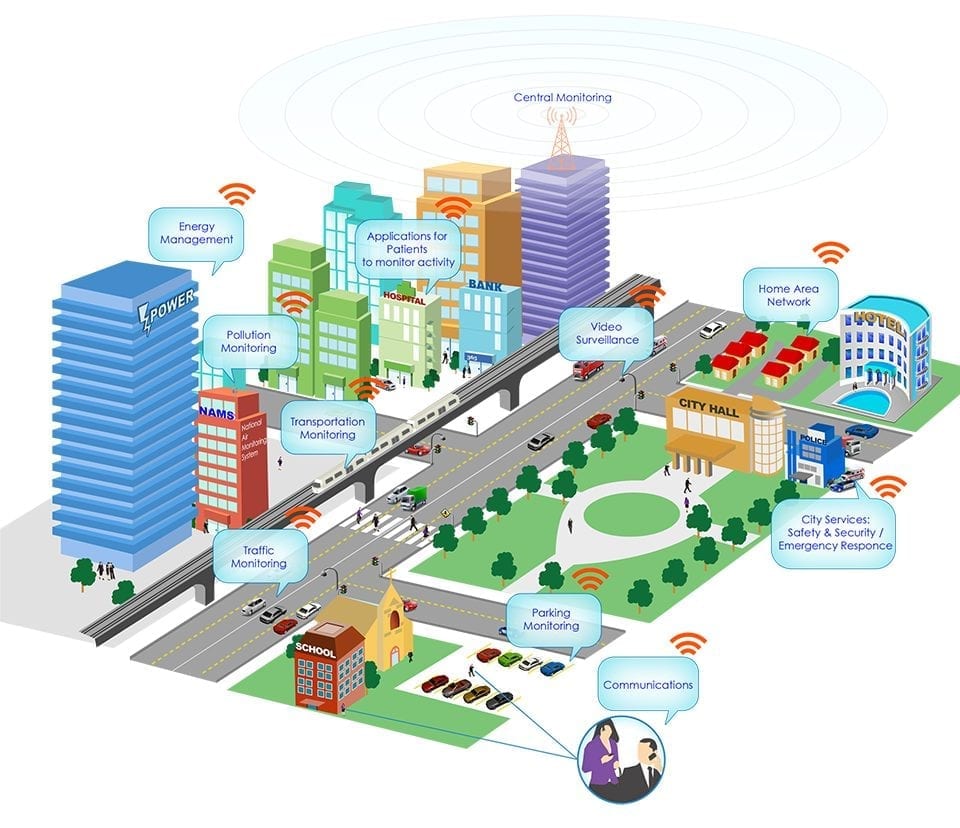
Smart city projects in China are expected to generate $320 billion for the nation’s economy by 2025, according to Frost & Sullivan.
China is expected to account for 50% of the smart cities in Asia, the research firm said in a new report. The global smart city market is expected to grow to over $2 trillion by 2025.
Asia-Pacific is also expected to be the fastest growing region in the smart energy – or distributed energy generation – space over this time.
Smart energy will be one of a number of key technologies that will be the technological cornerstones of smart cities in the future, with others including AI, robotics, advanced driver assistance systems and personalized healthcare.
AI will play a key role in smart cities in areas such as smart parking, smart mobility, smart energy grids, adaptive signal control and waste management, Frost & Sullivan said. Major corporations such as Google, IBM and Microsoft remain the primary drivers of AI adoption.
Smart city projects will meanwhile take on a more urgent imperative due to the projection that by 2050, over 80% of the population in developed countries and 60% in the developing world will live in cities.
Another key enabling technology for smart cities is the internet of things (IoT).
“Currently most smart city models provide solutions in silos and are not interconnected. The future is moving toward integrated solutions that connect all verticals within a single platform. IoT is already paving the way to allow for such solutions,” Frost & Sullivan visionary innovation senior research analyst Vijay Narayanan said.
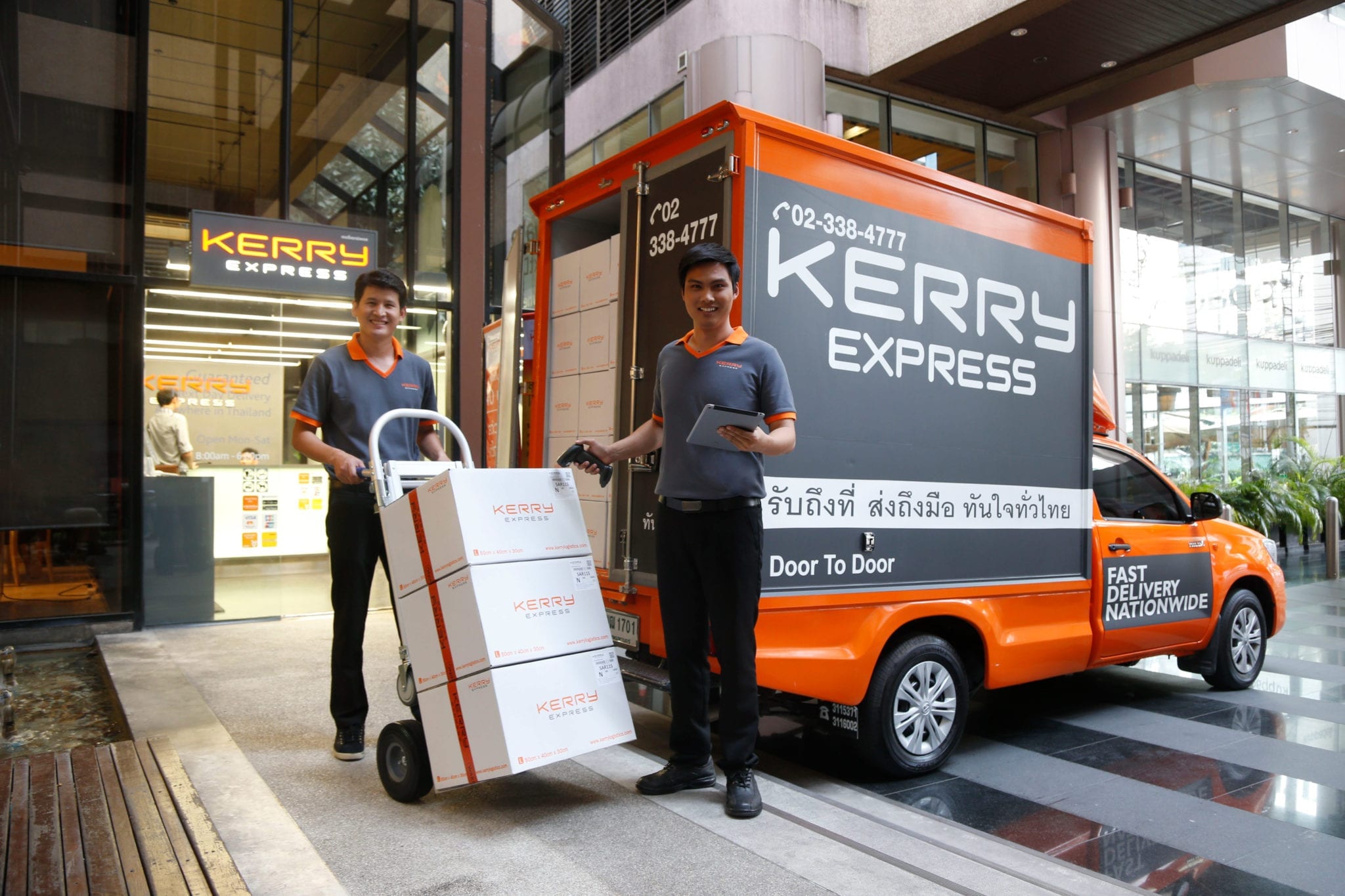
Rising competition and costs in China saw Kerry Logistics’ business on the mainland decline in 2017, with the Hong Kong-listed third-party logistics provider (3PL) planning to increase its focus on cross-border trade to capitalize on Asia’s rapidly growing e-commerce market.
More than 78 percent of the group profit is derived from its integrated logistics division, which covers e-commerce and the express business where the logistics operator is seeing considerable growth. The Asia segment within integrated logistics in 2017 grew by 56 percent from 2016.
Kerry Logistics’ year-over-year revenue for 2017 rose 28 percent to $3.9 billion, with operating profit increasing 13 percent to $271 million and net profit up 7 percent to $150 million. William Ma, group managing director of Kerry Logistics, said global economic growth was behind the recovery in investment, manufacturing, and trade activity, especially in Asian markets.
“The overall performance of Asia remained robust, driven by pronounced external demand and rising domestic consumption,” Ma said. “Kerry Logistics performed better in the second half of 2017 when compared to the first half, buoyed by the continued strength in global e-commerce, the sound performance of Apex in the Americas, and the accelerating growth of our express business in Thailand.”
The 3PL will be looking to build on the strong momentum that has developed in cross-border e-commerce, particularly between greater China and Association of Southeast Asian Nations (ASEAN). “In light of the outstanding performance of the express business in Thailand, the group plans to extend the success to other ASEAN markets such as Vietnam, Malaysia, and Singapore,” Kerry Logistics noted in its earnings release.
The international freight forwarding division in 2017 recorded a 41 percent increase in revenue and a 14 percent rise in segment profit, fueled by overall volume growth and a significant contribution from Apex Maritime, a trans-Pacific trade specialist in the United States that Kerry Logistics acquired in mid-2016.
Yet even with increasing cargo volume, rising freight rates in 2017 — caused by carrier consolidation, reshuffled alliances, and managed capacity — compressed the profit margin of the forwarding division.
George Yeo, chairman of Kerry Logistics, said the group was widening its network. “With the addition of Globalink Logistics and Lanzhou Pacific Logistics [both acquired in 2017], we now have the strongest road and rail freight network across Eurasia,” he said. Globalink Logistics extends the group’s reach into the Commonwealth of Independent States and Central Asia, while Lanzhou Pacific adds rail logistics to its portfolio.
“The deepening and widening of our capabilities positions us well for rapidly growing, cross-border e-commerce, which is facilitated by better physical connectivity and greater international cooperation,” Yeo said.
Spanish fast-fashion retailer Zara will unveil an augmented-reality experience for two weeks in 120 flagship stores globally.
Aimed at encouraging customers both outside and inside the store to shop and share, the innovative concept superimposes technology on the retail environment via the Zara AR app. The activation plays out at three different sites: store windows, central podiums and atop e-commerce boxes.
When smartphones focus on the signs, models Lea Julian and Fran Summers seemingly come to life in seven- to 12-second sequences on the phone’s screen. They pose, move around and even speak while dressed in the SS18 Zara Studio collection. Their clothes and accessories can be bought instantly through a single touch on the app, as well as in store.
The experience will have high visibility from the street, with store windows appearing completely empty aside from bold signs encouraging people to access the Zara AR app. Downloading is easy by connecting to a dedicated Wi-Fi network, or by QR code, via iTunes and Google Play, or through the link on Zara.com or the app.
As well as the shopping feature, a social-media sharing feature invites people to take and send photos alongside the holograms, establishing a virtual connection. To maximise the limited-time experience, different sequences of new looks will be introduced after the first week.
Zara’s AR venture is the conception of Paris-based creative director Ezra Petronio, who developed the app with French technology company Holooh and research partner Inria (the French national Institute for computer science and applied mathematics). The 12 dynamic sequences were captured as holograms in a 170sqm studio involving 68 cameras, among the largest recording systems of its type in the world.
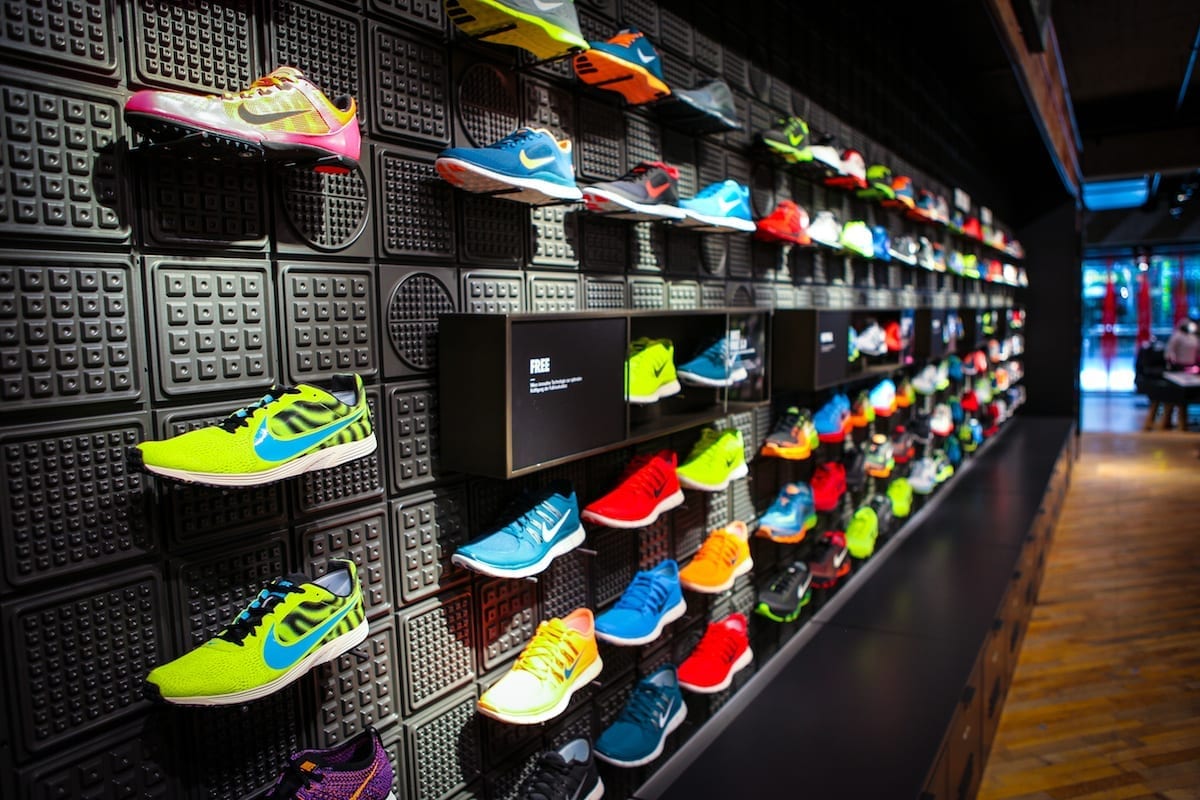
Nike has taken another step towards modernising its offer, announcing the acquisition of 3D scanning start-up Invertex in a move that will allow it to deliver measure-to-fit services online.
The Israeli based computer vision firm was bought for an undisclosed sum and is Nike’s second acquisition in recent months following its purchase of consumer data business Zodiac in March.
Invertex found David Bleicher has previously the technology as a “mass customisation” tool that enables customers to fit products to customers online through mobile applications that scan shoppers bodies.
The business has also launched a smart mat product that uses maching learning to scan feet in-store and achieve what the business calls “unprecedented” levels of sizing reccomendations.
Nike said the deal would deepen its digital capabilities at a time when it is rushing to capitalise on growing demand for online experiences.
“The acquisition of Invertex will deepen our bench of digital talent and further our capabilities in computer vision and artificial intelligence as we create the most compelling Nike consumer experience at every touch point,” said Nike Chief Digital Officer, Adam Sussman.
Nike said Bleicher and his team will focus on “ground breaking innovations” under the Nike umbrella.
“Nike’s connection to and understanding of their consumer is unsurpassed and we look forward to joining their team to help drive the Consumer Direct Offense,” Bleicher said of the deal.
Centara Hotels & Resorts, Thailand’s leading hotel operator, will observe the upcoming Songkran Thai New Year period by wearing colorful traditional dress. Visitors and guests to the company’s properties are treated daily to graceful Thai service and cultural traditions that have become Centara’s hallmark; this Songkran, 13th – 15th April, they can enjoy the added delight of seeing staff dressed in the beautiful costumes of historic Siam.
“Thailand’s world-famous, genteel hospitality is at the heart of our company culture,” said Centara’s Chairman of the Board Suthikiati Chirathivat about the idea. “What better way to emphasise our unique Thai-ness than trading our uniforms for charming, traditional costumes over the Thai New Year. It is our way of wishing our guests, partners, and friends a happy and healthy festive season.”
All 33 of Centara’s hotels and resorts within Thailand are taking part in this celebration and guests are invited to enjoy festive dining options or a relaxing stay over the Songkran period, where they will receive the inimitable Centara Thai welcome.
Paris-based French and Cambodian startup ShopRunBack was launched in 2014 and has been revolutionising returns management for e-merchants and retailers, it is established by a group of experts in e-commerce, supply chain and the latest web technologies. ShopRunBack is looking to expand into Asia, especially Southeast Asia, and Cambodia is the starting point for a new branch to be opened this year.
The company is finalising its cooperation model with 4PX, which is partially owned by Alibaba Group and by SingPost and is part of Alibaba Cainiao Logistics, to seek ways to use Cambodia as a regional hub for e-commerce in Southeast Asia. Eddy Richauvet, CEO of ShopRunBack, spoke to us about e-commerce, business expansion and the introduction of the 4PX Group to Cambodia.
RN: ShopRunBack was established a few years ago in France. You and your wife both graduated in both logistics for e-commerce and web technologies. Why France? How are you progressing?
Eddy: I have spent the last 20 years in Paris in logistics and supply chain management and we started our company ShopRunBack five years ago, specialising in reverse logistics solutions for e-commerce and retail.
Why France? Because, it is strategically located within Europe where one can easily span out one’s services throughout the other European countries. That is why our first company was established in Paris.
So far, we have been doing very well because we focused over the last five years on a nice segment which is reverse logistics for e-commerce.
The objective is to improve customers’ experience during and post-shopping, that is after-sales services.
E-commerce is not only a process to deliver goods ordered online but it also involves shipping goods to customers who may also seek to return goods due to manufacturing faults or wrong orders.
Hence, ShopRunBack built its platform and expertise in after-sales service to meet customers’ satisfaction and merchants’ obligations.
We were the first one to embrace that niche service five years ago, which was an innovating model since most service providers mainly focus on delivery, including the last-mile option.
Thus our business growth is satisfactory and we are developing and improving the platform as well the markets. To date, our services stretch to 70 countries worldwide.
RN: What sort of products have you been dealing with primarily?
Eddy: Well, on a global scale, cross-border e-commerce transactions mainly involve clothing, electronics and furniture. But throughout the years, we can see that e-commerce transacted items have varied from small to big items. Today, all types of products are offered and transacted online.
RN: Does your company have any operations in Cambodia? And if not, why?
Eddy: We built our logistics network first in Europe and America and have been looking into Asia since 2017, especially Southeast Asia.
We are starting with Cambodia first. We have operations in China and Hong Kong through our partners and Southeast Asia is our natural expansion in the region.
We intend to use Cambodia as a springboard and offer to train Cambodian SMEs to sell their products online to global customers as well as introduce global merchants’ products into the Cambodian market.
We are in the process of customising our platform for Southeast Asia with our tech team.
RN: The government announced its intention to have Cambodia become a digital economy by 2023. How do you view the trend of tech business now? How may this be relevant to your business?
Eddy: I think the government’s intention to embrace the digital economy within the next five years is a very good strategic move.
In Europe for instance, we have seen transformations in the traditional business to business (B2B) and business to customer (B2C) models.
Digital technology is the enabling medium to improve people’s standard of living by facilitating trade and extending connectivity and collaboration with each other.
Therefore, we are happy to contribute our expertise to the government vision and strategy to integrate further with the region, that is Asean.
RN: Since Cambodia doesn’t have e-commerce legislation in place yet, do you view it as a constraint to start your business here?
Eddy: We understand that the law is being finalised and should be passed soon, probably right after the elections at the end of July.
We would need such legislation to facilitate and regulate e-commerce transactions. Just like back in Europe, over a decade ago they initiated similar legislation.
No one was familiar at that time with e-commerce, consumer protection and online business, but they improved the legislation as time went on and regulators gained more experience.
RN: Logistics cost is one of the major constraints in Cambodia that hamper the flow of foreign direct investment. Since you are involved in that domain, how do you think Cambodia can improve its logistics costs?
Eddy: This is indeed a crucial matter. We started our business in traditional logistics and B2B, which is not solely about networks but also about collaboration.
Of course, logistics providers will compete with each other but they also need to cooperate with each other to improve connectivity and smoother functioning of the supply chain network.
As far as Cambodia is concerned right now, we are at the gestation phase of an e-commerce logistics base and platform.
We need to enhance the regional and domestic network by establishing more hub-and-spoke networks because in logistics, consolidation through better distribution and last-mile services enable cost reduction.
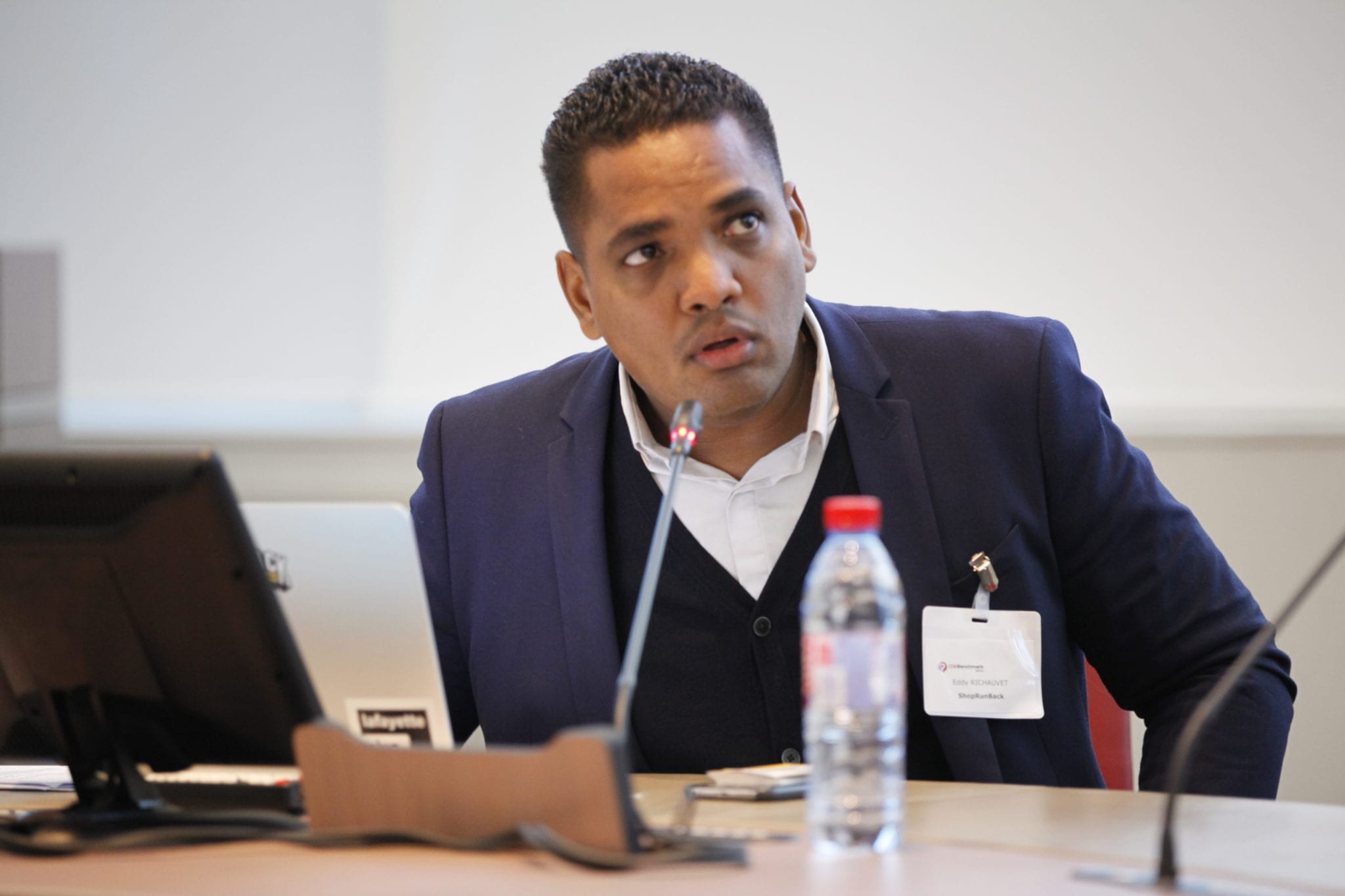
Eddy Richauvet says Cambodian special economic zones are being established successfully. KT/Mai Vireak
In this market, I see many service providers competing with each other instead of collaborating with each other. In Europe and elsewhere, businesses embrace the “competition collaboration” modus operandi.
Sure, you have businesses competing but cost-effective and efficient logistics is about collaborating.
Cambodian infrastructure has been gradually improving over the last decade as we see better roads and bridges, and lower electricity costs thanks to the many hydropower schemes built with Chinese funding and to the many special economic zones being established successfully.
Our ports and airports are continuously being upgraded to augment their capacity and this has improved the hard aspects.
However, the soft part such as cross-border goods clearance. Trade-facilitation wise, still need more work to facilitate faster transit times.
RN: Last December, the government approved the establishment of the National Logistics Council to deal with logistics in a holistic and cohesive manner. Do you think this can work out well?
Eddy: From my understanding, the NLC aims to improve efficiency and inter-ministerial collaboration.
As said earlier, logistics is about connection, collaboration, communication, and anything related to supply chains across multiple businesses from different sectors and across countries.
Therefore, establishing the NLC does make sense as the government seeks to better comprehend this complex topic and enhance logistics efficiency.
The government should conduct more stakeholder consultation or dialogue with the private sector, the real business practitioners, to better assess businesses’ needs and how they may contribute better inputs.
RN: Earlier last month, you met the Minister of Public Works and Transport with 4PX, part of the Alibaba Cainiao Logistics arm. Are you going to cooperate with them to set up operations in Cambodia? If so, when will that happen?
Eddy: 4PX is a Shenzhen-based Chinese firm and is one of the largest logistic players for cross-border e-commerce in China and they also have worldwide branches.
They are already our strategic partner in Europe and in the US. As you mentioned, they are part of the Alibaba Cainiao Group.
Together with Singpost, they are a 45 percent equity holder in 4PX. 4PX is presently handling a million packages daily for Ali-Express in Southern China with a capacity of two million packages daily.
Cainiao Network is a 100 percent owned subsidiary of Alibaba Group and basically their logistics arm.
Its business is operating a logistics network for all Alibaba’s market places. 4PX is the only one doing cross-border logistics among companies invested by Alibaba Cainiao.
The reason they invested into 4PX was because 4PX has been in cross-border e-commerce logistics for more than 14 years and was considered a market leader in this field.
When we discussed with them about how to carry out the 4PX’s objectives, we shared with them the strategy and vision on how to train local SMEs to use the platform to sell from Cambodia to customers around the world and for make it easier for international merchants to sell to Cambodia.
We also told them Cambodia was a very strategic location as a possible regional hub for Southeast Asia. So the 4PX chairman and his team came for the first time on a fact-finding visit to Cambodia and appreciated the opportunities.
So yes, we will cooperate with 4PX in Cambodia. We will bring together our experience, the technological platform and our existing trained human capital to provide professional e-commerce services.
Most importantly, together with 4PX, we will transfer knowledge to Cambodians to beef up domestic expertise.
The online shopping experience will be improved much more than before. So the primary goal is to bring new high-tech, professional technology to Cambodia, create job opportunities and provide better services.
Though the market size is small, Cambodia possesses a high percentage of tech-savvy young people which makes it an ideal place for more innovation.
Our partner 4PX is a company skilled in innovation. They have to be, since e-commerce is a very fast-growing and fast-moving sector.
Three years ago, 4PX’s revenue was about $450 million but this increased to about $900 million last year.
As a very young market, we could bring many innovations without confronting much historical luggage or impediments.
Think about how the Americans used new technology to nurture the development boom during the second industrial revolution.
Now, it is time for us to leverage e-commerce and the digital economy to help Cambodian people leapfrog and improve their living standards.
Logistics is always a business of support and collaboration. As a pioneer of this industry, our friend and partner, Kevin Li, the founder and group CEO of 4PX, is always scouting for investments in new markets. We should become operational in Cambodia soon enough within the second half of 2018.
French luxury conglomerate LVMH Moet Hennessy Louis Vuitton has had a strong start to the year despite the impact of the termination of its Hong Kong International Airport duty-free business at the end of last year.
Its revenue grew by 10 per cent for the first quarter to reach €10.9 billion.
Organic growth was 13 per cent compared to the same period last year, with all business groups contributing to the result. Excluding the loss of the DFS Group airport business, the figure would have been 15 per cent.
There was 20 per cent organic revenue growth for the watches and jewellery business group, with Bulgari continuing to gain market share.
Organic revenue increased 17 per cent in perfumes and cosmetics, with strong growth momentum again for Parfums Christian Dior.
The fashion and leather goods business group had organic revenue growth of 16 per cent, with Louis Vuitton making a remarkable start to the year, says the company. Christian Dior Couture, which was consolidated into the group in July, turned in an excellent performance, while Fendi and Loro Piana grew rapidly in ready-to-wear and shoes.
For wines and spirits, organic revenue grew 10 per cent. Champagne volumes rose by 1 per cent. In a context of supply constraints, Hennessy cognac volumes grew by 5 per cent.
In selective retailing, organic revenue rose 9 per cent, or 16 per cent excluding the termination of the Hong Kong airport concession. Sephora continued to gain market share with its new store concept continuing its roll-out.
Online sales grew rapidly all over the world. DFS performed particularly well in T Galleria outlets in Hong Kong and Macau, while the new store in Cambodia performed strongly.
Despite unfavourable exchange rates and geopolitical uncertainties, the year started with a buoyant environment, says LVMH. It says it will continue to focus its efforts on developing its brands, maintaining strict control over costs and targeting its investments on the quality, excellence and innovation of its products and their distribution.
Locus.sh, an Indian startup which provides a platform for enterprises to manage intra-city logistics for scheduled and on-demand deliveries with data analytics capabilities, is expanding operations into Southeast Asia.
The Bangalore-headquartered company has live initial engagements with major e-commerce, third-party logistics, and retail players across countries in the region, Locus Co-founder and CEO Nishith Rastogi told e27.
“Some of the clients are at a live pilot stage, and are excited at the value we can accrue for them in terms of reduction in logistics cost. Thus, the initial traction has been encouraging, and motivates us to make further inroads into all the major countries in Southeast Asia,” Rastogi said.
Established in 2015, Locus helps organisations automate and optimise their logistics, while they focus on customers. This, the firm claims, results in reduced logistics cost, on-time deliveries and a better end user experience. The platform also helps companies dispatch, track and manage their on-field workforce efficiently.
By 2020, the company aims to automate all the human decisions involved in sending a package from point A to point B, using Artificial Intelligence and Machine Learning.
“Over the last two years and half, we have worked across industries and accrued value for enterprises of all sizes and scale in India. Having mastered the specific problem statements that the geography presents, and the associated change management, we are confident of our international expansion plans as our platform is now ready to be deployed across countries with specific problems of their own. We see huge similarities between the Indian and the Southeast Asian markets on how e-commerce as a industry is shaping up, and we want to utilise our learnings in this space to add value to clients right from day one,” stated Rastogi.
In his view, for countries like Indonesia, where the logistics cost as a percentage of GDP is greater than 20 per cent, a number which is double that of Singapore and Malaysia, there’s a huge potential for cost reduction and savings, and this is where Locus fits in.
In Southeast Asia, Locus’s key strategy is to analyse the growth potential and challenges faced by the e-commerce and third-party logistics industry. “We settled on targeting the Southeast Asia region following an internal research that shows the constraints faced by the market are very similar to that of India, including similar consumption patterns, poor road infrastructure, inconsistent address structuring, and a burgeoning tech-friendly user base validated by smart phone/ mobile-internet penetration.”
On being asked about the plans to integrate blockchain into the platform, Rastogi said: “With consumers being more and more aware, they want to know if the companies they support share the same values as them, and for that transparency is a must. Plus, when dealing with companies that work across countries with multi nodal points, the parent company will want to know where the product is and where it is being processed.”
“It’s imperative across industries, to have solid records to trace each product to its source. With a focus on introducing efficiency, consistency and transparency in supply chains across industries, adding blockchain capabilities fits right into our plans. This capability will further strengthen the Locus solution, and our product team is forming a strategy around incorporating this in our pipeline,” he noted.
In May 2016, Locus raised US$2.75 million Series A led by Exfinity Venture Partners, with participation from Blume Ventures, Beenext and Fung Capital managing director Rajesh Ranavat. Prior to that, the venture raised an undisclosed seed round from growX, Bhupen Shah, Manish Singhal, Amit Ranjan and others in 2015.
AirAsia is partnering with Plug and Play Tech Center, a global startup innovation platform headquartered in Silicon Valley. AirAsia will work as an anchor partner of Plug and Play’s Travel and Hospitality programme to mentor new businesses and collaborate with emerging technologies.
This will allow AirAsia to identify, observe and support relevant startups as they develop new products and technologies for the travel sector. AirAsia deputy group CEO (Digital, Transformation and Corporate Services) Aireen Omar said, “This partnership – the first of many to keep a finger on the pulse of innovation – will allow us to identify leading edge technologies that will help maintain our leadership in cost and customer experience and transform AirAsia from an airline into a global digital company.”
Plug and Play Founder and CEO Saeed Amidi said, “We are here to help AirAsia engage with the most promising startups in the industry and bring new ideas into their business. Their expertise will be a great addition to our ecosystem and we welcome them to Silicon Valley.”
AirAsia has also invested heavily in digital services as it embarks on a transformation process to become a truly digital airline, including BigPay financial services app, ROKKI inflight entertainment and connectivity, AirAsia BIG Loyalty programme and RedBox logistics.
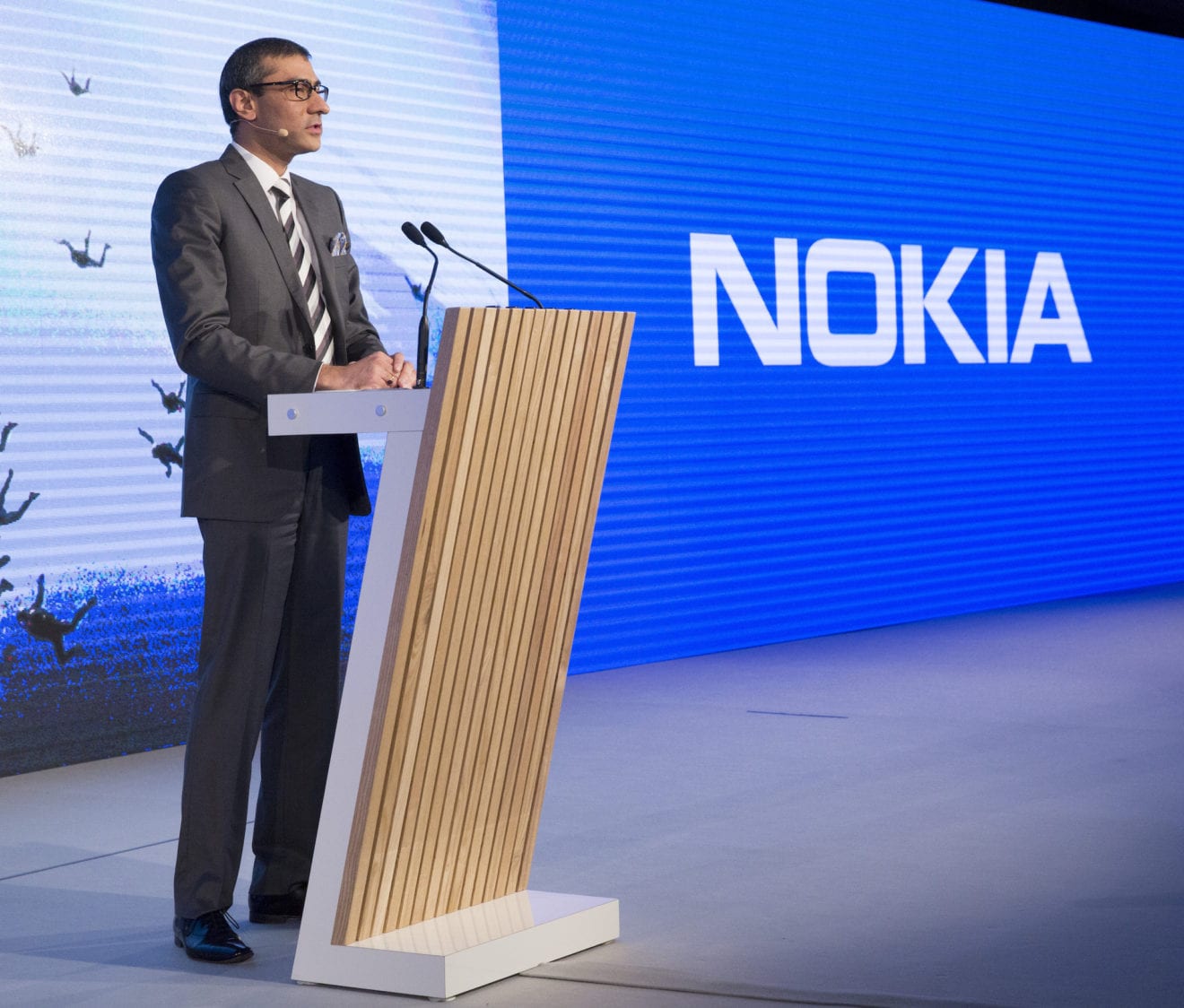
Nokia announced that it will be providing China Mobile with an optical transport network that will enable the operator to become 5G-ready.
China Mobile is currently building a new optical transport network that will support improved data center interconnection, consumer broadband services and 4G backhaul. Looking ahead, the new optical backbone will be a key part of the next-generation mobile services, namely 5G.
“We are very pleased to work closely with China Mobile to provide the optical technology for its most advanced networks today and in the future. We’ll continue to fulfill our mission by making people’s life easier as we create the technologies that connect the world,” said Yu Xiaohan, head of the China Mobile customer team at Nokia Shanghai Bell, in a press release.
Nokia described its solution as a dynamic, programmable optical network that can support virtualization and cloud technologies associated with 5G.
According to Kyle Hollasch, head of marketing for Nokia’s optical business, China is the fastest growing region in the optical market.
“As the only non-Chinese vendor with significant market share in China, Nokia is thrilled to be part of this strategic build-out for China Mobile,” Hollasch said in a statement.
Nokia’s aspirations in China are well known. At Mobile World Congress (MWC) 2018 in Barcelona, Nokia CEO Rajeev Suri highlighted the race to 5G, saying it’s a battle between the US and China in terms of who gets there first. Both China and the US will move fast and they will be well ahead of pretty much every other part of the world, he said.
Nokia and China Mobile used the MWC event to announce that they had signed an agreement under which the companies are jointly investigating how China Mobile can extend its service offerings for vertical markets using 5G. Their research is focused on how industries can benefit from the growth of smart cities, smart transportation and intelligent video analytics.
The companies also are jointly testing use cases using Nokia 5G Future X network architecture as well as NB-IoT and MEC, and they’re expanding an existing Car2X trial ecosystem in Wuzhen to advance the use of automated vehicles, as well as technologies that improve vehicle safety.
Nokia’s Nuage Networks was chosen by China Mobile (Suzhou) Software Technical Company, a subsidiary of China Mobile, as the SDN platform for China Mobile’s public and private enterprise cloud services offering. The platform is based on the Nuage Networks VSP and includes cloud implementations on virtual machines, Kubernetes (K8S) containers and OpenStack Ironic-based bare metal servers.
Last year, China Unicom said it would use the Nokia Flexi Zone portfolio to densify its network where it isn’t possible to add a macro base station due to space or cost constraints.
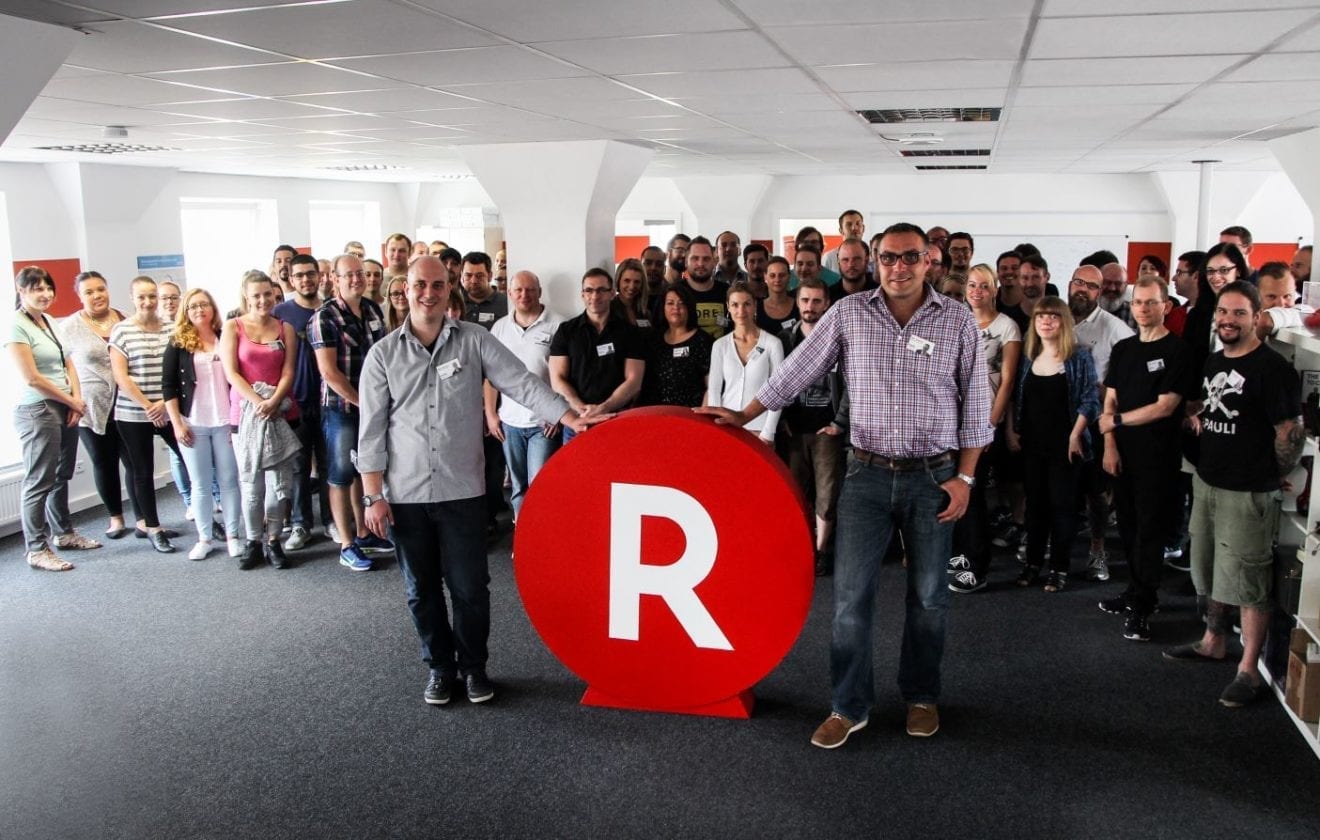
Japanese e-commerce giant Rakuten has secured government approval to deploy 4G mobile services in the 1.7-GHz frequency band, and now plans to launch as the nation’s fourth mobile operator in October.
New subsidiary Rakuten Mobile Network plans to raise up to 600 billion yen ($5.6 billion) to pursue its mobile business, including through an up to 200 billion yen investment by its parent company.
Rakuten announced its intention of entering the mobile market in December last year. Last month, the company signed agreements with Chubu Electric Power, TEPCO Group and Kansai Electric Power Co to use the utility companies’ telecoms and transmissions towers and other infrastructure for the planned 4G deployment.
The company is considering similar tie-ups with other electric utilities to support its goal of achieving nationwide service coverage.
When announcing its intention to enter the mobile market, Rakuten said household spending on telecoms services in Japan is rising every year and reducing telecoms expenses is considered a major social issue.
The current mobile market – which is dominated by NTT Docomo, KDDI and SoftBank – is also often criticized as a “coordinated oligopoly”, and the government is in the middle of a thorough industry review aimed at ensuring fair competition, the company added.
Rakuten has been providing MVNO services under the Rakuten Mobile brand since October 2014, using NTT Docomo’s mobile network, and has racked up around 1.5 million customers.
The company is targeting at least 15 million subscribers with its mobile operations, which compares to 39 million for third-ranked SoftBank. Rakuten’s foray into the mobile market was contingent on it securing 4G spectrum from the ministry of internal affairs and communications (MIC), which has now granted approval for Rakuten’s plan.
Almost a year since the launch of its first Australian store British sports retailer JD Sports has unveiled the next stage of its local expansion plans, revealing three new store launches.
The openings will bring the international entrant’s Australian store count to 9 with more to come as the business steps up its plans after being received positively by local shoppers.
“The success of our first five Australian stores in 2017 has highlighted the consumer demand for JD exclusive product. We have been able to achieve great results by presenting the customer with the best product and by leveraging the retail theatre that JD is known for globally,” JD Australia chairman Hilton Seskin said in a media statement.
JD launched a new 665sqm store in Macquarie yesterday and will open another 454sqm store in Penrith by the end of the month.
It follows the opening of a 460sqm store in Doncaster in late March, with an additional store in Warringah, NSW slated tp open sometime in May.
The new stores will be stocked with over 50 new product styles that will launch on opening day and more than 100 exclusive footwear and apparel products already available to JD customers.
“The way we present product from a visual merchandising and digital perspective, along with our global partnerships with heavy hitters including Nike and adidas means that we also have access to the best releases to ensure we are the first port of call for customers wanting the latest and greatest product,” Seskin said.
The business will roll out street dancers, an in-store DJ and a “win trainers for a year” promotion to celebrate the new store openings.
The expansion stands to ratchet up the pressure on existing local players such as Super Retail Group owned Rebel, which recently incorporated its former sister brand Amart Sports in a bid to better position it to deal with competitive threats.
JD appears to be focusing its attention in Victoria and NSW so far, but does have a store on the Gold Coast as well.
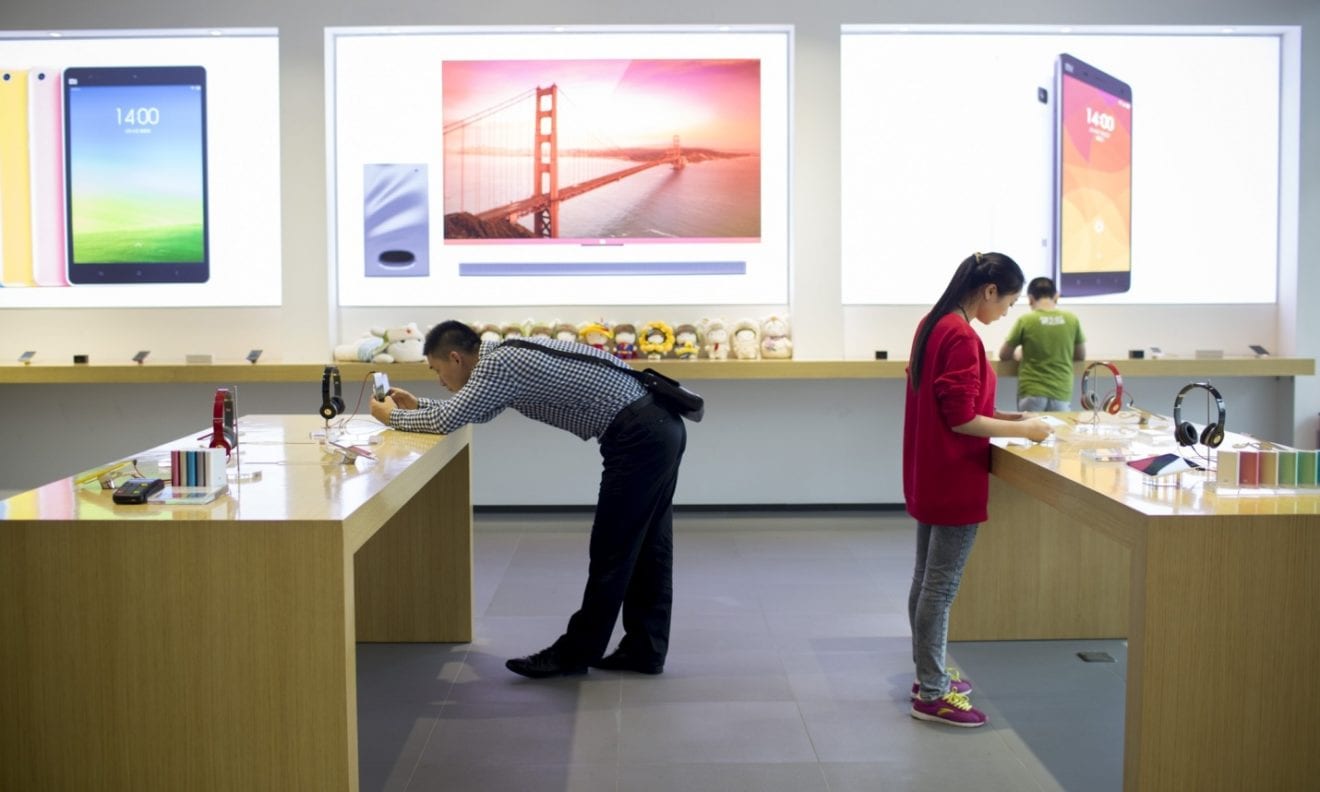
Global online retailer LightInTheBox Holding has signed a strategic distribution agreement with Xiaomi to sell its technology products in North America.
It is Xiaomi’s first cross-border e-commerce distribution partnership in the region, and customers buying its products through LightInTheBox platforms will receive local customer support from Xiaomi.
Founded in 2010 by entrepreneur Lei Jun, Xiaomi is based on the vision “innovation for everyone”.
The Beijing-based company incorporates customer feedback into its product range, which includes Mi and Redmi smartphones, TVs and set-top boxes, routers and Mi Ecosystem products including smart home products, wearables and other accessories. Xiaomi has a presence in more than 70 countries and regions.
With its headquarters in Beijing, LightInTheBox websites and mobile applications are available in 23 languages and cover more than 80 per cent of global internet users.