Author: Mei Ling Tan

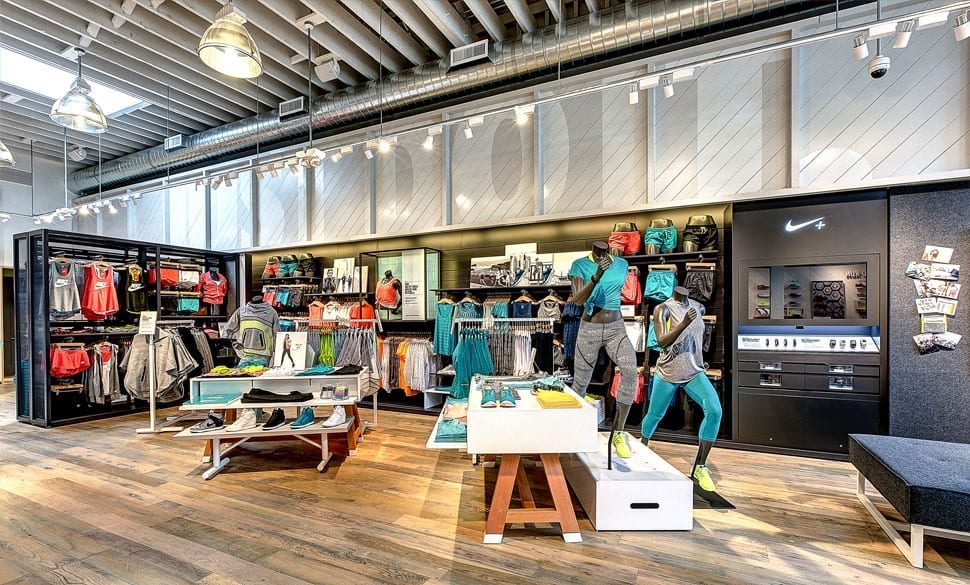
  • Nike arrives at number one in Brand Finance Top 50

    Nike arrives at number one in Brand Finance Top 50

    Despite losing popularity with American teenagers and a drop in brand value of 41 per cent, Nike is still way out in front in the Brand Finance Top 50 list of the most valuable apparel brands in the world.

    In the list, just been release by the independent brand valuation and strategy consultancy, Nike’s main competitor Adidas was fourth behind H&M and Zara with an increase in brand value of 41 per cent.

    In the realm of luxury brands, Hermes overtook Louis Vuitton, jumping two spots from 7th to 5th from last year. Luxury brands including Cartier, Gucci, Hermes and LV had strong growth in value as more consumers in emerging markets buy into the market.

    Japan’s Uniqlo was the only Asian brand in the top 10, with Hong Kong jeweller Chow Tai Fook and China’s Anta Sports taking up the 13th and 33rd spots respectively.

    These are the top 50 most-valuable apparel brands in the world this year:

      1. Nike (brand value, US$2.8 billion)
      2. H&M ($1.8 billion)
      3. Zara ($1.7 billion)
      4. Adidas ($1.4 billion)
      5. Hermes ($11.3 billion)
      6. Louis Vuitton ($10.4 billion)
      7. Cartier ($9.8 billion)
      8. Gucci ($8.5 billion)
      9. Uniqlo ($8 billion)
      10. Rolex ($6.3 billion)
      11. Coach ($6.1 billion); 12. Victoria’s Secret ($6.1 billion); 13. Chow Tai Fook ($5 billion); 14. Tiffany & Co ($4.6 billion); 15. Burberry ($4.5 billion);16. Christian Dior ($4 billion); 17. Polo Ralph Lauren ($4 billion); 18. Prada ($3.8 billion); 19. Under Armour ($3.7 billion); 20. Armani ($3.5 billion)
      12. Puma ($3.3 billion); 22. Ray-Ban ($3.2 billion); 23. Omega ($3.1 billion); 24. The North Face ($3.1 billion); 25. Pandora ($3 billion); 26. Michael Kors ($2.7 billion); 27. Tommy Hilfiger ($2.6 billion); 28. Anta ($2.6 billion); 29. Old Navy ($2.3 billion); 30. Bulgari ($2.2 billion)
      13. Bershka ($2.2 billion); 32. Calvin Klein ($2.2 billion); 33. Levi’s ($2.2 billion); 34. Primark/Penneys ($2.1 billion); 35. Moncler ($2 billion); 36. Boss ($2 billion) 37. Gap ($2 billion); 38. Ferragamo ($1.9 billion); 39. Saint Laurent ($1.8 billion); 40. Bottega Veneta ($1.8 billion)
      14. Valentino ($1.8 billion); 42. Skechers ($1.6 billion); 43. Swatch ($1.6 billion); 44. Tag Heuer ($1.5 billion); 45. Timberland ($1.4 billion); 46. Massimo Dutti ($1.3 billion); 47. Reebok ($1.3 billion); 48. Woolworths ($1.2 billion); 49. Stradivarius ($1.2 billion); 50. Pull and Bear ($1.2 billion).

  • Australian dollar falls

    Australian dollar falls

    The Australian dollar is slightly lower as the US dollar flattens out after suffering three consecutive days of falls.

    At 0635 AEST on Wednesday, the local currency was worth 76.84 US cents, down from 77.04 US cents on Tuesday.

    The major US stock indexes were up over one per cent, after falling down to levels where buying automatically kicks in, and copper prices hit a one-week high shrugging off worries about a trade dispute between China and the US.

    However the Australian dollar has come under some pressure from the US dollar, which is steadying after falling for three straight days.

  • Delivering your business ideas to China

    Delivering your business ideas to China

    In 2018, the estimated global spend for online shopping will reach almost $2.5 trillion.  That number may seem enormous but it’s actually proportionate to a growing global population which has an increased access to the internet and smartphones. Of the 1.4 billion people living in China, 52.2 per cent of the population have internet access and 83 per cent have smart phones.

    Australia Post recently released our latest e-commerce market update, where we revealed the opportunity value for cross-border trade with China is almost $500 billion USD. From health supplements to formulas, skincare and cosmetics, fashion and wine, there is a significant demand for Australian made products. These categories have seen demand from Chinese consumers skyrocket, because of their premium quality, natural ingredients, safe and strict manufacturing standards, and critically, the ecosystem they are delivered in.

    The success of that ecosystem comes from the major partnerships Australia Post has built with leading Chinese companies and government agencies like China Post, Alibaba and JD to support the growing strength of cross-border trade for Australian businesses.

    Our e-commerce journey with China started many years ago, when Australia Post formed a joint venture with China Post, Sai Cheng Logistics International. Sai Cheng has 13 bonded and non-bonded warehouses spread across China, and offers a range of domestic and cross-border supply chain solutions including third party logistics, warehousing, commercial freight and last mile delivery. Our online and physical footprint is also growing every day, where we deliver thousands of Australian-made products to China and other international markets each year, thanks to our committed team and strong support from our partners and customers.

    Whilst Australia products are trusted and reliable, the challenge for businesses lies in navigating through new markets. Understanding local consumer expectations, finding the right supply chain partners, delivery expectations and knowing the customs and cultural processes, as these often differ from the market in Australia.

  • McDonald’s Marks 30 Years Since Opening its Doors in Korea

    McDonald’s Marks 30 Years Since Opening its Doors in Korea

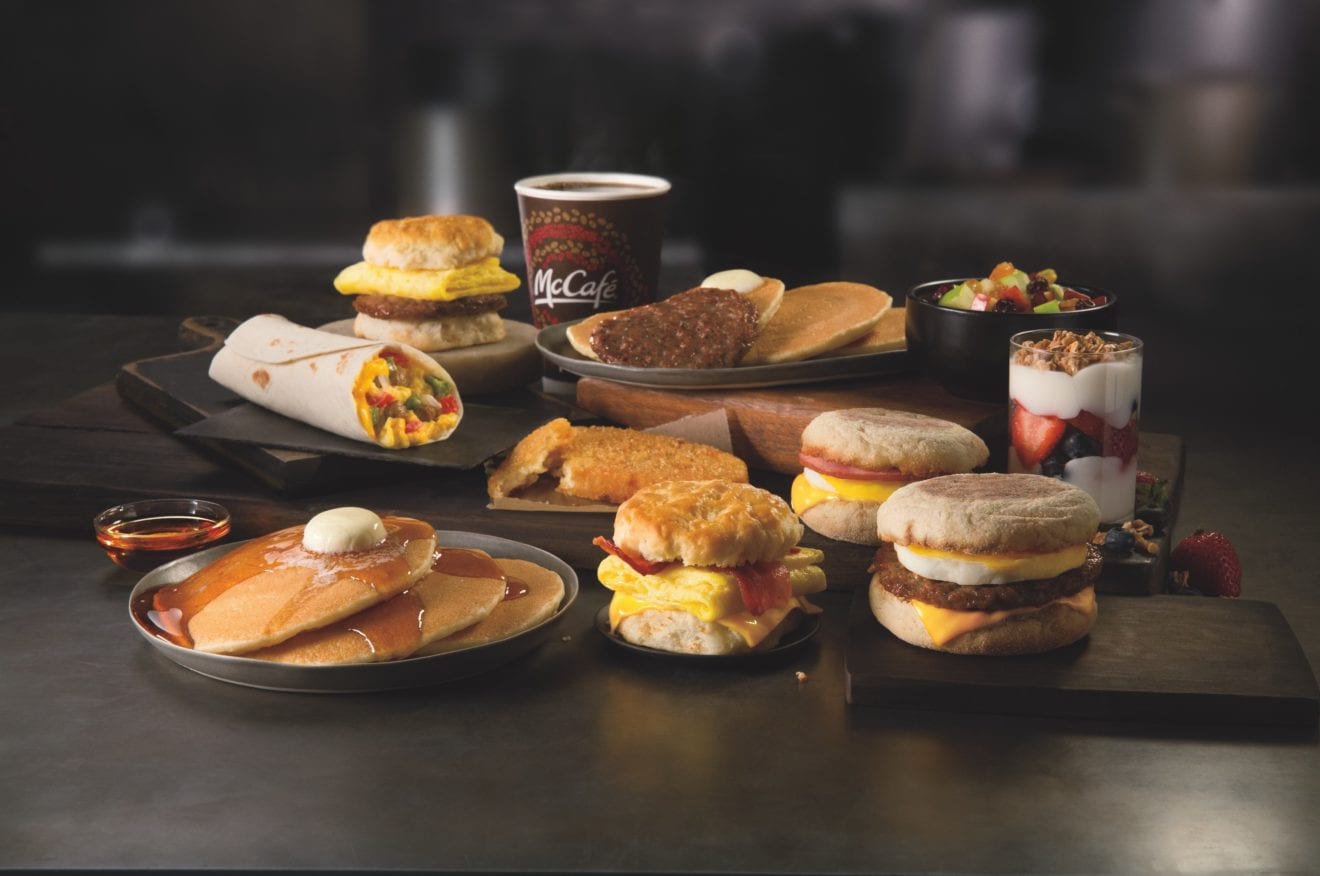
    n March 29, 1988, the McDonald’s franchise opened its first location in South Korea in Apgujeong-dong in the southern part of Seoul.

    The country was already awash in Olympic fever with the summer games set to open later that year in September as hundreds lined up for their first taste of McDonald’s on the peninsula.

    Since that time, over 1.9 billion people have walked through McDonald’s doors in Korea – or about five people each second.

    Over the course of its three decades in the country, the global fast-food giant has introduced several items tailored to local tastes such as the “Bulgogi Burger” and the “1955 Burger”.

    In another nod to local tastes, Korea is also one of the few countries that doesn’t sell the Filet o’ Fish – which was replaced several years back with a shrimp burger. A move which prompted one person to form a Facebook group calling for its return.

    Knowing Korean’s love for spicy cuisine, the company also launched the “McSpicy Shanghai” chicken burger.

    It is interesting to note that McDonald’s branded their spicy Korean offering “Shanghai” – likely a wise move to maintain that international food feel of the franchise despite it being an adaption to local tastes.

    Last year in Singapore, McDonald’s rolled out the “Seoul Spicy Chicken Burger” and “Seoul Spicy Beef” burger, along with the “Kimchi Shaker Fries.” None of which are available in the Korean market.

    Riding the popularity of K-pop and Korean dramas in Southeast Asia, Singapore Mickey D’s even rolled out a mock Korean drama ad campaign with a love triangle featuring the Seoul Spicy in the middle of it all.

    Brand troubles in Korea

    While McDonald’s remains a very strong brand in the South Korean market, there are signs of it slowing down. The company currently has 448 stores across the country, but the pace of growth has slowed in recent years, increasing by 13 stores in the past two years.

  • Hong Kong retail rents set for ‘early lift’

    Hong Kong retail rents set for ‘early lift’

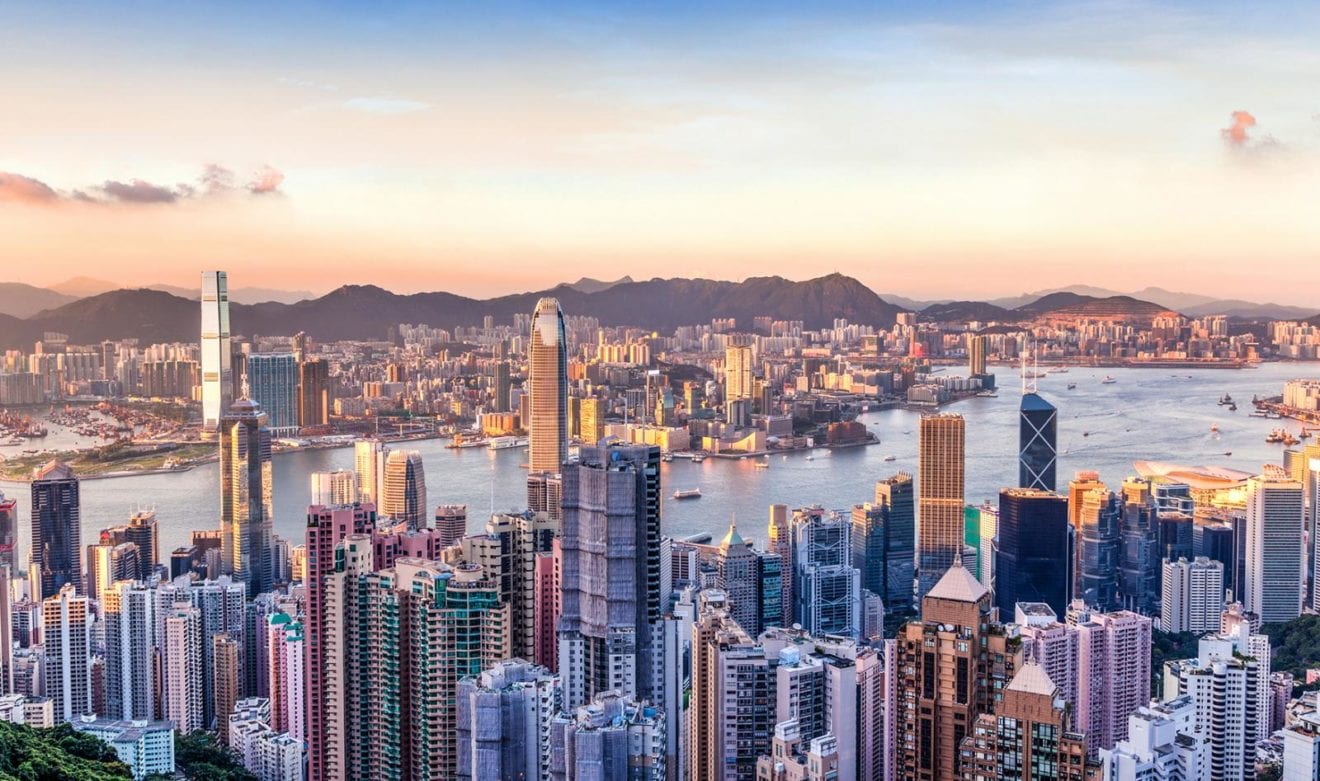
    Hong Kong retail rents are expected to move into an “early upswing cycle” this year according to a regional real estate market briefing prepared by Savills.

    The report details commercial and residential property leasing trends across major Asian markets and as the accompanying tables show, compares occupancy costs of space as well.

    It groups major cities by upswing and downswing, late and early, showing that Hong Kong is at the end of its downswing in retail rental rates. Cities currently in early upswing are Manila, Guangzhou, Jakarta and Singapore. Hong Kong is grouped with Taipei, Hanoi, Ho Chi Minh City and Seoul, suggesting all those markets are about to turn.

    Savills says regional prime retail rents moved by between a decline of 1.8 per cent in Beijing and an increase of 5.9 per cent in Guangzhou last year.

    “Strong local retail consumption growth of 9.5 per cent year on year in the second half of the year following 10.5 per cent in the first half of the year supported the Guangzhou leasing market, while prime shopping malls began to re-position and upgrade, focusing more on entertainment and food & beverage,” said Savills in a brief commentary.

    “Again, Hong Kong’s prime shopping mall rents are considerably ahead of all other Asia-Pacific markets and are expected to move into an ‘early upswing’ cycle this year.”

    Savills says economic growth across Asia-Pacific continued to picked-up moderately in the second half of last year and the International Monetary Fund estimates that the “Emerging and Developing Asia” economies grew by 6.5 per cent over the year as a whole while China grew by 6.8 per cent and Japan’s economy grew by 1.8 per cent last year, from 0.9 per cent in 2016.

    “The improving global economic outlook and an accommodative monetary policy created momentum for business expansion,” said Savills.

  • Chatime to open first Singapore store this year

    Chatime to open first Singapore store this year

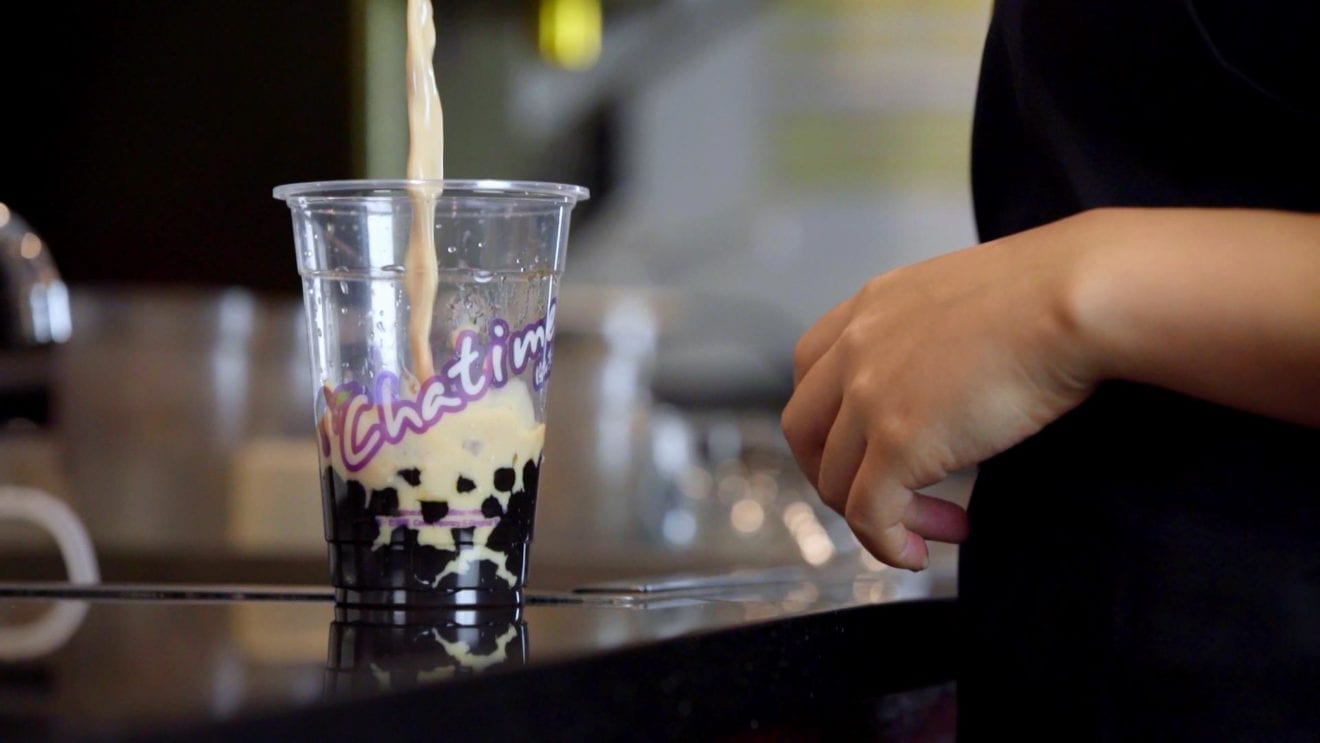
    Malaysia’s Will Group is planning to open first Chatime Singapore outlet this year.

    The first two stores will be opened inside shopping malls, with a third scheduled for Jewel Changi Airport next year.

    The group is also negotiating to take over the Singapore master franchise for the tea brand from current franchisor La Kaffa International.

    Chatime also plans to expand into the Middle East, with outlets in Mecca and Medina this year, under a sub-franchise arrangement.

    Chatime Malaysia has obtained the halal food certification for its menu, paving its way for business expansion.

    Will Group has set a RM100 million (S$33.6 million) budget to open 150 outlets in Malaysia and internationally.

    Will Group became master franchisee for Chatime in Malaysia following a dispute between La Kaffa and ex-master franchisee Loob Holding.

  • Massive Muji fresh store opens in Osaka

    Massive Muji fresh store opens in Osaka

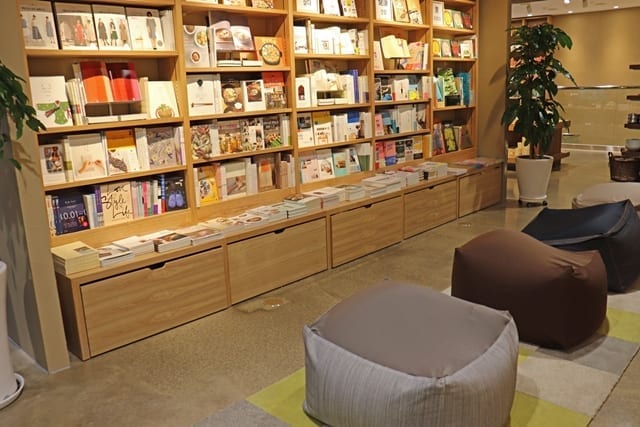
    Japanese anti-brand retailer Muji has opened a massive 4300sqm store in Osaka featuring its first dedicated fresh department.

    While the company has offered dried foods, snacks and other foods since it was founded in 1980, and even shelf-stable vegetables in some stores, this is the first time it has ventured into chilled, fresh meat and produce.

    The Muji fresh store is the brand’s largest globally and five times the typical Japanese footprint. About 50 per cent of it is dedicated to food and it also features a Cafe & Meal Muji eating place.

    Kei Suzuki, director and executive officer of Muji parent Ryohin Keikaku, told Inside Retail Asia that once refined the company will look to roll out the concept in other markets.

    “At first we have to see what is going to happen in Japan, but I believe the Muji customer … is keen to have a good fresh product,” said Suzuki, who was one of the leading speakers at yesterday’s MarketingPulse conference, organised by the Hong Kong Trade Development Council.

    Suzuki said Muji customers are in tune with freshness, sustainability, supporting local farmers and suppliers – and they want quality. He is confident the Osaka concept store will win over customers.

    “Once we see that we are successful then … I also want to try it here in the future. But it has not been decided yet.”

    Photos released by Muji show fresh meats, fish, vegetables and perishable goods on display in a bright, airy retail space. Minimalist design and displays made from natural materials are in keeping with the company’s market positioning.

    Meanwhile, in Japan, Ryohin Keikaku chairman Masaaki Kanai told local media Muji was committed to expanding its selection of local food products.

    “We want to become a part of the community.”

    One of the reported rationales behind Muji fresh is to entice customers to visit more often. Food is a more frequent purchase than stationery or household items, for example.

  • Starbucks Hong Kong adds alcohol to IFC Mall menu

    Starbucks Hong Kong adds alcohol to IFC Mall menu

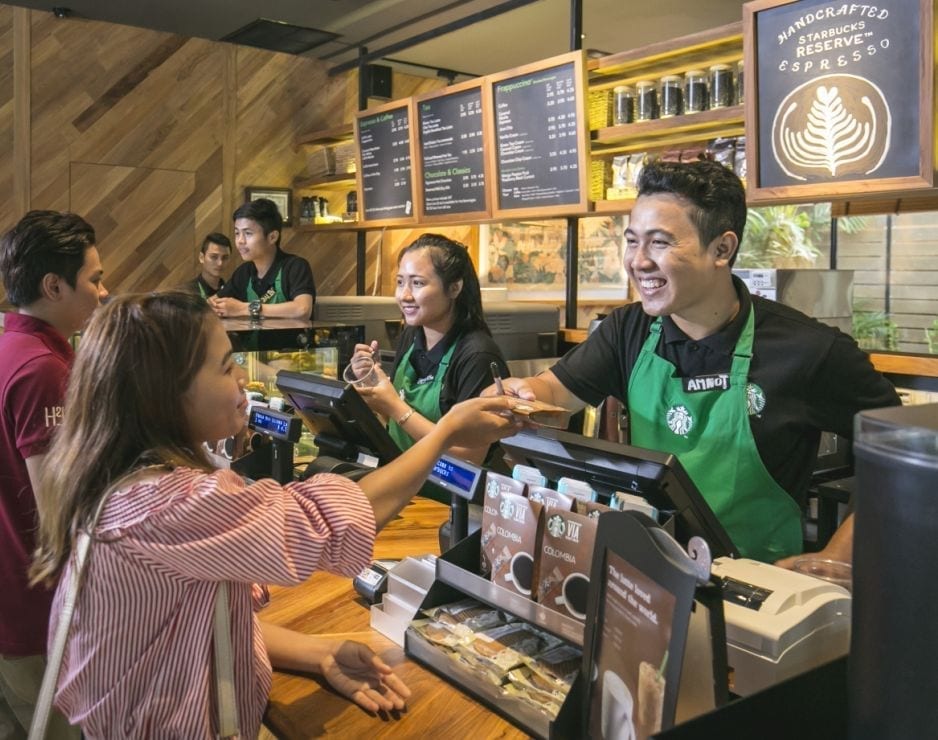
    Starbucks Hong Kong has opened its first cafe serving alcohol – including coffee-infused craft beers, exclusive to the city.

    Starbucks’ local licensee, the Dairy Farm International subsidiary Coffee Concepts, says the move is part of its strategy of elevating the chain’s ‘Third Place’ experience for its customers through continuous innovation in its coffee offer and in-store experience.

    After a month-long refit, the store on the level 2 podium of IFC Mall in Central was formally unveiled to media last evening. It has been upgraded into the Starbucks Reserve format in a bid to attract customers after work as well as during the day.

    And besides gourmet coffee blends, a Starbucks Reserve range of merchandise and beer, the cafe offers a selection of wines and light meal menu featuring dips, cured-meat-and-cheese board, bacon-wrapped asparagus skewers and baked meatballs.

    Craft beer partnership

    Starbucks Hong Kong has released two coffee-infused craft beers created in partnership with a local brewery. A company spokesperson says the two beers are infused with “signature notes of Starbucks coffee, leaving a refreshing taste on the tongue”.

    “The Caramel Macchiato Cream Ale is inspired by the signature Starbucks Caramel Macchiato. Cream ale is harmoniously brewed with pre-ground Starbucks Colombian coffee and delectable caramel for more than 18 hours, resulting in an irresistibly smooth taste with nutty notes and a subtle caramel sweetness, as well as a brilliant golden colour.

    “The Mocha Brown Ale marries a robust brown ale with the indulgent chocolate and soft spice notes of Starbucks Caffe Mocha. Brewed with Starbucks Guatemala Antigua cold-brewed coffee and cocoa nibs, the intense brown ale will surprise customers with its distinctive contrast of dark-brown hue and luscious sweetness.”

    Starbucks Hong Kong is also launching three bottled beers including Hiiro Seed Guava Love, a fruity beer with a tropical pink guava aroma, brewed locally by Hitachino Nest Beer.


    The Starbucks Reserve wine list features four red wines (pinot noir, merlot, cabernet sauvignon and shiraz), three white wines (sauvignon blanc, chardonnay and riesling) and an Italian prosecco.

    Starbucks says that extending the ‘Third Place’ experience (in which home and workplace are the first and second places) the Starbucks Reserve Coffee Experience Bar provides “the widest in-store offerings for customers as they connect with colleagues and friends over their beverages of choice”.

  • Alibaba buys Ele for US$9.5 billion

    Alibaba buys Ele for US$9.5 billion

    Alibaba has bought the Chinese food delivery business Ele.me for US$9.5 billion.

    The new deal will enable Alibaba to take over its daily operations and network of delivery drivers. Ele.me is China’s largest online delivery and services platforms.

    Alibaba, which already held a 43 per cent stake in the delivery business, hopes the move will bolster its offline retail infrastructure, furthering founder Jack Ma’s New Retail ambitions.

    Alibaba Group CEO Daniel Zhang said the move into online food delivery will create more value for China’s 1.3 billion consumers.

    “Ele.me can leverage Alibaba’s infrastructure in commerce and find new synergies with Alibaba’s diverse businesses to add further momentum to the New Retail initiative,” Zhang said.

    Alibaba said in a statement it flagged an expansion of Eli.Me’s product horizons beyond its traditional food-focused base, with possible synergies with Alibaba’s existing local services platform Koubei. It also said it will give Eli.me access to its extensive product offering under the New Retail strategy.

    “This acquisition shows that we have built Ele.me into one of China’s most valuable internet businesses. Our customers, merchants and partners will benefit from our further integration into the Alibaba family. We share the same strategic vision that New Retail has a bright future and being part of Alibaba’s ecosystem will take Ele.me’s growth to a new level,” Ele.Me founder Zhang Xuhao said.

    The food delivery Ele.me founder will take the position as chairman of the business post-acquisition and will also be appointed as a special adviser to Alibaba’s CEO on its New Retail strategy. Alibaba vice president Wang Lei, a company veteran of 15 years, will become the CEO of Ele.me.

  • Walmart China introduces compact format

    Walmart China introduces compact format

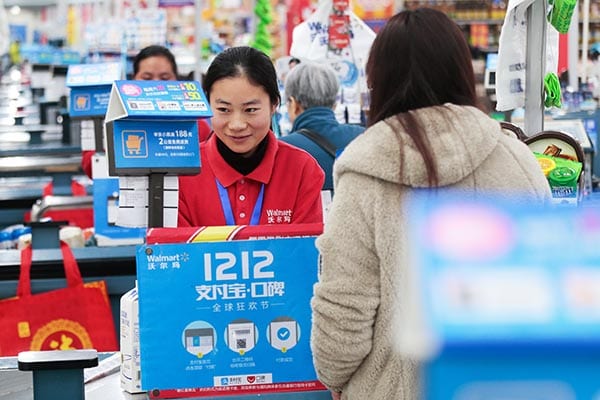
    Walmart China has deepened its omni-channel retail model with the opening of its first small-format Walmart Supermarket.

    In Shenzhen’s Bao’an district, the store delivers an integrated online/offline experience, with an emphasis on fresh foods, fast delivery and convenience.

    “Retail and lifestyle are closely linked,” says Walmart China hypermarket senior VP/COO Elliot Dickson.

    “Walmart is proud to have been a part of the evolution of shopping in China since we opened the first Walmart Hypermarket here in Shenzhen in 1996. We are introducing our Walmart Supermarket to give customers an upgraded omni-channel experience rooted in their own community.”

    The 1200sqm store stocks more than 8000 items, with a localised assortment strategy that includes fresh products, prepared meals, dairy products, beverages and household supplies. The layout also seeks to enhance shopper convenience with chilled vegetables, fresh fruit and frozen foods given prominence, alongside pre-prepared dishes such as fish with preserved vegetables and stir-fried clams.

    Ninety per cent of the supermarket’s inventory, including fresh, frozen, deli and bakery goods, are also available on the Walmart Supermarket at JD.com. The store has a high-tech stocking system so associates can precisely find products on the shelf and fulfil orders by the fastest product-picking route. This enables the store to provide delivery as fast as 29 minutes to homes within 2km of the store.

    Walmart Supermarket’s soft opening day set a record for stores on the JD.com platform, with more than 1000 online orders. The fastest delivery on opening day was less than 10 minutes from online order to the customer’s door.

    Using the scale and merchandising resources of more than 400 Walmart stores across China, the store introduces electronic price tags to help keep prices up to date.

    Services for customers include online options to buy e-gift cards, schedule home-appliance maintenance, arrange flower deliveries, and make travel reservations. In-store services ranging from laundry to key cutting, shoe repair and Shenzhen Tong card top-ups.

    Customers can use a WeChat mini-program to scan barcodes as they shop, and pay via their mobile device and verify payment in store to bypass the checkout counter. In a two-month pilot, more than one in five customers chose to pay through Scan & Go, with about 95 per cent of them planning to use the new way of payment again to save time. Overall, more than half of Walmart Supermarket customers chose online ordering, Scan & Go or self-checkout during the pilot period. There are nine checkouts: three Scan & Go payment-verification stations, three self-service checkouts, and three traditional checkouts with cashiers. The store provides high-speed Wi-Fi.

  • Natuzzi Trading subsidiary to become Joint Venture

    Natuzzi Trading subsidiary to become Joint Venture

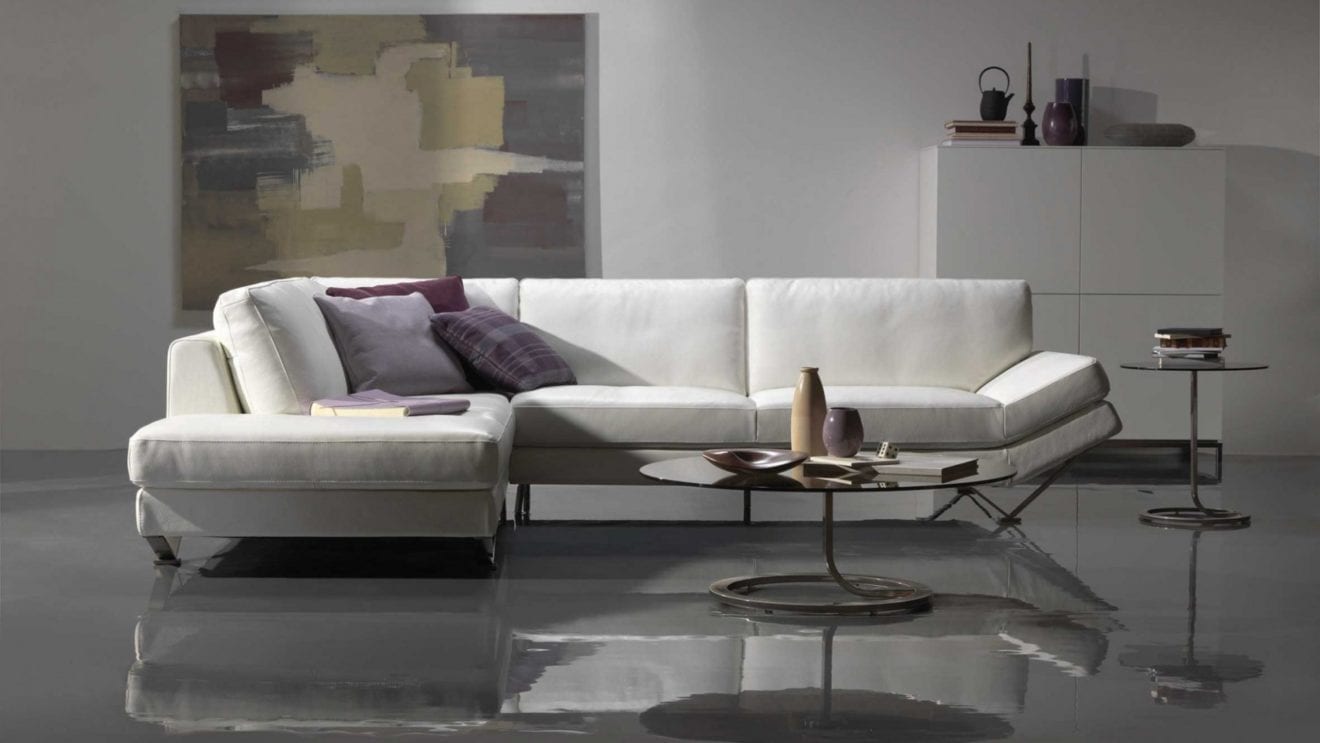
    Italian furniture brand Natuzzi and China’s Kuka furniture company have agreed to make the company’s wholly owned Chinese subsidiary Natuzzi Trading (Shanghai) a joint venture.

    The JV agreement is aimed at expanding the company’s retail network in Mainland China, Hong Kong and Macau. The company, the JV and Kuka have also entered into an agreement for the sale and purchase and subscription of shares In Natuzzi Trading (Shanghai).

    The agreements follow the execution of a preliminary agreement last month. Under the agreements, Natuzzi and Kuka will own, respectively, a 49 and a 51 per cent stake in the JV, which will distribute Natuzzi Italia and Natuzzi Editions branded products through a network of single-brand directly run stores and franchised stores in China, Hong Kong and Macau, as well as through online stores.

    Kuka will invest a total of €65 million (US$80 million), of which €35 million will be contributed to the JV for the subscription of a capital increase of US$567,869, and €30 million will be paid to the company as consideration for the transfer of US$486,744 of registered capital interest from the company to Kuka.

    The JV will be granted the perpetual and exclusive distribution licence for the Natuzzi Italia, Natuzzi Editions and other relevant trademarks for a consideration of €15 million.

    The transaction is subject to applicable authorisations, regulatory filings and approvals. Assuming these conditions are met, it is expected the closing will occur by August 22.

  • Lingerie e-tailer Adore Me expands offline

    Lingerie e-tailer Adore Me expands offline

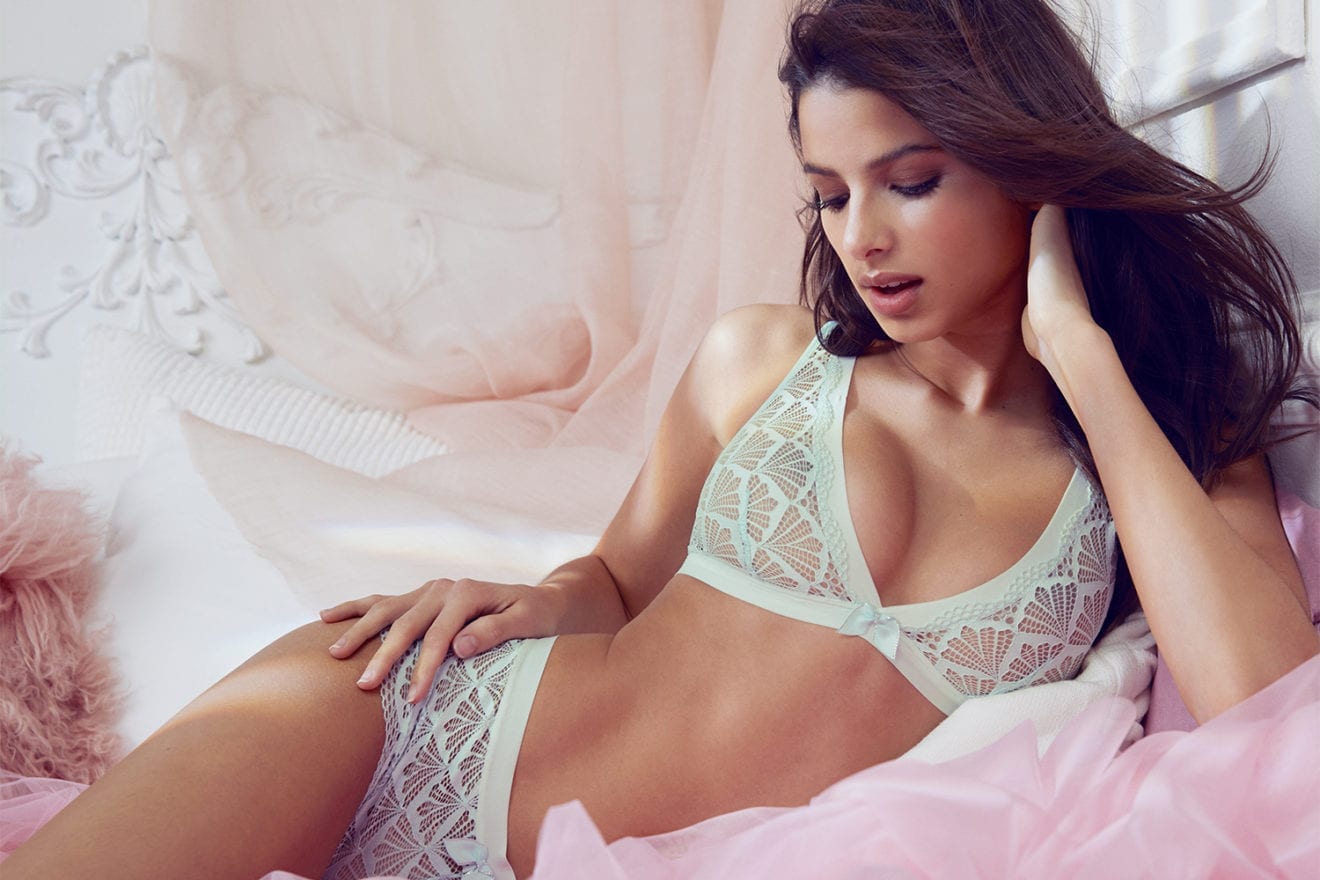
    Lingerie e-tailer Adore Me says it plans to open between 200 and 300 stores during the next five years. The company will make its brick-and-mortar debut in New York City within the next few months, followed by up to 10 locations this calendar year and another 20 next year to gauge foot traffic in different locations.

    The offline expansion will accelerate in subsequent years.

    Adore Me founder and CEO Morgan Hermand-Waiche told The Wall Street Journal that online retailers need a physical store presence in order to compete with mainstream retailers.

    “Victoria’s Secret is the big guy in the room. Even if we are successful for a digitally native brand, we will remain small compared to Victoria’s Secret.”

    Adore Me is considering new formats for its stores, including bars where shoppers can relax with friends and showrooms allowing customers to try clothes on and have purchases shipped to their homes.

  • Louis Vuitton hires Virgil Abloh as artistic director

    Louis Vuitton hires Virgil Abloh as artistic director

    Louis Vuitton has taken on Virgil Abloh as its men’s artistic director, with his first show scheduled for Men’s Fashion Week in Paris in June.

    “Having followed with great interest Virgil’s ascent since he worked with me at Fendi in 2006, I am thrilled to see how his innate creativity and disruptive approach have made him so relevant, not just in the world of fashion but in popular culture today,” says Louis Vuitton chairman/CEO Michael Burke. “His sensibility toward luxury and savoir-faire will be instrumental in taking Louis Vuitton’s menswear into the future.”

    Abloh says the heritage and creative integrity of the house are key inspirations “and I will look to reference them both while drawing parallels to modern times”.

    Born in Rockford, Illinois, in 1980, Abloh is an artist, architect, engineer, creative director and designer.

    After earning a degree in Civil Engineering from the University of Wisconsin Madison, he completed a Master’s Degree in Architecture at the Illinois Institute of Technology. It was there he learned not only about modernist design principles but also about the concept of multi-disciplinary working.

    Born in Rockford, Illinois, in 1980, Abloh is an artist, architect, engineer, creative director, and designer.

    After earning a degree in Civil Engineering from the University of Wisconsin Madison, he completed a Master’s Degree in Architecture at the Illinois Institute of Technology. It was there he learned not only about modernist design principles but also about the concept of multi-disciplinary working.

    Virgil Abloh’s brand Off-White c/o Virgil Abloh launched in 2012 as an artwork titled Pyrex Vision. In 2013, the brand premiered a seasonal men’s and women’s fashion label, and has shown runway collections during Paris Fashion Week since 2015.

    Abloh has also presented his work at major design institutions such as Harvard Graduate School of Design and Columbia Graduate School of Architecture, Planning and Preservation. Next year he will have a major exhibition at the Museum of Contemporary Art of Chicago, Illinois.

    Virgil Abloh for Off-White c/o Virgil Abloh was among finalists of the LVMH Prize in 2015, and his other accolades include the British Fashion Awards Urban Luxe Award and International Designer of the Year at the GQ Men of the Year Awards last year.

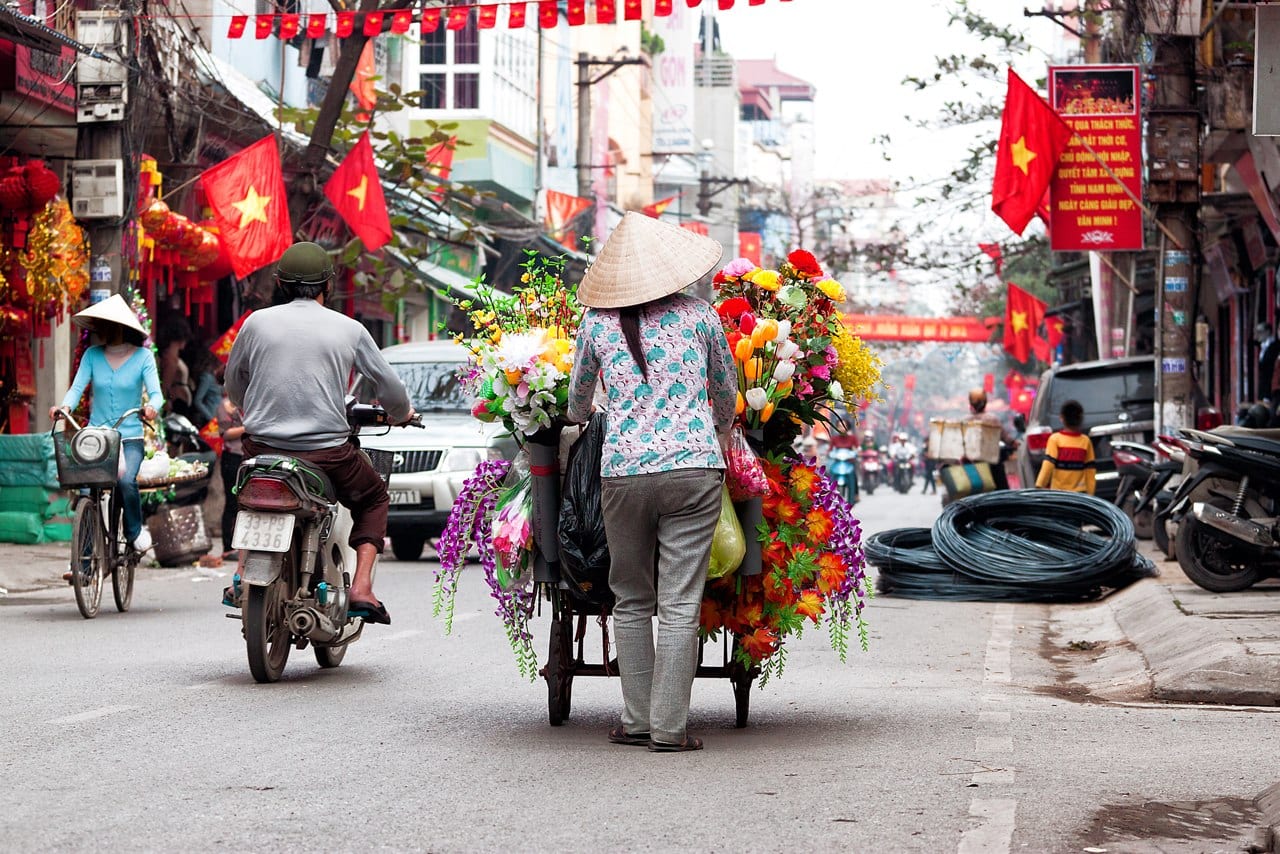
  • Hanoi retail development spreading beyond CBD, says CBRE

    Hanoi retail development spreading beyond CBD, says CBRE

    Hanoi’s retail supply is growing outside the CBD area, reports real-estate company CBRE.

    With a total of 157,000sqm of retail coming from eight projects under development in fast-growing residential areas with good connecting infrastructure, CBRE says the suburban growth is expected to be attractive to both retailers and consumers.

    Malls inside residential complexes will continue to thrive, thanks to a high level of supply in the condominium market. Eight out of 12 future projects up to 2020 are retail podiums. “This format has certain advantages such as potential customers on site and increased traffic because of the residential component, providing extra services and amenities, and improving the image for the whole project,” says the CBRE report.

    The company predicts an emerging CBD will soon form in the western area of Hanoi. As the largest retail cluster outside the CBD with 41 per cent of total supply, the Cau Giay, Tu Liem and Thanh Xuan district will maintain its position in the next few years with 83,300sqm of supply in the pipeline.

    In the next three years, Aeon Mall Ha Dong, FLC and Vincom shopping centres will supply space to the east, while the north will have a new project from Lotte.

    The CBRE report also shows that only 7 per cent of total retail supply in Hanoi is in the CBD, and there has been nothing new since 2013. As a result, retailers have been finding alternatives in shop houses and old buildings around Hoan Kiem Lake (such as the first McDonald’s Hanoi), creating demand for more space.

    The CBD’s retail rent is predicted to rise in the coming years.

  • Longchamp Philippines expands with fourth store

    Longchamp Philippines expands with fourth store

    French handbag brand Longchamp Philippines has opened its fourth boutique, in Rustan’s Makati.

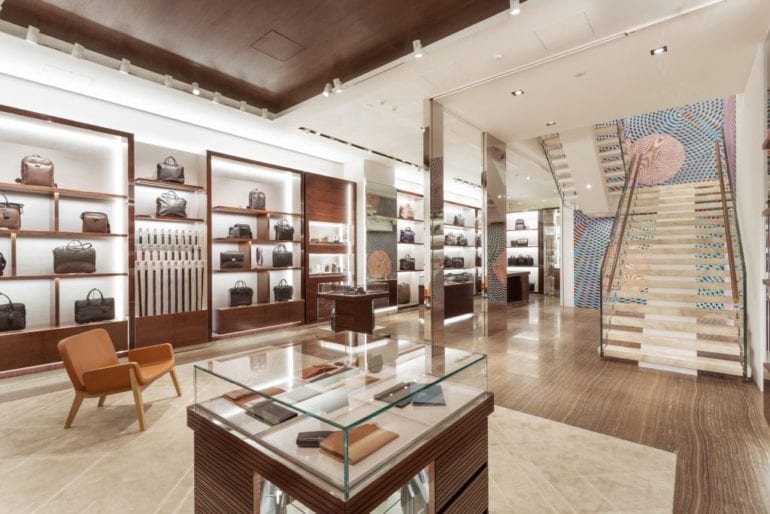
    Inspired by the brand’s Paris flagship along rue Saint-Honore, the new 65sqm store is  decorated with modern interiors – lots of wood, leather and fabric, and rich textures in order  to highlight the collections.

    “We are honored to welcome Longchamp into a bigger and better space at Rustan’s Makati. As a brand beloved not only by the Filipino shoppers but by the entire global community, Longchamp further brings prestige and is truly a great part of the Rustan’s portfolio of distinguished retail partners,” said Rustan’s president Donnie Tantoco.

    The store is highlighted by Longchamp’s Spring/Summer collection featuring African-inspired patterns, prints and colors, as well as the signature Mademoiselle handbag, the classic Le Pliage tote, and other leather goods.