Author: Mei Ling Tan

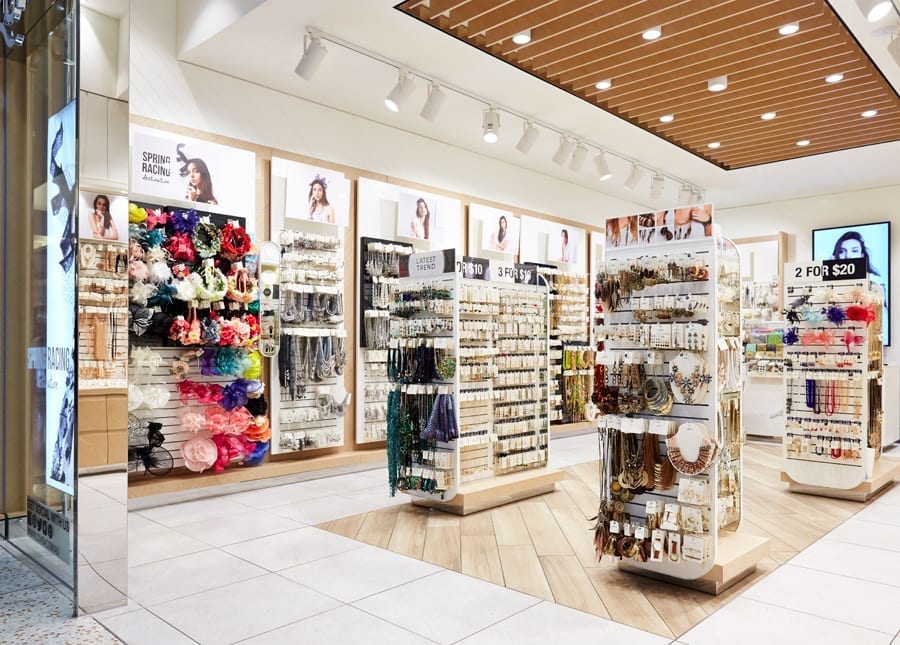
  • Lovisa shares tank as CEO exits the brand

    Lovisa shares tank as CEO exits the brand

    Lovisa has lost its second senior executive in just over six months, announcing on Tuesday evening that chief executive Steve Doyle has resigned to pursue other interests, effective 20 April.

    Shares in Lovisa fell 8 per cent in early Wednesday trading to $9.20 as the news set in.

    Doyle’s departure comes after the resignation of former chief financial officer Graeme Fallet last September after just one and a half years with the business.

    The accessories retailer broke the news to the market alongside a trading update, which shows that the business has booked year to date comparable store sales of 7.6 per cent to the end of the third quarter and a 20.3 per cent increase in top line revenue.

    Lovisa booked a 7.4 per cent increase in comparable store sales for the first half of FY18 and top line sales growth of 18.8 per cent compared to the prior corresponding period.

    At the time Doyle said Lovisa had experienced a “pleasing start to the year”.

    “It’s pleasing that the business has been able to maintain the solid start to the year as we continue our global rollout, helping to deliver both sales growth and gross margin expansion,” Doyle said in January.

    No information was provided on whether a search for a new CEO had been completed or begun, but founder and managing director Shane Fallscheer will continue to lead the company.

    “On behalf of the board, I thank Steve for his tireless work and commitment during the past two and a half years in driving the continued success of the business, including playing a key role in its international expansion to date,” Fallscheer said in a statement.

    “Steve has been a great asset to the company and leaves the business in excellent shape.”

    Doyle had been at the helm of Lovisa since October 2016 after joining to oversee the company’s increasingly international ambitions.

    Lovisa also said on Tuesday that it had opened 5 new stores during the half and closed 4 – with 320 stores now trading.

  • H&M to launch new marketplace Afound

    H&M to launch new marketplace Afound

    Swedish fashion retailer H&M will launch an off-price marketplace later this year featuring discounted fashion and lifestyle brands, both external and those from the H&M group.

    Afound, which will be introduced as a new brand, will be launched both online and with physical stores, starting in Sweden in 2018.

    H&M’s ANZ communications manager Elizabeth Cave said there are still no details on whether the retailer will open an Afound store in Australia.

    The company’s first store will open in Drottninggatan, Stockholm in parallel with the launch of the digital marketplace in Sweden.

    H&M has not specified which brands, or how many, will be featured on Afound, but Cave said the retailer will reveal more details closer to the launch date which would probably include a list of all participating brands.

    Cave said Afound will be a “style- and deal-hunting paradise”, a marketplace selling discounted fashion and lifestyle products, with both external and the H&M group’s own brands, offering a wide range of well-known, popular brands for both women and men.

    “Afound will present a carefully selected, season-less range from Swedish and international brands in a variety of price segments both online and in physical stores,” she said.

    Fredrik Svartling, managing director of Afound, said in a statement that there’s big potential for Afound and that the business is looking forward to introducing the marketplace.

    “Afound cares about both the value of the products and the mix,” Svartling said. “And by offering personal style inspiration, quality labels, and the sense that you’re getting a really good deal, Afound will offer a new form of off-price experience.”

    According to H&M Group CEO Karl-Johan Persson in an earlier statement, H&M is branching out into new concepts, like Afound, in order to keep up with the fashion industry’s ever-changing pace and to increase its market share.

    “We constantly work on new ideas and innovations that will drive us forward – and there are many in our pipeline for 2018 and the years to come,” Persson said.

  • Flight Centre recently slapped with $12.5 million fine

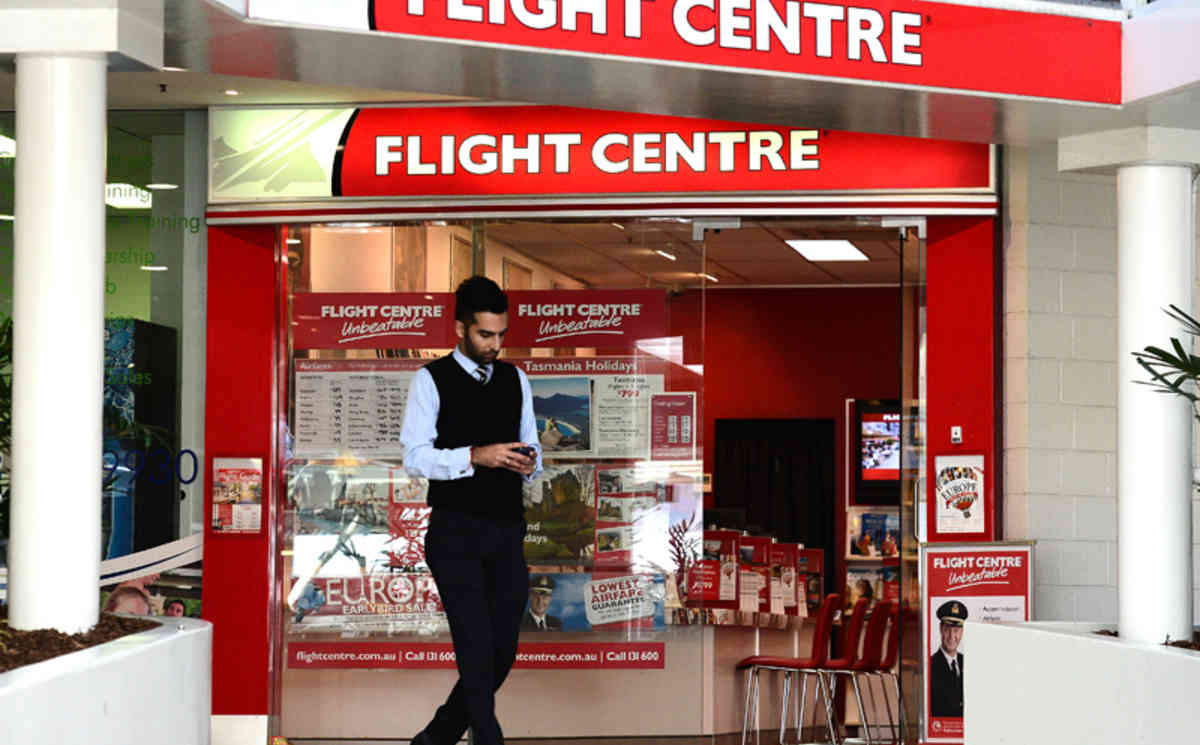
    Flight Centre recently slapped with $12.5 million fine

    Flight Centre has been slapped with a $12.5 million dollar fine for attempting to fix pricing with international airlines between 2005 and 2009.

    The Full Federal Court of Australia handed down the penalty on Wednesday morning, following a successful high court appeal by the ACCC against an earlier court decision in 2016.

    The decision is the latest turning point in a six-year between the competition watchdog and Flight Centre, which has the travel agent lose an initial court case before winning an appeal and then subsequently losing another ACCC appeal to the High Court.

    The ACCC alleged that Flight Centre sought to enter into price fixing arrangements with three airlines where they would agree not to offer airfares on their own website that were cheaper than those offered by Flight Centre.

    Flight Centre is now considering whether there are legal grounds to seek leave for another appeal against today’s judgement.

    “This was a complex test case as evidenced by the contrasting judgements during the past six years,” Flight Centre managing director Graham Turner said in an ASX release on Wednesday.

    “Flight Centre at all relevant times believed that it was acting lawfully and that its conduct did not contravene the Trade Practices Act, given that its interactions took place within the context of commercial negotiations as to agency arrangements with its principals.”

    Flight Centre said the fine would not impact its FY18 market guidance of an underlying profit before tax of between $360 million and $385 million.

    Flight Centre was initially fined $11 million but after it won its initial appeal a refund was issued.

    Today’s $12.5 million fine was higher than the original penalty, which ACCC chairman Rod Sims said reflected the size of Flight Centre.

    “The ACCC appealed from the initial $11m penalty orders because it considered that this level of penalty was inadequate to achieve a strong deterrence message for Flight Centre and other businesses,” Rod Sims said in a statement on Wednesday.

    “We will continue to argue for stronger penalties which we consider better reflect the size of the company, as well as the economic impact and seriousness of the conduct. Significant, large penalties act also as a general deterrent to other businesses that may be considering such conduct themselves.”

  • AEON together with Robinson make this summer cool ! The “Robinson Summer Holiday” campaign

    AEON together with Robinson make this summer cool ! The “Robinson Summer Holiday” campaign

    Mr. Praphan Rangsiyopas (2nd from left), Executive Vice President of AEON Thana Sinsap (Thailand) Public Co., Ltd. together with Mr. Anawat Sangkhasap (Left), Senior Vice President – Customer Strategy, Robinson Public Co., Ltd. welcome summer by launched a special promotion campaign “ROBINSON SUMMER HOLIDAY”. Exclusive for AEON credit cardholders, get up to 8,000 Baht cash back when spend through AEON credit cards at Robinson department store, and get 10 exclusive chances to win 1 Baht gold necklace 45 prizes, with a total value of 1 million Baht. The campaign start from now on until 23rd May, 2018 at 46 Robinson department store locations across the country.

  • Fatburger and Buffalo’s Express restaurants starting in Singapore

    Fatburger and Buffalo’s Express restaurants starting in Singapore

    Co-branded Fatburger and Buffalo’s Express restaurants will be rolled out across Singapore over the next three years, the first by this Christmas.

    Fat Brands, the US parent of the two quick-service restaurant brands, has signed a franchise deal with Deelish Brands to develop the chain, but has not yet revealed how many stores will be opened. Changi Airport’s Jewel shopping centre is highly likely to be among the first few destinations.

    “Entering the Singapore market has been a goal of ours for a very long time,” said Andy Wiederhorn, CEO of Fat Brands. “We had to be deliberate in our strategy to join this colourful and rapidly-growing nation and have finally found the perfect partner in Deelish Brands.

    “The beauty of Fatburger and Buffalo’s Express restaurants is they bring approachable American fare that everyone can enjoy, together – and we’re excited to bring this to Singapore.”

    Wiederhorn says the Singapore launch of Fatburger and Buffalo’s Express restaurants will build on his company’s previous success in Asia.

    The two brands will offer a menu including boneless wings, made-to-order burgers, milkshakes and fries. The stores offer what he describes as an “authentic Americana ambiance” through customer service and engaging decor.

    Fatburger is a 70-year old fast-casual restaurant serving large, juicy, burgers, custom-made to order.

    Buffalo’s Express, founded in 2012 in Los Angeles, is a fast-casual chain known for its chicken wings, wing sauces, fries, sides, wraps, salads and desserts.

  • Zalora unveils more different Lubna and Zalia styles

    Zalora unveils more different Lubna and Zalia styles

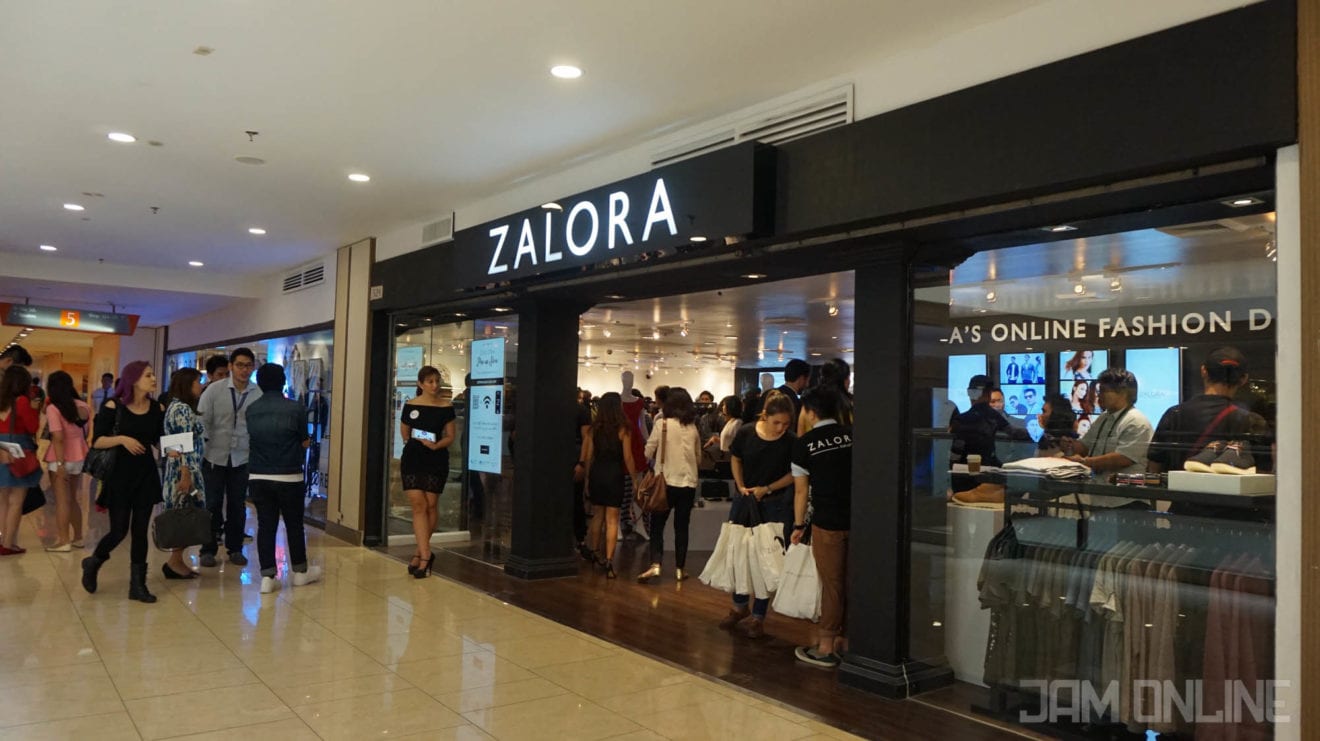
    Online fashion retailer Zalora has unveiled extended collections from its Muslim modest-wear labels Lubna and Zalia.

    Zalora says its exclusive Hari Raya collections comprise elegant and versatile pieces to suit all seasons and occasions.

    Its Zalia festive collection features 219 styles for women and 69 styles for men featuring intricate designs and inspired by the idea of an ethereal romance.

    A new style addition to the mix, the traditional Baju Kurung and Kebaya, is reminiscent of the ongoing kimono fusion trend, says Zalora. Highlights include embroidery and gem detailing in new jacquard fabrics. Shoppers can expect capsule sets suitable for couples and families.

    Meanwhile, Lubna has crafted a capsule for its third festive collection, a 303-piece women’s and 50-piece men’s collection that marries romantic styling with trending texture play.

    Both collections are available now on Zalora in Indonesia, Malaysia and Singapore.

  • Massive loss for Indonesia’s Matahari Putra Prima Mall Group

    Massive loss for Indonesia’s Matahari Putra Prima Mall Group

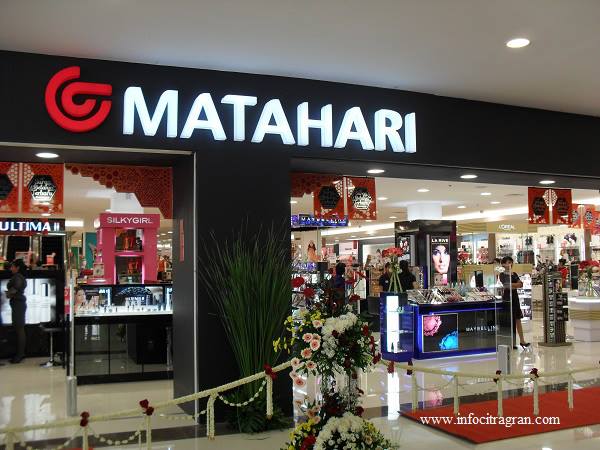
    Indonesian hypermarket chain Matahari Putra Prima was apparently so ashamed of its financial performance last year it issued a press release about its results without a single financial detail included.

    A little sleuthing online reveals the struggling giant – whose interests also include fashion stores – reported a loss of 1.24 trillion rupiah last year (US$86.8 million), compared to a net profit of 38.48 billion rupiah last year ($2.7 million).

    In its media statement, MPP described last year as a “challenging yet successful” period of consolidation for the company, amidst what continues to be a challenging macroeconomic and competitive landscape.

    “This consolidation and cost restructuring is a part of the company’s efforts to transform its business and will position itself strongly for the year to come. The macroeconomic condition in 2017 continued to be challenging, especially for the retail sector.”

    MPPA blamed its misfortunes on factors including the removal of electricity subsidies from 19 million Indonesian households and relatively low inflation-adjusted minimum wage increase which adversely affected Indonesian consumers’ spending power.

    “Furthermore, the company experienced increasing competition from local supermarkets across Indonesia.”

    In response, the company launched “a bold pricing strategy” and re-examined its cost structure to support a lower merchandise-margin environment by looking at a number of operational efficiencies.

    “These include headcounts, assortment reviews with a goal to focusing on fast moving and productive SKUs, a review of operational costs including a shift of marketing spend from expensive nationwide media advertising to more cost-effective community based marketing and the development of a low-cost store format.”

    Without stating figures, the company said those initiatives placed considerable pressure on its performance in 2017 with some once-off costs being accounted for in that period.

    “The company expresses optimism for 2018. The new strategy along with all actions taken in 2017 should begin to pay off, allowing the company to strengthen its market leadership in food retailing business in Indonesia. The company has built a reputation for entrepreneurship and leadership, and is obsessed with customer satisfaction, innovation and excellence in operations.”

  • Vodafone India completes tower sale to ATC

    Vodafone India completes tower sale to ATC

    Vodafone India has taken another step towards the closure of its planned merger with Idea Cellular, after the company completed Tuesday the sale of its standalone tower business to ATC Telecom Infrastructure Private Limited (ATC) for 38.5 billion rupees ($592.9 million).

    The company announced in November 2017 that it plans to sell its tower business along with Idea Cellular’s to ATC for a combined $1.2 billion, as part of its plan to merge with Idea Cellular to form the largest mobile player in India.

    With the completion of the sale of Vodafone’s tower business, a similar announcement is expected from Idea Cellular in the coming months, Vodafone said in a company statement.

    “In the Vodafone India / Idea merger announcement of 20 March 2017, both parties announced their intention to sell their individual standalone tower businesses to strengthen the combined financial position of the merged entity. The merger is expected to complete in the first half of the current calendar year,” Vodafone added.

    “Completion of Idea’s sale of its standalone tower business to ATC is also expected in the first half of this calendar year.”

    In addition, Vodafone and Idea Cellular have also announced a new executive team to lead the merged entity, which will come into effect after the Vodafone India / Idea merger has been completed.

    Aditya Birla Group chairman Kumar Mangalam Birla will be the non-executive chairman of the merged Vodafone-Idea entity, while Vodafone India COO Balesh Sharma has been named CEO, Idea’s Akshaya Moondra CFO and his colleague Ambrish Jain COO, Vodafone said in a company statement released late March.

  • Fintech transforming B2B money transfer market

    Fintech transforming B2B money transfer market

    The cross-border B2B money transfer market is ripe for disruption, as new technologies and legislative changes redefine traditional banking practices across the globe, according to Juniper Research.

    Cross-border B2B transactions will exceed $218 trillion by 2022, up from $150 trillion in 2018, the company predicts.

    Disrupting traditional cross-border B2B transactions

    B2B Money Transfer: Cross-border Market Opportunities 2018-2022 Research author Lauren Foye explained: ‘While traditional banks still facilitate the vast bulk of B2B cross-border transactions, new technologies, such as virtual accounts, eInvoicing, and blockchain technology will aid in driving businesses to solutions which provide savings in time, efficiencies, and transparency’.

    The proportion of cross-border B2B transfer values facilitated by newer Fintech start-ups and disruptive technologies, will grow from 7.5% in 2017; equating to $10.4 trillion, to reach 13.3% or $29 trillion by 2022. This will occur as more businesses utilize these efficient and transparent methods in a notoriously cloudy industry.

    Juniper cited activities by Visa and Mastercard as beacons in this space. In addition to offering its own Visa B2B Connect’ service which utilizes blockchain-based Chain Core, Visa has partnered with Fintech start-up ‘Billtrust’ to provide virtual cards for B2B transactions. Likewise, Mastercard is working with Optal, to offer virtual accounts to businesses.

    Opportunity to lead innovation charge

    Juniper believes that banks are well placed to benefit from the opportunity posed in B2B transfers. For instance, legislative changes such as PSD2 in Europe, serve as a perfect opportunity to partner with Fintechs to deliver innovative services to companies; lest institutions fall behind and see Fintechs ultimately out maneuver them.

  • True taps Comarch for loyalty management

    True taps Comarch for loyalty management

    Thailand’s True Corporation has selected Comarch to help the operator overhaul its loyalty management services.

    True – parent company of mobile operator TrueMove H, ISP True Internet and cable TV provider TrueVisions – will use Comarch’s solution to replace its legacy in-house application True You.

    True You Loyalty is one of the most successful loyalty programs on the Thai market with around 11 million members. The operator has decided to replace its present application with a more future oriented and expandable solution to enhance flexibility and help support further growth.

    Comarch plans to complete the deployment in stages, with the first of these expected to be operational in the fourth quarter.

    In addition, the solution will be expandable in the future to allow for upgrades including gamification, business intelligence or managed hosting services.

    True You Loyalty is a unit of True Corporation’s digital arm True Digital and Media Company. Other units under this umbrella include True Mobile Applications and True Digital Content Business.

    Comarch is a Polish IT business solutions provider with employees in 30 countries. The company was founded in 1993.

  • Adam Scott to Play at 2018 Masters Tournament in the Latest Apparel Co-Developed with UNIQLO

    Adam Scott to Play at 2018 Masters Tournament in the Latest Apparel Co-Developed with UNIQLO

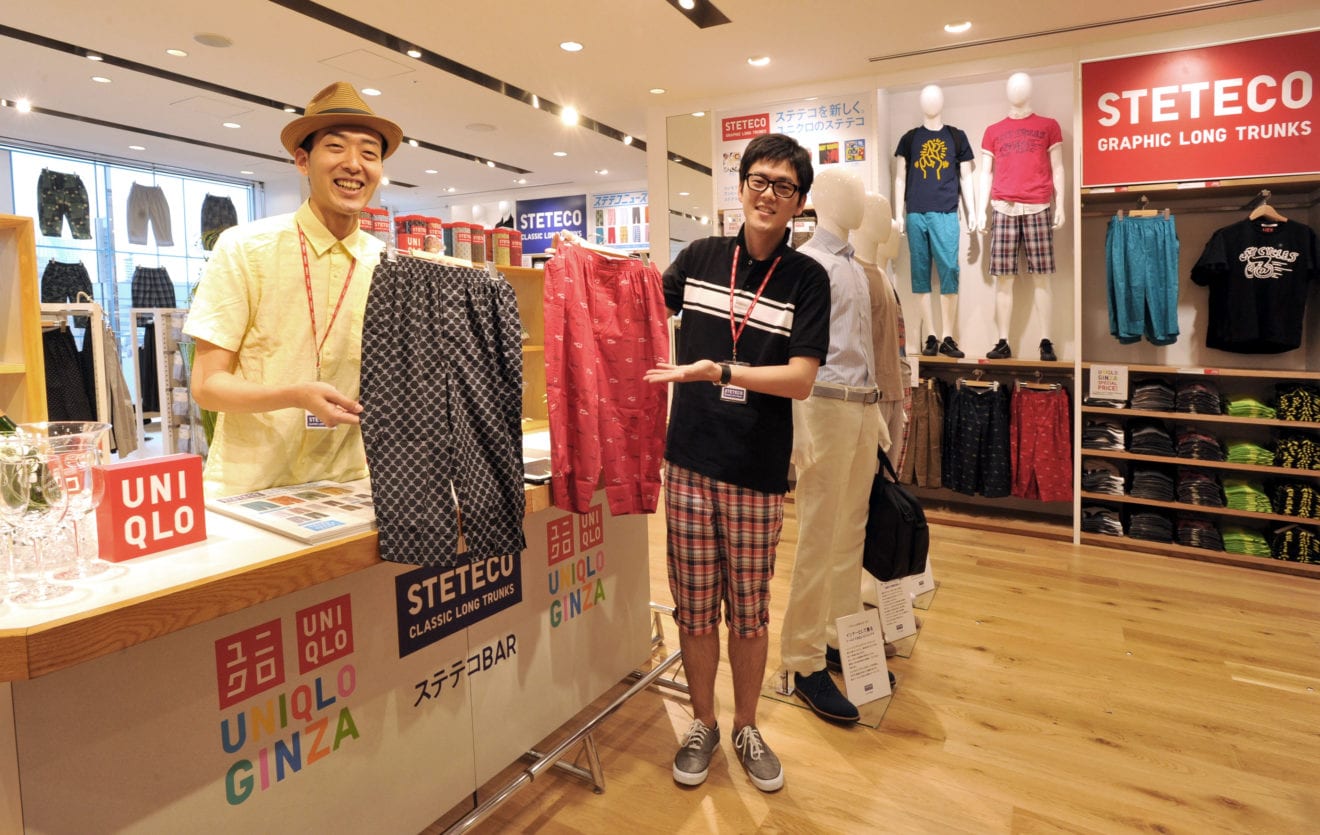
    The concept for UNIQLO’s highly functional KANDO Pants, co-developed with Adam Scott to leverage his insight as a world-class athlete, is to deliver the ultimate in lightness, stretch, and dryness. The 100% polyester fabric, jointly developed with Toray Industries, features a cotton-like natural texture, with exceptional moisture absorption and quick-drying properties, greatly reducing discomfort from perspiration to ensure comfort all day. They are also wrinkle-resistant after washing, and easy-iron.

    Ultra Light Wool-Like pants feature a texture like high-quality wool, appropriate for more formal occasions. The Ultra Light Cotton-Like version is ideal for sports, work and leisure settings, with a feel resembling napped cotton material, despite being 100% polyester. With two styles on offer, customers can select one to fit their needs.

    Special pocket backing material

    The pocket backing uses “Airdots” (jointly developed with Toray) with holes made using a special process. This material improves breathability and ensures quick drying, while making the pants more lightweight.

    ■ Washable Knitted Short Sleeve Polo Shirt offers the softness and comfort of knit

    These items based on UNIQLO’s LifeWear concept combine style with comfort. The knit material is comfortable and extremely soft, featuring a simple design appropriate as both dressy and casual. They are also machine-washable, making care simple. These clean-looking shirts pair well with a jacket and are perfect for a smart casual business look.

  • Creyate eyes Singapore after Japanese success

    Creyate eyes Singapore after Japanese success

    Indian custom-clothing brand Creyate plans to open stores in Singapore, the US, UK and Dubai after a successful foray into Japan.

    Owned by Arvind Internet, the company recently opened its first luxury store in the Indian city of Bengaluru and is considering ramping up its expansion through a franchise model. It has 13 stores operating in its home market already.

    Described as an emerging brand, Creyate customises apparel products to people who buy online or in-store. Online, they can submit measurements and select designs in advance of picking up the products in store – or having them delivered.

    In Japan,Creyate already has 50 stores-in-stores specialising in denim.

    Arvind Internet COO Tejinder Singh told reporters the company wants to double its retail network within 18 months.

    “With our omni-channel approach, we may cap it at two stores per city, so we are looking to explore Tier-II cities, as well. It is an inventory-light model, which suits the all stakeholders at a macro level,” said Singh.

  • Shake Shack Singapore likely to launch at Changi

    Shake Shack Singapore likely to launch at Changi

    A Shake Shack Singapore store is reportedly planned for the Jewel Changi Airport shopping centre.

    Singapore food blog 8 Days, quoting an “industry source” says the chic American gourmet burger chain is in the final stages of preparation to launch in Singapore. Elsewhere in Asia, the brand is preparing to open in Hong Kong, where it has appointed local licensee Maxim’s Caterers, a division of Dairy Farm International, which also owns the Starbucks license for Hong Kong and Singapore.

    However 8 Days is tipping the Shake Shack Singapore eatery to be run by Korean food and beverage company SPC Group, which operates Paris Baguette and has the Korean rights to Shake Shack.

    The burger chain’s founder Danny Meyer was in Singapore to address a Restaurant Association of Singapore event and while “coy” about plans for Singapore, he reportedly told 8 Days he wants to see the brand launched in the city state.

    “It’s a possibility,” he told 8 Days. “My guys have visited Singapore thrice for site trips and they loved it here. It’s all about finding a good licensee.”

    Jewel Changi Airport is a shopping centre to be managed by CapitaLand, attached to the airport’s Terminal 1 and scheduled to open early next year.

    No confirmation was forthcoming from Changi Airport or SPC.

    Shake Shack, which started out as a food cart in New York City, now has more than 170 outlets internationally.

    Besides burgers, it is known for milkshakes, ice cream and other staple US dishes, but with more focus on flavour and serving size than is traditional in US fast-food restaurants.

  • McDonald’s takes action on plastic straws

    McDonald’s takes action on plastic straws

    Soon, diners will have to request a straw if they want one. And it might be paper.

    It is rare that we have happy news from the fast food sector, but McDonald’s has made a pleasing new promise to tackle plastic waste. It appears the company is taking a two-pronged approach.

    First, two test locations in London, England, will be phasing out plastic straws entirely. Starting in May this year, the straws in these two restaurants will be replaced by paper versions made with recycled content.

    Second, and arguably much more importantly, all 1,300 McDonald’s restaurants in the United Kingdom will start handing out straws only upon request. Paul Pomroy, head of McDonald’s UK, told:

    “Customers have told us that they don’t want to just be given a straw, they want to have to ask for one, because straws [are] one of those things that people feel passionately about, and rightly so. We’re now moving those straws behind the front counter, so if you come into McDonalds going forward, starting next month, you’re going to be asked if you want a straw.”

    It might seem like a minuscule change, but the act of having to ask for a straw will force people to think, even for just a few seconds, about whether or not they really need such a product, and that’s likely to make a dent in consumption.

    Pomroy also pointed out that the fast food chain has been working toward fully-recyclable packaging. So far it’s at 80 percent, and dealing with the straw issue will help address the remaining gap. No more foam or polystyrene boxes are handed out.

    That being said, I wish McDonald’s would rethink the contents of its Happy Meals and those infernal plastic toys that either break quickly or lack imagination and end up kicking around the house for years — or, as fellow writer Sami pointed out to me, the dreaded balloons. And what about the plastic sachets of condiments? We know those are an enormous source of waste in Asian countries, particularly, so surely there’s a better way to package them (or, rather, not package them). As I reported last fall:

    “The most common trash item found on the beach was sachets, the little plastic-and-aluminum packets that are widely used in poverty-stricken areas of the world (particularly Asia) to sell food items, condiments, personal care products and toiletries, even drinking water. The minimal packaging makes items cheaper, but sachets are not recyclable. “

    McDonald’s isn’t the only fast food chain trying to distance itself from single-use plastics. The co-founder of UK chain Leon was so horrified by trash on the Great Barrier Reef in Australia that he “vowed to come back and make a dramatic contribution to end this madness.” Grocery store Iceland has stopped selling straws, and Pizza Express and Wetherspoon have plans to phase them out.

    Wouldn’t it be wonderful for our grandchildren to grow up in a world where straws don’t exist? It’s starting to look like it might be that way.

  • Globe commissions pre-fab data center

    Globe commissions pre-fab data center

    Prefabricated data center provider Flexenclosure has secured a multi-million dollar order to build a facility for the Philippines’ Globe Telecom.

    Flexenclosure will provide its eCentre modular prefabicated data center product to the operator for deployment on the island of Mindanao.

    The data center will be assembled and tested at Flexenclosure’s manufacturing plant in Sweden before being shipped to the Philippines for on-site construction. It is expected to be fully operational by early in the third quarter.

    The company is delivering the contract in partnership with Manila-based system integrator Orissa Wicomm.

    Globe CTO and chief strategy officer Gil Genio said the company plans to use its new data center to support its efforts to ramp up capacity and provide innovative new services for its customers in the broadband, enterprise and consumer segments.

    “We are committed to delivering market-leading services to our customers; on the network infrastructure side, this means flexible, modular and low cost,” he said.

    “Our new data center in Mindanao… employs this modular architecture that allows us to rapidly add infrastructure with growth.”

    The deal marks Flexenclosure’s first project in the Philippines but is the latest in a line of recent wins in Asia-Pacific, which included projects in Australia, Palau, Samoa, Fiji and Myanmar announced last year.