Author: Mei Ling Tan

  • Kokuyo plans stores for employees working from home

    Kokuyo plans stores for employees working from home

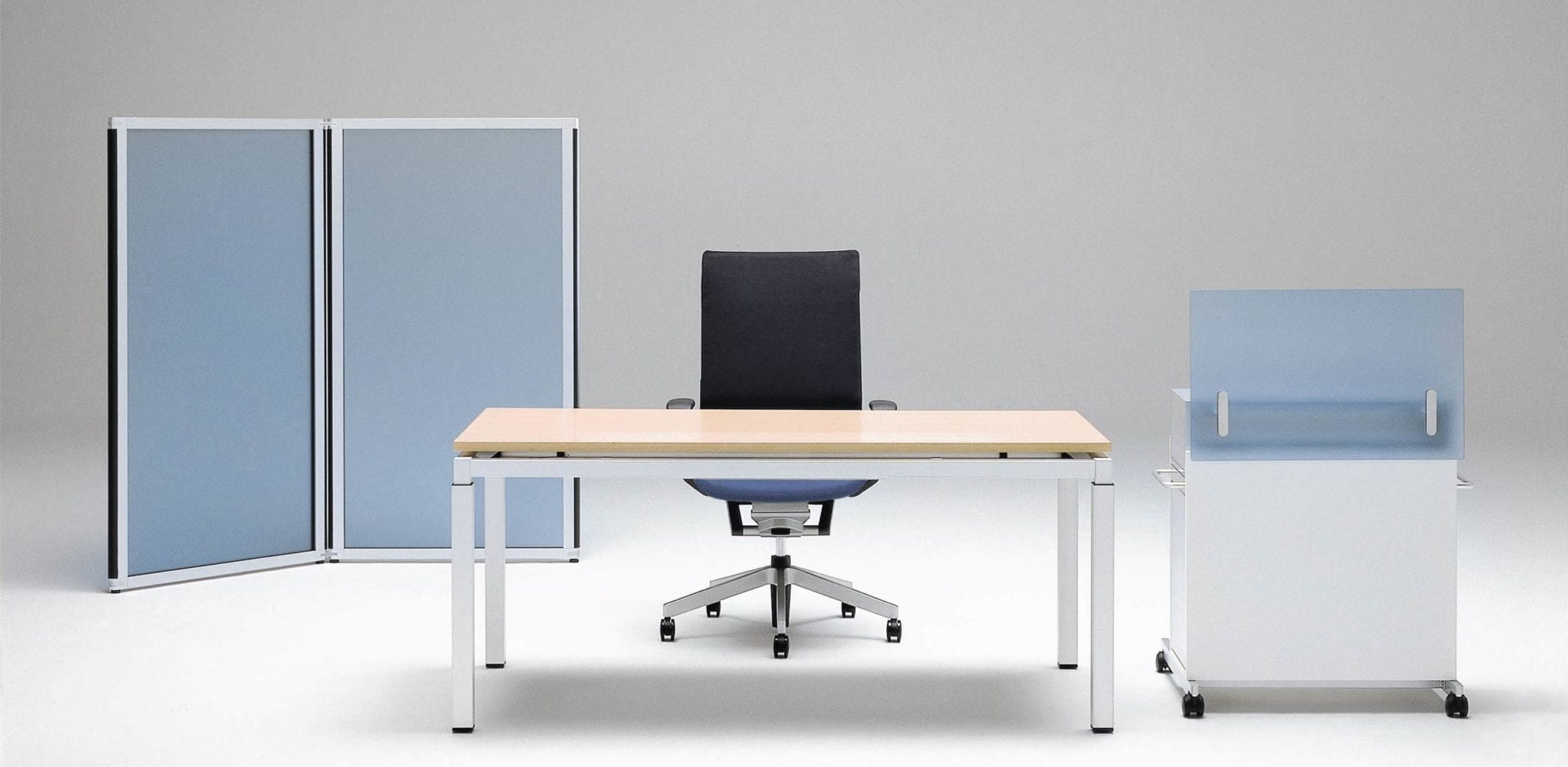
    Japanese office furniture maker Kokuyo is to open retail shops in Thailand targeting the growing ranks of people who work from home.

    Kokuyo Thailand is a joint venture between the Japanese parent (which holds 49 per cent) Central Group and local furniture maker Practicable.

    The company has opened a 250sqm showroom for walk-in customers on the ninth floor of Bangkok’s CentralWorld on Rama 1.

    “We are studying a dealer system as well as opening sales corners or shops in department stores in the next stage,” CEO Tarida Klaipracha told The Nation newspaper.

    A larger, 400sqm showroom is being planned for another shopping mall in 2020.

    Klaipracha said that when the company launched in Thailand in 2004, it focused on supplying office furniture to Japanese companies operating in the kingdom, broadening the target to Thai companies as it gained critical mass.

    “We achieved THB460 million (US$14.7 million) in total sales last year, up from THB430 million in 2016. Japanese clients accounted for 70 per cent of our sales with the balance to non-Japanese firms,” she said.

    “We aim to achieve Bt600 million in sales in 2020, with Japanese companies accounting for half of the total. About 5 per cent of sales is expected to non-Japanese clients who will be end-consumers.”

    MD Sachio Kobayashi said Kokuyo saw huge opportunity in the Thai office furniture market because there is no real major player in the category.

    The Thai office also oversees the Myanmar and Cambodia markets, while its Malaysian subsidiary looks after the Philippines and Vietnam.

  • Zilingo raises $54 million in a new funding round

    Zilingo raises $54 million in a new funding round

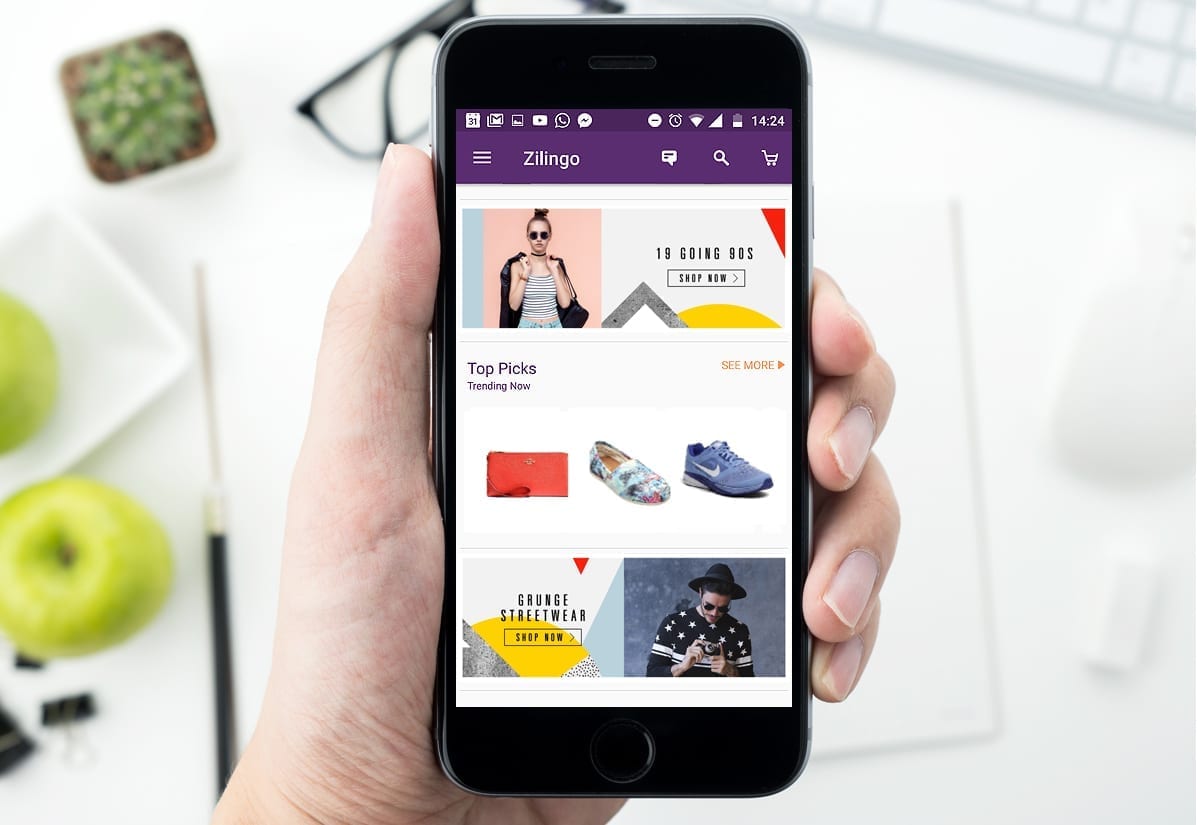
    Singapore-based lifestyle marketplace Zilingo has raised US$54 million in series-C funding, taking its total capital raised to $82 million.

    Zilingo was founded in October 2015 by Dhruv Kapoor and Ankiti Bose, who was inspired after seeing the clothing stalls in labyrinthine markets while backpacking across Indonesia and Thailand.

    Their idea was to connect a fragmented landscape of fashion supply for buyers across Asia.

    “Nowhere in the world has a horizontal e-commerce company also cracked fashion,” says Bose. “It’s a unique, high-margin category that is highly dependent on fast-moving cycles and has its own nuances. Unlike buying detergent or electronics, fashion is much more about your choice, individuality and trends. It requires a different approach than the rest of e-commerce.”

    Bose and Kapoor set out to build a proprietary platform where merchants could upload and manage their inventory in any language, using any currency, connecting them through 25 interfaces with logistics, warehousing and payment providers, as well as services like loans, cataloguing and insurance.

    They launched their B2C sites and apps in November 2015 across Southeast Asia, followed by their B2B business, Zilingo’s AsiaMall, where merchants internationally can buy wholesale from Asian suppliers.

    Zilingo is now selling in Indonesia, Singapore and Thailand, and ships internationally to four further countries. As well as Indonesia, Singapore and Thailand, Zilingo has supply bases in Bangladesh, Cambodia, China and Vietnam. There are more than 10,000 independent merchants using the platform to sell to millions of customers around Asia and the world.

    Revenue growth has growth tenfold, and during the past year Zilingo has launched a TV campaign in Indonesia and expanded its merchant ecosystem.

    Zilingo’s latest capital injection follows a $17 million series-B round five months ago.

    “We think the market is showing us the right signs in terms of adoption and retention, so it’s good to double down,” says Bose.

    Each Zilingo office has local leadership, and half the top leadership team are women. “Having so many women at the leadership level, despite being a tech company, gives us a special edge while scaling,” says Bose,

    “Our leadership team comes from 10 different countries in Asia, Europe and North America, and 15 languages are spoken. The cultural diversity gives the team a unique perspective on how to solve challenges creatively.”

  • Myer shares soar after new reports

    Myer shares soar after new reports

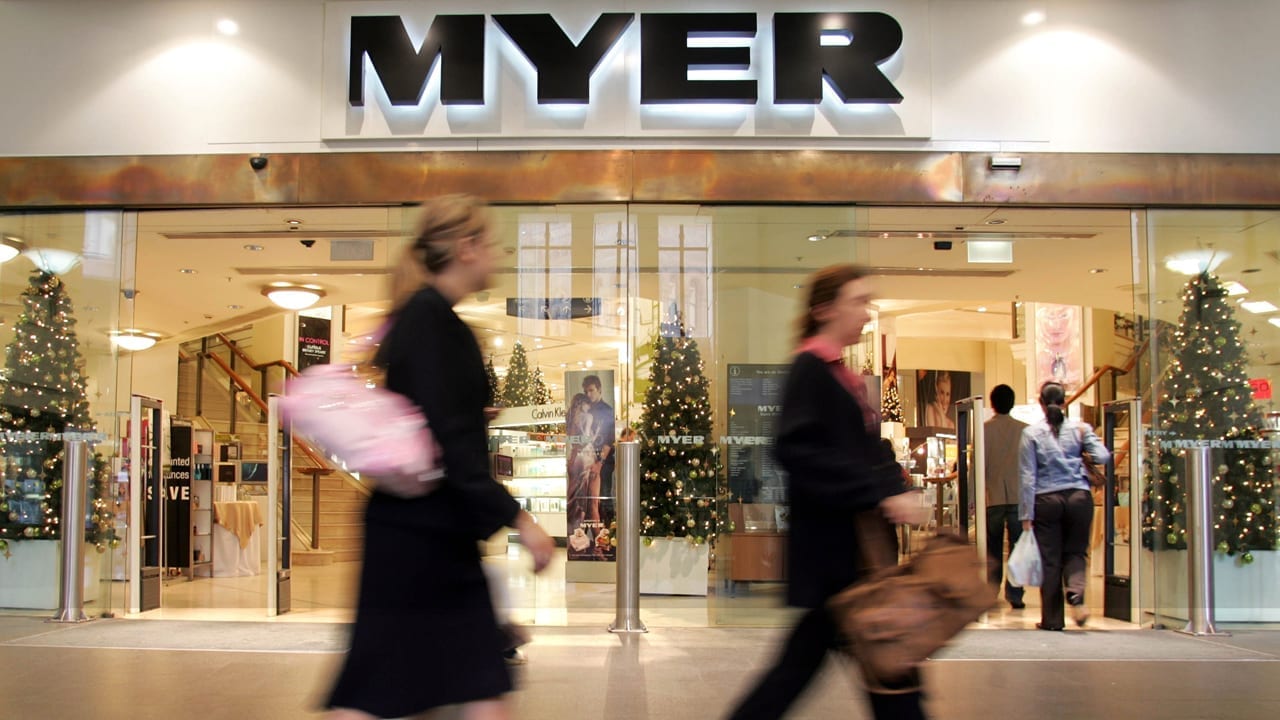
    Myer’s share price has shot up 8.7 per cent in early Friday trading as reports swirl that rival David Jones is considering acquiring the department store.

    Reports this morning in The Australian cite the confidence of market sources that DJs parent Woolworths Holdings is looking seriously at a potential acquisition given Myer’s current market value of around $300 million.

    The South-African based retail business recently booked a $712 million write down on the value of DJs, which it acquired in 2014 for $2.15 billion, but is thought not to have been soured on the prospect of investing additional capital in Australia’s department store sector, given the opportunity to significantly increase its scale.

    But a spokesman for Woolworths Holdings told AAP the rumours were untrue and the company had no plans to buy Myer.

    “These rumours have no basis,” he said.

    “We are not considering an acquisition of Myer and there have been no discussions regarding an acquisition with advisers or between the two companies.”

    Should an offer be made Myer’s largest shareholder Premier Investments, chaired by retail veteran Solomon Lew, could present as a thorn in Woolworths’ side.

    It would not be the first time, Lew held out on the Johannesburg-listed business over its DJs acquisition in 2014, buying up 10 per cent of the company’s shares before the deal, selling at a premium.

    Myer’s share price closed at 35 cents on Thursday evening, but by 11:40 AEST on Friday was trading at 38 cents.

  • AirAsia to change flight schedule due to Boracay closure

    AirAsia to change flight schedule due to Boracay closure

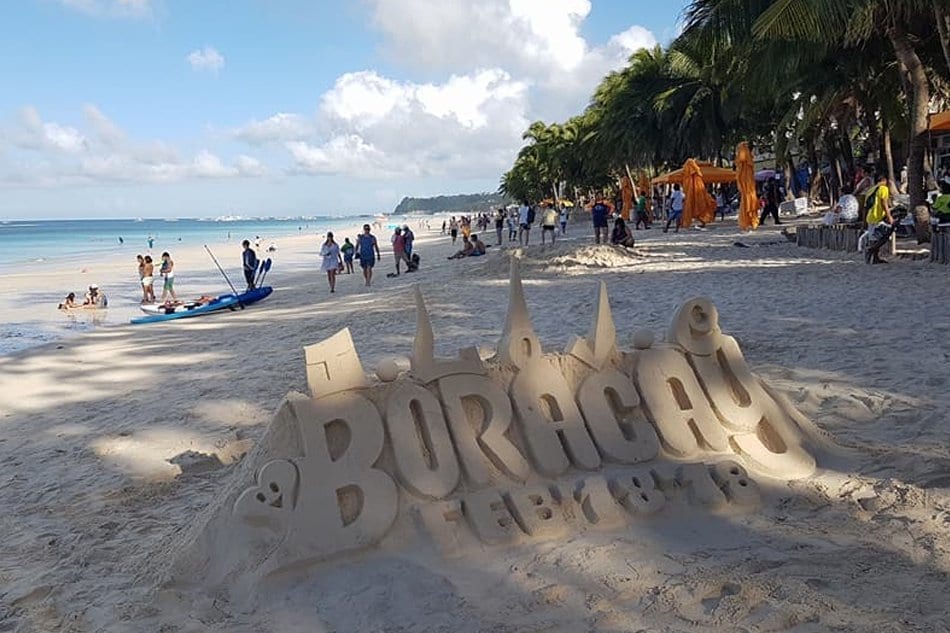
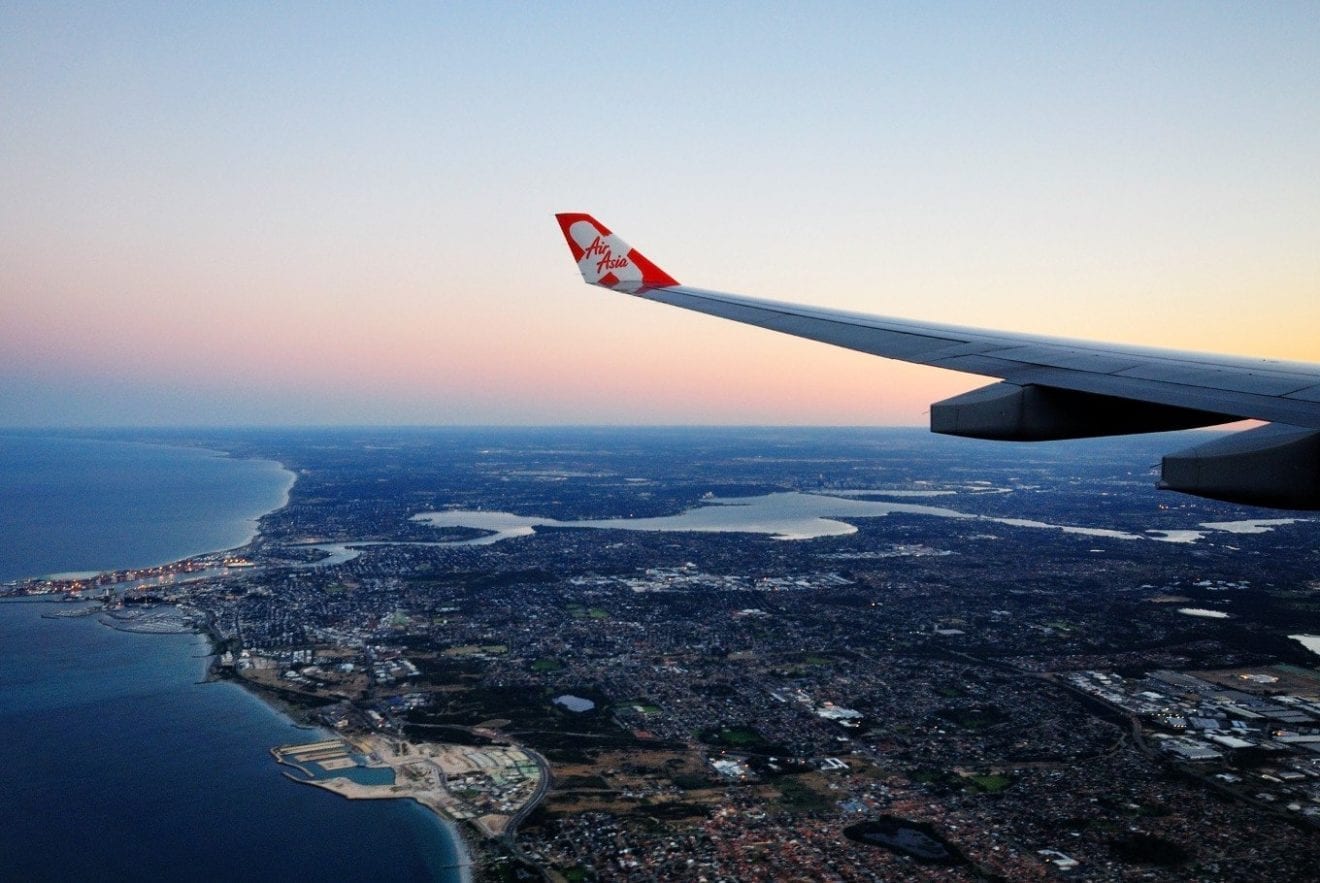
    AirAsia will change its flight schedule in line with the Philippines’ government order to close Boracay island for rehabilitation from April 26 to Oct 26, 2018.

    During the six-month period, AirAsia will make the following changes to its scheduled Caticlan (MPH) and Kalibo (KLO) flights.

    To not disrupt their guests’ holiday plans, AirAsia will mount additional flights to popular leisure destinations Palawan, Bohol, Cebu, and Davao in the Philippines.

    Guests who are affected by the changes and hold flight bookings from 26 April to 26 Oct, 2018 will be notified via email and SMS.

    “AirAsia strongly urges all guests to keep their email address and mobile number (with country code prefix) updated in their AirAsia member profile to ensure we can reach them for timely assistance,” said the low-cost airline in a statement on Thursday.

    For immediate assistance and additional information, customers can reach AirAsia via their contact channels listed on support.airasia.com.

    Listed below are the guides provided to assist customers.

    Affected guests will be able to choose one from the following service recovery options:

    a.     Change destination: Option to be accommodated on any domestic flights operated by AirAsia Philippines (carrier code Z2) within 30 days of the original travel date at no extra cost, subject to seat availability and government mandated taxes. Fare difference shall apply for international flights and changes to travel date beyond 30 calendar days; or

    b.     Move flight date: Change to a new travel date on the same route without additional cost, subject to seat availability; or

    c.     Credit account: Retain the value of fare in your AirAsia BIG Loyalty account for future travel with AirAsia. The online credit  account is valid for booking within 180 calendar days from the date of issue; or

    d.     Full refund: Obtain a full refund to your original payment method for the amount equivalent to your booking.

    Guests who wish to opt for move flight date, change destination or credit account are urged to fill in an e-Form available on support.airasia.com:

    1.     Click on the Email Us tab on the right panel

    2.     Select Enquiry/Request under Type of Feedback

    3.     Select Booking under Sub Category 1

    4.     Select Boracay Closure for Sub Category 2

    5.     Type in your option under Subject: “Boracay – Move Flight” OR ”Boracay – Change Destination” OR “Boracay – Credit Account”

    6.     Complete the remaining form fields and click Submit to proceed

    a.     For move flight, please provide new flight details (date and time) and passenger name(s)

    b.     For change of destination, please provide new destination, flight details (date and time) and passenger(s)

    c.     For credit account, please provide your AirAsia BIG Loyalty member ID

    Guests wanting a full refund must fill in an e-Form available on support.airasia.com:

    1.     Click on the Email Us tab on the right panel

    2.     Select Refund under Type of Feedback

    3.     Select Flight Cancellation under Sub Category 1

    4.     Type in Subject field: “Boracay – Refund”

    5.     Complete the remaining form fields and click Submit to proceed

  • Lotte unveils El Cube Game in Korea

    Lotte unveils El Cube Game in Korea

    South Korean retail giant Lotte opens a dedicated game products store in Seoul tomorrow amid a rapid growth of the country’s computer game industry.

    Lotte Shopping Co said it has remodelled its el Cube store in Hongdae, western Seoul, into a shop exclusively for games, to be called el Cube Game.

    El Cube is Lotte Department Store’s “mini” version, targeting consumers in their 20s and 30s. There are currently five el Cube outlets throughout the country.

    Lotte said the first offline store of Netmarble Games, South Korea’s top mobile game maker, will open at its outlet in Hongdae, one of South Korea’s most popular hangout places.

    The El Cube game store will also sell toys targeting “kidults,” referring to adults with a keen interest in toys that many regard as for children, it said.

    The market size of South Korea’s game industry was valued at around 11.5 trillion won (US$10.84 billion) as of last year, up 18.5 per cent from 9.7 trillion won in 2013, Lotte said, citing the Korea Creative Content Agency.

  • Ikea Philippines launches at the Mall of Asia

    Ikea Philippines launches at the Mall of Asia

    Ikea Philippines will open its first store next to Mall of Asia in Manila in 2020.

    Inter Ikea Systems announced in February it had appointed Ikea Southeast Asia (Ikano) as Philippine franchisee, the same company that holds the rights to Singapore, Thailand and Malaysia.

    In an exclusive interview with Inside Retail Asia, Ikea Southeast Asia MD Christian Rojkjaer says Ikea chose to open its first Philippine store at SM’s Mall of Asia as it is such an impressive, established centre. “It’s already there and we have no chance to beat it.”

    However, future stores might be integrated with Ikano’s own shopping-centre developments, similar to Bangkok’s Mega Bangna, Kuala Lumpur’s MyTown and the Toppen Tebrau under construction in Johor Bahru, Malaysia.

    “What happens in Malaysia and the Philippines is that we go in and… we must create the best shopping destinations in that country either alone or with somebody else. So we do it shopping centre by shopping centre with the customer in mind. We are not like, ‘It has to be ours’. It has to be the best position for our customers. So let’s see what is going to happen [in the Philippines], but the first one will be with SM.”

    Ikano is one of 10 Ikea franchisees worldwide and the only one owned by members of the founding Kamprad family. It had to pitch for the Philippines franchise, as it did for the Indonesian one (which it lost to Jardine Group’s Dairy Farm International in Hong Kong).

    Southeast Asia is one of the few growth regions in the world for Ikea, where many local markets have developing economies so its customers have lower average incomes than in more developed markets.

    “That has been quite challenging,” Rojkjaer tells Inside Retail Asia. “We want to be for the many in a country, but when we go into the Philippines, for a while it will be for a lot, but not for everybody. Then we will grow our presence and become more for the many, as we say. Of course, not everybody in the Philippines can afford us today, but we will work on that and adapt our range and become better and better to become something for many more people.

    “That will certainly be the same in Vietnam, Myanmar, Laos and Cambodia, too. That said, our range will fit a lot of people in all those countries from day one.”

  • FamilyMart Taiwan launches digital prototype, including VR

    FamilyMart Taiwan launches digital prototype, including VR

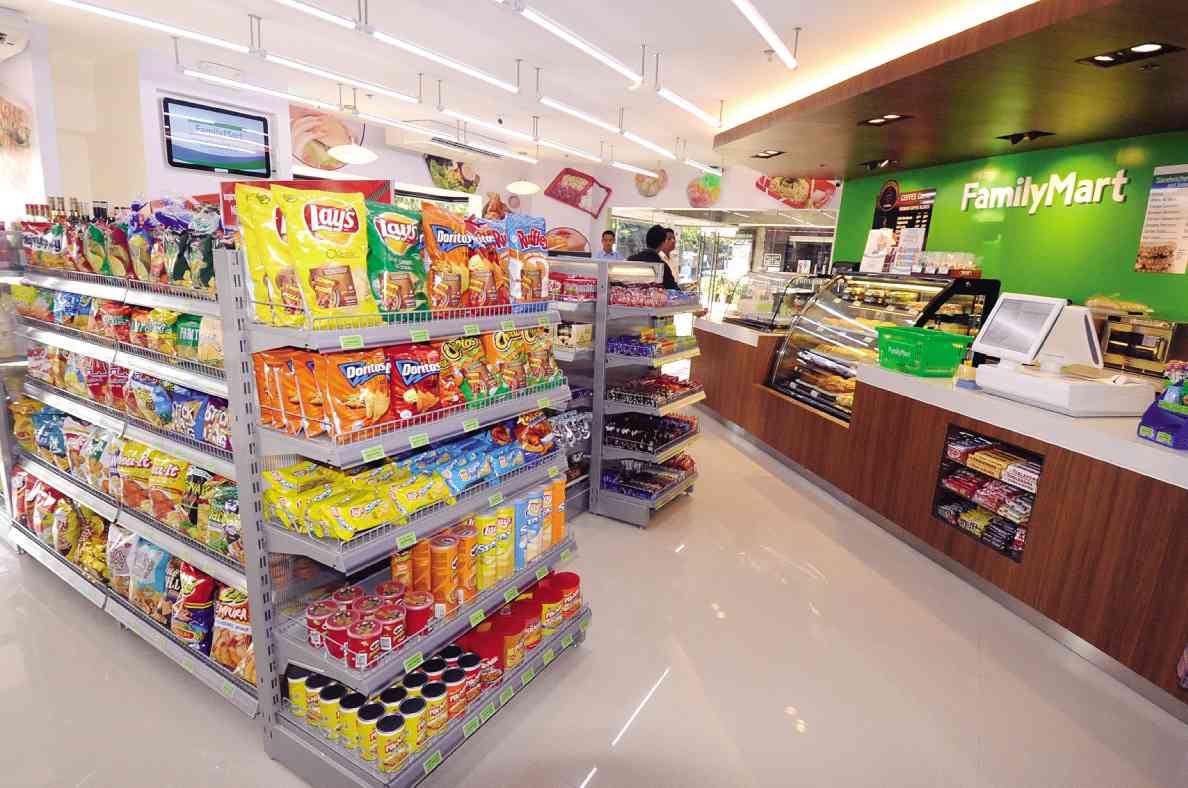
    FamilyMart Taiwan has launched a pilot convenience store concept that incorporates a range of digital technology including robots, VR interfaces, interactive projection screens, smart shelves and blockchain applications.

    A Fujitsu Robopin communication robot is stationed at the entrance to highlight offers and in-store events, while video content about products is projected on to the doors of freezer units.

    Electronic price tags interact with POS registers to update automatically, and product information is available through QR codes and NFC(5) technology built into the price tags.

    FamilyMart says it will study the results of the prototype store with a view to rolling out the technology to other stores.

    FamilyMart Taiwan chairman Yeh Jung-ting says convenience stores need to be modernised according to the world around them, as well in preparation for workforce shortages.

    He says Family Mart still wants locations to be personable, and while there will be fewer staff, the new stores will not be devoid of staff like some 7-Eleven outlets. The idea is to add efficiency to shopping for both customers and staff.

    One of the greatest advantages will be eliminating the time spent ordering stock. Previously ordering goods took around two hours, whereas smart shelves whittle down that time to seconds.

    Ultimately, there will be 17 technological upgrades made by possible by 15 new partnerships.

  • Trump says he’ll check out Amazon

    Trump says he’ll check out Amazon

    US President Donald Trump has escalated his criticism of Amazon and CEO Jeff Bezos, saying the White House will take a “serious look” at addressing what he sees as an uneven playing field between the e-commerce giant and its competitors.

    “Amazon is just not on an even playing field,” President Trump told a press pack assembled on Air Force One in the US yesterday.

    “I’m going to study it and we’re going to take a look. We’re going to take a very serious look at [levelling the playing field].

    “It’s very important for me, it’s got to be an even playing field for everybody.”

    The comments are just the latest in a myriad of criticisms levied at Amazon and Bezos in recent weeks by the President, who has also criticised the business for its impact on the US postal service and not paying adequate sales tax.

    “What they have is a very uneven playing field, you look at the sales tax situation — which is going to be taken up, I guess, very soon — it’s going to be a decision by the Supreme Court, so we’ll see what happens,” the President said yesterday.
    Amazon charges sales tax in a variety of US states with applicable regulation, but this does not apply to third party sellers on its platform.

    Amazon’s share price sank more than 5 per cent last week on reports that Trump was looking to target the company with tax reforms, but aides have reportedly since clarified that no such plans are in motion.  Trump has also argued that Amazon receives favourable rates with the US Postal Service and is weighing it down with the volume of its deliveries, although the e-commerce giant accounted for more than a third of the postal service’s US$19.5 billion in revenue last year.

  • AirAsia extends it’s network from Penang

    AirAsia extends it’s network from Penang

    AirAsia confirmed Wednesday it will fly a direct service from Penang to Hanoi, Vietnam and Phuket, Thailand, effective 1 July.

    Operated exclusively by AirAsia Berhad (AK), the direct flights to Hanoi and Phuket mark the airline’s ninth and 10 route from Penang Island in northern Malaysia.

    Flights from Penang to Hanoi will operate four times weekly, while flights to Phuket will operate daily.

    At present only Flirefly, Malaysia Airlines’ subsidiary, flies the Penang-Phuket route offering four weekly services using a 70-seat ATR-72 aircraft.

    AirAsia Malaysia head of commercial, Spencer Lee said: “Penang is undoubtedly one of Malaysia’s pride with its World Heritage status, internationally acclaimed cuisines, vibrant cultures and beautiful architecture. More importantly, its strategic location at the crossroads in the region has helped boost the growing inbound and outbound travel demand that saw 7 million tourist arrivals via air travel last year.

    To celebrate the two new direct routes, all-in-fares from RM99* from Penang to Hanoi and RM79* one-way from Penang to Phuket are available for booking effective yesterday to 15 April for the travel between 1 July and 28 October.

    Passengers can also save more when they book with BigPay, Asia’s money app. It offers money savings of up to RM32** on airasia.com. Moreover, guests get to pay the real exchange rate with no fees when they spend abroad, and earn BIG points along the way.

    Aside from the latest Asean routes, AirAsia also flies directl from Penang to Kuala Lumpur (102 times weekly each way), Johor Bahru (31 times weekly), Kota Kinabalu (11 times weekly), Kuching, (10 times weekly one way), Langkawi (21 times weekly), Ho Chi Minh City (daily), Singapore (28 times weekly), Medan (28 times weekly), Surabaya (five times weekly) and Jakarta (14 times weekly) via AirAsia Indonesia (flight code QZ) and Bangkok (14 times weekly) via AirAsia Thailand (flight code FD).

  • a Second Apple China store in Macau?

    a Second Apple China store in Macau?

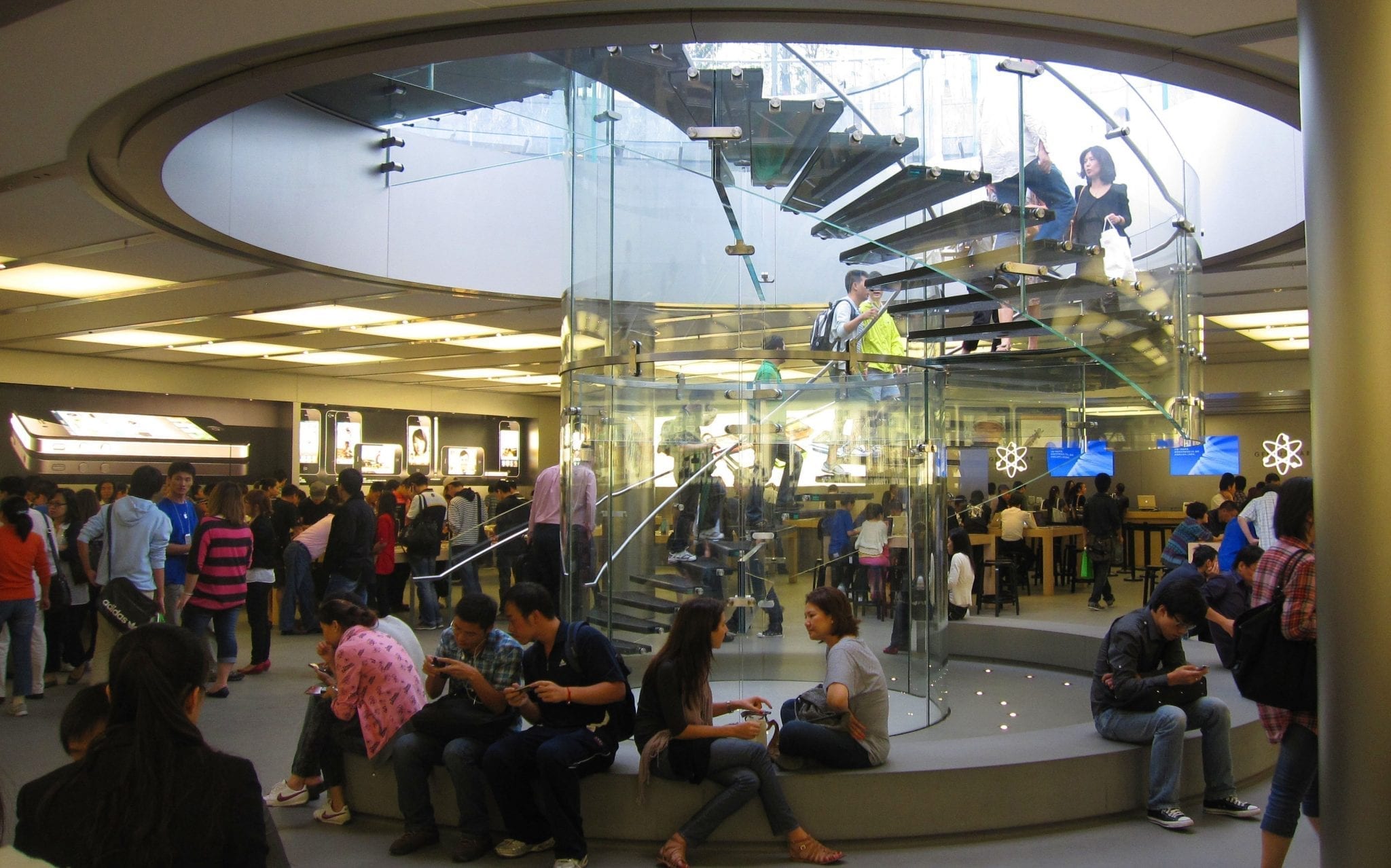
    Apple China is planning a second shop in Macau, according to Apple Insider.

    Quoting StoreTeller, it says the IT brand’s store will be at Sands Cotai Central casino resort.

    Unlike Apple Galaxy Macau, the outlet is external, and is likely to open this quarter.

    Globally, its latest all-new store is in Vienna.

  • Cosco’s inland push expands Asia, Europe logistics footprint

    Cosco’s inland push expands Asia, Europe logistics footprint

    Maersk Line may have captured the headlines with its new focus on becoming a global provider of integrated container logistics, but it is a strategy that China’s Cosco has been pushing for the last couple of years with increasing assertiveness.

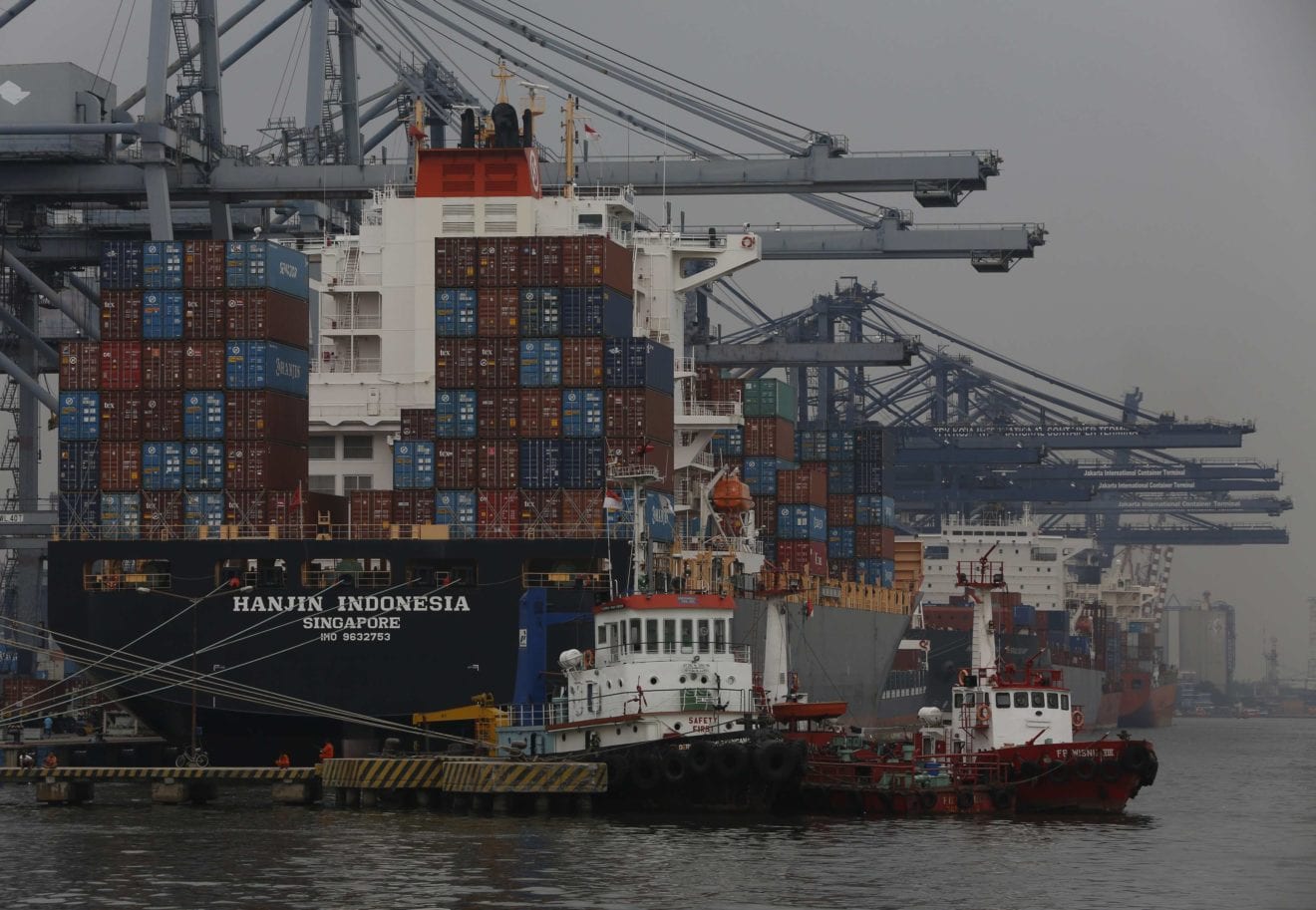
    Cosco Shipping Holdings, China’s largest shipping company, has continued to aggressively expand into landside logistics, building on Beijing’s Belt and Road strategy to grow its terminal and inland footprint in Asia and Europe.

    The group — which consists of carrier unit Cosco Shipping and terminal operator Cosco Shipping Ports  — steamed back to profitability in 2017, with a recovering market and freight rates driving up revenue 22 percent compared with 2016 to $14.3 billion, with generous government subsidies leading the company to a $423 million net profit.

    Cosco has returned to profitability at the right time. Not only is the container shipping market recovering — the carrier’s volume in 2017 increased by 23.7 percent to 20.9 million TEU while Cosco Shipping Ports handled more than 100 million TEU during the year — Beijing’s is also placing increasing importance on investment along the land and ocean Belt and Road routes.

    Belt and Road logistics channels progress

    Cosco Shipping Holdings said it had made progress regarding the construction of logistics channels along the Belt and Road route. By consolidating its global shipping networks, the company said it has increased service frequency and efficiency along the ocean route, and also connected the shipping routes with other important, emerging, regional markets, such as the United States, West Africa, the Caribbean, and North Europe.

    It is difficult to separate Cosco’s global shipping network from its Belt and Road routes, with the carrier including most of its services under the trade strategy umbrella. For instance, Cosco said 62 percent of its entire container shipping capacity was deployed on the Belt and Road routes, comprising 180 container vessels with a total capacity of 1.15 million TEU.

    But it is in the terminal and inland services where the carrier’s move into controlling the landside supply chain can be seen more clearly. This is especially true within China, where Cosco operates more than 150 sea-rail container transportation routes, covering more than 100 major ports and hinterland stations across 27 provinces, autonomous regions, and centrally administered municipalities.

    Cosco stated early last year, “The company will also increase its efforts in construction of ancillary facilities in important logistic nodes in the supply chain, and gradually achieve the transition from a shipping carrier to a provider of comprehensive container logistics solutions.”

    Logistics solutions push started in 2017

    Those efforts in 2017 began in January when Cosco Shipping Ports entered into a strategic cooperation agreement with Qingdao Port International, taking an 18.41 percent equity interest.

    Outside China, Cosco continues to strengthen the position of Piraeus Port in Greece as a transportation hub and accelerate the development of what it called the China-European sea-rail express business. In 2017, the freight volume carried on the service, which includes China-Europe rail, increased by 134 percent compared with the previous year, Cosco said in its earnings statement. Cosco Shipping in May 2017 acquired 24.5 percent equity interest in the KTZE-Khorgos Gateway, the rail hub on the Kazakhstan-China border that is a key point in the landbridge.

    Then in October 2017, Cosco Shipping Ports completed its acquisition of a 51 percent equity interest in Noatum Port Holdings, a port company in Spain. The controlling stake gives China’s second-largest port operator access to several terminals on the Iberian Peninsula.

    In November 2017, Cosco Shipping Ports began the construction of a terminal in Abu Dhabi, and in the same month completed the acquisition of additional equity interests in APM Terminals Zeebrugge in Belgium, taking full control of operations.

  • Luxury retailers ‘missing out on customer engagement’

    Luxury retailers ‘missing out on customer engagement’

    No one can accuse luxury retailers of cutting corners where advertising spend is concerned. On average, they divert 8 per cent of their turnover into funding advertising initiatives. In the US for example, luxury brands invested more than $5 billion in advertising last year, accounting for a significant portion of overall marketing expenditure.

    Love it or hate it, advertising is a principal ingredient of business success. How else would you make customers be aware of your brand and build an inspirational image? Advertising is also essential for increasing brand equity and driving traffic to point of sales, which is how you boost your revenues.

     The twist 

    So, assuming we can agree that advertising remains important, let’s explore the issue through some numbers to see whether luxury brands are extracting maximum value from their advertising investments.

    Here’s one number: the average conversion rate in retail is about 10 per cent, which is to say that merely one out of every 10 customers entering a store will buy something. The best-in-class brands can boast a 20 per cent conversion rate, but that still leaves anywhere between 80 per cent and 90 per cent of store visitors exiting without a purchase.

    On the bright side, these numbers are not necessarily a harbinger of doom because nowadays a store has become more of a touchpoint along the customer journey. A transaction may occur on the premises during the visit, but it may also take place at a later time in another brand store (think airport outlets, for instance) or online. Therefore, a visit without a purchase is not really the issue.

    But we truly have a problem when non-buying customers go away without leaving their personal information. This should be ringing all sorts of alarm bells because it means the brand cannot continue its conversation with these customers. Our research shows that in 2017, an average of 65 per cent of non-buying customers were not invited to leave their personal information. In other words, this is nearly 60 per cent of store visitors who cannot be engaged in further conversation.

    Advertising is only one of many budgetary considerations for luxury brands when it comes to attracting customers to a store as it also entails expenditure on rent, fittings, and staff salaries, among other things.

    When you add it all up, you start questioning the rationale behind these investments. Not because they no longer matter in the grand scheme of things, but because the current retail landscape has rendered existing advertising budget allocation practices inefficient.

    When you think back to the nearly 60 per cent of clients not engaged at all during a store visit, it becomes painful to think of the revenue opportunities missed, not to mention the “waste” of money spent to get those customers cross the store threshold in the first place.

    Luxury brands now operate in a world where consumers are starting to sidestep advertising and increasingly count on referrals and recommendations to choose a product or a service. Think of it in this way: marketing is no longer about what you say to customers but how you influence what they say to each other. 

    The fix

    With that in mind, it seems clear to us that luxury brands should spend more on creating unique and memorable customer experiences (both in-store and post-purchase) for buyers and non-buyers alike.

    Front-line team members should be considered an additional marketing channel, or at least an extension of one. While brands make substantial investments in PR and special events, they need to spend more to make a positive, lasting impression on the customers who come into the store instead of striving to draw even more customers inside.

    Part of the advertising budget should go into delivering customer experiences and providing value to store visitors, surprising and delighting them at the same time. You can guess what will follow, can’t you? Conversations sparked by viral tweets, social media shares, and likes, which is as good as advertising gets for luxury brands.   

    The help

     The gist so far is that luxury brands need to pivot from a push to a pull strategy. Carving out a larger portion of the advertising budget to invest in customer experiences is the way forward, but multiple factors need to interact for effective execution and tangible results.

    For one thing, brands need to put the right people on the shop floor. This may require investment in proper training and ongoing support. Other necessary ingredients are decent pay plus the right KPIs and incentives.

    Last but not least, luxury brands should empower their teams to do whatever is required to deliver a high-quality customer experience – one that will be remembered, shared, and seen by many. When the social media and word-of-mouth mills start churning, luxury brands will have all the vindication they need for having aligned their advertising budgets with the new realities of retail.
  • Massive rebound in Hong Kong retail sales

    Massive rebound in Hong Kong retail sales

    Hong Kong retail sales for the first two months of this year soared 15.7 per cent against the same period of last year, the first double-digit increase in years.

    Census and Statistics Department figures just released showed a 29.8 per cent increase in February, which reflects the shifting of Lunar New year from January last year to February this year. That followed a revised figure of 4.2 per cent growth for January, a month when a decline might well have been expected given New Year’s timing.

    But while many retailers were providing anecdotal reports of improved fortunes for the start of this year, no one predicted an increase of more than 15 per cent for the two month period.

    The value of retail sales in February was provisionally estimated at $45.2 billion. After netting out the effect of price changes over the same period, the provisionally estimated increase of the volume of retail sales for the first two months of this year was 13.9 per cent.

    A government spokesperson said retail sales have strengthened visibly this year, thanks to favourable job and income conditions and a further pick-up in visitor arrivals.

    Luxury leads

    Predictably, sales of jewellery, watches and valuable gifts drove the first two months sales growth, rising 21 per cent.

    Apparel sales rose 19.5 per cent, medicines and cosmetics by 17.4 per cent, electrical goods by 27.9 per cent and accessories by 18.2 per cent. Food, alcoholic drinks and tobacco sales were up 10.5 per cent, department store sales up 10.9 per cent and footwear and accessories by 18.2 per cent.

    The only category showing a decline in the first two months was books, newspaper and stationery, down 1.3 per cent.

    The government spokesperson said the outlook for retail sales should remain positive in the near term, underpinned by upbeat local consumer sentiment amid a full employment situation and by continued improvement in inbound tourism.

  • HKTV Mall enables reward payments to consumers

    HKTV Mall enables reward payments to consumers

    Citibank has launched Citi Pay with Points on HKTV Mall, the online shopping portal of Hong Kong Television Network.

    Holders of Citi points-bearing credit cards shopping on the mall or using its mobile app can now seamlessly use their reward points for payment. This is possible with the Citi Pay Points Application Program Interface (API) being fully integrated on the HKTV Mall platform.

    It is the bank’s first API partnership in Hong Kong, says Citibank Hong Kong head of cards and unsecured lending Lum Choong Yu.

    “Citi’s approach to open API architecture underscores our commitment to fostering closer collaboration with digital ecosystems to accelerate the offering of our banking services in all areas of our customers’ digital lives.”

    Nearly half of reward points redemptions are done via the Pay with Points platform, says Choong Yu.

  • SurfStitch creditors approve the EziBuy deal

    SurfStitch creditors approve the EziBuy deal

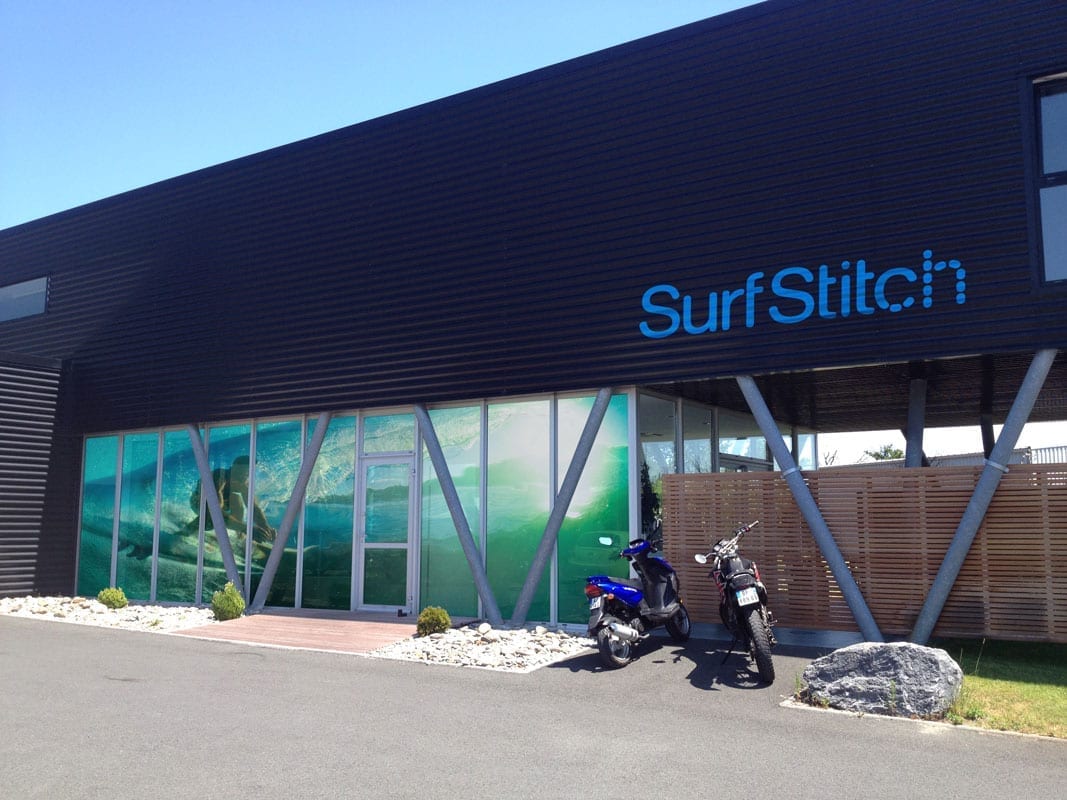
    SurfStitch creditors have approved a proposal from EziBuy to take over the embattled surfwear company and either relist or sell it in the next three years, bringing the online retailer’s drawn-out administration to a close on Wednesday.

    Nearly two-thirds of creditors voted in favour of the deed of company arrangement (DOCA) proposed by EziBuy’s parent company, Alceon Group, over a competing offer from SurfStitch non-executive director Abigail Cheadle, which had the support of SurfStitch co-founder Lex Pedersen and general manager Justin Hillberg, as well as several “major shareholders”, according to Cheadle, but not the administrators or other board members.

    Pedersen said the outcome reflected the emotions of the participants, rather than what was in the best interest of stakeholders.

    “Unfortunately I think the process and outcome was a little more emotional than financial. Personalities, long-standing conflicts and conveniences may have tangled the outcome that should have exclusively been what’s best for the true stakeholders, that is the shareholders and staff,” he told.

    The administrators in March recommended creditors approve the EziBuy DOCA, saying it offered a better return to all stakeholders. Cheadle last week sent a revised proposal to shareholders, matching many of the terms of the EziBuy offer and addressing some of the administrators’ concerns about the process of issuing shares.

    However, the administrators on Tuesday reiterated their support for the EziBuy deal and said creditors would need to issue a new appointment of proxy to vote for the second Cheadle DOCA.

    Cheadle lodged another enhanced proposal an hour before the meeting on Wednesday and moved to postpone the vote to allow creditors whose votes were deemed invalid to participate in the decision and enable an independent expert to assess the EziBuy offer.

    Under the EziBuy DOCA, ordinary creditors and employees will be paid in full within six to eight weeks and class action creditors will receive an initial cash dividend between $3.4 million to $4.3 million. Class action creditors and current shareholders will also be issued convertible notes, converting to shares in the newly merged company, which has an obligation to seek an IPO or other liquidity event within the next three years.

    Cheadle has questioned the valuation of the convertible note, since it implies a valuation well over ten times what Alceon paid for EziBuy ($10 million) last year. But creditors proved reluctant to adjourn the meeting after learning that EziBuy would rescind its offer if the vote was postponed.

    Voters were also keen to end the company’s voluntary administration, which has hampered SurfStitch since it has been on cash terms with suppliers since August.

    Cheadle expressed disappointment after the meeting and maintained that her proposal would have delivered a better outcome for everyone involved.

    “I am extremely disappointed the proposal for SurfStitch was not successful. Since August last year, the proposal has been basically the same. During that time I have worked on the offer on a full-time basis, as well as personally funding it, because I believed strongly in the company’s future,” she said.

    “I hope SurfStitch does well under its new ownership.”

    Pedersen said EziBuy will need to step up to revitalise the business, which he believes still has the potential to succeed.

    “I remain of the view that this business should never have been placed into voluntary administration. Alas, it is where it is today despite the process, so what happens from here is now of utmost importance.

    “EziBuy now need to step up with the support that Justin Hillberg and the team need and deserve as they push to restore it to pre-administration performance. The headwinds created by this protracted process are brisk, but the people [who] have built this business and the customers that support it are resilient.”