Author: Mei Ling Tan

  • Alibaba to set up Thai logistics centre, extend local investments in Southeast Asia

    Alibaba to set up Thai logistics centre, extend local investments in Southeast Asia

    Alibaba is in talks with the Thai government to set up a logistics centre in the country as part of its aggressive expansion into the Southeast Asia region, bringing the company a step closer to fulfilling founder and executive chairman Jack Ma Yun’s dream of empowering small companies to trade globally.

    According to a report  on Monday, Thailand’s Industry Minister Uttama Savanayana said that Alibaba plans to set up the logistics centre in Chachoengsao, one of the three provinces the government hopes to develop into a leading economic zone in the region as part of its flagship Eastern Economic Corridor scheme.

    The plans for a Thailand-based logistics centre is Alibaba’s latest move in Southeast Asia’s burgeoning e-commerce landscape, following a recent US$2 billion additional investment into e-commerce firm Lazada and last year’s joint establishment of an electronic trading hub with the Malaysian government.

    Southeast Asia boasts more than 370 million internet users as of January 2018, according to a recent “Digital in 2018 in Southeast Asia” report by We Are Social and Hootsuite. With the majority of its internet users going online with their mobile devices, as well as a growing middle class population eager to spend money online, Southeast Asia represents a lucrative region for e-commerce companies.

    Alibaba wants to use Thailand as a logistics base for e-commerce not just to link small and medium enterprises from Thailand, but also Cambodia, Laos, Myanmar and Vietnam to the global market, Uttama said.

    Calls made to Thailand’s Industry Ministry went unanswered.

    When reached, an Alibaba spokesperson said that the company is firmly established in Southeast Asia and understands the needs of local businesses and consumers.

    “Our focus for the region is to drive partnerships with merchants, offering them access to new customers and markets, enabling SMEs as drivers of economic growth and foster hassle-free trade and e-commerce across borders,” the spokesperson said, without elaborating on its Thailand plans.

    In March last year, Alibaba made the first move in linking Southeast Asia e-commerce trade with the rest of the world by setting up a trading and logistics hub in cooperation with the Malaysian government, as part of an electronic world trade platform that is expected to become a modern version of the ancient Silk Road trade route.

    The Malaysian “e-hub” comprises a regional logistics centre and an accompanying electronic platform that will help facilitate cross-border trade for SMEs.

    Alibaba’s additional injection of US$2 billion into Lazada last week also takes its total investment into the Singapore-based e-commerce platform to US$4 billion, as it seeks to carve out market share and compete with regional rivals such as Sea’s Shopee and Singapore-based Zalora. Alibaba also appointed Lucy Peng, executive chairman of its financial affiliate Ant Financial, as new chief executive of Lazada.

    In Singapore, Alibaba has also set up a joint research institute in conjunction with Singapore’s Nanyang Technological University to develop artificial intelligence technologies that can help tackle issues from ageing societies to urban transport.

  • Nike has “failed” in promoting diversity accross Asia

    Nike has “failed” in promoting diversity accross Asia

    Nike’s HR chief has conceded that it has “failed” in promoting and hiring women and other minorities to senior-level positions within the business.

    In a memo send to staff on Wednesday in the US Nike’s human resources chief Monique Matheson signalled broad based changes in the sneaker giant’s policies, American outlet CNBC reports.

    The memo comes just a few weeks after the resignation of general manager of global categories Jayme Martin amid reports of inappropriate behaviour.

    “While we’ve spoken about this many times, and tried different ways to achieve change, we have failed to gain traction – and our hiring and promotion decisions are not changing senior-level representation as quickly as we have wanted,” Matheson’s memo reads.

    Currently only 29 per cent of Nike’s vice presidents are women while in the US only 16 per cent are people of colour.

    Nike will now renew its efforts to address this disparity with immediate effect, Matheson said.

    Nike has more than 70,000 employees worldwide and several hundred vice presidents.

  • E-commerce finally cracks $25 billion mark in Australia

    E-commerce finally cracks $25 billion mark in Australia

    Australian consumers spent around $25 billion online in the 12 months to February 2018, a more than 15 per cent boost over the same period last year, according to the monthly Online Retail Sales Index compiled by NAB.

    This equates to eight per cent of spending at traditional bricks-and-mortar retailers, as measured by the ABS in the 12 months to January 2018.

    Trend online retail growth is now well above the lows of this period in 2017, and sales volatility dampened in February, the index shows.

    The sector saw a 0.8 per cent increase in month-on-month seasonally-adjusted sales, compared to the 0.1 per cent growth seen by bricks-and-mortar retailers.

    Growth was mixed across categories, with toys and games and media seeing the biggest increase in online sales, followed by department stores, while grocery and liquor, food catering and fashion sales slowed slightly in the 12 months February, compared to the 12 months to January.

    Small and medium businesses represent just over a third of all online sales and saw slightly faster sales growth in February than larger online retailers.

  • Chicken Cottage starts expansion rapidly

    Chicken Cottage starts expansion rapidly

    Fast-food chain Chicken Cottage has opened its second outlet in Malaysia, in Taman Tun Dr Ismail (TTDI), taking its total to 90 stores worldwide.

    Its first outlet in Malaysia was in Kuala Terengganu, with others to follow in Putrajaya and Johor soon, says the Menteri Besar of Terengganu, Datuk Seri Ahmad Razif Abd Rahman. Chicken Cottage is owned by a subsidiary of the state government’s investment arm Terengganu Inc.

    Launched in the UK in 1994, the chain was taken over by Global Food Holdings, the Terengganu subsidiary, with a 70 per cent stake in 2014. It acquired full ownership in April last year.

    Ahmad Razif says it would cost franchisees around RM1 million ($US258,500) to open an outlet in Malaysia, plus the company plans to open 250 Chicken Cottages internationally. Target countries include China, India, Singapore and Thailand. The brand has halal certification from religious departments in both Malaysia and abroad.

    Meanwhile, Chicken Cottage Holdings chairman Datuk Wan Nawawi Wan Ismail says TTDI was chosen for the Klang Valley’s first outlet as the residential area borders Kuala Lumpur and Petaling Jaya, Selangor.

  • Construction begins on Japan-Guam-Australia cable

    Construction begins on Japan-Guam-Australia cable

    A consortium led by RTI Connectivity has commenced construction of a new subsea cable linking Japan, Australia and the US territory of Guam.

    The Japan-Guam-Australia Cable System (JGA) is being built by a consortium consisting of RTI Connectivity, Australia’s Academic and Research Network (AARNet) and Google. It is being supplied by Alcatel Submarine Networks and NEC.

    The 9,500km subsea cable system will have a design capacity of over 36Tbps. It is expected to be ready for service in the fourth quarter of next year.

    At Guam, the JGA will interconnect to the SEA-US cable, which is operated by a consortium that includes RTI Connectivity, as well as the upcoming HK-G Hong Kong-Guam.

    The JGA will contribute to the expansion of communications networks from Japan and Australia to Asia and the US and expand onboard connectivity options in Guam.

    The cable is being built in two sections also linking in Guam, with JGA South being funded by AARNet, Google and RTI Connectivity, while JGA North will be wholly-owned by RTI Connectivity.

    “Hyperscale cloud providers and enterprise companies are fuelling exponential data-growth between Asia, Australia, and the United States. These customers require alternative paths, enhanced quality of service, and cost-effective bandwidth solutions,” RTI Connectivity CEO Russ Matulich said.

    “By adding JGA to our existing cable investments, RTI is well positioned to serve these massive data-growth needs. JGA’s unique design will also improve latency between Tokyo-Sydney, while greatly reducing provisioning timeframes.”

  • Japan’s Rakuten teams with electric utilities for MNO business

    Japan’s Rakuten teams with electric utilities for MNO business

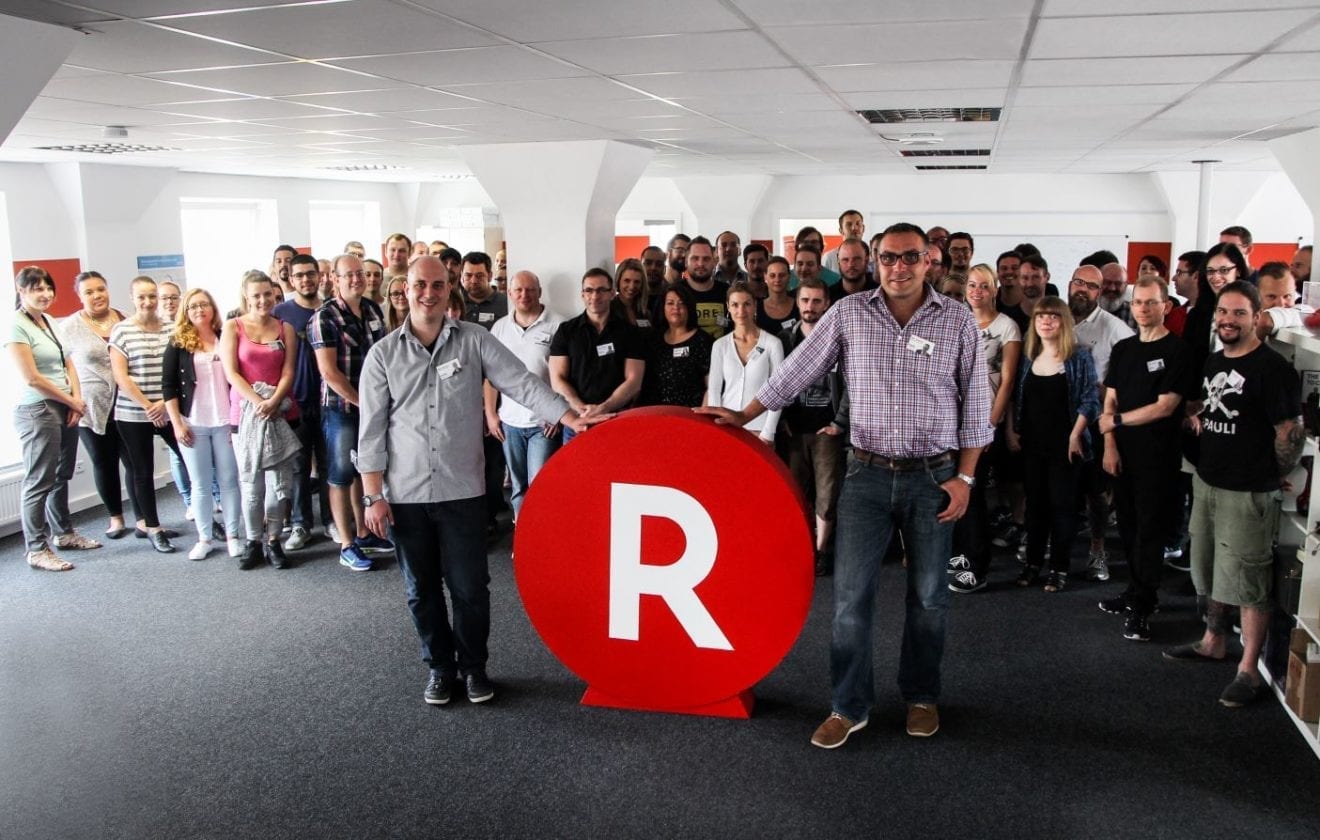
    As part of its plan to become the country’s fourth mobile carrier, Japanese e-commerce giant Rakuten is teaming up with a handful of local electric utilities to leverage the latter’s infrastructure and facilities to build its own 4G mobile network in Japan.

    The e-commerce firm signed an agreement last week with Kansai Electric Power Co that enable Rakuten to utilize the utility firm’s transmission towers, utility poles, telecoms towers and other facilities and equipment for its planned 4G network.

    At present, Rakuten operates as a mobile virtual network operator (MVNO) leasing network capacity from market leader NTT Docomo. The company announced last December its intention to enter the mobile network operator (MNO) business and has applied to Japan’s Ministry of Internal Affairs and Communications for a mobile license to build its own 4G network operating on the 1.7-GHz and 3.4-GHz bands.

    If the frequency band allocation is granted, Rakuten said, it plans to make use of Kansai Electric Power’s transmission towers, utility poles, telecoms towers and other infrastructure in and around Japan’s Kansai region for its base station locations.

    As well as Kansai Electric Power, Rakuten also signed similar agreements with Chubu Electric Power Co and TEPCO Group in March, in a bid to build its mobile network in the most efficient way.

    Rakuten, which plan to invest up to ¥600 billion ($5.6 billion) to build the mobile network, said it will also consider similar tie-ups with other electricity utilities to achieve nationwide service coverage, as it prepares for entry into the MNO business.

    Rakuten launched its MVNO business under the Rakuten Mobile brand in October 2014.  As of January 2018, Rakuten Mobile has over 1.5 million MVNO subscribers.

  • Teletalk to launch 4G in August

    Teletalk to launch 4G in August

    Bangladeshi state-owned operator Teletalk has announced plans to launch 4G services in August, six months after its private rivals.

    The company will initially limit its rollout to major cities.

    Teletalk has faced parliamentary criticism for its plans to invest just 2 billion taka ($23.8 million) of its own funds to deploy 4G services.

    According to the report, since inception  incumbent Grameenphone has invested 390 billion taka, Robi has invested 290 billion taka and Banglalink 192 billion taka, while Teletalk has only invested 38.4 billion taka.

    The operator has a minimal presence outside of capital city Dhaka, and parliamentarians have expressed concerns that it won’t be able to increase its presence and compete effectively without substantial investment.

    Teletalk has so far only revealed plans to upgrade around a quarter of its network sites to 4G. But the company insists it aims to ensure 4G coverage to 98% of the country’s geographical area by 2020, including every upazila (sub-district) by 2019.

    The operator also expects to be able to improve its active customer base from the current 4 million to 10 million by 2020.

    Teletalk secured a 4G license in February along with its larger rivals, but faced delays rolling out services due to a lack of funds.

  • South Korean department stores chase men from now onwards

    South Korean department stores chase men from now onwards

    South Korean department stores are ramping up efforts to attract male customers, whose growing numbers are changing the retail landscape.

    According to data from Shinsegae Department Store, male customers, which accounted for 28.1 per cent of customers in 2010, now represent just over 34 per cent of the major department store’s customer base.

    Sales at male-oriented shops at the main branch of Shinsegae Department Stores in Myeongdong and the Gangnam branch also jumped from 8.2 per cent to 10 per cent over the same period.

    Against this backdrop, South Korean department stores are continuing efforts to revamp their men’s departments, as well as introducing various products catering to family in an attempt to attract male customers of all age groups.

    Shinsegae Centum City opened a renovated men’s department on the fifth floor last month, featuring experience stores that appeal to not only men, but also women and family members.

    Street 5 is a select shop modeled after a European-style city-center plaza, packed with local brands from Busan and Daegu, differentiating itself from other stores.

    Apart from a wide selection of men’s clothing stores, a photography studio specializing in black and white photography and a premium select pet shop will also welcome visitors with various interests.

  • Anant Kaewruamvongs to take helm at Thaicom

    Anant Kaewruamvongs to take helm at Thaicom

    Asian satellite operator Thaicom Public Company Limited (Thaicom) has appointed Anant Kaewruamvongs as chief executive officer and director of the board, effective May 1.

    Anant takes over from Paiboon Panuwattanawong, who resigns from his positions as director, member of the executive committee and CEO, after severing Thaicom for over 25 years.

    Commenting on the appointment, Thaicom chairman Prasert Bunsumpun said [PDF] Anant “is the right person to lead and move Thaicom forward.”

    “The Thaicom board of directors and I welcome Anant Kaewruamvongs as new CEO. We believe his extensive experience makes him the ideal candidate to lead the company as we navigate through the next stage of growth and diversification of our business,” said Prasert, who took over as chairman at Thaicom in March.

    He said Paiboon’s contributions and dedication to Thaicom and the Thai satellite industry have been “immeasurable”.

    “We would like to thank Mr. Paiboon for taking on the challenge as CEO and for steering the company to new horizons. He and his leadership team have successfully embarked on a difficult restructuring process of our business and organization during difficult times for the satellite industry and Thaicom,” Prasert said.

  • TrueMoney Wins Payment Services License in Vietnam, Launches TrueMoney Wallet

    TrueMoney Wins Payment Services License in Vietnam, Launches TrueMoney Wallet

    TrueMoney Vietnam (“TrueMoney”), part of Southeast Asian Fintech company Ascend Money, has obtained the Intermediary Payment Services License from the State Bank of Vietnam to operate digital financial services in e-money, e-payment, wireless transfers, and payment gateways. TrueMoney is processing over one million transactions per month, with 500,000 customers a month transacting with TrueMoney agents and TrueMoney Wallet.

    Tanyapong Thamavaranukupt, President of Ascend Money, said, “Winning the license to operate digital financial services cements our presence in Vietnam, an important market for Ascend in our expansion throughout Southeast Asia. This means TrueMoney is now able to deploy a broad range of safe, affordable and convenient digital money solutions to Vietnam’s population of 90 million. In particular we hope to provide equal access to financial services for the unbanked.”

    Consumers can now use TrueMoney Wallet to make online purchases, pay bills and top up their pre-paid mobile and gaming cards, as well as to transfer money from their bank accounts to the digital wallet and from their wallet to other wallets. Offline and online merchants can use TrueMoney’s system as a payment gateway. Companies will soon be able to disburse payroll to their employees via TrueMoney Wallet.

    TrueMoney has a network of over 5,000 agents across 40 provinces in Vietnam. Agents are small business owners who conduct financial services for customers, enabling the largely underserved Vietnamese population to access fast and easy services such as top-up and bill payment near their location. TrueMoney Vietnam will soon offer additional financial services such as loans and insurance, in the second quarter of 2018.

    Vietnam has one of the lowest banking penetration rates in the region, with only one third of the population having an account with a formal financial provider, compared to the regional average of 69%.

    “While Vietnam has the potential to surpass China in GDP growth by 2020, the country urgently needs to connect its people and businesses to financial services, to reap the benefits of inclusive growth. As Southeast Asia’s fastest growing mobile commerce market, as well as one of its largest unbanked populations, Vietnam poses a key opportunity for TrueMoney to innovate and scale,” Tanyapong continued.

    TrueMoney, an e-payment and financial services provider for digital and unbanked consumers, is the only Fintech company with e-money licenses to operate financial services in Thailand, Myanmar, Indonesia, Cambodia, Philippines, and Vietnam. Across Southeast Asia, Ascend Money has reached over 35 million customers in 2017 and aims to reach 100 million customers by 2020.

    Vietnam, along with the Philippines, Indonesia, and Myanmar, has been identified by the World Bank as among the top 25 countries to focus strategic efforts on financial inclusion. According to the World Bank, in 2014 Vietnam had the lowest credit card usage in Southeast Asia, and only 50 per cent of the debit cards in circulation were in use.

    Tanyapong added, “The blurred lines between the unbanked and the underbanked—those with formal access but limited engagement—points to the need for not just access to bank accounts, but the regular use of banking in the daily lives of the population. This means that digital financial services can reach a much larger segment of the population if delivered through a comprehensive platform—addressing not just the need for a digital wallet, but also broader daily needs of merchants and users to transition from offline to online payment methods seamlessly. By strengthening the overall prevalence and convenience of e-money in daily life, Ascend Money plays a leading role in unlocking the potential of the digital economy in Southeast Asia for digital consumers and the underbanked alike.”

    Vietnam is the second country in the region to launch TrueMoney Wallet after Thailand. Following the successful roll-out of TrueMoney Wallet across Thailand in major retail outlets such as 7-Eleven convenience stores, with almost 10,000 branches nationwide, Ascend has continued to expand in markets that are among the region’s lowest in financial inclusion rates.

    TrueMoney Wallet was officially launched in Vietnam this year during the Lunar New Year with the TrueGift campaign, in which celebrities and users sent virtual red packets (hongbao) to their fans and friends to celebrate the special holiday.

    The Asian Development Bank estimates that bringing digital financial services to Southeast Asia’s unbanked population can boost the GDP of economies by as much as 6%.

  • L’Occitane launches a mobile cosmetics truck

    L’Occitane launches a mobile cosmetics truck

    Beauty brand L’Occitane en Provence is set to launch a mobile shopping experience in North America.

    The business will be bringing its skincare, body care, and fragrance products on a road trip with the new direct-to-consumer shopping model.

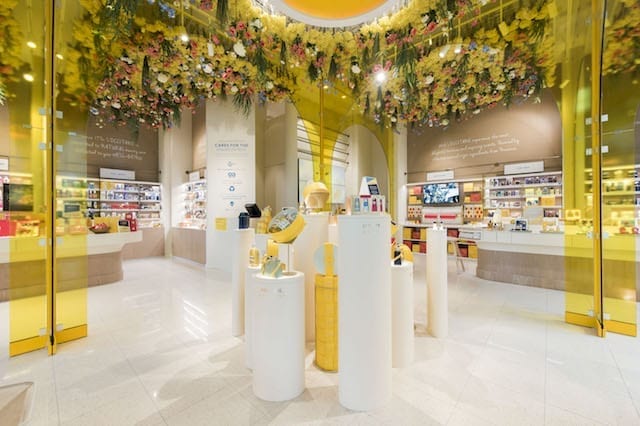
    The 16-foot-long, 7-foot-high truck is wrapped in L’Occitane’s signature yellow and features two window-like openings, featured at the truck’s side spanning across the entire length and rear that allows customers to view an internal shelving display filled with a curated-assortment of product, and test products facilitated by beauty experts.

    “We are constantly challenging ourselves to surprise and delight our customers and, as a result of this, our in-store shopping experience has evolved dramatically in recent years,” said Paul Blackburn vice president, Concept Design, Construction & Merchandising North America. “From our Flatiron Experiential Community Flagship boutique in New York, to the new Sunshine Retail Concept that was launched in 2017, and most recently the digitally enhanced and Multisensory flagship boutique at Yorkdale, we are addressing customers’ varying shopping needs in a variety of unique and unexpected ways.”

    The truck, whose design was inspired by the vintage French Citroën H Van, often used by small-town French farmers, also has an external video screen that will share campaign and brand imagery.

    “Entering a boutique can often be intimidating to a consumer; this dynamic concept is truly more approachable while still an extension of the multi-sensory and hospitable customer experience from our boutiques,” said Caroline Le Roch, commercial chief officer – North America. “We are excited to bring Provence to our customers, including areas we may not have a brick-and-mortar presence.”

    Le Roch said the L’Occi Truck is a great discovery tool for those who have yet to be introduced to L’Occitane.

    Kicking off in Washington, DC during the Cherry Blossom Festival on April 7th, the truck will stop throughout key cities and regions with and without a brick-and-mortar presence. The L’Occi Truck will also serve as a supporting asset for future store closings due to renovations to ensure the brand is always present for the consumer’s needs.

  • VF Corporation finalized Icebreaker takeover

    VF Corporation finalized Icebreaker takeover

    Outdoor apparel brand Icebreaker is now under US ownership after New Zealand’s Overseas Investment Office approved the NZ$100 million+ deal.

    The purchaser is VF Corporation, which owns a diverse portfolio of lifestyle brands, including Vans, The North Face, Timberland, Wrangler and Lee.

    In a media release, North Carolina-based VF Corp said the acquisition “is an ideal complement to VF’s Smartwool brand, which also features merino wool in its clothing and accessories”.

    “Together, the Smartwool and Icebreaker brands will position VF as a global leader in the merino wool and natural fibre categories.”

    The deal was originally sealed, subject to regulatory approval, last November. At the time, founder Jeremy Moon said it was always his plan to build a global brand from New Zealand.

    “Our partnership with VF provides us with the largest platform in the world to tell our story, access new markets and reach new consumers at an accelerated pace. This is a once-in-a-lifetime opportunity for our global Icebreaker brand team and for our wool suppliers to introduce a whole new universe of consumers to the benefits of sustainably farmed, ethically sourced, New Zealand Merino wool,” he said.

    The brand is sold in 47 countries through wholesale, branded retail stores and online. Sales were estimated at in excess of US$150 million last year.

  • Baan Ying heads Thai dining double

    Baan Ying heads Thai dining double

    Thai casual-dining restaurant Baan Ying and Dink Dink Thai Street Cafe, with the same owners, have opened at Royal Square Novena.

    Baan Ying has made a name for itself in Bangkok, where a family started the diner at Siam Square, encouraged by friends, 20 years ago. The original shop burned down after protests in the Thai capital in 2010.

    Now the group has a dozen restaurants, with Baan Ying outlets at Central World, Mega Bangna, Siam Centre, Siam Kitti, Silom Complex, Terminal 21 and The Promenade.

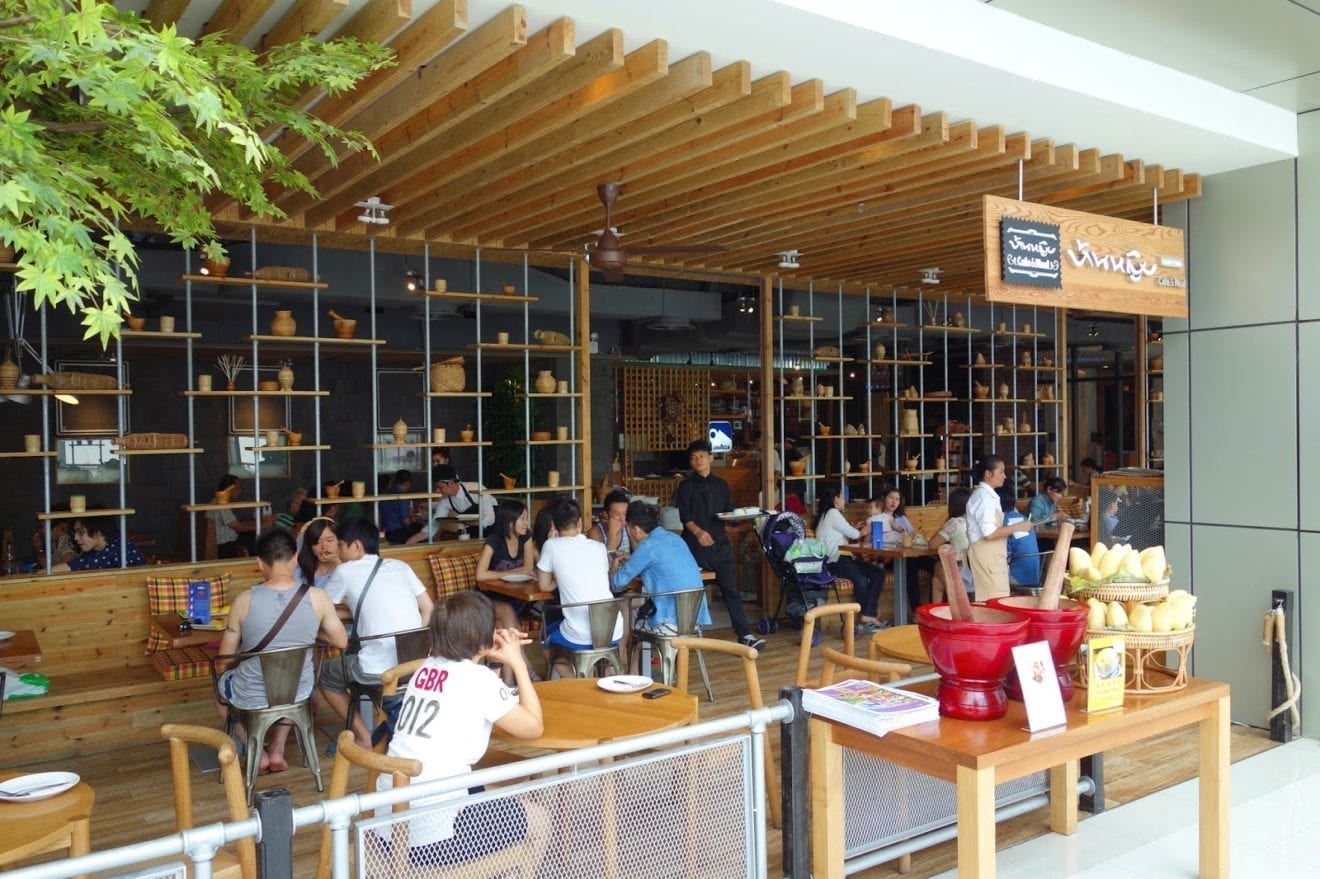
    For Singapore, the 126-seat Baan Ying has been opened in a bright space with tall ceilings, windows offering soft natural sunlight, light wooden furniture and greenery.

    Recommended items include the signature Baan Ying Omelette, Deep-Fried Sea Bass with Crispy Herbs, and Squid Stir Fry with Salted Egg.

    Downstairs on the first level of Royal Square Novena, Dink Dink Thai Street Cafe has a decor that echoes the streets of Thailand, with metallic tables and stools for the dine-in area. The menu offers noodles and toast dishes as well as drinks.

  • Zalora starts partnership with Jason Wu Grey

    Zalora starts partnership with Jason Wu Grey

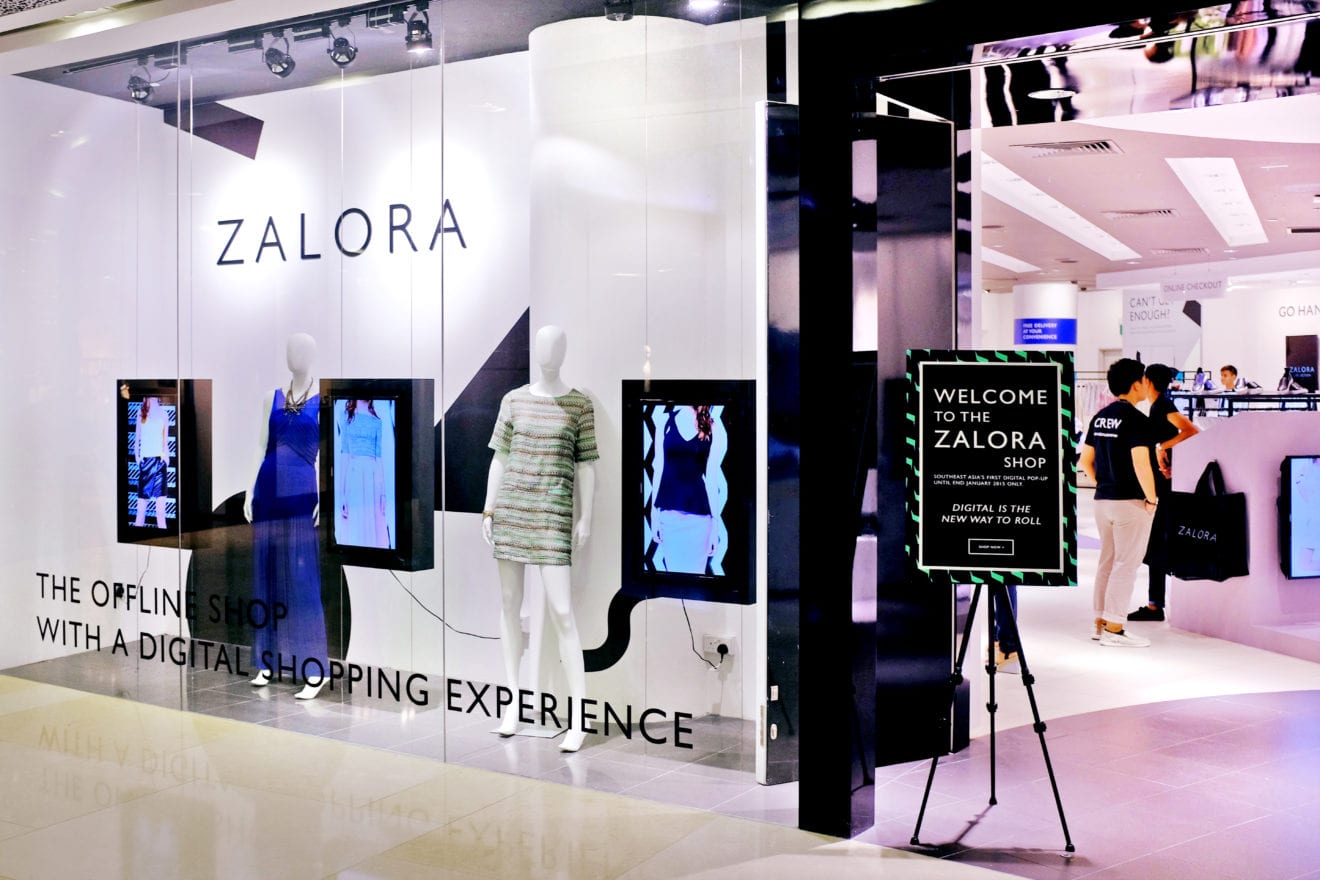
    Online fashion retailer Zalora has partnered with designer Jason Wu Grey and Malaysian bag specialist Sometime by Asian Designers to release a limited-edition offer.

    The upcoming collaboration will feature a classic tote bag and a crossbody mini tote in vegan leather. They will be exclusively available on the Zalora website and mobile app across Hong Kong, Macau, Singapore, Malaysia, Brunei, Taiwan, Indonesia and the Philippines.

    The handbags were inspired by the “subdued modernity” of the Jason Wu Grey collection combined with bold colour-block details influenced by Josef Albers’ square paintings.

    “This partnership marks Sometime’s expansion to new markets around the region and Jason Wu’s debut collaboration with a Southeast Asian retailer and Malaysian brand,” said Zalora in a statement.

    The exclusive bag collection will be available in June, with further details to be released closer to the launch.

  • Sephora to open a new highly competitive centre

    Sephora to open a new highly competitive centre

    Sephora will look to Queensland for its first Australian store opening of 2018, announcing plans to open a location in QIC’s highly competitive Robina Town Centre in May.

    It will be Sephora’s 14th store launch in Australia since bringing its offer Down Under at the start of 2015.

    With the likes of Myer, David Jones, L’Occitane, Lush, Priceline and The Body Shop already trading in the centre, competition will be fierce.

    But the beauty brand will look to sweeten the deal for its sunshine coast customers by introducing a new virtual artist within the store, which will allow customers to virtually try on products.

    Sephora Country Manager Libby Amelia said the Robina opening followed the success of its Pacific Fair store, opened in 2016, and would provide customers with an experience-focused offer.

    “Our teams of talented beauty advisers are on-hand to provide foundation matching and a wide variety of makeup services, but the beauty of Virtual Artist is that you can try on hundreds of colours all on your own, and from the traction we have via our app, we know our customers absolutely love it,” Amelia said.

    The Robina store will be the first Sephora in Australia to trade with the technology, although a broader roll out is anticipated.

    Sephora will also trade a range of exclusive brands in the new store such as Fenty Beauty, Huda and Anastasia Beverly Hills.

    Robina Town Centre general manager Shaine Beveridge said he was happy about the addition of Sephora to the centre.

    “We are delighted to welcome global cosmetics retailer Sephora to our growing and diverse portfolio,” he said.

    “The addition of this internationally renowned brand signals another exciting chapter for our Centre as we continue to strengthen our retail offer.”