Author: Mei Ling Tan

  • CIMB Bank’s digital push

    CIMB Bank’s digital push

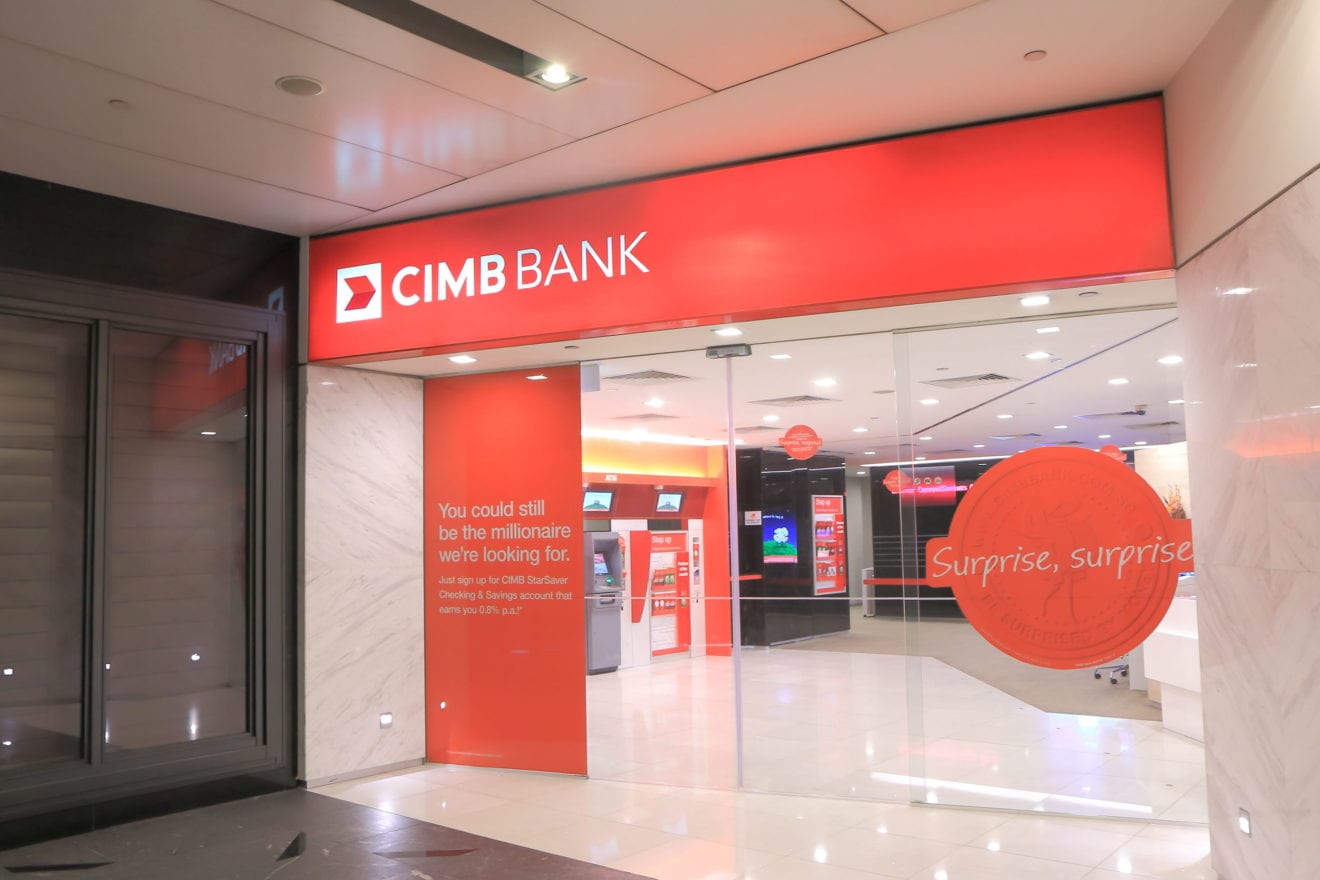
    CIMB Bank is ready to disrupt itself and will bank on data as one of the main thrusts in becoming a regional digital banking group at a time when disruptions are fast taking place in the financial services sector.

    On the whole, the group’s digital sales revenue has grown at a rapid phase from financial year 2016 (FY16) to FY17. In Malaysia it grew about 134%, in Indonesia by 200%, in Thailand and in Singapore by more than 1,000% and 464% respectively from FY16 to FY17.

    CIMB Bank Bhd CEO for group consumer banking Samir Gupta says digital sales enablement is the first phase of CIMB’s digital ambitions. Customers are moving away from over-the-counter service to digital transactions, resulting in a close to 35% drop in CIMB’s over-the-counter transactions to 2.9 million in March this year from 4.4 million in September 2016.

    Currently, more than 95% of customers’ transactions are performed via digital or self-service platforms.

    Samir adds that there had been a 27% drop in over-the-counter transactions in the last six months alone – while existing staff are being reskilled and retrained to take on more productive tasks – reinforcing the banking group’s strength and commitment to digital transactions.

    Moving forward, big data will define CIMB’s retail banking as part of the bank’s transformation into a digital banking group in South-East Asia.

    “The usage of data will build, reshape and strengthen the bank’s digital initiatives.

    “Amid the disruptions from fintech, CIMB has made a firm commitment to disrupt itself as this will help us to reach and meet consumers’ demanding needs promptly.

    “Rather than just look at existing competition, the bigger challenge is how fast we can meet consumers’ needs at a fraction of the cost. Big data will allow us to have a full view of customers’ needs and enable us to facilitate faster transactions,’’ he says during an interview.

    CIMB has launched the first big data platform in the country, using open source software and supported by a data science centre of excellence.

    There are plans underway to beef up the group’s big data initiative by hiring a significant number of data scientists and data engineers over the next two years.

    “As almost 90% of global data is unstructured, there is great demand for data scientists and data engineers who has the expertise to combine both data – structured and unstructured – to help banks to have a full view of customers’ needs,’’ he adds.

    Apart from this, the bank will also launch by next month what it terms as a “rules engine” as part of its big data push. This involves the bank’s ability to listen and react to customers’ needs instantaneously in real time.

    Big data initiatives

    The big data initiatives will be carried out at the bank’s operations in Malaysia and other regional markets. CIMB will be launching its digital “challenger” bank in Vietnam in June and in Philippines by November this year. Digital challenger bank refers to a full-fledged digital bank which challenges the traditional way of doing business.

    Commenting on the scope and market of these two countries, Samir says: “They have a combined population of over 200 million and the market is huge and offers great potential.

    “We are moving away from the traditional brick-and-mortar branch model in Vietnam and Philippines. For these markets, CIMB will be bringing totally new systems to support the full-fledged digital proposition which will be led and driven from a customer’s journey view point. We will also be replicating the challenger bank concept in Thailand by year-end.”

    Meanwhile, CIMB Bank recently added new features to its first-in-Asean, innovative and award-winning mobile chat-banking app, CIMB Enhanced Virtual Assistant (EVA), to include Spend Analyser and natural language conversational capabilities.

    With CIMB EVA’s Spend Analyser, customers are able to manage their accounts better and make smarter financial decisions via single-tap spending insights for utilities, petrol, entertainment, dining and travel made on their CIMB debit, credit, and prepaid cards.

    In addition, CIMB EVA’s chat capabilities have been enhanced to cater to a wider range of chat-based transactions, enabling customers to chat with EVA based on words in natural conversations.

    On CIMB’s strategic regional partnership with Japan’s number one insurer, Sompo, Samir comments that “this partnership in our markets in Malaysia, Indonesia, and Singapore not only allows us to optimise regional synergies and operational efficiencies, but also leverage on both parties’ digital capabilities to spur innovation and bring to market products that address customers’ protection needs instantaneously, such as the Travel Care EVA to be launched soon.”

    Soon, CIMB Bank will also be launching its personalized life stage-based holistic financial solutions – based on its F.I.R.S.T. proposition, which stands for finance, insure, returns (investment), save and transact – as part of its initiative to leverage on big data and encourage customer stickiness.

    Thanks to its push towards digital, CIMB Bank was recently awarded, for the second year in a row, the Best Retail Bank in Malaysia, and was also declared winner for The Best Productivity, Efficiency and Automation Initiative, Application or Programme by the prestigious Asian Banker’s Retail Financial Awards 2018.

    CIMB Bank is also the first bank in Malaysia to receive Bank Negara’s regulatory sandbox approval for electronic-know your customer (E-KYC), a paperless and electronic method of verifying the identity of customers, which is set to be a feasible alternative to existing face-to-face verification requirement in today’s traditional banking.


  • DoT orders telcos to surrender 3.3-GHz spectrum

    DoT orders telcos to surrender 3.3-GHz spectrum

    India’s Department of Telecom (DoT) has instructed operators including incumbent Bharti Airtel to vacate spectrum in the 3,300-MHz to 3,400-MHz range by the end of September so it can be included in a new auction.

    The operator has written to all existing licensees of spectrum in the band to vacate it within six months.

    The 3.4-GHz band is expected to be one of the first frequencies to be used for 5G rollouts globally.

    Other licensees of the band include Reliance Communications – which is selling its wireless assets to Reliance Jio Infocomm, Tata Communications – whose parent company is reportedly looking to exit the telecoms business, and wireless ISP Dishnet Wireless.

    According to the report, Dishnet parent Aircel has already surrendered the spectrum. The operator filed for bankruptcy last month.

    The DoT plans to hold a major auction for spectrum in the 700-MHz, 800-MHz, 900-MHz, 1800-MHz, 2100-MHz, 2300-MHz, 2500-MHz, 3300-MHz, and 3400-MHz to 3500-MHz bands during the next auction.

    The ministry appears to be pressing ahead with the auction despite fears over the perilous financial state of the mobile industry, and against the wishes of operators who had asked for more time to pay off existing spectrum fees and other debts.

  • Malaysia First to Offer Gold in Exchange for Recycled Plastics and Cans

    Malaysia First to Offer Gold in Exchange for Recycled Plastics and Cans

    Malaysians will soon be the first to earn gold by recycling their plastic bottles and aluminum cans. Southeast Asian fintech firm HelloGold and Malaysia’s reverse-vending machine (RVM) company KLEAN are implementing a recycling scheme that offers Malaysians 0.00059 grams of investment-grade gold for each recycled plastic bottle and each aluminum can.

    Anyone can start earning gold by first downloading the HelloGold app from the Google Play Store or Apple Store and registering for an account. Once registered, users can bring their plastic bottles and aluminum cans to any KLEAN RVM for recycling. After depositing the bottles or cans in the machine, users can choose to convert their KLEAN e-credits into gold through a seamless integration between the KLEAN digital wallet and the HelloGold mobile app. Users can also register for an account at any of the forty machines that will be available across Klang Valley in July, and 500 machines across Malaysia at key locations before the end of the year.

    Robin Lee, CEO and Co-founder of HelloGold, said, “Emerging economies across Asia are dealing with increasing plastic use and consumption. Without adequate recycling infrastructure or habits in place, these plastics end up in landfills and oceans destroying the environment. HelloGold’s partnership with KLEAN will incentivise people to clean up the environment, while accessing new financial products such as gold.”

    “In our mission to enable everyone access to safe and affordable gold products to protect their savings, HelloGold has been expanding our reach to millions of online and offline communities through key partnerships such as Axiata’s Boost and Aeon Credit. Our latest partnership with KLEAN reflects our shared values in using innovative technology to enable financial inclusion and wealth creation for the man on the street,” Robin concluded.

    Increasing plastic waste has become a pressing environmental problem for countries across Asia. Six of the top ten countries most responsible for plastic waste entering the ocean are in Asia, leading with China and followed by Indonesia, Philippines, Vietnam, Thailand and Malaysia. Only 14% of plastic packaging is collected for recycling globally, an estimated US$80-120 billion economic loss per year.

    Nick Boden, CEO of KLEAN, said, “Plastic waste is increasing around the world, yet recycling rates remain low. Through this partnership, we aim to encourage greater recycling by showing Malaysians the potential wealth and money that lies around our communities, in our landfills and floats in our oceans.”

    Nick continued, “After launching in Malaysia, we see great potential to expand our offering to other countries such as Singapore and South Africa. In countries such as South Africa, plastic scavenging is often the main source of income for families who must sell their plastic within an informal economy that is dominated by middle men with high fees. Enabling these families to directly access virtual currency or gold at KLEAN’s reverse vending machines will allow for a safer and more stable economic livelihood.”

    The KLEAN Reverse Vending Machines collect aluminum cans and plastic bottles, sort and crush on site, while registering users and rewarding them with virtual points. These collected items are then smelted back into aluminum in the case of cans and recycled into PET pellets in the case of plastic bottles.

    According to report, imports of plastic waste have increased sharply in Southeast Asia following China’s decision to ban imports of plastic waste from the start of 2018. Malaysia’s plastic imports jumped from 288,000 tonnes in 2016 to 450,000 tonnes in 2017; in the same period, Vietnam’s imports rose 62%, Thailand’s 117%, and Indonesia’s 65%.

  • M1 joins StarHub in electricity play

    M1 joins StarHub in electricity play

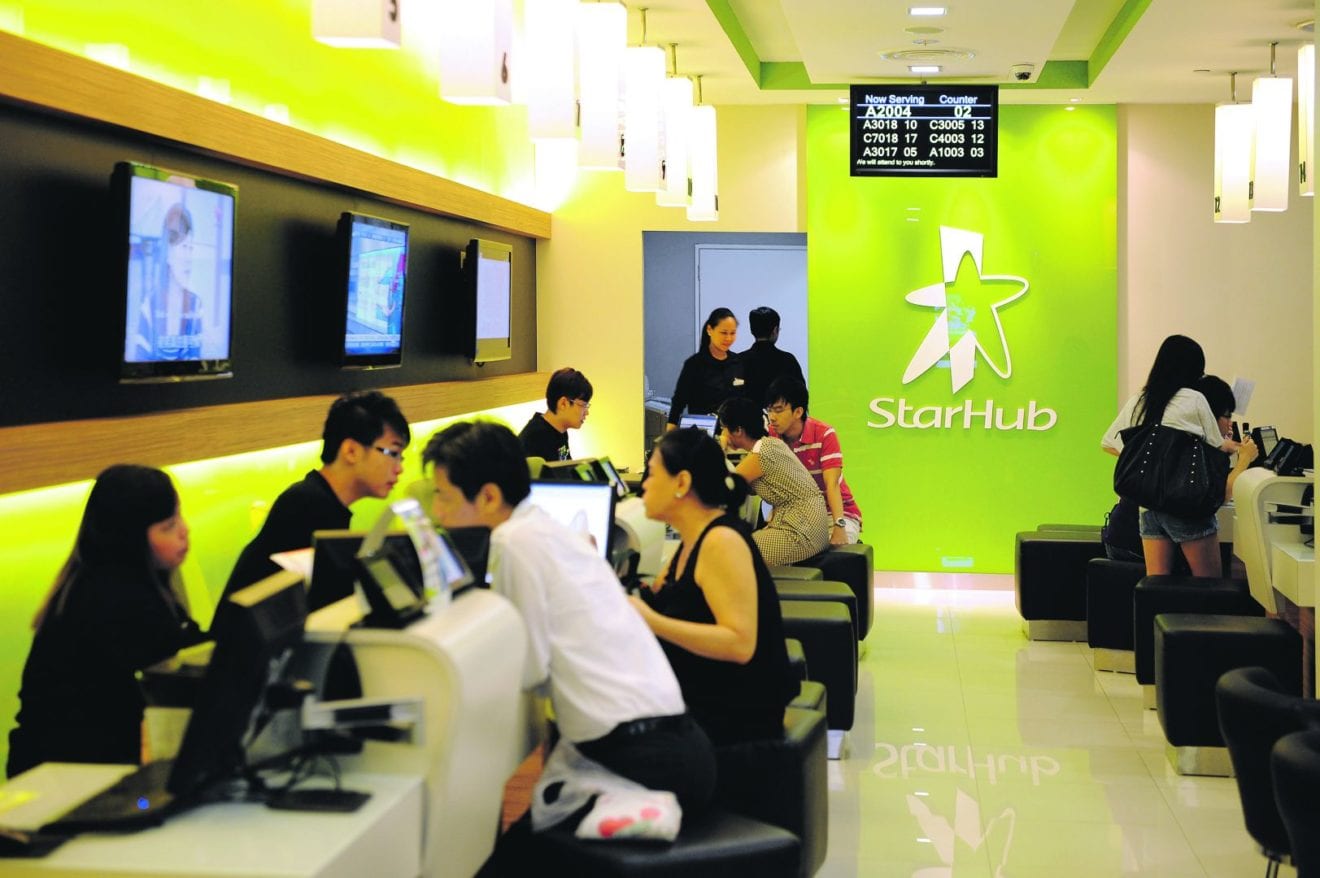
    Singapore’s M1 has joined StarHub in looking to carve out a share of Singapore’s new open electricity market.

    M1 has announced a collaboration with Keppel Electric, a participating electricity retailer in Singapore’s Jurong open electricity market (OEM) soft launch, to offer electricity bundled with telecoms services.

    New and re-contracting mobile customers are being offered the ability to sign up for discount electricity plans at the M1 Shop In Jurong, as well as either S$80 off the price of the Samsung Galaxy S9 and S9+ or six months worth of extra data allocations.

    “We are delighted to partner Keppel Electric to offer our customers greater value and flexibility in the liberalized energy market,” M1 chief marketing officer P. Subramaniam said.

    “We look forward to working closely with Keppel Electric to provide new service development and product bundling for its provision of its electricity offerings in this town and nationwide in time to come.”

    Earlier this month StarHub announced a joint initiative with renewable energy startup Sunseap to enter Singapore’s open electricity market to offer joint electricity plans, collaborating on areas including sales, customer service and billing.

    Singapore plans to liberalize the nation’s electricity market to allow customers to seamlessly switch electricity retailers with no disruption to supply. The new open market  has been soft-launched in Jurong and will be rolled out city-wide later this year.

  • Shake Shack Rumoured To Be Opening At Jewel Changi Airport

    Shake Shack Rumoured To Be Opening At Jewel Changi Airport

    A Shake Shack Singapore store is reportedly planned for the Jewel Changi Airport shopping centre.

    Singapore food blog 8 Days, quoting an “industry source” says the chic American gourmet burger chain is in the final stages of preparation to launch in Singapore. Elsewhere in Asia, the brand is preparing to open in Hong Kong, where it has appointed local licensee Maxim’s Caterers, a division of Dairy Farm International, which also owns the Starbucks license for Hong Kong and Singapore.

    However 8 Days is tipping the Shake Shack Singapore eatery to be run by Korean food and beverage company SPC Group, which operates Paris Baguette and has the Korean rights to Shake Shack.

    The burger chain’s founder Danny Meyer was in Singapore to address a Restaurant Association of Singapore event and while “coy” about plans for Singapore, he reportedly told 8 Days he wants to see the brand launched in the city state.

    “It’s a possibility,” he told 8 Days. “My guys have visited Singapore thrice for site trips and they loved it here. It’s all about finding a good licensee.”

    Jewel Changi Airport is a shopping centre to be managed by CapitaLand, attached to the airport’s Terminal 1 and scheduled to open early next year.

    No confirmation was forthcoming from Changi Airport or SPC.

    Shake Shack, which started out as a food cart in New York City, now has more than 170 outlets internationally.

    Besides burgers, it is known for milkshakes, ice cream and other staple US dishes, but with more focus on flavour and serving size than is traditional in US fast-food restaurants.

  • Retailers find winning strategy in online-only

    Retailers find winning strategy in online-only

    Retailers have long been using online channels to make up for sluggish sales at their brick-and-mortar stores, but recently, they have taken the shift to another level, introducing products exclusively for online.

    The trend-conscious fashion and cosmetics sectors are at the forefront of this new strategy. Beanpole Ladies, a brand under Samsung C&T, recently introduced Lime Beanpole, a series of products sold exclusively through its website. The target demographic is Koreans in their teens to 30s, and the prices are around 60 to 70 percent of Beanpole’s original lineup. The designs are youthful, including engraved prints and embroideries for fruit.

    The nearly 30-year-old brand has been releasing clothes aimed at younger consumers since 2016 starting with Choco Beanpole. The last line before Lime Beanpole, called Coffee Beanpole, released for the fall and winter season last year, was a success – 80 percent of the stock was sold out.

    AmorePacific brand Innisfree’s True Care cosmetics line is popular among consumers in their teens and 20s and can only be purchased online. Another AmorePacific brand, Etude House, sells its Tapa sheet masks this way. Iope’s Whitegen Essence Cushion foundation, exclusively sold online, has a demo target of consumers in their 30s.

    “In the past, online-only products were special editions for those who don’t shop at brick-and-mortar stores but nonetheless have a sense of loyalty to the brand,” said Lee Min-kyu, senior vice president at AmorePacific. “Now, they’re starting to make exclusive products rather than one-time events.”

    Similarly, LG Household and Health Care’s The Face Shop sells 14 products from its Bifida line only online. Another well-known cosmetics brand, Nature Republic, has 18 products from its series Bulgarian Rose sold the same way.

    The biggest reason why companies are developing online-only products is their cost effectiveness. Operating brick-and-mortar stores incur high maintenance costs and investment in various stages of distribution.

    “If a product is sold at brick-and-mortar stores, it’s practically impossible to sell the same thing at a lower price online,” one industry source said. “Online-exclusive products can be sold at a lower price while maintaining the same level of quality, which is why it’s more effective in attracting new customers.”

    Another important motivating factor in the strategy is boosting brand loyalty among younger consumers. If something is sold exclusively online, this can attract more people to the company’s website, even if it’s just out of curiosity.

    “To prevent a brand from aging, it’s important to constantly pull in younger consumers,” said Won Eun-kyung, head of Bean Pole Ladies. “But conventional ways [of rebuilding a brand image] through [such methods as] a logo change are expensive, whereas the same results can be obtained by releasing online-only products.”

    Companies anticipate that if they succeed in creating a more favorable perception of the brand, sales will be affected positively in the long run.

    Some companies think online is a better channel to present the product’s differentiating points to the public.

    “A characteristic of online consumers is that they tend to compare the pros and cons of a product through multiple sources like blogs rather than rely on one-sided information offered by the manufacturer’s ads,” said Koh Hyang-sook, who leads one of Woongin Foods’ marketing teams. “Apart from raising awareness of the brand, online-only is now a method used to effectively highlight the product’s advantages.”

  • Shoe store chain ABC-Mart seen beating profit forecast

    Shoe store chain ABC-Mart seen beating profit forecast

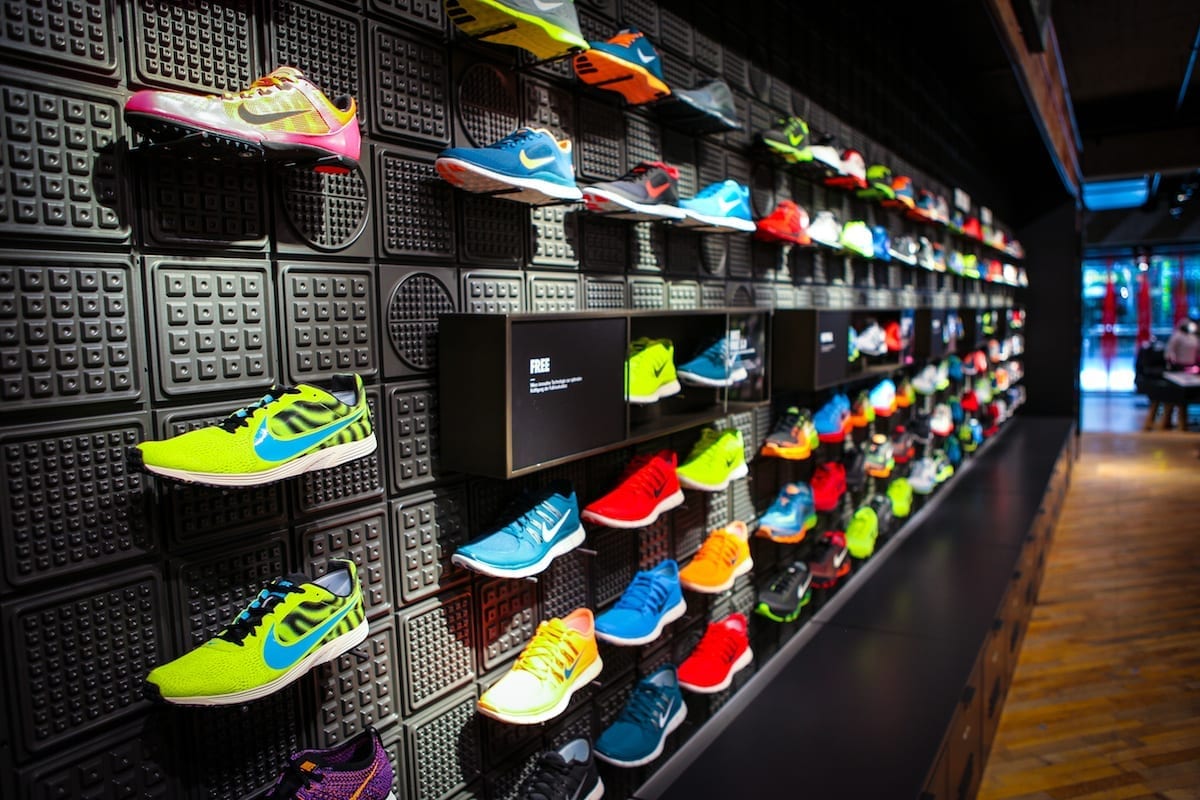
    A larger line-up of foreign brands for the end-of-year holiday season helped Japanese footwear retailer ABC-Mart grow its operating profit by a better-than-expected 3 per cent to about ¥43 billion (US$406 million) for its year to the end of February.

    It is the 15th straight year of growth for the company, which had forecast a 2 per cent lift in profit, as reported

    Sales rose 6 per cent to nearly ¥255 billion, boosted by such brands as Adidas and Nike. An unusually snowy winter created extra demand for boots and other winter footwear.

    Sales of women’s shoes, which were sluggish in fiscal 2016, seem to have bottomed out, thanks partly to television advertisements, says the company.

    ABC-Mart attracted more customers as it opened about 60 stores in downtown areas and in malls, and added locations of chains that cater to women and children. The retailer also refurbished about 30 stores in order to expand floor space and improve the look of its displays.

    In addition, ABC-Mart saw more Chinese and other foreign visitors shopping at its stores. Online sales also grew.

    In South Korea, where ABC-Mart has about 200 locations, sales grew but probably fell short of its forecast. Business appears to have taken a hit from Chinese restrictions on group tours to South Korea following Seoul’s decision to deploy a US missile defense system.

  • Citygate Outlets announces four exciting pop-up stores

    Citygate Outlets announces four exciting pop-up stores

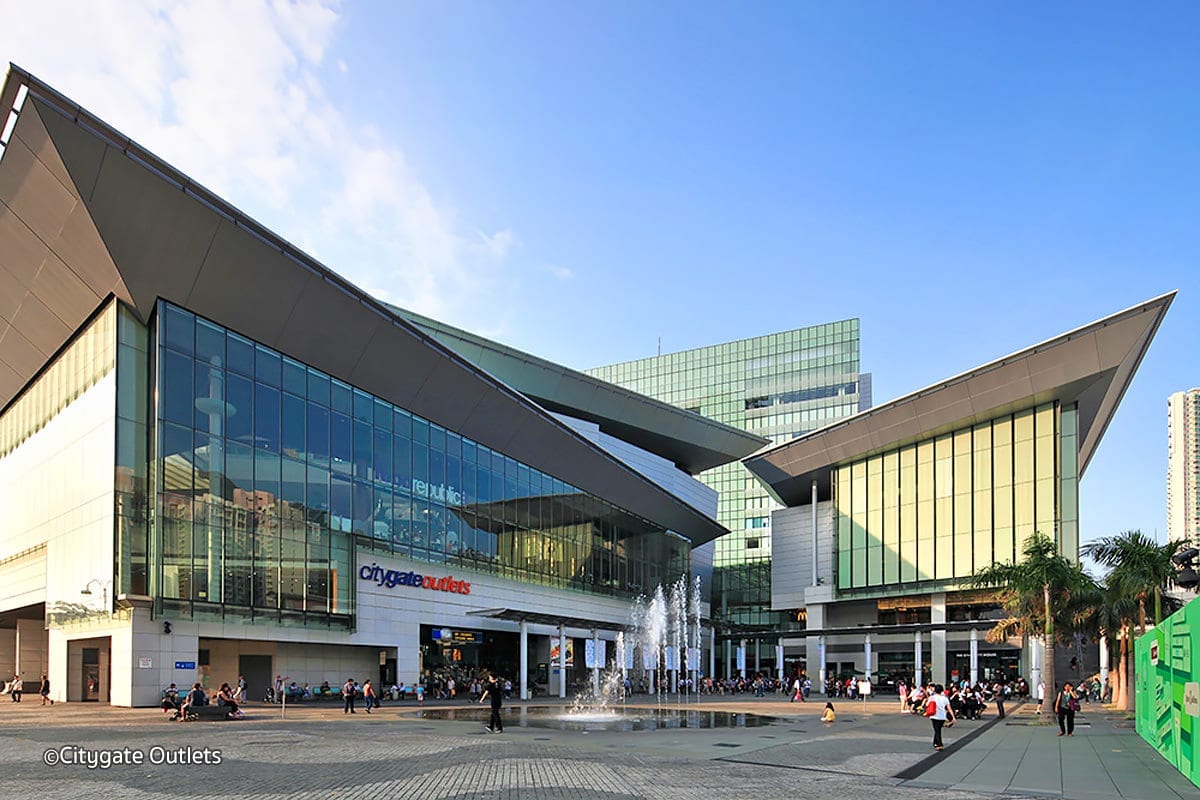
    Cutting-edge Hong Kong streetwear store JUICE will be one of the four exciting pop-up stores coming to Citygate Outlets this month.

    Hong Kong’s leading retail outlet mall, featuring more than 80 international fashion and lifestyle brands offering 30% – 70% year-round discounts, is celebrating the change in seasons with this latest announcement, as well as limited-time pop-ups by PANDORA, LeSportsac and ORIGINS.

    Polo Ralph Lauren will also introduce their latest collection at Citygate Outlets, giving shoppers even more reasons to refresh their spring wardrobes.

    JUICE

    Cutting-edge Hong Kong streetwear store JUICE, owned by Kevin Poon and Edison Chen, will pop-up at Citygate Outlets this season, marking the store’s first outlet in Hong Kong.

    Cool kids can get up to 90% off on selected items from CLOT, YEEZY, SOMEWARE and PAN, among others.

    PANDORA

    Jewellery brand PANDORA has also announced a Citygate Outlets pop-up for Spring.

    Featuring a wide range of their timeless charms, rings and earrings, discounts of up to 60% will surely be too tempting to resist for savvy shoppers looking to add some sparkle to their spring wardrobe.

    Sporty American bag brand LeSportsac pop-ups this Spring at Citygate Outlets, and feature up to 60% off selected items from its classic collection as well as its “Tokidoki” collection, a crossover with internationally renowned illustrator Simone Legno, and its “We Love ZoolooZooloo” collection, an exclusive crossover with Ocean Park.

    As a special offer at Citygate Outlets, all shoppers who spend over HKD600 will receive a complimentary key chain. The gifts-with-purchase are available only while stocks last.

    ORIGINS

    The changing weather means it’s time to update the skincare routine. Citygate Outlets take care of things this Spring with an ORIGINS pop-up.

    Guided by the ethos of Nature + Science = Happy Skin, the American skincare brand will offer an exclusive discount at Citygate Outlets, whereby 2 items purchased will receive a 10% discount off the total price, while 2 items (including 1 serum product) or any 3 items will receive a 15% discount. Exclusive skincare sets will also be available at the pop-up so that every need will be covered.

    POLO RALPH LAUREN

    In addition to the four pop-up stores, leading international brands in Citygate Outlets will unveil the latest in Spring fashion. One to look out for is Polo Ralph Lauren’s new collection, which will be available exclusively in Citygate Outlets.

    Mix and match the hottest looks right now with up to 50% off the price of other classic items by the premium American lifestyle label.


  • 50 more Chow Sang Sang stores to be launched this year

    50 more Chow Sang Sang stores to be launched this year

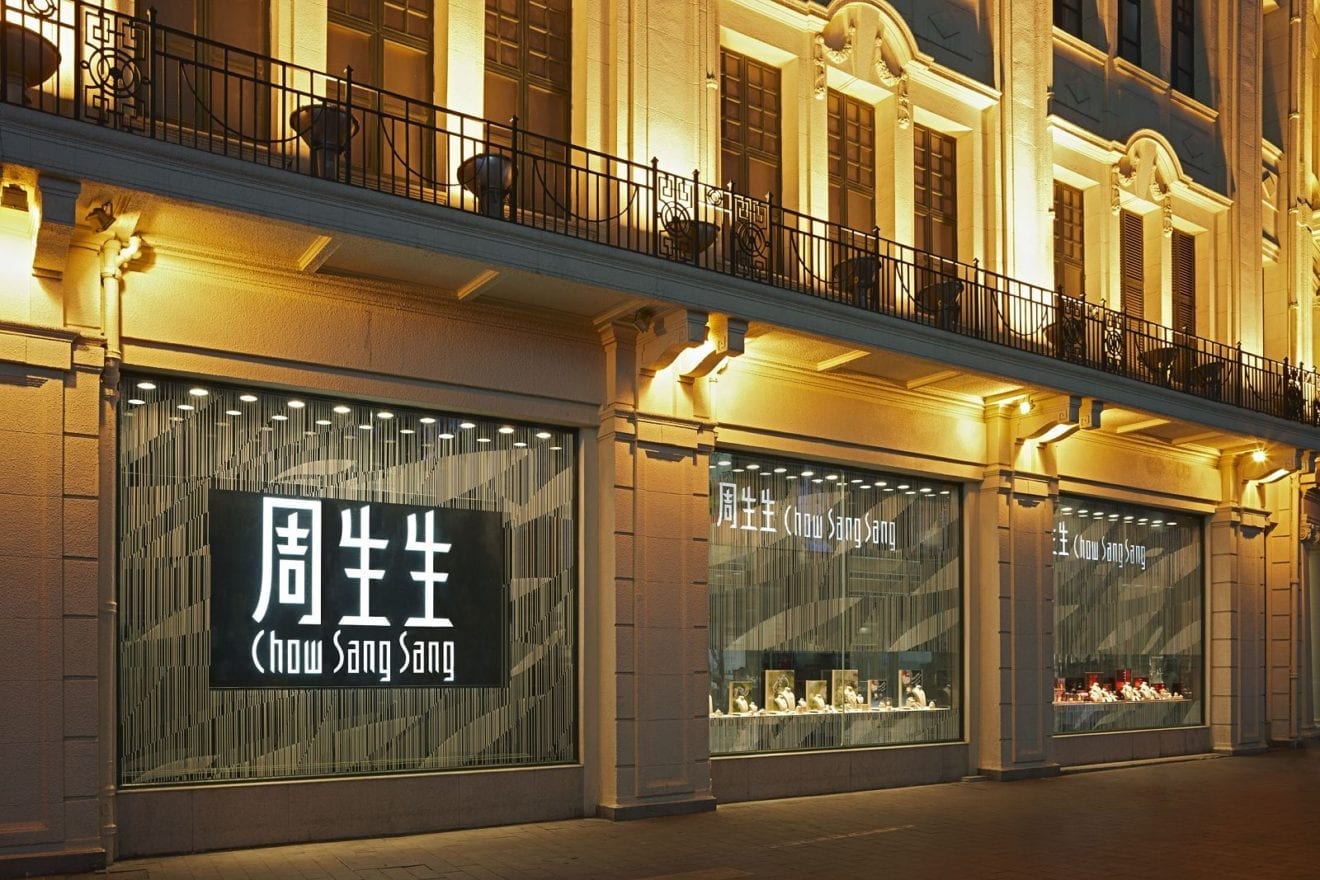
    With a focus on urban markets, Chow Sang Sang Holdings International plans to open around 50 stores this year.

    While consumer sentiment improved in the second half of last year for the jewellery retailer, it says a strong recovery is yet to be seen, especially in Hong Kong. Meanwhile, global markets are already anticipating an interest rate rise, and international trade disputes seem to be looming.

    In Hong Kong, the company will continue with the realignment of its network to match the change in consumer patterns and preferences. Overall, it expects to reduce the amount of floor space with no significant changes in the number of shops.

    “In China, increasing sophistication in consumer behaviour provides opportunity for growth via product and brand differentiation. As our online competition heats up, we are putting more effort into offering a seamless customer experience.”

    Turnover last year grew 3 per cent to HK$16.6 billion (US$2.1 billion). The disposal of a part of a long-term holding of shares in Hong Kong Exchanges and Clearing resulted in a gain of $114 million. Including this amount, the group’s overall profit attributable to equity holders increased by 18 per cent to $876 million.

    After dropping for three consecutive years, jewellery retail turnover returned to positive growth, rising 3 per cent. Jewellery retail accounted for 87 per cent of the group’s turnover.

    Operating profit fell by 5 per cent to $902 million, because of an extra gain of $176 million in 2016 resulting from a movement in the price of gold.

    Sales slipped per cent in Hong Kong and Macau, affected by shop closures. Same-store sales growth was down 2 per cent, mainly because of soft turnover of gold in the fourth quarter.

    Sales of gem-set jewellery improved in the second half, and in the last quarter reversed its downward trend since 2016.

    During the year, four Chow Sang Sang shops and one watch branch in the tourist district were closed. However, three new shops and one new watch branch were established in non-tourist districts.

    Despite Macau’s tourist traffic improving, shops in the shopping arcades performed worse than the main-street shop.

    Total turnover in Mainland China rose 9 per cent year-on-year to $8 billion. In RMB terms, this was 11 per cent growth, and same-store sales rose 5 per cent.

    Online sales continued to grow, accounting for about 14 per cent of China sales. Gold products dominated the sales mix.

    At the end of the year, the group had 422 shops in 119 cities. Of these 63 were new outlets, and there were 15 closings. Of the new stores, 28 were set up in shopping malls.

  • Jollibee Milan Is Finally Open And the Response Is Intense

    Jollibee Milan Is Finally Open And the Response Is Intense

    There were queues when Filipino fast-food giant Jollibee Europe opened its first-ever branch, in Milan.

    An estimated 170,000 Filipinos live in the Italian city.

    In the early hours of the outlet’s opening day, families, young people, members of the Filipino community, and even locals were lining up in front of the Jollibee store.

    Slide to view the gallery below :

    “Gaining a foothold in Milan is a fundamental step for Jollibee, as well as a launch pad for the expansion of the brand to Europe,” says Jollibee Foods Corporation CEO Ernesto Tanmantiong.

    Milan’s opening follows the signing of a JV between Jollibee Foods Corporation and Singapore Blackbird Holdings to take the fast-food chain into Europe.

    “We want to bring Filipinos a taste of home, and at the same time share with Italians, who are famous for their gastronomic heritage, says Tanmantiong.

  • Indonesia’s Telkomtelstra expands cloud service business

    Indonesia’s Telkomtelstra expands cloud service business

    Indonesia’s managed services provider PT Teltranet Aplikasi Solusi (Telkomtelstra) plans to open several more data centers in a bid to expand its cloud services across the country.

    Currently, the company has one data center for its cloud business in Serpong, Banten, which started operations in December, 2017.

    “We will have one new data center in Sentul, West Java. It’s expected to be ready by the end of next month,” Agus F. Abdillah, Telkomtelstra chief of product and synergy, said on Tuesday, adding that another data center would be opened in Surabaya in July.

    Telkomtelstra is a joint venture company established by state-owned Telekomunikasi Indonesia (Telkom) and Australia telecommunication giant (Telstra) to provide network application and services to Indonesian enterprises, multi-nationals and Australian companies operating in Indonesia.

    The company started to tap into Indonesia’s growing cloud services market in August last year, when it launched Azure Hybrid Cloud with Azure Stack Platform in collaboration with PT Microsoft Indonesia.

    Cloud technology allows individuals and businesses to access or process data via the internet from anywhere anytime.

    On Tuesday, Telkomtelstra introduced several cloud-based products, including a cloud-based video analytic product that can help businesses analyze customers characteristics to get a better idea of who visits their sites.

    The company also introduced a cloud-based desktop, Citrix, allowing users to remotely access a desktop environment with software from any device.

    Agus said Telkomtelstra was eyeing customers in several segments, including private enterprises, banks, government agencies and education institutions. “Three companies have signed contracts with us after we gave trials to 14 companies since December last year,” said Agus.

  • Singapore will be next destination for Creyate

    Singapore will be next destination for Creyate

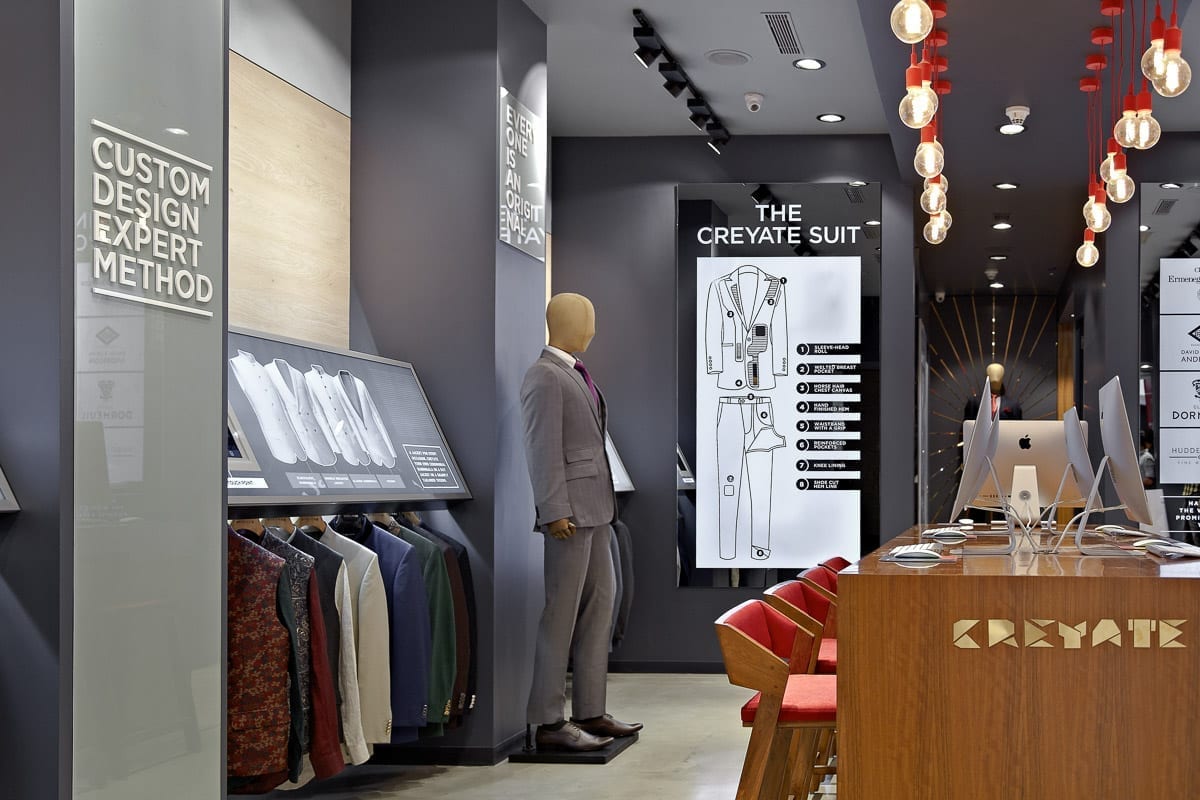
    Indian custom-clothing brand Creyate plans to open stores in Singapore, the US, UK and Dubai after a successful foray into Japan.

    Owned by Arvind Internet, the company recently opened its first luxury store in the Indian city of Bengaluru and is considering ramping up its expansion through a franchise model. It has 13 stores operating in its home market already.

    Described as an emerging brand, Creyate customises apparel products to people who buy online or in-store. Online, they can submit measurements and select designs in advance of picking up the products in store – or having them delivered.

    In Japan,Creyate already has 50 stores-in-stores specialising in denim.

    Arvind Internet COO Tejinder Singh said that the company wants to double its retail network within 18 months.

    “With our omni-channel approach, we may cap it at two stores per city, so we are looking to explore Tier-II cities, as well. It is an inventory-light model, which suits the all stakeholders at a macro level,” said Singh.

  • Perrier-Jouët ‘Garden of Wonder’ Pop-up at Pacific Place

    Perrier-Jouët ‘Garden of Wonder’ Pop-up at Pacific Place

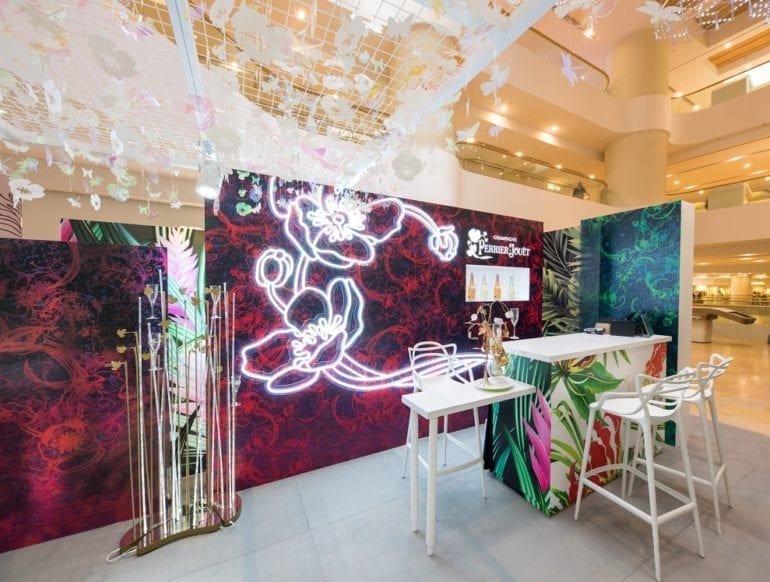
    Following its incredible debut in Hong Kong last year, Perrier-Jouët lavishes the city with the return of the Garden of Wonder Pop-up at Pacific Place from 19th March to 8th April 2018.

    SEE ALSO : EXCLUSIVE INTERVIEW with Swire: the future of shopping malls

    In its newiteration,the exquisite Garden of Wonder celebrates the city’s passion for the arts, innovation and gastronomy in a luxurious all-encompassing immersive experience.

    Crafting nature into art since 1811, the House of Perrier-Jouët draws upon the exuberant power of nature to delight and inspire, re-wilding the Garden of Wonder to re-enchant Hong Kong with an #ArtoftheWildtheme.

    Open daily, 11am –8pm from 19thMarch to 8th April, the Garden of Wonder welcomes guests to an exclusive champagne experience set against the backdrop of the captivating cutting-edge art installation, “Becoming” by German-American duo Luftwerk.

    In addition to taking in the beauty and artistry of the pop-up, visitors will also enjoy the unique opportunity to personalise a Perrier-Jouët Grand Brut bottleas well as activities including DIY Floral Painting workshops and “Surprise Happy Hours”.

    Held twice a weekand announced on the Garden of Wonder minisite (www.gardenofwonder.hk), “Surprise Happy Hours” invite the first 50 Garden of Wonder patrons toenjoy a complimentary glass of a select Perrier-Jouëtchampagne.

    For gastronomes, the Garden of Wonder celebration extends across Perrier-Jouët’s partnering hotels including Conrad Hong Kong,Hotel Iconand Cordis Hotel,where guests can savour meticulously crafted gourmet Popsticks and champagne pairings for a sublime culinary experience.

    As a special part of this celebration, Perrier-Jouët Cellar Master Hervé Deschamps will travel from France to bring Hong Kongers a once-in-a-lifetime opportunity.

    For true lovers of champagne, Perrier-Jouët offers Hong Kongers the ultimate champagne gift –private “By & For” consultations with Hervé Deschamps for clients who wish to create their own bespoke champagne, composed for you by the Perrier-Jouët Cellar Master himself.

    The once-in-a-lifetime “By & For” experience enriches the customer experience. By & For is the experience of a lifetime that leads to an extraordinary creation –a champagne that expresses both theuniqueness of the person who commissioned it as well as the exceptional savoir-faire of Maison Perrier-Jouët and Cellar Master Hervé Deschamps.

    Two months after commissioning the champagne, By & For guests are invited to the historic home of Perrier-Jouët in Epernay, France where they will experience their personal cuvée in the House’s private cellars.

    True to Maison Perrier-Jouët’s meticulous attention to detail, the presentation of the By & For cuvée can be extensively customised –from the colourof the foil and logo to engraving text around the neck of the iconic Belle Epoque bottle.

    The By & For experience marks the beginning of an enduring relationship: as members of an exclusive circle, By & For clients and their descendants can, at any time, order bottles of their bespoke cuvée, whose secret recipe is preciously guarded by Maison Perrier-Jouët.

  • JD Sports in Deal to Acquire Finish Line

    JD Sports in Deal to Acquire Finish Line

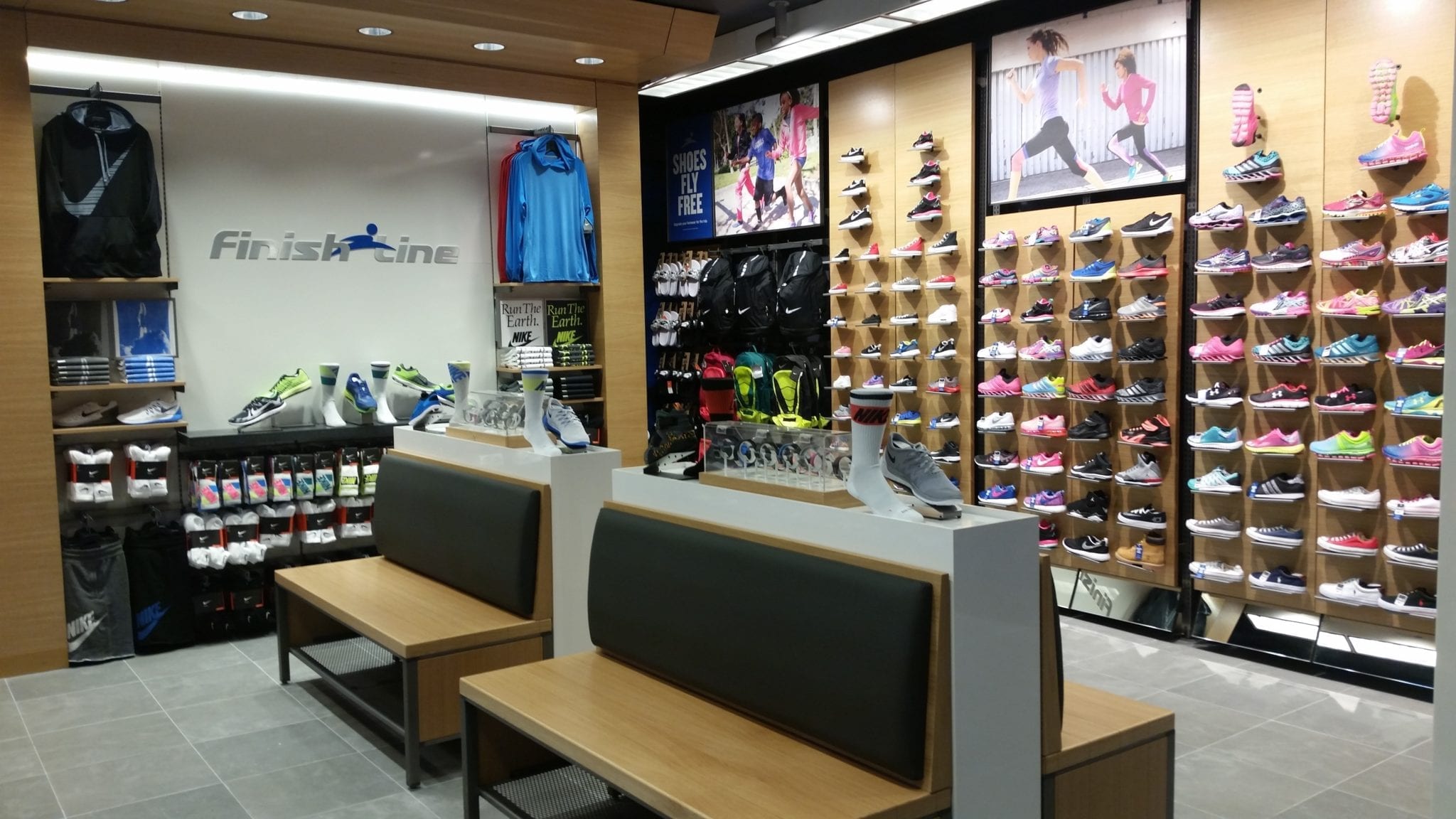
    British retailer JD Sports Fashion is to pay US$558 million to acquire America’s Finish Line, one of the country’s largest upmarket sportswear chains.

    Finish Line, whose sales reached $1.84 billion in the year to March 3, is listed on the Nasdaq. It sells multi-brand apparel and accessories from 556 branded retail stores across 44 states and Puerto Rico, and online.

    Besides its own stores, Finish Line sells athletic shoes through 375 branded and 188 unbranded concessions within Macy’s stores and on the company’s website.

    JD Sports, which recently overtook UK rival Sports Direct as the nation’s largest sportswear retailer by market value, has previously expanded in to South Korea, Spain and France, with other Asian markets on the horizon. This is its first foray into the US market.

    “This is a landmark day for JD and will be transformational for the business. It immediately offers a major presence in the US, a clear next step to further increase our global scale,” said executive chairman Peter Cowgill in a statement.

  • Goodbaby is opening Japan store

    Goodbaby is opening Japan store

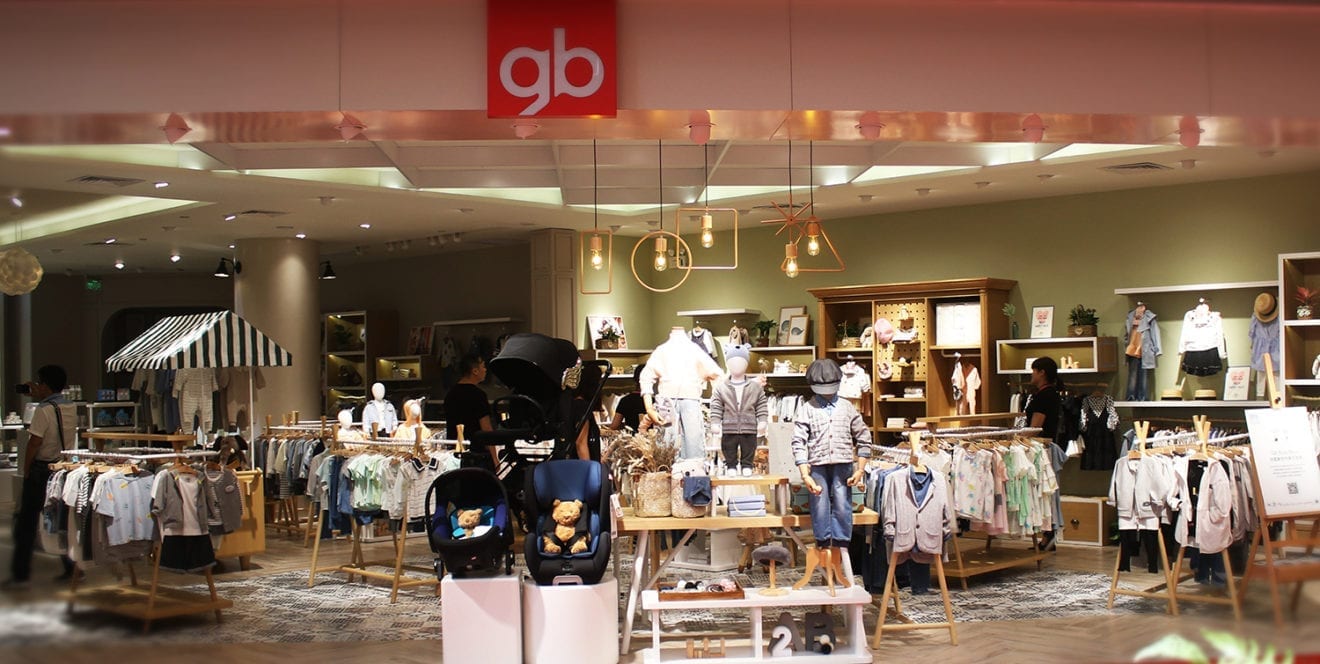
    Goodbaby International has established its own direct-distribution platform in Japan as it tries to replicate its success in China in other parts of Asia.

    The parenting-products company, which has seven research and development centres in the US, Europe and Asia, operates 1000 self-managed offline retail stores in China alongside an omnichannel retail platform.

    A new subsidiary company in Japan, in partnership with a minority local investor, will primarily retail its Cybex and GB-branded juvenile products throughout Japan.

    Johannes Schlamminger, CEO of Cybex and GB, said the company has recorded “very good progress” developing a profile in Japan, and now it was time to expand.

    “Our intent is to rapidly expand the Cybex and GB business by designing, developing, marketing and distributing products specifically for Japanese consumers. We will also provide the necessary customer services and consumer engagement activities to firmly establish Cybex and GB as leading juvenile brands in Japan.”

    CEO of Goodbaby International Martin Pos, said Japan is the company’s second largest strategic market in Asia.

    “Formation of our own direct-distribution platform is a strategic step for the group to grow its business in Japan market to capture its great potential.”

    Goodbaby International designs, researches, develops, manufactures and markets products including children’s car safety seats, strollers, apparel, home textile goods, feeding, nursing and personal care products, cribs, bicycles and tricycles.