Author: Mei Ling Tan

  • Indonesia’s Go-Jek Poised for Imminent Southeast Asia Expansion

    Indonesia’s Go-Jek Poised for Imminent Southeast Asia Expansion

    Indonesian ride-hailing and online payment company Go-Jek is set to announce its first expansion to another country in Southeast Asia in the “next few weeks,”.

    Go-Jek also plans to expand to three other Southeast Asian countries by the middle of this year, the email quoting Go-Jek chief executive Nadiem Makarim said.

    News of the plans come after Uber Technologies agreed this week to sell its Southeast Asian business to regional rival Grab.

    The industry’s first big consolidation in Southeast Asia, home to about 640 million people, could put pressure on Go-Jek, which is backed by Alphabet’s Google and China’s Tencent Holdings.

    Nadiem described that Uber deal as a “great opportunity” because “fewer players means a smoother path to continued and deepened market leadership” for Go-Jek in Indonesia.

    Ride-hailing companies throughout Asia have relied heavily on discounts and promotions, driving down profit margins and increasing pressure for sector consolidation.

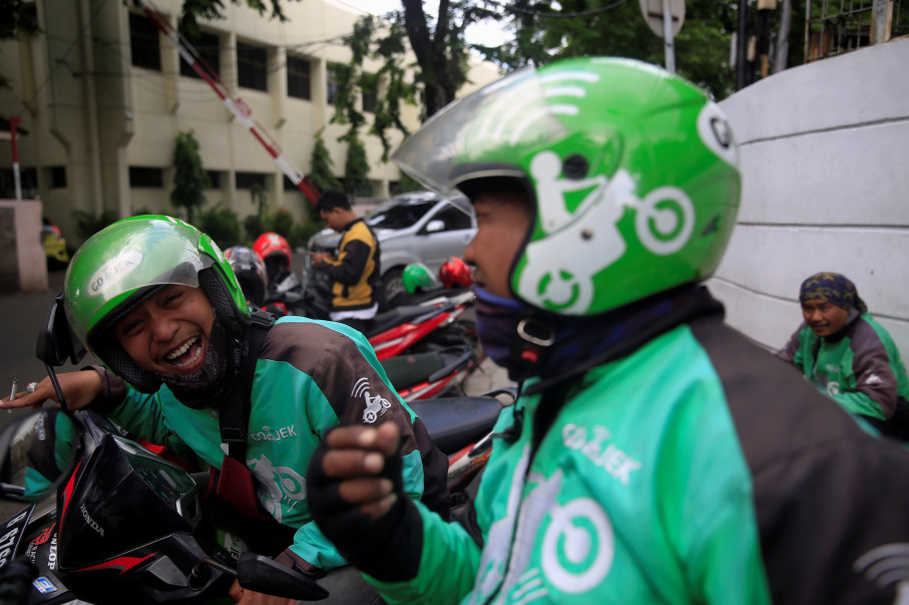
    Go-Jek, a play on the local word for motorbike taxis, has grown rapidly since the startup launched eight years ago in Indonesia, a county with a population of more than 250 million people.

    Customers can get drivers to deliver everything from meals and to cleaners and hairdressers, via a smartphone app – helping it become a crucial workaround in cities such as Jakarta with some of the worst traffic in the world.

    Nadiem did not name the countries targeted for expansion in the email, but Go-Jek’s chief technology officer has previously said it aimed to set up operations in the Philippines this year.

    “Preparations are well under way and within the next few weeks our first new country launch will be announced,” the email quoted Nadiem as saying.

    “This will be followed by three other countries in Southeast Asia by the middle of the year.”

    Citing the financial and strategic backing of its local and global partners, he added: “We are confident that we have more than enough support to take one of the most amazing growth stories in the world from being an Indonesian phenomenon to a global one.”

    Google, Singapore investor Temasek and China’s Meituan-Dianping are among investors in Go-Jek as part of a major fund-raising round.

    Makarim said that a “significant portion” of capital raised has been set aside for international expansion.
  • Isetan Mitsukoshi Opens Supermarket in Chengdu, China

    Isetan Mitsukoshi Opens Supermarket in Chengdu, China

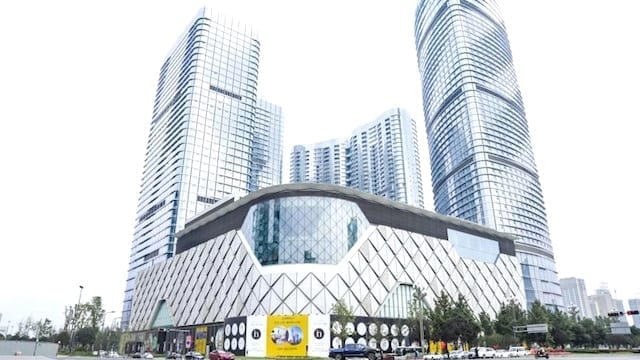
    An Isetan Chengdu/Isetan Supermarket will be opened in the In99 shopping complex in Chengdu Financial City, Gaoxin, next month.

    It will be opened by Chengdu Isetan, a retail subsidiary of Japan’s Isetan Mitsukoshi Holdings. In99 is part of the Chengdu Yintai Centre and is about 6.5km south of Isetan Chengdu department store.

    Isetan Chengdu/Isetan Supermarket will occupy the first basement floor of the shopping complex, offering food and daily goods in a 2650sqm space. The lineup will include fresh and chilled grocery foods, household goods and daily necessities. It will also offer specialty shops from Japan, including meat store Sugimoto, greengrocer Korokuya and Tomizawa Shoten (Tomiz), which sells candy – and bread-making ingredients and equipment.

    Slide to view the gallery below :

    A food-court zone will feature eight shops, including the bakery Johan, making its debut in Chengdu, and Tonkatsu Wako, which specialises in pork cutlets.

    The supermarket’s main corridor will be known as “Sunny Alley”, while the store will focus on the brand’s “food safety, security, reliability” credo. Areas will be provided for customers to experience food culture, such as a juice bar, a steak bar and a Chinese tea corner.

    The opening of the Isetan Chengdu/Isetan Supermarket coincides with the first anniversary of the launch of In99.

  • Grab agrees to increase drivers’ income

    Grab agrees to increase drivers’ income

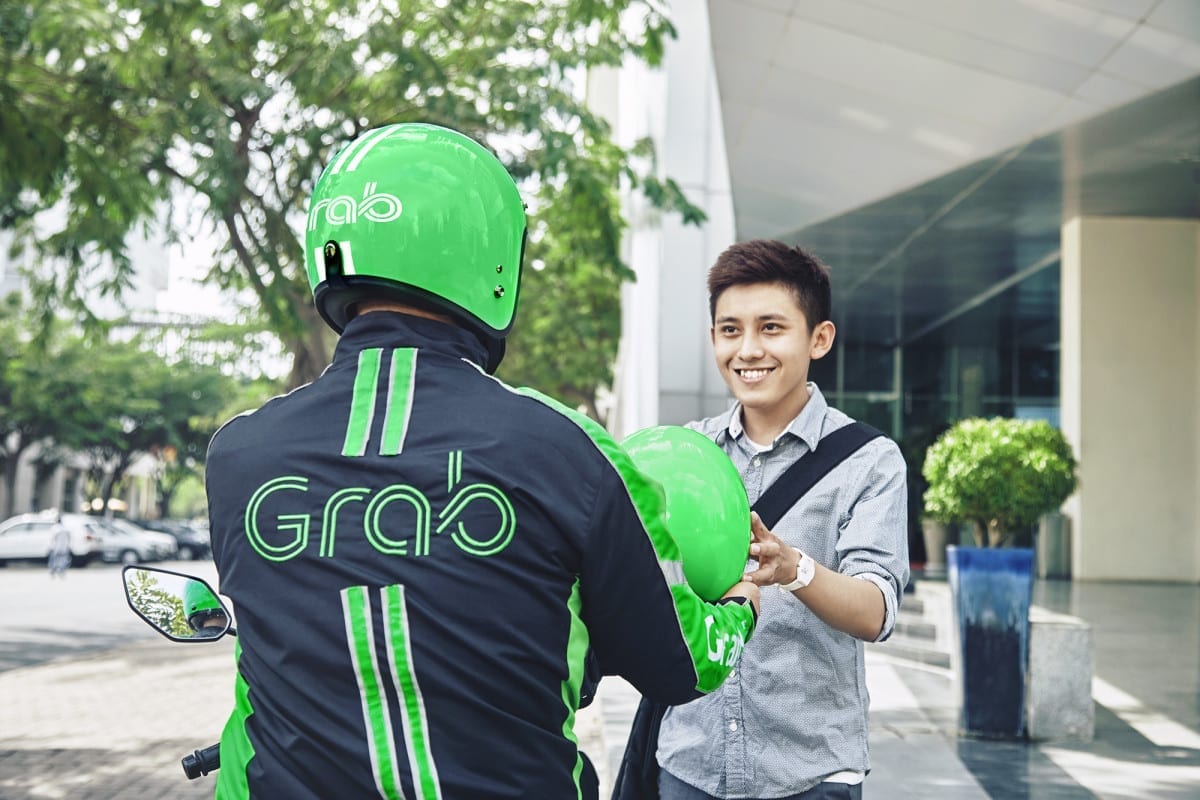
    Grab Indonesia, a ride-hailing application provider, plans to take measures to increase the income of its drivers in response to their protest earlier this week.

    “We will study this. We all agree to make a joint effort to increase the income [of the drivers],” said Grab Indonesia managing director Ridzki Kramadibrata in Jakarta on Wednesday.

    Ridzki and a representative of Go-Jek, another ride-hailing application provider, were at the palace on the invitation of Presidential Chief of Staff (KSP) Moeldoko to discuss the issue, following the meeting between President Joko “Jokowi” Widodo and representatives of the protesting drivers on Tuesday.

    Jokowi received the drivers’ representatives after thousands of drivers hit the street on Tuesday morning to demand the tariff increase, which was Rp 1,600 (12 US cents) per kilometer.

    During the meeting, Jokowi promised mediation between the drivers and the ride-hailing application providers.

    Riszki said he would soon announce the results of the study and get ready to talk to government officials.

    “The government has shown goodwill by asking us to negotiate [with the drivers]. We have already understood the problem. It is about income. But the drivers have to understand that tariffs are not the only factor in increasing their incomes,” he said.

    Meanwhile, Moeldoko said the drivers demanded the tariff increase to Rp 4,000 per km from Rp 1,600.

    He said the Transportation Ministry had also made calculations about the new tariffs that would be proposed in the mediation meeting.

  • Weak sales brought H&M to bad raport

    Weak sales brought H&M to bad raport

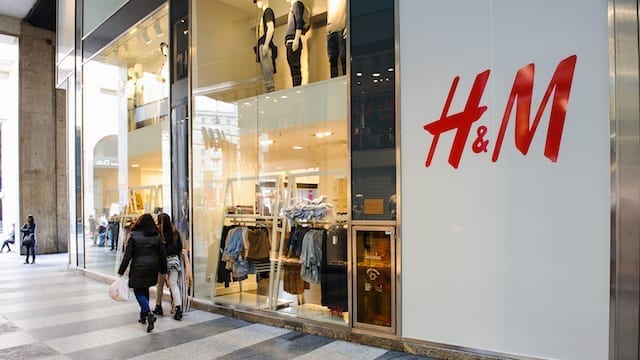
    Swedish fashion retailer H&M has posted a decline in its first quarter profit and has warned that it may need to cut prices to clear unsold stock.

    H&M posted a 61 per cent drop in profit for the three months to February. Pretax profit fell to 1.26 billion crowns ($154 million). The clothing retailer’s net profit of 1.37 billion crowns was boosted by a one-off positive tax income of 399 million crowns related to US tax reform.

    The company had warned recently that markdowns due to weak demand in its main H&M brand stores would hit earnings, and this month said quarterly sales had fallen by two per cent.

    Online sales increased by approximately 20 per cent year on year.

    “As communicated previously, the start of the year has been tough,” said Karl-Johan Persson, company CEO. “2018 is a transitional year for the H&M group, as we accelerate our transformation so that we can take advantage of the opportunities generated by rapid digitalisation.”

    “The weak sales development combined with substantial markdowns had a significant negative impact on results in the first quarter,” Persson said.

    But, the retailer had said it expected sales and profits to return to growth.

    “Many of our ongoing initiatives are giving good indications and results, even though they have not yet been implemented at a large enough scale to have a decisive effect on the overall results,” Persson added.

    This year, H&M announced it is planning to open 220 new stores. Most will be H&M stores, but 90 will be its newer spin-offs including & Other Stories, Cos and Monki.

  • Miranda Kerr launches organic beauty brand KORA on Tmall

    Miranda Kerr launches organic beauty brand KORA on Tmall

    As China’s desire for organic, healthy products gains momentum, international beauty brands are seeking to take advantage of a new approach to well-being.

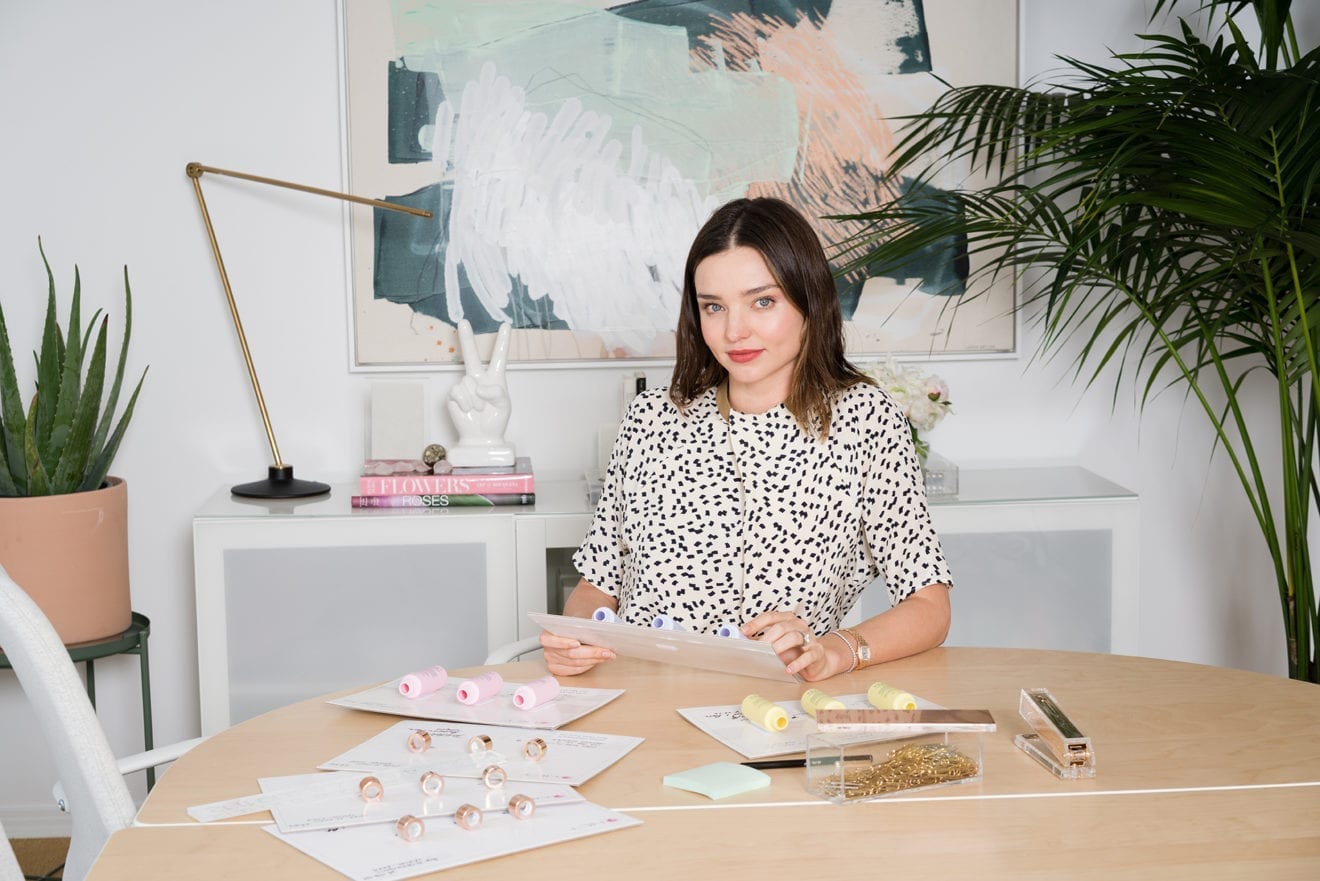
    Last week, founder and supermodel Miranda Kerr launched Australian luxury skincare brand KORA Organics’ first Tmall store in China via live-stream from her Hollywood home. The event attracted more than 223,000 live viewers, with KORA Organics offering exclusive giveaways for spectators.

    “From my experience over the years, I have come to believe in and appreciate a holistic approach to overall wellness, and the connection of the mind, body and skin,” Kerr says.

    This kind of health-focused lifestyle philosophy is soaring in popularity among Chinese consumers, with last weekend’s Tmall Beauty Summit reporting that premium health and fitness products are more popular than ever with young Chinese women.

    “The appetite for natural and organic products in China continues to grow, and skincare is no exception” says Maggie Zhou, managing director of Alibaba Group Australia and New Zealand.

    With a growing awareness of health and well-being in China, Tmall Global is hoping to capitalise on luxury international brands seeking to enter the market. Tmall Global helps international brands like KORA Organics sell directly to Chinese consumers. For more than 80 per cent of brands on the site, these virtual flagship stores were their first foray into the Chinese market.

    “KORA Organics is a proudly-owned Australian brand whose certified organic and natural products speak directly to the growing demand from many Chinese consumers for clean and green Australian products” Zhou says.

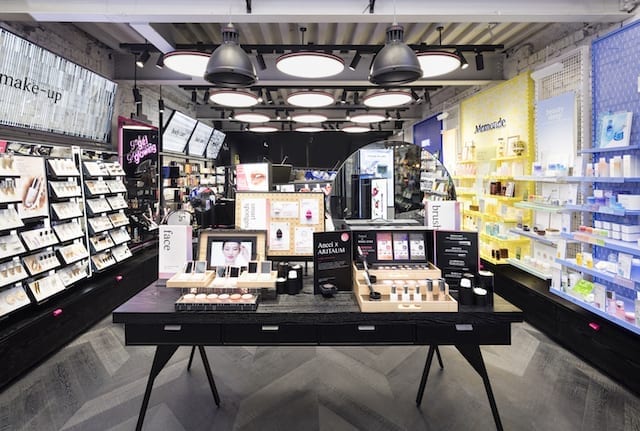
    Korean beauty brand Innisfree has long been popular with Chinese consumers, marketing its innovative all natural, organic products from Jeju island. K-Beauty has struggled in China over the past year, with consumers turning to Japanese beauty when searching for high-quality products. However, according to L2’s Digital IQ Index: Beauty China 2018, Innisfree still ranked seventh among Chinese consumers, in large part due to the social media marketing of the brand’s all natural cosmetics and ‘green philosophy’.

    In line with this trend, KORA Organics is promoting certified organic and natural products, formulated with herbal extracts, essential oils, and vitamins. KORA’s products are certified by the international body COSMOS-standard AISBL/Ecocert, which guarantees the absence of toxins, synthetic pesticides or chemicals. In Australia and the United States, KORA Organics is stocked in more than 200 Sephora stores, and by the end of 2018, the brand hopes to be in place in over 2,500 stores across 25 countries.

    For now, KORA Organics will be entering China exclusively through Tmall, hoping to reach a growing base of Chinese consumers seeking healthy and organic skincare products before everyone else does.

  • Li-Ning showing positive margin number

    Li-Ning showing positive margin number

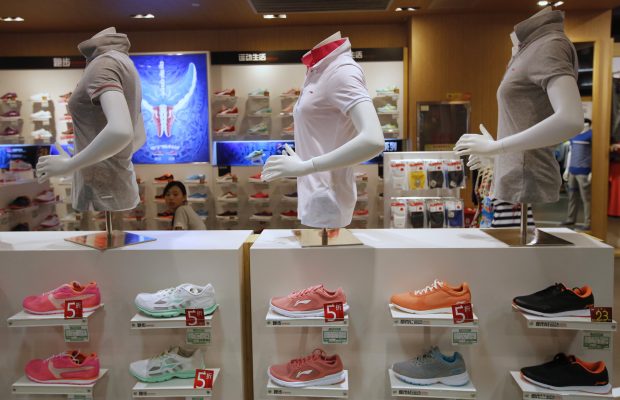
    Stronger margins helped Chinese sportswear brand Li-Ning boost profit attributable to shareholders by 56 per cent last year, to RMB515 million (US$82 million).

    The company says sales rose 11 per cent to RMB4.176 billion and the net profit margin from 4.1 per cent to 5.8 per cent, with both brick-and-mortar sales and online turnover rising. E-commerce now accounts for 19 per cent of total sales of its core brand.

    Li-Ning is coming to the end of a major business restructure and brand repositioning which has resulted in shorter product life cycles, reduced in-store inventories and – after widespread discounting and buy-back programs to reduce the excess stock – stronger margins.

    Last year, the company showed the results of placing more emphasis on sports research and investment in product research and development to design and provide professional products to athletes and sports enthusiasts.

    “Incessant imagination, on the other hand, is driving Li-Ning to be more trend-setting by integrating fashion, entertainment and leisure elements with professional sports, therefore creating more professional and stylish products and sports experience for sports enthusiasts and life enjoyers,” the company said in its earnings statement.

    “To enhance retail capability, we are dedicated to enhancing the precision of our product planning and optimising the supply model, so as to satisfy end-user demands in a ‘swift + precise’ way. As for retail stores, we upheld the consumer-oriented approach by enhancing and re-shaping retail experience at stores constantly.”

    As at the end of last year, Li-Ning had 6262 points of sale in China, a net decrease of 178 during the year, excluding its Li-Ning Young channel, which now has 173 stores across 26 mainland provinces.

    “The group has taken continuous initiatives to refine channel structure and raise channel efficiency by implementing various measures including closing down and renovating inefficient and loss-making stores and opening highly efficient stores and key experience-concept stores,” the company said. “During the year, the overall retail sell-through registered a high-single digit growth, with product discount rate and sell-out rate further improved.”

    Li-Ning says competition in the sports-casual market is still intense.

    Founder and executive chairman, Li Ning himself, said the robust development of the sports industry brings new opportunities as well as challenges to the future.

    “We foresee the consumption structure of consumers to be transformed toward a more refined and mature dimension while the influence of brand power and brand value deepened. Looking forward, we will continue to devote major resources into sports knowledge learning, technological research and development and Li-Ning brand experience development, proactively exploring and broadening room for business development.”

  • Is hype gone for AmorePacific?

    Is hype gone for AmorePacific?

    AmorePacific seems to be in a quandary, with the country’s fair trade watchdog investigating the cosmetics giant amid declining performance.

    According to AmorePacific’s auditory filing, the company logged 731.5 billion won (US$685.2 million) in operating profit last year, down 32.4 percent from a year earlier. Its sales also declined to 6.29 trillion won, down 10 percent during the same period.

    Its share price also nearly halved from two years earlier.

    In the first half of 2016, AmorePacific hovered over 400,000 won per share, but started to decline, falling as low as 236,500 won last Sept. 29, and did not rise above 350,000 won. It ended at 278,000 won on Tuesday.

    The situation is quite similar for AmorePacific Group (Amore G), which is the holding firm of AmorePacific. It has been on a downturn for the past two years, falling from 215,000 won on July 3, 2015, to 127,000 won on Tuesday.

    On the fall of the titan, analysts and other observers cited the diplomatic friction between Korea and China, due to the former’s decision to deploy a U.S. Terminal High Altitude Area Defense (THAAD) battery here.

    They said China’s cap on the number of items purchased at duty free shops directly affected the revenues of domestic cosmetics firms, whose sales to Chinese tourists account for a significant portion of their entire sales.

    However, some others say blaming the THAAD issue as the sole cause of AmorePacific’s fall may be unfair, given LG Household & Health Care’s (LG H&H) surge last year.

    In January, LG H&H said it posted 6.3 trillion won in sales and 930 billion won in operating profit last year, up 2.9 percent and 5.6 percent from 2016, respectively.

    LG H&H explained it has overcome the harsh market environment, in which overall market growth faced headwinds due to a sharp decline in inbound Chinese traffic, due to its luxury brand strategy and robust sales in the onshore Chinese market.

    With the handsome numbers, LG H&H overtook AmorePacific to become Korea’s top cosmetics company.

    As the two companies show stark differences while suffering the same THAAD issue, analysts interpreted the performances of their luxury brands as the decider.

    According to LG H&H, its Whoo brand logged 1.4 trillion won in sales last year, up 200 billion won from a year earlier. Though AmorePacific did not disclose its luxury brand Sulwhasoo’s sales, Kiwoom Securities analyst Lee Hee-jae assumed Sulwhasoo posted 1.15 trillion won in sales last year, down 245 billion won from 2016.

    AmorePacific denied the assumption, saying it cannot disclose the amount but Sulhwasoo outperformed Whoo in sales last year.

    Further data showing AmorePacific products’ popularity is the market share in duty free shops. According to a Daishin Securities report, AmorePacific’s duty free market share declined from 12 percent in the first half of last year to 5 percent in the fourth quarter.

    Amid doubts on the competitiveness of AmorePacific products, with its fairness in business also questioned, the Fair Trade Commission (FTC) investigated Amore G and its subsidiaries.

    During the five-day investigation that started Feb. 21, the watchdog looked into internal trading between Amore G’s affiliates on suspicion the group unfairly helped affiliates in which Suh Min-jung, the eldest daughter of AmorePacific Chairman Suh Kyung-bae, owns stakes.

    Despite the negative issues, Amore G and AmorePacific decided to pay dividends worth more than 40 billion won to the Suh family. Of them, Chairman Suh will take approximately 39 billion won thanks to his more than 70 percent stake in Amore G and 11 percent stake in AmorePacific.

    Unlike the owner family, AmorePacific employees did not receive incentives, which they normally receive every six months, throughout last year.

  • Bedgear and Dunlopillo to partner in Thailand market

    Bedgear and Dunlopillo to partner in Thailand market

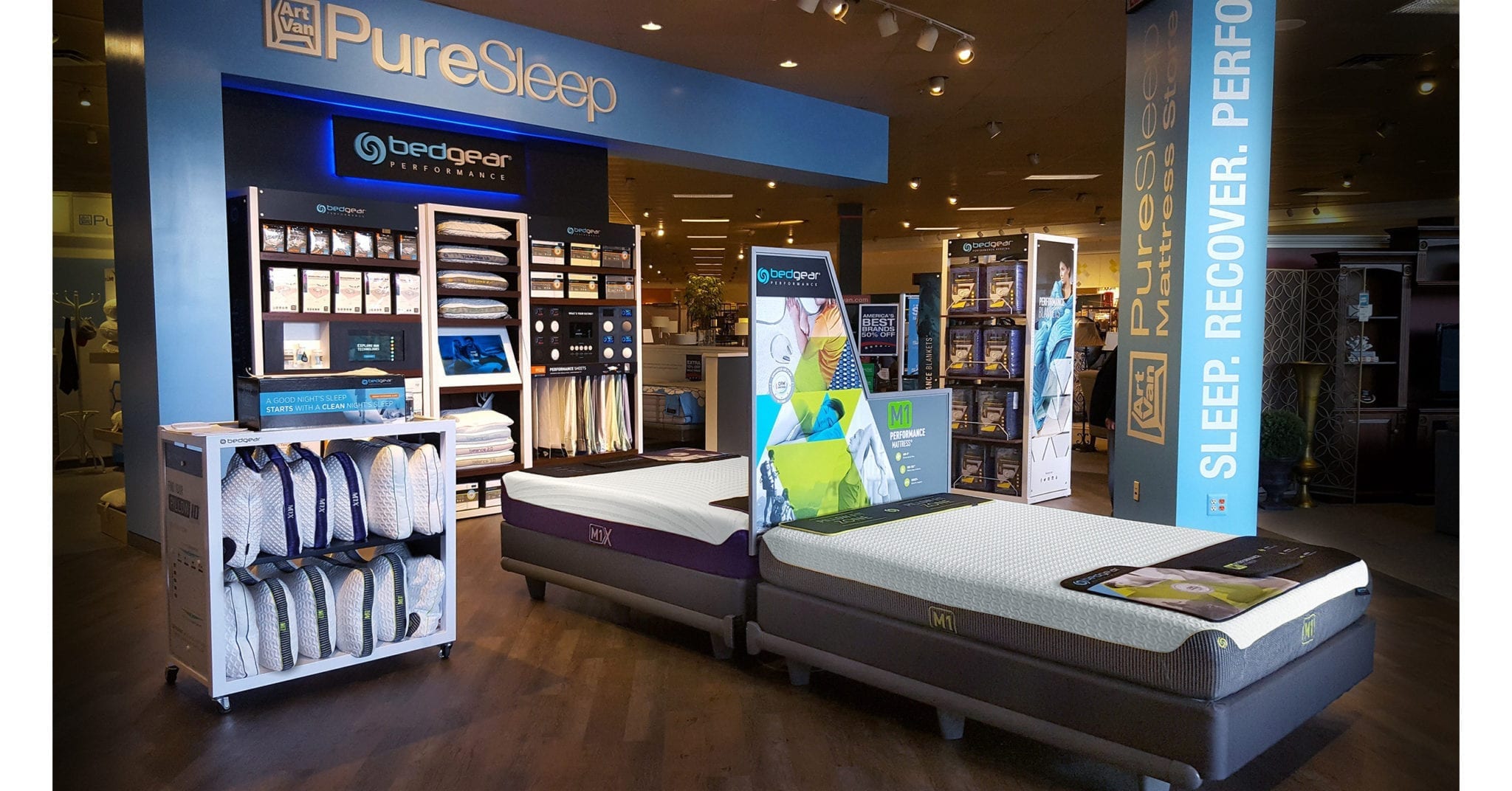
    Bedgear Thailand has launched Bedgear Performance Sleep Shops in Thailand.

    The American company has international outlets in more than 10 countries, including China.

    “The interest we saw for Bedgear Performance Sleep Shops over eight years in the US has been surpassed by international demand in just 18 months,” says Bedgear CEO Eugene Alletto.

    In partnership with Thailand distributor Dunlopillo, Bedgear has opened shops with retail partners Chic Republic, Mattress City and SB Furniture, with plans in place for expansion.

    “It is refreshing to partner with a company that understands the benefits of sleep transcend the time spent in bed,” says Dunlopillo Thailand MD Pisit Ongsritragul.

  • Tim Hortons unveils $700M plan to renovate most Canadian locations

    Tim Hortons unveils $700M plan to renovate most Canadian locations

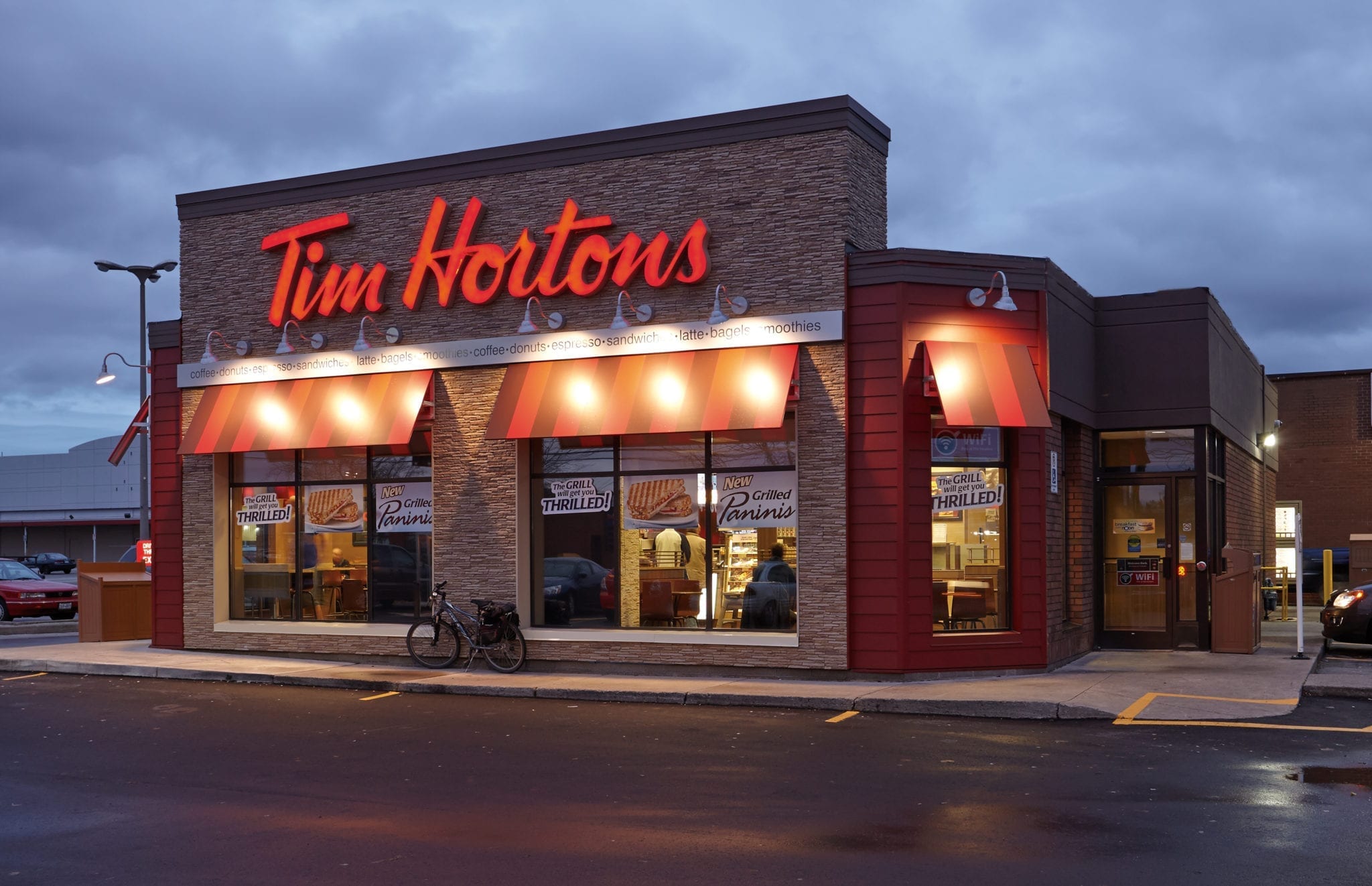
    Canadian restaurant chain Tim Hortons has opened the first of a new store concept which it plans to progressively convert most domestic stores to during the next four years.

    The chain, owned by Restaurant Brands International, has adopted a contemporary design look it has dubbed the ‘Welcome Image’ and is positioning as the biggest upgrade since the company was launched in 1964.

    Rolling out the new design across Canada will cost the company and its franchise partners an estimated $700 million (US$543 million) over the four years. There is no word yet on plans for the chain’s international stores, including in the Philippines where it has 11 stores trading already with plans for 24 more in the short term.

    The restaurant exteriors will be designed with natural looking, lighter, and more inviting materials, the company said in a statement.

    “Inside, restaurants will be decorated with artwork that reflects Tim Hortons values and history – including a commissioned portrait of Tim Horton, a mosaic of iconic brand images and a photo wall that features Tim Hortons unique coffee-sourcing and proprietary blending process. Guests will also enjoy upgraded, open concept seating that fosters the sense of community at the core of the Tim Hortons brand.”

    Slide to view the gallery below :

    “We want Tim Hortons to always be their home away from home,” said Alex Macedo, president of the Tim Hortons brand.

    “We know that Tim Hortons is a fundamental part of Canadian culture and we’ve worked hard with our restaurant owners to ensure we’re delivering exactly what our guests have come to expect from their favourite local coffee shop. Throughout the creative process, we conducted extensive market testing that revealed our new Welcome Image is not only approved, but loved by our guests across the country.”

    Tim Hortons has more than 4700 restaurants located in Canada, the United States, and around the world.

    Restaurant Brands International also owns Burger King and Popeyes.

  • Jakarta hosts Southeast Asia pharmaceutical ingredients exhibition

    Lawmakers, professional associations and pharmaceutical industry players came together in Jakarta at the Convention on Pharmaceutical Ingredients Southeast Asia (CPhI SEA) 2018 from March 27 to 29.

    They are expected to get together; interact and exchange ideas on improving the pharmaceutical industry, said exhibition organizing agency PT UBM Pameran Niaga Indonesia president director Christopher Eve in Jakarta on Tuesday.

    He said the organizers expect 5,000 visitors to attend the event.

    “Through this event, pharmaceutical industry players can showcase their technological innovations, trade ideas and collaborate with each other,” Eve said.

    Meanwhile, Health Ministry pharmaceutical and health equipment director general Maura Linda Sitanggang expressed hope that the event would boost investment in the pharmaceutical industry.

    “Since this event allows people to interact with each other, I think it is possible for people to trade ideas and information regarding resources and technology,” she said at the opening ceremony of the event.

    The three-day event was held at the Jakarta International Expo Kemayoran and attended by 260 participants from Romania, Kuwait, Saudi Arabia, Cyprus, the Czech Republic, Austria and Ireland.

    The event features a conference, start-up forum, innovation gallery, technology updates and business matching program.

  • Stella McCartney buys Kering’s 50% stake in her fashion label

    Stella McCartney buys Kering’s 50% stake in her fashion label

    Kering is selling its 50 per cent stake in fashion label Stella McCartney back to the namesake designer after a 17-year partnership.

    The news follows a report last month revealing that a formal transition process was already in motion with an announcement imminent.

    “It is the right moment to acquire full control of the company bearing my name,” says McCartney.

    “This opportunity represents a crucial patrimonial decision for me. I am extremely grateful to Francois-Henri Pinault and his family and everyone at the Kering group for everything we have built together in the past 17 years. I look forward to the next chapter of my life and what this brand and our team can achieve in the future.”

    Kering chairman/chief executive Pinault says it is the right time for McCartney to move to the next stage. “Kering is a luxury group that empowers creative minds and helps disruptive ideas become reality. I am extremely proud of what Kering and Stella McCartney have accomplished together.”

    McCartney had the option, expiring on Saturday, to buy back Kering’s shares in the label, according to the terms of their JV. Kering and Stella McCartney have previously acknowledged separation talks on more than one occasion over the course of their partnership.

    McCartney’s father, musician Paul McCartney, is said to have played a role in helping to finance the buyback, but this cannot be independently confirmed. A spokesperson for McCartney previously said that her father has never been involved with the business.

    The disposal of Stella McCartney comes at a time when Kering is streamlining its portfolio. It announced in January it would spin off German sportswear brand Puma to its own shareholders.

    The split comes after Kering announced its most profitable year on record, with group net profits soaring 120 per cent last year driven by “spectacular” growth at Gucci and Yves Saint Laurent as well as a strong performance by Balenciaga, the group’s fastest-growing brand in the fourth quarter.

    The conglomerate posted sales of €15.5 billion (about US$19.2 billion), up 27.2 per cent year on year. Revenues topped €10 billion for the first time, with Gucci crossing the €6 billion mark in sales.

    McCartney first made her mark at Richemont-owned fashion label Chloe, before launching her eponymous brand in partnership with Gucci Group (once a subsidiary of what is now Kering).

  • Uber Users Need to Transfer to Grab Platform Soon

    Uber Users Need to Transfer to Grab Platform Soon

    Uber ride sharing drivers and customers in Jakarta and other 50 Southeast Asian cities have until April 8 to transfer their accounts to Grab, following an announcement on Monday (26/03) that Uber will sell its business in the region to the Singapore-based Grab.

    Under the deal, Uber will hand over its operations and assets in Southeast Asia in exchange for a 27.5 percent stake in Grab — which according to latest valuation round put its value at $6 billion. Grab will also let Uber chief executive Dara Khosrowshahi join its board of directors.

    “Uber will be combining our operations with Grab to lead you in the next chapter of ridesharing in Indonesia and across Southeast Asia,” the company said in a statement to customers on Monday.

    “What this means for you: we will be transitioning our services over to the Grab platform by April 8, 2018, so all requests after that date should be made from the Grab app. However, you can still use the Uber app in more than 80 countries around the world,” the company said.

    Grab’s acquisition of Uber will challenge its main competitors, including Indonesia’s homegrown Go-Jek. Go-Jek is backed by Chinese technology giants Tencent Holdings.

    Grab said it will further develop an online-to-offline platform by creating GrabCycle, an offline marketplace for shared bicycle rent services, and GrabShuttle Plus, an in-demand platform to provide bus services for certain routes.

    As part of the acquisition plan, the GrabFoods service will further expand in Singapore and Malaysia. The food service integration is slated to finalize in the first half this year.

    Aside from food and online-to-offline services, Grab will also expand its payment services as it plans to offer micro-financing, insurance service deals and other financial services.

    “Together with Uber, we are now in an even better position to fulfill our promise to outserve our customers. Their trust in us as a transport brand allows us to look towards the next step as a company: improving people’s lives through food, payments and financial services,” said Anthony Tan, Grab Group chief executive and co-founder.

    The acquisition of Uber, which has forfeited its operations in eight countries in the region, is similar to the deal China’s Didi Chuxing made in 2016 that bought out Uber’s business and operations in the country for $35 billion, and its third retreat after selling its operations in Russia to local company Yandex in 2017.

    “It [the deal] will help us double down on our plans for growth as we invest heavily in our products and technology to create the best customer experience on the planet,” Khosrowshahi said.

  • NTUC Fairprice launches revamped online shopping platform and new high-tech order fulfilment system

    NTUC Fairprice launches revamped online shopping platform and new high-tech order fulfilment system

    NTUC FairPrice has relaunched its e-commerce platform, renaming it FairPrice On.

    A revamped mobile app and online portal provide a user-interface the grocery describes as “more robust and intuitive” and an automated storage and retrieval system that increases order fulfilment efficiency by four times.

    NTUC FairPrice CEO Seah Kian Peng, says the company was one of the first supermarkets to launch online shopping more than a decade ago “and today we take another leap forward to enhance our online customer experience with FairPrice On”.

    A new logo and brand identity was also  launched today. “The new identity for FairPrice On was developed to capture the spirit of thoughtfulness, innovation and familiarity through the use of vivid colours, clarity and casual everyday language,” said the grocer.

    Behind the online interface of FairPrice On is a high-tech distribution centre at FairPrice Hub in Joo Koon, and the company’s new online fulfilment system, AutoStore, an automated goods-to-man storage and retrieval system that uses robotics to provide high-density storage, optimise manpower and boost productivity. AutoStore is able to handle up to 3000 orders per day and is four times faster compared to radio frequency-assisted picking, with the ability to fulfil 220 order-lines every per hour. The high-density storage system consists of over 20,000 bins spread over multiple layers, occupying a space over one and a half times the size of an Olympic-sized swimming pool.

    Each bin can be configured to hold any quantity of products depending on size and weight, with the ability to hold multiple types of products within the same bin to provide greater flexibility and scalability. Order fulfilment is managed through a computerised system with robots retrieving the items needed and shifting bins around to maximise space. The system is also scalable to accommodate for future growth of FairPrice On.

    “In line with Singapore’s Retail Industry Transformation Map, we continue to innovate and harness technology to boost productivity and customer service while adapting to constant shifts in the e-commerce industry,” says Peng.

    Customer engagement focus

    FairPrice says that apart from operational efficiency, FairPrice On features a revamped online portal and mobile app to provide a more robust and intuitive shopping experience for customers. For example, the online customer journey from searching and selecting products to choosing a delivery slot and making payment has been streamlined to make it faster and easier for shoppers.

    FairPrice On offers more than 13,000 products ranging from groceries and fresh produce to personal care and electronics. Over 400,000 subscribers are registered on FairPrice On. To cater to varied customer needs, FairPrice On also uses data analytics to send targeted personalised promotions based on their profile, interests and consumption habits. Free home delivery is offered with spending of more than $59, or free collection from 71 click-and-collect locations on orders of more than $29. Exchanges or refunds may be made at 138 brick-and-mortar FairPrice stores located island-wide.

  • DFS Celebrates Success of Seventh World-Class Masters of Wines and Spirits In Singapore

    DFS Celebrates Success of Seventh World-Class Masters of Wines and Spirits In Singapore

    DFS Group (DFS), the world’s leading luxury travel retailer, successfully hosted its seventh annual Masters of Wines and Spirits event on Saturday March 24 and Sunday March 25 at The Warehouse Hotel on the banks of the Singapore River.

    The highly anticipated event, held in partnership with Changi Airport Group, was staged for the first time over two days, bringing together almost 800 local and international guests who explored a variety of unique tasting experiences from the world of whiskies, wines and Cognacs. The historic atmosphere of the meticulously renovated venue, a former trading warehouse, was a perfect backdrop for the event, with each of the hotel’s rooms playing a part in the theme – “Bespoke. Speak Easy. Secret Society.”

    Guests were given the opportunity to meet leading spirit brand ambassadors through a unique and interactive panel, hosted by DFS Group’s Director of Spirits Frederik Vanden Bulcke and featuring experts from John Dewar & Sons, Bunnahabhain, Bruichladdich and The Kyoto Distillery. Two “Classes with the Masters” were also hosted by The Balvenie Malt Master David C. Stewart MBE, and Rufus Beazley from Chateau Latour Asia Pacific.

    In another first for DFS, this year will see the Masters of Wines and Spirits collection transported beyond Singapore for the enjoyment of customers in Hong Kong and Macau.


    “Each year, our talented merchants at DFS bring together the world’s most sought-after wines and spirits and their brand ambassadors, in an event dedicated to the enjoyment and appreciation of the finest products. As with past events, the Masters collection will be available for purchase first at Changi International Airport. This year, we are also very excited to bring this incredible collection to our customers in Hong Kong and Macau later in 2018, with some fabulous events and activations that are sure to surprise and delight,” said Brooke Supernaw, DFS Group’s Senior Vice President Wines, Spirits, Tobacco, Food and Gifts.

    Along with leading whiskies, wines and Cognacs, including the Louis XIII Le Jeroboam with T.T. Trunks Paris, the Jean-Paul Camus 1945 Private Reserve, the Harlan Estate Double Magnum 100 Point Trifecta and the Pavillon Blanc du Chateau Margaux 2010 Double Magnum, an extended collection of 54 premium products available in the Masters series includes the Octomore 8.2 by Bruichladdich, the DFS exclusive Rare Cask Reserve Araid 18 Years Old 0.7L by William Grant & Sons, the Cask-aged Kyoto Dry Gin 2nd Edition by Ki Noh Bi, the Carigellachie 24yo Small Batch Exceptional Cask by Craigellachie, the Dalmore Luceo, the DFS exclusive Highland Park Single Cask Series 15 Year Old Single Malt Scotch Whisky and the Single Cask #1476 Mizunara Heads by Malt Chichibu.

    The Octomore 8.2, meaning “The big eight” in Scots Gaelic, by Bruichladdich, is an enigmatic spirit and a cult classic amongst whisky aficionados. Its release was a landmark moment for head distiller Adam Hannett. The DFS exclusive Rare Cask Reserve Àraid 18 Years Old 0.7L by William Grant & Sons, meaning “unique” in Scots Gaelic, is an exclusive bottling of a blended scotch from the distillery’s Rare Cask Reserves collection. The blend comprises malt and grain from whiskys accumulated by the Grant family over the past 50 years and have been expertly brought together by Master Blender Brian Kinsman.

    The Cask-aged Kyoto Dry Gin 2nd Edition by Ki Noh Bi is the first of its kind; a Japanese gin created, blended and bottled at Ki Noh Bi’s dedicated artisanal distillery in Kyoto using local ingredients and inspired by the history and culture of the ancient Japanese city. This DFS exclusive limited edition of Ki Noh Bi gin is aged in casks that previously held Japanese Single Malt whisky and labeled using mask images from the Kamiasobi Noh Troupe.

    The Craigellachie 24yo Small Batch Exceptional Cask by Craigellachie is a part of the John Dewar & Sons Fine Scotch Whisky Emporium and showcases the rare release of some of the finest and most delectable single cask and single malt expressions. Handpicked by Dewar’s Master Blender and Malt Master Stephanie MacLeod, the Exceptional Cask series features a collection of extraordinary single cask bottlings, double-cask and small batch releases. Selected for their finesse and remarkable qualities, the Craigellachie 24Year Old limited release is one of a kind, providing the opportunity to try something truly unique.

    The Dalmore Luceo is part of a selection of releases finished in different types of Sherry casks. The Luceo was finished in “first fill” Apostoles Sherry casks, resulting in decadent waves of sweetness.

    The DFS exclusive Highland Park Single Cask Series 15 Year Old Single Malt Scotch Whisky comes from one of the most remote Scotch whisky distilleries in the world. For more than 217 years, the distillery has combined old tradition with the very best craftsmanship to achieve perfection. Products from Highland Park use only top layer peat, that helps contribute to its honey-infused flavor. The Single Cask #1476 Mizunara Heads by Malt Chichibu has a strong, earthy aroma, yet maintains a sweet fragrance similar to rich brown sugar. This exceptional malt trails off in a long, profound finish with hints of prune and dried fig.

    The 2018 Masters of Wines and Spirits Collection will be available for purchase at Singapore’s Changi Airport
    from March 25, and later in the year at T Galleria by DFS in Hong Kong and Macau DFS Masters of Wines and Spirits is part of the DFS Masters Series, a signature program of exhibitions that also includes the highly anticipated Tenth Masters of Time set to take place in Macau this December. The Masters Series is a showcase of the pinnacle of DFS’ leadership and innovation in curating and creating exceptional experiences across its five pillars of luxury: Wines and Spirits, Beauty and Fragrances, Watches and Jewelry, Fashion and Accessories, and Food and Gifts.


  • China VMF 2018 is closed with big success

    China VMF 2018 is closed with big success

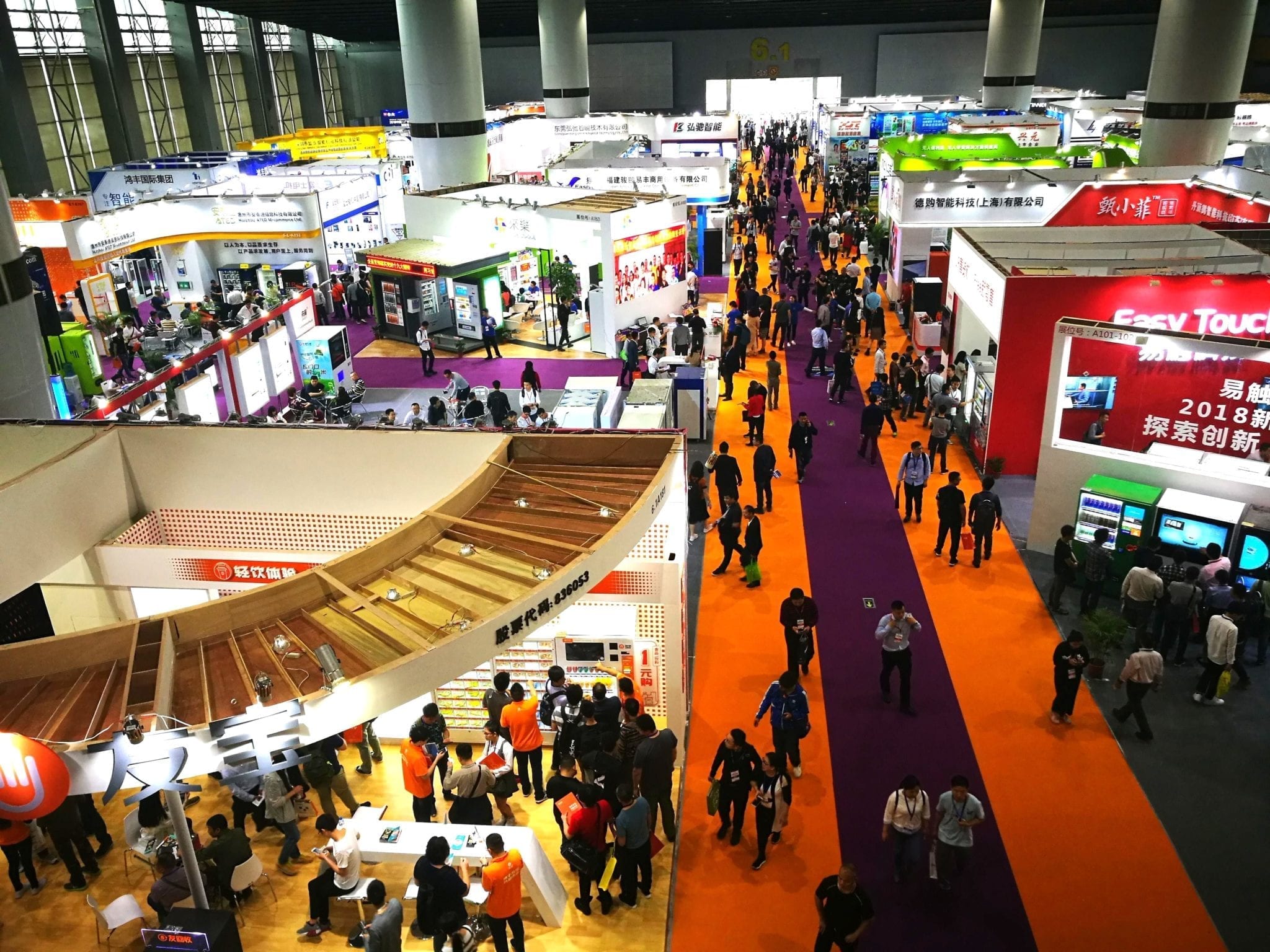
    China International Vending Machines & Self-service Facilities Fair 2018 (China VMF 2018) was successfully held in China Import & Export Fair Complex earlier this March. With a total space of 25,000 Sq.m and Over 300 Exhibitors, China VMF 2018 surpasses former editions in every aspect, attracting more than 30,000 Visitors domestically and globally.

    Three thematic pavilions are set up at China VMF 2018: Self-service Vending Machine, Unattended Retail and Commercial Payment System. Our exhibitors brought not only unique brand products but also products with high quality and great innovation.

    For instance, the most popular exhibits from the self-service vending machine pavilion included smart-opening refrigerator, unattended convenience store system, intelligent cooking food vending machine, commemorative coins vending machines, shared power bank/umbrella, self-service ice cream vending machines, as well as remote control and monitoring system for vending machines, online management system, vending solutions, face recognizing vending machines, etc. Exhibits in the other two pavilions were also very eye-catching.

    Exhibitors were impressed a lot by the large crowd, and the internationality of visitors. Overseas visitors have increased 140% compared with previous year, coming from over 65 Countries and Regions, such as Singapore, Malaysia, Hong Kong, India, Australia, UK, USA, Japan, Italy, Korea, Germany, etc.

    Visitors’ top 3 product interests were innovative vending machines, advanced vending solutions and technology, and payment system.

    China VMF always keeps retailers abreast of the latest industry trends and consumer palates. According to the exhibits on site and our pre-show buyer survey, we have concluded 4 noticeable vending trends!

    • Unattended Stores: A promising sector in the rising New Retail trend.
    • Self-service Parcel Pickup Machines: A new service spawned by the online shopping boom.
    • Mini Vending Machines: Sprouting up in buses, hotel rooms and etc, for more efficient use of space.
    • Hot Meals Vending Machines: Projected to be widely deployed in business parks.


    The 5th Asia-Pacific Vending Industry Summit

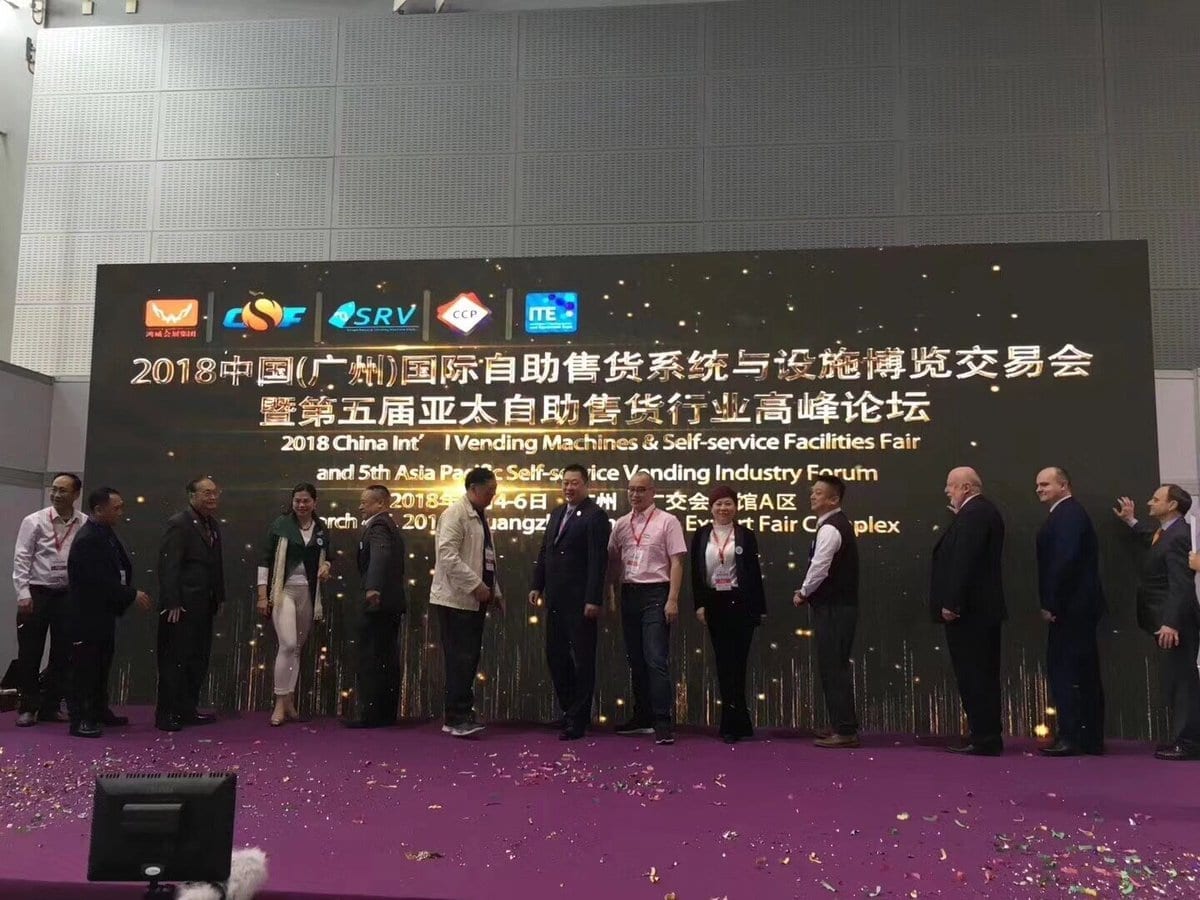
    2018 Asia Pacific Self-service Vending Industry Summit was held on the first day of the show, themed on “New Opportunities, New Retail, and New Future”.

    Featuring 22 Brilliant Speeches, one enlightening Panel Discussion and an eye-opening New Product Launch, this dual-track two-day forum delved into the latest vending trends and the emergence of New Retail.

    President Phillip Barry from Australian Vending Association(AVA), President Aleksander Wasik from Polish Vending Association (PSV) and General Secretary Francesc Güell Isern from Spanish Vending Association (ANEDA) shared their opinion on the development trend of vending industry in their respective country and proposed constructive suggestions for the healthy and orderly development of domestic and overseas market. Representatives from domestic enterprises also made speeches while Fulei, Yo!Point, Benyuan, Kimma, BD Vending, Funsales and Taiwan Vending Machines Council conducted in-depth analysis and discussion on the current status of the industry to seek solutions for its development.

    APVA AWARDS

    Initiated by Asia Pacific Vending Industry Association (APVA), and co-organized by China VMF, the APVA AWARDS is designed to recognize the contribution made to global vending industry by outstanding enterprises. This year, 12 award categories were set up, and 60 enterprises were awarded.

    Partial Award Winners

    1. 2017 Enterprises of Influence Awards

    Yinhai Star; Convenisun; Easy Touch; Easivend; UBOX; KIMMA; JOIE UBIQUE; AUEMA; etc.

    1. 2017 Star Operators Awards

    TS Vending (Malaysia); Vendiman (India); Sun108 (Thailand); Miyuan Beverage; etc.

    1. 2017 Premium Quality Awards

    Fuji Electric; Crane Payment Innovations (CPI);

    1. 2017 Technological Innovation Awards

    Zhouyi; Dongji; Miquan; Yunjuxian; Fulei; Gump Come; etc.