Author: Mei Ling Tan

  • Titijaya buys 99% stake in Ampang land owner

    Titijaya buys 99% stake in Ampang land owner

    Titijaya Land Bhd is buying a 99% stake in BJ Properties Sdn Bhd, which owns 6.8 acres of leasehold land in Ampang that it plans to develop into a RM1.5 billion gross development value project.

    In a filing with Bursa Malaysia today, the group said its purchase is in line with its growth strategy in expanding its land bank and investing in strategic property development projects in the Klang Valley.

    The land is expected to be used as mixed development with a focus on the residential component, complemented by some commercial elements.

    Titijaya’s wholly owned subsidiary Tulus Lagenda Sdn Bhd will pay up to RM9.9 million for the stake.

    Based on the audited financial statements for the financial year ended Aug 31, 2017, BJ Properties recorded a net loss of RM1.06 million and negative shareholders fund of RM3.07 million. The land in Ampang has a book value of RM103.67 million.

    Titijaya intends to fund the proposed subscription via internally generated funds and/or bank borrowings. The company’s share price closed 1.5 sen lower to close at 52.5 sen with some 331,100 shares changing hands.

  • Starbucks China pays tribute to partnerships

    Starbucks China pays tribute to partnerships

    Partners are at the heart of Starbucks’ success in its largest growing market, Starbucks China CEO Belinda Wong told the coffee company’s annual meeting in Seattle.

    “They are our core purpose of being and the reason why we are passionate about what we do,” she said more than 3000 shareholders and special guests. “Since our earliest days, we’ve been bringing to life Starbucks deeply rooted mission and values by investing in our partners.”

    Wong presented a video about the critical illness insurance for parents of Starbucks China partners, announced last year. “I wish you could have seen the reception when we announced the Starbucks critical care insurance,” she said. “There were tears of joy and almost disbelief.”

    Already, 93 percent of eligible partners have signed up and 14,000 parents have joined. “But we have higher ambitions – we want to inspire other companies,” said Wong, who has met with other companies in China to discuss the parental plan, leading to some now planning to launch similar programs.

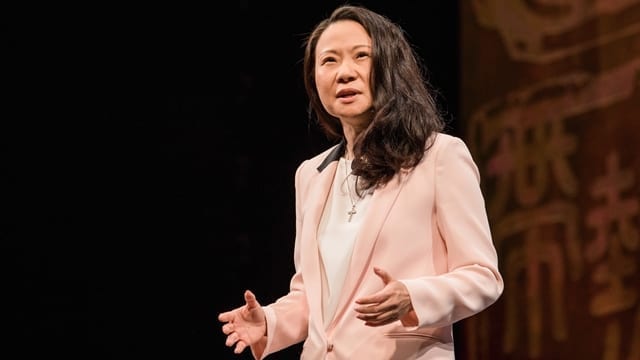
    Belinda Wong, Starbucks China CEO, speaks at the Starbucks Annual Meeting of Shareholders at McCaw Hall in Seattle on Wednesday, March 21, 2018. (John Edwards, Starbucks)

    “That commitment to family has built a phenomenal sense of pride, enthusiasm and commitment among our 45,000 partners,” said Wong.

    Starbucks now has 3200 stores across 139 cities in China and is serving 6.4 million customers a week. There is now a goal of 5000 stores by 2021.

    “We are opening a new store every 15 hours,” said Wong.

    “It makes me even more excited how we can use the scale from growth to benefit the communities we serve,” she said, citing Starbucks’ $20 million commitment over the next five years to benefit social-impact programs in China.

    “Also, with Yunnan coffee, grown in China and sold at Starbucks, we are bringing China’s coffee to the world stage.”
    Starbucks’ Farmer Support Center has worked with 17,000 farmers in the Yunnan area on sustainable farming practices. “Starbucks has become the fabric of the local community,” she said. “We will continue to work with farmers to help change their lives.”

    Wong also shared a video of the Starbucks Reserve Roastery in Shanghai, which opened in December. Three more are coming online soon, including one in Tokyo.

  • Louis Vuitton points Virgil Abloh as new menswear designer

    Louis Vuitton points Virgil Abloh as new menswear designer

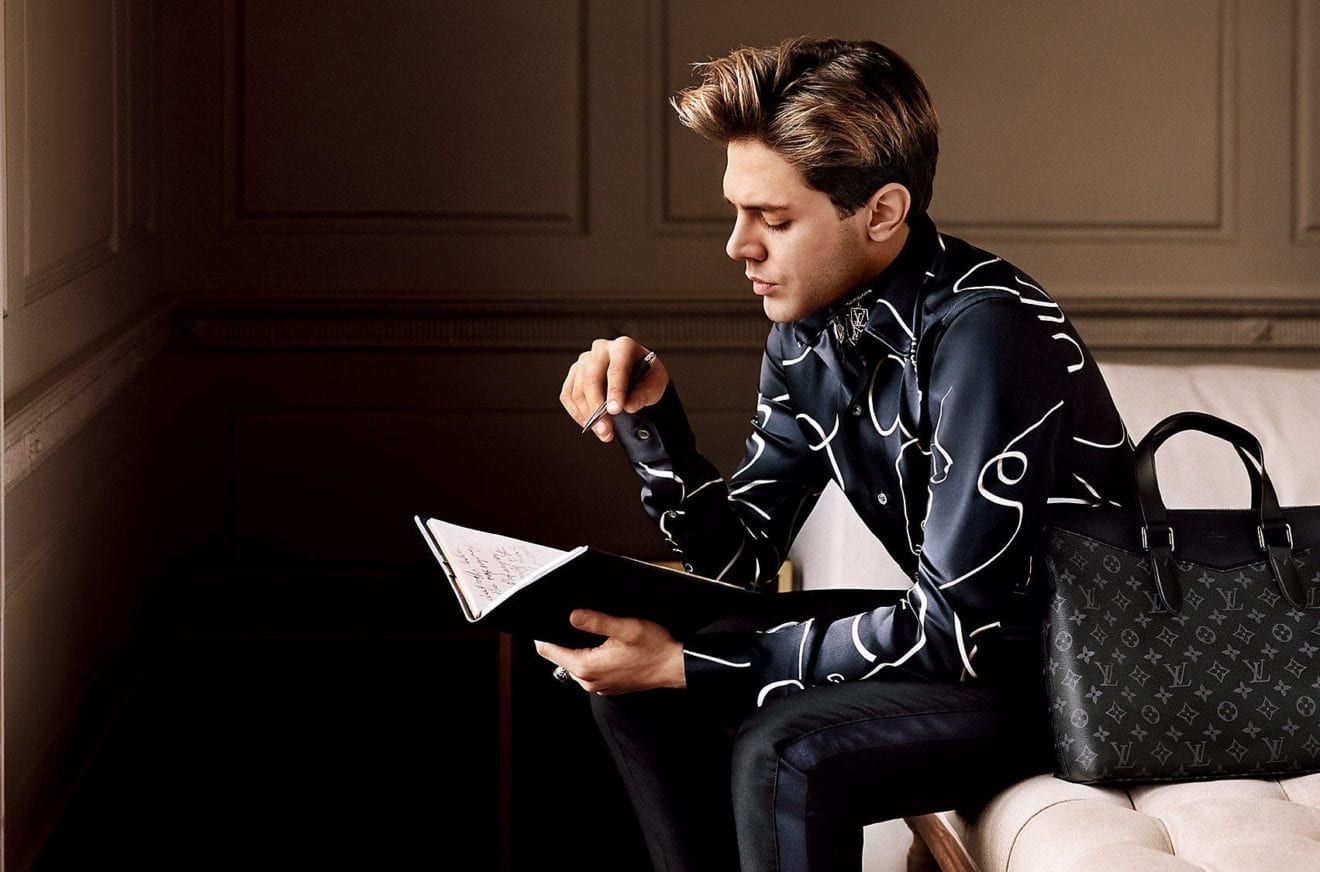
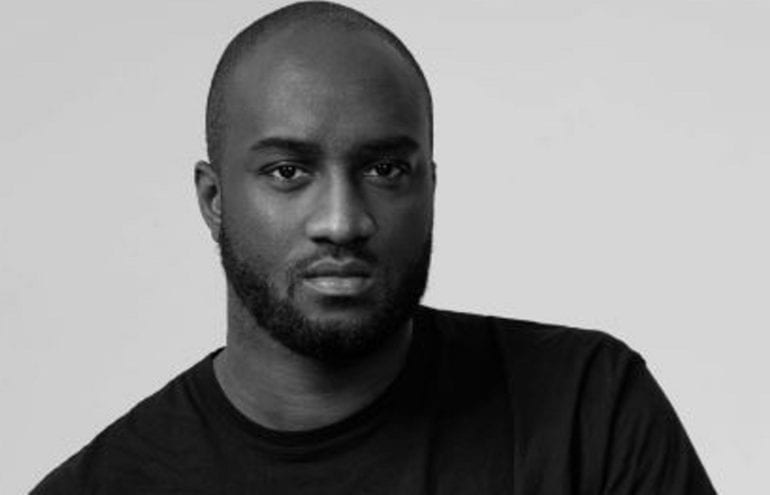
    Virgil Abloh, the founder of the haute street wear label Off-White and a longtime creative director for Kanye West, will be the next artistic director of menswear at Louis Vuitton, one of the oldest and most powerful European houses in the luxury business.

    He will be one of the few black designers at the top of a French heritage house. Olivier Rousteing is the creative director of Balmain, and Ozwald Boateng, from Britain, was the designer for Givenchy men’s wear from 2003 to 2007.

    r“I feel elated,” Mr. Abloh said via phone on Sunday, adding that he planned to relocate his family to Paris to take the job at the largest brand in the stable of LVMH Moët Hennessy Louis Vuitton, the world’s largest luxury group. “This opportunity to think through what the next chapter of design and luxury will mean at a brand that represents the pinnacle of luxury was always a goal in my wildest dreams. And to show a younger generation that there is no one way anyone in this kind of position has to look is a fantastically modern spirit in which to start.”

    The appointment, widely rumoured in recent months, is part of a shake-up on the men’s wear side of LVMH, which began in January with the departure of Kim Jones, Mr. Abloh’s predecessor at Louis Vuitton. Last week, it was announced that Mr. Jones would become the menswear designer at LVMH stablemate Christian Dior, replacing Kris van Assche.

    Mr. Abloh’s appointment is also a reflection of the increasing consumer-driven intermingling of the luxury and street wear sectors, which helped boost global sales of luxury personal goods by 5 percent last year to an estimated 263 billion euros (about $325 billion in today’s dollars), according to a recent study by the global consulting firm Bain & Company. And it is an acknowledgment on the part of the luxury industry that it must respond to contemporary culture in new ways.
    “Virgil is incredibly good at creating bridges between the classic and the zeitgeist of the moment,” said Michael Burke, chief executive of Louis Vuitton. The two men first met about 12 years ago when Mr. Abloh spent six months interning at Fendi with Kanye West, where Mr. Burke was then the chief executive.

    “I paid them $500 a month!” Mr. Burke said. “I was really impressed with how they brought a whole new vibe to the studio and were disruptive in the best way. Virgil could create a metaphor and a new vocabulary to describe something as old-school as Fendi. I have been following his career ever since.”

    Mr. Abloh, 37, a first-generation Ghanaian-American raised in Illinois, is widely considered one of fashion’s consummate purveyors of cool; a master of using irony, reference and the self-aware wink (plus celebrity, music, digital and hype), to recontextualize the familiar and give it an aura of cultural currency.

    Despite having no formal fashion education (his mother was a seamstress and taught him her trade; he studied architecture and civil engineering), Mr. Abloh founded Off-White — a reference to his belief that old barriers are breaking down — in 2013, almost a decade after he first meet Mr. West and became his creative partner. In 2015, Off-White was a finalist for the LVMH Young Designers Prize. (Mr. Abloh will be the first LVMH finalist to take on a major design role in an LVMH brand.)

    Off-White currently has 3.1 million Instagram followers (Mr. Abloh alone has 1.6 million), and Mr. Abloh received the Urban Luxe award at the British Fashion Awards last year. During the just-past women’s wear season, there was almost a riot in the Rue Cambon outside the Off-White show as fans crowded to get in.

    A champion of the cross-branded collaboration, Mr. Abloh has worked with names as varied as Nike, Jimmy Choo, Moncler and, with an upcoming project, Ikea. Most recently, he teamed up with Takashi Murakami, a frequent Vuitton collaborator, for a show at the Gagosian Gallery in London.

    “In a way, all of my output has been to make a compelling case for me to take on a role such as this,” Mr. Abloh said. “I think of it as kind of the ultimate collaboration.”

    It also presumably made a compelling case that Mr. Abloh could be the man to make Louis Vuitton men’s wear more relevant — and more visible — to the millennial generation. He will build on the foundation laid by Mr. Jones, who also gave classic men’s wear and Vuitton’s history as a luggage expert an urban edge, and recently engineered a sellout collaboration with Supreme, another street-wear success story.

    “For the last eight to 10 years we’ve been having this conversation about what’s new, and for me, that has to do with making luxury relatable across generations,” Mr. Abloh said, adding that he had been putting together an eight-page “brand manual” defining the new ethos of his Vuitton. “The first thing I am going to do is define new codes. My muse has always been what people actually wear, and I am really excited to make a luxury version of that.”

    Mr. Burke added, “Louis Vuitton was not a couture house. From the mid-19th century to the 1920s and beyond it always sought to cater to the new wealthy class, not the old aristocrats.”

    Mr. Abloh also said he would be focused on rethinking how the brand communicated with its consumers, including the release of products, the runway show and the way it interacted with the global political mood.

    Certainly, Vuitton will give him a bigger platform than he has had. Men’s wear is currently sold in only about 150 of the 450 Vuitton stores around the world, though the company plans to increase that by between 25 and 28 stores. There are also 13 free-standing men’s stores, with six more planned this year, according to Mr. Burke. Though LVMH does not break out specific brand performance, Mr. Burke said the men’s wear business had been growing in the double digits and “had a stellar 2017.”

    That places a burden of expectation on Mr. Abloh’s shoulders, especially given all the hype around his name — he was mentioned for possible top positions at Burberry and Versace. One of the criticisms most often lobbed at him (by Calvin Klein’s designer, Raf Simons, among others) is that his real genius lies in repurposing other people’s work, as opposed to creating new silhouettes of his own.

    Mr. Abloh is also not one to shy away from political statement-making, a tactic often seen as a risk for a luxury brand. Last year, during a guest appearance at the Florence men’s wear show, Pitti Uomo, Mr. Abloh eschewed the traditional runway show and instead collaborated with the artist Jenny Holzer on a piece addressing the immigrant crisis.

    “Product is only one part of the luxury narrative,” Mr. Abloh said in the phone interview. “I want to use Louis Vuitton’s history with travel to really look at different cultures around the world to help make all our humanity visible. When creativity melds together with global issues, I believe you can bring the world together. Fashion on this level can really open eyes.”

    Mr. Abloh will continue to run Off-White — “it is for the 17-year-old version of myself, whereas Vuitton is for the 37-year-old I am today,” he said — and to work with Mr. West. But he said he would cut back on his other activities, including moonlighting as a D.J. He will show his first collection for Louis Vuitton during Paris Men’s Fashion Week in June.

  • The Face Shop X Coca Cola has been launched

    The Face Shop X Coca Cola has been launched

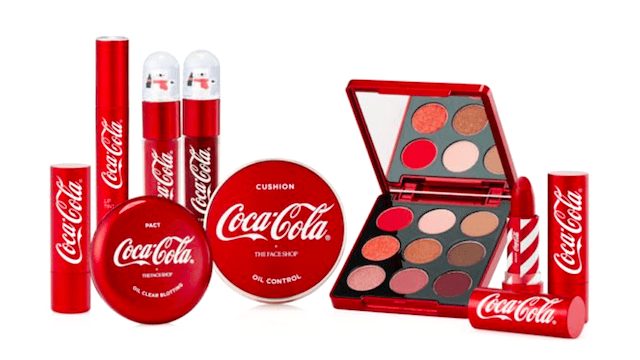
    Korean makeup brand The Face Shop has launched a range of Coca Cola cosmetics in an unusual collaboration with the US soft drink brand.

    The makeup range includes cushion compact, powder pact, five cream lip tints, five lipsticks, three gel lip tints, and an eyeshadow palette – all in Coca Cola pattern packages.

    Not only are they sold to look a little like Coke products… they even smell like Coca Cola.

    The Face Shop says the lip tints and lipsticks really do have a scent similar to “the real thing”…

    The lip tint packaging also features a cute polar bear image on the cap.

    The Coca Cola cosmetics collection by The Face Shop is sold online and at retail chains in Korea.

  • Blockchain might beat crooked contractors

    Blockchain might beat crooked contractors

    Brothers Frideric and Alexandre Prandecki’s journey to success in the home repair business started with a simple problem – their air conditioner broke in the Las Vegas heat.

    Rather than scan the local yellow pages, the brothers called in a repairman with a five-star rating through the Google for Work platform.

    “A guy comes in, big company, with his gadget and says, ‘Your AC unit is down, shot broken, you can’t even fix it, don’t repair it,” Frideric Prandecki said in an interview in Seoul. “I can give you a call, it’s $5,500 for a small unit.”

    The evaluation sounded fishy to Prandecki. He called another independent repairman named Nicu, who had a license but wasn’t well-known on the contractor listing sites. But Nicu turned out to be just the guy for the job.

    “He came to the house, he checked this, checked that and looked at the air filter, which is stupid by the way, and our air filter was dirty,” Prandecki said. “He changed the air filter and cold air started blowing.”

    The brothers realized that they had stumbled upon a business opportunity – connecting honest repairmen to customers.

    The Prandeckis’ business, Bob’s Repair, which introduces honest, skilled contractors with affordable rates to customers, grew steadily since they founded it.

    Since then, Bob’s Repair has handled over $1 million in transactions and facilitated more than 50,000 service calls.

    One of the barriers to solving the problem of overcharging customers is the nature of popular contracting platforms such as Angie’s List, Home Advisor or Google for Work. Because contractors are the main fee-paying customers of those sites, reviews posted on those platforms often can’t be trusted.

    “Home Advisor or Angie’s List will take down bad reviews if there’s a big complaint,” Prandecki said. “The only contractor that’s good is the person that pays [the most].”

    The company is adopting blockchain technology to further improve transparency for customers, who are often taken advantage of by unscrupulous contractors.

    “There’s a big issue where there’s a lot of fraud,” Prandecki said. “They’re overpaying for a simple repair or a toilet installment or an AC unit.”

    Prandecki believes the solution to this problem is blockchain. In a blockchain-based system, once a transaction is made and the review for the service is posted, the review will remain visible and can’t be removed or altered.

    “Someone said my business plan would never work because contractors won’t want anyone to know how much they’re charging,” Prandecki said. “That’s a lie.”

    Prandecki believes that successful blockchain services will combine blockchain with traditional businesses. That way, customers can directly experience the advantages of blockchain in their daily life – like when they need to call a handyman.

  • Savico Vietnam shuts down taxi company

    Savico Vietnam shuts down taxi company

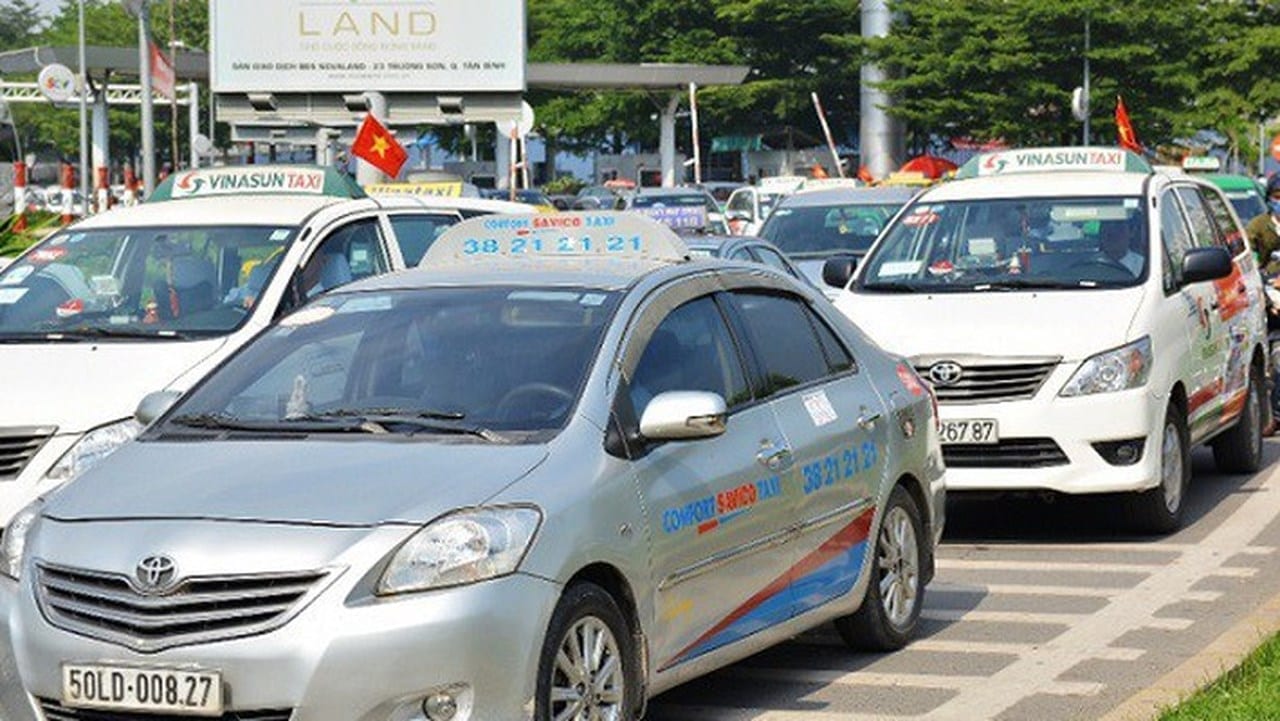
    Saigon General Service Corporation (Savico) announced to the State Security Commission of Việt Nam and HCM City Stock Exchange that its taxi brand – ComfortDelgro Savico Taxi – has been closed to preserve funds and reengineer its taxi-related business plans.

    ComfortDelgro Savico Taxi was opened in 2005 as a joint venture between Savico and ComfortDelGro Corporation Limited, a Singaporean multinational land transport company.

    Even though ComfortDelgro Savico Taxi has operated in HCM City for a long time, its market share has always been relatively modest, with a fleet of only around 400 cars, compared to Vinasun Taxi’s fleet of more than 6,000 cars.

    For the past few years the taxi company has incurred high costs due to constant improvement of its cars and service quality. However, tough competition from Grab and Uber has caused the company to struggle to make much profit from the investment.

    According to Savico’s 2017 report, ComfortDelgro Savico Taxi only made around VNĐ235 million (US$10,300) of profit, down from around VNĐ3.3 billion (US$145,000) in 2016 and nearly VNĐ7 billion (US$307,000) in 2015.

    On March 16, ComfortDelGro said that ComfortDelgro Savico Taxi has merged with Vinataxi (70 per cent of whose shares are owned by ComfortDelGro).

    According to statistics from the city’s Department of Transport, as of 2017, there were around 35,000 taxis in HCM City, including around 24,000 Grab and Uber taxis.

    Many of Việt Nam’s traditional taxi companies are struggling to compete with Grab and Uber.


  • Robinsons Retail to take over Rustan’s Supermarket

    Robinsons Retail to take over Rustan’s Supermarket

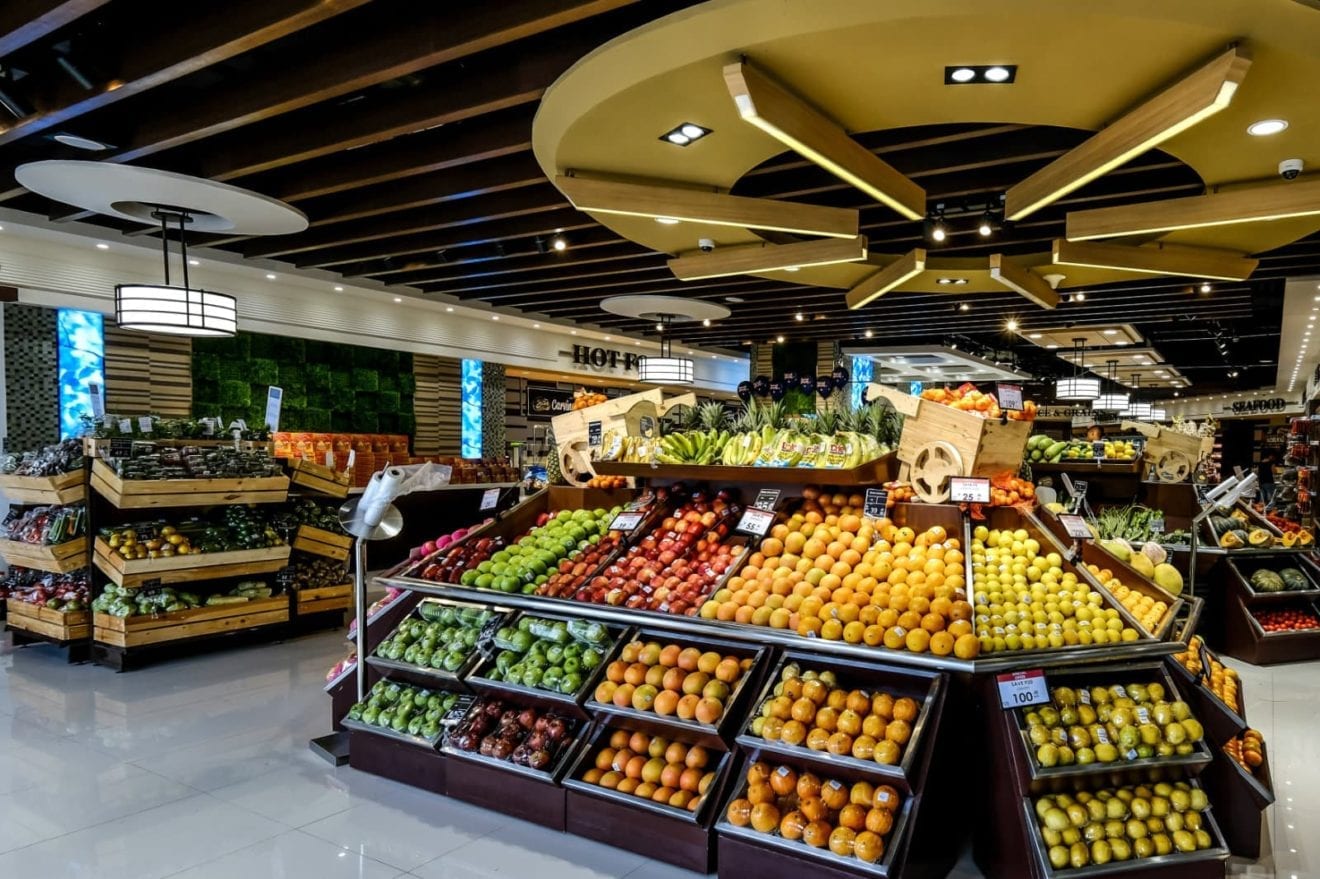
    Multi-format retailer Robinsons Retail Holdings is spending PHP18 billion (US$343 million) to acquire Dairy Farm’s Rustan’s Supercenters, which operates the upmarket Rustan’s department stores.

    Owned by the Gokongwei family, Robinsons Retail has more than 3500 retail outlets including supermarkets, department stores, drugstores, international fashion and beauty, and specialty coffee shops. Rustans is 100 per cent owned via a subsidiary by Hong Kong-listed retail group Dairy Farm International, which is majority owned by Jardine Matheson. It runs the food retail brands Marketplace by Rustan’s, Rustan’s Supermarket, Shopwise Hypermarket, Shopwise Express and Wellcome.

    Robinsons Retail will acquire the 100 per cent stake held by Dairy Farm subsidiary MCBV in Rustans through a share swap. The deal calls for Rustans swapping shares for primary common shares of Robinsons. Some members of the Gokongwei family also intend to sell some of their shares under the deal.

    Robinsons says it has agreed to partner with Dairy Farm to create a leading food retailer in the Philippines. The Gokongwei family will effectively own 51 per cent of the expanded capital of Robinsons Retail while Dairy Farm, through its arm MCBV, will own 18.25 per cent of the listed retail company upon the completion of the secondary sale tranche. The board of directors of Robinsons Retail and MCBV have approved the acquisitions.

    In December, Robinsons Retail acquired a 20 per cent stake in Taste Central Curators, which runs Filipino e-commerce site BeautyMNL. Robinsons Retail shelled out PHP4 billion in capital expenditure last year, higher than the PHP3.3 billion spent a year earlier, to open about 150 new stores.

  • Indonesia’s Citilink to start up to 3 new international routes in 2018

    Indonesia’s Citilink to start up to 3 new international routes in 2018

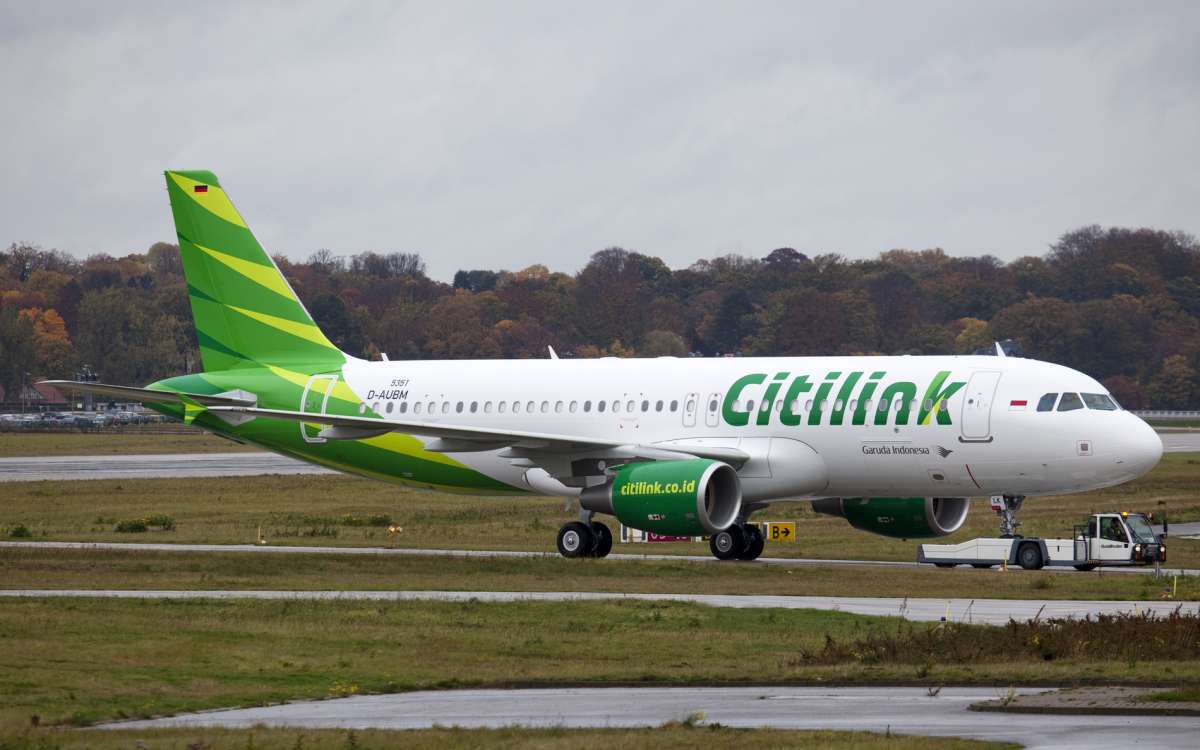
    Low-cost airline Citilink Indonesia has announced plans to serve two or three more international routes this year in addition to the Jakarta-Penang route that started operation on Sunday and the Jakarta-Dili route that has been in operation since May, last year.

    The company said it took into consideration several aspects before opening new routes, including the destination city’s gross domestic product (GDP), to assess the business prospects.

    “These [new routes] will benefit Citilink, because we can optimize the utilization of our fleet,” Citilink finance director Fransetya Hutabarat said on the Citilink flight to Penang on Sunday.

    Meanwhile, Andy Adrian Febryanto, Citilink Indonesia’s chief commercial officer, said the new routes would be within a range of four to five flying hours, a distance coverable by Airbus A320 planes.

    “We plan to expand our [route network] to a number of cities, but I cannot disclose the routes yet,” he said.

    Citilink’s inaugural flight to Penang recorded a seat occupancy rate of 97 percent, with 176 of the 180 available seats filled.

    Penang is considered an attractive destination for airlines, as it is a modern international island city that offers tourists attractions such as heritage buildings in George Town, the Gurney Drive tourist belt, Penang Hill and others.

    Planes on the route take off from Jakarta at 9:55 a.m. and from Penang at 2:50 p.m. local time. Fransetya said the firm might increase the flight frequency in the future if demand was high.

    AirAsia has served the same route for a longer time.

  • Foodpanda opens dine-in restaurant in Singapore

    Foodpanda opens dine-in restaurant in Singapore

    Food-delivery company Foodpanda Singapore has launched a 30-seater restaurant, Favourites by Foodpanda.

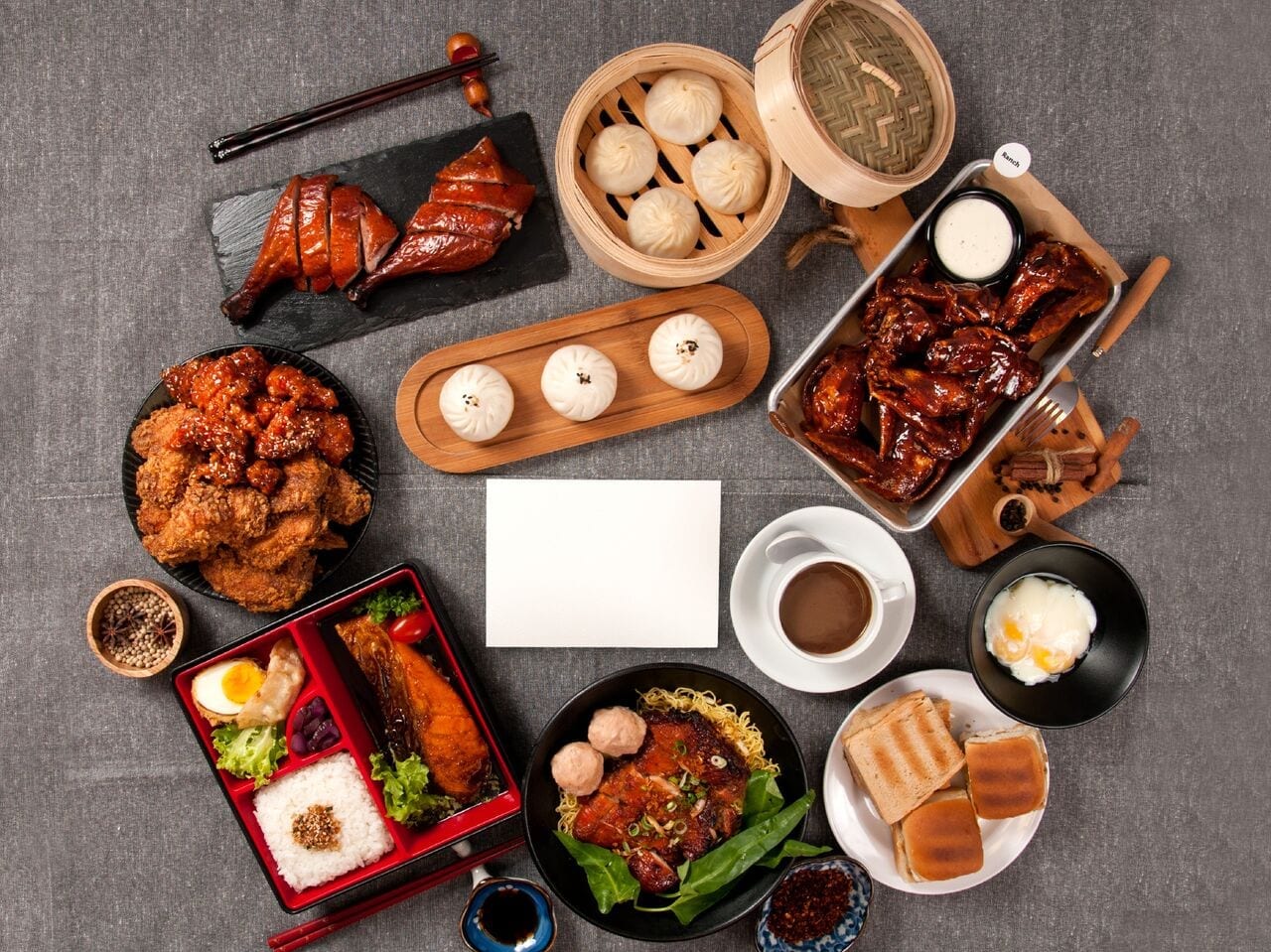
    In Woodlands Avenue, the 3100sqft (288sqm) restaurant allows customers to pick and match dishes from nine restaurants such as Ichiban Bento, Crystal Jade Kitchen and Wingzone.

    At the same time, the restaurant acts as a collective kitchen where customers in the nearby districts of Sembawang and Yishun can place delivery orders for the nine restaurants with a single delivery fee.

    Foodpanda Singapore MD Luc Andreani says there was a demand in the northern part of Singapore for more delivery options, but many restaurants were unable oblige because of their more central locations.

    “Favourites by Foodpanda offers brands an opportunity to expand output and reach a new customer base.”

    This move follows Foodpanda competitor Deliveroo opening its first central kitchen last year. While not available to the public for dine-in, Deliveroo Edition gathers chefs from six different restaurants at a 2110sqft kitchen space in Katong to prepare delivery orders.

    After setting up at Deliveroo Edition, New Ubin Seafood had a 600 per cent jump in delivery sales, says a Deliveroo spokesman.

    Beyond R&B, furniture retailer HipVan is another online business that has opened its first permanent 11,000sqft flagship store at The Cathay in Dhoby Ghaut. Luxury e-commerce retailer Reebonz also opened an eight-storey, 200,000sqft outlet in Tampines last year.

    Meanwhile, Foodpanda says it is looking to open another two outlets in Singapore by the end of the year.

  • Will Group eyes rights for Chatime in Singapore

    Will Group eyes rights for Chatime in Singapore

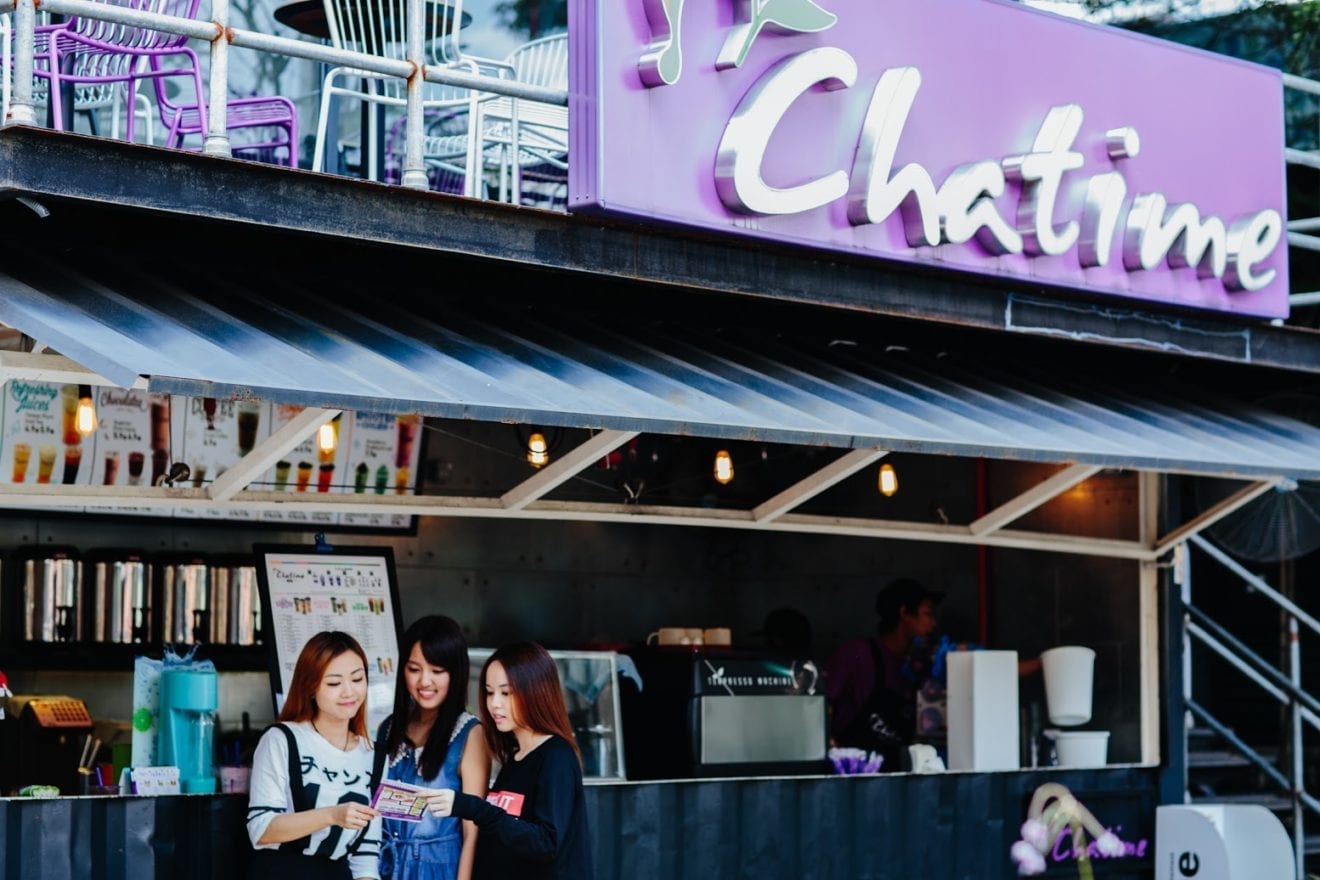
    Will Group Sdn Bhd, the master franchisee for Chatime in Malaysia, is eyeing the rights for Chatime in Singapore a year after it opens its first outlet there.

    Chatime Malaysia group managing director Aliza Ali said it has obtained the green light from Chatime franchisor La Kaffa International Co Ltd to enter the Singapore market, where it will open two Chatime outlets in shopping malls this year and an outlet in Jewel Changi Airport in 2019 to gauge the market there.

    “It (Singapore master franchisee) is something that we’re eyeing but let us prove ourselves to the principal (La Kaffa) first. If they see that we can manage the market in Singapore and if they’re happy with our performance, we will talk about the possibility (of being the Singaporean master franchisee),” she told SunBiz.

    Aliza noted that there are existing bubble tea players that are doing well in Singapore, such as Koi, Gong Cha and LiHo. There is no Chatime in Singapore yet. Its rival Tealive is also not in Singapore, but has ventured into Vietnam and announced plans to go into Australia.

    “This (Singapore) is a new market, we can’t just go in and want the master franchisee rights without showing that we are going to do it well. We have to open (outlets) first then only we can see how the market is. For us to jump in to be the master franchisee and put our investments there without knowing how we want to move ahead, wouldn’t be a smart move either,” she explained.

    Aliza added that franchisors will usually save the exclusivity of a territory for a franchisee, while it markets the brand there. Once the franchisee has opened a certain number of outlets for a period of time, the franchisor will then award the master franchisee rights to the selected franchisee.

    While Singapore is a feasible venture for Will Group, the bubble tea company is also entering the Middle East market, with plans to open Chatime outlets in Mecca and Medina this year.

    There is already a Chatime master franchisee in the Middle East in Saudi Arabia (Jeddah) hence Will Group is aiming for Mecca and Medina where Chatime is yet to be present, under a sub-franchisee arrangement.

    “We would like to have some exclusivity there (in the Middle East) but we’re aware that there is already a master franchisee so any planning would have to be done out of respect for the master franchisee there. It has to be something that the master franchisee is comfortable to grant us. With the help of La Kaffa, we would like to get our interest across to the master franchisee there,” said Aliza.

    Its expansion plan into Singapore and Middle East comes after Chatime Malaysia obtained the halal food certification from the Department of Islamic Development Malaysia for its menu, paving the way for new avenues of business. It has outlined a five-year RM100 million expansion plan targeting over 150 outlets in Malaysia and internationally.

    Will Group was offered the role of master franchisee for Chatime in Malaysia following a dispute that escalated between La Kaffa and ex-master franchisee Loob Holding Sdn Bhd last year, that saw the franchisor terminating the master franchisee contract with Loob.

  • Alcis Sports expansion plan in India

    Alcis Sports expansion plan in India

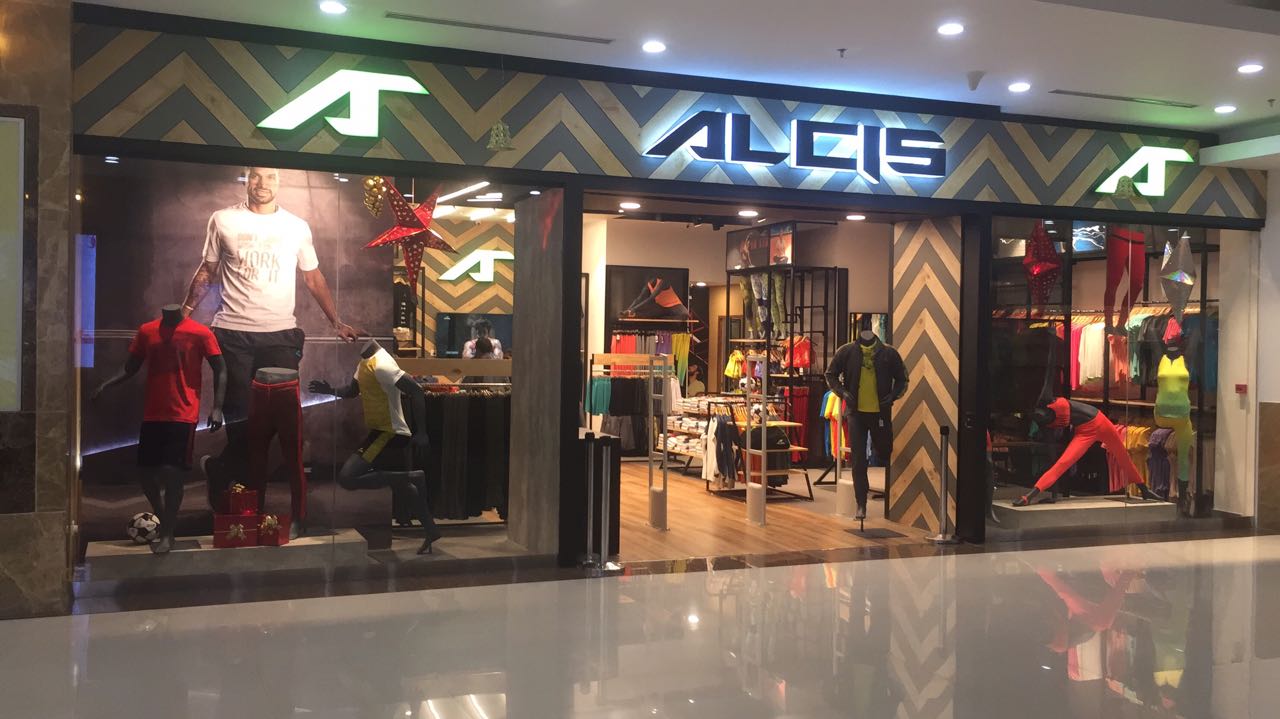
    Indian fashion brand Alcis Sports plans to add 15 exclusive brand outlets in metro areas by year’s end.

    President Anuj Batra says the brand may also enter some top towns such as Lucknow and Mysore through franchise partners.

    While the brand is available through four exclusive stores it has opened its first franchises in Guwahati and in Kamla Nagar in New Delhi. “We are looking at expanding across India, be it through company-owned stores or franchised stores.,” says Batra.

    Alcis also has 150 shop-in-shops in large-format stores like Central, Globus, Shoppers Stop and Sports Station. The brand will be soon launch a shop-in-shop in Lifestyle as well.

    “Along with this, Alcis is also present in South India with brands like Jayalakshmi, Pothys and RS Brothers. Offline, we cover about 700-odd retail outlets (shop-in-shops) across India, and in the coming year are looking at increasing our spread to tier II and III towns.”

    He says that for online business Alcis has been gaining traction over the past year on both Jabong and Myntra, and has also tied up with Amazon, Flipkart, PayTM and Snapdeal.

    Going ahead, Batra says he expects offline will contribute 60 per cent of revenue.

    Alcis Sports has just secured an investment from Singapore venture capital firm RB Investments, and the company has also appointed Indian cricketer Shikhar Dhawan as brand ambassador.

  • Asian markets carry Kerry Logistics to new profit heights, despite China dip

    Asian markets carry Kerry Logistics to new profit heights, despite China dip

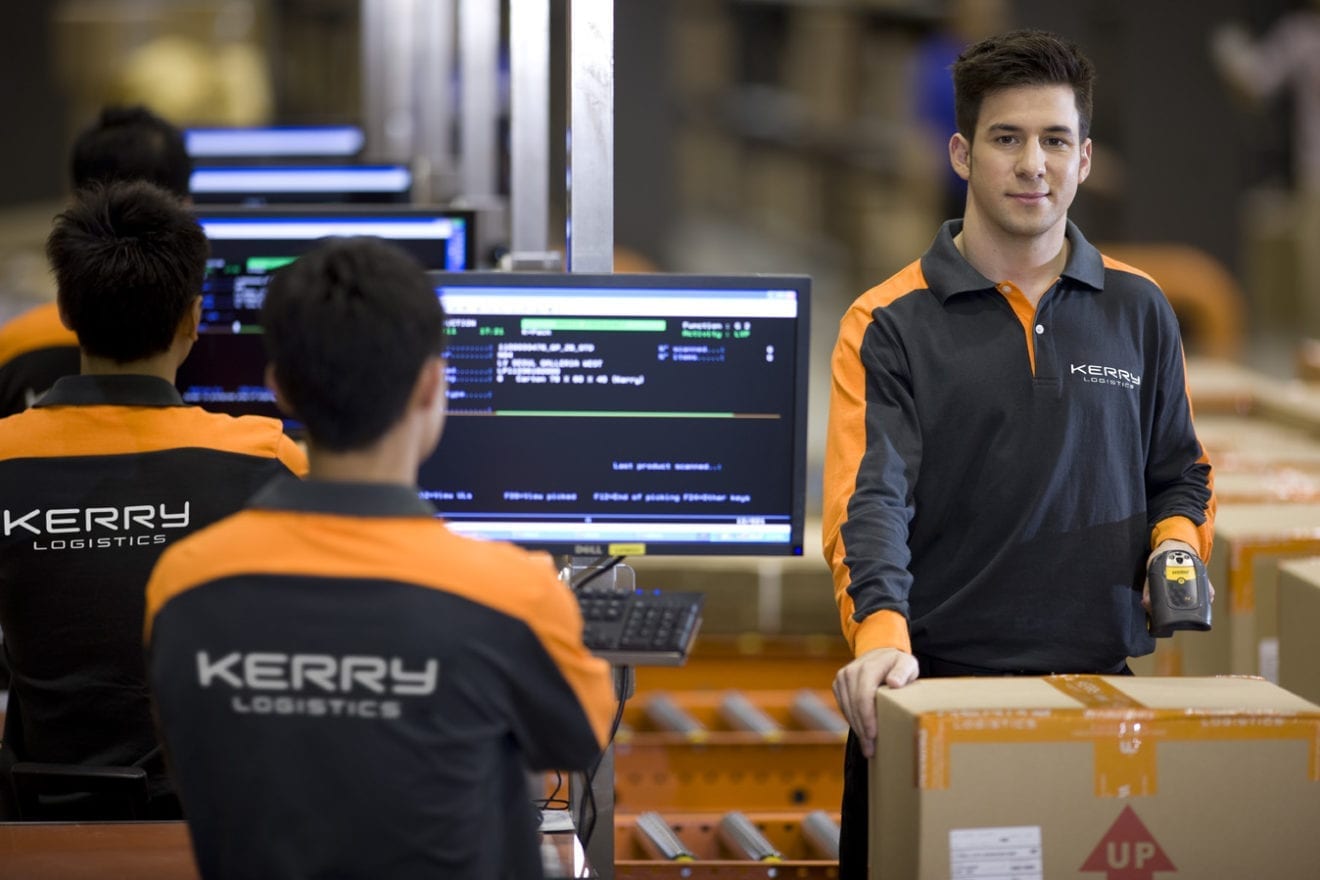
    Asia powered Kerry Logistics to a strong 2017 performance, with double-digit growth in revenue and profits. Turnover was up 28% year on year to HK$30.7bn (US$3.9bn) generating an operating profit of HK$2.1bn (up 13%) and net profit of HK$1.2bn (up 7%). Group managing director William Ma said the company had benefited from the “upswing” in the global economy, but singled out one region for praise.

    “The overall performance of Asia remained robust, driven by pronounced external demand and rising domestic consumption,” said Mr Ma.

    “We did better in the second half of the year, buoyed by the strength of e-commerce, the sound performance of subsidiary APEX in the Americas and accelerating growth in express business in Thailand.”

    However, it wasn’t all good news for Kerry’s Asian operations – profits from Chinese forwarding and logistics were down 6.9% and 7.5%, respectively.

    Worse performance, though, was from the Taiwanese forwarding division, where profits plummeted more than 39% to HK$4.8m. And European forwarding stayed flat, dipping 0.1% to HK$23.54m.

    However, with the company’s Asian logistics segment seeing a profit surge of 56% to HK$425m, the real figure drop in Taiwan will hardly dent Kerry’s optimism. Group chairman George Yeo said the firm had responded to the needs of its customers over the last 12 months, which had allowed it to improve efficiencies.

    “With the addition of Globalink Logistics and Lanzhou Pacific Logistics, we now have the strongest road and rail freight network across Eurasia,” Mr Yeo said. “The deepening and widening of our capabilities positions us well for rapidly growing cross-border e-commerce, which is facilitated by better physical connectivity and greater international cooperation.

    “As we continue to bring in catalysts to drive the scale, volume, and efficiency of our global IFF network, the Group is optimistic to deliver sustainable results.”

    Considering the strong express performance, powered by e-commerce, the company said it planned to roll out express operations in Malaysia, Singapore, and Vietnam.

    But it also announced it had disposed of its rail terminal business in Adelaide, in January, and would be selling its 15% stake in Asia Airfreight Terminal.

  • BMW, Mercedes win with diesels in Korea

    BMW, Mercedes win with diesels in Korea

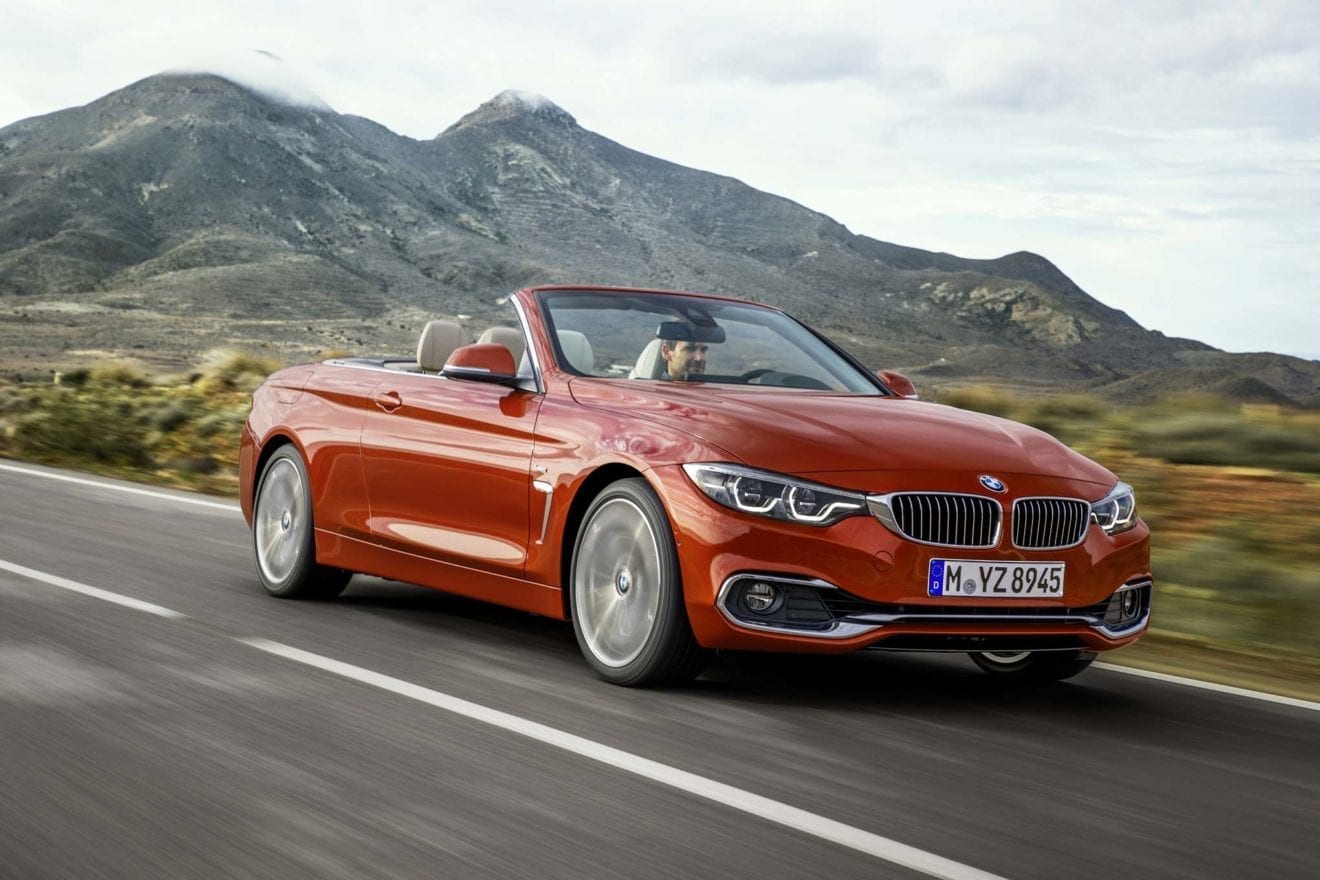
    It’s only been a couple of weeks since the 2018 Winter Olympics in Pyeongchang concluded, but for two of Germany’s major premium brands the hunt for gold in South Korea continues. BMW’s and Mercedes-Benz’s sales are booming and, unlike Europe, diesels have been a major driver of the success.

    Models such as the BMW 520d or Mercedes-Benz E 220d routinely rank as the best-selling imports.

    Typically, when experts talk about strategically important car markets, the Korean peninsula doesn’t come up. Instead the focus lies mainly on the BRIC countries: Brazil, Russia, India and China.

    While China has become the single-biggest market for Mercedes, BMW and Audi, the other three have failed to live up to their potential. Instead, a market of only 1.53 million light vehicles has stepped into the vacuum. Sales of Mercedes cars in South Korea increased by 20 percent last year. Remarkably, that represents a slowdown over 2016, when volumes surged by a third.

    Some of the growth can be attributed to a 2011 free trade agreement with South Korea that first reduced the 8 percent tariff on cars imported from the EU before eventually eliminating it entirely. Executives say what is even more important has been a change in attitude. A rising number of consumers are eschewing brands controlled by large family-owned conglomerates known as the chaebol, including Hyundai, in favor of foreign makes.

    Several such groups have become embroiled in scandals where the government helped keep chaebol executives found guilty of bribery and corruption out of jail. Now it’s no longer considered your patriotic duty to help the domestic brands, especially if you can afford better.

    “There’s a new spending paradigm called YOLO: You Only Live Once,” said IHS Markit senior analyst Andy Bae. “Thanks to supportive financial and promotion programs, YOLO consumers do not hesitate to purchase premium cars from Mercedes and BMW.”

    Mercedes now counts South Korea as its sixth-largest market worldwide, only narrowly trailing France with nearly 69,000 cars sold last year. BMW wasn’t far behind with a little less than 60,000. South Korea even eclipsed Japan last year as BMW brand’s second-biggest market in Asia.

    “There’s a strong relationship between South Korea and Germany, and they are attracted by German products, so we could utilize that,” Mercedes global sales boss Britta Seeger told journalists in Los Angeles last November.

    Seeger might be the best example of the growing importance of understanding South Korea. Prior to her promotion to the board of Mercedes parent Daimler, her first major assignment was running the automaker’s national sales company in South Korea from 2013 to 2015. Her unique experience there is also influencing what decisions she makes now. As part of her goal to open up the brand to new audiences, not just customers, Seeger decided that Mercedes should sponsor eSports competitive video gaming. “It may not be considered a mainstream sport, but it’s the fastest growing sport in the world,” said Seeger, who was attracted by sold-out stadiums around the globe and almost 500 million streaming hours watched per month. “I lived in South Korea. There it’s very normal — like soccer.”

    So, it’s that much more painful that smaller premium brand Audi has effectively been frozen out of this lucrative market after regulators decertified thousands of its diesels and imposed a ban on new registrations in August 2016 because of parent Volkswagen Group’s emissions-cheating scandal. This caused volumes to plummet from a peak of 32,538 in 2015 to less than 1,000 in 2017, crippling its dealer network.

    “Korean customers migrated from Audi to BMW and Mercedes during the sales ban,” IHS Markit’s Bae explained. “VW (Group) is preparing to start sales again.” Perhaps Audi will be able to benefit from what remains of the Olympic spirit.

  • Uber selling Southeast Asian business to regional rival Grab

    Uber selling Southeast Asian business to regional rival Grab

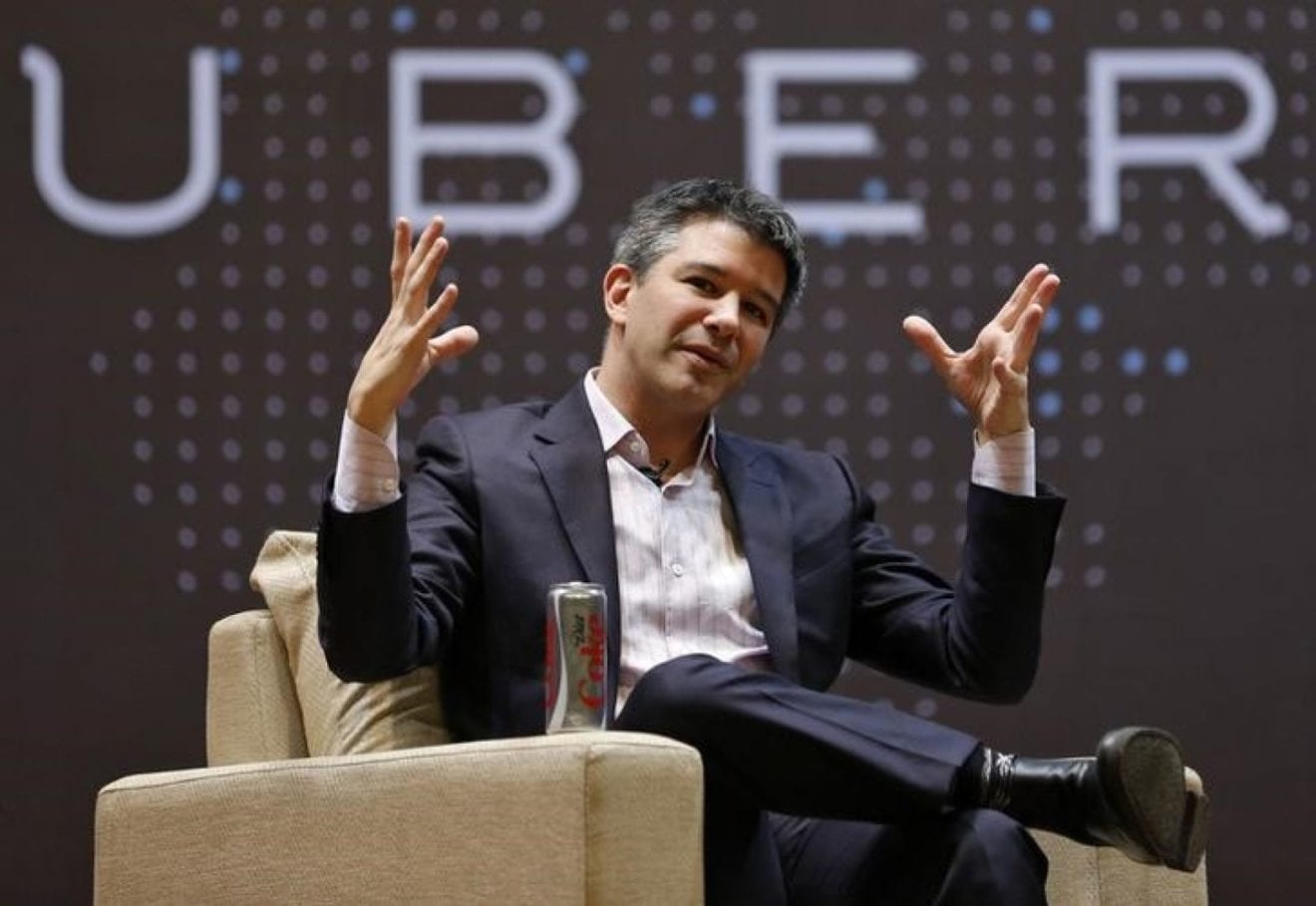
    Ride-hailing giant Uber is selling its business in Southeast Asia to regional rival Grab while gaining a robust stake in the fast-growing ridesharing, food delivery and financial services business.

    Grab said Monday that Uber will take a 27.5 percent stake and a seat on its board as part of the deal. Financial details were not disclosed.

    Since becoming Uber’s CEO in September, Dara Khosrowshahi has been maneuvering to make the company profitable before a planned initial public offering expected next year.

    The company’s full-year net loss widened to $4.5 billion in 2017 as it endured multiple scandals and the departure of its co-founder and former CEO Travis Kalanick.

    The deal enables Uber to keep a foothold in the increasingly affluent market of 640 million people while cutting its losses.

    “It will help us double down on our plans for growth as we invest heavily in our products and technology to create the best customer experience on the planet,” Khosrowshahi said in a statement.

    Grab provides services in Singapore, Indonesia, the Philippines, Malaysia, Thailand, Vietnam, Myanmar and Cambodia. It says it offers access to five million drivers and agents and handles over a billion transactions a year.

    The deal was dismaying to many in Asia who have often compared the rival apps in search of the best deal.

    The Uber app will be discontinued in just two weeks, and in the meantime its drivers have to sign up to drive with Grab. Riders, likewise, will need to download the Grab app and set up accounts, although their Uber accounts will still work outside Southeast Asia.

    The companies said that Uber Eats, the food delivery business, will run in Southeast Asia through May and then shift to the GrabFood platform. Grab has been seeking to dominate the regional market for car and motorbike hailing and has expanded into other areas, recently announcing plans to partner with a Japanese credit card company to provide credit to millions of people without bank accounts.

    In Indonesia, the region’s biggest economy and most populous country with more than 250 million people, it’s in a fierce battle for customers with local app Go-Jek, which has backing from Google and Tencent.

    Grab’s CEO and co-founder Anthony Tan said the acquisition of Uber’s regional business marks the beginning of a new era in using mobile businesses to provide transport, food delivery, payments and other financial services across the region.

    Uber has withdrawn from several big overseas markets. It sold off its China business to a competitor and partner, Didi Chuxing, taking a stake in Didi. In Russia, it agreed to merge its ride-hailing business in the country with Yandex, a local search-engine leader that also runs a popular taxi-booking app.

  • Jollibee Guam construction begins

    Jollibee Guam construction begins

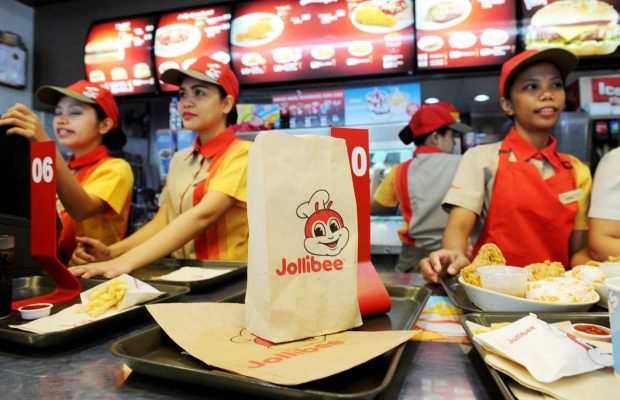
    Philippine fast-food giant Jollibee’s planned re-entry into the Guam market has taken another step forward. The $2 million construction project to build a standalone Jollibee in the Micronesia Mall parking lot has begun. The construction site was in the process of being cordoned off Monday, and construction equipment has started digging up the ground for the proposed concrete building.

    The Jollibee corporate office in the Philippines has previously confirmed its Guam restaurant will open in the fourth quarter of this year.

    Maxi D. Peralta Jr., assistant vice president and head of international franchising at Jollibee Foods Corp., spoke on behalf of the company.

    Known for its crispy fried chicken, sweet spaghetti and other Filipino twists on patties, hot dogs, egg rolls and noodles, Jollibee’s Guam re-entry was announced as part of its overseas expansion plans.

    Jollibee had two franchise-run restaurants on Guam and two on Saipan, but its Marianas presence ended more than a decade ago as the islands went through an economic downturn. Jollibee also had trouble competing with Guam players that offered larger portions.

    The company builds, runs and franchises quick-service restaurants. A Jollibee international franchise applicant must have a minimum net worth of $5 million, according to the company’s website.

    Internationally, Jollibee had 139 stores with 32 in the United States, 72 in Vietnam, 13 in Brunei, one in Hong Kong, two in Singapore and 19 in the Middle East, according to the company’s profile for investors.