Author: Mei Ling Tan

  • Starbucks IFC Mall to adds alcohol in the menu

    Starbucks IFC Mall to adds alcohol in the menu

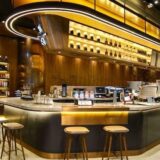
    Starbucks Hong Kong has opened its first cafe serving alcohol – including coffee-infused craft beers, exclusive to the city.

    Starbucks’ local licensee, the Dairy Farm International subsidiary Coffee Concepts, says the move is part of its strategy of elevating the chain’s ‘Third Place’ experience for its customers through continuous innovation in its coffee offer and in-store experience.

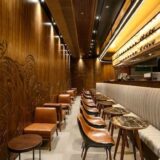
    After a month-long refit, the store on the level 2 podium of IFC Mall in Central was formally unveiled to media last evening. It has been upgraded into the Starbucks Reserve format in a bid to attract customers after work as well as during the day.

    And besides gourmet coffee blends, a Starbucks Reserve range of merchandise and beer, the cafe offers a selection of wines and light meal menu featuring dips, cured-meat-and-cheese board, bacon-wrapped asparagus skewers and baked meatballs.

    Craft beer partnership

    Starbucks Hong Kong has released two coffee-infused craft beers created in partnership with a local brewery. A company spokesperson says the two beers are infused with “signature notes of Starbucks coffee, leaving a refreshing taste on the tongue”.

    “The Caramel Macchiato Cream Ale is inspired by the signature Starbucks Caramel Macchiato. Cream ale is harmoniously brewed with pre-ground Starbucks Colombian coffee and delectable caramel for more than 18 hours, resulting in an irresistibly smooth taste with nutty notes and a subtle caramel sweetness, as well as a brilliant golden colour.

    “The Mocha Brown Ale marries a robust brown ale with the indulgent chocolate and soft spice notes of Starbucks Caffe Mocha. Brewed with Starbucks Guatemala Antigua cold-brewed coffee and cocoa nibs, the intense brown ale will surprise customers with its distinctive contrast of dark-brown hue and luscious sweetness.”

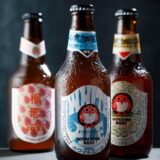
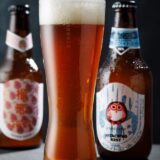
    Starbucks Hong Kong is also launching three bottled beers including Hiiro Seed Guava Love, a fruity beer with a tropical pink guava aroma, brewed locally by Hitachino Nest Beer.

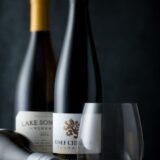
    The Starbucks Reserve wine list features four red wines (pinot noir, merlot, cabernet sauvignon and shiraz), three white wines (sauvignon blanc, chardonnay and riesling) and an Italian prosecco.

    Starbucks says that extending the ‘Third Place’ experience (in which home and workplace are the first and second places) the Starbucks Reserve Coffee Experience Bar provides “the widest in-store offerings for customers as they connect with colleagues and friends over their beverages of choice”.

    The pictures can be viewed below :
  • Indonesia sees maiden shipment of chicken nuggets to Japan

    Indonesia sees maiden shipment of chicken nuggets to Japan

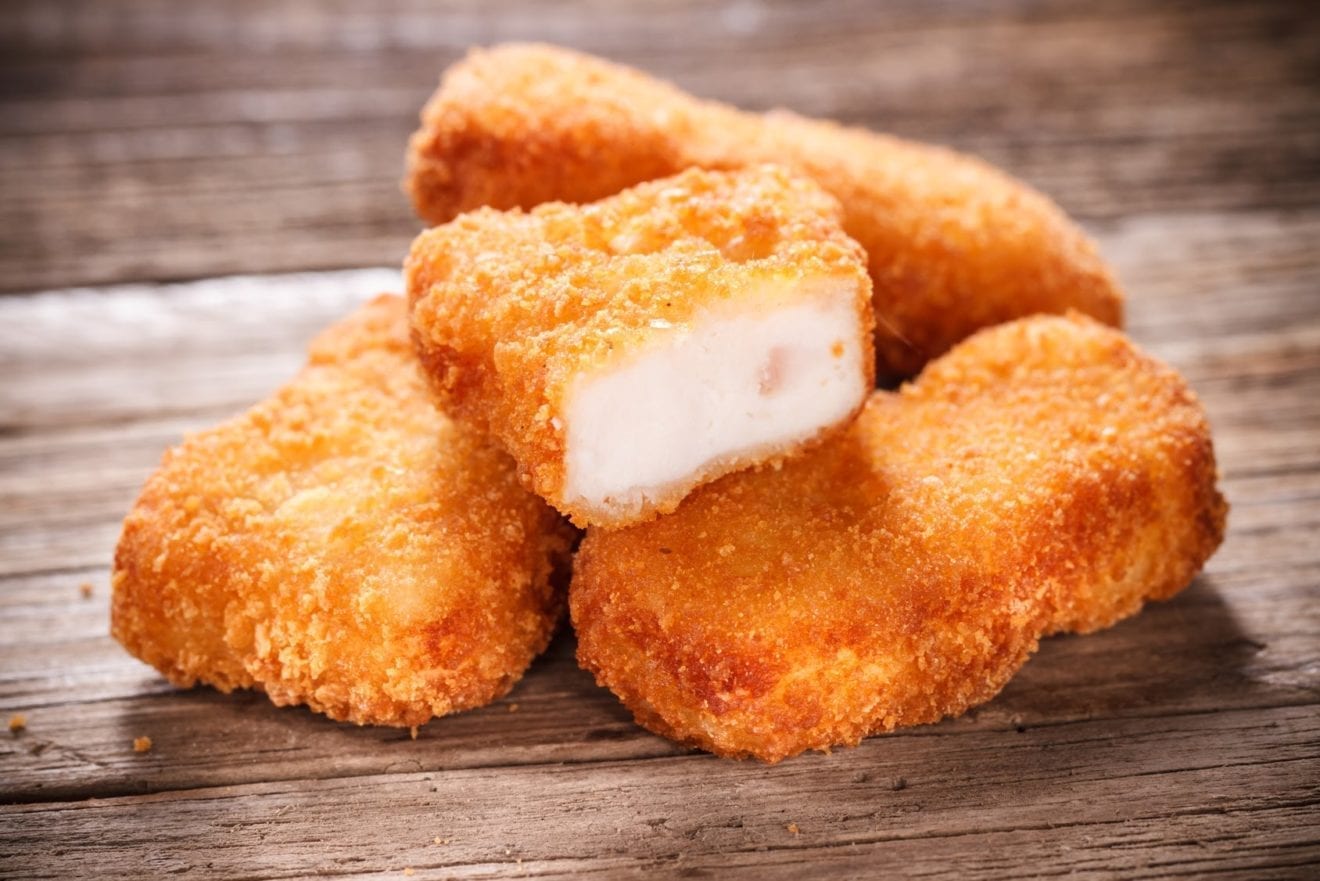
    The Trade Ministry has seen the first export of 6 tons of chicken nuggets to Japan on last Wednesday. The nuggets were produced by PT Belfoods Indonesia, the subsidiary of publicly listed PT Sierad Produce.

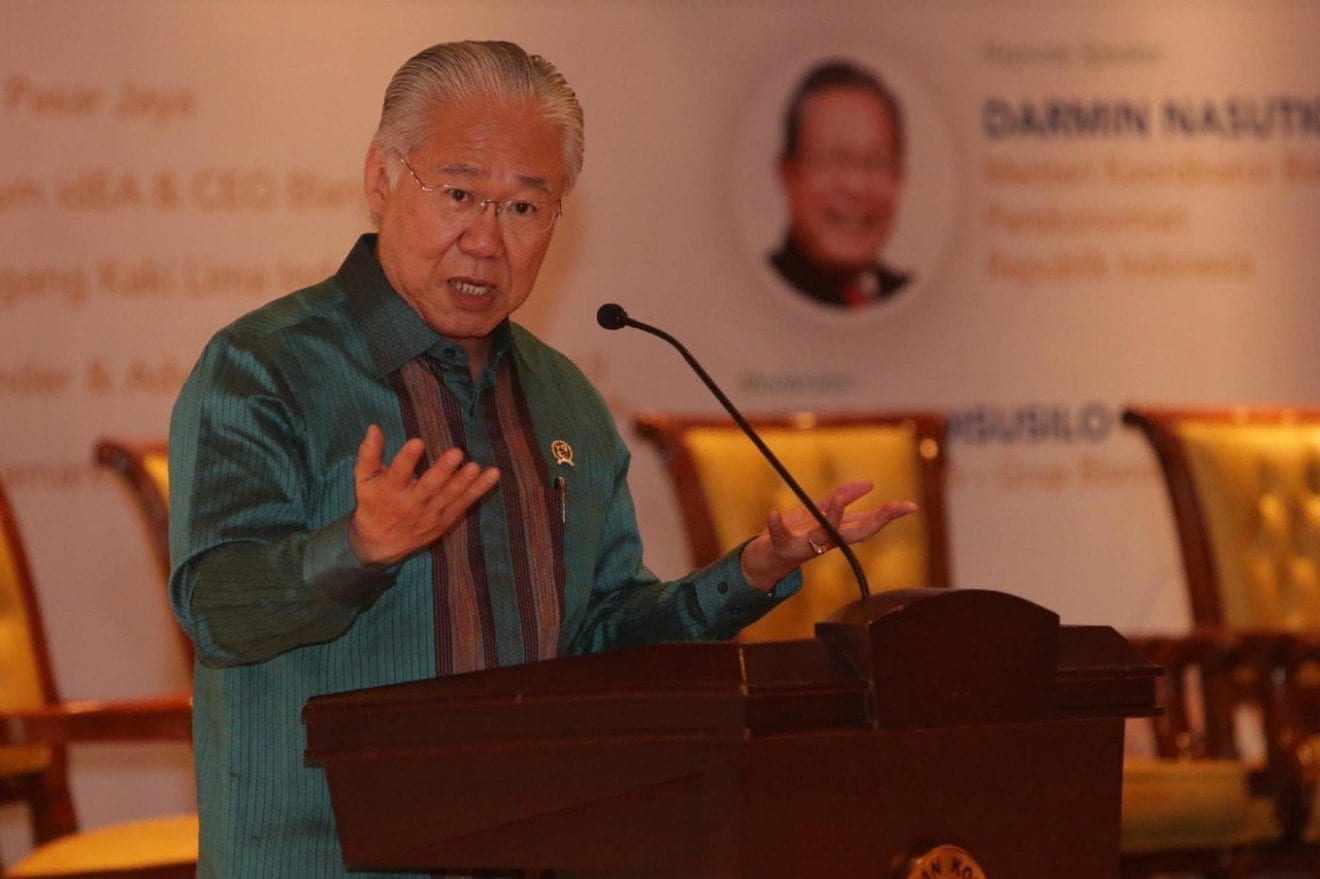
    “I congratulate Belfoods for being the first company to export chicken nuggets to Japan and for its contribution to Indonesian national exports,” said Trade Minister Enggartiasto Lukita in a statement.

    Enggartiasto said the shipment was a milestone for Indonesia given that the Japanese market was long known as hard to penetrate for Indonesian producers owing to its strict quality standards.

    “We expect that this is a good start to develop the Indonesian processed chicken industry for the international market. If Indonesian chicken nuggets can enter Japan, then it will be easier for it to access other countries,” he said.

    The trade minister also said he expected Indonesian chicken exporters to train local chicken farmers because exports should also increase the livelihoods of local stock farmers while increasing the country’s foreign currency savings.

    The consumption of poultry-based processed foods in Japan reached US$2 billion a year, making Japan a potential choice for exports. China and Thailand are known as the major exporters for Japan.

    Meanwhile, PT Sierad Produce CEO Tommy Wattimena said Belfoods products’ taste had become accepted by the Japanese because the subsidiary had done some market research in the country.

    “Belfoods will still focus on the domestic market while keeping the quality of our products up to export standards to help export development,” he said.

  • Lay Hong to invest RM16.6 million in liquid egg processing facility in Pasir Gudang

    Lay Hong to invest RM16.6 million in liquid egg processing facility in Pasir Gudang

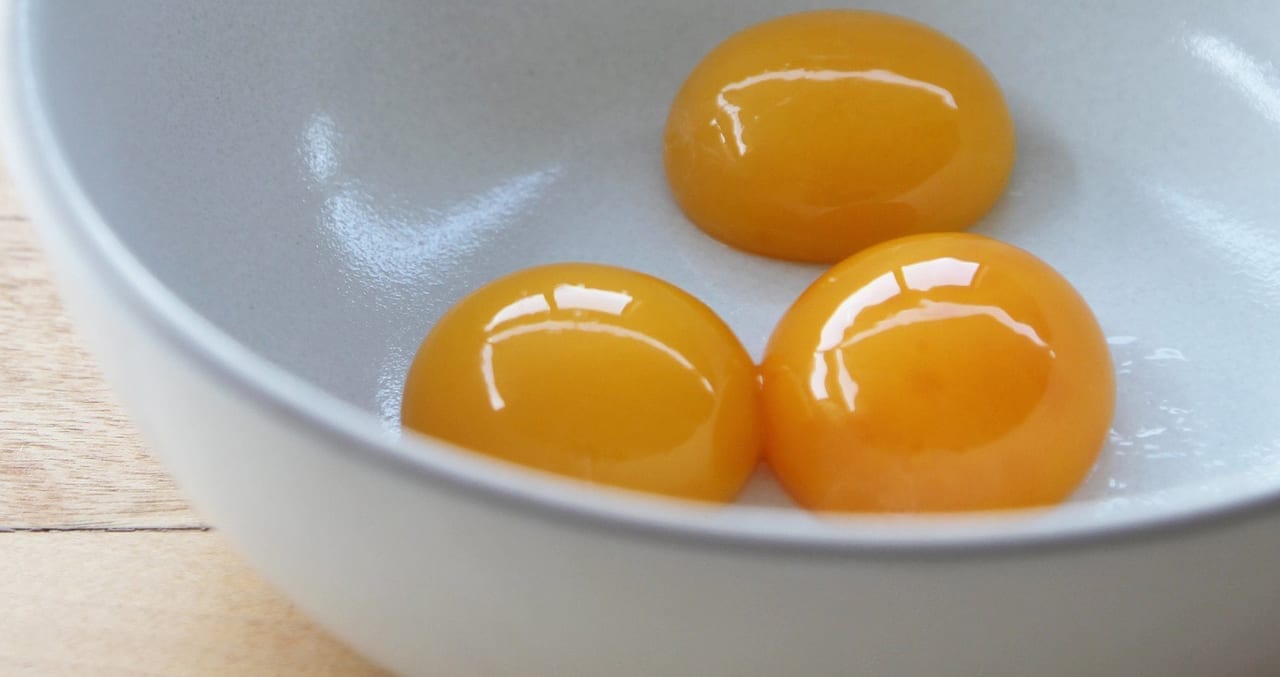
    Lay Hong Bhd will invest RM16.6 million for a new pasteurised liquid eggs processing facility in Iskandar Halal Park, Pasir Gudang, Johor to cater the needs of the southern region and Singapore market as well as addressing logistics costs.

    The group told the stock exchange that the investment will include the purchase of a semi detached factory from Tentu Teguh Sdn Bhd for RM5.2 million. The project is expected to be completed within six to seven months upon delivery of certificates of fitness from the developer.

    The investment cost will be financed through a combination of internally generated funds and bank borrowings.

    Lay Hong said the new facility is also in line with the group’s focus on enhancing the sales of downstream products.

    Its share price gained one sen or 1.05% to close at 96 sen with 4.97 million shares done.

  • Hong Kong retail rents prepare to move into ‘early upswing’

    Hong Kong retail rents prepare to move into ‘early upswing’

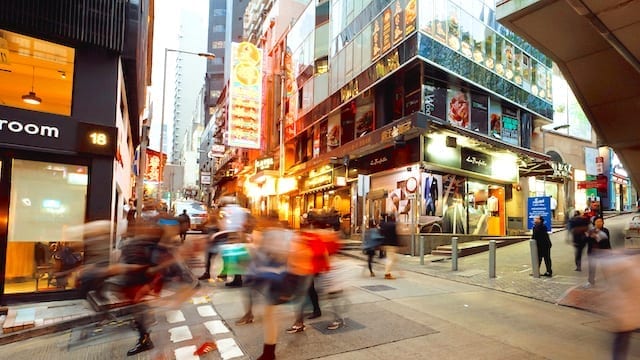
    Hong Kong retail rents are expected to move into an “early upswing cycle” this year according to a regional real estate market briefing prepared by Savills.

    The report details commercial and residential property leasing trends across major Asian markets and as the accompanying tables show, compares occupancy costs of space as well.

    It groups major cities by upswing and downswing, late and early, showing that Hong Kong is at the end of its downswing in retail rental rates. Cities currently in early upswing are Manila, Guangzhou, Jakarta and Singapore. Hong Kong is grouped with Taipei, Hanoi, Ho Chi Minh City and Seoul, suggesting all those markets are about to turn.

    Savills says regional prime retail rents moved by between a decline of 1.8 per cent in Beijing and an increase of 5.9 per cent in Guangzhou last year.

    “Strong local retail consumption growth of 9.5 per cent year on year in the second half of the year following 10.5 per cent in the first half of the year supported the Guangzhou leasing market, while prime shopping malls began to re-position and upgrade, focusing more on entertainment and food & beverage,” said Savills in a brief commentary.

    “Again, Hong Kong’s prime shopping mall rents are considerably ahead of all other Asia-Pacific markets and are expected to move into an ‘early upswing’ cycle this year.”

    Savills says economic growth across Asia-Pacific continued to picked-up moderately in the second half of last year and the International Monetary Fund estimates that the “Emerging and Developing Asia” economies grew by 6.5 per cent over the year as a whole while China grew by 6.8 per cent and Japan’s economy grew by 1.8 per cent last year, from 0.9 per cent in 2016.

    “The improving global economic outlook and an accommodative monetary policy created momentum for business expansion,” said Savills.

  • Natuzzi S.p.A. Signs a Joint Venture Agreement

    Natuzzi S.p.A. Signs a Joint Venture Agreement

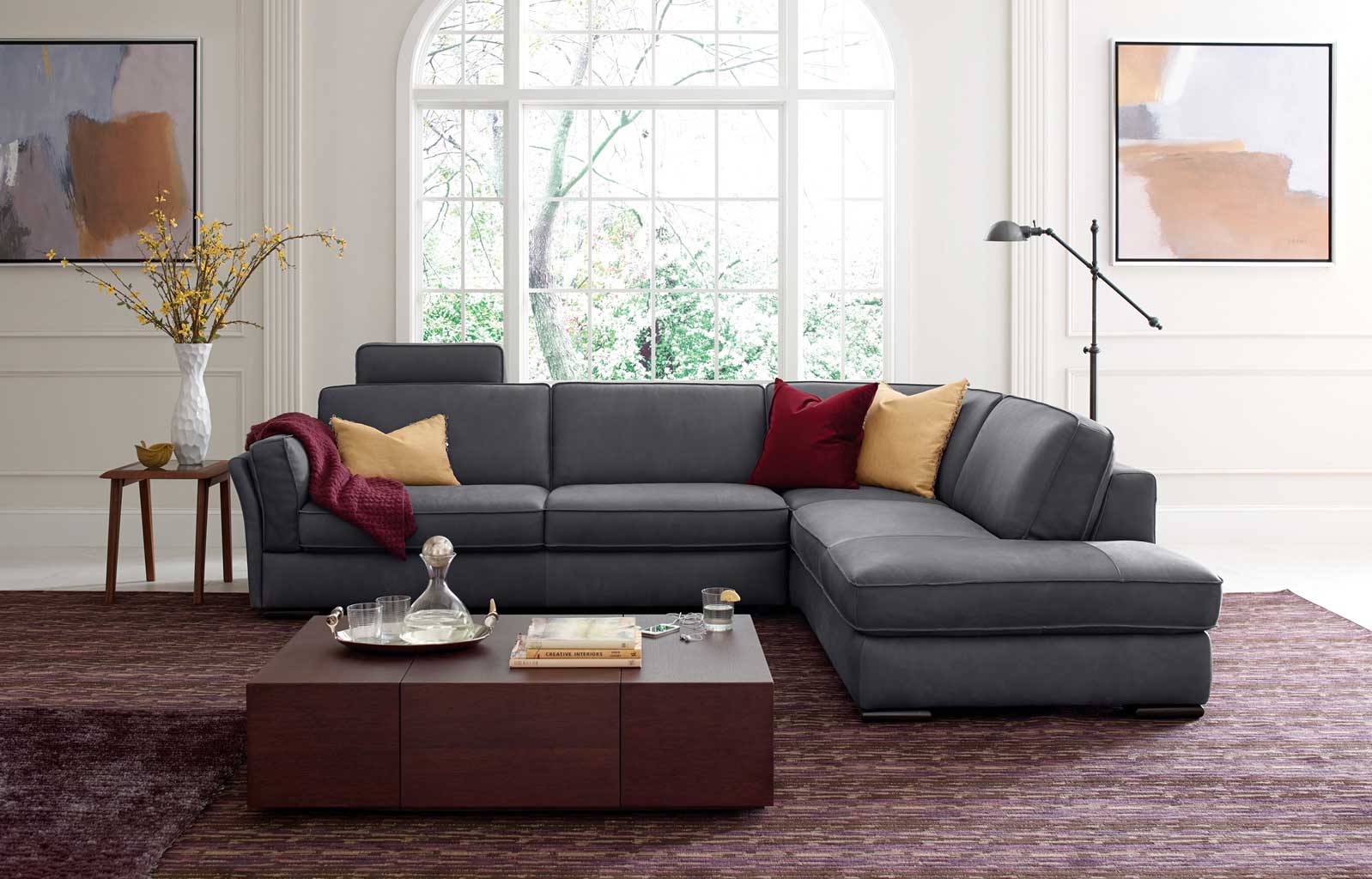
    Italian furniture brand Natuzzi and China’s Kuka furniture company have agreed to make the company’s wholly owned Chinese subsidiary Natuzzi Trading (Shanghai) a joint venture.

    The JV agreement is aimed at expanding the company’s retail network in Mainland China, Hong Kong and Macau. The company, the JV and Kuka have also entered into an agreement for the sale and purchase and subscription of shares In Natuzzi Trading (Shanghai).

    The agreements follow the execution of a preliminary agreement last month. Under the agreements, Natuzzi and Kuka will own, respectively, a 49 and a 51 per cent stake in the JV, which will distribute Natuzzi Italia and Natuzzi Editions branded products through a network of single-brand directly run stores and franchised stores in China, Hong Kong and Macau, as well as through online stores.

    Kuka will invest a total of €65 million (US$80 million), of which €35 million will be contributed to the JV for the subscription of a capital increase of US$567,869, and €30 million will be paid to the company as consideration for the transfer of US$486,744 of registered capital interest from the company to Kuka.

    The JV will be granted the perpetual and exclusive distribution licence for the Natuzzi Italia, Natuzzi Editions and other relevant trademarks for a consideration of €15 million.

    The transaction is subject to applicable authorisations, regulatory filings and approvals. Assuming these conditions are met, it is expected the closing will occur by August 22.

  • BMW raises R&D spending for electric, autonomous cars

    BMW raises R&D spending for electric, autonomous cars

    German carmaker BMW will increase research and development (R&D) spending to an all-time high of up to 7 billion euros ($8.6 billion) this year as part of efforts to bring 25 electrified models to market by 2025.

    The Munich-based maker of BMW, Rolls-Royce and Mini vehicles said that despite higher spending it expects group pretax profit to be over 10 billion euros in 2018, at least in line with last year’s level.

    In its annual report, BMW also warned of a possible impact from trade barriers and any anti-dumping customs duties in the United States and added that Brexit could have an adverse long term effect.

    Spending on developing electric and autonomous cars pushed R&D costs a billion euros higher last year, reaching 6.1 billion euros.

    “Investment will rise by a further high three-digit million euro amount year-on-year, primarily from the ongoing new model initiative as well as continued work on e-mobility and autonomous driving,” BMW said in a statement on Wednesday.

    BMW’s R&D ratio for 2018 is expected to be between 6.5 percent and 7 percent of sales. In the next two years the R&D ratio is expected to remain above its usual target corridor of 5 percent to 5.5 percent range, BMW said.

    LUXURY CARS IN DEMAND

    BMW this month reported a 5.3 percent rise in 2017 operating profit on surging demand for high-margin sports utility vehicles, helping to offset higher research spending.

    Sales of luxury cars are expected to continue rising, contributing to new record unit sales this year, it said.

    “In the automotive segment we expect to achieve new all-time highs in 2018. As long as conditions remain stable, we should see a light increase in deliveries from growth in China and the U.S. in particular,” BMW Chief Financial Officer Nicolas Peter said in a statement.

    BMW did inject a note of caution over trade tensions and Britain’s looming exit from the European Union.

    “A possible introduction of trade barriers, including anti-dumping customs duties, by the U.S. administration could have an adverse impact on the BMW Group’s operations,” BMW said in its annual report.

    Separately, BMW said the prospect of diesel bans had hit the second-hand values of some cars, leading to a rise in the credit loss ratio to 0.34 percent, from 0.32 percent a year earlier, reflecting “the situation in the used car markets in North America and Europe.”

    The increase was mainly due to the debate on diesel engines in parts of Europe, BMW said. BMW said risks related to the residual value of used cars were covered by risk provisions.

    BMW shares traded 0.6 percent higher at 0935 GMT.

  • Stocks slump on trade-war worries

    Stocks slump on trade-war worries

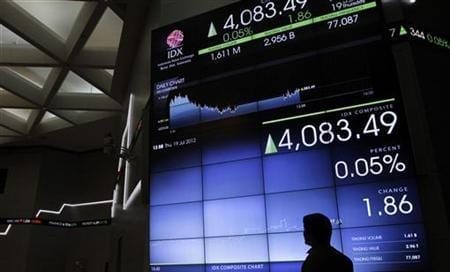
    Asian stocks followed their US counterparts lower after President Donald Trump’s decision to slap tariffs on China heightened concern a trade war could hurt global growth. The yen climbed to its strongest in more than a year.

    Equity indexes from Tokyo to Shanghai tumbled well over 3 percent. US stock futures also declined, signaling a further retreat for the S&P 500 Index after it tumbled 2.5 percent, the most in six weeks. As investors dumped stocks, they rushed to the safety of Treasuries, where yields dipped below 2.8 percent, and the yen, which jumped past 105 per dollar for the first time since November 2016. Follow live coverage of reaction here.

    The sell-off began after Trump instructed US Trade Representative Robert Lighthizer to levy tariffs on at least US$50 billion in Chinese imports. Subsequently, China announced plans for reciprocal tariffs on $3 billion of imports from the US, including products from steel to pork. News that the US is shielding some countries from steel and aluminum tariffs did nothing to lift investor gloom.

    “The window from coming back from an all-out trade war is still open, but closing fast, and obviously leaves a lot of uncertainty over the next two to three weeks,” said Kay Van-Petersen, a Singapore-based global macro strategist with Saxo Capital Markets. It is “classic risk-off for equities today and potentially over the next few days,” Van-Petersen said. Eventually it “could open up some interesting opportunities, especially in the credit space and in the consumption-driven sectors,” he said.

    Adding to the image of the ascendance of the “America first” faction, Trump said he is replacing White House National Security Adviser H.R. McMaster with John Bolton, a controversial foreign-affairs specialist whom the U.S. Senate declined to confirm as President George W. Bush’s ambassador to the United Nations.

    Oil prices climbed amid worries that Bolton would pursue a hard-line stance against Iran.

    Investor fears of escalating trade tensions are being realized as the U.S. tariffs quickly sparked a reciprocal response from China. Traders had already been bracing for the possibility of slowing growth as the Federal Reserve reiterated its commitment to further interest-rate increases after Wednesday’s hike.

  • Toys R Us founder dies days after chain’s announced shutdown

    Toys R Us founder dies days after chain’s announced shutdown

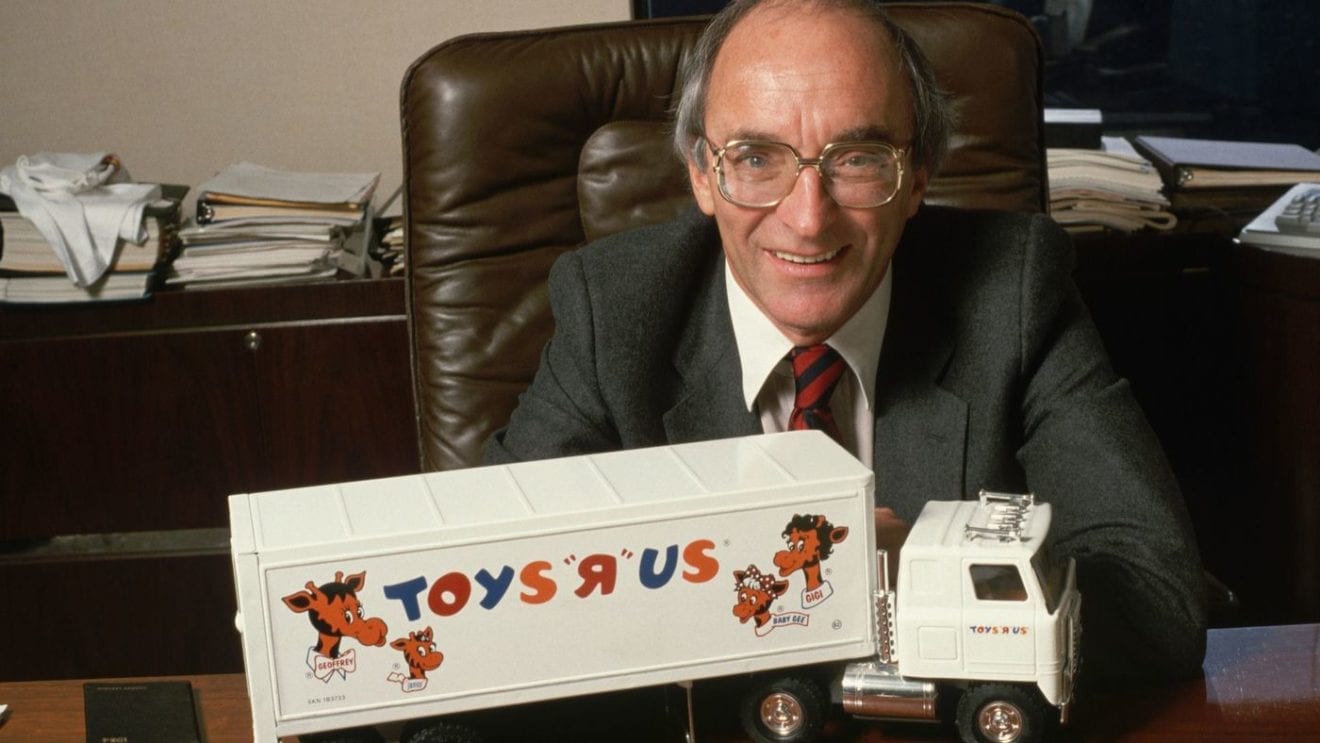
    There is sad synchronicity in the timing of the death of Toys R Us founder Charles Lazarus,  which comes as the retailer is preparing to shut up shop.

    News of the passing of Lazarus, 94, was tweeted by Toys R Us overnight. He founded the company in 1957 after returning from military service.

    The current woes of the toy giant do nothing to detract from the passion, skill, and enthusiasm that Lazarus brought to the business.

    The Toys R Us he created was an innovative and pioneering retailer that, in an era before online selling, used scale and volume to create a mecca to which generations of children were drawn.

    Unfortunately, many of the attributes that once made Toys R Us successful eventually became burdens that prevented the firm from competing in a digital era.

    Lazarus was not the author of those failures. Indeed, when he exited the firm in 1994, he left a sound business that had pride and purpose. Sadly, many – though not all – of his successors lacked his commercial intellect. Where he made sound decisions; they stumbled and made choices that would ultimately lead to the firm’s demise.

    The cold treatment of Toys R Us by private equity players during its latter days was in sharp contrast to the warmth and joy Lazarus had for – and brought to – the business at its start. Ultimately, his vision and approach were right. Retail in general and toy retail, in particular, is a business that needs emotion and enthusiasm. Once those things disappear, it is not long until decline sets in.

    The passing of Charles Lazarus is an ideal time to remember that retail is not just about numbers, metrics, and financials. It’s about passion, purpose, and strategy. Proper merchants, like Lazarus, knew this – which is one of the very many reasons he will be missed.

    Announcing Lazarus’ passing, Toys R Us commented: “There have been many sad moments for Toys R Us in recent weeks, and none more heartbreaking than today’s news about the passing of our beloved founder, Charles Lazarus, after a period of declining health. He visited us in New Jersey just last year and we will forever be grateful for his positive energy, passion for the customer and love for children everywhere. Our thoughts and prayers are with Charles’ family and loved ones.”

  • Indonesia Wins Appeal Against EU Over Anti-Dumping Duty on Biodiesel

    Indonesia has won an appeal against the European Union in a dispute over the bloc’s anti-dumping duty on biodiesel, the Ministry of Trade said in a statement on Wednesday (21/03).

    The European Court of Justice, the EU’s highest court, ruled that the bloc must do away with anti-dumping duties of between 8.8 percent to 23.3 percent on imports of Indonesian biodiesel products.

    Indonesia is one of the world’s largest exporters of palm oil-based biodiesel.

    “With the elimination of these duties, businesses can once again export biodiesel to the EU,” said Oke Nurwan, director general of foreign trade at the ministry.

    He added that the elimination of duties was valid from March 16, 2018.

    The Indonesia Biofuel Producers Association welcomed the ruling.

    “We’re asking producers to prepare exports soon,” said Paulus Tjakrawan, vice chairman of the association.

    He declined to give an estimate on expected export volumes.

    The EU court ruling reinforces a decision made by the World Trade Organisation (WTO) earlier this year, which said the EU needed to bring its measures into conformity with WTO agreements.

    Indonesia also plans to challenge anti-subsidy duties in the United States in a US court and at the WTO.

    Indonesia has also been pushing domestic biodiesel consumption as part of an ambitious plan to develop its biofuels industry. It plans to expand biodiesel subsidies to cover palm-oil blended fuels for use by its huge mining sector in addition to the power sector.

  • Cosmo Lady Says Unit To Form JV With Kappa

    Cosmo Lady Says Unit To Form JV With Kappa

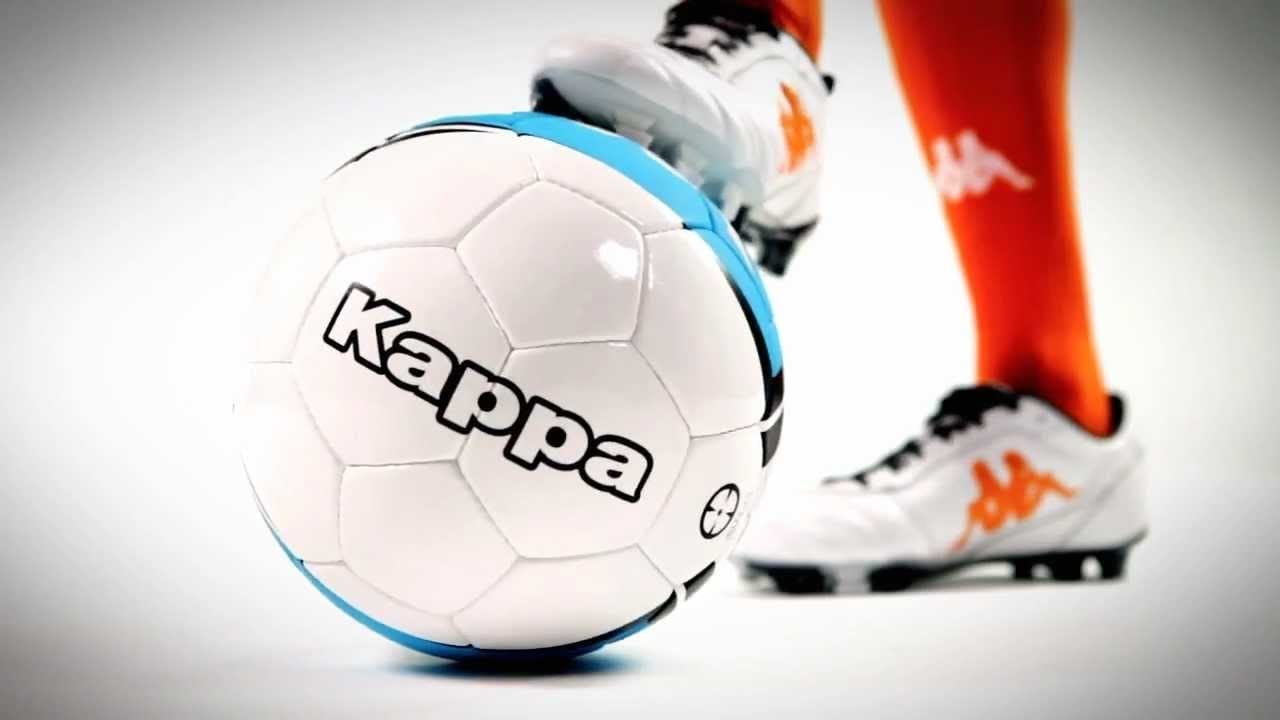
    Cosmo Lady has formed a joint venture with Shanghai Kappa to develop and sell intimate apparel in China.

    The partnership – 75 per cent owned by Cosmo Lady and 25 per cent by Shanghai Kappa – will focus on men’s underwear and women’s sports underwear products.

    Shanghai Kappa and the JV company will enter into a licensing agreement giving the JV the exclusive right to use the Kappa trademarks on its intimate wear products in China for eight years.

    Shanghai Kappa, incorporated in China, is a wholly-owned subsidiary of China Dongxiang, which owns the rights to the Kappa sportswear brand in China and Macau.

  • BlackBerry to provide software for Jaguar Land Rover EVs

    BlackBerry to provide software for Jaguar Land Rover EVs

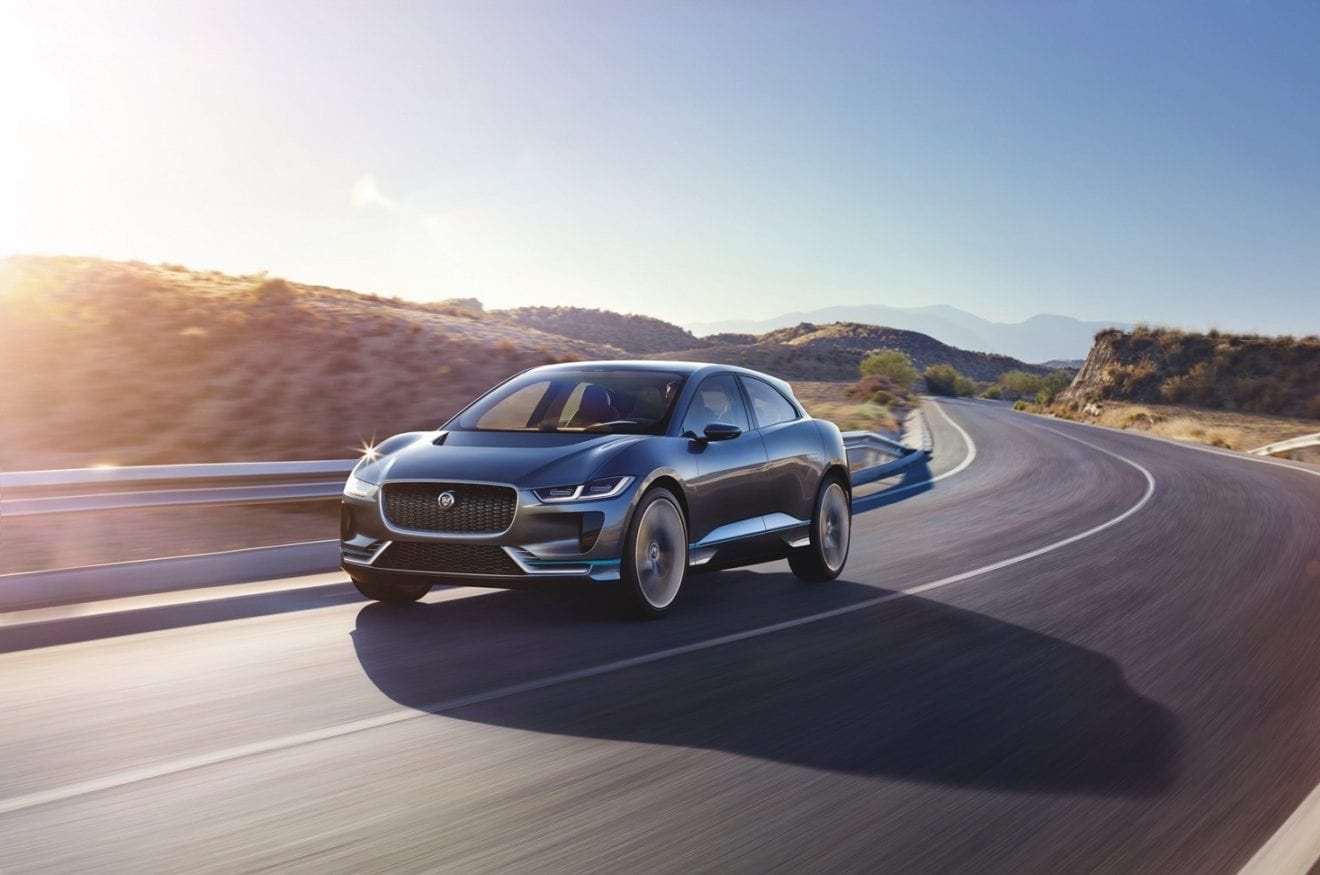
    BlackBerry Ltd and Tata Motors Ltd’s Jaguar Land Rover (JLR) said on Thursday they reached a licensing agreement to use the Canadian company’s software in the luxury car brand’s next-generation electric vehicles.

    BlackBerry will provide its infotainment and security software to JLR, in the Canadian firm’s latest licensing deal for its autonomous-driving technology after similar agreements with Qualcomm Inc, Baidu Inc and Aptiv Plc.

    BlackBerry’s QNX unit, which makes software for computer systems on cars and has long been used to run car infotainment consoles, is expected to start generating revenue in 2019.

    Its Certicom unit focuses on security technology and serves customers such as IBM Corp, General Electric Co, and Continental Airlines.

    JLR, which was bought by the Tata group in 2008, said last year that all its new cars would be available in an electric or hybrid version from 2020.

    Britain’s biggest carmaker said in January it would open a software engineering centre in Ireland to work on advanced automated driving and electrification technologies.

  • Xiaomi in sales deal with Shopee Thailand

    Xiaomi in sales deal with Shopee Thailand

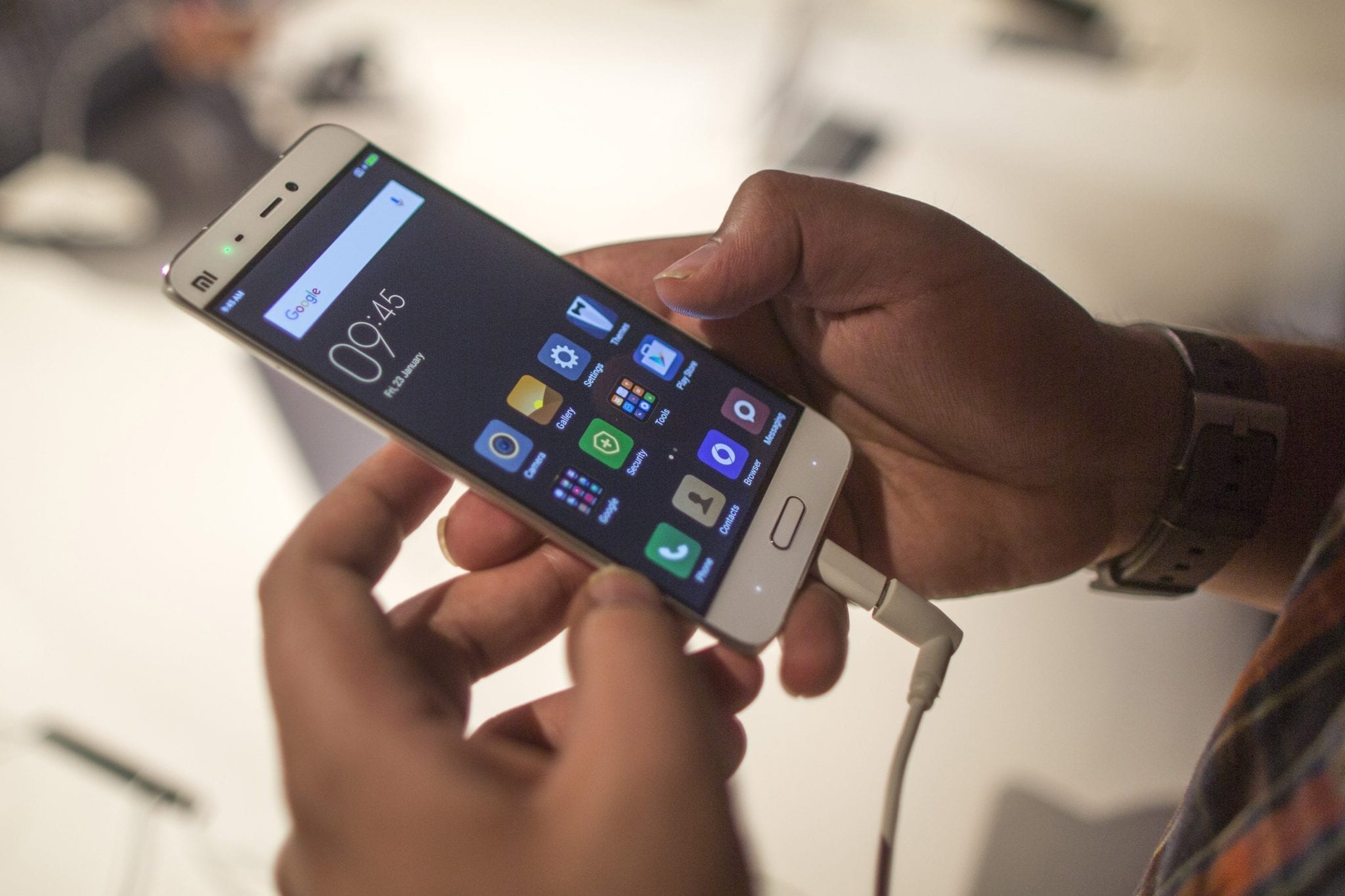
    China’s Xiaomi has partnered with Shopee Thailand to provide its smartphones on the online platform.

    And the company also plans to open 20 authorised shops and 50 Xiaomi zones for its products in stores and shopping centres in Thailand this year.

    Xiaomi Southeast Asia regional sales manager John Chen says the collaboration with Shopee will cover marketing and branding, and the technology company is confident it will generate revenue growth in the triple digits by the end of this year.

    A new smartphone has also been launched, the Redmi 5, which has a 5.7-inch display screen, 16GB of memory and a Snapdragon 450 chipset. It has been sold exclusively online on Shopee at a special price through a flash sale.

    Shopee COO Terence Pang says the partnership can offer access to a wide variety of Xiaomi official products. With revenue growth of more than 50 per cent last year, electronics products comprise around 30 per cent of its business.

    Shopee has more than 17 million visitors and customers, says Pang.

  • Pizza Hut Singapore to hire Pepper to take order

    Pizza Hut Singapore to hire Pepper to take order

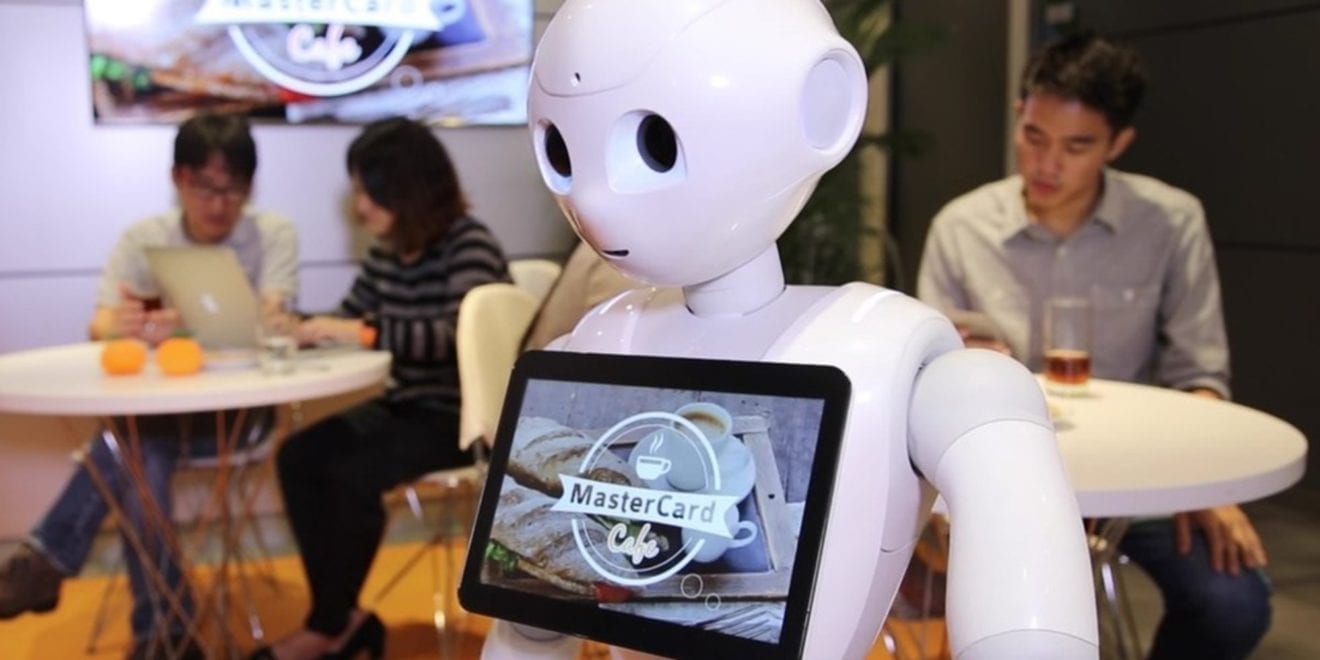
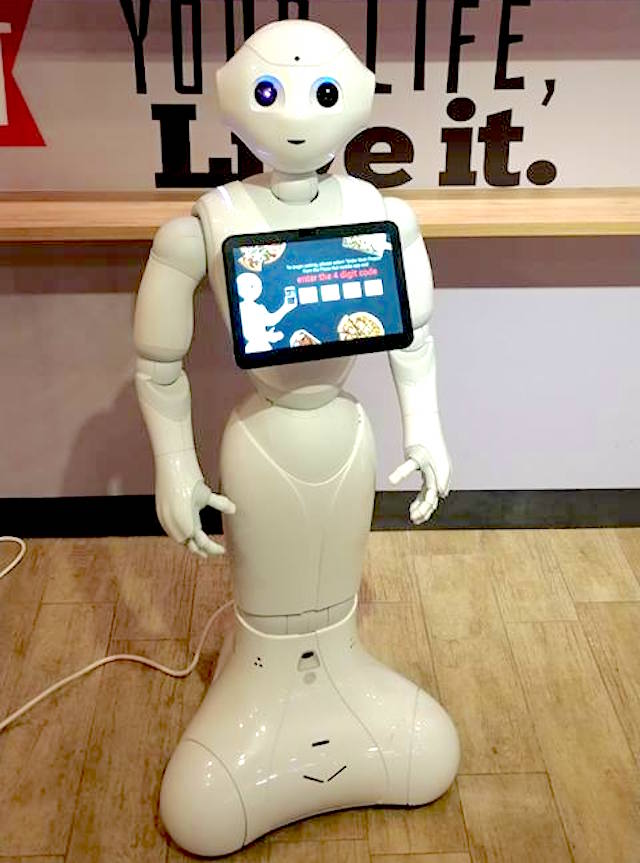
    In a five-day trial ending on Sunday, diners at the Safra Punggol Pizza Hut outlet will be the first in Southeast Asia to be able to try out the new technology. After the trial, Pizza Hut will consider customer feedback before deciding if the robot will stay.

    Patrons are greeted with “Hello” in a female voice from the robot, and to place an order first must greet the robot and pair their Mastercard Masterpass account embedded in the Pizza Hut Singapore mobile app.

    They can then tell the robot their orders and show a QR code that will provide their table information. The robot is not exposed to payment instruments or customer credentials, which minimises the chance of sensitive information being compromised.

    “This initiative gives people more choices without ever compromising security, and provides more reasons for people to go cashless,” says Labs at Mastercard Asia Pacific VP Tobias Puehse.

    The robot was developed by Japan’s SoftBank Robotics, which makes the Pepper robot used in customer service and retail. “We are focusing on how robots can help how people live,” says SoftBank marketing director Kan Kiyota. “The humanoid robot is an add-on to the value provided.”

  • China vows to hit back as US trade sanctions loom

    China vows to hit back as US trade sanctions loom

    President Donald Trump is poised to unveil sanctions against China today for the “theft” of US intellectual property, fuelling fears of a trade war as Beijing vowed to retaliate.

    White House spokesman Raj Shah said that Trump will announce actions following an “investigation into China’s state-led, market-distorting efforts to force, pressure, and steal US technologies and intellectual property”.

    According to his schedule, released by the White House on Wednesday evening, he will sign “a Presidential Memorandum targeting China’s economic aggression”.

    The Chinese commerce ministry issued a pre-emptive warning, saying in a statement today that Beijing “will certainly take all necessary measures to resolutely defend its legitimate rights and interests”.

    China today blamed US export restrictions for its record trade surplus with the US, but expressed hope that a solution can be found to settle trade issues between the world’s two biggest economies.

    Chinese Foreign Ministry spokeswoman Hua Chunying said it was unfair to throw around criticism about unfair trade if the US won’t sell to China what it wants to buy, referring to US export controls on some high-tech products.

    “How many soybeans should China buy that are equal to one Boeing aircraft? Or, if China buys a certain number of Boeing aircraft should the US buy an equal number of C919s?” Hua said, mentioning China’s new self-developed passenger jet.

    However, China still hopes it can hold constructive talks with the US in a spirit of mutual respect to seek a win-win solution, she added.

  • Korean fashion brand Hazzys to launch collaboration collection with Todd Selby

    Korean fashion brand Hazzys to launch collaboration collection with Todd Selby

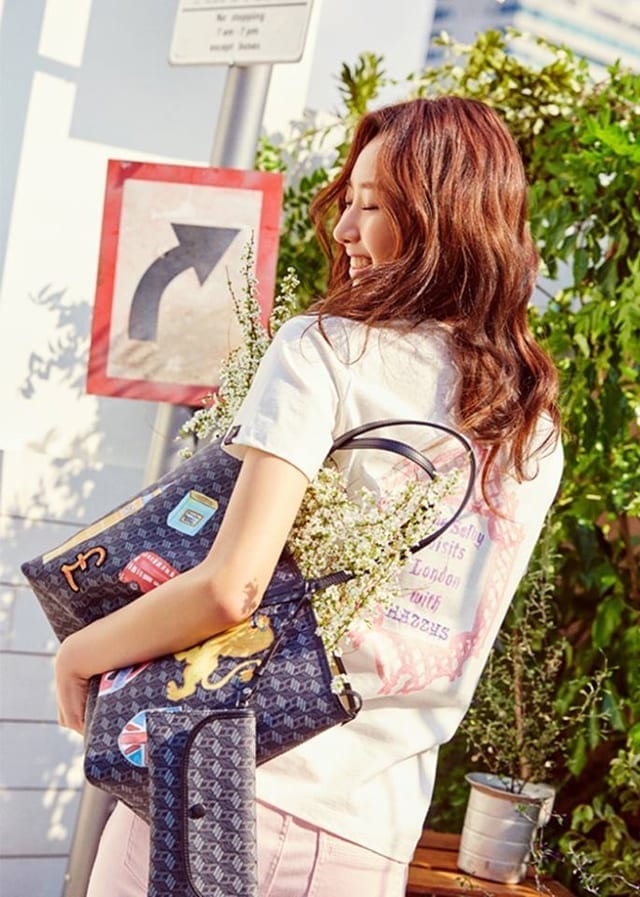
    Korean casual fashion brand Hazzys has unveiled its second collection for Artist Edition in co-operation with photographer Todd Selby.

    Including more than 30 items for womenswear, menswear, golf wear, accessories and childrenswear, the Todd Selby collection will be available at Hazzys stores across Korea and online at LF Mall.

    Slide to view the gallery below :

    Launched last year, Hazzys’ Artist Edition is a global market collection created with international artists. The previous collection featured French artist Ramdane Touhami, who is also creative director of French cosmetics label Buly 1803.

    Hazzys is owned by LF Group, which also has such brands as Alegri, Daks Men, Il Corso, Maestro and TNGT.