Author: Mei Ling Tan

  • Beiersdorf celebrates expansion of its Bangkok production facility with First Stone ceremony

    Beiersdorf celebrates expansion of its Bangkok production facility with First Stone ceremony

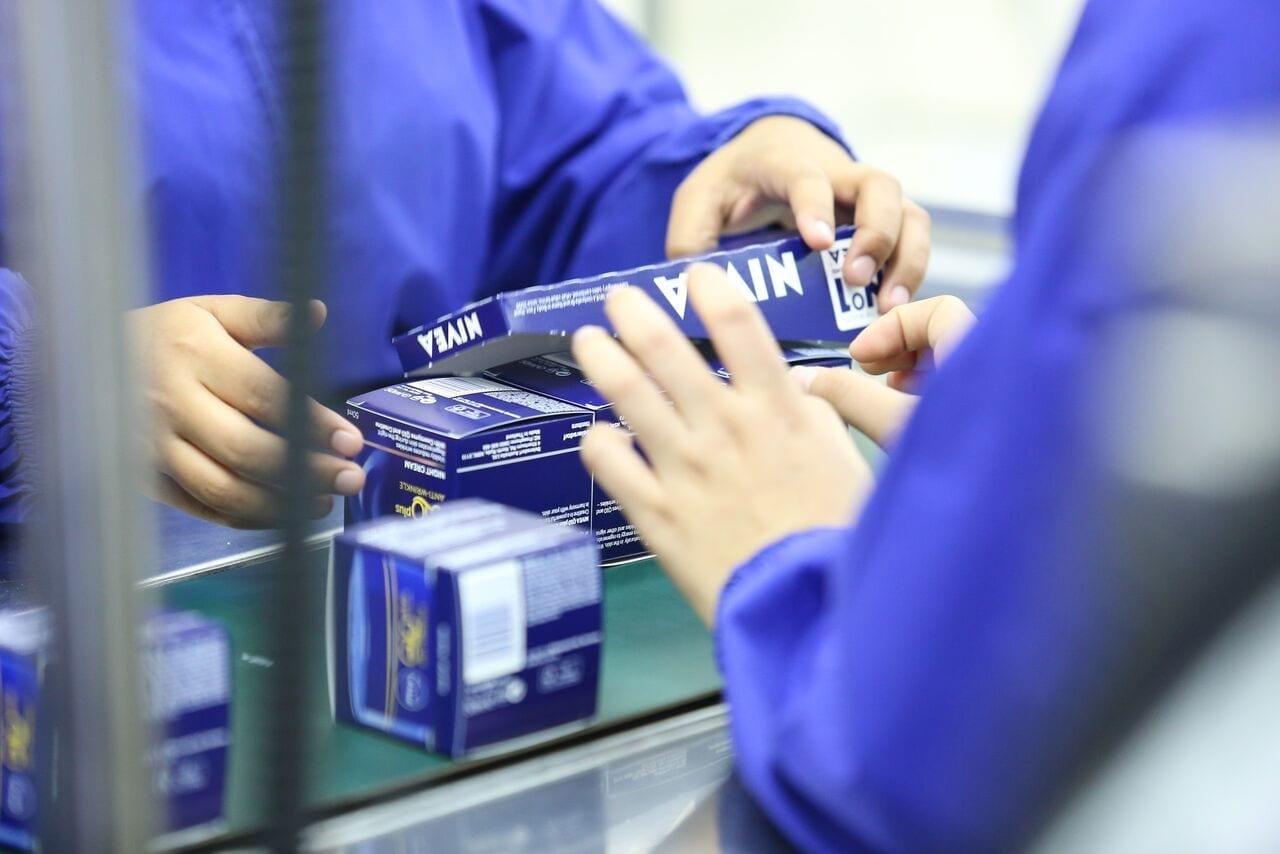
    Beiersdorf, owner of world leading brands such as NIVEA and Eucerin, has begun work on the expansion of its skincare products factory in Bangkok. The group’s industrial unit, located in Bangplee will be an investment of €47.4 million for the company.

    Its offices and production center together employ more than 700 staff and manufacture products for two of its brands, NIVEA and Eucerin, for the Thai market and export to 43 other countries. This expansion is reflective of the continued growth this cosmetics giant has enjoyed within the region.

    Mr. Markus Daburger, Beiersdorf Thailand says: “The Pailin Project is Beiersdorf’s commitment towards doubling production performance in order to support the demand of the region. As a representative of Beiersdorf Thailand, we appreciate the on-going support of the Government and local agencies in our expansion project, which not only sees the production line expand, but also our Beiersdorf family, as up to 200 jobs new will be created in the next years. We are proud to say that the Pailin Project in Thailand is now the second biggest hub of the company after Germany.”

    A key target of the project is to improve the working environment for all employees, with cutting-edge innovation, structured offices, optimized work ergonomics and CE-standard machines as well as a refurbishment of the existing production building. The compounding area will be renewed with four mixers replaced while the factory entrance, canteen, offices and recreation area will all be refurbished, too.

    Efficiency is also a key consideration. Line performance will be improved to see production peak at 240 bottles per minute on a single line. The expansion will include a solar-paneled roof with the capability to produce 500kW of power, and is on target to achieve a gold LEED (Leadership in Energy and Environment Design) certification. The U.S Green Building Council’s prestigious certification serves as a project management tool to achieve more sustainable, high-performance green buildings.

    The expansion, due to house new production lines for Deo Roll-Ons, has a building footprint dimension of 72m x 97m and a construction area of 9,679m2. This vast project is scheduled for completion in the first quarter of 2019 and will begin production of Roll-Ons in the following quarter. The existing building will be refurbished to accommodate Lip Care production which will begin in the middle of 2020.


  • Tourism Malaysia Supports ShopBack’s Move of Hiring A Chief Travel Officer

    Tourism Malaysia Supports ShopBack’s Move of Hiring A Chief Travel Officer

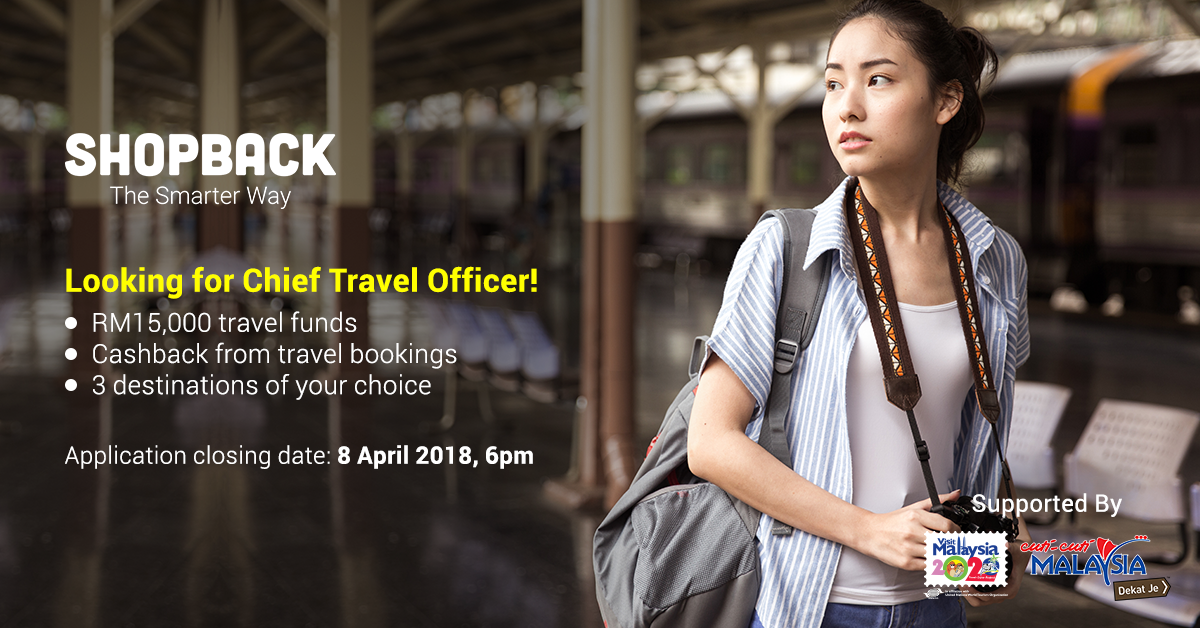
    Tourism Malaysia today expresses its supports towards ShopBack Malaysia’s Chief Travel Officer (CTO) campaign, an attractive idea that offers RM15,000 for a travel lover to go for three trips within Malaysia and showcase how he/she does it through a smarter way via videos.

    “Travel has become a common hobby among the youth, and we believe ShopBack’s Chief Travel Officer campaign will certainly drive interest and conversations towards the interesting places in Malaysia. The first CTO campaign in 2017 was a success, and we are glad that ShopBack Malaysia is passionate to keep this going – more worthy places could be discovered by the next Chief Travel Officer,” says Mr. Mohd Amirul Rizal Abd Rahim, Deputy Director, Domestic & Events Division, Tourism Malaysia.

    “Malaysia is a blessed country with beautiful destinations. Many of us are travel lovers too, therefore we initiated a social campaign that embodies money-saving skills, passionate travel spirit as well as fun and daring adventure. The first CTO brought us to places less publicised such as Kudat, the tip of Borneo in Sabah while nicely demonstrated how she saved on trips booking via ShopBack through lively videos. We look forward to working with the next Chief Travel Officer for a more engaging experience like this,” says Alvin Gill, Country General Manager, ShopBack Malaysia.

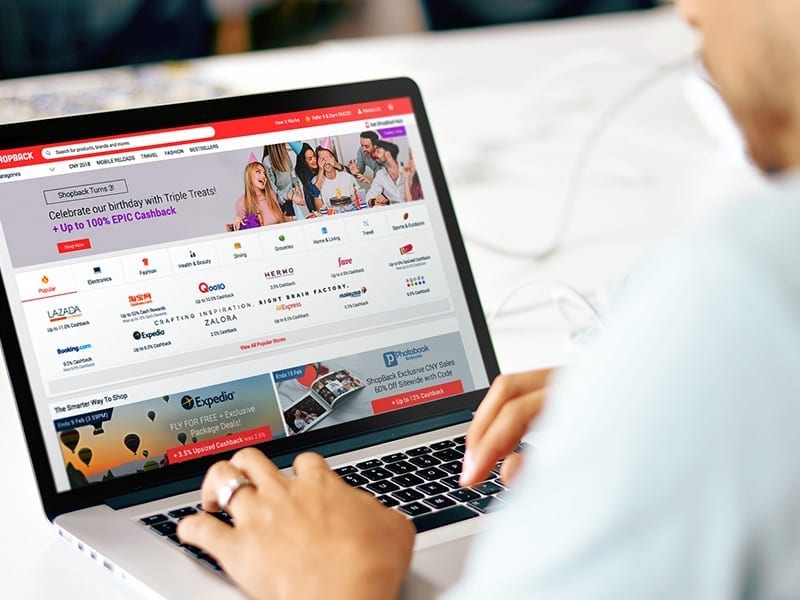
    The leading cashback site works with a full range of travel sites that covers airlines, bus, rides, accommodations and tour services to offer cashback on top of discounts provided by merchants. Those include Malaysia Airlines, easybook, Expedia, Booking.com, Traveloka, Hotels.com, Adventoro, KLOOK, Grab and more.

    The Chief Travel Officer will be given a RM15,000 travel fund to plan for 3 holidays within Malaysia. He/She will need to demonstrate how the travel planning was done, film and share travel experience with the public. The campaign targets to encourage youth to travel the smarter way and appreciate the beauty of the country that they live in.

    Amirul also expressed that the Chief Travel Officer campaign will help to amplify Tourism Malaysia’s Cuti-Cuti Malaysia Dekat Je Domestic Campaign and Visit Malaysia 2020 campaign, where ShopBack’s CTO will indirectly promote local tourist attractions and generate interest on domestic travels among Malaysians.

    “We appreciate Tourism Malaysia’s endorsement of this campaign and are confident that it will resonate well with travel communities and show them a journey to enjoy travel without burning a hole in the pocket. Since 2015, we have helped Malaysians to save more than RM25 million Cashback from their purchases, of which a chunk of it is from travel expenses,” Alvin added.

    The application closing date is 8th April 2018, 6 pm. It opens to all Malaysians who love to save while travelling always active on social media and keen to discover the path less travelled. The chosen one will be announced on 18th April 2018.

  • T Galleria Sydney opens door after renovation

    T Galleria Sydney opens door after renovation

    DFS Group, the world’s leading luxury travel retailer, will celebrate the opening of its newly renovated T Galleria by DFS, Sydney next month, offering customers an exciting modern retail experience that combines the best of the world’s most famous luxury brands with an expertly curated selection of local products.

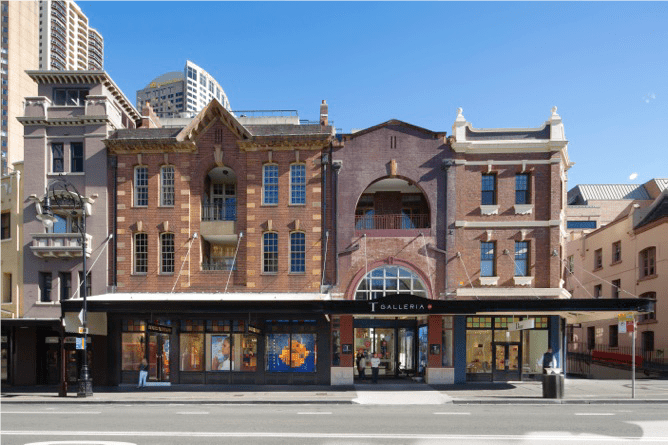
    Spanning over 70,000 square feet, T Galleria by DFS, Sydney has occupied its historic red-brick George Street location in the heart of the historic precinct of The Rocks for 29 years. It is Sydney’s only downtown duty-free destination, mere steps away from the famous Sydney Opera House and Harbour Bridge.

    Featuring more than 150 of the world’s most desirable brands, the store is a one-stop retail paradise that entices customers with its stylish layout and carefully curated collections. It showcases an extensive selection of products across DFS’ five pillars of luxury: Fashion and Accessories, Beauty and Fragrances, Watches and Jewellery, Wines and Spirits, and Food and Gifts, with many items available exclusively at T Galleria by DFS, Sydney, such as the Michael Kors x DFS collection and Tiffany & Co.’s Keys.

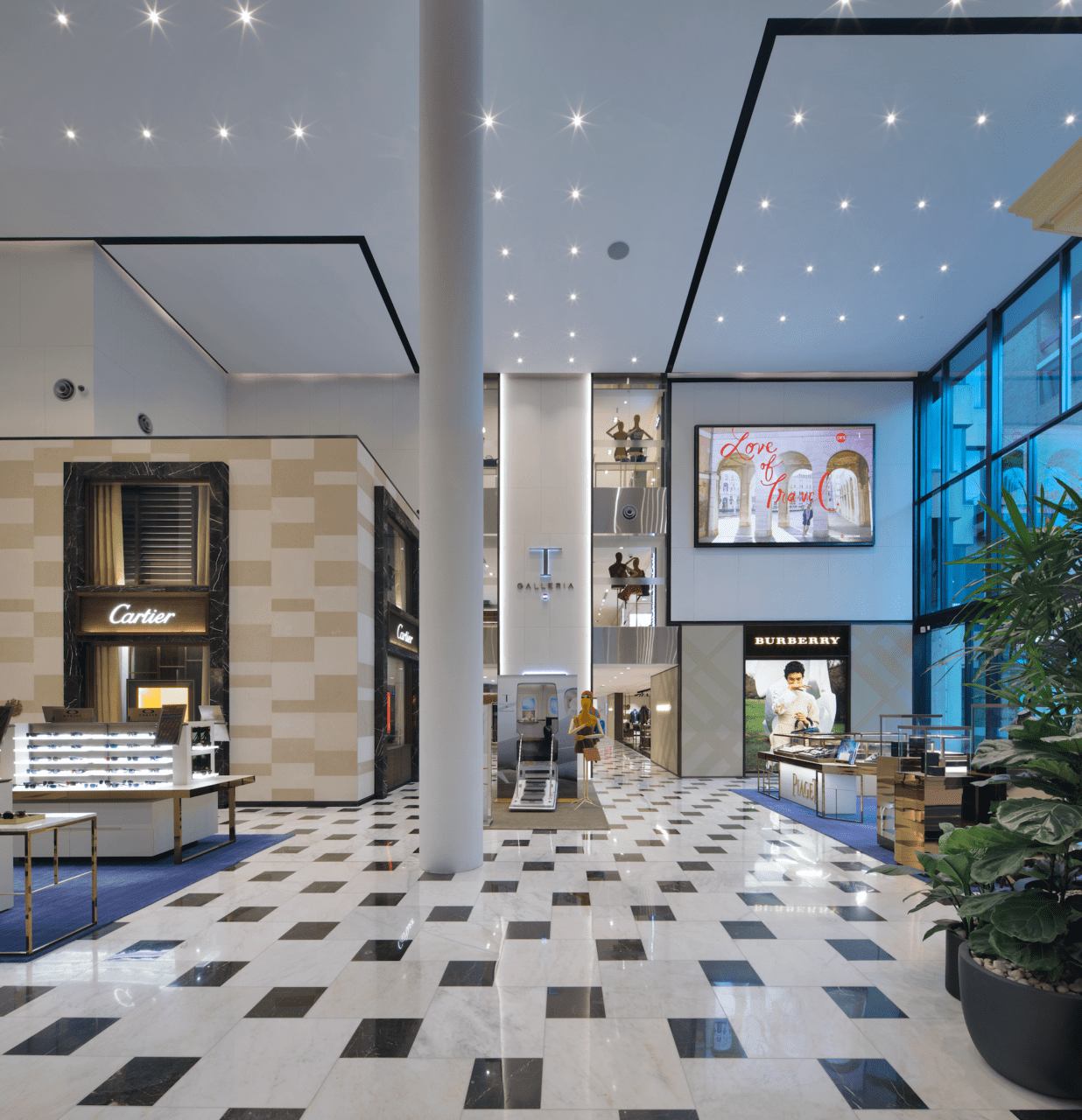
    With its double-height ceiling and black-and-white checkered flooring, Watch World on the third floor is the ultimate in retail elegance as befitting the 57 luxury watch brands that are showcased there. More than 20 of the world’s most prestigious and iconic sunglasses brands are also available on the third floor, ensuring that travelers can find their perfect holiday look. Beauty and fragrance lovers are well catered for on the fourth floor with some of the beauty world’s biggest color and beauty brands.

    Customers will also discover a tempting assortment of international and local food products, wine, spirits and gifts from more than 50 brands. These include Ovvio organic certified teas, Yalumba wine, Steens manuka honey, and delicious Tim Tam bites.

    “At DFS, we pride ourselves on delighting and surprising our customers with beautiful products presented within luxurious and inviting environments. The renovated T Galleria by DFS, Sydney brings a whole new retail experience to visitors exploring this beautiful city, offering them a unique duty-free shopping space in the heart of The Rocks area,” said Sibylle Scherer, President Merchandising and Consumer Marketing, DFS Group.

    Doors to T Galleria by DFS, Sydney are now open, and the store will officially celebrate its opening on April 14.
    The refurbishment of T Galleria by DFS, Sydney began in August 2016 under the direction of Australian design company PMDL, which was also responsible for the design of T Galleria by DFS, Macau, City of Dreams, and T Galleria by DFS, in Siem Reap, Cambodia.

  • Lalamove Data Delivers Message of Market Success

    Lalamove Data Delivers Message of Market Success

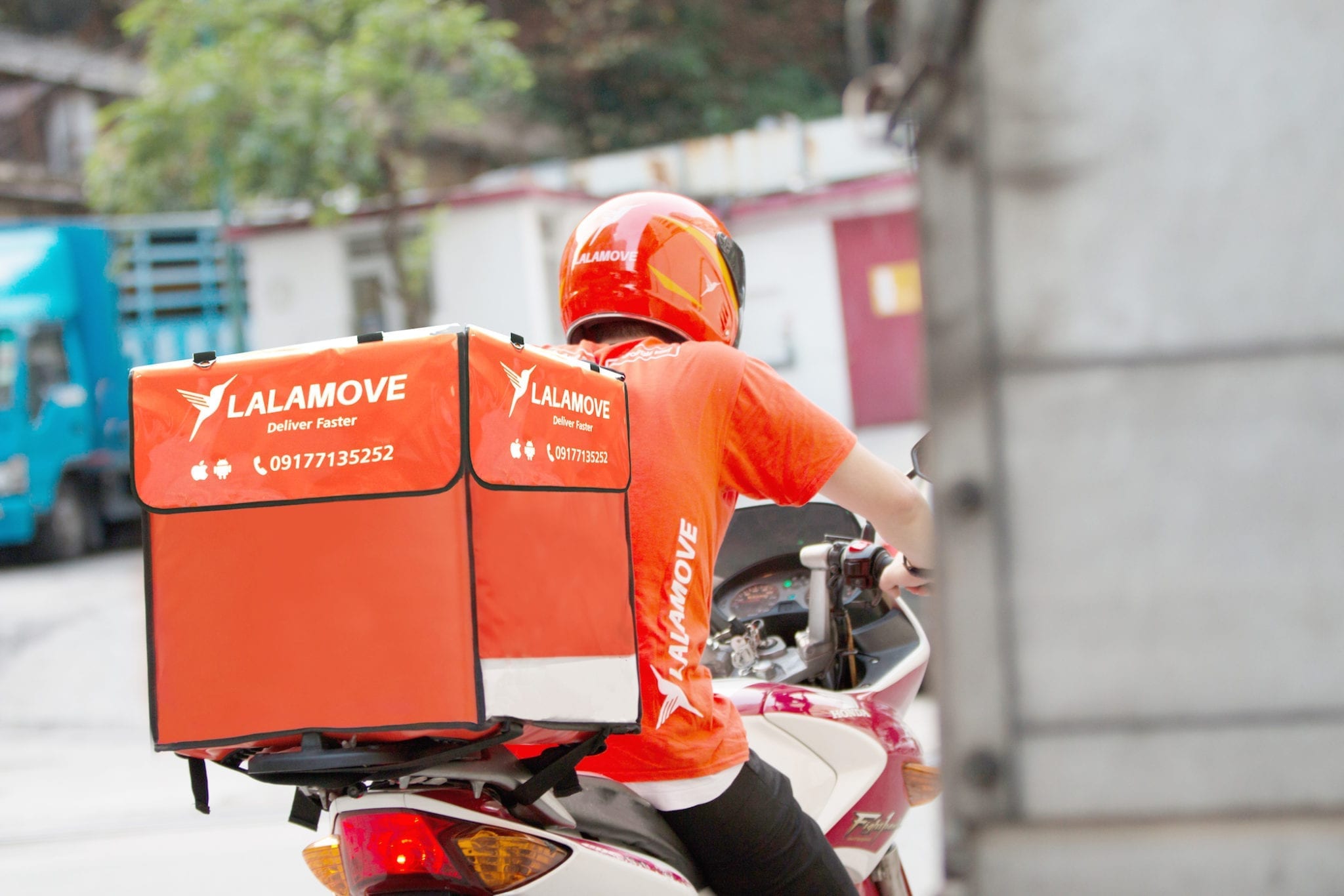
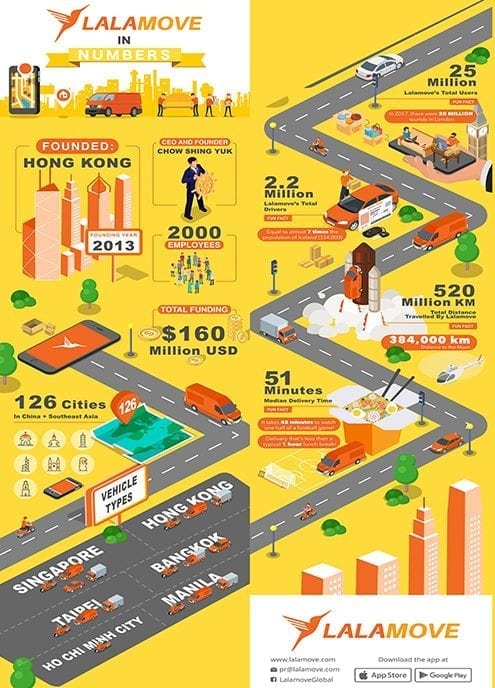
    Hong Kong based on-demand delivery app Lalamove is firmly in the driving seat when it comes to leading the last-mile market, including B2B, B2C and C2C deliveries; revealing impressive data in 2018 to show a fast-track journey of success since the company was first set-up in 2013 by entrepreneur Chow Shing Yuk.

    In the last five years, Lalamove has received $160 million USD in funding, including Series C funding of $100 million USD in late 2017 and set in motion an expansion plan to establish a greater global identity and a presence in 100 more cities in Asia. Currently, Lalamove is a force to be reckoned with, operating in 126 cities in China and Southeast Asia, with 2,000 employees and 2.2 million drivers, including 50,000 drivers in Thailand alone. Some 25 million users have downloaded the Lalamove app, with the company’s fleet of motorcycles, cars, vans and trucks also set on course as part of the Lalamove food delivery platform too.

    Global fast-food chain Burger King announced a partnership with Lalamove in November 2017. Local, regional and international brands are set to partner with the delivery app in the next few months with new features added to updating the app too. In Thailand, Some 520 million km have been traveled since 2013 with delivery times shorter than a one hour lunch. With e-commerce markets set to rise, the number of new users in online hubs such as Thailand are expected to a hike 250% compared to 2017.


  • One Raffles Place Shopping Mall To Undergo Asset Enhancement, Welcomes New Tenant

    One Raffles Place Shopping Mall To Undergo Asset Enhancement, Welcomes New Tenant

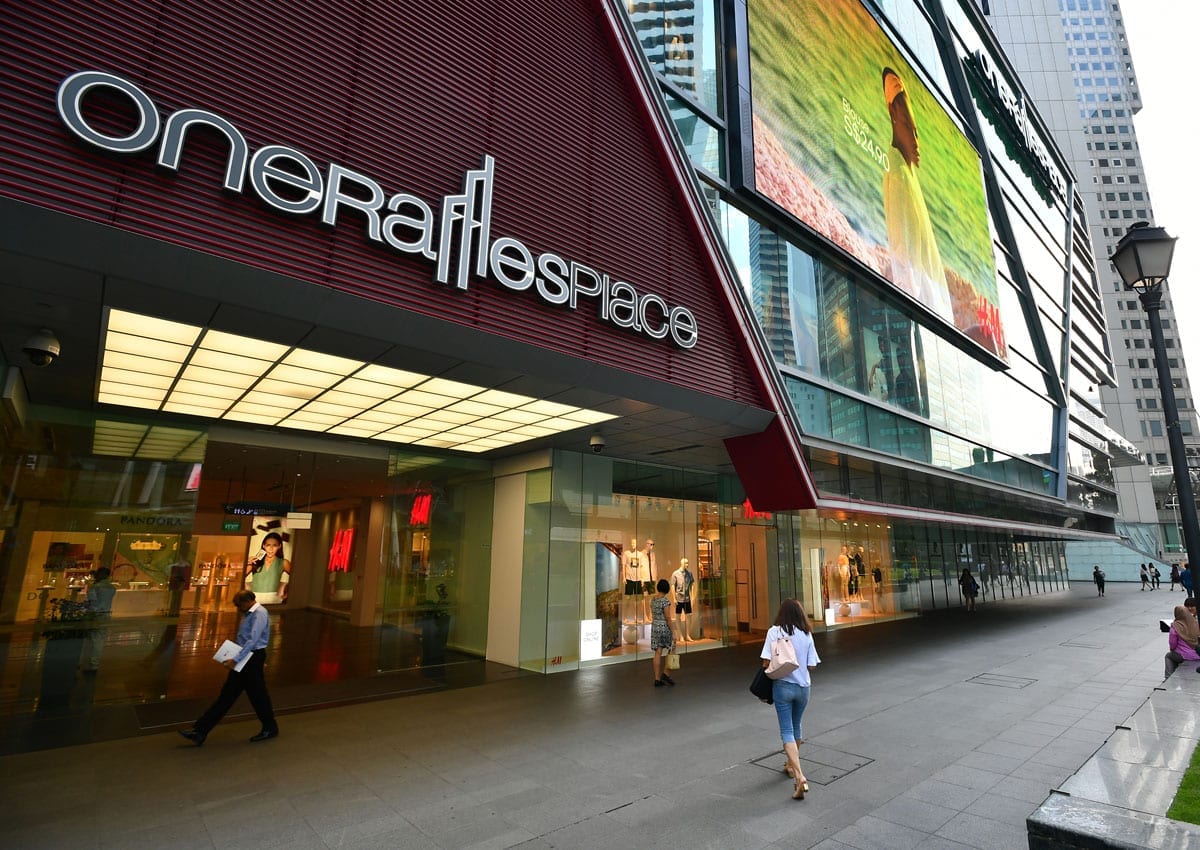
    One Raffles Place Shopping Mall, a six-storey retail mall located in the heart of Singapore’s central business district (“CBD”) in Raffles Place and part of the iconic integrated commercial development One Raffles Place, is set for a revamp as it undergoes asset enhancement works scheduled to start in mid-2018.

    The AEIs include improving the circulation areas of the mall, as well as creating more inviting and open retail space with better visibility. These upgrades will help provide a better shopping experience while simultaneously driving the per-squarefoot productivity of the mall.

    The revitalised One Raffles Place Shopping Mall will create an exciting retail environment that addresses the changing needs and lifestyle preferences of the working population in the CBD. Another exciting change is the opening of a coworking space occupying more than 35,000 sq ft of space across a few levels at the
    mall.

    Spaces, a co-working concept by IWG, the world’s leading provider of flexible workspace solutions, will launch its flagship site at One Raffles Place Shopping Mall delivering a strong lifestyle-led workspace for a creative way of working for entrepreneurs and established businesses alike. The venue will provide a professional working environment founded on the principles of collaboration and inclusivity, while its authentic, European and considered design will reflect the company’s “Inspire to Work” philosophy.

    Spaces at One Raffles Place is envisaged as a focal point for flexible workspaces given its vantage location in the heart of Raffles Place. A unique aspect of Spaces will be its ability to host and launch retail and fashion-related events within a mall setting. Its multi-level layout is expected to improve vertical traffic at One Raffles Place Shopping Mall, whilst direct access to Raffles Place Park and the incorporation of a strong F&B offering on the first level will make it a preferred choice for corporate gatherings and for catching up with colleagues and friends
    after work.

    Ms Tan Shu Lin, Chief Executive Officer of OUE Commercial REIT Management Pte. Ltd. which manages OUE Commercial REIT (“OUE C-REIT”), said, “Coworking spaces have been proven to create bustling work communities, and we are delighted that our partnership with Spaces by IWG will create more diversity and vibrancy for One Raffles Place Shopping Mall.

    As the mall attracts high shopper traffic of close to one million each month, necessity services and food & beverage tenants will remain the mainstay of the retail offering. The presence of a co-working space will further enhance the
    business traffic and synergy for One Raffles Place as an integrated commercial development.”

    “For us, opening a Spaces site at One Raffles Place is such a wonderful moment. This area is well-known for its very high quality and standards; a perfect fit for our community who will expect excellence in the design of Spaces and in our level of hospitality. We also plan to support an energised business community of different industries, which will include the creative industries and fin-tech groups,” says Martijn Roordink, Co-founder of Spaces.

    One Raffles Place Shopping Mall will remain operational during the asset enhancement period and the implementation phases are carefully planned to minimise disruption to both tenants and shoppers. The cost of the AEIs is not expected to have a material impact on OUE C-REIT’s gearing.

  • Orolia Brand introduces PRISMA, a reporting solution with true UTC Source Traceability

    Orolia Brand introduces PRISMA, a reporting solution with true UTC Source Traceability

    Spectracom, an Orolia brand, has released PRISMA™ Compliance, the first time-sync reporting solution developed specifically for MIFID II and FINRA compliance that was built from the ground up using a high-performance database from the Paris-based company Quasardb. The drop-in software is the only compliance reporting solution that provides true UTC traceability with real-time reporting, NTP/PTP compatibility and multisite replication for resilience.

    “Spectracom partnered with quasarDB because we needed a solution that was capable both of handling the huge quantity of data generated by all of the timing elements in large networks, and would provide fast reporting of that data.” said Jeremy Onyan, Spectracom’s director for time sensitive networks. “With quasarDB behind it, PRISMA™ Compliance users can easily produce the reports necessary to satisfy the RTS25 requirement of MIFID in real time – in seconds, not hours.”

    Onyan said that, unlike other compliance software, PRISMA™ Compliance collects and aggregates all the relevant information in the timing chain to deliver true offset to UTC, “not just from master to client.”

    “This capability is key, because both MIFID and FINRA regulations require full traceability to UTC,” Onyan said.

    PRISMA™ Compliance is fully compatible with all common versions of NTP and PTP, making it easy to use in both older legacy NTP networks or new, low latency PTP deployments.

  • Funmaii jumps on cashless retail hype with e-wallet app service

    Funmaii jumps on cashless retail hype with e-wallet app service

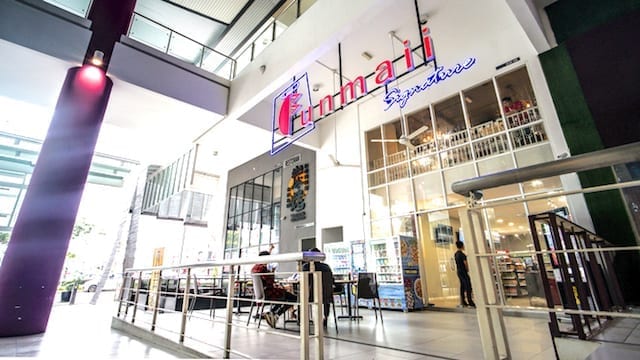
    Malaysian convenience store concept Funmaii aims to become a major player in the cashless retail ecosystem.

    It has made this announcement at the opening of its second outlet, in Bandar Puteri, Puchong. Its first store launched at Sunway Nexis, Kota Damansara, in January.

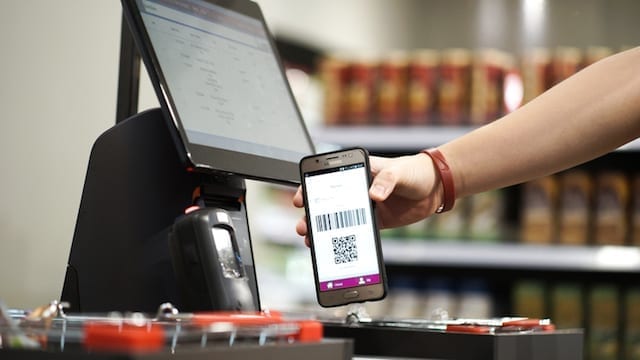
    Designed like a normal convenience store, Funmaii outlets offer daily necessities combined with the ease of electronic payment. Customers simply pick up their items and make payment through the Funmaii app e-wallet service, or by Mastercard or Visa credit cards. As well as Malaysian food products, the stores offer imported snacks and beverages from Japan, Korea, Taiwan Funmaii co-founder Brian Wee says the shopping experience is centered on an all-in- one mobile app. Besides its e-wallet capabilities, the app also allows customers to track their expenses and redeem rewards in the form of discount vouchers, extra credit and rebates.

    Meanwhile, Funmaii is about to introduce three types of convenience stores: Basic, Signature and Concept. Funmaii Basic stores offer cashless convenience and small seating areas, while Funmaii Signature stores also feature a “chillout” area for small events. Through partnerships with various brands, Funmaii has plans to set up Funmaii Concept stores that will feature an array of products and services not typically found at convenience stores, including dessert and coffee bars, and also fashion and beauty.

    “We have an aggressive ambition to grow our network of Funmaii branded stores and kiosks, not only in Malaysia but also in Southeast Asia, including Singapore and Indonesia,” says Wee. “We plan to open around 30 outlets over the next 12 months and ultimately have 100 outlets by the end of next year.”

    He says Funmaii also plans to install 10,000 vending machines in major shopping malls around Malaysia in the next three years.

  • Axiata share price down slightly after buying stake in Sri Lankan data centre firm

    Axiata share price down slightly after buying stake in Sri Lankan data centre firm

    Axiata Group Bhd’s share price fell 0.18% this morning following news that its unit is acquiring a 35% stake in data centre company Digital Reality (Private) Ltd (DRPL) for 262.5 million Sri Lankan rupees (RM6.55 million) cash to form a data centre business in Sri Lanka.

    At 11.08am, Axiata stood at RM5.48 with 882,800 shares changing hands.

    The group yesterday said Dialog Broadband Networks (Private) Ltd (DBN) has entered into a deal with St Anthony’s Property Developers (Private) Ltd (SAPD) for the stake acquisition.

    DBN, which is Sri Lanka’s second largest fixed telecommunications provider, is a wholly owned subsidiary of Dialog Axiata Plc which in turn is an 83.32% subsidiary of Axiata.

    SAPD is a member of St Anthony Group and is the main developer of Sri Lanka’s largest privately held IT park, “Orion City”.

  • The Children’s Place Expands Into China

    The Children’s Place Expands Into China

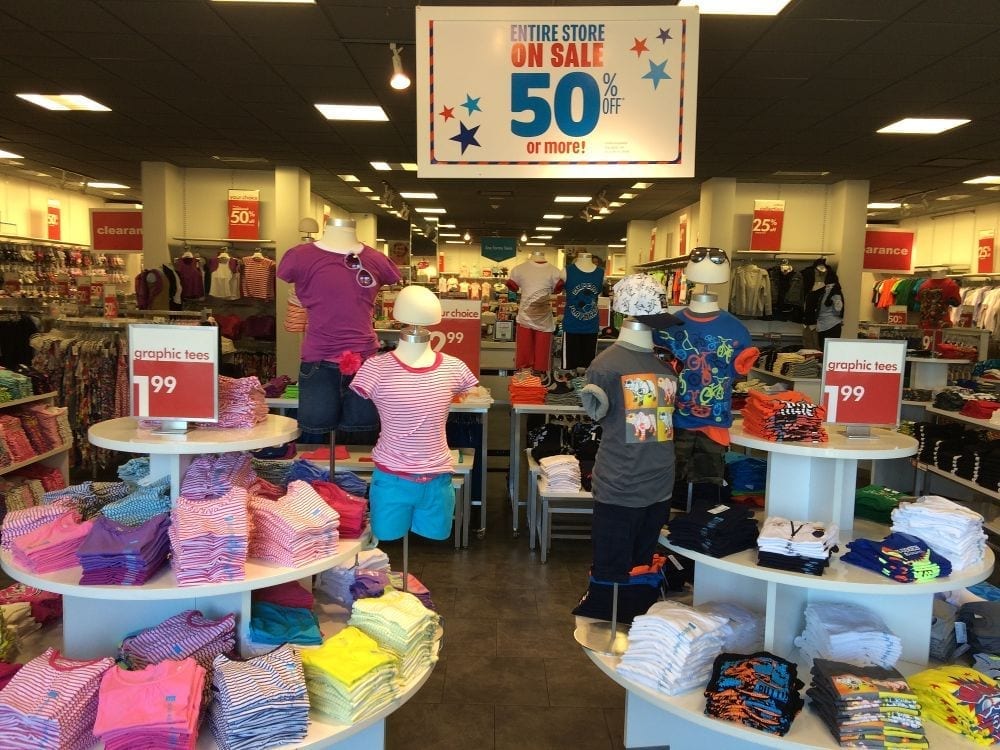
    The Children’s Place is the latest fashion retailer to look to the Far East for new growth opportunities.

    The Secaucus, N.J.-based firm, which operates 1,014 stores in the U.S., Canada and Puerto Rico, announced today that it has signed an exclusive licensing agreement with Zhejiang Semir Garment Co. Ltd. (Semir), parent of Balabala, China’s largest specialty kids’ apparel retailer. The partnership will take The Children’s Place brand into the Greater China market, encompassing Mainland China, Taiwan, Hong Kong and Macau.

    Over the first five years, Semir will open at least 300 Children’s Place retail locations — stocking a mix of apparel, footwear and accessories — in Greater China, as well as operate the brand’s e-commerce business. The partnership is projected to generate between $125 million and $150 million in sales by 2022.

    “Entering China through this strategic partnership is a game-changer for our international business. It takes us one step closer to our goal of becoming the leading global omnichannel kids’ apparel brand,” said president and CEO Jane Elfers. “The young children’s apparel market is already one of the fastest-growing categories in China.”

    Indeed, the category is estimated at $24 million, and with China’s recent shift to a two-child policy for families, it is forecast to double by 2025.

    Elfers cited Semir’s dominance within China’s children’s market and its strong retail, digital and operational expertise. Through its Balabala brand, Semir operates and franchises approximately 4,400 children’s apparel stores and runs the largest such e-commerce business in China through third-party platforms such as Tmall, JD and VIP.com. Semir boasts annual revenues of $1.9 billion.

    “This partnership provides an entrée for The Children’s Place into the China market that would not otherwise be possible with any other partner,” Elfers said. “[Semir] provides The Children’s Place with instant access to prime retail locations, established relationships with a large number of franchisees, and significant local sourcing and logistics capabilities.”

    The Children’s Place is one of a growing number of U.S. retailers eyeing China, which is in the midst of a consumer revolution, fueled by an exploding middle class and aggressive moves by Chinese e-commerce giant Alibaba Group to shape China into a consumption-based economy. Joint research by Alibaba’s AliResearch think tank and Boston Consulting Group predicts that the Chinese consumer economy will swell to $6.1 trillion by 2021.

  • Lotte Duty Free will exit Incheon on 7 July 2018

    Lotte Duty Free will exit Incheon on 7 July 2018

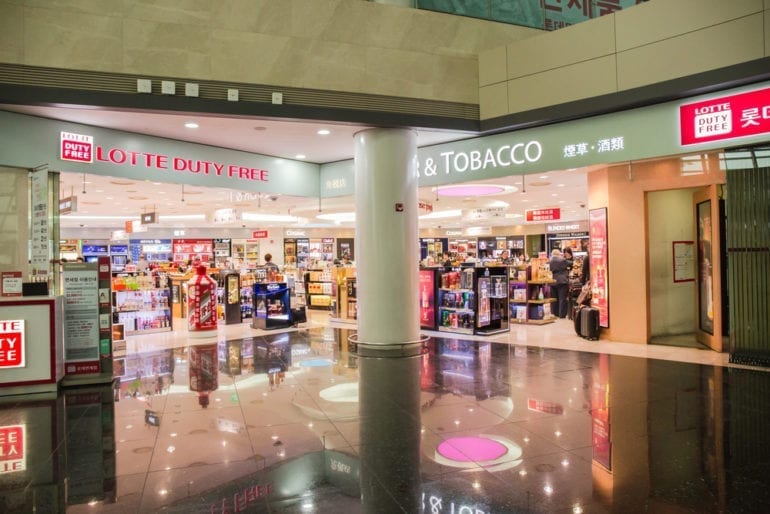
    Lotte Duty Free announced today that it will exit three of its four loss-making concessions at Incheon International Airport Terminal 1 on 7 July.

    The move follows Incheon International Airport Corporation’s (IIAC) acceptance of the retailer’s contract resignation and Lotte’s payment of an undisclosed penalty charge.

    The exit date is 120 days from IIAC’s approval of the resignation.

    As reported, Lotte Duty resigned the DF1 (P&C), DF5 (leathergoods & fashion) and DF8 (all categories) concessions on 13 February. The contracts, which Lotte won in early 2015, were due to run from September 2015 to August 2020. Lotte Duty Free said that its T1 stores have recorded losses of KW200 billion (US$184 million) since 2016. The contracts would run up a deficit of KW1.4 trillion (US$1.3 billion), the retailer claimed, if the stores continued to operate for the full term in 2020.

    Lotte Duty Free will continue to operate the main T1 alcohol and tobacco business concession (DF3).

    Report said, IIAC will retender the three contracts, probably later this month.

    Normally, one would expect Lotte’s rivals The Shilla Duty Free and/or Shinsegae Duty Free, to seize on the opportunity to snap up more Incheon business. However, both companies are also locked in talks with IIAC to try to further reduce their own T1 concession fees in the wake of the dilutive impact of the T2 opening.

  • Ministry working on faster internet with private sector

    Ministry working on faster internet with private sector

    Korea is pushing to commercialize 10-gigabit transfer speeds that are 10 times faster than Giga Internet, the fastest broadband service currently available in the country, the Ministry of Science and ICT said Sunday.

    The ministry would work closely with local IT companies to adopt 10-gigabit service, considered the core technology behind 5G wireless technology, virtual reality and augmented reality. Under the plan, the ministry plans to form a consortium to develop basic equipment and prepare networks for the rapid commercialization of 10-gigabit speeds.

    “The ministry hopes to achieve competitiveness in the ICT industry by commercializing 10-gigabit internet through close cooperation between public and private sectors,” a ministry official said.

  • Poltrona Frau Tokyo opens door

    Poltrona Frau Tokyo opens door

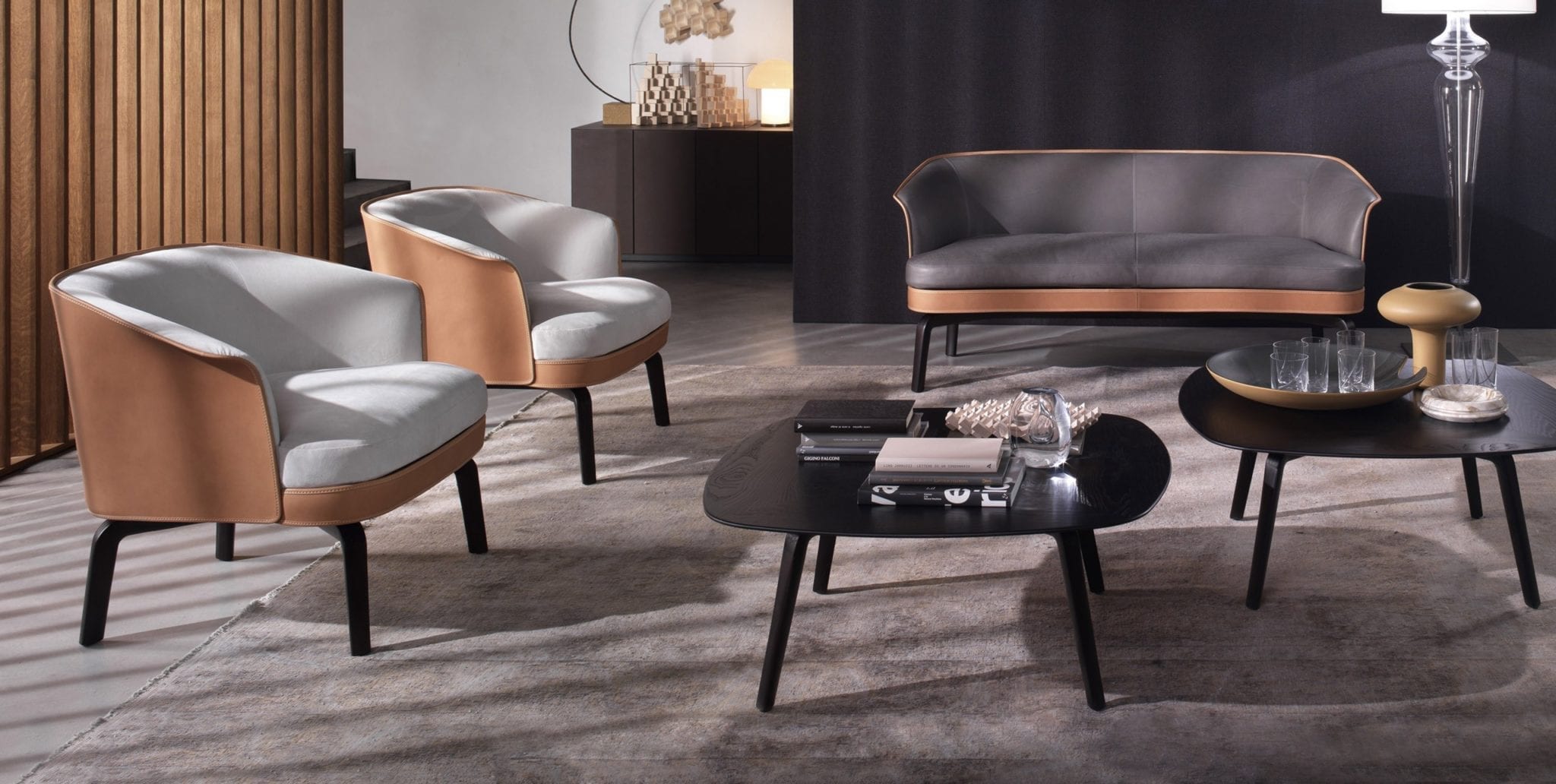
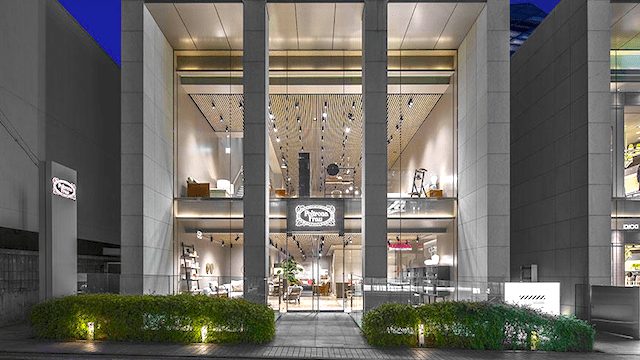
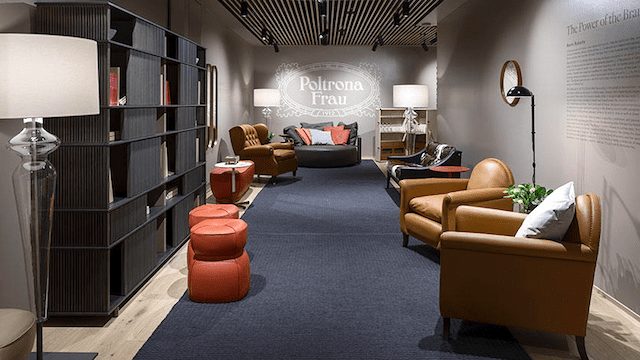
    Italian furniture brand Poltrona Frau has opened its first showroom in Tokyo.

    Covering two floors, the 366sqm store’s design is inspired by the firm’s Via Manzoni showroom in Milan.

    Its opening in the culture/fashion/design district of Aoyama represents an important step for the company’s strategy to expand in Asia. It already has a distribution presence in 350 cities.

    The showroom’s layout combines historical and contemporary pieces, from the 1930s Vanity Fair armchair to the GranTorino sofa and the Archibald armchair, both designed by Jean-Marie Massaud.

    Poltrona Frau was founded in 1912 by Sardinian-born Renzo Frau in Turin.

  • It’s business as usual at Sa Sa Malaysia

    It’s business as usual at Sa Sa Malaysia

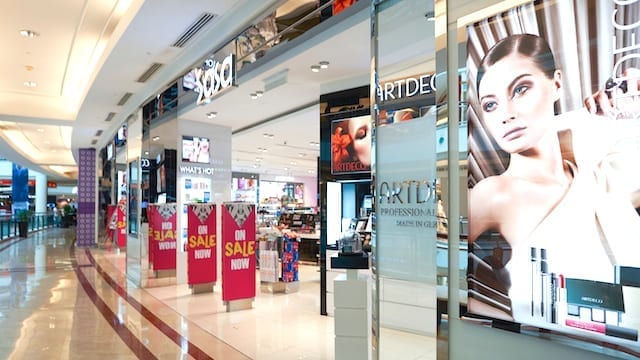
    Cosmetics retailer Sa Sa may have seen the closure of its Taiwan operations recently, but the move is not expected to affect the Malaysian business under Hong Kong Sa Sa (M) Sdn Bhd (Sa Sa Malaysia), said Sa Sa regional general manager for Malaysia & Singapore business Lisa Soon.

    “Sa Sa Malaysia is operating a total of 75 stores in Malaysia and still has plans of expanding our network nationwide in providing the best offerings of beauty products and brands internationally to our shoppers,” Soon said.

    Last month, its Hong Kong-listed parent Sa Sa International Holdings Ltd announced that it will close all its stores in Taiwan by March 31, 2018 after six consecutive years of losses, affecting 260 employees.

    With the closing of its loss-making operations in Taiwan, the group said it will concentrate on its other markets including mainland China, Hong Kong, Macau, Singapore and Malaysia markets as well as its e-commerce business.

    As at Jan 31, 2018, the retail network of Sa Sa consists of Hong Kong & Macau (118 stores), mainland China (55 stores), Singapore (19 stores), Malaysia (75 stores) and Taiwan (21 stores), all of which are solely owned and operated by the group.

    Established in 1978, the cosmetics retailing group opened its first store in Malaysia in 1998.

    According to Sa Sa International’s interim report 2017/2018 (six months ended Sept 30, 2017), the turnover for the Malaysian operations was HK$169.3 million (RM84 million), an increase of 9.2% in local currency terms over the previous period. Same-store sales growth rose a modest 1.1% in local currency.

    It noted that the reason for the conspicuous slowdown in same-store sales growth was weaker demand and purchasing power of local consumers amid the rising cost of living as a result of inflation. However, the group maintained its focus on continuous improvement with a readiness to capitalise on market recovery as and when opportunities arise.

    For the six months ended Sept 30, 2017, the Malaysian market contributed 4.6% of the group’s total turnover. The bulk of Sa Sa’s turnover comes from Hong Kong & Macau (81.5%), while the rest are from e-commerce (4.9%), mainland China (3.8%), Singapore (2.7%) and Taiwan (2.5%).

    Filings by Sa Sa Malaysia showed it posted a profit after tax of RM6.09 million for the financial year ended March 31, 2017, with revenue of RM181.52 million.

    In Malaysia, Sa Sa said it is the leading beauty specialty store in terms of number of stores and coverage. In recent times consumer sentiment has shown signs of a slowdown, necessitating a “comparatively conservative development strategy”.

    Sa Sa will continue to adjust its product portfolio and services to accelerate its penetration of the Malaysian market, it said.

    Adopting a “one-stop cosmetics specialty store” concept, Sa Sa sells more than 700 brands of skincare, fragrance, make-up and hair care, body care products, health and beauty supplements including own-brands and exclusive products. The group’s e-commerce arm sasa.com provides online shopping service to customers.

    On its business strategy, the group said with its global purchasing and sourcing capabilities, often buying in large quantities to increase bargaining power, Sa Sa manages to offer a wide selection of quality products at competitive prices. Its market leadership reflects its innovative retailing formula based on choice and convenience, it added.

    The group, which had a total workforce of around 5,000 employees as at Sept 30, 2017, considers employee training as crucial to the continued success of its operations and business expansion

  • Microsoft predicts digital gains

    Microsoft predicts digital gains

    Microsoft Korea said Tuesday the ongoing digital revolution will add roughly $42 billion to Korea’s gross domestic product by 2021 and push up the country’s growth rate by 0.5 percent annually.

    The projection was based on research conducted with market tracker IDC Asia Pacific. IDC surveyed 1,560 decision makers in mid- and large-sized business organizations across 15 economies in the Asia-Pacific region on the economic impact of digital technologies.

    According to Microsoft, application of digital technologies like the cloud, big data and artificial intelligence to business processes will increase profit margins and productivity, and create new sources of revenue for companies.

    The study predicted that while about eight percent of Korea’s GDP was derived from digital products and services created directly though the use of digital technologies last year, that percentage is expected to surge to around 65 percent by 2021.

    “Digital transformation has a positive and measurable impact on Asia Pacific’s economy,” said Andrea Della Mattea, president of Microsoft Asia Pacific, in a press briefing during the Digital Transformation Summit hosted by the computer software company on Tuesday.

    “In fact, organizations are seeing tangible improvements from their digital transformation initiatives today between the ranges of 15 to 18 percent, which shows digital transformation is no longer an idea, but a reality.”

    According to the study, about 77 percent of companies in Korea are in the midst of digital transformations while only seven percent can be classified as so-called leaders. The leaders in digital transformation have full or progressive digital transformation strategies with at least a third of their revenue from digital products and services.

    Microsoft introduced Korean partners that are rapidly adapting to digitization by using the software company’s AI and cloud platforms, such as 365mc Hospital, which is known for liposuction surgeries.

    “Until recently, liposuction procedures depended almost entirely on the surgeon’s experience and capability,” said Kim Nam-chul, CEO of 365mc Hospital.

    “Hence our motion capture and artificial intelligence-assisted liposuction system was built to collect data and enhance precision and safety of liposuction procedures.”

    Other Korean partners of Microsoft include Samsung Electronics, LG CNS, NH Investment & Securities, Hyundai Motor and Asiana Airlines.

  • New USA tariff plan draws backlash from US retailers

    New USA tariff plan draws backlash from US retailers

    Failing US president Donald Trump is facing widespread backlash from US retailers and brands over his intention to trigger a trade war with China and other nations.

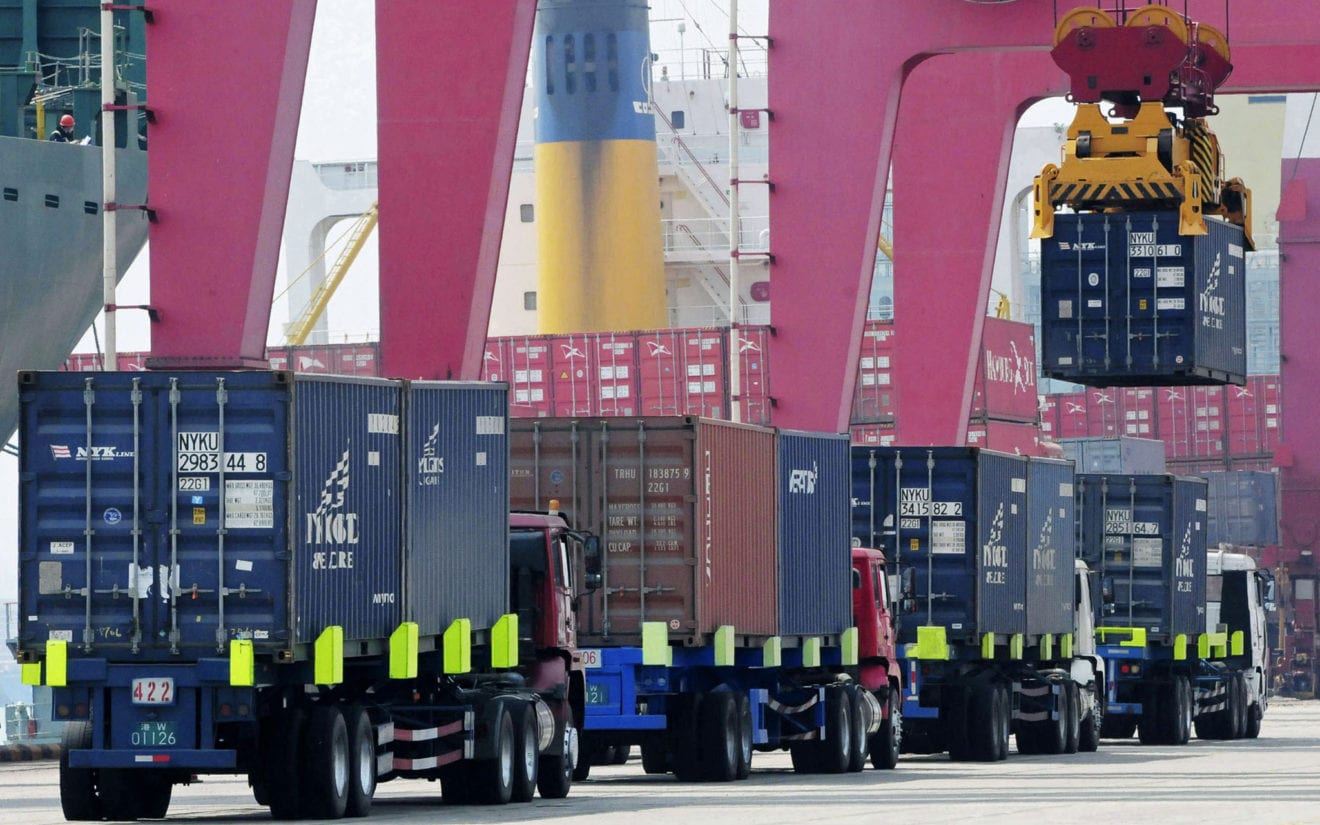
    Just days after announcing tariffs on steel imports against the advice of officials, lawmakers and industry, Trump is now believed to be formulating sweeping tariffs on imported goods from China – a move retail and business groups warn will wipe away gains for the economy from the recent tax cuts.

    “This is not American industries crying wolf,” said Sandy Kennedy, president of the Retail Industry Leaders Association, which organised a letter to Trump, sounding alarm that such tariffs will boost prices of numerous consumer goods, including shoes, apparel and appliances.

    Twenty-four US retailers signed Kennedy’s letter, including Walmart, Target, Best Buy, Abercrombie & Fitch, American Eagle Outfitters, Columbia Sportswear, Costco, Dollar Tree, Gap, JC Penney, Kohl’s, Ikea, Levi Strauss, Sears, VF Corp and Wolverine World Wide.

    A second letter was signed by 82 shoe companies, including Nike, Payless ShoeSource, Under Armour and Shoe Carnival.

    “Adding even more tariffs on top of this heavy burden would mean higher costs for footwear consumers and fewer US jobs,” one of the letters said.

    “Given the price sensitivity of our products, any additional increases in our costs would strike right at the heart of our ability to keep product competitively priced for our consumers.”

    One of the issues worrying retailers and manufacturers is that Trump does not need approval from Congress to implement tariffs. He can impose unilateral tariffs on China citing national security grounds – the same rationale behind the steel tariffs – because a US government investigation had found Chinese had violated intellectual property rules.

    Trump has previously stated he does not fear a trade war because he believes America would win it.

    Widespread media debate about tariffs and the rationale behind them would also distract public attention from numerous controversies surrounding the Trump presidency, including a growing list of women revealing extramarital affairs with him, election tampering and his links to a company under investigation by the FTC for stealing personal details of 50 million Facebook users.