Author: Mei Ling Tan

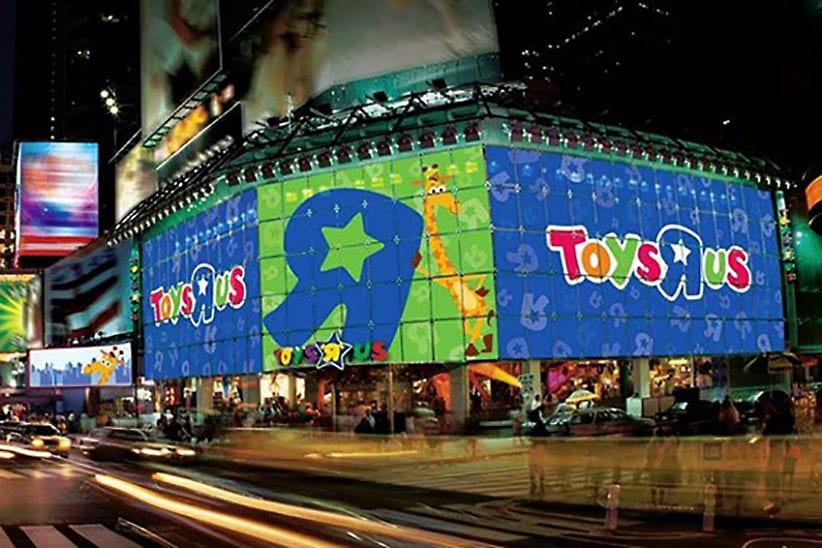
  • Amazon Has Considered Buying Some Toys ‘R’ Us Stores

    Amazon Has Considered Buying Some Toys ‘R’ Us Stores

    Selected sites of Toys R Us US stores may be taken over by Amazon.

    Bloomberg reports the bankrupt toy retailer is in talks with the e-commerce giant over the future of an unspecified number of stores which could be converted to Amazon’s growing portfolio of offline retail spaces. The company recently acquired grocery chain Whole Foods, which has 450 sites, and has been opening physical book stores in selected US markets.

    Toys R Us US is closing down more than 700 stores, many of which have moderate- to large-sized footprints suited to bulky goods or grocery retailing.

    Bloomberg’s sources said Amazon is not interested in the Toys R Us brand but sees opportunities to use physical stores to deliver online purchases faster. It may possibly use the sites to demonstrate its Alexa voice-activated technology.

    Amazon has previously negotiated taking over Radio Shack stores after that chain collapse, but no deal was reached.

  • Facebook Vietnam appoints new general director

    Facebook Vietnam appoints new general director

    Social networking site Facebook has confirmed the appointment of Lê Diệp Kiều Trang (Christy Lê) as director of Facebook Việt Nam. She will work at the company’s headquarters in Singapore.

    According to Kenneth Bishop, Facebook’s managing director for Southeast Asia, with over 60 million Facebook users in Việt Nam every month, the company is investing heavily in resources and workforce to better support the community, including local businesses, partners and marketers. He said with her extensive experience, Christy Lê would help businesses in Việt Nam to develop and succeed.

    Born in 1980, Trang won a scholarship to the UK’s University of Oxford and Massachusetts Institute of Technology (MIT) in the United States.

    After leaving MIT, Trang worked for strategic consulting firm McKinsey. Later, she and her husband, Sonny Vu, founded Misfit Wearables, a start-up specialising in healthwear and body-measuring equipment.

    In 2015, Misfit Wearables was acquired by Fossil Group for US$260 million, but Trang continued as the CEO of Fossil Việt Nam. She unexpectedly resigned on March 9 this year, following which she was offered the position of director of Facebook Việt Nam.


  • H&M opened on Tmall

    H&M opened on Tmall

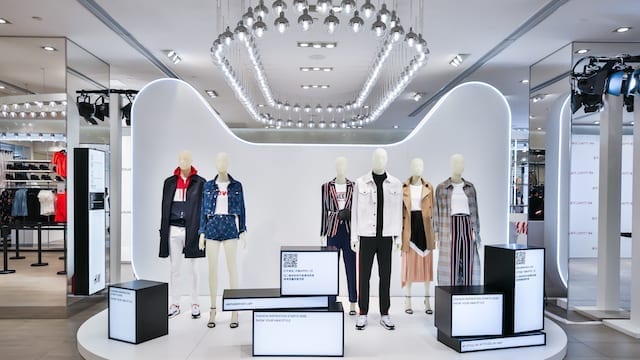
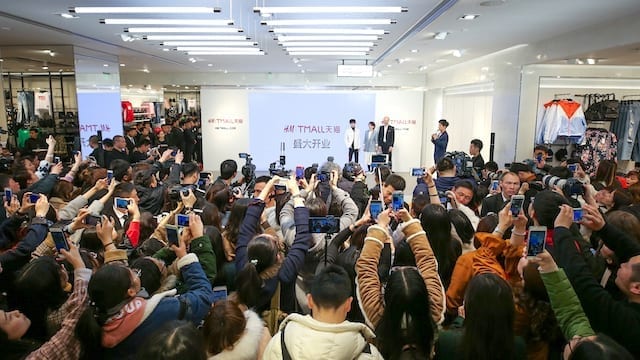
    H&M China launched on Chinese e-commerce platform Tmall, complementing the Swedish clothing retailer’s 400-plus physical stores and HM.com Shop Online.

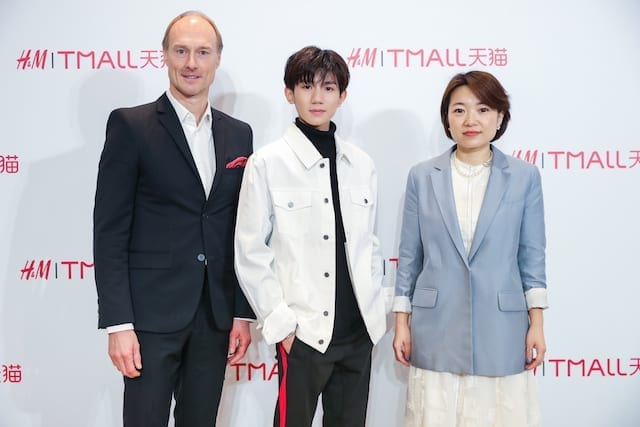
    “We are very happy to extend our collaboration with Alibaba by launching H&M and H&M Home on Tmall,” says H&M Greater China country manager Magnus Olsson.

    H&M opened its first store in Mainland China in 2007 and launched its online shop in 2014. The H&M group brand Monki has had strong development in China since its launch on Tmall, and this collaboration between the two groups, touted in December, is being extended to include both the H&M brand and H&M Home.

    During the launch period, H&M’s Tmall shop is offering more than 10,000 styles of fashion items including women’s, men’s, teens’ and children’s styles, plus H&M Home. As well as special opening offers, Tmall and H&M is offering exclusive pieces featured by TF Boys singer Wang Yuan, one of the stars in a H&M/Tmall campaign film.

    “With H&M’s experience in online and offline fashion retail, this collaboration signifies an important milestone for Tmall’s expansion, allowing more customers to enjoy the pleasure of interactive shopping,” says Alibaba VP for Tmall fashion and luxury Lv Jianmei.

    Procurement centres

    Meanwhile, Tmall Global plans to open six procurement centres across the world to help overseas vendors capture Chinese consumers’ booming appetite for newer and better imported goods, says Tmall president Jet Jing. They will be established in Japan, South Korea and Hong Kong, as well as regions of North America, Europe and Oceania.

    Jing’s announcement, at the annual Tmall Global 2018 Global Partners Summit in Hangzhou, did not disclose a time frame.

    Launched in 2014, Tmall Global is Tmall’s channel for cross-border e-commerce. The platform controls nearly a quarter of the market. With Alibaba’s expansive consumer analytics, Tmall Global provides overseas vendors insights into Chinese consumers’ shopping behaviour and preferences.

    China is the world’s second-largest consumer market following the US, according to Boston Consulting Group. The research consultancy notes China will see nearly $2 trillion in new consumption by 2021, and also projects China’s e-commerce cross-border trade to more than double to RMB620 billion (US$98 billion) in gross merchandise volume by next year from RMB305.5 billion in 2016.

    Global commitment

    Tmall Global, which already offers more than 18,000 brands from 74 countries and regions, is committed to attract even more international brands and vendors to sell their goods into China in the coming year, says Tmall Global GM Alvin Liu.

    New Retail, which harnesses new technologies to unify online and offline shopping, will serve as an important driver to power such growth by allowing vendors to engage with their customers in both spheres, Liu says.

    “Our goal is to give Chinese consumers the best shopping experience, so we select only the best quality for China,” says Liu.“We must discover new categories and find new products so Chinese consumers can find items that are best suited to their needs.”

    To achieve these goals, Tmall Global has pledged to boost the traceability of items sold on the platform. By using blockchain technology, consumers will be able to track their orders throughout every stage of the delivery process, starting from the factory at the country of origin.

    Secondly, the platform seeks to expedite the expansion of overseas fulfillment centres so smaller foreign brands can introduce their products to the Chinese market more quickly.

    The platform will also increase the use of bonded warehouses, where imported goods can be stored securely without import duties until the items are sent.

  • European Commission to help Vietnam fight IUU fishing

    European Commission to help Vietnam fight IUU fishing

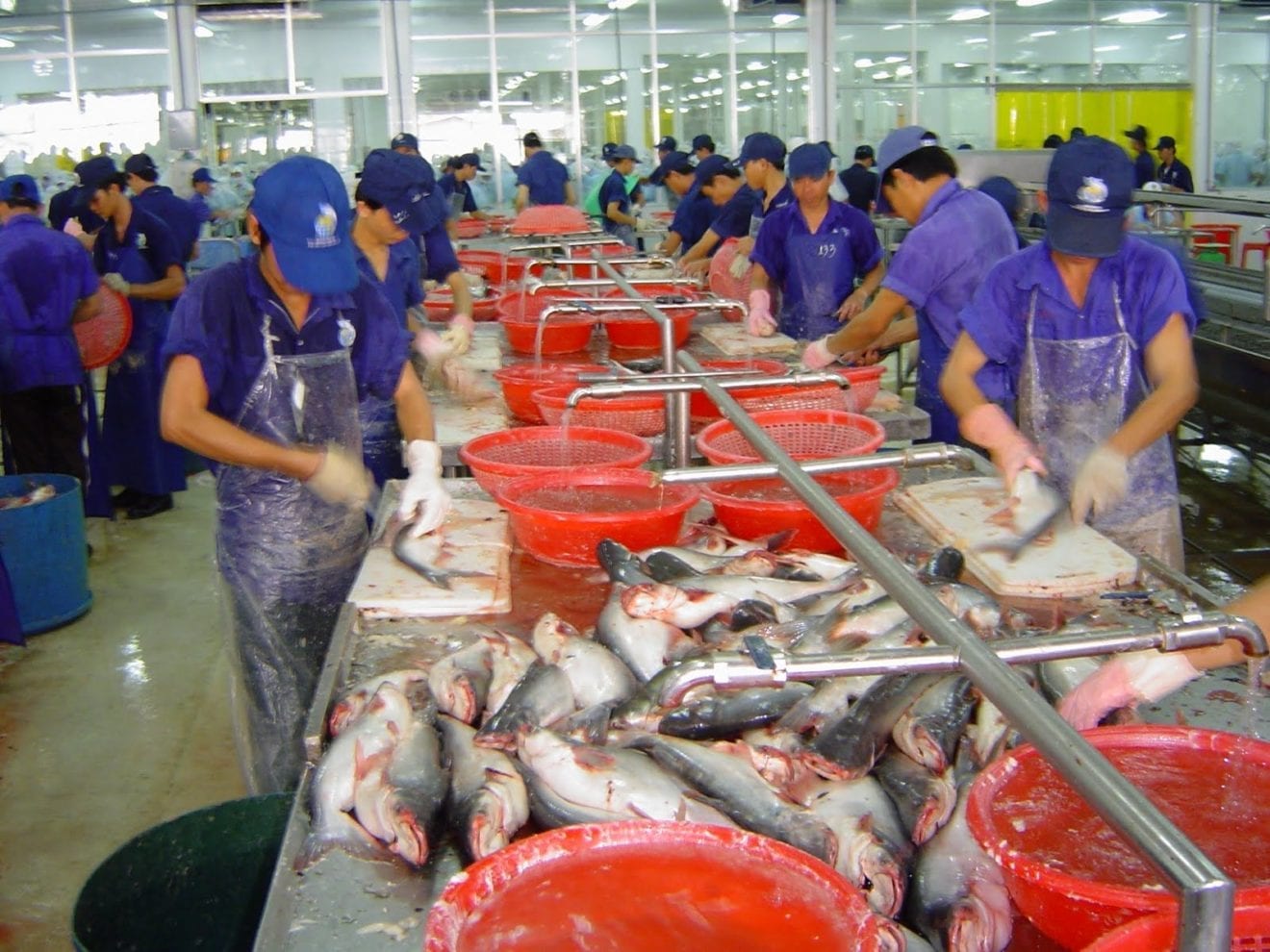
    The European Commission is willing to cooperate with and support Vietnamese authorities in their reforms to fight illegal, unreported and unregulated (IUU) fishing.

    This was said by Karmenu Vella, Commissioner of the European Union for Environment, Maritime Affairs and Fisheries.

    In an interview, Vella said the European Commission welcomed the high-level commitments of the Vietnamese authorities, notably the plan adopted by the Ministry of Agriculture and Rural Development, to implement urgent measures to overcome the yellow card adopted in October 2017.

    Minister of Agriculture and Rural Development Nguyễn Xuân Cường is currently on a working visit to the European Union from March 20-24 to promote the removal of “yellow card measure” for Việt Nam in IUU fishing.

    “Nonetheless, the European Commission reiterates its concerns as regards the translation of such commitments into tangible measures aimed at addressing the serious shortcomings that led the Commission to adopt the yellow card,” Vella said.

    According to him, the adoption of pre-identification (yellow card) of Việt Nam as a non-cooperating country in fighting IUU fishing in October 2017 is the formalisation of a dialogue in place since 2012. This step is just a warning and does not imply any kind of trade-related measures, he said.

    “The objective of the European Union’s IUU policy is to enter into a cooperation with competent authorities in third-world countries to ensure they align their legal and administrative frameworks with international obligations to fight against IUU fishing and establish adequate control mechanisms,” Vella said.

    By April 2018, six months after the adoption of the yellow card, Vietnamese authorities are expected to provide a progress report addressing the implementation of the action plan, he said, adding the European Commission will evaluate, including by means of visits to the country, the content of the action plan in light of the shortcomings established in the Commission’s decision of October 23, 2017.

    Talking about the possibility of removing the yellow card for Việt Nam, Vella said any decision would follow a careful analysis of the actions undertaken by the authorities to remedy the deficiencies that led to the yellow card.

    “The revocation of the yellow card will only be possible if all the mentioned deficiencies are sufficiently addressed,” he said.

    In case the situation does not improve, the European Commission may proceed with the identification of the country as non-cooperating in fighting IUU fishing (red card) and submit the proposal to the Council of the European Union to list Viet Nam as non-cooperating in fighting IUU fishing, Vella said.


  • Muji fresh store launched in Osaka

    Muji fresh store launched in Osaka

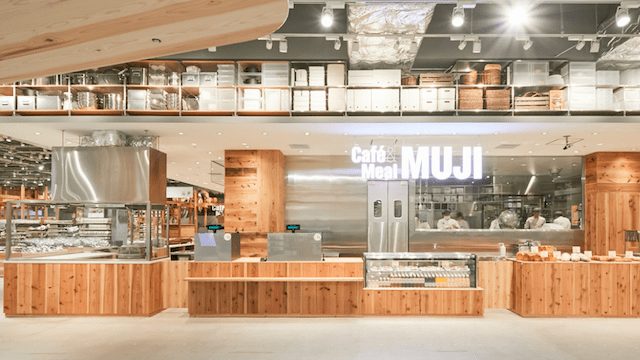
    Japanese anti-brand retailer Muji has opened a massive 4300sqm store in Osaka featuring its first dedicated fresh department.

    While the company has offered dried foods, snacks and other foods since it was founded in 1980, and even shelf-stable vegetables in some stores, this is the first time it has ventured into chilled, fresh meat and produce.

    The Muji fresh store is the brand’s largest globally and five times the typical Japanese footprint. About 50 per cent of it is dedicated to food and it also features a Cafe & Meal Muji eating place.

    Kei Suzuki, director and executive officer of Muji parent Ryohin Keikaku, said that once refined the company will look to roll out the concept in other markets.

    “At first we have to see what is going to happen in Japan, but I believe the Muji customer … is keen to have a good fresh product,” said Suzuki, who was one of the leading speakers at yesterday’s MarketingPulse conference, organised by the Hong Kong Trade Development Council.

    Suzuki said Muji customers are in tune with freshness, sustainability, supporting local farmers and suppliers – and they want quality. He is confident the Osaka concept store will win over customers.

    “Once we see that we are successful then … I also want to try it here in the future. But it has not been decided yet.”

    Photos released by Muji show fresh meats, fish, vegetables and perishable goods on display in a bright, airy retail space. Minimalist design and displays made from natural materials are in keeping with the company’s market positioning.

    Meanwhile, in Japan, Ryohin Keikaku chairman Masaaki Kanai said Muji was committed to expanding its selection of local food products.

    “We want to become a part of the community.”

    One of the reported rationales behind Muji fresh is to entice customers to visit more often. Food is a more frequent purchase than stationery or household items, for example.

  • These 13 Korean Beauty Products Are Being Recalled From The Market

    These 13 Korean Beauty Products Are Being Recalled From The Market

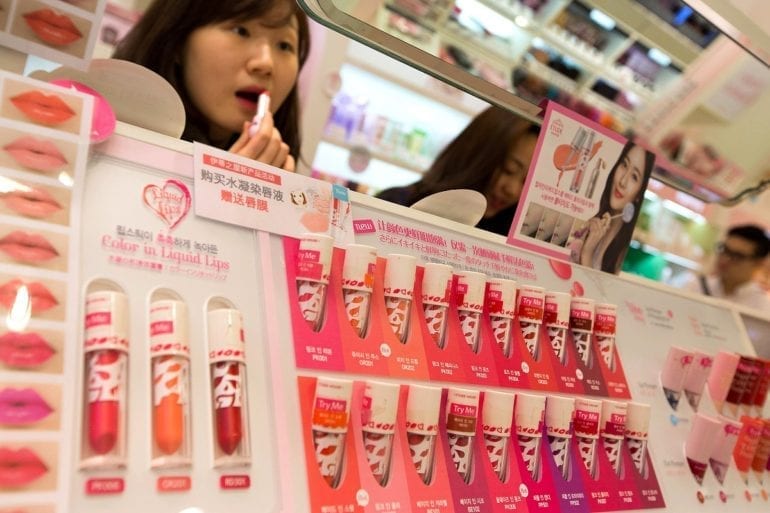
    Unsafe levels of the heavy metal antimony have led to the South Korean government banning 13 cosmetics products.

    Some of the products, including eyebrow pencils from 3CE and Etude House, were previously available in Hong Kong and have been taken off store shelves.

    According to the Ministry of Food and Drug Safety in South Korea, antimony at levels ranging from 10.1 parts per million (ppm) to 14.3ppm was found in the 13 products. The maximum legally permitted antimony level is 10ppm.

    After the department ordered recalls of the products, Amorepacific Group, whose brands accounted for six of the products, issued an apology to customers.

    Antimony is found in consumer products such as batteries and electrical appliances, and has been detected in food packaging and toys. Research has shown that chronic exposure to antimony in the air can lead to irritations of the skin, eyes and lungs. Drinking high levels of the metal in water could cause vomiting and abdominal pain.

    Among the products recalled were: 3CE Slim Eyebrow Pencil (chestnut brown) and Makeheal Naked Slim Brow Pencil (shades BR0203 and YL0801); Aritaum’s Full Cover Cream Concealer and Stick Concealer; Black Monster Homme Black Erasing Pen; Etude House’s AC Clean Up Mild Concealer; Skeda Concealer; Skinfood Cherry Full Lip Liner; and XTM Style Homme for Men Easy Stick Concealer.

  • Sovico registers to buy 13.7 million Vietjet shares

    Sovico registers to buy 13.7 million Vietjet shares

    Sovico Holdings Company registered to purchase nearly 13.7 million shares of Vietjet Aviation Joint Stock Company (VJC) between March 26 and April 25.

    Sovico is a founding shareholder of the budget airline, owning 4.56 per cent of Vietjet’s capital. If the transaction is successful, Sovico will increase its ownership to 34.3 million shares, equivalent to 7.59 per cent, and become a major shareholder in Vietjet.

    Currently, Nguyễn Thị Phương Thảo, Vietjet’s general director and chairman of Sovio, holds 8.76 per cent of Vietjet’s capital. Her private company, Hướng Dương Sunny Investment Co Ltd, is the largest stakeholder with 28.57 per cent.

    HDBank, where Thảo is vice president, owns another 4.95 per cent, while her relatives possess a combined 2 per cent.

    Thus, after the transaction, Thảo and her related companies and individuals will likely hold nearly 52 per cent of Vietjet’s capital.

    At the end of 2017, the airline’s revenue totaled VNĐ42.3 trillion, up 53.7 per cent year-on-year. Its pre-tax profit reached nearly VNĐ4.8 trillion, up 75.9 per cent over last year and surpassing the yearly target by 26 per cent.

    Vietjet increased the dividend ratio for 2017 from 50 per cent to 60 per cent and had paid VNĐ1.35 trillion to pay 30 per cent dividends last year.


  • Strong sales growth posted by Hermès Asia

    Strong sales growth posted by Hermès Asia

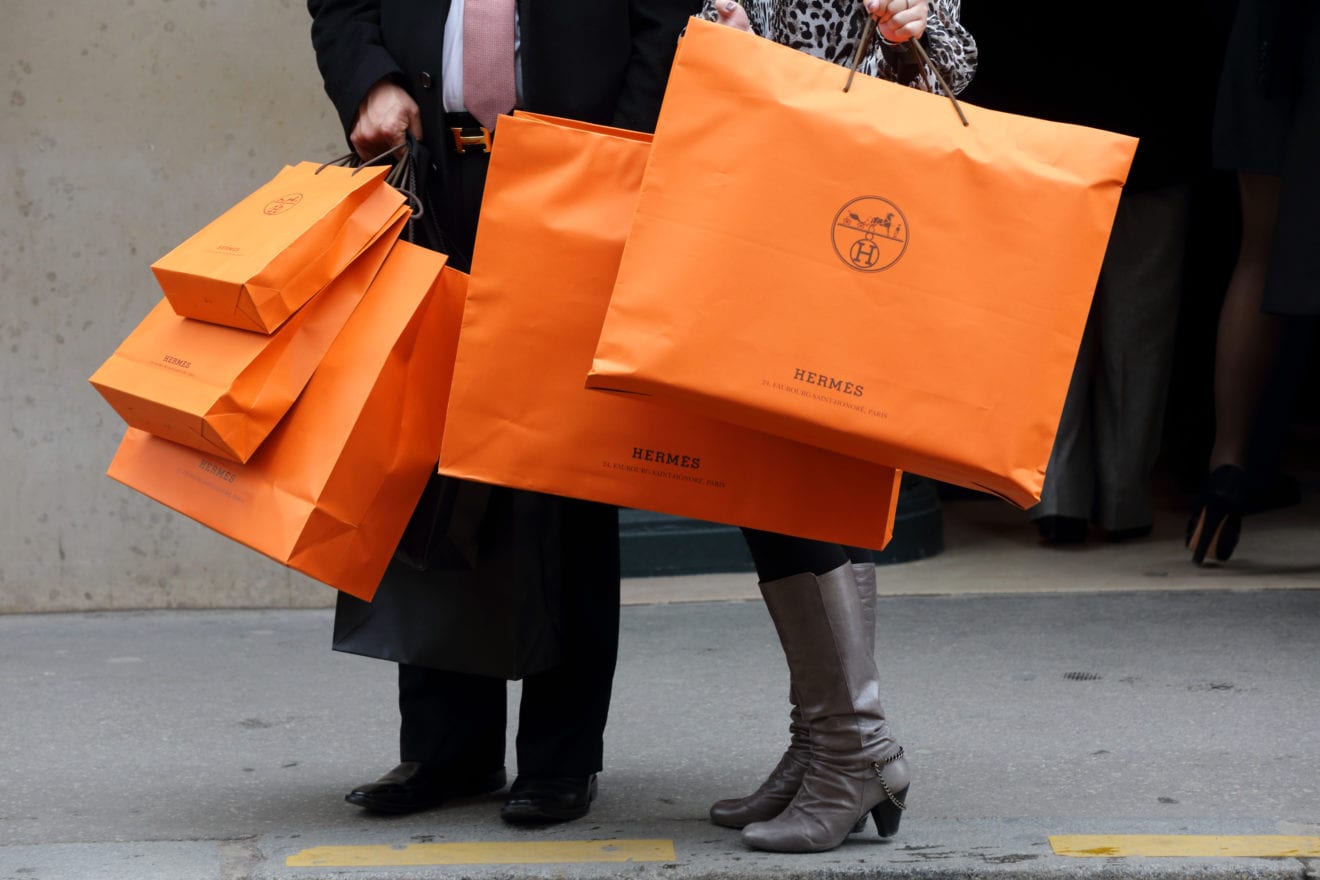
    Hermes Asia sales grew 11.3 per cent last year to €1.946 billion (US$2.4 billion) as the luxury retailer set a new record for gross retail margin.

    The company said the retail market was improving in Hong Kong and Macau, with the Asian market “pursuing its upward curve” and positive outlooks in Mainland China and South Asian countries.

    Growth was aided by store revamps at Sogo Fuxing in Taiwan, Elements mall in Hong Kong and at Kuala Lumpur.

    Sales in Japan (separated from Asia results) rose 4 per cent to €724.1 million, despite a high comparison figure from last year, which the company described as “a sustained increase” in what is a mature market, citing a selective distribution network.

    Group sales totalled €5.549 billion (US$6.863 billion), up 9 per cent at constant exchange rates. Operating income rose 13 per cent, to €1.922 billion, representing a record 34.6 per cent gross margin, while net profit rose 11 per cent to €1.221 billion.

    “Hermes achieved a new year of historic results, thanks to the quality of our know-how, the success of our creations and especially the incredible commitment of the women and men of Hermes,” said executive chairman Axel Dumas.

    Hermes will ramp up its online offer in the region this year, with a new website scheduled to go live in China at the end of this year.

    Meanwhile, the company said the sale of the Galleria building in Hong Kong’s Central district, which previously housed its flagship store, would likely generate a net capital gain of €50 million this year.

    Leather drives growth

    By category, Hermes’ leather goods proved the strongest performer last year, sales rising 10 per cent globally, reflecting increased production capacity as demand rose for its handbags.

    The ready-to-wear and accessories division grew 9 per cent, driven by the success of new collections, fashion accessories and particularly shoes.

    Sales of silk and textile products grew 6 per cent and of perfumes by 10 per cent, largely due to the successful launch of Twilly d’Hermes.

    Watch sales grew just 1 per cent with what Hermes described as “good sales” in company-owned stores. Other Hermes business lines- jewellery, Art of Living and Hermes Table Arts, grew sales by 11 per cent.

  • FILA launches Pokémon-inspired sneakers

    FILA launches Pokémon-inspired sneakers

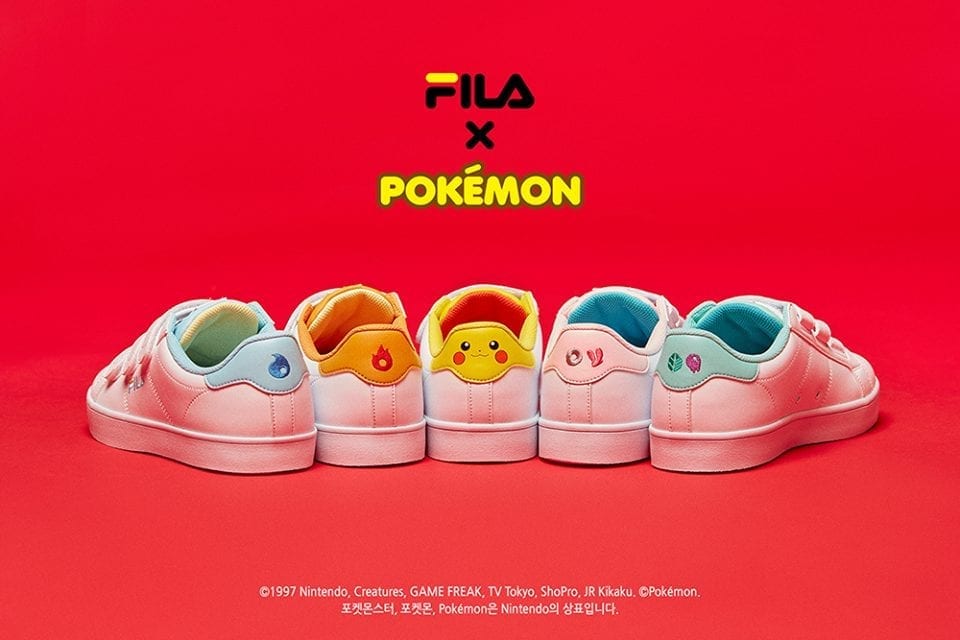
    Fila Korea has collaborated with Japanese VR game franchise Pokemon on a range of colourful sneakers.

    Available via Fila South Korea, the limited-edition shoes feature Pokemon characters including Bulbasaur, Charmander, Jigglypuff, Pikachu and Squirtle. The shoes are wrapped in a Pokeball-themed box with a badge and sticker of the corresponding Pokemon.

    There are just two models: the Fila Court Deluxe and Classic Kicks.

    Orders for Hong Kong, Japan, Malaysia, Philippines Singapore, Taiwan and other Asian countries as well as the US can be placed through Harum.io.

  • Jins, Japan’s biggest eyewear chain, to open in Manila

    Jins, Japan’s biggest eyewear chain, to open in Manila

    Japan’s largest eyewear chain Jins plans to open in Metro Manila this summer.

    Brought in by Suyen Group, the parent of fashion brand Bench, Jins will add a broad variety of eyewear design to the Philippines.

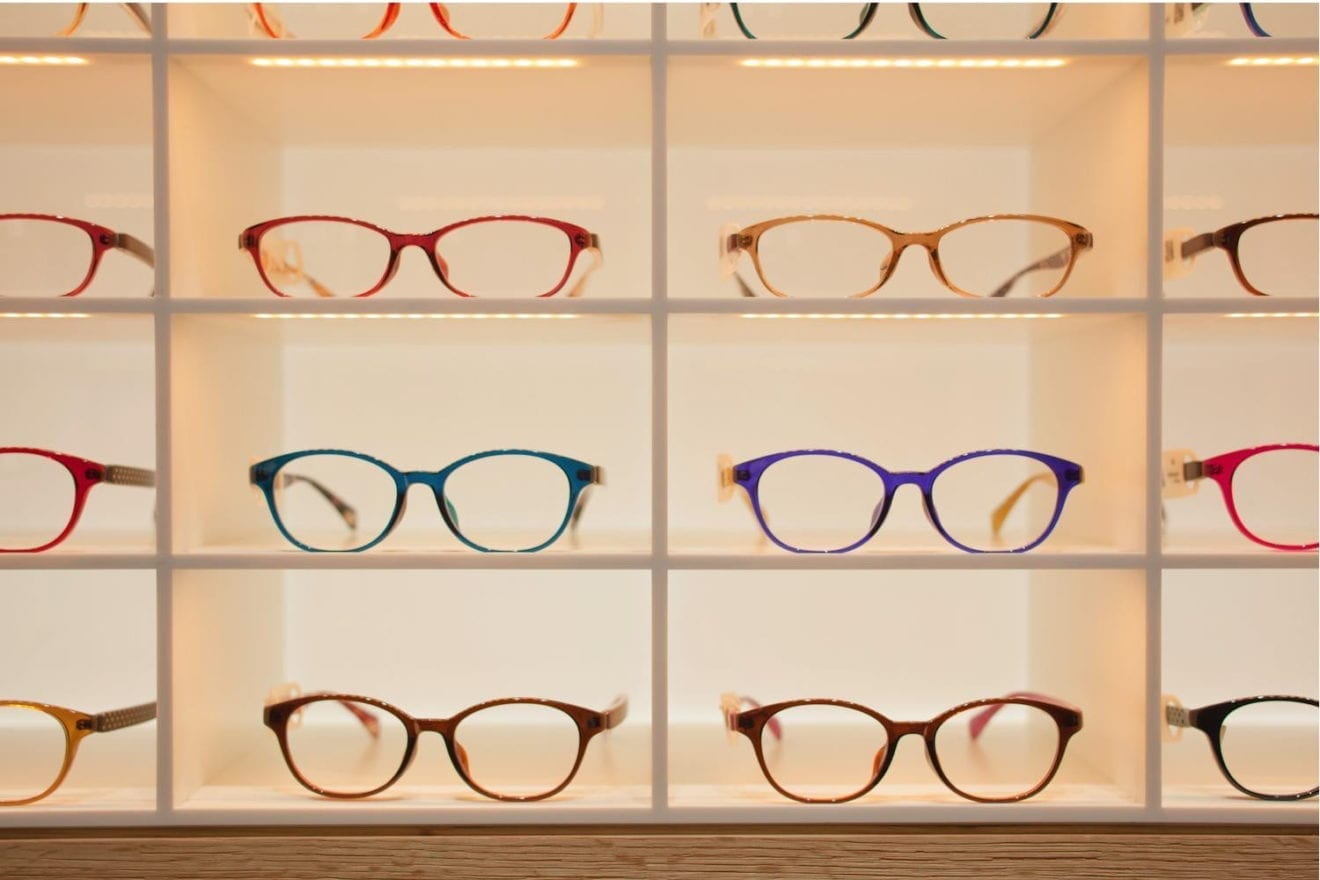
    Each Jins store regularly stocks more than 1200 frames, ranging from classical styles to fashionable.

    Jins offers a visual experience with stores designed like a pop-art gallery, collaborating with graphic artists and architects from Japan and other countries in designing both the eyewear line and their stores.

    Recent collaborators include British product and furniture designer, Jasper Morrison, and Japanese graphic artists and architects Teruhiro Yanagihara and Sou Fujimoto.

    Customers usually spend less than an hour having their eyes checked and spectacles prepared at Jins.

    Jins has around 60 stores in Tokyo, and 300 nationwide.

  • Vietnam footwear boasts strong development prospects

    Vietnam footwear boasts strong development prospects

    Vietnam’s leather and footwear industry will continue to develop in the coming years, according to the Vietnam Leather, Footwear and Handbag Association (Lefaso).

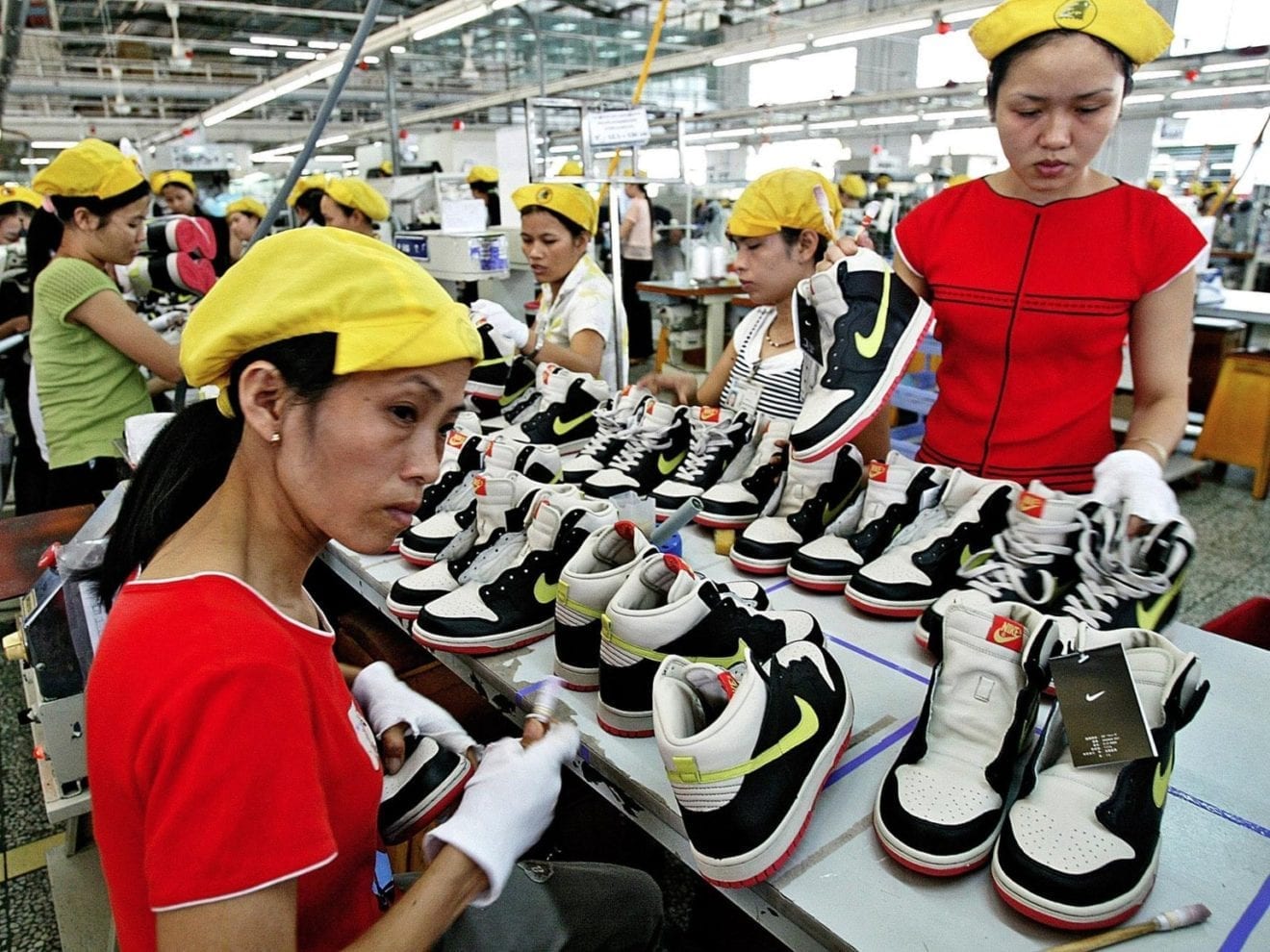
    Speaking at the two-day Vietnam Footwear Summit which opened in HCM City yesterday, Diệp Thành Kiệt, Lefaso’s deputy chairman, said exports of footwear and bags increased to US$18.1 billion last year from $16.2 billion in 2016.

    There are opportunities for the industry to continue developing, he said.

    Vietnam has free trade agreements with most major markets like Japan, the Customs Union of Russia, Kazakhstan and Belarus, South Korea, and ASEAN in addition to the Comprehensive and Progressive Agreement for Trans-Pacific Partnership and an agreement with the EU, he said.

    “We have a golden demographic ratio with 66.9 per cent of the population being of working age, providing an abundant supply of cheap and skilled workers.

    “ Vietnam can supply materials for the footwear industry and becomes a destination for large producers.”

    The country has succeeded in producing and exporting high-value products, he said.

    “This is a big opportunity for the industry. If we continue to promote the export of high-value products, the industry will develop strongly.”

    Replying to a question on the impact of the US’s withdrawal from the TPP on the footwear industry, he said this would not affect Vietnam’s footwear exports to the US much.

    Matt Priest, president and CEO of the Footwear Distributors and Retailers of America, said the US imported 2.39 billion pairs of footwear last year.

    “Per capita spending on footwear climbed to a record last year,” he said.

    China was the biggest exporter to the market, but China’s share is declining and Vietnam’s is increasing, he added.

    Talking about the EU- Vietnam FTA, Nguyễn Thị Xuân Thùy, a researcher at the Vietnam Institute of Industrial and Trade Policy and Strategy, said all tariff lines on leather, cases and bags and 37 per cent of tariffs on footwear would be removed immediately when the FTA comes into effect.

    To enjoy tariff incentives, the products must meet rules of origin and technical barriers to trade commitments with regard to labelling, conformity assessment, and market surveillance, increasing compliance costs, she said.

    Challenges

    Kiệt also spoke about the challenges faced by the industry such as increasing labour costs, automation, protectionism, and competition from other countries.

    Pointing out that between 2010 to 2017 the minimum wage increased 3.02 times while GDP per capita only increased by 2.04 times, he said: “If we had not improved productivity, labour costs will be high.

    “Large customers tend to shift orders to countries with cheaper labour costs, especially for simple and manual items. This initially will not have a great impact on Vietnamese footwear, but in the long term, if we do not adjust our strategy, we will lose orders to Cambodia, Myanmar, Bangladesh, and Ethiopia.”

    The application of automation and Industry 4.0 technologies will help raise productivity. But more than 75 per cent of footwear enterprises are small firms, and it is difficult for them to afford automation.

    Duncan Scott of New Balance Athletic Shoe, Inc, said countries moving up the value chain could stop making footwear and those continuing to make footwear would need “sophistication”.

    Low cost labour alone would not ensure success, and firms need to continue to drive efficiency and digital connectivity among others, he said.

    Delegates said proper use of automation could eliminate redundant workers and make factories much more efficient and profitable.

    The industry’s development plans target rapid, sustainable development and better use of the country’s FTAs to expand exports.

    It plans to restructure production to add value to products, increase local content, improve designs, and focus on medium- and high-quality products for the domestic and export markets.

    John Graebin from US footwear company Deckers Brands said: “More and more automation solutions will be used. I think that is a real opportunity for Vietnam so that the country can compete in a few more decades.”

    There are 939 enterprises in the footwear industry in Vietnam, which is the third largest producer and second largest exporter in the world.

    The US was the largest importer of Vietnamese footwear and bags (accounting for 35.9 per cent), followed by the EU (30.6 per cent), China (6.4 per cent), Japan (6.3 per cent), and South Korea (2.8 per cent).

  • Esprit Holdings to announce new leader

    Esprit Holdings to announce new leader

    Leadership changes have been announced by apparel brand Esprit Holdings in Hong Kong.

    Jose Manuel Martínez Gutierrez will step down as group CEO and executive director of the company on June 1, with Anders Kristiansen appointed as his successor.

    As a precursor to the change of CEO, chairman Dr Raymond Or Ching Fai will assume the role of executive director on April 1, to play a more active role in the next phase of the group’s strategy, including an ambitious expansion plan for China, the company said in a regulatory filing.

    “We very much regret losing Mr Martinez, as his contribution has been most valuable to Esprit,” said Or.

    Over the past five years Martinez had reversed a severe decline in the group’s results by stabilising procedures, restructuring and improving overall profitability.

    “After this phase of bottomline recovery, the group enjoys a sound financial position, with no debt and net cash of HK$4.5 billion.”

    Martinez, whose resignation is for personal reasons, said he was leaving the group “strong and well equipped” and he believes the new leadership will bring a positive impulse to take on the challenges ahead.

    “I will stay on to support a smooth transition into the new scheme.”

    Or says incoming CEO Kristiansen is a well-rounded and seasoned executive in the fashion industry with extensive experience in business development both in Europe and Asia, especially China.

    “Our objective will be to recapture market share and ultimately return the company to growth,” said Kristiansen.

    Or, 68, was appointed as independent non-executive director in March 1996 and became chairman in June 2012.

    Or is also a director of Chow Tai Fook Jewellery Group, Industrial and Commercial Bank of China, Regina Miracle International (Holdings) and Television Broadcasts. He has entered into a service contract with Esprit, which may be terminated by either party on 12 months’ notice.

    Kristiansen, 51, is an industrial advisor for a global private equity fund Permira. He was previously CEO and director of New Look, a global fast-fashion apparel company based in London. Before this, he held senior executive roles in the Bestseller Fashion Group China, Staples China, and Lyreco, an office supplies company.

    Kristiansen has also entered into an employment contract with Esprit subject to 12 months’ notice of termination by either party.

  • Industry leaders meet at Singapore’s largest show to explore new frontier in coffee business

    Industry leaders meet at Singapore’s largest show to explore new frontier in coffee business

    Thousands of food and beverage (F&B) establishments in Singapore and the region dedicate themselves to serving freshly brewed cups of java or tea and delightful pastries every day. While many Asian countries have enjoyed the café culture phenomenon for many years, new markets like Myanmar, Laos, and Cambodia are now starting to witness the growth of the café industry in their countries.

    To support the diverse needs of these thriving businesses, key players of the coffee, tea, and bakery industries converged at Café Asia 2018 today to foster new collaborations, explore opportunities, and to present the latest trends and developments to trade professionals and members of the public. The event was launched this afternoon by Guest-of-Honour, Mr Liang Eng Hwa, Chairman, Government Parliamentary Committee for Finance, Trade & Industry and Member of Parliament, Holland – Bukit Timah GRC Café Asia 2018, the International Coffee & Tea (ICT) Industry Expo 2018, and Sweets and Bakes Asia (SBA) 2018 concurrently offer a one-stop convenient sourcing hub for the industry. Spanning a gross exhibition area of 5,000 square metres, the shows are expected to attract over 10,000 baristas, café and coffee purveyors, coffee roasters, tea and baking ingredients suppliers, equipment distributors, and members of the public over the next three days.

    A key highlight of the show this year will be the gathering of coffee industry experts at the inaugural ASEAN Coffee Symposium 2018. The symposium to be held tomorrow, will present and discuss important issues faced by the industry. These include thought-provoking topics such as role of women in coffee, social enterprise and sustainability of coffee in a changing climate, and how financial institutions can ensure a sustainable and traceable coffee supply chain to help small-scale coffee farmers. The panel discussion will be led by Mr Victor Mah, President, ASEAN Coffee Federation & Singapore Coffee Association and include key members of the ASEAN Coffee Federation.

    Since it was first introduced to the market in 2013, Café Asia has featured distributors and suppliers of equipment, machinery, accessories, and other products for coffee and tea businesses, while ICT has presented the upstream sector of the coffee and tea industries to offer a complete showcase of supplies such as raw coffee beans and tea leaves, to processing and packing services for wholesale purchases and trading. With 142 exhibitors from 25 countries, the shows mark Southeast Asia’s largest annual gathering of the coffee, tea, and bakery industries, dedicated to the celebration of the burgeoning café scene across the region.

    Since the emergence of hundreds of specialty cafés in Singapore over the past few years, consumers have been eager to keep up with the latest trends and innovations in the café industry, from nitro cold brews to siphon coffees, tea pairings to visually delightful desserts. According to Euromonitor in 2017, the bakery and confectionery sectors have been enjoying stable growth in Singapore. This includes internationally renowned bakeries setting up shop in Singapore, responding to the rising demand for quality bread, cakes and pastries. The appreciation for products with functional and health benefits is no surprise. This reflects consumers’ changing lifestyles, spurring innovative creations from F&B businesses in their bid to stay competitive.

    The shows will be packed a comprehensive programme designed to impart deeper understanding of and appreciation for the trade and café industry. Businesses entering the booming digital economy will appreciate the e-commerce clinic presented by RedMart to help businesses understand the challenges of expanding online.

    Visitors to the shows will also meet international experts including renowned cake designer Molly Eleonora Coppini and the Australian Tea Masters, the leading organisation for tea master and tea sommelier training in Australasia.

    Five national-level coffee championships will see Singapore’s home-grown baristas, brewers, latte artists, and students contend in the Singapore National Barista Championship, Singapore Latte Art Championship, Singapore Brewers Cup Championship, Singapore Cup Tasters Championship, and the second edition of the Singapore Coffee in Good Spirits Championship. Winners of the respective national titles will represent Singapore on the international stage at the world championships later this year.

    Café Asia 2018, the International Coffee & Tea Industry Expo 2018, and Sweets & Bakes Asia 2018 are organised by Conference & Exhibition Management Services Pte Ltd (CEMS). Café Asia 2018 and International Coffee & Tea Industry Expo 2018 are hosted by Singapore Coffee Association.

  • Fashion Designer Mithi Kalra, launches Punjab inspired collection

    Fashion Designer Mithi Kalra, launches Punjab inspired collection

    After making her debut at India Runway Week, celebrity designer Mithi Kalra is all set to launch a Punjab inspired collection.

    Titled ‘Barkat Punjab’ the collection is celebrating the moods of a girl from Punjab who wishes to look traditional as well as contemporary.

    The new Indian bride has stepped out of the tradional way of dressing and has adopted comfortable as well as contemporary look.

    According to Mithi Kalra,”I am a Punjabi and so I took inspiration from my own culture. I have used shades from the smokey palette like black, grey, silver and at the same time have used bright colours like yellow, coral and blue, as my collection is for the people from all walks of life”

    The fabrics used in the bridal collection were silk velvets and nets blended with dabka and mirrors.

    Every bride needs a couple of those pieces in her trousseau which comes handy when she has to mix and match be it with a kurta or anarkali or just a chiffon saree draped over a legging.

    Today, bridal wear has a vast spectrum, it not only includes those heavily embroidered lehengas and embellished sarees but it has a good mix of Rich Anarkalis with Ethnic Skirts, subtle yet rich Crop Tops with Lehengas paired with beautiful capes.


  • Fendi to open Kiosk Travels in Siam Paragon

    Fendi to open Kiosk Travels in Siam Paragon

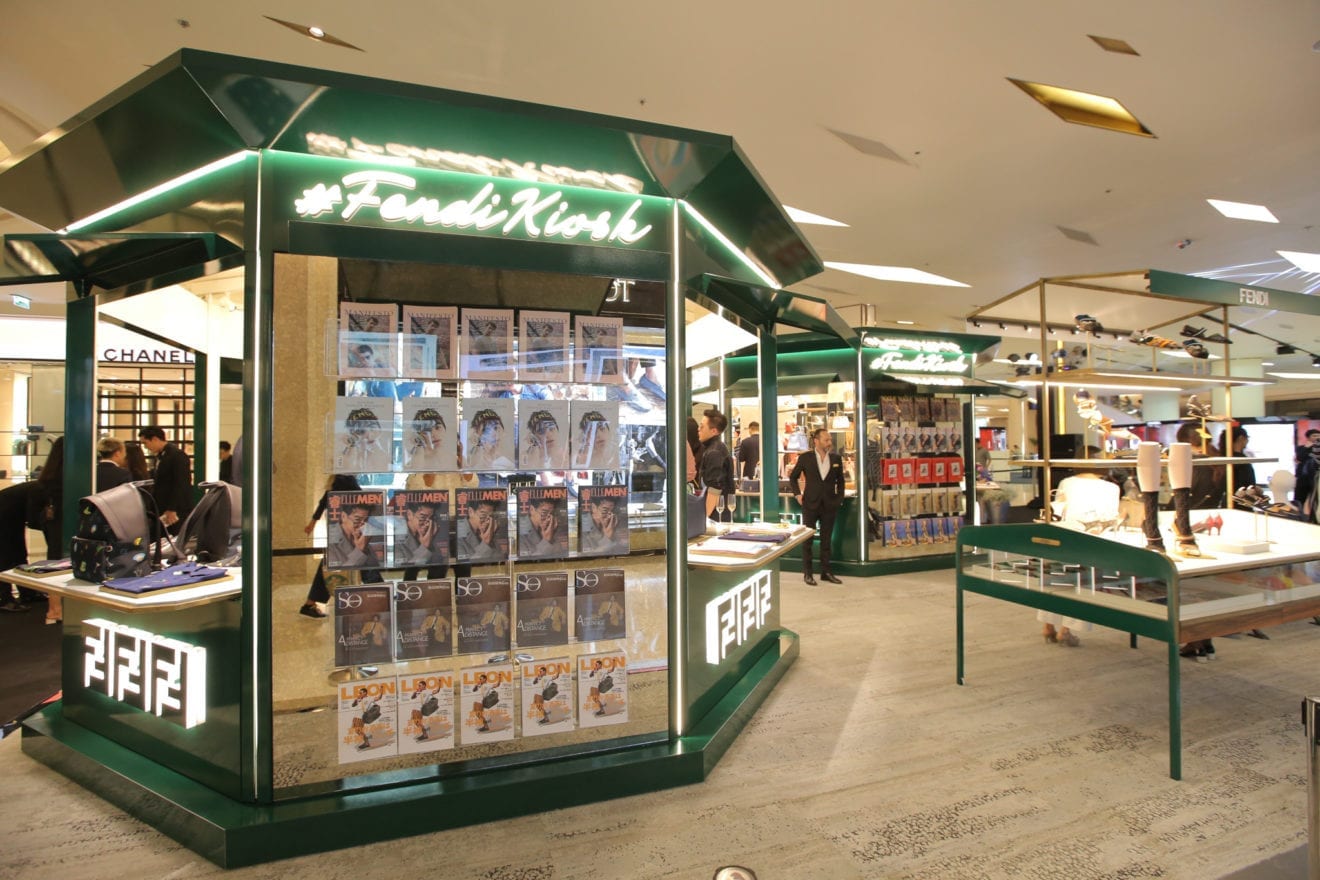
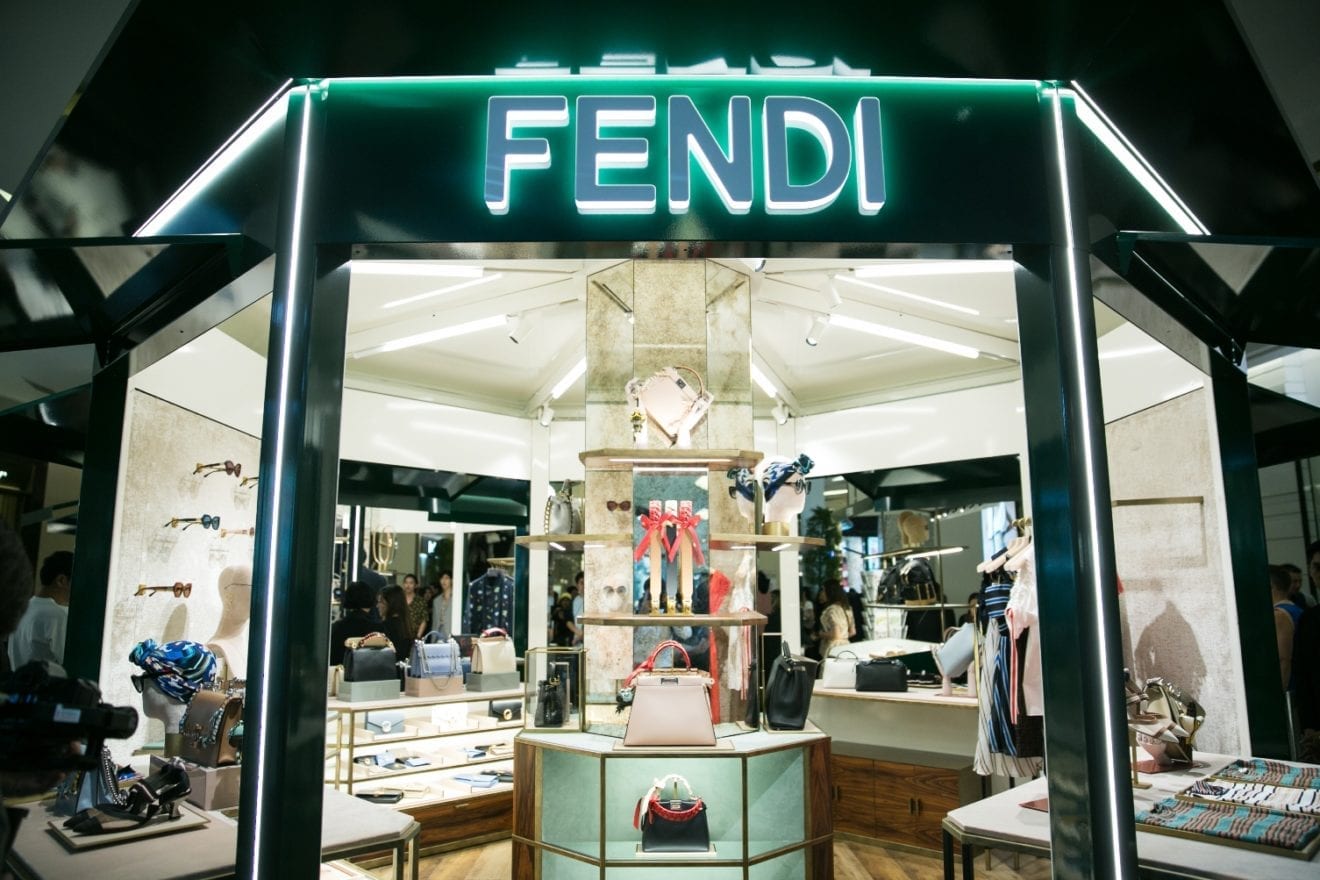
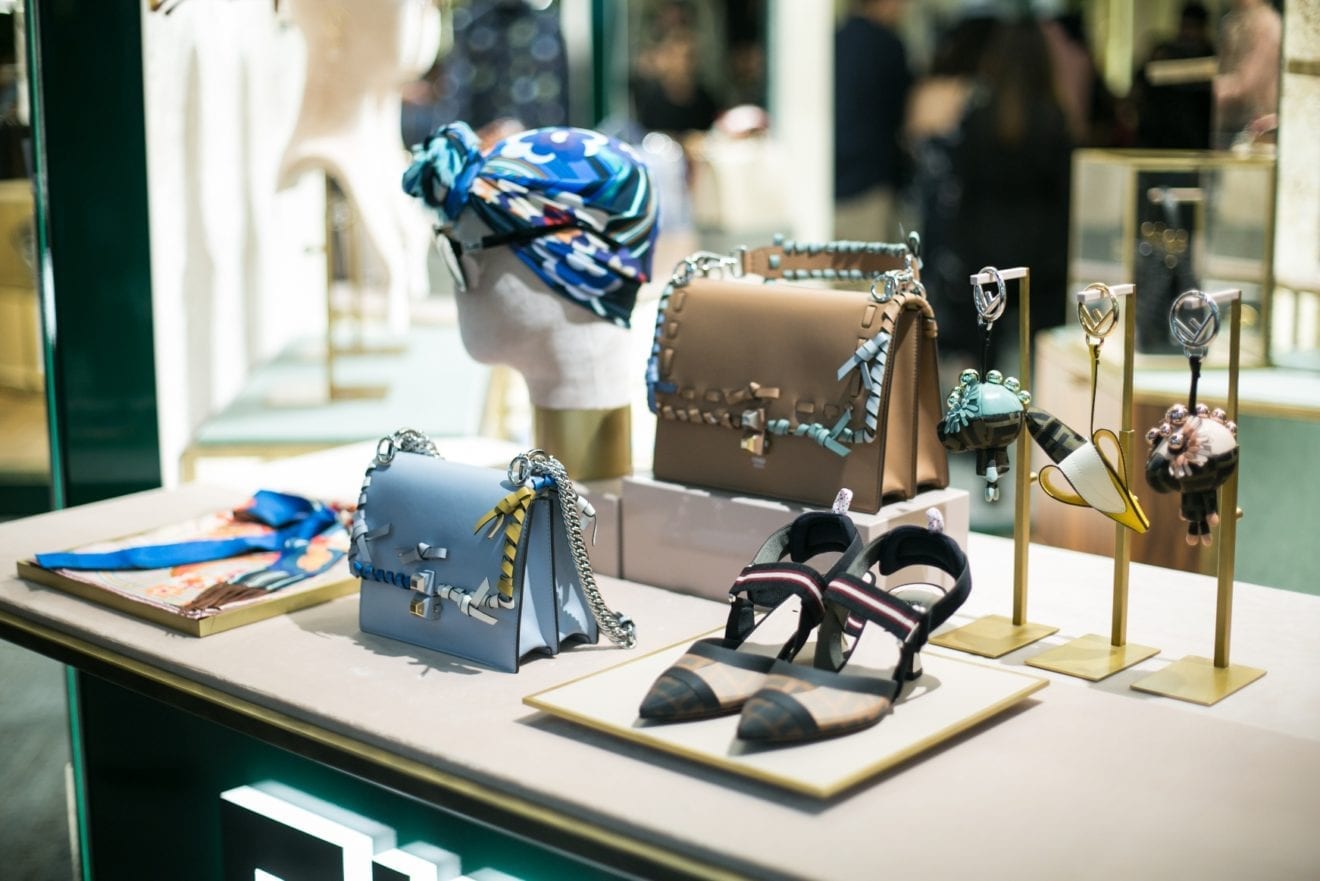
    FENDI opens a brand new store as pop-up store in Siam Paragon, right in the heart of the main shopping area in Thailand. The pop-up store concept, the FENDI KIOSK, is a luxurious reinterpretation of the Roman style vintage newsstands that you will find in a typical Piazza in the heart of Rome. There are two FENDI Kiosks at Siam Paragon, one dedicated to the Spring/Summer2018 Women’s show collection, and the other one is dedicated to the Spring/Summer 2018 Men’s show collection. Both FENDI Kiosks feature ready-to-wear, leathergoods, small leather goods, accessories and shoes.

    To celebrate the launch of the pop-up store, FENDI has thrown a roman inspired cocktail party on the 16th of March 2018. Special guests including Mai Davika, Note Panayangkool, Violette Wautier, Sonya Singha, Nattarat Nopparuttayaporn, Chontida Asavahame, Pasakorn Vanasirikul and Sorawis Saengvanich have joined in the celebration of the pop-up store.

    The two FENDI Kiosk travelling pop-up stores in the Atrium of Siam Paragon will feature the Women’s and Men’s Spring Summer 2018 Collection.

    The Women’s SS18 Collection focuses on the Tropical Futurism Theme, with the iconic FF Logos which can be seen throughout the collection, from Leather Goods, Small Leather Goods, Shoes and Accessories. The adorable Space Monkeys and Banana charms make an appearance at the Kiosk as well.

    The Men’s SS18 collection feature Everyday FENDI Items. These pieces feature illustrations done by British artist, Sue Tilley. From a glossy red corkscrew to an antique set of keys, leaky bathroom taps, a plastic rotary telephone, desk lamp, banana peel, Tilley’s focus zooms in on the banality of everyday life – not glorifying but simply reflecting on these universal domestic motifs with a vibrant, spontaneous hand.

    The FENDI Kiosk will be open until June 2018.