Author: Mei Ling Tan

  • Apple concedes new watch has connectivity glitch

    Apple concedes new watch has connectivity glitch

    Apple on Wednesday conceded its latest smartwatch unveiled a week ago has problems with its most important feature: the ability to make phone calls and access data without an iPhone nearby.

    Several prominent reviewers said Wednesday they could not recommend the device because of a wifi glitch that causes cellular connectivity problems.

    The Watch Series 3 starts at $399 and was launched alongside new iPhone models. Unlike previous versions of the watch, it has cellular network connectivity built in.

    Apple said the watch can experience LTE connectivity problems when it connects to open wi-fi networks such as at a hotel or a coffee shop.

    The company is “investigating a fix for a future software release,” Apple spokeswoman Amy Bessette told.

    Many reviewers praised the new features and gave generally positive assessments.

    But other prominent publications, including the Wall Street Journal and The Verge, recommended against purchasing the new model because the LTE cellular data connectivity did not work as expected.

    The mixed reviews weighed on Apple shares, which closed down about 1.7 percent at $156.07.

    Apart from connection issues, some reviewers were disappointed with the drain on the watch’s battery while making calls. Apple had touted up to 18 hours of battery life but said the watch would get only one hour on a cellular phone call. Gene Munster, a longtime Apple analyst with Loup Ventures, doubted issues with the Series 3 Watch would hurt Apple’s bottom line. “That review takeaway is a negative but is not a surprise. This is the first generation watch with LTE,” he told.

    Bob O’Donnell, an analyst with Techanlysis Research, said the watch reviews, paired with reviews of the iPhone 8 that were generally positive but described the phone as an incremental improvement on its predecessor, put more pressure on the iPhone X to garner good press before its Nov. 3 launch.

    Apple also experienced hiccups with iOS 11, the new operating system the firm released Tuesday.

    For business users, iOS 11’s Mail application had problems sending mail for Microsoft Exchange and Outlook.com mail accounts.

  • With new operating system, Apple revamps its money-making App Store

    With new operating system, Apple revamps its money-making App Store

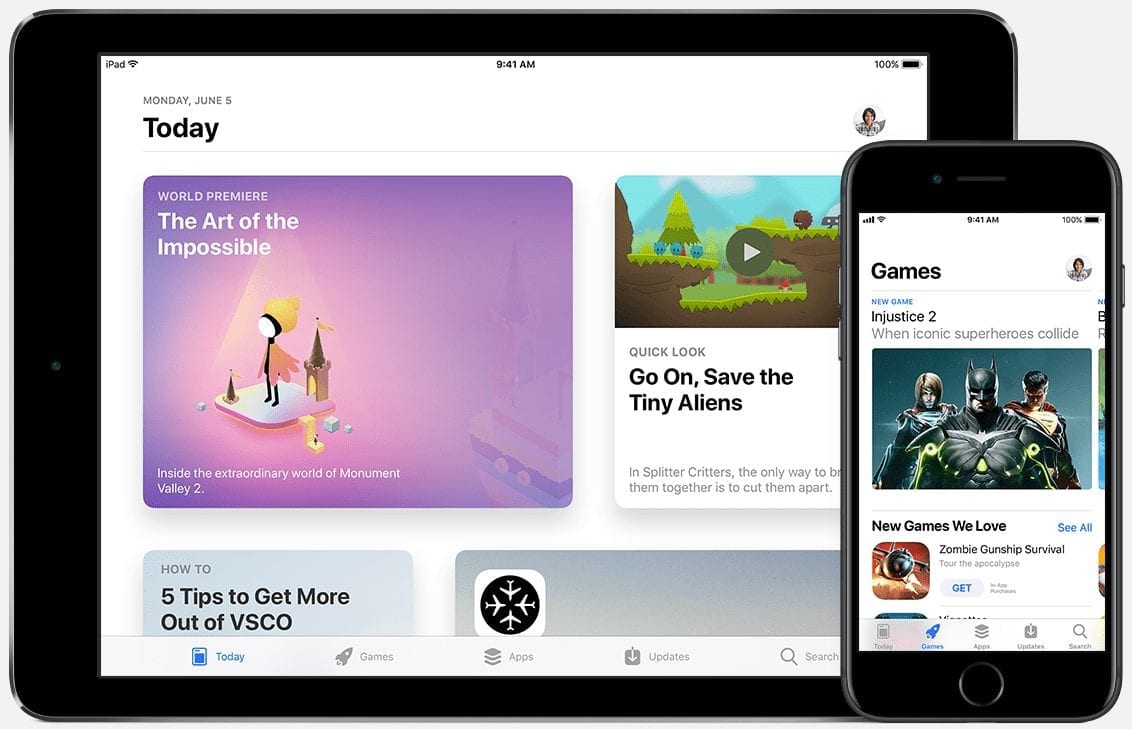
    The App Store brought in $21.5 billion in revenue in the past nine months. Apple Inc’s newest operating system for iPhones and iPads introduces changes to its marketplace for third-party software to satisfy app developers and add new so-called augmented reality apps.

    The system, called iOS 11, is being released on Tuesday ahead of its two newest phone handsets, the iPhone 8 and iPhone X, set to start shipping to customers on Friday and Nov. 3, respectively.

    The most visible changes will come to App Store. The App Store is the backbone of Apple’s services segment, which brought in $21.5 billion in revenue in the past nine months, a 19 percent increase over the previous year and a bright spot as overall sales grew only 5 percent.

    The store has been redesigned to give app developers more space for images and text to describe their software. Developers have long grumbled that their software is hard to find in Apple’s store unless users type in the precise name of the app or follow a link to it.

    “The redesign make it much cleaner and speaks to the pain point of the store: You had so many apps that if you didn’t know exactly what you were looking for, it was really hard to find anything,” said Carolina Milanesi, an analyst with Creative Strategies.

    The new store also gives prominent display to games. Games are expected to make up 75 percent of all revenue for Apple’s App Store, according to App Annie, which collects and analyzes market data on mobile apps.

    Most of that revenue comes in the form of so-called in-app purchases, where gamers make purchases of tokens, gems and other digital items to unlock new parts of the game. “It’s really the gift that keep on giving from the developer perspective,” Milanesi said.

    But perhaps the biggest change in iOS 11 will the debut of augmented reality apps, or AR, in which digital images float over the real word. Apple has made much of those a capabilities , but an ostensibly minor feature may help AR apps spread: Screen recording.

    In testing, Adam Debreczeni, maker of an app that lets users see a three-dimensional map of a fitness activity like a bicycle ride or run they’ve gone on, was surprised at how enthusiastically users took to sharing screen recordings of AR apps like his.

    “I think that’s going to help AR games go viral and get better distribution,” he said.

  • How fast fashion is emerging at pace in Vietnam

    How fast fashion is emerging at pace in Vietnam

    Vietnam is one of the fastest developing countries in the world with a huge population, and the number of middle and high income shoppers and consumers is steadily increasing.

    As a result, international brands such as Zara, H&M and Uniqlo have spotted a great opportunity for them to roll out new concepts and increase sales. Today, this is happening in a lot of industries, and fashion is one of them.

    Vietnamese people (especially women) take a lot of pride in their appearance, and with a growing middle class, more consumers have the cash to pay more for quality international brands and up-to-date products.

    Of course, price remains the most important factor when it comes to making a purchasing decision for most people in Vietnam, but fashion products also convey image and status which are very important in Vietnamese culture.

    The millennials (aged 15-35 years old), accounting for a third of the population, are now the country’s driving force, and have higher standards of fashion and higher exposure to global trends via internet/social media and travel experiences.

    This young population is key to the development of international fashion brands since they have the desire to buy, the money to do so, and are already sold on these brands as most of them know them and sometimes buy their products from overseas.

    These factors offer a good perspective for the entrance and development of international fashion brands in Vietnam and a platform to acquire new customers.

    Can foreign fashion brands really change the way Vietnamese consumers shop?

    Vietnam is following the global trend of standardization. These brands want to offer the same customer experience everywhere in the world, so they have strict guidelines to meet customer demands and roll-out concepts that are proven to work in multiple countries.

    This potential roll-out in Vietnam is a real opportunity for Vietnamese people to gain access to these products, some of which they are already aware of.

    Vietnam is a country where local brands and local makers can offer more unique and individualized products, but what Vietnamese want today, especially the younger generation, is to have international brands that offer modernity and a feeling of being part of the wider world.

    These brands may be offering mass market products, but that’s what young shoppers are aspiring to, and new store openings will likely drive increased traffic to the numerous shopping malls that have popped up in key cities.

    At a basic level, they will raise the shopping experience in Vietnam by offering a comfortable, spacious and premium shopping area with a clean store lay-out and iconic shopping bags to make the shopping experience easier and more interesting. Expect trendy music and cool staff to greet shoppers when they enter the store.

    Beyond this, another advancement we can expect from international brands is the adoption of technology to enhance the shopping experience.

    Fashion, as an industry, is continually evolving and fashion retailers must constantly innnovate to stay relevant. These brands have the financial backing and experience to roll out new technologies quickly, which will reshape the way Vietnamese shop for fashion. Expect to see iPads in the hands of staff helping customers to track down what they want, and even customers doing it for themselves at pop-up kiosks.

    Social media interaction, fashion competitions and mobile app membership could all be used by international retailers to drive interest in their stores. We can also expect their e-commerce websites to start offering a link between bricks and mortar and online. This will help reach a wider customer base (nationwide) when it’s hard to find spacious and affordable locations in Vietnam.

    Consumer expectations of foreign brands

    The fashion market is very scattered in Vietnam. Branded products account for a very small part of the total fashion/clothes market and are mainly targeted at the upper class.

    Currently most of the population buy either unbranded products made by local tailors, products from local fashion brands, or imported products from Thailand or even China. When international brands enter Vietnam, it is unlikely that they will be adopted by the major part of the population.

    Even if disposable incomes ares increasing, the low and middle classes are not ready to change their purchasing behavior to buy much more expensive products all the time.

    While these international fashion brands can be considered mainstream by global standards, they will probably be more considered “affordable premium” or even “premium” by most Vietnamese shoppers.

    If these brands want to make a real mark on the market, they must make themselves affordable to most of the population. However, if they do this they risk losing their main target consumers. As such it will be difficult for them to find the right positioning.

    There are some major mistakes these brands will have to avoid in Vietnam.

    The first mistake would be charging more for the same products than in other countries. Vietnamese consumers are connected/informed and will buy from overseas if the price in Vietnam is higher. We have already seen affordable brands become luxury brands when they entered Vietnam.

    The second mistake they have to avoid is to believe that Vietnam is a country where they can sell their collections from previous years: Vietnamese are looking for the latest trends and do not want old stock from other countries. These international brands will provide a new alternative to young consumers and will probably have great success in the short term if the price is not too disconnected from what they currently pay for local brands. The only question is whether these brands will fully replace what people currently buy or if they will just be bought as a treat, as an add-on to the current purchases of a specific demograph only.

    To sum-up, they should be affordable enough not just to attract a very small part of the population, not too cheap to stay aspirational, showcase the latest collections, offer an “international” look and feel, and take into consideration local tastes and sizes.

  • Indonesia overtakes Thailand to become Vietnam’s top car supplier in August

    Indonesia overtakes Thailand to become Vietnam’s top car supplier in August

    Tariff cuts under a regional trade deal are making cars from Southeast Asia more affordable in Vietnam. Indonesia dethroned Thailand to dominate Vietnam’s car market in August, with Toyota and Ford among the most popular brands, according to Vietnam Customs.

    Nearly 3,000 made-in-Indonesia cars flooded into Vietnam in August, compared to 438 units during the same period last year, official data showed. Most of the vehicles had nine seats and below.

    Thailand was the runner-up, exporting 2,000 cars to Vietnam, followed by China with 800 units.

    The import tariff on cars from Thailand and Indonesia was cut to 30 percent from 40 percent at the start of this year, according to tax authorities. As a result, many imported cars are now 7 percent cheaper, ranging from $18,000-19,000.

    Vietnam’s car imports in August soared 13 percent from the previous month to about 7,800 units worth $190 million, customs data shows.

    However, Thailand still leads the way so far this year, followed by Indonesia and China.

    Vietnam imported at total of 65,485 cars in the first eight months, down 5 percent on-year. Over 60 percent of those came from Thailand and Indonesia.

    The surge in imports from Southeast Asian countries is expected to continue when the import tariff on cars is abolished at the start of 2018 under the ASEAN Trade in Goods Agreement.

  • Tesla working with AMD to develop chip for self-driving car

    Tesla working with AMD to develop chip for self-driving car

    Electric carmaker Tesla is working with Advanced Micro Devices to develop its own artificial intelligence chip for self-driving cars, citing a source familiar with the matter.

    AMD spin-off GlobalFoundries Inc Chief Executive Sanjay Jha said his company is working directly with Tesla. GlobalFoundries, which fabricates chips, has a wafer supply agreement in place with AMD.

    Tesla isn’t completely going it alone in chip development, according to the source, and will build on top of AMD intellectual property.

    More than 50 people are working on the project under Jim Keller, a longtime chip architect and the head of Autopilot hardware and software of Tesla, according to the report.

    AMD shares were up 2.2 percent in extended trading.

    Tesla, AMD, and GlobalFoundries did not immediately respond to requests for comment.

  • The Glen to unveil new fresh food market hall

    The Glen to unveil new fresh food market hall

    Melbourne shopping centre, The Glen, will next month unveil its new fresh food market hall, representing the first stage of its $460 million redevelopment.

    Anchored by a new Aldi, the latest format Woolworths, and a Coles supermarket, the shopping centre’s new fresh food market hall will offer fresh produce and hard-to-find specialty ingredients in one location.

    The new fresh food market hall will also feature over 60 boutique food retailers and specialty stores.

    “Taking inspiration from our diverse local community and leading food destinations around the world, we are excited to introduce new and loyal customers to our market hall experience,” said Richard Devlin, centre manager.

    Some of the new retailers to open their doors include Colonial Fresh Market, The Butcher Club, Selene’s Chocolate Bar, Go Vita and Nutshack.

    “With produce, cheese, deli, wine and liquor traders on-hands seven days a week, The Glen’s fresh food market hall will offer local customers quality food experiences and freshness on one convenient level,” Devlin said.

    The food hall will also include existing local retailers The Glen Asian Grocery, Sea Harbour, Fish Pier, Divine Poultry, The Glen Butcher and Bakers Delight, which will all relocate to brand new stores in the lower ground location.

    The New Glen is expected to be completed by early 2020 and will be developed in stages over three years.

  • Heads of Ikea and Tesco to headline Shoptalk Europe

    Heads of Ikea and Tesco to headline Shoptalk Europe

    International retail leaders will be gathering in Denmark next month for Shoptalk Europe.

    They will be discussing such topics as e-commerce trends, supply-chain challenges and augmented reality.

    A range of retail leaders will be guest speakers including Alibaba GM for Europe Terry von Bibra, Amazon Prime head Mariangela Marseglia, Dollar Shave Club CEO/founder Michael Dubin, Estee Lauder executive chairman William Lauder, Farfetch chief strategy officer Stephanie Phair, Harrods MD Michael Ward, Ikea Switzerland CEO Simona Scarpaleggia, Tesco online MD Adrian Lettes and Westfield co-CEO Steven Lowy.

    At Copenhagen’s Bella Center from October 8 to 11, Shoptalk Europe offers more than 100 events including presentations, keynotes, roundtable discussions and networking opportunities. It has a line-up of 200 speakers and is expected to attract more than 2000 delegates.

    “By changing the conversation and building a new community focused on innovation, Shoptalk Europe presents a unique, large-scale opportunity for the retail and e-commerce ecosystem to learn, collaborate and drive the future of commerce in Europe,” says Shoptalk Europe founder/chairman Anil Aggarwal.

    The event is a spin-off from Shoptalk USA, which will next be held at the Venetian in Las Vegas from March 18 to 21.

    Tickets for Shoptalk Europe are available online.

  • Redbubble adds augmented reality to mobile app

    Redbubble adds augmented reality to mobile app

    Global online art marketplace, Redbubble, has this week released a new feature in its mobile app, which lets users see products in their own home before buying.

    The feature is powered by Apple’s augmented reality (AR) toolkit, which Ikea has also harnessed for its recently-released augmented reality app.

    Customers can now place virtual pillows on couches and chairs, view fabric texture up close, see how items interact with lighting and compare colours and size to surrounding objects.

    The feature is only available to those who have downloaded Redbubble’s app on an Apple mobile device running iOS 11.

    Redbubble plans to add AR support for three more objects before Christmas and will continue to add support for other categories where it makes sense.

    The marketplace currently offers 65 everyday objects, which customers can print over 11 million different designs onto. The range extends across apparel, stationery, homewares, bags, wall art and other categories.

    “At the moment, we are focused on home décor. We know it’s a product range that people want to see in their home [before buying]. It provides value,” Alex Lunnon, Redbubble’s product manager for mobile.

    “We may take AR to every category, but it won’t be overnight. We’re really trying to understand the problem space around specific categories first,” he said.

    For instance, customers could create and rearrange a gallery wall of various artworks using AR, or see how several different sticker designs look together on a laptop case.

    Redbubble wants to be Pinterest for e-commerce

    It took just a few weeks for Redbubble’s mobile development team to build the tool, according to Lunnon.

    “The framework itself is provided by Apple, so they take care of the complexity of understanding flat surfaces and the actual scale, so we can place a pillow in a way that reflects its actual size in real life,” he said.

    Redbubble needed to create a 3D model of the pillow and overlays that show texture, light and shadows and other details to make the object appear as it does in real life.

    The company has a team of 60 developers who are primarily based in Melbourne. Eight people are dedicated specifically to the company’s mobile app, which launched globally in May of this year.

    The app has had almost one million downloads so far.

    Lunnon said AR supports the app’s purpose to be more of a browsing and discovery tool, rather than a transactional one.

    “What we’re trying to create with the Redbubble app is an experience similar to Pinterest for self-express and exploration,” he said.

    Redbubble listed on the ASX in May 2016. It has offices in the US and Germany, and last year launched German, French and Spanish language versions of its website.

  • Max’s Group moves east and north

    Max’s Group moves east and north

    Casual-dining giant Max’s Group Incorporated (MGI) has broken into the Middle East and also broadened its presence in Canada.

    Its casual-dining restaurant brand Sizzlin’ Steak has gained a foothold in the UAE through a partnership deal with Kasamar Holdings. The aim is to build seven Sizzlin’ Steak outlets in the UAE over the next five years.

    “We are seeing the emergence of Sizzlin’ Steak as a global mainstream brand,” says MGI president/CEO Robert Trota.

    It is the fourth development contract signed by MGI for the year, adding to a pipeline of more than 130 stores for the coming years.

    Kasamar is a family enterprise based in Abu Dhabi with diversified interests in retail. It is planning to assemble a portfolio of food brands for the region.

    Director Mo Bississo says the group hopes to launch the first Sizzlin’ Steak by early next year to be followed by an accelerated rollout long term.

    MGI has 655 stores, including 55 franchised outlets, abroad including parts of Asia.

    Meanwhile, it has advised the Philippine Stock Exchange that with its partner Alibin Group it will establish the first Max’s Restaurant in Winnipeg before next year.

    MGI has four Max’s Restaurant branches in Canada, in Vancouver, Toronto, Scarborough and Edmonton. Alibin is a Winnipeg-based private firm with experience that embraces retail and food services.

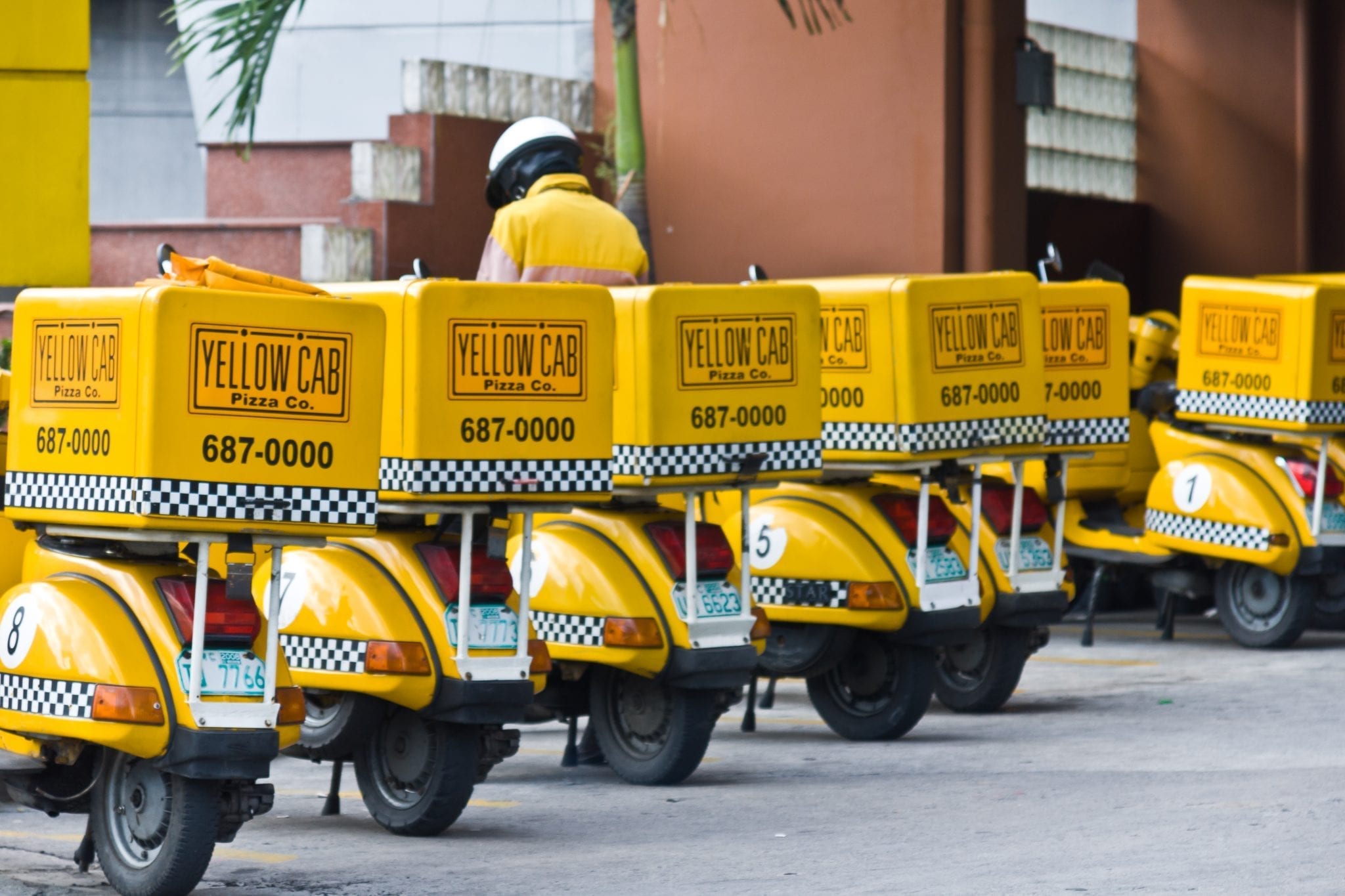
    MGI’s other brands include Dencio’s, Krispy Kreme, Le Coeur de France, Maple, Meranti, Pancake House, Teriyaki Boy and Yellow Cab Pizza.

  • AmorePacific is revamping products for SE Asia

    AmorePacific is revamping products for SE Asia

    South Korean cosmetics maker AmorePacific is revamping products to suit Muslim and darker-skinned women in Southeast Asia.

    It is pushing harder into Indonesia, Malaysia, Singapore, Thailand and Vietnam with a line-up that takes into account skin tones, the region’s humidity and the need for Muslim women to wash their faces five times a day before prayers. The Seoul-based company last year generated about 90 per cent of its revenue in South Korea and China, where many women are fairer-skinned and the weather more variable, reports The National in the UAE.

    “The diversity of Southeast Asia was a challenge,” says AmorePacific’s Southeast Asia head Robin Na.

    Southeast Asia generated just 150 billion won (US$132.9 million) in sales for AmorePacific last year, or less than 3 per cent of its total. The company aims to triple that, given the region’s cosmetics and skincare market is expected to reach $9.6 billion in sales by 2020, according to Euromonitor.

    The move is spurred in part by tensions with China over South Korea’s hosting of the US Thaad missile system, which led to Chinese travel agencies stopping sales of tour packages to South Korea.

    “The political conflict between China and South Korea is posing a serious threat to the business of South Korean beauty exporters,” says Euromonitor research analyst Sunny Um in Singapore.

    Five brands

    AmorePacific’s share of the Asia-Pacific cosmetics market doubled to 6 per cent between 2011 and 2016, overtaking Estee Lauder, Euromonitor figures show. It is now focusing its efforts in Southeast Asia primarily through five brands: Etude House, Innisfree, Laneige, Mamonde and Sulwhasoo. AmorePacific has about 250 directly managed stores in the region and plans to open another 150, says Na.

    The company opened a research centre in Singapore this year and is investing 110 billion won in a production unit in Johor, scheduled to open in 2020.

    By 2019, the annual global spending by Muslim consumers will reach $73 billion, according to the Singapore-based Institute of Asian Consumer Insight. More than 60 per cent of the world’s Muslims live in Asia.

    L’Oreal is also tapping into the Muslim cosmetics market with a halal-certified factory in Indonesia.

    As well as using focus groups, AmorePacific representatives have also visited the homes of Muslim customers, mostly in Kuala Lumpur, to better understand their makeup and skincare management routines. The customers were enlisted by market-research firms such as Nielsen.

  • Hooters Hong Kong fronts up with rent

    Hooters Hong Kong fronts up with rent

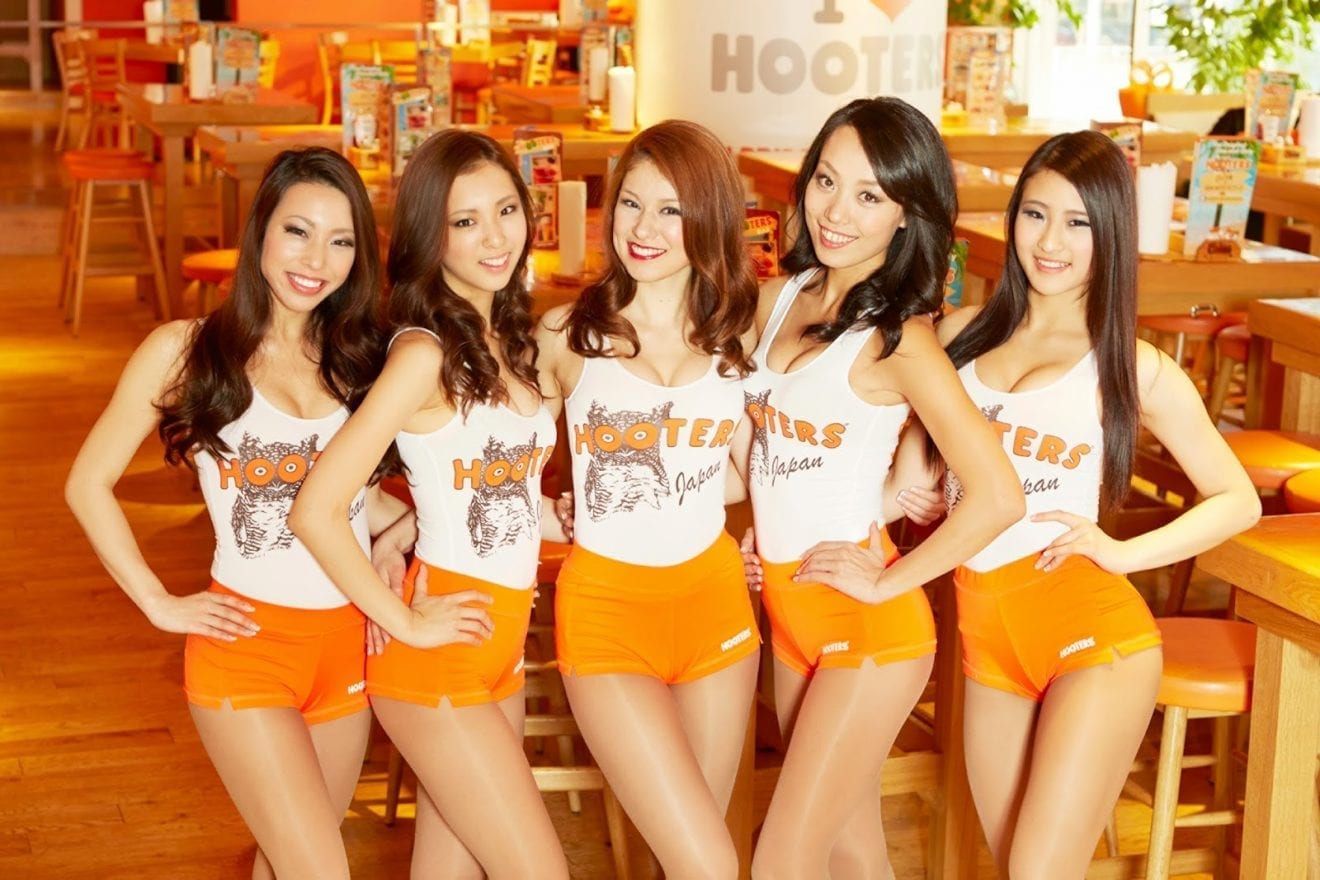
    Paying off its HK$1 million (US$128,000) rent arrears, Hooters restaurant has staved off legal action and eviction from its Lan Kwai Fong premises.

    Hooters Asia president Daniel Yong says he paid off the debt, amounting to about three months’ rent, the day before the court deadline after lawyers issued a writ on behalf of the landlord, property company Dor Fook Company.

    Yong flew from his home in Singapore to reassure staff members that the restaurant was going to stay open, and says he still plans four more Hooters venues for Hong Kong.

    He says the problems stemmed from past management, with the business “in a bit of a mess” when he took over two months ago.

  • Amazon reviews site over bomb-making tips

    Amazon reviews site over bomb-making tips

    Amazon.com says it’s reviewing its website after an investigation found that it could help users buy the ingredients to make a bomb using its “Frequently bought together” and “Customers who bought this also bought” features.

    Britain’s Channel 4 News found the online retailer’s algorithm was suggesting items that could be bought together to produce explosives on Monday, days after an apparently home-made bomb was detonated on the London Underground network.

    The ingredients, which are legal to purchase, were included in a “Frequently bought together” section in the listings for chemicals, the broadcaster said.

    Other materials that could be used in bomb making, such as ball bearings, ignition systems and remote detonators, were available on the site, and some of them were suggested on the same page as the chemicals in the “Customers who bought this item also bought” section, Channel 4 said.

    “All products sold on Amazon must adhere to our selling guidelines and we only sell products that comply with UK laws,” the company said in a statement on Wednesday.

    “In light of recent events, we are reviewing our website to ensure that all these products are presented in an appropriate manner.”

    The company said it would also continue to work closely with police and law enforcement agencies when circumstances arise where we can assist their investigations.

    The explosion of what appeared to be a home-made bomb on a London Underground train on Friday injured 30 people.

    Pictures on social media after the attack showed what appeared to be a device contained in a white plastic bucket. It engulfed the railway carriage in flames, although it appeared that it did not fully explode.

  • Zara’s parent records strong first half

    Zara’s parent records strong first half

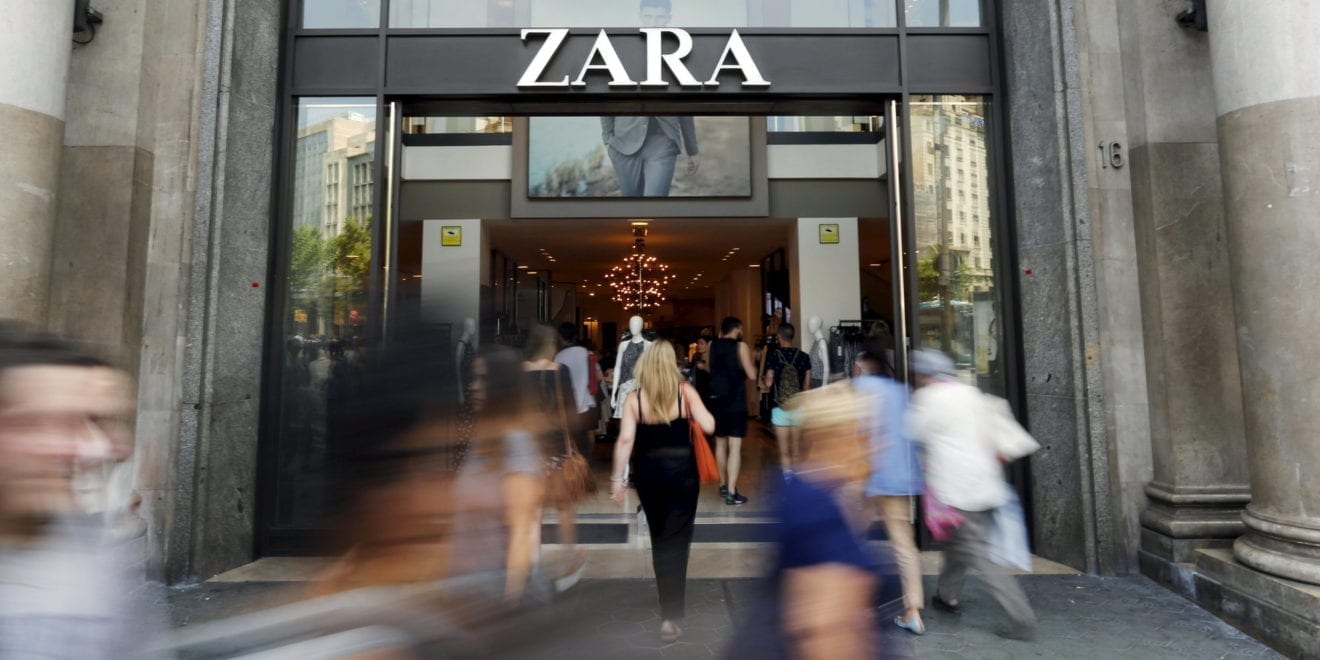
    Zara’s parent company Inditex Group has seen its first half revenue rise 11.5 per cent, underpinned by growth across all markets and brands.

    First-half net profit amounted to €1.37 billion, seeing year-on-year growth of 9 per cent, while like-for-like sales growth was 6 per cent.

    Inditex´s chairman and CEO, Pablo Isla, said the result underlined the “strength and sustainability of the company´s integrated offline-online store model, which year after year continues to demonstrate its ability to deliver growth”.

    All of the Group´s brands including Pull&Bear and Massimo Dutti, expanded their international footprints, adding stores in 35 countries to take the global store count to 7,405, 113 more than at the start of the year.

    Inditex’s capital expenditure for the year was estimated at €1.5 billion, following its opening, refurbishing and renovating of stores as well as upgrading and modernising its facilities and logistics platforms.

    The Zara store in Marineda in A Coruña (Spain) saw the introduction of a prototype where an automated order delivery point allows shoppers to pick up orders placed online.

    The prototype is articulated around an optical barcode reader which scans the QR code or accepts the PIN codes received by customers when they place orders online.

    In a few seconds, the system delivers the order to a mailbox platform. Behind the platform, a dynamic robot moves through a shaft 8m tall by 2.5m wide with capacity to handle 700 packages simultaneously as seen here.

    Inditex said sales in local currencies in stores and online grew 12 per cent for the start of its second half.

  • Restaurant Brands quarterly sales up 41 per cent

    Restaurant Brands quarterly sales up 41 per cent

    Restaurant Brands New Zealand lifted second-quarter sales by 41 per cent after the fast-food operator expanded its footprint through Australia and Hawaii.

    Sales increased to $224.9 million in the 16 weeks ended September 11, from $159.5m in the equivalent period a year earlier, it said on Thursday.

    New Zealand sales rose 5.3 per cent to $130.6m, while Australian sales jumped 19 per cent to $42.2m and its Hawaiian operations added $52.1m. On a same-store basis, sales rose 6.7 per cent.

    New Zealand’s largest fast-food operator is expanding into new overseas markets to drive future earnings growth. In April 2016 it expanded into KFC in Australia and in March 2017 bought the largest fast-food operator in Hawaii.

    Chief executive Russel Creedy told shareholders at the annual meeting in June that the company was now “truly international” and expected sales this financial year to exceed $700m, up from $497.2m last year. Today’s release showed sales in the first half of the year were up 51 per cent to $386.1m.

    In New Zealand, the company’s 92 KFC stores lifted sales 8 per cent in the second quarter to $99.4m. Its 34 Pizza Hut stores increased sales 2.9 per cent to $13.2m.

    Sales at its 23 Starbucks Coffee stores dipped 6.4 per cent $7.3m and sales at 19 Carl’s Jr outlets fell 6.1 percent to $10.7m.

    In Australia, the company’s 47 KFC stores contributed $A39.2m ($NZ42.8 m) in sales during the second quarter, up 16 per cent from the year-earlier.

    Its Hawaiian-based operations include 37 Taco Bell and 45 Pizza Hut stores in Hawaii, Guam and Saipan acquired on March 7, 2017, which contributed $US38.1m ($NZ51.9 m) in the second quarter.

    The company’s shares advanced 0.5 per cent to $6.37.

  • Revenue drop for Esprit Holdings

    Revenue drop for Esprit Holdings

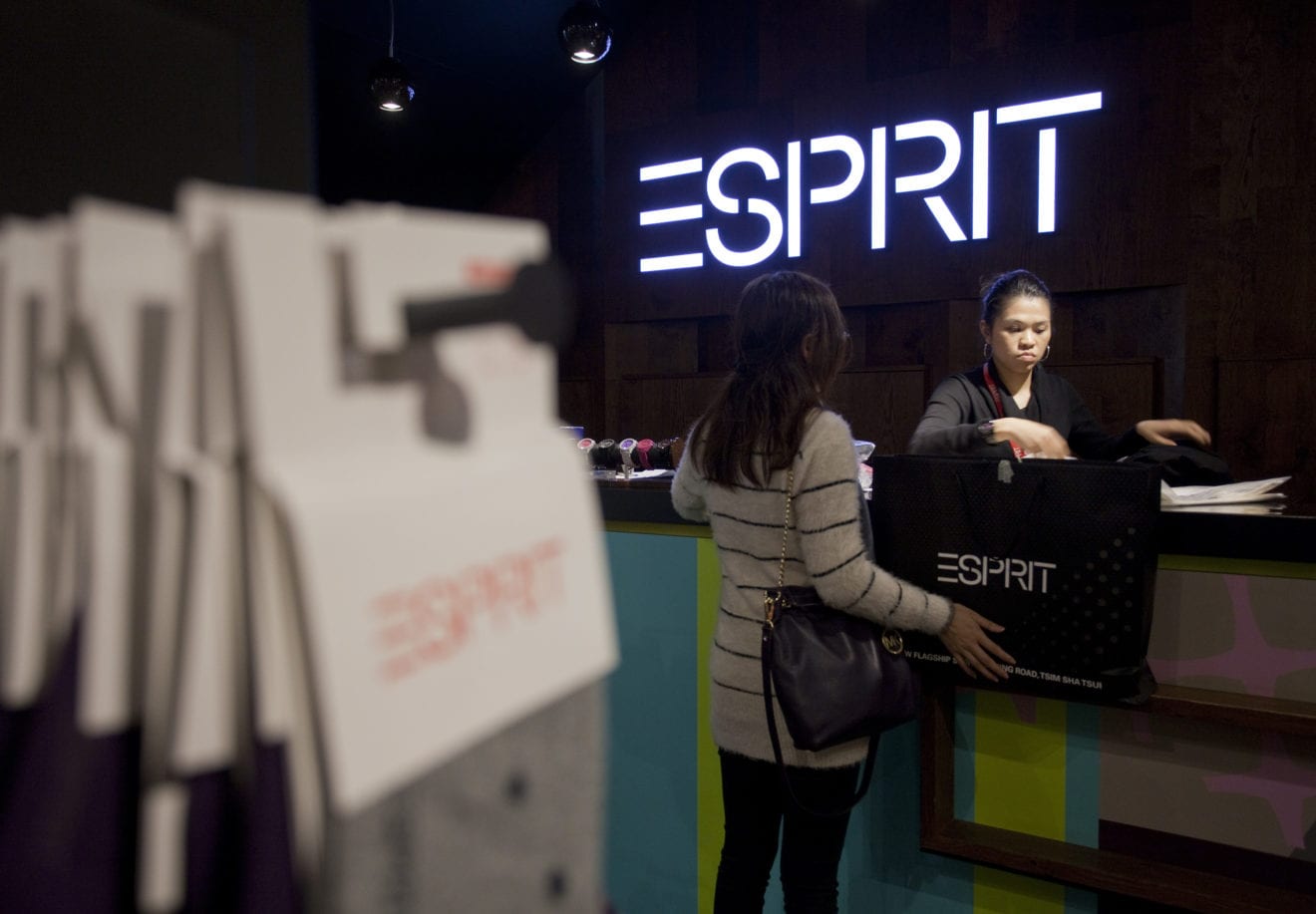
    Asia Pacific revenue fell 17.5 per cent year on year for Esprit Holdings for its fiscal year to the end of June, offset by a 43 per cent e-commerce boost.

    The drop was 18.8 per cent in the first half, easing to 16 per cent.

    Esprit says it faces “certain difficulties” in APAC that differ from its challenges in Europe.

    Firstly, in China, its largest market, retail space is concentrated both in POS in department stores that are attracting less traffic, and in off-price outlets that are usually brand dilutive.

    “To this end, we are implementing an aggressive restructuring of our network in China, and have made good progress,” says the company, which closed 29.7 per cent of controlled space (retail and wholesale combined) during the year. “Moreover, a new concept has been developed to adapt to the small spaces in these POS.”

    With specific product requirements in APAC, the company is complementing its global collections with a dedicated product line for the region.

    Esprit says the reduction in sales area is in line with its plan to accelerate a restructuring of the store network. With APAC lease terms fortunately generally short, the leases of most of the heavy loss-making stores will expire in the next two financial years.

    Meanwhile, e-shop APAC reached HK$221 million (US$28 million) revenue for the year, an increase of 43.1 per cent. This was fuelled by actions such as the integration of the Esprit Friends loyalty program into the e-shop, the strengthening of its business with Tmall, the expansion of its online presence in China through such platforms such as WeChat and Weibo, and collaborations with celebrities and key opinion leaders through social media.