Author: Mei Ling Tan

  • Consumers skeptical of iPhone X face recognition

    Consumers skeptical of iPhone X face recognition

    A new survey indicates that one of the defining functions of Apple’s new flagship iPhone X – the face recognition functionality – could struggle to gain traction with consumers.

    Juniper Research polled iOS users in the US, and found that over 40% consider themselves unlikely to use facial recognition as a payment security technology.

    Consumers in the US and UK instead showed a clear preference for fingerprint authentication and voice recognition as alternative biometric security methods, with 74% and 62% respectively indicating they are likely to use these technologies.

    The research also shows that the number of contactless payment users grew by only 2% year-on-year in the US, compared to 12% in the UK.

    Existing users of OEM contactless payment services (such as Apple, Samsung and Android Pay) expect to increase their usage, but only 39% of non-users in the US and 26% in the UK expect to start using mobile contactless payments.

    Major obstacles to adoption include ongoing security concerns, according to research author James Moar. Two thirds of non-users (32%) have concerns about the security of transactions, compared to just 14% of users. A similar proportion of mobile banking non-users compared to users have security concerns inhibiting adoption. But security concerns are overall starting to ease.

    “Transaction security is a key barrier for mobile financial services adoption,” Moar said. “Addressing these concerns will bring many consumers to the point where they will consider using such services.”

  • Due diligence: The key to long term success in business within Asia-Iran shipping industry

    Due diligence: The key to long term success in business within Asia-Iran shipping industry

    The Iran nuclear deal which took effect January 2016, known officially as the Joint Comprehensive Plan of Action (JCPoA), was implemented after United Nations inspectors said that Iran had dismantled a large portion of its nuclear programme.  The Iranian economy has grown because of these easing of sanctions and Iran remains one of the last great untapped emerging markets.  Now that Iran can return to the oil market, the government hopes to rebuild the country’s energy industry and capture an increased share of the global market by shipping an estimated 300,000 barrels per day.  For all parties involved, the continued criminal activity of a few risk sullying the image of an industry working hard to remain transparent and prosperous.

    Since the easing of the United Nations’ sanctions on Iran in January 2016, Iran has been making significant efforts to increase trading and business with the rest of the world.  Especially within Asia, there remains significant economic potential for growth in pursuing business opportunities with linkages with Iran.  Asia is the biggest importer of Iran’s crude oil with the top four countries of China, India, South Korea and Japan, totalling a combined average of 1.60 million barrels per day.  Since the sanctions ended, the Iranian government has tried to in­crease production rapidly to reclaim Iran’s market share, especially in Asian markets.  Iran’s shipping industry is one of the main areas which will benefit from the easing of sanctions, as many global companies are increasing their foreign interest and investment in shipping companies and ports within this trade route.  However, despite optimism of a corruption-free future within the industry, criminals are still engaging in illicit shipping practices which risk undermining the progress in the industry made to date.

    While not an everyday occurrence, as recently as March 2017, Iran was shipping weapons and equipment to Yemen’s Houthi rebels.  The Houthi rebels are engaged in a civil war with the Yemeni government.  Iran was using cargo ships to deliver these supplies to Yemen either directly or via Somalia, bypassing Western efforts to intercept the shipments.  Once arrived at the Yemeni ports, the supplies were transferred from the cargo ships to small fishing boats to complete the final leg of the journey.  Policing and enforcement, even if local authorities attempted to interdict, is extremely difficult due to the sheer number of small fishing vessels in these waters.

    Reports also indicated that the Islamic Revolutionary Guards Corps (IRGC), under the Iranian military, set up shell companies to facilitate the illegal shipment of weapons and illicit goods.  In addition to weapons, the IRGC is suspected of illegally importing other high-profit items such as alcohol, cigarettes and satellite dishes. The IRGC also commandeered some of the commercial ports in Iran to maintain direct control of other illicit activities.

    Before the implementation of JCPoA in January 2016, for decades, Iran survived crippling economic sanctions and international isolation.  Iran found ways to circumvent and evade sanctions through a host of illegal business dealings, illicit shipping practices and contraband smuggling.  For example, Asian buyers of Iranian’s oil paid with their local currency, which avoided the transactions from being registered within the financial systems visible to the United Nations.  The funds were then used to buy capital and consumers goods in these Asian countries.

    In both instances, illegal modus operandi like forging shipping manifest and bills of lading, and other paperwork in the process, was used to obscure country of origins, and sometimes, destinations.  From 2013 to present, criminals continue to find ways to hack the Automatic Identification System (AIS) of shipping vessels to disguise their identities.  One of these hacked vessels even entered the water off of eastern Singapore.  The AIS, which is a system used to track maritime shipping around the world, remains vulnerable to cyber criminals involved in these same illicit dealings.  Despite sanctions being relaxed and the significant potential opportunities everyone can legally pursue, a few recalcitrant parties still engage in these shady practices for monetary gains or other political goals.

    Albeit fewer in number when compared to when before sanctions were relaxed, criminal actions of individuals, businesses and/or governments place the improvements in image and transparency made to date in the shipping industry at risk.  These criminals operating within the industry deter the crucial foreign investment as required at this time to expand and grow.  Executives leading the industry must implement more robust due diligence practices as part of “Know Your Client” (KYC) requirements in evaluating new, and existing, business partners.  It is the responsibility of the executives of companies working within this industry to proactively ensure their companies have implemented a framework for checks and balances to best root-out corruption and demonstrate compliance with international law.

    While a global problem, executives within shipping companies involved in the Asia-Iran trade routes must more aggressively focus on this problem due to the quickly evolving nature of this emerging market.  This will help ensure legitimate companies do not unknowingly become a pawn in shady business dealings by associating with criminal elements.  Robust due diligence measures, including investigations and audits, must include any new relationship and also incrementally be incorporated to evaluate existing client relationships.  Evaluating representative agents, vendors, suppliers and any international relationships will help reduce the risk of a company unknowingly being involved with a blacklisted or sanctioned foreign government official, state-owned enterprise, or otherwise illicit entity.

    The private sector must be the drivers of change to pursue a zero-tolerance, corruption-free working environment which is fully compliant with industry best practices and international law.  Working together, this will uplift the industry as a whole, increase efficiency in the process, attract global investment, and ultimately result in improved long-term profits for all who strive to root out the residual corruption remaining in the industry.

  • AirAsia to start offering Manila–Ho Chi Minh City flights in November

    AirAsia to start offering Manila–Ho Chi Minh City flights in November

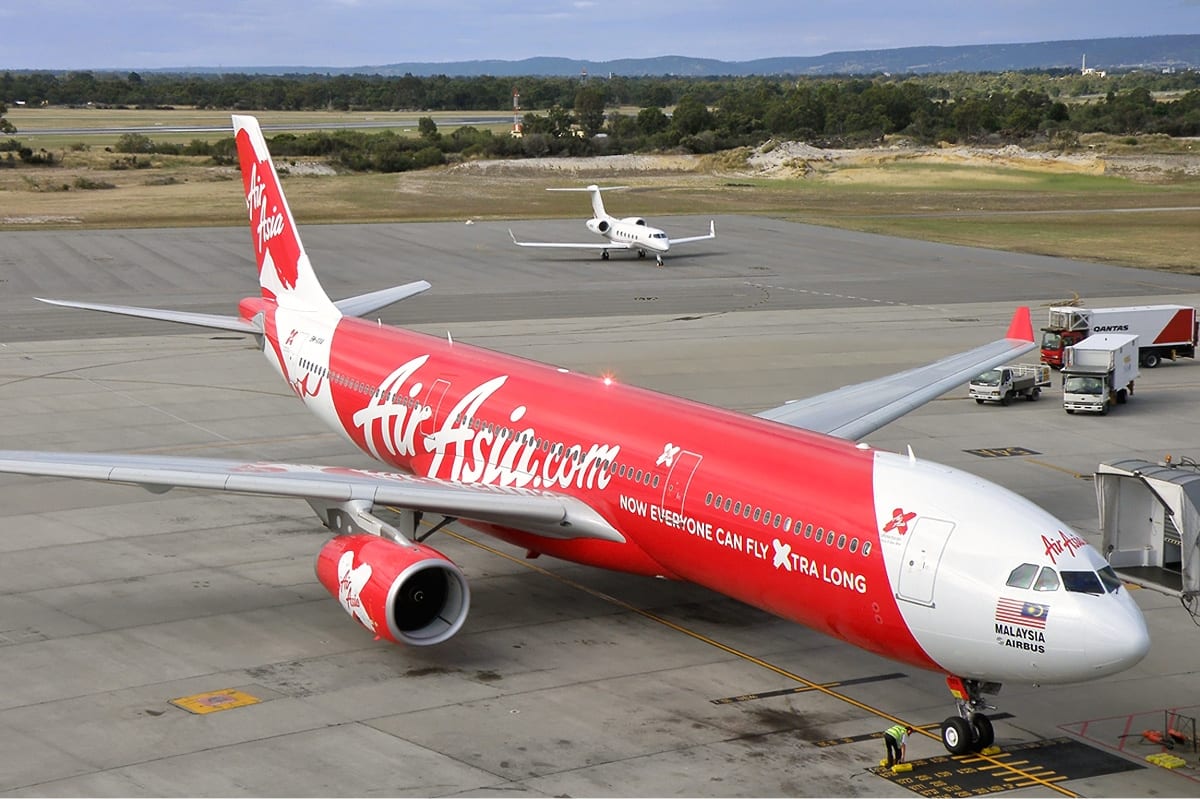
    Budget carrier AirAsia Philippines on Tuesday announced it will begin offering direct flights from Manila to Ho Chi Minh City, Vietnam in November.

    “We are thrilled to announce that we will start servicing direct flights from Manila to Ho Chi Minh in November as part of our commitment to continue bringing the Philippines closer to neighboring cities within the Asean region,” AirAsia Philippines CEO Dexter Comendador said in a statement.

    AirAsia is offering an introductory promo fare of P990 for the Manila-Ho Chi Minh route. The promo is available for booking from September 19 to October 18 on AirAsia’s website and mobile app.

    The promo fares are available for travel period from November 17, 2017 to November 21, 2018.

    AirAsia will fly three times a week from Manila to Ho Chi Minh, every Tuesday, Friday, and Sunday.

  • Inditex Group first-half revenue hits US$13 billion

    Inditex Group first-half revenue hits US$13 billion

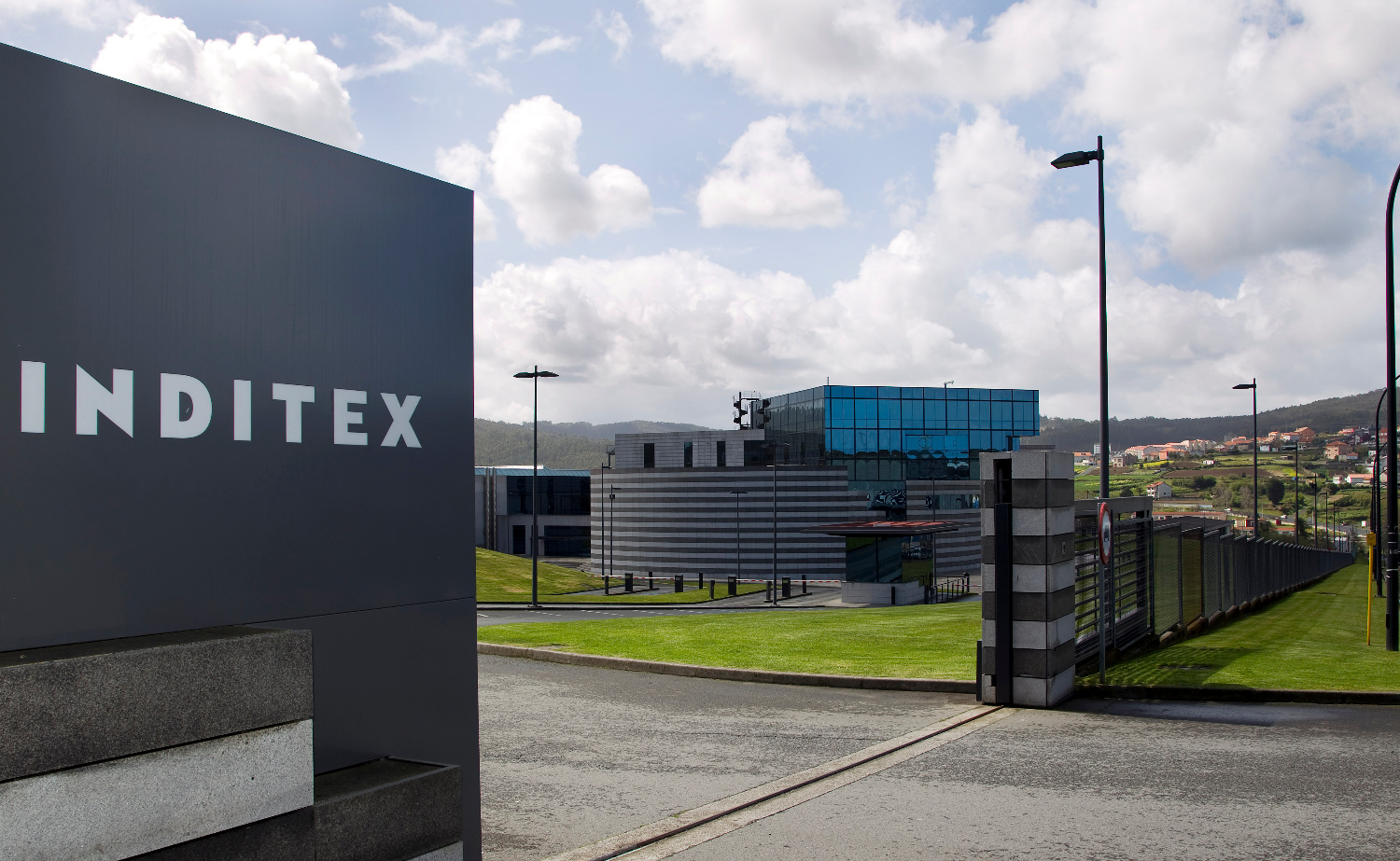
    Zara parent Inditex Group’s growth in sales and profit increased in the first half of this year as the Spanish company reaped the benefits of opening a new store nearly every day.

    First-half revenue rose by 11.5 per cent to €11.7 billion (US$13.8 billion) for the multinational fashion retailer.

    Like-for-like sales growth was 6 per cent, with positive figures across all geographies

    Net profit for the group was €1.37 billion, up 9 per cent.

    Inditex opened stores in 35 markets during the six months to reach a total of 7405 – 113 more than at the start of the year.

    Notably, Zara opened a flagship store in Mumbai during the second quarter with a sales floor of 4800sqm. For the inauguration of its first street-level store in India, Zara refurbished and restored the Ismail Building in Hutatma Chowk Square, in the heart of the city’s shopping and historic districts.

    Zara Home opened a flagship store on West Nanjing Road in Shanghai in May, and last month the Zara flagship store in Nagoya was renovated and expanded. It now covers 2300sqm over three floors and is known for its glass façade.

    Other landmark stores reopened this month, including Bershka’s biggest store in Japan, covering 690sqm over four floors in Tokyo’s Shibuya district. It offers the complete collections from its three lines: Bershka, BSK and Man.

    Rolling out its seamlessly integrated model, Inditex entered four markets in the first quarter of the year with its flagship Zara brand initially: Malaysia, Singapore, Thailand and Vietnam. An online store will launch in India on October 4.

    Meanwhile, lingerie brand Oysho inaugurated its online platform in South Korea, with Bershka also going live in Japan.

    The group has a presence now in 94 markets, 46 of which also have an online presence.

  • BYD chief expects all vehicles to be electric in China by 2030

    BYD chief expects all vehicles to be electric in China by 2030

    The head of Chinese automaker expects all vehicles in the country to be electric or hybrid by 2030, a more aggressive timeframe than even Europe, as Beijing pushes ahead on a longer-term plan to shift away from petrol-engine cars.

    Earlier this month, a senior Chinese official said the world’s largest auto market had begun studying when to ban the production and sale of cars using traditional fuels, without giving a timeframe from the shift.

    The United Kingdom and France have said they will ban new petrol and diesel cars from 2040.

    “We are very confident about all the timetables (to eliminate fossil fuel cars) and we think it will happen earlier than expected,” said Wang Chuanfu, chairman and president at Shenzhen-based carmaker BYD, which has invested heavily in battery electric and plug-in hybrid vehicles.

    “Various governments have announced timetables to end the sale of fossil fuel cars and this is putting pressure on everyone else,” Wang told reporters in Shenzhen on Thursday.

    China has set goals for electric and plug-in hybrid cars to make up at least a fifth of its auto sales by 2025 in a bid to combat air pollution and close a competitive gap between its newer domestic automakers and their global rivals.

    However, China is also phasing out subsidies for the electric-vehicle market that have supported makers of new-energy vehicles like BYD. BYD, which is backed by U.S. investor Warren Buffett, has seen its profits fall sharply this year.

    Wang added that 20 cities in China would begin building BYD sky rail transport systems next year, amid a push by the firm to diversify away from cars alone.

    BYD’s first sky rail project was launched in China’s northwestern city of Yinchuan at the beginning of this month.


  • Miffy the bunny to pop up at Kumoya Singapore

    Miffy the bunny to pop up at Kumoya Singapore

    Following its success with Sanrio character Cinnamoroll, Japanese-French cafe Kumoya Singapore is again transforming for a pop-up collaboration, this time featuring Dutch artist Dick Bruna’s cartoon bunny Miffy.

    As well as character-themed decor the menu will feature mains, desserts and beverages designed by food artist Shirley Wong of Little Miss Bento. She and Kumoya owner say they will continue with the character theming, with Miffy in house from October 5 to 31.

    Already Wong has a Miffy-themed English cookbook on sale at the halal-certified cafe and at bookstores.

    Items on the Miffy menu, include You, Me & Miffy Makes 3 Chicken Katsu Burger; Splashing Good Fun Japanese Seafood Curry Rice; Wonderfully Waffles with Karaage Chicken; Awesome Miffy Orange Sponge Cake; Double-Take Salted Caramel Cake; and

    Miffy Original Orange Soda.

    There will be a minimum spend of S$10 (US$7) a person, and dining times may be limited to 90 minutes.

  • Cebu Pacific to launch Davao-Tagbilaran flights in October

    Cebu Pacific to launch Davao-Tagbilaran flights in October

    Leading low-cost carrier Cebu Pacific continues to expand its network as it is set to launch its new route that will directly link Davao City with Tagbilaran, Bohol starting October 21. The flight will be operated by Cebu Pacific’s wholly-owned subsidiary, Cebgo, and will be flying between Davao and Tagbilaran four-times-a-week, Tuesdays, Thursday, Saturdays, and Sundays.

    The flight will be operated using one of the subsidiary’s ATR 72 aircraft. “As part of our efforts to improve the overall customer experience for everyJuan, we have been taking to heart the suggestions and feedback from our guests. We’ve looked at the feasibility of the Davao-Tagbilaran route and are optimistic that this new air link will not only answer the clamor from the local communities, but stimulate trade and tourism in both destinations,” said Alexander Lao, President and chief executive officer of Cebgo. “It’s (Davao-Tagbilaran flight) going to give us and Bohol more opportunities not only for tourism but business as well. Hopefully, also aside from locals, foreign guests will use this opportunity to come visit us in Davao,” said Davao City Tourism Operations Office head Generose Tecson, in a text message to SunStar Davao.

    For his part, Department of Tourism (DOT)-Davao Regional Director Roberto Alabado III said, “DOT welcomes the new route since this will provide more access for tourists as Bohol is one of the sought after destinations in the Philippines. The new route will allow foreign tourists to go to Davao as their next destination.” “Their Chocolate Hills experience will be complemented by the Mt. Apo and Mt. Hamiguitan experience while their tarsier encounter will be enhanced by the Philippine Eagle encounter,” he added. Davao serves as the Cebu Pacific hub in Mindanao, linking the city directly to Bacolod, Cagayan de Oro, Cebu, Dumaguete, Iloilo, Manila, Tacloban, and Zamboanga; as well as to Singapore.

  • Chow Sang Sang hit by $24 million smash-and-grab

    Chow Sang Sang hit by $24 million smash-and-grab

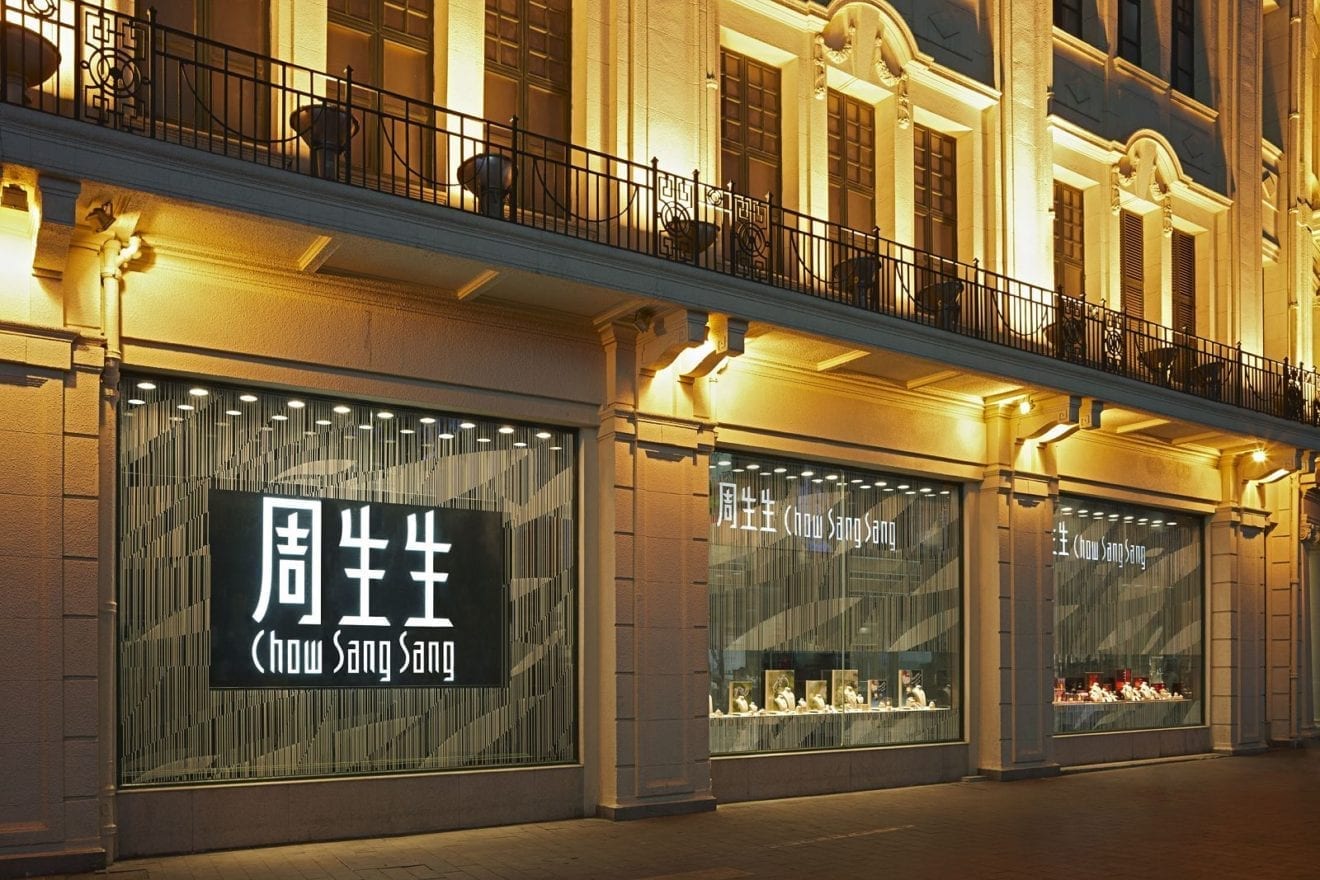
    Three thieves fled on a motorbike with HK$24 million (US$3 million) worth of jewellery after smashing Chow Sang Sang Jewellery’s store window with hammers in one of Hong Kong’s busiest shopping districts about 10am yesterday.

    Police have mounted a citywide manhunt following the 10-second Tsim Sha Tsui smash-and-grab raid at Silvercord shopping arcade on Canton Road.

    Nine pieces of jewellery were snatched, says Yau Tsim police district chief inspector Frances Lee King-hei. The most expensive item was worth about $10 million.

    Lee says two of the robbers used sledgehammers to smash the display window before jumping on a getaway motorbike driven by the third man. The motorcycle, which did not have a number plate, sped off and was last seen turning on to Peking Road.

    Lee says the trio left an empty suitcase and a paper bag at the scene.

    She says police are reviewing security footage to gather evidence and to determine if the gang has links to previous robberies.

    Police say two of the perpetrators were wearing face masks and hats while the third had a motorcycle helmet. They made their move soon after staff members at the shop took the valuables from a vault and put them on display.

    “The stolen property includes a diamond necklace, jade earrings, a diamond bracelet and diamond rings,” says a police spokesman.

    The incident comes six months after a masked robber took just seven seconds to smash open a display window with a hammer and make off with a diamond ring worth $5.26 million from the Tsim Sha Tsui branch of 3D-Gold in March – about 500m from the latest crime scene.

    About 12 hours before the hit on Chow Sang Sang, officers from the Kowloon west regional crime unit foiled a robbery and arrested six men for targeting a watch shop in Tsim Sha Tsui. Police say the suspects were two Hongkongers and four Mainland Chinese.

    Arresting the four mainlanders outside the shop just before 9pm on Monday, the police seized two stun guns and two knives. The two Hong Kong men were arrested after being found in two cars parked nearby.

    Official statistics show police handled 102 reports of robberies across Hong Kong in the first seven months of this year, down 36 per cent on the 161 cases in the same period last year.

  • MinMinDim popping up at Treats Cityplaza

    MinMinDim popping up at Treats Cityplaza

    Food and lifestyle concept Treats at Cityplaza has launched a pop-up store for MinMinDim at its pop-up stage PopTreats.

    Running until December 3, it is a first ever for neighbourhood chef and “food jockey” Kitty Yuen Siu Yee, who owns the budget eatery with partner Stephen Chong. It features cart noodles and typical street food.

    MinMinDim has created the “Sweating Imperial Feast” exclusively for the collaboration with Treats. Available for a limited time (and amount) net month, this cart noodles dish for two will include all toppings available in the shop that day served in a golden bowl.

    “Sweating Imperial Feast”

    Using an original recipe by Chong’s mother, the pop-up store also serves its signature Ginger & Wine Soup which includes Chinese rose wine and Chinese yellow rice wine. Also on the menu will be home-made spicy preserved radish, crispy bean-curd roll with fish paste, charcoal shrimp toast and Begonia Fimbristipula herbal tea.

    Chong, who works in the fashion and design industry, has handpicked a set of classic metal dishes for serving stir noodles at the Treats pop-up.

  • Sake Central to celebrate Japanese culture

    Sake Central to celebrate Japanese culture

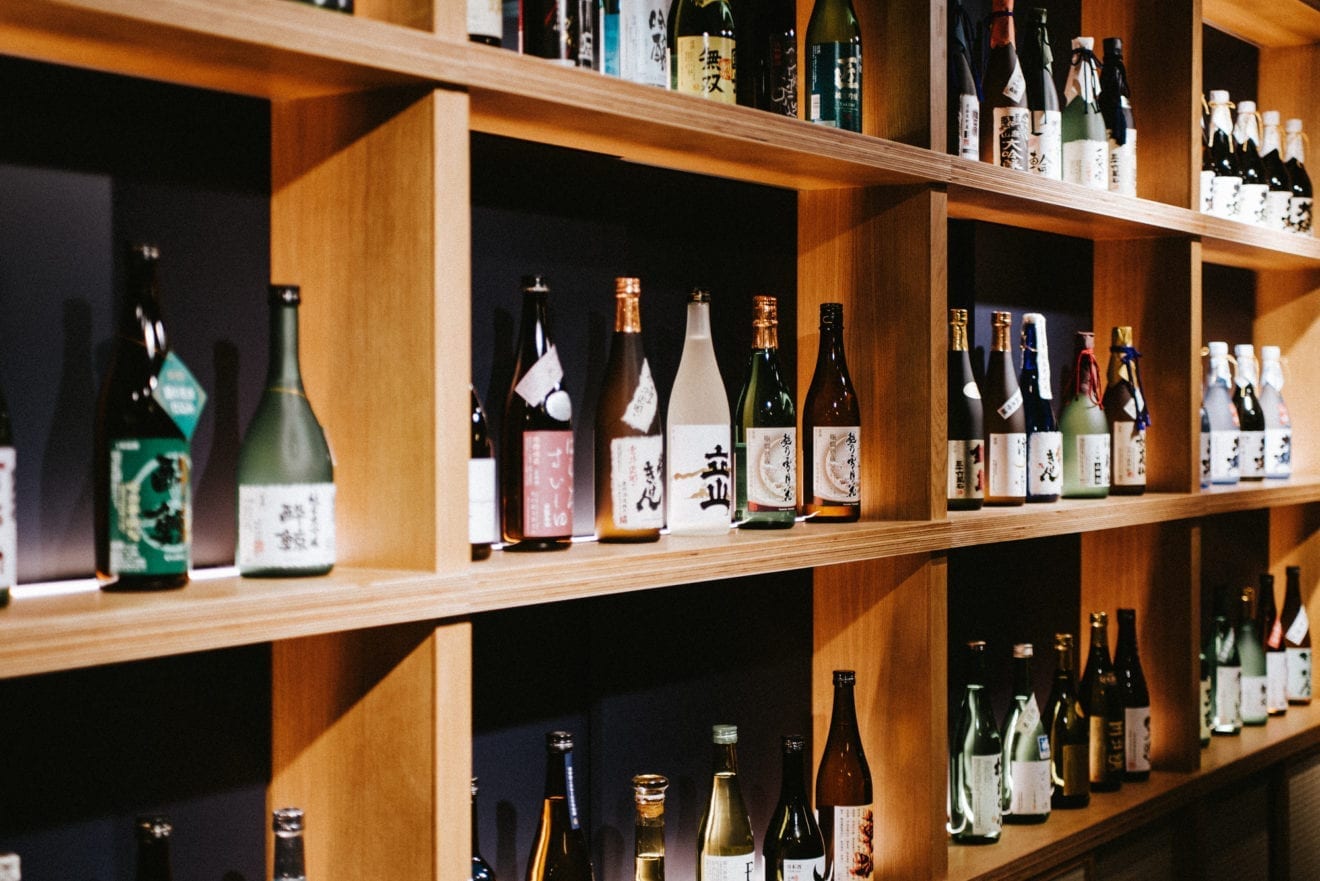
    Described as a multifunctional retail and education space, Sake Central has taken over a chunk of Soho’s PMQ to celebrate Japanese culture through food and drink. The Central project is being led by a trio of F&B entities versed in Japanese culture, Elliot Faber, Ken Nagai and Takashi Endo.

    Sake Central comprises a labyrinth of rooms designed to tap into all aspects of eating, drinking and learning about Japanese food and culture. The rooms include a Cultural Pavilion, which serves as a promotional platform for Japan’s 47 prefectures; a Brand Showcase section, featuring eight different sake breweries at a time; and a Curated Collection room highlighting Japanese culture, from literature to glassware and ceramics.

    Finally, Bar Sake Central is a 16-seat bar and retail space where customers can buy any of the 200 bottles on show at any one time. However, its main purpose is allow guests to sample the diverse range of sake on offer, matched with a seasonal menu of otsumami (small snacks designed to be eaten with alcohol).

    The space has temperature control settings and special LED lighting to protect the integrity of the bottled sake.

  • Element Fresh has redefined healthy dining in China

    Element Fresh has redefined healthy dining in China

    Now bound for wider Asia, a fresh-food restaurant concept focusing on expats has caught the imagination of more than 1 million mainland Chinese.

    Salads, organic food and superfoods are not usually the first types of cuisine one considers staples in Mainland China, but a young American entrepreneur has hatched a fast-growing chain of quick-service restaurants serving up just that to thousands of Chinese and expat diners every day.

    Now the concept is heading to other Asian cities as its reputation spreads.

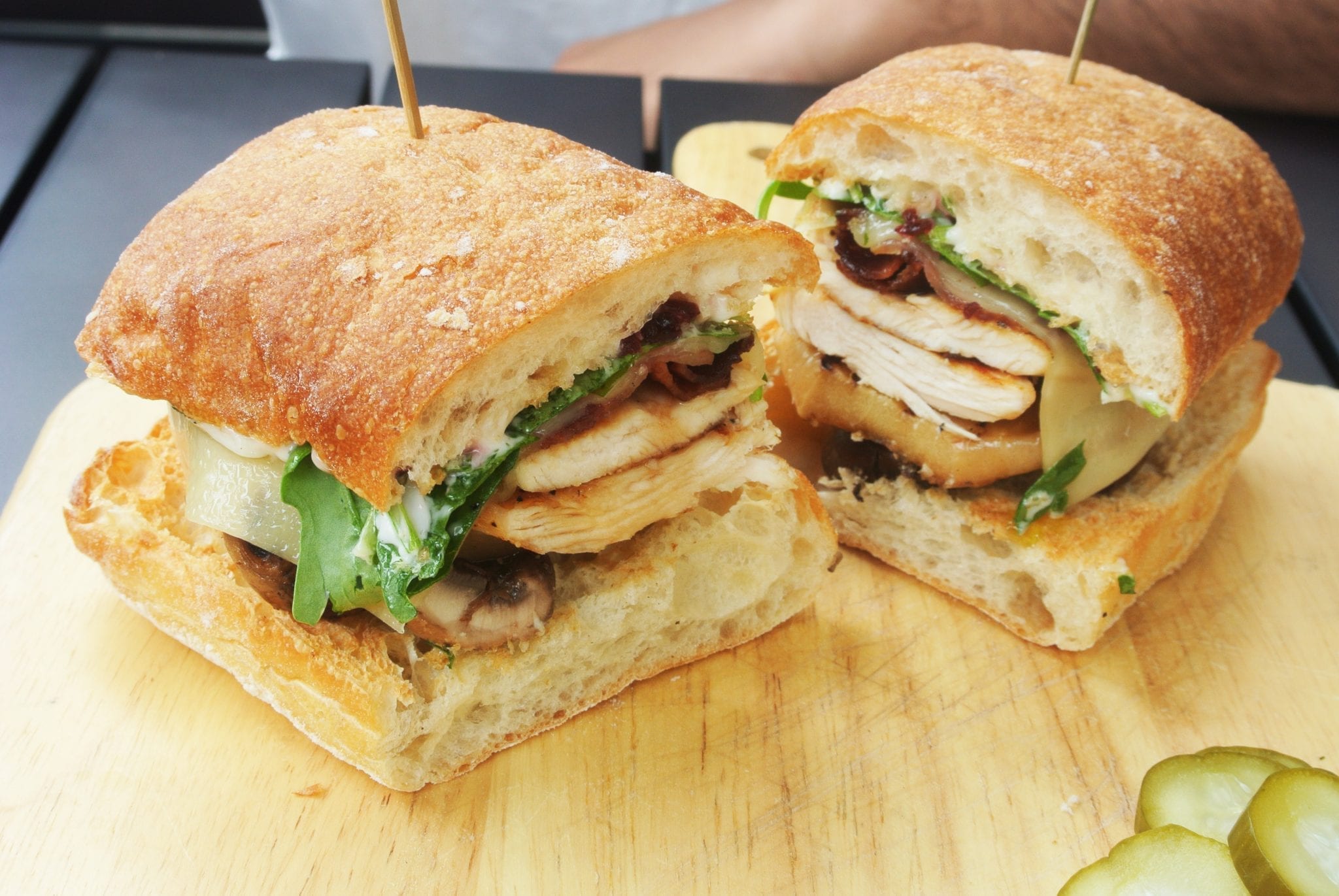
    Best known for its salads, sandwiches, juices and smoothies, Element Fresh also offers a variety of Asian dishes and a creative dinner menu, expanding into steaks, fish and pasta. With a positioning statement “Enjoying fresh food!”, the company’s unique selling point is delivering diners “the freshest food in China”.

    Element Fresh was founded by Bostonian Scott Minoie, a self-professed “lifelong foodie and chef”, and his mate Sheldon Habiger, who started a catering service in Shanghai which they morphed into a health-food and juice bar.

    In 2002, a loyal customer who happened to be a leasing executive from the Shanghai Centre, suggested they take some space in the mixed-use development, which as well as a popular shopping mall, houses thousands of office workers during the day. A few other customers pitched in some cash to help the idea come to fruition.

    The store opened on July 12, 2002, and is now part of a 40-strong chain. Within the next three years, another 30 stores are planned on the mainland, all company-owned, and the first in other Asian cities to be run under a franchise system.

    Asiawide franchise specialist VF Franchise Consulting is representing Element Fresh throughout the region.

    “After 15 years of tried, true, tested success in China, it’s a nice time to take it abroad,” Paul Barbone, Element Fresh’s international franchise business director, told Inside Retail on the sidelines of a VF Franchise Consultants business-matching event in Manila.

    “Hong Kong, Singapore and Bangkok – those big centres are very attractive, they’re definitely places we aspire to be. Vietnam is still emerging, so it is not an easy sell. We are here looking at Manila. We would never rule out North America, and Australia has been discussed.”

    Barbone has spent 18 years in the Middle East expanding globally recognised franchise brands there, so that region is on the radar as well, but for now the focus is on Southeast Asia – and Hong Kong, given its proximity to the mainland.

    More than salad

    Timing is often a decisive factor  in new concepts, and it certainly played a big part in the success of Element Fresh.

    When Minoie landed in China on an exploratory journey that has never come to an end, the whole foods, organic and superfoods market was emerging, not just in the US but globally.

    In a country where a lot of food had the goodness fried, steamed or otherwise cooked out of it, the alternative of eating raw vegetables was not attractive. So he began piecing together a viable business opportunity, starting with raw vegetables in a salad format, dressed up to look delicious.

    From there, the concept parlayed into what has today become a very popular destination – initially with westerners and now with local Chinese.

    “I say we are the leaders in casual dining,” says Barbone. “We are definitely a pioneer. People have mimicked what we are doing, so we have to be a step ahead of people copying us, but we’re still the leaders.”

    Barbone has seen some good concepts in China, but not developed to the same scale as Element Fresh.

    “A lot of the players have difficulty competing in Shanghai on many levels. One of those may be just the scalability of their organisation and trying to get locations to expand. That said, we do benefit from that, but it only came from taking a relative risk in the early 2000s and not becoming complacent in those decisions.”

    Resisting bland

    While the core of Element Fresh’s menu started out with salads, the whole concept has expanded into a full dining experience, from breakfasts to smoothies and full-sized entrees.

    “The main thing we sell is gourmet salads, topped with protein options. With marinated, grilled chicken, meats and seafood, we offer a whole plethora of proteins. Grilled foods have taste – you can’t always eat bland food.

    “We are not vegetarian. The health aspect comes in with a lot of these things – like the dressings – being properly portioned. That said, a person could order a salad and ask the waiter for more dressing. That’s OK, but that’s where most of the calorific intake comes from. Yogurt green miso dressing is good in moderation, but it becomes unhealthy if you eat too much of it.”

    Pastas are becoming more and more popular at Element Fresh, but in line with the overall theme whole-grain pasta is served.

    “We serve a great Australian steak. People look at that and say, ‘That’s not healthy’, but red meat in general in moderation is healthy – a 250g cut rather than a huge American-style 330g serving, of course, and complemented with vegetables.

    “We give customers an opportunity to be healthy. I eat a lot of Element Fresh and I like the way I feel after leaving the restaurant: I’m not drained, my body is not focused on dealing with fat.”

    The juices and smoothies are 100 per cent real fruit. “The first time I went to one of the restaurants I was surprised they don’t put ice in the juices. People can ask for ice, but when they buy a 16-ounce juice they want a 16-ounce juice, not 12 ounces of juice and four ounces of ice. We are going to be fully transparent, and when people order a juice, they get a juice.”

    As much as possible in China the company uses organic ingredients. It also uses superfoods, such as kale in a pesto (instead of basil) and, of course, berries.

    With 1 million followers on WeChat, the company invests a lot of time trying to educate people on the benefits of various foods and of healthy eating. “We take that very seriously and we want to engage with them,” says Barbone.

    Behind the scenes

    A significant factor in Element Fresh’s stellar growth is what the business does outside its restaurants.

    “We work with suppliers to help them understand why we need things grown in a certain way. It’s about long-term relationships and making sure all the things we do are taken on board.

    “Then we have the only HACCP-certified central kitchen in Mainland China. We are very particular about how we handle our food. Food safety is top of Chinese consumers’ minds (after recent KFC and other scares). We have our own lab in the central kitchen testing everything we produce.”

    The company also has its own fleet of distribution trucks rather than relying on third parties, thus ensuring temperature control and food-safety standards are met throughout the whole life of the food it sells.

    “It really is A to Z, and people appreciate that. When walking around Shanghai and looking at some of these beef noodle huts where some guy is literally chopping his meat on the sidewalk, I think, ‘OK, I am never eating there’. Many food-court outlets, such as steak places, pick a steak off a tray, grill it and cut it up. They don’t keep their steaks chilled but at ambient temperature, In North America, those places would be shut down in a nano-second.”

    Perhaps that has helped attract Chinese to the brand in growing numbers. What cleary started as an offer targeting expats is now very much a concept embraced by locals.

    Inside Retail asked how the brand managed to convert Chinese to the concept.

    “People want to familiarise themselves with more western-style things, and over time we gained popularity. Those trends take off in China at 10 times the pace of elsewhere. When  there is a shift in the market, it’s counted in thousands rather than tens.

    “You can’t eat beef noodles every day, and people are looking at other foods. We are challenging a lot of cultural norms.”

    Pricewise, Elements Fresh is very mid range. “A lot of people see us as expensive. For those people, I’d love to show them our central kitchen.”

    That said, a salad is priced around US$10 and a juice from $3 to $4. The average check runs at about $14 to $15 a person.

    Deuce for juice

    A key factor in the brand’s growth is a partnership with former international tennis player Li Na, in an ambassadorial role. However, she is involved in much more than just marketing activities. Li Na helps with menu development, “putting her fingerprint” on the brand, which has even stretched to a co-branded restaurant in her home city of Wuhan.

    “She wanted to do something special. The restaurant has Li Na themes and branding that really talks to the relationship we have with her. Scott and her see eye to eye. She wants to be an ambassador not only for Element Fresh, but for a healthy lifestyle, which coincides with our philosophy.”

    China’s second-best-known sports star, Li Na also retains a relationship with Nike, keeping her profile high all over the nation.

    Apart from Wuhan, most of Element Fresh’s growth focus in China has been on Shanghai, where there are now 17 eateries, and Beijing, with 12. But now the company is expanding into tier-two cities, mostly across the south, including Chengdu, Guangzhou, Nanjing and Shenzhen.

    Still privately owned, the company has grown to a payroll of 2500 staff members and serves more than 15,000 guests daily.

    Positioned as “healthy dining, redefined”, Element Fresh is a concept that will offer tailormade food for Asia’s local populations and expatriates.


  • Alibaba Cloud launches MaxCompute in HK

    Alibaba Cloud has launched a new big data processing service named MaxCompute in Hong Kong to help meet rising demand for scalable computing services.

    The new platform will allow enterprise customers to store and process up to a petabyte of structured and unstructured data, with a single MaxCompute cluster scalable up to 10,000 servers.

    The platform is capable of CPU and GPU based machine learning and offers built-in security protection as well as disaster recovery capabilities.

    Alibaba Cloud has already launched MaxCompute in mainland China and Singapore, and last year the platform set a new record with the lowest computing cost at $1.44 per TB in the CloudSort category of the 2016 Sort Benchmarkcompetition.

    “As industry demand increases and evolves, data processing and analysis remains a major service for cloud providers,” Alibaba Cloud AI scientist Wanli Min said.

    “The launch of MaxCompute in Hong Kong, combining with our current products and services, allows us to lift our offering to the next level – to provide our clients with total cloud solutions to meet the rising demand for secure and scalable computing services.’

    Alibaba Cloud set up its first data center in Hong Kong in 2014, and has since doubled its data storage and processing capacity with a second facility. The company is now one of the largest public cloud providers in the local market.

  • H&M Singapore offering Narelle Kheng collection

    H&M Singapore offering Narelle Kheng collection

    H&M Singapore is offering an exclusive collection in collaboration with actress/singer Narelle Kheng.

    The Swedish fast-fashion brand is known for partnering with celebrities, also tying up with Naomi Campbell for its Fall 2017 campaign. The collection is all about mixing power dressing with glitz and glamour, using sharp lines, statement pieces and sophisticated silhouettes. It includes oversized knits, high-waisted trousers, velvet tops and even a puffy jacket.

    Kheng’s picks accentuates her feminine yet edgy side with a dash of ’90s glam, says Nylon Singapore. Her “Selected by Narelle” collection and the Fall outfits will be available from tomorrow.

  • Ray Ban transforming optical retailing

    Ray Ban transforming optical retailing

    Is Arnie, the most famous Ray ban wearer of all? Possibly, although celebrities from Justin Bieber, Kate Moss, Tom Cruise to the late James Dean in his 1955 wayfarers, or Audrey Hepburn in 1961’s breakfast at Tiffany’, or Peter Fonda, the original easy rider (1969) might hold a different view,

    Oh, did I mention Roy Orbison, Bob Dylan John Lennon, or Michael Jackson as contenders?

    Although the common element of the Ray ban brand is disruptive to cool, a brand cache that still largely holds true today, and so we explore the retailing of this iconic brand, one of Eboltoft’s Global Retail Innovation 12 finalists in the interactions category.

    Let’s look at Ray-Ban’s flagship store in SoHo, New York City because after all, every cool brand needs a cool flagship in one of the world’s coolest cities.

    Although Ray-Ban New York’s shop demonstrates and sells ‘cool’, there is no sign that says how cool they are and that’s cool in itself.

    They have successfully transformed their flagship store into a retail store, music hall, artist exhibition space and community cultural haven hybrid, featuring everything from live performances to film screenings. The store’s breadth of offerings embraces and showcases the brand’s long history and history in being cool.

    The brands DNA echoes throughout the fit out, it’s a little edgy, irreverent, playful, anti-establishment and is the absolute physical manifestation of the RayBan brand, and that’s what makes it so entertaining. Many retailers can and do try to transform their brand into cross categories, such as in this store, and leave emotion missing in the customer experience.

    Great brands don’t include as much as they exclude and Ray Ban lives this creed.

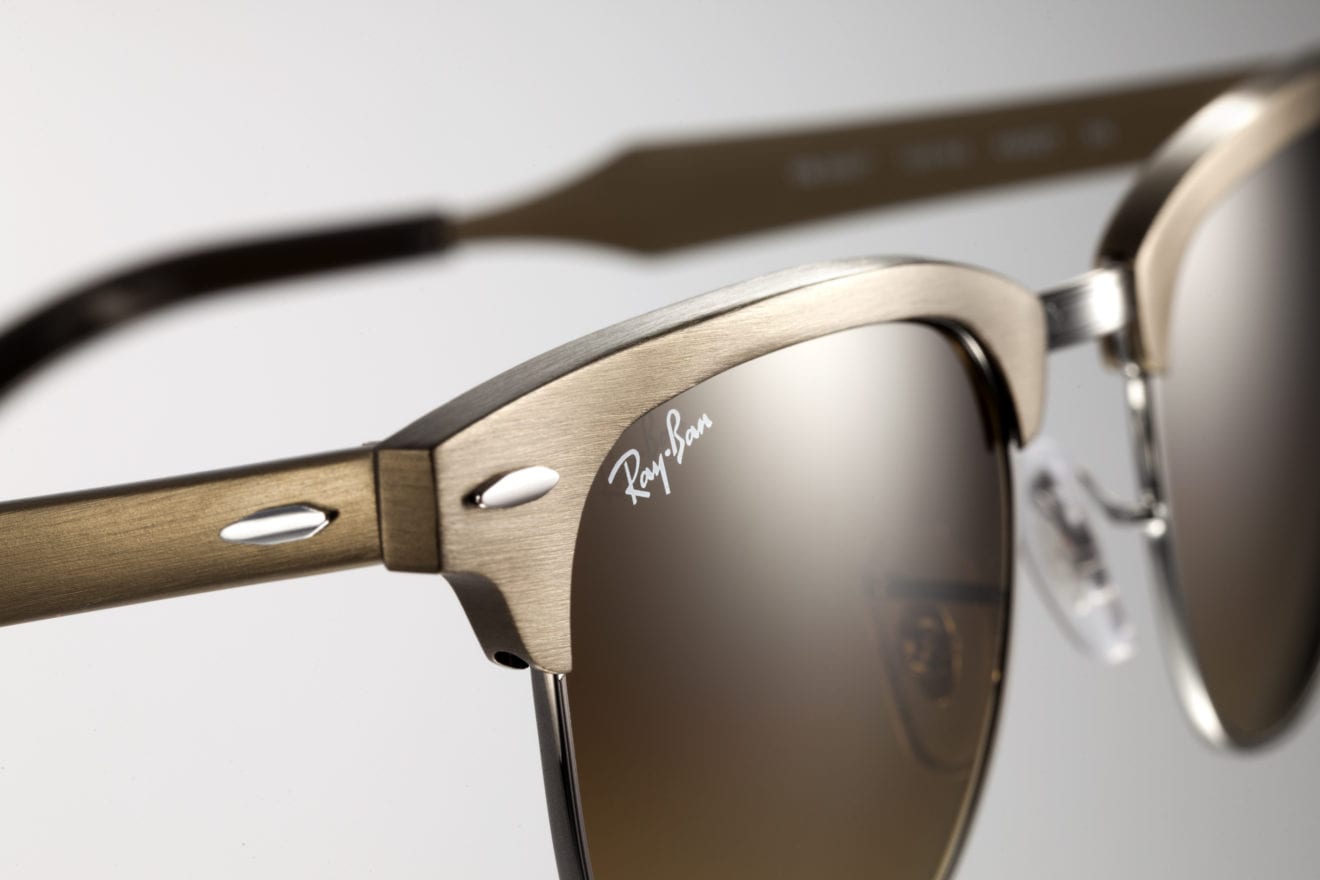
    This shop embodies its brand as not functional but aspirational- doesn’t matter if the price is $69 or $799 they all carry the essence of cool, the function of sunglasses and the form of an invitation to join a new tribe.

    And they have some cool devices in-store as well including:

    3D Magic Mirrors is the secret ingredient

    Customers can touch, feel and try on products in an innovative setting with 3D Magic Mirrors to an optician on site. The innovative technology helps customers find the perfect pair of sunglasses giving the ultimate augmented reality experience, where they can virtually try on the latest Ray-Ban styles.

    Product Customisation Service

    Customised glasses are delivered within a week, after customers use an instore iPad or similar device to create the perfect pair of sunglasses. Embroidery on the temples or cases featuring name or symbol personalises the product for the customer. As we know personalisation or customisation is a key trend to maximise and Ray Ban deliver here.

    Additional on-site service: eye examination

    The store offers appointments during operating hours making it a one-stop shop. Not only can you look cool, you can check how well you see too, taking the typical sunglasses store to the next level by having an on-site optician.

  • Hitachi forms IoT alliance with Thailand’s EEC

    Hitachi forms IoT alliance with Thailand’s EEC

    Hitachi has teamed up with Thailand’s Eastern Economic Corridor (EEC) Office to apply digital technologies including IoT to establish an innovative environment to promote development of the corridor.

    Under the agreement, the EEC Office and Hitachi will be working collectively using advanced digital technologies, including IoT related technologies, within the Eastern Economic Corridor region to establish a ‘cutting-edge’ IoT center.

    The EEC Office and Hitachi will collaborate on EEC development in various areas, such as implementing necessary study, introducing advanced science and technology.

    EEC Office will also provide relevant information and possible support in creating bases for the use of advanced digital technologies. With the EEC Office’s cooperation, Hitachi will promote the use of IoT technologies – for example, through undertaking data analytics using AI based on big data obtained from plants, office buildings, and other sources.

    It will also utilize the solution core and customer cases for Lumada, Hitachi’s IoT platform, and roll out digital solutions that contribute to the resolution of various issues in Thailand and the ASEAN region as a whole.
    Thailand is currently promoting measures aimed at establishing an advanced economic base and achieving further economic development.  In 2015, Thailand 4.0 was presented as a long-term vision of an ideal economic society, and the EEC development plan was laid out as one key measure in realizing this vision.

    Based on the EEC development plan, total investments on a scale of 1.5 trillion baht ($45.34 billion) are expected in the public and private sectors combined, and in addition to expanding airports and high-speed railways, the country will aim to attract and foster growth in 10 targeted industries, including robotics, digital technologies, and next-generation automotive.

    Meanwhile, as part of its 2018 Mid-term Management Plan, Hitachi will be promoting growth in the global market through the rollout of the Social Innovation Business, which creates new value through collaborative creation with customers by combining operational technology, IT, and products.

    Hitachi’s largest scale of business in the ASEAN market is in Thailand, where it is rolling out business in a broad range of fields, including the railways, elevators/escalators, industrial products, and information and telecommunications systems businesses.