Author: Mei Ling Tan

  • Time to Shop For Pink again

    Time to Shop For Pink again

    Nearly 30 retailers are sponsoring this year’s Shop For Pink charity event in support of the Hong Kong Cancer Fund next month.

    For the annual event, retailers offer pink items to raise money to support women with breast cancer. Exclusive pink offerings this year cover fashion, jewellery, accessories, lifestyle, beauty and dining, with the sponsors including Calvin Klein, Pandora and Pizza Express.

    Hong Kong Cancer Fund founder/chief executive Sally Lo says Shop For Pink serves as a reminder for all women to prioritise their health and have regular checks.

    She says breast cancer is the most common form of the disease among Hong Kong women, with one in 16 at risk. “With medical advancements, more and more women diagnosed with breast cancer are receiving timely and successful treatment. However, this also means the need for supportive care during recovery is increasing.

    Now in its 17th year of advocacy, the fund’s Pink Revolution is bringing together celebrities, medical professionals and breast-cancer survivors to raise awareness of the disease.

  • Asics to open the largest flagship store in Busan, Korea

    Asics to open the largest flagship store in Busan, Korea

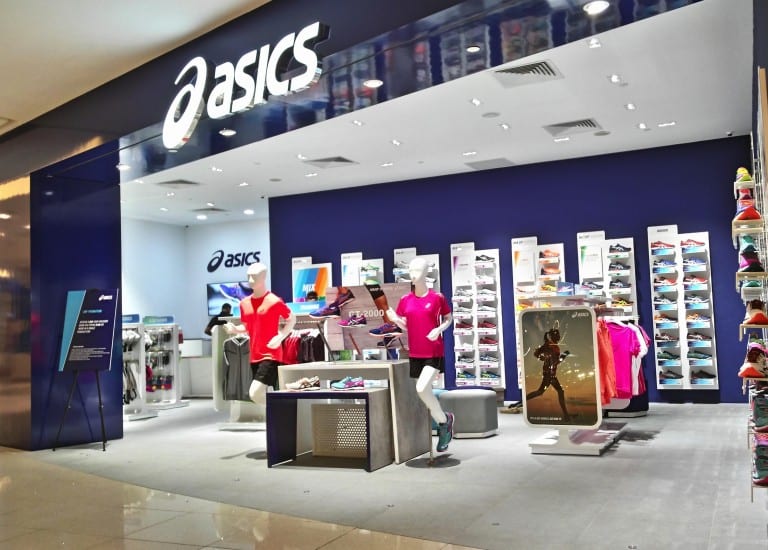
    Asics Korea (CEO Kim Jung Hoon) has opened the largest flagship store in Busan, Korea. The store is three stories, and the whole front is made with a full glass, which make customers can see various products in the store from the outside.

    Especially, this store is a space where customer can feel the change of “ASICS” first through the change from the tag line “I MOVE ME” newly launched this year.

    This store combines the expertise of “ASICS” for its customers in a relaxed atmosphere, so that consumers can feel free to come in and shop and experience the technology of “ASICS”.

    On the first floor, there are running and training products for women and the floor is designed with comfortable and luxurious interior using warm woods to match the consumer’s target.

    The second floor is a space for men and has a modern and dynamic interior. We also provided a space where customers can experience ‘Foot ID Service’, a professional foot measurement system.

    ‘Foot ID Service’ analyzes customer’s foot, height and width in depth by using 8 cameras and laser project installed in the front and rear. After that, tester is attached to customer’s both feet and shooting the motion of running on the treadmill.

    Scientific analysis of the degree of leaning and tilting of the feet as well as the shape of the landing when running is recommended to customers with the most optimized products.

    The third floor is made up of a community room, so that the running crew can freely use it. There is also customizing service that can make their item by using print in “Asics” garment on third floor. It’s free service is provided until September 30th.

    In the meanwhile, “ASICS” held a ‘Night Run’ event in Busan and Gyeongsang with a running crew on September 2 to celebrate the opening of this store.

    This event was a combination of running and after-party events, and it was a meaningful time for the members of ‘SMSB Seoul’, a global running crew of ‘ASICS’, and nine running crews of Busan and Gyeongsang, to gather together and exchange culture with each other.

  • Huawei tantalizes users with AI flagship phone

    Huawei tantalizes users with AI flagship phone

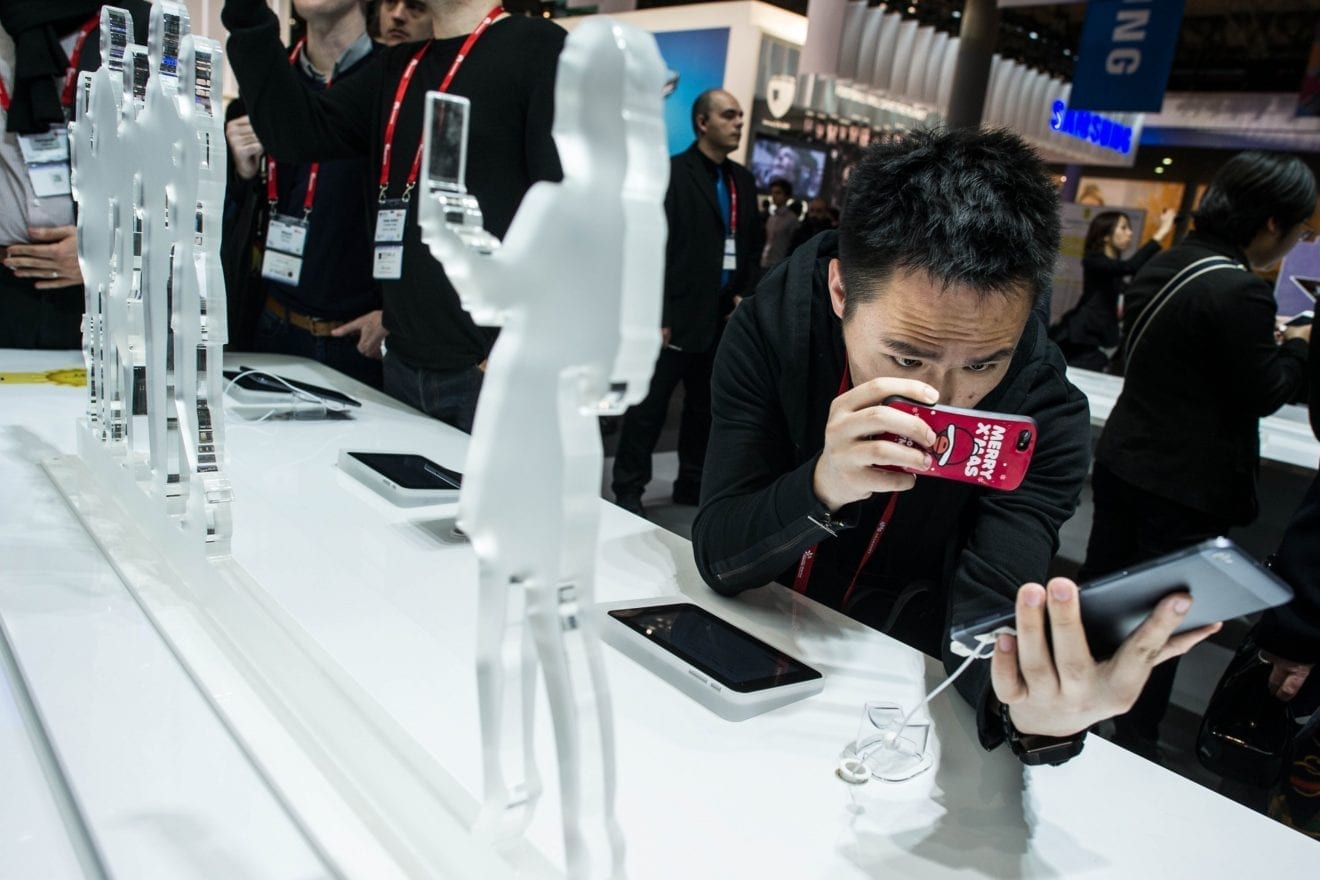
    Huawei aims to use artificial intelligence-powered features such as instant image recognition to take on Samsung and Apple when it launches its new flagship phone in October 2017, a top executive said on Saturday 2 September.

    Richard Yu, chief executive of Huawei’s consumer business, on Saturday 2 September 2017 revealed a powerful new mobile phone chip the company is betting on for its upcoming flagship Mate 10 and other high-end phones to deliver faster processing and lower power consumption.

    Huawei will launch the Mate 10 and its sister phone, the Mate 10 Pro, in Munich on October 16 2017, Yu confirmed.

    He declined to detail new features, but the phones are expected to boast large, 6-inch-plus full-screen displays, tech blogs predict.

    Artificial intelligence built into its new chips can help make phones more personalized, or anticipate the actions and interests of their users, Yu said.

    As examples, he said AI can enable real-time language translation, heed voice commands, or take advantage of augmented reality, which overlays text, sounds, graphics and video on real-world images phone users see in front of them.

    Yu believes the new Kirin 970 chip’s speed and low power can translate into features that will give its phones an edge over the Apple iPhone 8, set to be unveiled on September 12 2017, and Samsung’s range of top-line phones announced this year.

    Huawei is the world’s No. 3 smartphone maker behind Samsung and Apple.

    “Compared with Samsung and Apple, we have advantages,” Yu said in an interview during the annual IFA consumer electronics fair in Berlin.

    “Users are in for much faster (feature) performance, longer battery life and more compact design,” Yu added.

    The company asserts its newly announced Kirin 970 chip will preserve battery life on phones by up to 50 percent.

    Huawei describes the new chip as the first Neural Processing Unit for smartphones.

    It brings together classic computing, graphics, image and digital signal processing power that have typically required separate chips, taking up more space and slowing interaction between features within phones.

    Most importantly, Huawei aims to use the Kirin chips to differentiate its phones from a vast sea of competitors, including Samsung, who overwhelmingly rely on rival Snapdragon chips from Qualcomm, the market leader in mobile chip design.

    Among major phone makers, only Apple and Huawei now rely on their own core processors.

    The 970 is designed by Huawei’s HiSilicon chip design business.

  • Bigg’s Diner plans expansion to Metro Manila

    Bigg’s Diner plans expansion to Metro Manila

    Bigg’s Diner, known for serving burgers and Filipino rice meals in Naga and the Bicol region since 1983, plans to open in Metro Manila next year.

    Business development head Ronaldo Linao says the restaurant group is already looking at three possible sites – one is in Mindanao Avenue, Quezon City, another in Megamall and the third in Robinsons, either Ermita or Galleria.

    “There is actually a market study right now to see how viable it would be in Manila. The competition there is very fierce,” says Linao.

    Bigg’s Diner has 17 outlets in the Bicol region, including seven franchises and a branch in Batangas. It started out as a donut shop and has had two name changes – from Mang Donald’s to Carl’s Diner, then to Bigg’s Diner – to avoid confusion with multinational brands.

  • Eraman Malaysia taps Alipay to lure Chinese tourists

    Eraman Malaysia taps Alipay to lure Chinese tourists

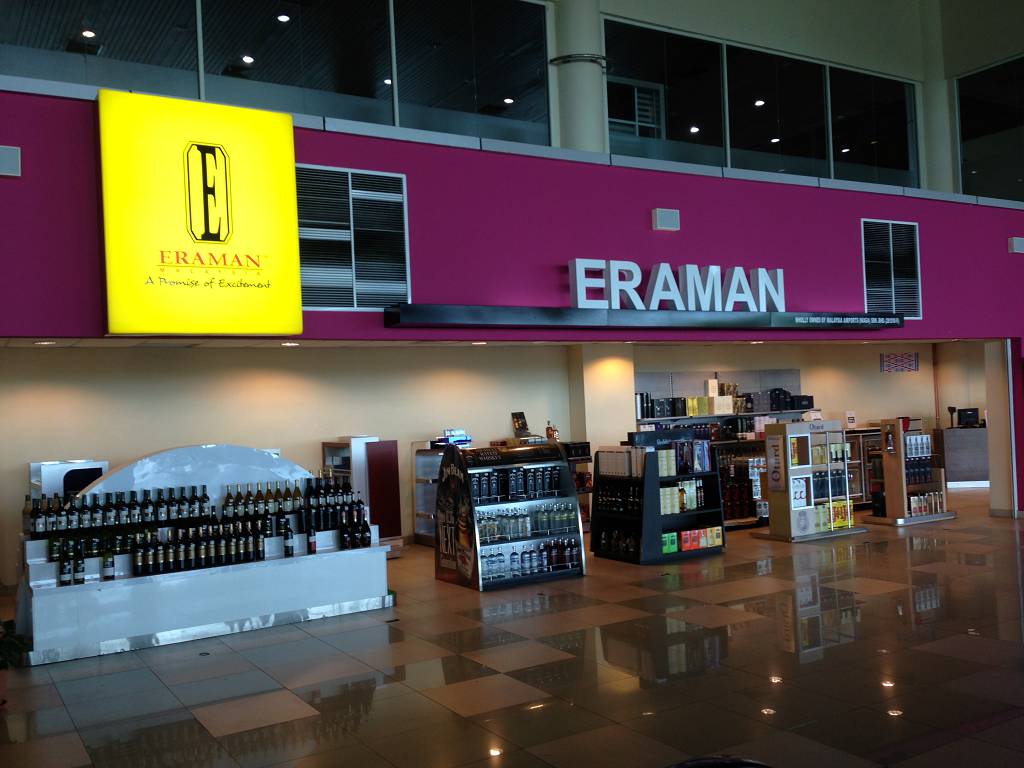
    Eraman Malaysia, the nation’s main travel retailer, has partnered with Alipay, as it improves its services to Chinese shoppers.

    Alipay, operated by Ant Financial Services Group and part of China’s Alibaba Group, is the largest online and mobile payment platform and Eraman hopes to tap the 520 million-strong Alipay active user base via the partnership.

    Around 4.5 million of Alipay’s Chinese tourists travel to Malaysia annually, which mean those visiting Eraman outlets will be able to pay with their Alipay personal QR code via their smart phone.

    The contactless payment is integrated into the merchant portfolio of Maybank and CIMB Bank Bhd, Malaysia’s two largest financial services providers. It uses the in store online payment solution at all Eraman outlets nationwide.

    According to Eraman, the technology will improve Chinese travellers’ shopping experience at the airports.

    “Security and speed are important to us as we look to enable our Chinese travellers to walk into our outlets while travelling abroad and pay for purchases with the Alipay – just like they do in China. This Alipay in store payment will act as the settlement, allowing Chinese travellers to pay for their transactions in Yuan without having concerns on the exchange rate. This is done through a simple swipe and barcode-scanning method,” said Malaysia Airports (Niaga) General Manager Zulhikam Ahmad.

    “All Eraman retail outlets in KLIA and klia2 including duty free emporium and lifestyle stores began accepting Alipay in June 2017. However, Eraman food and beverage and retails outlets in Kota Kinabalu, Kuching, Penang, Langkawi International Airport and Labuan Airport have begun to accept Alipay since the end of August. In China, this payment system is a way of life for shopping and many other activities, and given the growing number of Chinese travellers here, we are hoping for a high uptake,” added Zulhikam.

    Malaysia is ranked third in the region after Thailand and Singapore for the number of Chinese visitors it attracts each year.

    Alipay has seen rapid expansion in 2017. In August, the payment provider inked an agreement with Singapore digital payment provider CCPay to offer cashless payment services to Singaporean retailers.

    Earlier in the year, it expanded into North American travel retail and later announced it had signed a deal with six major banks in Malaysia, with the goal of making Alipay a payment option across the Southeast Asian nation by 2018.

  • Vietnam’s benchmark index hits ten-year high on back of blue chip gains

    Investors have been spending big on the stock market so far this year.

    Ho Chi Minh City’s VN-Index broke the 800-point barrier on Friday for the first time since February 2008.

    The index finished up 4.48 percent at 801.5 points.

    Growth was driven by blue chips, including brewery giant Sabeco, Masan Group, insurance firm Baoviet and Vietcombank.

    The benchmark index hit an all-time high of 1,170.67 in March 2007, before a sharp sell-off in the wake of the global financial crisis.

    The average transaction value reached about VND3 trillion ($132 million) per session last year, but it has been hitting up to VND7.5 trillion at some points this year.

  • Project Pie slices all but one store

    Project Pie slices all but one store

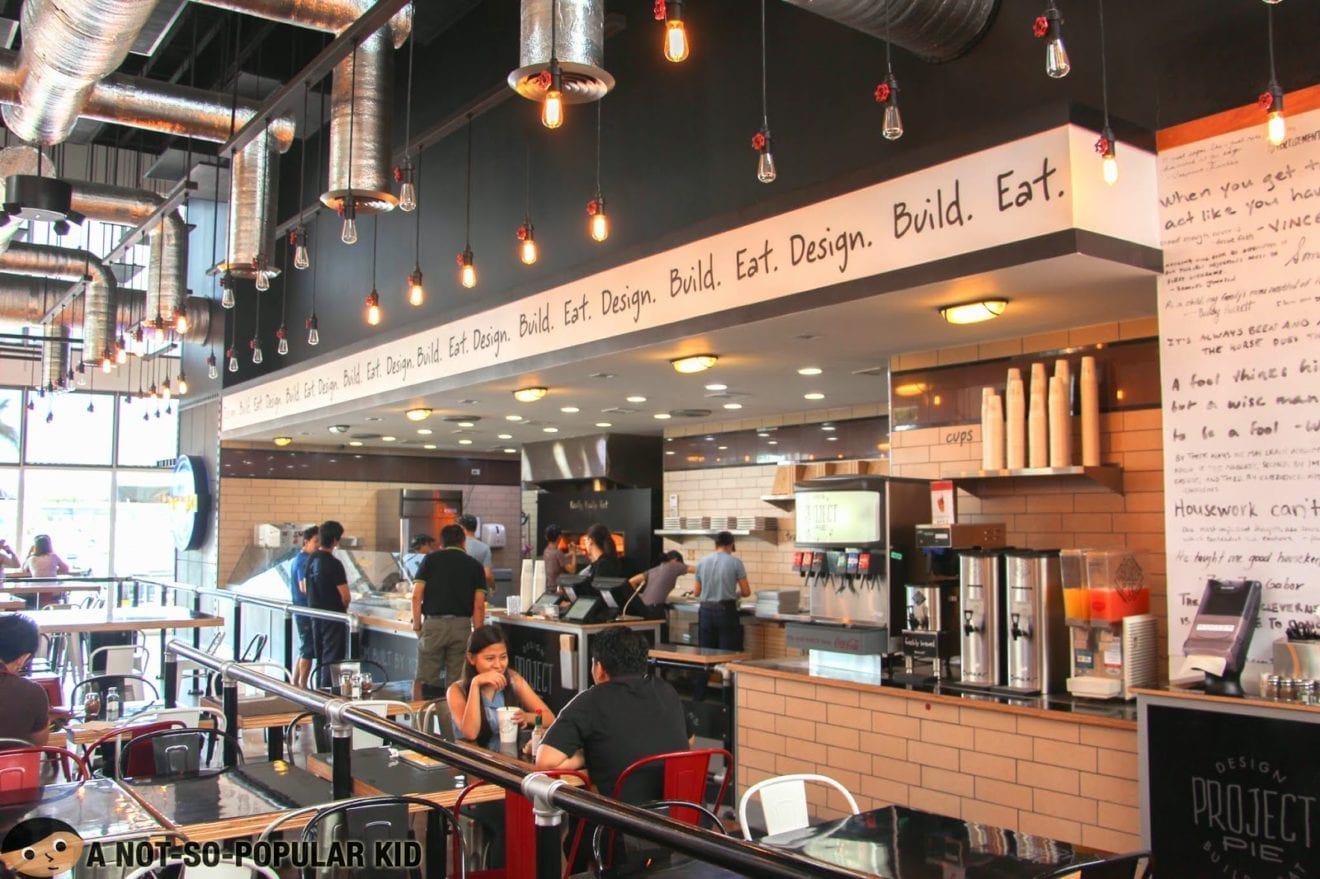
    Project Pie, the pizza outlet that lets customers devise their own toppings, has closed all but one of its stores in the Philippines.

    After “four years of pizza awesomeness”, the US-based pizza chain has announced on social media it will be “graduating” its stores from the Philippine market. However, its Project Pie Block 28 in Alabang will stay open “as our last hoorah”.

    After establishing itself in the US, Project Pie moved into Manila in 2013, allowing diners to order nine-inch customisable pizzas. It expanded to eight branches, both in malls and stand-alone locations.

    Fans said their farewells in the chain’s social-media comments section … “Don’t do this to me,” wrote one fan. “I am speechless,” wrote another. “My number-one favorite pizza left me.”

  • Piquadro launches Mystartup Funding Program

    Piquadro launches Mystartup Funding Program

    Piquadro is ready to promote innovation and young entrepreneurship, supporting the best business idea in the technology area applied to the luggage field and fashion accessories.

    The prizes are up to € 100K and a period of acceleration program in Silicon Valley to train and help the business development.

    Piquadro has been incorporating innovative technologies in its products: for example, for the Bagmotic capsule collection.

    The collection includes a computer backpack able to communicate with smartphones thanks to a powerbank wireless, that allows to recharge devices and to connect them with the Connequ app, created by Piquadro.

    This app manages a lot of functions, and it can be used for different purposes. It alerts in the case of theft, or loss of the luggage. It can weigh the baggage, for instance, among many other features.

    Furthermore, a lot of products present a socket integrated to the bags that allow recharging all the devices.

    Last but not least, recently a smart-lock easy to manage from smartphones has been developed.

    The aim of the Funding Program is to find innovative and exciting ideas grown outside Piquadro, to create stimulating activities in different fields.

    The contest will end with an event, in which Startups will pitch their ideas to a judging board including some internal advisors and some investors.

    Prizes for € 100.000 have been allocated for the winners, to allow a capital increase in return of percentage of shares from the company’s capital.

    Through Piquadro investment company, named PIQUBO, Piquadro has gained experience in the startup field, and it will be used to evaluate all the applications received considering the fit they may have to Piquadro company’s values.

    Piquadro is open and willing to invest in other categories but fashion and travel accessories is priority.

    Further than the investment part, Piquadro will support the winning team widely, to help with some assets and company know-how. That could go from hosting the startup in the headquarters in Italy to supporting it within the company’s network.

  • Saigon Co.op to launch retail startup TV reality show

    Saigon Co.op to launch retail startup TV reality show

    Vietnam grocery retailer Saigon Co.op has launched a TV reality show on retail startups.

    The show called “One Billion Start up With Saigon Co.op’’ aims to find and train the next generation of successful entrepreneurs. It will kick off on October 15 and run until December 31 this year.

    Broadcasted weekly on HTV9, the show expects to attract around 5000 candidates with three finalists standing a chance to receive the Grand Prize of VND1 billion (US$44,000), and become the owner of a Co.op Smile modern grocery store.

    A typical Co.op Smile store has flexible operational space suitable with urban and suburban residence and stocks 750 – 1300 products across various categories.

    Saigon Co.op aims to work with the Ho Chi Minh City government to drive entrepreneurship and make the city the birthplace for start-ups.

    Qualified challengers will compete against one another in a “common house” on specific knowledge, creativity and situation management, which are crucial factors for a successful start-up.

    “With the growing start-up trend, we are looking to encourage the younger generation to participate in the challenge to gain more knowledge towards having a successful business,” said a Saigon Co.op representative.

    During the competition, Saigon Co.op will provide competitors with useful advice, including retail business models, mobile sales tips, store design and advertising and marketing concepts to drive customers into stores.

  • L’Oréal unveils new-look YSL boutique in Haitang Bay

    L’Oréal unveils new-look YSL boutique in Haitang Bay

    An astounding 35 million people engaged via social media with the opening of a revamped Yves Saint Laurent boutique at China Duty Free Group’s Haitang Bay International Shopping Complex, according to L’Oréal Travel Retail Asia Pacific.

    When it first opened in 2014, the Haitang Bay  Shopping Complex, was described as an extraordinary vision by the attendees of the Grand Opening.

    Today, it is one of the top points of sales for Yves Saint Laurent in Asia Pacific travel retail.

    The building is magnificent, the range of brands and stores dazzling, the execution consistently excellent and the level of consumer excitement unprecedented in travel retail history.

    The French beauty group held a three-day pop-up party, themed #MYLIPVIBES, in August to celebrate the new-look 55sq m boutique.

    An estimated 5,000 travellers attended the event in person.

    The event highlighted Vernis à Lèvres products via a podium which included celebrity make-up shows and performances by internationally-renowned DJs.

    Vernis à Lèvres is said to offer an “innovative lip product” by combining the texture and shine of a lip gloss with the long-wear of a stain. The applicator’s slanted tip and short soft bristles allow for easy, precise application, stated L’Oréal.

    Travellers were encouraged to shoot personalised Vernis à Lèvres music videos using L’Oréal Travel Retail Asia’s first digitalised video booth.

    The event was designed to merge offline and online customer experience and make sure that #MYLIPVIBES would populate the cyberspace.

  • Jeanswest in largest Australian Cotton woven launch

    Jeanswest in largest Australian Cotton woven launch

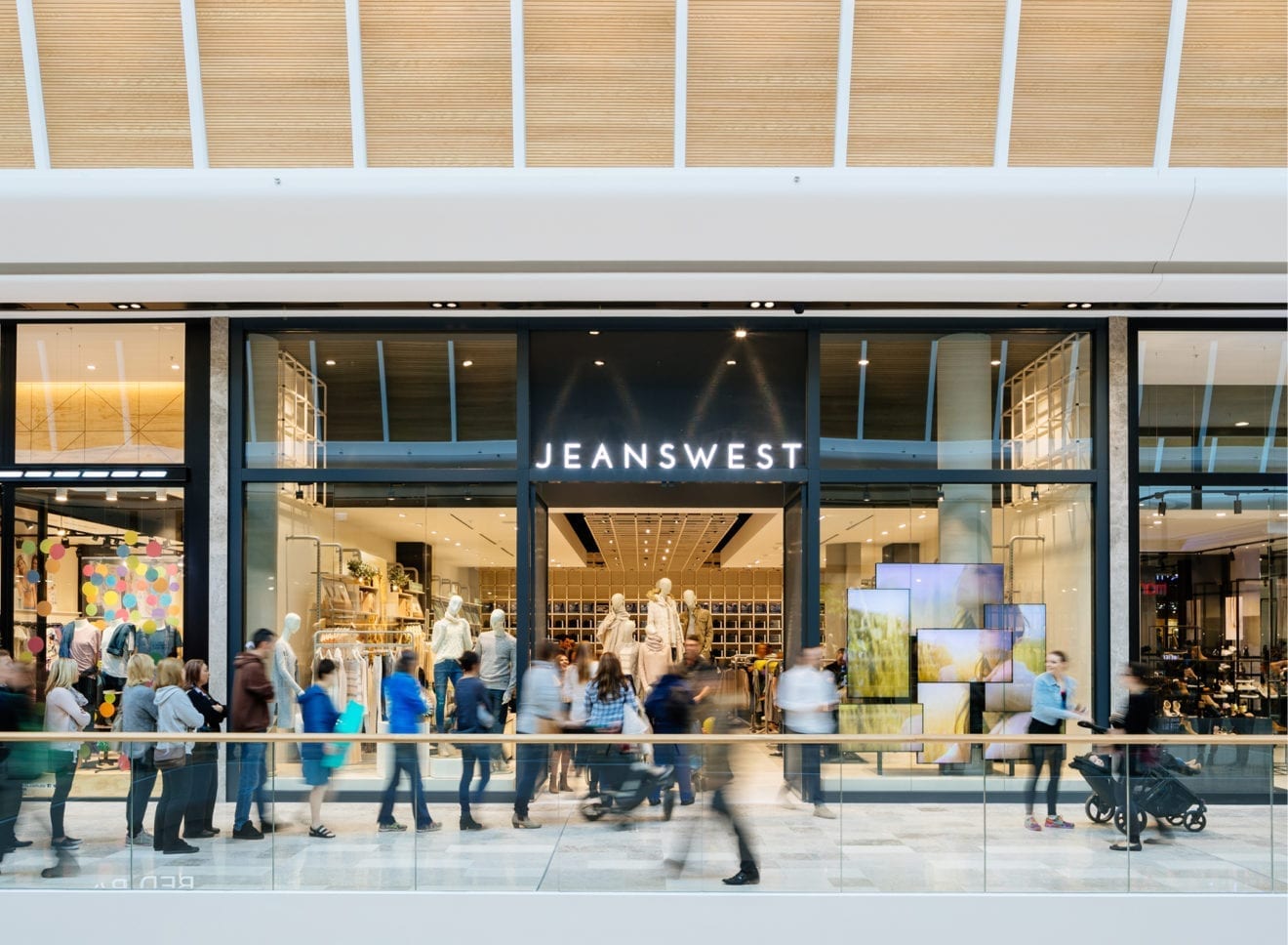
    Jeanswest is partnering with Cotton Australia to launch its largest woven womenswear collection, with the summer collection set to hit stores on September 19.

    The fashion retailer said the collection continues its commitment to traceability and ethical sourcing in manufacturing, with the partnership the next step in delivering world-class woven product for its female consumers in partnership with a local agricultural industry.

    Unveiling its plans at a media event held at the Sydney Opera House yesterday, Jeanswest said the collection taps into key trends for the coming season.

    “The soft stripes, embroidery, and tie detailing align with the trends we’re seeing come through for this summer, and of course we’ve included a pair of jeans; a beautifully crafted ripped and repaired slim boyfriend fit that customers will love,” said Lisa Hunter, Womenswear senior product manager for Jeanswest,,

    “This collection is an Australian fashion story, so in designing the product we’ve really worked to ensure there’s something new in this range for every woman, across all ages and body shapes.”

    In developing the range, Jeanswest joined Cotton Australia on a farm tour in Narrabri, northern NSW for further understanding of the industry and its processes.

    “We were thrilled to be standing in a cotton field, where it all begins, at the very start of a manufacturing supply chain, said Hunter.

    Adam Kay, CEO of Cotton Australia, said Aussie cotton is grown under the world’s best environmental social practices and produces a high quality ethical end product,

    “Buying Australian Cotton not only means a quality, sustainable product – it also means you’re standing beside farmers, and the 150 local communities they support across Queensland and New South Wales where cotton grows,” he said.

    The collection will launch in-store and online across Australia and New Zealand.

  • Watchdog grants Essilor and Luxottica merger

    Watchdog grants Essilor and Luxottica merger

    The Commerce Commission has granted clearance for Essilor International (Compagnie Générale d’Optique) S.A. and Luxottica Group S.p.A to merge their business activities in New Zealand.

    The proposed global merger brings together a supplier of prescription lenses (Essilor) with a supplier of prescription frames and sunglasses (Luxottica). The parties have sought clearance from a number of regulators in different countries including New Zealand.

    Commerce Commission Chairman Dr Mark Berry said the watchdog is satisfied that the acquisition is unlikely to substantially lessen competition in New Zealand markets.

    “Competition is strong and we believe the merged entity will be sufficiently constrained by the presence of existing competitors with the ability to expand at all levels of the supply chain and in all relevant markets.”

    In reaching its decision, the government agency said it considered the impact on New Zealand markets for the import and supply of unfinished prescription lenses, the wholesale supply of finished prescription lenses and frames, and the retail supply of prescription lenses and frames, contact lenses and non-prescription sunglasses.

    In New Zealand, Essilor is principally active in the wholesale supply of finished prescription lenses to optical retailers. Essilor is also active in the retail market to a limited extent via its online store. Meanwhile Luxottica is a global manufacturer and wholesale supplier of prescription frames and sunglasses. In New Zealand, Luxottica’s activities are limited to the wholesale supply of prescription frames and sunglasses, and the retail of optical products and services (via its OPSM, Sunglass Hut, and Oakley stores).

  • Second Jalan Jalan Japan for Kuala Lumpur

    Second Jalan Jalan Japan for Kuala Lumpur

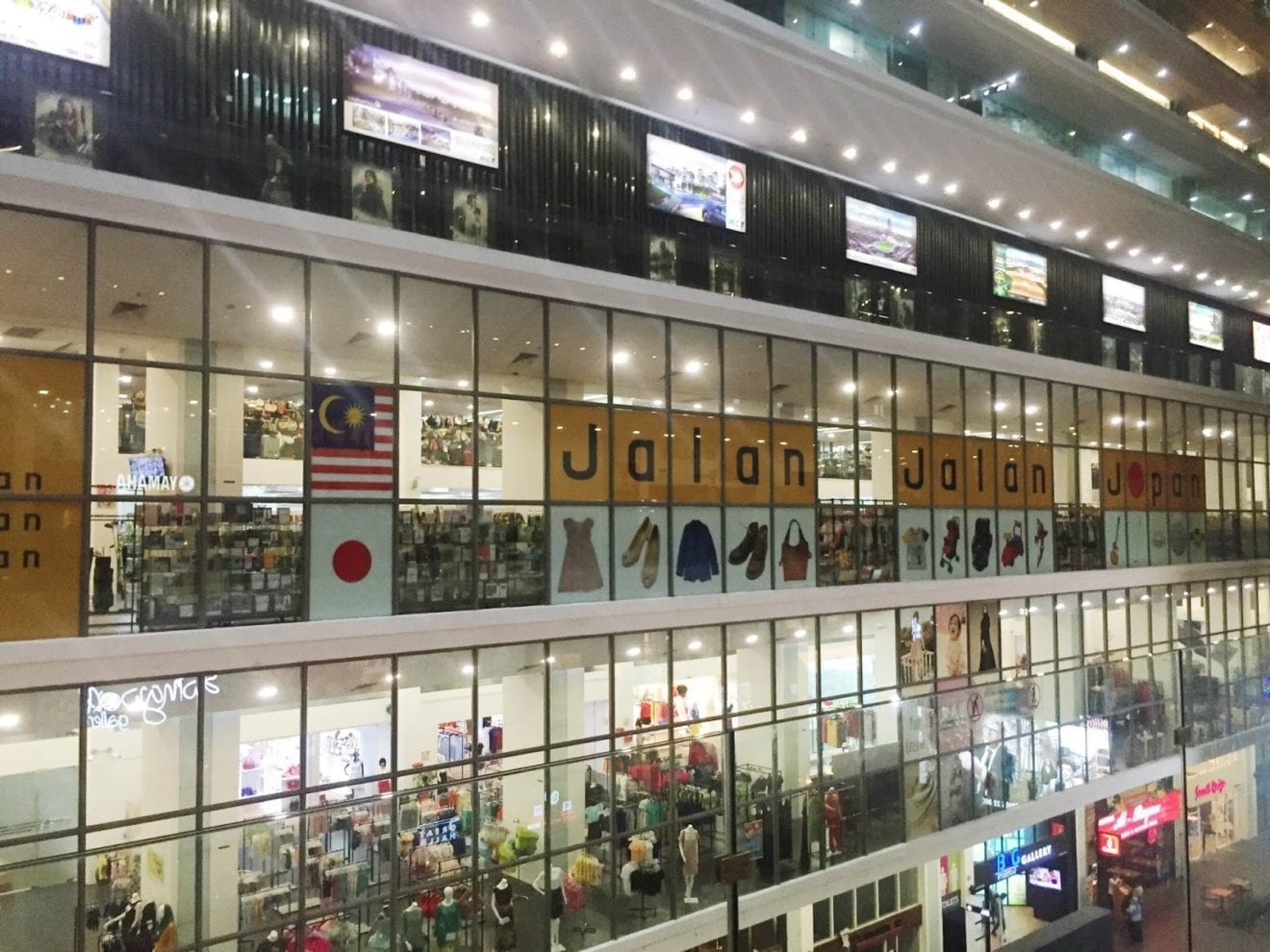
    Japanese used-book retailer Bookoff Corporation, through its subsidiary Bok Marketing, will open a second Jalan Jalan Japan outlet in Kuala Lumpur.

    Opening at 1 Shamelin Mall on September 30, it is the brand’s second Southeast Asia store.

    Also known as “JJJ”, the first Jalan Jalan Japan store opened at Skypark One City in Subang Jaya in November. It offers not only books, but also clothes, bags, shoes, household items, baby goods, toys, hobby items, sporting goods, instruments, furniture and accessories.

    Bookoff has more than 800 shops in Japan, buying more than 400 million items and selling more than 300 million pieces  annually. All JJJ goods are imported from Japan.

    Another two or three stores are planned for around Kuala Lumpur over the next few years.

  • Platinum Group sees gold in Chinese tourism

    Platinum Group sees gold in Chinese tourism

    Mall company The Platinum Group is banking on Chinese tourism to support a retail shopping centre it plans to open next year.

    With a wholesale fashion mall in Bangkok that attracts about 15 million people annually, the group is investing about THB6 billion (US$180 million) in the project, says president Chanchai Phansopha.

    “We want to transform the company from an operator of a wholesale fashion mall into a commercial property developer,” he says. The Bangkok project is part of a wider, THB11-billion investment plan that will also add hotel and office space over five years.

    Thailand last year had nearly 9 million Chinese visitors who spent an above-average $176 a head daily.

    Chanchai says he foresees double-digit growth in sales and profit, with the new mall, The Market, expected to boost revenue at least 30 per cent in 2019.

  • Megaworld aims to launch 13 malls in three years

    Megaworld aims to launch 13 malls in three years

    Property developer Megaworld Corp says it plans to open 13 malls in the next three years in line with its target to hit 28 by 2020.

    It already has 13 malls across the Philippines, with Southwoods Mall about to open in Laguna.

    Megaworld Lifestyle Malls head/senior VP Kevin Tan says the Southwoods Mall covers 58,000sqm in Megaworld’s only fully integrated township, Southwoods City. The 561ha township is at the boundaries of Binan, Laguna and Carmona, Cavite, and is the largest township in the country to feature a golf course.

    There is also a CBD, commercial and retail stores, malls, schools, church, a cyberpark, a medical centre, parks, leisure activities, a weekend market and a transport hub.

    Megaworld is a property unit of magnate Andrew Tan under his conglomerate Alliance Global Group.