Author: Mei Ling Tan

  • Pandora bets big on Melbourne

    Pandora bets big on Melbourne

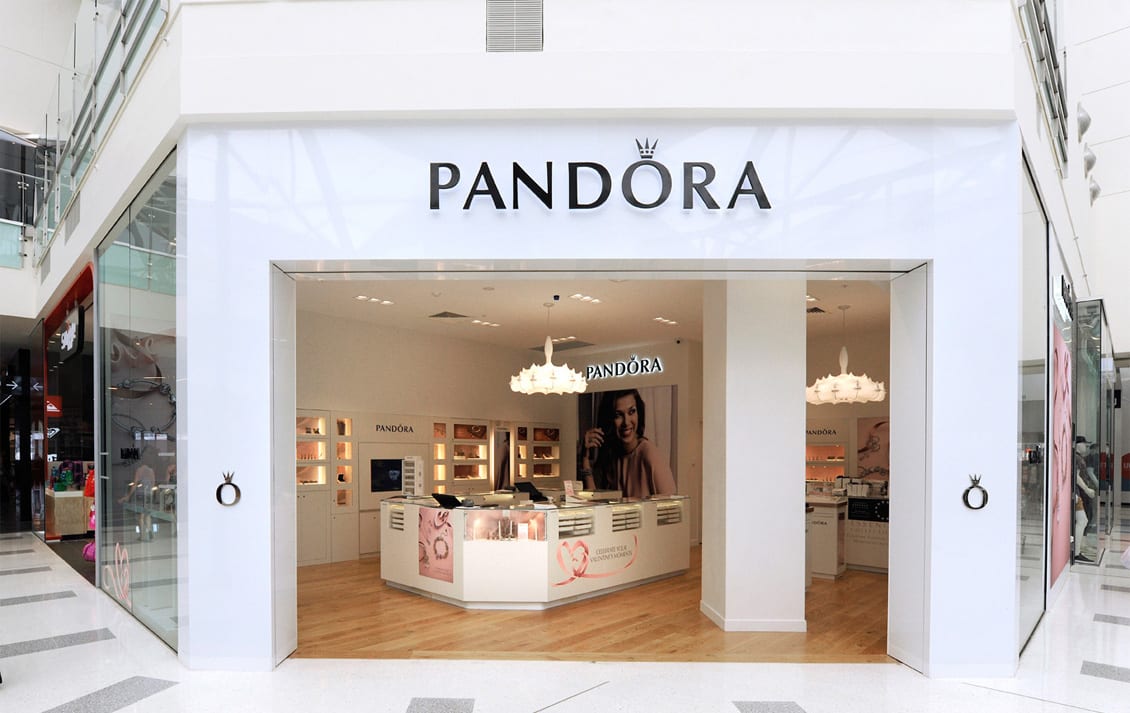
    Pandora Australia and New Zealand managing director Mikael Kruse Jensen has just signed the dotted line on a five-storey flagship store in Melbourne’s Bourke Street Mall, in a deal that’s understood to be worth almost $1 million in annual rent.

    It’s a big store, with a big price tag – but Jensen is bullish on the Australian market after the Copenhagen-headquartered brand unveiled a 12 per cent sales uplift in the June quarter.

    The store itself is being designed as an activation hub, with the third floor of the venue set aside for events and staff training.

    It will be Pandora’s fourth store in Melbourne’s CBD and its eleventh opening Down Under in twelve months – with more to come.

  • Amazon ‘here in 60 days’

    Amazon ‘here in 60 days’

    Amazon could launch across Australia within the next 60 days, according to Citi Australia.

    Based on supplier feedback across many categories, Citi said a pre-Christmas Amazon launch date is likely.

    “Launch timing remains uncertain and subject to website and logistics testing, but we would expect a formal launch to occur sometime in October 2017, ahead of Black Friday on 24 November,” Citi analysts said in a note.

    “We expect Amazon to offer free delivery over a value threshold, with the Prime service to be offered later, potentially coinciding with Prime Day in July 2018.”

    Citi said Amazon will be buying directly from leading suppliers, holding inventory and setting retail prices, adding that buying terms have been set and first orders have been placed with suppliers in recent weeks.

    “This increases near term gross margin risks for retailers as price will be Amazon’s key lever.”

    Contrary to initial press releases and market expectations, Citi said that Amazon Marketplace is a secondary focus, although several retailers and Ebay sellers have been targeted.

    “In our view, lower pricing will likely be the result of Amazon’s lower margin and ROI expectations, particularly in the short term. A lower cost-to-serve could provide support for favourable buying terms relative to bricks and mortar retailers.”

    Citi suggested Amazon has targeted a full product range with key suppliers.

    “Based on our estimates, the incremental 2Q18e sales impact could be ~$200 million or ~0.2 per cent of total Australian retail sales,” said Citi analysts.

    Meanwhile, Amazon is searching for a location to build its second headquarters in North America that would cost more than $US5 billion ($A6.2 billion) and house up to 50,000 staff.

    The e-commerce company, which is headquartered in Seattle, said on Thursday it was seeking proposals from local and state government leaders and would select the location next year.

    Amazon’s workforce has exploded to more than 380,000 from under 25,000 since it moved to Seattle in 2010, as it rapidly expanded to become a global retailer – selling everything from groceries to appliances.

    The company’s total revenue has grown to $US136 billion at the end of last year from $US34 billion in 2010. Amazon recently snatched up Whole Foods Market for $US13.7 billion.

    Amazon said the new headquarters should ideally be located in a metropolitan area with more than one million people, potentially giving the company a shopping list of more than 50 cities to choose from.

    The project would initially need more than 500,000 square feet and up to 8 million square feet beyond 2027, Amazon said.

    “We want to find a city that is excited to work with us and where our customers, employees, and the community can all benefit,” Amazon said.

  • AirAsia India adds one A320 aircraft, to launch 3 new routes

    AirAsia India adds one A320 aircraft, to launch 3 new routes

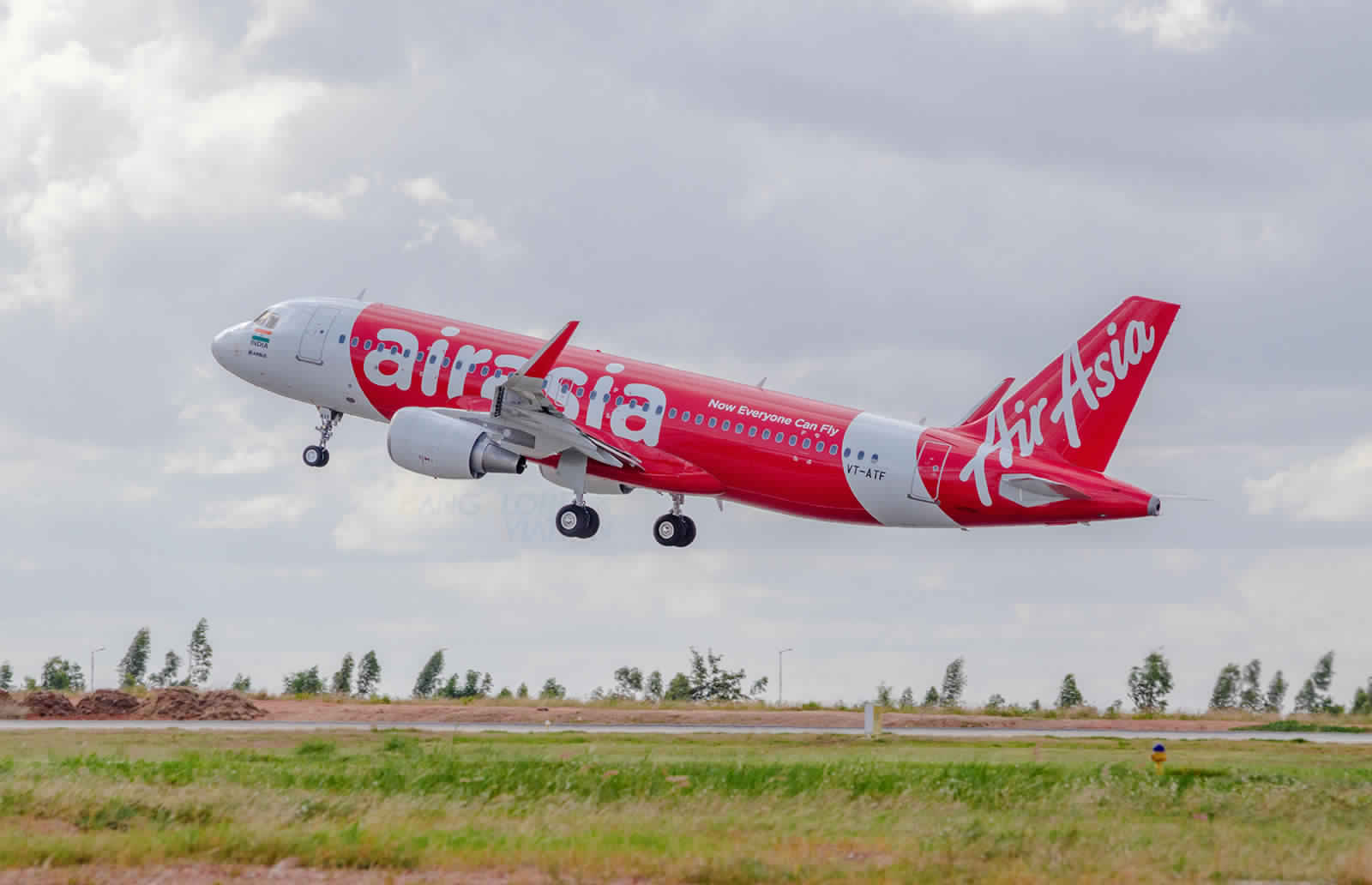
    After the success of domestic and international operations from Biju Patnaik International Airport (BPIA), Kuala Lumpur-based AirAsia Airline has decided to start another domestic flight from Bhubaneswar. The new daily flight to Ranchi will start operations from October 7.With this, AirAsia offers connectivity from the city airport to Kolkata, Bangalore, Ranchi and Kuala Lumpur. AirAsia is a major operator which uses both (domestic and international) terminals of the BPIA.
    According to airline schedule, Bhubaneswar-Ranchi flight (I51625) will take off from Bhubaneswar at 12:45 pm and reach Ranchi at 2 pm. Similarly, the Ranchi-Bhubaneswar flight (I51624) will take off from Ranchi at 10:30 am and reach here by 11:50 am. Apart from Bhubaneswar, the airline has also decided to offer daily direct flights to Ranchi from Bangalore and Hyderabad.At present, the Bhubaneswar-Ranchi ticket price is around Rs 2,300 (the fare is subject to change).
    The Malaysian carrier has two flights to Bangalore and two flights to Kolkata. Significantly, the airline which started the international operations to Kuala Lumpur in April this year gets good response from the state.

    In fact, the airline was selected for international operations by the state government through a competitive bidding. Apart from AirAsia, IndiGo, Air India, Vistara and Go Air also offer domestic connectivity from BPIA. However, AirAsia is the only airline which offers direct domestic and international connectivity from BPIA.Top officials of the Airports Authority of India (AAI) informed this daily that BPIA will have more flights soon.

    “BPIA is a potential airport and we are already in talks with different operators for starting operations from here. We also suggested to the airlines to start operations by using small aircraft,” said a top official of the AAI.

    According to officials, within two years, the passengers can expect more facilities at BPIA. The AAI has floated a proposal for a three-star hotel near the airport. The authorities have already indentified approximately 54 acres at BPIA for commercial purposes and decided to allot one acre to the three-star project.

  • Carlsberg eyes at least 51 pct stake in Vietnam’s Habeco

    Carlsberg eyes at least 51 pct stake in Vietnam’s Habeco

    The government wants to fully divest its majority stake in Habeco as also in rival Sabeco.

    Danish brewer Carlsberg is keen on increasing its stake in Habeco, one of Vietnam’s biggest brewers, to at least 51 percent, a local news website reported, citing a Habeco executive.

    Vietnam has one of the world’s most attractive beer markets and the biggest in Southeast Asia, buoyed by a young population that consumed nearly 4 billion liters last year. The government wants to fully divest its majority stake in Habeco as also in rival Sabeco.

    Carlsberg, which already owns around 17 percent in Habeco, has been discussing its priority purchase rights with the Vietnamese government, which has delayed the Habeco sale.

    Sabeco, in which the government owns a 90 percent stake, has also seen interest from foreign players such as Dutch brewer Heineken and Japan’s Kirin.

    Vietnam’s Steering Committee for Enterprise Innovation and Development, which oversees the country’s privatization drive, said last month it aimed to “completely resolve problems in strategic cooperation” with Carlsberg, and inform the prime minister about the results by November 15.

    Habeco is still in talks with the Danish company on the stake sale, state-controlled An Ninh Thu Do newspaper quoted Habeco’s deputy chief Vuong Toan as saying.

    The media report also quoted Toan as saying that foreign companies are not allowed to own more than 49 percent of Habeco due to foreign ownership limits.

    Carlsberg said on Friday it would not comment on “rumours.”

    Last month, the company said it held “several constructive meetings with the Vietnamese government to discuss the privatisation process of Habeco.”

    “We now see good progress in these meetings, and will continue these discussions with the Vietnamese government for the next steps,” Carlsberg Chief Executive Cees ’t Hart said at a conference call after its second-quarter earnings on August 16.

  • ShopBack Thailand launches Cashback Day

    ShopBack Thailand launches Cashback Day

    ShopBack Thailand, the cashback platform that rewards consumers for shopping online, has declared next Saturday as the nation’s first Cashback Day.

    Five days of savings kick off today with sneak-preview deals between 9pm and midnight. Until Friday, shoppers are offered up to 49 per cent cashback from such platforms as Aliexpress, Apple Store, Expedia, Lazada, Sephora and Uber. Then all day Saturday shoppers can receive up to 99 per cent cashback on purchases, plus discounts and promotional codes from travel, food, lifestyle and entertainment businesses.

    “To thank our customers for the overwhelming response we’ve received since ShopBack’s launch in Thailand in July, this inaugural Cashback Day will bring them more savings than usual” says ShopBack co-founder/country head Kawin Prachanukul.

  • Adidas HomeCourt store opens at SM Megamall

    Adidas HomeCourt store opens at SM Megamall

    Sports Central’s new Adidas HomeCourt Concept Store on the ground floor of the SM Megamall in Ortigas, Metro Manila, brings together innovation in both design and retail.

    Covering 279sqm, the store is designed as a retail space offering a sporting arena experience. Customers are welcomed by a bold, distinctive Arena Facade, similar to the entry points of many Adidas sporting venues. Window displays feature the brand’s latest campaigns.

    At the heart of the store is “the Shoebase at Centerfield”, where customers can check out the latest footwear across all sport categories. Surrounding this is the concourse, where customers can engage with different categories and sub-brands. The store’s wall fixtures are simple metallic frames that allow the products to stand out.

    Another highlight is the Team Room, a themed changing area that elevates the fitting experience – the locker-room vibe allows customers to feel like they are part of the team. The decor features key Adidas athletes like Caroline Wozniacki, Damian Lillard and James Harden.

    As well as athletic footwear, the store offers sports apparel and accessories. A feature is the Adidas Warp Knit collection for training, as worn by supermodel Karlie Kloss.

  • Telstra appoints new corporate affairs head

    Telstra appoints new corporate affairs head

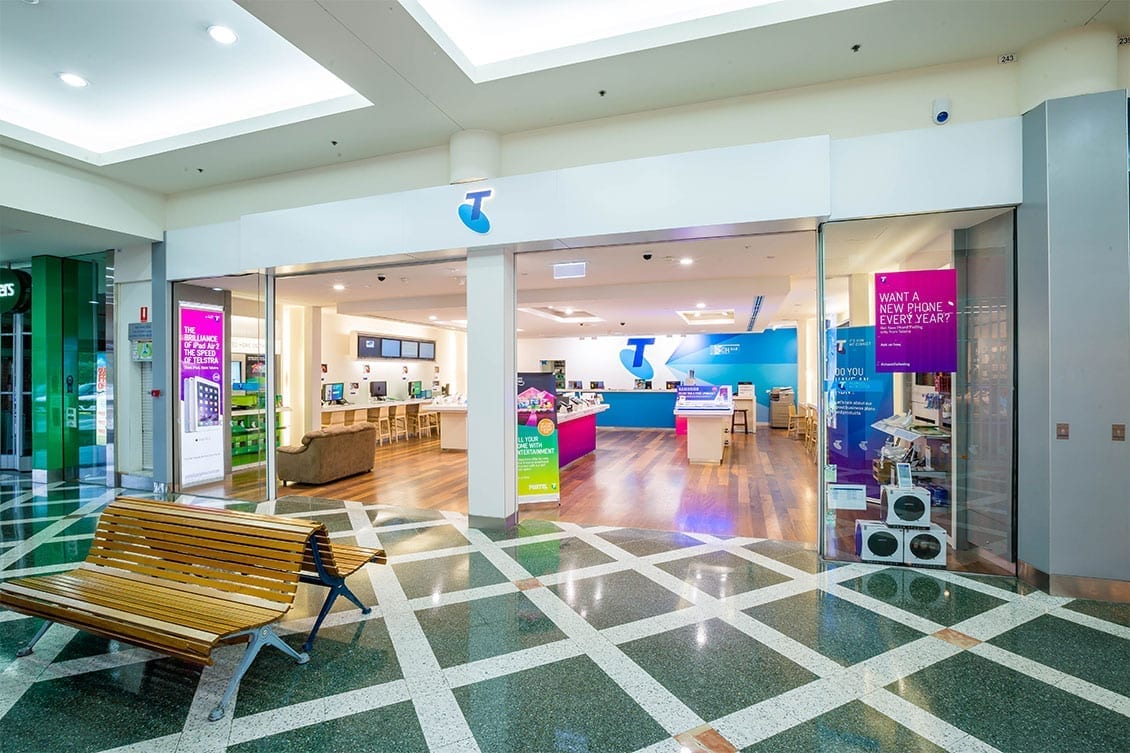
    Telstra has promoted Carmel Mulhern to take on the added responsibility of the company’s corporate affairs group, in addition to her existing role as the company’s group general counsel.

    Mulhern will take over the role of group executive of corporate affairs from Tony Warren, who will leave Telstra on September 22 after serving the Australian incumbent for 15 years. Warren will take a newly created position as group general manager for communications and public affairs at ANZ Banking Group.

    In a statement, Telstra CEO Andy Penn said Mulhern is “a natural fit” for the expanded role.

    “Carmel has been at Telstra for 17 years and in that time has shown tremendous leadership protecting Telstra’s reputation and managing risk across our business,” Penn said. “Carmel is well suited to this new role, having a strong knowledge of government, a central role in Telstra’s most sensitive communications for many years, and a keen sense of corporate responsibility.”

    Megaport appoints Tim Hoffman CTO

    Megaport has tapped former Twitter global network head Tim Hoffman as its new chief technology officer.

    Hoffman will join the Australian interconnection services provider on October 1 and report directly to Megaport CEO Vincent English.

    “Tim was integral in leading the development of some of the most critical networks in New Zealand’s telecommunications infrastructure over the previous decade,” English said in a statement.

    “His tenure with Twitter enabled him to design a network that could deliver exponential growth. In the last year, Megaport has experienced record revenue growth of 298%, strong product and service uptake, and has expanded its global footprint.”

    Hoffman joined Twitter in late 2014, leading the global network team and was responsible for worldwide infrastructure, including all interconnection, backbone and content distribution infrastructure, and global data centers.

    Prior to that, Hoffman was a network engineer at CloudFare.

    Christopher Slaughter to step down as CASBAA CEO

    CASBAA said its chief executive Christopher Slaughter will step down from his role, effective December 31, after serving the industry association for five years.

    Slaughter will continue as CEO through the remainder of the year while the company searches for his successor.

    During his tenure as CEO, Slaughter has spearheaded structural reform of the organization, created new events, and delivered on CASBAA’s aim to represent, inform, and connect its membership, said CASBAA chairman Joe Welch.

    Slaughter was appointed CEO of CASBAA in October 2012, and had previously served as convention director in 2004.

    Before joining CASBAA, Slaughter held leadership roles in global and regional production, research, and news organizations, including  APV, The Yankee Group, CNBC, and Asia Business News.
  • Nissan unveils new electric car in bid to drive off competition

    Nissan unveils new electric car in bid to drive off competition

    The new vehicle ‘strengthens’ the firm’s ‘leadership’ in the electric car sector.

    Japanese giant Nissan Wednesday unveiled a new electric car with an extended range and semi-autonomous driving functions, as it seeks to battle off competitors in a sector it once pioneered.

    The second-generation Nissan Leaf has a potential range of 400 kilometers (250 miles) between charges, compared with 250 kilometers for its previous version.

    It also boasts semi-autonomous driving capabilities such as keeping the vehicle automatically in one lane on the motorway or parking without human intervention.

    Hiroto Saikawa, president and chief executive officer of Nissan, said in a statement that the new vehicle “strengthens” the firm’s “leadership” in the electric car sector.

    Nissan was an innovator in the sector seven years ago when it unveiled its first Leaf — which has sold 280,000 units — but has since had to contend with fierce competition from General Motors and Tesla among others.

    Faced with tighter global environmental regulations, most carmakers are investing heavily in the electric car sector, sparking a ferocious race to create the next green vehicle.

    The new car will be available next month in Japan, followed by the United States, Canada and Japan in January 2018.

    The price tag in Japan will be 3.15 million yen (around $29,000).

  • Ikea Korea launching second store

    Ikea Korea launching second store

    Ikea Korea’s second store will be in Goyang, opening on October 19.

    “We had heard from customers that they wanted us to come closer to them, and that sometimes our store is too crowded,” says Ikea Korea retail manager Andre Schmidtgall.

    He says the store is in the finishing stages of construction and is hiring 550 employees. Ikea hopes to have six stores in Korea by 2020.

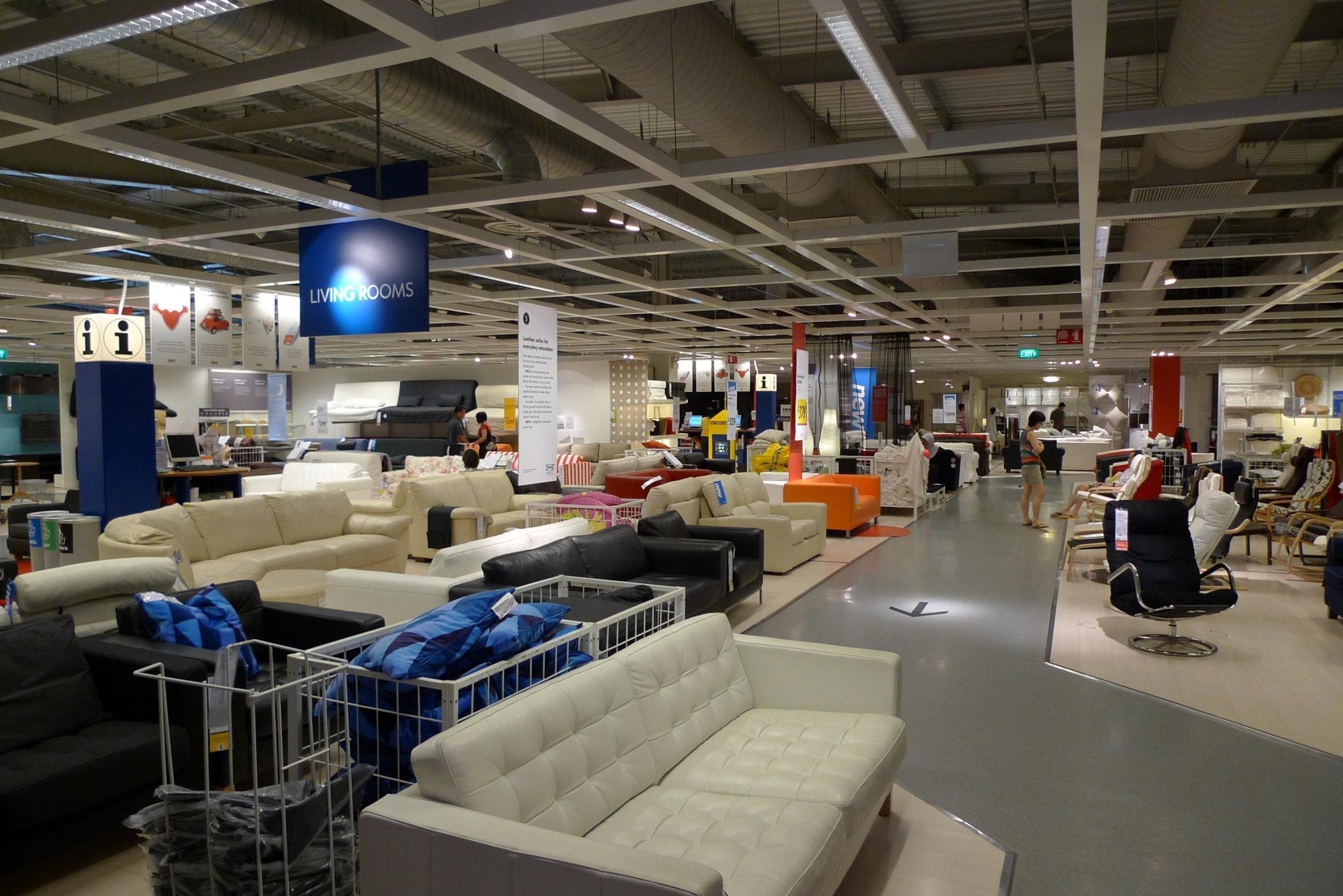
    Schmidtgall says Ikea’s Gwangmyeong store ( pictured), south of Seoul, is the largest in the world. In its latest fiscal year, Ikea Korea earned revenue of 365 billion won (US$323 million), representing a 6 per cent rise, with 6.49 million visitors to the store.

    There were also 38.8 million visitors to the Ikea website and mobile app, says Schmidtgall.

    Slightly smaller than the existing branch, the Goyang store will offer a similar range of products but with a different layout. It is in a shopping and entertainment hot spot in the previously underserved northern suburb of Seoul. Starfield Goyang, a shopping and entertainment complex owned by Shinsegae, opened last week following a Lotte mall.

    Ahead of the opening of the Goyang branch, Ikea is showcasing its new range of products for the coming year, focusing on the living room, at Bread Comma Cafe in Hongdae through to September 17.

  • DHL distributes 200,000 umbrellas to pilgrims

    DHL distributes 200,000 umbrellas to pilgrims

    DHL Express Saudi Arabia has distributed more than 200,000 umbrellas to pilgrims during this year’s Hajj, double the amount given out last year.

    The distribution was made in Mina and Arafat by 25 dedicated DHL Express staff members working from 15 trucks.

    “DHL Express Saudi Arabia is committed to social responsibility in the Kingdom, which extends to our support for pilgrims performing the most sacred religious duty of their lives,” said Faysal Al-Hajjami, country general manager of DHL Express.

    “This is the fourth year in a row that we have implemented the umbrella initiative, which has proved to be much appreciated by the pilgrims.”

    DHL Express has a global CSR strategy under the three key pillars — Go Help, Go Teach and Go Green — that cover various aspects, including education, the environment and aid to charitable causes.
    Implementing this strategy locally, in addition to its help for Hajj pilgrims, DHL Express has partnered with Tarabot, a charity located in the Eastern Province, to support patients struggling to cover the cost of medical treatments by providing safe and comfortable transportation from their homes to the treatment locations.

    Other DHL activities include regular fun days for child cancer patients and orphans.
    “Being a good corporate citizen of the Kingdom is inherent in our DNA and we firmly believe that our CSR programs, particularly our Go Help initiative, genuinely benefits the communities where we operate,” added Al-Hajjami.

  • Saudi Arabian ‘honesty’ app takes internet by storm

    Saudi Arabian ‘honesty’ app takes internet by storm

    Its mass appeal stems from the appetite in the Arab world — notorious for online censorship — for unfiltered platforms for expression.

    Fizzing with boyish exuberance, Saudi programmer Zainalabdin Tawfiq could be mistaken for a college freshman, but the popularity of his “honesty” app has shone a spotlight on the conservative kingdom’s nascent tech scene.

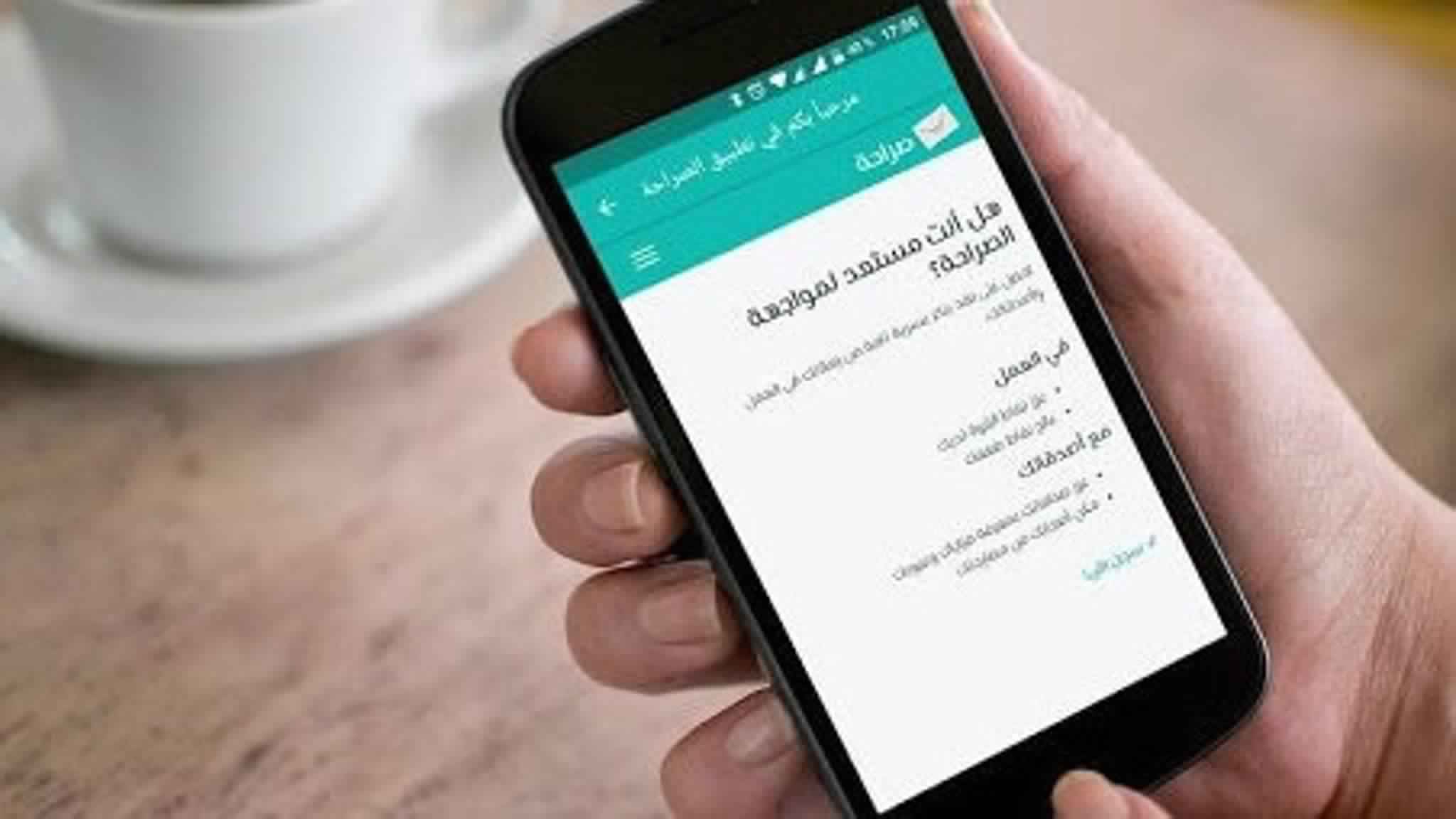
    Tawfiq catapulted to fame when he took time out of his day job as a business analyst last year to develop an anonymous messaging tool called Sarahah — honesty in Arabic — that subsequently topped the charts for app downloads.

    Initially conceived as a tool for soliciting bluntly frank workplace feedback, Sarahah has found its way into the smartphones of millennials worldwide, even as critics have raised alarm about trolling and privacy issues.

    “Sarahah is the digital equivalent of an old-school suggestion box,” 29-year-old Tawfiq told AFP, adding that it is built on the premise that stripping users of their identity promotes ruthless honesty.

    “Feedback is the goal — anonymous feedback.”

    The app has a frugal design and a simple prompt that encourages users to “leave a constructive message :)”, with the recipient not allowed to reply but only share it on social media or block the sender.

    Its mass appeal stems from the appetite in the Arab world — notorious for online censorship — for unfiltered platforms for expression, though Tawfiq said it has also gained a strong popularity in Western countries.

    Such has been its power to knock down social barriers that obstruct free speech that one user described it as an app where you can “hit enter on comments you would have otherwise backspaced”.

    Sarahah has so far drawn 85 million registered users, and rocketed to the top of the Apple app store in some countries, ahead of heavyweights such as Snapchat and Instagram.

    ‘Oil’s decline, entrepreneurship’s rise’

    “The success story of Sarahah really proves that Saudi startups can achieve spectacular gains when properly supported,” said Nawaf Alsahhaf, CEO of Badir, a government-backed technology incubator that helped Tawfiq.That a Saudi app could gain such success spotlights hidden potential for tech innovation and entrepreneurship at a time of economic transformation in an ultra-conservative country.

    “There truly is undeniable potential behind Saudi startups we currently incubate,” he told.

    Saudi Arabia is promoting private enterprise as part of its ambitious reform program to move the kingdom away from its dependence on oil revenues.

    “It is clear oil’s decline and entrepreneurship’s rise are necessarily intertwined,” the Beirut-based venture capital firm Leap Ventures wrote on its website last year, noting a new growth in disruptive tech innovations in the region.

    A new breed of Saudi startups — from an on-demand roadside assistance app called Morni to Hunger Station, a food ordering portal — have recently drawn the attention of venture capitalists.

    Minimising abuse

    Tawfiq said he is in negotiations with venture capitalists from the United States, China and the Arab world, without disclosing details, in response to critics who question whether his app can be effectively monetised.

    In some gender-segregated Arab societies, men have used Sarahah for secret love confessions, but it has also been used by service delivery companies to harvest constructive feedback and psychiatrists in far-away Mumbai to engage openly on subjects such as sexual health.

    Sarahah has come under fire for being a troll magnet — but Tawfiq said that problem was common to all major social media platforms.

    It has also recently been accused of secretly harvesting the address books of users. Tawfiq rejected that claim and said he plans to remove Sarahah’s address upload feature with the next update.

    He currently runs a tight ship with another business partner and three customer support executives, but is considering leaving his day job to focus on Sarahah full time.

    “I believe that even one case (of abuse) is actually too many,” Tawfiq said. “I won’t tell you how, but my aim is to make the job of misusers as difficult as possible.

  • Microsoft, Bosch replace local CEOs with foreigners in Vietnam

    Microsoft, Bosch replace local CEOs with foreigners in Vietnam

    Bosch’s former Vietnamese CEO is taking charge of Vingroup’s new automobile venture, while Microsoft Vietnam’s ex-chief also has a new job.

    American tech giant Microsoft and German engineering and electronics company Bosch have both assigned new foreign CEOs for their branches in Vietnam following the departures of their long-term Vietnamese executives for “personal reasons”.

    Microsoft Vietnam announced the personnel change last Thursday, saying Aung San Maung from Myanmar has been appointed as its new CEO in Vietnam, a position which had been held by Vu Minh Tri for seven years.

    The group’s communications representative said Tri officially left last month after accepting an offer to work for another company, which has not been identified yet.

    Microsoft entered the Vietnamese market in 1996. Under Tri’s management, the company has become an active investor in local information technology and education development, it said.

    Aung San Maung has been with Microsoft Vietnam since early 2013 as head of its Enterprise and Partner Group. He studied computer science in Canberra and has more than 30 years of experience working at global technology corporations, including IBM.

    Several days ago, Bosch Vietnam also announced that Vo Quang Hue had left his 10-year position as CEO. Guru Mallikarjuna from India, who has been working with the group for 12 years, has been charged with leading the company forward.

    “Hue built a strong foundation for the company in Vietnam, turning it from a representative office into one of the biggest European investors with more than 3,100 employees,” said the company, which entered Vietnam in 1994.

    While Tri’s new workplace has not been revealed, Hue has been appointed deputy CEO of Hanoi-based conglomerate Vingroup, and will take charge of its newly-established automobile venture.

    The private company, which is already a top property developer in Vietnam, has launched the construction of a $1.5 billion factory in the northern city of Hai Phong and is expected to deliver its first cars in two years.

    Hue said the new job will continue his dream of helping Vietnam become an outstanding technology center in Southeast Asia.

  • Cebu Pacific to add holiday season flights to Japan, Vietnam, Indonesia

    Cebu Pacific to add holiday season flights to Japan, Vietnam, Indonesia

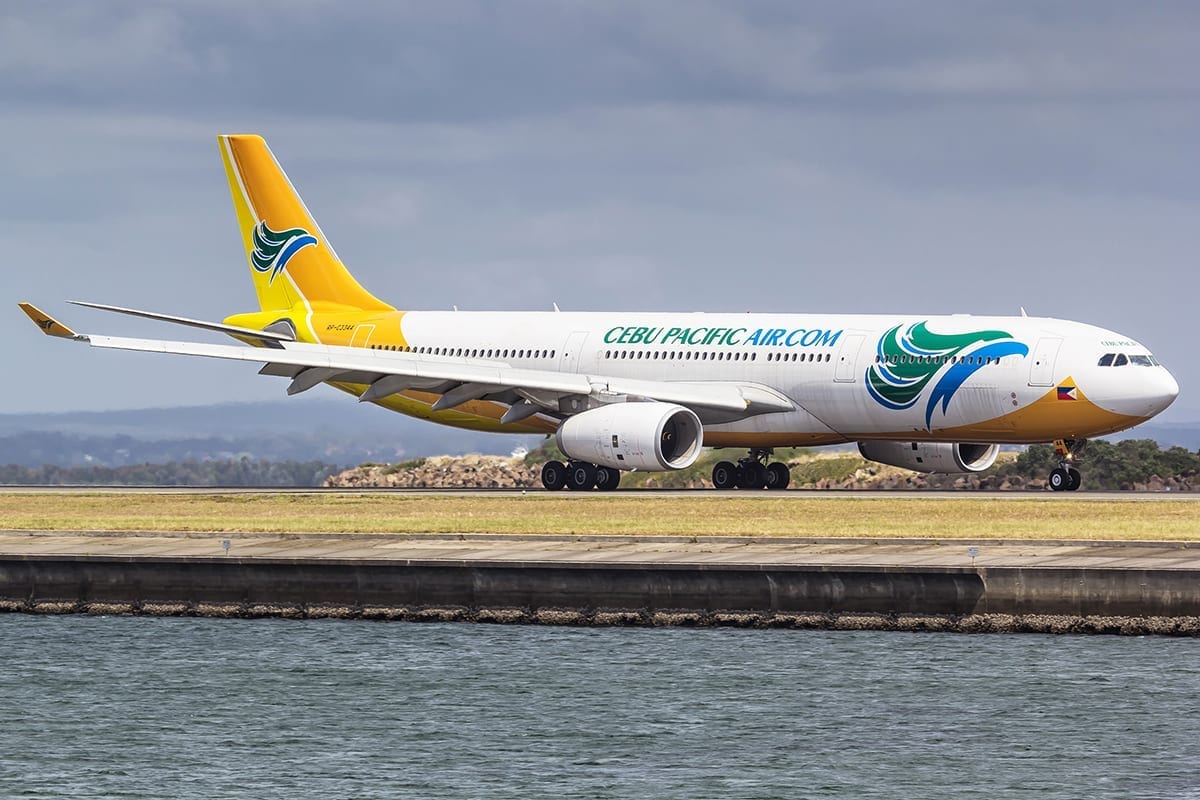
    Gokongwei-led budget carrier Cebu Pacific will add more flights to its existing Japan, Vietnam, and Indonesia routes from the 4th quarter of 2017 to the 1st quarter of 2018.

    The airline announced on Thursday, August 31, that it will start flying 6 times a week from Manila to Osaka by adding a Friday flight, starting November 3 until December 6. It currently flies to Osaka every Sunday, Tuesday, Wednesday, Thursday, and Saturday.

    The Manila-Osaka route will increase further to daily operations by December 15, 2017 to March 2018, in time for the Christmas season.

    For the Manila-Nagoya route, Cebu Pacific will fly 6 times a week (Sunday, Monday, Tuesday, Thursday, Friday, Saturday), up from the current 4 times a week (Sunday, Tuesday, Thursday, Saturday) starting October 29.

    For the Manila-Tokyo (Narita) route, the budget carrier will be flying twice a day instead of once a day starting October 29, 2017 until March 24, 2018. Cebu Pacific added that it is securing approval to fly to the Haneda Airport in Tokyo as it is closer to the city center.

    The budget carrier will also increase flights to and from Bali (Denpasar), Indonesia, from the current 4 times a week to 5 times a week starting December 4, 2017 until March 6, 2018.

    Finally, Cebu Pacific will also mount daily flights between Manila and Hanoi, Vietnam from December 1, 2017 to January 9, 2018.

    “We constantly review our route network and frequencies to respond to changing market needs and operational requirements. Depending on seasonal factors, we make flight schedule changes as necessary, while keeping in mind the bookings of our passengers, many of whom book flights way in advance,” Cebu Pacific vice president for corporate affairs JR Mantaring said in a statement.

    The airline is also planning to sell 3 Airbus A319 planes over the next year. These will be replaced by brand-new aircraft, the first of which are set to arrive by the 1st quarter of 2018.

    Cebu Pacific is awaiting delivery of 7 Airbus A321ceo planes in 2018, as well as 32 Airbus A321neo planes from 2018 to 2022.

  • IDX Again Wins Global Islamic Finance Award

    IDX Again Wins Global Islamic Finance Award

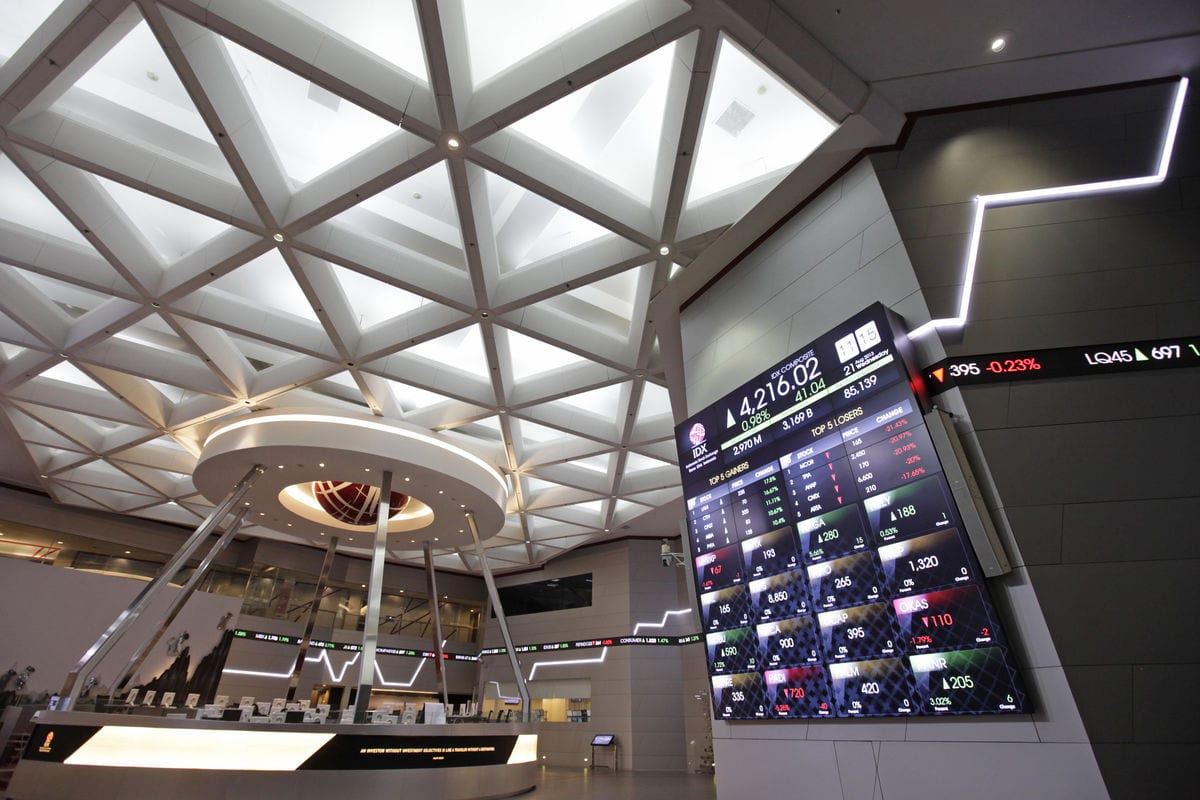
    The Indonesia Stock Exchange (IDX) was again awarded “The Best Supporting Institution for Islamic Finance of the Year 2017” from the Global Islamic Finance Award.

    Head of IDX Communication Division Yulianto Aji Sadono in an official statement in Jakarta, Sunday (9/10/2017) said that the bourse is the only institution from Indonesia that received the award from GIFA for two consecutive years.

    “This award is a benchmark for Indonesia to show that the Indonesian Sharia Capital Market has been able to compete at the international level,” he said.

    The award was handed over directly by Edbiz Consulting CEO Sofiza and received directly by the IDX Director Tito Sulistio in China on Saturday (9/9).

    The award, he added, is inseparable from the role of IDX which consistently encourages Indonesia’s sharia capital market industry to continue to advance and develop with world-level credibility, in accordance with the company’s vision and mission.

    He said that GIFA is one of the international awards in the world’s sharia financial industry organized by EdBiz Consulting, headquartered in London. GIFA 2017 is the seventh award.

    Yulianto Aji Sadono explained that since its establishment in 1997, Syariah Capital Market of Indonesia currently has two sharia indices namely Indonesian Sharia Stock Index (ISSI) and Jakarta Islamic Index (JII), 342 sharia shares, 16 fatwas from National Sharia Council-Indonesian Ulema Council (DSN-MUI), nine Regulations of the Financial Services Authority (OJK) and one Government Sukuk (SBSN) Law.

    By trade percentage, he also said that stock transactions in the IDX are dominated by sharia-based stocks. As much as 62 percent of the total shares traded on the IDX are sharia-based stocks, or about 55 percent of the market capitalization on the Stock Exchange.

    He said the market regulator expects the sharia capital market industry to be a safe investment alternative especially for Indonesian people who want to invest in accordance with sharia principles and can give real and optimal contribution in the growth and development of a sustainable national economy.

  • Indonesia Stock Market May Spin Its Wheels On Monday

    Indonesia Stock Market May Spin Its Wheels On Monday

    The Indonesia stock market has climbed higher in back-to-back sessions, collecting almost 35 points or 0.7 percent along the way. The Jakarta Composite Index now rests just above the 5,855-point plateau, although it may run out of steam on Monday.

    The global forecast for the Asian markets is mixed to slightly lower, with a decline in crude oil prices likely to weigh. The European and U.S. markets were roughly flat but mostly in the red, and the Asian bourses are expected to follow that lead.

    The JCI finished modestly higher on Friday following gains from the financial shares and resource stocks.

    For the day, the index advanced 24.81 points or 0.43 percent to finish at 5,857.12 after trading between 5,819.53 and 5,866.99. There were 159 gainers and 142 decliners, with 130 stocks finishing unchanged.

    Among the actives, Tiga Pilar Sejahtera Foods plummeted 5.03 percent, while Indofood Sukses perked 1.47 percent, Bumi Resources advanced 0.83 percent, Bank Pan Indonesia spiked 1.95 percent, Bank Danamon Indonesia collected 0.47 percent, Bank Mandiri jumped 1.92 percent, Bank MNC Internasional skidded 1.92 percent, Lotte Chemical added 0.78 percent, Jasa Marga shed 0.42 percent and XL Axiata gained 0.26 percent.

    The lead from Wall Street provides little clarity as stocks moved mostly lower on Friday, although the Dow eked out a modest gain.

    The Dow added 13.01 points or 0.1 percent to 21,797.79, while the NASDAQ fell 37.68 points or 0.6 percent to 6,360.19 and the S&P shed 3.67 points or 0.2 percent to 2,461.43. For the week, the NASDAQ tumbled 1.2 percent, the Dow slid 0.9 percent and the S&P lost 0.6 percent.

    The weakness came amid concerns about the economic impact of Hurricane Irma, which made landfall in Florida early Sunday. Irma followed close on the heels of Hurricane Harvey, which led to widespread devastation and flooding in Texas.

    In economic news, the Commerce Department said wholesale inventories rose more than expected in July, while the Federal Reserve said consumer credit jumped more than expected in July.

    Crude oil futures fell Friday but held onto weekly gains as data showed the U.S. oil rig count fell again in what is becoming a rough hurricane season. U.S. West Texas Intermediate light crude oil shed 2.04 percent or $1 at $48.09 a barrel.