Author: Mei Ling Tan

  • Saigon calls for carpooling service ban to be revoked as city grinds to a halt

    Saigon calls for carpooling service ban to be revoked as city grinds to a halt

    Carpooling services are convenient because they cost less and reduce congestion, but the transport ministry says they put passengers at risk.

    Ho Chi Minh City’s government has asked the Ministry of Transport to overturn a ban on low-cost carpooling services that was issued in June.

    The ministry previously said it would not allow either Grab or Uber to offer their ridesharing services GrabShare and UberPOOL in Vietnam because sharing a car with a stranger puts passengers at risk

    The decision came a month after the two ride-hailing firms rolled out their services in the city.

    If Uber and Grab disobey the rule, they will be fined VND4-6 million ($175-260) per ride, the ministry said.

    But the ministry’s words seem to have been an empty threat because GrabTaxi is still offering the service, and has also asked for the ban to be lifted, local media reported.

    The ministry asked for the city’s opinion in July. In response the city said it said it is difficult to tell if a Grab or Uber driver is offering a ridesharing service, so it’s nearly impossible to stop them.

    It also said carpooling services are convenient for passengers because they cost less, and more importantly, reduce traffic congestion in the city.

    The city has asked the ministry to allow a carpooling service to be piloted for one year so that it can build regulations to manage it.

    As suggested by the city, only cars with less than nine seats will be allowed to operate the service, and each car can only accept two contracts at once. They must also have specific logos to distinguish them from those that do not offer the service.

    HCMC is looking at ways to limit the number of private vehicles entering the city center to ease congestion.

    Official data show that the city’s transport department had licensed 23,820 cars with under nine seats as of June 30 this year.

    By mid May, the city had more than 8 million private vehicles, an increase of 5.8 percent against the same period last year, including 646,400 private automobiles and 7.4 million motorbikes.

    The current number of autos in the city has nearly tripled the limit set for 2020 and is double the ceiling set for 2025.

    At a meeting with local residents in August, Mayor Nguyen Thanh Phong said the city would revisit a plan to change school and office hours in an attempt to stagger the amount of traffic hitting the city’s streets during rush hours.

    Research conducted by Associate Professor Pham Xuan Mai from the Ho Chi Minh City University of Technology released in March last year found that traffic congestion costs the southern metropolis more than VND18.3 trillion ($820 million) every year.
  • Nissan targets new Leaf global sales of more than 90,000 a year

    Nissan targets new Leaf global sales of more than 90,000 a year

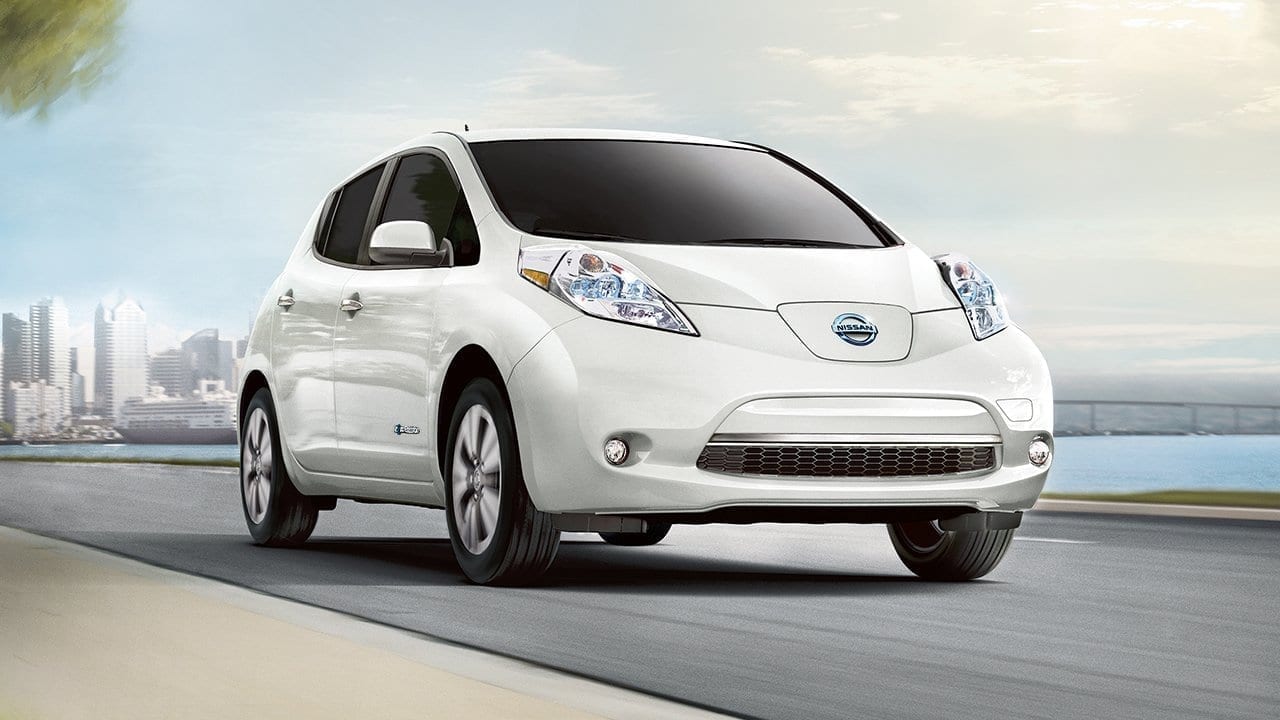
    Nissan Motor is targeting annual global sales of more than 90,000 units for its new Leaf electric vehicle, the company said on Wednesday.

    The battery supplier for the revamped Leaf is Automotive Energy Supply, the same as for the previous Leaf.

    The new Leaf, launched on Wednesday, goes on sale in Japan from Oct. 2 and elsewhere early next year.

  • 11street Thailand eyes top spot

    11street Thailand eyes top spot

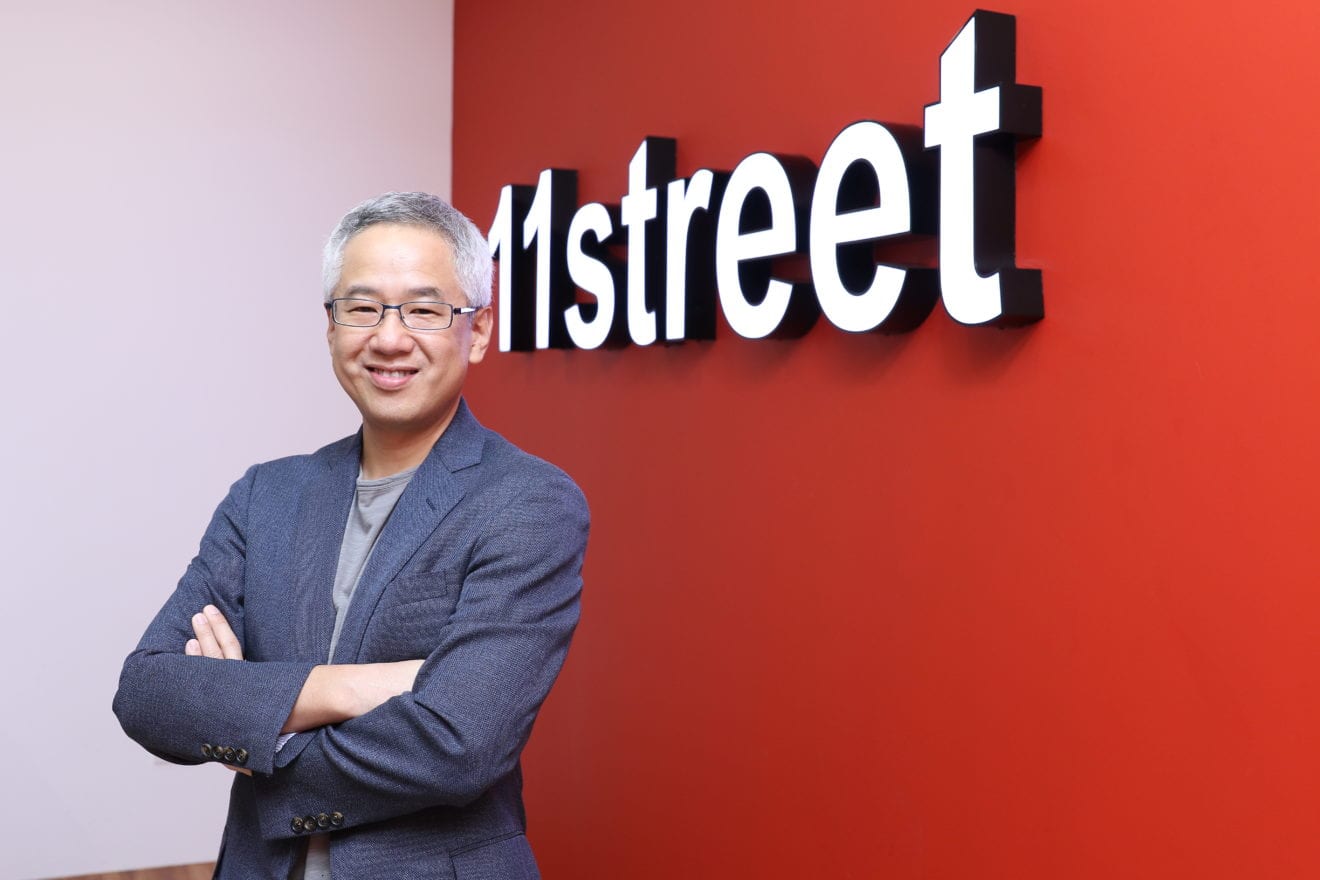
    Korean-owned 11street may be exiting Indonesia, but the e-commerce platform remains bullish about its opportunities in Thailand.

    Yun Chang-sung, 11street Thailand VP of sales, says the company is working towards being the largest e-commerce player in the nation by 2022.

    A week ago, 11street parent SK Planet, a subsidiary of SK Telecom, announced it was selling its half stake in Indonesian website Elevenia to fellow Korean corporation Lotte, with whom it is in discussions over an e-commerce joint venture at home.

    “SK Planet decided it was best to close down money-losing operations overseas to focus on propping up the domestic business,” wrote Pulse News. “After Indonesia, the next to go could be Malaysia among the three overseas markets including Thailand and Turkey.”

    First, 11street Malaysia dismissed such speculation, saying it was committed to the long term., 11Street Malaysia is operated by Celcom Planet, a joint venture between Celcom Axiata Berhad and SK Planet.

    11street Thailand says it has more than 580,000 shoppers buying from 18,000 sellers on its platform, just seven months after its launch.

    “We have become number two in the market in just a few months, and we are sure we can become number one in less than five years,” Yun said.

    He said Thailand’s e-commerce size is comparatively small at present, relative to mature markets like South Korea and the US.

    “Competition in Thailand is not that aggressive compared with other countries such as South Korea,” he said. “There are great opportunities to grow. The more dynamic logistics and payment industries in Thailand also contribute to the growth of e-commerce.”

    Thai and international brands including as Nestle, Samsung, Mahajak, Cotton USA, Watsons, FBT and Grand Sport list goods on 11street Thailand.

  • Boom time for Thailand internet shopping

    Boom time for Thailand internet shopping

    As consumers become more tech savvy, Thailand internet shopping has boomed.

    Online retail sales in Thailand are more than doubling annually, whereas traditional stores are seeing only about 10 per cent growth.

    This is attributed to a combination of stronger and faster internet speeds in Thailand plus the success of online merchants such as Lazada.

    Thailand mobile-phone company Total Access Communication estimates Thais spend up to six hours a day on social media websites like Facebook and Youtube.

    Corporate financial services company Maybank Kim Eng Holdings says Thailand is the only Southeast Asian country that includes an online category for retail sales data.

    While online sales in Southeast Asia have been growing strongly, they still account for less than 4 per cent of overall retail purchases, according to a Maybank report by economists Chua Hak Bin and Lee Ju Ye.

    Larger markets, like China and South Korea, already have higher penetration rates of online retailing at 16 and 18 per cent respectively. They say this shows the potential for Southeast Asia, where e-commerce sales could reach 5 to 10 per cent of overall retail purchases over the next five years.

    Meanwhile, Alibaba Group Holding founder Jack Ma has joined a government panel in Indonesia that has the task of steering the e-commerce industry in Southeast Asia’s most-populous nation. Macquarie Research estimates online retailing in the country could reach $65 billion by 2020.

  • IoT to be a $1.8tr revenue opportunity for cellcos

    IoT to be a $1.8tr revenue opportunity for cellcos

    The Internet of Things will represent a $1.8 trillion revenue opportunity for mobile operators by 2026, thanks in part by the early deployment of commercial low power wide area (LPWA) networks in licensed spectrum, according to the GSMA.

    Research conducted for the industry association by Machina Research found that new mobile IoT applications and services represent huge growth opportunities for mobile operators.

    To date 12 operators have launched 15 commercial mobile IoT services. These include China Mobile, China Telecom and China Unicom, South Korea’s KT and LG Uplus as well as Singapore’s M1.

    Operators are enhancing their  their licensed cellular networks with narrowband IoT (NB-IoT) and LTE machine-to-machine (LTE-M) technologies utilising global 3GPP standards.

    Mobile IoT networks are expected to have 862 million active connections by 2022, representing 56% of all LPWA connections.

    The largest revenue opportunities for the IoT include consumer demand for connected home ($441 billion), consumer electronics ($376 billion) and connected car ($273 billion) technologies.

    The connected energy market is meanwhile expected to reach $128 billion by 2026 as local governments and consumers seek smarter ways to manage utilities, and revenues from connected cities are on track to reach $78 billion by this time.

    “There is a real sense of momentum behind Mobile IoT networks in licensed spectrum, with multiple commercial launches around the world, as well as the availability of hundreds of different applications and solutions, but there is still much to be done,” GSMA CTO Alex Sinclair said.

    “Many operators are already reaping the benefits of deploying Mobile IoT and we encourage others to act now to capitalise on this clear market opportunity and further accelerate the development of the Internet of Things.”

  • ZTE debuts AI platform for intelligent networks

    ZTE debuts AI platform for intelligent networks

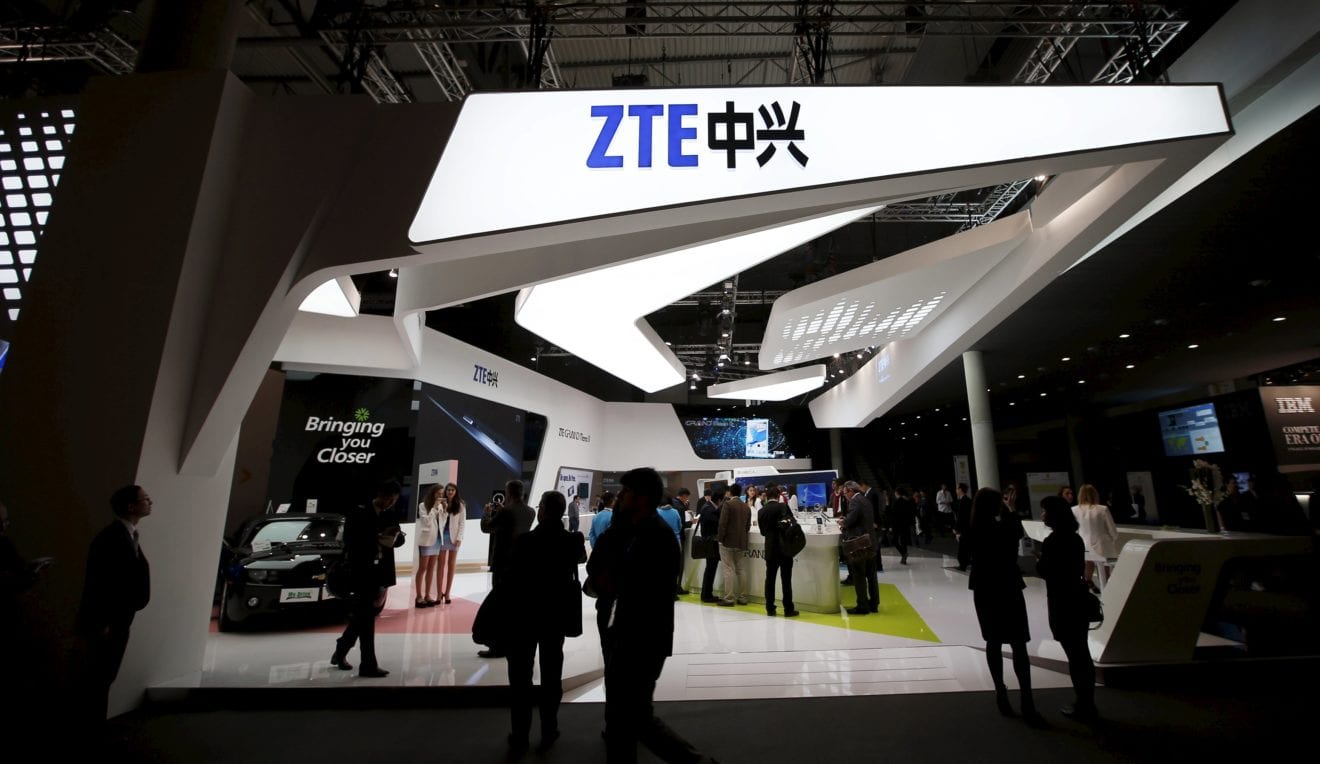
    ZTE has introduced a new AI solution to help operators build intelligent and automated AI networks.

    ZTE’s AI solution uses a unified AI platform that can provide diversified applications for cloud service and intelligent networks combined with chip and terminal hardware.

    The AI-based service application can provide voice and video services which are based on face recognition, human and vehicle identification, speech recognition and natural language processing technologies.

    Meanwhile the AI-based intelligent network application uses precision algorithms to provide intelligent network operations and maintenance and network optimization capabilities.

    The portfolio can also provide self-researching AI chip, robot modules and intelligent terminals such as smartphones and smart home controllers.

    “Complemented with high computing power, precision algorithm and data analytics capability, AI technology will lead to the evolution of highly intelligent autonomous, automatic, self-optimizing and self-healing networks,” ZTE said.

    “At this stage, operators and vendors are still proactively exploring and seeking more efficient, stable and accurate AI algorithms and solutions to reduce the operation labor cost and effectively improve operating income. [The platform can help] operators introduce new technologies and build next generation intelligent network more conveniently amidst the ongoing advancement of AI technologies.”

  • Thomas Sabo Hong Kong opens flagship

    Thomas Sabo Hong Kong opens flagship

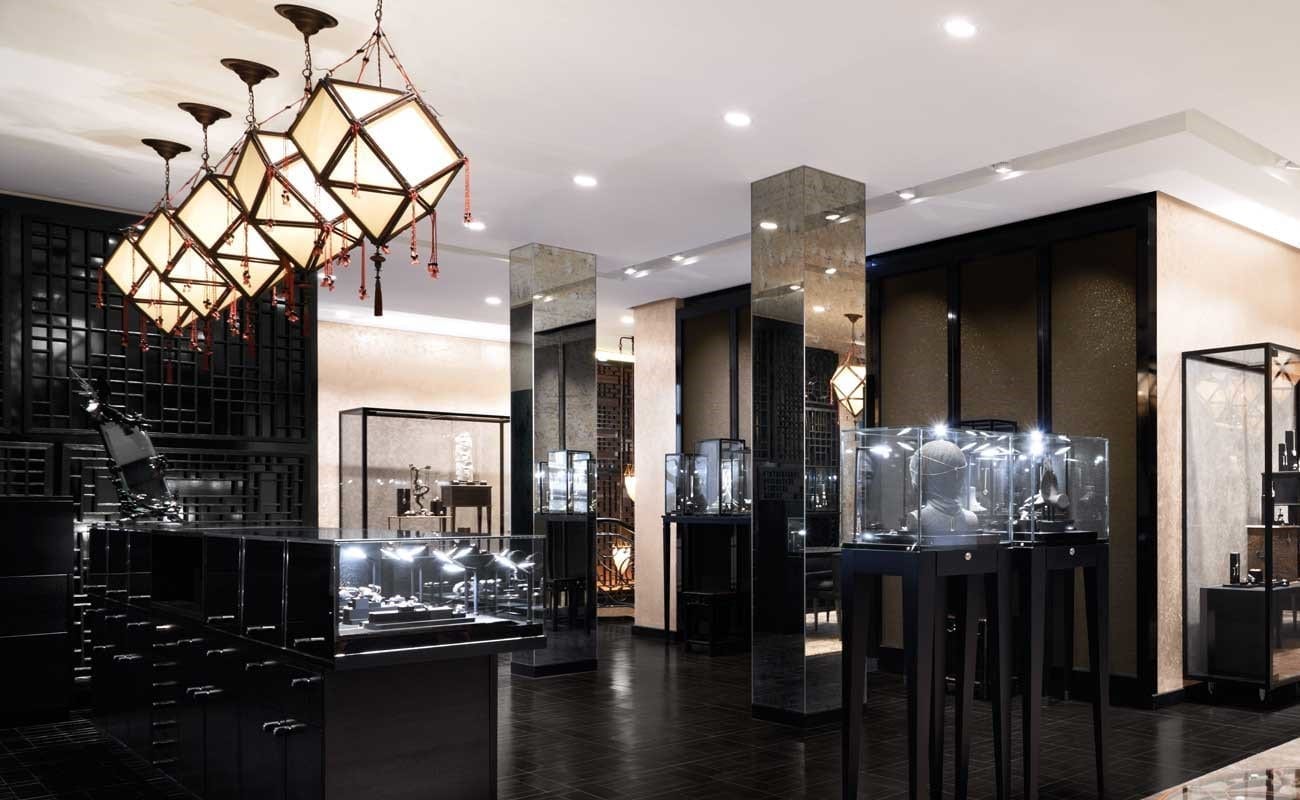
    Thomas Sabo Hong Kong has opened a flagship store at Hong Kong Ocean Terminal, with the German jewellery brand’s founder/designer Thomas Sabo officiating at the ribbon-cutting ceremony.

    He was helped by guest of honour Korean pop star CL, and also in attendance was Korean singer/celebrity Lee Chae Lin.

    The boutique’s fresh colour palette of warmer and lighter colours marks a new era of shop-fitting for Thomas Sabo stores in Asia. Its new design concepts incorporate mid-century elements with simplistic decoration, says the company.

    After the official opening, guests were given a special preview of the exclusive Dragon Nights Edition, available from next month. The collection’s key pieces include dragons as a sign of happiness and the “Shou” sign as a symbol of long life.

    Decorated with feathered dragon heads and intertwined ornaments, the handcrafted collection draws on Far Eastern mythology and is also available at selected Thomas Sabo shops in Hong Kong.

    Established in 1984, Thomas Sabo has about 300 branded shops across all five continents and also collaborates globally with about 2800 trade partners as well as airlines and cruise companies.

  • Star turn as Armani Box pops up in Central

    Star turn as Armani Box pops up in Central

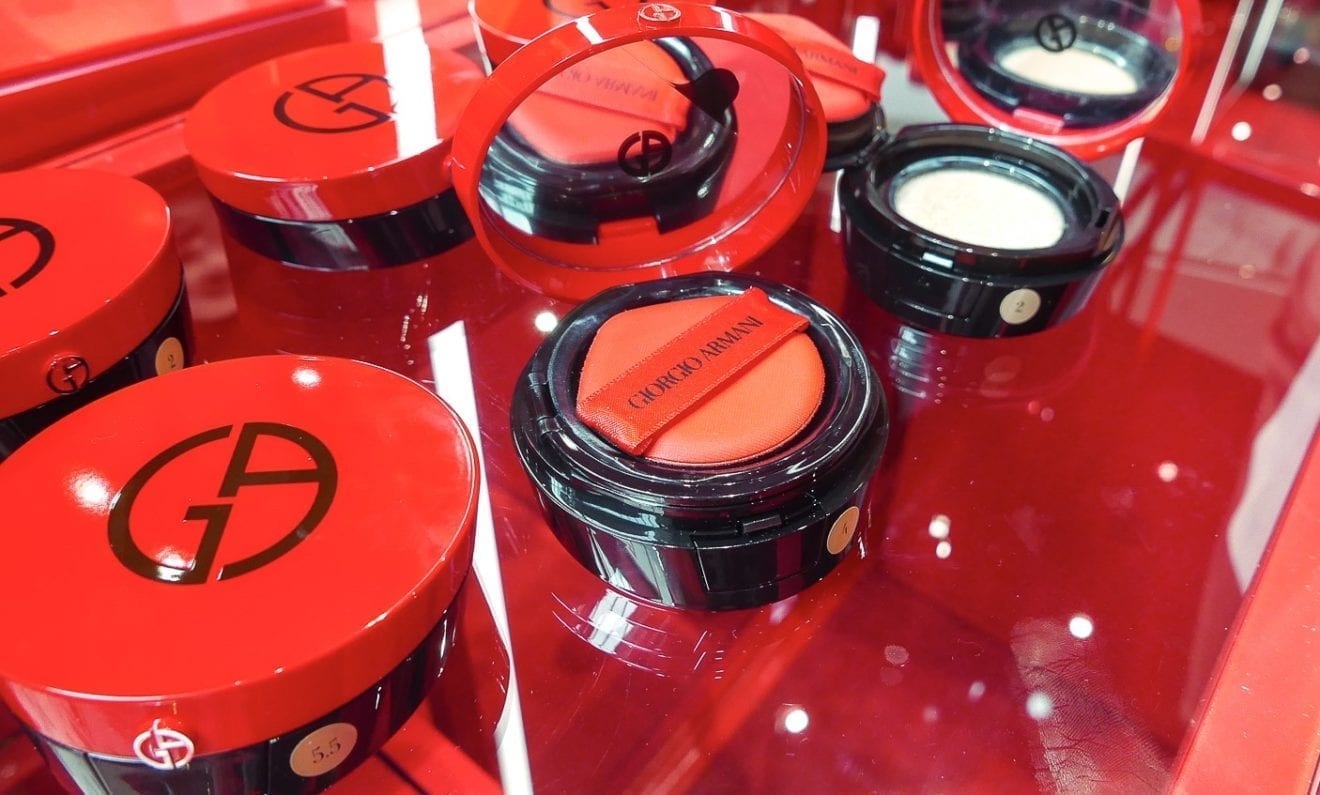
    Originally launched in Paris last year, Armani Beauty’s red Armani Box pop-up store has arrived in Hong Kong.

    The brand’s latest product, My Armani to Go cushion foundation, was launched at the cocktail party to celebrate the opening of the store. Guests were welcomed by a giant red gorilla named Uri, created by Italian designer Marcantonio Raimondi Malerba and a reproduction of the gorilla in Giorgio Armani’s lounge in Milan.

    Inside the red box, guests tried out the latest makeup products including the new foundation, the Ecstasy Shine lipstick and the signature Lip Maestro lip gloss.

    Attending the party were such celebrities as Elva Ni, Janet Ma, Kary Ng, Sammie Yu, Shu Qi, Yvonne Kung and Zelia Zhong.

    The pop-up runs through to September 21 at the IFC Mall in Central.

  • 8 Foods That Will Keep Your Heart Strong

    8 Foods That Will Keep Your Heart Strong

    You can effectively keep your heart strong by including these eight foods to your daily diet

    Fish

    All you need is two servings of fish in a week. The omega-3 fatty acids, present in fish, effectively decrease the chance of heart problems. Salmon, sardines, and mackerel are some of the oily fish which keep heart diseases at bay. Apparently, people living in Singapore are more prone to have a heart disease, so for them, diet is crucial.

    Turmeric

    Turmeric consists of curcumin, which is an effective antioxidant, having anti-inflammatory properties. These properties work wonders in busting cholesterol. This antioxidant also improves the cardiovascular system, which helps to keep the heart active.

    Oatmeal

    Just switching your morning coffee and kaya toast for a bowl of porridge can bring a great difference in your health. Eating oats are the ideal way to the day, as it not only decreases bad cholesterol but also helps to prevent clogged arteries, reducing your risk of heart disease and helping you maintain a healthy heart. All of this happens without decreasing your healthy and safe cholesterol levels.

    Tomatoes

    People who love eating tomatoes need not worry about not having a healthy heart. Tomatoes majorly consist of an antioxidant called lycopene. According to research, individuals who eat it regularly decrease their risk of problems by 25%, in a decade.

    Beans

    Beans, which are also known as legumes, have amazing health benefits. They are a staple food item for people who work hard towards keeping their heart healthy. Some good examples of beans include Chinese long beans, soya beans, snow peas and snap peas. According to research, a diet full of plant-based foods helps a great deal in decreasing the chance of coronary artery disease, which is extremely dangerous as it causes heart attacks.

    Shiitake mushrooms

    It consists of more nutrients than any other mushroom. Shiitake mushrooms have eritadenine – a compound which works towards decreasing cholesterol level and is crucial for the well-being of the heart. These mushrooms are beneficial in dried as well as fresh form.

    Berries

    Berries like blueberries, strawberries, cranberries, blackberries, and raspberries are highly rich in antioxidants. They help a great deal in slowing down the ageing process of an individual. Other than that, they consist of anthocyanins, which are the chemicals present in plants, which avoid the blood pressure from lowering by preventing the arteries becoming clogged with plaque.

    Forbidden rice

    It is also known as purple rice, and it is considered a healthier option than white rice. As per the Singapore Health Promotion Board, forbidden rice has double the amount of iron and four times the amount of zinc that white rice. Anthocyanins are plant chemicals present in this rice that avoid the formation of plaque in the arteries. According to studies, these have high cholesterol than any other food supplement.

    The inspiration for this article has been taken from Health Plus Section, a source of credible health information by Mount Elizabeth Hospitals, Singapore.


  • Star leaks Fenty Beauty by Rihanna campaign images

    Star leaks Fenty Beauty by Rihanna campaign images

    Pop star Rihanna has uploaded visuals from the advertising campaign for her new cosmetics line Fenty Beauty by Rihanna on Instagram.

    The Barbados-born entertainer has 56.2 million followers on the social-media site.

    Little information has been released yet about the beauty line, created in collaboration with Kendo, the LVMH group’s subsidiary which also works on Kat Von D and Marc Jacobs Beauty.

    Rihanna presented her first make-up product, a bronze lip gloss with a glistening rosy shimmer and “holographic” effects 12 months ago at a catwalk show for Fenty Puma, the line designed in collaboration with German sports brand.

    Fenty Beauty by Rihanna will be available at Sephora stores and on the perfumery retailer’s e-shop from Friday.

    This is not Rihanna’s first foray into make-up. She had a collaboration with Mac Cosmetics in 2013.

  • Aldi, Lidl and rivals to thrive as UK discount retail market soars

    Aldi, Lidl and rivals to thrive as UK discount retail market soars

    The UK Discount Retail market is set to soar by 36.1 per cent by 2022, reaching £32.5 billion by 2022 according to research by GlobalData.

    The company’s latest report UK Discounters 2017-2022 reveals discount retailers could gain an extra £9 billion slice of the total retail market as they become a more appealing destination for consumers looking for bargains as inflation continues to squeeze their disposable income.

    “This will be good news for Aldi, Lidl and B&M Bargains which dominate the channel, with a combined share of over 70 per cent of the discount retail market,” observes Molly Johnson-Jones, senior food & grocery analyst with GlobalData Retail.

    DIY & gardening, health & beauty and homewares will deliver the strongest category growth.

    About 89.4 per cent of the UK population have shopped at a discounter in the last 12 months with food & grocery (F&G), non-discretionary household goods and health & beauty (H&B) the most popular product categories with shoppers.

    “Our report findings confirm that discounters have done an exceptional job in gaining market share of frequently purchased items by changing the perception of discounter own label products in F&G while at the same time undercutting mainstream retailers on branded items in H&B and household. This combined approach has proven to be very disruptive in the market and has contributed to their success.’’

    Food & grocery is the sector with the highest market value, worth £15.7 billion in 2017, and will grow to £21.8 billion by 2022 – taking away another £6 billion from the mainstream grocers.

    “As perception and trust in own-label has been earned by the discounters in groceries, this is the sector which the mainstream retailers should be the most concerned about as the barriers to entry have already been overcome.

    “Food & grocery has enjoyed strong growth over the past decade as even when incomes have been more pressured by inflation and lower real wage growth, people still need to buy the same amount of food. The F&G discounters have taken advantage of this by extending their range to cater for all consumer needs and growing their premium and fresh ranges to ensure that they can be a one-stop-shop for the weekly shop.”

    GlobalData forecasts DIY & gardening and homewares will grow 46.6 per cent and 42.6 per cent respectively for the period 2017-2022, as discount retailers gain market share from mainstream DIY retailers by offering consumers lower cost solutions for household maintenance and upgrades.

    “Indeed, the rollout of larger out-of-town store formats has facilitated broader ranges, providing them with more authority in the home sectors,” says Johnson-Jones.

    “Consumers are likely to perform fewer and smaller upgrades on their homes during the forecast period due to declining disposable income. This will benefit discount retailers homewares sales as they continue to improve their shopper appeal by increasing their range and incorporating greater trend influence – while ensuring affordability which is crucial for driving impulse and gifting purchases.

    “The discounters have expanded their range in the DIY & gardening market at a time when consumers are seeking reduced cost solutions for doing up their homes and gardens – B&M will particularly outperform in this area as it adds garden centres to its retail estate over the next few years,” she concluded.

  • Aland introduces K-pop style to Bangkok

    Aland introduces K-pop style to Bangkok

    Korean fashion retailer Aland, known by millennials in its homeland for its styles influenced by K-pop, has opened a store in Bangkok.

    It has a network of shops across Seoul and also in Hong Kong. Like these, its new Siam Center outpost offers young and emerging Korean fashion and lifestyle brands.

    Run as a franchise by Thai retail and development company Siam Piwat, which owns Siam Center as well as other malls in the capital. The store’s interior design palette is dominated by stainless steel, creating a minimalist environment geared toward millennial shoppers.

    The store carries 80 Korean brands in different categories including fashion, beauty, accessories and lifestyle. It will also partner regularly with artists to launch collaborative collections, such as the 3.3 Field Trip x MMMG co-designed eco bags and pouches by Soo-yeol Bae.

  • SK Telecom launches in-car virtual assistant

    SK Telecom launches in-car virtual assistant

    SK Telecom has announced the launch of a new in-car virtual assistant combining its T Map mobile navigation app with its NUGU artificial intelligence platform.

    The T Map x NUGU AI-based navigation service enables drivers to use their voice to activate existing navigation and new AI-based services.

    The platform is designed to allow drivers to easily set and change destinations without taking their eyes off the road of their hands off the year. Users can also ask the voice assistant to complete tasks such as finding the closest or cheapest gas station or the nearest parking lot.

    Users will also be able to request real-time traffic information and to end the service or close the app using voice commands. The virtual assistant then listens for one of two wake words.

    By November, SK Telecom also plans to add more functionality including using voice commands to take a call or send a busy message.

    T Map is the main mobile navigation service in Korea with an estimated 10.1 million active users – a 68% market share. It is available to SK Telecom mobile customers free of charge.

    Separately, Ericsson has entered a partnership with Zenuity, an automotive software development joint venture between Autoliv and Volvo Car Corporation, to develop an end-to-end platform for self-driving cars.

    The platform will cover connected safety, advanced driver assistance support and autonomous driving software and functions, Ericsson said.

    During the first phase of the collaboration, the companies plan to jointly develop the Zenuity Connected Cloud using the Ericsson IoT Accelerator.

    This offering will consist of in-vehicle software integrated with vehicle functions, onboard sensors and cloud support functions that will provide external data from other vehicles and cloud infrastructure.

    “Zenuity was formed to develop the software and solutions the industry requires to create a truly global connected automotive ecosystem,” Zenuity CEO Dennis Nobelius said.

    “With a strong focus on increasing safety through ADAS and AS software and functions, our unique expertise in ADAS and autonomous technologies combined with Ericsson’s technology leadership in complex connectivity solutions is a win-win for the entire automotive industry.”

  • Thailand’s Jim Thompson plans global expansion

    Thailand’s Jim Thompson plans global expansion

    A Jim Thompson flagship store will open in Bangkok’s Siam Paragon tomorrow as a preliminary step in a five-year global expansion plan.

    Similar flagship stores have been announced for Hong Kong and Singapore, and other major international retail destinations.

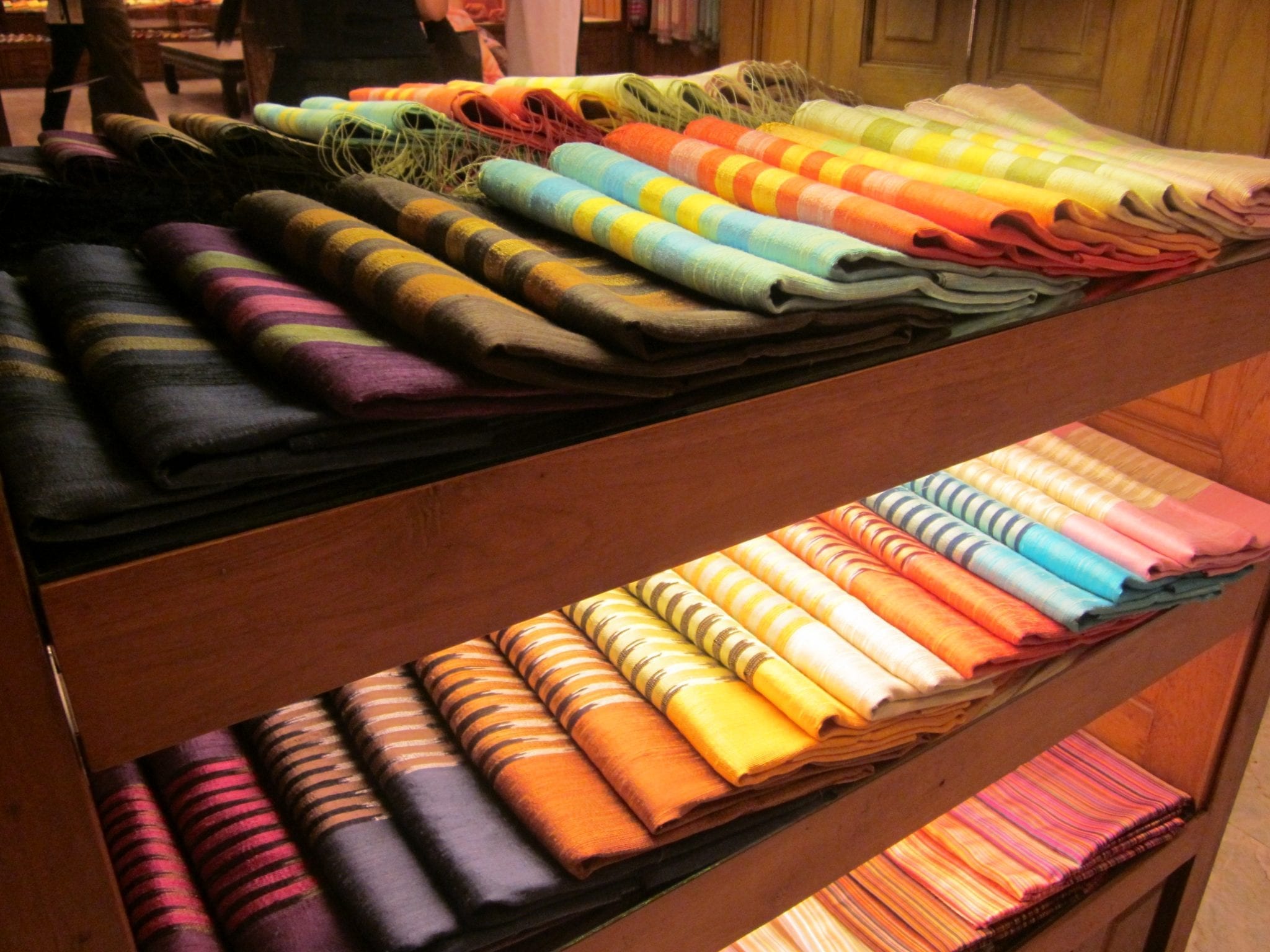
    The luxury brand’s first flagship, it is next to Bombyx, one of Jim Thompson’s five restaurants, and integrates touchscreens to give customers access to the catalogue as well as animated representations of its designs.

    These adaptations reflect the brand’s commitment to going digital (just two years ago it did not have a website or sell products online). It plans to launch it first online store soon in Thailand, to be followed by online stores abroad following the establishment of physical retail locations.

    Jim Thompson’s expansion plans have been presented to the board of the owner, The Thai Silk Co, by its first chief executive Gerald Mazzalovo, who has been seeking new locations and partners taking charge two years ago. He was formerly chief executive of fashion labels Bally, Clergerie and Loewe, and group president of Salvatore Ferragamo.

    The Thai Silk Co already exhibits its Jim Thompson, No.9, Fox Linton and Studio B home-furnishing products in five countries but for now offers its clothing and personal goods only in Bangkok, Malaysia and Singapore.

    Mazzalovo says Bangkok is an obvious choice for the first flagship store, given that the brand’s history and identity are so closely connected to the Thai capital. Within the next five years the company will set up similar flagship locations in London, Paris, New York, Singapore, Hong Kong and Shanghai – in that order, says Mazzalovo.

    His idea is that expansion to Europe first will help it build its reputation as a global brand before
    moving into the Chinese market.

    He says China is one of the most profitable opportunities for the brand, but the market there is much more likely to welcome the brand when it has established a name in Europe, rather than only in Southeast Asia.

    Global ambition

    Mazzalovo believes the company has all the makings of an international fashion house.
    “We have the ambition of going global because we have a lot of the prerequisites needed, including more than 70 years of heritage, know-how and historical anecdotes,” he says.

    The company’s values of authenticity and mystery are still anchored in its founder Jim Thompson, a Princeton and University of Pennsylvania graduate who arrived in Thailand in 1946 after working in Southeast Asia for a US wartime intelligence agency. He disappeared mysteriously in Malaysia in 1967.

    Meanwhile, the company opened a fabric showroom this year in Bangkok and will open a high-end contemporary restaurant in the next few months.

    Mazzalovo says the firm is highly profitable despite competing against brands like Chanel, Ferragamo, Gucci, Louis Vuitton and Prada. He considers the company to be closest to Hermes in terms of product and brand management.

    In this first year with the company he recruited 15 designers and assistants from Korea, Italy, France, Finland and Thailand. The company employs 3000 people and has nearly 40 boutiques around Thailand.

  • Hublot Japan launches Kyoto townhouse outlet

    Hublot Japan launches Kyoto townhouse outlet

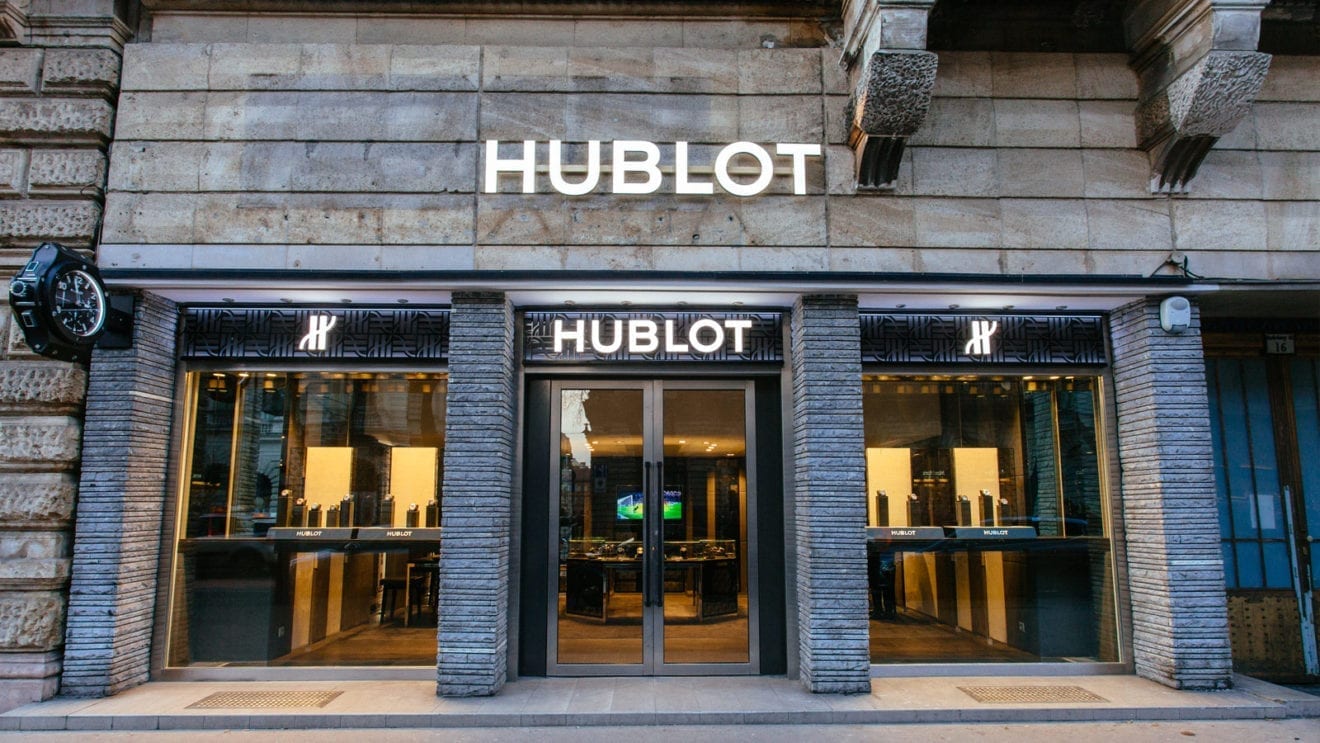
    Hublot Japan has opened a shop in Kyoto’s Gion district, its third directly run outlet.

    The Swiss luxury watchmaker has a store in Tokyo’s Ginza district and another in Osaka. The latest location is in Kyoto’s second Daimaru department store, which has just opened in a traditional Kyoto-style townhouse.

    Hublot Boutique Kyoto is on the ground floor of the two-storey townhouse store in Gion’s main street. A Japanese tearoom on the upper floor can be used for hosting events.

    Founded in Switzerland in 1980, Hublot mainly targets men in their late 30s and early 40s. The Kyoto shop will primarily carry timepieces priced at around ¥1 million (US$9080) to ¥2 million. The shop is a mixture of traditional Japan and 1970s US. A noren (traditional Japanese curtain) printed with the shop’s logo hangs at the entrance; inside, the walls are decorated with American pop art. The sofa is made from Nishijin-ori (a traditional Kyoto textile) while take-zaiku (bamboo crafts) and washi (Japanese paper) are also used in the shop.

    The shop carries some limited-edition items such as the Spirit of Big Bang All Black model.