Author: Mei Ling Tan

  • Wirecard teams with Singtel for virtual Visa card

    Wirecard teams with Singtel for virtual Visa card

    Wirecard has teamed up with Singtel to support the recent deployment of Singapore’s first Visa virtual card for Singtel’s mobile wallet Dash.

    Singtel Dash is an all-in-one digital wallet that allows customers to shop, pay transport fares and remit money.

    Since the launch of the Visa virtual account last month, Singtel Dash’s 500,000 customers have been using their mobile phones to make payments in over 50,000 PayWave-enabled merchants across Singapore and use the payment platform to shop at Singapore-based e-commerce stores.

    “We are very proud to be a partner for Singapore’s leading digital wallet,” Wirecard EVP of global financial services Grigoriy Kuznetsov said.

    “Singtel can now process mobile virtual Visa payments with Wirecard as a Bank Identification Number (BIN) sponsor. This further reinforces our position as a leading global prepaid issuer and BIN sponsor. It also demonstrates our state-of-the-art card processing capabilities.”

    “Singtel Dash has gained more traction as a payment option of choice. With the adoption of Wirecard’s card processing solution, our customers can now make hassle-free mobile virtual Visa payments,” Singtel head of mCommerce consumer Singapore Gilbert Chuah said.

  • Australia Post launches services hub

    Australia Post launches services hub

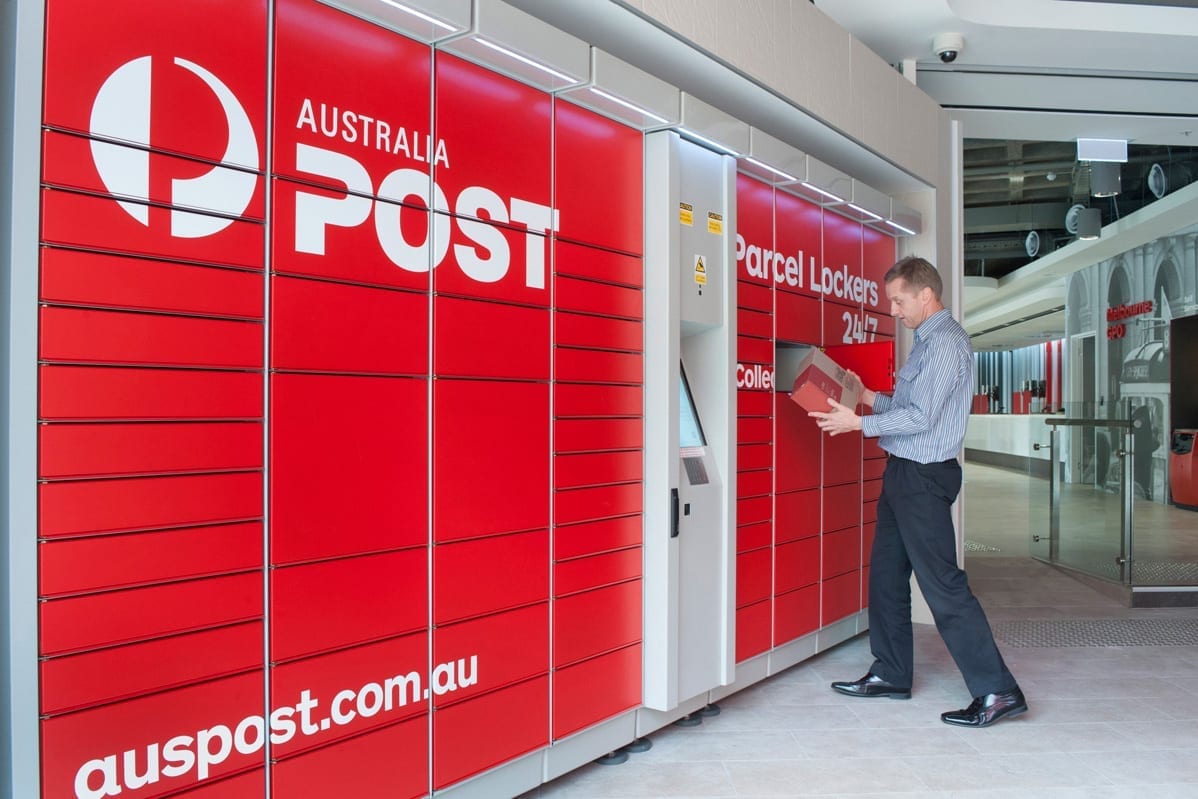
    Australia Post is looking to draw a line under concerns that retailers are finding it increasingly hard to compete with the scale of global competitors, announcing a partnership with fintech company AlphaPaymentsCloud that promises to bring traders an integrated service platform.

    Incorporating everything from payments and identification to logistics, loyalty and fraud protection, Australia Post is touting its new service, called the AlphaCommerceHub, as an API solution to the myriad of different vendor contracts many retailers currently have to negotiate.

    Australia Post will instead bring on vendor partners into the system, allowing retailers to “switch” services off-and-on depending on their individual needs, while remaining PCI compliant.

    Chief digital officer at Australia Post, Andrew Walduck, told that the publicly-owned postie was looking to up its capabilities in identity verification, to drive the next wave of growth in the payments space.

    “We’re building capabilities in identity and payments as we see it as one of the critical things that will enable our economy to be able to thrive in the next wave of growth, driven by great customer experiences getting people things in the way they want,” he said.

    The platform has been designed to incorporate innovation in services, and will include both traditional payment options in conjunction with banking partners as well as mobile payment products like Apple Pay.

    Walduck said smaller retailers have been in a less advantageous position than larger players when it comes to sifting through an ever-growing number of retail services to maintain a leading customer proposition.

    “The platform provides the ability for retailers to integrate into a single place, reducing overall costs…they can move to provide a one click purchase process in a way that makes it really easy for a customer to be identified, and then control how that product is delivered.

    “It’s an absolute game changer in Australia’s fintech evolution so we’re incredibly excited about the potential this joint venture brings to both our banking partners and our customers,” Walduck said.

    Australia Post began trailing its recently launched verification of identity application earlier this month with initial discussions taking place with credit unions, mortgage brokers and government departments.

    Initial partners include Airtasker, Credit Union Australia, Travelex and the Queensland Police Service.

    Its internal research has previously estimated that the existing state of identity verification processes costs the Australian economy as much as $11 billion per year.

  • Record quarterly profit for WeChat parent Tencent Holdings

    Record quarterly profit for WeChat parent Tencent Holdings

    Marrying social media with mobile gaming has helped Chinese internet giant Tencent Holdings post its fastest revenue growth in seven years for a record profit.

    It tapped the spending power of about 200 million players, including a solid female representation, of Honour of Kings and other games, boosting mobile-game revenue past that of desktops for the first time.

    Its flagship game, Honour of Kings allows WeChat users to discuss strategy as well as co-opt friends to join their team. Tencent is reportedly taking the game to new markets.

    Games distributed to more than a billion users on QQ and WeChat combined fueled a 54 per cent surge in mobile gaming revenue in Tencent’s latest quarter. It had a 70 per cent leap in net income to a record RMB18.2 billion (US$2.7 billion) for the three months to the end of June. Sales soared 59 per cent to RMB56.6 billion yuan.

    Tencent’s payments and cloud businesses both grew by triple digits in the quarter, says president Martin Lau.

    Revenue from value-added services, including games and messaging, rose 43 per cent to RMB36.8 billion. Online advertising sales increased 55 per cent to RMB10.1 billion yuan.

  • Unicom to get $11.65b funding injection

    Unicom to get $11.65b funding injection

    Chinese state-owned operator China Unicom will raise around 78 billion yuan ($11.65 billion) through investments from private companies including Baidu, Alibaba and Tencent.

    The operator announced it has secured approval from the National Development and Reform Commission (NDRC) for its plan to open up to private investment under the government’s mixed ownership reform pilot program.

    The company will bring in 14 new strategic investors including large internet companies, industrial groups and industry vertical companies and financial enterprises.

    Unicom has already signed framework agreements with internet and e-commerce giants Baidu, Alibaba, Tencent and Jingdong (owner of the JD.com brand).

    Other investors include retailer Suning Holdings, technology conglomerate Kuang-Chi Group, Didi Chuxing (China’s Uber) and data center services provider Wangsu Science and Technology.

    As part of the ownership reform, Unicom also intends to issue around 850 million shares to employees as incentive bonuses, representing around 2.7% of the company.

    Under the new structure, Unicom Group’s stake in the operator would be reduced to 36.7% from the current 62.7%. The new investors will pick up a combined 35.2% stake. Public shareholders in Unicom’s Hong Kong listed investment vehicle would meanwhile see their ownership reduced to 25.4% from the current 37.3%.

    Unicom plans to use the funds raised from the investment to enhance its 4G capacity and coverage, conduct 5G trials and build pre-commercial trial networks and invest in innovative new businesses.

    The development came as China Unicom reported a strong 68.9% growth in net profit for the first half of 2017 as the operator made progress with its turnaround efforts.

    Net profit reached 2.41 billion yuan, despite a 1.5% decrease in operating revenue to 138.16 billion yuan. But service revenue improved 3.2% to 124.11 billion yuan.

  • Dufry Cruise services onboard the Norwegian Joy in China

    Dufry Cruise services onboard the Norwegian Joy in China

    Dufry today announced an ambitious expansion of its cruise line retail activities with the creation of Dufry Cruise Services and a related Center of Excellence, based in Miami, USA.

    The world’s largest travel retailer underlined its ambitions for the channel by also revealing that it has just started operations onboard Norwegian Joy. The Norwegian Cruise Lines vessel was especially built for and customised to the Chinese cruise market.

    Norwegian Joy is Norwegian Cruise Line’s first ship to have been built specifically for Chinese travelers.

    Dufry CEO of Division 4 Rene Riedi  commented: “The new operational offices will complement the current operations and logistics-purchasing platform, in order to have our resources close to the main cruise ship itineraries. It allows a global footprint with specialised local knowledge and regional expertise.

    Dufry’s cruise ship operations cover routes from the USA to the Caribbean, Alaska, Europe and Asia. The company operates total retail space of close to 9,000sqm, ranging from 140sqm to near 2,000s m per store on vessels owned by Norwegian Cruise Lines, Carnival and Pullmantur.

    Dufry is currently present on 17 cruise ships and offers a full range of traditional duty free products as well as brand boutiques similar to airports and specialist shops, such as the Colombian Emeralds jewellery shops.

    Dufry debuts on Norwegian Joy with nine shops covering 1,950sq m of retail space. The ship is the first Norwegian cruise liner which has been built specifically for Chinese travelers.

    The new Breakaway-Plus Class Ship caters for the 3,850 guests it can accommodate with luxurious suites in an exclusive ‘ship-within-a-ship’ complex. “For Dufry this is an important strategic step to open the Asian cruise market and further expand this growing channel,” the company said.

    According to the Cruise Lines International Association (CLIA), ocean cruise passengers reached 24.7 million in 2016. For 2017, CLIA projects another year of growth with a passenger forecast of 25.8 million.

    Part of that rise can be attributed to the development of the Asian market, whose ocean capacity was up by +9.2% in 2016, representing a +38% increase compared to 2015, Dufry said.

  • MobiFone to be privatized next year

    MobiFone to be privatized next year

    Vietnamese state-owned operator MobiFone has been instructed to complete a privatization and restructuring process known as equitization in 2018, while former parent VNPT has been instructed to equitize in 2019.

    The Ministry of Information and Communications plans to assess and approve the restructuring plans of MobiFone as well as Vietnam Television Corporation and VNPost by the end of the month.

    VNPT will meanwhile submit its own restructuring plan during the same period in advance of an equitization in 2019.

    The government has revealed plans to concentrate on improving the strength of the companies rather than maximizing revenue from the privatization processes, and will decide whether to sell stakes to a few strategic investors or to many individual shareholders on a case-by-case basis.

    MobiFone was separated from VNPT is 2014 as part of the latter’s restructuring plan, which also involved dividing VNPT’s operations into three subsidiaries concentrating on infrastructure, services and sales respectively.

    After its separation, MobiFone commenced its equitization plan and appointed appraisers for an IPO. The company has drawn interest from a number of potential international investors, including Singtel, Telenor, Australia’s Telstra and Sweden’s Comvik.

    To complete the process MobiFone will need to be reappraised – its last valuation in 2015 has expired. Previous valuations have suggested that the company could be worth over $4 billion.

  • Google adds voice search for 8 Indian languages

    Google adds voice search for 8 Indian languages

    Google has added voice search functionality for eight additional Indian languages including Bengali, Malayalam and Tamil.

    At the moment, the voice search feature is available in English and Hindi in India. The other languages being added are Gujarati, Kannada, Marathi, Telugu and Urdu.

    “Speakers of these languages will be able to use their voice to dictate queries — both in Gboard on Android as well as in Search through the Google App,” Google Technical Program Manager Daan van Esch explained through a video conference.

    Esch explained that in order to perform a voice-based search, users will need to set their language in the voice settings menu in the Google app.

    “Globally, we now support voice search for 119 languages. We are introducing support for 30 new languages today, of which eight are Indian languages,” he said.

    The update will require the user to just tap the microphone icon (usually on the home screen of Android smartphones) to start voice search.

    Google has been increasing support for Indian languages across its various products like Maps and Search as a large number of the new users coming online are Indic language users.

    Esch explained that Google has worked with native speakers to collect speech samples. Machine learning models were trained to understand the various sounds and words, thus translating words from sound to text in the process.

    “Voice input for each of these languages is expected to get better over time, as more and more native speakers use the product,” he added.

    According to an earlier report by Google-KPMG, an estimated 536 million Indians are expected to use regional languages while online by 2021 as compared to about 199 million users who are expected to access the web in English. This growth is driven by increasing affordability of devices and data charges as well as availability of more local content, the report had said.

    The report had also pointed out that apart from Hindi, Marathi and Bengali users are expected to drive volume growth, while Tamil, Kannada and Telugu users are expected to be among the most digitally engaged through 2016 to 2021.

    Voice search in these new languages will be available in Google Search on iOS as well. These will soon be extended to other Google apps and products, including the Translate app.

  • Megaworld Corporation income jumps 11 per cent

    Megaworld Corporation income jumps 11 per cent

    Property giant Megaworld Corporation, which specialises in developing integrated urban townships, achieved first-half net income of PHP6.69 billion (US$130.4 million), an 11 per cent improvement on the same period last year.

    Rental income drove its earnings for the period.

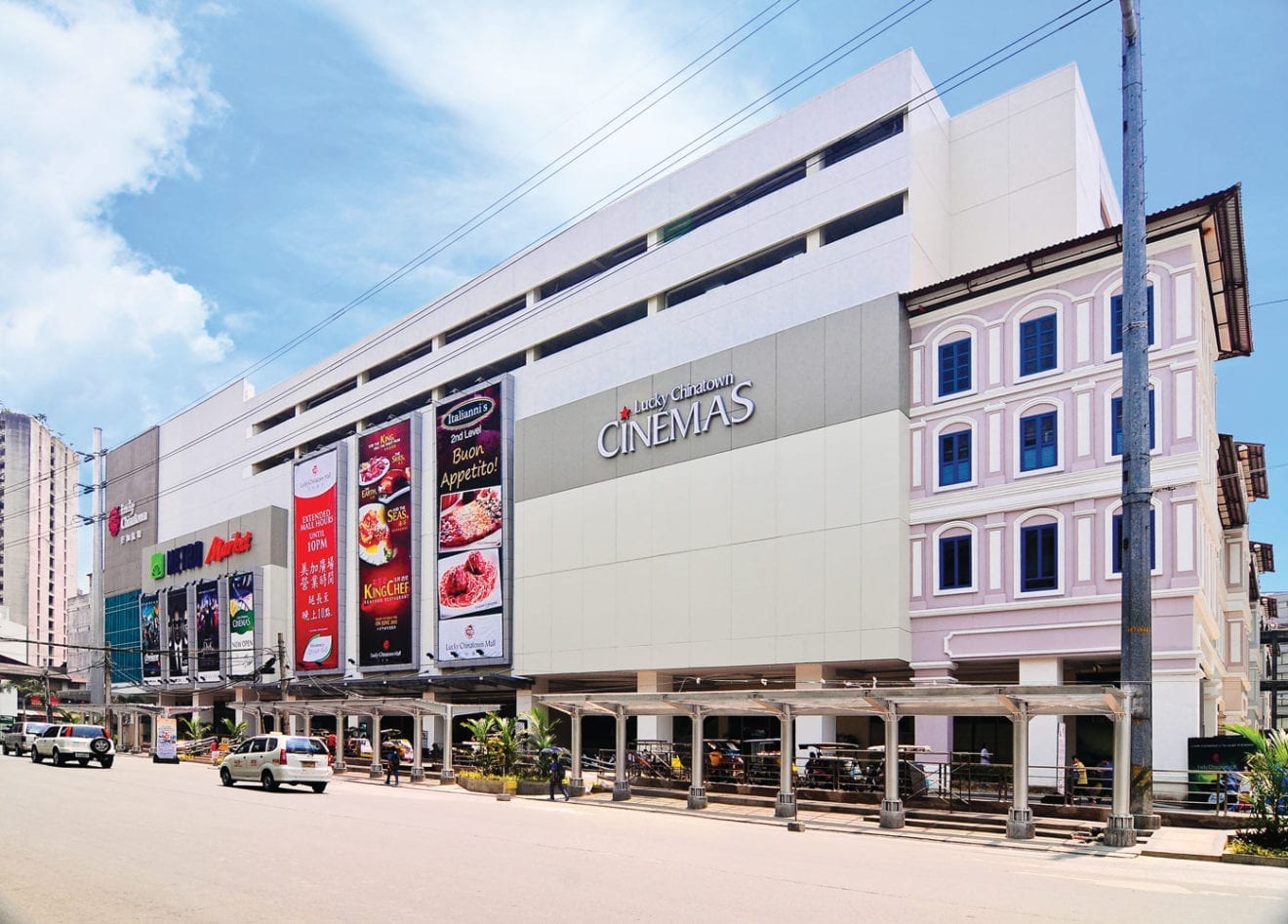
    Megaworld’s rental business, which includes malls and commercial centers, saw its income soar 20 per cent to PHP5.83 billion.

  • India’s Barbeque Nation plans to launch IPO

    India’s Barbeque Nation plans to launch IPO

    Bengaluru-based restaurant chain Barbeque Nation Hospitality aims to raise about Rs700 crore (US$109 million) through an IPO.

    Draft documents filed with the Securities and Exchange Board of India say the offer comprises a fresh issue of up to Rs200 crore as well as an offer for sale of up to 6.2 million equity shares by company’s promoters.

    The company says it plans to use the funds raised to expand nationally, as well as repay loans.

    At the end of June, the company ran 81 Barbeque Nation restaurants in 42 cities in India plus one in Dubai.

    Domestic investor CX Partners is likely to sell the bulk of its holding in the company, according to the draft prospectus.

    According to Deal Street Asia, the casual-dining chain has acquired the master franchisee rights to India for US burger chain Johnny Rockets.

  • Uber defies Philippine suspension order

    Uber defies Philippine suspension order

    Uber initially obeyed the order and shut down its app on Tuesday morning but relaunched in the afternoon.  Ride-hailing giant Uber on Tuesday defied a Philippine government order to shut down, branding the suspension a “blatant violation” of its rights but risking its drivers being arrested.

    Philippine authorities announced on Monday that they would suspend Uber for one month for failing to have the proper permits to license its drivers.

    Uber initially obeyed the order and shut down its app on Tuesday morning, triggering anger from commuters who lashed out at the government for taking away what had become a trusted alternative to notoriously bad public transport.

    But on Tuesday afternoon Uber relaunched the app, telling commuters via Twitter that it had launched a legal appeal and would continue operations until the dispute was settled.

    In its motion for reconsideration to the transport authority, it said the suspension was a “blatant violation of USI’s (Uber’s) right to due process”.

    The government replied immediately, saying the suspension was still in force and threatening to arrest Uber drivers who violated it.

    “The order stands,” said Aileen Lizada, spokeswoman of the transport authority.

    “Uber is online again, let us apprehend,” she told reporters, narrating her order to traffic enforcers.

    Uber officially launched in Manila in 2014 and the service was later rolled out to a few provincial cities.

    The transport authority requires Uber to get permits for its drivers and vehicles, in the same way taxi companies must. However, Uber insists the drivers are independent contractors and thus do not have to get the permits.

    The dispute is Uber’s latest hurdle in Asia, where it also faced a two-month in hiatus in Taiwan this year. It has operated illegally in Thailand since 2014, though law enforcement has been patchy, with roughly 1.5 million people downloading the app.

    The firm is currently lobbying for a tweak to the decades-old motor law to allow ride-sharing apps in the kingdom.

    The Philippines suspension enraged many local commuters who find Uber and similar companies a better alternative to taxi drivers, who often demand higher fares than what is on their metres, decline to pick up customers and drive shoddy vehicles.

    “To the LTFRB, quit being scumbags and open your eyes to what people need,” Twitter user @sodachar said in reference to the transport authority.

    Politicians also weighed in.

    “The decision of the LTFRB to suspend Uber is both cruel and absurd,” said Senator Grace Poe, who heads the upper chamber’s transport committee.

    Uber has 66,000 drivers in the Philippines, company representatives told a Senate hearing this month.

    President Rodrigo Duterte’s spokesman on Tuesday defended the transport authority’s decision.

    “We affirm the positive and beneficial service offered by the transport network companies. However as per LTFRB, Uber Systems unduly challenged its rules and instructions,” Ernesto Abella said told reporters.

  • House of Fritz Hansen world first for Bangkok

    House of Fritz Hansen world first for Bangkok

    Danish furniture design company Republic of Fritz Hansen has launched in Thailand with its world-first House of Fritz Hansen concept store in Bangkok.

    Inside a Thai modernist home-turned-showroom, the brand offers its iconic Egg, Swan and Series 7 chairs, as well as other contemporary classics. Fritz Hansen’s furniture is widely used in such places as museums, hotel lobbies, universities and public libraries – even the presidential office of the United Nations.

    Founded 145 years ago, the company is the oldest furniture manufacturer in the world. It collaborates with visionary designers such as Arne Jacobsen and Poul Kjaerholm, who in the 1950s produced the company’s most recognisable silhouettes.

    Fritz Hansen products are distributed in Thailand by Norse Republics.

  • Timepieces & Whiskies experience for Macau

    Timepieces & Whiskies experience for Macau

    Luxury travel retailer DFS Group has unveiled a lifestyle shopping experience for men, Timepieces & Whiskies, at T Galleria by DFS, Macau, City of Dreams.

    Next to the multi-brand men’s shoe hall on the men’s fashion floor, Timepieces & Whiskies was inspired by collectors who travel the world then display their finds at home. It is a curated collection of treasures and icon pieces from across the worlds of whiskies and watches.

    Inside a lofted library-style lounge, Timepieces & Whiskies allows guests to relax and sample a cult-favourite single malt at the bar or try on a classic watch by the fireplace.

    “With Timepieces & Whiskies, we bring the classic hospitality tradition into the retail shopping experience,” says DFS Group senior VP Brooke Supernaw.

    Stocked with 30 whiskey brands of different flavour profiles including Glenmorangie, Highland Park and The Macallan, the bar offers daily guided tastings. Much of the collection focuses on exclusive or limited-edition products such as Araid Rare Cask Reserve. Throughout the year there will be tasting events and seminars from whiskey brand ambassadors.

    For watch enthusiasts, the selection is curated to appeal to collectors. Pieces include classics from such brands as IWC Schaffhausen or Zenith, as well as niche brands like Nomos Glashutte and Romain Jerome, displayed amid watch books and lifestyle accessories, and even a foosball table.

    More than 200 guests attended the grand opening of the boutique, which featured guided tastings by brand ambassadors from Ardbeg, Glenmorangie and The Macallan at pop-up tasting stations across the floor. Highlights included Glenmorangie SIgnet and The Macallan Rare Cask Black.

    Concurrent with the opening was the release of the second chapter of the T Galleria by DFS Let’s Travel Together campaign, featuring global adventurers. This month’s episodes feature Malaysian singer/songwriter Yuna discovering Singapore, and Argentinian fashion editor Sofia Sanchez de Betak visiting Okinawa.

  • DB Schenker Partners Sichuan Jiuye Perishable Goods Supply Chain

    DB Schenker Partners Sichuan Jiuye Perishable Goods Supply Chain

    DB Schenker, one of the leading global logistics service providers, and Sichuan JiuYe Export, a China-based B2B food trading company, have signed a strategic partnership agreement at the A20 New Agriculture Fair in Hangzhou, China. The agreement between the two parties cements their future cooperation in logistic handling of perishable goods.

    Sichuan JiuYe provides cross border one-stop supply chain services to agriculture, food e-commerce and food companies in China and abroad. The company’s main export market is East Europe; major import markets comprise Australia, North America and Europe. By using DB Schenker as freight forwarding provider for its perishable goods, Sichuan JiuYe benefits from DB Schenker’s strong global network and extensive market experience. With an internationally leading and renowned logistics partner, JiuYe aims at growing its business scope by attracting more customers from existing and new markets.

    DB Schenker considers JiuYe as an important strategic partner to strengthen and develop its footprint in the perishable segment in China. While already having a well-established infrastructure for the logistic handling of perishables in JiuYe’s current import countries, DB Schenker sees the cooperation with the food trader as excellent opportunity to further build up its competencies in managing perishable shipments in and out of China.

    The partnership agreement between the two companies results from previous collaborations earlier this year. DB Schenker smoothly executed several air freight export shipments of fresh fruits from China to Russia, Singapore and Hong Kong. Based on the excellent and consistent service performance provided by DB Schenker JiuYe was convinced to have found the right logistics partner in DB Schenker.

    “We are honoured and thrilled by collaborating with Sichuan JiuYe. This is an important milestone for us and brings us closer to our goal to achieve a leading market position in the logistics of perishable goods in China”, says Thomas Sorensen, CEO North/Central China, Schenker China Ltd., at the New Agricultural Fair in Hangzhou.

  • New Balance Singapore goes high tech

    New Balance Singapore goes high tech

    New Balance Singapore has introduced 3D foot-scanning technology in the latest of its eight brand stores (its shoes are also available from a range of authorised retailers).

    At New Balance at The Paragon, the US brand’s Stride ID technology scans a customer’s foot then recommends for the best shoe model and fit. The system also stores the customer’s data, which can be accessed online or on the brand’s app Stride ID.

    Meanwhile, the store has become the exclusive Singapore retailer for the new New Balance 574 Sport Tier 1 sneaker.

    New Balance began as a Boston-based arch-support company in the early 1900s, developed into a specialised shoe manufacturer in the 1970s and has grown to become an international athletic products company.

  • Sephora Malaysia to open at Genting Highlands

    Sephora Malaysia to open at Genting Highlands

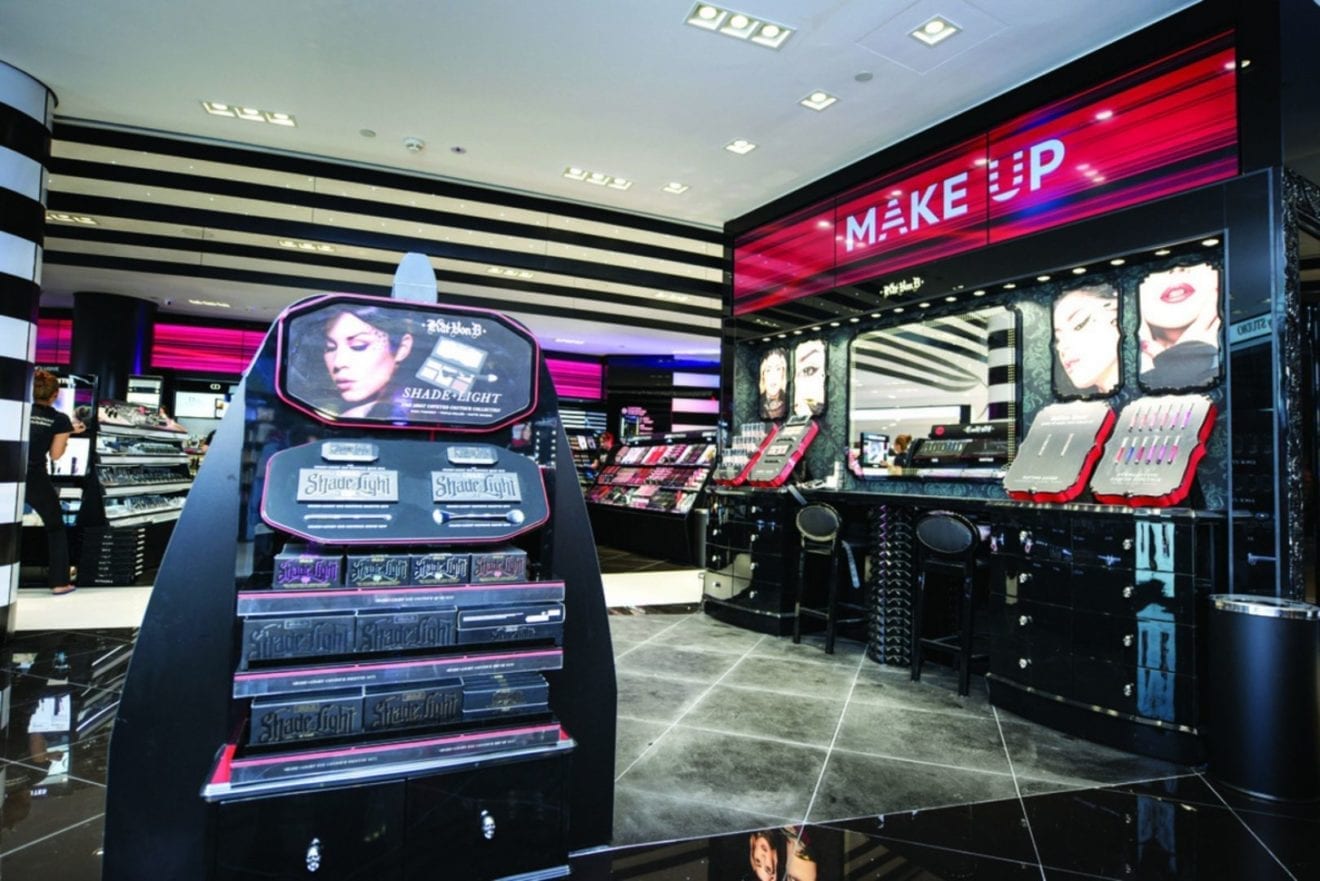
    Sephora Malaysia will open its 19th store at the Sky Avenue mall, in Genting Highlands on September 1.

    The beauty retailer will feature up to 100 international brands including Dr. Jart+, Fresh, Kat Von D, Marc Jacobs Beauty, Tarte.

    Product categories range from makeup, skincare, devices and haircare through to fragrances.

    Opening day promotions will be available for early bird customers, including gift vouchers from RM50 to RM100, Sephora mini backpacks and other giveaways. There will be live music in-store.