Author: Mei Ling Tan

  • ‘Tiffany’ rings cost Costco $19.4m

    ‘Tiffany’ rings cost Costco $19.4m

    US wholesaler Costco is facing a $19.4m  bill for damages after jewellery chain Tiffany sued it for infringing its trademark by selling “Tiffany” engagement rings.
    The ruling by a US district judge is the latest twist in a long-running legal battle going back to 2013.

    Costco, which is to appeal against the decision, argues that “Tiffany” is now a generic term for the rings.

    But it has now been told it must call them “Tiffany-style” instead.

    The dispute centres on the sale of solitaire-style rings, comprising a diamond mounted on a single band with six prongs.

    Costco, which had sold 2,500 of them, put them on display with the label “Tiffany”, although they were not in fact made by the jeweller.

    An earlier court ruling in October 2016 ordered Costco to pay $5.5m in compensatory damages and $8.25m in punitive damages.

    But in a further court decision on Monday, the compensation was increased to $11.1m, while the amount of punitive damages still stands.

    Kate Swaine, a partner at law firm Gowling WLG, said: “This damages award may seem excessive given that only 2,500 products were sold, but if it can be argued that an infringement is blatant and where it relates to such a well-known brand, the claimant is entitled to seek punitive damages.

    “Brand owners will welcome this decision as an indication of the risk that third parties run in trying to make associations with famous brands.”

    The cheapest engagement ring on Tiffany’s US website currently costs $12,000 (£9,300) while customers can buy one from Costco’s website for only $380 (£295).

  • Dean & Deluca Macau to debut at Galaxy

    Dean & Deluca Macau to debut at Galaxy

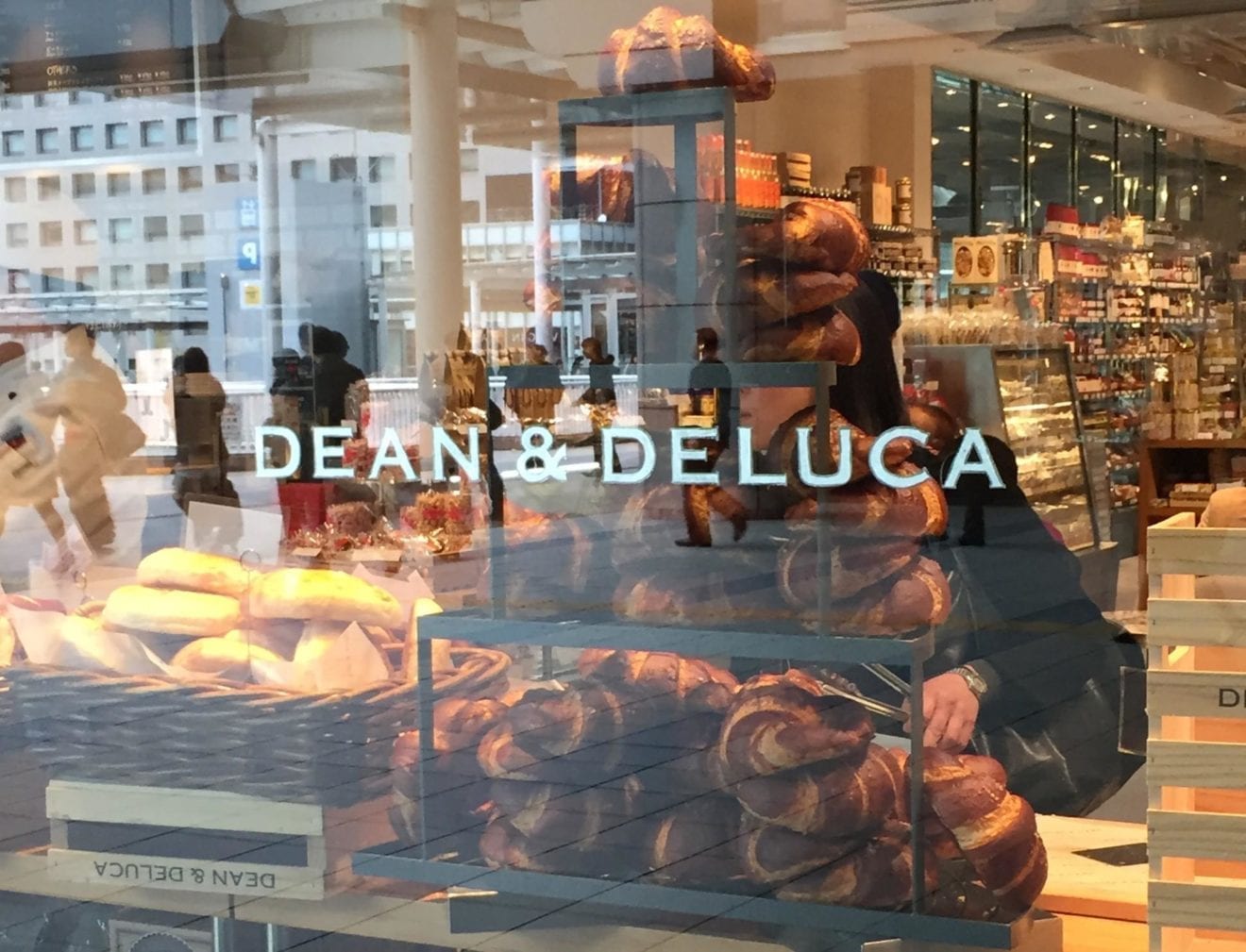
    Dean & Deluca Macau will launch its debut fine-food cafe in The Promenade Shops inside the Galaxy.

    It will be serving grab-and-go items as well as signature retail goods. The menu will include roast beef and caramelised pumpkin multi-grain sandwich, spicy prawns, guacamole on squid-ink bun, Cobb salad, and watermelon salad with salted egg. Founded by Giorgio DeLuca and Joel Dean, the original store opened in New York’s SoHo in 1977. Designed to evoke a turn-of-the-century food department, the store offered a range of produce and foodstuffs that included many goods previously not sold in the US, such as radicchio, balsamic vinegar, sun-dried tomatoes and extra-virgin olive oil.

    Since its acquisition by Thailand’s Pace Development in 2014, the brand has morphed from a multi-channel retailer of gourmet foods, wines and kitchenware into more of a cafe-delicatessen style chain, with multiple outlets in the US, Japan, Singapore, South Korea, Thailand and the Philippines.

    Macau will have a 26-seat cafe featuring New York City subway tile and Carrera marble. Its espresso bar will offer classics like Americano and lattes to specialties like Hong Kong milk-tea latte and burnt-custard frappes, a cold drink that reflects the Portuguese egg tart.

  • Adairs takes double digits to the market

    Adairs takes double digits to the market

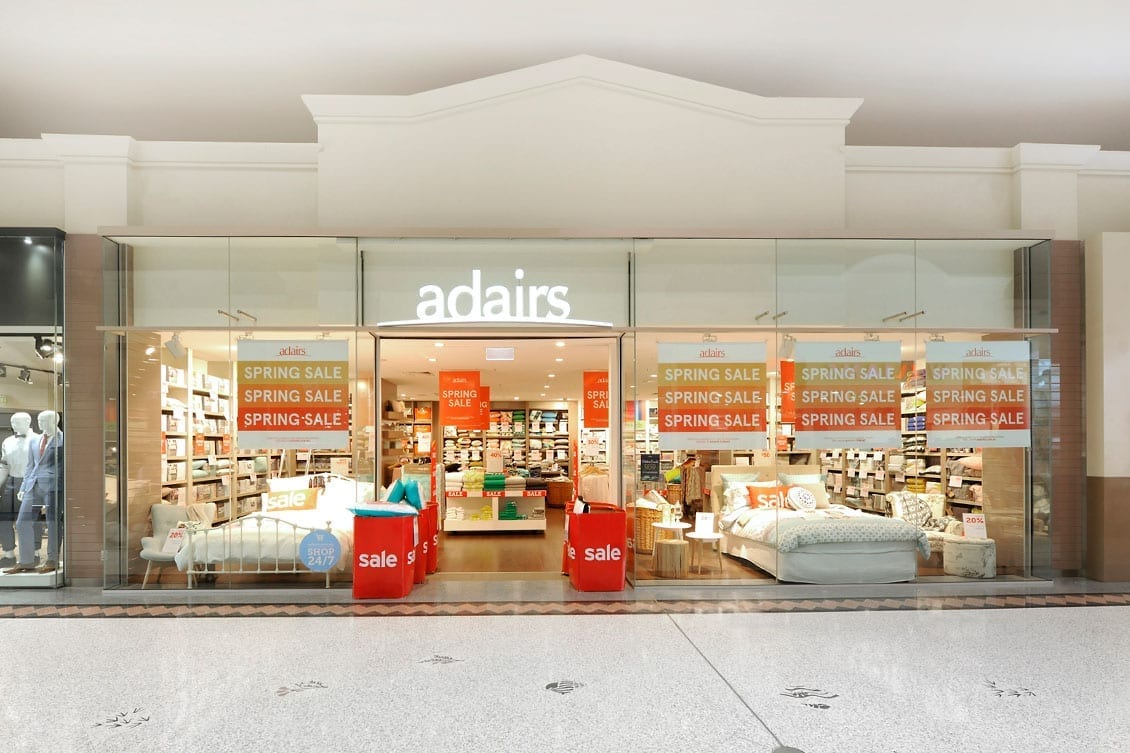
    Bedding retailer Adairs has issued its second trading update in as many months, delivering the news that like-for-like sales growth has hit double digits in the first weeks of FY18.

    LFL sales soared to 10.4 per cent in the six weeks to 13 August, following 9.1 per cent growth in the prior six weeks, turning around three consecutive months of negative growth through Q2 and Q3 in FY17.

    Still yet to book his full year result with the market, Adairs CEO Mark Ronan chalked up the increasing momentum to the company’s new line of up-market manchester, which continues to be a hit with customers.

    “Adairs improved sales performance over the last 10 weeks provides us with increased confidence that the measures taken in the first half of FY17 were successful in re-positioning the business, including our new product offering resonating with our customers,” he said.

    He did, however, signal that the company expects growth to moderate somewhat through FY18, which will be further discussed at the company’s full year result on 28 August.

    Ronan’s update was received well in early Thursday trading, with Adairs’ share price up 6 per cent, adding to the more than 50 per cent rise since it signalled the trading turnaround in July.

  • Globe Hong Kong launches ‘cabin’ in Sheung Wan

    Globe Hong Kong launches ‘cabin’ in Sheung Wan

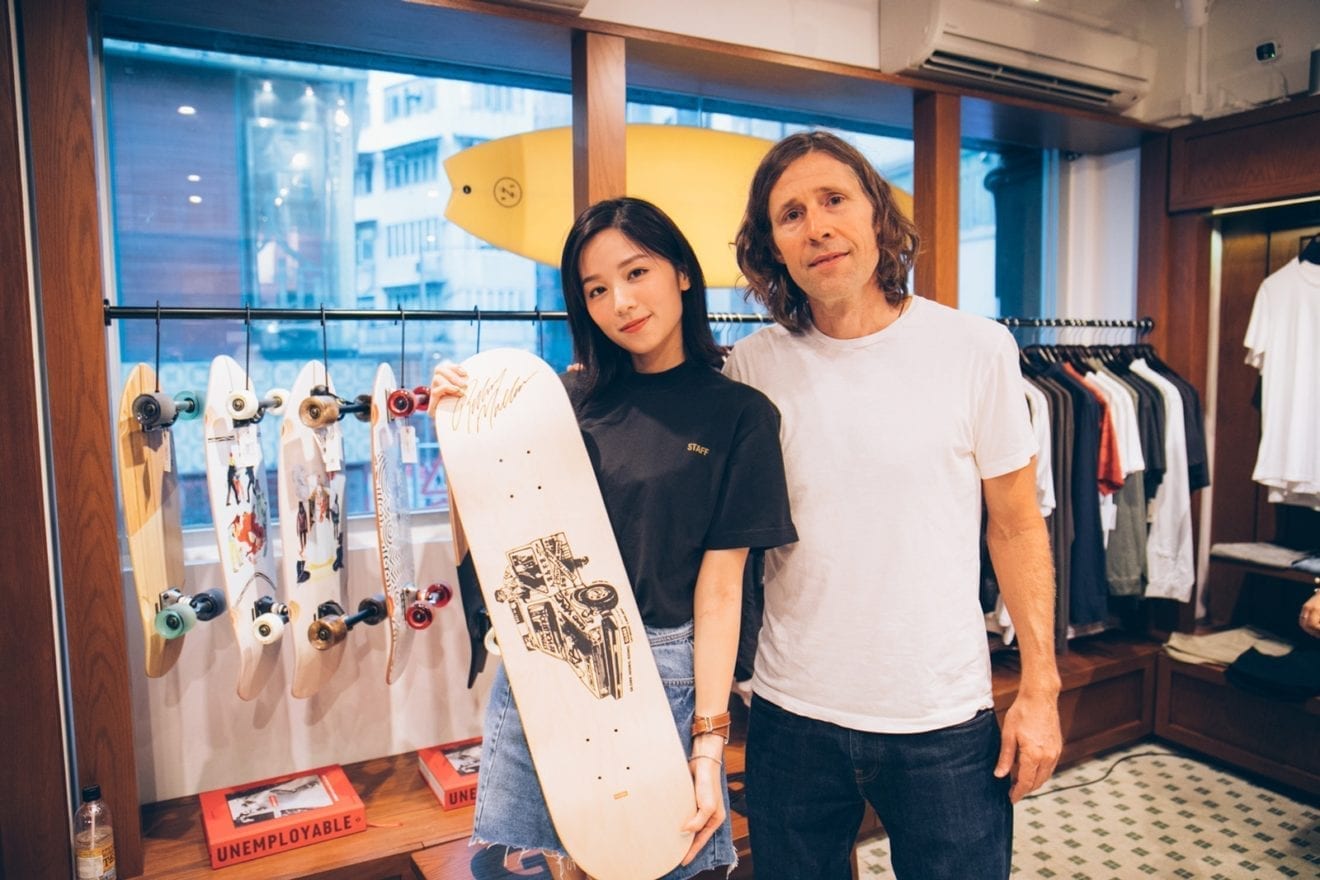
    Skateboarding legend Rodney Mullen signed autographs for five hours when shoes, apparel, skateboards and accessories retailer Globe Hong Kong opened a “cabin” store in Sheung Wan.

    Globe CEO Matt Hill and founder Peter Hill came from the US to attend the launch.

    “The feel of a Globe cabin store is more important to us than just the look of the store,” says Peter Hill. “Boardsports is a culture with a huge emotional content.”

    The design of a Globe cabin pays homage to the Roycroft arts and crafts movement founded by Elbert Hubbard in New York in the 19th century. His philosophy was to make consumer products with craft and purpose that delivered an emotional connection to the lifestyle purchasers valued.

    “Hong Kong’s energy, sense of adventure and history as a place to step out and explore from makes it a natural choice for the Globe cabin,” says Peter Hill. “The store retains its original Hong Kong tiled floors – sadly disappearing – and meshes with the oak arts-and-crafts style from other Globe cabin stores with their Anglo influence.”

  • Strong first half for Circle K Hong Kong parent

    Strong first half for Circle K Hong Kong parent

    Despite weak retail market sentiment, Convenience Retail Asia’s Circle K Hong Kong convenience stores and Saint Honore bakeries achieved solid first-half comparable-store sales growth.

    CRA’s interim results show an increase of 9.9 per cent in core operating profit and a 10.2 per cent rise in net profit, mainly because of effective marketing for Circle K Hong Kong and continuing improvement in the Saint Honore business, says CEO Richard Yeung Lap Bun.

    During the six months, the group’s turnover increased 3.8 per cent to HK$2.427 billion (US$310.2  million), with turnover for conveniences growing 4.9 per cent to $1.9 billion, and comparable-store sales growing 4.6 per cent year on year.

    Bakery turnover eased 0.9 per cent to $491 million, with 5.9 per cent growth in comparable-store sales, offset by fewer festive products sales in Hong Kong.

    Gross margin and other income as a percentage of turnover increased by 0.4 points to 36.3 per cent despite competition in the retail market and high manufacturing costs. The group says improvement in the efficiency of Saint Honore factory production was one of the key contributors to the margin growth.

    Overall, the group’s core operating profit reached $70 million while net profit was $57 million.

    O2O strategy

    Membership of Circle K’s O2O CRM program “OK Stamp It” exceeded 750,000 by the end of June. The digital marketing platform was launched in the third quarter of last year as part of a strategy to attract smartphone-savvy consumers and convert online traffic into store traffic. Users download an app to access e-stamp offers and incentives, then visit a Circle K Hong Kong store to redeem them.

    At the end of the half-year, CRA operated 331 Circle K stores. Six were opened in the first half while a similar number were closed. Near the end of last year, Circle K opened its first flagship store, in Causeway Bay. This offers a self-service cafe with free high-speed Wi-Fi internet access and mobile phone charging.

    The number of Saint Honore stores in Hong Kong and Macau was also constant at 98, with four openings and four closing during the first half. There were also 43 Saint Honore stores in Guangzhou and Shenzhen.

    At the end of June the group’s O2O digital retailing platform FingerShopping.com featured more than 1500 brands and about 25,000 stock-keeping units. Beauty and personal care continued to be the anchor category, while the baby-and-family and healthcare categories showed strong growth.

    Gross merchandise volume growth was 20 per cent during the period while membership grew by 300 per cent to 552,000.

  • Revenue down, profit up for Kappa licensee China Dongxiang

    Revenue down, profit up for Kappa licensee China Dongxiang

    While half-year revenue was down, profit rose for Kappa brand licensee China Dongxiang Group. The international sportswear company’s revenue for the six months to the end of June fell 3.7 per cent to RMB626 million (US$93.8 million) while profit attributable to equity holders rose 11.9 per cent to RMB536 million.

    Gross profit margin was up 1.1 points to 58.3 per cent.

    During the half, the group says it continued to adopt online and offline brand-marketing strategies.

    Meanwhile, Kappa co-operated with artists from various genres such as entertainment, music and arts in a pop-culture/sportswear collaboration embodying its brand philosophy. It initiated a tripartite co-operation with A.Four Labs by designer Kazuki Kuraishi and independent experimental music label Posh Isolation in Copenhagen to launch a cross-border collection.

    Kappa Kids continued with its active marketing campaign, including pop-up events with BTV Juvenile Dance Group in Beijing Chongwenmen and Beijing New Yansha Mall. Kappa Kids also sponsored TV program Super Surprise on Shandong Cable TV to boost brand awareness.

    At the end of June, the group had 1639 Kappa stores (including 328 Kappa Kids outlets).

    During the first half, the group rejigged its business in Japan. It changed most of the management team, as well as evolving its approach from simply selling to brand management.

    Meanwhile, the group started introducing the Japanese ski brand Phenix into China to capitalise on its hosting of the 2022 Winter Olympics. It is partnering with ski centres to open specialty stores at ski grounds.

    E-commerce development remained steady, says the group. In an online exclusive, it launched a Kappa x Pac-Man range in co-operation with the video game company. E-commerce sales for the six months surged by 25 per cent (e-commerce sales of childrenswear excluded).

    China Dongxiang owns all rights to the Kappa brand in China, Macau and Japan.

  • Ikea joins fun in Game of Thrones caper

    Ikea joins fun in Game of Thrones caper

    Revelations that TV series Game of Thrones adapted Ikea rugs as capes for its characters have led to the retailer issuing a spoof set of instructions.

    Created by its advertising agency SMFB and shared on Ikea’s Norwegian Facebook page, the instructions feature the simple line drawings typical of the company’s furniture-assembly manuals, and offer a three-step process for turning one of its sheepskin rugs into a Game of Thrones cape.

    Step one is to cut the rug where indicated by a dotted line to create a hole for the head and neck. Step two directs the wearer to place the rug on their shoulders, while the third step shows the wearer instantly morphed into a bearded swordsman with flowing locks and a thick fur cloak.

    IKEA instruction manual shows how to make your own Game of Thrones cape

    Ikea shared the depictions last week after a story was released about its rugs being co-opted by the series’ costume designers for its seventh season – admitted by key designer Michele Clapton during an event in Los Angeles last year. Her comments have finally found their way on line.

    “These capes are actually Ikea rugs,” she said in reference to the wardrobe for the Night’s Watch, a brotherhood whose members endure the coldest climate in the fantasy land of Westeros. “It’s a bit of a trick. We cut and we shaved them, and added leather straps then broke them down.”

    After the story was reported by publications as diverse, Ikea’s UK textile sales leader Carol McSeveney said her team was flattered to be included in the show.

    SMFB creative Pia Ølstad says the agency was inspired to make the graphic because the Game of Thrones cape anecdote resonated with how the team saw Ikea’s brand identity.

    “Through our six-year-long relationship with Ikea Norway, we’ve learned that there is nothing it loves more than when people take its products and make them their own.”

    Earlier this year, the flat-pack furniture specialist released a spot-the-difference guide after its iconic blue tote bag was copied by fashion house Balenciaga.

  • Japanese airline partnering in Changi Airport food court

    Japanese airline partnering in Changi Airport food court

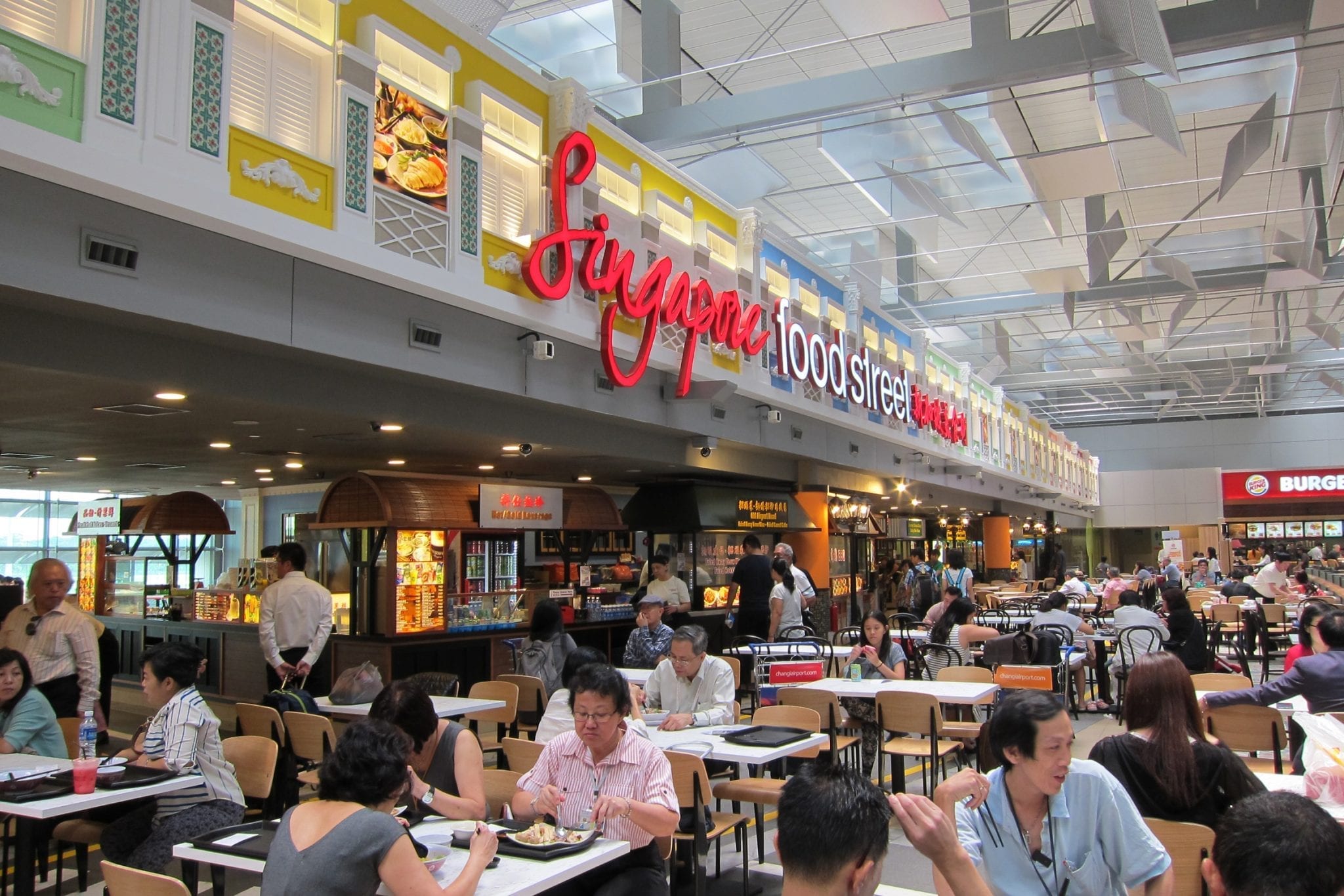
    A Japanese airline with a Singapore partner will open an all-Japanese food court at Changi Airport by the end of this year.

    Japan Gourmet Hall Sora is a joint venture between a subsidiary of All Nippon Airways (ANA) and specialty consultant Komars Group. It takes over the space formerly occupied by Seafood Paradise and Fish & Co in the public area on the third floor of Terminal 2.

    It is the first time the airport has awarded a lease for two amalgamated units, says Changi Airport Group (CAG).

    With a floor area of 721 sqm and an estimated seating capacity of 300 people, Japan Gourmet Hall Sora will be the largest restaurant space in Changi Airport. No official opening date has been set, but an ANA Trading spokesperson says the target is early November.

    ANA says there will be six Japanese restaurants in the food court, serving such fare as okonomiyaki pancakes as well as ramen, and tendon and seafood bowls. Customers will be able to order at multiple restaurants and pay for everything in one transaction.

    With its partners, ANA will be investing about ¥200 million (S$2.5 million/US$1.8 million) into Japan Gourmet Hall Sora. The lease will be for three years with an option to extend for another three. The venture will be run SG Retail, the ANA Trading/Komars JV.

    ANA Trading says it chose Changi Airport for the project because of its size, passenger count and its winning of the Skytrax World’s Best Airport title last year.

    “We are planning to expand the business to other Asian countries, based on the success of the project,” a spokesperson says.

  • Tim Ho Wan Cambodia launches in Aeon Mall

    Tim Ho Wan Cambodia launches in Aeon Mall

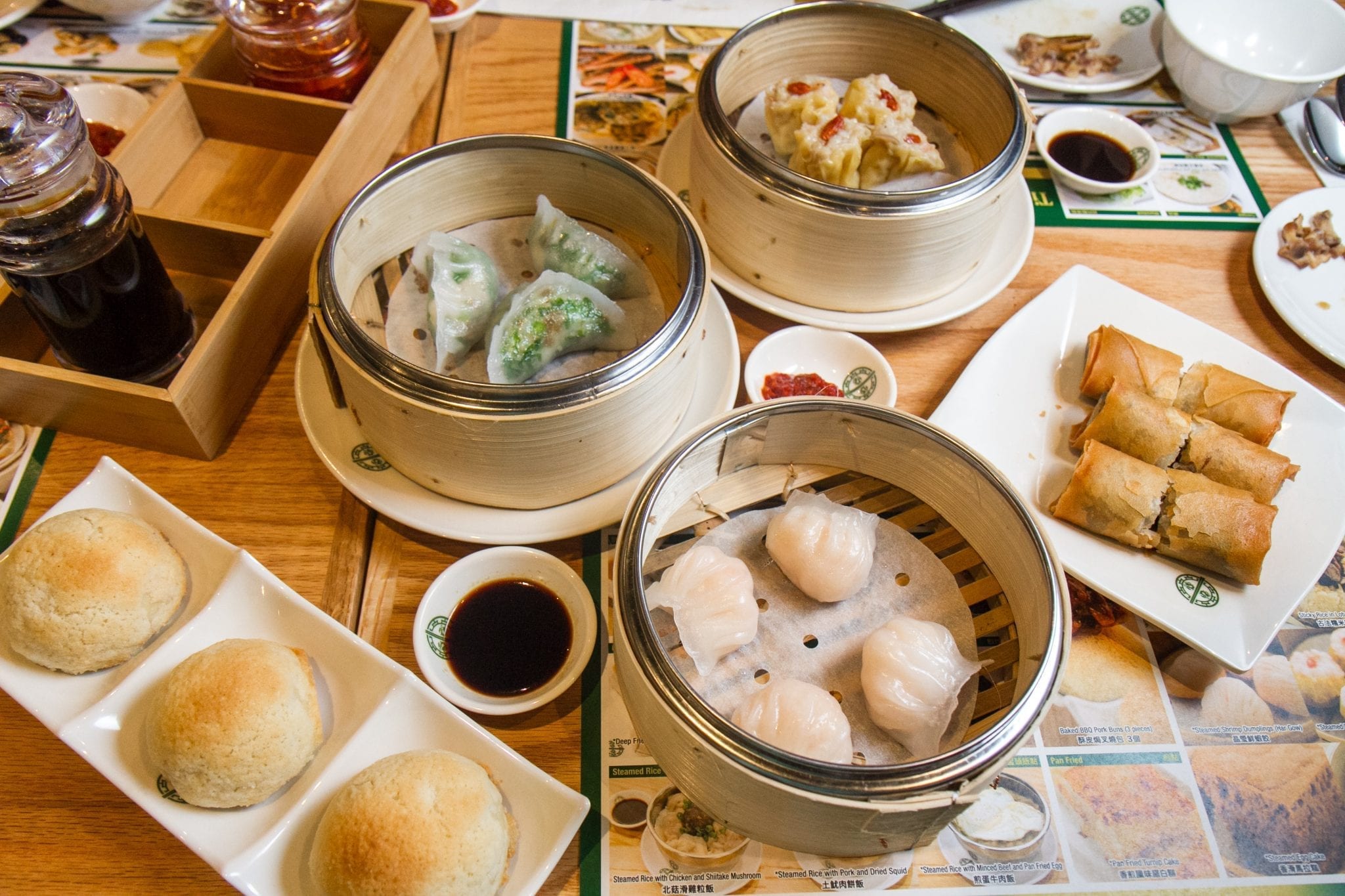
    Tim Ho Wan Cambodia has launched its first Hong Kong dim sum outlet at Aeon Mall Phnom Penh, drawing on the brand’s roots as the “world’s cheapest Michelin-starred restaurant”.

    Its officially launch follows a five-day soft opening that attracted about 700 diners a day, according to Tim Ho Wan Cambodia GM Chum Phirun.

    Starting as a hole-in-the-wall eatery in Hong Kong’s Mong Kok district in 2009, Tim Ho Wan earned a Michelin Star in 2010, being the least expensive restaurant on the planet at the time for the French dining guide.

    With this reputation, the outlet soon became a chain, expanding to 45 locations in Asia, Australia and the US. Despite this success, the restaurant failed to catch on in Malaysia.

    Openings in Singapore and New York attracted queues, with customers waiting up to three hours for a table. However, Phirun says few Cambodians are aware of the dim sum chain’s fame or the significance of a Michelin Guide rating.

    “The income of Phnom Penh residents is growing rapidly, and many people are now seeking hygienic, high-quality food, so we want to educate them on the advantage of a Michelin-starred restaurant like Tim Ho Wan.”

    While two Hong Kong branches of the chain have a Michelin Star, the 33-table restaurant in Phnom Penh does not. It serves 24 varieties of dim sum, and Phirun says there are plans to open two more branches in the city next year.

    Founders Mak Kwai Pui and Leung Fai Keung were brought to the official launch by Tim Ho Wan Cambodia director Seak Guech.

  • Bruxie takes its waffle sandwiches to Seoul

    Bruxie takes its waffle sandwiches to Seoul

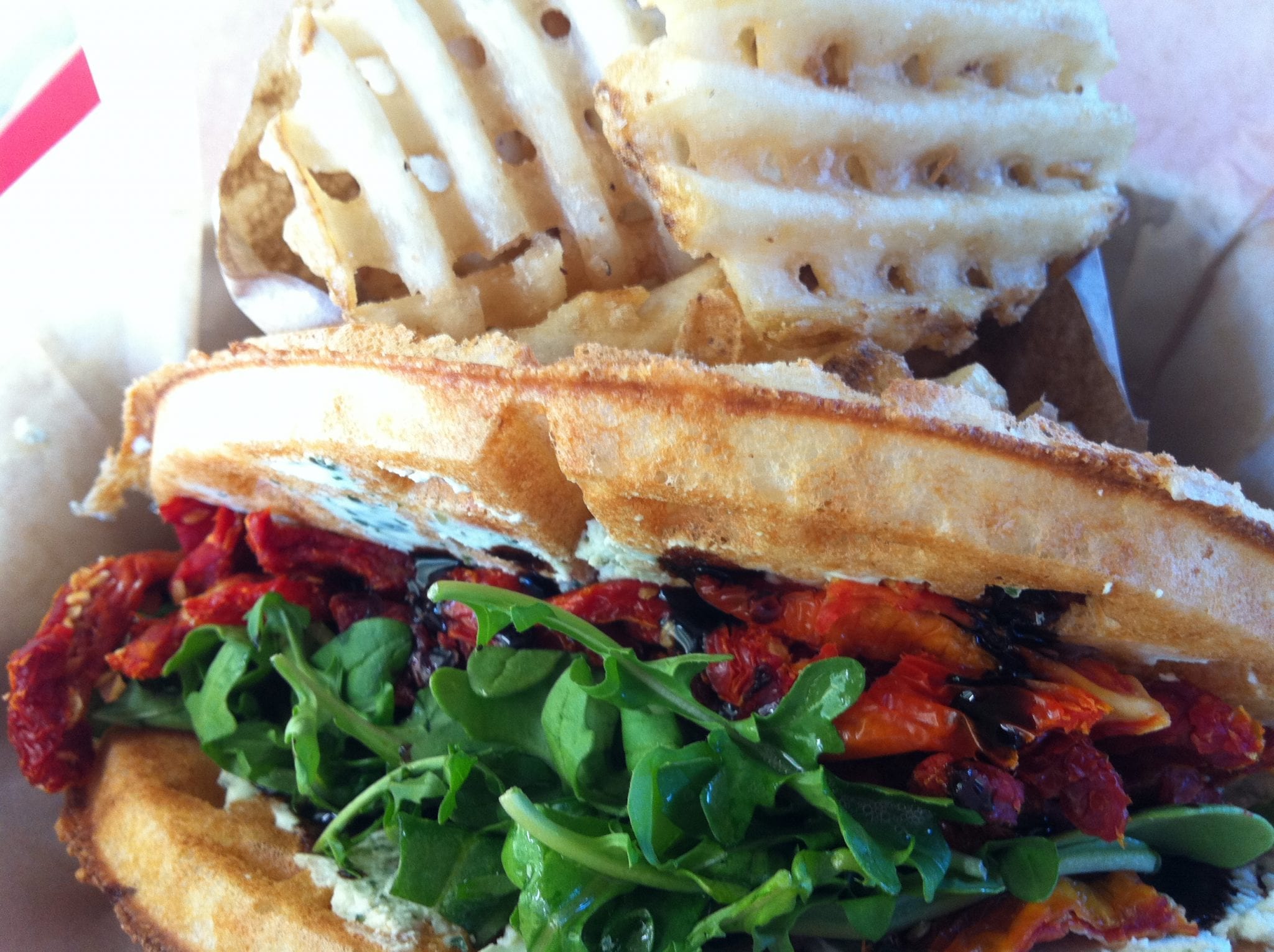
    US concept restaurant Bruxie has taken its fried chicken and waffle sandwich international, launching a branch in South Korea.

    Its headquarters are in Orange County, California, where it opened its first location almost seven years ago. The fast-casual dining chain’s eighth location is in Seoul’s Lotte World Mall.

    “International expansion has always been a goal,” says CEO Anthony Smith, who leads the brand’s growth along with CFO Scott Miller and founder/chef Kelly Mullarney. South Korea’s locations are in the hands of franchisee Jae Jung of Bold 4, who plans 10 Bruxie outlets. The second will open in November.

    As well as its menu of sandwiches that feature waffles instead of bread, Bruxie offers salads, cane-sugar sodas, Wisconsin frozen custard, shakes, sundaes and floats. Its custom-crafted coffee is made from a proprietary blend of fair-trade imported beans.

    Bruxie restaurants open daily for breakfast, lunch, dinner and dessert.

  • Etude House Malaysia launches flagship

    Etude House Malaysia launches flagship

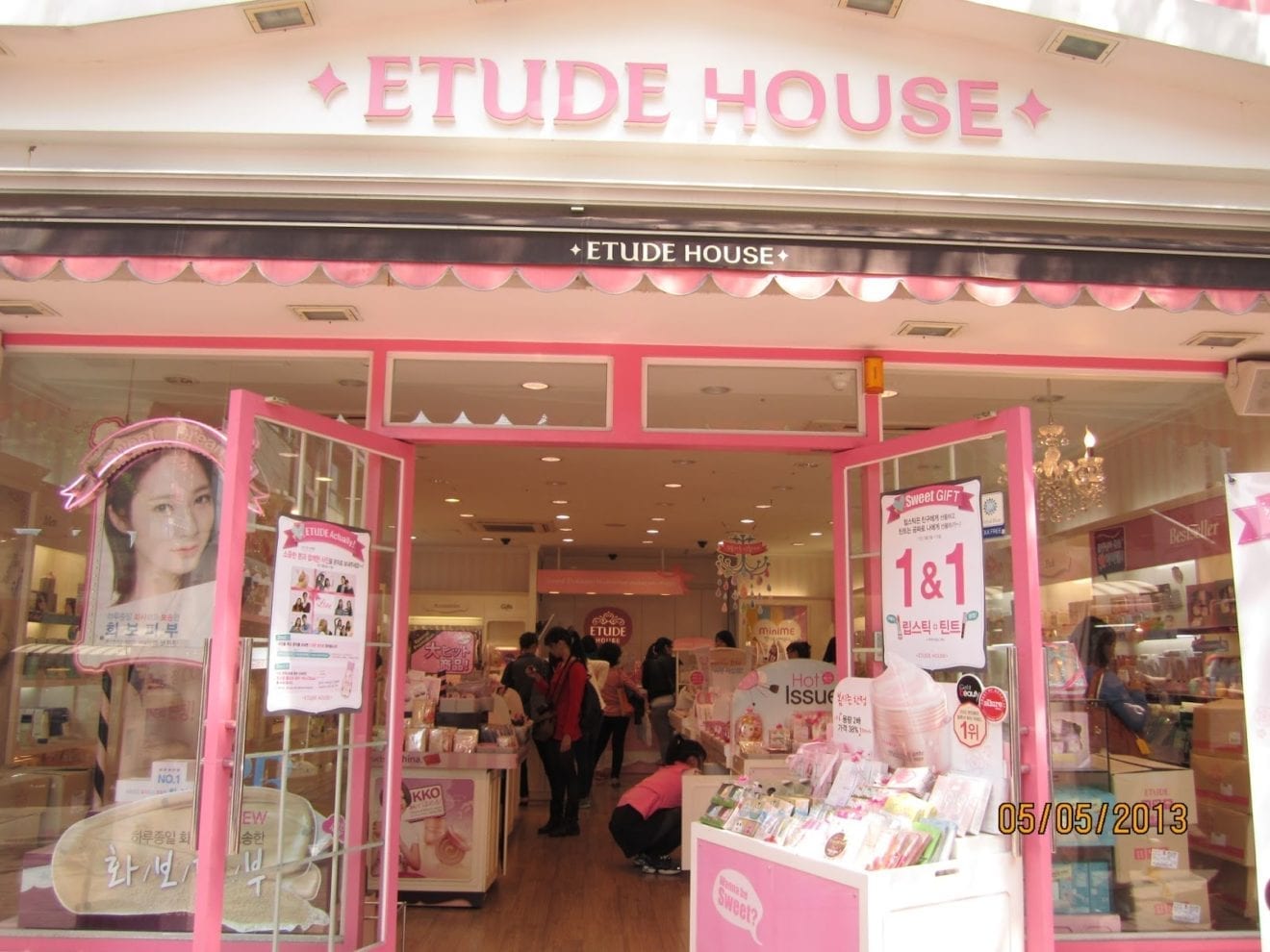
    Etude House Malaysia launches its first flagship store today, at Sunway Pyramid in Selangor, complete with customisable lipsticks.

    The Korean skincare brand’s new store features a “Find Your Look” section offering a choice of nine signature looks, a makeup studio and an all-new range of personalised lipsticks.

    The customisable Dear My Glass Tinting Lips-Talk collection carries 20 lip colours and 20 pop-art-inspired lipstick cases for mixing and matching. The lipsticks are formulated with nourishing ingredients like collagen and honey to keep lips hydrated.

    As an added service, lipstick cases can be engraved with the customer’s name.

  • AirAsia Flies Jakarta-Macau Route

    AirAsia Flies Jakarta-Macau Route

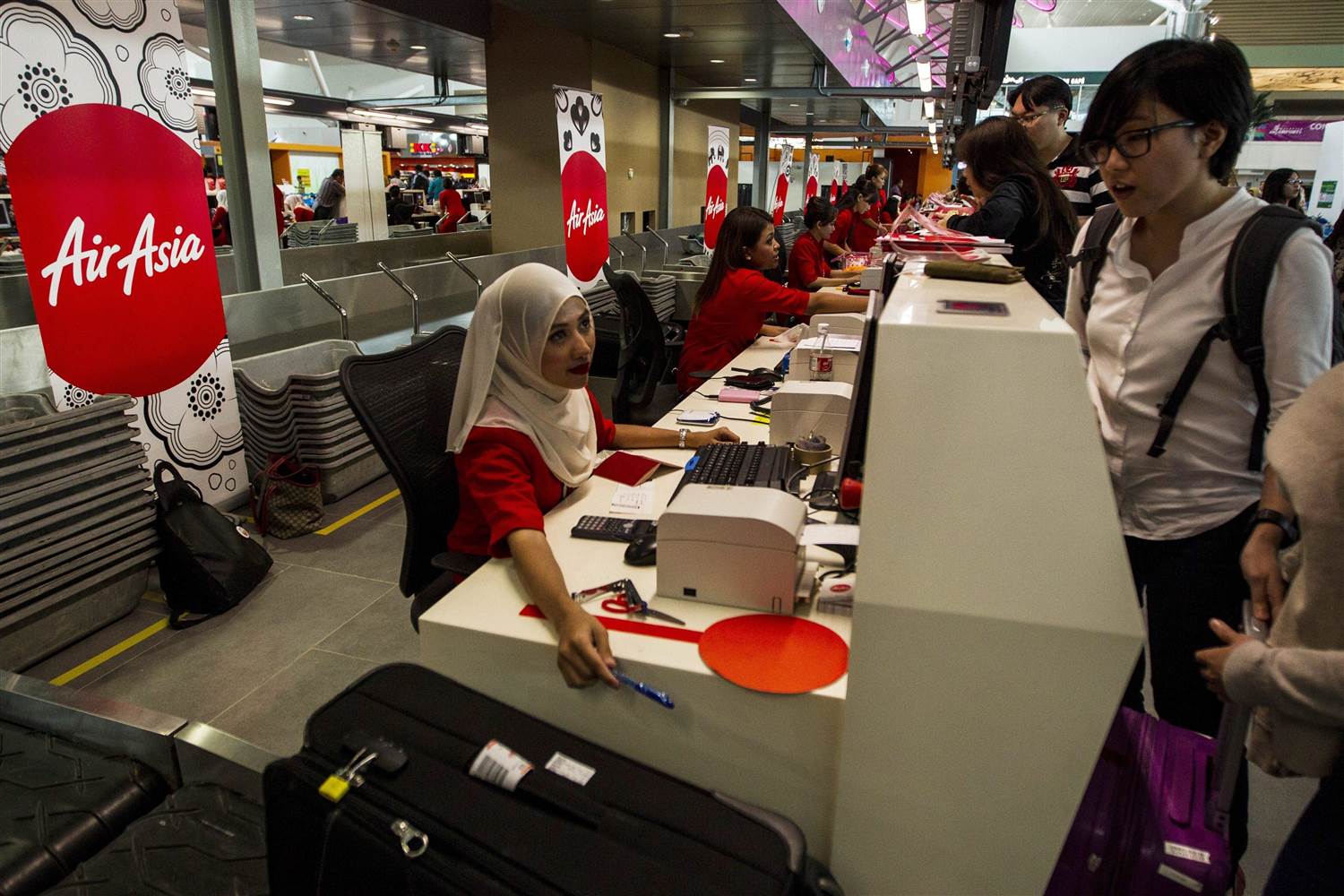
    AirAsia, a Malaysian low-cost airline with a branch in Indonesia, made its first Jakarta-Macau flight on Aug. 7.

    Transportation Minister Budi Karya Sumadi has welcomed the new route, saying it will also reinforce Indonesia’s tourism sector.

    “We will continue to support AirAsia in developing new international routes,” Budi said in a statement, adding the ministry has requested airport operators Angkasa Pura I and Angkasa Pura II to cut fees for landing.

    “It will become a stimulus for AirAsia to further develop its routes to various tourism destinations in Indonesia,” he said.

    “This flight is the fifth after our flights to Jakarta from Penang [Malaysia], Singapore, Bangkok [Thailand] and Kuala Lumpur [Malaysia],” AirAsia Indonesia chief executive Dendy Kurniawan said.

    Flights are operated three times a week on the Jakarta-Macau route. In September one more will be added.

    “A fourth of foreign tourists visiting Indonesia in 2016 were brought by Air Asia. The Jakarta-Macau route will improve the connectivity between Indonesia and southern Chinese cities, meaning more tourist arrivals,” Tourism Ministry’s deputy for foreign tourism marketing development.

  • Sombre reflection on noticeboard of Nagasaki Starbucks

    Sombre reflection on noticeboard of Nagasaki Starbucks

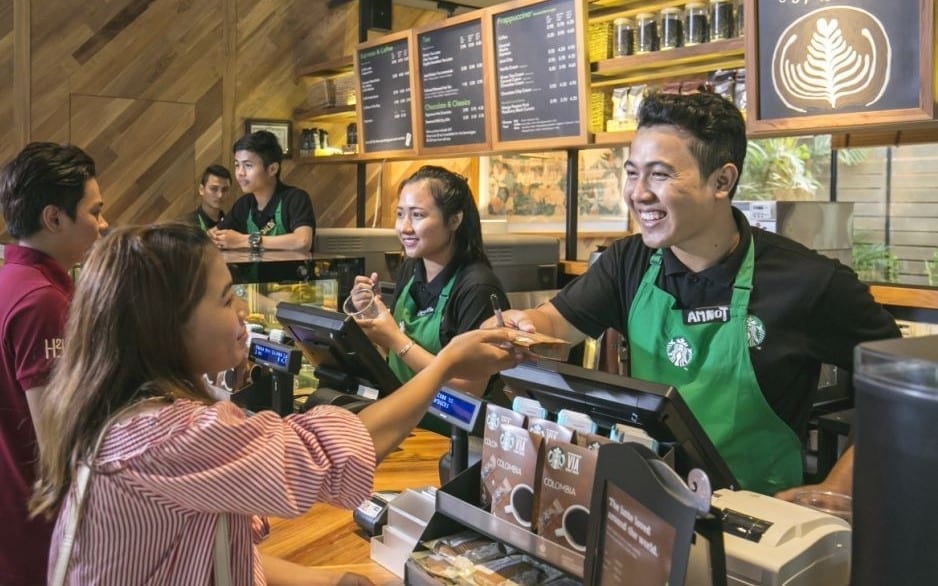
    Usually, the handwritten message of the day at Starbucks cafes are light-hearted, but to mark the anniversary of Japan’s surrender that ended World War II, a Nagasaki Starbucks outlet decided to take a more serious tone.

    Nagasaki was one of two Japanese cities destroyed by a nuclear bomb near the end of the conflict.

    “Almost all the beans for the coffee we drink are imported from Africa, the Middle East, Latin America and other regions … A year from now, that coffee might no longer be available because of civil war and other conflict,” says the message.

    It says coffee can actually come from perilous parts of the world.

    “You probably don’t think of the concepts of war and peace having such a direct connection to yourself, but now, as you’re drinking your coffee or frappuccino, knowing that you might not be able to do so in the future, is this not an opportunity to reflect on peace?” the message continues.

    “This is the 72nd summer since the end of World War II. What does ‘peace’ mean to you?”

    “Hate has no home here”

    Meanwhile, in the US, Starbucks executive chairman Howard Schultz convened a forum in Seattle entitled “Hate has no home here”.

    A small rock Schultz had brought back from the Auschwitz concentration camp 17 years ago was passed around as “a tangible reminder of unchecked hate” as the gathering addressed the recent events in the US involving white supremacists and neo-Nazis.

    “I come to you with profound, profound concern about the lack of character, morality, humanity, and what this might mean for young children and young generations,” he told the crowd of more than 500 in the room, plus 1000 in overflow areas. “We are imprinting them with levels of behaviours and conduct that are beneath the United States of America.”

    He said it was a critical juncture in American history. “The moral fibre, the values and what we as a country have stood for is literally hanging in the abyss.”

    For 90 minutes, as the rock circulated around the room, Schultz shared his thoughts, followed by Starbucks partners.

  • Mainland China’s demand for wine driving online sales surge

    Mainland China’s demand for wine driving online sales surge

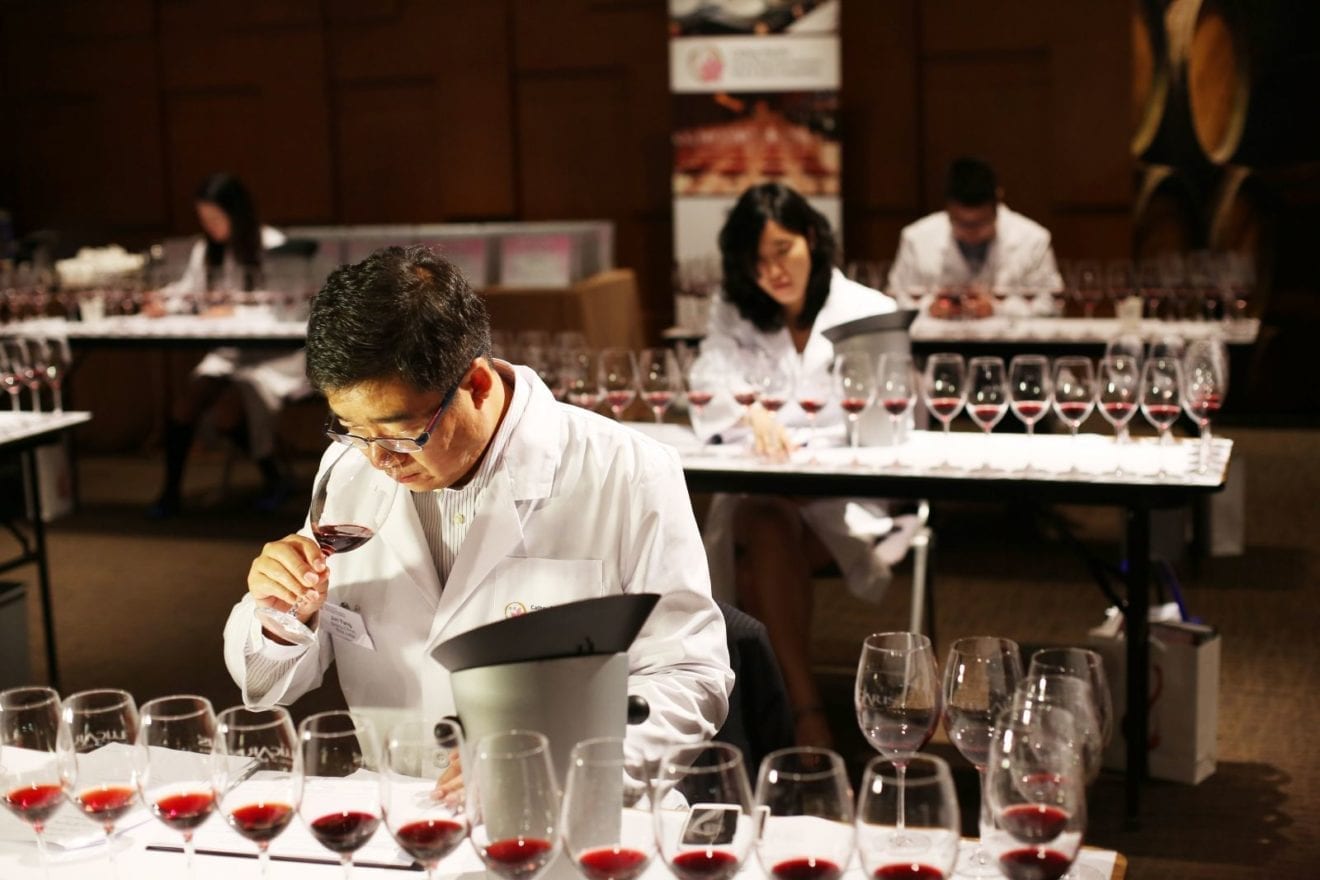
    China’s demand for wine has surged as a result of the continuing expansion of the middle class across the mainland, the newsletter of the Hong Kong Trade Development Council.

    This has led to the number of e-commerce sites and apps specialising in wine sales soaring in recent years. Online entrepreneurs have noted the sector’s potential as mainland wine consumption rose by 6.9 per cent to a total of 1.72 billion litres last year.

    As wine imports for the first quarter of this year show a year-on-year increase of 8.7 per cent, the newsletter says the trend is set to continue.

    While the online wine sector is relatively undeveloped, two companies have emerged as potential market leaders: Yijiu Yijiu (trading as 1919) and Liquor Easy. Both businesses have adopted the O2O (online-to-offline) model, selling a range of wines through multi-channels and offering both door-to-door deliveries – typically within an hour – and in-store pick-up.

    As well as conventional outlets, both companies have embraced other sales channels including online shopping malls and collaborative ventures with China’s internet giants, notably JD.com, WeChat and food-delivery service Baidu Waimai. Both companies have also developed smartphone apps.

    As well as their core offering of wine, they sell a selection of Chinese white spirits, imported spirits, beers, rice wine, soft drinks and drinking accessories.

    Different approaches

    As the larger player, 1919 has opened nearly 1000 stores across the mainland, 430 of these being added last year. By comparison, Liquor Easy is relatively small, but its development model may prove instructive to small- or medium-sized investors considering entering the sector, says the newsletter.

    Liquor Easy started out in Henan, gradually extending north into Beijing and Xian. It now has 220 directly run outlets, with slightly more than half of them in Henan. In Beijing it has 92 sites including distribution hubs, and by the end of the year will have 11 outlets in Xian.

    Most of the company’s Beijing outlets are in mid-market residential districts. Typically covering about 28 sqm, the stores are characterised by a high standard of merchandise display, a variety of seasonal sales promotions and knowledgeable sales staff.

    At the end of last year, Liquor Easy made its initial listing on the National Equities Exchange and Quotations Company, the Beijing over-the-counter share-trading platform better known as China’s New Third Board. As with 1919, it trades on a membership basis.

    Meanwhile, accelerated growth is forecast for online wine sales. Membership numbers are expected to soar, while both the level of repeat business and brand awareness are also set to grow.

    In their initial phase of expansion, both 1919 and Liquor Easy were willing to work with individual investors to accelerate growth. As they became more established, both companies have changed their operational preferences.

    Funding change

    In the case of 1919, its forward-development plan commits it to working less with individual investors. Instead, it plans to raise backing from funding platforms, channelling proceeds into store openings. This approach is expected to enhance management consistency across outlets, ultimately boosting the profitability of each site while allowing them to compete more effectively.

    By comparison, Liquor Easy still seeks to work with individual partners, especially those with knowledge of particular markets and experience in brand development. In such cases, the company is happy to work similarly to a franchise: it will provide support in terms of pre-openings, store operation and systems management, as well as central co-ordination of data and logistics, and sharing subscriber information and order allocation on a geographical basis.

    Many overseas companies are also said to be eyeing wine-related e-commerce opportunities on the mainland. Inevitably, once such companies access China’s e-commerce channels, competition will intensify dramatically.

    To prepare for the changes, some domestic players have already started optimising their offerings, such as developing new retail formats, improving efficiency and enhancing service and supply chains.

    New models

    New business models emerging include S2B (supply-chain platform to business) which directly links wine professionals and specialist outlets on a regional basis to wine aficionados.

    Taking the lead in this particular approach is the Jiudating (Wine Inquirer) platform. Essentially, it enables local wine professionals or wine shops to share their expertise with would-be wine consumers via social media. Guided by expert insights and recommendations, consumers can order particular wines with Jiudating handling logistics, payment processing and credit guarantees.

    Another innovative approach has been piloted by Songjiuxia, a Beijing-based discount chain specialising in mass-market imported wine. With a modest investment, its members are primarily small off-licences, typically in third- and fourth-tier cities, county capitals and small towns.

    The company also runs a range of smart wine-vending machines, primarily in first-tier cities. Orders can be placed via the company’s app, while the wine – maintained at optimum temperature – can be paid for remotely.

    Despite the apparent vibrancy of the sector, many of the prominent players have yet to turn a profit. For instance, 1919 had a net loss last year despite almost doubling its sales revenue. The company says it chose to take a strategic loss while continuing to build market share.

    Facing similar problems, Liquor Easy opted to scale down its expansion plans following its costly move into Beijing. However, it is planning extra distribution stations in residential districts to help trim running costs.

    With these conflicting indicators of increasing sales but poor returns, would-be entrants to the sector are advised to consider how best to optimise and integrate offline and online sales channels, advises the newsletter. Harnessing big data is also essential to effectively manage supply chains.

  • Colette by Colette Hayman launches at Australia Fair

    Colette by Colette Hayman launches at Australia Fair

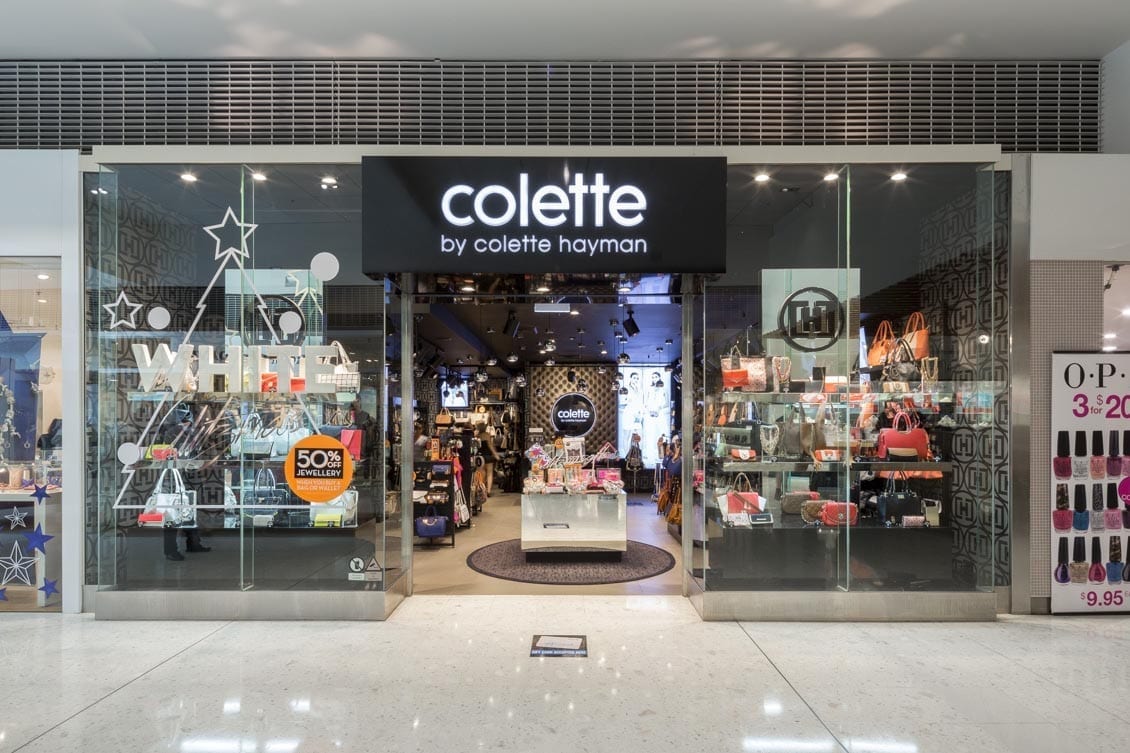
    Fashion accessories retailer, Colette by Colette Hayman, has opened its first store at Australia Fair on the Gold Coast.

    The retailer joins other new tenants at the  retail and lifestyle precinct, which is currently undergoing a $25 million redevelopment.

    Stage one of the project is expected to be completed by November. Australia Fair owner YFG Shopping Centres has engaged Hutchinson Builders to carry out the 13-month project, which includes a major expansion and makeover of Coles and an upgrade of the centre’s Scarborough Street facade.

    Australia Fair’s exterior is also getting a facelift, to create a contemporary facade for the retail, dining and entertainment complex, with the structure to feature lighting and fresh signage bearing the centre’s new branding.

    Other new tenants joining Australia Fair’s retail offering who have recently opened at the centre include, Ted Ross, U Grill, Joy Stylist and Green Valley Butcher. Brazilian restaurant and bar The Grill House, Vintage Grind, Stella Saigon Street Food, Chikar, Wrap and Roll and LiquorLand are also set to open their doors over the next few months, while several existing traders are relocating or undergoing a fresh fit-out.

    Meanwhile Colette’s opening adds to its over 160 stores worldwide.

    The retailer announced it will have new collections dropping weekly and will feature handbags and jewellery.

    Ramon Otten, Australia Fair general manager, said the “highly anticipated” store opening would enhance the centre’s offering for shoppers, as upgrades to the ground floor continue to modernise the mall and its exterior.

    “We are delighted to welcome Colette by Colette Hayman to Australia Fair, and expect this internationally successful brand to be very popular with our young and fashion-conscious demographic,” Otten said.

    “Colette by Colette Hayman is known for fun, stylish and affordable handbags and accessories for all occasions, which we feel makes the brand a fresh and exciting addition to the expanding retail offering of our new-look centre,” he said.

    Otten added it was “gratifying” to see the centre’s transformation take place, with a view to opening ahead of the 2018 Commonwealth Games, held on the Gold Coast.