Author: Mei Ling Tan

  • Vinaphone debuts carrier billing on Google Play

    Vinaphone debuts carrier billing on Google Play

    Vietnam’s Vinaphone has become the fourth and last of the nation’s four major mobile operators to launch carrier billing over Google Play using the Fortumo payments platform.

    The operator’s 20 million subscribers will be able to use the Fortumo platform to pay for apps and in-app content using their airtime balance.

    With the launch, 95% of the population of Vietnam can now make payments on Google Play through Fortumo – significant for a country with smartphone penetration of 40% but credit card ownership of below 2%.

    Fortumo will also provide Vinaphone with access to its Fortumo Insight statistics and data analytics platform, which helps operators analyze the performance of Google Play and use the data to make improvements to their payment infrastructure and marketing campaigns using the platform.

    “Vietnam is one of Asia’s fastest growing markets for mobile services. Vinaphone has been able to successfully capitalize on this expansion and enabling Google Play for carrier billing is the logical step for Vinaphone to accelerate the growth further,” Forumo chief business officer Gerri Kodres said.

    “Fortumo has established itself as the provider of choice for carriers in Asia and we are proud to help Vinaphone make Google Play payments available to millions of their users.”

  • Telstra expects $2.36b ebitda hit from NBN

    Telstra expects $2.36b ebitda hit from NBN

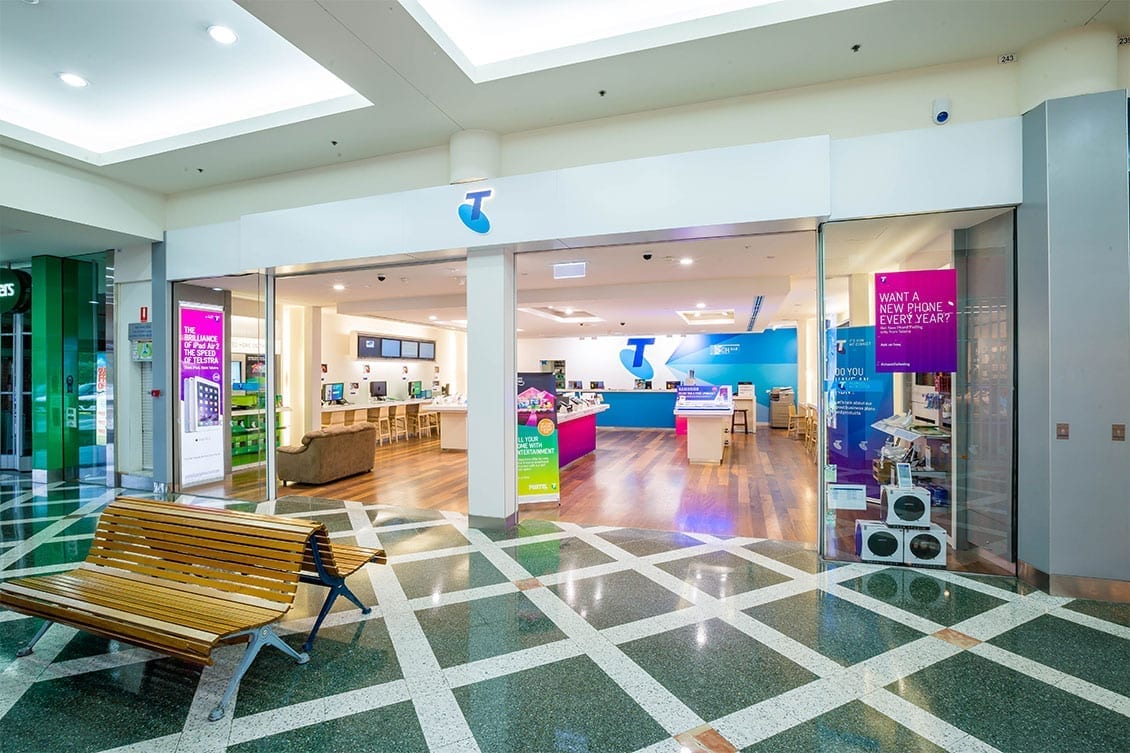
    Shares in Australia’s Telstra slumped 10.6% to a five-year low of A$3.87 yesterday after the company warned it expects to take an A$3 billion ($2.36 billion) hit to its ebtida as a result of the rollout of the National Broadband Network (NBN).

    Telstra cut its planned dividend for the current financial year by 29% to A$0.22 per share after revealing that it expects the impact of the NBN rollout to be at the top end of its projected $2 billion to $3 billion ebitda decline.

    The incumbent operator announced the plan along with its financial results for the 12 months ending in June. Revenue for the year grew 4.3% to A$28.2 billion.

    Net profit fell 33.8% to A$3.9 billion, but excluding the impact of the sale of its Autohome Chinese classifieds business for A$2.1 billion to Ping An Insurance Group in the prior year, profit from continuing operations grew 1.1%.

    Telstra reported mobile net additions of 218,000 and domestic retail fixed broadband net additions of 132,000 during the year. Customers served by Telstra over the NBN meanwhile more than doubled to 1.18 million, representing a total market share of 52% of the non-satellite services over the national wholesale network.

    But Telstra CEO Andrew Penn said the company is facing competitive pressures in both the mobile and fixed segments, including the introduction of new rivals in both.

    “Digital disruption is continuing to accelerate, not just for us but also for our customers, and we are entering a significant point in the transformation of the telecommunications market with the nbn rollout reaching scale,” Telstra CEO Andrew Penn said.
    “It is against the backdrop of these market dynamics that we announced during the year our intention to invest up to A$3 billion over the next three years to achieve a further step change in our strategic positioning to deliver economic benefits of more than A$500 million of ebitda by 2021.”

    Telstra also plans to bring forward its target of achieving A$1 billion in efficiencies by FY21 and seek to deliver more than A$1.5 billion in net productivity gains by FY22.

  • German luxury watch “Nomos” to open in Hanwha Galleria Duty Free Shop

    German luxury watch “Nomos” to open in Hanwha Galleria Duty Free Shop

    Hanwha Galleria Duty Free Shop opened German luxury watch Nomos store on Aug 17. Hanwha Galleria Duty Free Shop was the first Korean Duty Free business to launch luxury brands such as Golden Goose, Stefano Ricci, LAUNER LONDON and Corneliani, and succeeded in launching Nomos.

    In addition, Hanwha Galleria Duty Free Shop strengthened luxury watch collection with IWC and  Jaeger-LeCoultre opening in June.

    Nomos is a watch house with an in-house movement with outstanding technology. It was ranked n.8 world’s best watch in 2014 by Chronos, a prestigious German watch magazine along with IWC, Rolex, Patek Philippe and Jaeger-LeCoultre.

    The product dial has the name ‘Glashütte’ which is a production names of the finest watches in Germany. It is a certificate given only to high-quality brands such as A.Lange & Söhne and Glashütte Original.

    In order to put Glashütte on the dial, more than 50 percent of all parts should be produced in this area. Nomos produces 75 ~ 95% of the movement directly.

    Especially, Nomos has a good reputation as a good quality watch with a reasonable price as it can be purchased from 2 million won.

    Customers can purchase Nomos only in Galleria Duty Free Shop in Korea, but there are already more than 20 stores in Japan. In addition, Metro, which is a popular model, gained explosive popularity after being introduced at the Basel Fair in March 2014.

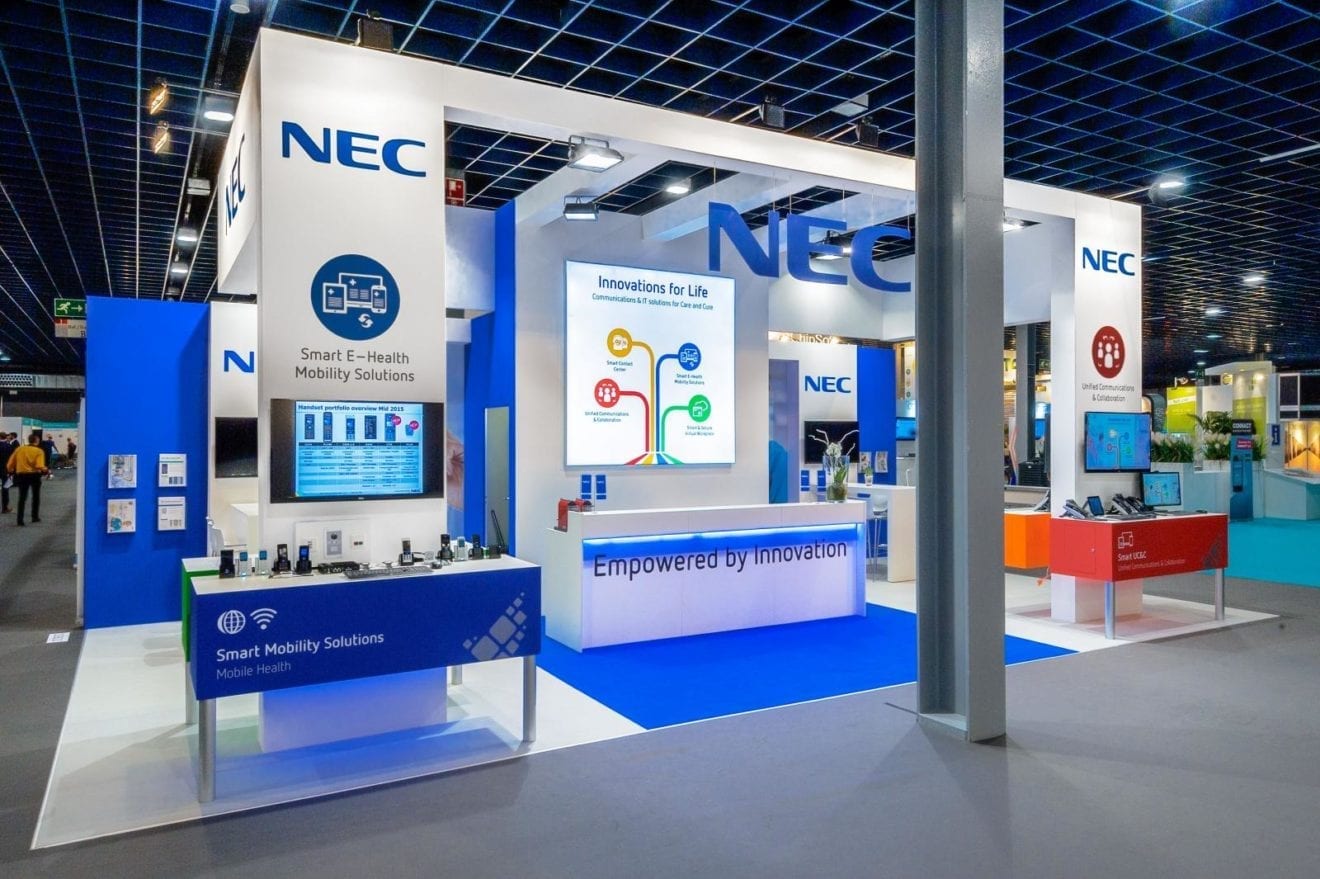
  • NEC launches 5G SDN/NFV platform in Malaysia

    NEC launches 5G SDN/NFV platform in Malaysia

    NEC Corporation of Malaysia and Netcracker have teamed up with red Hat, Juniper Networks and Dell EMC to launch a multi-vendor 5G-ready virtualization platform for operators and enterprises in Malaysia.

    The companies will launch a full SD/NFV solution capable of using IT virtualization technologies to virtualize entire classes of network node functions into building blocks that can be chained together to create communication services.

    The platform combined Netcracker’s hybrid operations management offering and business enablement applications with NEC and Netcracker’s virtualization deployment operations center and multilayer SDN controller.

    It also comprises Red Hat’s OpenStack platform, Juniper’s NFV networking services platform and Dell EMC’s PowerEdge NFV solution.

    Research from Netcracker indicates that the virtualization platform can reduce the time to market for new enterprise services by up to 70%.

    “To stay competitive in a global economy, service providers and enterprises in Malaysia will eventually have the need to adapt to 5G technologies,” NEC Malaysia Chong Kai Wooi said.

    “With our SDN/NFV 5G-ready solution, companies will be able to speed up the time-to-market for their potential communications services and/or any applications that run on 5G technology, improve cost efficiency and have the ability to offer new, revenue generating-services.”

    “As the industry moves quickly towards 5G technology, getting the management and orchestration environment right is critical to enable new IoT use cases requiring dynamic network slicing,” added  Netcracker CTO of SDN/NFV Aloke Tusnial.

    “This is a key focus for us at Netcracker and we are delighted to be part of this strong collaboration to bring 5G virtualization to market faster.”

  • Wi-Fi.HK extends service venues

    Wi-Fi.HK extends service venues

    The Office of the Government CIO (OGCIO) yesterday announced extending the number of government venues to provide free public Wi-Fi services through the Wi-Fi.HK Public-Private Collaboration (PPC) project.

    Initial venues equipped with free Wi-Fi include the Hong Kong Cultural Centre, Queen Elizabeth Stadium, Dr Sun Yat-sen Museum, Shatin Town Hall, Man Kam To Control Point, the Hong Kong Cultural Centre Piazza, the Tsim Sha Tsui Promenade and the Hong Kong Coliseum.

    HKBNcslHGC and SmarTone will provide services to the public, and plan to extend the service to other government venues in the coming months, including public parks, public transport interchanges and markets.

    “We shall open up more suitable government venues through public-private collaboration for private service providers to install equipment and provide Wi-Fi service with free usage time at their own cost,” undersecretary for innovation and technology David Chung said.

    “Private service providers are allowed to offer value-added services at these venues without any financing from the government while the public and tourists can enjoy free Wi-Fi service. This arrangement is favorable to all.”

    Chung said transforming Hong Kong into a Wi-Fi connected city will also help stimulate the development of more innovative, efficient and convenient digital services, and will help transform Hong Kong into a smart city.

    Wi-Fi.HK has been available since 2014 at various locations, with over 19,800 Wi-Fi hotspots being provided by around 50 participating organizations, including university campuses, tourist attractions, shopping centers and restaurants. The government is also providing free Wi-Fi services to students at youth service centers and study rooms under a subsidy scheme launched in March.

    The Wi-Fi.HK project has been co-organized by the Hong Kong Wireless Technology Industry Association (WTIA).

  • Arvato Takes Over European E-commerce Logistics for Doppler Labs

    Arvato Takes Over European E-commerce Logistics for Doppler Labs

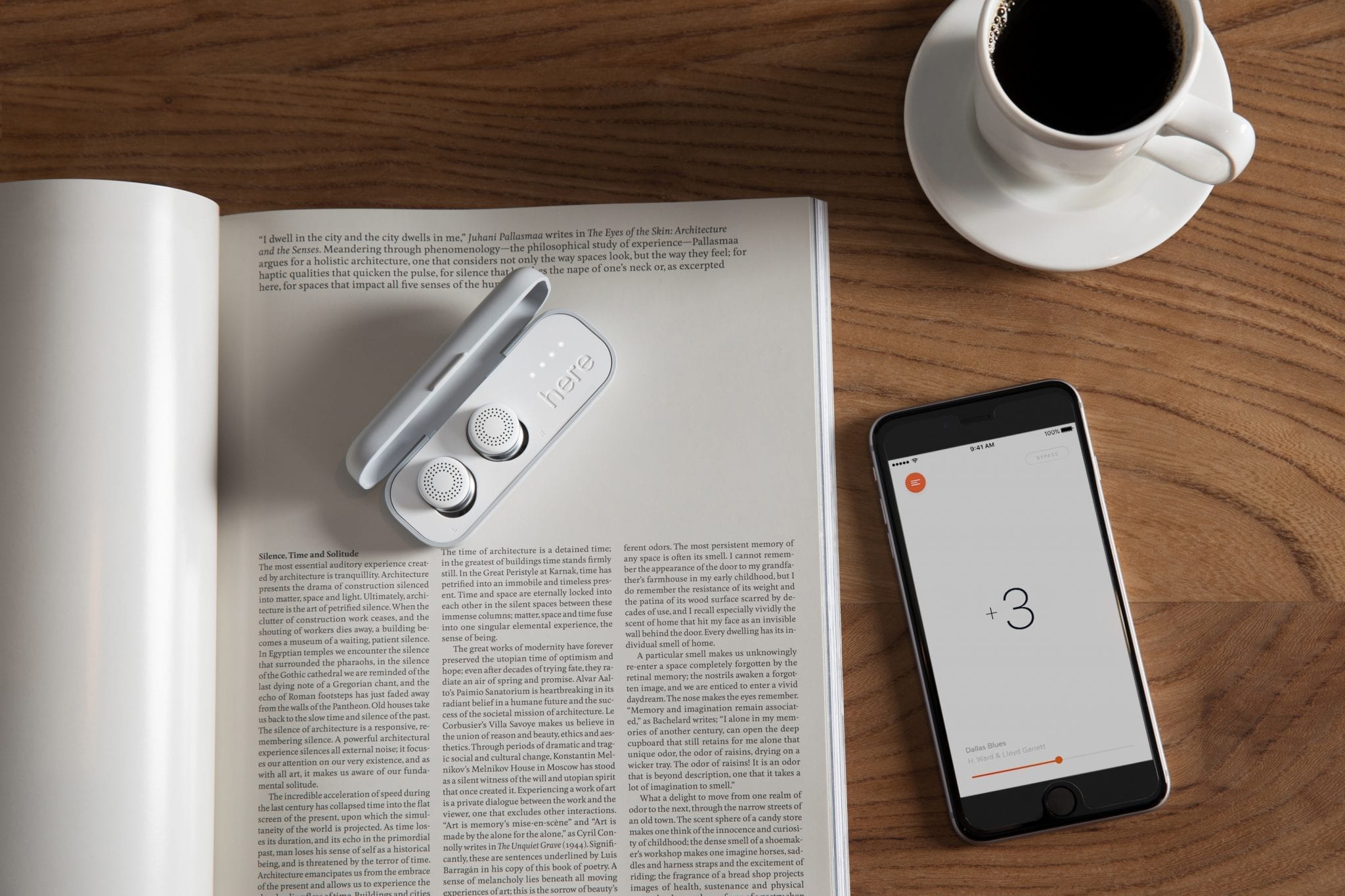
    Arvato SCM Solutions has acquired Doppler Labs as a new customer. This US start-up from San Francisco has developed the first 3-in-1 wireless smart earbuds, Here OneTM; and Arvato’s Hightech & Entertainment business unit is now handling the company’s e-commerce logistics for all of Europe.

    “In Arvato, we are pleased to have found a fulfillment provider that will promote our expansion to Europe with its network and e-commerce expertise,” says Kevin Lynch, Business Operations Manager, Doppler Labs. Founded in 2013, the start-up currently has more than 70 employees and specializes in the development of smart wireless earbuds that can dynamically increase or decrease the volume of real- world sound. The Here One earbuds can also stream music, take phone calls, and filter out and reduce ambient noise with the aid of a connected smartphone app.

    “Doppler Labs is a start-up company with strong potential, and we are happy to support their plans for expansion,” says Martijn Nielen, VP Netherlands at Arvato SCM Solutions.

    In addition to inventory management, the logistical services for Doppler Labs include picking, packing, shipping, and clearing the goods for customs. When an order is received, Arvato works with the online platform Salesupply, whose Shopify e-shop solution has an integrated order management system that manages all orders generated through the Doppler Labs webshop. The electronic processing of all information is handled by an SAP-Lite solution. “This is ideal for start-up companies such as Doppler Labs who are commencing the journey to scale globally,” emphasizes Martijn Nielen. “They benefit from being able to use a sophisticated system like SAP, in the ‘Lite version’, for an attractive price. Moving forward, I see great prospects for us to grow together.”

    Arvato is using its Dutch network for Doppler Labs’ B2C e-commerce business in Europe. The distribution of the smart earbuds throughout Europe is handled from the Arvato site in Gennep.

  • AEON gives prize Honda City from campaign “AEON Summer Cool & Safety Drive 2017”

    AEON gives prize Honda City from campaign “AEON Summer Cool & Safety Drive 2017”

    Ms. Saranya Pipoppinyo (right), Vice President, AEON Thana Sinsap (Thailand) Public Company Limited,  has recently awarded Ms. Sukarn Parnmart (left), 1st prize winner, a Honda City S-CVT car worth 589,000 baht from the ” AEON Summer Cool & Safety Drive  2017″ campaign. AEON launched the campaign for AEON cardholders who purchased air conditioners and refrigerators from 1st March 2017 to 31st May 2017 or applied for an installment plan to buy tyres, rims and car accessories from 1st March 2017 to 30th April 2017.

  • Premium outdoor brand ‘Gregory’ to open its first flagship store

    Premium outdoor brand ‘Gregory’ to open its first flagship store

    Under the unique brand philosophy of ‘Backpacks should be as easy to wear’, Gregory has opened the first flagship store in Sangsu dong, Seoul.

    Based on its ergonomic design and state-of-the-art technology, Gregory has been becoming a brand with a new category of ‘Outdoor Lifestyle Backpack’.

    Since Gregory offers a total of three product lines including functionality, lifestyle, and business line, the brand is widely loved by a wide range of customers from college students in twenties who pursue athletic lifestyle to office workers in thirties who place on functionality and quality.

    Gregory’s “Fit Jig” service is the best example of this brand identity. When choosing a backpack, it is important to consider a variety of factors such as gender, body size, amount of baggage, and purpose, and choose a product that provides a comfortable fit without feeling uncomfortable to the body.

    The Gregory Sangsu flagship store offers a service that recommends an optimal model based on your body size and usage, using a body meter.

    In addition, as it is the only flagship store in Korea, customers can try out the most various products. The Gregory flagship store also offers ‘Old Logo’ products, which are available only here.

    It sells a variety of products that can look at the history and identity of the brand from the vintage items with the old logo to the limited edition. Also from the August 25th, Gregory will show apparel products with its sensitivity.

    The Gregory Flagship Store also attracted visitors with a variety of cultural experience events.  In particular, it celebrated its opening in March last year, and its stores were decorated like galleries.

    Gregory’s early products, founded in 1977 in San Diego, USA, have provided a variety of information related to the brand’s history for 40 years. A Gregory official said, “The Gregory Flagship Store is a place where you can meet all of Gregory’s products that symbolize outdoor and lifestyle.”

  • Wearable tech moves closer with graphene ‘solving’ the battery problem

    Wearable tech moves closer with graphene ‘solving’ the battery problem

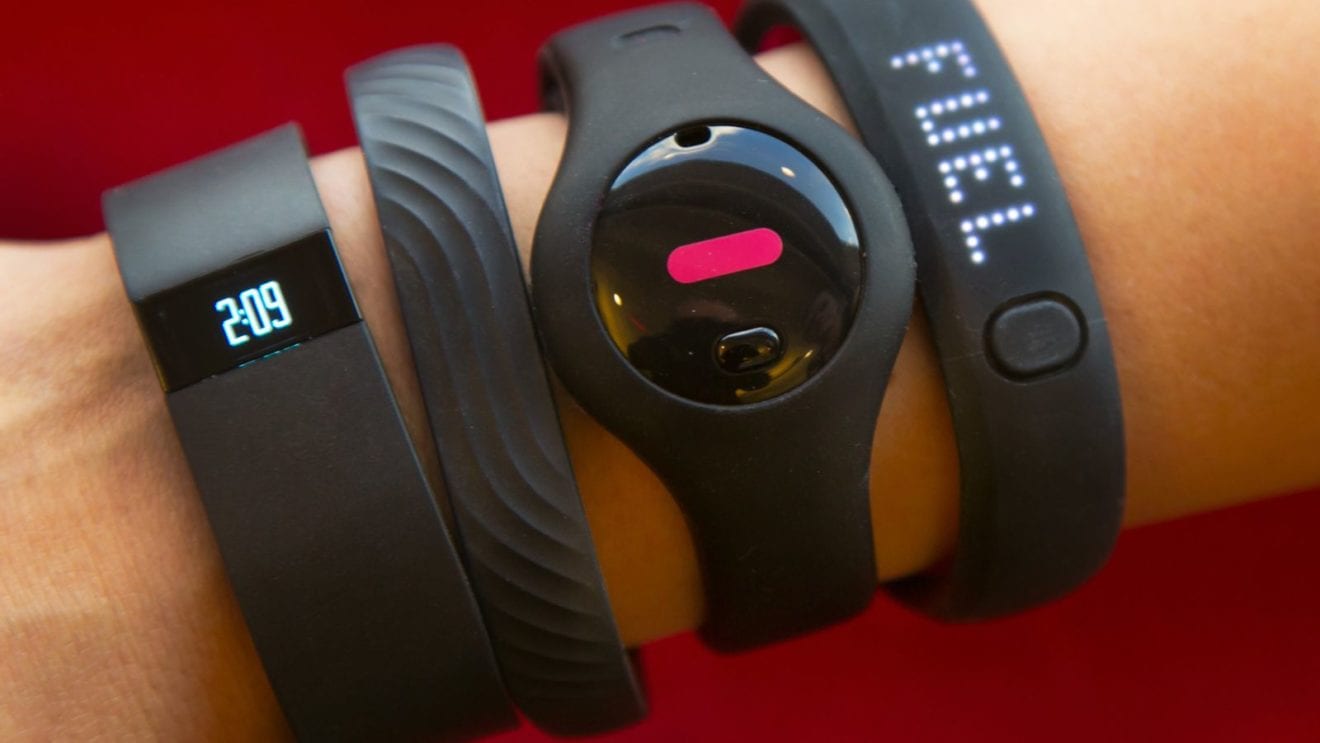
    Wearable technology becomes more useable with a new development using graphene for printed electronic devices. The University of Manchester has demonstrated flexible battery-like devices printed directly on to textiles using a simple screen-printing technique answering the major problem of wearable tech being limited due to the problem of powering devices without cumbersome battery packs.

    Devices known as supercapacitors are one way to achieve this. A supercapacitor acts similarly to a battery but allows for rapid charging which can fully charge devices in seconds.

    Now a solid-state flexible supercapacitor device has been demonstrated by using conductive graphene-oxide ink to print onto cotton fabric.

    As reported in the journal 2-D Materials, the printed electrodes exhibited excellent mechanical stability due to the strong interaction between the ink and textile substrate.

    Further development of graphene-oxide printed supercapacitors could turn the vast potential of wearable tech into the norm.

    High-performance sportswear that monitors performance, embedded health-monitoring devices, lightweight military gear, new classes of mobile communication devices and even wearable computers are just some of the applications that could become available following further research and development.

    To power these new wearable devices, the energy storage system must have reasonable mechanical flexibility in addition to high energy and power density, good operational safety, long cycling life and be low cost.

    Dr Nazmul Karim, knowledge exchange fellow at the National Graphene Institute and co-author of the paper said: “The development of graphene-based flexible textile supercapacitor using a simple and scalable printing technique is a significant step towards realising multifunctional next generation wearable e-textiles.

    It will open up possibilities of making an environmental friendly and cost-effective smart e-textile that can store energy and monitor human activity and physiological condition at the same time.”

    Graphene-oxide is a form of graphene which can be produced relatively cheaply in an ink-like solution. This solution can be applied to textiles to create supercapacitors which become part of the fabric itself.

  • APAC robotics market set to reach $66b in 2017

    APAC robotics market set to reach $66b in 2017

    Asia-Pacific’s robotics – including drones – and related services market is estimated to reach $66 billion this year, according to IDC.

    IDC expects spending to accelerate over the five-year forecast period of 2017-2021, reaching $162 billion in 2021 with a CAGR of 25.2%. This represents more than a projected 70% of the world’s total robotics market.

    “The convergence of robotics and artificial intelligence technologies are accelerating the development of the next generation of intelligent robots for industrial, commercial, and consumer applications,” said Jing Bing Zhang, research director of robotics at IDC Manufacturing Insights.

    “Intelligent robots with innovative capabilities such as cognitive interaction, self-diagnosis, and learning are emerging and driving wider adoption of robotics in many industries including manufacturing, resources, healthcare, retail, and so on.”

    China dominates the Asia-Pacific robotics market, with spending on robotics and related services expected to reach $74 billion in 2021. This represents 45.7% of Asia Pacific’s total spending in the next five years.

    From a technology perspective, Asia-Pacific spending on robotic systems is expected to grow to $92 billion in 2021.This includes industrial, service and consumer robots and after-market robotic hardware.

    Meanwhile, services-related spending, which encompasses application management, education and training, hardware deployment, system integration, and consulting, will grow to over $44 billion in 2021.

    In the telecoms sector, operators in multiple markets are trialing using drone technology to improve network maintenance and fault detection capabilities. Vendors such as Nokia are meanwhile testing applications for drones including the instant establishment of LTE public safety networks.

  • Swisslog Healthcare acquires Talyst

    Swisslog Healthcare acquires Talyst

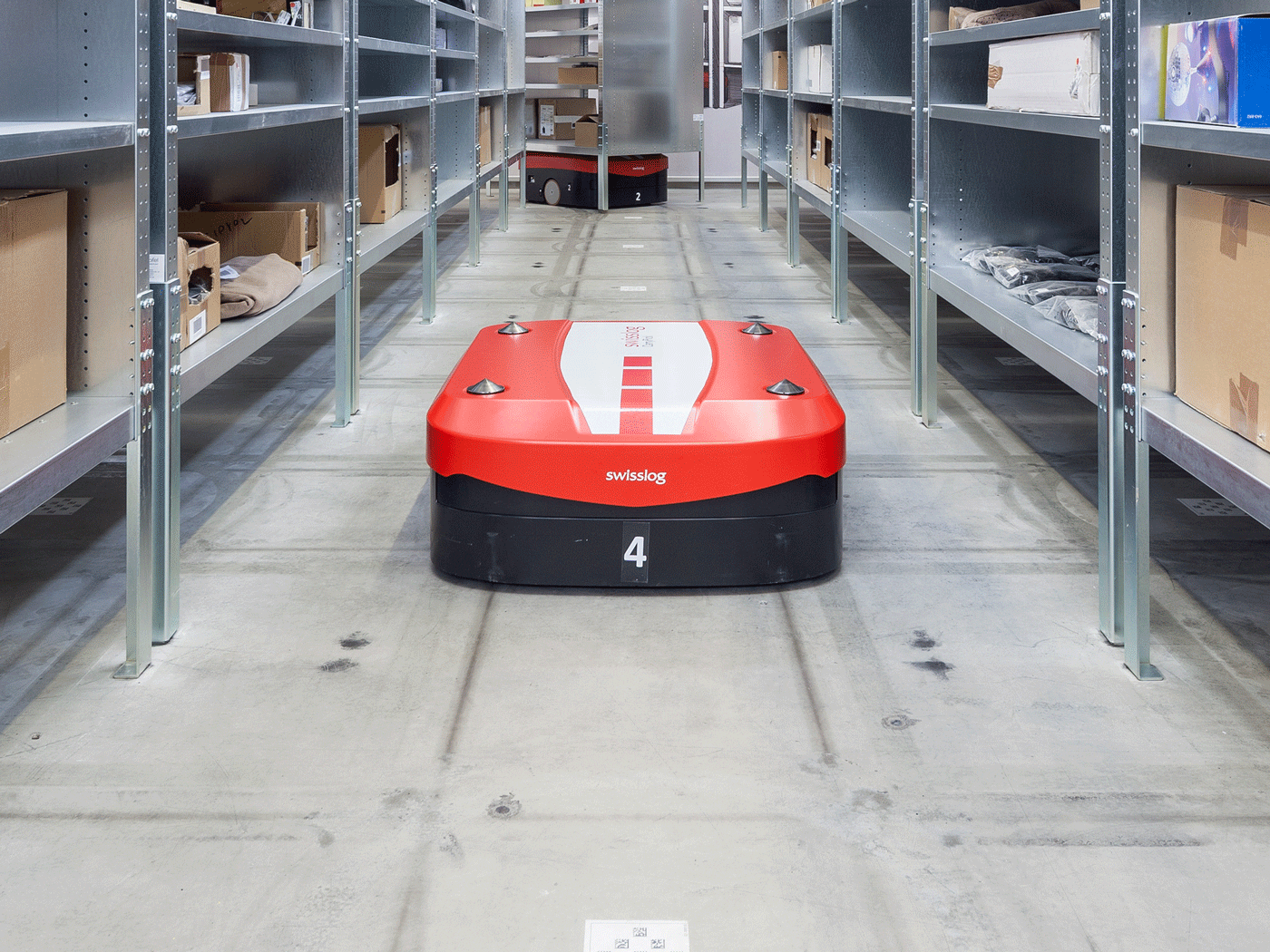
    Swisslog Healthcare, a supplier of medication supply chain solutions and services, has acquired Talyst Systems, a market leader in pharmacy automation solutions for hospitals and long-term care facilities. Healthcare providers around the world share similar challenges with delivering medications safely and efficiently. The acquisition creates an unmatched portfolio of inpatient and outpatient pharmacy solutions that transform health systems’ performance. Talyst’s AutoCarousel, AutoPack and AutoSecure Storage Solutions represent the best-of-breed in current generation pharmacy automation technologies.

    “Swisslog Healthcare and Talyst are well known for developing innovative automation and software solutions,” said Stephan Sonderegger, CEO – Swisslog Healthcare. “The two companies share a similar mission and vision and the Talyst portfolio of enterprise software and pharmacy automation products completes Swisslog Healthcare’s pharmacy automation offering in North America. This acquisition adds critical components to our solutions strategy of providing customers with end-to-end integration for the medication supply chain across the continuum of care.”

    Founded in 2002, Talyst was recognized by KLAS Research’s most recent (2016) Pharmacy Report as a leader in Enterprise Medication Management Software that minimizes medication spending. “Talyst develops customer-centric technologies that enable providers to deliver better patient care. Our culture of innovation and accountability aligns well with Swisslog Healthcare,” notes Carla Corkern, Talyst CEO. “With Swisslog we can now scale our solutions globally, taking advantage of their sales reach, manufacturing, and R&D facilities across North America, EMEA and Asia. We’re excited to be part of a strong and dedicated organization building towards an important differentiated vision for health systems and hospital pharmacies.”

    “Swisslog Healthcare and Talyst customers will benefit from a total inpatient pharmacy automation offering fully integrated with the Swisslog transport automation portfolio of pneumatic tube systems installed in 2,300 hospitals in North America. The acquisition expands our product offerings which, combined with our manufacturing expertise and extensive field service network, gives health systems unprecedented access to a complete solution including data analytics, pharmacy automation and transport automation,” notes Sonderegger. “Our respective customers will benefit from a compelling technology and services road map that leverages the extensive resources and capabilities of the combined companies.”

    With the acquisition, the Talyst executive team along with the rest of the company will join the Swisslog Healthcare organization. Talyst CEO and Chairman of the Board, Carla Corkern, has elected to pursue other opportunities. The Talyst Seattle-area headquarters will become an important technology, product and business development hub for Swisslog Healthcare North America. Swisslog Healthcare is building a new state-of-the-art North America manufacturing facility and US headquarters in the Denver-Boulder area, which is planned for occupation in early 2018.

  • Marriott forms joint venture with Alibaba

    Marriott forms joint venture with Alibaba

    Marriott has inked a joint venture with Alibaba Group aiming to “redefine the travel experience for the hundreds of millions of Chinese consumers” who travel each year.

    Marriott, which has a bevy of brand and deep hospitality experience, is facing intense challenges from online booking sites, price aggregators and new economy giants like Airbnb. However, consumerism in China is evolving. With earning powers rising, Chinese consumers want more. Marriott feels it can give them that.

    The hospitality giant aims to use Alibaba as a gateway for all its international brand. It also gives the firm the ability to reach Alibaba’s 50 million mobile monthly active users.

    “We are proud to join forces with Marriott International – combining our large-scale consumer base, leading-edge technology and consumer insights with their unparalleled hospitality expertise,” Daniel Zhang, Chief Executive Officer of Alibaba Group said in a press release.

    “Together, we are elevating and redefining the travel experience for Chinese consumers to be more seamless and personalized as they embark on adventures to discover the world,” he added.

    The joint venture will use the resources of both companies to manage Marriott’s storefront on Fliggy, Alibaba’s travel service platform. Besides reaching directly to Alibaba’s customer base, the venture will see a link between Marriott’s popular loyalty programs and Alibaba’s loyalty program, and support Marriott hotels globally with content, programs and promotions targeting the Chinese traveler.

    “By forming this partnership, we are pairing our hospitality expertise with Alibaba’s digital travel platform, retail expertise and digital payment platform, Alipay, and driving membership to our loyalty programs. With the growing number of Chinese consumers exploring new destinations, this venture will introduce our hotels worldwide to this new and growing traveling class,” Marriott International CEO Arne Sorenson said.

  • Cebu Pacific announces new routes, promo fares

    Cebu Pacific announces new routes, promo fares

    Budget carrier Cebu Pacific on Wednesday announced new domestic and international routes, in efforts to increase connectivity within the country and the region starting October.

    In an emailed statement, Cebu Pacific said it will start flying to and from Kalibo in Aklan and Clark in Pampanga.

    The thrice-a-week Kalibo-Clark flight will begin on October 30, 2017 with flights on Mondays, Wednesdays, and Fridays. Meanwhile, the return Clark-Kalibo flight will start on October 31, 2017 on Tuesdays, Thursdays, and Saturdays.

    Cebu Pacific subsidiary CebGo will start Cagayan de Oro-Caticlan and Cagayan de Oro-Dumaguete routes on October 20, 2017.

    CebGo will also operate its first international route out of Zamboanga with flights going to Sandakan, Malaysia starting October 29, 2017.

    Flights will be available on Tuesdays, Thursdays, Saturdays, and Sundays.

    “Sandakan has had centuries of trade and cultural linkage with the southern Philippines, and we are especially proud to put in place infrastructure to further enhance these ties,” CebGo president and CEO Alexander Lao said.

    “Now, the previous 14-hour travel by sea is cut down to just a 40-minute airplane ride,” he added.

    In line with the new routes, Cebu Pacific said it will offer an introductory all-in seat sale of P599 for all domestic trips until August 18, 2017, with a travel period starting October 20, 2017 to March 15, 2018.

    Flights from Zamboanga to Sandakan will also be on sale at P1,299 until August 21, 2017. The travel period will be from October 29, 2017 to December 31, 2017. 

  • Trump attacks Amazon on Twitter over tax and jobs

    Trump attacks Amazon on Twitter over tax and jobs

    Having a large market share is not illegal in the US – but that hasn’t stopped ill-informed US president Donald Trump from launching an extraordinary attack on Amazon on Twitter.

    In a new tweet on Wednesday, Trump said Amazon was causing “great damage to tax-paying retailers,” and costing jobs.

    “Towns, cities and states throughout the US are being hurt – many jobs being lost!” Trump tweeted.

    The unexplained attack, which appeared to have no contextual relevance, follows earlier attacks during the election campaign during which he promised to pursue the company for antitrust violations should he be elected.

    “Believe me, if I become president, do they have problems. They’re going to have such problems,” Trump said in February 2016.

    But, as Bloomberg points out, in the US it is not illegal to have a large market share. While online retailing is growing in volume and in share of the total retail industry in the US, Amazon accounts for 30 per cent of e-commerce sales. Every other retailer in the US has the opportunity to sell online and Walmart, especially, is mounting an aggressive challenge to Amazon’s market share. Other online retailers have 70 per cent of the market.

    In short: shoppers are spending less in physical stores and more online. They are not shifting from malls to Amazon, per se, as Trump appears to be stating. Furthermore, Amazon is expanding offline, starting to open physical stores. It has also acquired Whole Foods Market and plans to expand that business.

    Trump has clearly not researched Amazon’s effect on the economy, either, before tweeting. Firstly, Amazon is collecting sales tax in every state where it is levied – just like every brick-and-mortar retailer (although third-party sales over its platform, accounting for about 50 per cent of sales through its portals, remain exempt via a loophole).

    Secondly, Amazon has promised to hire more than 100,000 new staff in the US by 2018, countering some of the jobs lost through America’s shrinking ranks of retail stores.

    “In some cases, fired department store workers are ending up at Amazon fulfillment centres,” observed.

  • SingX expands remittances to Malaysia and HK

    SingX expands remittances to Malaysia and HK

    Singapore FinTech startup now supports cross-border digital remittance to the markets. Singapore-based FinTech startup SingX has expanded its online remittance services to Malaysia and Hong Kong.

    SingX founder and CEO Atul Garg said the company SingX has introduced remittances to two new markets, from Singapore to Malaysia and from Singapore to Hong Kong, as these markets have a considerable amount of cross-border payments taking place because of their long ties with Singapore.

    Licensed by the Monetary Authority of Singapore, SingX targets individuals and SMEs. The expansion of its service to new geographies is expected to appeal to Malaysians in Singapore who transfer money back home to pay for expenses and Singapore residents who invest in stocks, property and trade in Hong Kong and China.

    The company launched its first product, cross-border fund transfer from Singapore to India, in January this year. Based on its current monthly run rate, after six months of operations, SingX’s online remittance platform would have achieved an annualized run rate of $100 million.

    SingX’s online platform claims to be cheaper, faster and more convenient as it charges consumers a fraction of what they typically pay for overseas money transfers. It does this by cutting out cable charges and bank commissions and offering transparent and live forex exchange rates. It also claims to be more convenient as it eliminates the need to fill out complex forms and for personal visits to a branch. The only fee payable is a small handling fee which is made known to the customer upfront.

    Compared to bank transfers, users of SingX are expected to save up to 90% in remittance charges when transferring funds to India, Malaysia and Hong Kong.

    SingX has implemented two-factor authentication and secure data transmission methods. As a regulated payment services provider, it has also ensured the customer’s money is kept in a segregated client account.

    SingX has further plans to roll out new services to a number of new countries around the globe soon.