Author: Mei Ling Tan

  • Walmart online sales surge 60 per cent

    Walmart online sales surge 60 per cent

    Walmart online sales in the US soared by 60 per cent during the second quarter.

    Already the nation’s third largest e-commerce player, Walmart has been acquiring pure-play online businesses to gain range and – most importantly – experience in the online space. Companies such as Jet.com (which it paid $3.3 billion for last August), men’s apparel retailer Bonobos, (which it shelled out $310 million for in June), ShoeBuy.com, ModCloth and Moosejaw.

    CFO Brett Biggs told an earnings call last week that its e-commerce results include all web-initiated transactions including those through Walmart.com such as ship-to-home, ship-to-store, pick up today and online grocery, together with transactions through Jet.com and the other sites.

    Gross merchandise value grew by 67 per cent year-on-year in the quarter to July 31.

    “GMV represents the total US dollar volume of merchandise sold or services rendered for all transactions, including marketplace transactions, that are generally initiated through our e-commerce platforms or include our owned inventory sold on other third-party platforms,” Walmart said.

    Walmart offers more than 67 million products on Walmart.com, including its own goods and third-party lines. The number of SKUs online has grown more than 30 per cent quarter-on-quarter.

    CEO Doug McMillon said the majority of the growth was organic “as customers are finding a broader assortment and more options to receive what they want at their convenience”.

    The acquisitions were playing their part, as well, he said.

    “Our recent acquisitions, such as Moosejaw, ShoeBuy and Bonobos further improved our assortment and have provided critical category expertise in higher-margin categories like shoes and apparel.”

    Meanwhile, Walmart has begun trialling an “associate delivery service” which involves staff earning extra cash during their time off by delivering online orders to shoppers’ homes.

  • Second quarter sales sag for Victoria’s Secret owner

    Second quarter sales sag for Victoria’s Secret owner

    Second-quarter net sales fell by 8 per cent year on year to US$2.7 billion for Victoria’s Secret owner L Brands.

    The company says there was a negative impact of about six points with the exit from the swimwear and apparel categories, which particularly hit Victoria’s Secret comparable sales (nine points).

    Operating income was $300.9 million, down from $408.2 million for the same quarter last year, while net income slid to $138.9 million from $252.4 million.

    Overall the brand finished the quarter with 3077 stores, down from 3074 with 27 openings and 24 closures. For Victoria’s Secret, store numbers were 1174, down from 1177 with six openings and nine closures.

    As well as Victoria’s Secret, L Brands owns Bath & Body Works, Henri Bendel, La Senza and Pink. The company runs 3077 specialty stores in the US, Canada, the UK and Greater China, with its brands being sold in more than 750 franchised locations internationally as well as online.

  • China growth boost for Estée Lauder

    China growth boost for Estée Lauder

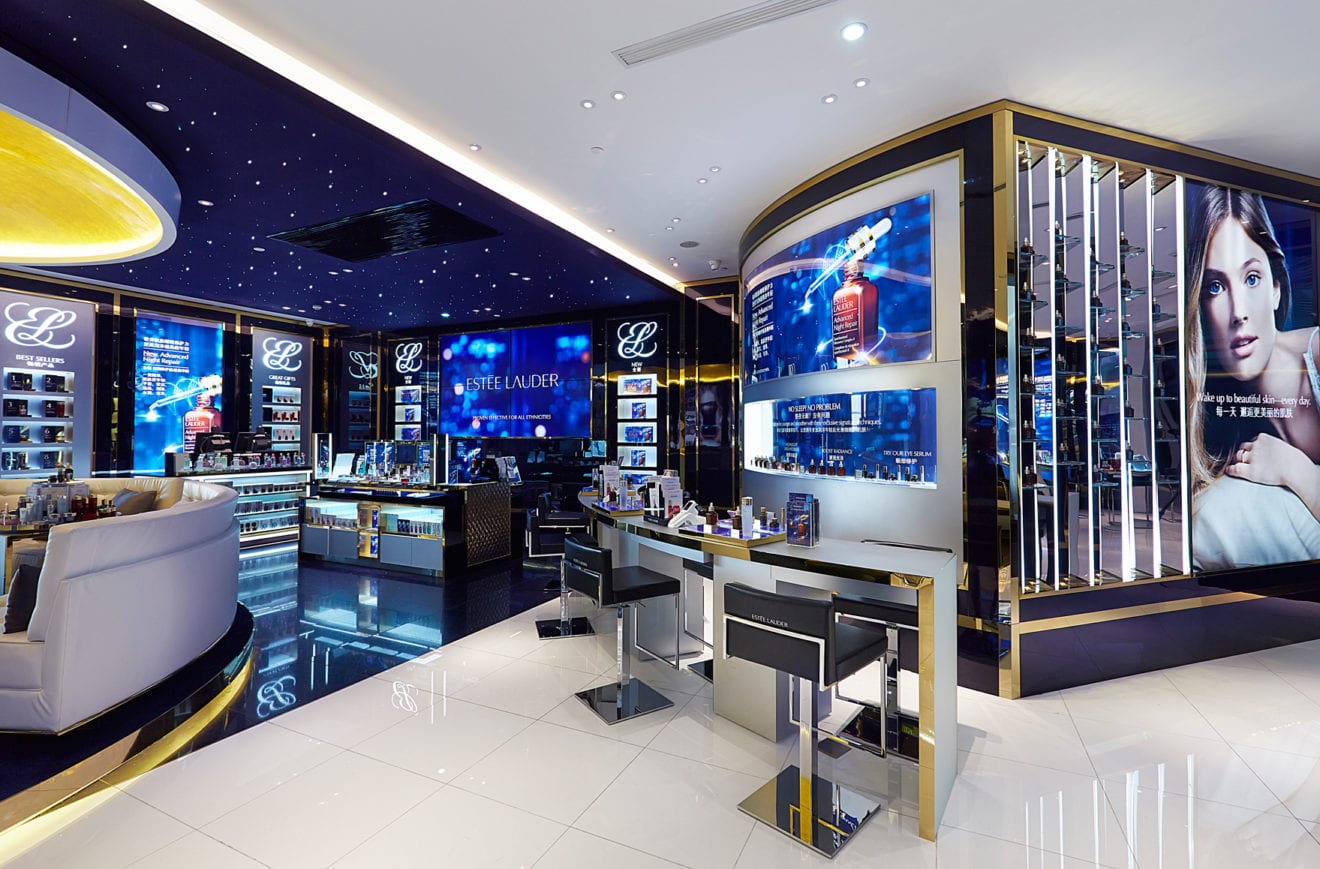
    Momentum in China helped boost fourth-quarter performance for beauty products giant Estée Lauder.

    Overall net sales for the three months to the end of June were up 9 per cent year on year (11 per cent in constant currency) to US$2.89 billion for the group, while rising 5 per cent for the full year (7 per cent) to $11.82 billion.

    Sales benefitted from new products and double-digit growth in several markets, particularly China. The company also had double-digit gains in its travel retail, online and specialty multi-channels.

    Net earnings for the quarter were $229 million, compared with $94 million last year..

    For the year, the company’s net sales reached $11.82 billion, up 5 per cent (7 per cent excluding currency exchange impact). Incremental sales from the acquisitions of Becca and Too Faced contributed about two points of sales growth.

    In the Asia/Pacific, all markets recorded growth except Hong Kong. Higher sales in China reflected strong double-digit gains in most brands, with sharp contributions from Estée Lauder, La Mer and Mac.

    Sales benefitted, in part, from targeted expanded consumer reach and reflected double-digit online sales growth in every brand, including the launch of Mac on Tmall in China. Sales in department stores posted strong gains, while freestanding stores generated double-digit growth.

    Strong sales growth was generated in Japan, Korea and Taiwan. In Hong Kong, the company’s business continues to stabilise with a return to growth in the fourth quarter.

    There was strong growth in the region for sales of the Tom Ford, Jo Malone, La Mer and Mac brands.
    Operating income increased for Asia/Pacific, primarily because of increased sales in China, Japan, Korea and Taiwan. Results were more modest in Hong Kong and Indonesia.

    President/CEO Fabrizio Freda describes the quarter’s performance as “outstanding”, rounding out another year of strong net sales and earnings growth.

    “Our business accelerated in our online direct-to-consumer and retailer e-commerce sites, as well as in the travel retail and specialty multi-channels, and we built momentum in key geographies like China, aided by enhanced digital and social-media communications.

    “Additionally, we began to further improve our organisational efficiency and effectiveness through our Leading Beauty Forward initiative. Importantly, we delivered this performance in the face of external global volatility and one of the biggest moments of change in our industry.”

    Estée Lauder’s acquisitions of Becca and Too Faced performed ahead of plan, with incremental sales contributing about 3.5 points to sales growth.

    Sales growth was posted in most brands, and there were across-the-board sales gains in all geographic regions and product categories, except hair care.

  • Alibaba’s quarterly results show massive customer growth

    Alibaba’s quarterly results show massive customer growth

    The pace of growth of Chinese online juggernaut Alibaba Group shows no sign of slowing, with both online marketplace customer numbers and mobile shoppers growing markedly between March and June.

    Alibaba’s quarterly results released today show the company had 529 million active customers on mobile shopping platforms, and 466 million on its online marketplaces – increases of 22 million and 12 million respectively.

    And a record number of merchants using its platform enjoyed “robust growth” in the average spend.

    Consolidated Alibaba Group sales growth hit 56 per cent in the quarter to June 30,  turnover reaching RMB50.2 billion (US$7.4 billion).

    “Alibaba had a strong start to fiscal 2018, reflecting the strength and diversity of our businesses and the value we bring to customers on our platforms,” said CEO Daniel Zhang. “Our technology is driving significant growth across our business and strengthening our position beyond core commerce.”

    Core e-commerce business activities grew by 58 per cent to RMB43.027 billion (US$6.347 billion), while the cloud computing business posted 96 per cent to RMB2.431 billion.

    Net income was RMB14.0 billion (US$2 billion) with adjusted EBITDA of RMB25.124 billion (US$3.7 billion) and an operating margin of 35 per cent.

    Alibaba says its Taobao platform drove mobile sales growth, aided by the launch of a new mobile user interface that integrates personalisation technology to improve user experience and enhance engagement.

    Tmall recorded 49 per cent year-over-year growth for physical goods gross merchandise volume in the quarter, with fashion, consumer electronics and FMCGs among the key growth categories.

    Alibaba’s cross-border and international consumer businesses achieved 136 per cent growth, reaching RMB2.638 billion, driven by its Southeast Asian platform Lazada and China outbound platform AliExpress.

    The other outstanding division was digital media and entertainment. Alibaba broadened its access to quality content, developing Youku’s subscription based business, and expanding the products and services of UCWeb.

    The daily average subscribers of Youku video subscriptions increased by more than 100 per cent year-on-year during the quarter.

    “We believe a strong pipeline of content, especially with a focus on original content with visibility of content availability and broadcast timing flexibility, will bring us sustainable long-term advantages in video entertainment,” the company said.

  • VW gives green light for electric version of classic Microbus camper van

    VW gives green light for electric version of classic Microbus camper van

    Volkswagen has decided to go ahead with production of an electric version of its classic Microbus camper van as it seeks to boost its electric vehicle credentials.

    The potential battery-powered revamp of the van, known as the Bulli in Germany, was first announced at the Detroit auto show in January.

    “After the presentations at the global motor shows in Detroit and Geneva, we received a large number of letters and emails from customers who said, ‘please build this car’,” Volkswagen brand chief Herbert Diess said in a statement.

    The electric van, known as the ID Buzz, will go on sale in 2022 and VW said it will target customers in North America, Europe and China. The company will also build a cargo version of the van, it added.

    Tesla, headed by Elon Musk, has shaken up the auto industry with its ambition to build a mass market for electric cars, posing a competitive threat to established manufacturers that remain reliant on producing cars with combustion engines.

    VW plans to have more than 30 all-electric models by 2025.

  • Crocs start expanding in India, opens store in Jaipur

    Crocs start expanding in India, opens store in Jaipur

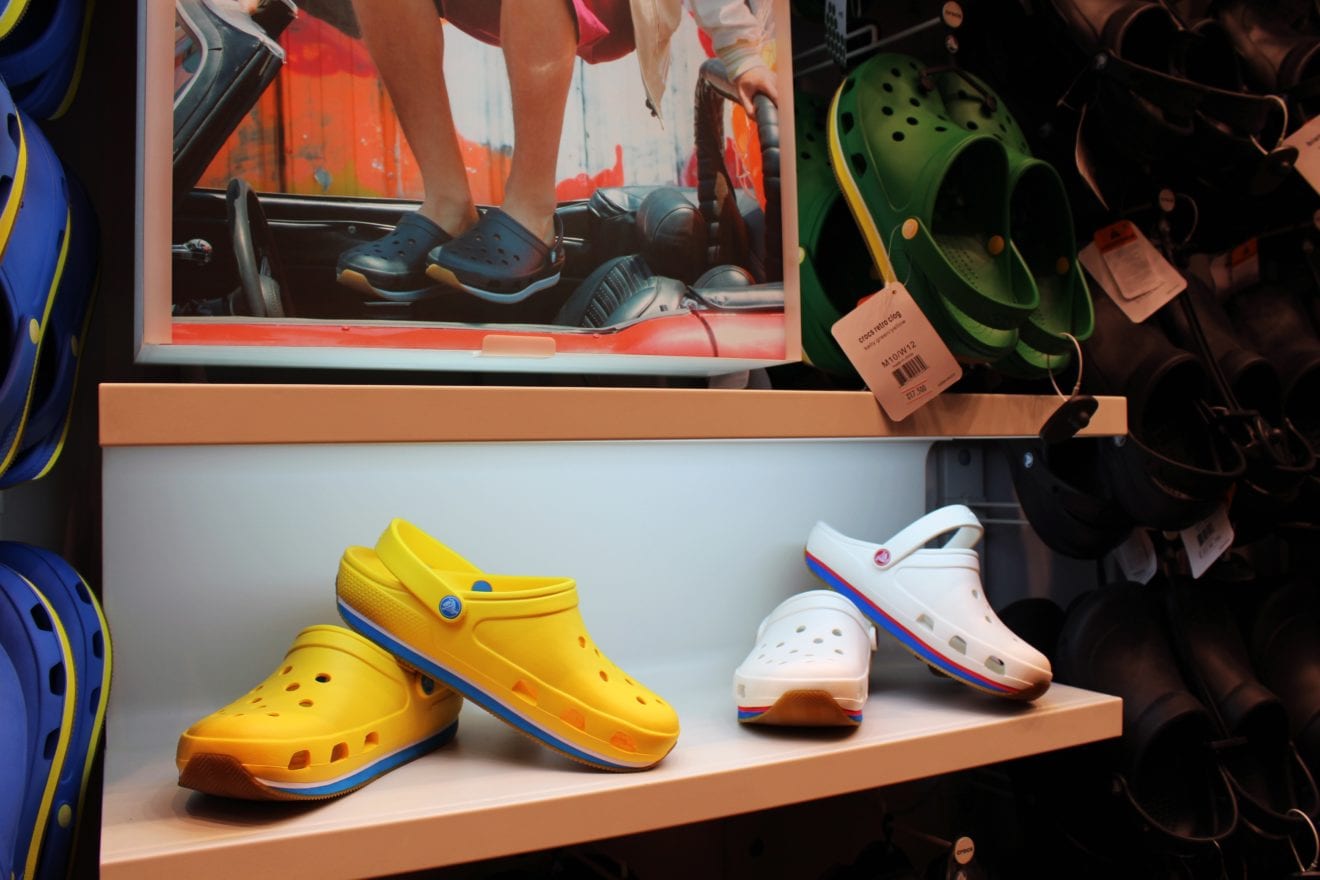
    Crocs, the US footwear brand, as promised has started its retail expansion drive in India and opened a store at MGF Metropolitan Mall in the city of Jaipur.

    The store features a full line-up of the brand’s flats, loafers, sneakers, flip flops and its signature trademark clogs

    On the opening of the new store, CEO of Crocs India, Deepak Chhabra said the company wants to reach a customer looking for both comfort and style and opening in Jaipur is key as the city is an attraction for tourists.

    Crocs is expected to open more stores in the coming months across the country as the company had earlier said that it will open 50 standalone stores this calendar year to drive growth, especially in East and North-East part of the country.

    Chhabra in a statement earlier had said that the company is growing at over 35 per cent year-on-year and expects to double its India business within three years.

    The company globally sold 55 million pairs of shoes in 2016 while in India it sold 1.5 million pairs.

    At present, the company has 1,000 points of sales including over 35 exclusive stores. The brand’s new campaign Come as You Are with brand ambassadors John Cena, Drew Barrymore, Yoona and Henry Lau is celebrating the uniqueness of individuals and aims to inspire everyone to be comfortable in their own shoes.

  • AIS launches 1Gbps Next G mobile service

    AIS launches 1Gbps Next G mobile service

    Thailand’s AIS has launched a new mobile service offering connection speeds of up to 1Gbps by combining 4G and Wi-Fi connectivity.

    AIS’ Next G branded service is now available on supported handsets via a firmware upgrade.

    The service has been developed in collaboration with Samsung and Korea Telecom. It uses Multipath CTP technology to integrate AIS LTE-Advanced and Super Wi-Fi frequencies, providing speeds of up to 1Gbps in areas where both networks are available.

    Next G is currently compatible with Samsung Galaxy S series handsets of S7 and newer, with more handsets supporting the technology expected to be rolled out in the future.

    The upgrade forms part of AIS’ evolution to 5G, and is now available in major provinces nationwide.

    AIS currently has around 49,000 4G base stations and 80,000 Wi-Fi hotspots throughout Thailand. The operator’s 4G customer base meanwhile reached 15.8 million by the end of the second quarter.

    Concurrently with the launch, AIS is aiming to improve the customer experience, and has recently upgraded one of its major customer service shops with a new Digital Gallery concept displaying innovations from major smartphone makers and other device brands.

  • Uber raises minimum fares in Hong Kong

    Uber raises minimum fares in Hong Kong

    Ride-hailing firm Uber has raised the minimum fares for all rides in Hong Kong by as much as 80 per cent from Monday after “an evaluation of the marketplace” and in response to its drivers’ calls for better income security.

    The minimum fare for an UberX ride – the cheapest car option the company offers, and its most popular – in Kowloon and the New Territories rose from HK$25 to HK$40 after midnight on Monday.

    And the company added a new HK$5 booking fee, which it said would help cover administrative costs, boosting the new flag fall to HK$45, or an 80 per cent jump.
    AdvertisementThe minimum charge for an UberX ride on Hong Kong Island has risen from HK$30 to HK$40. The new booking fee will also apply.
    UberX uses smaller and economy car models at a lower rate, compared to the company’s luxury UberBlack line, which provides professional drivers and pricier cars.

    Why Hong Kong has to accommodate Airbnb and Uber – or slam the door on innovation economy.For UberBlack the new minimum fare is HK$60, up from  HK$50, plus the HK$5 booking fee. The new charging model for UberAssist, for which drivers are trained to provide additional assistance to elderly and disabled people, will be the same as that for UberX. An Uber spokeswoman in Hong Kong said on Sunday that the move to raise fares was a result of a market evaluation. It was also a response to drivers’ calls for better income security.

    Uber last adjusted fares in March last year when it cut the rates for UberX rides in Kowloon and the New Territories.

    Since it began operations in the city in July 2014, the firm has faced hostility from the taxi trade and is still struggling in its fight for legalisation.
    In August 2015, seven Uber drivers were arrested for not having permits and driving without third-party insurance. Police also raided the company’s offices in Hong Kong after complaints from local taxi drivers. Two of the seven drivers were fined and had their licences suspended for one year in January last year.
    In March this year, the remaining five Uber drivers who were convicted of driving without a permit and third-party insurance were fined HK$10,000 each and banned from driving for one year. All five appealed.
    In a series of raids in May, Hong Kong police arrested 22 Uber drivers on suspicion of picking up passengers without a hire car permit and third-party insurance in the largest operation against Uber of its kind.

  • Spark profit grows 13% in FY17

    Spark profit grows 13% in FY17

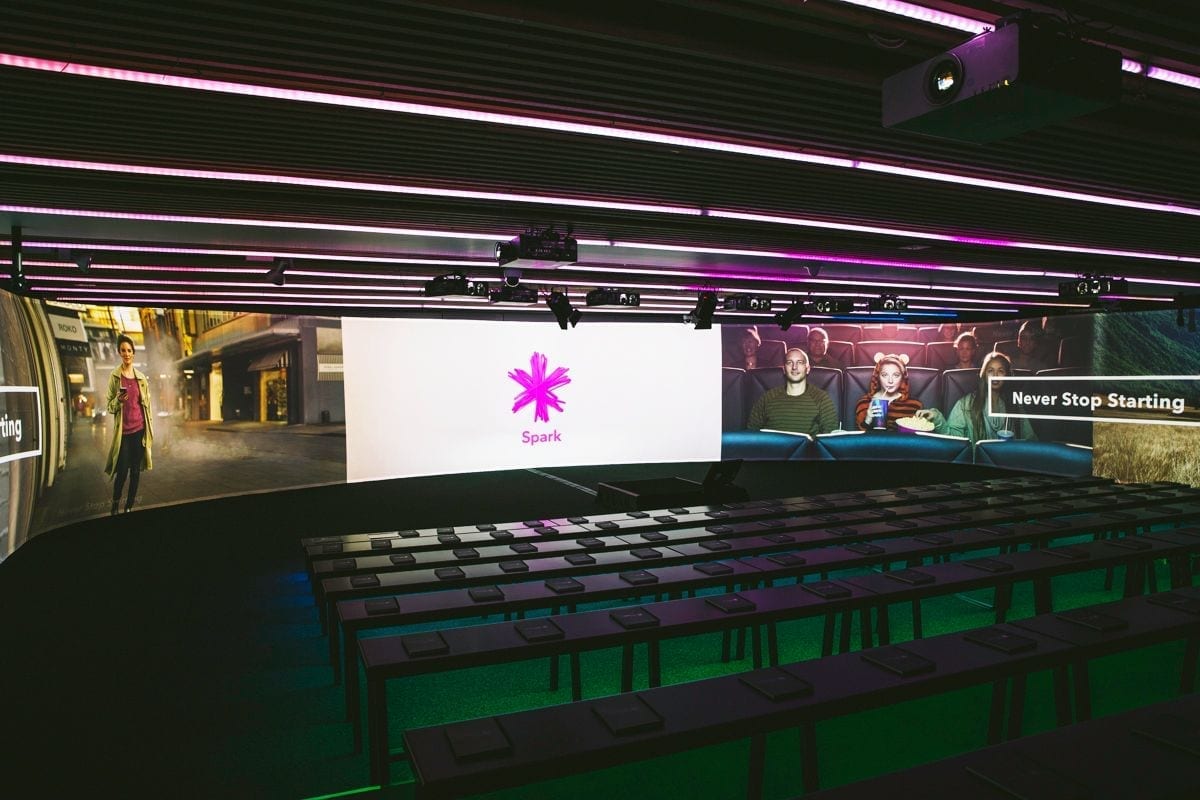
    New Zealand’s Spark has reported a 13% increase in net profit for the financial year ended in June as a result of one-off gains and improved mobile performance.

    Net profit grew to NZ$418 million ($305.7 million), with revenue increasing 3.3% to NZ$3.61 billion. Mobile revenue grew 5.6% due to a 4.1% increase in high margin service revenue and a 4.3% growth in total connections.

    Spark also increased its wireless broadband subscriber base by nearly 17% to 84,000, while the company increased its fiber broadband subscriber base by nearly 74% to 172,000.

    The company has to date migrated more than a third of its customers off its legacy copper network and on to wireless broadband as well as fiber services via the state-led Ultrafast Broadband national fiber network project.

    Fixed voice and managed data revenues meanwhile fell 12% to NZ$104 million due to ongoing substitution. Part of this substitution involves the migration of 11,000 voice only connections on Spark’s VoLTE service.

    For the current year, Spark is anticipating a 0-2% increase in both revenue and ebitda, and a slightly lower capex spend of NZ$410 million.

    The operator said it plans to increase its emphasis on wireless services and investment, and to develop its multi-brand strategy to better serve the low end of the market.

  • Najib launches AirAsia’s Langkawi-Shenzhen flight

    Najib launches AirAsia’s Langkawi-Shenzhen flight

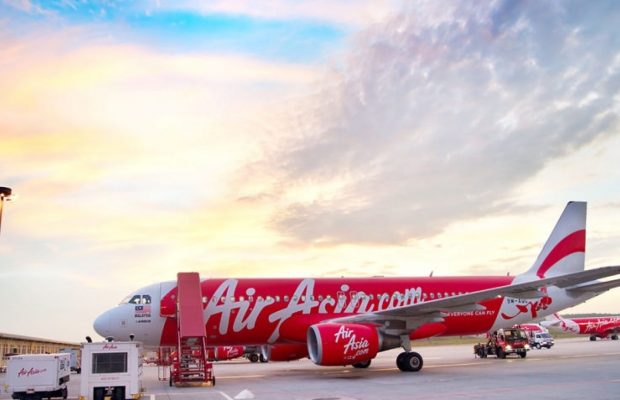
    Datuk Seri Najib Tun Razak launched AirAsia’s direct flight from here to Shenzhen, China.

    The new route is expected to further develop Langkawi as a world-class tourist destination.

    AirAsia Group chief executive officer Tan Sri Tony Fernandes thanked Najib for officiating the direct flight on Saturday.

    “Last year, the Prime Minister launched our direct flight from Guangzhou to Langkawi.

    “Leadership takes courage and it is courageous leadership shown by the Prime Minister to support AirAsia in reducing the airport tax which for years Malaysia Airports had resisted.

    “Today, we see that value of his brave leadership. Direct international tourists have increased from 83,754 in 2015 to 187,433 in 2016 – an increase of 120 per cent.

    “This represents a contribution of RM300mil to GDP, based on the 12 times multiplier effect,” Fernandes said in his speech.

    He said 2016 was the first time when international tourists outnumbered domestic tourists.

    “We are driven by this and already this year we have flown over a million tourists to Langkawi with our 238 weekly flights from Langkawi.

    “But we want to get to the three million mark and contribute a large part to the Langkawi Development Authority’s (LADA) target of RM9bil revenue.

    “Our vision is that we will make Langkawi as connected as Phuket, if not greater.”

  • Japan economy posts longest expansion in over a decade

    Japan economy posts longest expansion in over a decade

    Economy expansion was driven by robust domestic demand and capital spending. Japan’s economy grew 1.0 percent in the April-June period, notching up its sixth straight quarter of growth and its longest economic expansion in over a decade, government data showed Monday.

    The growth in Japan’s GDP — 4.0 percent at an annualized rate — blew past market expectations for a 0.6 percent rise, and was well up from a 0.4 percent expansion in the first quarter, according to figures from the Cabinet Office.

    The world’s number three economy has been picking up steam, mainly on the back of a surging exports including smartphones parts and memory chips, with investments linked to the Tokyo 2020 Olympics also giving growth a boost.

    But the latest GDP figures were driven by robust domestic demand and capital spending, which offset a quarterly decline in exports.

    Private consumption picked up 0.9 percent in the second quarter — individual spending accounts for more than a half of Japan’s GDP.

    The labor market is tight and business confidence is high but efforts to lift inflation have fallen flat despite years of aggressive monetary easing by Japan’s central bank.

    The latest reading nonetheless means Japan’s economy has had its best string of gains since 2006, during the tenure of popular former prime minister Junichiro Koizumi.

    Monday’s figures are good news for the current prime minister Shinzo Abe — whose brief and underwhelming first term as Japan’s premier came directly after Koizumi.

    A string of short-term leaders followed before Abe swept back to power in late 2012 on a pledge to reignite Japan’s once-booming economy with a plan dubbed Abenomics.

    The scheme — a mix of huge monetary easing, government spending and reforms to the economy — stoked a stock market rally and fattened corporate profits.

    But critics have cast doubt on the plan, as heavily-indebted Japan grapples with low birthrates and a shrinking labor force.

    Abe has seen his public support rating plummet in the past few months over an array of political troubles, including allegations of favoritism to a friend in a business deal.

    Japan has been struggling to defeat years of deflation and slow growth that followed the collapse of an equity and property market bubble in the early nineties.

    The Bank of Japan, aiming to create two-percent inflation as a key part the growth bid, now expects to reach that goal by sometime in the year to March 2020 — four years later than planned.

    Falling prices can discourage spending by consumers, who might postpone purchases until prices drop more or look to save money instead.

    That puts pressure on businesses, creating a cycle in which firms then cut back on expanding production, hiring new workers or boosting wages.

  • OIA Global launches new office supporting Malaysia’s growth

    OIA Global launches new office supporting Malaysia’s growth

    OIA Global, a logistics, packaging and material sourcing provider, announced its Southeast Asia expansion with the opening of its first company-owned office in Kuala Lumpur, Malaysia. OIA’s decision to open the office, is driven by customer growth, and the continued growth of the Malaysian economy.

    Peter Wong, OIA’s managing director Asia-Pacific, noted the country posted a strong 5.6% GDP expansion in the first quarter which ended March 31, 2017. “Our business continues to grow in Southeast Asia and specifically in Malaysia,” said Wong.

    The new Kuala Lumpur office supports the existing OIA Penang location led by Herlyn Choo, branch manager. “Malaysia continues to lead in exports of energy, electronic equipment, wood products, textiles and chemicals,” Choo stated. “The increased volume of imports and exports are a clear message for OIA Global to continue to expand here in Malaysia,” Choo added.

    The new office is located at located at Unit A505, 6th Floor, West Wing, Wisma Consplant 2, No 7, Jalan SS16/1 47500 Subanjaya Selangor Malaysia.

  • Delphi partners with Innoviz for self-driving technology

    Delphi partners with Innoviz for self-driving technology

    Delphi Automotive said on Friday it has partnered with laser-based sensor maker Innoviz Technologies to improve vehicle safety for self-driving cars, after making a minority investment in the Israel-based company.

    Innoviz’s LiDAR technology allows self-driving cars to identify objects at far distances, allowing them to travel at high speeds safely, Delphi said.

    Many self-driving experts regard LiDAR as a crucial component, along with other sensors such as cameras and radars.

    Automakers have intensified the race to build self-driving cars and are investing in sensors that help these cars navigate on roads with poor or faded lane markings and potholes.

    Delphi, which is focusing on self-driving vehicles and advanced safety systems, has been benefiting from continued automaker interest.

    Founded in January 2016, Innoviz is backed by investors including Vertex Venture Capital and Magma Venture Partners.

  • Sydney Trains taps Ciena for OTN upgrade

    Sydney Trains taps Ciena for OTN upgrade

    Sydney Trains has contracted Ciena to help upgrade its network to a packet optical platform to improve public services across its transportation system with a faster, low latency and reliable data network.

    The deployment will support critical passenger safety measures that ensure trains in the Australian city operate at safe distances.

    By investing in both 100G transport and OTN switching solutions, Sydney Trains aims to build a network that enhances support of customer safety and critical train operations.

    The network upgrade will also help the transportation provider transition from an SDH legacy network, and lays the foundation required to support future high capacity service requirements.

    Sydney Trains has various sites along its network that have different traffic requirements. The flexibility of the platform supports these end-to-end services and various system configurations, including deployments over long distances and fiber types such as aerial.

    “For transportation providers, migrating their communication networks by deploying Packet-optical technologies is key to continually improving safety measures and optimizing passenger services,” Ciena VP and GM for APAC Anthony McLachlan said.

  • Australia to regulate virtual currency exchanges like Bitcoin

    Australia to regulate virtual currency exchanges like Bitcoin

    Virtual currencies offer an efficient and anonymous way to store and transfer funds online. Australia is set to regulate virtual currency exchanges such as Bitcoin and strengthen the powers of its financial intelligence agency AUSTRAC as it cracks down on money laundering and terrorism financing.

    The changes came two weeks after AUSTRAC took the country’s biggest bank, the Commonwealth, to court for alleged “serious and systemic non-compliance” of money laundering and terror financing laws.

    It follows similar reforms by Japan to regulate virtual currency, after the country found itself at the epicenter of a multi-million dollar embezzlement scandal following the collapse of the Tokyo-based MtGox Bitcoin exchange.

    “Stopping the movement of money to criminals and terrorists is a vital part of our national security defenses and we expect regulated businesses in Australia to comply with our comprehensive regime,” Justice Minister Michael Keenan said Thursday.

    He added that the digital currency exchange sector was being regulated for the first time, while low-risk industries such as cash-in-transit would be subject to fewer regulations.

    Virtual currency has grown rapidly since the 2009 launch of Bitcoin, and there are now more than 100 crypto-currency options.

    But the sector has suffered from highly publicized scandals like the 2014 collapse of MtGox.

    Backers say virtual currencies offer an efficient and anonymous way to store and transfer funds online.

    But critics argue the lack of a legal framework governing the currency, the opaque way it is traded and its volatility, make it dangerous.