Author: Mei Ling Tan

  • First-half revenue dip for Cosmo Lady

    First-half revenue dip for Cosmo Lady

    In a challenging market, intimate-wear enterprise Cosmo Lady (China) Holdings had a 6 per cent dip in revenue to about RMB2.07 billion (US$310.9 million) for its first half.

    Announcing its interim results, the company says the decline was mainly because of loss-making retail stores being closed, coupled with weak sales of sleepwear and loungewear.

    Gross profit fell from RMB1.05 billion for the first half last year to RMB937.1 million, with gross profit margin easing to about 45.1 per cent from 47.7 per cent.

    Sales of bras and underpants returned to growth for the six months, following last year’s decline. Adjustment is still in progress for sleepwear, loungewear and thermal clothes.

    Cosmo Lady says its group profit of about RMB144.8 million, while lower than the RMB174 million for the same period last year, was a significant improvement over the RMB67.9 million for last year’s second half.

    “During the first half of this year, Cosmo Lady’s business was consistently challenged by economic and industry uncertainties,” says chairman/executive director/CEO Zheng Yaonan.

    Stores closed

    A “large number” of loss-making retail stores, mainly department store concessions and high street locations, were closed. At the end of June, the group’s distribution network comprised 7307 outlets, of which 1295 were self-managed retail stores and 6012 were franchised stores. Meanwhile, the group further developed its e-commerce business, continuously boosting sales and has been expanding partnerships. In May, it signed a co-operation agreement in Japan to distribute Kimuratan Corporation apparel for infants and children in Mainland China.

    Cosmo Lady also issued new shares to a wholly owned subsidiary of Fosun International, raising gross proceeds of HK$600 million (US$76.6 million). The two parties entered into a strategic co-operation agreement to explore development possibilities in the intimate-wear industry in China.

    Also, the group has also started developing the Indonesian market with a business partner.

    It has also engaged Rowland Berger Strategy Consultants (Shanghai) for help in preparing and implementing a five-year development plan

    During the rest of this year, Cosmo Lady will be working with partners to develop the markets of Thailand, Vietnam and other developing countries in Southeast Asia, as well as opening discount retail stores in third- and fourth-tier regions in China.

  • DHL holds groundbreaking for mega parcel centre in Bochum

    DHL holds groundbreaking for mega parcel centre in Bochum

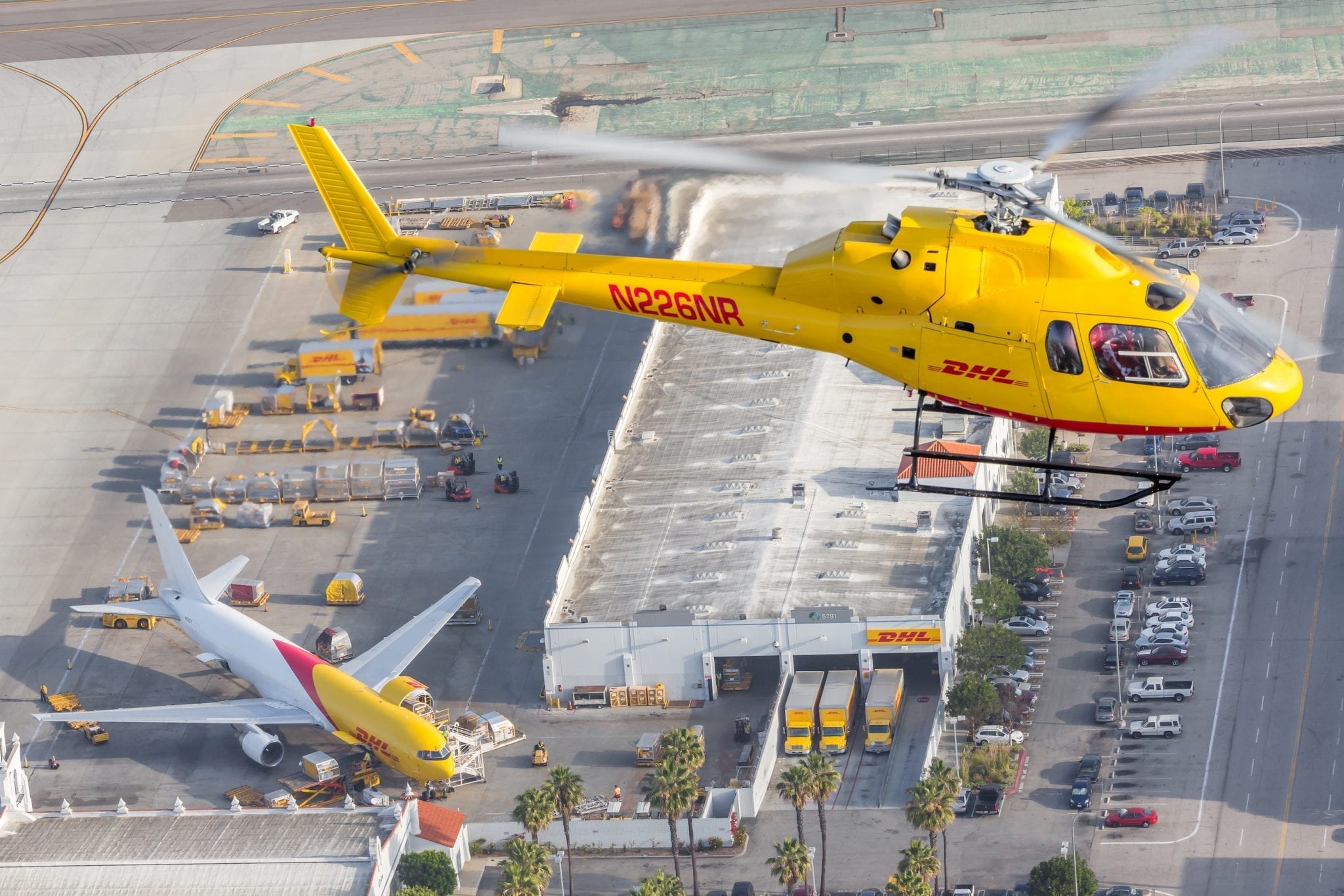
    DHL Parcel is investing in the business location of Bochum with the construction of another highly modern mega parcel center, this time in the heart of the Ruhr region. Right on schedule, the official construction phase for this major project was heralded today with a groundbreaking ceremony attended by NRW Economics Minister Andreas Pinkwart, Bochum’s mayor Thomas Eiskirch, Jürgen Gerdes, Board Member for the Post – eCommerce – Parcel division at Deutsche Post DHL Group, Rolf Heyer, managing director of Bochum Perspektive 2022 GmbH, and Michael Dufhues, Board Member of general contractor Bremer AG. By the fall of 2019, the new facility will be able to process up to 50,000 shipments per hour thanks to innovative sorting technology, making the Bochum site one of the largest and most efficient parcel centers in Europe.

    “Our network – with an average of 4.3 million parcels per day – leads the way in Germany when it comes to capacity and quality,” says Jürgen Gerdes, emphasizing the project’s significance for the company’s customers and for the region. “Now we are making our network even more efficient – and making the lives of our customers even easier as a result. Our Packstations, parcel boxes and other innovative delivery services also have a hand in this.” Gerdes describes the location of Bochum as ideal: “The new parcel sorting center in the heart of the Ruhr region is a very important gateway to one of the largest metropolitan areas in Europe.” He also points out the benefits for business customers in the region. Thanks to their proximity to the parcel center, their shipments can be picked up very late and still be delivered anywhere in Germany the following day.

    “Logistics and trade are two important pillars of our economy in North Rhine-Westphalia. These are closely intertwined and changing fundamentally through digitization,” Economics and Digitization Minister Andreas Pinkwart emphasizes. “With modern parcel sorting centers like this one, DHL is creating the conditions to meet the requirements of e-commerce – as a dynamic growth engine of trade – in the future as well. I am particularly pleased that DHL has found an excellent location for this project here in Bochum at Mark 51°7.”

  • Kakao Taxi dominates cab-hailing app in Korea

    Kakao Taxi dominates cab-hailing app in Korea

    Kakao Taxi is the most popular cab-hailing app in South Korea, dominating 98 percent of the market, while the food delivery app sector is fiercely contested by two rivals, according to a survey on Tuesday.

    Market analysis company Open Survey polled 1,500 smartphone users between 20 through 40 to find out which online-to-offline apps they use the most for specific needs.

    Kakao Taxi, run by Kakao Corp. that also operates the popular messenger service Kakao Talk, commanded 98 percent of responses for cab-calling services, while UberTaxi came in a far second with 11 percent. Multiple selections were allowed in the survey

    For food delivery, the most used app was Baedal Minjok with 80 percent. It was closely followed by Yogiyo with 72 percent. Baedaltong was third with 48 percent.

    Yanolja and Yeogi Eoddae were neck and neck for hotel booking apps, with both around 50 percent.

    Hotels Combine was second with 35 percent, and Hotels.com ranked third at 33 percent. Airbnb followed with 22 percent.

    Socar was the top choice for car rental with 78 percent. The second most popular app was Green Car with 38 percent.

    Customer satisfaction was the highest for cab apps with 83 percent. Hotel reservation apps also did well with 71 percent. Food delivery apps had 68 percent satisfaction numbers.

  • TrueMoney adds support for Apple digital purchases

    TrueMoney adds support for Apple digital purchases

    Thailand’s True Corp has introduced the ability to pay for purchases over Apple’s digital platforms using its TrueMoney digital payment service.

    All TrueMoney customers are now able to purchase items through the App Store, Apple Music or iTunes directly from their TrueMoney accounts, the company announced.

    Customers with new or existing Apple IDs will be able to select TrueMoney is a payment method in their account settings for the three digital stores from their Apple devices or PCs in the case of iTunes.

    The payment option will allow for one-tap purchasing from Apple devices including iPhones, iPads, Apple Watches and Apple TVs.

    Last week, Vietnam’s Vinaphone became the last of the nation’s major mobile operators to introduce carrier billing for Google Play over the Fortumo payments platform.

  • Ebay names new leads for 3 regional teams

    Ebay names new leads for 3 regional teams

    Ebay announced it has promoted Scott Cutler, Jay Lee and Jooman Park to lead Ebay’s regional teams. Cutler will lead the Americas, Park will lead APAC and Lee will lead EMEA. Cutler has been with Ebay since 2015. Prior to Ebay he was the Executive Vice President of the New York Stock Exchange for nine years.

    He got his law degree from the University of California Hastings College of Law and began his career as a securities attorney.

    Cutler’s new title will be Senior Vice President of the Americas. He will lead both the Ebay Marketplace in the region as well as continue to lead StubHub until a new leader is found for that role.

    Lee has been with Ebay for fifteen years. His work with the company focused on building market share in Korea. He did that through developing the company’s Gmarket and Auction platforms in Asia. He also helped open up international exporting opportunities for Chinese sellers.

    Lee received his MBA from Harvard’s Graduate School of Business Administration. He will become the Senior Vice President for EMEA.

    Park has also been with Ebay for fifteen years. He spent eight years leading Ebay’s Korean business. He then transitioned to Australia where he focused on growing partnerships with the local retail industry.

    Park has an MBA from the Wharton School of Business. In his new role as Senior Vice President for APAC, Park will lead Ebay’s Marketplace.

    Devin Wenig, President and CEO of Ebay Inc. said the new appointees will “focus on accelerating core business and driving Ebay’s competitive advantages as a global commerce leader.”

    Ebay is based in San Jose, CA. Its main commerce platforms are the Marketplace, StubHub and Classifieds. It enabled $84 billion of gross merchandise volume in 2016.

  • Kuehne + Nagel to provide production logistics to Mercedes-Benz

    Kuehne + Nagel to provide production logistics to Mercedes-Benz

    Kuehne + Nagel announced a new multi-year contract with Mercedes-Benz Vans, LLC, part of the Daimler AG Group, to implement a production logistics solution for its new assembly line and production facility in Charleston, South Carolina. The solution will provide flexible and efficient materials management as well as just-in-time deliveries for the assembly process.

    Kuehne + Nagel’s contract logistics team engineered a multi-year innovative production logistics operations plan utilizing a modern logistics center that will include vision picking smart glasses and automated guided vehicles (AGVs). Comprehensive services will include goods receiving, inventory management and just-in-time picking and sequencing for delivery to the car makers’ assembly line and production facility.

    For the implementation, Kuehne + Nagel is utilizing its successful customer transition and integration model, which includes multiple disciplinary project management and dedicated resources from the logistics provider’s national, regional and corporate organizations. In order to ensure reduce inventory, increase quality, and reduce total costs for each unit built, Kuehne + Nagel will use its KN Production System (KNPS), an in-house developed structured methodology based on lean supply chain principles.

    “We are delighted to expand our 15-year global relationship with Daimler AG and Mercedes-Benz,” said Bob Mihok, president and CEO, Kuehne + Nagel North America. “Our supply chain services in the new Charleston, South Carolina Sprinter van plant will improve assembly line productivity and enhance vehicle production. We look forward to adding value to our customer’s supply chain for many years to come.”

  • UPS enhances driver safety training with virtual reality

    UPS enhances driver safety training with virtual reality

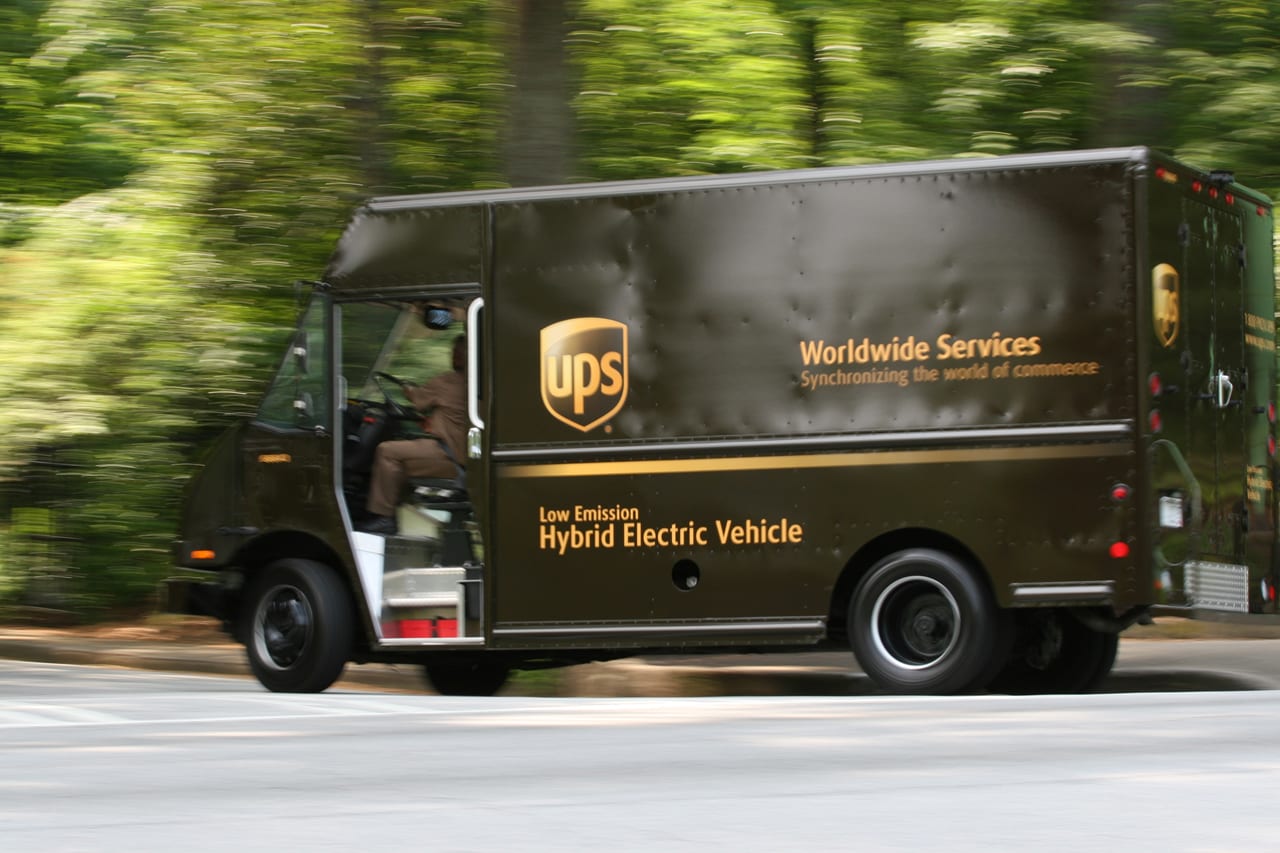
    UPS said it will start training student delivery drivers to spot and identify road hazards using virtual reality (VR) headsets that vividly simulate the experience of driving on city streets while teaching a more memorable classroom lesson.

    The company will begin launching VR training in September at its nine UPS Integrad training facilities. The adoption of VR for driver safety training reflects UPS’s commitment to using the latest and best technology to protect its on-road employees and the communities they serve.

    IT experts at UPS created the VR training modules that users see and hear inside VR headsets like the HTC Vive. Students using the modules must verbally identify potential road hazards such as pedestrians, parked cars and oncoming traffic. The 360-degree view inside the headset is realistic down to the finest details.

    “Virtual Reality offers a big technological leap in the realm of driver safety training,” said Juan Perez, UPS chief information and engineering officer. “VR creates a hyper-realistic streetscape that will dazzle even the youngest of our drivers whose previous exposure to the technology was through video games.”

    The VR training modules replace the touchscreen devices UPS Integrad facilities currently use to teach lessons on road hazards. For now, the VR training is only for those who drive package delivery trucks. But the company is exploring VR and even Augmented Reality (AR) for training tractor trailer drivers and performing other duties throughout the operation.

    UPS currently operates eight UPS Integrad facilities in the United States and two others in Europe. Another U.S. facility is set to open this year, bringing the total to nine in the United States.

    UPS Integrad facilities teach students the fundamentals of driving delivery vehicles and delivering packages using a hands-on approach. Students even practice driving UPS delivery trucks in a replica outdoor city that has real streets and sidewalks and simulated delivery and pickup sites.

    UPS Integrad and its use of the latest technology supports the company’s safety culture. UPS has more than 9,000 drivers in its Circle of Honor, an elite group of drivers who have not had an avoidable accident in at least 25 years.
    The first UPS Integrad opened in Landover, Md., in 2007. The training – based on the philosophy “Teach me. Show me. Let me.” – occurs before students begin more intensive on-road training. Nearly 9,000 drivers have graduated from UPS Integrad locations since 2007.

    “This training is foundational, and Virtual Reality brings it to life,” said Jeanne Lawrence, UPS Integrad expansion director. “VR complements real-world training in a way that deeply engages our employees in the UPS Integrad curriculum.”

  • Alibaba to invest $1bn in Indonesia e-commerce platform

    Alibaba to invest $1bn in Indonesia e-commerce platform

    Alibaba Group has led a $1.1 billion investment round for financing into Indonesia’ Tokopedia to become a minority shareholder.

    A number of undisclosed existing Tokopedia investors also participated in the round, the Chinese e-commerce giant said.

    “We have always thought of Alibaba as our teacher and role model. Today, we are excited to welcome them as a shareholder and we believe that our partnership will further accelerate Tokopedia’s mission, to democratise commerce through technology,” said Tokopedia CEO and co-founder William Tanuwijaya, in a statement.

    “The partnership with Alibaba will enhance the scale and quality of Tokopedia’s offerings to its customers and make it easier for merchants and partners to do business across the archipelago and beyond.”

    Alibaba first showed interest in Tokopedia in July where it was in reported talks to lead a funding round in the Indonesian unicorn.

    “Alibaba and Tokopedia have a shared mission of helping small and medium enterprises in achieving success in its business,” said Daniel Zhang, CEO of Alibaba Group.

    “We are very delighted to partner with Tokopedia in serving Indonesian customers.”
    The start-up first announced an investment round in 2014, where it received $100 million from SoftBank and Sequoia.

    In 2016, Tokopedia raised $147 million in an undisclosed round from several venture capital firms including Amasia, which brought the total amount raised to $247 million. The funding round valued the company at one billion dollars.

  • Nixon appoints Athleta founder Scott Kerslake as new CEO

    Nixon appoints Athleta founder Scott Kerslake as new CEO

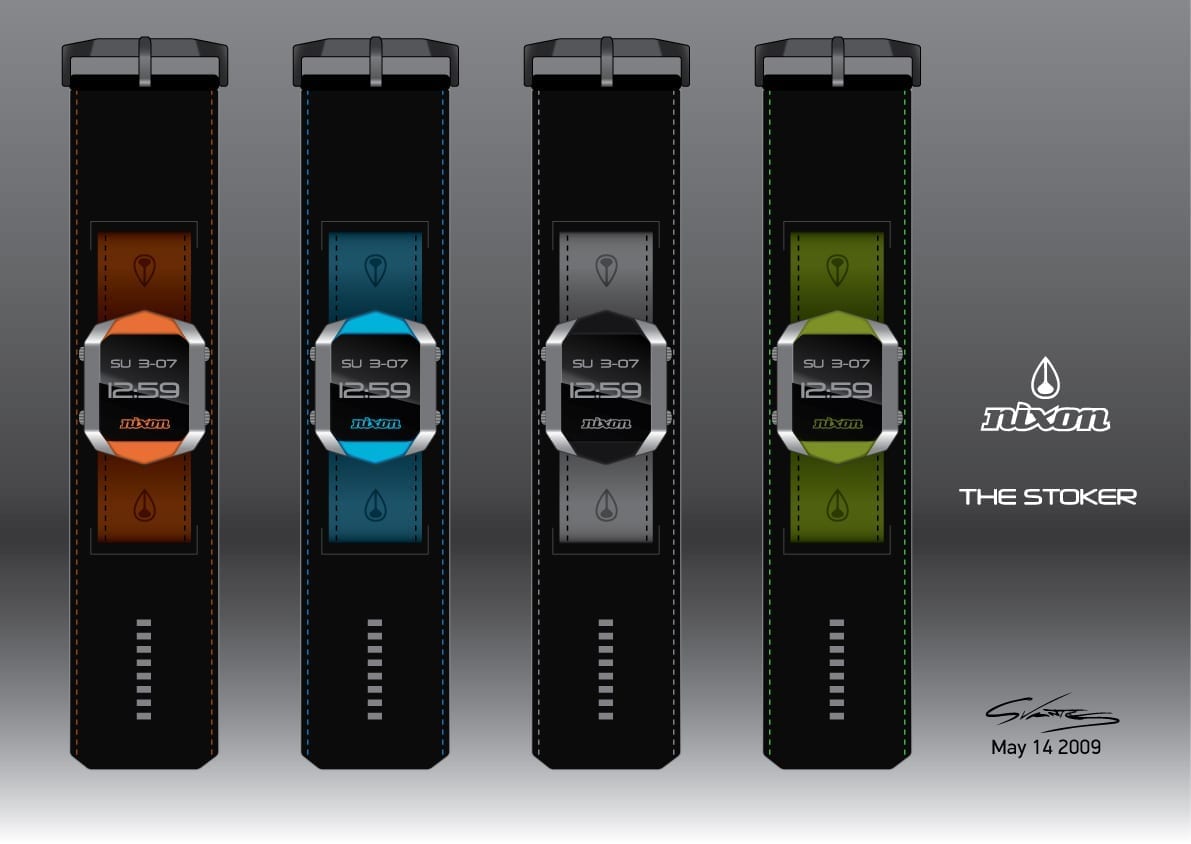
    Nixon on Monday welcomed its new CEO Scott Kerslake, whose appointment was effective on August 21, 2017.

    At Nixon, Kerslake will play a key role in the watch and accessories brand’s new focus on digital. The brand announced in June that it cut 13 jobs and will add 11 new positions that will be focused on its digital business in the coming year. A few of the new positions include VP of E-commerce and various digital marketing roles for social media.

    “I am beyond excited to join the Nixon team. The brand has enormous global potential and is well-positioned for the futur as a leader in the youth market,” said

    “I have been a fan of the brands’ ability to consistently harness the energy and creativity of the team from around the world into a distinct and leading point-of-view via the products they create.”

    Kerslake brings to Nixon 25 years of experience growing consumer brand products. He joins the California-based watch brand from Prana, where he served as CEO since 2009.

    Prior to joining Prana, Kerslake served as President of Miraval, a destination wellness spa and resort in Arizona, and he founded Athleta where he also served as CEO.

    In addition, Kerslake will be based in Nixon’s headquarters in Encinitas, CA.

  • Shake Shack Shanghai-bound

    Shake Shack Shanghai-bound

    Just a month after US fast-food chain Shake Shack announced it would open in Hong Kong, the company has confirmed its first Mainland China store, in Shanghai.

    Both the Shake Shack Shanghai and Hong Kong stores are scheduled to open next year and will be operated by Maxim’s Caterers, a division of Hong Kong-listed Dairy Farm International and which operates Starbucks in Hong Kong, Vietnam and Cambodia, among other brands.

    Shake Shack has signed an agreement with Maxim’s to open 25 outlets in Shanghai and East China between 2018 and 2028.

    “There’s incredible opportunity in China and I couldn’t think of a better place to begin this chapter of our story than Shanghai, a city that understands great brands, appreciates premium ingredients, and ultimately loves food,” said Randy Garutti, Shake Shack’s CEO.

    “The city’s streets overflow with vibrant flavors and energy every day and we can’t wait to join Shanghai’s thriving food community.”

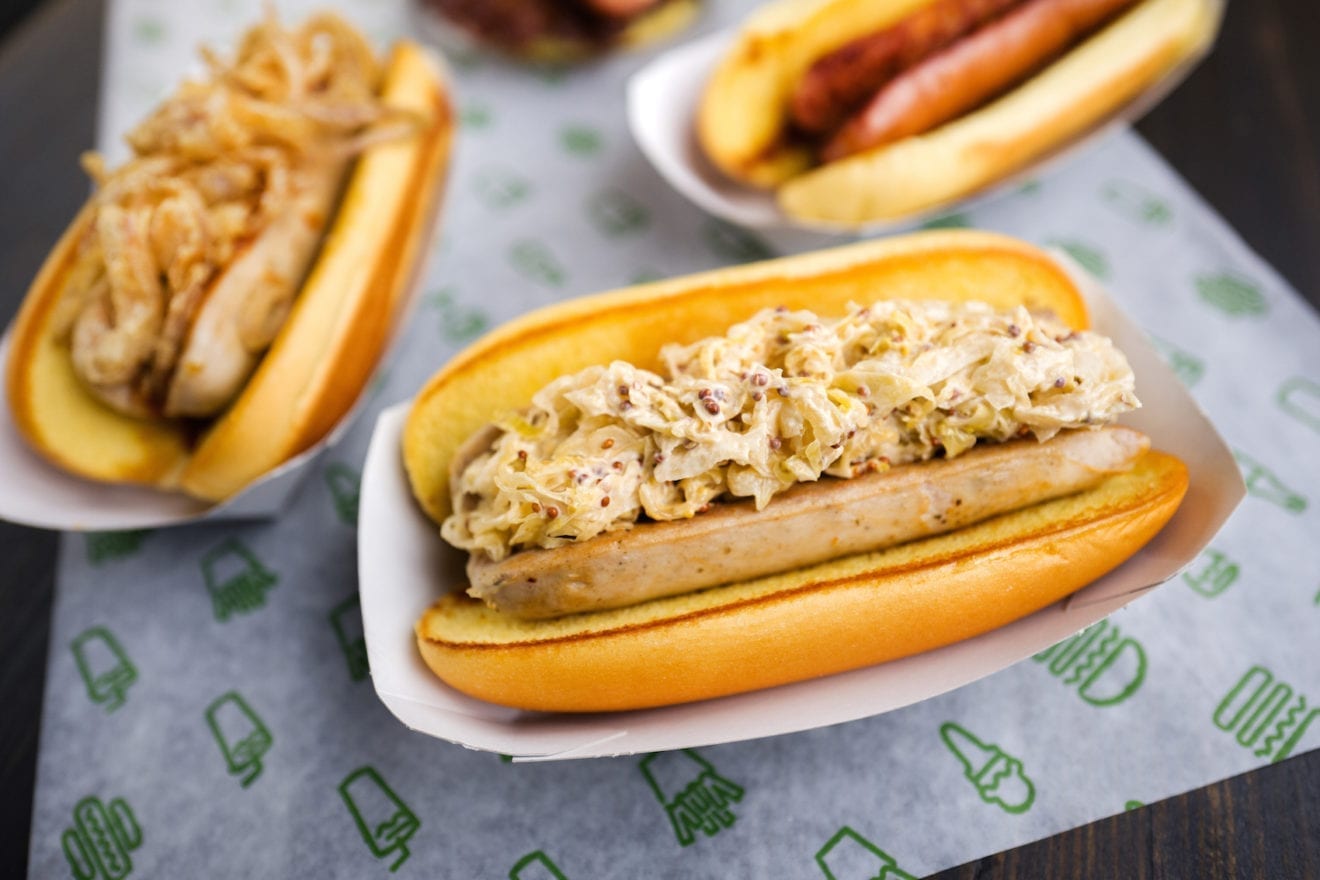
    Shake Shack describes itself as a “modern day roadside burger stand” known for 100 per cent all-natural Angus beef burgers and flat-top Vienna beef dogs,  all-natural, cage-free chicken, spun-fresh frozen custard and crinkle-cut fries. It eschews hormones and antibiotics in its meats.

    Maxim’s Caterers Limited has more than 60 years of experience in food and retail as a diversified operator of full-service and quick-service restaurants, bakeries, and coffee shops in Asia.

    Since the original Shake Shack opened in 2004 in New York City’s Madison Square Park, the company has expanded to more than 80 locations in 18 US states and the District of Columbia, and more than 50 international locations including London, Istanbul, Dubai, Tokyo, Moscow and Seoul. And now Shake Shack Shanghai and Hong Kong.

  • Thailand’s Central Group to invest $512 million in Vietnam

    Thailand’s Central Group to invest $512 million in Vietnam

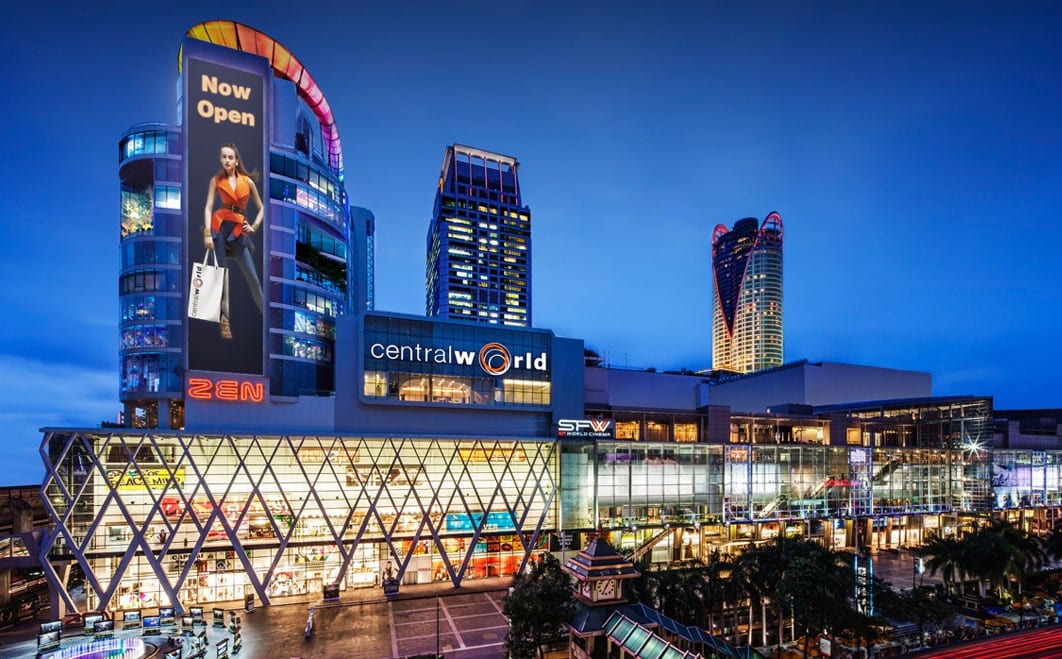
    Thailand’s Central Group has revealed plans to invest US$512 million in Vietnam over the next five years, to expand its retail operations.

    The company, which has acquired local businesses and is introducing its own Thai retail banners into the fast-growing market, is aiming to achieve sales growth of between 20 and 30 per cent annually there. It already has 160 outlets, including Robins department stores and the Big C hypermarket chain, the latter of which recorded 11 per cent sales growth in July.

    Central Group believes its Vietnam sales can reach 35 billion baht (US$1.05 billion) in 2017.

    Central Group Vietnam CEO Philippe Broianigo says the investment will be especially focused on food and electronics. Shopping malls, stationery shops, hotel management and wholesaling will also be nurtured.

    In early 2013, Central acquired a 49 per cent share of local electronics retailer Nguyen Kim and Central Group CEO Tos Chirathivat says there are plans to open a further 30 branches of the chain this year alone.

    Next year, Central will open 20 branches of Big C and its wholesale sister company Lanchi Mart.

    Tos was speaking at the second Vietnamese Goods Week in Thailand, aimed at promoting international business and trade opportunities in Bangkok.

    “We will continue to expand our business in Vietnam because of the country’s strong potential as an emerging market with high GDP growth,” Tos said.

    “Vietnam and Europe are our investment priorities. We are interested in building our own hotel in Ho Chi Minh City in the future.” The hotel would have between 200 and 500 rooms.

  • Marie France Van Damme returns to Bangkok

    Marie France Van Damme returns to Bangkok

    Hong Kong-based designer Marie France Van Damme will open her eighth boutique, in Bangkok’s Ratchaprasong district, this month.

    It will be in the new lifestyle shopping and entertainment complex Gaysorn Village, and is the designer’s second retail outlet in the city following her boutique within the Mandarin Oriental Hotel.

    Known for her luxury resort, swim and ready-to-wear styles, Marie France Van Damme continues to expand globally, with stores already in London and Singapore’s Takashimaya Shopping Centre.

    Her Gaysorn Village ground-floor boutique will incorporate her signature aesthetic, which blends Asian influences with teak wood, bronze panels and embossed crocodile leathers, with textiles and finishes that also feature in her Hong Kong and London flagships as well as her own home.

    As well as her luxury resort and ready-to-wear lines, the boutique will offer her Beach Bridal collection and a range of accessories.

    To celebrate the store’s opening, it will host a series of events including the launch of the designer’s Resort 2017 campaign, photographed in Hong Kong by Herbert Ypma.

    Since its inception in 2011, the brand has expanded to include sunglasses, perfume and candles. It has 100 retail locations internationally such stores as Bergdorf Goodman, Harrods, Le Bon Marche, Neiman Marcus, Saks and Selfridges, and at resorts including Aman and One&Only.

    As well as being a fashion designer, Canadian-born Marie France Van Damme is the author of the coffee-table book RSVP: Simple Sophistication, Effortless Entertaining. Her resort wear is inspired by her travels.

  • Rhenus selects winners of the Rhevo Initiative

    Rhenus selects winners of the Rhevo Initiative

    170 ideas, 28 countries and one goal: the 16 winners of the Rhenus corporate initiative entitled “Rhevo” were selected at the headquarters of the Rhenus Group in Holzwickede in July. Using one major final pitch, the finalists from all over the world had the opportunity to persuade the jury of experts drawn from the Rhenus world. The goal of the innovation competition, which was launched in the spring, is to develop new products and innovative business models with digital concepts.

    Each of the 43 finalists had just seven minutes to introduce their business ideas and advertise them to attract investments and other resources so that they can be introduced. They had checked, revised and refined their ideas during many months of work and had built and tested prototypes. They were supported by training sessions and entrepreneurs from the start-up scene during this time.

    The jury examined the finalists’ product ideas to see whether they were suitable for the future and might open up opportunities in the market place. “It was hard facing the jury’s questions. They tested our idea rigorously and examined it intensively from all sides,” said participant Usman Kahn.

    After the pitches were over, it was clear that three ideas would be included in existing internal product developments. 13 will others receive ongoing start-up support. “This will be different, depending on the project. Some providers of ideas will be given more time in order to continue testing the market opportunities for their product ideas; others will receive a budget to continue developing their product,” said the member of the Rhenus Board and jury member, Tobias Bartz, summarising the process.

    “We particularly liked a Spanish/German solution from the field of predictive analytics; it’s designed to help us better predict the needs and behaviour of customers,” jury member Petra Finke, who is Global CIO at Rhenus Freight Logistics, explained. An Asian platform idea for marketing free truck capacity and a Russian team with the prototype of an “instant quotation” solution were particularly singled out.

    The jury consisted of Rhenus Board Member, Tobias Bartz, Petra Finke (Global CIO Rhenus Freight Logistics), Vivek Arya (CEO Rhenus India), Jörn Schmersahl (CEO Rhenus Air & Ocean Europe) and Jan Harnisch (COO Ocean Freight Asia); this was an international group of Rhenus experts with great experience in the fields of digitalisation and business development.

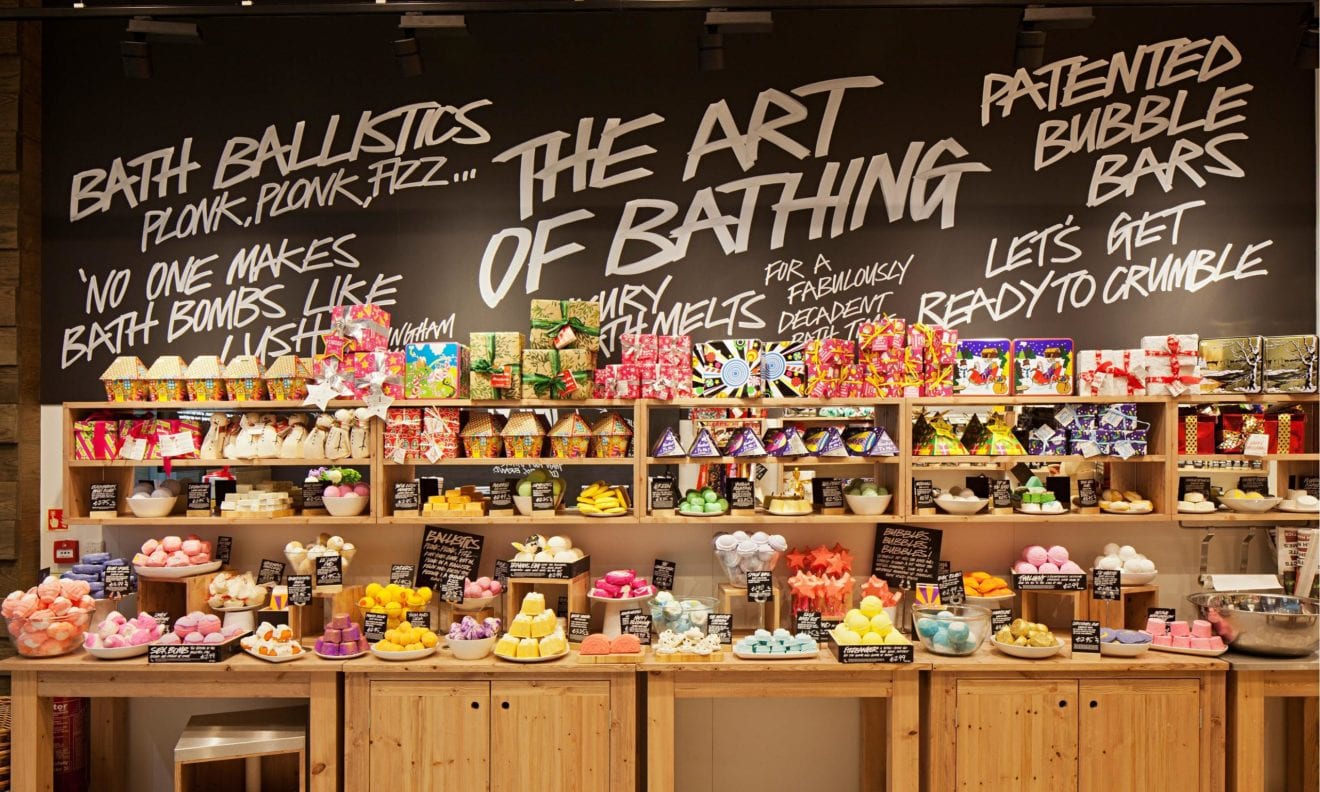
  • Lush Singapore opening flagship at VivoCity

    Lush Singapore opening flagship at VivoCity

    With four stores already, cosmetics company Lush Singapore is set to open its flagship at VivoCity on September 1.

    Occupying a 107 sqm basement space, it will be the largest Lush shop in Singapore.

    “The new shop will allow us to showcase the innovation at Lush with concept product displays and exclusive items,” says Lush Singapore director Sohana Chowdhury.

    There will also be new services such as hand and arm massages, and private in-depth skincare consultations.

    Lush VivoCity will also be one of the UK brand’s 20 international shops to offer the black-label range of Gorilla Perfumes.

  • Hansa Heavy Lift delivers six RTG cranes from Japan to Turkey

    Hansa Heavy Lift delivers six RTG cranes from Japan to Turkey

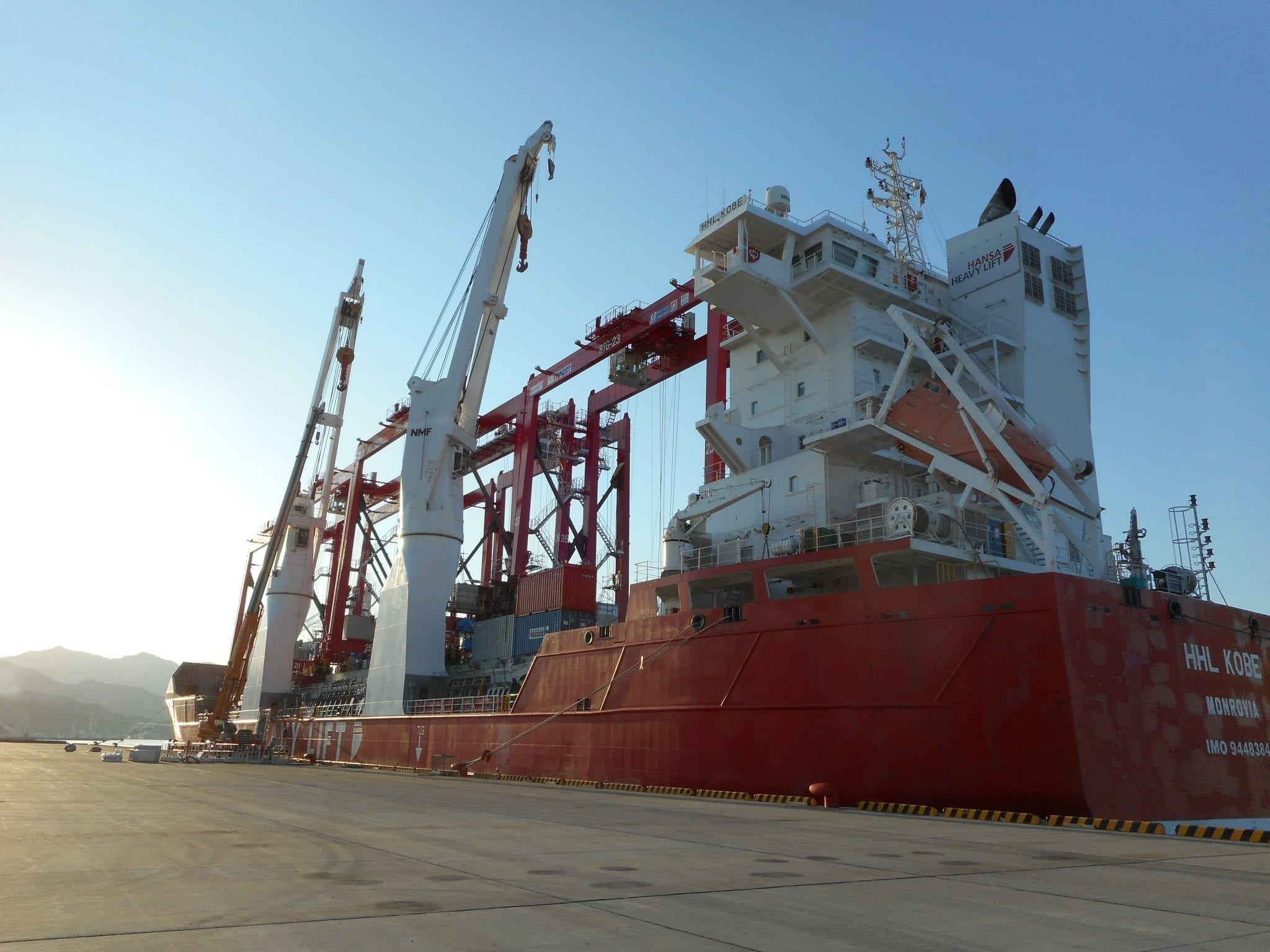
    Hansa Heavy Lift has transported six rubber tyred gantry (RTG) cranes, each weighing 135 metric tonnes and measuring 28.9 by 11.3 by 26.6 m, from Japan to Turkey.

    All units were loaded onto the vessel HHL Kobe at the port of Saiki in southern Japan, with two of the cranes being discharged at the port of Gebze and the remaining four at the harbour of Gemlik, in Turkey.

    “This was an unusually high number of RTGs being transported on a P2-800 vessel, compelling us to extend the deck as well as ensure there was sufficient space between the units, so that all cargo could be accommodated safely,” said Mohammad Abbas, project engineer, Hansa Heavy Lift.

    “Due to the sensitivity of the cargo units, additional precautions needed to be taken, including a motion response analysis to determine the effects of any accelerations on the cargo during the voyage.”

    “Strong cooperation between the crews and stevedores at the ports of loading and discharge ensured the project was executed seamlessly, within the tight timeframe that had been assigned.”

    The deck extension included six metres to the aft side and three metres to the starboard side, as well as a total of 11 tween deck pontoons being stowed on deck to accommodate all units.

    The strength of the extension tween deck panels was verified through a finite element analysis, to demonstrate that the overhung deck was sufficiently safe and durable enough to support the cargo.

    A 3D model assimilation was also created before the start of the voyage to check the clearance between the RTGs and vessels’ cranes due to the large size of the units.

    The project was carried out on behalf of Mitsui Engineering and Shipbuilding, with Yilport Konteyner Terminal Ve Liman Isletmeleri A.S. acting as the charterer.

    “By optimising the number of cranes transported on a single vessel, Hansa Heavy Lift presented us with a very cost-effective and efficient option,” said Selami Mercan, Engineering Service Director, Yilport Holding Inc.

    “The entire project, from planning to delivery, was handled with care and ease, and we would be eager to work with Hansa Heavy Lift again in the future.”

    Hansa Heavy Lift specialises in the super heavy lift 900+ metric tonnes industry, delivering best-in-class engineering solutions to customers, particularly in the subsea, oil and gas, and the offshore wind farm sectors.