Author: Mei Ling Tan

  • Ericsson suing Wiko over patent infringement

    Ericsson suing Wiko over patent infringement

    Ericsson is suing French smartphone maker Wiko in Germany, accusing the company of infringing Ericsson patents essential to 2G, 3G and 4G cellular technology.

    In a statement, Ericsson said Wiko has been infringing on its intellectual property rights without any license or compensation for years.

    Ericsson chief intellectual property officer Gustav Bismark said the company has tried to negotiate a license agreement with Wiko on fair, reasonable and non-discriminatory (FRAND) terms since May 2013, but has not succeeded throughout the years of discussions. The company decided to take Wiko to court as a last resort, he said.

    “Global sharing of technology and open standards are the force behind the smartphone revolution and have allowed new entrants, such as Wiko, to quickly build successful businesses,” Bismark said.

    “This ICT ecosystem only works, however, if all market players respect the basic rules of FRAND licensing. It is unfair for Wiko to benefit from our substantial R&D investment without paying a reasonable license fee for our patented technology.”

    Ericsson has one of the telecommunications industry’s largest IP portfolios, spanning more than 42,000 patents worldwide. These cover 2G, 3G and LTE technologies and technologies that are likely to incorporate part of the 5G standard.

  • AirAsia trains crew to spot human traffickers

    AirAsia trains crew to spot human traffickers

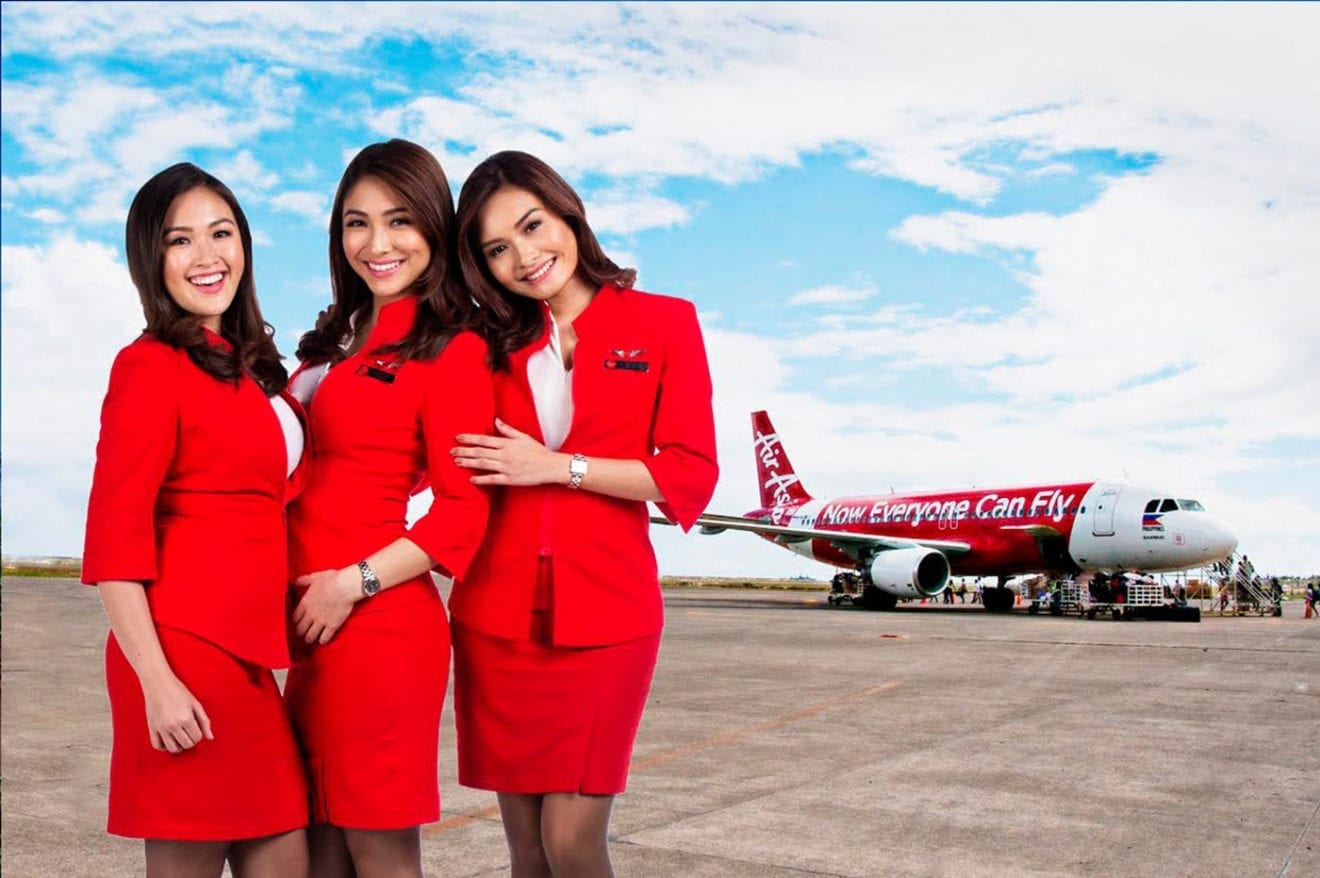
    AirAsia, the biggest budget carrier in Asia, is training thousands of its staff to fight human trafficking, becoming one of the first airlines in the continent to crack down on the global crime.

    Companies have come under increased pressure to tackle human trafficking, with an estimated 46 million people living in slavery and profits thought to be about US$150 billion.

    Planes are a key part of the illegal business, as criminal gangs transport thousands of children and vulnerable people by air each year for redeployment as sex workers, domestic helpers or in forced labour.

    The United Nations has urged airlines to step in and look out for the tell-tale signs of trafficking.

    Kuala Lumpur-based AirAsia, which flies millions of passengers annually to more than 110 destinations, said it was planning to train between 5,000 and 10,000 frontline staff, including cabin crew.

    “We like to be able to have our staff know what to do if somebody comes up to them and says ‘I need help’,” said Yap Mun Ching, the executive director of AirAsia Foundation, the airline’s philanthropic arm, which is driving the initiative.

    “Sometimes (the victims) don’t know they have been trafficked. They realise it only when they are on their way and they want to be able to get help. Most of the time they don’t know who to turn to,” she told the Thomson Reuters Foundation.

    AirAsia has teamed up with US-based Airline Ambassadors International, a group that trains airline staff on trafficking, for the initiative, which kicked off this week at the airline’s four main hubs – Kuala Lumpur, Bangkok, Jakarta and Manila.

    All are hotspots for trafficking.

    The group said signs of trafficking include young women or children who appeared to be under the control of others, show indications of mistreatment or who seem frightened, ashamed or nervous.

    The UN Office on Drugs and Crime urged airline bosses at a summit in June to train flight crews to help combat human trafficking, the first time the aviation industry has held global discussion on the issue.

    While some training of airline staff to spot and report potential trafficking is mandatory in the United States, it is not widespread across the industry.

    So far, more than 70,000 US airline staff have been trained under a programme that began in 2013.

    Asia has some of the worst offenders of human trafficking.

    Countries such as Thailand, Myanmar and Laos are listed by the United States on a trafficking watch list for not meeting the minimum standards needed to end the crime.

  • 5G connections to reach 1.4b by 2025: Juniper Research

    5G connections to reach 1.4b by 2025: Juniper Research

    5G connections are forecast to reach 1.4 billion by 2025, an increase from just one million in 2019, the anticipated first year of commercial launch, according to Juniper Research.

    In a new research, Juniper warned that to be successful, 5G fixed wireless broadband would need to meet expectations in real-world scenarios to compete with fiber broadband.

    The research forecasts that China, US and Japan will have the highest number of 5G connections by 2025. Together these three countries will have 55% of all 5G connections by 2025.

    The US alone will account for over 30% of global 5G IoT connections by 2025, with the highest number of 5G connections for fixed wireless broadband and automotive services.

    However, in terms of commercial IoT revenues, Juniper forecast that the ARPC (average revenue per connection) would be disappointing, including smart cities and digital health. This was due to low data requirements and nominal duty-cycles.

    The research urged operators to develop new business models to minimize network operating costs, including software-based solutions to manage the diverse requirements of individual 5G IoT connections.

    Furthermore, Juniper advised that maximizing connectivity revenues through 5G fixed wireless broadband would prove crucial to offset this disappointment, with ARPC forecast to remain above $50 until 2025.

    “Operators and vendors must test their networks in a real-world environment at scale, ensuring speeds can compete with fiber services,” said research author Sam Barker.

    “Networks that can deliver the highest speeds and greatest reliability will command the highest ARPCs, hastening an operators’ return on 5G investment,” said Barker.

  • Mango Tree Cafe Hong Kong opens another outlet

    Mango Tree Cafe Hong Kong opens another outlet

    Mango Tree Cafe Hong Kong has opened another outlet – this one at Yoho Mall in Yuen Long. It is the second of the chain’s cafe-restaurants to open this year, the earlier one at Taikoo Shing in January. The Hong Kong cafes are run in partnership with 1957 & Co, however it is difficult to ascertain the exact size of the chain. The brand’s Hong Kong website is still “under construction” and its Facebook page refers to a single cafe in Tsim Sha Tsui. Another outlet at Causeway Bay appears to have closed down.

    The new Yoho Mall site features a rainforest-inspired interior, and an exclusive menu including Thai classics such as curries and pad thai.

    Meanwhile, the Thai brand is planning to expand worldwide. It initially found success in Japan, where it has 11 locations including six cafes in Tokyo. It also has an outlet in Macau.

    Its cafes are designed specifically for shopping malls, says Mango Tree Restaurants global MD Trevor MacKenzie. The company also has plans to expand its restaurant concept in international airports, building upon the success of its two initial outlets at Bangkok’s Suvarnabhumi Airport.

    Worldwide, the company has 66 outlets across various brands, including 13 Mango Tree flagship restaurants, 14 Mango Tree Cafes, six Mango Tree Kitchens, five Mango Tree Bistros and two Mango Tree Delis, plus Mango Chili. The company also runs 24 Coca Restaurants.

  • Thailand’s No.1 Home Furnishings Stores Index Living Mall plans to open across Indonesian

    Thailand’s No.1 Home Furnishings Stores Index Living Mall plans to open across Indonesian

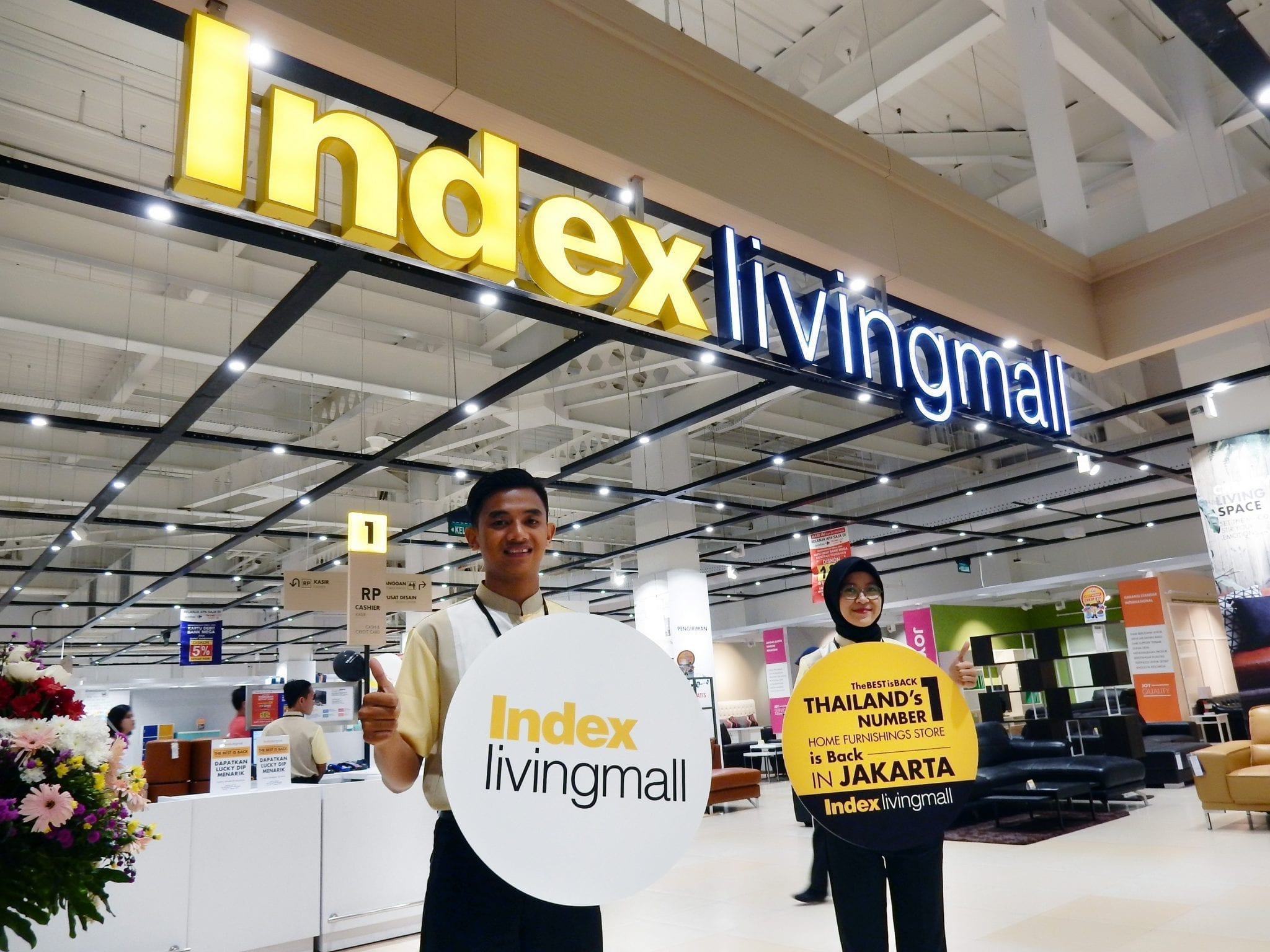
    ‘Index Living Mall’ (ILM), No.1 Home Furnishings Stores and ASEAN retailer with the highest number of branches across the country, self-owned factories, and a world class exporter, has declared the partnership with ‘CT Corp’: Indonesian’s No.1 business group in several business segment, including ‘Mega Group’ finance company, ‘CT Global Resources’, and ‘Trans Corp’ multi-entertainment complex/hotel and Transmart Retail. The first store opened at PT. Retail’s Transmart Carrefour, Cempaka Putih, Jakarta, on 2,500 sq.m. retail space.  The grand opening day was organized on  11th August 2017, under the concept of ‘The Best is Back’. Special sales promotion were offered to customers to celebrate the new branch launch. A further 4 stores shall open between September to December this year, followed by another 5-10 stores each year until 2020 with the goal to become the Top of Mind Home Furnishings Stores in Indonesia. The event has also been honored with H.E. Mr.Pitchayaphant Charnbhumidol, Ambassador of Thailand to Indonesia.

    Mr.Pisith Patamasatayasonthi, President and CEO of Index Living Mall Co.,Ltd revealed that “The trend of home furnishings products market in ASEAN region is expanding well. With key factors such as expansion of markets, income, and customer behavior. We are truly enthusiastic to study the possibility of investment opportunities as well as business strategies in each country, in order to lead us to becoming one of the largest home furnishings and accessories retail chains in ASEAN by 2020.  Recently, we have been able to partner up Index Living Mall with CT Corp which is the largest capital group in Indonesia. This move demonstrates that we are more than ready to expand our business internationally and set to become the leader in home furnishings business. So, right now we have been working hard to open the first Index Living Mall branch in Indonesia under the concept of ‘The Best is Back’ which represents our 6 key strategies and a special sales promotion offered to our new customers.  Moreover, the company plans to expand its additional 4 stores ranging in size from 1,000 sq.m. to 2,000 sq.m. by the end of 2017 and within Transmart Carrefour locations. We can expect to see as many as 5-10 stores next year and annually through 2020.  This clearly demonstrates our confidence in the strength of Index Living Mall in tens terms of brand and product under the 4 Joys concept.

    Mr.Ekaridhi Patamasatayasonthi, Director International Business Development of Index Living Mall Co.,Ltd said “We believe that the home furnishings business in Indonesia has a high potential to go far particularly through our partnership with Transmart Retail. Apart from the slowdown in fashion and IT gadgets, the home furnishings markets has growth potential. The expansion of our new regional market in Indonesia will help increase revenue share from International up to 14% this year from our current level of 8% and will shape Index Living Mall to become a successful regional player.”

    Besides, the potential of CT Corp under the supervision of Mr.Chairul Tanjung, Indonesian tycoon and Transmart Carrefour retail business owners, is one of the key factors that supports Index Living Mall in penetrating into the right market locations, approaching to the right target groups, as well as expanding customer bases. “We strongly hope that our franchise expansion in Indonesian market will build trust of Index Living Mall among our customers here in terms of its high quality, international standard, cutting-edge design and product which has been specially selected of the market in Indonesia” he said.

    Mr.Shafie Shamsuddin, President Director and CEO of PT. Trans Retail Indonesia highlighted that “This strategic partnership is expected to provide added value for Indonesian consumers with more and more sophisticated choices of furniture products at Index Living Mall that are integrated in one area with Transmart Carrefour. Surely this will provide a trend of positive and complementary consumer spending needs between Transmart Carrefour and Index Living Mall as well as we help to provide place and space for local products to partner with us”

    “We have successfully expanded our International Retail Business across Malaysia, Vietnam, Singapore, Cambodia, Laos, Myanmar, Nepal, Maldives, Pakistan, Russia and now Indonesia as well as having strategic partners in place for the export of our products into Japan, Korea, The America, Europe. The International Retail Business represented 8% of total retail sales against Thailand in 2016.” according to Mr.Gerard McGurk, Head of International Business Development of Index Living Mall Co.,Ltd.

    The concept of ‘The Best is Back’ which would represent the 6 Best key strategies. First, The Best Furniture Lifestyle Store, Index Living Mall sells all home furnishings products in best style and best material. Second, The Best Value, the products are worth every sen of the price. There is no need to wait for the sales promotion because Index Living Mall has own factory. Third, The Best Design, the designs are being created by famous designers from all over the world such as Italy, Sweden, Denmark and Germany. Fourth, The Best Quality, every single piece of the products is being well made from the best selection of materials to ensure the best quality for the customers. Fifth, The Best Impression, Index Living Mall customer service is beyond expectation, not just the fast shipping service but also quick installing from our professionals. With 3D designer specialist service through 360 degree perspective within 30 minutes via 3D-Rooms-to-show program. Finally, Sixth, The Best Offers, Index Living Mall offers numerous special deals, promotions and privileges during the grand opening celebration.


  • Apple under pressure to dazzle as market slows

    Apple under pressure to dazzle as market slows

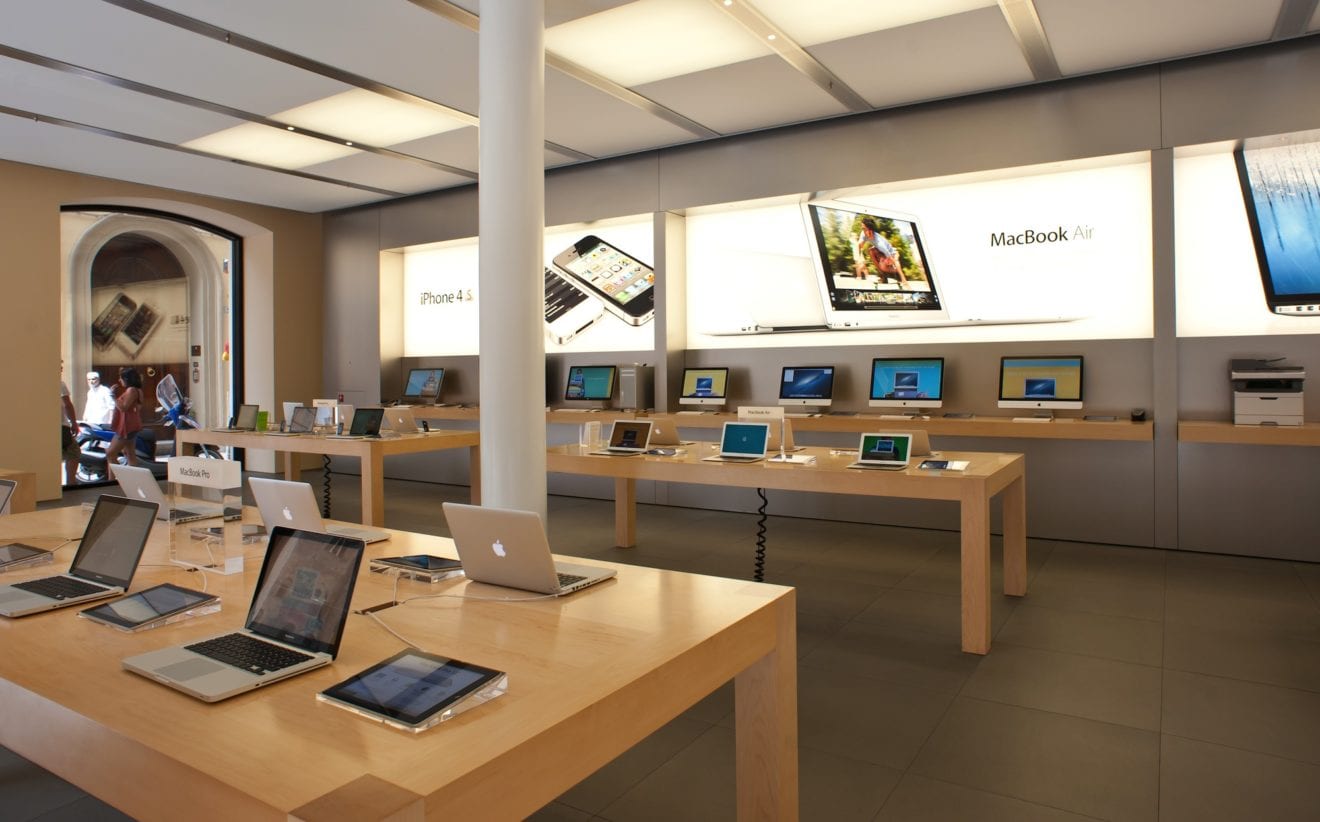
    Apple has lost ground in the Chinese market, with revenues down 10 percent in the past quarter from a year earlier. As Apple and Samsung gear up to launch new flagship smartphones, the market leaders are seeking a wow factor that can help them fend off challenges from rising Chinese-based manufacturers.

    Apple is under particular pressure to dazzle as the culture-changing California iPhone maker looks for a way to maintain its image as an innovation leader in a global market showing signs of slowing.

    “Clearly, Apple wants to do something different for the 10th anniversary” of the iPhone, NPD Group analyst Stephen Baker told AFP.

    Baker said this is a challenge for Apple because “it is still going to be a flat piece of glass and the other things we talk about around a phone.”

    Apple is widely expected to unveil the latest iteration of the iPhone in September, while smartphone market leader Samsung is holding an August 23 unveiling likely to launch its Galaxy Note 8 handset.

    The two market leaders are seeing rivals, mainly from China, chip away at market share, creating pressure to showcase innovation, say analysts.

    Some reports say the new iPhone will include a high-quality, edge-to-edge screen with a notch in the top for an extra camera supporting 3D facial recognition.

    Some speculate that the back of the new handset will be glass and will offer wireless charging.

    “We are expecting a major design refresh on Apple,” GlobalData analyst Avi Greengart told.

    “That has been a sore point, especially in China. People are looking to show off a status symbol, so it needs to look different than Huawei or Xiaomi, and I think it will.”

    Apple has lost ground in the Chinese market, with revenues down 10 percent in the past quarter from a year earlier in its “Greater China” segment.

    Some reports say Apple could release as many as three new handsets, including an “iPhone Pro” aimed at capturing the high end of the market.

    Shifting market

    Global smartphone sales saw a modest decline of 0.8 percent in the second quarter of 2017, as market leaders Samsung and Apple consolidated their positions, an IDC survey showed.

    The South Korean giant maintained the top spot with a 23.3 percent market share, while Apple held onto second place with 12 percent, according to IDC.

    Huawei was the third-largest vendor, with an 11.3 percent market share. The Chinese electronics giant closed the gap with Apple, adding two percentage points to market share from a year earlier, according to the survey.

    China-based Oppo and Xiaomi rounded out the top five.

    Samsung is in stride with a recently released Galaxy 8 flagship phone, seemingly recovered from an embarrassing recall of a Note 7 model due to batteries catching fire.

    “Samsung had the Note 7 debacle, but it appears their troubles are behind them,” Greengart said.

    “Samsung is doing some amazing things with its display and design.”

    NPD’s Baker said he expected “the drum beat of Hero Android phones” that could challenge the iPhone “to be a little louder this year that it has been.”

    Meanwhile, the Google-made Pixel smartphones that debuted last year will likely get a second generation in the months ahead.

    New Pixels are expected to have richer screens and an additional front speaker, and to follow the trend of adding a second camera on the back for depth-sensing.

    Gartner analyst Brian Blau suggested that, aside from Apple trying to wow with an anniversary iPhone, flagship handsets launched this year would have incremental improvements, not radical transformations.

    “There will be a small number of new players, and that always brings excitement,” Blau said.

    New entries include the “Essential” smartphone from a startup founded by Andy Rubin, credited with being the father of Android software.

    Essential, whose backers include internet colossus Amazon and China’s Tencent Holdings, began selling its $699 handset this month, touting the handset’s ceramic and titanium construction and the ability to add accessories on a magnetic connector.

    Augmenting reality

    Some analysts say the upcoming handsets may showcase the ability to handle augmented reality (AR) as a way to revive interest.

    Google has pushed augmented reality with a “Tango” phone, and enabled Pixel handsets to be used for virtual reality with “Daydream” gear. And Apple has made an AR kit available to developers that could lead to iPhone apps.

    “The standard AR demos we have seen for years as a future thing — seeing how new furniture looks in your living room or virtual coupons hanging in mid-air in supermarket aisles — we will see this fall,” Greengart predicted.

    Smartphone makers are also expected to do more with voice recognition and commands, making handsets more attractive in places where literacy rates are low but mobile internet access is available.

  • Platinum Group profits reach THB371m

    Platinum Group profits reach THB371m

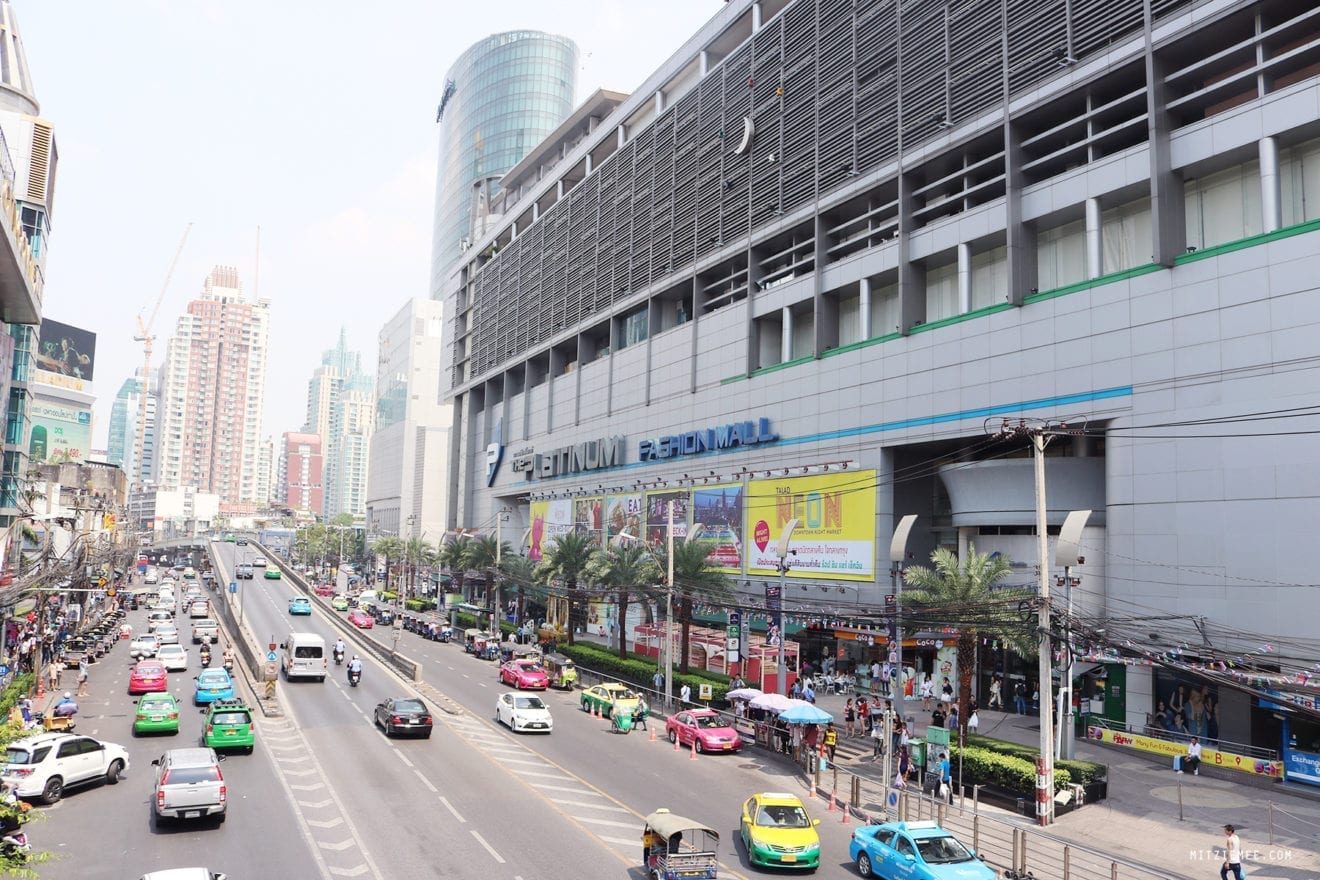
    Bangkok Platinum Fashion Mall owner the Platinum Group has reported first-half profits of THB371 million (US$11.1 million), forecasting revenue to reach THB2 billion.

    The commercial real-estate developer credits its revenue growth to “solid management of both current and new projects, in combination with an enhanced efficiency of incremental income from the shopping centre”.

    The group also expects a further revenue boost by 2019 following the opening of the Market Bangkok retail complex in the last quarter of next year.

    President Chanchai Phansopha says the first-half revenue of THB997 represents 9 per cent growth over the same period of last year, while net profit is up 8 per cent to THB371 million.

    Revenue from rental and services rose 15 per cent, with F&B rising 14 per cent.

    The gross profit margin for its core business averaged 62 per cent, with an increasing rental rate at Platinum Fashion Mall and the launch of Talad Neon Down Town Night Market in December boosting earnings. A 15 per cent rise in both Thai and foreign visitors to the mall contributed to the increased revenue in F&B. The food court was revamped to offer a wider choice.

    Platinum says the Talad Neon Down Town Night Market has become popular among the younger generation and a rendezvous for food lovers. A 300-strong tour group from Indonesia visited the market last month, arriving in five buses and 90 tuk-tuks.

    The Market Bangkok will have a gross floor area of 195,000 sqm. The project has an investment value of THB5.8 billion and is set to open at the end of next year.

    Platinum is also in a JV with Gaysorn Group, building the 500m Ratchaprasong Walk (R Walk, formerly known as Bangkok Skyline). This has an investment value of THB400 million. The first two phases were connected in late March with 58,000 people a day using it. The walkway links Platinum Fashion Mall, Novotel Bangkok Platinum Pratunam Hotel, the Market Bangkok, Big C Ratchadamri, Gaysorn Village and Amarin Plaza as well as the Chidlom and Siam BTS stations.

  • Don Quijote about to take tilt at Thailand?

    Don Quijote about to take tilt at Thailand?

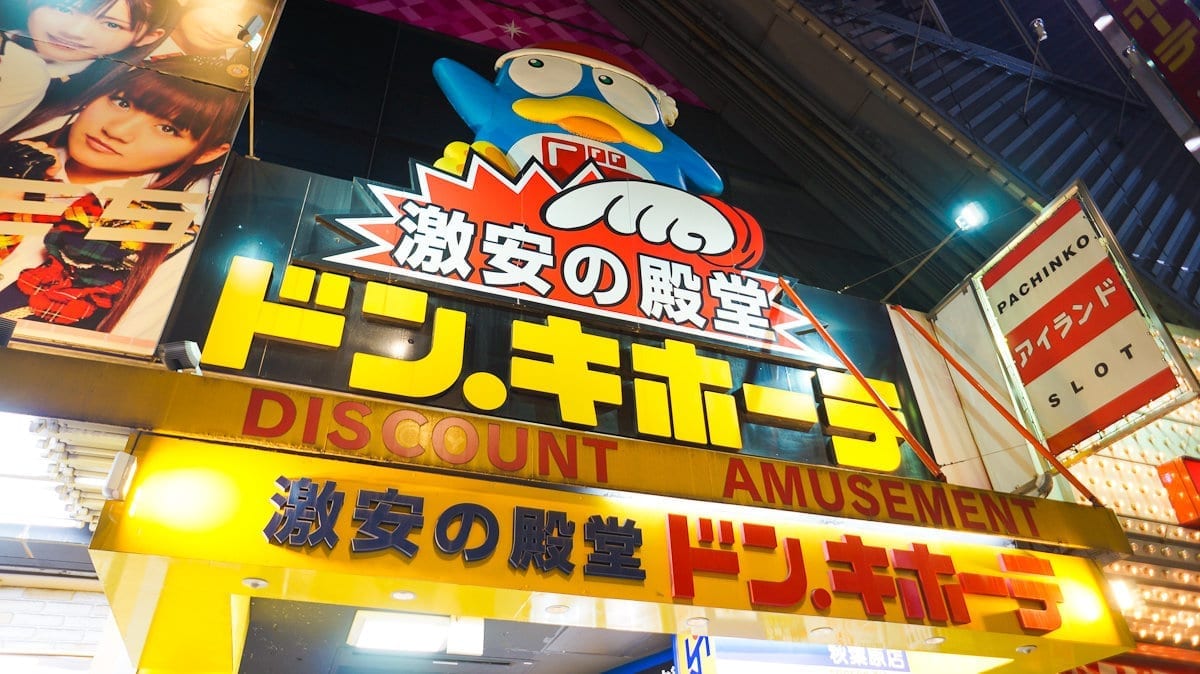
    Japanese discount chain Don Quijote could be arriving soon in Bangkok, with its penguin mascot being spotted on the fence of Ekamai Mall, which is under construction.

    Don Quijote (or Donki) sells a wide range of Japanese products including food, household supplies, medicine, electronics, clothing, beauty products and even sex toys.

    While the company has not said anything about its move into Thailand, it announced last month that it was making its first Southeast Asian expansion in Singapore.

  • Sales rebound as Parkson Retail transformation plan pays off

    Sales rebound as Parkson Retail transformation plan pays off

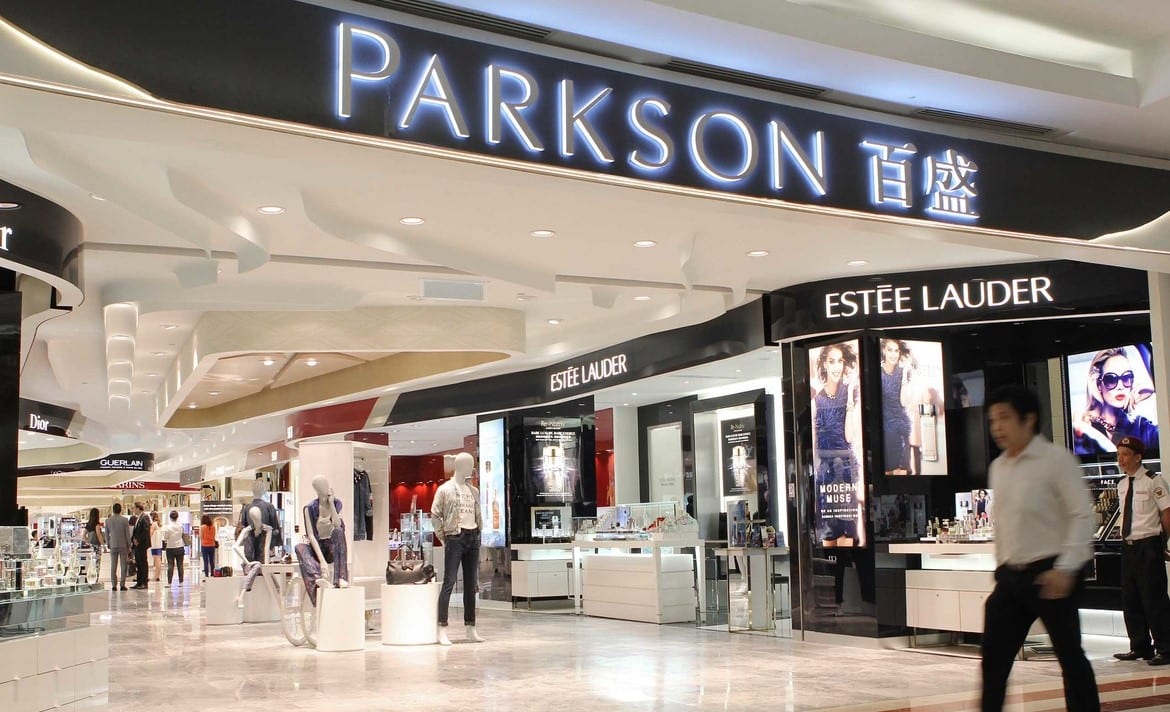
    With a rebound in same-store sales, lifestyle retailer Parkson Retail Group had a 1.9 per cent increase in half-year operating revenue to RMB2.3 billion (US$ 344.9 million).

    The figures reflect the impact of the transformation plan under which the company is redefining its image and spinning categories off into stand-alone concepts.

    Second-quarter same-store sales grew by 2.4 per cent, following a 2.2 per cent drop in the first quarter, according to its unaudited interim results.

    Total operating revenue for the half-year rose by 1.9 per cent to RMB2.3 billion, leading to an operating profit of RMB70.6 million – an increase of RMB122 million from a loss of RMB51.4 million for the same period last year.

    Total merchandise sales totalled about RMB6.5 billion while concessionaire sales contributed about 84.8 per cent. Direct sales contributed the balance of 15.2 per cent.

    The cosmetics and accessories category became the biggest contributor (46.2 per cent) to first-half sales, with the previous leader, fashion and apparel, contributing about 45.1 per cent. Groceries and perishables contributed about 5.4 per cent, while household and electrical about 3.2 per cent.

    Total operating revenues of the group increased 1.9 per cent to RMB2.3 billion, mainly attributable to a RMB14.2 million boost in rental income from the Qingdao Lion Mall, plus a RMB19.3 million tax refund.

    Business revitalised

    Parkson says its business was revitalised during the period thanks to progress with its transformation plans. While China’s economy was stable, the retail market was still challenging and competitive but with positive signs of a rebound.

    There was a 4.3 per cent decline in total gross sales proceeds at RMB8.1 billion, including value-added tax. This was mainly attributable to four stores being closed during the half.

    “Over the past few years, the Chinese retail market has seen an unprecedented evolution,” says Parkson. This presented one of its most challenging periods.

    “We came to China with a department store concept 23 years ago to serve the Chinese middle class which was looking for quality products. Today, we are still serving the fast-growing Chinese middle class, whose focus has shifted to comfort and healthier lifestyles. To ensure we continue to realise our mission, we have made every effort to evolve and adjust by launching multiple retail formats, improving our merchandise and service portfolio, and enhancing our operations and portfolio management.

    “We have refined specific business unit operations, identifying cosmetics, F&B and supermarkets as key units to be developed as standalone businesses. These units can run both within our network of department stores and outside the Parkson ecosystem.

    “A good example is Parkson Beauty, which we will launch as a specialty standalone concept store in Changsha International Financial Square, Hunan province. This concept was specifically designed to target customers who prefer to shop offline and enjoy lifestyle experiences with fashionable products and personalised services. Parkson Beauty will showcase our cosmetics brands and help us to capitalise on the segment’s growth. It is one of the most resilient retail segments against market headwind.”

    Move into malls

    The group launched Qingdao Lion Mall last year, marking its move into the shopping mall segment. The mall offers more than 200 brands with Parkson’s department store, a supermarket, fashion labels and F&B. “There is high occupancy, an excellent tenant mix, innovative marketing campaigns and efficient management.”

    Meanwhile, the group has been contacted by commercial property developers with the first managed shopping mall expected to open this year.

    In May, the group launched its second Parkson Newcore Citymall, in Nanchang, following the success of the Shanghai Newcore Citymall and extending its partnership with E-Land Group to offer Korean-themed merchandise and lifestyle elements. “This off-price city-mall format is an example of our efforts to attract young and fashionable consumers, with more Citymall concept stores to be launched.”

    The group’s first gourmet supermarket, the Parkson Supermarket, was launched in the Qingdao
    Lion Mall in September last year. “This Parkson-branded standalone supermarket offers a broad variety of premium local and imported products, and caters for emerging middle-class and family consumers who are looking for quality lifestyle choices.”

    A third supermarket will be launched before year’s end.

    “In the F&B segment, our strategy is to build a brand, gain recognition then incorporate it with our other retail formats to create synergy. The third Hogan Bakery outlet was opened in Shanghai Parkson after gaining popularity, and the group will speed up expansion of this brand, opening more stores in Shanghai and expanding to other provinces.”

    Department stores will also open in Changsha and Chenzhou this year.
  • Saint Laurent opens debut Australia store in Melbourne

    Saint Laurent opens debut Australia store in Melbourne

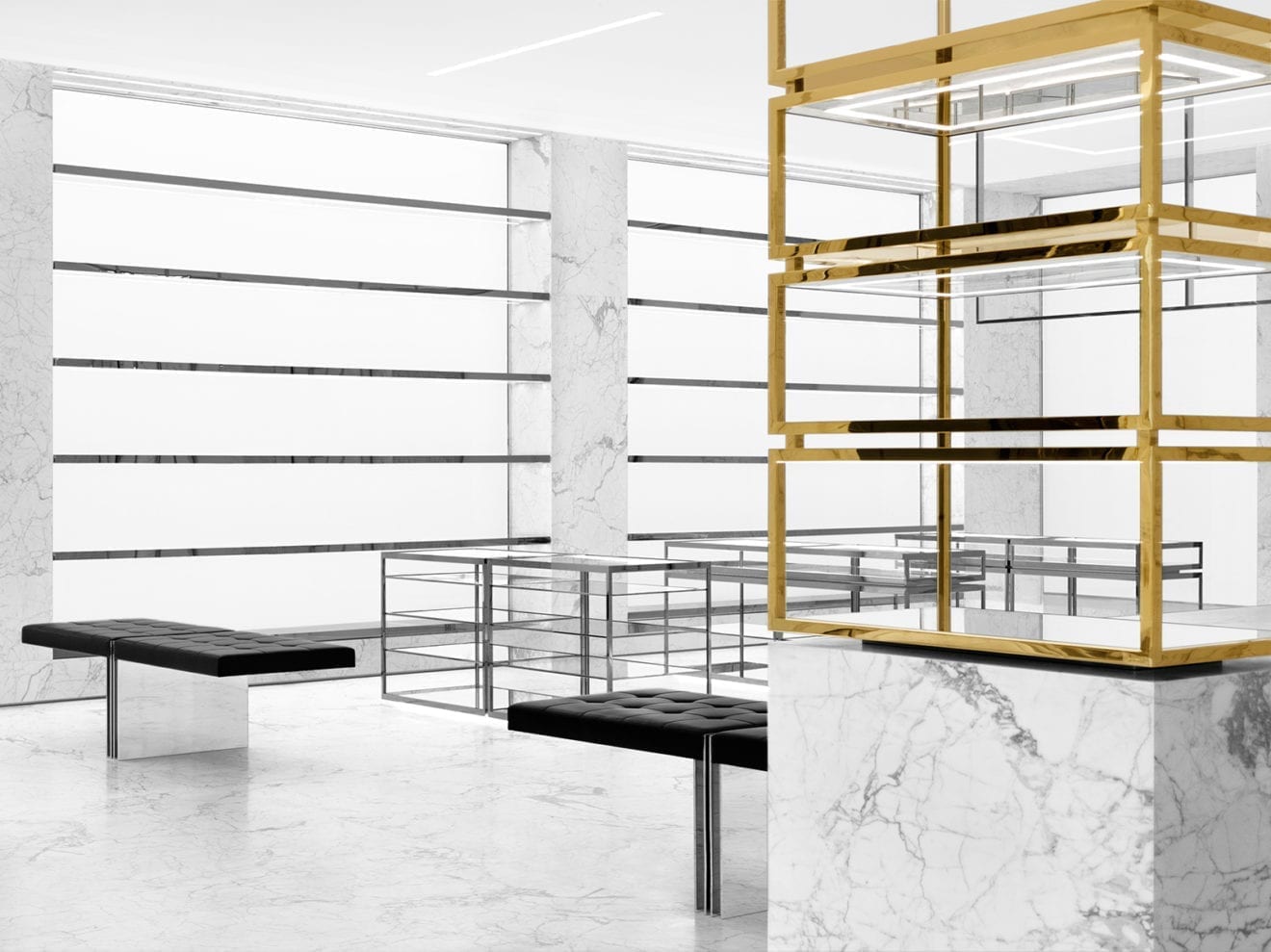
    Saint Laurent has opened its first Australian store in Melbourne. Located in the Chadstone shopping centre – the luxury mall already home to the likes of Balenciaga, Chanel and Fendi – the new Saint Laurent boutique sells both men’s and women’s collections and accessories and footwear, under the creative direction of Anthony Vaccarello.

    With a monochrome and minimalist facade, the Art Deco-inspired store mirrors the French fashion house’s universal aesthetic.

    Key design features include white statuarietto, black silk marble floors and walls, and nickel-plated brass furniture.

    Known as Australia’s fashion capital, Melbourne is fast becoming the go-to hub for luxury brands looking to set up shop in Australia.

    In recent years, Chadstone has attracted big names Givenchy, The Kooples, RED Valentino and Loewe to its retail junction.

    Earlier in the month, Saint Laurent also announced it is stepping up its e-commerce efforts in China to sell products on a new online platform launched jointly by British luxury e-tailer Farfetch with e-commerce giant JD.com.

    In the second quarter, Kering-owned Yves Saint Laurent posted comparable sales growth of 23.7%, against average expectations of 25% growth.

  • 40% of logistics respondents view FaaS as key transformational trend

    40% of logistics respondents view FaaS as key transformational trend

    In a recent B2B technology survey of 455 U.S.-based companies across nine verticals, ABI Research finds 41% of logistics respondents view Freight as a Service (FaaS) as a key transformative technology trend. The rapid growth of e-commerce requires new transport modes such as delivery drones and robots, direct-to-car, and direct-to-home deliveries. FaaS will represent 30% or more than US$900 billion of total goods transportation revenues by 2030. Turning freight transport into a service allows cargo capacity to be ordered seamlessly and spontaneously in open marketplaces which will optimise capacity utilisation and reduce costs.

    “Only 2% of logistics respondents appear to comprehend the disruptive capabilities of ETE Supply Chain Visibility states Susan Beardslee, senior analyst at ABI Research “However transparency across multiple modes and suppliers drive material ROI through reduced inventory, lead-time, and losses, as well as enhanced service levels through responses to demand surges and external variables.”

    ABI Research found logistics firms are adding wearable technologies such as Apple watches, GoPro’s and Google Glasses, with 61% adopting as part of their technology innovation strategy. AI platforms are beginning to enjoy growing adoption rates. Data analytics is starting to “cross the chasm” along with the traditional role of monitoring with both leveraging the emerging capabilities of AI. Real time analytics of vast, evolving, and unstructured data are beginning to transform the supply chain.

    Key survey findings concerning attitudes towards and perceived benefits of key technologies include:
    Legacy systems: 42% of logistics respondents consider alignment with their existing legacy framework as the largest barrier preventing adoption. This highlights the importance of open systems and integration support to drive scalable interest and implementation.

    Co-opetition: Over a quarter of respondents expect to keep their data closed for internal use. This appears to be a trend as evidenced by only 6% highly considering sharing operational data with industry peers and only 12% with key partners.

    Robotics: Warehouse solutions, such as Kiva systems at Amazon, support advanced visioning, mobility, autonomous navigation, complex manipulation, and motion control. This reduces costs, increases productivity, and improves quality for material handling tasks. Nearly a quarter of respondents see this poised for a high level of disruption.

    Indoor-location and asset tracking: The value of goods tracking increases exponentially when it can be integrated into a comprehensive digital strategy with adjacencies like manufacturing, storage, and transportation; increasing potential revenues and reducing loss, and human investment. 58% of respondents in total prioritized the value of integration, TTD, and operational cost savings.

    These findings are from ABI Research’s Industry Survey: Transformative Technology Adoption and Attitude – Logistics report. This report is part of the company’s Intelligent Transportation & eFreight research service, which includes research, data, and analyst insights.

  • Hyundai plans long-range premium electric car in strategic shift

    Hyundai plans long-range premium electric car in strategic shift

    Hyundai said on Thursday it was placing electric vehicles at the center of its product strategy – one that includes plans for a premium long-distance electric car as it seeks to catch up to Tesla and other rivals.

    Like Toyota Motor, Hyundai had initially championed fuel cell technology as the future of eco-friendly vehicles but has found itself shifting electric as Tesla shot to prominence and battery-powered cars have gained government backing in China.

    Toyota is now also working on longer distance, fast-charging electric vehicles, local media have reported.

    The South Korean automaker is planning to launch an electric sedan under its high-end Genesis brand in 2021 with a range of 500 km (310 miles) per charge. It will also introduce an electric version of its Kona small sport utility vehicle (SUV) with a range of 390 km in the first half of next year.

    “We’re strengthening our eco-friendly car strategy, centering on electric vehicles,” Executive Vice President Lee Kwang-guk told a news conference, calling the technology mainstream and realistic.

    The automaker and affiliate Kia, which together rank fifth in global vehicle sales, also said they were adding three plug-in vehicles to their plans for eco-friendly cars, bringing the total to 31 models by 2020.

    Underscoring Hyundai’s electric shift, those plans include eight battery-powered and two fuel-cell vehicles – a contrast to its 2014 announcement for 22 models, of which only two were slated to be battery-powered.

    Hyundai also confirmed a Reuters report that it is developing its first dedicated electric vehicle platform, which will allow the company to produce multiple models with longer driving ranges.

    Last year, it launched its first mass-market pure electric car IONIQ, but the vehicle’s per-charge driving range is much shorter than offerings from Tesla and General Motors (GM.N).

    HYDROGEN SUV

    Hyundai unveiled a near production version of its new fuel cell SUV with a driving range of more than 580 km per charge, compared with the 415 km for its current Tucson fuel cell SUV.

    The mid-sized SUV will be launched in Korea early next year, followed by U.S. and European markets.

    A fuel cell electric bus is slated to be unveiled late this year, while a sedan-type fuel cell car is also planned. Even so, analysts noted that gaining traction with fuel cells was going to be a long hard slog partly due to a lack of charging infrastructure.

    “Hyundai will achieve economies of scale for fuel cell cars by 2035 at the earliest,” said Lee Hang-koo, a senior research fellow at Korea Institute for Industrial Economics & Trade.

    “Before that, Hyundai has no choice but to rely on battery cars,” he said.

    Hyundai launched the world’s first mass-produced fuel cell vehicle in 2013, dubbed the Tucson Fuel Cell, but sales trailed Toyota’s rival offering, Mirai.

    Hyundai has sold about 862 of Tucson Fuel Cell vehicles since its 2013 launch, while Toyota sold some 3,700 Mirai Fuel Cell vehicles since its 2014 launch.

    In Korea, there are 10 fuel cell charging stations, only one tenth of 100 in Japan, Hyundai said.

  • BT, Dell EMC explore new way to manage traffic

    BT, Dell EMC explore new way to manage traffic

    BT and Dell EMC have entered a research collaboration  dedicated to exploring a new way of managing network traffic using agile, programmable telecoms networks.

    The proof-of-concept trial, which is taking place at the BT Labs in Adastral Park, Suffolk, will explore how disaggregated switching can create flexible networks which are more responsive to customer needs by using standard open network switches commonly found in data centers, coupled with specialist switching software.

    In contrast to the traditional integrated network switches currently used by operators and enterprises around the world, disaggregated switching uses merchant silicon based switching systems combined with either commercially available or open source system software.

    This represents a significant shift architecturally, based on server-like principles to the delivery of dynamic network services over fixed-line and wireless networks.

    BT is evaluating the performance of Dell EMC disaggregated switches against traditional integrated switching hardware to test the performance, economics and programmability of this new, virtualized approach, which is important as customers increasingly require more flexible, agile networks.

    Disaggregated switches have several potential advantages over traditional network switches, as they can be managed flexibly using Netconf protocol and YANG models. This makes the entire system inherently programmable and allows the switches to be operated in tandem to provide new network services or make configuration changes rapidly.

    BT will work with Dell EMC to look at a number of potential use cases as part of the trial as the company evolves its network strategy to maximize the benefits of SDN (software-defined networks), NFV (network functions virtualization) and programmable silicon. These include the instant activation of Ethernet circuits from a third party (such as an enterprise), and the ability of the system to deliver real-time network operational data.

  • Golden Gate steps into bubble-tea market

    Golden Gate steps into bubble-tea market

    Vietnam restaurant group Golden Gate has stepped into the bubble-tea market with its first Yu Tang outlet in Hanoi.

    It is on the Chua Lang site formerly occupied by failed The Coffee Inn. The group acquired the property at the end of last year.

    Yu Tang expands on the traditional bubble-tea offering with Taiwanese finger foods such as dumplings and popcorn chicken.

    Founded in 2005, Golden Gate now owns local and franchised F&B chains in Vietnam such as Gogi House, Kichi Kichi, SumoBBQ and Vuvuzela Beer Club.

    Meanwhile, Taiwanese milk-tea brands Sharetea and T4 have moved into Ho Chi Minh City this year, promising more stores in the near future. A third brand, Presotea, is seeking a partner for Vietnam.

    Cashing in, fast-food giant McDonald’s has launched its own milk-tea recipe at all its Vietnam outlets. Its Milkfoam Kacchiato is made from speciality tea grown in Bao Loc city.

  • Consumer confidence up in August

    Consumer confidence up in August

    New Zealand consumer confidence rose in August with little sign that a cooling housing market is hurting consumer sentiment.

    The ANZ-Roy Morgan consumer confidence index rose to 126.2 in August from 125.4 in July.

    Of that, the current conditions index was unchanged at 124.9 and the future conditions measure rose 1.3 points to 127.1.

    ANZ Bank New Zealand chief economist Cameron Bagrie said that on a seasonally adjusted basis, confidence rose to its highest level since July 2014 and that Thursday’s survey shows consumers remain in a “buoyant mood”.

    The consumer confidence survey follows the release of business confidence for July which showed a net 19 per cent of firms surveyed in the ANZ Business Outlook expect general business conditions to improve over the coming year, down from 25 per cent in June.

    The latest housing data from the Real Estate Institute showed a sharp slowdown in house sales with volumes dropping 25 per cent nationwide last month compared to July 2016, with Waikato sales dropping 32 per cent and Auckland sales down 31 per cent.

    Bagrie noted, however, the moderation across the housing market “is not taking the wind out of consumers’ sails”.

    Among other things, house prices outside of Auckland are still lifting, albeit more modestly and “outside of the housing market, jobs are plentiful, and commodity prices are strong – it’s no accident that the South Island (excluding Canterbury) is now the most upbeat region”.

    ”The Budget put $2 billion on the table for families and the election lolly scramble is underway,” he said.

    A net 12 per cent of those polled felt financially better off than they did a year ago.

    For the economy as a whole over the next 12 months, a net 25 per cent expected better times financially.