Author: Mei Ling Tan

  • Cambodia’s Smart Axiata launches 4.5G

    Cambodia’s Smart Axiata launches 4.5G

    Cambodia’s Smart Axiata has launched 4.5G mobile connectivity in the country in collaboration with Huawei.

    The launch supports speeds 10 times faster than those available over normal 4G, the companies said.

    Smart Axiata will also potentially be able to use the technology to introduce new services including wireless home broadband and IoT services for residential and business customers. The deployment also marks part of Smart Axiata’s evolution to 5G.

    “I’m very pleased that together with Smart, we are able to build a better connected Cambodia through accelerating the mobile broadband development,” Huawei Cambodia CEO Margaret Hu said.

    “With increasing demand for personalized and diversified services, emerging markets represent tremendous new opportunities for the telecom operators. Huawei is committed to supporting operators seize new opportunities by driving sustainable development in emerging markets.”

    Smart Axiata is Cambodia’s top mobile operator with a market share of an estimated 57% as of last year. The company recently secured a $66 million investment from Japanese conglomerate Mitsui & Co and an affiliate, which secured a 10% stake in return. But Smart Axiata’s parent company Axiata Group has committed to maintaining a majority stake in the venture.

  • CapitaLand links with Alibaba, Lazada Singapore

    CapitaLand links with Alibaba, Lazada Singapore

    CapitaLand is advancing its omni-channel strategy by forging an alliance with Lazada Singapore, and has also signed an agreement to manage Alibaba Shanghai Center, comprising four office towers and a retail podium.

    Its China project is the start of a strategic collaboration between the Singapore-based real estate group and Alibaba Group, Asia’s largest e-commerce company, to reinvent modern retail through the seamless integration of offline and online (O&O) channels.

    CapitaLand’s Singapore deal involves an agreement to launch an exclusive online mall on Lazada Singapore, which is part of Lazada Group, Southeast Asia’s largest e-commerce platform, now essentially controlled by Alibaba. The shop-in-shop on Lazada.sg will position CapitaLand as Singapore’s first omni-channel retail landlord connecting retailers to shoppers both offline and online, complemented by a world-first in-mall collection service for shoppers.

    “Even as new technologies disrupt traditional business models, real estate remains an important part of a holistic customer journey, as affirmed by leading digital players who are seeking to gain a foothold in the physical space,” says CapitaLand president/group CEO Lim Ming Yan.

    He says he foresees win-win outcomes for all parties as strategic alliances are forged to future-enable properties and support retailers in embracing an omni-channel business model.

    “The key to unlocking the next stage of growth lies in blending physical and digital channels to create a seamless O&O experience for the customer.

    “We will continue to leverage digital tools and partner disruptors to strengthen our customer engagement, embrace smart building technologies to uplift the quality of our built environment, and harness data to enhance customer experience at our properties.”

    Supports Smart Nation

    The Lazada deal supports the Smart Nation push to reinvent retail. CapitaLand will launch a shop-in-shop aggregating the offerings of retailers in its Singapore malls on Lazada.sg by the end of the year.

    Shoppers at the CapitaLand official store on Lazada.sg will have the option to collect their purchases in CapitaLand malls, and in so doing so will be rewarded with membership points in the CapitaStar loyalty program.

    Initially CapitaLand will roll out two unmanned click-and-collect lounges at Plaza Singapura and Bugis+ for shoppers to collect purchases or make returns. As well as collection lockers, the lounges will have fitting rooms and a product-testing bench.

    “As the owner and manager of Singapore’s largest network of shopping malls, we have embarked on creating a digital channel that supports our mall tenants in tapping the growth potential of e-commerce,” says CapitaLand Mall Asia CEO Jason Leow.

    By enabling shoppers to collect online purchases in its malls, last-mile delivery costs for retailers will be reduced in the long run.

    “Also, our retailers will enjoy comprehensive marketing support in the physical and digital space and get a leg-up in their e-commerce business.”

    Shoppers will not only have the option of click-and-collect, but benefit from free delivery and have 14 days to make returns, says Lazada Singapore CEO Alexis Lanternier.

    “This partnership is an important step for Lazada to expand our network of partners as we evolve the e-commerce ecosystem in Singapore.”

    Both CapitaLand and Lazada will help onboard retailers and promote the platform to shoppers, with the intention of rapidly scaling up the initiative in the next two years.

    ‘Bricks and clicks’

    Under its contract with Alibaba, CapitaLand will oversee the pre-opening and management of the shopping podium and one of the four office towers in Alibaba Shanghai Center, which has a total gross floor area (GFA), excluding car park, of about 80,000 sqm. The four-storey shopping podium – three levels above ground and one basement level – takes up about 20,000 sqm.

    Alibaba Shanghai Center is strategically located in the northern core of Shanghai’s Hongqiao CBD, less than 2km from Hongqiao Transportation Hub. Scheduled to open next year, the retail component serves working professionals and residents of the mid- and high-end housing zones nearby.

    Leow says the company and Alibaba will jointly explore the possibilities of combining “bricks with clicks”, starting with Alibaba Shanghai Center, and creating O&O experiences.

    Alibaba Group’s head of intelligent building, Wang Tao, says Shanghai is an important platform and the group’s headquarters there will serve as a strategic nerve centre for rolling out Alibaba’s New Retail strategy.

    “We believe our collaboration will chart new frontiers in integrating online, offline, logistics and data across a single value chain to meet the needs of consumers.”


  • Vietjet announces Ho Chi Minh City and Jakarta route launch

    Vietjet announces Ho Chi Minh City and Jakarta route launch

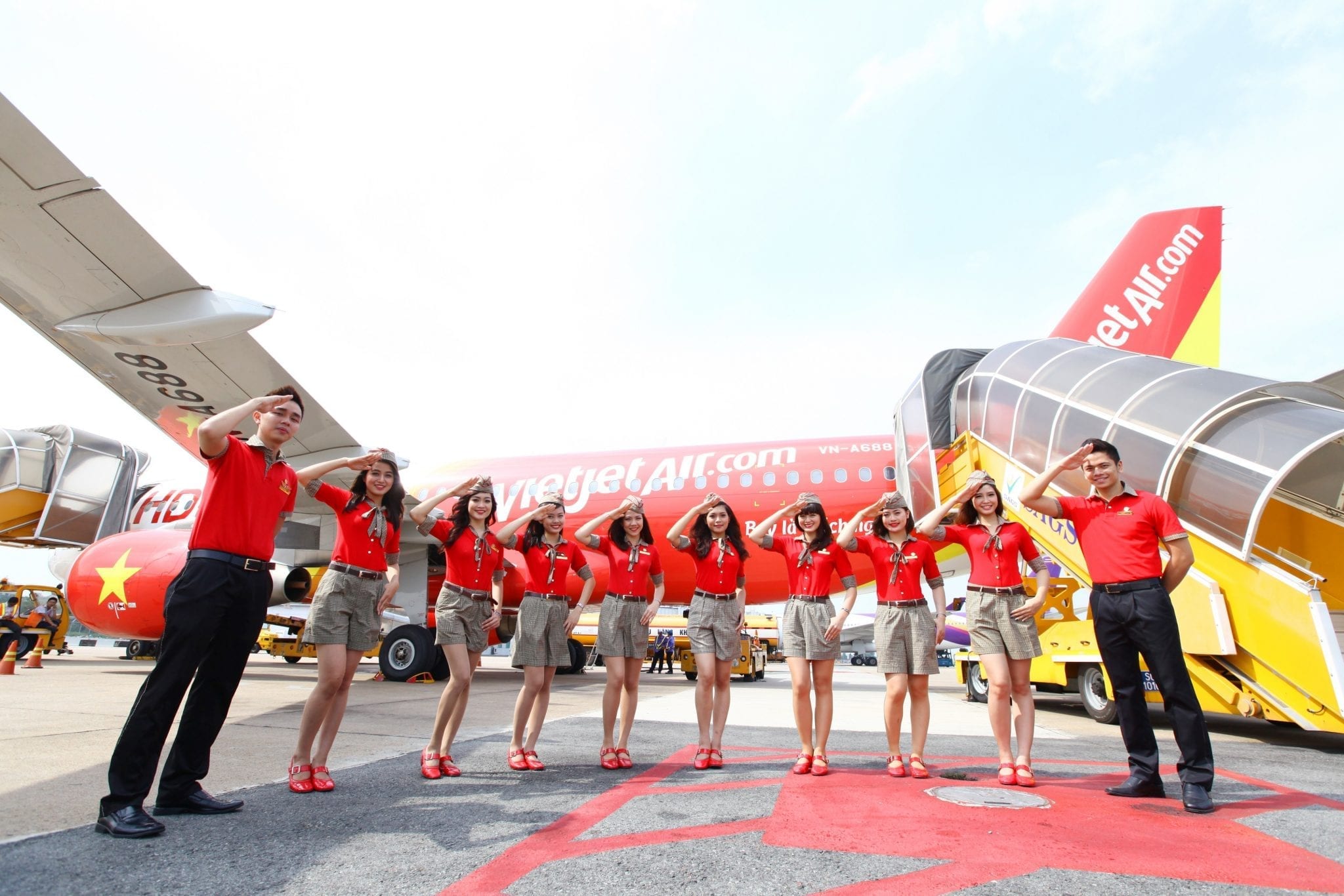
    Vietjet today announced the launch of a new international route connecting Ho Chi Minh City with the Indonesian capital of Jakarta. The announcement ceremony was witnessed by high-ranking dignitaries from Vietnam and Indonesia on the official visit of His Excellency Mr. Nguyen Phu Trong, General Secretary of the Communist Party of Vietnam to Indonesia. The new route will meet the increasing demand for travels between the two countries and boost regional trading and integration.

    The Ho Chi Minh City (HCMC)-Jakarta route, a three-hour journey, will operate daily from December 20, 2017. The HCMC-Jakarta flight departs from HCMC at 20:40 and arrives in Jakarta at 23:40 (local time). The return flight takes off at 01:40 (local time) and lands in HCMC at 04:40.

    Mr. Dinh Viet Phuong, Vietjet’s Vice President, said: “Since its inception, Vietjet has been developing friendly and professional flight services in operating key international routes, helping connect Vietnam’s main business and tourism hubs with foreign destinations, including Jakarta. With its mission of making air travel approachable and possible for everyone and building a future in the air, Vietjet’s new route from HCMC to Jakarta will boost ties between these two economic, cultural and financial hubs, thus helping to boost regional trading and integration.”

    Jakarta is famous for its own distinctive multicultural style, amazing cuisine and colorful tourism attractions. It also serves as a gateway to the country, which offers the world “Consistency in Diversity”. The Indonesian archipelago boasts UNESCO-listed world heritages such as Borobudur and Prambanan, Komodo National Park, Ujung Kulon National Park and Sumatra rainforest and, of course, breathtaking ‘paradise’ islands, such as Bali, one of the world’s most incredible beach destinations.

    In turn, Ho Chi Minh City will be the country’s doors to Indonesian visitors travelling in Vietnam, which also boasts UNESCO-listed world heritages and incredible beaches. The capital city of Hanoi is an incredible historic city with a rich culture and unique atmosphere. Other cities and destinations include the former imperial capital, Hue, a wonderful, romantic destination, the city of Da Nang, where there are stunning beaches and the wonderland of Quang Binh province, home to the largest caves in the world. As the country’s largest economic, financial and modern tourism hub, Ho Chi Minh City is a destination in its own right, one that visitors will find is as sweet and charming as it is dynamic and entertaining.

    With its high-quality services, special low-fare tickets and diverse ticket classes, Vietjet offers its passengers enjoyable flights with a dynamic and friendly flight crew, comfy seats, delicious hot meals, special surprises as part of the inflight activities and amazing ticket fares during the daily “12 pm, It’s time to Vietjet” promotion.

  • Asus Philippines pinning hopes on new smartphone

    Asus Philippines pinning hopes on new smartphone

    Asus Philippines has launched the Zenfone 4 series as is seeks to carve out more market share.

    Country manager George Su says the Taiwanese smartphone maker is seeking higher second-half growth after posting a 42 per cent hike in  smartphone sales during the first six months.

    “My boss gave me a much higher target for the second half,” he says, noting Asus is ranked fifth in the Philippine smartphone market. “We hope to be number four by the end of the year.”

    Asus CEO Jerry Shen says the firm is upbeat the Zenfone 4 series with its improved design, camera and audio.

    He says it is also easier to use and faster.

  • DHL eCommerce gets logistics technology platform – FarEye on board

    DHL eCommerce gets logistics technology platform – FarEye on board

    FarEye, a logistics management solutions company, became a partner of choice for DHL eCommerce to enhance its customer experience, optimise its resources and deliver its brand promise ‘real-time’.

    DHL eCommerce continuously invests in technology to improve processes and have better communication across all parties. FarEye’s platform became an apt fit as it seamlessly integrated with the organisation’s existing systems and made the IT infrastructure flexible and agile. Being a Software as a Service (SaaS) platform, FarEye gave DHL eCommerce the flexibility to the scale-up and down depending on the demand levels, which gave them an edge to adapt quickly to any work environment.

    DHL eCommerce measured vendors not only by the basis of the features they offered but evaluated them holistically from a ‘process proposed’ perspective.

    Charles Brewer, CEO DHL eCommerce, expressed: “With eCommerce growing at such a rapid pace we see a fantastic opportunity for high quality solutions that will offer a great customer experience and more choice, convenience and control for online shoppers. FarEye’s platform is scalable, future-oriented and flexible. With FarEye we can deliver ‘delight’ by having complete visibility of the logistics movement and keeping customer informed at every step, ‘real-time’.”

    Kushal Nahata, co-founder & CEO FarEye, said:“FarEye is an indispensable support system for brands whose focus is enhanced customer experience and complete visibility of their logistics. Our association with DHL e-commerce has been extremely gratifying as we were competing against giants. FarEye is an enterprise grade technology platform and this win is a testimony to our platform’s capability and defined processes. We shall continue to strive towards excellence and keep our customers at the center of all our activities.”

    FarEye has proved to be a partner of choice for DHL eCommerce by optimising their resources, enhancing their customers’ experience with real-time alerts & smart analytics and making parcel shops more efficient with complete visibility.

  • Carmakers agree to update software of 600,000 diesel cars

    Carmakers agree to update software of 600,000 diesel cars

    Austria’s Transport Minister Joerg Leichtfried said on Tuesday he had agreed with carmakers to update the software of 600,000 diesel cars to reduce pollution following a similar deal struck in Germany after a large-scale emissions scandal.

    Leichtfried said the deal also included extra payments to buyers of more environmentally friendly cars. He said that for potential buyers of electric cars all available financial help could add up to around 10,000 euros ($11,750) per vehicle.

    The exact amount of incentives, which will come in addition to existing government sweeteners for e-car buyers, will be decided and paid by the carmakers depending on the model of the vehicle exchanged for an old car, the spokesman of Austrian car importers association Guenther Kerle said.

    The Transport Ministry said representatives of Mercedes-Benz, BMW, Kia, Ford, Renault, Porsche, Volkswagen, Audi, Seat, Skoda, Hyundai, Mitsubishi Motors and Opel attended the meeting.

    VW, Mercedes, Renault and possibly BMW will undertake the software updates, and the others will just take part in the incentives programme, the ministry said.

    German politicians and car bosses agreed earlier this month to overhaul engine software on 5.3 million diesel cars to try to repair the industry’s battered reputation.

    However, environmentalists said the plan – almost two years after Volkswagen admitted to cheating U.S. diesel emissions tests – was too little, too late.

    The Austrian software update, which would take until spring next year and which carmakers say can reduce toxic nitrogen oxides (NOx) emissions by 25-30 percent, is the same as in Germany, Kerle said.

    Critics of the German plan have said software updates would only result in a cut of about 2-3 percent of emissions.

    Leichtfried and Kerle said there was no agreement on hardware updates, but that this would be discussed at future meetings.

  • Reject shop continues slide, but predicts uptick

    Reject shop continues slide, but predicts uptick

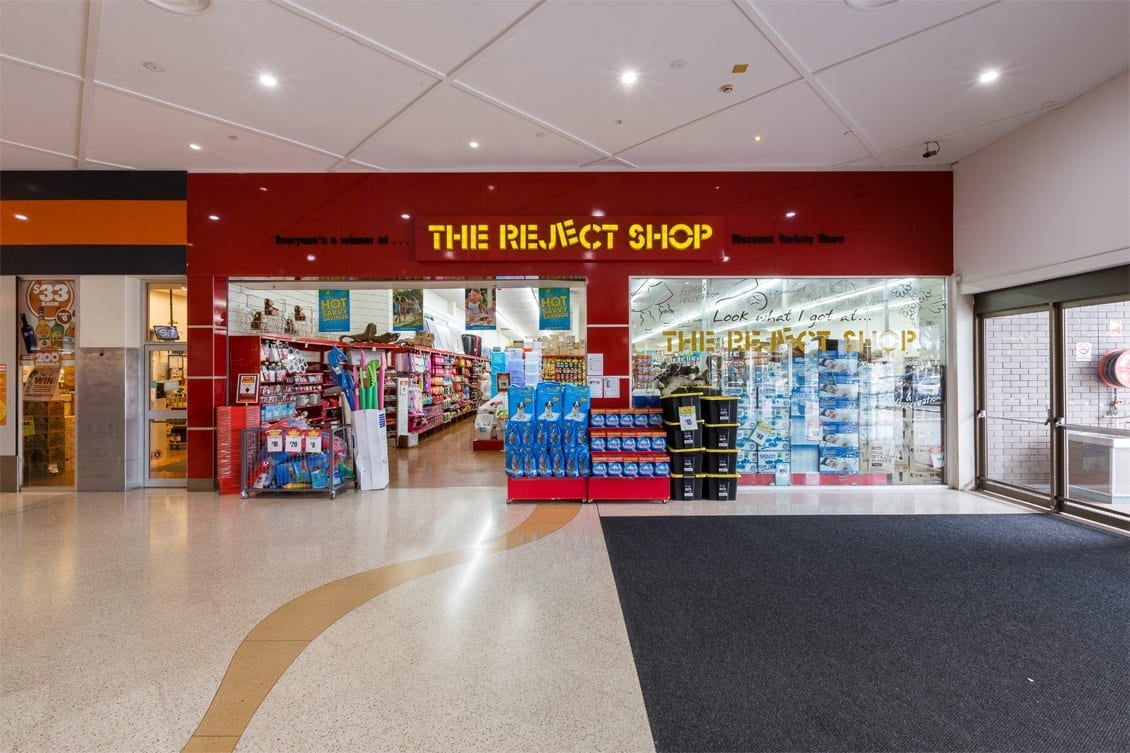
    Struggling discount retailer, The Reject Shop has booked another decrease in profits and earnings, with comparable sales declining in the first weeks of FY18, despite strength in the June-half.

    Net-profit-after-tax decreased by 27.8 per cent to $12.3 million for the year ended 30 June, in line with guidance provided by the company in April.

    Total revenue increased by 1.2 per cent on a 52-week year-on-year basis to $794 million on trading from six additional stores in the network opened during the year, but earnings earnings before interest and tax (EBIT) declined by 25 per cent to $18.6 million on a 1.6 per cent decline in comparable store sales.

    Sales strengthened in the June-half, increasing by 2.5 per cent on a comparable store basis, but was overshadowed by weakness in the first half, driven by what CEO Ross Sudano said was “poor management” of merchandise.

    Sudano said foot traffic had suffered as customers had reacted poorly to the frequency of inventory changes in stores, with an overhaul of merchandising in the second-half resulting in a reduction of new product flowing into stores and an improvement in the availability of key legacy lines.

    Despite strength in May and June, sales have dipped back into negative in the first weeks of FY18, declining by 3 per cent on a comparable basis; however Sudano remains confident trading will pick up, outlining a $16 – 17 million NPAT guidance for 1H18.

    “While this has been an extremely challenging time in the retail industry, our business has emerged through this period in better shape and well placed to deal with the impacts of the external factors that influence retail,” Sudano said.

    “The financial performance for the year has been significantly impacted by the combined effects of weak consumer confidence and execution issues … we have implemented actions to address this, including better managing promotional activity and the frequency of change in store, reinvesting in our key everyday lines.

    “We are confident that our continuing initiatives to improve sales, along with the positive effects expected from the promotional activities planned from September, will see the company return to positive comparable sales growth during the half, albeit at a low level,” he continued.

    Continued weakness in Western Australia and poor trading in the ACT had a material impact on the result, as management invested in a range of cost saving programs, including demand forecasting and power management systems, as well as initiatives to streamline supply chain processes.

    “Two years into the change program we are on we’ve made progress however sales growth remains our key opportunity as we come to the end of phase one and begin phase two we have made progress in understanding our customers and the development of a clear, customer focused merchandise strategy,” Sudano told investors on Wednesday morning.

    Investors remain concerned about the outlook for The Reject Shop, with intensifying competition in Western and South Australia from Aldi and the prospective entry of Amazon standing to pile on the pressure for the struggling business.

    But Sudano remains confident in the outlook for discount retailing in an Amazon Australia, noting that in overseas markets such as the US discounters have been performing well relative to other retail segments such as department stores.

    “Competition has been a constant for us and yes Amazon represents one more competitor, albeit a very good competitor, but our analysis of markets like the UK, US and Canada shows there is a clear role for discounters, even with the rapid growth of Amazon those businesses have been able to continually grow year-on-year,” he explained.

  • Cisco to buy Springpath for $320m

    Cisco to buy Springpath for $320m

    Cisco and Springpath have apparently been working together for a while, and this will let Cisco bring those teams in-house rather than having to build them from scratch.

    Springpath’s specialty is hyperconvergence, and it has developed a distributed file system aimed at enabling server-based storage services.

    Hyperconvergence is a term I’m still coming to grips with. Basically, it seems to entail taking all the virtual stuff we’ve seen driving the cloud revolution, and combining it back with the hardware again to condense everything back down into a one-stop-shop appliance that retains the virtualization flexibility provided by the hypervisor and such despite looking more and more like, well, a mainframe…

    But I digress. Cisco’s move is another step down the path toward generating value from the software more than from the hardware, and $320 million is of course petty cash for them. The deal is expected to close in Cisco’s fiscal Q1/2018, which I believe would be by the end of October 2017.

  • I’m Startice takes Korea to BigBox Mall

    I’m Startice takes Korea to BigBox Mall

    It is the global chain’s first outlet in Singapore and the third in Southeast Asia. On the mall’s second floor, its products range from cosmetics to food and household wares. Online buyers can also pick up their products at the store.

    BigBox says the store is an initiative by the South Korean government to promote the nation’s goods internationally. I’m Startice also has outlets in China, Indonesia, the US and Vietnam.

    Many cosmetic brands not available in other Singapore shops feature at I’m Startice, such as Dr Young, Klayuu and Mogong Dodook, reports Yahoo! Lifestyle.

    Beauty and food products are among the store’s bestselling items, says store manager Jenna Sim.

  • Revenue rises 10 per cent for Old Chang Kee

    Revenue rises 10 per cent for Old Chang Kee

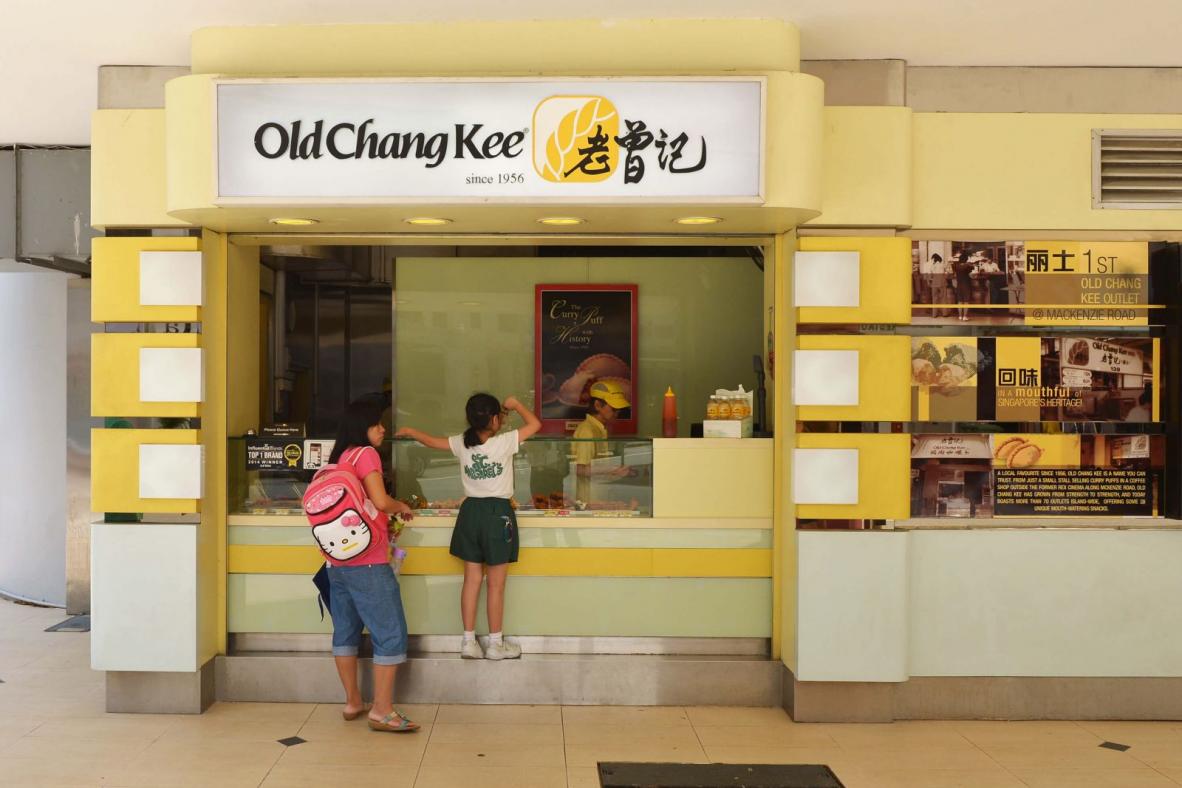
    Food brand Old Chang Kee’s first-quarter group revenue rose 10.7 per cent year on year to about S$20.6 million (US$15.1 million).

    Revenue from retail outlets has similar growth, up by about $2 million, attributed mainly to the contribution of new outlets and higher sales at existing stores, partially offset by absence of revenue from outlets closed temporarily because of mall revamps.

    Old Chang Kee’s signature curry puffs were still the major contributor to its revenue, accounting for about 33.6 per cent of the total, edging up from about 33.2 per cent for the same quarter last year.

    Profit before tax dropped by 20.8 per cent from about $1.2 million in the first quarter last year to about $914,000.

    The group is integrating its factory in Iskandar Malaysia and is expanding its two Singapore plants with the aim of broadening its product range and increasing production efficiency to grow its business both locally and regionally.

    “As the labour shortage situation in the F&B sector shows no signs of abatement, labour costs are expected to continue trending upward while general consumer sentiment remains cautious,” says executive chairman Han Keen Juan.

    He says the group will continue to explore ways to improve efficiency and profit margins. This will include strengthening its brand positioning, product offerings and process flow, “and tapping on the strong support of government agencies whenever possible”.

    As at June 30, the group ran 89 outlets in Singapore, down from 85 stores 12 months earlier. There are also three overseas stores, in Australia, Indonesia and Malaysia.

  • Myanmar’s KBZ Bank adopts virtualization

    Myanmar’s KBZ Bank adopts virtualization

    Myanmar’s Kanbawza Bank (KBZ Bank) plans to virtualize its data center to help support the nation’s growing digital economy.

    KBZ Bank will be modernizing its IT infrastructure for the benefit of all 482 branches as well as representative offices in Thailand, Singapore and Malaysia.

    With more than 40% market share of the commercial and retail banking business in Myanmar, KBZ Bank recognizes innovation and digital transformation to be crucial in its expansion at home and abroad.

    The virtualized and agile environment provides bank employees with a digital workspace and the freedom to work on any device, giving them more opportunities to collaborate internally with others at the bank.

    When asked about KBZ’s broader digital plan, KBZ Bank’s CEO and advisor to the chairman Mike De Noma replied, “This is just one of the many steps we will be taking to do our part to support the government’s efforts to make Myanmar a digital leader in the decade ahead and to maintain its position as a mobile first nation.”

    Virtualization across the entire infrastructure from compute to storage and network allows KBZ Bank to scale up or down based on business needs, driving down operational and ownership costs significantly and simplifying IT management. The stability of the environment also ensures system up-time of its ATMs and branches, and boosts the bank’s ability to respond faster to demand spikes.

    The bank will use software-defined data center technologies to provide more secure services and new applications to cater to the growing demand for digital services from corporate, SME and retail customers.

    As Myanmar opens up further to foreign investment, the risk of cyber-attacks also increases for businesses. For its part, KBZ Bank is strengthening the security of data and processes through a virtualized network with VMware NSX which tags specific IT policies to each individual workload.

    Each workload is protected from attackers who manage to breach the perimeter defenses of a data center, enhancing the security of KBZ Bank’s IT infrastructure and better safeguarding the confidential information of its customers.

  • ‘Dire’ Foot Locker results reflect sudden fall from grace

    ‘Dire’ Foot Locker results reflect sudden fall from grace

    A dire set of Foot Locker results have blown the company firmly off track and mean that the outcome for this fiscal year is going to be poor.

    Foot Locker was already down on its forecast thanks to a slow first quarter, but the latest comparable sales dip of 6 per cent along with the total sales slide of 4.4 per cent represent a significant deterioration. Moreover, the outlook is also weak, with the company cautioning that more negative results could follow as it moves into its second half.

    Given that Foot Locker has been investing in things like new store formats and growing its apparel business, the extent of the negative results come as something of a surprise. This is all the more so because while overall consumer demand for sneakers was a little soft during the quarter, it did not fall by anywhere near the level of Foot Locker’s decline. In other words, the company lost market share.

    The main issue is that Foot Locker was a little off-pitch in terms of the styles it showcased and did not have anywhere near enough stock of the key lines and items that consumers wanted. Taken together, these things reduced conversion rates and average spend. Admittedly some other unhelpful trends exacerbated this, including footfall declines at some locations where Foot Locker has stores, but these were relatively minor in comparison to the range issues.

    Foot Locker’s sudden fall from grace points to a truism in today’s sports market: customers want and demand constant newness and innovation and punish firms that don’t deliver it. This is something that Nike has spoken about on several occasions, alluding to the fact that new technical capabilities and new iconic styles are essential ways to get consumers to buy new things like sneakers when their existing pairs are still functional.

    Nike itself has been at the forefront of these innovations, pushing lines like its Air Vapormax Flyknit sneakers.

    While Foot Locker carried this line, stock levels were not always good across the business during the second quarter. This follows on from very poor availability during the first quarter when only a few SKUs of the range were carried – disappointing some customers who then didn’t return.

    On top of availability issues, Foot Locker was not able to offer the excitement of the customisable and more expensive iD element of the Vapormax range, which Nike facilitates via its website. As much as this isn’t in the company’s control, it represents a significant problem that suggests Foot Locker needs to work much harder at creating its own points of experience and interaction.

    The negative sales numbers took their toll on the bottom line. Unfortunately, this decline was exacerbated by a $50 million litigation fee related to a court decision about its pension scheme. Without this, net income would have been down by 28 per cent, but including the fee, it tumbled by a dramatic 60 per cent.

    Looking ahead, expect Foot Locker to regain some momentum. However, making up the ground lost this quarter is almost impossible. As such, this outlook for this year is fairly bleak.

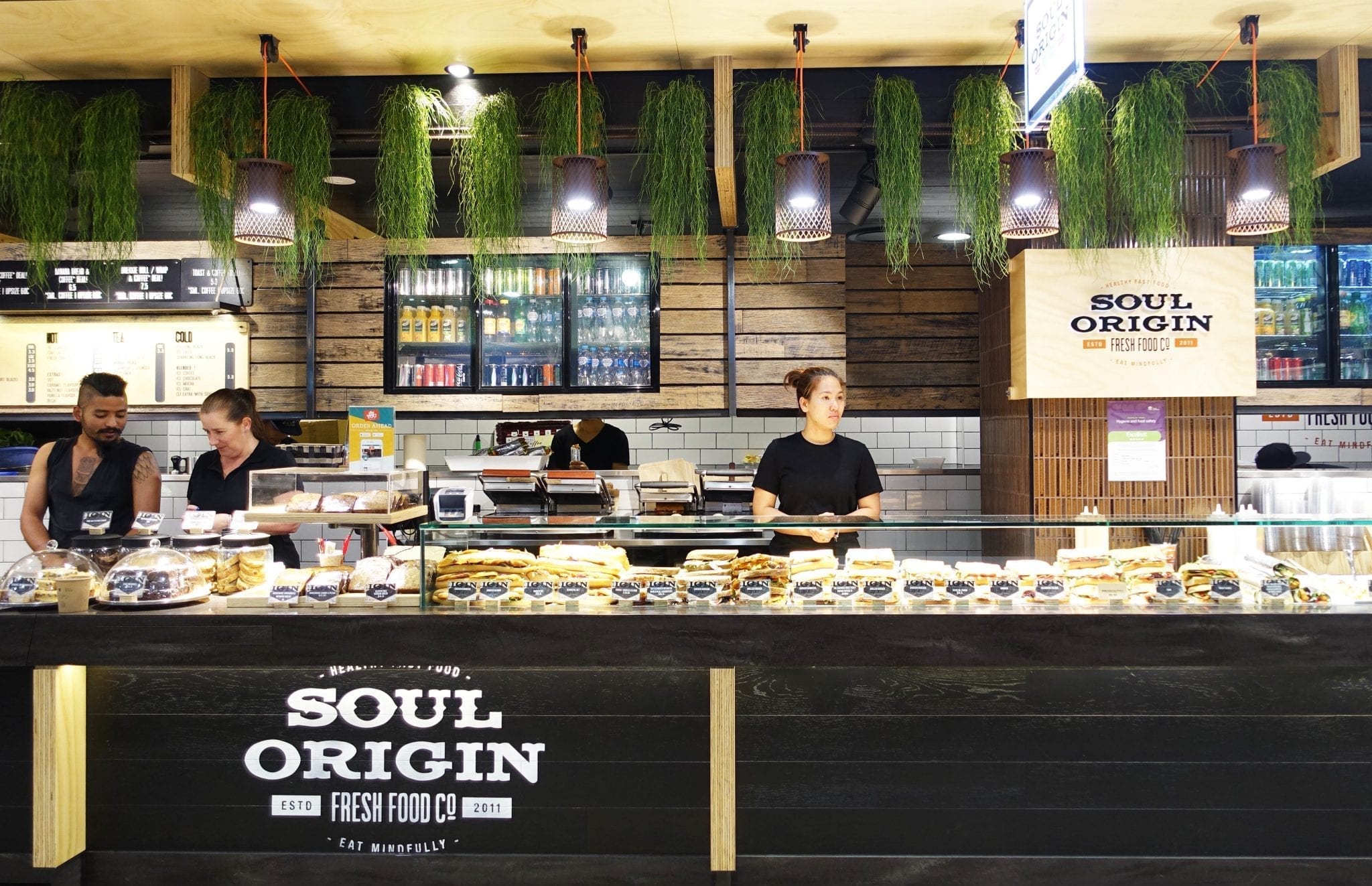
  • Soul Origin eager to hit “golden century” mark

    Soul Origin eager to hit “golden century” mark

    Health fast food brand and coffee chain, Soul Origin, has recorded 12 per cent same store sales growth and continued to achieved double digital growth in its coffee sales.

    The fastfood chain has also continued its expansion with the opening of its 75th store last week in Melbourne Central, Victoria.

    Chris Mavris, Soul Origin chief operating officer, said Soul Origin plans to reach 100 stores before the end of the 2018 financial year.

    “Soul Origin’s growth plans have stepped up a notch this financial year as we continue to expand in our existing markets of Queensland, News South Wales, Victoria and South Australia,” Mavris said.

    Mavris said they will also open their first store in Western Australia later this financial year.

    In the past 12 months, Soul Origin has opened 30 new stores, expanding from New South Wales into the Australian Capital Territory, Queensland, Victoria and South Australia.

    Mavris said the rapid growth was on the back of strong double digit same store sales growth across the network, highlighting high customer demand for Soul Origin’s offering.

    “In addition, we have strengthened our corporate support team, which has doubled in size in the past six months, to assist with our store expansion and continue to provide our high level of support to our franchisees and their stores,” he said. “We have boosted our capabilities in both store and coffee training, property, recruitment, marketing as well as our store opening teams. We have no plans of slowing down!”

    Mavris said he was eager to hit the golden ‘100 stores’ mark over the coming months.

    “We are building a solid foundation that will help expand the Soul Origin brand into more communities and new territories. It’s very rewarding to see the business continuing to go from strength to strength,” Mavris said.

  • Cos to open third store in Melbourne

    Cos to open third store in Melbourne

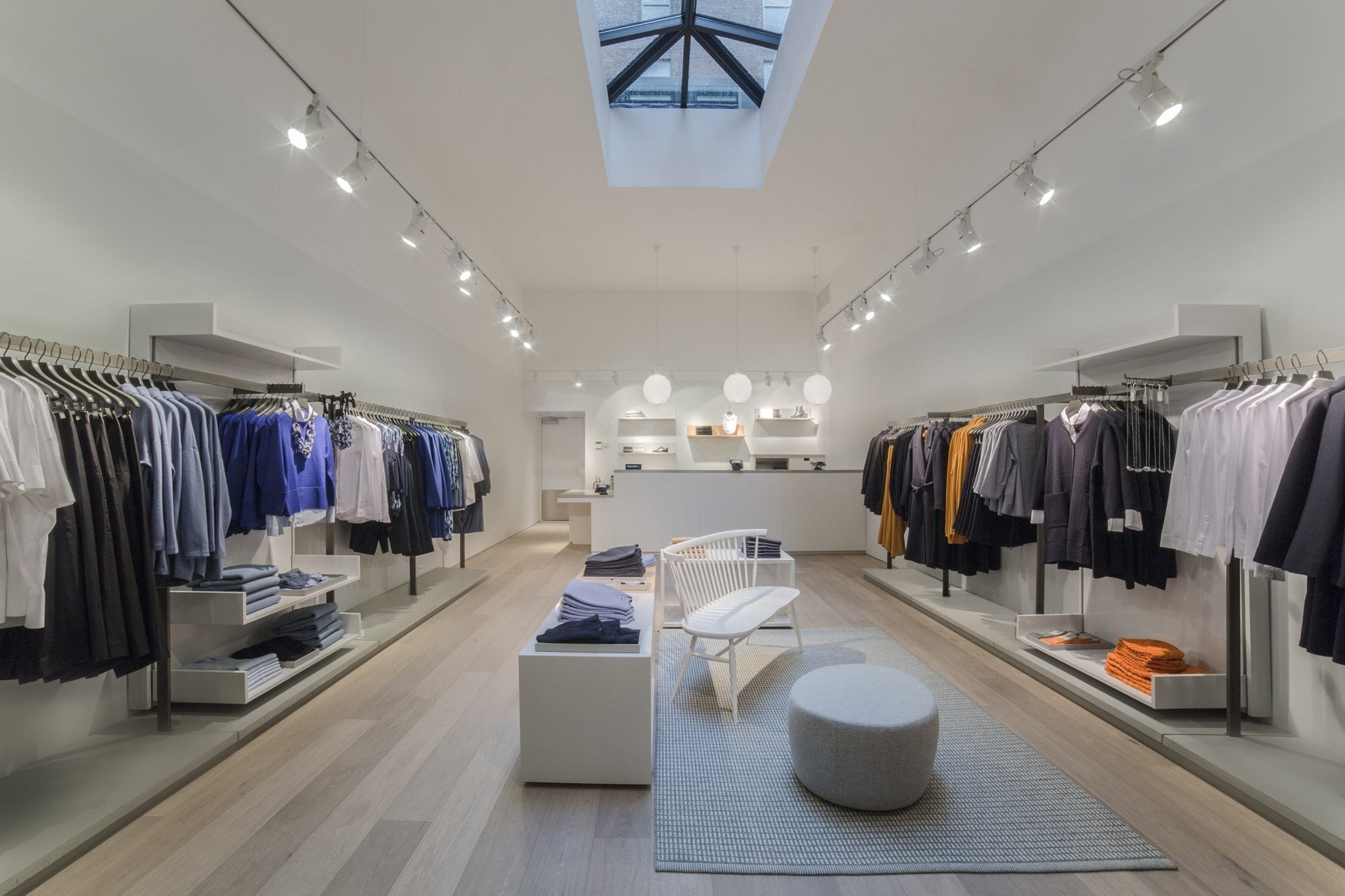
    H&M-owned Cos is opening its third Melbourne store in the inner suburb of Armadale this spring.

    Spanning 248sqm, the single-level store will hold the brand’s SS17 collection and feature an internal courtyard and skylight space.

    The fashion brand said it will use the original Edwardian architectural features of the early 20th century building and incorporate its “aesthetic of clean and modern lines combined with natural elements.”

    “We hope that this new store will allow our customers to continue to explore Cos in a great new environment,” said Marie Honda, managing director of Cos.

    Cos, which stands for Collection of Style, is H&M’s second-largest brand and targets a slightly older consumer with its minimalist aesthetic and higher price points.

    It is positioned alongside the Swedish company’s other brands, Other Stories, Cheap Monday, H&M Home, Monki and Weekday.

    “An important part of the H&M group’s strategy is to develop, launch and build new global brands,” said H&M CEO Karl-Johan Persson in July.

    “A good example of this is Cos, which will reach revenues of around 10 billion Swedish krona this year with profitability in line with that of the H&M brand. The value of Cos today already far exceeds the amount we invested in it, and this is just the beginning of the journey.”

    Cos’s opening at Armadale follows a recent spate of fashion brands moving into the area, with Decjuba Kids and Rebecca Valance recently opening in the suburb.

  • Michael Hill books profit, despite US weakness

    Michael Hill books profit, despite US weakness

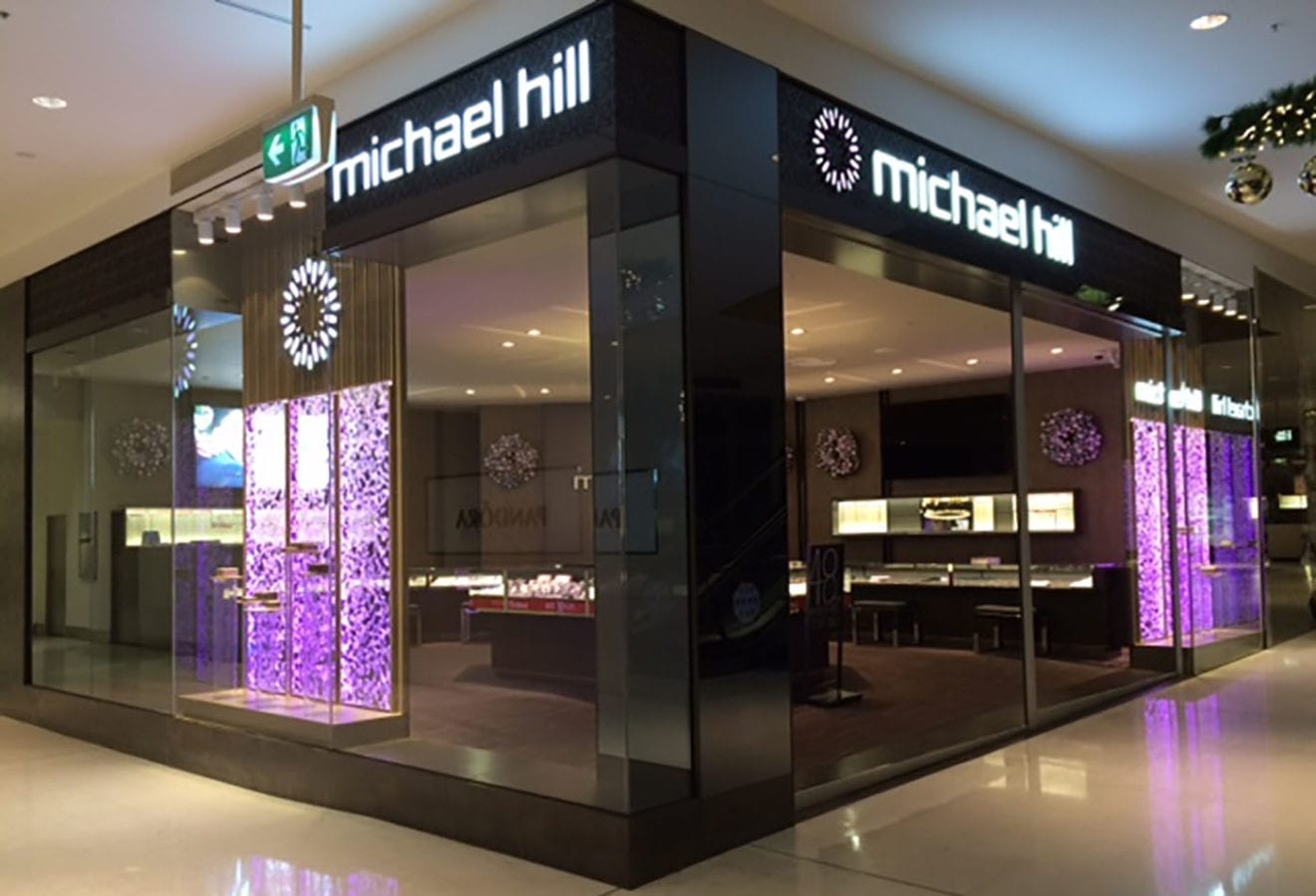
    Michael Hill CEO Phil Taylor has booked a 66.8 per cent increase in net profit after tax (NPAT) to 32.6 million for the year ended 30 June, amid a repositioning of its Emma & Roe brand and the introduction of proprietary lines to Michael Hill.

    The company recorded a 5.8 per cent increase in revenue to $582 million for the year, while earnings before interest and tax (EBIT) was up 2.3 per cent to 48.1 million.

    As it advised the market in July, comparable sales were up 1.5 per cent across the group, with 8.8 per cent same-store growth in Canada and 1.2 per cent growth in Australia driving the positive result.

    Taylor told investors on Monday morning that the introduction of proprietary lines into Michael Hill would cause some short-term pain for the company, including capital expenditure associated with design and margin pressures due to the clearance of old stock.

    He is, however, confident that the new “collections” range will be a pillar of the brand’s future growth, providing it with a key point of differentiation in the market and more flexibility around fashionability – an area of the market that’s growing relative to the traditional fine segment.

    “We do have a commitment to the branded collection strategy, we see it as the major differentiator for our brand in the mid-market,” Taylor said.

    “The flipside to that is that we need to make space for that in the store as well as funding that via capital requirements,” he continued, referencing a 35 per cent increase in capital expenditure for the year to $33.1 million, which was also impacted by legal costs from the last calendar year.

    At the more fashion-focused Emma & Roe brand, a review has been kicked off after significant investment yielded a 1.9 per cent decline in same-store sales and involves a repositioning of price and style.

    Still “opportunity” in the US

    Taylor still sees an opportunity in the US, despite comparable sales declining 8.8 per cent for the year, saying that the disruption associated with management changes, including the appointment of Brett Halliday as CEO, have now “settled”.

    “If we can stabilise [US operations], get some growth back in it gives us some options to look at what else we can do with the business [and ask] where else we can take it,” Taylor said.

    “It’s very much a case of exploring and thinking about the options, because it is a very large market and it is strong in our category – if we can find the right model it’s a huge opportunity for the business.”

    Taylor has previously said it will be “hard to justify” continuing the US venture to the board if a material improvement can’t be achieved by the end of FY18.