Author: Mei Ling Tan

  • Japan’s department stores see June uplift

    Japan’s department stores see June uplift

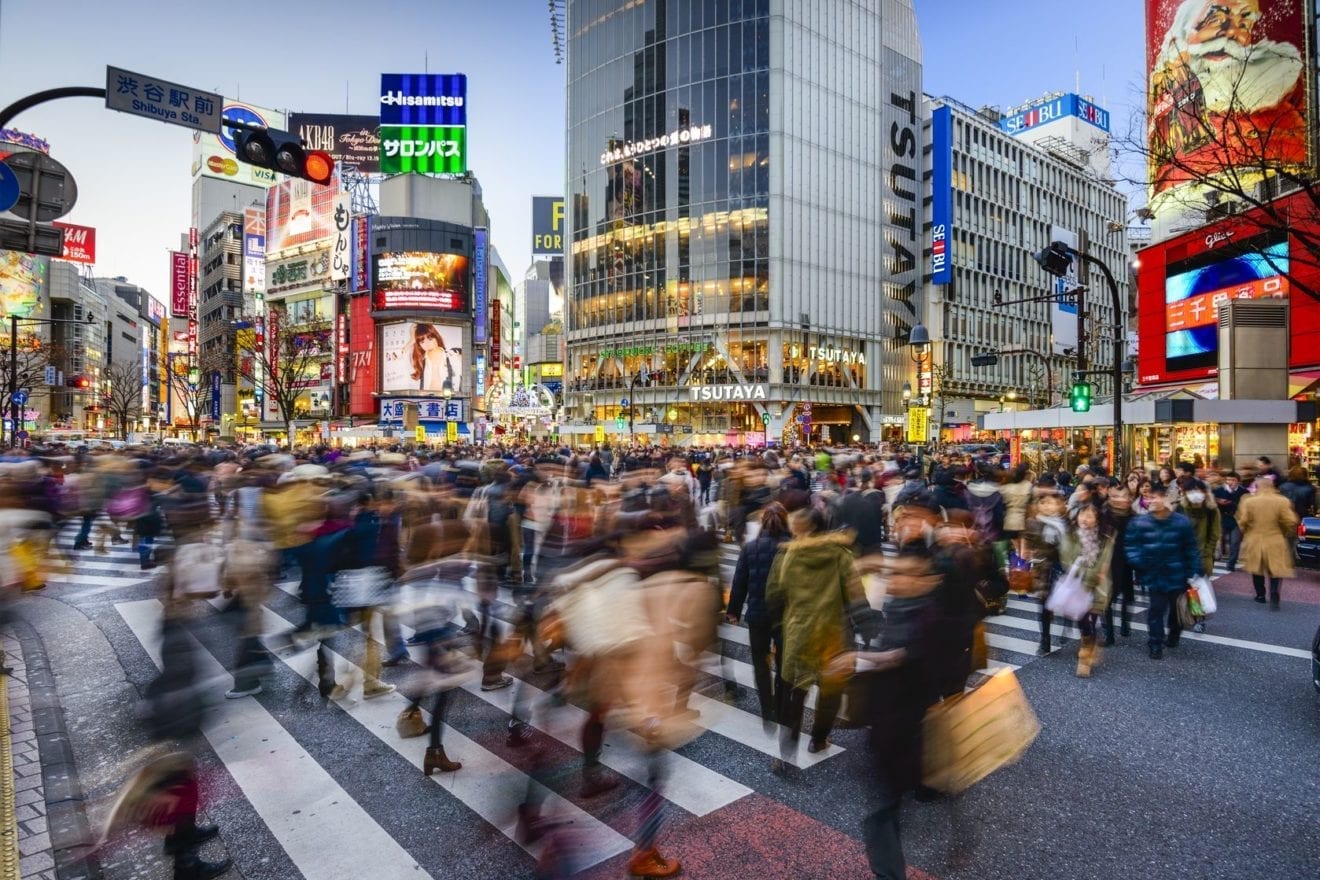
    Japan department stores saw higher sales in June, which was welcome news after they had fallen in the previous month, the sector’s industry body has said.

    Japanese department stores saw a welcome sales rise last month.

    Sales rose 1.4% year-on-year on a comparable basis at the 229 stores operated by the 80 companies that are part of The Japan Department Stores Association.

    Those 80 firms accounted for turnover of ¥472 billion last month.

    Department stores have faced major challenges in recent years but June’s figures offered some cause for hope, especially as sales had fallen 0.4% in May after rising 0.7% in April. April’s increase  had been the first for 14 months.

    The June rise also helped the three-month average to a 0.7% increase, the first growth in 18 straight quarters.

    The Japan Department Stores Association cited a number of reasons for the increase, from the start of the summer clearance sales (which had been switched from July to June) to high-spending foreign tourists and a return of confidence among more affluent local shoppers.

    In fact, sales to foreign visitors rose a massive 41.4% to ¥18.4 billion.

    It was the second consecutive month that such sales rose more than 40%.

    The Association said cosmetics was one of the key categories to benefit and Chinese tourists were out in force.

    However, there was bad news for the fashion sector as clothing sales fell year-on-year, despite the added impetus of lower prices.

    That said, the clothing that did do well was warm weather fashion as high temperatures and a relatively dry rainy season boosted demand and expensive items such as watches and jewellery were popular too.

  • Lacoste opens a store at Lotte duty free World Tower

    Lacoste opens a store at Lotte duty free World Tower

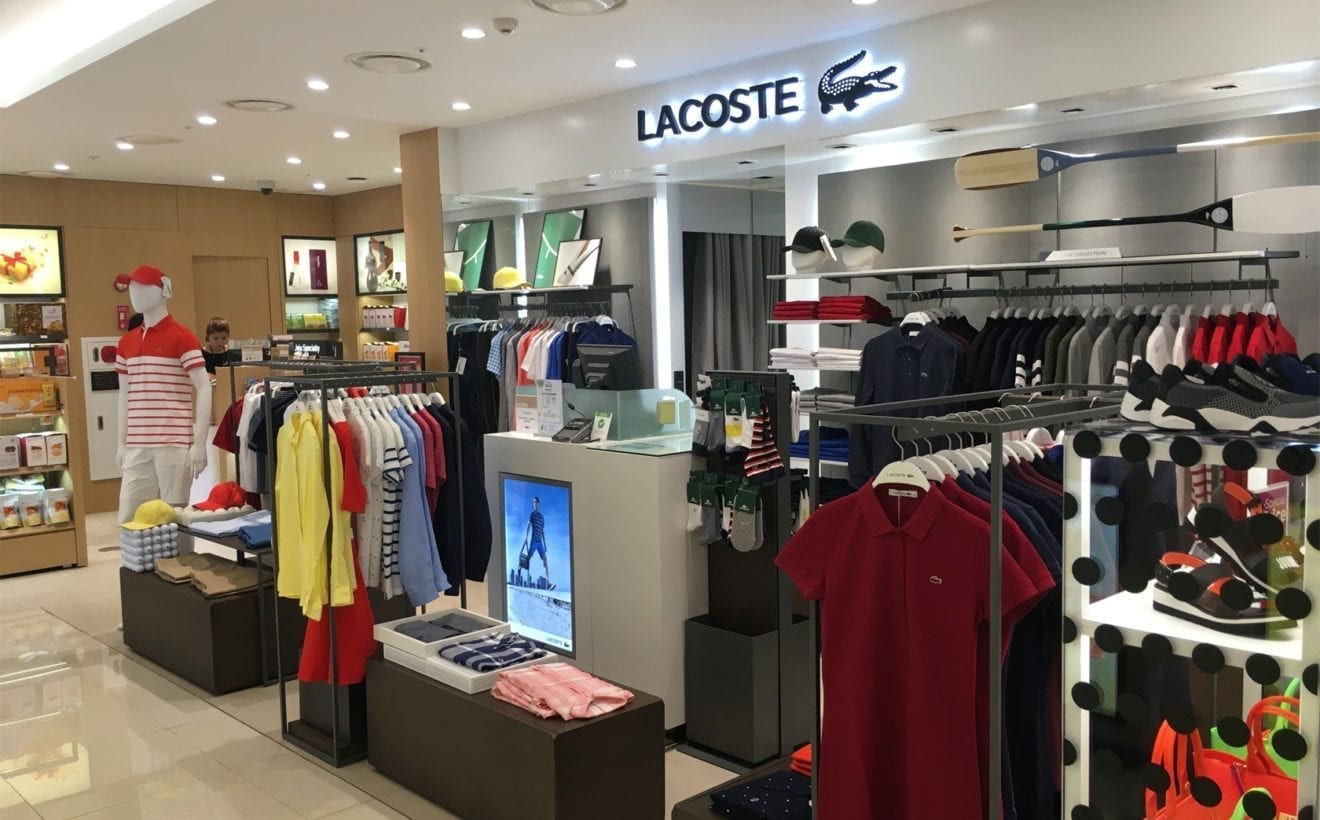
    Lacoste has bolstered its Asia Pacific presence with the opening of a 38 square meters store at Lotte Duty Free World Tower in Seoul.

    The new store reinforces Lacoste’s aim to strengthen and expand its presence in new geographical areas and find new ways of connecting with consumers before, during and after their trips.

    Lacoste CEO Asia Pacific & Global Travel Retail Jean-Louis Delamarre said: “We are thrilled to open this store in Lotte Duty Free World Tower.

    This opening in partnership with Lotte will allow us to further enhance our presence in Asia.”

    France’s premium casual brand Lacoste has been launching a ‘Life is a beautiful sport’ campaign based on the three values of authenticity, joy and elegance in the branding industry since 2014.

    Also in May, Novak Djokovic, world-renowned tennis player, was chosen as a brand new face to represent the brand. Lacoste selected Novak Djokovic as the new face of the brand to inherit the strength and fair play spirit that the brand has pursued since its founding.

    The comfortable elegance that Novak Djokovic shows and his unique play fit perfectly with the DNA of the brand, and it is raising expectations.Novak Djokovic has signed a five-year contract with Lacoste and will be active in and out of the court as an icon representing Lacoste’s brand.

    Lacoste was created by René Lacoste in 1933, a tennis legend. Rena Lacoste, famous for his persistent and robust play, has had the nickname of a crocodile, which symbolizes his brand. Meanwhile, as reported, Lotte Duty Free partially reopened the store on 15 January, 193 days after it was forced to close on 26 June 2016, following its unsuccessful 2015 bid to retain its licence.

    The 17,334 square meters store is the second-biggest in Asia and the world’s third-largest. The new space is +52 percent bigger than the original 14,011sq m shop. The integrated retail offer connects the new World Tower space with the existing adjacent store in the Avenuel building.

  • Changi Airport to open Terminal 4, AirAsia to shift there

    Changi Airport is on track to open its new Terminal 4 (T4) later this year with nine airlines, including AirAsia Group, moving their operations there. Besides AirAsia Group, Cathay Pacific, Cebu Pacific, Korean Air, Spring Airlines and Vietnam Airlines will also move to T4.

    Together, they serve an estimated eight million passengers at Changi Airport each year and collectively operate close to 800 flights a week to over 20 regional destinations.

    Changi Airport Group (CAG) on Tuesday organised a special media preview of T4 with the session conducted by its director (corporate  and  marketing communications) Dennis Yim.

    Yim said CAG would decide on the starting date for T4 operations when operational readiness trials – currently in the final stage – had been completed.

    “These trials will involve commercial flights operated by airlines moving to the terminal,” he said.

    He said with T4, the total handling capacity of Changi Airport would be raised to 82 million passengers per annum.

    “There will thus be more capacity at Changi’s terminals to support the growth plans of all airlines,” he said.

    T4 project, which was completed after three years of construction, has a total floor area of 225,000 sq  metres, including the two-storey terminal, car parks and taxi deck.

    According to Yim, although just half the size of Terminal 3 (T3), the planners and designers of T4 have managed to deliver a terminal that will have a capacity of 16 million passenger movements a year, two-thirds that of T3.

    Yim noted that T4 would be the first terminal at Changi Airport to offer end-to-end Fast and Seamless Travel (FAST) for departing passengers.

    “With the extensive use of technology, including facial recognition software, FAST redefines the passenger’s travel experience, enhances operational efficiency and raises productivity.

    “Passengers will enjoy the flexibility of checking in at their own convenience, without having to wait for counters to open,” he said. FAST will also yield productivity gains with manpower savings of about 20% expected in the longer term, when operations have stabilised, said Yim.

    T4 houses two lounges — Cathay Pacific’s First and Business Class Lounge and SATS PPG Blossom Lounge. Changi Airport is the world’s sixth busiest airport for international traffic, serving 58.7 million passengers from around the globe in 2016.

    Including the soon-to-be-opened T4, Changi Airport will have 400 retail and service stores, as well as 140 food and beverages (F and B) outlets. Yim said T4 alone would be home to over 80 retail and F & B outlets.

    With over 100 airlines providing connectivity to 380 cities worldwide, Changi Airport handles about 7,000 flights every week, or about one every 90 seconds.

  • Huawei maintains China smartphone lead

    Huawei maintains China smartphone lead

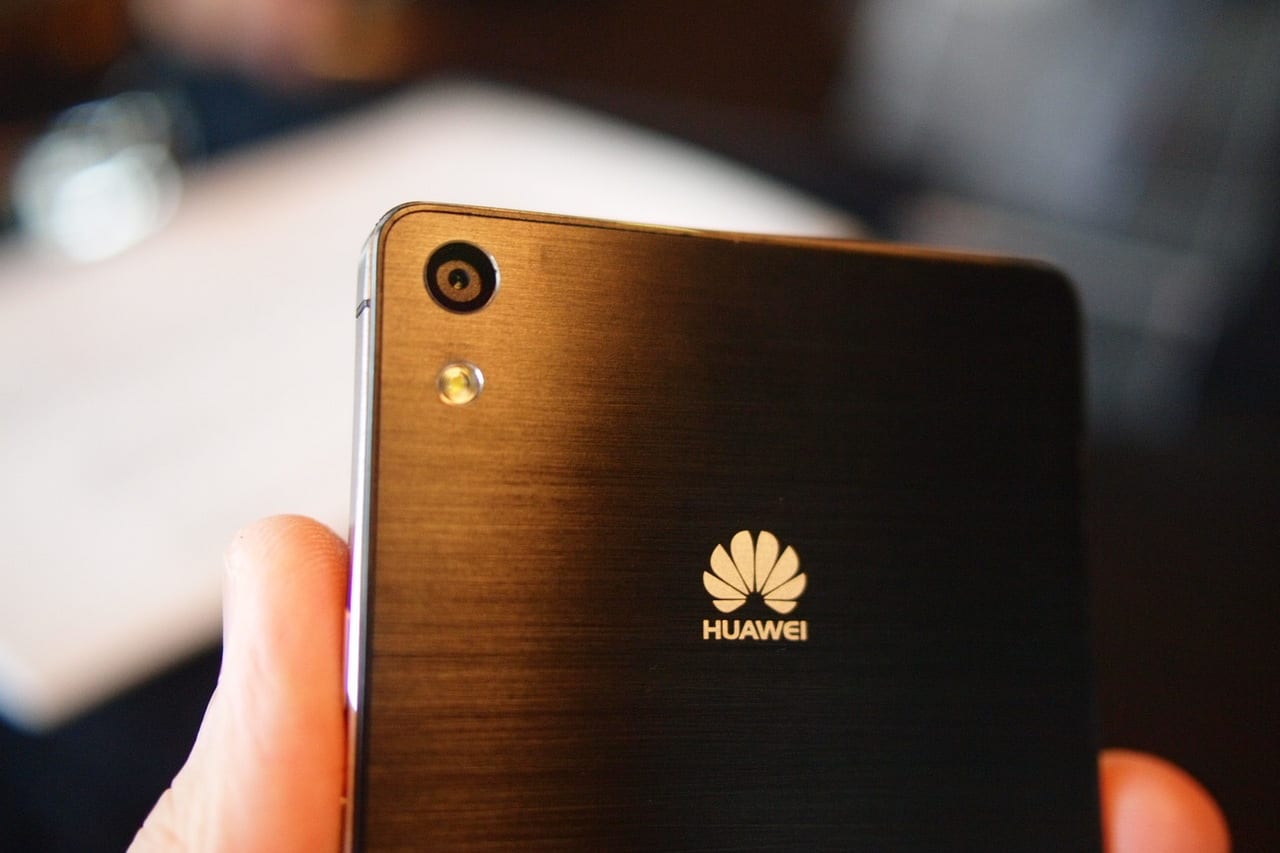
    Huawei maintained its lead in China’s smartphone market for the second straight quarter during Q2, while Xiaomi supplanted Apple to take fourth place, according to Canalys.

    Huawei shipped over 23 million handsets during the quarter, the research firm said. China’s smartphone market is now firmly dominated by local vendors, with Oppo taking second place after increasing its shipments by 37% year-on-year to 21 million, and Vivo taking third place with 16 million.

    Likewise, Xiaomi reported a strong 60% quarter-on-quarter growth in handset shipments to 15 million, taking over from Apple in fourth place. Xiaomi is achieving this momentum by focusing on low-cost handsets, according to Canalys research analyst Lucio Chen.

    “Xiaomi still offers the best value in the Chinese market, and it remains the preferred choice for price-conscious consumers. The online channel continues to be a key route to market for Xiaomi and this quarter saw it take the lead in the 618 online sales events across online retail platforms, such as JD.com and Tmall,” he said.

    The rest of China’s top ten smartphone vendors, including Apple, Samsung and Meizu all suffered annual shipment declines during the quarter.

    With the top five brands accounting for almost three quarters of shipments for the quarter, the smartphone market is showing signs of continuing to consolidate, Canalys said.

    Total shipments also fell 3% during the quarter to 113 million, putting an end to six consecutive quarters of growth.

  • Airtel Q1 profit shrinks 75% on strict competition

    Airtel Q1 profit shrinks 75% on strict competition

    India’s Bharti Airtel has reported a steep 75% decline in first quarter profit as a result of the intense competition triggered by the entry into the market of Reliance Jio Infocomm.

    Net profit fell to 3.67 billion rupees ($56.9 million), marking the Indian incumbents third straight quarter of declining income.

    Revenue meanwhile fell 2.6% to 255.46 billion rupees, with India revenue down 10% to 172.44 billion rupees, driven by a 14.1% decline in mobile revenues to 129.15 billion rupees.

    By contrast, African revenues grew 1.5% year-on-year in constant currency terms. But African mobile revenues fell to 48.53 billion from 62.49 billion a year earlier.

    The steep decline was felt despite the operator increasing its total customer base by 6.2% to 379.9 million across 17 countries. In India, the operator also reported a record 5.2 million customer increase in data subscriber base during the quarter.

    “The pricing disruption in the Indian telecom market caused by the entry of a new operator [Jio] continued with industry revenues declining over 15% YoY, creating further stress on

    sector profitability, cash flows and leverage,” Airtel CEO for India and South Asia Gopal Vittal commented.

    “Consequently, our [Indian] revenues declined 10% and EBITDA margin eroded by 5.3% YoY. We remain committed to providing the best value & experience to our customers and continue to invest towards it. As a result, our network witnessed data and voice traffic growth of 200% and 34% YoY respectively.”

  • AEON Offers Premium Privileges with “AEON SHOP PLUS 2017” Campaign

    AEON Offers Premium Privileges with “AEON SHOP PLUS 2017” Campaign

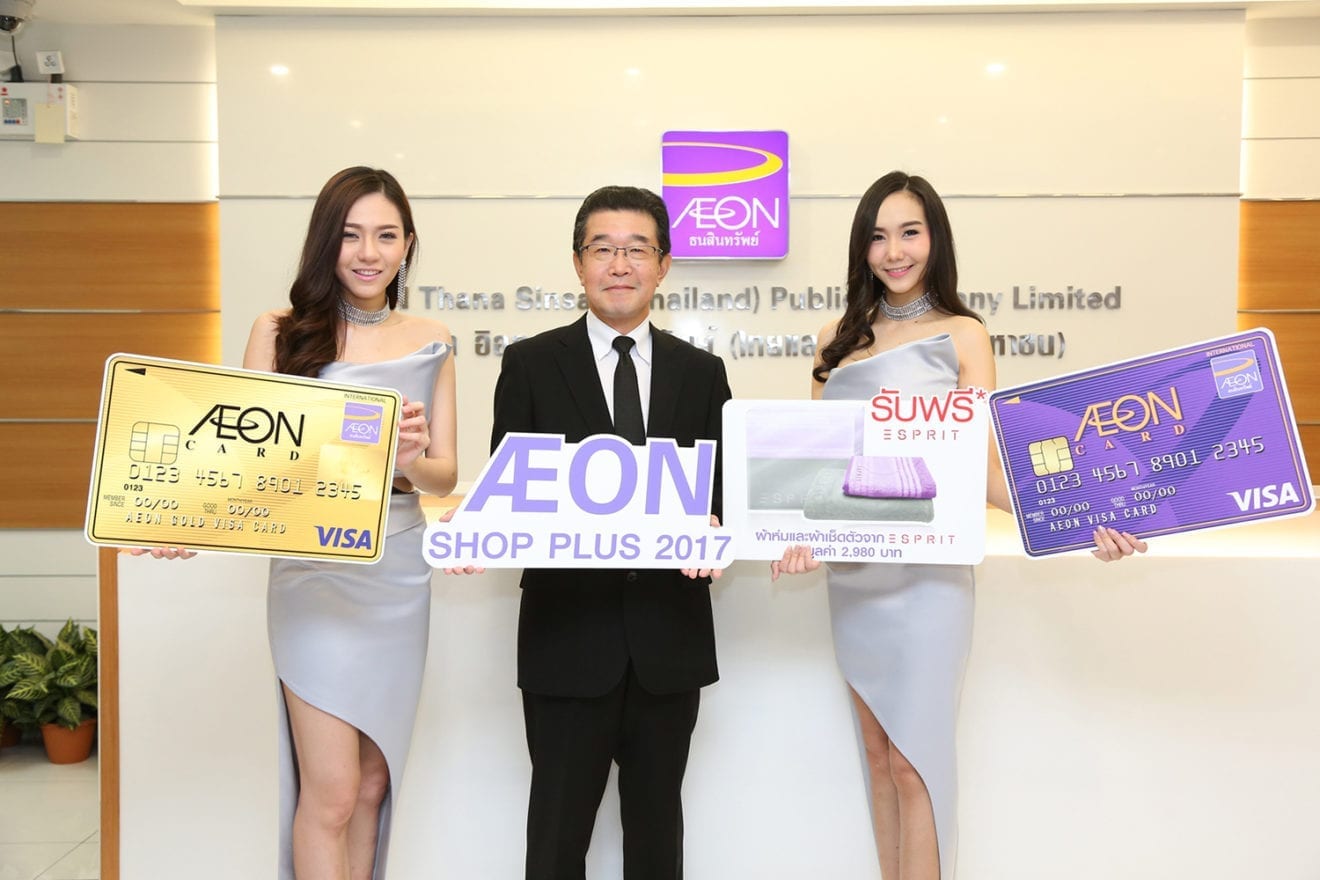
    Mr. Kiyoyasu Asanuma (middle), Managing Director of AEON Thana Sinsap (Thailand) Public Company Limited, has launched The campaign “AEON SHOP PLUS 2017” offers AEON Gold & Classic Credit Card holders with every 30,000 baht of  purchases will receive an ESPRIT Fleece Comfy blanket and Cosy towel worth 2,980 baht. Registration for the campaign by sending an SMS with “SP” followed by 16-digits of AEON credit card numbers without spaces and then send to 4589123 or free register online via www.aeon.co.th from today until August 31st, 2017.

  • Michelin Guide Street Food Festival for Macau

    Michelin Guide Street Food Festival for Macau

    Macau’s inaugural Michelin Guide Street Food Festival launches at the Studio City entertainment resort in October.

    Being organised by Michelin Guide Hong Kong and Robert Parker Wine Advocate, the four-day event features chefs from Michelin-starred restaurants and Bib Gourmand (a relatively new Michelin award for less formal restaurants) and Michelin-recommended eateries across Asia. Free, the festival runs from October 5 to 8 at Studio City’s Macau Gourmet Walk, which resembles the enclave’s historic streets.

    Supported by Melco Resorts and Entertainment, the festival will feature decorated stalls showcasing some of Asia’s best street-food offerings including Singapore’s hawker stalls, Shanghainese dim sum, Japanese little eats and Macau’s Chinese classics.

    Signature dishes and special festival creations will be available starting from MOP40 (US$5) and using a coupon system.

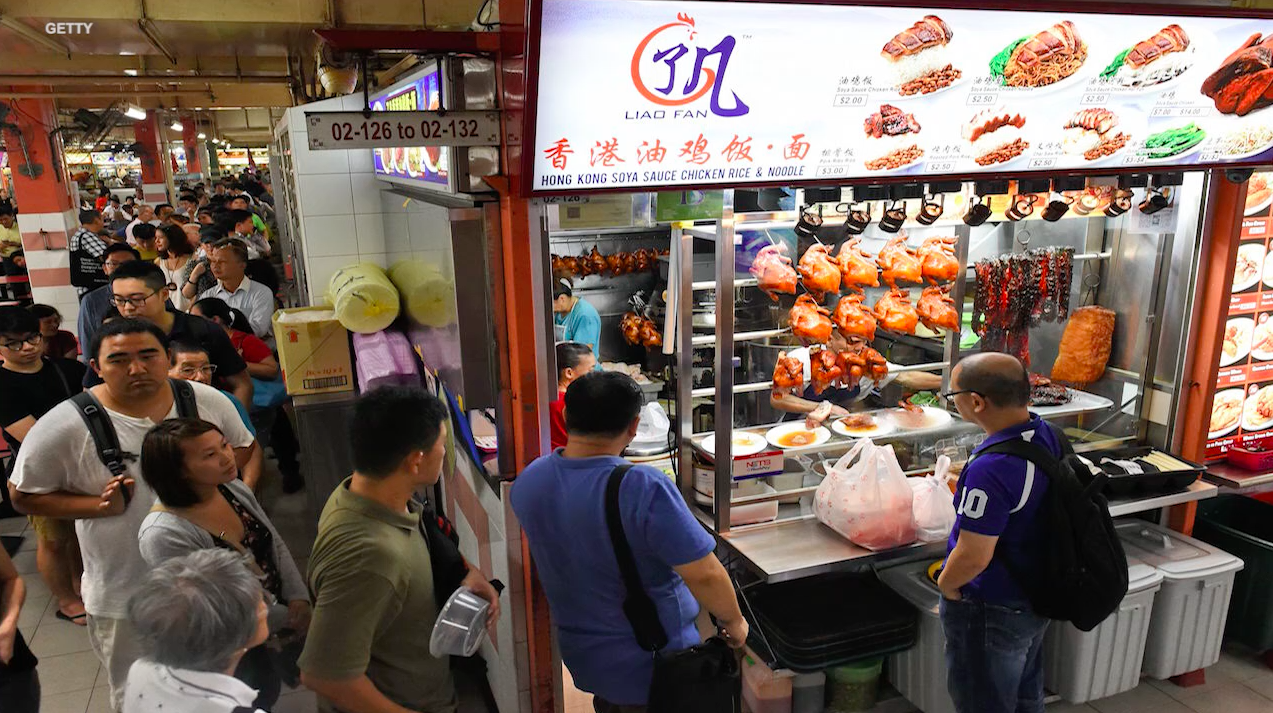
    Eateries from Japan and Singapore will offer their food in Macau for the first time, including the world’s first-ever street-food stall to have been awarded a Michelin Star, Hong Kong Soya Sauce Chicken Rice & Noodle from Singapore. Its chef Chan Hon Meng will be cooking alongside fellow Singaporean Wayne Liew from Keng Eng Kee, the street-food stall known for its fusion of Hainanese cuisine with Malaysian-style Zi Char homestyle food.

    Other chefs coming from Singapore include Manjunath Mural from the one-star Song of India, Han Liguang from Labyrinth, which has just been awarded one star in the new Michelin Guide Singapore 2017, and Malcolm Lee from one-star Candlenut, the world’s only Michelin-starred Peranakan restaurant.

    Coming from Japan is Yoshihiro Tanaka from Kougaryu Honten, who will be preparing his Bib Gourmand-awarded takoyaki in three different flavours.

    Three of Studio City’s signature restaurants, one-star Cantonese restaurant Pearl Dragon, Michelin-recommended Shanghainese restaurant Shanghai Magic and Michelin-recommended Bi Ying, which serves northern and southern Chinese flavours, will present delicacies made specially for the festival.

  • Lululemon fined for violating guarantee rights

    Lululemon fined for violating guarantee rights

    Sportswear retailer, Lululemon Athletica Australia, has paid penalties totalling $32,400 following the ACCC issuing three infringement notices for violating consumer guarantee rights.

    In May earlier this year, Lululemon listed sale items on its website under the heading “We Made Too Much”. The web page read “We made a little extra – don’t be shy, help yourself. It’s yours for keeps so no returns and no exchanges”.

    The ACCC said that, by this statement, Lululemon represented that consumers were not entitled to return and obtain a refund for, or exchange, these products under any circumstances.

    Lululemon has also posted this return policy on its website stating: “Final sale items like underwear, water bottles + We Made Too Much gear are yours for keeps”.

    The statements, according to the consumer watchdog, represented that consumers were not entitled to a remedy for these products under any circumstances.

    The ACCC also mentioned in November last year, a customer has contacted Lululemon requesting a refund for products she considered were faulty but received an e-mail from a Lululemon representative that said “We do not offer refunds for quality affected garments”.

    “The ACCC alleges that Lululemon made representations to customers that they were not entitled to a refund or replacement for products under any circumstances, when that was not the case,” ACCC deputy chair Delia Rickard said.

    Rickard said if a product or service fails to meet a consumer guarantee, people are automatically entitled to a remedy under the Australian Consumer Law.

    “If products develop a fault which constitutes a major failure, customers are entitled to a refund, even if the product was purchased on sale,” she said.

    “Businesses must ensure their refund and returns policy do not breach consumer law, and that representations they make about consumers’ rights to return goods or obtain a refund accurately reflect the consumer guarantee rights under the Australia Consumer Law,” Rickard said.

  • Peak Philippines launches concept store

    Peak Philippines launches concept store

    After 10 years in the market, activewear brand Peak Philippines has opened its first concept store, at Robinsons Place Manila.

    Fuelled internationally with collaborations with such entities as the US National Basketball Association and world basketball governing body FIBA, the Chinese brand has widened its product offering to include training, running and women’s gear, all of which are featured in the new concept store.

    “As Peak is competing with the big brands, it is time to position ourselves,” says store owner Jonathan Chenglay, who also owns the Peak outlet store at Riverbanks Center in Marikina City.

    “Some of the items in the concept store you will not find in shopping malls carrying the Peak brand, like Gaisano, Robinsons and SM, or sports shops like Olympic Village and Toby’s.”

    To mark the opening of the store, Peak brought in NBA player and brand ambassador Matthew Dellavedova of the Milwaukee Bucks, who also promoted his first signature Peak shoes, the Delly 1. Featuring Peak’s latest technology in design and cushioning, it is available in different colors.

    Chenglay says more Peak concept stores will be added down the line. “There is definitely still room for expansion.”

  • Thailand, China tie-up for Japan’s FamilyMart UNY?

    Thailand, China tie-up for Japan’s FamilyMart UNY?

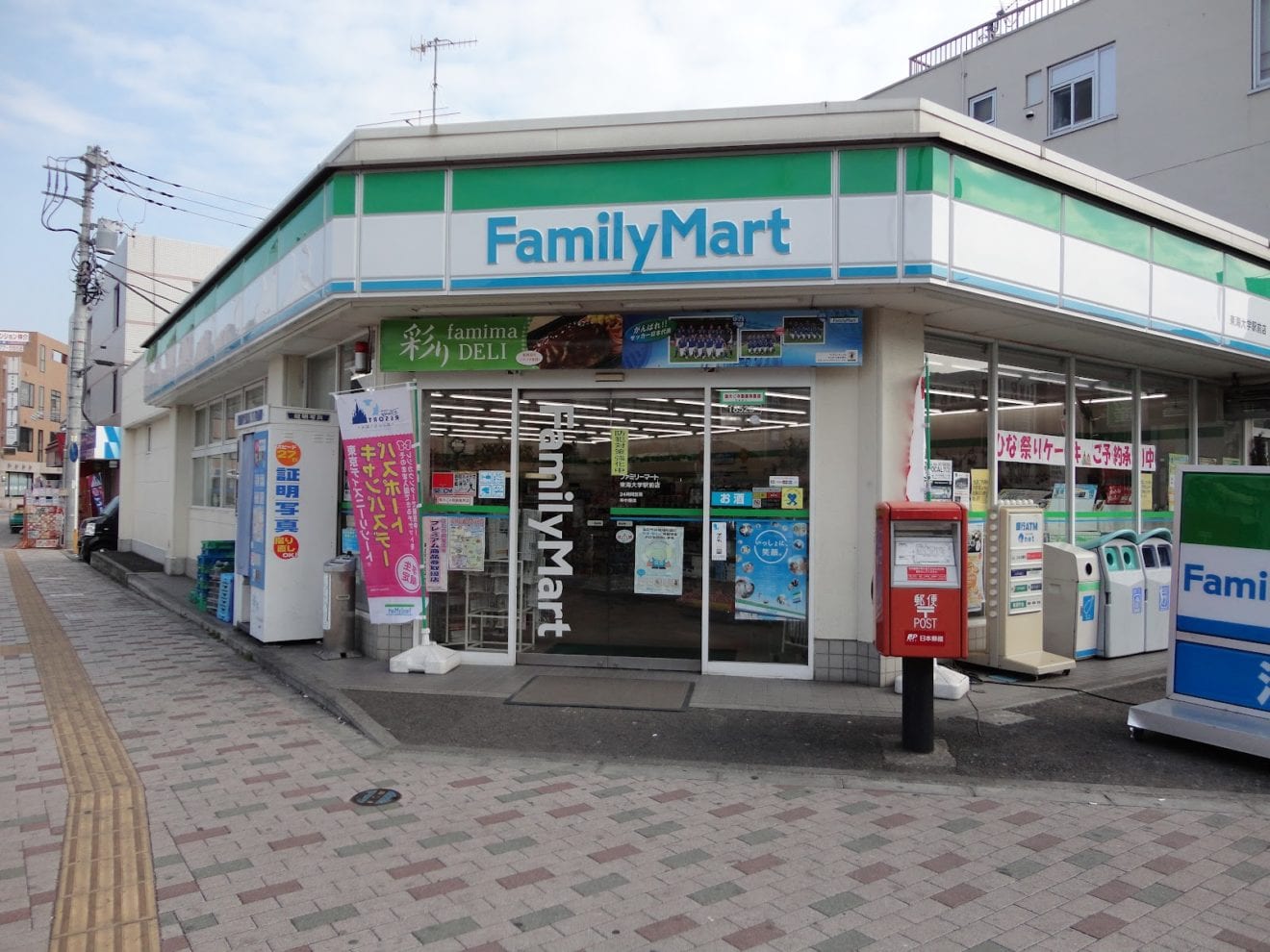
    FamilyMart UNY Holdings, Japan’s second-largest convenience store chain, is considering partnering with China’s Citic and Thailand’s Charoen Pokphand Group.

    The companies are looking at opportunities beyond convenience stores, says FamilyMart UNY president Koji Takayanagi.

    FamilyMart UNY has forecast it will more than double its profit to ¥100 billion (US$901 million) in four years from ¥41.2 billion in the current fiscal year. This will be driven by converting its Circle K and Sunkus stores into more profitable FamilyMart outlets, says Takayanagi.

    “There is plenty of room for growth,” he says of the company, which also runs supermarkets and general stores. While FamilyMart is profitable in China and Taiwan, it is reviewing its loss-making businesses in Indonesia, Thailand and Vietnam. “If we can get them to rally we will, but we cannot continue to pour in resources,” Takayanagi says.

    While rival Seven & I Holdings, which owns Japan’s largest convenience store chain 7-Eleven, expands overseas, FamilyMart will stay focussed on the domestic market. “It is easier to achieve results domestically and we know what we need to do,” says Takayanagi.

    Japan’s worsening labour shortage, which is leaving convenience stores scrambling to find workers, will force companies to adapt and innovate, he says. Even the country’s declining birthrate and aging population does not phase him. “Even if the amount an individual eats declines, if we offer items with added value people will buy them.”

  • Second generation Vietnamese-built smartphone to hit shelves next month

    Second generation Vietnamese-built smartphone to hit shelves next month

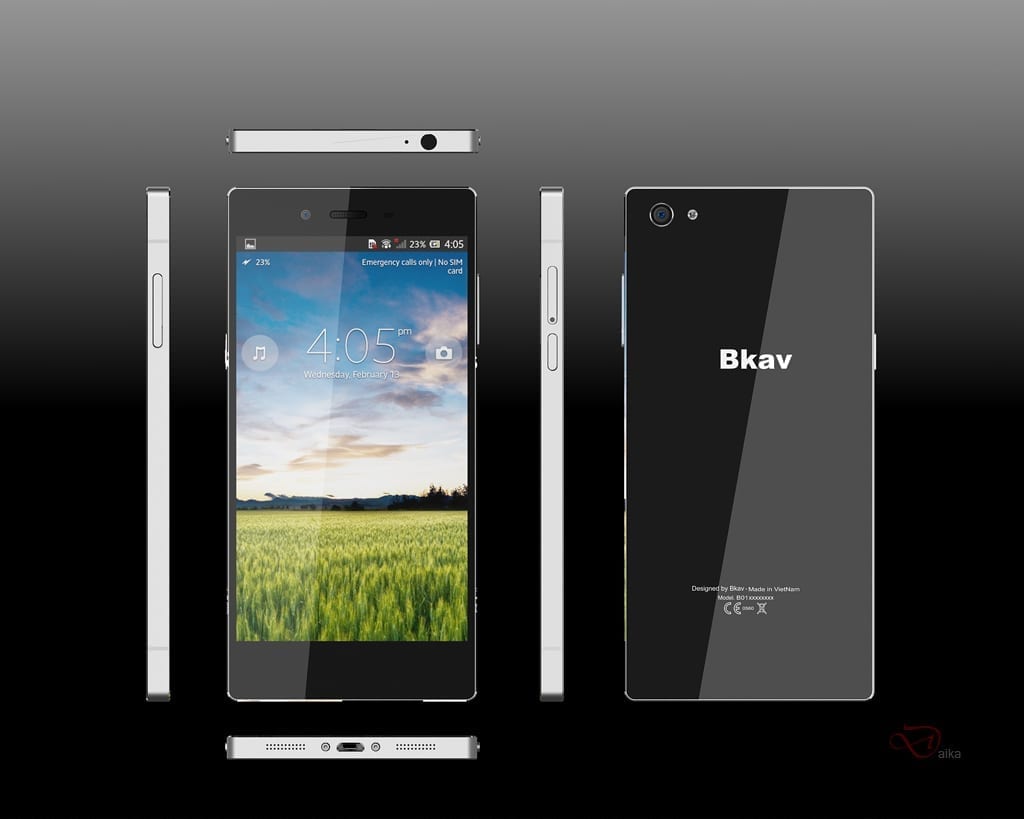
    If the company spent as much time working on the phone as it did on the invites, customers are in for a treat. Vietnam’s leading cyber security firm Bkav will host the launch of its second generation smartphone, currently known as the Bphone 2, in Hanoi on August 8.

    The event will be held at the National Convention Center, the same venue that hosted the launch of the Bphone, Bkav’s first smartphone.

    Over 2,000 invitation letters for the event designed as gilded circuit boards, believed to be based on the new smartphone’s real circuit board, have been sent out to users and members of the press, with “Designed by Bkav – Made in Vietnam” printed on the bottom.

    The invites also featured the time and date of the event on a watermark that was only visible when the cards themselves were submerged. Unlike its predecessor, the new phone will be sold both online and through mobile phone retailer The Gioi Di Dong.

    The Bphone 2 was scheduled for launch last year, but Bkav said it had to delay the event while it was developing new technology.

    Last month, a source from the company said it was possible Bkav would have to drop its new smartphone completely due to the difficulties it had faced creating a truly homegrown smartphone.

    Bkav debuted the Bphone in May 2015. While initially warmly welcomed, the phone’s launch was disappointing to many buyers as it was only available online and the company had to delay delivery four times.

    The phone also caused controversy because despite being Vietnamese-made, 30 percent of the phone was manufactured by a Chinese firm.

    In its 2017 report, Statista, a market research firm based in Germany, said the number of smartphone users in Vietnam stands at 28.5 million, or 30 percent of the country’s population. It predicts that will rise to 40 percent by 2021.

  • Dell Thailand launches concept store

    Dell Thailand launches concept store

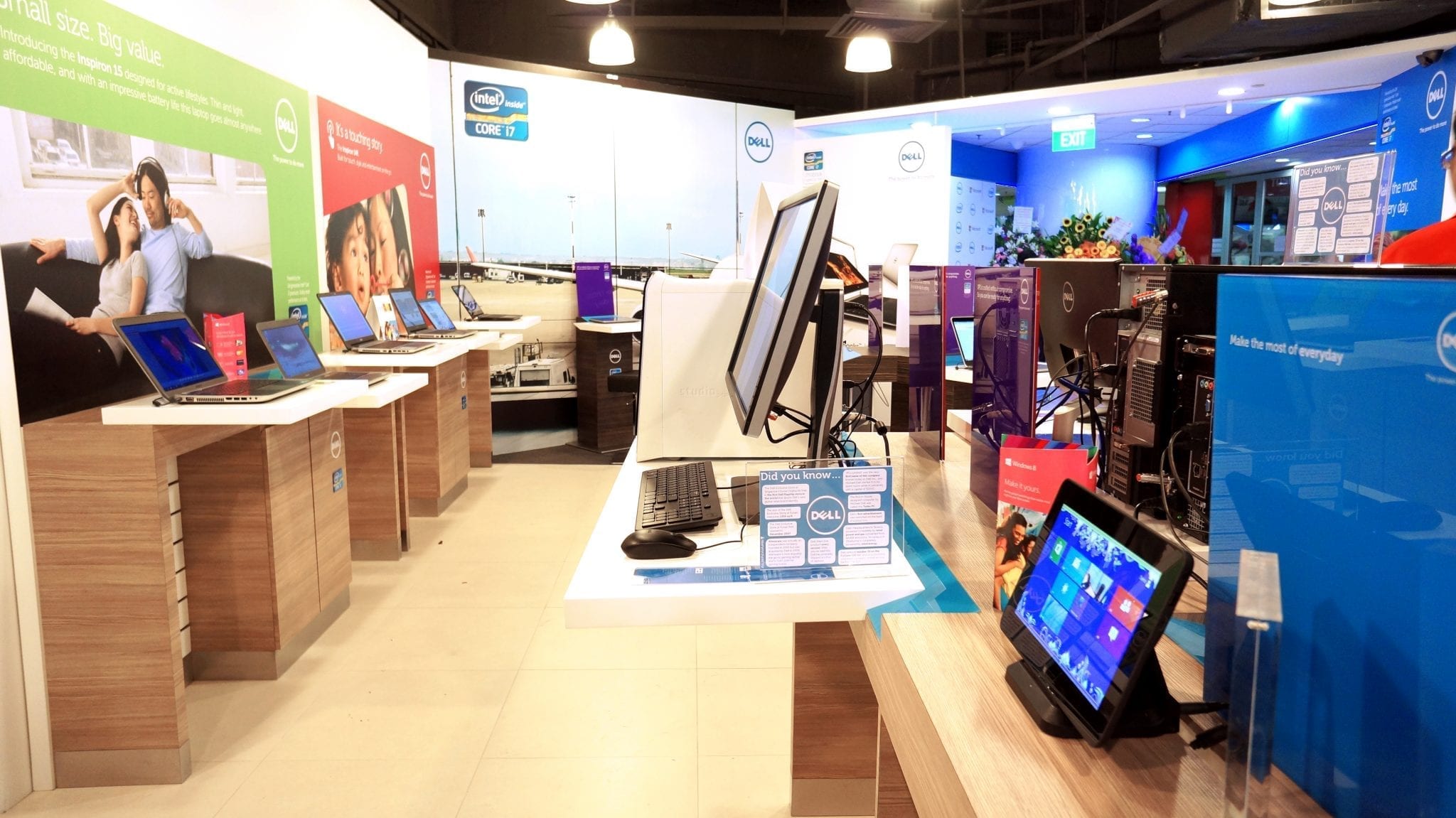
    Dell Thailand, in partnership with Chiangrai Technocom, has launched the first Dell Concept Store in Chiang Rai.

    Dell products at the store include desktop and laptop computers and peripherals for both consumer lifestyle and professional needs.

    Chiang Rai provincial mayor Wanchai Chongsutnamani presided over the store’s official opening.

    Dell EMC Indochina VP Anothai Wettayakorn says the company is confident in its partnership with Chiangrai Technocom, which has been selling Dell products through its six branches in the northern region of Thailand.

  • Blockchain: Revolution in supply chain?

    Blockchain: Revolution in supply chain?

    Supply chains revolutionized how our society runs, now supply chains are being revolutionized. The name of the NEW game: blockchain! Supply chains can lack transparency and traceability. Two things at which blockchain is great at.

    Systems work based on transactions. They are built on a distributed blockchain ledger can record the transfer of goods as transactions. This transparency can ensure the cost of goods will more accurately reflect the actual cost of manufacturing them. Issues such as use of forced labor and illegal sourcing of materials can potentially disappear. But despite the hype and its potential, it could take a decade or more before the technology achieves its full potential.

    We have a few interesting examples. Provenance, a UK-based startup, works with clients so they can use its blockchain-based technology to “share your product’s journey and your business impact on environment and society.” Mining giant BHP Billiton is using the technology to track mineral analysis done by outside vendors. The startup Everledger has uploaded unique identifying data on a million individual diamonds to a blockchain ledger system to build quality assurances and help jewelers comply with regulations barring “blood diamond” products.

    Walmart is working with IBM and Tsinghua University, in Beijing. They want to follow the movement of pork in China with a blockchain.

    Long term what we should have in mind:

    Potential to disrupt many industries
    There are parallels between this global-scale distributed technology and previous technology-driven transformative waves, such as the web and the internet. Early technology adoption of blockchain will progress over the next three to seven years, but mainstream adoption across the supply chain and at scale is likely 10 or more years away. Similar to RFID in its early days, business processes and standards must be resolved before blockchain can reach its potential.

    It is not a replacement for database tech
    Many believe, but they are wrong, that blockchain is a replacement for traditional database technologies — it lacks the ability to create, read, update and delete information. For the immediate future, traditional database management tools and platforms will continue to prevail in supply chain, where data is created, maintained and consumed largely internally. Database capabilities, however, will increasingly need to scale and integrate across a broader number of supply chain network partners and ultimately customers. There is where blockchain is best.

    You can’t just buy a solution!
    There is no blockchain solutions to buy for supply chain use at the moment. There continues to be a lot of hype, with few even partially deployed and very limited prototypes, for which firmer results or tangible uses cases are still be reported. Only organizations that are especially risk-tolerant and early adopters of technologies should consider supply chain management blockchain initiatives over the next two to five years.

    Stormy waters ahead
    There are more challenges than we can mention here. Blockchain technologies and associated supply chain best practices bring adoption challenges, including a lack of standards, robust platforms, scalable distributed consensus systems and interoperability mechanisms.Scalability across supply chains will need to be carefully planned.

    Laws and regulations — which vary from country to country — also pose a challenge to global scaling of blockchain. Before governments can be convinced to support this effort, industry must agree on best practices and standards of technology.

    Adoption too late or too early as part of an extended supply chain and supply chain maturity progression may do damage to the entire organisation.

    Also there’s the need to overcome embedded corporate thinking. Business leaders and organizations need to open up to the sharing of information with mainly unseen network partners.

    In conclusion
    Blockchain is presently at the peak of Gartner’s Hype Cycle, which means the next stop is the Trough of Disillusionment. In supply chain circles the technology is suddenly drawing serious interest, in part because of IBM’s recent push to go public with pilots including one with Maersk and another with Walmart.

    As RFID promised to do, blockchain could one day provide certainty on the exact source of every ingredient in every jar, in every case, on every shelf and at all times. Was your palm oil sustainably sourced? Are the cherries in your ice cream organic? Are the avocados in your salad imported from Mexico? Also reminiscent of RFID, however, is a decent amount of uncertainty about the timing of the business case.

    Envisioning a digitally enabled supply chain strategy is a must-do activity for everyone. Fitting blockchain into that strategy now means listening more than talking. Listen to your colleagues in corporate IT who are likely ahead of you since they’ve often faced this topic already with financial transactions. Also, listen also to vendors like IBM who are invested in establishing a market for this technology and can afford to find and foster pioneering users like Walmart and Maersk.

    Blockchain may still be down the road, but its potential demands your attention now.
  • Britain launches fund to boost electric battery technology

    Britain launches fund to boost electric battery technology

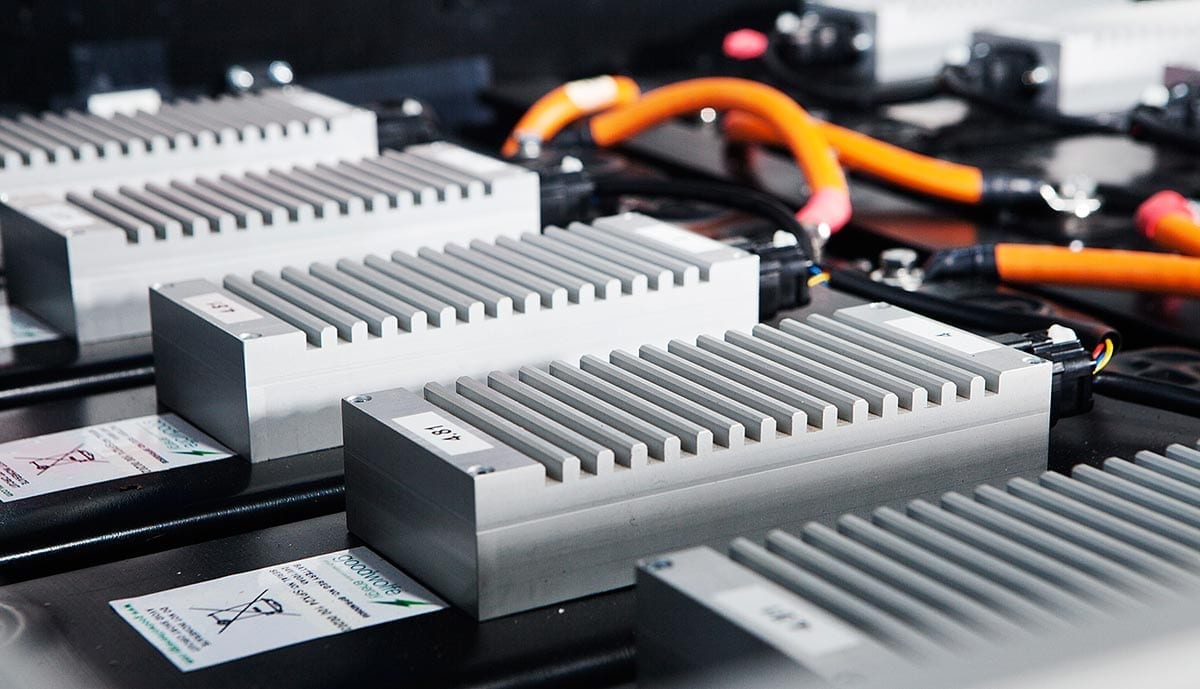
    Britain launched a 246 million-pound ($320 million) fund on Monday to boost the development and manufacturing of electric batteries, a major growth area for the car and energy sectors.

    The scheme, which allows those in business and academia to apply for government funds to work on a range of possible electric battery schemes, is part of Britain’s industrial strategy which Prime Minister Theresa May published in January.

    It is designed to take a more hands-on approach to developing key industries to help protect the economy as Britain leaves the European Union.

    Automakers are racing to build greener vehicles and improve charge times in a bid to meet rising customer demand and meet air quality targets but Britain lacks sufficient manufacturing capacity, an area ministers are keen to build up.

    The first tranche comprises a 45 million-pound pot of money which will help to establish a ‘Battery Institute’ for research to help improve the affordability of the technology, which needs to bolster charge and use times, reduce storage sizes and boost capacity.

    Business minister Greg Clark also wants to establish a “National Battery Manufacturing Development facility” which would support the building of electric batteries for the automotive sector.

    “Joining together the research, development, application and manufacture of energy storage technologies – and specifically battery storage – is a huge opportunity for the energy sector and the automotive sector alike,” Clark said in a speech in Birmingham.

    In May, representatives from politics, academia and business in the central English city of Coventry pitched plans to receive part of the funds for a “National Battery Prototyping Centre” which would focus on research and development and testing.

    Japan’s Nissan already builds its electric Leaf at its north of England plant but Britain’s biggest carmaker Jaguar Land Rover is building its first low-emissions model in Austria.

    Its chief executive told Reuters last year that a number of factors needed to be put in place before JLR would build electric models in Britain, including pilot testing and support from science.

    Germany’s BMW favors building its first electric model at its Oxford plant, two sources told Reuters last week, in a decision which is due to be announced in September.

    Clark also said that up to 40 billion pounds could be saved by 2050 with a range of measures designed to better manage energy use, including allowing users to control their appliances from their smartphones.

    But businesses have become more cautious about future investment in Britain ahead of Brexit, worried that the country may lose unfettered and free trade with its biggest export partner at the end of two-year divorce talks in March 2019.

    Many companies have urged the government to push the European Union to agree to a clear and lengthy transitional arrangement to help them make investment decisions.

    Asked on Monday when the government would set out the kind of transitional arrangement it would be seeking, Clark said:

    “During the autumn… and as the negotiations move forward, we hope from their initial discussion, then that’s the time to say more about that.”

  • Balmain Singapore launches at Marina Bay Sands

    Balmain Singapore launches at Marina Bay Sands

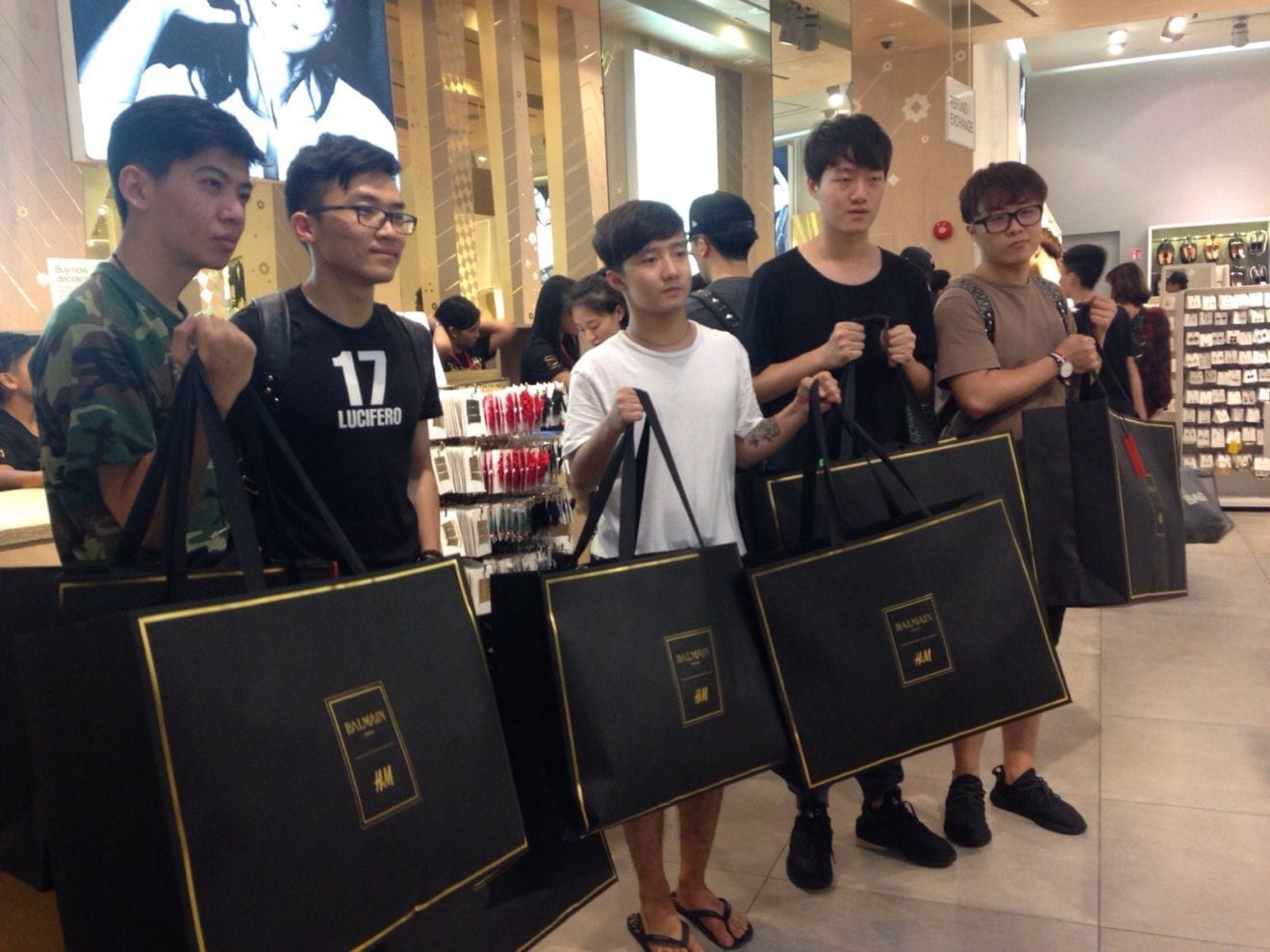
    Balmain Singapore has launched the first Southeast Asian outpost for the French fashion house with an emporium at The Shoppes at Marina Bay Sands.

    It houses men’s and women’s ready-to-wear pieces from Balmain’s seasonal collections, including bags, shoes and accessories.

    Echoing the brand’s historic Parisian flagship store, the 153 sqm space features parquet flooring, gold accents, floor-to-ceiling mirrored pillars and marble displays set against cream walls.

    Balmain was founded by Pierre Balmain in 1946. Starting as a fashion assistant to master Parisian couturier Lucien Lelong, he worked alongside Christian Dior and Hubert de Givenchy. His signature style soon attracted the world’s great actresses including Audrey Hepburn, Ava Gardner, Brigitte Bardot, Josephine Baker, Katharine Hepburn, Marlene Dietrich and Sophia Lauren.