Author: Mei Ling Tan

  • SK Telecom making quantum random number generator

    SK Telecom making quantum random number generator

    SK Telecom has developed a prototype of an ultra-compact quantum random number generator (QRNG) chip configured with entropy source and a deterministic random bit generator (DRBG).

    A QRNG generates true random numbers without any kind of pattern, meaning that it is ideal for use in cryptography.

    However, so far, the cost and size of QRNGs currently on market have prevented widespread adoption.

    With the successful development of an ultra-small QRNG chip measuring 5mm by 5mm, SK Telecom expects that it will soon be able to embed QRNG to a wide variety of IoT products, including autonomous vehicles, drones and smart devices, to dramatically enhance the level of security for IoT services.

    Although the price of each QRNG chip has not been set yet, the company said that it will be the lowest price ever for a QRNG.

    Meanwhile, SK Telecom is also developing a QRNG in the form of USB and PCIe. While the QRNG chip has to be embedded from the beginning of the product development, QRNG in the form of USB or PCIe can be simply connected to any product already on market to provide genuine randomness.

    “Understanding the importance of data and data security, SK Telecom has focused on developing quantum cryptography technologies to guarantee secure transmission of data in areas including artificial intelligence (AI), IoT and autonomous driving,” said Park Jin-hyo, SVP and head of Network R&D Center of SK Telecom.

    “We will continue to work with partners, both home and abroad, to accelerate the popularization of quantum cryptography and strengthen our presence in the global market,” said Park.

  • Moncler Hong Kong opens Harbour City flagship

    Moncler Hong Kong opens Harbour City flagship

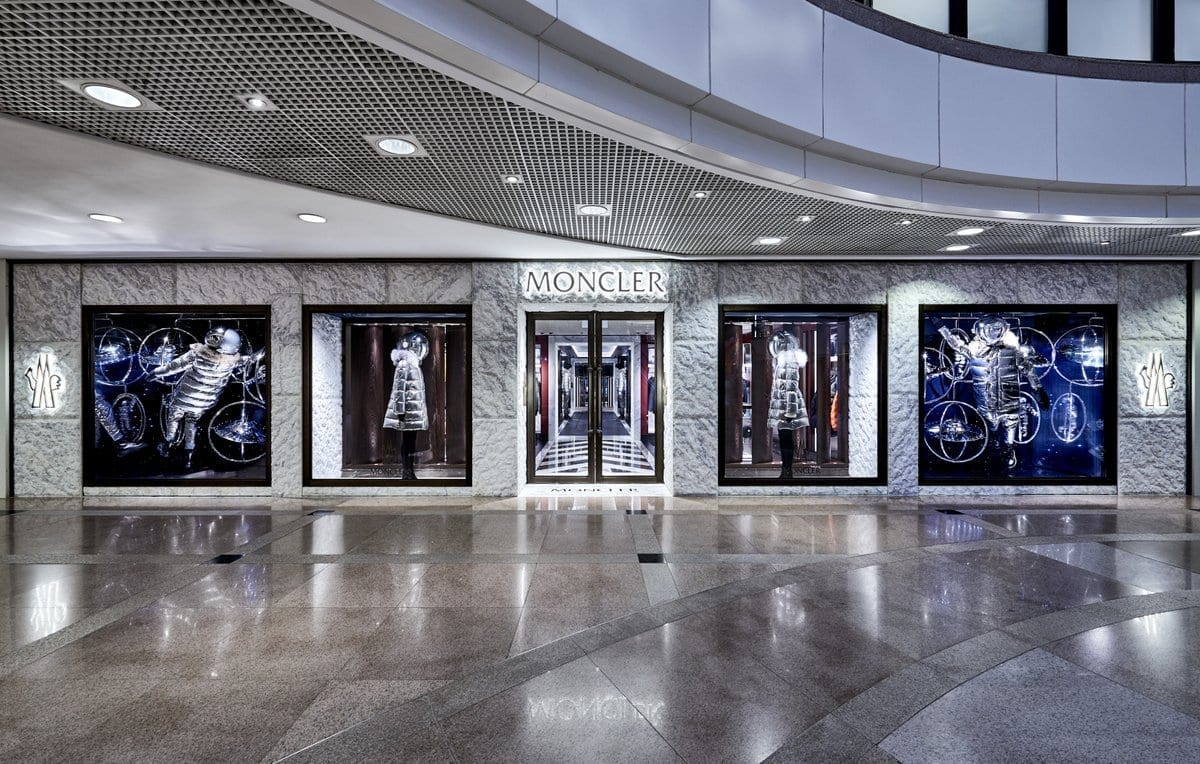
    Moncler Hong Kong has opened the French clothing label’s largest single-level flagship, covering 500 sqm in Harbour City.

    Designed in collaboration with architecture studio Gilles & Boissier, the store has an exterior decorated in white Calacatta marble and burnished brass, drawing on the interior design, and features two large shop windows, one facing on to Canton Road. The ceilings and furniture are accented in woods and beige leather, contrasting with the white Calacatta and Nero Marquina marbles used for the floors.

    The Hong Kong flagship showcases all Moncler’s men’s and women’s ready-to-wear collections and accessories lines, including eyewear.

    Moncler was founded in 1952 in Monestier-de-Clermont, France, and is now based in Italy, being bought in 2003 by Italian businessman Remo Ruffini, the current president/CEO. The group has more than 3200 employees and sells in more than 70 countries through 190 monobrand stores.

  • Tesco same day delivery plan ‘a defensive measure’

    Tesco same day delivery plan ‘a defensive measure’

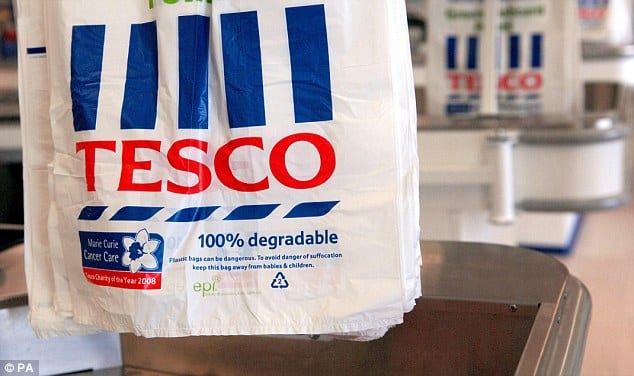
    The Tesco same day delivery plan announced this week is partly a logical improvement to its existing online services and partly a defensive measure against the potential rise of Amazon in the UK.

    In a cutthroat market where grocers are vying for share, Tesco’s move will likely be followed by other players and will, ultimately, give shoppers much more flexibility.

    While the barriers for Amazon will be higher in the UK, they will not deter the behemoth from its grocery ambitions. Amazon typically takes a long-term view and will continue to invest in growing its UK grocery business. It will be assured by its systems and logistics capability, which will prove to be an advantage as it scales up.

    However, today’s announcement by Tesco makes it even more likely that Amazon will, over the medium term, look to make an acquisition in the UK grocery market. While this is unlikely to be one of the larger players, an operator like Ocado would give Amazon the scale and flexibility it needs to offer a sustainable UK wide online grocery service.

    Although Tesco now has first-mover advantage on same-day grocery delivery, the long-term implications are not necessarily so rosy. Margins in online grocery remain wafer thin, and while consumers will pay a premium for same-day service, they will not bear the full cost. As such, as other players increase flexibility in deliveries and as delivery prices come under further pressure, the move could ultimately be dilutive to profits.

  • VivoCity hosting food workshops for children

    VivoCity hosting food workshops for children

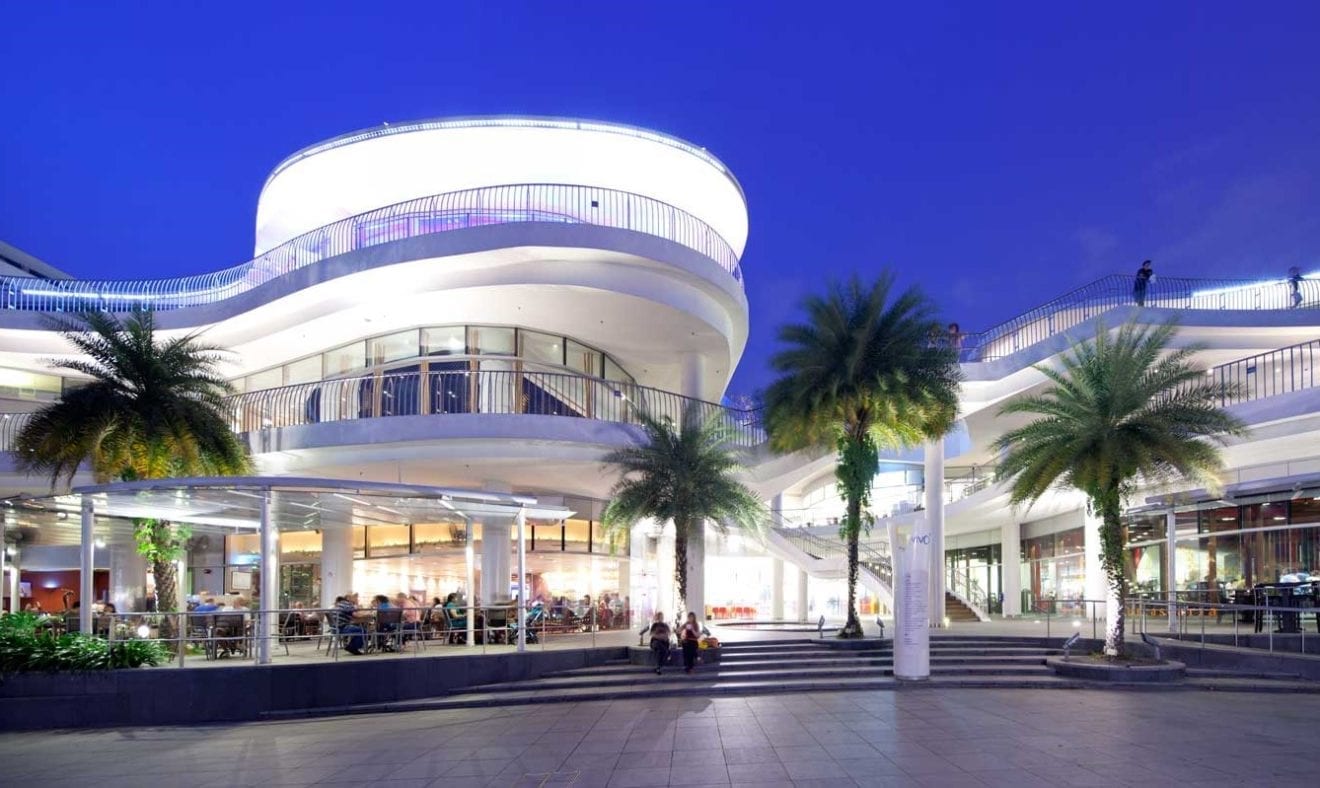
    VivoCity will host two food workshops for children next weekend led by Chef Mong from team-building company Cookyn and food artist Shirley Wong, also known as “Little Miss Bento”.

    Each workshop is limited to 30 teams comprising a parent and a child, and is available on a first-come, first-served basis (registration has opened). Participants will take home their masterpiece and a goodie bag worth more than SG$20, with two teams judged top in each workshop each winning $250 Mapletree vouchers.

    Entry is open to VivoCity customers who have spent $50 during the promotion period, with a registration fee of $10.

  • Thai AirAsia funds mechanic courses

    Thai AirAsia funds mechanic courses

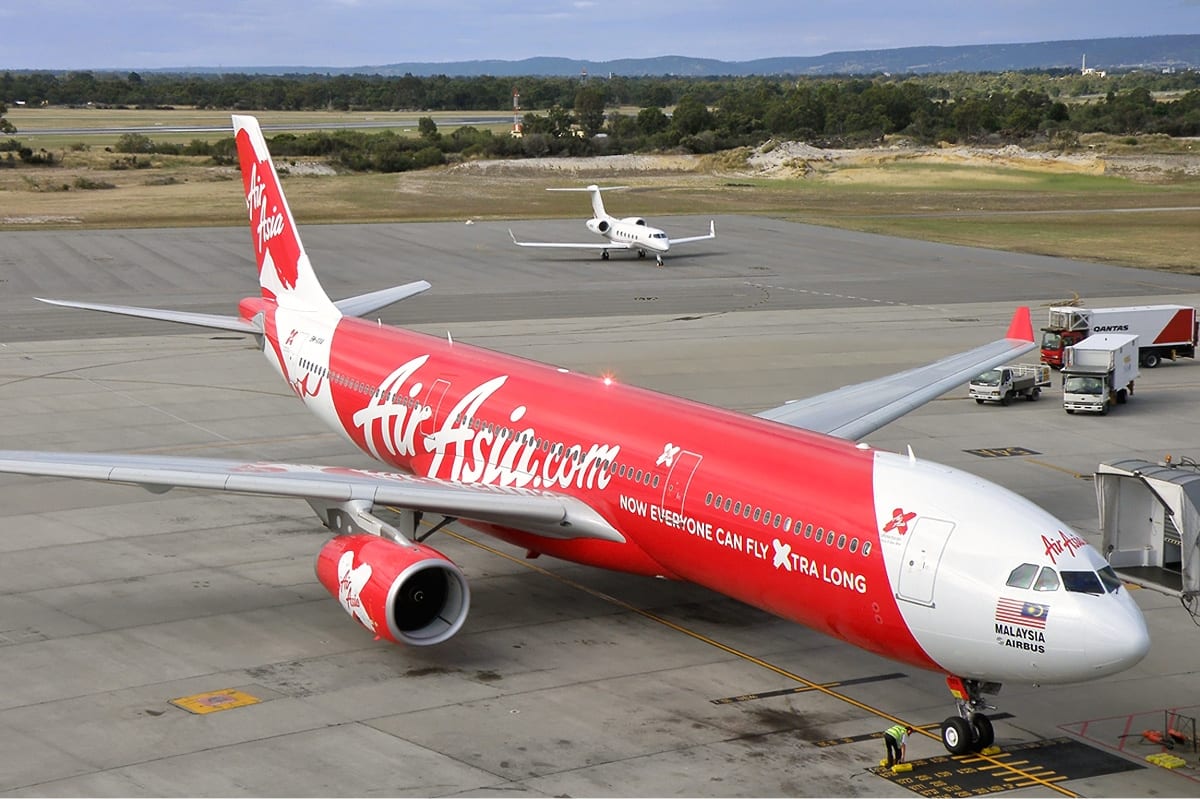
    Thai AirAsia has signed an agreement with Rajamangala University of Technology Krungthep and Bangkok Aviation Centre (BAC) to provide an aircraft mechanic development course through an intensive one-year course.

    Graduates will have an opportunity to be employed by Thai AirAsia.

    The airline’s CEO, Tassapon Bijleveld, said the aviation industry is experiencing rapid growth, especially in the low-cost carrier segment.

    “The expansion has created high demand for experts in the sector, including aircraft mechanics to support operations,” he said.

    Thai AirAsia currently employs 321 aircraft mechanics, 105 are aircraft engineers while the other 216 are maintenance personnel, all managing the airline’s 54 (to be 58 by the end of 2017) Airbus A320s.

    The company is targeting to hire 100 more mechanics over the next three years, he said.

    Rajamangala University of Technology Krungthep provides European Aviation Safety Agency (EASA) standard aircraft mechanic courses, while BAC, is a leading aviation training provider.

    The Civil Aviation Authority of Thailand has indicated Asia will require over 40,000 employees in aviation including mechanics.

    The 12-month course is specifically designed to meet the needs of Thai AirAsia and students will receive a salary from the airline like other employees during their training.

    Interested individuals can find information and download an application form at www.airasia.com/recruitment until 31 July. The course begins 16 October this year.

  • Bata Singapore opens revamped concept store

    Bata Singapore opens revamped concept store

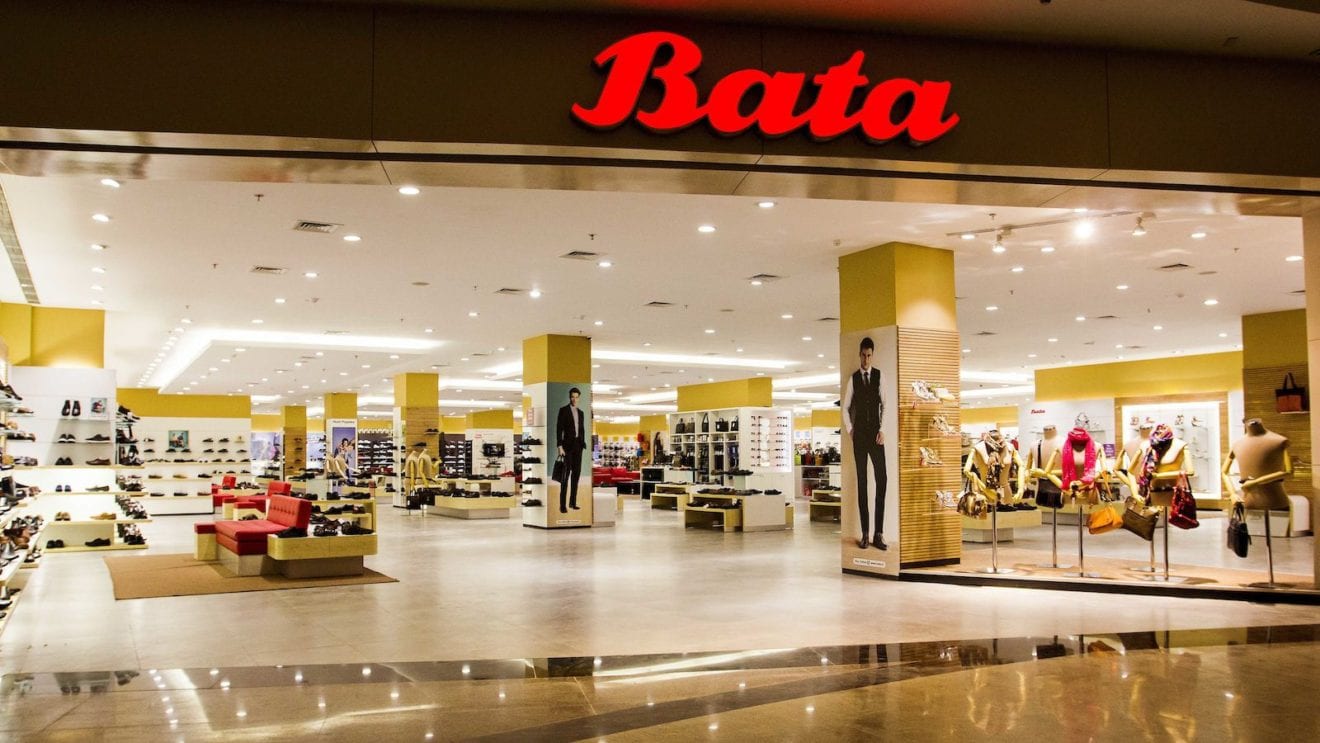
    Bata Singapore has officially reopened its renovated concept store at VivoCity in line with the company’s global modernisation and its “Me & Comfortable with it” manifesto.

    Covering 241 sqm, the store carries Bata’s latest Insolia and Made-in-Italy collections, which are both part of the brand’s spring/summer collection.

    Bata Singapore says it has had significant growth this year with a 170 per cent growth in sales of both men’s and women’s collections, a 145 per cent increase in the average selling price of footwear and an increase of 135 per cent in average ticket price compared to last year.

  • Grab and Uber choking out traditional competition

    Grab and Uber choking out traditional competition

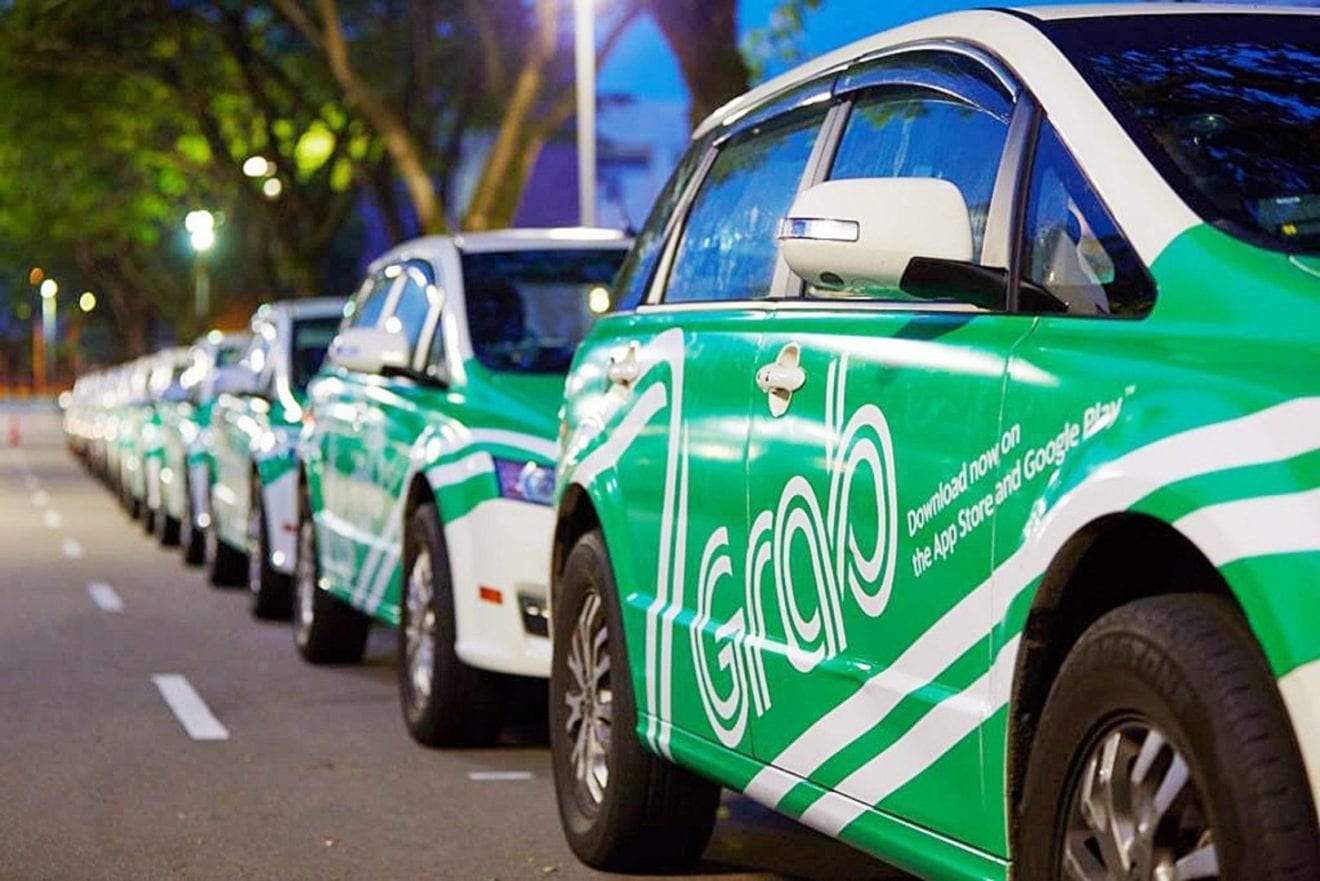
    Vietnamese taxi company Vinasun has seen a decrease in revenue and employees in the first half of this year, claiming it due to the unfair competition in terms of price posed by Grab and Uber.

    Traditional taxi companies, especially Vinasun and Mai Linh Group, are losing the fierce competition with Grab and Uber due to the dizzying rise in the number of Grab and Uber cabs.

    According to newswire Vneconomy, in recent years, the number of Uber and Grab taxis has exceeded the figure of Ho Chi Minh City’s taxi planning. Notably, Uber and Grab’s fleet has reached a total of 21,000, while Ho Chi Minh City’s taxi demand is 11,000-12,000 only.

    The oversupply of cabs has not only contributed to traffic jams and losses in tax revenue, but also created difficulties for traditional taxi companies.

    Now Uber and Grab are battling for dominance, while competing with traditional taxi brands at the same time.

    In general, UberX fares range about VND7,000-8,000 per kilometre, while GrabTaxi charges VND9,000-11,000 per kilometre. In spite of this difference in fares, both Uber and GrabTaxi have their own tactics to seize passengers.

    Mai Linh Group and Vinasun lament competition

    Vietnamese taxi company Vinasun has reported an decrease in revenue and employees in the first half of this year.

    According to newswire Vnexpress, in the second quarter of this year, Vinasun’s net revenue reached VND810 billion ($35.75 million) only, a record low since 2014. Besides, the after-tax profit in the second quarter fell 50 per cent on-year to VND16 billion ($706,299). The cumulative figure of the first six months was VND1.9 trillion ($706.29 million), signifying a decrease of 15 per cent on-year.

    Within the first six months of this year, the number of Vinasun’s employees decreased by approximately 8,000 people, to 9,179.

    According to a Vinasun representative, the company’s business results may remain gloomy until the end of this year.

    Regarding Mai Linh Group, according to its 2016 financial report, the company’s revenue was VND3.73 trillion ($164.65 million), equalling an increase of 32.3 per cent on-year. However, its pre-tax profit was VND61.12 billion ($2.74 million), a sharp 62 per cent fall due to increasing financial and management expenditures.

    Besides, Mai Linh claimed that the dizzying growth of the fleets of Grab and Uber makes it increasingly difficult for the company to perform.

    Traditional taxi companies persist

    In early June, Ta Long Hy, deputy general director of Vinasun, said the company would keep pressing litigation against Grab and Uber for unfair competition, a campaign that has recruited many other Vietnamese taxi companies from Hanoi and Ho Chi Minh City.

    Hy said that the company is gathering evidence. Besides, Vinasun would also propose that the government review its price management policies.

    Vinasun is not alone in its claim of unfair competition against Uber.

    In December 2016, as reported by indiatimes.com, the Indian equivalents of Uber, Ola and Meru, have separately urged government agencies to formulate policies which would undercut the ability of US-based Uber to offer steep discounts to passengers and generous incentives to drivers.

    On April 7, as reported by the Guardian, in a ruling that is subject to appeal, a court in Rome upheld a complaint filed by taxi unions and banned Uber because it contributes to unfair competition.

    The court gave Uber ten days to terminate the use of its various phone applications on Italian territory, along with promotion and advertising activities. However, the ban was suspended about a week after it was implemented as the company appealed. On May 26, the ban was officially lifted.

  • Consumer credit grows rapidly as retailers thrive

    Consumer credit grows rapidly as retailers thrive

    The appearance of big foreign retail chains like CircleK, Shop&Go, FamilyMart and Aeon and the strong rise of Vietnamese chains Vinamart, Co-op and The Gioi Di Dong have fostered the development of consumer credit in Vietnam, according to the State Bank of Vietnam. StoxPlus’ 2016 report on Vietnam’s consumer credit showed that the credit market has seen amazing leaps in recent years.

    The outstanding loans of Vietnam consumer finance soared from $7.3 billion in 2012 to $26.55 billion in 2016. Though it still accounts for a small proportion (9.8 percent by the end of 2016), consumer finance has been growing very quickly.

    Nguyen Tu Anh, deputy director of SBV’s Monetary Policy Department, confirmed that consumer credit has been developing strongly thanks to many favorable conditions.

    Vietnam has 92 million people with 70 percent of the population aged 15-64, while its GDP growth rate has been stable at over 6 percent in recent years.

    Anh cited research by economist Nguyen Thi Hien and her co-workers that shows the consumer credit market’s rapid development since 2011. The growth rate was 30 percent per annum in 2011-2014 and 59 percent in 2015.

    The total outstanding consumer loans granted to customers in 2015 was VND583 trillion, equivalent to 20.5 percent of the consumption value of individuals and households.

    If not counting housing loans as per international practice, consumer outstanding loans in 2015 would total VND272.241 trillion (equivalent to 6.62 percent of GDP). The figure is higher than that of China (6 percent) and Japan, but much lower than other developed countries, including the US (17 percent), Europe (14 percent), and Korea over (20 percent).

    The constant increase of consumption has led to higher demand for consumer loans. Meanwhile, the stable and high economic growth rate helps consolidate people’s belief in their income in the future, thus encouraging them to borrow money.

    Vietnam is in a so-called golden population period with a high percentage of young consumers.

    As the growth rate of lending to fund production and business has slowed down for several reasons, banks tend to increase consumer credit to offset the slowdown.

    FE Credit is leading the consumer finance market with $1.4 billion worth of loans provided in 2016, accounting for 48 percent of market share.

    Its rivals, Home Credit, HD Saison and Prudential, hold 15.7 percent, 12.2 percent and 8.1 percent, respectively, according to StoxPlus.

  • Japanese restaurants mushroom in Vietnam

    Japanese restaurants mushroom in Vietnam

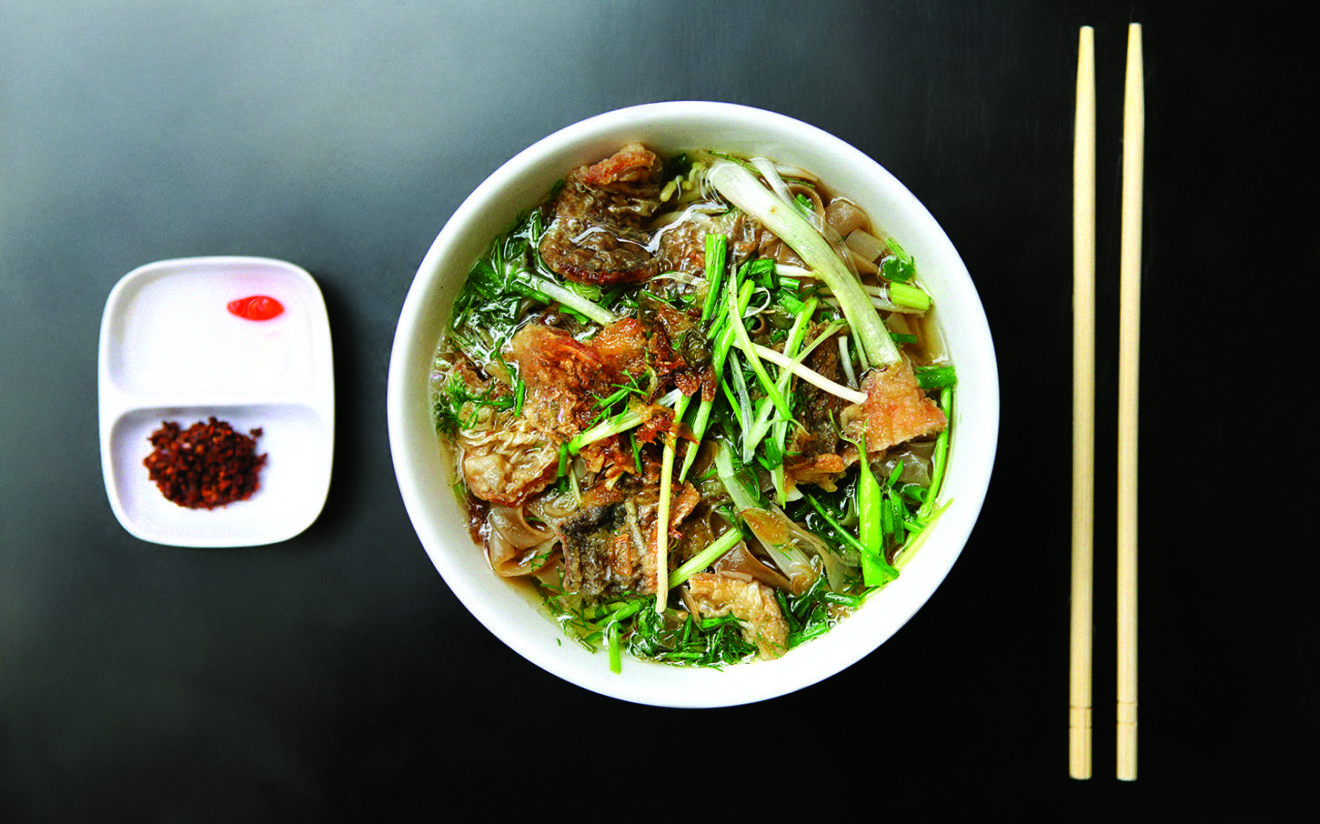
    There are more than 1,000 restaurants serving Japanese cuisine in Vietnam, the majority of which are in HCM City. HCM City has about 660 restaurants serving Japanese cuisine, twice as many as there were three years ago, according to the Consulate General of Japan in HCM City.

    Outside of HCM City, there are about 110 Japanese restaurants across provinces and cities in southern Vietnam, such as Binh Duong, Dong Nai, Khanh Hoa, and Ba Ria – Vung Tau provinces.

    The Japan Consulate official said approximately half of the restaurants serving Japanese food in Vietnam are run by Japanese owners and the remaining are owned and run by Vietnamese franchisees and entrepreneurs.

    The increase in Japanese restaurants has also led to a growing number of Japanese food and ingredients sold.

    In 2016, Vietnam was the fifth-largest importer of Japan’s agricultural produce and food in the world.

    Japan exports about US$180 million worth of forestry and seafood to Vietnam every year.

    Japan is currently Vietnam’s second-largest foreign investor, having developed about 3,450 projects, with a total registered capital of over $46 billion.

    South Korea is the largest foreign investor with 6,130 projects, with a total registered capital of over $54.5 billion.

  • Not to everyone’s taste

    Not to everyone’s taste

    Vietnam’s fast-food segment has become much more competitive as a huge number of chains arrive in the country, but some are now reviewing their business activities while others are departing.

    Analysts say that as Vietnam is an emerging market, investors need to follow a reasonable path in order to reap the benefits. Most fast-food brands in Vietnam are “giants” but not all can succeed here.

    “Meeting the tastes of customers, which are rapidly changing along with the development of society, is one of the biggest challenges for any business,” Mr. Nguyen Huy Thinh, General Manager of McDonald’s in Vietnam.

    Learn to compete

    McDonald’s opened its first outlet in Vietnam in 2014 and quickly found favor. Mr. Nguyen Bao Hoang was appointed to bring the Big Mac to Vietnam as a Developmental Licensee, with the contract signed the result of cooperation with the UK-based international law firm, Allen & Overy, and the result of a “rigorous” selection process, the fast-food giant said.

    McDonald’s attracted 20,000 customers and earned around VND1.5 billion ($71,130) in revenue in its first two days in the country. Similar to Burger King, it also adopted an ambitious plan to have 100 stores within a decade. But four years on, it is yet to expand beyond Ho Chi Minh City.

    It has introduced Western breakfast dishes such as egg muffin, sausage, hotcakes, and hash browns in a bid to win over picky Vietnamese palates, though it remains doubtful that such fare is appealing to local people.

    In fact, “studying the tastes of Vietnamese customers is an important factor for every fast-food business,” Mr. Thinh said.

    “Customers are not afraid to try new food, but customer demand doesn’t stop at simple food. There is also a desire to experience quality service in beautiful spaces.”

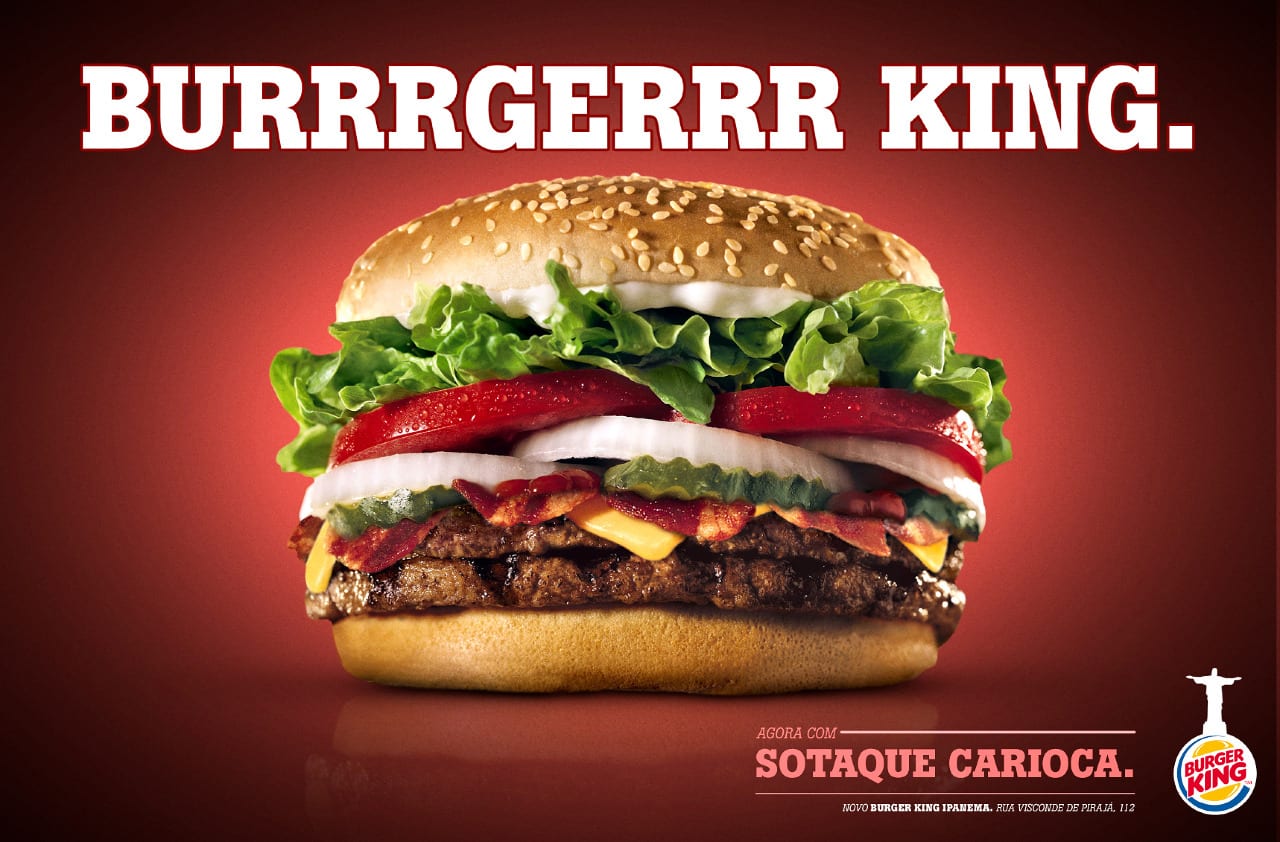
    Burger King introduced the Whopper to Vietnam in 2011 through opening its first outlet at Tan Son Nhat International Airport in Ho Chi Minh City, and had an ambitious plan to open 60 outlets within its first five years.

    It has invested $40 million in developing its chain in prime locations in major cities and provinces, but closed two outlets, in Tan Binh district and District 3 in Ho Chi Minh City, last year, two in Ho Chi Minh City and Hanoi in 2015, and one in Da Nang in 2014.

    Burger King Vietnam declined to comment for this story but in an interview with local media, Mr. Johnathan Hanh Nguyen, a representative of the franchise, said the US fast-food chain would not exit from Vietnam.

    “Some shops might have closed, but new shops will open,” he was quoted as saying. Analysts, meanwhile, believe that Burger King is meeting problems in Vietnam as its strategy of “Taste is King”, imposing US tastes in Vietnam, is not suitable.

    Its hamburgers, which stand at a price disadvantage compared to local “banh my” (bread and fillings), are simply not favored by Vietnamese.

    While the “King of Branded Goods” previously revealed the secret of his franchise as being “location, location, location”, it is unfortunately just one of many factors in winning in the fast-food segment.

    Many analysts also said that Vietnam’s Western-wannabe attitude has changed, and that local people have turned their backs on foreign fast-food after their curiosity was sated. Many local customers said the prices at foreign fast-food restaurants are too high and the food not really suitable.

    “Not meeting the needs of the target audience is one cause of failure in the food and beverage (F&B) field,” according to Ms. Nguyen Phi Van, Chairman of Retail and Franchise Asia.

    Change & develop

    In contrast to Burger King and McDonald’s, KFC, Lotteria, and Jollibee have become popular in Vietnam by adapting to local tastes, though all struggled in their initial years before finding success.

    Jollibee was the first to arrive in Vietnam, followed by KFC and Lotteria. KFC opened its first outlet in Ho Chi Minh City in 1997 and faced trouble at the time, as local consumers were unfamiliar with the concept of “fast-food”.

    Outlet numbers grew slowly, reaching 17 after seven years. It then adjusted its strategy, in particular changing its menu, for example by adding rice and vegetables to its signature fried chicken. By 2011, it had 100 outlets.

    Though facing major challenges in Vietnam and incurring losses for the first seven years, it now has more than 140 outlets in 19 cities and provinces and employs some 3,000 people.

    South Korea’s Lotteria, belonging to the Lotte Group, was also early on the scene, opening its first outlet in 1998. By late 2012 it had 140 outlets then 207 by 2015, opening an average of 20 each year.

    But it then opened just four new outlets in the first half of 2016. Regardless, Lotteria remains one of the leading fast-food brands in the country, with over 210 outlets in 30 cities and provinces and, though slow, outlet numbers continue to rise.

    The success of Lotteria is due to its extensive network of outlets, its diverse menu, and its dynamic marketing activities.

    The first on the scene, Jollibee, opened its first outlet in Vietnam in 1996 but has perhaps struggled more than KFC and Lotteria to gain a foothold in the country. By the end of 2012 it had just 25 outlets.

    In the 2012-2015 period, though, it grew quickly, opening nearly 50 new outlets, reaching 73 by the end of 2015. It now has around 80 stores in Vietnam and has also changed its menu to make it suitable with Vietnamese taste buds.

    General speaking, efforts to localize menus have made these brands more attractive among local people.

    Localizing the menu encourages people to walk through the front door, and once inside they may be open to trying something different, according to Mr. Robert Tran, CEO of business advisory firm the Robenny Corp.

    Moreover, customers can purchase a rice meal for only VND35,000 ($1.6) or a burger for VND49,000 ($2.2) at lunchtime.

    More and more people, especially the younger generation, have started having lunch at fast-food outlets rather than at street stalls or small eateries, as they can enjoy a meal at an affordable price amid air-conditioned comfort.

    Mr. Hoang also told local media that it is no easy task introducing a brand such as McDonald’s to Vietnam.

    “I therefore had to be very careful when conducting research,” he said.

    Vietnam presents a host of other obstacles for foreign fast-food brands. Mr. Thinh said that the appearance of more and more franchises in the country enhances the level of competition in the industry.

    “Challenges in location, workers, and product and service quality are all problematic for enterprises when making decisions,” he said.

    Mr. Nguyen Hong Lam, Managing Director of Jollibee Vietnam, told VET that the search for premises that are consistent with the needs of the company’s business leads to higher costs.

    Analysts also say that local brands possess advantages that their foreign counterparts don’t, such as affordable prices and a comprehensive understanding of consumer behavior in the country.

  • Swatch Group CEO reports ‘spectacular’ sales growth

    Swatch Group CEO reports ‘spectacular’ sales growth

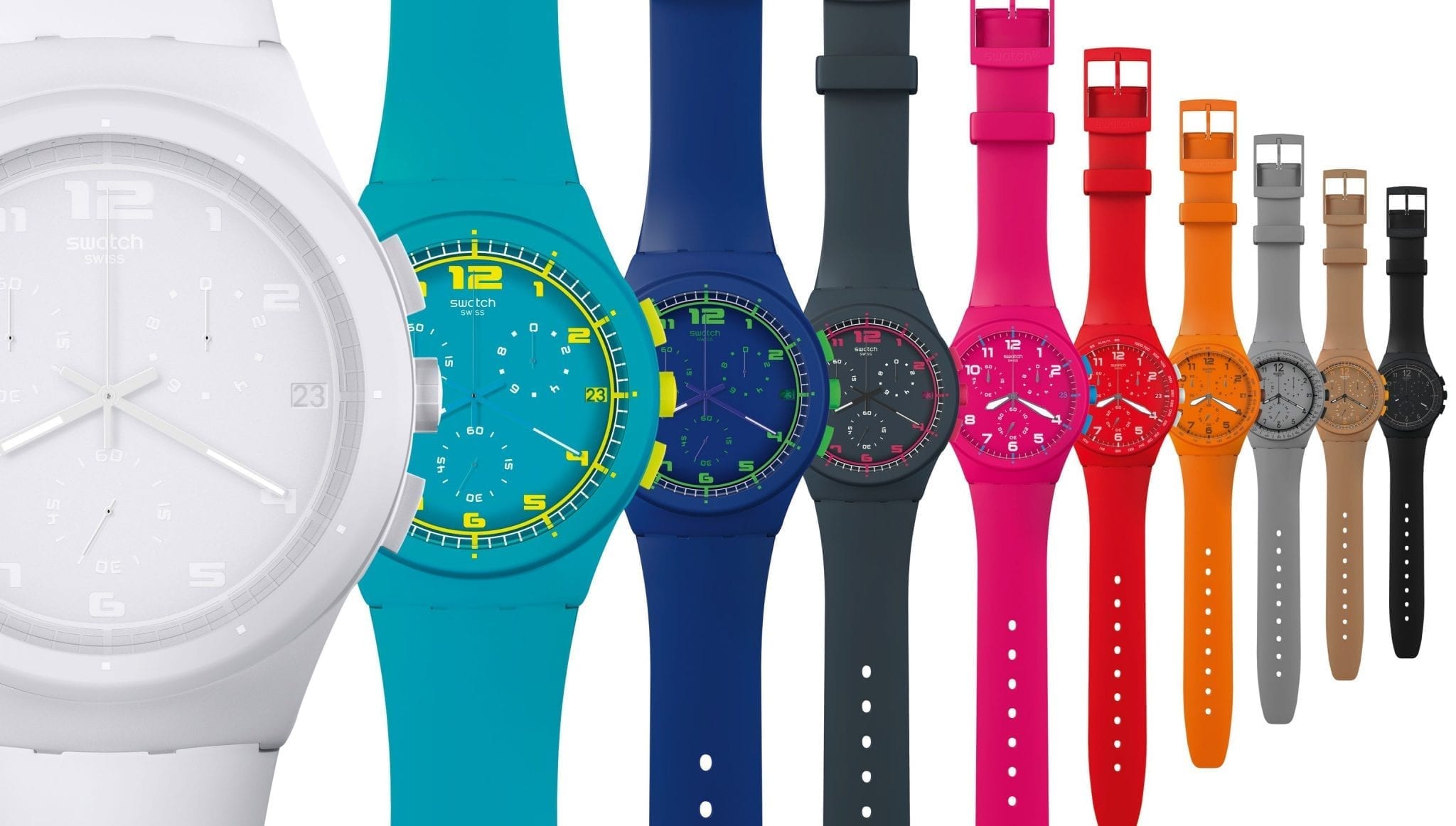
    “Spectacular” sales acceleration helped return watch company Swatch Group return to profits growth in its first half, says CEO Nick Hayek.

    And China is at the core of the rapid turnaround, suggesting the end has arrived of the luxury watch sector’s dry spell.

    Swatch’s factories this month are running at maximum capacity, Hayek says, with the most aggressive growth in the group’s high-end luxury brands such as Blancpain and Omega.

    Swatch’s net sales rose by 1.2 per cent to CHF3.7 billion (US$3.9 billion) in constant currencies in the first six months compared with a year earlier. But Hayek says sales of Swatch’s own-brand products expanded by 3 per cent.

    “The acceleration between the first and second quarters was spectacular,” he says. Sales in China, for example, had grown from 8 per cent 10 per cent.

    Group net sales were up 1.2 per cent at constant exchange rates to CHF3.7 billion, or down 0.3 per cent at current exchange rates.

    Sales growth was up 2.9 per cent in the watches and jewellery segment. The operating margin in the segment increased by nearly 25 per cent, from 10.7 to 13.2 per cent, despite negative currency impact.

    Swatch’s operating result grew by 5.1 per cent to CHF371 million while the operating margin increased to 10 per cent from 9.5 per cent the previous year.

    Net income increased by 6.8 per cent to CHF281 million, with a net margin of 7.6 per cent (7.1 per cent the previous year).

    Meanwhile, the company says Omega and the International Olympic Committee have extended their timekeeping contract for the Olympic Games by an extra 10 years up to and including the 2032 Games – taking Omega’s term as official timekeeper to a total 100 years.

    In the second half of this year new products will be launched by Blancpain, Breguet, Harry Winston, Longines, Omega and Tissot.

    Swatch has just launched Swatch Pay in Shanghai with its full credit-card payment ability, in partnership with UnionPay and 11 Chinese banks.

  • Alibaba cafe without cashier attracts queue

    Alibaba cafe without cashier attracts queue

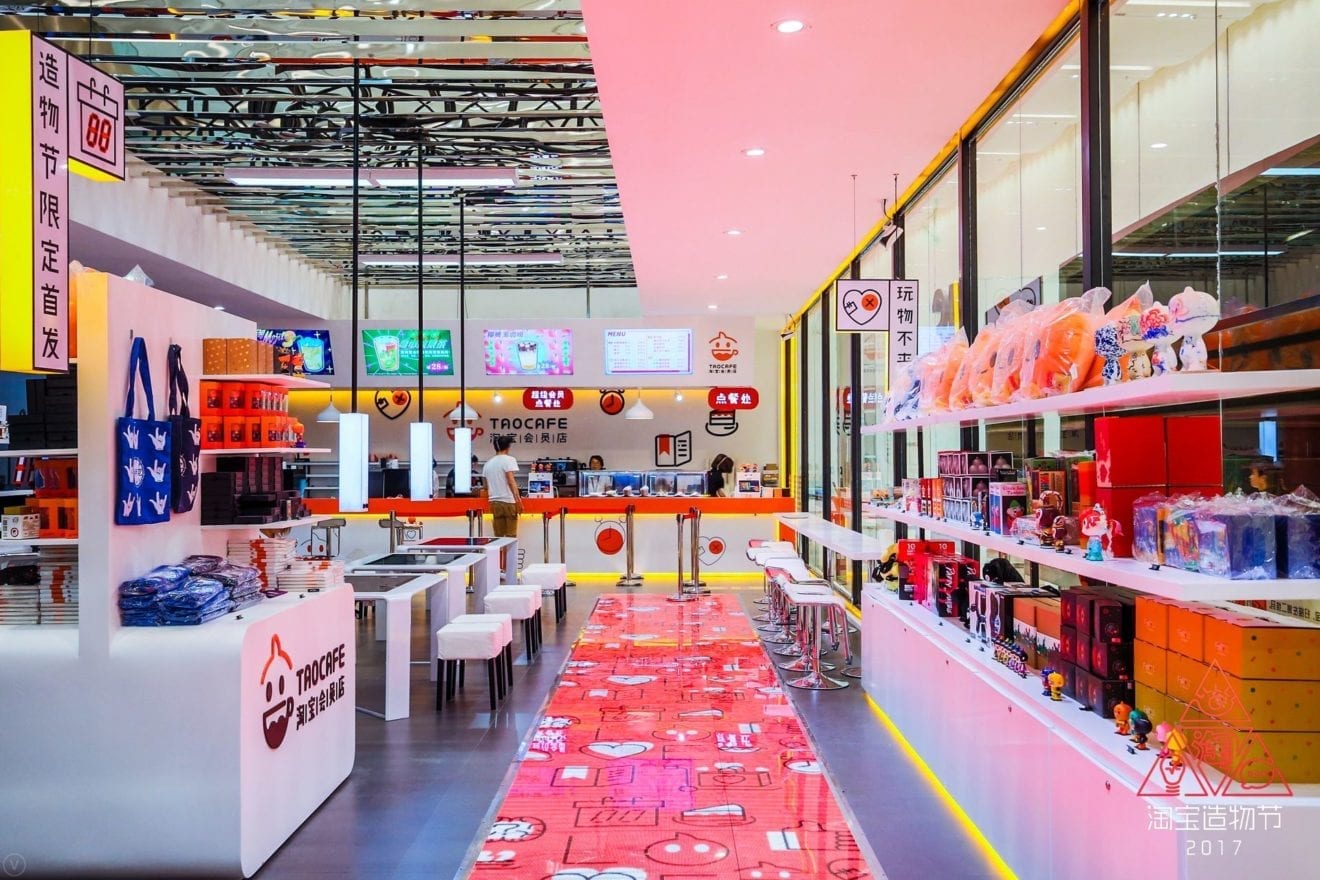
    An Alibaba cafe without a cashier attracted a queue of shoppers for its opening in Hangzhou. Entry into Tao Cafe is via smartphone scan through ticket gates similar to those at subway stations.

    Offering drinks, fast food and snacks, the 200 sqm store can accommodate 50 customers. To enter and make a purchase, shoppers need only a smartphone with Alibaba’s Taobao e-commerce app. The store’s e-shopping system developer, Alibaba subsidiary Ant Finance, has assigned a team to help customers.

    A woman shopper says she enjoyed the experience of buying a cup of coffee in the store. “Your profile picture is shown on the screen after you place an order. It also shows the wait time. There is no hassle of waiting for your name to be called like in ordinary cafes.”

    A tourist from Shenzhen says helpers told him to pick up goods slowly from the shelf so the system has time to confirm his selection. “We need to learn – it is a whole new shopping experience.” As he walked out of the cafe, his bill was automatically paid via the e-payment account on his smartphone.

    Ant Finance senior technical advisor Zeng Xiaodong says the cafe combines automated visual sensors and facial recognition to reduce error rates.

    All goods in the cafe are digitalised, he says. Each commodity, its placement on the shelf and its purchase are subject to digital recognition.

    “This store is our endeavour to explore new modes of brick-and-mortar retail combined with e-commerce,” says Alibaba CEO Zhang Yong.

    Theft test

    The system has been tested by technicians pretending to steal items, but the checkout machines recognised their selections and processed the charge.

    “It’s not about Alibaba wanting to open cafes, it’s about digitalising the footprints of visitors to an offline store,” says Alibaba Group chief marketing officer Chris Tung.

    He says offline retailers can improve by adopting online data capabilities to link the identity of the customers and optimise their shopping experience. “The more a user browses, the better the system understands their interests, and the better it can provide more relevant and personalised messages for them – it’s a healthy cycle.”

    Once retailers understand what their customers need online, the products can be allocated to the physical store.

    “The cafe is just a demonstration of what can be done for retail,” says Tung.

    Smart shopping has attracted attention after an unmanned 24-hour BingoBox convenience store opened in Shanghai last month. Customers must register in advance using social-media app WeChat or Alibaba’s mobile wallet app Alipay, then scan a QR code to enter the 10 sqm store, where goods are about 20 to 30 per cent cheaper than those in other convenience stores.

    Once customers have completed their purchase they scan another QR code to exit the store.

    BingoBox has raised US$15 million in funding to expand its business, and says only four staff members are needed to run about 40 stores.

  • The economics of the money-back guarantee

    The economics of the money-back guarantee

    “Returning the product to Amazon ASAP!” complained one disgruntled Amazon customer as they gave a one-star review for a digital camera on the company’s site. This is despite the same product having an average rating of four-and-a-half stars out of five from 242 other customers.

    Companies like Amazon aren’t just ignoring these disgruntled customers and their product-returning ways. In fact, retailers are increasingly offering extra services such as warranty plans, free shipping and guarantees to reassure them. Selling with the “money-back guarantee” is a prime example of this.

    This is because the economics of the money-back guarantee can work for retailers. These businesses allow customers to return products that do not meet their expectations — as a result of poor quality or a mismatch in taste — for a full or partial refund. Essentially offering their customers an insurance against the perceived risk of the product.

    And research shows these retailers make a profit with this type of guarantee, given specific conditions. Other research also shows the money-back guarantee increases customers’ feeling of satisfaction with their purchase experience, making them likely to return to the store.

    This type of guarantee is particularly important for retailers who sell products online or through mail-order catalogues. This is because customers can’t enjoy the benefits of the traditional “touch-and-feel” shopping experience, to reassure them they are making the right decision.

    Customers rorting the scheme

    Customer returns cost retailers more than US$260 billion (equivalent to 8 per cent of total retail sales) annually in the United States alone. The return rates vary significantly by category, and by channel type. It can reach as high as 35 per cent for high fashion apparel sold in traditional stores, and the rates are higher again for internet and catalogue sales.

    However, in most cases, the returned products are not defective. Customers abuse the money-back guarantee, so much so that buying a product with the intention of returning it has become a trend known as wardrobing or barrowing. In the US, fraud associated with returns costs retailers around US$2 billion during the holiday season alone (US$9 billion annually).

    Retailers try to get around this by offering partial instead of full money-back guarantees for products. The refund is usually less a “restocking fee” charged for returns.

    For example, compare the 30 day money-back guarantees from two Australian furniture retailers, Zanui and Rogerseller. Zanui offers a full refund, whereas Rogerseller charges its customers a 15 per cent restocking fee (it pays back only 85 per cent of the selling price rather than the full amount).

    In most cases, restocking fees can range between 10% and 20% of the original purchase price, some even as high as 50 per cent.

    A survey by professional services company Accenture reported that in the computer electronics industry, most customers returned their products because they simply “did not meet expectations.” More specifically, for 68 per cent of returns, there was “no trouble found” by the customers; 27 per cent of the products were returned due to “buyer’s remorse”.

    And only 5 per cent of the products returned were truly defective. However, regardless of the reason, returned products cannot be sold as “new,” even though the product could be new in the sense that it was never used.

    Major consumer electronics retailers such as Best Buy and Walmart restock these returned items and sell them as “open-box items” at discounted prices. Open-box simply means the product is marked as being opened or used previously. A retailer’s ability to sell returned products as open-box creates an opportunity to attract more price conscious consumers.

    The downside of such product differentiation is that open-box products can have a negative impact on the demand for the new products in a store. The retailer might also have to incur additional costs for handling returns and repackaging them as open-box.

    Making or losing money on the money-back guarantee

    Balancing the benefits and costs of the money-back guarantee is a delicate task for retailers. In studying the guarantee we worked out how retailers could use it to increase sales and profits.

    We looked at product pricing, refunding and inventory stocking decisions in money-back guaranteed sales. We took into account uncertainty in demand, the possibility of a customer’s dissatisfaction with the product after purchase, as well as the lower value customers place on an open-box product, relative to brand new products.

    Using this model, we figured out the best prices retailers could use reselling returned products and the restocking fees to encourage or discourage returns, for the highest possible net profit.

    Even though reselling returned products meant less stock for the retailer it also reduced inventory-related costs adding to profits. In essence, retailers can claim back at least some of the costs associated with return fraud, with reselling.

    In areas of retail with higher risk of returns, the temptation is to tighten returns policies, to limit them. This is especially true for highly innovative products, new technologies, or fashion-driven products (especially high-end ones).

    Interestingly, our study shows that reselling returns complements the money-back guarantee. So these type of high-risk products are likely to give retailers the most benefit, when they are resold after being returned.

    Retailers also feel the benefit of reselling when there are more price conscious customers who are more inclined to buy a product that is being resold, because it’s at a discount.

    So the economics of the money-back guarantee can work for retailers by improving brand value and through reselling via open-box products

  • Kathmandu’s two for two director swap

    Kathmandu’s two for two director swap

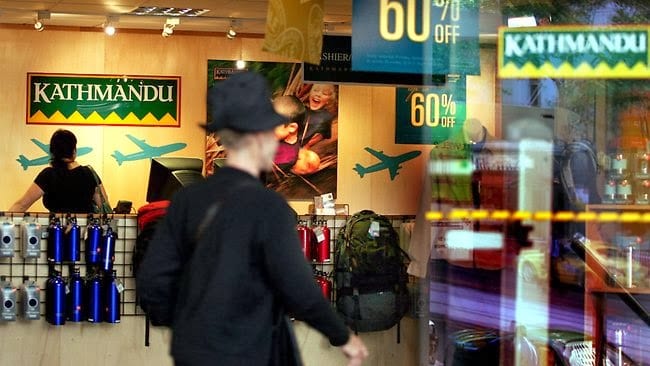
    Christine Cross and John Holland will retire from the board of outdoor apparel retailer Kathmandu, with the Kiwi-based retailer announcing replacement directors following an extensive international search.

    Holland has been a director of Kathmandu since the company’s Initial Public Offering in 2009 while Christine Cross has served as a director since 2012.

    The two new directors joining the board are Philip Bowman and Brent Scrimshaw.

    Bowman is an Australian who has worked for many years in the UK and USA and is relocating to New Zealand towards the end of this year. He has experience in retail and other sectors including roles as CFO of Bass, CEO of Bass Taverns, executive chairman of Liberty PLC, CEO of Allied Domecq, chairman of Coral Eurobet, CEO of Scottish Power and CEO of Smiths Group. He has also held office as an independent director of BSkyB, Scottish & Newcastle and Berry Bros. & Rudd. He currently sits on the boards of luxury goods business Burberry Group, Spanish infrastructure group Ferrovial SA, and is chairman of Dubai based Majid al Futtaim Properties and housebuilder The Miller Homes Group (UK).

    Scrimshaw, also Australian, had an 18-year career with Nike Inc across marketing, commerce and general management. He led marketing across Nike Pacific, was the regional GM for Nike Nth America, was the chief marketing officer for Nike EMEA, and also served as vice president and chief executive of Nike Western Europe. He retired from Nike in 2012 and is currently the CEO and Co-Founder of Unscriptd.com and is a non-executive director of ASX listed Rhinomed (RNO) and Catapult International Limited (CAT).

    David Kirk, chairman of Kathmandu, said both directiors “bring absolutely first class understanding of retail, brand development and international markets” and are a “great fit for the next stage of Kathmandu’s journey.”

  • SRG to discontinue Amart Sports

    SRG to discontinue Amart Sports

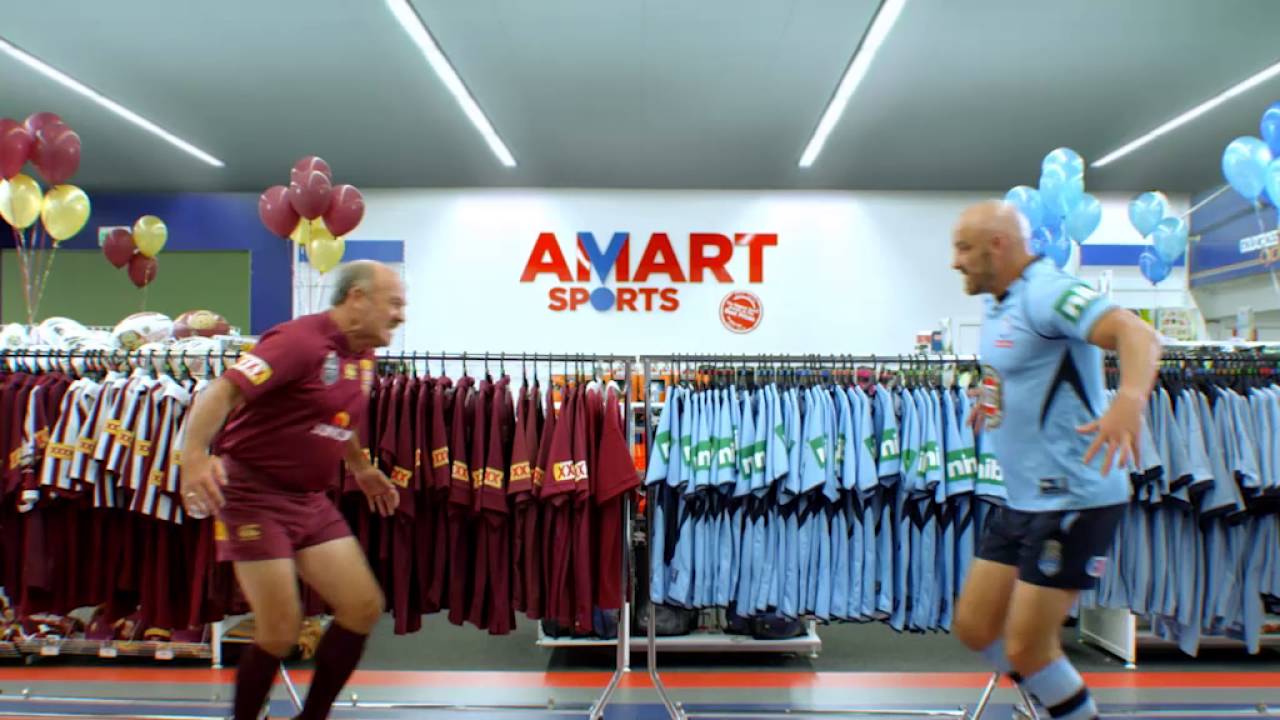
    Super Retail Group has decided to discontinue the Amart Sports and convert its 65 stores into Rebel Sport as part of a consolidation strategy designed to defend against the entry of Amazon, Decathlon and JD Sports.

    The plan, which is due to be completed by the end of October, will incur a non-cash transformation cost of $34 million in FY17 accounts, as well $9 million in capital investment for store fit outs and a further $3 million in cash costs to be incurred in FY18.

    In return, the merger is expected to generate an annualised $15 million in margin uplift and synergy benefits after two years, positioning the group to invest more heavily in Rebel’s offering, which will now trade across almost 160 stores nationwide.

    The group said in a presentation to investors that increasing customer expectations and an influx in international competitors would make it increasingly difficult to achieve a market leading position with both Rebel and Amart Sports, signalling that a merger would allow Rebel to both expand its range and invest in price to remain competitive.

    “Focusing on the Rebel brand will enable us to offer customers an expanded range of solutions and services at more locations, concentrate our investment building world-class omni retail capabilities, and further streamline the end-to-end supply chain required to deliver the seamless omni experience that customers expect,” Super Retail Group CEO Peter Birtles said.

    In recent months, the sports retailing landscape has seen increasing competition, with the likes of French retailer Decathlon and the UK’s JD Sports ramping up their Aussie footprint.

    SRG last month unveiled its omnichannel vision for the automotive brand Supercheap Auto and has now bedded down a strategy for its sporting division after conducting a review into the brands.

    It comes amid the construction of French discount sporting giant Decathlon’s first big-box location in Sydney’s inner west, which is due to open in October and will be the first of a 100 store vision for the company Down Under.

    SRG indicated that Amart Sports’ value proposition, which is also based on low-cost high-volume trade in big-box stores, will be incorporated into the Rebel brand.

    British brand JD Sports, which competes more directly with Rebel’s current brand-based offer, now also has three stores in Australia, after complementing its Melbourne flagship with locations on the Gold Coast and in western Sydney.

    The company said that the presence of new competitors on both sides of the sporting goods market would ultimately undermine the position of Amart Sports, as Rebel will be required to “adopt a stronger value message” to remain competitive, reducing the “differential in the overall customer proposition” between the companies.

    “Our research has confirmed there is a high degree of overlap between Rebel and Amart Sports customers, with the choice between brands typically only a question of which store has the most convenient location.

    “There is also significant product range overlap between the brands, so this decision will also drive synergies from a customer service perspective,” SRG said in a statement.

    The transformation will incorporate four distinct store formats for Rebel that align to metro, suburban and regional customer demographics to localise and adjust its offer for Amart’s large format stores.

    SRG remains confident that the diverse formats and assortments can be managed through adequate merchandising systems, with a plan in place to enhance ranging processes over the next three years.

    Amart Sports’ team members will be transferred to newly converted Rebel stores as the transition is implemented.

    SRG also said that it expects to come in at the upper end of its previous EBIT guidance of 16 to 18 per cent above the prior corresponding period.