Author: Mei Ling Tan

  • Omnichannel retailing to deliver market win

    Omnichannel retailing to deliver market win

    The omnichannel model has become a new weapon in the race to maintain and expand market share in the electronics retail industry.

    The coveted Top 3

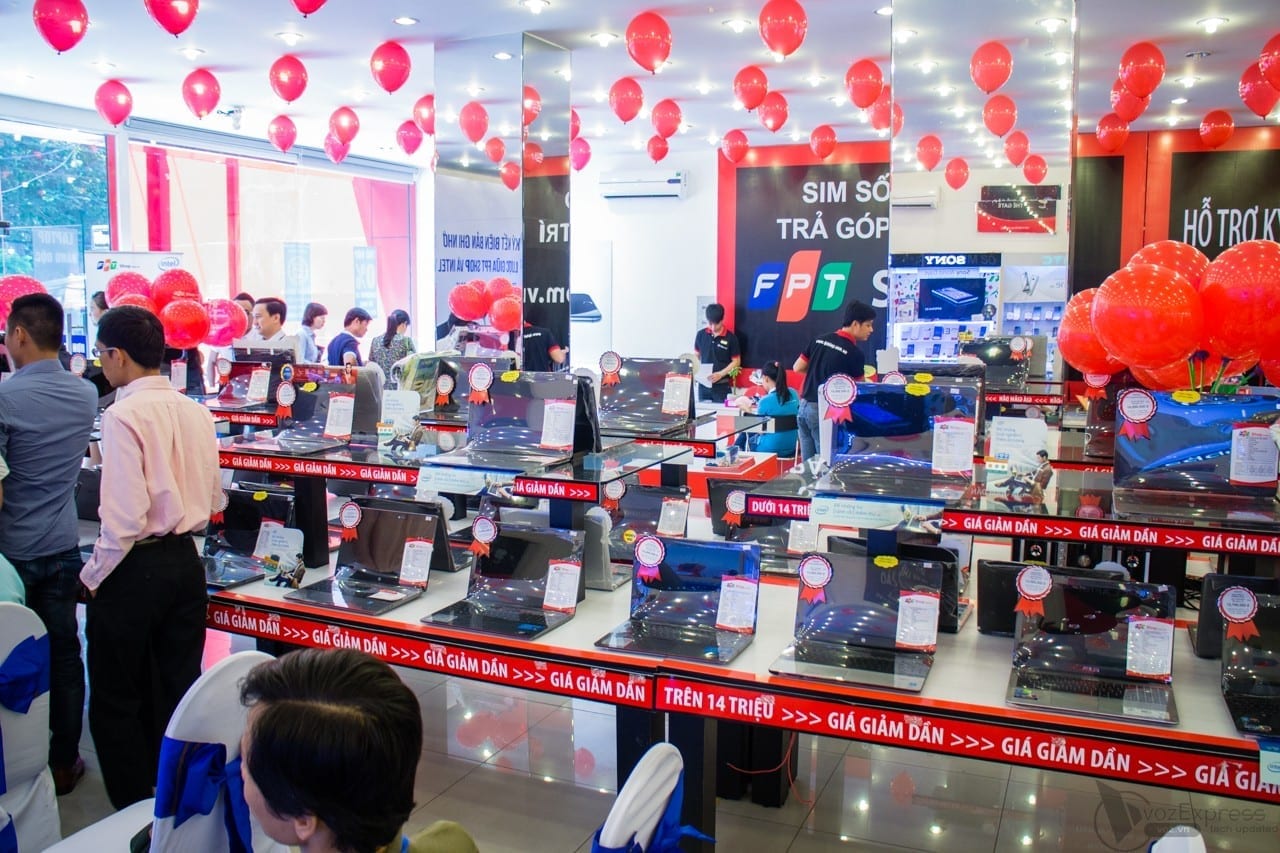
    A latecomer taking on established competitors, FPT Shop only started to strengthen its e-commerce channel in 2014. Within a single year, revenue from this business segment was only VND318 billion out of the total VND5.226 trillion ($13.98 million out of $229.91 million). FPT Shop’s website’s traffic reached a modest 100,000 visitors per day.

    In 2015, the firm’s e-commerce revenue posted VND568 billion ($24.98 million) and traffic doubled. In 2016, revenue from online sales grew by over 200 per cent, registering VND1.2 trillion ($52.79 million) and contributing approximately 10 per cent of its total revenue. Traffic was 800,000 visitors per day.

    Although FPT Shop’s e-commerce revenue in 2016 was only half of its largest competitor The Gioi Di Dong, this is considered an optimistic sign of greater opportunities as FPT Shop enters the potential e-commerce playground.

    According to Ngo Quoc Bao, director of business development of FPT Retail, FPT Shop has set a more ambitious target. “E-commerce revenue will double in 2017, crossing the VND2 trillion ($87.98 million) threshold,” said Bao. Such acceleration of growth shows FPT Shop’s intention toward professional omnichannel retailing. “We will continue the strong development of offline and online channels and the strategic partnership with companies like Google and Facebook to boost customer outreach,” remarked Bao.

    In order to achieve this, FPT Shop implemented comprehensive HR restructuring at the e-Commerce Centre from upper management to business strategy. While it used to open 5-7 stores a month, now the rate is only 1-2 stores per month, with no plans for further physical store expansion in the near future. Its current store count is 430.

    According to Bao, as FPT Shop entered the online arena later than its competitors, it has to reach one million customers this year. To achieve this, FPT Shop must boost traffic, optimise user experience to increase returning visitors, ensure confidentiality, convenience, and timeliness in online payments.

    The Gioi Di Dong (MWG) is arguably the first entrant to the online retail realm. This major name is in possession of the largest market share, with 10 per cent, thanks to a formidable online presence that is considered superior to that of Lazada (mostly owned by Alibaba) and Zalora (wholly owned by Nguyen Kim and Central Group).

    According to market research firm Euromonitor International, although market shares fluctuate year to year, MWG continues asserting its dominance among online retailers since 2011. MWG determined hefty targets for online retail as revenue from this source is set to double over-year to VND6.65 trillion ($292.55 million). The company’s total supermarket count will reach 1,207, of which thegioididong.com accounts for 951, Dien may XANH 256 for supermarkets and 40 for stores. Along with all this, Vuivui.com, a dedicated e-commerce site, will play a crucial role in the company’s strategy.

    Nguyen Duc Tai, president of MWG, commented that middle and high-school students tend to make more and more online purchases. Vuivui.com is the company’s investment for this future consumer base. The platform may even become MWG’s growth driver by 2020. “But for now, physical stores remain MWG’s chief money maker,” said Tai.

    Talks of the race to expand among the likes of FPT Shop and MWG cannot leave out Vien Thong A, a name ringing fewer bells, who is currently ranked third in the online retail arena. This retailer had an impressive year in 2016, where it opened 63 new supermarkets nationwide, boosting total count to nearly 300. Additionally, the retailer’s revenue went up by 30 per cent on-year.

    Besides tackling the coverage target and growth at least of 30 per cent, this year Vien Thong A will expand its online sales activities, which in 2016 generated only 5 per cent of the revenue made through traditional channels.

    Hoang Ngoc Vy, CEO of Vien Thong A, said the company is looking to expand its B2B online business in order to meet the ever-increasing demand. “The development of omnichannel tactics to offer services regardless of location and timing is our top priority,” remarked Vy.

    In order to jumpstart this business segment, Vien Thong A has to meticulously identify a strategic investor as its partner in this race.

    A game of speed

    According to Euromonitor International, by 2020, online electronics retail will grow at 30.9 per cent CAGR, reaching VND20.985 trillion ($923.18 million). Meanwhile, purchasing behaviour is changing, shifting to more time spent online, leading the offline channel to saturation, with increasingly limited room for growth.

    In reality, omnichannel retailing has been steadily gaining ground for the past three years in Vietnam as mini-scale online stores started mushrooming on Facebook with numerous online sales tactics.

    Especially, Zalo (VNG) launched Zalo Shop to provide independent online merchants with a direct platform to 60 million customers without acquiring technical capabilities. Zalo users can conveniently “browse” thousands of stores on the uniform interface of Zalo Shop and easily make purchases without searching on Facebook or Google. Boasting these advantages, the online channel, more than ever before, has become considerably lucrative.

    According to statistics by Google, Vietnam is second in the world in terms of the number of online retail merchants. Whether this form of retail can grow sustainably remains, however, a question as customers are hesitant to accept/trust these independent small-scale businesses.

    Such prospects push retailers towards change. They admit the never-before-seen potential of omnichannel in awakening the market and capturing new customer segments.

    Bao commented that FPT Shop must expand its coverage and get ahead of market demand. However the Vietnamese consumers are naturally sceptical. Online buyers would visit offline stores to browse the merchandise, compare the products and prices. Therefore, it is advisable that companies stay mindful of their physical chains.

    Logistics above all

    “Never coerce consumers to online channels, since physical visits are conducive to unintended additional purchases. It depends on geographic and taste factors that enterprises coordinate their channels, hence enhancing brand recognition,” said Bao.

    In the race of omnichannel retailing, the essential survival tip is understanding, satisfying, and building trust with customers. To achieve this, retailers are responsible for guaranteeing the authenticity, quality, and timeliness of merchandise. Logistics, therefore, should be an investment priority.

    The Gioi Di Dong used to outsource its logistics but has since developed its own delivery capabilities. FPT Shop utilises its own store staff for delivery.

    “In that way, our delivery staff can directly consult the customers on product use and ensure our reputation,” commented Bao.

    Regarding logistics, Luong Duy Hoai, CEO of Giao hang nhanh (GHN) said, in the future, a product from abroad can easily reach Vietnamese consumers. The same goes for Vietnamese goods sold to other countries.

    Therefore, it is no longer a matter of speed but of agility to comprehend and lead the industry landscape by market shares. The challenge for modern retailing is the shipment of million, even tens of millions, of orders on a daily basis. The ultimate success factor lies in a delivery network that can address the complexities of increasingly customised demands. It is up to each retailer to rapidly transform its model according to the current technological trends.


  • McDonald’s Is Now Serving Minion-Shaped Fries

    McDonald’s Is Now Serving Minion-Shaped Fries

    For those who can’t make it to the Minions-themed café in Japan, don’t worry — we’ve got you covered with the next best thing. In celebration of the premiere of Despicable Me 3, McDonald’s now introduces a special menu inspired by the beloved characters of the animated film. In particular, fans will probably go bananas over the Minion-shaped fries.

    Characterized by its cute, hollow eye and mouth, this potato goodness will likely become the next big food craze on social media. Check out the images below to see it for yourself.

    The Minion fries are currently only available at McDonald’s locations in Australia, New Zealand, Singapore and Thailand.

  • Japan’s retail sales growth slows in May, June looks more positive

    Japan’s retail sales growth slows in May, June looks more positive

    Retail sales in Japan lifted 2% for the month of May, as shopping revenue growth slowed in the archipelago nation, compared to April’s increase of 3.2%.

    The May result came in below a median forecast of 2.6% compiled by Reuters.

    The biggest contributors to the rise were sales of motor vehicles, followed by fuel, medicine and toiletries, according to the Economy Ministry.

    Offsetting the gains, sales at supermarkets and department stores dipped 0.6% in May, after growing for the first time in nine months in April at a pace of 1.1%

    Month-on-month, sales fell 1.6% from April, when they rose 1.4% on March.

    However, June looks to be more positive on the retail front for major apparel and accessories players.

    A report by WWD said big-name fashion retailers in Japan recorded a positive sales month in June, on the back of early clearance sales and an increase in shopping tourists to the nation.

    Fast Retailing said Tuesday that same-store sales at its Uniqlo stores in Japan were up 4.1% on the year last month, while Isetan Mitsukoshi Holdings, the country’s largest department store operator, said same-store sales among its Tokyo metropolitan area gained 1.1% year-over-year in June.

    After releasing a soaring first-quarter profit result last week, Takashimaya said June sales at its 17 department stores in Japan grew 4.6% compared with the same month last year, while H2O Retailing Corp, which operates the Hankyu and Hanshin chains of department stores, said sales at those stores were up 4.6% on the year last month.

    Finally, the 18 Daimaru and Matsuzakaya department stores in Japan, operated by J. Front Retailing, posted a 4.8% sales rise on the year in June.

  • Ksubi returns to retail with global flagship

    Ksubi returns to retail with global flagship

    Ksubi is on a fashion comeback with the opening of its global flagship store in Sydney. Located on the prime shopping strip of Oxford Street in Paddington, Ksubi has set up its return to retail within the coveted ‘The Intersection’ shopping hub in Sydney’s inner east

    The new boutique adds to the current distribution of Ksubi, which sees its jeans, apparel and accessories stocked inside the store walls of youth fashion retailer General Pants Group, who acquired distribution rights to the brand in 2014.

    The new Ksubi store comes after years of financial woes for the Sydney fashion label, after it was rescued twice from administration.

    Ksubi was founded as a streetwear label in 1999 by Gareth Moody, Dan Single, George Gorrow, Paul Wilson and Oscar Wright. Known for its impeccable denim cuts and high-octane aesthetic, the label soared to cult status among trend-lead fashionistas for several years and was stocked globally in niche boutiques.

    However, in 2010, claims of mismanagement and quarrels internally saw it fumble into administration, and it was sold to clothing manufacturer Bleach Group for around A$5 million.

    In late 2013, the Australian fashion label was then placed in receivership again after 14 years in the business, with Bleach Group chief executive Mark Byers blaming challenges in the Asian supply chain. Some 60 staff were fired from the brand’s head office, while its seven stores were also closed.

    US-based firm Breakwater Management Group took on Ksubi soon after and at the time said it would focus on the brand’s online sales. Breakwater then inked a distribution agreement with Australian multi-brand retailer General Pants Co in 2014, to sell Ksubi items from its 40-plus Australian stores, thus reviving Ksubi’s brand reach in store.

    With the news of the latest Ksubi store in Sydney, no information has been disclosed concerning future store openings for the brand in Australia or overseas. Today, Ksubi is sold in the US, Japan, the UK, and New Zealand and in Bloomingdales in Kuwait.

  • DHL and Latvian Railways join forces to boost Baltic-China trade

    DHL and Latvian Railways join forces to boost Baltic-China trade

    Baltic and Nordic exporters can look forward to faster, cheaper and more reliable logistics connections to China’s immense export market, following the signing of a new agreement between Latvia’s State Joint Stock Company Latvijas dzelzceļš (LDz) and DHL Global Forwarding.

    The Memorandum of Understanding and Cooperation (MUC) signed between both companies will see both organisations focus on establishing multimodal rail connections between China and Latvia, including both freight connections and consolidation services centred in Riga City. Under the MUC, new connections will include guaranteed transit times and simplified customs and handling procedures for inbound and outbound cargo, as well as support for more flexible shipments such as Less-than-Container Load (LCL) freight.

    “So far, very few Baltic or Nordic businesses have fully tapped into the immense market opportunities that China and the broader Asia Pacific region currently offer,” said Steve Huang, CEO, DHL Global Forwarding Greater China. “The two regions’ exports made up only 0.7% of China’s imports on average between 2011 to 2015, despite China’s demand for overseas goods which both regions excel in — like high-quality food products, textiles, and pharmaceuticals — growing rapidly in this time.[1]”

    “With the economies of Latvia and its neighbours expected to grow faster than the rest of the European Union,[2] businesses in the region will need to look to new markets like China to fuel their expansion. By building rapid, reliable logistics connections between the Baltic and Asia Pacific, we hope to give the region’s businesses a strong foundation for ongoing growth.”

    The MUC comes as DHL begins service along its newest Asia-Europe multimodal route connecting Shenzhen to Minsk via rail. DHL holds similar agreements with national rail providers in Belarus, Chengdu, and other major hubs along China’s proposed “Belt and Road” trade routes.

    “DHL has led the way in realising the Belt and Road’s opportunities for numerous countries, including the Nordic states that its Shenzhen-Minsk route will directly service,” said president of LDz, Edvīns Bērziņš. “This new agreement will give Latvian businesses the flexibility and confidence to engage in freer trade with Chinese and Asian markets, as well as establish Latvia as a strategic gateway along the Belt and Road to other parts of Europe — a twofold boost to the country’s production and logistics industries.”

    The MUC also includes provisions for ocean freight and intermodal shipping between Latvia, Scandinavia, and the UK and Ireland, as well as air and road freight connections to major cities across continental Europe.

  • Bank Mandiri to expand in Malaysia as first ‘ASEAN bank’

    Bank Mandiri to expand in Malaysia as first ‘ASEAN bank’

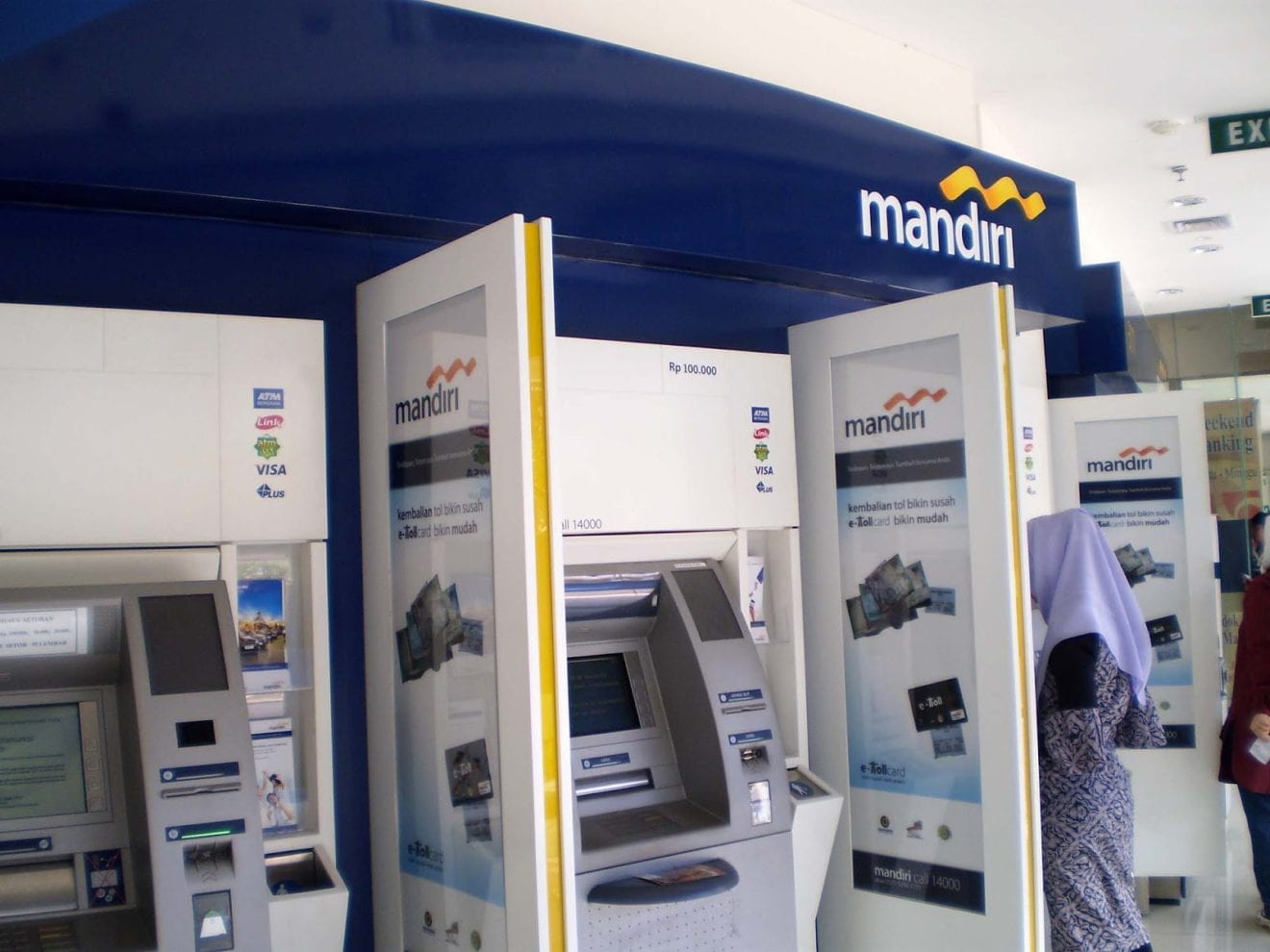
    Bank Mandiri will expand operations in Malaysia by using its newly awarded status as a cross-regional lender, Indonesia’s largest state-owned bank said Thursday.

    Mandiri said it is the first bank in the region to be designated a qualified ASEAN bank — a concept developed by Association of Southeast Asian Nations members as part of an effort to create an open, integrated financial market providing services to companies investing and trading in the region.

    To obtain QAB status, banks must meet certain conditions, such as in capital adequacy, and pass screening under bilateral agreements between monetary authorities. Indonesia and Malaysia agreed in 2016 to grant QAB status to three banks from each other’s countries.

    Such Malaysian banks as CIMB Group Holdings and Malayan Banking already have major operations in Indonesia, while Indonesian banks have been seeking opportunities to grow outside the home market. “We highly appreciate the Malaysian banking authorities that support the presence of banks from Indonesia,” said Muliaman Hadad, chairman of Indonesia’s Financial Services Authority. “Indonesia has also treated Malaysian banks as their own. This is a step forward that can strengthen relations between Indonesia and Malaysia.”

    Malaysia will become the first overseas market for Mandiri to operate a full-fledged banking business in, the lender said. It plans to invest 300 million ringgit ($70 million) to upgrade a remittance office in Kuala Lumpur to a full branch and roll out wholesale and retail banking services.

    Mandiri is also exploring expansion into Myanmar and the Philippines, it said in a news release.

  • Tesla’s Model S fails to ace some tests in IIHS evaluation

    Tesla’s Model S fails to ace some tests in IIHS evaluation

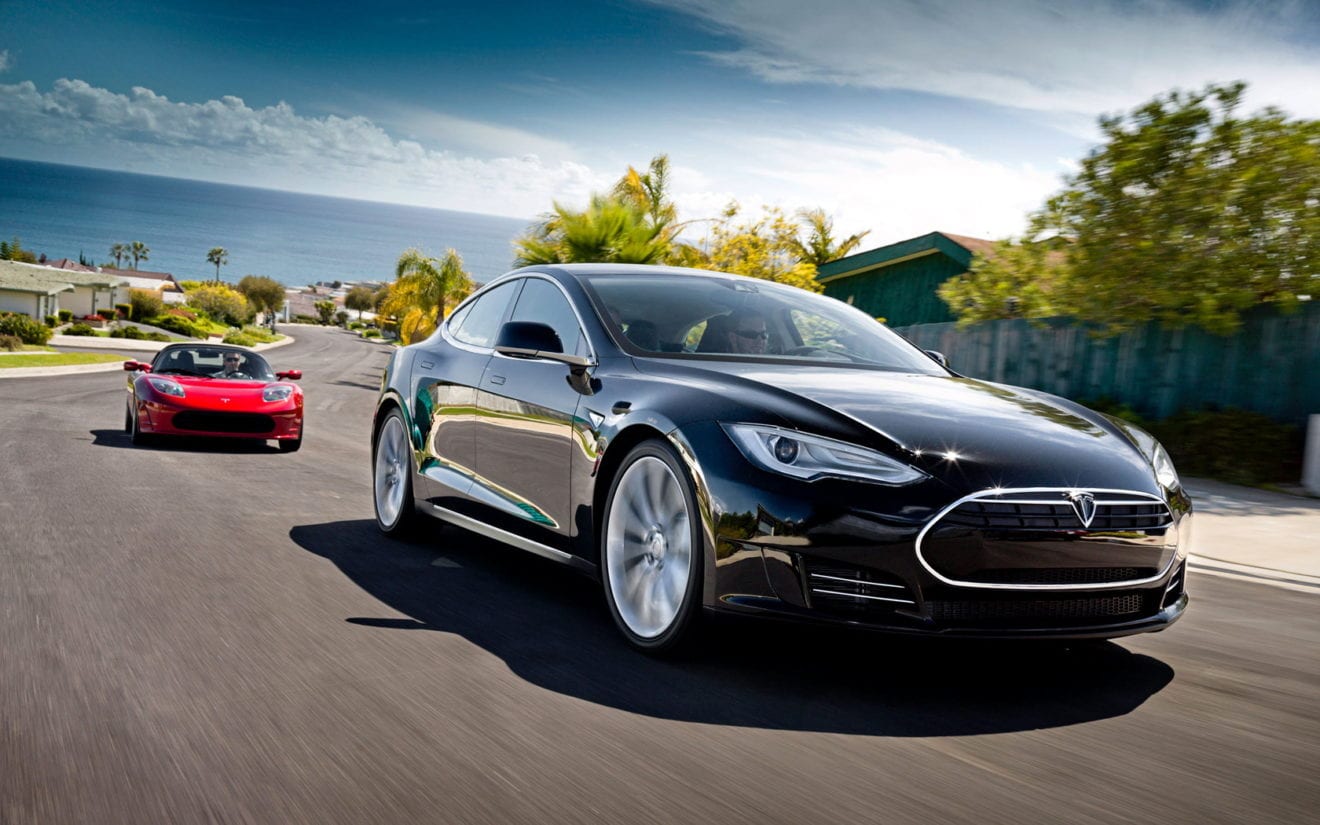
    Tesla Inc’s Model S did not get the top score in certain tests by the Insurance Institute for Highway Safety (IIHS), the agency said on Thursday.

    Chevrolet Impala, Ford Motor Co’s Taurus and Tesla’s Model S were the three sedans that got “only an acceptable rating” in a test designed to simulate what happens when the front driver-side corner of a vehicle strikes a tree or another vehicle, the IIHS said.

    Ford’s Lincoln Continental, the Mercedes-Benz E-Class and Toyota Motor Corp’s Avalon received the highest rating overall, the agency said.

    In the test, the seat belt in Tesla’s Model S was not effective and could lead to the driver’s head striking the steering wheel hard through the air bag, according to the report.

    Tesla’s Model S received the highest rating in IIHS’s crash testing in every category except one, the small overlap front crash test, where it received the second highest rating available, a Tesla spokesperson said in an email.

    “IIHS and dozens of other private industry groups around the world have methods and motivations that suit their own subjective purposes,” the spokesperson said.

    Tesla said the most objective and accurate independent vehicle safety test is done by the U.S. government, which found Model S and Model X to have the lowest probability of injury of any cars that it has ever tested.

    In order to get the top IIHS rating, automakers must have a frontal crash prevention system with automatic braking capabilities to prevent a rear-end collision.

    The vehicles must stop or slow down without driver intervention before hitting a target in tests at 12 or 25 miles per hour among other factors, IIHS said.

    Toyota said in a statement it is committed to developing safe and reliable vehicles.

    General Motors Co declined to comment, while Ford and Mercedes were not immediately available for comment.

    The IIHS is a research arm of the insurance industry, and its crash tests are increasingly influential in guiding vehicle safety design. Automakers strive for top ratings in IIHS tests as they do on federal crash tests.

  • Amazon prepares to take on South Korean e-commerce

    Amazon prepares to take on South Korean e-commerce

    Amazon is preparing to expand competition in the Korean online retail market, as evidenced by a recent wave of advertisements for positions in its office in Seoul.

    In the last week alone, the e-commerce giant advertised for 49 full-time positions and internships in Seoul, many within Global Selling, Marketing, and Business Development.

    To date, Amazon’s business in South Korea has focused on cloud computing rather than online retail. AWS opened an office in Seoul in 2012 and began accumulating customers and formulating partnerships with a broad base of Korean companies, including Samsung, Nexon Gaming, and Mirae Investments.

    Amazon added an AWS region in Seoul in January 2016, to provide local customers with low-latency access to AWS infrastructure services.

    However, with the addition of employees in Global Selling and Marketing, it appears that Amazon is ready to expand its retail e-commerce footprint in the region as well.

    South Korea represents one of the biggest e-commerce markets worldwide, with an existing market of $19.12 billion in 2016 expected to grow to over $32 billion by 2021. This represents the highest e-commerce penetration in the APAC market, with 72% active online shopping reach.

    South Korea’s online shopping reach was second only to the UK in a recent survey, roughly similar to that of Germany. However, South Korea is expected to surpass both the UK and Germany in online sales over the course of the next two years.

    The current market leader is 11Street, a subsidiary of SK Telecom, followed closely by newcomer Coupang.com. However, Amazon is expected to have a disruptive effect on the South Korean market in part due to its global reach. Through Amazon, sellers whose current efforts are focused on the South Korean market will be able to access a global customer base for their products.

    The most popular online shopping categories in South Korea are online travel and reservation services, home electronics and appliances, and fashion and apparel. Amazon recently made major gains in online sales of home appliances and is on track to become the leading US online retailer of consumer apparel.

  • Sephora to open store in Doota mall in Korea

    Sephora to open store in Doota mall in Korea

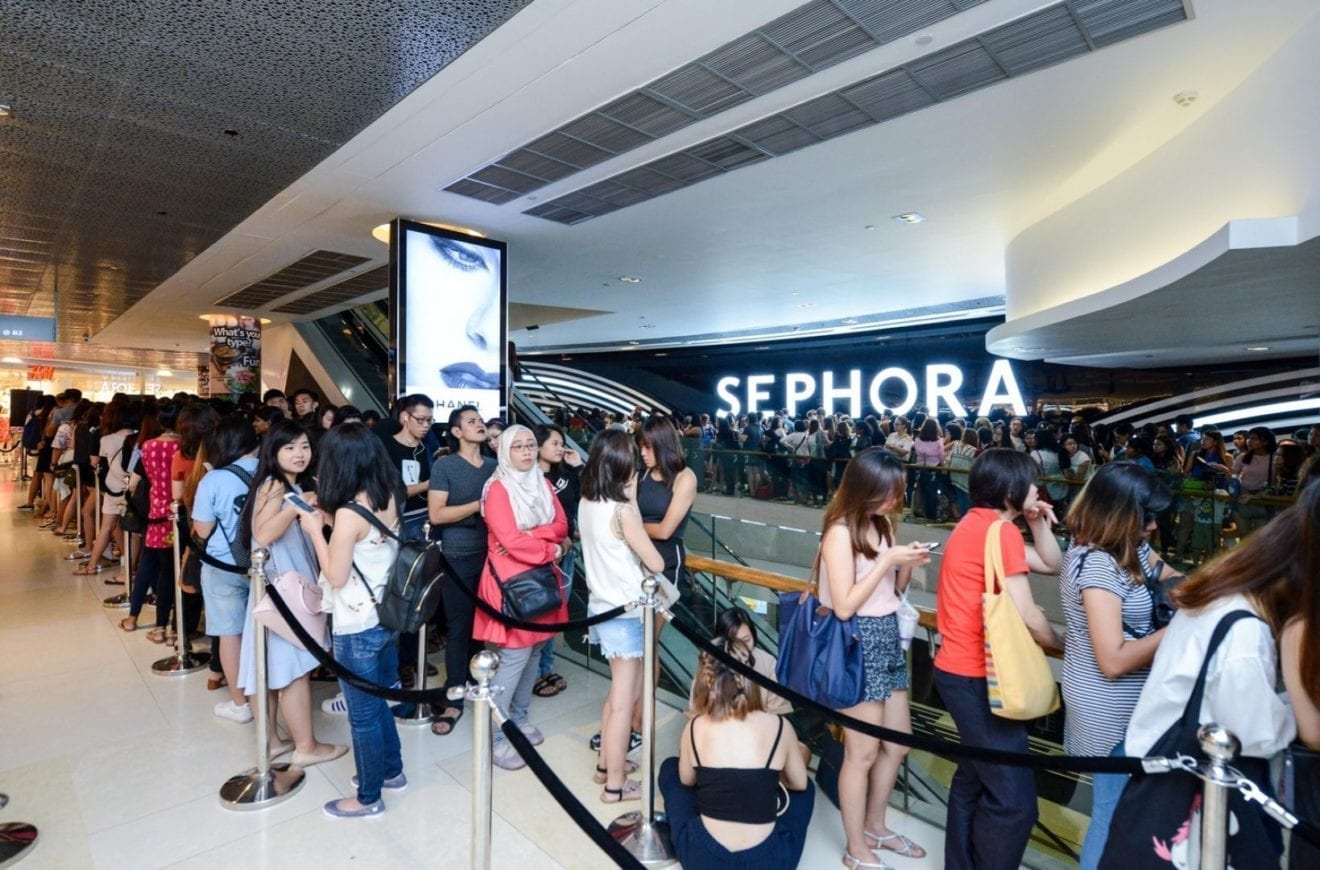
    Sephora, the world’s largest cosmetics multi shop, will open a store in Doota Mall, Dongdaemun, Seoul.

    According to officials, Sephora is in the process of making contract with Doota Mall.

    Sephora, that started in 1969 as a small cosmetics shop in France, is a famous cosmetics shop that is often found in famous shopping streets around the world, where customer can buy and test various cosmetic brands.

    Especially in 1997, the power of Sephora became stronger when it was sold to the LVMH group of world famous brand Louis Vuitton.

    It has been reported that Doosan’s owner, Park Seo-won, in charge of distribution strategy of Doosan (CSO), has contacted officials of Louis Vuitton and It is now presumed to open Sephora in Doota Mall.

    Park Seo-won met Bernard Arnault, who is president of LVMH group in the eve of Louis Vuitton Exhibition held at Dongdaemun Design Plaza in Seoul in early June, and also attended the “Viva Technology” conference, a start-up company road show held in Paris, France.

    At the time of opening the Doota Duty Free Shop, Park visited Louis Vuitton and Chanel‘s headquarters to try and attract luxury brands. However, one year later, they are facing difficulties in attracting luxury brands compared to other duty free shops. In addition, Doota duty free sales was directly affected by Thaad.

    However, it is now possible to expect to boost the Doota mall through the opening of Sephora.

    Sephora is expected to attract not only foreign customers but also Korean customers by having a PB brand that can be sold only in Sephora as well as luxury cosmetics brands such as Dior, Hermes, Prada and Tom Ford.

  • Foxconn to set up manufacturing hub in India

    Foxconn to set up manufacturing hub in India

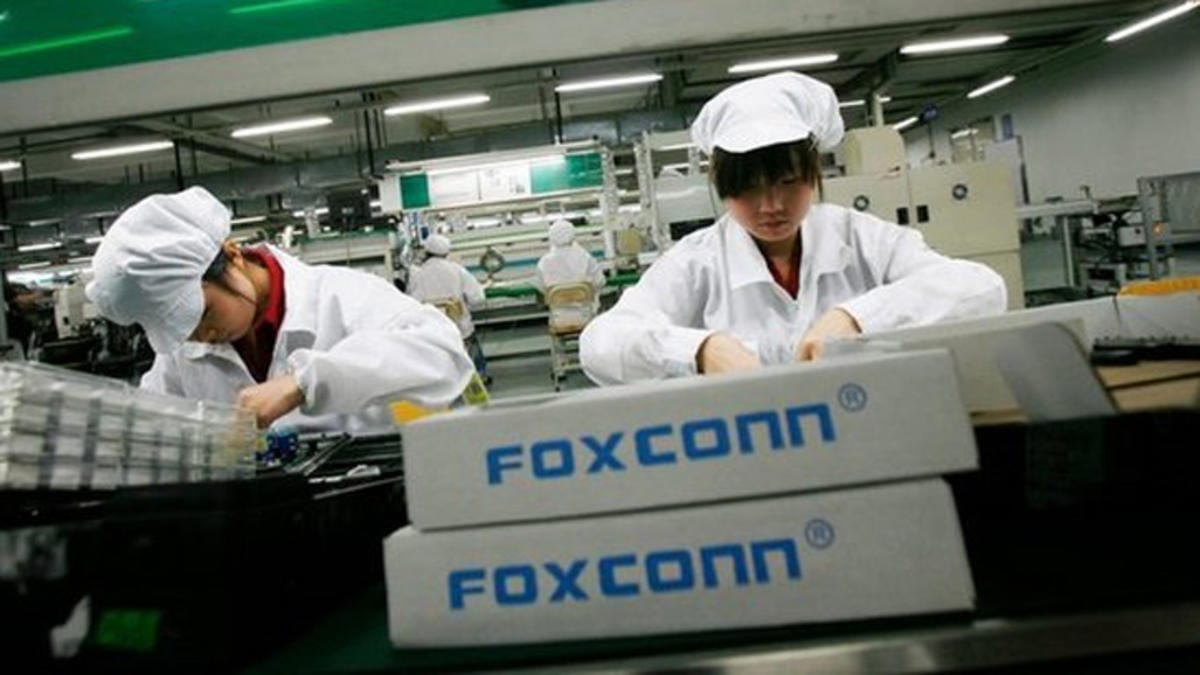
    Foxconn will invest up to 320 billion rupees ($4.9 billion) to establish more manufacturing capabilities in India, in response to the nation’s recent legislative changes designed to incentivize local manufacturing.

    The company plans to exponentially scale up its Indian operations, opening new factories and expanding its manufacturing footprint.

    India has just announced a 10% customs duty on the importation on phones and accessories in a bid to encourage local manufacturing. The move comes two years after he introduction of tax benefits for companies making handsets locally.

    It is currently unclear how the recently-announced GST of up to 18% of the cost of transactions will influence the benefits for local manufacturing.

    According to the report, India currently has the capacity to produce up to four million devices per month, manufacturing phones for companies including Xiaomi, Oppo, InFocus, Nokia and Gionee.

  • Japan Airlines to outfit B787-9 Dreamliners with new Sky Suite offering

    Japan Airlines to outfit B787-9 Dreamliners with new Sky Suite offering

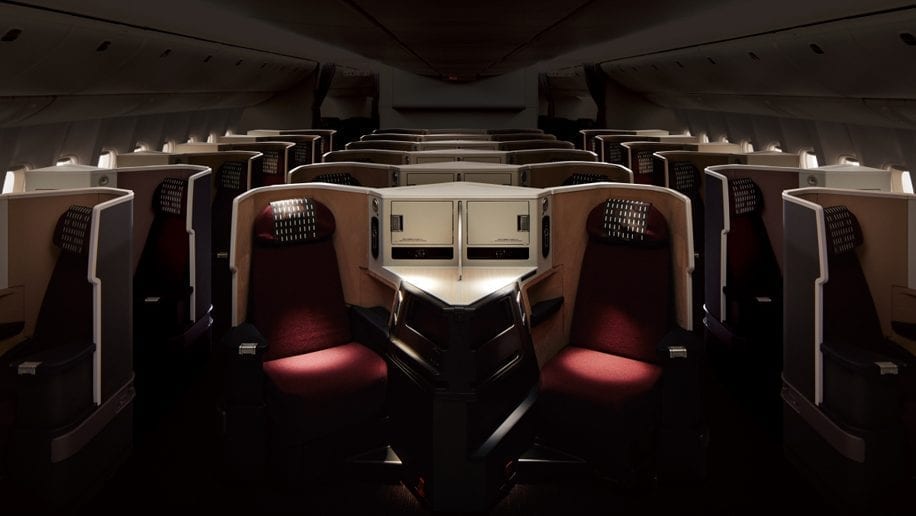
    Japan Airlines is introducing a new JAL Sky Suite configuration to its B787-9 Dreamliners that is set to debut on the airline’s Tokyo Narita to Kuala Lumpur route starting at the end of July this year.

    The new configuration is part of a wider plan by Japan’s national carrier to outfit its B777-300ER/-200ER, B767-300ER and B787-8/-9 with new Sky Suite layouts, which it has been introducing on select international routes. After Kuala Lumpur, the new B787-9 Dreamliner layout will be progressively introduced onto other international services.

    The revised layout will notably be retrofitted with the fully flat JAL Sky Suite III business class seat – the same as its B777-200ER, which first began sporting the seat last June. Meanwhile the business class cabin itself will increase in capacity to 52 seats compared to the 44 with the aircraft’s current layout.

    The JAL Sky Suite III seats are laid out in a 1-2-1 configuration (the current layout has seats 2-2-2), providing all passengers with direct aisle access – and offer a maximum bed length of about 78 inches, a width of 21 inches (which can be increased to 29 inches with the armrest is stowed), and a width of 20 inches. Additional features include a 17-inch monitor, a retractable privacy partition, a universal power outlet and a USB port.

    Premium economy and economy class, meanwhile, won’t see a capacity change – a notable detail as it means Japan Airlines will be retaining its eight-across configuration in economy. Industry norm is for the B787-9 Dreamliner to be configured with nine-across seating, and Japan Airlines claims it is the only airline to offer eight-abreast in economy on the aircraft.

    Seating in premium economy will be the JAL Sky Premium (35 seats in a 2-3-2 layout), which offer about 42 inches of pitch and 19 inches of width. Dividers, a 12.1-inch monitor (10.6 inches for bulkhead seats), a universal power outlet and USB port also feature.

    Meanwhile economy class sports the airline’s JAL Sky Wider II seats, which have a pitch of about 33 inches and – due to the eight-across layout – a width of around 19 inches. Seats also have a universal power outlet, USB port and 10.6-inch monitor.

    The seating isn’t all that will be changing, though. A new “Magic-VI” in-flight entertainment system with some 300 films will be available, as will in-flight wifi.

  • Ford’s China sales post strongest growth of year in June

    Ford’s China sales post strongest growth of year in June

    Ford Motor Co said its China sales surged 15 percent in June, their strongest pace of the year, as the industry puts the phasing out of a tax cut behind it, adding that it was optimistic about the outlook for the second half.

    Peter Fleet, Ford’s Asia-Pacific chief, said the first quarter had been difficult after a tax on car purchases rose to 7.5 percent from 5 percent previously.

    Although Ford’s China sales declined 7 percent in the first-half from the same period a year ago, they were up 7 percent in the second quarter. Sales for June alone climbed to more than 100,000 vehicles.

    “I would expect to see for the third-quarter strong single digit percentage growth (for) the industry. That’s certainly how it looks to us based on the run rate and how the month of July has opened up,” Fleet said.

    Ford’s level of discounting tracked an overall 4 percent price decline for the industry so far this year, he said.

    “I’m not interested in driving our prices down to drive market share,” Fleet said.

  • Ericsson chairman to step down

    Ericsson chairman to step down

    Ericsson chairman Leif Johansson (pictured) will step down from his position as the struggling Swedish telecoms equipment vendor enters a new phase.

    Johansson, who has been serving as chairman of the company since 2011, has informed the company that he will not make himself available for re-election at the shareholder’s AGM in 2018, according to a company statement released on July 5.

    Ericsson, facing increasing competition from Huawei and Nokia, has been struggling to return to profitability.

    Johansson didn’t explain explicitly why he had chosen to step down, saying only the company has a new strategy and there had been changes in ownership

    But according to FT, the move was prompted by corporate activist investor Cevian Capital, led by Christer Gardell, which recently acquired 5.6% stake in Ericsson and has been pushing for further change.

    Commenting on his decision, Johansson said, “Börje Ekholm assumed the position as CEO in the beginning of the year and during the first quarter the company presented a new, more focused, business strategy. This strategy, which is supported by the board and the major owners, creates a solid foundation for realizing Ericsson’s full potential”.

    “The company now enters a new phase, with focus on execution, and we also have a new ownership constellation. It is natural to let the owners jointly propose a chairman and well ahead of this I want to announce that I will not be available for a next term,” he added.

    The company said its nomination committee has initiated a search for a replacement.

    Nokia appoints Gregory Lee to head technology arm

    Nokia has appointed Gregory Lee (pictured) as president of Nokia Technologies and a member of the company’s Group Leadership team, with immediate effect.

    Lee joins Nokia after a 13-year career at Samsung Electronics, where he most recently served as president and CEO of Samsung Electronics North America. In this capacity, Lee led all of Samsung’s businesses for North America, managing a portfolio of products including mobile phones and consumer electronics, as well as those in new market segments such as digital health, virtual reality devices and digital content.

    Rajeev Suri, president and chief executive officer of Nokia, said the company has chosen “the right leader to take Nokia Technologies forward at a time of renewed excitement about the Nokia brand around the world.”

    “Gregory’s passion for innovation and operational excellence, along with his proven ability to build and lead global consumer technology businesses, make him well suited to advance Nokia’s efforts in virtual reality, digital health and beyond.”

    Lee will be based in California, reporting to Suri.

    Wendy Johnstone joins Microsoft APAC team
    Microsoft has appointed Wendy Johnstone as marketing and operations lead for Asia Pacific, effective from July 3. Based in Singapore, Johnstone is in charge of all marketing activities and operations for Microsoft in the region.

    Johnstone joins Microsoft from Salesforce, where she was most recently vice president of marketing for Asia Pacific.

    She brings to the table over 20 years of experience and had held numerous senior marketing leadership positions at Salesforce, EMC and IBM.

  • Devialet is expanding in Asia

    Devialet is expanding in Asia

    Nowadays, new technologies and innovations enable consumers to improve their lifestyle. In the domain of audio, it allows music to be more accessible, while delivering a better quality of sound. It is through this vision that Devialet operates in the industry.

    Devialet is a French tech start up and innovator in breakthrough sound technology. The brand invented proprietary technologies to deliver the highest sound quality including ADH (Analog Digital Hybrid) Intelligence. This invention enables hybridization between the preciseness of analogue sound and the power of digital to produce a sound with the upmost clarity without any saturation or distortion. This innovation constitutes a major milestone in the history of the audio industry. Founded in 2007 by three French co-founders, Devialet quickly imposed itself in the audio market as a high-tech innovative brand. Indeed, its disruptive technology is combined with an iconic design to offer desirability and uniqueness.

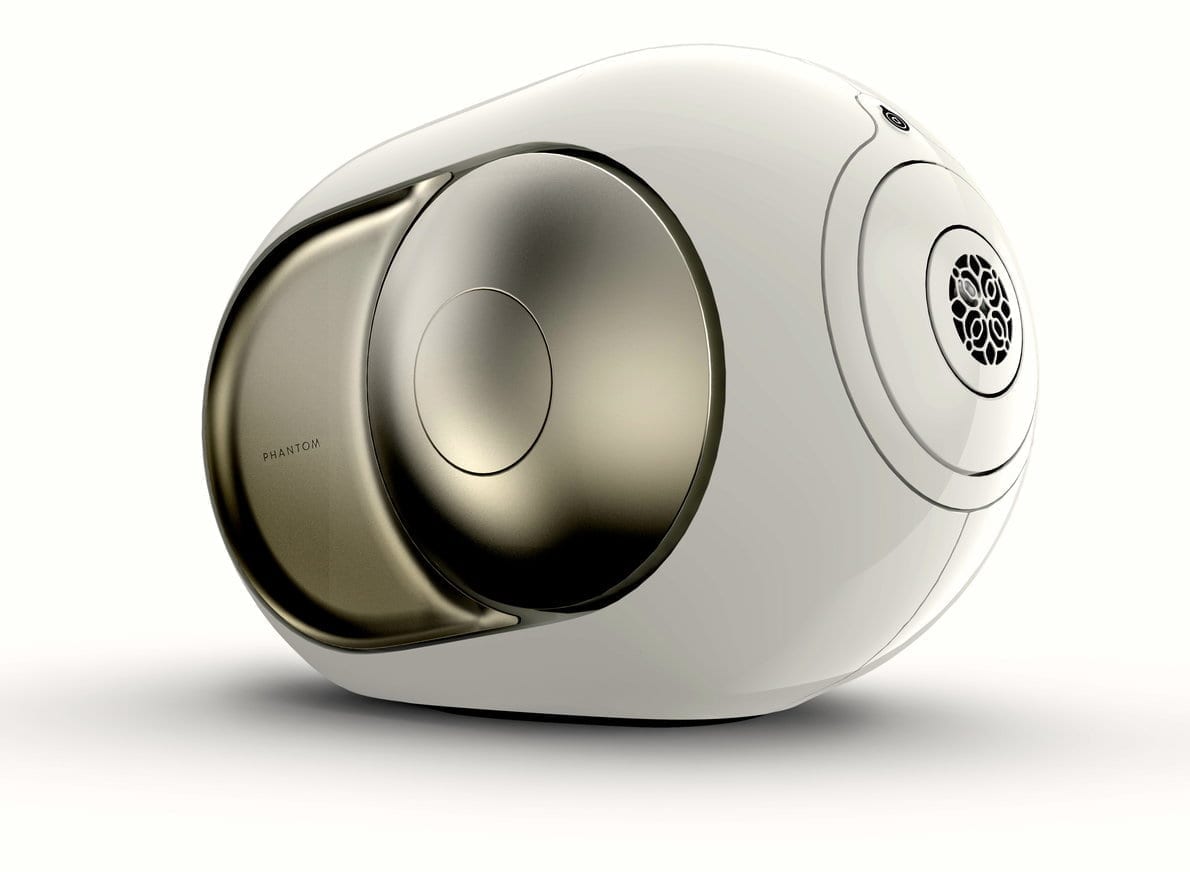
    Two lines are available on the market at the moment. The Expert Pro range, introduced in 2010, features the best performance amplifier systems for audiophiles regardless of the price and size. In parallel, the Phantom – a high performance wireless speaker featuring Devialet’s proprietary technology has been available since 2015. Phantom is the pinnacle of high-end audio devices, delivering a revolutionary acoustical experience that has zero distortion, saturation or background noise. The Phantom is available in three different specifications: Phantom (750W, 99dB), Silver Phantom (3000W, 105dB) and Gold Phantom (4500W, 108dB).

    As Julien Bergère, General Manager of Devialet Asia Pacific tells us, it is hard to identify a specific profile of consumer. He justifies his opinion by stating that “music is universal” and customers need to “experience the power of Devialet sound for themselves”. To Julien, it’s “always interesting to welcome a customer whose intention is to purchase a Bluetooth audio system retailing at 300USD for example, who then ends up purchasing our Phantom which starts at just over 2,000USD”. In order to create such opportunities, Devialet is working on further developing its brand awareness and securing high visibility and high traffic premium retail locations. In this way, the brand can deliver an intense audio experience that potential customers will remember.

    In addition to its strategic locations, Devialet also places great emphasis on its store design to enhance the customer’s experience. All of the boutiques have at least one sealed listening room where customers can enjoy sound demos from the Phantom range. This original retail concept allows the brand to share the Devialet difference with potential customers and in the case of the Harbour City store with two listening rooms – multiple clients can enjoy a private demo at the same time. According to Julien Bergère, this is the “key to discovering the power of Devialet sound”. This concept was first introduced in Hong Kong in 2016. An immersive room (a Devialet pop-up concept) was installed in Pacific Place for local customers to experience the Phantom.

    Moreover, this pop-up triggered the beginning of Devialet’s retail expansion in Asia. The first flagship store opened in January 2017 in Hong Kong’s IFC mall, followed by the opening of a second store in Harbour City on June 22nd 2017. A Devialet immersive room will also open in Festival Walk in July. Elsewhere in Asia, a Devialet immersive room launched in Taipei on 1st June and the brand will open two stores in Singapore in July to accelerate its expansion in the region.

    This consequent growth comes with the Devialet’s will to innovate and share their passion. Julien Bergère mentions the importance of partnerships to enhance the brand’s experience further. As he says, “we are looking for partnerships that speak to our hearts as musicians”. In March of this year, Devialet launched a partnership with the French leather-maker Berluti to create a limited edition leather Cocoon (the Phantom travel bag), which is available in Hong Kong with extremely limited quantities. In parallel, Devialet announced a 10-year partnership with the Paris Opera, which will start in September with a series of collaborations. This includes a Sound Discovery Area inside the Paris Opera, a co-branded product line and an Opera “hors le murs” outside the walls project, offering new way to listen to and experience opera through live-streaming. Again, this illustrates the constant desire to innovate and improve consumer’s lifestyles and elevate the listening experience.

  • Vegetable and fruit exports face tough competition from imports

    Vegetable and fruit exports face tough competition from imports

    With turnover of $375 million in May, fruit and vegetables were among the biggest export items for Vietnam, while imports of the same equalled $183 million.  The high export turnover of $375 million represented a sharp increase of 75 percent in comparison with the same period last year.

    The increase of $161 million in vegetable and fruit export turnover made up 26 percent of the total exports increase of 13 key farm produce and agriculture material items.  Analysts said the target of $3 billion in vegetable and fruit export turnover this year is within reach.

    However, Vietnam, which takes pride as a big vegetable and fruit exporter, also had to import $183 million worth of products in May, a sharp rise of 79 percent compared with the same period last year, raising the import turnover to nearly half a billion of dollars in the first five months of the year.

    Nguyen Dinh Bich, a trade expert, pointed out big problems in the market structure. The exports to the Chinese market have been increasing rapidly from less than 30 percent in 2014 to 65 percent in 2015.  The growth rate exceeded 70 percent in 2016, while it reached 75.5 percent in the first five months of 2017. In 2014, Vietnam exported $435 million worth of products to China, but exported $1.054 billion to other markets.

    The trend reversed in 2015: while exports to China increased sharply by $760 million in turnover to $1.195 billion, exports to other markets decreased by $410 million to $644 million. The same situation was seen in 2016 and the first five months of 2017.

    “Do Vietnam’s fruit flow to China’s Guangxi province to be sorted and labeled as ‘made in China’ for re-export to the world market?” Bich asked, emphasizing that Guangxi is China’s ‘fruit granary’ with output of 359 kilos per head per annum,1.8 times higher than the average level of the country.

    Imported fruits are displayed in advantageous positions at supermarkets for the upper and middle class, and sold at high prices.

    Thai exporters enjoy big benefits from the Vietnamese market. In May 2015, Vietnam imported $13 million worth of fruit from Thailand, which accounted for one-third of total fruit import turnover.

    Meanwhile, the figure soared to $38 million in May 2016 and to $129 million in May 2017.