Author: Mei Ling Tan

  • Thai AirAsia to launch direct flights to Bangkok

    Thai AirAsia to launch direct flights to Bangkok

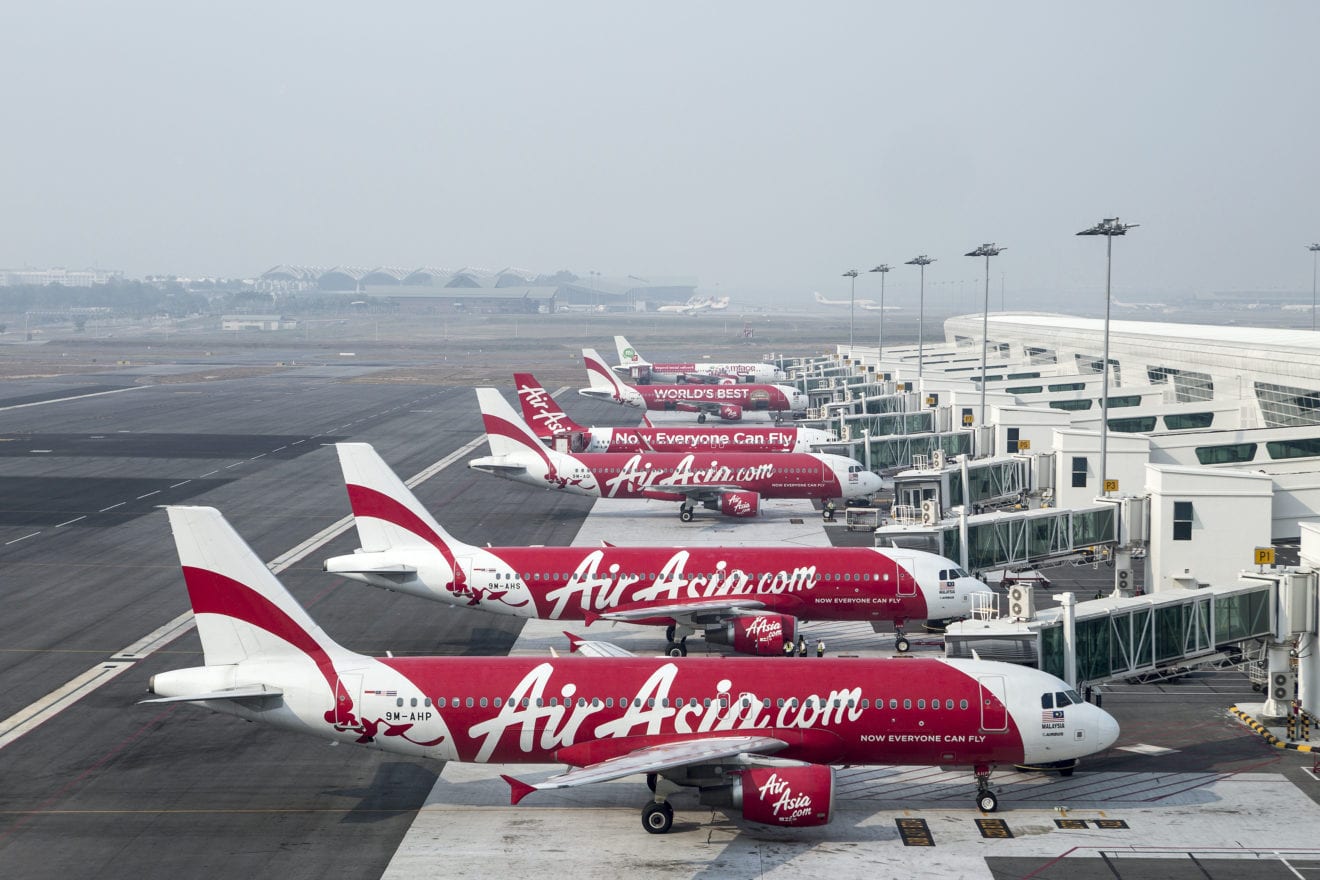
    hai AirAsia has planned to operate direct flights to Bangkok from Trichy international Airport on a daily basis from August 12, according to sources.

    The move was widely welcomed as a large number of travellers from the central region currently have to take a circuitous route via Kuala Lumpur, Colombo and Singapore to reach Bangkok. Once the service becomes operational it would take less than two hours to reach Bangkok from Trichy.

    Thai AirAsia, a joint venture of Malaysia low-cost airline AirAsia and Thailand’s Asia Aviation, flight would depart from Trichy international airport at 1.30am, sources said. With this new service, the total number of international flights being operated from Trichy airport would go up to 112 from 105. At present, SriLankan Airlines, AirAsia, Air India Express, Tiger Air and Malindo Air are operating services from the airport.

    They are presently connecting Dubai, Singapore, Kuala Lumpur, Colombo and Sharjah, besides 28 domestic services per week by Jet Airways.

    As Thailand is a popular and affordable tourist destination, the launch of Thai AirAsia would attract more number of people from central region, travel agents have said. “There is a close historical, spiritual and cultural connection that dates back to thousands of years. India’s influence in Indonesia can be felt even today. Ramayana is a popular epic in Bali and Java islands of the country,” said M S Paramasivam, chairman of Travel Agents Associations of India, South Tamil Nadu Chapter.

    “Compared to any other overseas tourist destination, Thailand would be comparatively cheaper. So, the new service would definitely attract more number of tourists from both the countries,” he added.


  • Planning for peak is a marathon not a sprint

    Planning for peak is a marathon not a sprint

    Peak 2016 seems a distant memory and you are now relaxing back into your normal routine until next Q3 when planning for 2017 peak can start afresh. But is this really the best approach? Waiting until peak is almost upon you could spell disaster for your stress levels. So why not start now?

    Planning for peak should be a marathon, not a sprint. Now is the perfect time to reflect on what did and didn’t work in 2016 and start putting plans in place to make 2017 peak the best yet. The steps below will help shape your peak planning; so instead of stumbling out of the blocks and falling at the first hurdle you’ll be able to set the pace to get you through the finish line as seamlessly as possible.

    Step one: what did you learn?

    Why not conduct a lessons learned session for the whole team. Why not evaluate what made peak 2016 such a success and of course, what didn’t. Think back to Q4 2016, how much did volume spike? Which items were most popular? Where did issues arise? Having this baseline will help to project anticipated volume in 2017 and will provide a better idea of potential problem areas in the system that should receive extra attention and testing.

    Step two: create a plan

    Once you have reviewed the do’s and don’ts from last year it is time to come up with an action plan for 2017. Do you need to re-evaluate staff training? Put new systems in place? Be more flexible with fulfilment? One key thing to remember about the plan is that it might change. Flexibility is a must have when it comes to conquering the unpredictability of omnichannel shopping, and poor planning will no longer be an acceptable scapegoat for inventory shortages. And remember, initiatives like ship from store can be your new best friend when it comes to keeping up with demand!

    Step three – review your resource and take action

    So you’ve analysed 2016 within an inch of its life and come up with a (flexible) action plan for 2017. Now you need to assemble the best team to execute it. Reviewing your current talent-pool and calling in new resource from other areas of the business could just be the shake-up you need. Just because it’s how you’ve always done it, doesn’t mean it can’t be done differently. Allocating additional or fresh resource to your peak planning working group has the potential to introduce new ideas and can also help to get the whole organisation on board.

    Step four: don’t underestimate the store, keep it connected

    Despite the year on year rise in online purchasing, brick-and-mortar stores remain the biggest revenue driver for retailers. But what will the store of the future look like? By the time peak 2017 comes around technology could be a huge driver for customers when it comes to which stores they visit, as they crave a seamless omni-channel experience. And, don’t underestimate the importance of returns! In-store returns of online purchases during peak, will always prove its worth by getting bodies into stores, which means opportunities for ‘upselling’ and impulse buying that just don’t exist online. Those who bear this in mind will thrive during peak, and those who don’t will come in a slow second.

    Step five: have a test run(s)

    If your distribution and order management systems includes software from various vendors, engage with those concerned and set up a test (or a series of tests) that simulates peak shopping times. If possible, plan to test the system several times throughout the year in the run up to the peak times. If you can start this testing now then you will be in a great position when it comes to Christmas preparations. In order to run your marathon at pace, you need to practice at pace!

    So now you have all the steps to get a head start on the race to peak 2017, don’t get left behind. Keep ahead of the game and by doing so, you’ll have the vision to steer towards a healthy growth and sustained performance for many peak seasons to come.


  • Yahoo signs off, completes sale to Verizon

    Yahoo signs off, completes sale to Verizon

    Yahoo’s chief executive Marissa Mayer resigned as Verizon finalized the $4.48 billion deal. Internet pioneer Yahoo ended its two-decade run as an independent company on Tuesday, completing the sale of its core online assets to telecom giant Verizon.

    Yahoo’s chief executive Marissa Mayer resigned as expected, as Verizon finalized the $4.48 billion deal integrating the Yahoo internet operations into a new unit called Oath, which includes another former sector leader, AOL.

    Tim Armstrong, former CEO of AOL, now holds the same title at Oath, a division in Verizon’s Media and Telematics organization.

    “We’re building the future of brands using powerful technology, trusted content and differentiated data,” Armstrong said in a statement.

    “We have dominating consumer brands in news, sports, finance, tech, and entertainment and lifestyle coupled with our market leading advertising technology platforms. Now that the deal is closed, we are excited to set our focus on being the best company for consumer media, and the best partner to our advertising, content and publisher partners.”

    Verizon has made no indication of how it will use the Yahoo brand — which is used by over a billion people worldwide — but indicated it is keeping the names Yahoo Sports, Yahoo Finance, Yahoo Mail and more.

    Some reports have said more than 1,000 jobs would be eliminated as a result of the merger, but statements from Yahoo and Verizon on Tuesday made no mention of any cuts.

    Yahoo’s sale caps a long decline from when it had a peak market value of some $125 billion in 2000.

    The original Yahoo group now becomes a holding company with stakes in Chinese internet giant Alibaba and Yahoo Japan.

    On Friday, it will change its name to Altaba Inc. and on Monday begin trading under the ticker symbol “AABA.”

    Mayer, who was unable to stem the decline of the iconic Silicon Valley company, is getting a departure package worth an estimated $186 million, according to regulatory filings.

  • Zara looking to zip up fashion market with new store in Hanoi

    Zara looking to zip up fashion market with new store in Hanoi

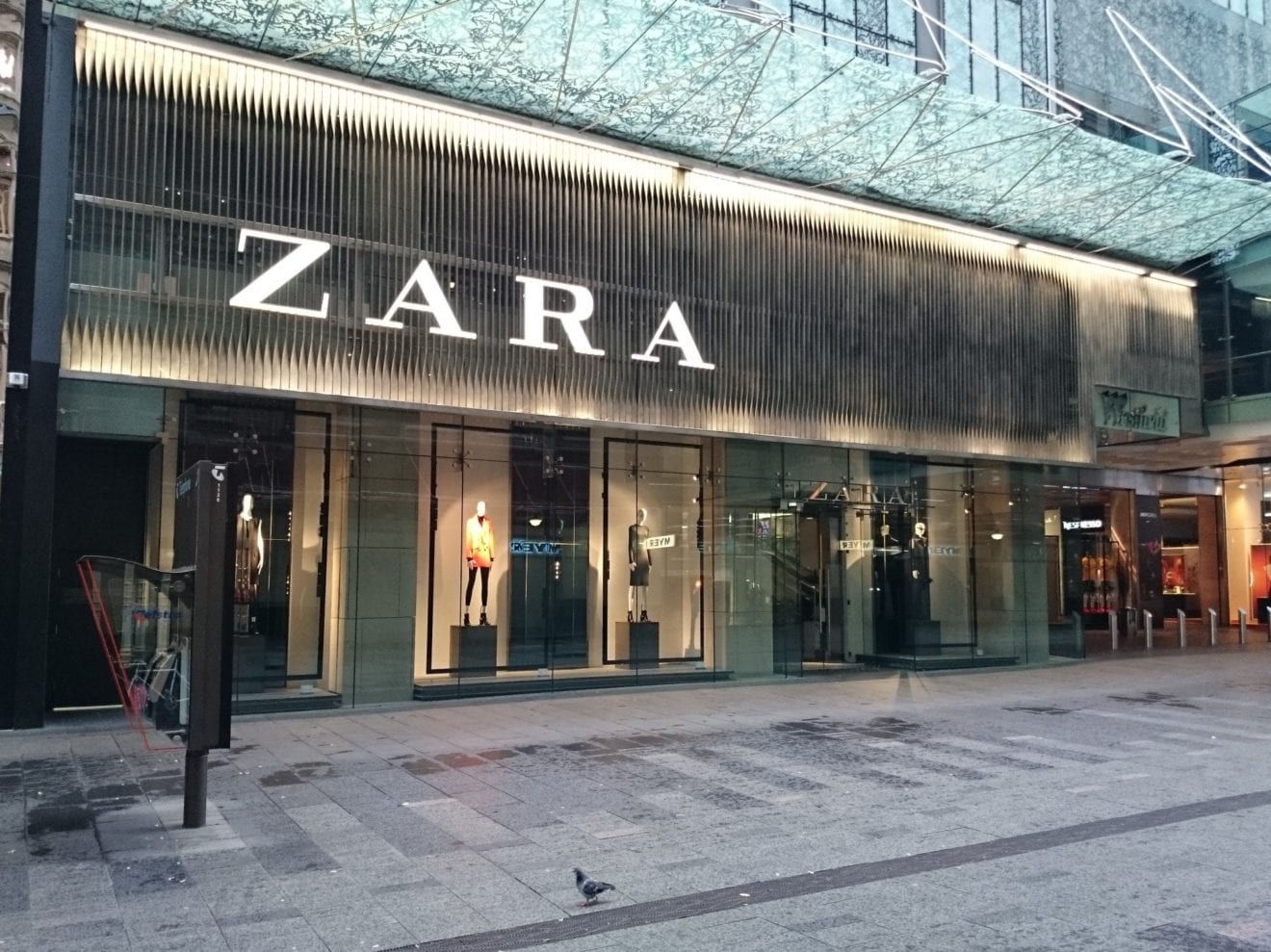
    Fashion lovers will have yet another reason to go shopping with the brand’s first store opening in the Vietnamese capital. High street retailer Zara has announced plans to open its first store in Hanoi in October.

    The world’s leading clothing and accessories retailer has selected the Vincom complex on Ba Trieu Street for the location of its first store in Vietnam’s capital.

    Zara opened its first store in Vietnam in Ho Chi Minh City’s Vincom Dong Khoi commercial center back in September 2016.

    The source also said Zara has spent months preparing for the launch of its Hanoi store.

    Established in Spain in 1975, Zara now has 2,213 stores strategically located in leading cities across 93 countries. The brand is popular thanks to its diversified products and reasonable prices.

    Zara is following in the footsteps of Sweden’s H&M, which has also confirmed the opening of its first store in Ho Chi Minh City’s Vincom Dong Khoi center.

  • Vietnam’s annual inflation expected at 2.6%

    Vietnam’s annual inflation expected at 2.6%

    Inflation this year is forecast at 2.6 per cent amid fluctuations in prices on world markets and adjustments in the cost of public services, according to the latest report from the government watchdog, the National Financial Supervisory Commission (NFSC).

    While average inflation during the first five months of this year hit 4.47 per cent, the NSFC believes it will fall towards the end of the year due to stability in food and restaurant prices.

    Figures from the General Statistics Office show a 0.53 per cent decline in the CPI in May against April, primarily due to sharp falls in food prices. May’s CPI rose 3.19 per cent year-on-year.

    Forex

    The NSFC also pointed out that exchange rates will be vulnerable against high foreign currency demand due to the rising trade deficit, where Vietnam may see its trade balance change from a surplus in 2016 to a deficit of about 3.5 per cent of total exports this year.

    Its calculations show that if the VND/USD exchange rate rises 1 per cent, inflation will increase by 0.17 per cent. The US Federal Reserve raising short-term interest rates in small adjustments has yet to put pressure on the exchange rate, however.

    It’s very likely, though, that “the VND will be under pressure by the US Fed’s roadmap of raising interest rates in the long run, along with unpredictable changes in the prices of the Chinese Yuan and Japanese Yen,” the NFSC said, adding that efforts are required to ease pressure on exchange rates and drastic measures needed to tackle bad debt.

    Earlier, BMI Research, a Fitch Group company, predicted that further Chinese Yuan weaknesses could prompt a slight devaluation of the VND in 2017 by the SBV to preserve export competitiveness.

    By end-May, the VND was down more than 1 per cent against the USD this year, according to State Bank of Vietnam (SBV) figures.

    Interest rates

    Vietnam is now more eager than ever to tackle the scale of bad debts in its banking sector, especially with the amount sold to the Vietnam Asset Management Company making up 10.08 per cent of total outstanding loans by end-2016.

    The government issued Decree No.61/2017 on May 16 on the verification of the initial price of bad debts and the formation of a council for bad debt auctions. A draft law on support for credit institution restructuring and bad debt settlement is also being finalized, and a decree on the settlement of credit institutions’ bad debt may be approved as soon as June 20.

    But while the NSFC report noted that measures to settle bad debts will help reduce interest rates, SBV Deputy Governor Ms. Nguyen Thi Hong made it clear in a meeting last week that lowering interest rates will remain a challenge for the central bank in 2017.

    “Some commercial banks have increased interest rates on certificates of deposit and VND deposits already, mainly for terms of over 12 months,” she said, adding that by the end of last month, the central rate was up 1 per cent from the same period last year.

    In a related note, the NFSC’s calculations show that the country’s ratio of credit-to-GDP has continuously increased since the last quarter of 2015, reaching 11 per cent in the first quarter of this year. This is the second highest level in the 2009-17 period, after the 13 per cent recorded in the first quarter of 2011.

    At end-May, credit had risen 5.7 per cent compared to the same period last year.

  • Palo Alto sets up VC fund for security applications

    Palo Alto sets up VC fund for security applications

    Palo Alto Networks is forming a $20-million security venture fund to provide early stage investments to fuel development of security applications for the Palo Alto Networks Next-Generation Security Platform.

    The fund will be aimed at seed-, early- and growth-stage security companies with a cloud-based application approach.

    These companies can accelerate their routes to market for their respective technology by developing cloud-based applications built upon the Palo Alto Networks platform and the new Palo Alto Networks Application Framework, easily engaging the tens of thousands of Palo Alto Networks customer deployments.

    The fund expects to collaborate with Greylock Partners and Sequoia Capital to identify and evaluate innovative security applications for potential co-investment.

    By providing capital, the fund aims to enable entrepreneurs and security vendors to focus on developing high-value functionality for customers, instead of developing the infrastructure and data stores necessary to effectively deliver their applications and establish a foothold in the market.

    The investments in entrepreneurial security companies are designed to accelerate the development of new security applications for the Palo Alto Networks platform.

    Such applications will help customer organizations more easily access, evaluate, and adopt new advanced security capabilities and activate cloud-delivered security applications from different providers as their security needs change.

    “This new fund represents an essential part of our mission to help organizations prevent cyber breaches by inspiring and accelerating a groundswell of security innovation in a model that can be easily accessed and deployed by customer organizations,” Palo Alto Networks.SVP for business and corporate development Chad Kinzelberg said.

  • Porter Stand opens pop-up store in Osaka

    Porter Stand opens pop-up store in Osaka

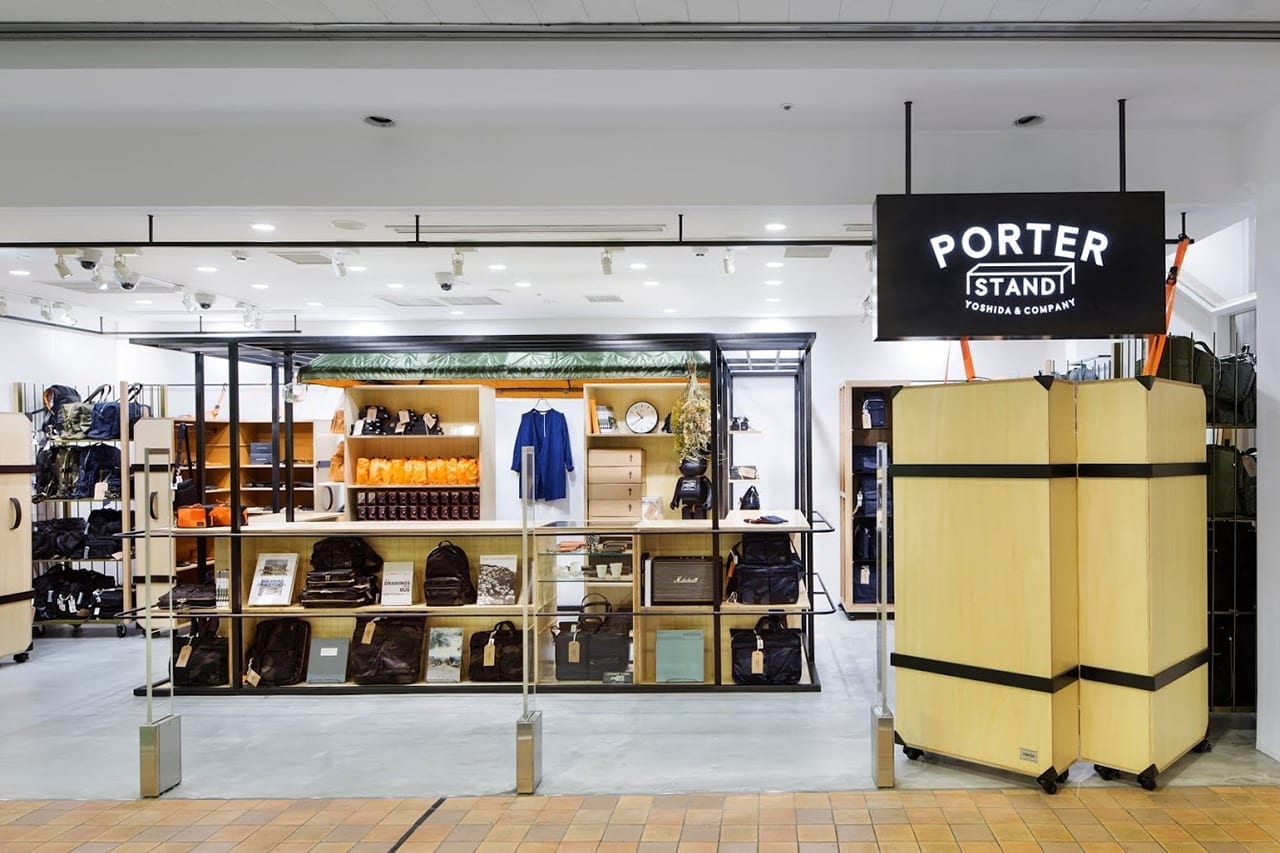
    Japan’s Porter Stand has opened up a temporary store in Osaka. The new Porter Stand pop-up will open for a limited-time at the Hankyu Umeda head office in Osaka. It is the first time the brand will open a store in the western Japan area. 

    Inside the new pop-up shop, customers will find Porter Stand’s classic series, including original items and collaborative pieces including the Orgabits × Porter Tote Bag, co-designed with organic cotton brand Orgabits. 

    The shop also stocks limited-edition items in the form of bags, wallets and pouches. Inside the store, the colourway is minimal and woody. Trunk type fixtures are placed around counters, matching the retailer’s concept of being a porter stand or “a baggage check room where many bags gather,” as per the brand’s website.

    Porter Stand is also located in Tokyo Station and Shinagawa Station, one of the busiest transportation hubs in Tokyo.

    Earlier in the year, the retailer took its concept to Paris in January, opening its ‘Trunk Store’ pop-up inside the Bows & Arrows store in the Marais area of the French capital.

    Owned by Yoshida & Co., a Japanese manufacturer of bags and accessories since 1935, Porter Stand sells the firm’s Made In Japan accessories line Porter and Porter Girl, as well as the Luggage Label line.

    The Porter Stand Osaka store will run from June 14 to 20.

  • Jaguar selects K+N to implement European aftermarket logistics

    Jaguar selects K+N to implement European aftermarket logistics

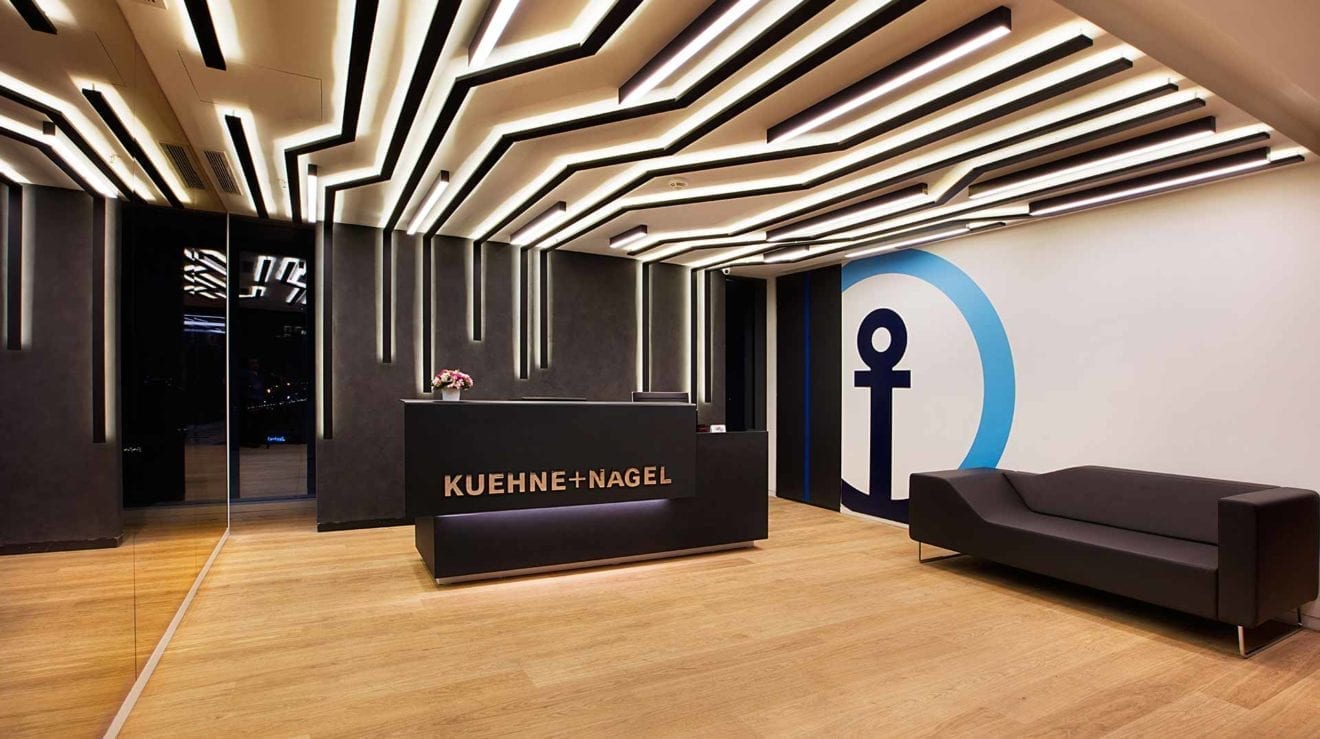
    Jaguar Land Rover, premium and luxury car manufacturer, has appointed Kuehne + Nagel (K+N) to manage three warehouses in France, Spain and Italy serving Continental Europe. The new contract also includes transport management control tower function and customer contact centres for Jaguar Land Rover retailers for the region.

    The European Aftermarket is of very high importance. The car manufacturer has consolidated its supply chain into a robust logistics setup with innovative processes, including an upgraded Warehouse Management System (WMS). This supply chain will support over 400 Land Rover retailers across Continental Europe.

  • AIS upgrades to Netcracker’s revenue management solution

    AIS upgrades to Netcracker’s revenue management solution

    Advanced Info Service (AIS) in Thailand is upgrading to Netcracker 12 to deliver a better digital customer experience and meet myriad internal business objectives.

    As part of the engagement, AIS has also extended its use of Netcracker’s Professional Services in order to ensure the long-term success of the platform.

    AIS is one of Thailand’s providers of mobile, fixed broadband and innovative digital services to approximately 41 million subscribers, advancing together with the evolution of the communications market to consistently meet the changing demands of the digital world.

    As Thailand’s needs for next-generation communications services increase, AIS’ use of Netcracker Revenue Management solution will enable it to deliver the best possible customer experience without disruption. Netcracker 12 will future-proof AIS’ systems, supporting its operations in the long term as digital and other complex services become more prevalent.

    Netcracker’s Revenue Management solution will also help AIS’ marketing and IT teams meet their sophisticated business and technical requirements, enabling more efficient and agile internal operations.

  • Cummins to make electric powertrains for city buses in 2019

    Cummins to make electric powertrains for city buses in 2019

    Engine maker Cummins plans to start production of electric powertrains for transit buses in cities around the world in 2019, executives said on a conference call on Wednesday.

    Company executives said that more industrial and commercial uses will follow in the years to come, especially as the battery range for electric vehicles increases.

  • Airtel beats Jio by active customer adds in March

    Airtel beats Jio by active customer adds in March

    India’s largest operator Bharti Airtel beat out disruptive new entrant Reliance Jio Infocomm in April in terms of active subscriber additions for the first time since Jio launched services last September.

    Analysis from Goldman Sachs finding that Airtel added 2.6 million active subscribers for the month, according to India’s voice location register. This compares to just 400,000 for Jio.

    Data subscriber additions are also starting to increase for Airtel now that Jio is starting to charge for data, and the analysts believe that Jio could continue to face challenges with subscriber growth in the future – Jio’s active VLR additions have now been decelerating for four straight months.

    Jio’s active subscribers as a percentage of total subscribers have also been in decline, falling to only 71% in April, compared to nearly 98% for the market’s top three operators Airtel,  Voafone India and Idea Cellular.

    But the report cites sources close to Jio as stating that the company doesn’t give much significance to VLR figures and stating that its total base of paid customers actually increased by around 8 million during April to over 80 million.

  • Mattel plays with digital toys to triple China business

    Mattel plays with digital toys to triple China business

    Mattel expects to grow three to four times in the more than $31 billion toys and games market in China by 2020 through digitally connected toys, as it intensifies its efforts to take on LEGO Group and Hasbro in the country.

    Mattel — which cut its dividend by more than half to fund the new efforts — said its emphasis on e-commerce and repackaging its core brands as educational toys and connecting them to the internet would propel its position in the fragmented market. The toymaker has about 2 percent market share in China, lagging behind construction toy maker LEGO which has 2.8 percent control over the market. Hasbro is catching up with 1 percent, according to Euromonitor International.

    Mattel has been revamping its toys, developing AI Barbie Holograms, smart sensors-enabled Hot Wheels cars and virtual reality powered View-Masters to make them relevant to millennial parents.

    The new, digitally connected toys will be launched globally in fall 2018, the company said on Wednesday.

    “In China, there is a lot of recognition on linear learning and development. There is a real need for development of EQ, primary motor skills and social-emotional skills,” Mattel’s Chief Executive Margo Georgiadis said.

    Georgiadis, a former Google executive, took over the reins of the toy company in February and was hired for her tech expertise and e-commerce know-how.

    Mattel also said it would launch a network of play clubs with retail spaces to sell its toys in a joint venture with investment company Fosun Group (0656.HK) adding to a slew of major tie-ups in China.

    The joint venture is the third major partnership after Alibaba and Baby Tree, aimed at promoting the company’s educational products.

    One such product is Mattel’s Hotwheels Speedometry, play-based lessons which teach children about subjects such as measurement, distance, potential and kinetic energy, through building miniature race tracks.
    The company said it aims to enmesh more educational content with other brands such as Fisher-Price and Thomas & Friends, which are popular in the Asian country.

    “As we think about the opportunity in China … it is driven by the basic fact that there are 210 million kids in China, while there are 55 million in the US,” Georgiadis told.

    “Just the sheer size of the market … it’s an enormous market opportunity.”

  • Globe Telecom picks Canvas for automation

    Globe Telecom picks Canvas for automation

    Globe Telecom in the Philippines has turned to Canvas to become the platform that integrates service functionalities and help Globe automate its office processes.

    This move is expected to reduce costs, increase operational efficiency, and further enhance the operator’s commitment to environmental protection and conservation.

    More importantly, this will enable Globe to take on a bigger role in providing digital services such as billing, logistics and customer service as well as opening more avenues for access to the Internet of Things (IoT) for its customers, the telco said.

    In the near-term, as it streamlines internal processes, Globe expects to save more than 1.5 million administrative hours company-wide each year by digitizing various processes such as customer relationship management, billing and other administrative services.

    As part of their partnership agreement, Globe also intends to make Canvas more widely available to its business customer base, building on the early high adoption among some of the Philippines leading companies. Globe’s business customers are already using Canvas to realize benefits for their own customers such as an increased level of customer care and reduced costs for services.

    “As an enterprise, the digital transformation we have undertaken is part of our continuing commitment to adopting efficient and viable IT solutions that will improve the experience of our employees and customers,” said Ernest Cu, president and CEO of Globe.

    “This strategic partnership with Canvas allows us to offer our millions of business customers in the Philippines a chance at a transformation of their own with similar productivity gains and green benefits.”

  • Thai AirAsia set to open up Maldives

    Thai AirAsia set to open up Maldives

    Thai AirAsia (TAA) is breaking into Bangkok Airways’ long-held monopoly on Bangkok-Maldives air services, knocking down the high fare barrier in the process.

    TAA, Thailand’s largest low-cost carrier, is to launch a daily non-stop service on Aug 11 with an introductory fare that is a fraction of what is charged by Bangkok Airways.

    TAA’s introductory one-way fare inclusive of taxes and fees, will be 1,990 baht, compared with the reduced 20,400 baht round-trip fare quoted by Bangkok Airways yesterday.

    Bangkok Airways’ normal round-trip goes for around 33,000 baht for flights that take slightly over four hours each way.

    TAA is set to change the face of air travel to the Maldives, which has long been regarded as a highly expensive and luxurious destination.

    TAA’s arrival in the Maldives appears to support the island nation’s move to open up an economy travel segment to boost its tourism.

    “The Maldives is indeed a luxurious brand, but it is for all, not only for ultra high-end travellers,” said Haris Mohamed, acting managing director of Maldives Marketing and PR Corporation, a Maldives state-owned firm whose role is akin to the national tourism board.

    Speaking to the Bangkok Post at TAA’s Maldives service launch in Bangkok yesterday, Mr Mohamed said the arrival of TAA is welcome as it would help create a competitive environment as well offer more travel options to the Maldives.

    Santisuk Klongchaiya, TAA’s commercial director, was confident the carrier’s latest international route would show early success with a high load factor of 85% because of the Maldive’s reputation as a world-class destination.

    TAA has successfully secured time slots for arrival and departure at Male airport that are much sought after by other airlines because it suits travellers’ preference.

    The time slots — arriving in Male at 11.40m and departing at 12.30pm — granted to TAA are broadly similar to Bangkok Airways, which has been the sole operator on this route for more than a decade.

    TAA will use 180-seat Airbus A320 single-aisle jets and only offer economy class for the route, while Bangkok Airways deploys A319s with 12 seats for business class passengers and 108 for economy.

    The provision of attractive time slots at the congested Male airport to TAA reflects the Maldives’ belief that the Thai budget airline would boost international arrivals to the republic.

    Mr Mohamed said TAA would not only bring more Thai tourists to the Maldives but also others from Southeast Asia.

    Last year, Maldives attracted 1.3 million foreign visitors with about 16,000 from Thailand. This year, the country expects to ramp up that number to 1.5 million with TAA being instrumental in achieving that target, Mr Mohamed said.

    Arrival growth has been restricted by limited capacity at Male airport, which is building a second runway which has caused part of the existing airport facility to close.

    TAA will become only the third low-cost carrier flying to the Maldives. The others are Malaysia AirAsia flying from Kuala Lumpur and Tigerair from Singapore.

  • Equinix expands collaboration with Alibaba Cloud

    Equinix expands collaboration with Alibaba Cloud

    Equinix has expanded its partnership with Alibaba Cloud  to cover interconnection in Hong Kong, Silicon Valley, Sydney and Washington DC.

    Equinix ptovide direct, scalable access to the Alibaba Cloud via its Equinix Cloud Exchange in its international business exchange (IBX) data centers in the four markets.

    Alibaba Cloud and Equinix first entered a partnership in 2015, initially to provide already provide access to the Alibaba Cloud from the Equinix Singapore IBX.

    The Equinix Cloud Exchange offers direct and private access to multiple cloud service providers. The service launched in Hong Kong in 2014.

    The US International Trade Administration predicts that the Chinese cloud computing market will grow at a 40% CAGR though to 2020, when it will reach US$20 billion.

    “The global reach of Equinix Cloud Exchange makes it simple for Alibaba Cloud to access new markets, Alibaba Cloud deputy GM Yeming Wang said. “We are pleased to provide greater value and bring our services closer to enterprises by leveraging Equinix’s powerful, on-demand cloud connectivity, and in particular to provide greater connectivity to the Chinese market.”

    Equinix VP of global technology partners and alliances Greg Adgate added that “Alibaba Cloud represents a significant partnership for Equinix as we continue to empower businesses around the globe to build secure, private clouds, without compromising network and application performance.”