Author: Mei Ling Tan

  • Indonesia floats idea of Oz wine requiring halal certification

    Indonesia floats idea of Oz wine requiring halal certification

    Trade Minister Enggartiasto “Enggar” Lukita has floated the idea of requiring Australian wine sold in Indonesia to pass halal certification and use plain packaging in retaliation for the neighboring country “undermining” the selling of Indonesian tobacco and paper.

    Enggar said he recently that he had voiced his resentment to Australian Minister for Trade, Tourism and Investment Steven Ciobo after Australia mandated in 2012 that cigarettes sold in the country must use plain packaging and levied anti-dumping duties on imported A4 paper from Indonesia in April.

    “We facilitate imports of Australian beef. But I am devastated by the barriers slapped on our tobacco and A4 paper,” said Enggar at a gathering late on Thursday.

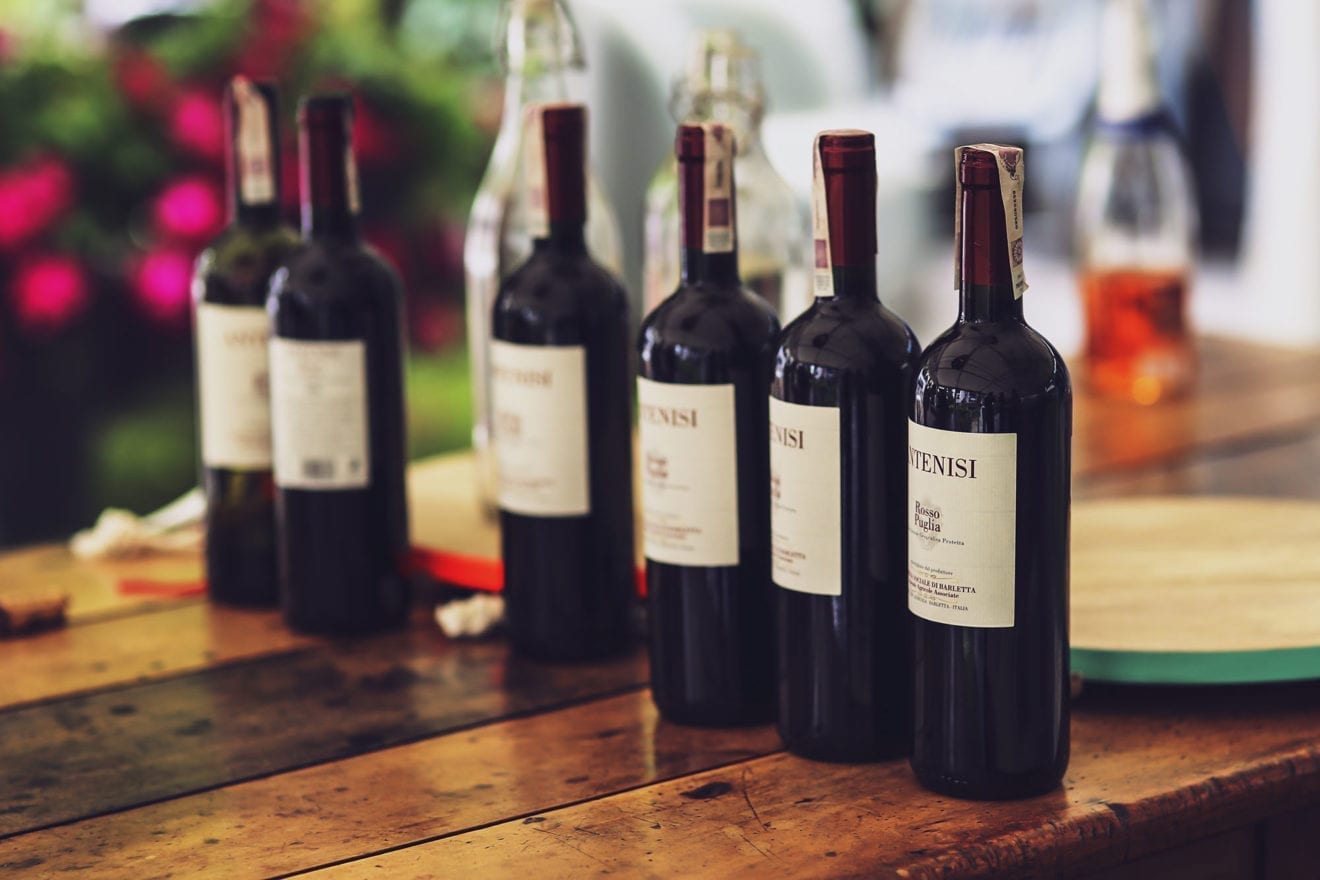
    “I told Steve that I would consider requiring Australian wine sold in Indonesia to also have plain packaging and pass halal certification, but I deliver it in a light way though, and it was just an expression of my resentment,” he said.

    Indonesia and other tobacco-producing countries, such as Cuba, the Dominican Republic and Honduras, filed a complaint with the World Trade Organization (WTO) against Australia for what they consider illegal trade barriers by mandating plain packaging.

  • Indonesia Offers Ease of Business in Tourism Sector

    Indonesia Offers Ease of Business in Tourism Sector

    The Indonesian Government provided a guarantee in the ease of business for the investors who plant their assets in special economic zones.

    In the tourism sector, Tourism Minister Arief Yahya explained that the government plans to restore a number of infrastructures such as the airports, the network of highways that lead to the tourist spots, and other public facilities.

    “The ease of business will be for the ones in the economic zones,” Arief said on Thursday, May 25.

    The government will also attempt to fix the management system in tourism areas. This is corroborated by the fact that, in a number of cases, investments are not able to enter a location because of overlapping regulations which are a direct result of mismanagements.

    Ideally, according to Arief, a tourist location should only be managed by one authority. He viewed that it would slash the bureaucracy process and affect the process of managing a tourist location.

    “Regarding the Bunaken area, we will have a meeting to discuss the resolution of the special zone with the Coordinating Minister of Maritime Affairs,” Arief explained.

  • Indonesia’s Salim Group Re-enters Banking with Local Takeover

    Indonesia’s Salim Group Re-enters Banking with Local Takeover

    Indonesia’s largest conglomerate, Salim Group, has acquired a majority stake in a local bank, marking its first return to the banking business since the 1998 Asian financial crisis.

    Through various affiliated entities, the group bought at least 51% of Bank Ina Perdana by subscribing to new shares issued by the Indonesia-listed lender. The acquisition value is estimated at 570 billion rupiah ($42 million). The bank has 22 branches in Java and had 2.3 trillion rupiah in assets as of December 2016.

    Salim took over Bank Central Asia in the 1970s and developed it into the country’s largest private lender on the back of deregulation policies under then-President Suharto, who had close ties with group founder Sudono Salim.

    But after the bank’s ownership was transferred to the government in the wake of the Asian financial crisis, the group focused on rebuilding its other operations, mainly through its core food company, Indofood Sukses Makmur. It has interests in the retail, automotive, telecommunications, infrastructure and other sectors across Indonesia and the Philippines.

    In recent years, the smartphone boom has created a new wave of demand for financial services such as electronic payments and peer-to-peer lending. Salim decided that operating its own bank and building a financial backbone would be crucial for running an end-to-end digital business, which it has been developing since 2013.

    “It makes sense for us to refocus on banking because the transactions carried out by the banks are becoming quite big,” said a Salim executive.The conglomerate may have targeted a smaller player because it wanted to venture into digital banking without spending a fortune.

    Developing digital services at large banks entails the risk of having reduce the number of employees and branches, according to a person familiar with Salim’s strategy. The group remains one of the biggest customers of Bank Central Asia, currently owned by another local conglomerate.

    Anthoni Salim, the group’s CEO, owns a small stake in Bank Central Asia but is not involved in its management. Salim will begin testing new services internally for its 500,000 employees during the second half of 2017.

    The trial will involve Bank Ina and various Salim Group companies, including Indomaret, a convenience store chain with 14,000 outlets nationwide. The trial will use fingerprint-recognition technology being developed by a joint venture between Salim and Tokyo-based startup Liquid.

    In one test case, Salim employees will open a bank account at Bank Ina and pay for goods at Indomaret using a fingerprint reader linked to their accounts.

    The group is also eyeing peer-to-peer money transfers and loans using Indomaret stores as a bank branch. Edy Kuntardjo, Bank Ina’s president, said the bank expects to roll out some of these services in 2018, subject to regulatory approval. Bank Ina is currently revamping its core banking system with the aim of improving processing transactions carried out at Indomaret stores.

    Not alone

    Salim’s return to banking follows a broader trend in which Indonesia’s biggest groups are moving back into the sector after recovering from the financial crisis. Lippo Group, which has focused on property and retailing since losing its flagship Lippo Bank in the financial crisis, acquired Bank Nationalnobu, a small local player, in 2010.

    “We must have inward creative disruption so that we can be transformed into a new area of growth, which is the digital economy,” James Riady, Lippo’s CEO, told  in November.

    Sinarmas Group, a paper and palm oil conglomerate, acquired a local bank in 2005 and has since renamed it Bank Sinarmas. The bank will reportedly funnel the bulk of its capital spending this year toward developing digital services.

    Industry observers will be watching closely to see how traditional family-owned businesses work with local and foreign startups, which have established a lead in emerging financial technology. Lippo is an investor in Grab, a Singapore-based ride-hailing app, and the two companies are co-developing an e-payment service.

  • Rescue plan approved for Hong Kong’s i-Cable

    Rescue plan approved for Hong Kong’s i-Cable

    Minority shareholders in Hong Kong pay TV broadcaster i-Cable Communications have voted to approve a rescue plan that will inject fresh cash into the struggling operator following the withdrawal of support by its majority shareholder.

    Wharf Holdings announced in March that it will stop providing funding for the broadcaster following nine consecutive years of losses, and that it was considering winding down the company after failing to find a buyer for its 73.8% stake.

    But now consortium Forever Top has agreed to step in and be the new majority shareholder, injecting fresh funding into the company.

    i-Cable launched in 1993 as Hong Kong’s first pay TV operator. But the company’s subscriber base has been declining over the past five years, the report notes, and its net losses have been widening.

    Industry experts are urging the company to rebrand and modernize its operations, focusing on providing OTT video services over its website. The company is also being encouraged to expand its operations to outside of Hong Kong.

  • Kiehl’s opens world first coffee house in Taipei

    Kiehl’s opens world first coffee house in Taipei

    New York cosmetic brand Kiehl’s will open the world’s first Kiehl’s Coffee House and shop in Taiwan in June.

    Located in Taipei, the premium skincare brand’s first global coffee shop will be “New York” theme, and will take on a shop-in-shop design. Black and white will feature throughout with wooden tones.

    The café shop will provide customers with coffee and snacks, as well as Kiehl’s products and skincare consulting services.

    The L’Oreal-owned brand hopes the new coffee house will increase consumer and brand interaction. According to local reports, the mainland’s first coffee shop is also in preparation.

    Taiwan boasts seven standalone Kiehl’s stores in Taipei, Hualien City and Taichung City.

    Pharmacist John Keihl founded Kiehl’s in 1851. It started as a single pharmacy in Manhattan at Third Avenue and East 13th Street in 1851.

    Nowadays, the American cosmetics retailer is part of L’Oreal Group’s beauty stable and specialises in premium skin, hair, and body care products.

  • South Korea’s Jeju Air says China approves flights in sign of easing tension

    South Korea’s Jeju Air says China approves flights in sign of easing tension

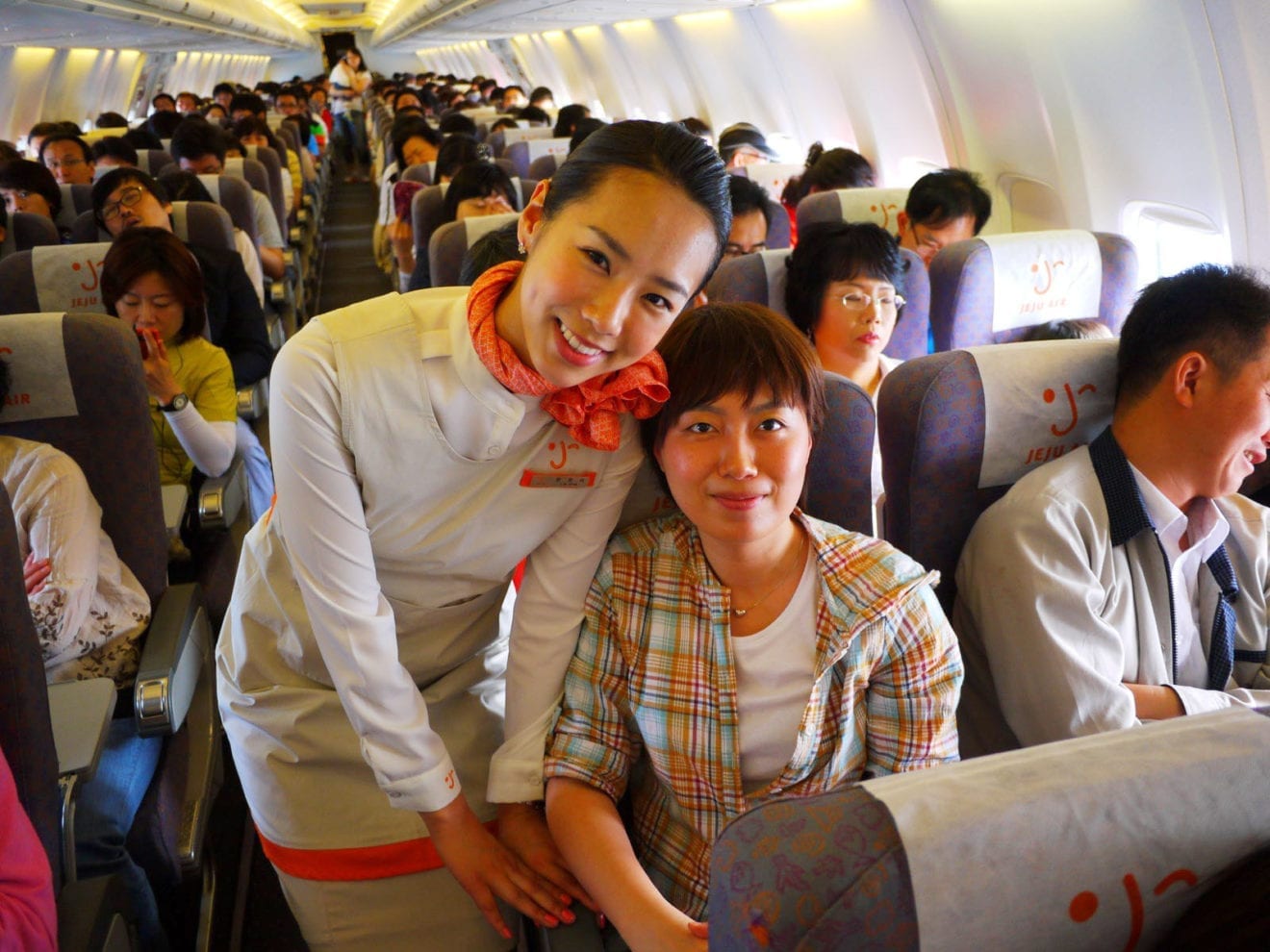
    South Korea’s Jeju Air said on Tuesday China has approved a plan to double its flights to the Chinese city of Weihai from June 2, boosting hopes of easing political tension between the two countries.

    Relations between China and South Korea have been strained for months by a South Korean decision to deploy a U.S. anti-missile system, but have taken on a more conciliatory tone with the election this month of President Moon Jae-in.

    Jeju Air, South Korea’s top low-cost carrier, said it first applied to increase its flights to Weihai, to 14 a week from 7, in early April, but China had not approved the plan because of the diplomatic row.

    “The political tension has had a far-reaching impact on flights between the two countries including new flights, added flights and charter flights,” said a Jeju Air spokesman, Park Jung-Jun.

    “The latest move raises hopes that the tension is easing,” he said.

    However, he said China has not approved a request from his airline to resume charter flights between the two countries.

    South Korean firms from airlines to automakers and retailers has suffered from China’s backlash to the decision last year to deploy the U.S. Terminal High Altitude Area Defense (THAAD) anti-missile system.

    China says the system’s powerful radar can penetrate deep into its territory and undermine its security. South Korea and the United States have said the deployment is aimed purely at defence against North Korea.

    Moon has pledged to seek a parliamentary review of the THAAD system, and sent his representative, Lee Hae-chan, to China to meet President Xi Jinping this month.

    Xi told Lee that China wanted to put ties with South Korea back on a “normal track”, but he also urged it to respect China’s concerns and resolve tension over the THAAD deployment.

    China’s tourism ministry has also instructed tour operators to stop selling trips to South Korea from March 15. An official at South Korean tour agency Mode Tour told Reuters it hoped the ban may be lifted as early as the second week of June.

    Lotte Group has closed 74 of 99 retail stores in China after the group in late February approved a land swap outside Seoul to allowed South Korea to install the THAAD system. A Lotte Group official said on Tuesday that no stores had reopened yet.

  • Florentia Village opens in Hong Kong

    Florentia Village opens in Hong Kong

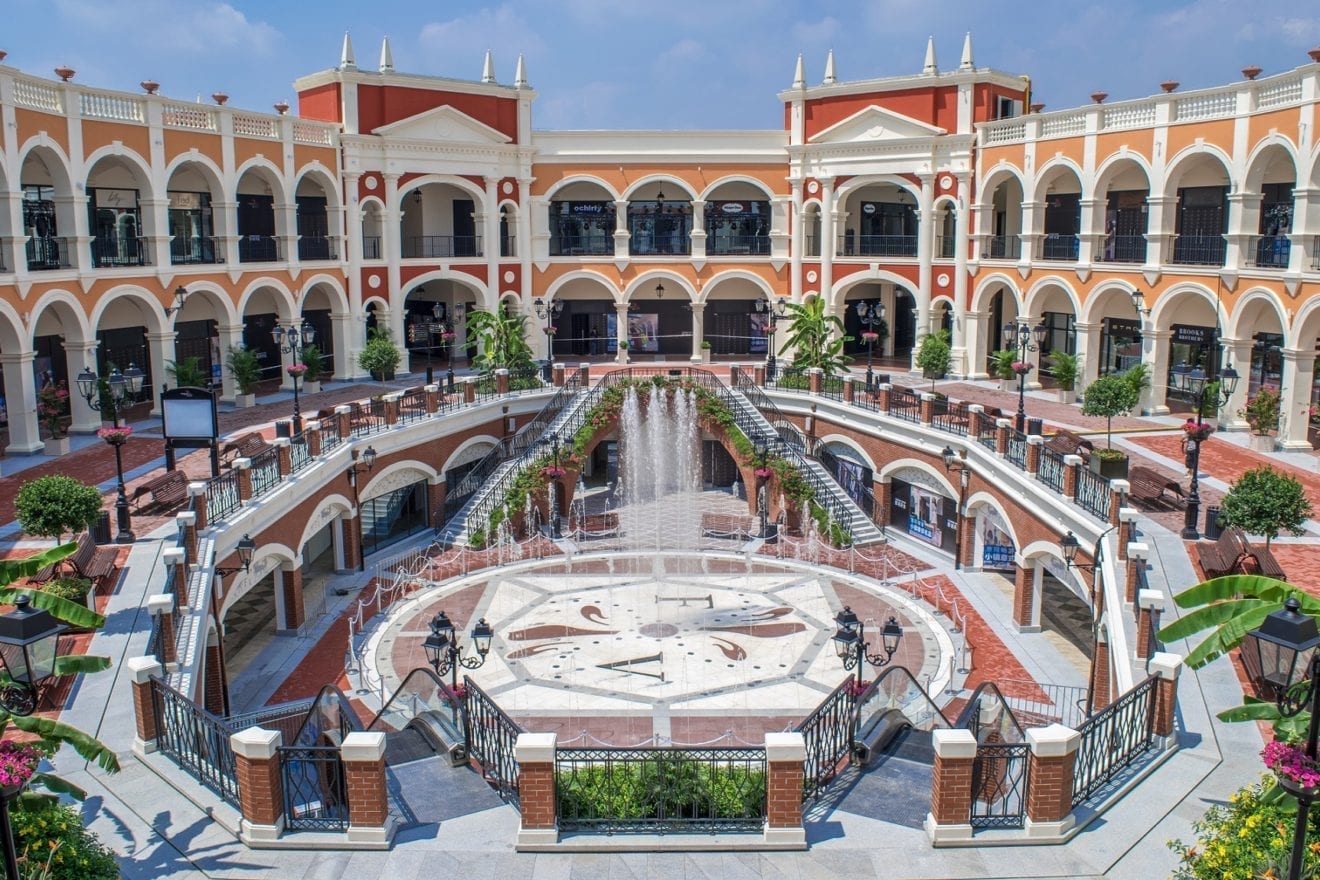
    Despite the decline of tourist arrivals into Hong Kong last year and challenges in the luxury retail sector, Italian-owned mall operator RDM has just opened its first Hong Kong outlet.

    Located in the KC100 complex near Kwai Hing MTR station, Florentia Village is hoping to attract 500,000 customers this year thanks to its proximity to the airport and mainland immigration checkpoints.

    The 60,000-sqft boutique-style mall comprises upscale luxury brands, such as Prada, Salvatore Ferragamo, Versace and Kenzo.

    Of its visitors, the mall is forecasting 50 per cent to be mainlanders, 25 per cent Hong Kongers and the remaining 25 per cent international travellers and expats.

    With three existing malls in China – Shanghai, Tianjin and Guangzhou – RDM is confident their brand name will travel.

    “Our brand is growing fast in China, so having the same type of operation in a different approach with a very strong mix of luxury brands, we are sure to attract customers from China visiting Hong Kong,” said Maurizio Lupi, managing director of RDM Asia.

    In China the mall is expecting double-digit turnover growth. Here in Hong Kong, perhaps the optimistic figures from December 2016, when mainland visitor numbers increased 6.1 per cent to 3.95 million, may bear out Lupi’s certainty.

  • LG’s mobile payment service ‘LG Pay’ to be launched in June in Korea

    LG’s mobile payment service ‘LG Pay’ to be launched in June in Korea

    LG Electronics announced that it will launch its own mobile payment service dubbed ‘LG Pay’ across Korea, which will allow users to use their mobile phone as a credit card.

    During the World IT Show 2017 exhibition currently under way in Seoul, the South Korean tech giant showcased LG Pay, which adopted the Wireless Magnetic Communication technology. Samsung Pay is equipped with the Magnetic Secure Transmission technology.

    Users can register multiple credit cards into an LG Pay-enabled mobile phone and they choose one of pre-registered credit cards to pay. The payment service is supported by four credit card companies – Shinhan, KB, BC and Lotte – from June and by all of other Korean credit card companies from September, the company said.

    The service is based on wireless magnetic communication (WMC) technology, in which a credit card reader deciphers magnetic signals generated by a mobile phone. Nearly 90 percent of credit card readers support this magnetic payment system, making the service available at virtually all merchants.

    To use this service, users need an antenna-embedded smartphone to enable magnetic communication. The LG G6, the company’s latest smartphone model released early this year, is the only model that is equipped with this antenna. The company aims to expand its mobile payment service through its future smartphone models.

    LG said the service will be launched next month in South Korea and will be connected to the country’s eight major credit card companies.

  • Retaliations by Beijing for Thaad seem to be easing

    Retaliations by Beijing for Thaad seem to be easing

    Since the Moon Jae-in government kicked off, Beijing has been easing up on retaliatory measures for Seoul’s deploying of U.S. antimissile system.

    According to Korean news reports, Chinese custom authorities have reduced the number of Korean products being sampled for import approvals to the level before the decision to deploy the Terminal High Altitude Defense (Thaad) system was made last summer.

    After the Park Geun-hye administration decided to allow a Thaad battery to be set up in the southern region of the country, Beijing intensified inspections of Korean imports, which led to bans of several food items and cosmetics goods.

    Although it never officialy acknowledged that the inspections were retaliation measures for the Thaad deployment, the cause-and-effect phenomenon was understood.

    Other noticeable improvements have taken place in the entertainment field. Popular Korean group Big Bang has reappeared in Chinese online commercials, after being missing for a few months. Shows which were not aired on TV because of featuring Korean actors are now being considered for release in the second half of this year.

    Although no Korean celebrities have yet appeared on Chinese TV or in televised advertisements recently, the lifting of that unofficial ban on Korea-related content seems to be taking place.

    Lotte Mart announced last week that its website in China, which was forced by the government to shut down in March, has reopened.

    “Since the new Korean government came in, a momentum is being felt in China over improving a relationship that seemed to have been heading toward a dead end,” said an official at the Korea Trade-Investment Promotion Agency’s Beijing office. “Although it has only been two weeks since the Moon administration started; and that more time is needed to expect actual changes, signals from the Chinese government have been changing favorably, and business sentiment seems to follow that of the government.”

    The Kotra official said retribution for the Thaad deployment was also felt in Chinese investments.

    “Chinese investors who previously had interest in investing in Korean businesses held back their decisions since Thaad,” the Kotra official said. “The situation hasn’t improved drastically but they are now in a situation where they can start considering opening up.”

    In March, the Industrial Bank of Korea released a report estimating that Korea would likely suffer losses worth US$20 billion if the Chinese government deepened its retaliations for the Thaad system.

    The industries hurt the most are the Korean duty-free and tourism industries, where revenues would shrink to US$11.7 billion compared to the previous year, IBK predicted, while manufacturing exports would see a drop of US$8.3 billion. Cosmetic companies could suffer losses amounting to US$1.4 billion.

    Although the situation seems to be slowly resolving itself, some remain skeptical.

    “We’re still not at a stage where we can say that the situation has ‘improved’, since we haven’t received any detailed messages or notifications from the Chinese government,” said a Lotte Group official.

    “Eighty-seven of our branches are still closed [for alleged fire code and other safety violations],” said a Lotte Mart official. “We are continuously requesting a revaluation of our safety violations but the Chinese government remains silent. Since our businesses have been suspended we haven’t seen any improvement.”

  • Loss-making shipping company turns down real estate investors

    Loss-making shipping company turns down real estate investors

    Despite continuous losses for many years, Northern Shipping Joint Stock Company (Nosco, ticker NOS on UPCoM) attracts many investors due to its abundant land reserves. In 2016, Nosco earned a revenue of nearly VND131 billion ($5.76 million), which accounted for 92.4 per cent of its initial plan. However, it still suffered a loss of VND340 billion ($14.96 million).

    The technical analysis of Nosco revealed that the main reason for this loss is the VND117 billion ($5.15 million) depreciation of fixed assets and interest expenses of VND170.7 billion ($7.5 million). Besides, the company had to spend handsomely on provisions, exchange rate differences, and accounting for the costs incurred.

    According to Trinh Huu Luong, chairman cum general director of Nosco, said that the loss did not derive from business activities but from a huge investment in purchasing ships. As a result, these ships’ depreciation are putting a burden on Nosco.

    For example, previously, Nosco Victory ship was purchased at VND1.2 trillion ($52.8 million) but is only worth VND50 billion now. Similarly, Nosco Glory was purchased for VND1.8 trillion ($79.2 million) and is now worth about VND30 billion ($1.32 million). “If such an investment were made at present, Nosco could earn profit,” Luong said.

    According to the 2017 plan, Nosco expects to generate a revenue of VND87.5 billion ($3.85 million), an equivalent of 56 per cent of the 2016 revenue. One of the reasons for its declining revenue is that in 2017 the company cut down three ships compared to 2016. Now Nosco operates four ships, however, since the beginning of 2017 two of them that had to be repaired.

    Attractive land bank

    Despite its business situation, gloomy future, and negative owners’ equity, Nosco attracts numerous investors. Three investors contacted the company asking to purchase it. Nevertheless, Luong said that they are real estate investors, therefore, what they really want to buy is Nosco’s land bank.

    Some of Nosco’s lands include its headquarter at 278 Ton Duc Thang Street, Hanoi (1,637 square metres), the shipbuilding and repair factory in Lien Mac ward, North Tu Liem District, Hanoi (2,087sq.m), the office at 102 Ly Thuong Kiet Street, Haiphong (91sq.m), and the office at 92 Le Thanh Tong Street, Halong city, Quang Ninh province (36sq.m).

    Meanwhile, according to the Nosco leadership, despite current difficulties, the company’s future is not completely gloomy. Nosco’s losses have been decreasing gradually, so the firm expects to reach the breakeven point soon.

    In 2015, Nosco suffered a loss of VND578 billion ($25.4 million), and in 2016 its loss was VND340 billion ($14.96 million) only. In 2017, Nosco expects to lose a bit over VND200 billion ($8.8 million).

    As of the first quarter of 2017, although Nosco suffered losses, its business prospects are getting brighter. Its loss in this quarter was about VND57 billion ($2.5 million), a significant decrease compared to the VND94.7 billion ($4.17 million) in the same period of 2016.

    Also, in this period, its net cash flow from operating activities was nearly VND3.5 billion ($154,000). If Nosco can maintain these results, it could be feasible for the company to reach the target of reducing losses to VND200 billion ($8.8 million) in 2017.

  • Rupiah Weakens with Asian Currencies

    Rupiah Weakens with Asian Currencies

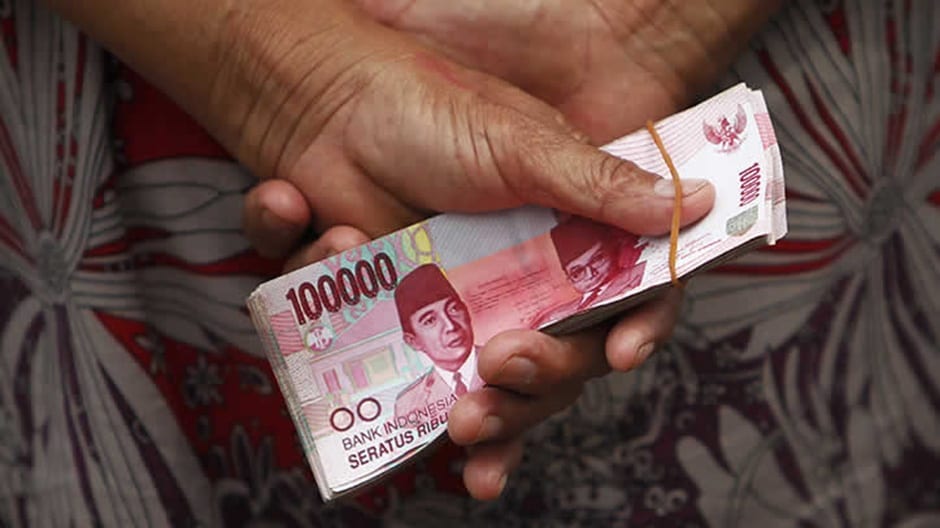
    The rupiah exchange rate at the Jakarta Interbank Spot Dollar Rate this morning fell by 8.0bps to trade for Rp13,332 per US dollar. The rupiah is corrected along with most Asian currencies.

    “Rupiah weakens along with Asian currencies depreciation against the US dollar,” Samuel Sekuritas economist Rangga Cipta said in Jakarta, May 18.

    However, Rangga said the rupiah correction is relatively limited as the Indonesian state bonds (SUN) yields improve amid prospects of inflation ahead of the Ramadan, raising expectations that of a possible credit ratings upgrade by Standard & Poor’s (S&P).

    “Increasing optimism in the bond market and expectation of commodity price improvement can secure the rupiah from plunging too deep,” he said.

    Binaartha Sekuritas analyst Reza Priyambada said the rupiah and other Asian currencies weaken because of an increasing interest among market players to invest in safe havens.

    Reza hopes that Indonesia’s well-guarded economic fundamentals and the government’s infrastructure projects will be responded well by the market, allowing the rupiah to rebound.

  • Ncell’s 4G license to be withheld

    Ncell’s 4G license to be withheld

    The Nepal Telecommunications Authority (NTA) has backtracked on its decision to grant Ncell a 4G license in response to a directive from the parliamentary Public Accounts Committee (PAC).

    The committee recently directed the regulator to prevent Ncell from launching 4G services until an ongoing dispute over capital gains tax is settled. The NTA has announced it will abide by this decision.

    Ncell was granted approval earlier this month to launch 4G services despite an earlier decision by the PAC not to allow the launch until the tax dispute is settled.

    In making its decision, the NTA said the directive has been issued in the spirit of Nepal’s technology neutral spectrum policy, as well as in response to a finding from Nepal’s Development Committee that withholding a license would negatively affect consumers and state funds.

    The tax dispute revolves around the sale of Sweden’s TeliaSonera’s indirect majority stake in Ncell to Malaysia’s Axiata for $1.03 billion in 2015.

    But the government has been split on whether the tax should be paid by the buyer or the seller and may require Ncell to pay on behalf of the international companies. There is also disagreement over whether Nepalese tax law even applies to the transaction, as it involved the sale of a holding company listed in a tax haven.

  • European firms lose confidence in Vietnam’s market

    European firms lose confidence in Vietnam’s market

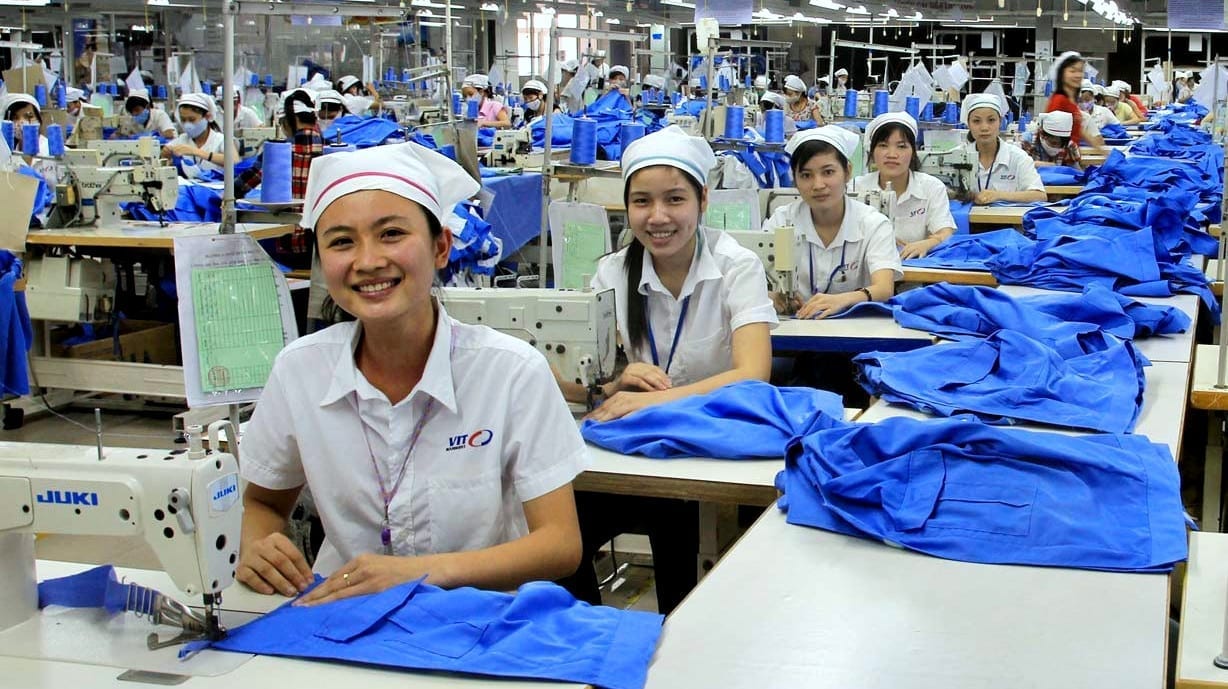
    The overall business climate index has fallen 7 points since the last quarter. The number of European businesses and companies with links to Europe that have a positive outlook about their futures in Vietnam has fallen slightly, according to the Vietnam Business Climate Index (BCI) for the first quarter released on Monday by the European Chamber of Commerce (EuroCham).

    When asked about their business outlook for the next quarter, 9 percent said the outlook was “excellent”, compared to 10 percent the previous quarter, and 60 percent said it was “good”, compared to 67 percent.

    The number of firms that forecast their outlook as “not good” jumped from zero to 7 percent, and “very poor” climbed from 2 to 4 percent.

    With regards to their current business situation, 67 percent of respondents described theirs as “excellent” and “good”, around a 5 percent drop from the previous quarter.

    A slight rise was seen in the “not good” and “very poor” answers, with 9 percent and 3 percent, respectively, compared to 3 percent and 2 percent in the last quarter.

    EuroCham members that expressed confidence in a stable and continuously improving macroeconomic scenario for Vietnam in the next quarter have dropped by around 10 percent to 43 percent.

    Conversely, businesses that believe the macroeconomic conjuncture could get even worse has risen 11 percent to 18 percent.

    In general, the index for the first quarter stood at 78, dropping 7 points.

    In an interview with Bloomberg at the Government Office in Hanoi on Saturday, Vietnamese Prime Minister Nguyen Xuan Phuc said he is confident that Vietnam’s economic growth this year will meet the government’s goal of 6.7 percent without adding to inflation, despite weak expansion in the first quarter.

    “The main economic indicators in May are all very good with a strong pickup in exports, foreign investment and agriculture production, laying the ground for faster growth in the third and fourth quarters,” he said, adding that the growth target was difficult but not impossible.

  • Philippines billionaire Sy’s group counts on logistics as next growth engine

    Philippines billionaire Sy’s group counts on logistics as next growth engine

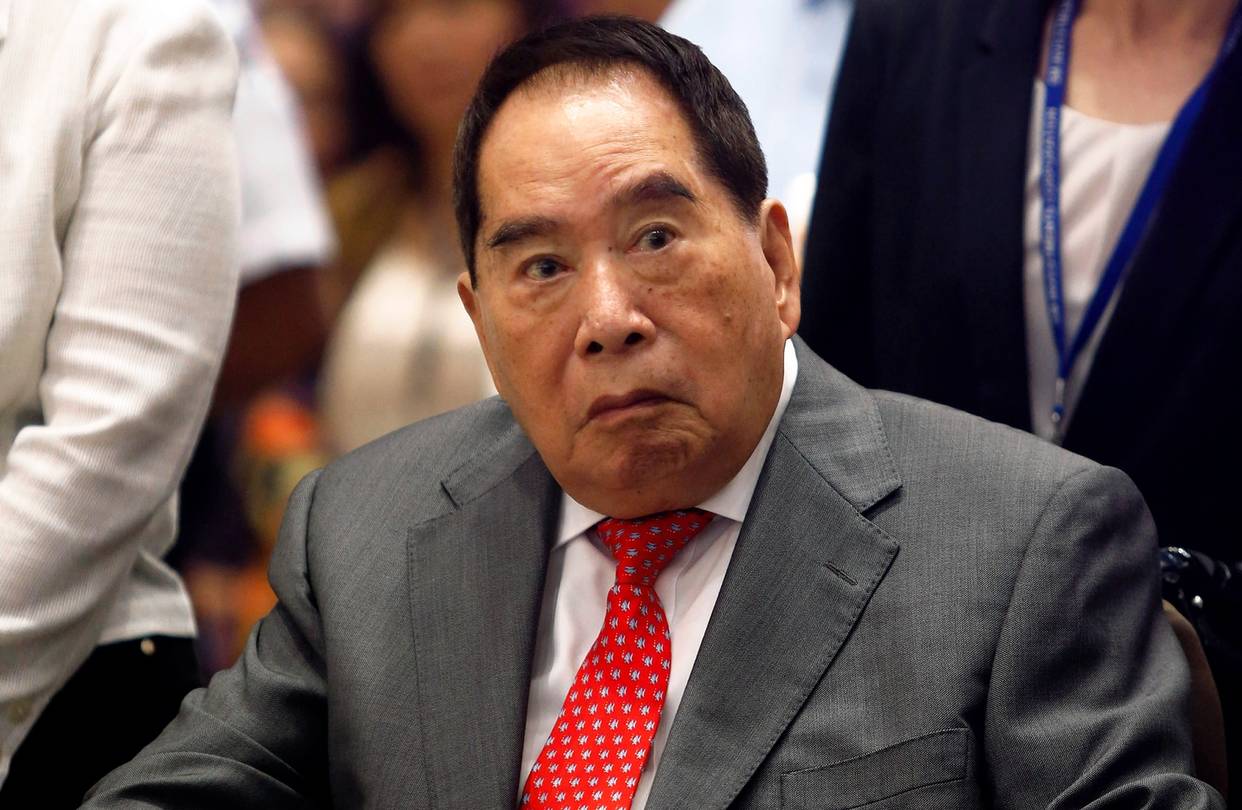
    Almost 60 years after turning a shoe shop in Manila into a banking-to-property conglomerate that’s made him the richest man in the Philippines, billionaire Henry Sy has found the next growth engine for his group: logistics.

    Mr Sy’s SM Investments Corp. is counting on logistics affiliate 2GO Group to fuel earnings growth as e-commerce and economic growth boosts demand for deliveries, chief executive officer Ricky DyBuncio, 57, said in an interview. Logistics may even become the company’s fourth business pillar after banking, real estate and retail, he said. The logistics company’s shares surged to a record Tuesday in Manila trading.

    “As economic growth spreads nationwide, you will see a more and more increasing need for logistics operations,” Mr DyBuncio, the first person from outside the Sy family to lead SM Investments, said in Manila May 25. “It definitely could grow by double digits for many, many years to come.”

    SM Investments, the country’s most valuable company after Sy-controlled residential and malls builder SM Prime Holdings, has said it needs to expand in high-growth sectors to complement its main businesses. Investments in logistics will help boost earnings as the core businesses reach a scale that makes double-digit percentage growth no longer the norm, Mr DyBuncio said. SM stands for Shoemart, the name of the original store Mr Sy opened in 1958.

    Mr DyBuncio, who took over from the founder’s son Harley Sy last month, has said he’ll look to the company’s share price as a measure of his performance. He will need fast-growing businesses to continue driving the stock higher as his predecessor oversaw a more than a six-fold increase since the shares began trading in 2005.

    Logistics can grow at least two times faster than the economy, according to Mr DyBuncio, who has been looking at investment opportunities in logistics over the past two years. Economic growth is boosting demand for shipping, warehouses and port facilities nationwide.

    Shares of 2GO climbed as much as 21 per cent to 25 pesos, the highest since the company’s 1995 listing, before paring gains to trade at 23.40 pesos as of the midday trading break in Manila on Tuesday. The stock has tripled so far this year. SM Investments fell 0.2 percent to 775.50 pesos.

    The Philippines plans to spend as much as 9 trillion pesos (S$249.1 billion) on infrastructure from this year to 2022 to boost Southeast Asia’s fastest growing economy. The economy grew 6.4 per cent in the first quarter, its weakest expansion in six quarters and is forecast to grow 6.6 per cent this year, according to economist estimates compiled by Bloomberg.

    “You can’t have faster economic growth without logistics,” said Gonzalo Bongolan, vice president at Philippine Commercial Capital Inc., a Manila-based investment bank. “Logistics and the last mile of distribution will become more critical as commercial activities multiply.”

    2GO is the largest provider of so-called end-to-end logistics services in the Philippines, a nation of more than 7,000 islands. The company, which has a fleet of 24 ships, had a 90 percent passenger market share and cornered 38 percent of cargo that passed through the ports where it operated. Customers include SM Investments’ department stores and grocers, Procter & Gamble, and Lazada Group, a Southeast Asian e-commerce operator whose Philippine clients include an SM’s online store.

    Net income will jump about 14 per cent this year to 35.4 billion pesos, based on the average of seven analyst estimates compiled by Bloomberg. That would be the fastest growth since the 16 percent advance in 2012.

    SM Investments indirectly owns about 30 per cent of 2GO. It’s part of portfolio investments amassed to diversify beyond core businesses that include BDO Unibank Inc., the biggest Philippine lender by assets, and China Banking Corp. SM Investments’ two other major units are SM Prime, the nation’s largest shopping mall operator, and SM Retail Inc., the biggest Philippine retailer with 2,303 outlets.

    Return on equity, which fell to about 11 percent last year from the 14.3 percent peak in 2012, will rebound in the next couple of years as returns from its investments, including property assets, improve, DyBuncio said.

    As for the logistics business, DyBuncio said he’s still not certain it will become a core business on the scale of the banking, property and retail mainstays.

    “Is it going to be big enough that we can say it’s a fourth leg? We need to see what happens in the next few years,” DyBuncio said. “We might be able to find the fourth leg but it will probably be a short leg given the size of the group’s three core businesses.”

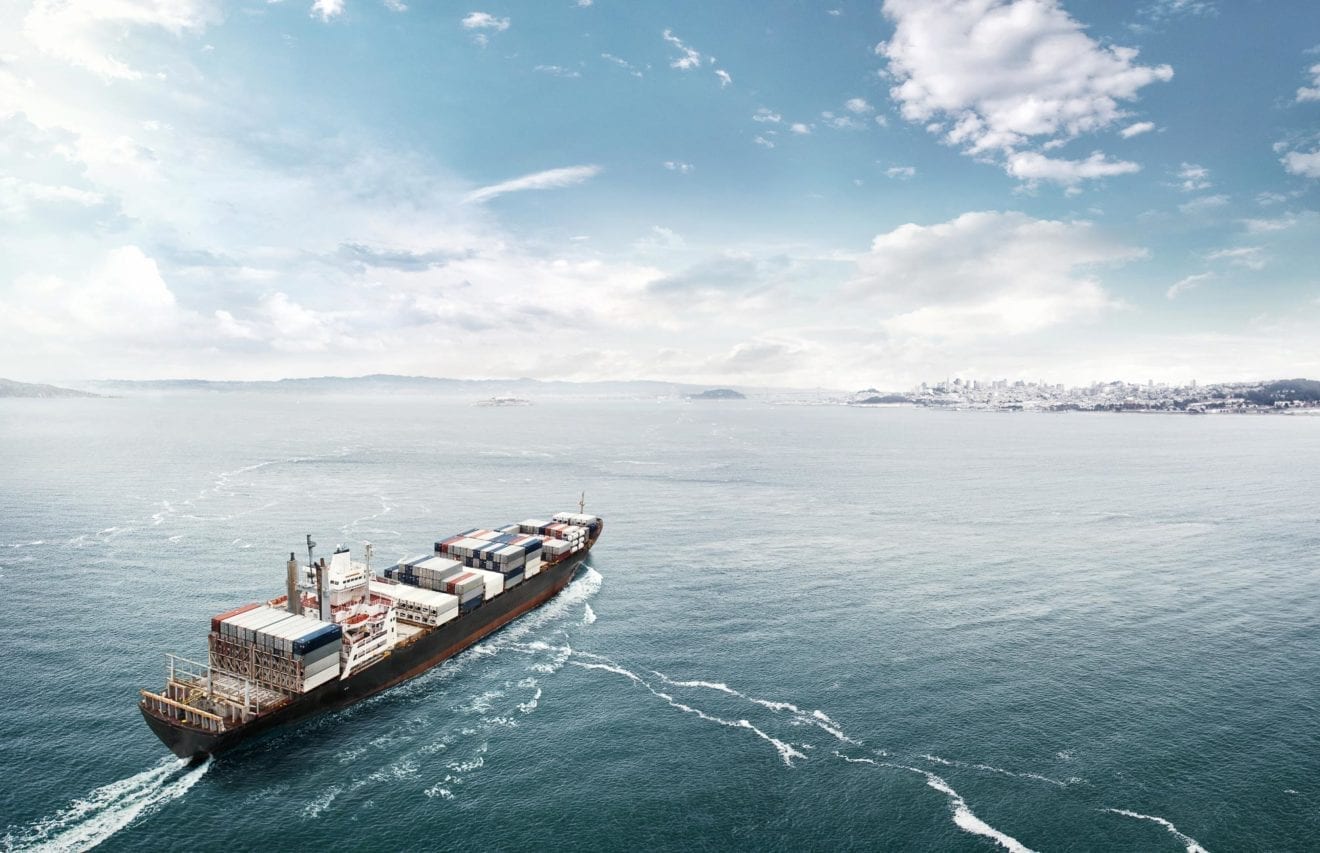
  • Tanjung Api-Api Port to start operation in December

    Tanjung Api-Api Port to start operation in December

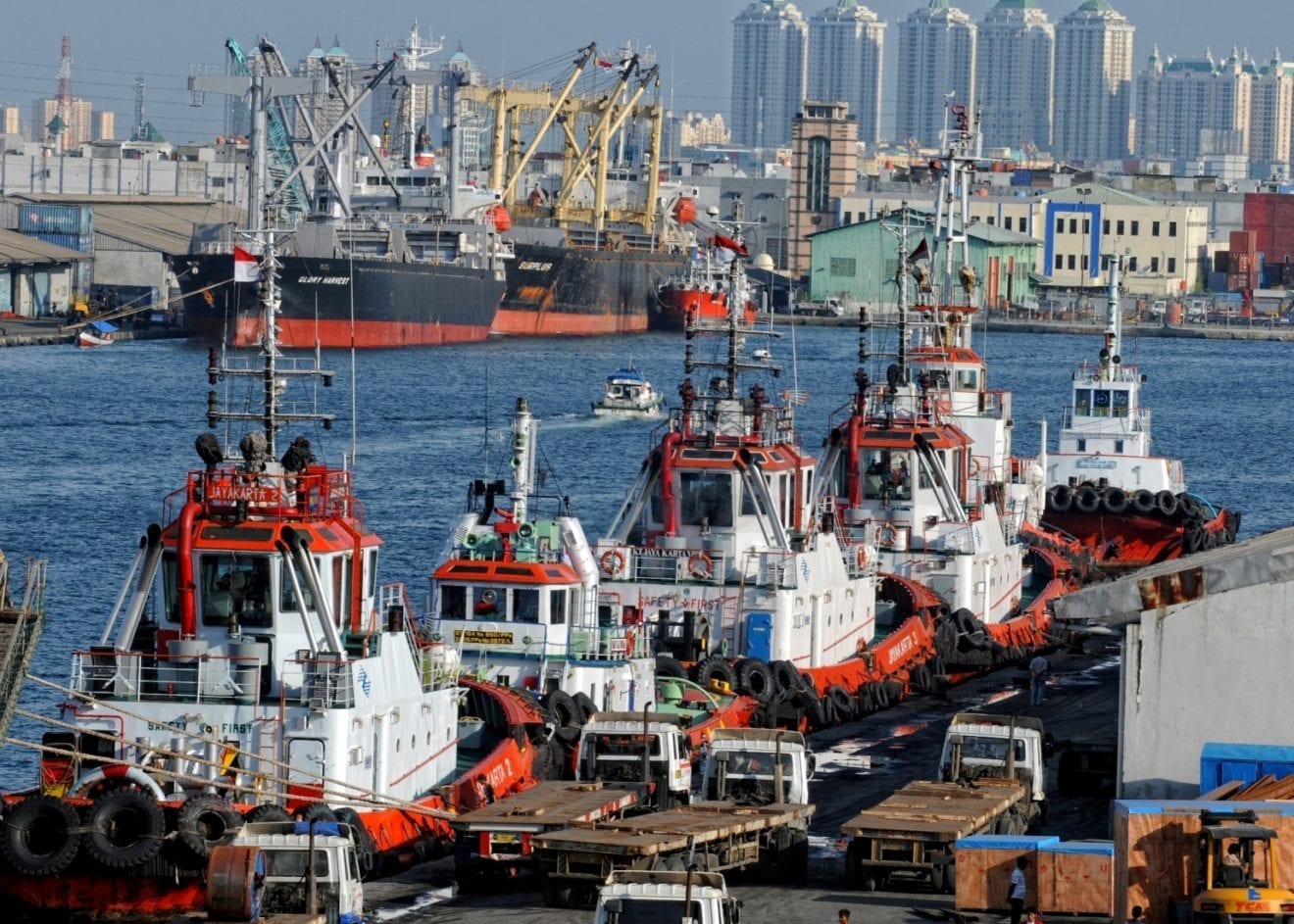
    Transport Minister Budi Karya Sumadi said the Port of Tanjung Api-Api in the regency of Banyuasin, South Sumatra, is to be operational in December, 2017.

    Physical construction of the project is already completed, but the port basin is not yet safe for big ships, Budi said after a meeting on the port and the progress made in the construction of Light Rail Transit project (LRT) in the city of Palembang on Saturday.

    The minister said the port basin is only 3.5 meter deep, therefore it still needs to be made deeper to be safe for big ships.

    He said South Sumatra Governor Alex Noerdin also agreed with the decision to operate the new international seaport in December.

    In addition the 60-kilometer long provincial highway linking the new port with the provincial city Palembang still needs repairs here and there, he said.

    He said later Tanjung Api-Api will need to be linked with toll road and railways to facilitate the transport of cargoes to and from the international port.

    The minister expressed optimism the port would help accelerate industrialization in South Sumatra and neighboring province of Jambi as it would serve as hub port for goods from the two provinces to be transported to Jakartas Tanjung Priok on the way to export market or other regions in the country.

    Meanwhile, Sea Transport Director General A Tonny Budiono said the port would be able to accommodate 464 death-weight ship that could carry 50 TEUs of container cargoes.

    Tonny said in the beginning the port would be operated by the Transport Ministry but later by phases it would be handed over to PT Pelindo II, the state-owned port operator based in Jakarta.

    He said the port has yet to be equipped with cranes to load and unload cargoes including containers. Normally ships already have their own cranes , but work would be faster if the port would also have cranes, he added.

    The quay of the port is 50×20 meters, the trestle is 118 X 8 meters and the causeway is 100 X 8 meters .

    Construction of the port project cost around Rp178 billion with fund from the state budget.

    The South Sumatra provincial administration contributed Rp48 billion for the construction of land supporting facility.

    Palembang will co-host the next Asian games in 2018, therefore, the government hastens the completion of infrastructure including the sea port and the LRT project.