Author: Mei Ling Tan

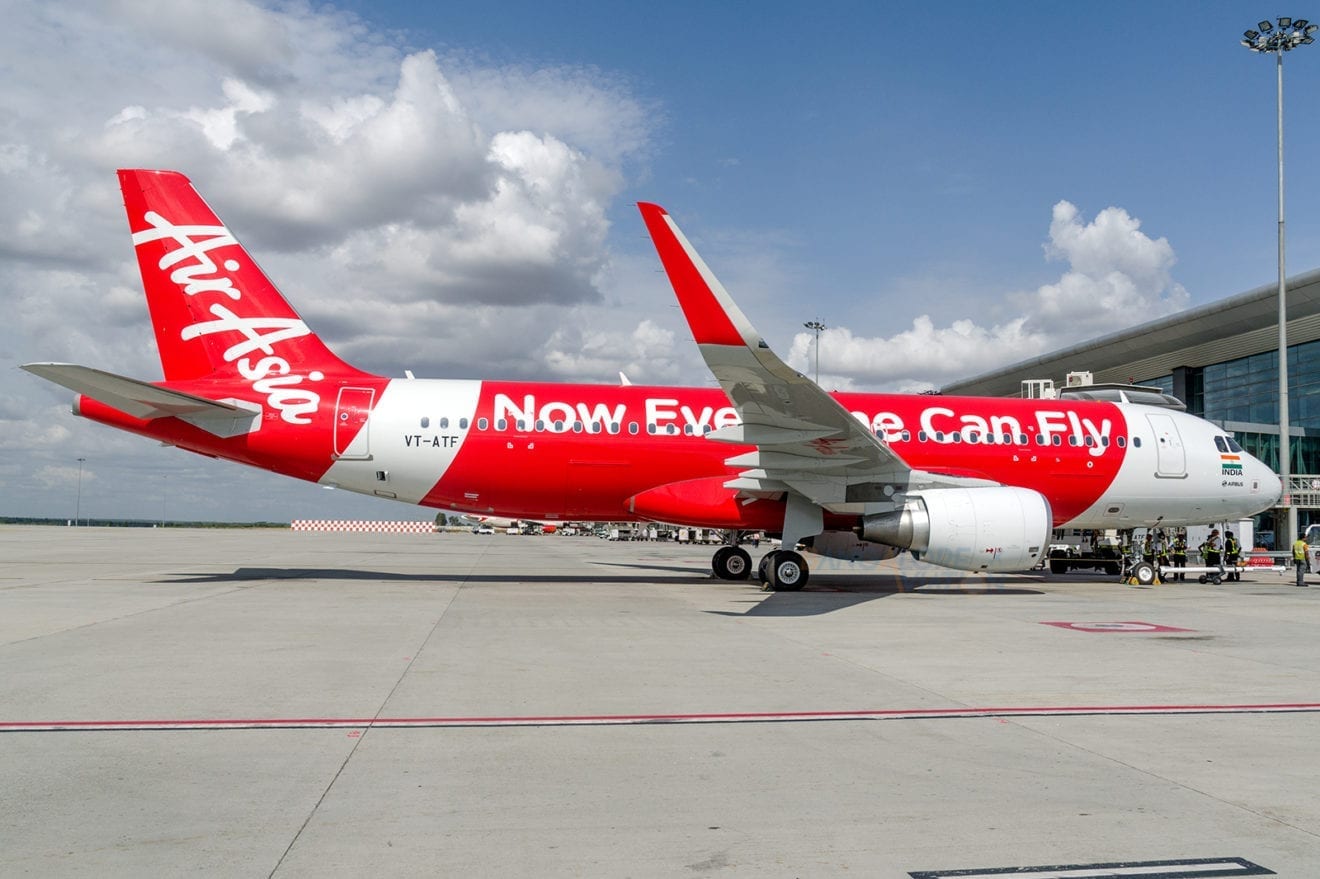
  • AirAsia eyes budget-conscious Aussie travellers

    AirAsia eyes budget-conscious Aussie travellers

    Benyamin Ismail, the CEO of budget airline AirAsia X, wants the coastal city in Borneo to become as familiar to Australians as the famous Bali beach destination.

    AirAsia is eyeing Aussie travellers and wants the Malaysian-based low-cost carrier to be a serious contender in our budget travel market.

    Its pitch to local travellers is its network can offer flights to places we might not have been able to afford before.

    Speaking on the airline’s 10th anniversary in Australia, Mr Ismail, said it wants to beef up its Aussie operations to win budget travellers, and show us there is life beyond Bali.

    “We see a lot of Australians travelling to Bali. So of course, we know that is a very strong market and we have been doing well in that market, but we have been trying to educate that there is life beyond Bali,” Mr Ismail told news.com.au.

    It’s just that many Australians haven’t been able to get there, affordably, before.

    “We want to focus on other islands in Malaysia — Penang, Langkawi and Kota Kinabalu.

    “We are also looking at Sri Lanka — Colombo has a very nice stretch of beaches so we are pushing hard on that. And we are also looking at Vietnam.

    “We know that there is an attraction there, we just want to make these markets affordable.”

    AirAsia currently operates flights out of most of our major airports — Sydney, Melbourne, Perth, Gold Coast and Darwin.

    Flights from Sydney to Kota Kinabula start from $278 one-way, from Melbourne $288, or Perth from $228.

    But Mr Ismail believes its their network within Asia that will open up low-cost travel to Australians once they are in the region.

    For example, trips from Kuala Lumpur to Penang can go for as low as $10 or Bangkok to Phuket for $55 for a basic economy seat without all the comforts.

    However, like most low-cost carriers, ticket prices only include a basic economy seat. If you want to add baggage allowance, a meal, standard seat selection and in-flight entertainment, you’ll have to pay an extra. These fees change depending on departure and arrival destinations and ticket prices can change depending on demand.

    But Mr Ismail said giving passengers this choice on how they fly is an important part of how budget airlines are able to keep prices low.

    “If you are really concerned about the cost and value for money, you don’t have to buy food, for example. That is the good thing about low-cost carriers, you pay for what you use,” he told.

    “Whereas full-service airlines charge everything onto one ticket, but 60 per cent of those things you might not need. That’s really why we are able to transfer savings to our customers too.”

    He said AirAsia is also able to make travel more affordable for Australians by focusing on volume and efficiency.

    “We run a very cost-efficient operation which allows us to charge lower fares,” Mr Ismail said.

    “We have more seats on our planes. We are a very high density aircraft, so the cost per seat is much lower. But how we operate staff is also quite efficient.

    “When we look at the number of staff per aircraft — the number of total airline staff divided by the number of aircraft — we are at about 90 staff per aircraft.

    “Low-cost carriers like Ryanair or EasyJet run their airlines at about 72 to 80 staff per aircraft. Full service carriers are sitting about 160 to 180.”

    And he assures that efficiency doesn’t equal poor service.

    “It just means if you arrive at a terminal to board, in a low-cost airline you might only have one staff member there welcoming you rather than five,” Mr Ismail said.

  • Vietnam’s online gaming firm VNG eyes IPO in US

    Vietnam’s online gaming firm VNG eyes IPO in US

    It is now in a race with budget carrier VietJet to become the first Vietnamese company to list abroad. Vietnamese online gaming and messaging firm VNG Corp said Tuesday that it has signed a preliminary agreement with U.S. bourse operator Nasdaq Inc to explore an initial public offering, a move that could make it the first Southeast Asian firm to be listed overseas.

    The agreement, which could see Nasdaq help VNG prepare for the listing, was signed on the sidelines of Vietnam Prime Minister Nguyen Xuan Phuc’s visit to the U.S.

    Founded in 2004, VNG provides online games, music streaming and messaging applications. Its statement did not disclose details about the IPO plans.

    The company was not immediately available for comment.

    In his Tuesday meeting with Robert H. McCooey Jr, vice president of Nasdaq, PM Phuc hailed the agreement between Nasdag and VNG. According to a government report, he said that Vietnam’s government always encourages the cooperation between local firms and U.S. partners.

    In a report on Sunday, VietJet Aviation Joint Stock, which controls almost half of Vietnam’s domestic airline market, is in talks to become the first company in the Southeast Asian nation to list its shares in an overseas stock exchange.

    “We’ve been approached by some foreign stock exchanges including London, Hong Kong and Singapore, which expressed their interest in our stock,” Nguyen Thi Phuong Thao, VietJet’s founder and chief executive officer, was quoted as saying. She added that she will meet exchange officials in New York later this week.

    VietJet reportedly received shareholder approval in April to boost its foreign ownership limit to 49 percent from 30 percent. The increase will need to be approved by the government because foreign ownership in the industry is currently capped at 30 percent.

    “We don’t want to hide our hope to become the first Vietnamese company to list shares overseas,” Thao reportedly said.

  • LG’s new smart devices strengthen its IoT game

    LG’s new smart devices strengthen its IoT game

    Smart homes are often talked about in technology circles but it is a concept that is often assumed to be very far in the future. That may not be so as LG has launched some new home appliances in the Malaysian market that it hopes will jump-start its Internet of Things (IoT) ambitions.

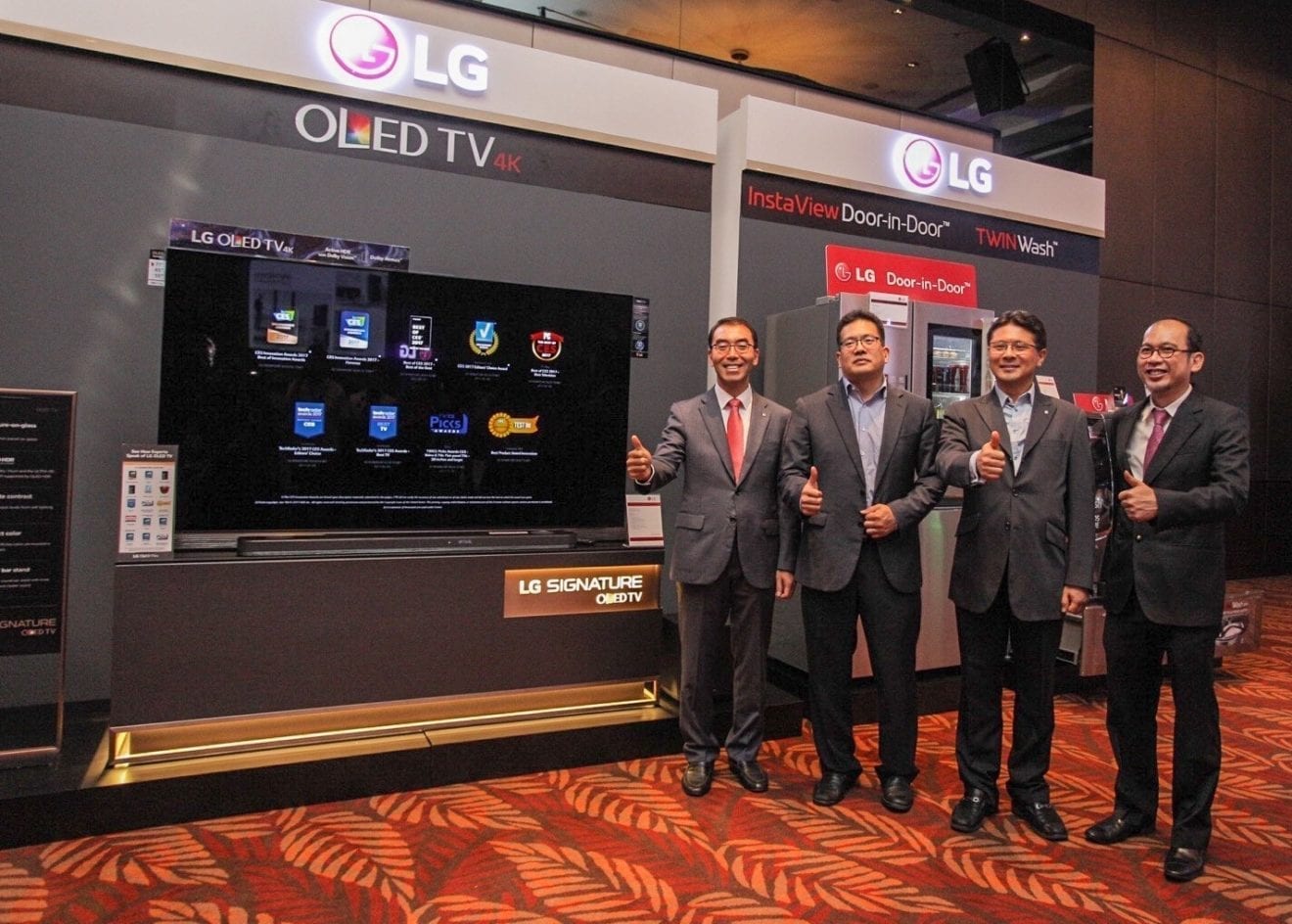
    Running on its smart home technology called Smart ThinQ, LG has introduced two products:  the LG TWINwash washing machine and LG Smart InstaView refrigerator that leverage this technology to provide greater convenience to consumers.

    Using the Smart ThinQ on a smartphone, users would be able to remotely set their washing machine to do their laundry at a specific time so that they would be able to come home to a freshly washed load.

    Using the smart application, users also have greater control on the types of wash options, such as baby wear, denim, swimwear and many others that the washing machine can perform.

    In the case of refrigerators, LG said Smart ThinQ would help users monitor the temperature level of the fridge as well as set the appropriate temperature for the various compartments.

    Aside from monitoring and controlling, the other benefit brought on by smart home appliances using LG’s Smart ThinQ app is a feature called Smart Diagnosis. As the name implies, it is a diagnostic feature that can alert users if the system detects any breakdown in their appliance.

    In this way, the appliance gives the user an error code to denote the problem so it is identified before the technician comes over to fix it.

    Aiming high for IoT

    Malaysia is now the latest market in which LG is launching its new smart home-ready devices and LG is planning to launch even more smart devices next year, expanding its lineup to include smart air conditioners and air purifiers.

    LG Electronics Malaysia’s head of product department for home appliances and air conditioner Bon Jae Koo explains that LG has been focusing its efforts on improving life for its customers by launching new smart devices that are able to connect to the Internet.

    “Globally we are focused on developing home network solutions that can be implemented on our product lineup that includes refrigerators, washing machines, air purifiers and more,” he said.

    Koo explains that LG has been in the business of making devices for a long time and points towards his native South Korea where IoT is already adopted in the commercial segment. This includes smart mirrors within clothing stores that help you decide which item of clothing to buy by simulating what they look like on the person standing in front of it.

    “We are of the view that smart products that help optimise the temperature in the room, improve the wash cycle for clothes will result in better power consumption hence bringing greater cost savings to our customers.

  • Jazz up with the latest Cherry Mobile Flare J1 2017

    Jazz up with the latest Cherry Mobile Flare J1 2017

    The year 2017 is all about going bigger, better and bolder. While you’re planning to tick off goals from your bucket list, going beyond your safest zone, or living the life you’ve always wanted, make sure to jazz up with the latest upgrade of Cherry Mobile Flare J1 2017.

    Cherry Mobile Flare J1 2017 encourages the young trendsetters to push their boundaries and live a life with no limits as it is built to take on the demands of one’s hectic lifestyle. The Flare J1 2017 is crafted with a durable and tough LCD that can withstand rough falls and unsightly cracks. Coming with a price tag of P2,699 SRP, you get to own a 5-inch strong and impressive mobile device that will accompany you as you learn the ropes of life the hard way.

    In addition to its durability, the Flare J1 2017is equipped with a1GB RAM and 8GB internal storage which can be expanded to 32GB via microSD. Capture your achievements, any mundane moments or gear up for countless rounds of selfie with the device’s 8MP rear and 5MP front cameras. The Flare J1 2017 is also fitted with a hefty 2300mAh removable battery.

    Feel free to live life on the edge as the Flare J1 2017 is as strong as your will. Make sure to score your first dibs on the latest Flare J1 upgrade this 2017 at any Cherry Mobile concept stores and kiosks near you.

  • The flagship of LG will go on OLED screens

    The flagship of LG will go on OLED screens

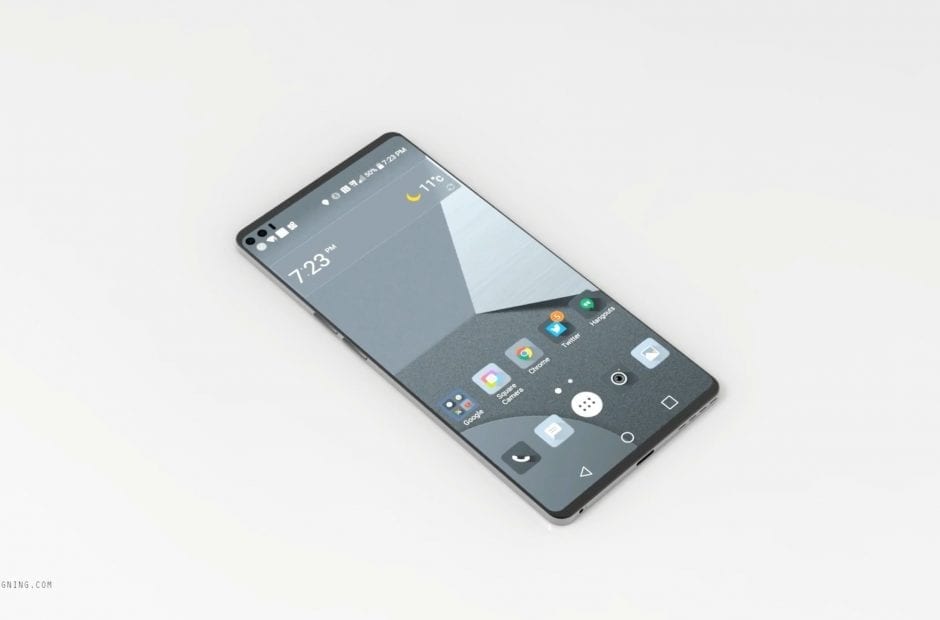
    LG has decided to equip all its top smartphones screens based on the matrix OLED, which will provide the best color reproduction compared to IPS and a reduced level of energy consumption.

    The first devices with such displays will go on sale just in the second half of this year. Reportedly, the first smartphone from LG with OLED screen your own production will be the new V30, a descendant depicted in the rendering V20. Here it should be noted that the display on this particular unit is just two is already the specifics of the series, an open model V10 a couple years ago. The goal of LG is understandable: it is necessary not just to keep up with Apple and Samsung, not only to nip at their heels, and to keep pace with them or, better yet, to overtake them at every turn.

    It should be noted that LG already has experience in the production of smartphones with OLED screen — in 2013, when only-only began to emerge in the segment of mobile phones with curved screens, the world was shown a very stylish LG G Flex the shape of a letter “C”. Alas, the model was not accepted due to high prices and the inertia of users, but after four years, screens of irregular shape, began to interest consumers, and LG intends to be a trend.

  • Uber fires engineer at center of trade secret suit

    Uber fires engineer at center of trade secret suit

    The star engineer was accused of stealing technology from Alphabet’s self-driving car unit. Uber on Tuesday confirmed that it has fired an engineer accused in a trade secrets suit involving files he purportedly purloined from Alphabet’s self-driving car unit Waymo.

    The firing of Anthony Levandowski came just ahead of a date set by a judge for Uber to return files taken from Waymo.

    Levandowski missed a company deadline for assisting with an internal investigation related to the litigation, according to an Uber spokesperson who asked not to be named.

    The case stems from a lawsuit filed in February by Waymo, formerly known as the Google self-driving car unit, which claimed former manager Levandowski took a trove of technical data with him when he left to launch a competing venture that went on to become Otto and was later acquired by Uber.

    San Francisco-based Uber said it pressed Levandowski for months to help with the investigation, and did not want to wait until the matter made its way through the courts to decide whether to let him go.

    In mid-May, U.S. District Court Judge William Alsup issued a partial injunction that fell short of the complete shutdown of Uber’s self-driving car efforts that Alphabet lawyers had requested.

    “Waymo has supplied a compelling record that Levandowski pilfered over 14,000 files from Waymo, and that Uber knew or should have known as much when it brought him on board,” Alsup said in his order.

    Waymo’s lawsuit contends that Levandowski in December 2015 downloaded files from a highly confidential design server to a laptop and took the data with him to the startup.

    The judge ordered Uber to do everything in its power to prevent information taken from Waymo from being used at the on-demand ride company and to return all copies to Waymo, or the court, by the end of May.

    Under the order, Levandowski was barred from being involved at Uber with anything to do with LiDAR, an object-sensing technology used to help self-driving cars “see,” which is at the heart of the suit.

    Waymo argued in the lawsuit that a “calculated theft” of its technology netted Otto a buyout of more than $500 million and enabled Uber to revive a stalled self-driving car program.

    Uber acquired commercial transport-focused Otto late last year as the company pressed ahead with its pursuit of self-driving technology.

    Levandowski, a co-founder of Otto, headed Uber’s efforts to develop self-driving technology for personal driving, delivery and trucking.

  • Uber Join Hands with Trafi App

    Uber Join Hands with Trafi App

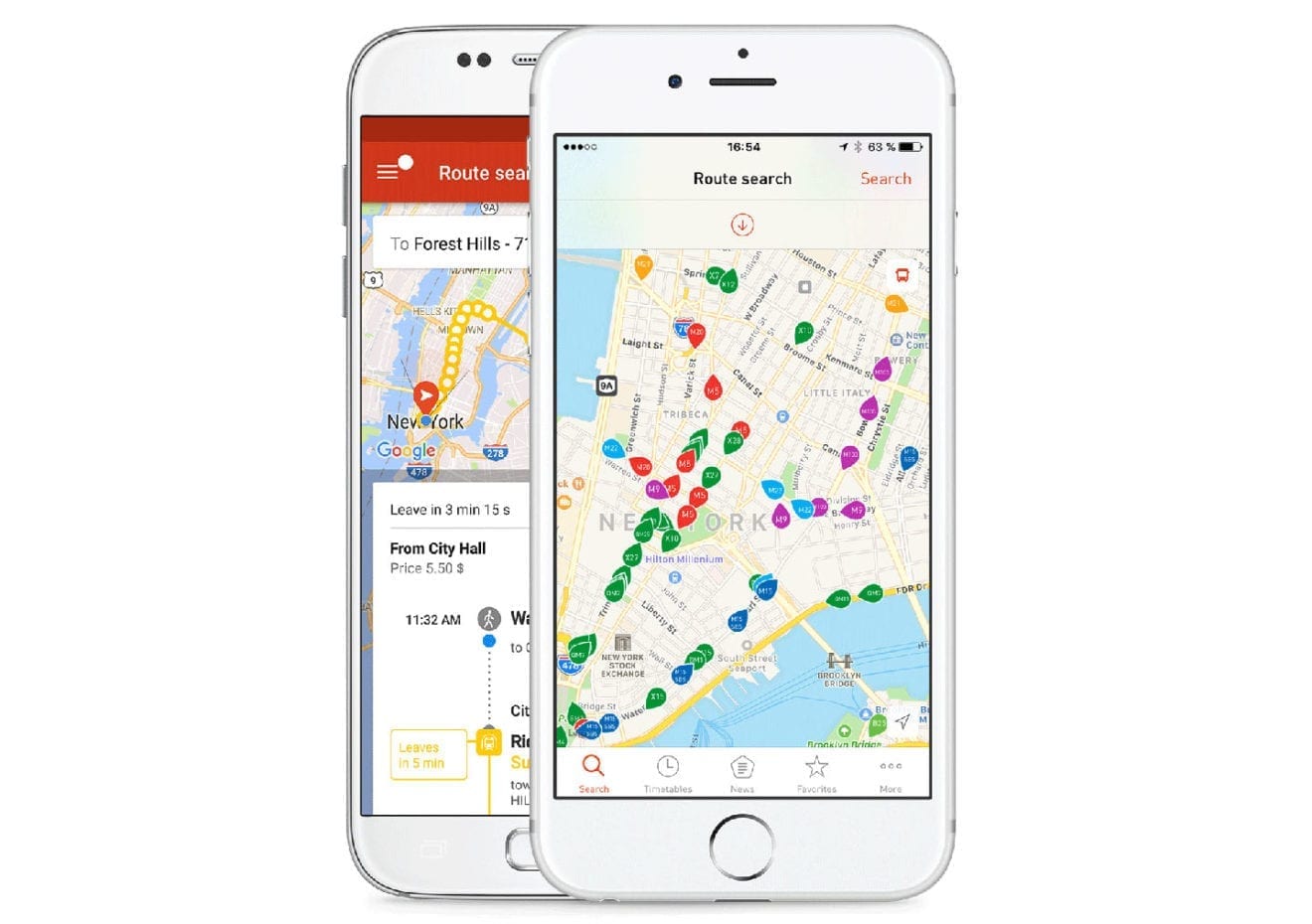
    App-based transportation services Uber has joined hands with multimodal transport app Trafi to help residents in Greater Jakarta, or Jabodetabek, combine public transport and ridesharing services.

    Head of Public Policy and Government Affairs of Uber Indonesia John Colombo said that the partnership will allow Uber users to choose various types of public transport in Trafi app. As a result, efficiency will be greater and people will be able to pick their preferred transportation mode.

    John said yesterday, May 29, that the integration is aimed at offering more choices and comfort in travel plan and selection of transportation modes.

    John said he is confident that Uber will see an increase in the number users. However, the latest service can only be enjoyed by users around Jabodetabek.

    Trafi Indonesia Country Manager Dimas Dwilasetio said that the company has the data of 600 public transport routes across Indonesia and 95 Transjakarta routes in Jabodetabek. “We are optimistic that the partnership can provide a solution for people to get public transport services,” he said.

  • Korean Air to fly to Lombok Island

    Korean Air to fly to Lombok Island

    The South Korean airline and flag carrier company Korean Air is ready to fly to Lombok Island, West Nusa Tenggara, Indonesia, in July and Aug 2017.

    “The Korean Air will open a charter flight for seven times,” Lombok International Airports General Manager I Gusti Ngurah Ardita stated in Mataram District, the capital of West Nusa Tenggara Province, on Monday.

    Ardita confirmed the information to journalists after a meeting with the Korean Airs Network and Sales General Manager of South East Asia/Oceania, Bae Sang Wook, and Regional Manager of Indonesia Park Kee Hyun in Mataram, Lombok.

    The Gonghang-dong, Gangseo-gu, Seoul-based airline companys aircraft would arrive at the Lombok International Airport (LIA) from July 29 to the end of Aug 2017, Ardita noted.

    “This charter flight is, of course, expected to open a fixed route for Korea-Lomboks flights,” he noted.

    Ardita explained that the arrival of Korean Air to Lombok Island was a result of the last meeting between the LIA and the Korean Air company on April 25, 2017, which was also supported by the regional government and the Tourism Board of West Nusa Tenggara.

    Earlier in a separate interview, West Nusa Tenggara Governor TGH Muhammad Zainul Majdi remarked during a visit by South Korean Ambassador to Indonesia Cho Tai Young and his wife Madame Cho Gye Young that the flight charter from South Korea to Lombok in Aug 2017 could be continued into a regular flight.

    Majdi expected that a regular flight would increase the number of South Korean tourists and ease the investment inflow to West Nusa Tenggara.

    The Indonesian government is hopeful of attaining 20 million foreign tourists annually by 2019 amid concerted efforts to make the archipelago a world-class tourism destination, one of which is in Lombok Island.

  • IBM, Nutanix enter hyperconvergence tie-up

    IBM, Nutanix enter hyperconvergence tie-up

    IBM and Nutanix have announced a multi-year initiative to aimed at bringing new workloads to hyperconverged deployments.

    The integrated offering aims to combine Nutanix’s Enterprise Cloud Platform software with IBM Power Systems, to deliver a turnkey hyperconverged solution targeting critical workloads in large enterprises.

    The partnership plans to deliver a full-stack combination with built-in AHV virtualization for a simple experience within the data center.

    This joint initiative intends to bring new workloads to hyperconverged deployments by delivering the first simple-to-deploy, web-scale architecture supporting POWER based scale-out computing for a continuum of enterprise workloads.

    These include next generation cognitive workloads, including big data, machine learning and AI; mission-critical workloads, such as databases, large scale data warehouses, web infrastructure, and mainstream enterprise apps; as well as cloud native workloads, including full stack open source middleware and enterprise databases and Containers.

    “Hyperconverged systems continue on a rapid growth trajectory, with a market size forecast of nearly $6 billion by 2020. IT teams now recognize the need, and the undeniable benefits, of embracing the next generation of datacenter infrastructure technology,” said Stefanie Chiras, VP for power systems at IBM.

    “Our partnership with Nutanix will be designed to give our joint enterprise customers a scalable, resilient, high-performance hyperconverged infrastructure solution, benefiting from the data and compute capabilities of the POWER architecture and the one-click simplicity of the Nutanix Enterprise Cloud Platform.”

  • BI predicts surplus of balance of payment in 2017

    BI predicts surplus of balance of payment in 2017

    Indonesias balance of payment will still enjoy a surplus this year but it will decline to US$3-4 billion from US$12 billion last year, Bank Indonesia Governor Agus Martowardojo has predicted.

    The drop will be the result of declining capital and financial account, along with the conclusion of the tax amnesty program on March 31, 2017, reducing the inflow of repatriation fund to the financial market, he said here on Monday night.

    “Last year we saw the boost came from the tax amnesty program which has an impact on capital account,” he said.

    The projected surplus of the balance of payment at the end of this year will remain the same as the surplus of the balance of payment in the January-March 2017 period which was mostly fueled by capital and financial account at US$7.9 billion, he said.

    The balance of payment reflects transactions between the Indonesian population and foreign nationals. The balance of payment includes current account (including goods, services and income) and capital and financial account.

    Agus said the declining surplus of the balance of payment is also caused by a deficit of the countrys current account which is projected to reach 1.8-1.9 percent of the national gross domestic product (GDP). The figure is the same as the deficit of the current account in 2016.

    Despite the deficit, the current account is still under control. The improving export performance this year is expected to help improve the current account, he said.

    In the first quarter of 2017, the current account saw a deficit of US$2.4 billion, accounting for 1 percent of the GDP. The rising deficit of the current account was mostly fueled by the rising deficit of trade balance from oil and gas which reached US$2.1 billion and primary income which saw a deficit of US$7.4 billion.

  • India’s Supreme Court holds tower removal order

    India’s Supreme Court holds tower removal order

    India’s Supreme Court has put a hold on a state government order to remove all mobile towers from within 500 meters of jails across Rajasthan after a challenge from mobile operators.

    The Cellular Operators’ Association of India (COAI), the main industry body for India’s mobile sector, is seeking to have the order overturned on the grounds that it would affect around 8 million people an have a cascading effect on the sector.

    The order from the Rajasthan government, issued on April 6, demanded all operators remove their towers from within the vicinity of jails by early June.

    In order to comply with the order, operators would have to remove a total of 400 towers, including base station controller sites catering to a further 2,500 base stations.

    In the court challenge, COAI has argued that even the national Department of Telecommunications has supported operators’ position that they should not have to remove the towers.

    A policy passed earlier this year permits setting up cell towers within 500 meters of jails, hospitals, schools and other public or private locations, the report notes. But this policy has since been amended to stipulate that construction of towers in the vicinity of these locations can be blocked by a court order.

    COAI is seeking a declaration that operators should not have to follow the order, and that the state government should not be allowed to penalize them for non-compliance.

  • One2car.com launches vehicle inspection service

    One2car.com launches vehicle inspection service

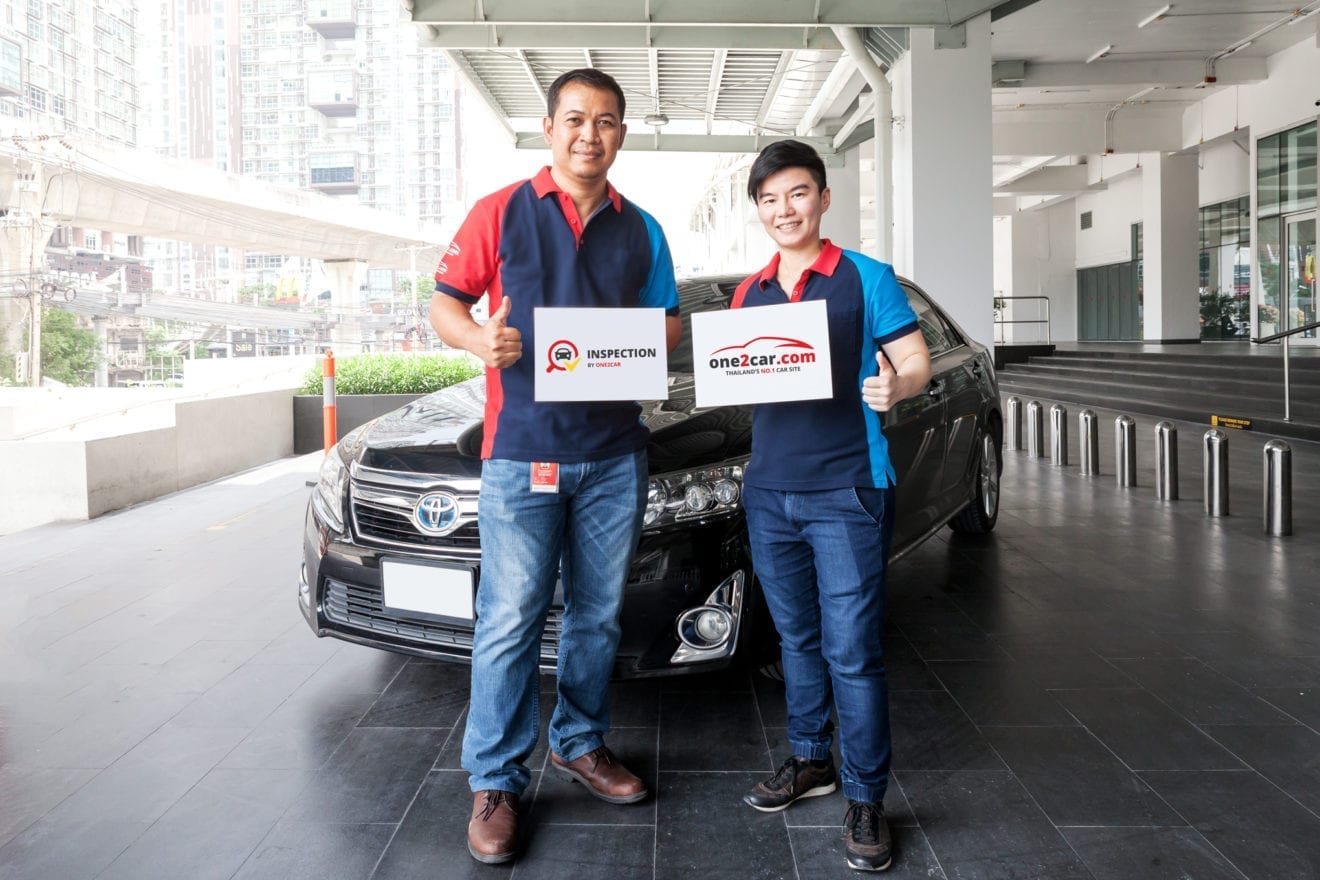
    One2car.com, the largest and most trusted website for new and used cars in Thailand and part of the iCar Asia Thailand network, has officially launched its new vehicle inspection service, which will be carried out by a certified and professional inspection team. Each team member has undergone a Vehicle Inspection Training program, providing added assurance that the inspection is being conducted in accordance with engineering standards and procedures.

    Peace Chongseeha, Head of Inspection Department at one2car.com, said this service will raise confidence in the buying and selling of used cars on one2car.com’s portal and build trust with customers.

    “This service provides assistance to every used car buyer and seller. Buyers visiting the website to purchase a car can use this service to have the car inspected so they can make an informed decision before buying to make sure they are making a good investment. For sellers, using this service prior to listing their car for sale, will assure potential buyers of the good condition of their car”, he explained.

    The vehicle inspection service includes four core safety components:

    • Vehicle body or frame inspection: to ensure no serious accidents or collision compromising structural safety have occurred
    • Modifications inspection:  to check there has been no modification in the vehicle frame and body
    • Submersion inspection: to check that the vehicle has never been submerged underwater
    • Fire inspection: to check that the vehicle has never been on fire

    A 21-page report is provided after the inspection is completed and the results can be posted on one2car.com’s website free of charge for any car using this inspection service. An inspection sticker is also available to place in front of the vehicle to confirm that a physical vehicle inspection was performed. Buyers can request this report from the sellers, thereby facilitating the transaction process.

    One2car also offers additional inspection services including frame check, exterior check, paint thickness check, interior check and passenger amenities functionality check, vehicle systems functionality check with OBDII, engine and equipment check, battery check and  underbody, tyre, wheel and brake check.

    Pornladda Dathratwibul, iCar Asia Thailand’s Country Manager said that this new service allows one2car.com to provide a comprehensive auto service as required by buyers and sellers of used cars.

    “This service offers convenience and benefits both buyers and sellers, providing both parties with trust and credibility which can also help seal the deal. Most importantly, this inspection is carried out by a highly qualified inspection team, headed by an automotive engineer, armed with 20 years of experience and training in Germany with major vehicle brands and inspection training institutes, including vehicle design and modifiction.”

    “Our vehicle inspection process covers all essential areas and is conducted in accordance with high standards of engineering guidelines, which makes our service unique and exceptional from other service providers. With One2car.com’s vehicle inspection service, buyers and sellers can be reassured and confident of a trustworthy service,” she added.

  • Jeweler Tse Sui Luen Suffers from Hong Kong Slowdown

    Jeweler Tse Sui Luen Suffers from Hong Kong Slowdown

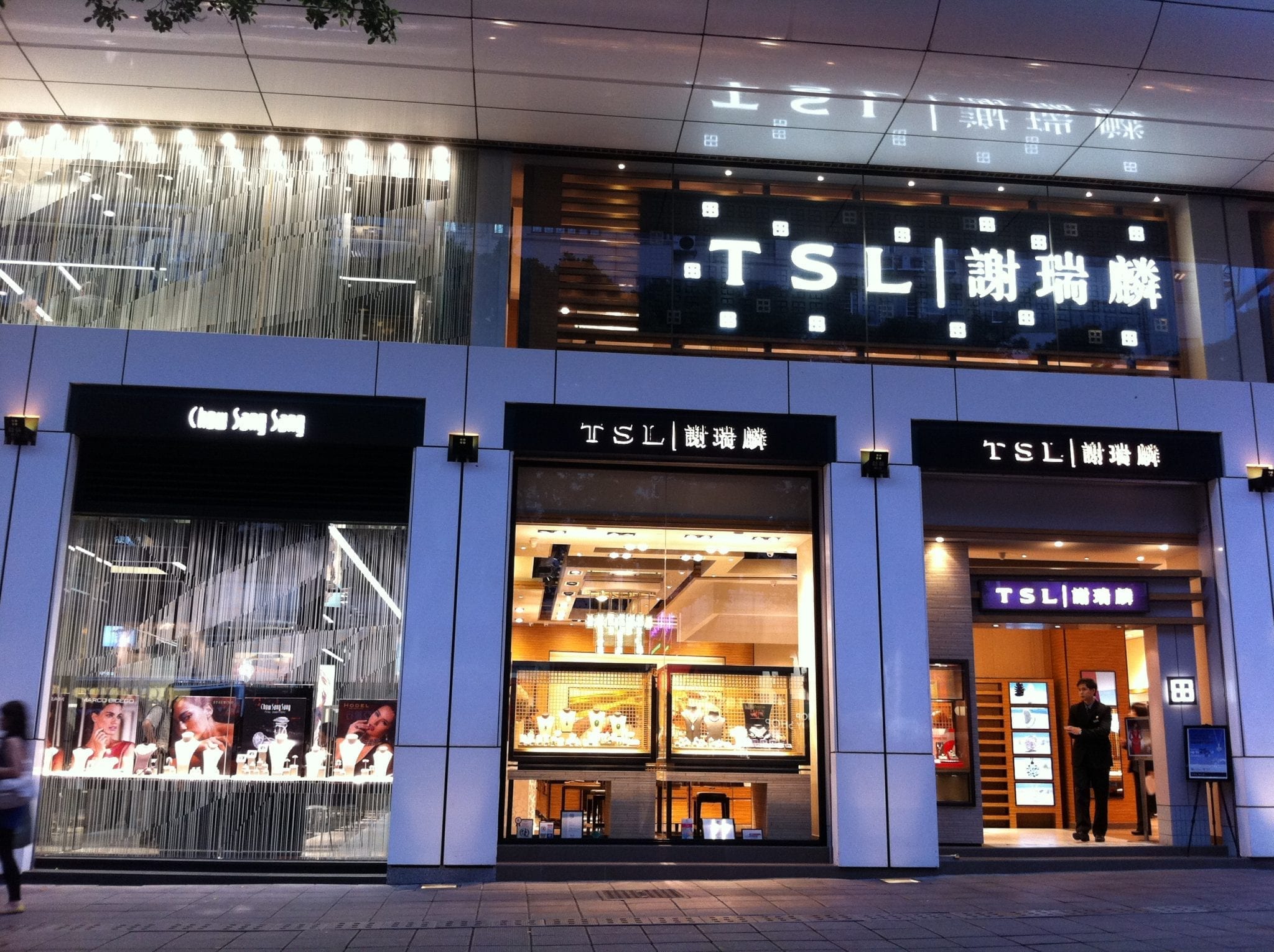
    Sales and profit at jewelry retailer Tse Sui Luen (TSL) weakened in the past fiscal year, as improved demand in mainland China failed to compensate for sustained sluggishness in Hong Kong.

    Revenue fell 3.6% to $438 million in the 12 months that ended February 28, the Hong Kong-based jeweler reported Tuesday. Profit dropped 2.6% to $3 million (HKD 23.2 million).

    “A continuing reduction in tourists visiting Hong Kong from mainland China, together with the ongoing instability of both the global and local economic and political environment, conspired to create unfavorable consumer sentiment for the group’s retail outlets during the year,” the company said.

    The devaluation of the Chinese yuan, as well as slower economic performance on the mainland — resulting from uncertainty about US trade policy — dented Chinese consumer confidence, the retailer explained. This in turn hampered the Hong Kong tourism industry, it added.

    Even so, sales in China jumped 15% to $265.5 million, partially offsetting a 23% slump in revenue from Hong Kong and Macau, which came to $167.1 million. The group had 28 self-operated stores in Hong Kong and three in Macau at the end of February, while its store network on the mainland consisted of 198 self-operated outlets and 132 franchised stores.

    Despite the stronger performance in mainland China, the company will take a “prudent” approach there, particularly given the lack of clarity over the US government’s policies, it added. The group plans to keep costs under close control and work to reduce the number of days it takes to replenish inventory.

  • Daimler acquires 15% stake in Hong Kong’s Lei Shing Hong to expand its dealer network

    Daimler acquires 15% stake in Hong Kong’s Lei Shing Hong to expand its dealer network

    German automaker Daimler has acquired 15% stake in Hong Kong based Lei Shing Hong (LSG) strengthing their longstanding cooperation with an investment by Daimler in LSH.

    The partnership is responsible for the Mercedes-Benz retail business of Lei Shing Hong Group. The transaction has been concluded after approval of the relevant antitrust authorities.

    ”With this transaction we affirm our long and successful cooperation with Lei Shing Hong. At the same time, we strengthen our Mercedes-Benz dealer network and meet the challenges in the coming years together with Lei Shing Hong,” said Bodo Uebber, Member of the Board of Management of Daimler AG responsible for Finance & Controlling and Daimler Financial Services.

    Lei Shing Hong Group is one of the world’s biggest dealer groups for Mercedes-Benz cars, Daimler said in a media release. The decade long partnership with Mercedes-Benz has eventually lead to about 200 sales and services centers with focus in Asia and Australia. Since 2015, LSH has expanded its international presence and now is also present in Europe with facilities in Germany and Great Britain.

    K S Gan, Group Managing Director of Lei Shing Hong: “Lei Shing Hong Group welcomes Daimler’s investment in LSH. We both share a common vision and passion. This investment by Daimler brings the existing relationship and cooperation to a new height. LSH, as an international group, will continue with its tradition of excelling in customer services and business management practices in its Mercedes-Benz business.”

    Daimler’s investment is a strategically important step for both parties, with the aim of bringing one of the world’s biggest dealer groups for Mercedes-Benz cars to a new era and to other markets.

    Till Conrad, who heads the sales department in the Overseas region at Mercedes-Benz so far, will assume the responsibility for the business as CEO at LSH from August 2017.

  • Vietnam wood firms to refuse contraband

    Vietnam wood firms to refuse contraband

    Vietnamese wood companies will not exploit, transport, process, produce or trade in illegal wood and wooden products, according to the Viet Nam Wood and Forest Association (VIFORES).

    With a view to achieve sustainable development of its exports, the wood industry has committed to refrain from illegal trading at a conference in Ha Noi late Friday, VIFORES chairman Nguyen Ton Quyen said.

    Member companies of the VIFORES, Handicraft and Wood Industry Association of HCM City (HAWA), Forest Products Association of Binh Dinh (FPA Binh Dinh) and Binh Duong Forest Products Association of Binh Duong (BFPA) have all agreed to support the Government and management offices of the central and local administration in building, completing and implementing suitable policies and mechanism, in accordance with the Voluntary Partnership Agreement on Forest Law Enforcement, Governance and Trade (VPA/FLEGT) signed between Viet Nam and the European Union (EU).

    This action aims to promote competition of Vietnam’s wood and wooden products enterprises in the world market, developing a mechanism to manage wood in natural forests, and encourage sustainable development of planted forests.

    The enterprises will promote the use, processing and trading of wood and wooden products that are made from trees of planted forests in Vietnam and from legally-imported wooden material.

    They will also commit to co-operation in building and developing comprehensive and transparent information system and database on local wood processing industry, Quyen said.

    These commitments will encourage local enterprises, organisations and individuals to produce, process and trade only legal wood and wooden products, and promote plantation of forests in the nation to create active and legal wood material for local wood processing industry, he said.

    The commitments will also provide solutions to building a brand for Vietnam’s wooden products, and developing legal wood trading relationships with countries supplying wood material to Vietnam and countries importing Vietnamese wooden products.

    To Xuan Phuc, an expert from NGO Forest Trends, said wood material imported to Viet Nam has played an important role in the production and processing of Vietnam’s wooden products for export and the home market.

    Viet Nam has annually exported four million to 4.5 million cubic metres of wood, earning US$1.8 to $2 billion, so there are risks of illegal wood being exported, he said.

    Quyen said the United States, European Union and Australia have strict rules to regulate imported wood material. Thus, it is difficult for local enterprises to export their wooden products to these markets.

    The Ministry of Agriculture and Rural Development said that in the first four months, Viet Nam had earned $2.4 billion, a year-on-year increase of 12.7 per cent in the export value of wood and wooden products. The US, China and Japan were the three largest export markets for local wooden products.