Author: Mei Ling Tan

  • Japanese retailers to accept bitcoin payments

    Japanese retailers to accept bitcoin payments

    Two Japanese retail groups are about to start accepting bitcoin payments, a move that is likely to promote wider use of the virtual currency by domestic consumers.

    Electronics chain Bic Camera has teamed up with Tokyo-based BitFlyer, which runs the largest Japanese bitcoin exchange, for a trial run of the payment system at Bic Camera’s flagship shop in Tokyo’s Yurakucho district, and at Bicqlo Bic Camera, the hybrid outlet with Uniqlo in Shinjuku.

    Customers can pay up to ¥100,000 (US$900) using the cryptocurrency, as well as earn reward points at the same rate as for cash payments. Bic Camera may roll out the payment system to other locations depending on its support.

    Meanwhile, Recruit Lifestyle, the retail support arm of human resources conglomerate Recruit Holdings, is partnering with another Tokyo bitcoin exchange company, Coincheck. The virtual currency will become a payment option at shops with the AirRegi POS app developed by Recruit Lifestyle.

    By using tablets or other devices provided by the store, or their own smartphone, customers can deduct the amount on the bill from the designated bitcoin account. Coincheck will convert the bitcoins into yen and transfer the funds to the store.

    AirRegi is used at 260,000 eateries and other retail locations throughout Japan. Businesses can choose to install the bitcoin payment system alone.

    The app is also compatible with Alipay, the payment platform developed by Alibaba Group and used by many Chinese tourists visiting Japan.

    Only about 4500 stores in Japan accept bitcoin payments. Rakuten’s Edy and Suica are leading electronic payment methods in Japan. The addition of AirRegi and Bic Camera outlets will multiply the number of bitcoin-compatible stores to around 260,000, nearing the 380,000 outlets that accept Suica and the 470,000 locations where Edy can be used.

    More than 20 million people worldwide use bitcoin, with the monthly trading volume reaching ¥12 trillion. But more than 80 per cent of users are in North America and Europe. Bitcoin has mainly been traded for investment purposes because its value fluctuates, but it is also increasingly used by overseas travellers as it saves them the need to exchange currencies.

    Japan has just started classifying virtual currency as a payment method, and cryptocurrency exchanges must register with the government. From July, purchases of virtual currency will be exempt from consumption tax.
  • How will telcos handle the video “cash cow”?

    How will telcos handle the video “cash cow”?

    Huawei hosted over 500 media and analysts to its 14th annual Analyst Summit, with a variety of executives discussing their roadmaps.

    “Huawei will remain committed to building more connections, enlarging data pipes, and driving digital transformation,” said rotating CEO Eric Xu in an opening keynote.

    Xu said that cloud services are already a basic business model. “Beginning in 2017, Huawei will focus on public cloud services. We will invest heavily in building an open and trusted public cloud platform, which will be the foundation of a Huawei Cloud Family.”

    This cloud-based unit “will include public clouds we develop together with operators, and public clouds that we operate on our own,” said Xu.

    William Xu, executive director and chief strategy marketing officer, said that digital transformation “opens up immense new potential for value-driven growth in traditional industries.” He said that ICT infrastructure is a pillar for economic growth, and that “the cloud in particular is key to unleashing the power of connectivity.”

    He said “Huawei recommends that countries and industries turn their attention to digital transformation as a driver for growth, and pursue greater development and investment opportunities in emerging fields like cloud computing, IoT, and big data.”

    Ryan Ding, executive director and president of products & solutions, said in his keynote that operators in some markets are beginning to monetize video services, with an early winner being high-definition streaming of sports events. Ding pegged video at “70% of [mobile] traffic” in the near future, with 1K (1080p), 2K and 4K options available depending on the operator.

    In a media roundtable interview, Ding offered more granular data on the future of mobile video, describing it as a “new cash cow for mobile operators.”

    “We believe that 2K on smartphones and 4K on TVs is the sweet spot,” he said, noting that “different countries have different situations.”

    Ding described sports as the most popular content worldwide, giving an example of Spanish pubs that draw punters with live 4K broadcasts of football matches. As he described it, the largest TV features traditional match coverage while additional displays show different views of the same match—an experience viewers won’t get at home. He also said Huawei’s X Lab Insights estimates the overall entertainment market opportunity alone at $650 billion worldwide by 2020.

    Ding isn’t bullish on videoconferencing, but sees opportunities in the video surveillance market. There are 1.3 million CCTV cameras in Beijing alone, he said. “Last year in China, operators deployed 40 million IPTV sets,” said Ding. “This number is comparable to the number deployed from 2005-2015.”

    The Huawei president of products & solutions urged operators to migrate legacy systems to the cloud, adding that those in China are better positioned for the move than operators in Europe who are more vested in their legacy systems.

  • Rustan’s Department Store wins global award

    Rustan’s Department Store wins global award

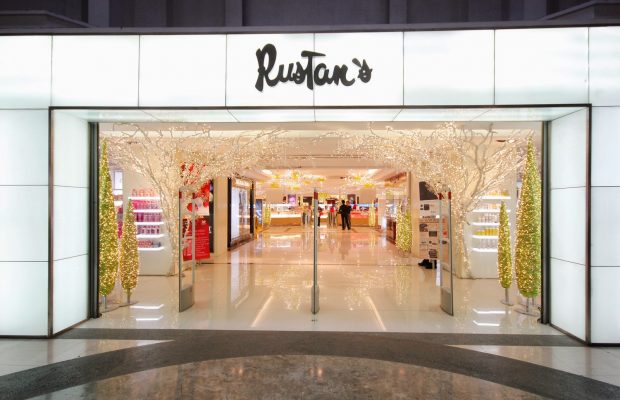
    A global award for retail excellence has been won by Rustan’s Department Store.

    It took the title in the latest IHA Global Innovation Awards (GIA), announced at the International Home + Housewares Show in Chicago.

    IHA, the global sponsor and organiser of the program, announced 28 winning home and housewares retailers from 27 countries.

    Launched in 2000 to foster innovation and excellence in home and housewares retailing internationally, GIA has so far recognised more than 370 retailers from 45 countries.

    Rustan’s, the Philippines winner for the second time, was founded in 1952 by husband-and-wife team Bienvenido R. Tantoco Sr and the late Gliceria R. Tantoco as a home-based business in their living room. It became the only luxury department store chain in the Philippines. Today, Zenaida R. Tantoco is the second-generation leader of the family-owned business.

    20160722_105958-X2

    The GIA competition has two tiers, national and global, to recognise excellence in several business categories: overall mission statement, vision and strategy; store design and layout; visual merchandising, displays and window displays; marketing, advertising and promotions; customer service and staff training; and innovation.

    _MG_3766-XL

    20160723_153752-X2

    National GIA winners are invited to the annual Chicago show where the global GIA jury chooses up to five global honorees, as well as the winners of the Martin M. Pegler Award for Excellence in Visual Merchandising, and the GIA Digital Commerce Award for Excellence in Online Retailing. The jury comprises four experts representing Asia, Europe and the Americas, plus a rotating international group of co-sponsoring trade-publication editors.

    dav

    The national winners are featured in a special showcase in the Hall of Global Innovation, featuring visuals of their award-winning store design and branding ideas, visual merchandising and innovative displays.

    GIA is part of a larger education initiative that includes seminars by retail experts, exposure in international housewares publications and educational sessions at events in the sponsors’ home countries.

  • Nokia studies business case for 5G

    Nokia studies business case for 5G

    With the 5G era fast approaching, Nokia has released the findings of a series of studies into the potential benefits and return on investment for the emerging mobile technology.

    The vendor said in-depth analysis of how 5G will perform in real networks found the technology can increase capacity by 40 times compared to 4G.

    This makes 5G the only commercially viable technology for the delivery of a true immersive VR video experience to large audiences, and deliver the performance required for advanced industrial applications.

    In terms of RoI, the analysis indicates that investments in 5G to the home will break even after four years if the monthly average revenue per user remains above €40 ($42.90).

    Investments in 5G events and hotspots, in locations such as stadiums meanwhile have a one year RoI period assuming at least five events per month.

    “While market news has recently focused on the announcement of 5G technologies that drive increased network performance, it’s important to discuss how these low latency broadband connections will translate into customer value,” Mobile Experts principal analyst Joe Madden said.

    “With the publication of the two new studies and its 5G Acceleration Services, Nokia is showing operators and enterprises how they will be able to benefit from early 5G deployment.”

    Nokia’s 5G Acceleration Services aim to help operators and enterprises identify how the move to 5G will enable them to deliver transformational new services and create new revenue streams.

  • LVMH sales soar as shoppers return to luxury

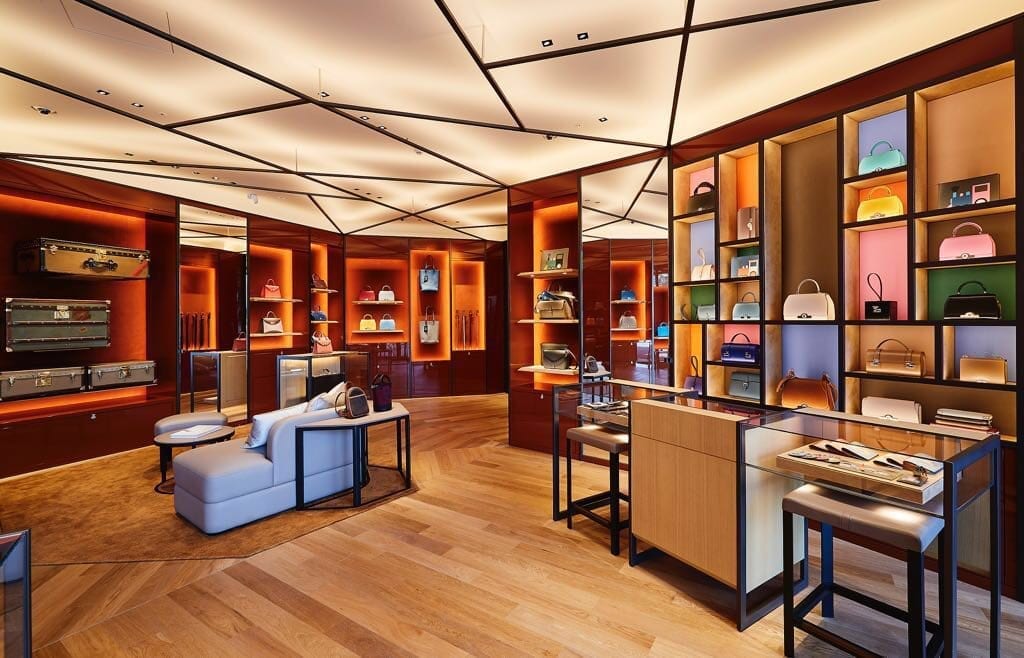
    LVMH sales soar as shoppers return to luxury

    LVMH sales surged 15 per cent in the latest quarter to €9.88 billion (US$10.477 billion).

    That was nearly €400 million more than analysts had been expecting, with the result driven across all of the luxury group’s business units.

    Fashion and leather goods, which account for more than half the company’s turnover, rose 15 per cent during the quarter. That compares with static growth the same quarter last year. Fendi and Louis Vuitton were singled out by analysts as strong performers, with Celine, Kenzo, Loewe and Berluti also showing progress.

    LVMH’s leather and fashion brands also include Dior, Emilio Pucci, Fendi, Givenchy, Louis Vuitton, Marc Jacobs, Moynat, Rimowa and Thomas Pink.

    ‘Selective retailing’,  the group’s second-largest division, had been dragged down by DFS in prior quarters, offsetting a strong performance by Sephora cosmetics chain, observed Deborah Aitken, an analyst with Bloomberg Intelligence. But the latest quarter it showed improvement of 11 per cent. Sephora continued to gain market share globally and recorded double-digit revenue and profit growth for the quarter.

    “This could be an important turnaround,” said Aitken.

    Liquor – including brands such as Cape Mentelle, Chandon, Cloudy Bay, Dom Pérignon, Glenmorangie, Hennessy, Krug, Moët & Chandon and Veuve Clicquot – was the second best performing sector, up 13 per cent organically. Hennessy was a star performer.

    Sales of watches and jewellery also rebounded, rising 11 per cent. Bulgari continued to gain market share and Tag Heuer successfully launched its new Connected Modular 45 watch.

    And the perfume and cosmetics business grew sales by 12 per cent.

    Fung Global Retail observed that Parfums Christian Dior reported good growth and Guerlain launched a new women’s fragrance called Mon Guerlain during the quarter. Parfums Givenchy benefited from the success of lipstick lines, which saw rapid development in Asia. In addition, the Kat Von D brand launched exclusively in January 2017 at Sephora in France.

    Managing expectations

    While the company was clearly pleased with its results it did warn shareholders to keep their expectations modest, pointing out the growth had come against a 2016 quarter when the industry was struggling with Paris terror attacks. It said such levels of growth should not be expected for the full year.

    LVMH shares rose to a record in Paris after the results were announced.

    The LVMH figures will set the standard for a raft of luxury retail earnings due to be released in the coming days. Prada reports results today and Kering, parent of Gucci, on April 25.

  • Artbox Thailand heading for Singapore

    Artbox Thailand heading for Singapore

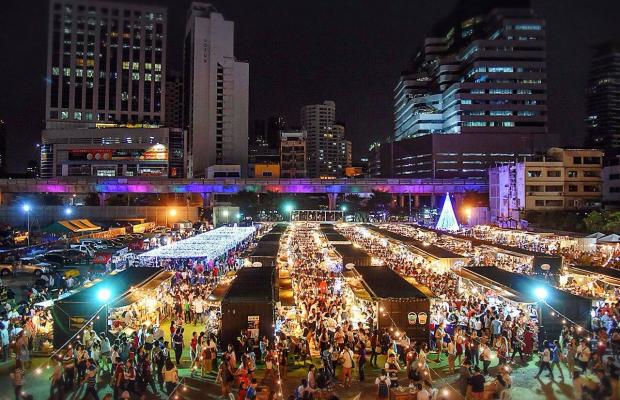
    Bangkok’s creative market Artbox Thailand is about to pop up in Singapore.

    It will feature more than 500 vendors and partners, with a different line-up for its two sessions, from this Friday to Sunday, and on the same days the following week.

    At the Bayfront Event Space beside Marina Bay Sands, Artbox Singapore will cover 50,000 sqft (4645 sqm) of floor space. It is Artbox’s first venture out of Thailand.

    Organiser Haoming Lee is co-founder of Artbox Asia, and plans to take the concept on tour in the region. He says it took about three months to plan and execute the event, with his team flying to Bangkok twice.

  • Toys R Us Asia businesses consolidated

    Toys R Us Asia businesses consolidated

    Toys R Us is unifying its Japanese business with its ventures in Greater China and Southeast Asia.

    Under a new JV agreement with Hong Kong-based Fung Retailing, Toys R Us Japan, which has 160 stores, will be consolidated into Toys R Us Asia.

    The merged business will now be roughly 85 per cent owned by Toys R Us, with the balance held by Fung Retailing. The two companies have been working together since 1985. Toys R Us Asia and its subsidiaries have 223 stores in Brunei, China, Hong Kong, Malaysia, Singapore, Taiwan and Thailand. Toys R Us Asia also licenses 34 retail locations in Macau and the Philippines.

    The combined company’s headquarters will be in Hong Kong, while a regional office will continue working in Kawasaki, Japan. The retailer says the consolidation will allow the company to streamline, as well as accelerate innovation.

    Toys R Us Asia Pacific president Andre Javes will continue to have oversight of the combined businesses, as well as Toys R Us Australia.

    International same-store sales for Toys R Us grew 1.2 per cent in the second quarter of last year, driven by strength in the Asia-Pacific market. However, international sales eased 2.5 per cent in the third quarter.

  • AirAsia Indonesia to serve new international routes

    AirAsia Indonesia to serve new international routes

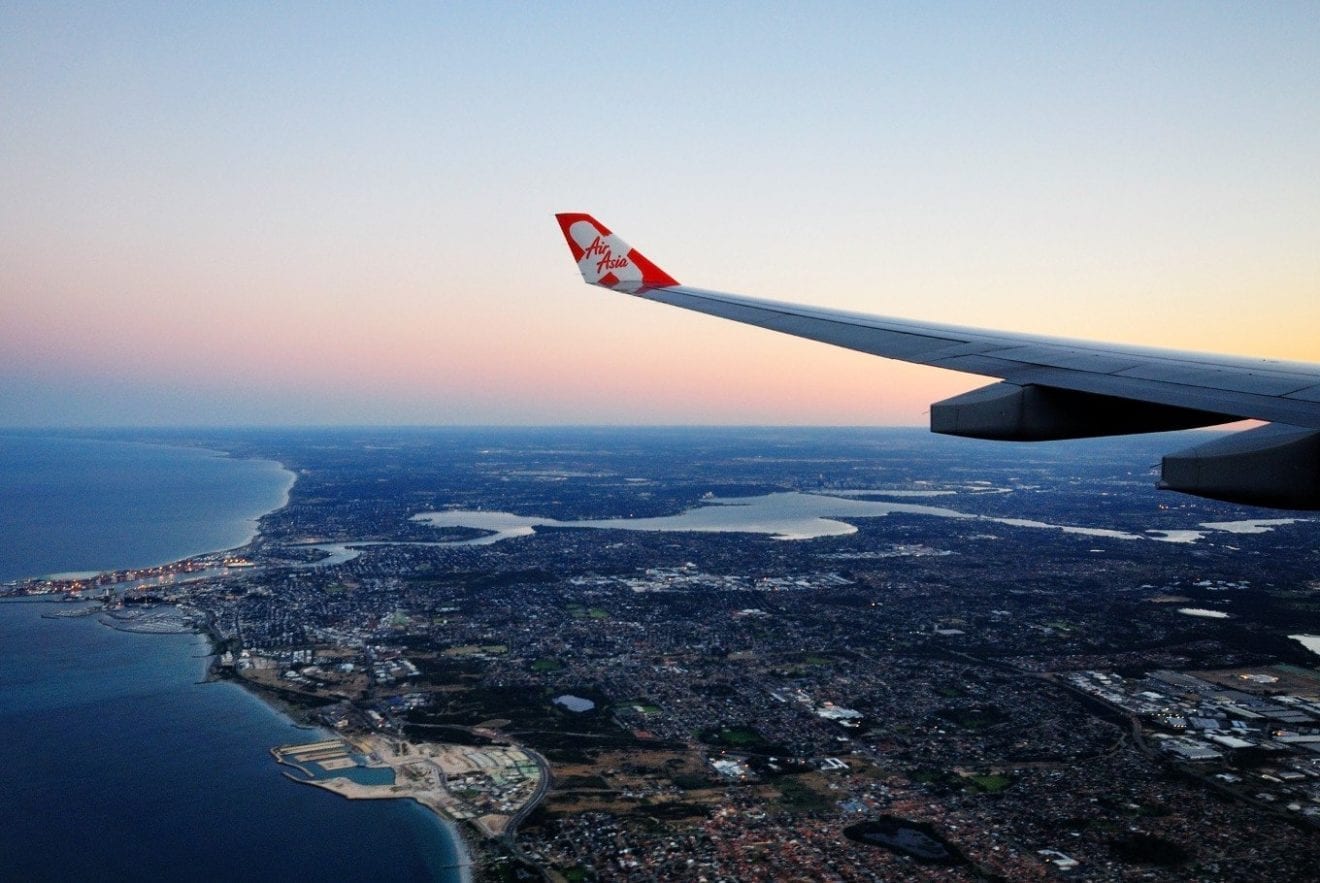
    Low-cost airline AirAsia has announced plans to open new international routes to India, Japan, Macau and Shenzhen.

    A Denpasar – Kuala Lumpur – Mumbai route will be opened on May 19, with seven flights a week; a Bali – Narita route will be served four times a week; a Jakarta – Macau service will become available on Aug. 17 this year, followed by a Jakarta – Singapore – Shenzen route on Oct. 17.

    “AirAsia is number one when it comes to bringing overseas tourists to Indonesia. The airline contributes 25 percent, while the airline that takes the second spot only contributes half of that,” Tourism Minister Arief Yahya said during a recent visit to the AirAsia Indonesia offices.

    “We’re targeting to bring two million overseas tourists to Indonesia […] We’re going to add more flights to every destination, especially China and India. Currently, AirAsia Indonesia has 22 Airbus A320 and two Airbus A330 aircraft, and we’re going to add two more airplanes,” said AirAsia Indonesia CEO Dendy Kurniawan.

  • ZTE back to black for the first quarter

    ZTE back to black for the first quarter

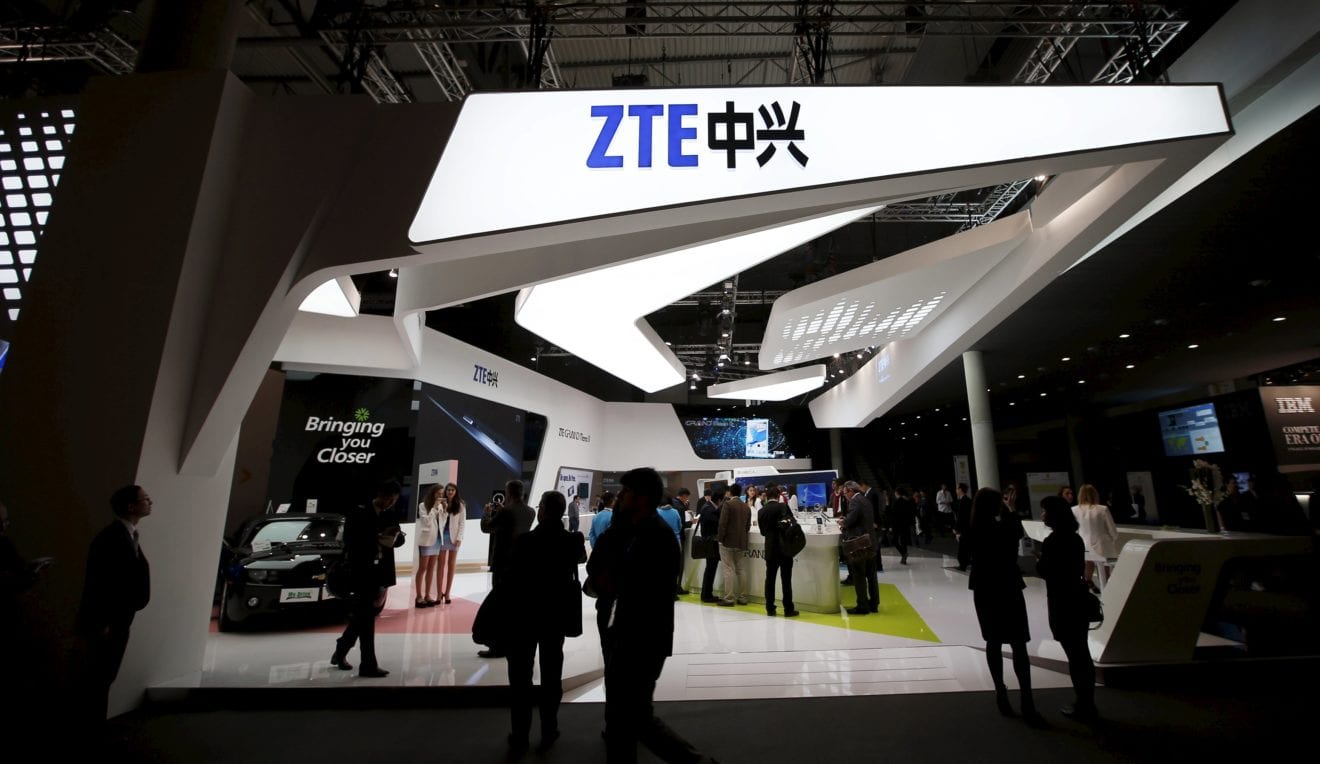
    After reporting a loss for 2016, ZTE swung back to a 1.21 billion yuan ($175.6 million) profit for the first three months of 2017 – a year-on-year increase of 27.8%.

    The vendor reported a 17.8% increase in revenue for the quarter to 25.75 billion, due to strong momentum across its networking and smartphone businesses.

    ZTE announced that its Pre5G products have now been deployed in over 40 networks in 30 countries. The company is on track to begin 5G pre-commercial deployments in the third quarter of 2018, with full commercial deployment starting in 2019.

    On the wireline front, ZTE said it is sustaining its momentum as one of the industry leaders in the PON segment.

    The company meanwhile reported more than 25% growth in shipments of set-top-boxes within its Big Video business, and a 70% growth in shipments for its self-developed NB IoT chipsets.

    ZTE swung to a 2.36 billion yuan ($34.3 million) net loss for 2016 as a result of its $829.3 million settlement deal with the US Department of Commerce over the company’s alleged sale of telecommunications equipment using US components to Iran, in violation of trade sanctions.

    At the time, ZTE CEO Dr Zhao Xianming said the company “acknowledges the mistakes it made, takes responsibility for them, and remains committed to positive change in the company.”

  • Indonesia raises bet on lucrative cruise industry

    Indonesia raises bet on lucrative cruise industry

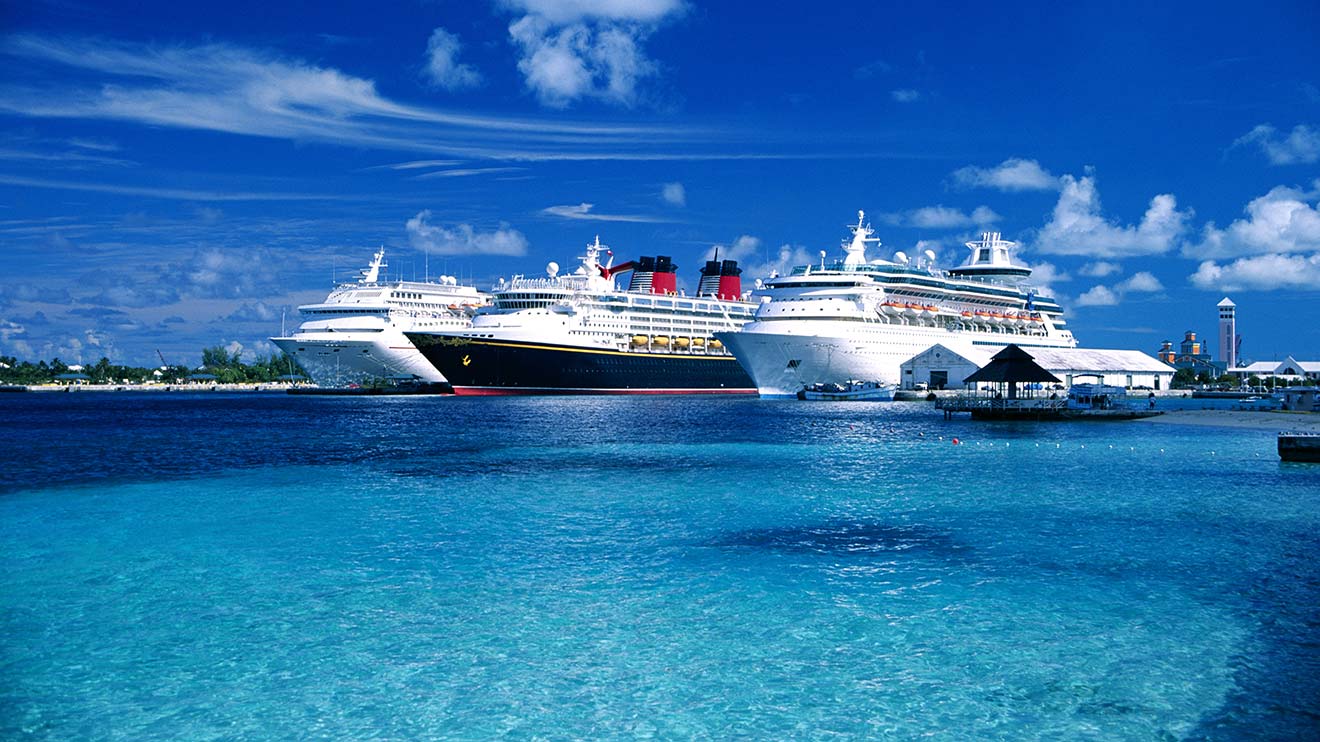
    The shimmering sound of Balinese music played by a local gamelan group welcomed the Pacific Eden cruise ship as it approached Benoa Port in Bali on Thursday Guided by a tugboat, the 219-meter-long vessel, operated by P&O Cruises Australia, needed 30 minutes to smoothly dock at the port that sunny afternoon.

    Carrying over 1,000 tourists, mostly Australians, Pacific Eden has made a breakthrough in Indonesia’s tourist industry as it became the first cruise ship ever docked at a local port.

    “This makes a huge difference in the experience of our guests,” P&O Cruises Australia president Sture Myrmell said to government officials invited onboard to celebrate the historical milestone.

    Despite its potential in coastal and maritime tourism, Indonesia has been struggling to tap into opportunities of cruise ships coming to the archipelago.

    Previously, incoming cruise ships preferred to moor off shore mainly due to technicalities, such as lack of supporting infrastructure and the absence of a reliable under-water topographic maps, known as bathymetric charts. Passengers who want to go ashore were then transported on small boats.

    In the case of Pacific Eden, the docking was made possible after the government completed the bathymetric chart for Benoa water and after state-owned port operator PT Pelabuhan Indonesia (Pelindo) III, which manages Benoa Port, upgraded the facility to a cruise terminal.

    “We sent supporting data about Benoa waters to P&O executives so their ship captains could devise strategies on how to enter the port safely. Their presence here proves that we have finally convinced them about safety,” Pelindo III general manager for Benoa Port Ardhy Wahyu Basuki said.

    Last year, Indonesia welcomed 11.5 million foreign tourists, with those from China topping the list at 1.43 million arrivals.

    President Joko “Jokowi” Widodo has set his sights on developing the tourism sector. His administration hopes for 20 million foreign tourist arrivals in 2019, with this year’s target standing at 15 million.

    The number of tourists entering the country by cruise ships has shown progress, but still only makes up a tiny fraction of the total incoming foreign tourists.

    Last year, visiting cruise ships made 350 stops in Indonesia, down from 400 stops in 2015, said Tourism Minister Arief Yahya. The number of passengers onboard, however, increased by 30 percent to 260,000 from 200,000.

    “This shows that there is a changing trend in which passengers prefer to travel on mediumsized cruises instead of small ones,” Arief told reporters, underlining the importance of port infrastructure upgrades to accommodate such a trend.

    Apart from huge, lavish vessels, the cruise business is known to attract high spenders. A family of four, for example, should pay A$7,200 (US$5,400) to stay in a Pacific Eden suite room and enjoy a 12-night journey to popular tourist destinations, such as Bali, Lombok and Komodo National Park.

    According to data from Cruise Lines International Association (CLIA), there were 23.2 million people traveling on cruise ships in 2015, with the United States accounting for the most passengers at 11.3 million, followed by Germany, Australia and China. The figure is predicted to increase to 25.3 million this year.

    Arief did not mention the government’s short-term target for incoming cruise passengers. He, however, pointed to Thursday’s inaugural docking as momentum for the government to propel the industry, including by upgrading port infrastructure on Bali, which the government expected to become a regional cruise hub, as well as by reviewing cost structures that might hamper the industry’s growth.

    Indonesian ports currently charge a cruise ship between $60,000 and $100,000 daily for docking fees, much higher than regional competitors that can charge as low as $20,000 per day, Arief said.

    “This has dragged down our competitiveness in the sector,” he said. “Thus, deregulations and infrastructure upgrades should go hand-in-hand to boost the sector.”

  • Kerry Logistics starts UK-China rail service

    Kerry Logistics starts UK-China rail service

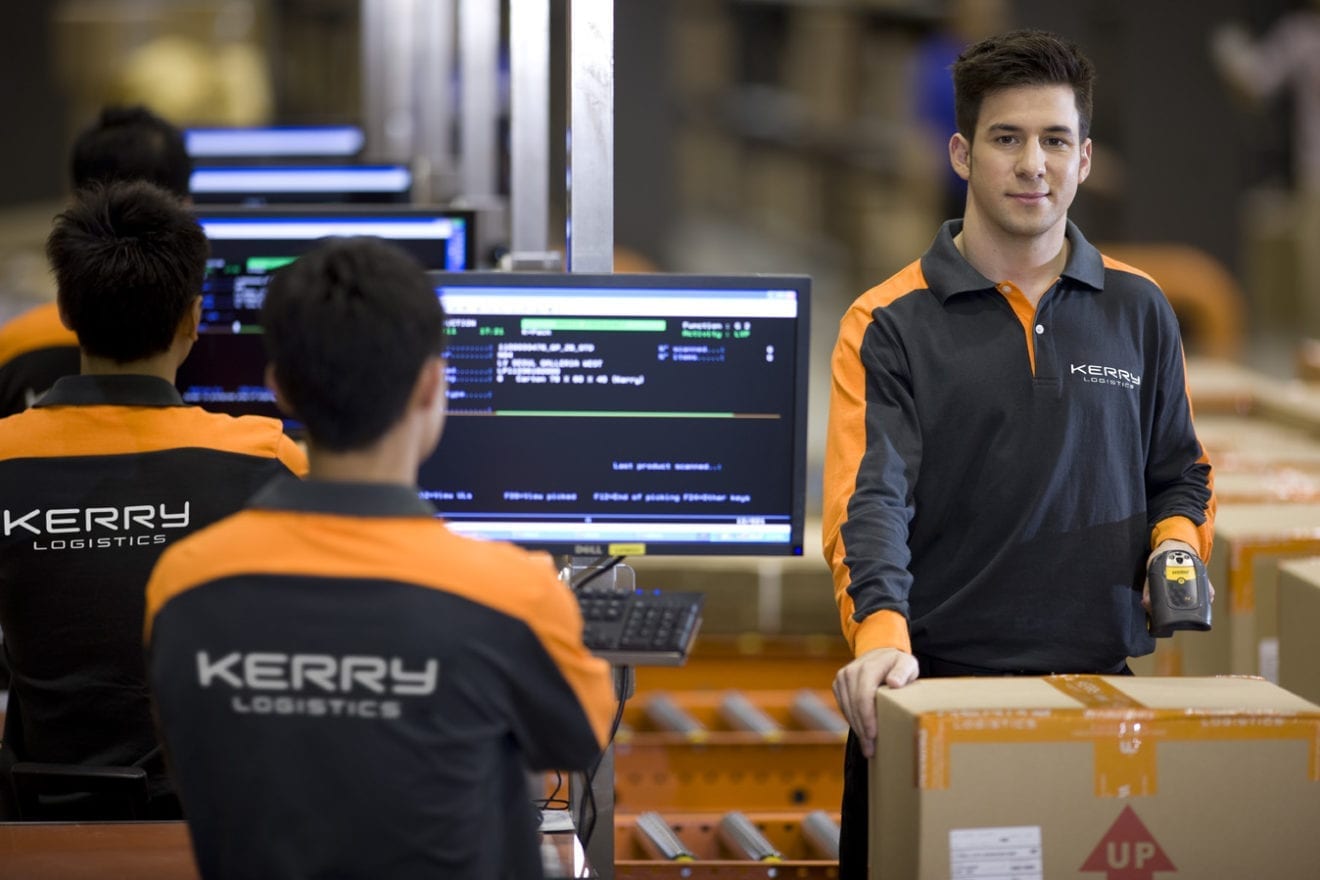
    Kerry Logistics Network participated in the commencement ceremony of the first eastbound freight train from London to Yiwu with the support of a long-standing customer for this service. The project is not only a significant step forward in the Group’s development strategy in line with the ‘One Belt One Road’ Initiative, but also a strategic move advancing the Group’s further expansion into the rail freight and multimodal services.

    The train, which departed on 10 April 2017 from London, is scheduled to arrive eastern China’s Yiwu in around 18 days. The 7,500-mile journey will pass through nine countries, including France, Belgium, Germany, Poland, Belarus, Russia and Kazakhstan. The freight cost is lower than that of air and ocean freight, while it is twice as fast as ocean transport.

    In August 2016, Kerry Logistics delivered a rail freight shipment of over 80 containers from Yiwu to Madrid, Spain, passing through eight countries in 19 days.

    London is the 15th European city and the latest destination added to the China-Europe rail network under the Belt and Road Initiative. The first freight train from Yiwu to London launched on 1 January 2017 took 18 days. It was mainly for carrying clothes, shoes and other consumer goods made in China.

    William Ma, group managing director of Kerry Logistics, said, “We are extremely excited to be the first Asia-based global 3PL to move eastbound freight from Europe along the One Belt One Road trade route, turning part of the roadmap into reality. We are committed to developing an overland transportation network for road, rail and multimodal freight services in China to Central Asia and Europe. We will leverage our global international freight forwarding network to provide end-to-end and cost-effective logistics solutions to connect China with Europe and Asia via air, road, rail and sea.”

    Kerry Logistics will continue to develop under the Belt and Road Initiative to create new form of transportation models, offering more options to customers across various industry segments.

  • Sales of Indonesian Coffee in Italy Expected to Rise

    Sales of Indonesian Coffee in Italy Expected to Rise

    Indonesian Ambassador to Italy Esti Andayani targets economic growth of Indonesia-Italy investment and trade to rise 25 percent during her term of office in Rome.

    “25 percent is the overall figure, yes, both in investment trade,” Esti said in Jakarta (15/4).

    In 2015, the total of Italy investment realization reached US$ 97,99 million that made it the tenth largest investor in Indonesia. Based the data of Foreign Affair Ministry, the trade volume of both countries was US$ 3,82 billion with Indonesia’s surplus as much as US$ 433 million.

    Esti said that coffee is the main commodity promoted in Italy. Its export is worth US$ 58,8 million or the third largest export after palm (US$ 975 million), and resin (US$ 93 million).

    Esti claimed to have prepared a number of strategies to draw the attention of Indonesian coffee exporters to Italian market, one of which is by means of integrated promotion through participating in annual “World Tourism Expo” in Italy.

    “Well, tourism here not only promotes the place, but also everything, including coffee,” she added.

  • Gurmeet Choudhary approached for Indonesian TV Show

    Gurmeet Choudhary approached for Indonesian TV Show

    Gurmeet Choudhary, who was last seen onscreen in “Laali Ki Shaadi Mein Laaddoo Deewana” has been approached to feature in an Indonesian television show. The actor says it came as a surprise to him.

    “It came as a pleasant surprise. The makers recently flew down to India to meet me and narrated me the concept of the show they are planning to make there. I liked the idea and will take a final call on the show soon,” Gurmeet said in a statement.

    The actor’s show “Geet – Hui Sabse Parayi” recently released in Indonesia (in Indonesian language) and has been hugely appreciated by the people there. He also starred in bollywood films like “Khamoshiyan”.

    According to sources, Gurmeet loved the idea and is considering the offer. He is expected to fly to Indonesia in May for the final discussion on the TV show.

  • K+N and Alibaba.com join hands to offer global logistics services

    K+N and Alibaba.com join hands to offer global logistics services

    Kuehne + Nagel announced a memorandum of understanding (MoU) with Alibaba.com, the B2B business arm of Alibaba Group, to offer global logistics services to customers of the Chinese e-commerce leader’s B2B business unit. Under the MoU, Kuehne + Nagel’s global logistics network and comprehensive capabilities will combine with Alibaba’s expertise in B2B e-commerce, to offer China-based shippers leading e-commerce logistics solutions.

    Since more than a year, Alibaba.com’s paid members in China have been able to instantly obtain quotations, book pickup and destination delivery services for airfreight consignments via Kuehne + Nagel’s digital solution KN FreightNet on Alibaba.com. The e-commerce relationship has already been extended to include less-than-container-load (LCL) solutions as well. Now, the strategic partnership will draw closer cooperation between the e-commerce giant and Kuehne + Nagel with intent to expand the scope of logistics services on offer in the near future to cover the various modes of transportation (air, sea, rail, overland) and contract logistics outside China.

    Steve Su, director of logistics at Alibaba.com, said: “We are pleased to partner with Kuehne + Nagel to offer our SME customers comprehensive logistics services, enabling them to capitalise on cross-border trade opportunities.”

    Wong Siew Loong, president North Asia Kuehne + Nagel, said: “We are excited to enter this MoU with Alibaba.com bringing together Alibaba’s e-commerce penetration with Kuehne + Nagel’s worldwide logistics capabilities. For Kuehne + Nagel, the establishment of this relationship is in line with our global strategy to digitalise logistics services in order to meet the evolving needs of customers today. We look forward to further developing this cooperation by expanding the scope of our e-commerce logistics offering to Alibaba customers in the future.”

  • 60% of APAC travelers would pay for in-flight Wi-Fi

    60% of APAC travelers would pay for in-flight Wi-Fi

    Over 60% of APAC respondents would be prepared to pay up to $5 to access the internet on planes, according to YouGov’s latest survey on air travel.

    Although only 10% of APAC respondents say lack of connectivity is one of the three worst aspects of flying, many airlines are introducing internet access on flights so passengers can stay connected throughout the air journey.

    Almost one in five APAC respondents have tried in-flight internet access in the past and would like to do again in the future. And almost half of the APAC respondents haven’t tried in-flight internet access before but would consider doing so in the future.

    This should be a good news to airlines as this advancement on planes seem to be very well receiving in APAC. However, budget is also a concern as the majority of APAC respondents (64%) would only prepare to pay up to US$5 to access in-flight internet services, while less than 30% are prepared to pay up to $10.

    To further improve connectivity on flight, some airlines are also proposing new service like making VoIP calls on flight. Over 40% of APAC respondents express interest in making in-flight VoIP calls in the future.

    However, 65% of APAC respondents also think it is irritating to sit next to someone making a VoIP call on a flight. Because of this, almost 80% of APAC respondents think airlines should give passengers the option of sitting in different sections on planes where calls are and aren’t allowed.