Author: Mei Ling Tan

  • Fred Segal opens Kobe store

    Fred Segal opens Kobe store

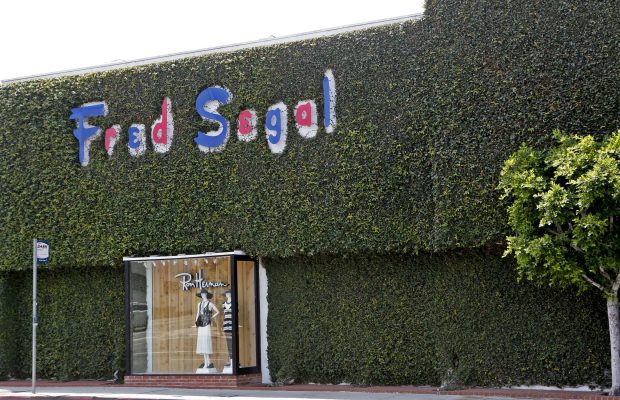
    American fashion retailer Fred Segal has opened its third store in Kobe, expanding its footprint in Japan.

    Spread over the first and second floors of a Daimaru affiliated shop in Shosen Mitsui Building, Kyu-kyoryuchi area, the 1175 sqm store features an all-white interior.

    Fred Segal Japan Kobe 1

    Fred Segal brings exclusive lines from the US such as SMN jeans, Jaguar Design shirts, Delfina Balda skirt and tops, Thomas Wylde swimwear and scarves, and Sigerson Morrison shoes.

    Brands such as LA’s Atelier & Repairs, Buaiso are displayed in the “Sunset” showroom along with “La Cienega” VIP salon.

    Fred Segal Japan Kobe 2

    The store’s second floor offers a new dining concept called The Cellar at Fred Segal with a wine bar and restaurant featuring more than 200 varieties of California wine and cuisine.

    The Cellar mirrors the experiential retail trend with a focus on dining, and California flavours specifically, which, like its fashion, is considered an enviable novelty in Asia.

  • Strong first quarter for Yum China

    Strong first quarter for Yum China

    Sales, profits and margins all grew, along with store expansion, for Yum China Holdings in its unaudited results for its first quarter to the end of February.

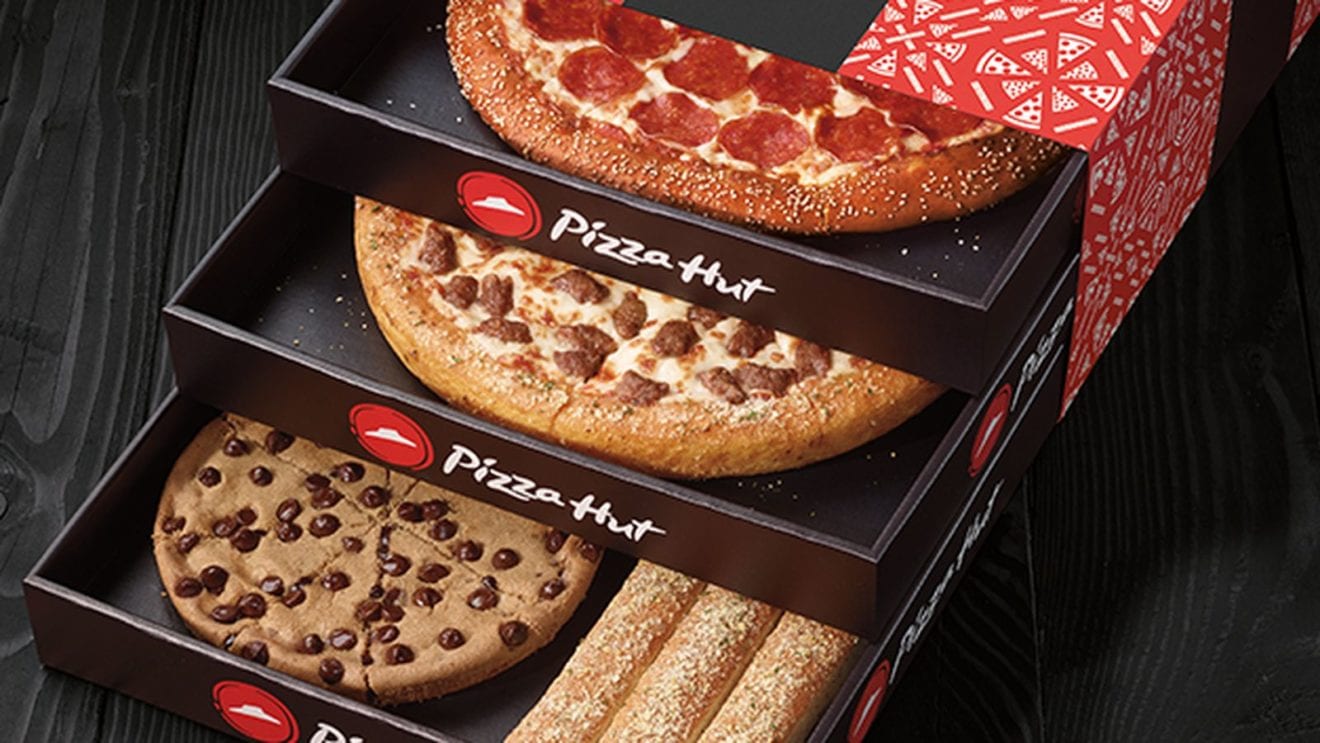
    Same-store sales grew 1 per cent, including growth of 1 per cent at KFC and 2 per cent at Pizza Hut Casual Dining. Total system sales grew 4 per cent (3 per cent at KFC and 9 per cent at Pizza Hut).

    The group opened 133 restaurants during the quarter.

    Total restaurant margin increased 3.7 points to 23 per cent, mainly helped by retail tax structure reform implemented on May 1.

    Operating profit grew 22 per cent and 27 per cent excluding foreign exchange, which negatively impacted operating profit by $12 million.

    Net income increased 21 per cent to $175 million, while adjusted pre-tax earnings rose 14 per cent to $320 million.
    Yum China has more than 7600 restaurants, with a two-to-one lead over the nearest Western quick-service restaurant competitor and an approximate six-to-one lead over the nearest Western casual-dining restaurant competitor in China, says CEO Micky Pant.

    “We are especially gratified with the progress made on two key drivers of growth – digital and delivery,” he says. “More than 4400 restaurants in our system offer deliveries, and we believe we have established an infrastructure for continued growth.

    “In the first quarter, delivery represented about 12 per cent of our company sales. With about 93 million loyalty program members between KFC and Pizza Hut Casual Dining, we believe we have unprecedented insights into consumer behaviour and have been engaging with them across the digital eco-system: from pre-order to payment.

    “We remain confident in our ability to deliver 550 to 600 new builds while delivering double-digit growth in operating profit, excluding foreign exchange, this year.”

    Members in the loyalty programs increased to about 70 million for KFC and 23 million for Pizza Hut.
    Mobile payments reached about 30 per cent of company sales, with more than $500 million in sales paid via cashless payment methods.

  • Mujosh Philippines opens two stores

    Mujosh Philippines opens two stores

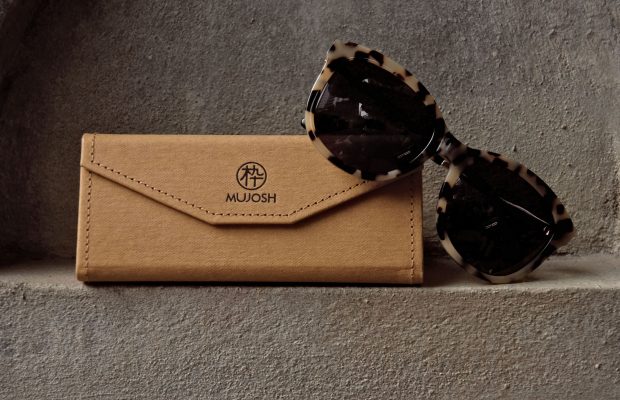
    Mujosh Philippines has launched two stores, at Alabang Town Center in Muntinlupa and Ayala Center Cebu.

    Both locations feature the Hong Kong eyewear brand’s latest collection of sunglasses and optical frames from its designers in China, Hong Kong and Korea.

    Mujosh Philippines

    Coolbe, Lifestyle and Sense are the main collections of sunglasses, while the optical frames feature the Cat-Eye, Eyebrow, Pilot and Retro models.

    Established in 2010, Mujosh has more than 700 specialty stores in malls and department stores throughout Australia, Canada, China, Hong Kong, Malaysia, Singapore, Taiwan, Thailand and Vietnam.

  • Samsonite International paying $105m for eBags

    Samsonite International paying $105m for eBags

    Hong Kong-headquartered luggage company Samsonite International is to buy online retailer eBags for US$105 million cash.

    The deal is part of Samsonite’s strategy to accelerate the growth of its e-commerce business.

    “With eBags’ immediate resources and digital expertise, we are able to expand our online retail capabilities in a meaningful way, driving stronger sales growth across all the brands in Samsonite’s portfolio,” says Samsonite CEO Ramesh Tainwala. “E-commerce is fast becoming a vital part of our business, and will continue to be central in our strategy.”

    EBags president/CEO Mike Edwards describes the move as “a perfect match”.

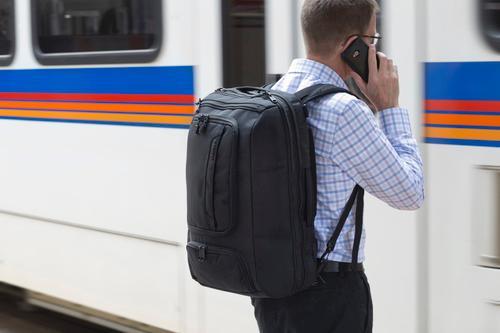
    Founded in 1998, eBags offers travel bags and accessories including backpacks, handbags, business bags, travel accessories and apparel from a range of travel and fashion brands. It had net sales of US$158.5 million last year, up 23.5 per cent from the previous year.

    The acquisition is expected to be completed within a couple of months.

  • Jay Mart launches Jaycamera chain

    Jay Mart launches Jaycamera chain

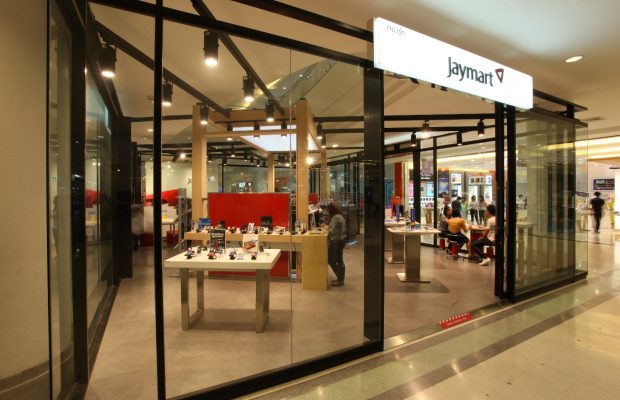
    Thai mobile handset distributor Jay Mart plans to spend THB50 million (US$1.4 million) opening up to 10 Jaycamera shops by the end of this year.

    The outlets are forecast to initially draw in revenue of THB800 million, and within three years the company hopes to claim 40 per cent of the camera market for the lead position in Thailand, with revenue of THB4 billion.

    Chief marketing officer Narathip Wirunechatapant says growth potential in the Thai camera market prompted the company to set up the chain, providing mid- to high-range models and accessories. It will focus mainly on mirrorless and digital single-lens reflex (DSLR) cameras in the THB20,000 to THB200,000 range with young people as the target market.

    The main brands are Canon, Casio, FujiFilm, GoPro, Nikon, Olympus and Sony. In May, the chain will start selling upmarket smartphones such as the Huawei P10.

    Jaycamera launched in the Fashion Island department store, with other outlets to follow in Central and The Mall department stores in and around Bangkok.

    Narathip says that by the end of this year the Thai camera market could reach about THB8 billion and the company hopes to gain about 10 per cent of that.

    By the end of 2019, the company says it will have about 50 Jaycamera shops nationwide, and will also sell camera products at more than 200 Jaymart shops.

  • AirAsia to fly to India, China this year

    AirAsia to fly to India, China this year

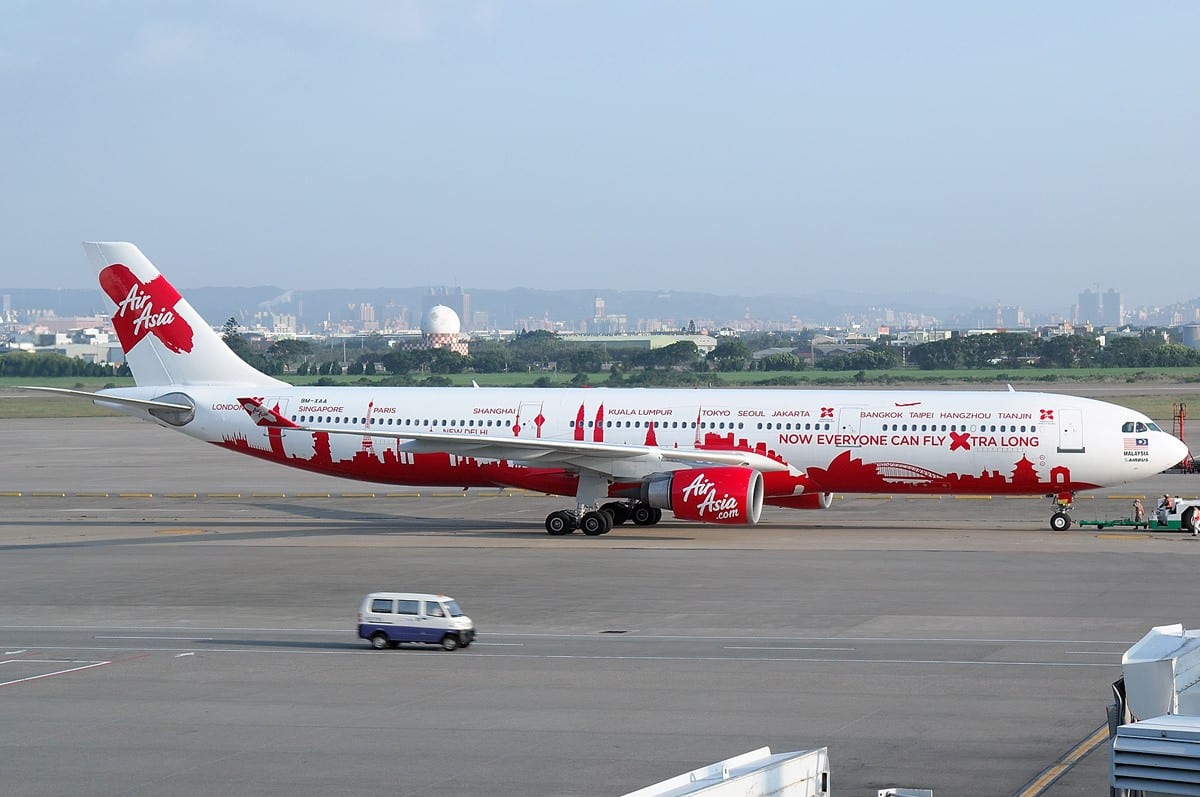
    AirAsia Group has pledged to support the government’s effort to boost tourist arrivals by opening new flights to Indonesia from cities in India and China this year.

    “We are ready to support the government. We will add new aircraft and open new international routes,” Air Asia Group CEO for Indonesia Dendy Kurniawan said on Monday.

    The airline will add two new aircraft of the Airbus A320 and A330 types. Currently, Air Asia accounts for around 25 percent of inbound flights to Indonesia, according to Tourism Ministry data.

    The route to India was expected to commence in May, while that to China was expected to commence in October, said Tourism Minister Arief Yahya.

    The government eyes to welcome 15 million foreign visitors this year and 20 million in 2019.

    Arief said the government saw a two million shortage in seat capacity to achieve this year’s target.

  • The Philippines’ first budget airlines is counting on domestic demand

    The Philippines’ first budget airlines is counting on domestic demand

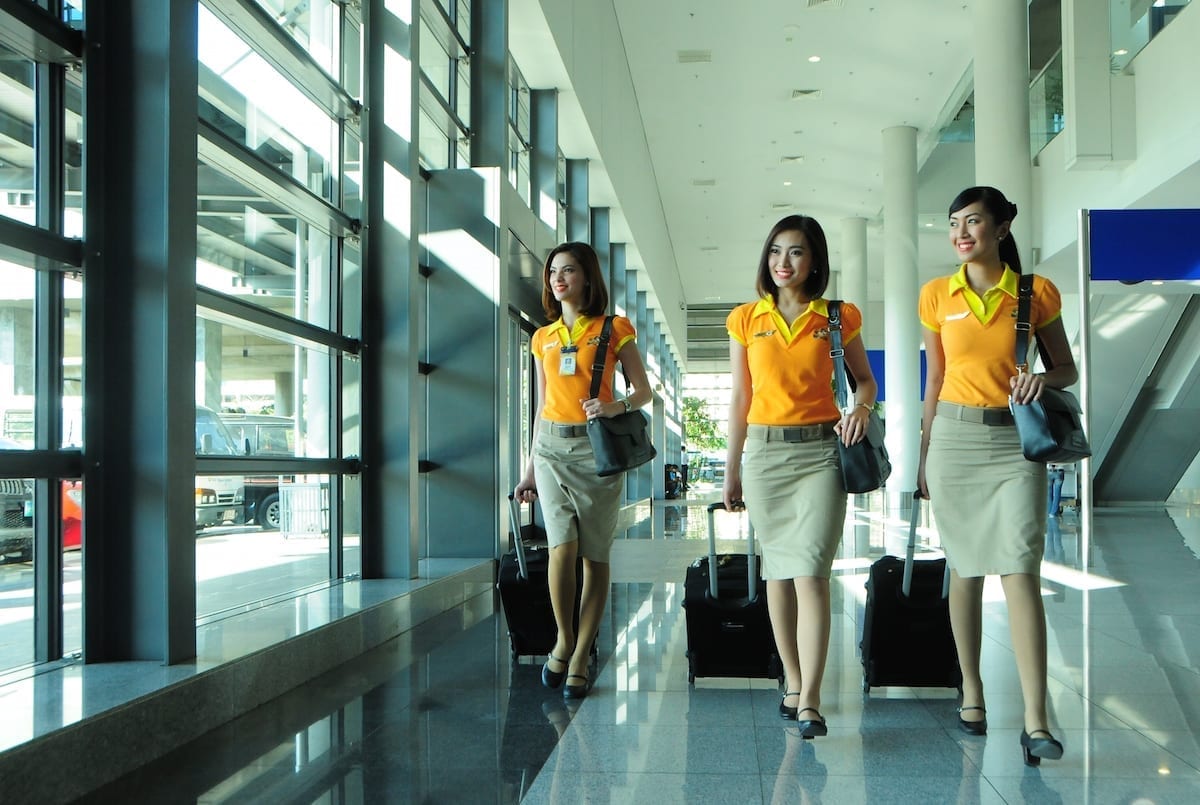
    Cebu Pacific is set to achieve record results for the last financial year, said Lance Gokongwei, president and chief executive of the Philippines’ first budget airline.

    “We have about 58 to 60 percent of the domestic market now … And naturally, we benefited from lower oil prices, so we did very well last year,” Gokongwei told.

    Most of those record profits will be re-invested into acquiring planes with higher fuel efficiency, which will in turn result in more competitive airfares for Cebu Pacific customers, Gokongwei added.

    The budget airline is part of JG Summit Holdings, the second largest conglomerate in the Philippines which began as a simple corn starch plant. As president and COO of conglomerate JG Summit Holdings, Gokongwei also holds various leadership roles in the JG Summit’s fast-moving consumer goods and property arms.

    As premium airlines in the region run into turbulence, Cebu Pacific is going all in with a twofold strategy aimed at improving competitiveness. The first of those strategies involves working around the limited aviation infrastructure in the Philippines, which together with an uptick in air travel demand, has led to congestion.

    “We have a limited slot situation in Manila. The airport there is quite slot-limited so our strategy is to up-gauge the existing slots we have by putting in larger aircraft,” Gokongwei said.

    Cebu Pacific will be ramping up productivity by replacing its existing Airbus 319 and 320 models with the Airbus 321neo. The 321 model has 230 seats compared to the existing 180 seats onboard the Airbus 320. The airline has committed $4 billion to a fleet upgrading program that would see it acquiring 46 new planes between now and 2021.

    The airline’s second strategy involves developing and investing in 5 additional hubs outside Manila, including Cebu, Davao and Ilo Ilo. Smaller aircraft will be used to provide direct access along those routes, Gokongwei said.

    Giving Cebu Pacific an additional boost could be the Philippine President Rodrigo Duterte’s plans to ramp up infrastructure spending. Gokongwei said there are plans to “build out the 5 airports outside of Manila.”

    “Before, travelling by air was considered something only the elite did and now, everyone in the Philippines has access to fly through democratized travel,” Gokongwei said.

  • Apple receives permit in California to test self-driving cars

    Apple receives permit in California to test self-driving cars

    Apple Inc has secured a permit to test autonomous vehicles in California, fuelling speculation that it is working on self-driving car technology in a crowded arena of companies hoping to offer those cars to the masses.

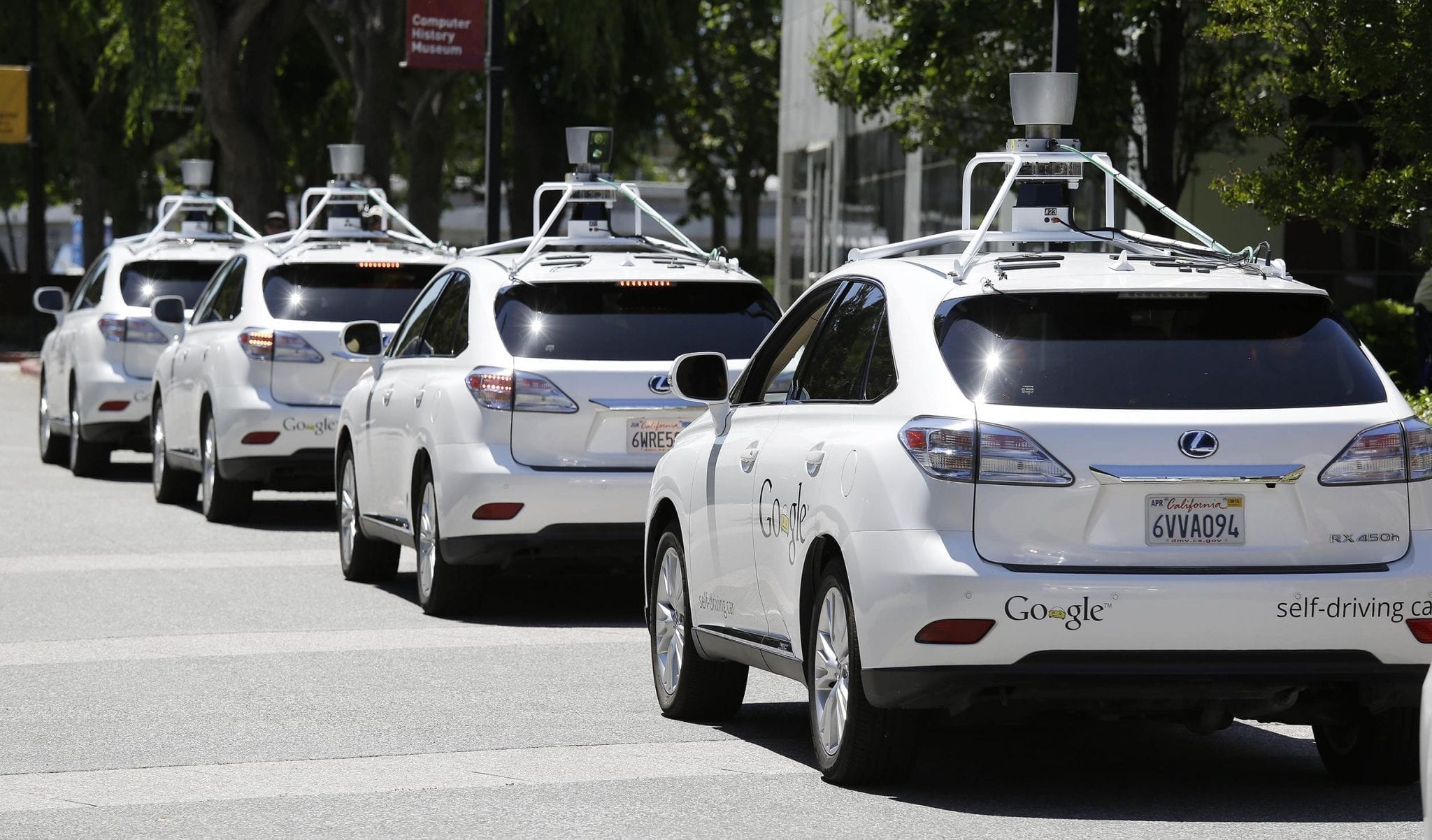
    The permit allows it to conduct test drives in three vehicles with six drivers, the state Department of Motor Vehicles said on Friday. The vehicles are all 2015 Lexus RX450h, according to the DMV.

    Although it has never openly acknowledged it is looking into building an electric car, Apple has recruited dozens of auto experts in recent years, and the permit pulls the curtain back a bit on any possible plan.

    “This does confirm what’s long been rumored: that Apple is at least toying with the idea of getting into the autonomous game in some capacity,” said Chris Theodore, president of consultancy Theodore & Associates, and a former vice president at Ford Motor and Chrysler.

    The permit does not mean Apple is definitely building a car. “This is not necessarily automobiles as initially rumored, but software or possibly hardware associated with autonomous technology,” Theodore said.

    An Apple spokesman declined to comment directly on the filing, pointing back to a statement the company made in November when it wrote to the U.S. National Highway Traffic Safety Administration (NHTSA) on the subject of regulating self-driving vehicles.

    “The company is investing heavily in the study of machine learning and automation, and is excited about the potential of automated systems in many areas, including transportation,” Apple’s director of product integrity, Steve Kenner, wrote in that five-page letter.

    Apple executives have been coy about their interest in cars. Chief Executive Tim Cook has suggested that Apple wants to move beyond integration of Apple smartphones into vehicle infotainment systems.

    Apple joins a growing list of traditional carmakers, technology companies, and small start ups to test drive cars in California – all vying to be the first to have commercially viable vehicles on the roads.

    Companies that have been issued permits also include Alphabet Google unit, Ford Motor, Volkswagen AG, Daimler AG, Tesla Motors and General Motors.

    Many companies have said the first cars will launch in 2020 but some experts believe it may take much longer due to regulatory challenges.
  • Expedia to leverage partnership with AirAsia

    Expedia to leverage partnership with AirAsia

    American travel company Expedia Inc, will leverage its partnership with AirAsia Bhd to seek more opportunities in Asia. Expedia president and chief executive officer (CEO) Dara Khosrowshahi said AAE Travel Pte Ltd (AAE) — a joint-venture firm between Expedia group and AirAsia, had been overseeing both Expedia and AirAsiaGo points-of-sale across the region since 2011.

    “For us AirAsia has been a fantastic partner. We had no idea that Asia offered such significant and rapid growth opportunities until what we learnt through our partnership with AirAsia. It kicked us into an aggressive stage of growth through its scale and deep insight into this region.”

    Expedia is the majority shareholder in AAE with 75 per cent share.

    Khosrowshahi said that opportunities in Asia would be the company’s focus in the mid-term future, with plans to grow the region into the second-largest market for the online travel firm in the next five years.

    “Our data is showing that success in the next 10-20 years will depend on how well we do in Asia.

    “The investments we are making here, such as the Expedia Innovation Lab, allows us to understand our Asian customers better,” he added.

    Expedia Innovation Lab for Asia deploys electromyography, real time eye-tracking software, which when combined with real-time questions to users, uncovers emotional responses that can be used to develop new products and the way users interact with Expedia.

    Expedia is the largest travel company in the world, generating US$72 billion in gross bookings last year on 200 sites in 75 countries and 35 languages.

    Its success is based on investing heavily in technology to understand the real outcomes customers desire, and innovating to create new ways to fulfil them.

  • DHL To Double Electric Delivery Van Production

    DHL To Double Electric Delivery Van Production

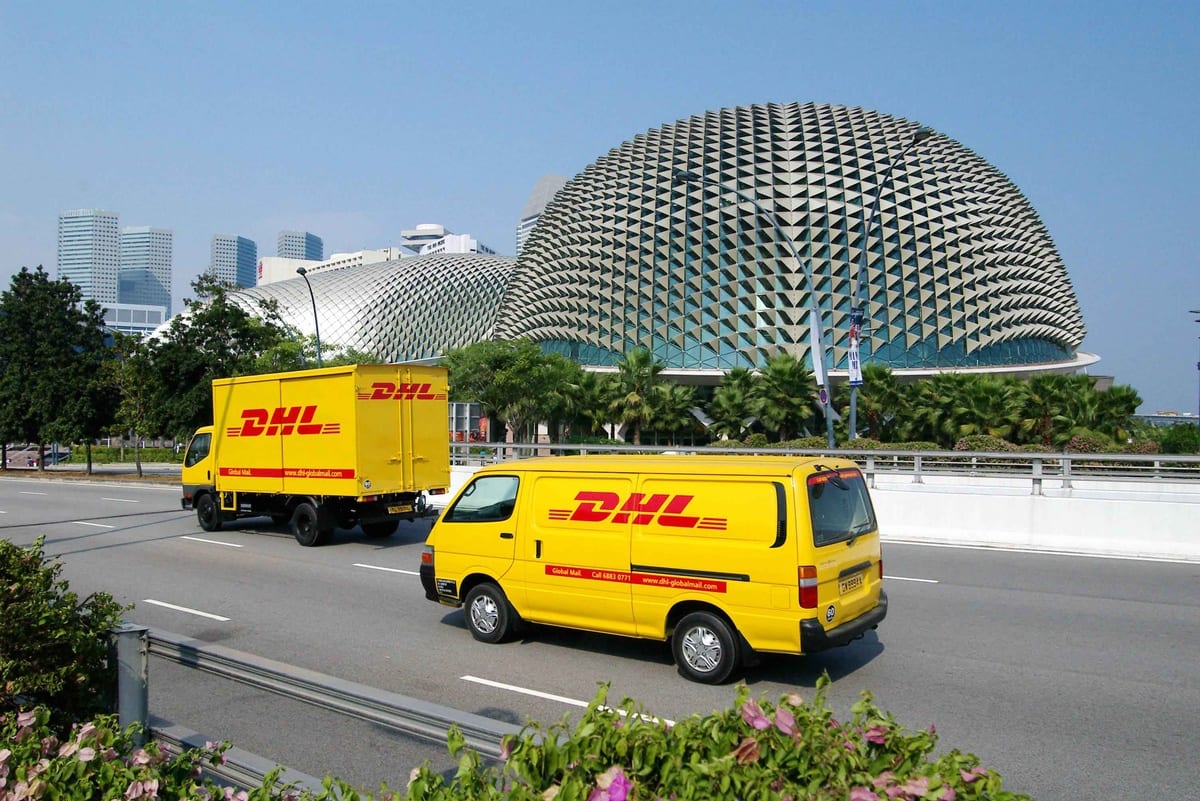
    DHL  is one of the largest delivery companies in the world. When it wanted to reduce is carbon footprint by using battery-powered electric delivery vans, it approached several major manufacturers and asked them to supply it with vehicles that met its needs. Not possible, the manufacturers all said. Too expensive. Not enough volume to make it worth our while.

    So DHL designed its own. Then it set up a production line to manufacture them. Now it is doubling production and selling its StreetScooter electric delivery van to other customers. When Volkswagen first heard what DHL was doing, some of its executives grumbled that DHL should have asked VW to build its van.

    In fact, DHL did precisely that, but Volkswagen told them to go away and bother someone else. DHL says it will expand production by adding another assembly line in the North Rhine-Westphalia region. And that is how disruption happens. Eat your heart out, Volkswagen!

    At least half of this year’s annual production is planned for external prospective buyers of the vehicles. DHL sees potential customers being municipalities and other large fleet operators in Europe. In addition, it will replace more of the conventionally powered delivery vehicles in its own fleet with StreetScooter electric delivery vans this year.

    “The large demand for the StreetScooter and our own ambitious climate-protection goals have encouraged us to further expand our commitment in the area of electro-mobility and to also make our expertise available to others. As a result, we are confirming our aspiration to remain the engine of electro-mobility and to become market leader in green logistics,” says Jürgen Gerdes, who sits on the DHL board of directors.

    The StreetScooter comes in two sizes. The Work model has a capacity of 140 cubic feet and starts at €32,000 for the Work Pure model. The Work L has double that capacity — 280 cubic feet. The company is planning to introduce a Work XL version with 700 cubic feet of cargo capacity by the start of 2018. In addition to selling its vehicles, DHL also assists customers with the installation of the charging infrastructure they need to keep their StreetScooters charged up and ready to go.

    This whole electric delivery van thing started because DHL wanted to stop spewing carbon emissions into the atmosphere while it was delivering packages for people. Just a few weeks ago, it became the first logistics company to announce that it plans to reduce all logistics-related emissions from its business to zero in net terms by 2050.

  • Vietnam Airlines starts second service to Sydney

    Vietnam Airlines starts second service to Sydney

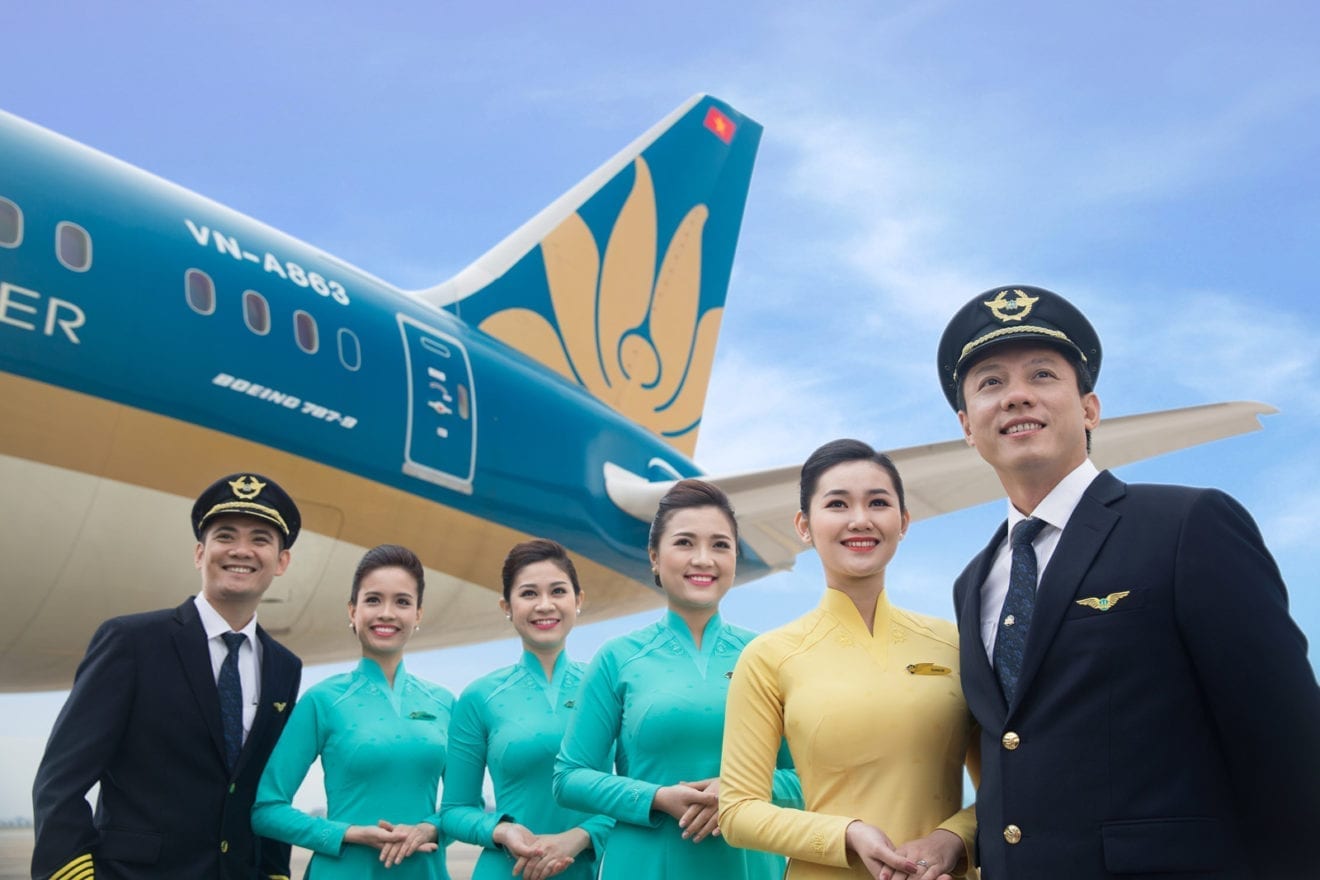
    Vietnam Airlines added a second route from Vietnam to Sydney (SYD). The SkyTeam carrier now offers three times weekly flights on the 7,783-kilometre route between Hanoi (HAN) and Australia’s busiest airport, complementing the airline’s existing daily service from Ho Chi Minh City. The airline will face no competition on the new service which will be flown using its 274-seat 787-9s.

    Kerrie Mather, MD & CEO of Sydney Airport, said: “More than 240,000 passengers travelled between Sydney and Vietnam in 2016, and we’re delighted this new service will provide more choice for this growing market. With about 40% of Australia’s Vietnamese-born residents living in NSW, the service will make an important contribution to supporting the visiting family and friends market. Hanoi’s colonial architecture and rich sense of history also makes it the ideal holiday destination for Australian travellers.

    ” Adam Marshall, NSW Minister for Tourism and Major Events, added: “In 2016 NSW welcomed 32,000 visitors from Vietnam, which was up 27% on 2015. Between them, those visitors injected $162 million in overnight visitor expenditure into the state’s economy, which again was an 11% increase on the year prior.” With the airline also operating a daily service between Ho Chi Minh City and Melbourne, Vietnam Airlines currently has a monopoly on non-stop services between Australia and Vietnam.

  • Hover Camera Passport Comes to Apple Retail Stores, With In-Store Demos Available

    Hover Camera Passport Comes to Apple Retail Stores, With In-Store Demos Available

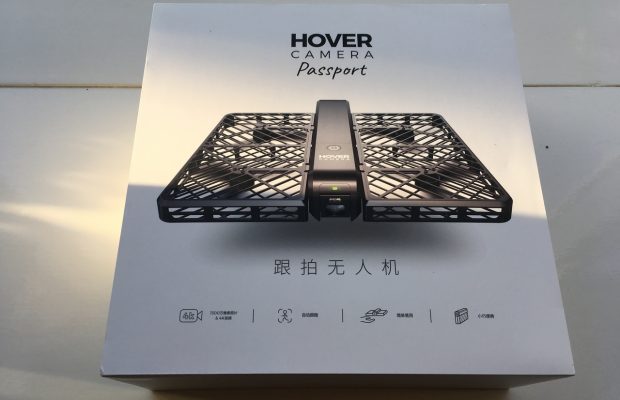
    Hover Camera Passport, a lightweight, personal drone-style camera from Zero Zero Robotics, is available on Apple’s website and in Apple retail stores in the United States, Canada, China, Hong Kong, and the UK starting today.

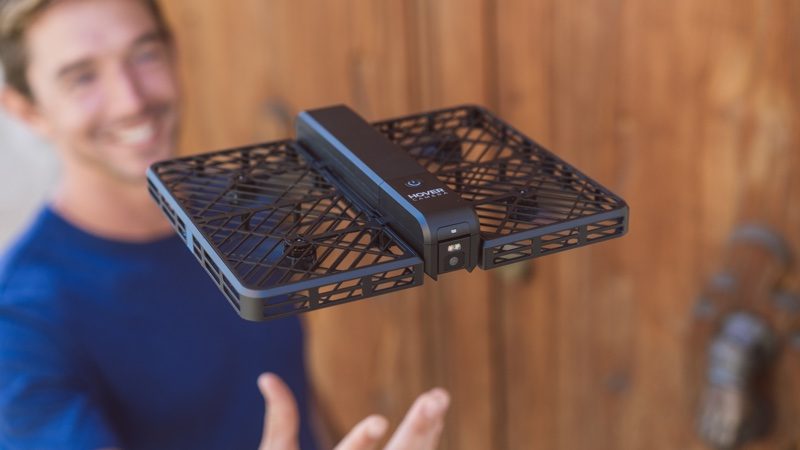
    The Hover Camera Passport can be thought of as a sort of next-generation autonomous selfie stick that’s able to follow you around and capture a hands-free photo whenever you wish.


    It’s made from a lightweight (242 grams), foldable carbon fiber material so it packs down small and can go anywhere, and it’s equipped with face tracking and body tracking so it knows who to follow. The drone travels up to 17 miles per hour and can hover for 10 minutes at up to 65 feet away, so it’s able to track a user that’s running, walking, biking, or engaging in other similar physical activities.

    There’s a 13-megapixel camera built in, which can also capture 4K video. Since it’s a flying camera, it can capture 360 degrees of panoramic video, and it’s designed to be flown right out of the box, so even people unfamiliar with drones can pick it up and fly it.


    The Hover Camera Passport is controlled through the Hover Camera iOS app, which provides features like a real-time video feed, quick social sharing, multiple flight modes including spin and orbit, auto follow, and picture-taking features.

    New features are being added to the Hover Camera Passport for its Apple Store launch, including compatibility with iMovie and Final Cut Pro X, a more user-friendly interface, and automated media editing to create small, moving clips that can be shared with family and friends.

    Zero Zero Robotics is offering a $499 Apple-exclusive bundle at Apple Stores, which consists of a Passport flying camera, two batteries, a charger, an adapter, and an easy-carry bag. Apple retail stores will be hosting in-store demos of the Hover Camera Passport so customers can try it out. 42 retail stores will begin demos today, and other stores will start demonstrations in May.

  • Domino’s Poised for Global Expansion, Opens 14000th Store

    Domino’s Poised for Global Expansion, Opens 14000th Store

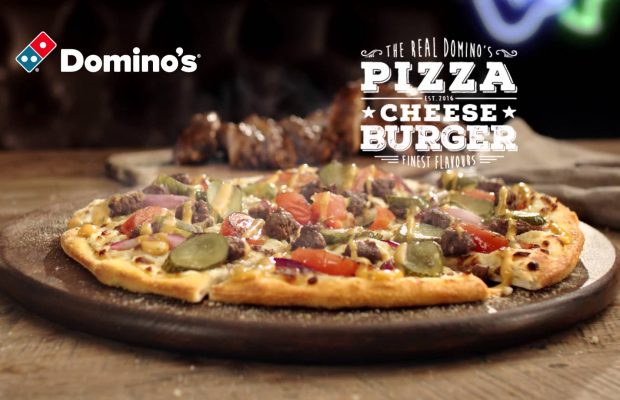
    Domino’s Pizza, the recognized world leader in pizza delivery, is celebrating the grand opening of its 14,000th store in in Cyberjaya, Malaysia, outside of the nation’s capital of Kuala Lumpur.

    “It was just eight months ago that we cut the ribbon on our 13,000th store and here we are already celebrating another milestone – our 14,000th store,” said Patrick Doyle, Domino’s president and CEO. “Last year we were opening, on average, a new Domino’s store every seven hours. Our global growth has been tremendous. The story of our brand is clearly one of incredible momentum and brand resonance worldwide.”

    The new store is also a milestone for the Malaysian market, as it marks their 200th store opening. It is also the 3,500th Domino’s store in the Asia-Pacific region. The master franchisee for the market, Dommal Food Services Sdn. Bhd., opened the first store in Malaysia in 1997 and has successfully made Domino’s one of the most recognized brands in the country.

    Domino’s 14,000th store features the pizza theater store design, which is open concept and brings the art and fun of pizza making to the forefront. It features indoor seating and allows customers to watch their pizzas being made, each step of the way. The milestone store is in the innovation hub of Malaysia, Cyberjaya, as technology is a central focus of the brand in Malaysia.

    “We have been building beautiful new stores around world at an impressive pace, thanks to the hard work, commitment and passion of our franchisees worldwide,” said Richard Allison, president of Domino’s International. “Our goal to become the No. 1 pizza company in the world – with the best customer service, serving high quality food, with inviting stores and leading technology – is being executed every day in countries like Malaysia and around world.”

    Domino’s operates in over 85 markets worldwide. Domino’s had global retail sales of nearly $10.9 billion in 2016, with more than $5.3 billion in the U.S. and more than $5.5 billion internationally.

  • Volkswagen to build new SUV

    Volkswagen to build new SUV

    Volkswagen AG plans to build another new sport utility vehicle at its Chattanooga, Tennessee, plant as demand surges for larger vehicles, the German company’s top U.S. executive said on Wednesday.

    VW Group of America Chief Executive Officer Hinrich Woebcken told reporters at the New York auto show that the automaker planned to build a five-seat SUV in Tennessee, but he declined to say when production would begin. The news follows VW’s 2014 announcement that the company would spent $900 million to build a new SUV in Tennessee.

    VW, the largest automaker worldwide by sales, will start selling its new seven-seat VW Atlas SUV next month.

    Woebcken said VW was shifting focus in the United States from a mainly car brand to a “family friendly” automaker offering larger, U.S.-built SUVs.

    At the show, major automakers said they expected the popularity of SUVs to increase in the United States. SUVs’ share of U.S. vehicle sales rose to nearly 40 percent in 2016 from 32.6 percent in 2014.

    Woebcken would not say whether VW would add additional workers in Tennessee to build the new SUV.

    VW will sell four separate SUVs in the United States later this year, a figure that does not include the new one.

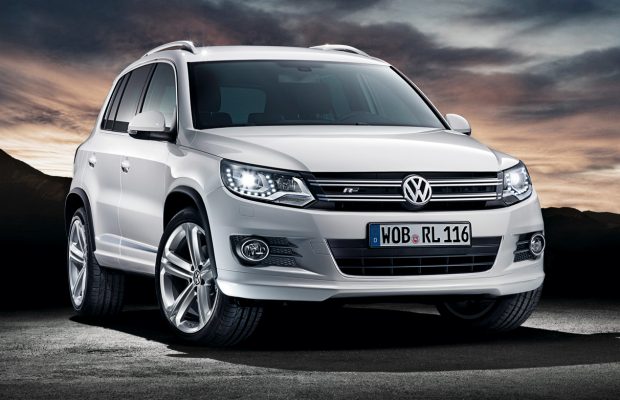
    The company said on Tuesday that it would continue selling the current Tiguan as the “Tiguan Limited” for several years even as it plans to offer a completely new, larger version later this year. The company also announced it was offering an industry-leading six-year, 72,000 mile warranty on its new SUVs.

    As part of its diesel emissions settlement, Volkswagen has agreed to add at least three additional electric vehicles, including an SUV, in California by 2020 and must sell an average of 5,000 electric vehicles annually there through 2025.

    Woebcken said he hopes that decision will help boost the company’s image in the United States. VW has agreed to spend up to $25 billion to buy back vehicles and resolve claims from U.S. regulators, dealers, owners and states.

  • Travel Blue’s Z-Zoom to take flight at Singapore show

    Travel Blue’s Z-Zoom to take flight at Singapore show

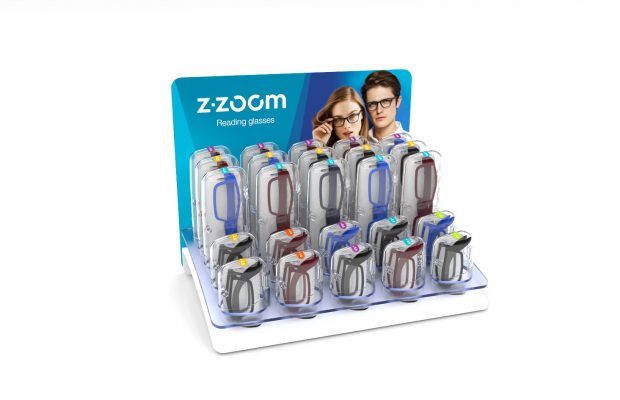
    Z-Zoom (part of the Travel Blue Group) has announced that it will launch its first collection of Reading Glasses at the TFWA Asia Pacific Exhibition in May representing a significant milestone for the Travel Blue company.

    Z-Zoom says it identified ‘the increase in global demand for high quality, fashionable reading glasses’ and set out with a vision to create a premium unisex eyewear range suitable for all.
    Jonathan Smith, Travel Retail Director of Z-Zoom says: “We are thrilled to finally be able to share our new project with the travel retail world. The team spent a lot of time in developing the brand and used only high quality materials to ensure the best possible product. This is a very exciting time for us.”

    The collection comprises an extensive range of Reading Glasses with over 240 different SKUs. All products are supplied with POS units that reflect this quality, design-led range.

    ‘ZOOMING IN FOR SHARPER VISION’

    The Reading Glasses are available in a variety of frame designs to ‘suit all face shapes’. “Ranging from classic and casual to bold and contemporary, in an array of complexion enhancing colours or neutral staples, the new line acknowledges changing attitudes and preferences,” adds Travel Blue.

    Z-Zoom is said to have been inspired by the notion of moving quickly and getting a closer look of what’s in front, as Smith explains: “As reading glasses are designed for those that have trouble with close range vision, the name Z-Zoom came naturally. Zooming in for a clearer sharper vision. This is what we provide. Z-Zoom adds a little dimension and excitement.”