Author: Mei Ling Tan

  • Tesla becomes most valuable US car maker, edges out GM

    Tesla becomes most valuable US car maker, edges out GM

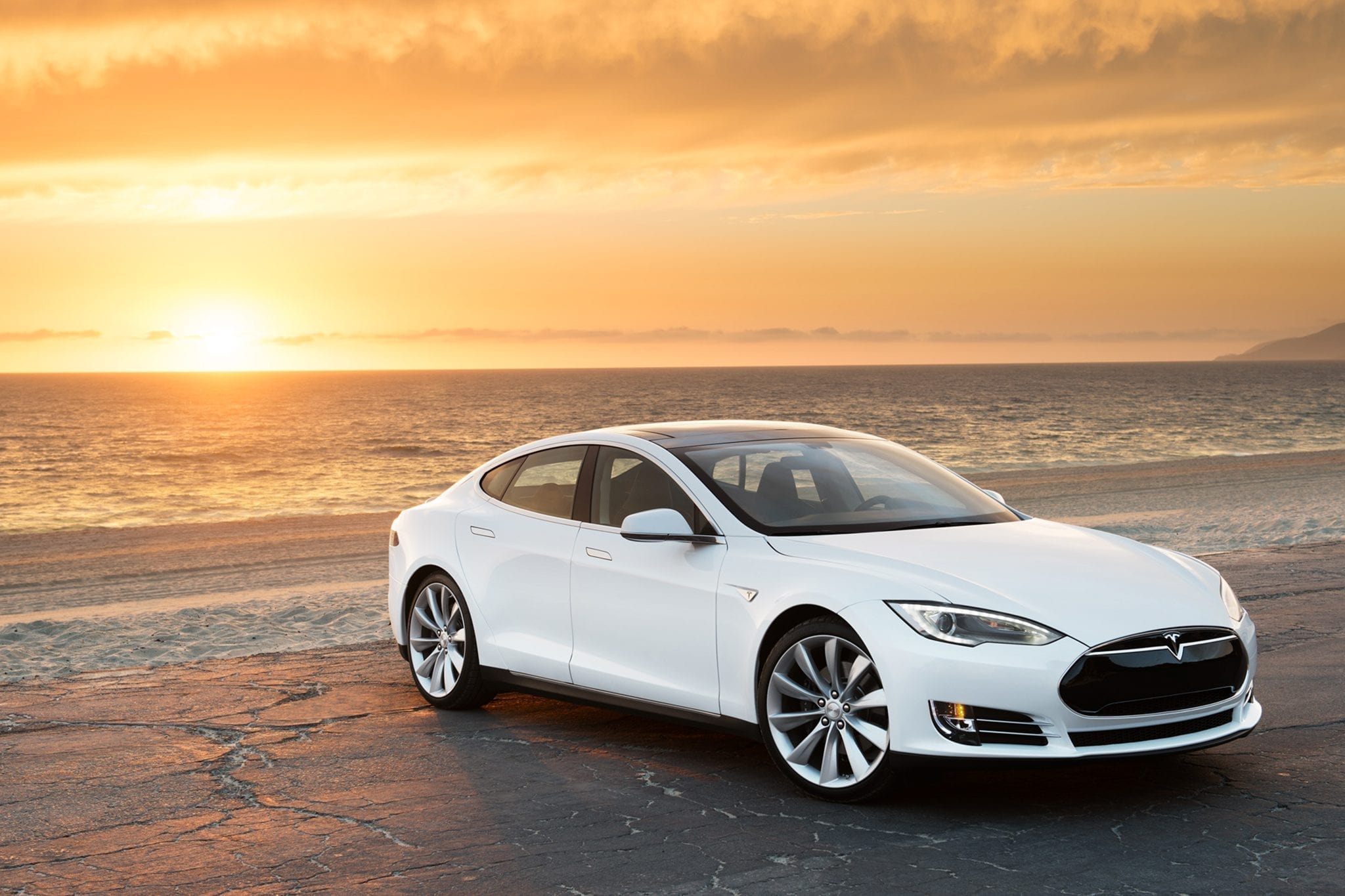
    For the first time in the era of the modern automobile, the most valuable U.S. car maker is not based in Detroit. Silicon Valley’s Tesla Inc overtook General Motors on Monday to become the U.S. car maker with the largest market capitalization as the century-old automobile industry increases its reliance on software and cutting-edge energy technology.

    That milestone is likely to be on the minds of Tesla Chief Executive Elon Musk and GM Chief Executive Mary Barra as they and other CEOs visit the White House on Tuesday to discuss tax reform and infrastructure with President Donald Trump.

    Helped by an analyst’s recommendation, Tesla rose 3.26 percent to a record high of $312.39 on Monday. Its market value of $50.887 billion exceeded GM’s by about $1 million.

    Over the past month, the luxury electric car maker has surged 35 percent as investors bet that Musk will revolutionize the automobile and energy industries.

    That compares to a declining share performance by GM in recent years that recently led billionaire investor David Einhorn to propose splitting the stock into two classes to help boost its price.

    Tesla’s market capitalization is now equivalent to $102,000 for every car it plans to make in 2018, or $667,000 per car sold last year. By comparison, GM’s market capitalization is equivalent to $5,000 per car it sold in 2016.

    The Palo Alto, California company is rushing to launch its mass-market Model 3 sedan in the second half of 2017 and quickly ramp up its factory to reach a production target of 500,000 cars per year in 2018. Last year it sold 76,230, missing its target of at least 80,000 vehicles. By comparison, GM sold 10 million cars and Ford sold 6.7 million.

    With its stock down nearly 20 percent since 2013, GM has scaled back operations outside the United States while pushing to improve its profitability. It announced in March it would sell its European operations.

    Reflecting Wall Street’s worries, GM’s stock trades at 6 times its expected earnings, the lowest multiple among companies in the S&P 500.

    Proponents believe Tesla, which is not profitable, argue its stock price is justified based on long-term expectations for Tesla’s growth.

    They also point to opportunities from Tesla’s acquisition last year of money-losing solar panel installer SolarCity and Tesla’s Nevada battery cell plant aimed at driving down manufacturing costs.

    Analyst enthusiastic

    After driving a Tesla for seven months, Piper Jaffray analyst Alexander Potter on Monday upgraded the stock to “overweight” from “neutral”, describing Tesla’s products as “captivating”.

    “Tesla isn’t just another company. More so than any stock we’ve covered, Tesla engenders optimism, freedom, defiance, and a host of other emotions that, in our view, other companies cannot replicate,” Potter wrote in a report.

    Skeptics believe Tesla’s growth targets are unrealistic and that the company risks being overtaken by GM, Ford and other deep-pocketed manufacturers ramping up their own electric-vehicle offerings.

    Its market capitalization remains smaller than Japan’s Toyota Motor Corp, at $173 billion.

    Tesla’s rich valuation has made it a target of short sellers, who so far in 2017 have suffered over $2 billion in paper losses as the stock rallied.

    Jeffrey Gundlach, who oversees over $105 billion in assets at Los Angeles-based DoubleLine Capital, told Reuters last week: “As a car company alone, Tesla is crazy high valuation. As a battery company – one that expands and innovates substantially – maybe the valuation can work.”
  • Uber’s ride hailing service is finally legal in Vietnam

    Uber’s ride hailing service is finally legal in Vietnam

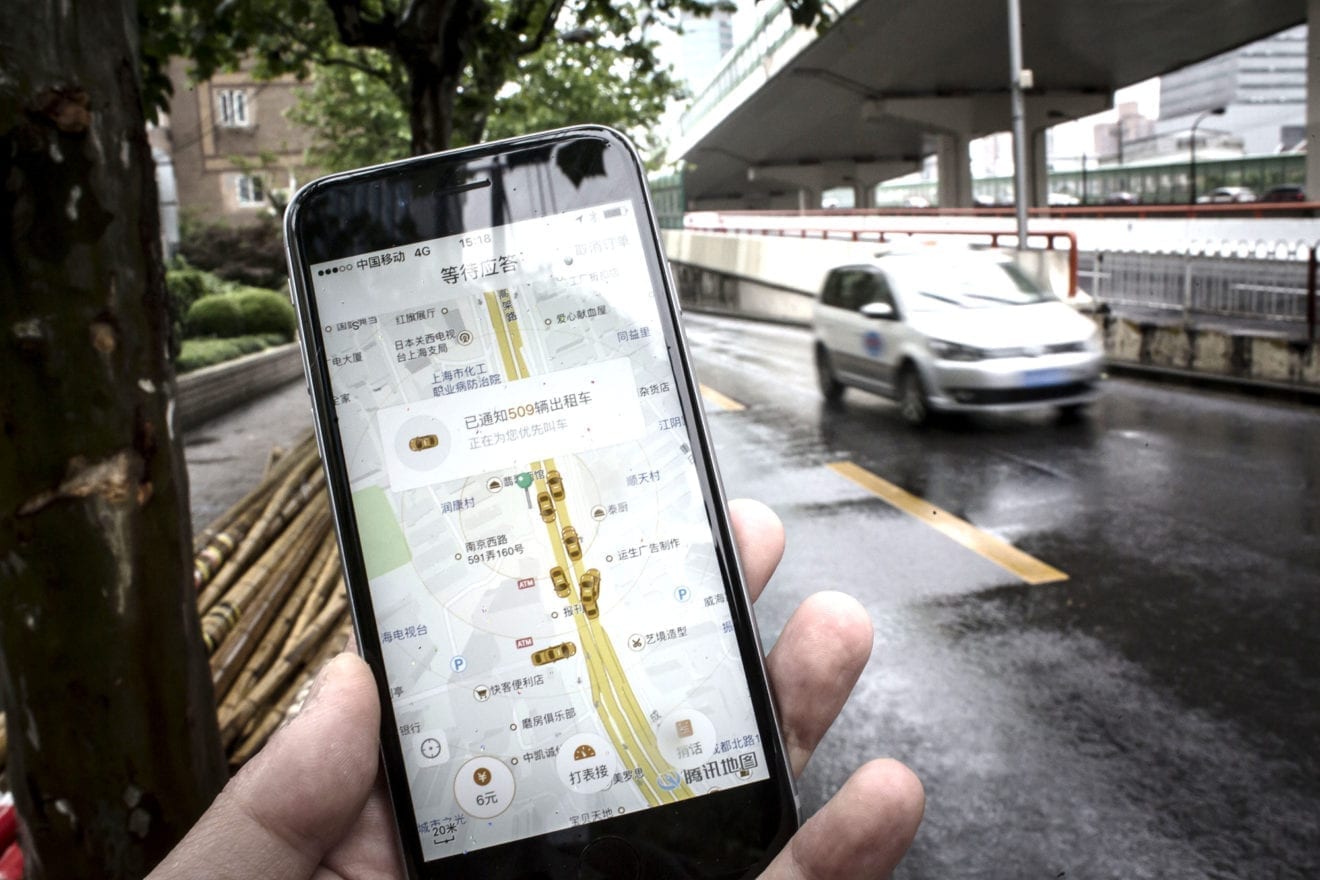
    The ride-hailing firm has now secured approval from local authorities after two previous rejections. The Vietnamese government has finally approved Uber’s application to trial its ride hailing services, a minister said, after having rejected requests from the company twice since 2015.

    Deputy Transport Minister Nguyen Hong Truong said on Monday that Uber Vietnam has fulfilled all necessary conditions to pilot its online ride-hailing application. However, the company will still need approval from local authorities before it starts operating, Truong added.

    The main obstacle facing Uber’s quest to legally offer its services in Vietnam was mainly its failure to register Uber Vietnam as a ride service provider since its arrival in June 2014 as the company expanded into Southeast Asia.

    Previously, Uber Vietnam was only registered to offer “consulting and management” and “market research and public opinion polling”. Now, it’s also registered to offer “information technology services and other computer related services.”

    The Transport Ministry previously said that Uber Vietnam’s authorization given by its parent company – the Netherlands-based Uber International Holding BV – which provides the smartphone application for Uber services, was insufficient.

    Market regulators said the parent company should be held responsible for the application rather than its Vietnamese business unit.

    Local regulators outlawed Uber’s smartphone app-based services in November 2015 after they flagged the company for tax avoidance.

    In an attempt to regulate ride-sharing services, Vietnamese regulators have allowed companies to run pilot programs through IT applications under 3-year contracts. Vietnam’s transport authorities earlier approved a pilot scheme for Grab Vietnam, Uber’s main rival, that also entered Vietnam in 2014.

    The Malaysia-based Grab was previously the only foreign-run transport service allowed to operate in five cities across Vietnam using registered private vehicles between 2016 and 2018.

  • Virgin Media picks Netcracker for revenue management

    Virgin Media picks Netcracker for revenue management

    Virgin Media has expanded its relationship with Netcracker by selecting it as the managed services provider of choice for its Revenue Management solution.

    By using Netcracker’s Managed Services, Virgin Media will be able to scale more flexibly while reducing the cost of operations.

    This multiyear managed services engagement with Netcracker will open new opportunities for Virgin Media to deliver customized services for its business customers and improve scalability in terms of meeting increasingly complex customer demands.

    “Our longstanding relationship with Netcracker is built on trust and its proven ability to deliver and support complex business programs, which drove us to select it for this important initiative,” said Duncan Macdonald, executive director of technology and transformation at Virgin Media.

    “Netcracker has demonstrated and validated its managed services capabilities around the world and we are happy to extend our partnership in order to meet our objectives,” said Macdonald.

    Sylvain Seignour, chief customer officer at Netcracker, service providers are constantly evolving to meet new customer needs, which create complexities that can be mitigated through the use of managed services.

  • ‘I’ve never aimed at being a billionaire’ says Vietjet CEO

    ‘I’ve never aimed at being a billionaire’ says Vietjet CEO

    Vietnam’s richest woman with an estimated net worth of $1.2 billion says she’s not used to the new title yet. CEO of Vietnam’s rising budget carrier VietJet said her main goal in business is not money or a “billionaire” title, which she received last month as the only self-made woman billionaire from Southeast Asia.

    “To be honest, I’m not used to it yet,” Nguyen Thi Phuong Thao, 46, said during the Forbes Vietnam Women Summit 2017 on Wednesday.

    “During my 30 years in business, I’ve never counted my money and I’ve never aimed at being a millionaire or billionaire,” Thao said.

    She said she did not grow up poor and thus earning money was never her primary goal. Her main concern, she said, is to build a strong stand for her business.

    Thao studied economics and finance in Soviet Russia in the 1980s. She founded VietJet, the country’s only private airline, in December 2011, after starting her career trading commodities in Eastern Europe and Asia.

    The “bikini” airline, nicknamed after its unique yet controversial promotional campaign for depicting a female crew in bikinis, now makes up 41 percent of the domestic air travel market, only one percentage point behind the national carrier Vietnam Airlines.

    It went public on February 28 and, in less than a week, reached the market value of $1.8 billion, ahead of Vietnam Airlines’ $1.7 billion.

    Thao said her carrier is not competing directly with Vietnam Airlines. “We create our own customers. We do not take them from others.”

    She said around 30 percent of VietJet’s passengers never flew before and more than half of their air routes are brand new.

  • Cebu Pacific links up with KLM AFI to service expanding fleet

    Cebu Pacific links up with KLM AFI to service expanding fleet

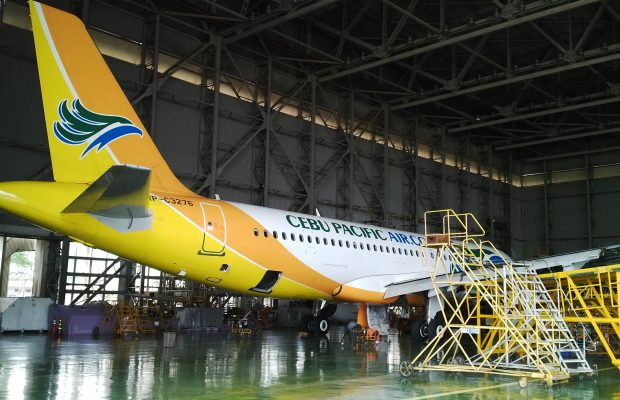
    Gokongwei-led budget airline Cebu Pacific (CEB) has chosen Air France Industries KLM Engineering and Maintenance (AFI KLM E&M) to provide maintenance support for its expected new fleet of Airbus A320s .

    “This is our first agreement with Cebu Pacific and also our first component support contract in the strategic Philippines market,” said Gery Mortreux, Executive Vice President of AFI KLM E&M in a statement released.

    The selection of AFI KLM E&M came following a call for tenders by CEB in September last year for the carrier’s expanding fleet of Airbus passenger jets .

    The long-term contract covers a fleet of over 40 Airbus A320-family aircraft, and encompasses full component support and solutions, including repairs and local pool access to maximize aircraft availability for both CEB’s A320s and its future A321neos.

    The A321 neo (new engine option) is a variant of the A320 that features a more efficient engine and more aerodynamic refinements.

    CEB currently has a fleet of 59 aircraft, comprised of 4 Airbus A319s, 36 Airbus A320s, 7 Airbus A330s, 8 ATR 72-500, and 4 ATR 72-600 aircraft. The average age of its fleet currently stands at 4.94 years.

    The airline also expects to take delivery of 45 brand-new aircraft as part of its fleet renewal program composed of one brand-new Airbus A330, 32 Airbus A321neos, and 12 ATR 72-600s

    All told, the new aircraft will bring the CEB fleet to 85 by 2021.

    CEB’s local rival, flag carrier Philippine Airlines (PAL), is also in the process of upgrading its fleet headlined by two new Boeing 777–300ERs set to arrive in December 2017 and January 2018, the airline announced over the weekend.

    Along with that, it is also expecting the arrival of the Q400 Next Generation turboprops for domestic flights starting in July 2017, and the first of 6 new A350-900s expected to arrive in 2018.

  • BMW i3 Wins Inaugural World Urban Car

    BMW i3 Wins Inaugural World Urban Car

    At a press conference hosted by the New York International Auto Show, Bridgestone Corporation, and Autoneum, the BMW i3 (94Ah) was declared the inaugural winner of the 2017 World Urban Car award.

    “We are delighted and honored that the BMW i3 has been recognized as the World Urban Car,” said Ludwig Willisch, Head of BMW Group Region Americas. “This award highlights BMW Group’s commitment to sustainable mobility through BMW’s first all-electric vehicle made primarily of carbon fiber. The design brief for the BMW i3 was to create a Mega City Vehicle for the cities of the future. Today, the new 2017 BMW i3 (94 Ah) provides more range paired with a high-level of dynamic performance, making it the perfect urban vehicle for people around the world.”

    2017 marks the first year for the World Urban Car award. World Car vice-chairman, Mike Rutherford, commented, “It’s an award whose time has come. Everyday cars in many – perhaps most – parts of the world will have to become smaller if road and parking space is to be found for them in increasingly packed towns and cities whose populations are swelling annually. This year’s winner in our inaugural World Urban Car category proves that these small vehicles don’t have to be cheap, undesirable and unpleasant to drive. Quite the opposite. It is among the best value-for-money products on the market”.

    This year’s winner was chosen from an initial entry list of 7 cars from all over the world, then a short list of three finalists as announced in Geneva last month: the BMW i3 (94 Ah), the Citroen C3 and the Suzuki Ignis

    Vehicles in all award categories are selected and voted on by an international jury panel comprised of 75 top-level automotive journalists from 23 countries around the world. Each juror was appointed by the World Car Steering Committee on the basis of his or her expertise, experience, credibility, and influence. Each juror typically drives and evaluates new vehicles on a regular basis as part of their professional work. Through their respective outlets they collectively reach an audience of many millions world-wide. The international accounting firm KPMG tabulates the jurors’ ballots.

    The Road to World Car began in Paris on September 29, was followed by test-drives in Los Angeles in November, continued in Geneva with the Top Three in the World announcement, and finally ended today with the declaration of the winners in six categories at the New York International Auto Show.

    2017 marks the 11th anniversary of the partnership between World Car and the New York show, and the fourth consecutive year that the World Car Awards have retained their ranking as the number one automotive awards program in the world in terms of media reach.

    The Global Trends Report, co-presented annually by Prime Research and Autoneum, was also released today.The report is the culmination of research and insights across the past six months. Autoneum CEO Martin Hirzel said, “The auto industry is in the midst of an upheaval that goes far beyond anything it has experienced in the past 100 years. Emerging industry trends such as autonomous driving, electric mobility and connected cars are changing not only vehicles and their technologies but also their concepts and forms. As the market leader in acoustic and thermal management for vehicles, Autoneum today already offers a large variety of multifunctional and lightweight technologies and components to meet the requirements of modern mobility. With our recently established “Competence Center for New Mobility” in Sunnyvale, California, Autoneum is taking a committed and active role in driving vehicle advancement by developing innovative technologies and components for all forms of mobility.”

    World Car of the Year is more than just an awards program. The World Car community brings together a large cross section of experts and professionals from every segment of the automotive industry. World Car connects the global industry around the very best of today and inspires, with insights, the ideas and trends of tomorrow. Thus defining The Road Ahead platform shared with our presenting partners Bridgestone Corporation, Prime Research, Autoneum and, most recently, Brembo.

    “As the world’s largest tire and rubber company, we are proud to partner with the World Car program for the 9th consecutive year,” said Mike Martini, president, original equipment tire sales, U.S. and Canada, Bridgestone Americas Tire Operations. “This is an important forum for leaders in the automotive industry to celebrate achievements in innovation, performance and sustainability. As new mobility preferences emerge, we must continue to collaborate across our industry to deliver cutting-edge technology and world-class products that meet the needs of a changing global customer base.”

    In a rapidly changing automotive world, Brembo is also focused firmly on the future and the vehicles it will bring to market. Brembo is committing significant resources to perfecting ever more sophisticated virtual simulation methodologies that includes the study of forms, materials, technologies and surface treatments able to meet the needs of the new-generation vehicles, with a particular focus on environmental impact aspects, which drives all of Brembo’s development activities.

  • Japanese telco taps Redknee for 4G service upgrade

    Japanese telco taps Redknee for 4G service upgrade

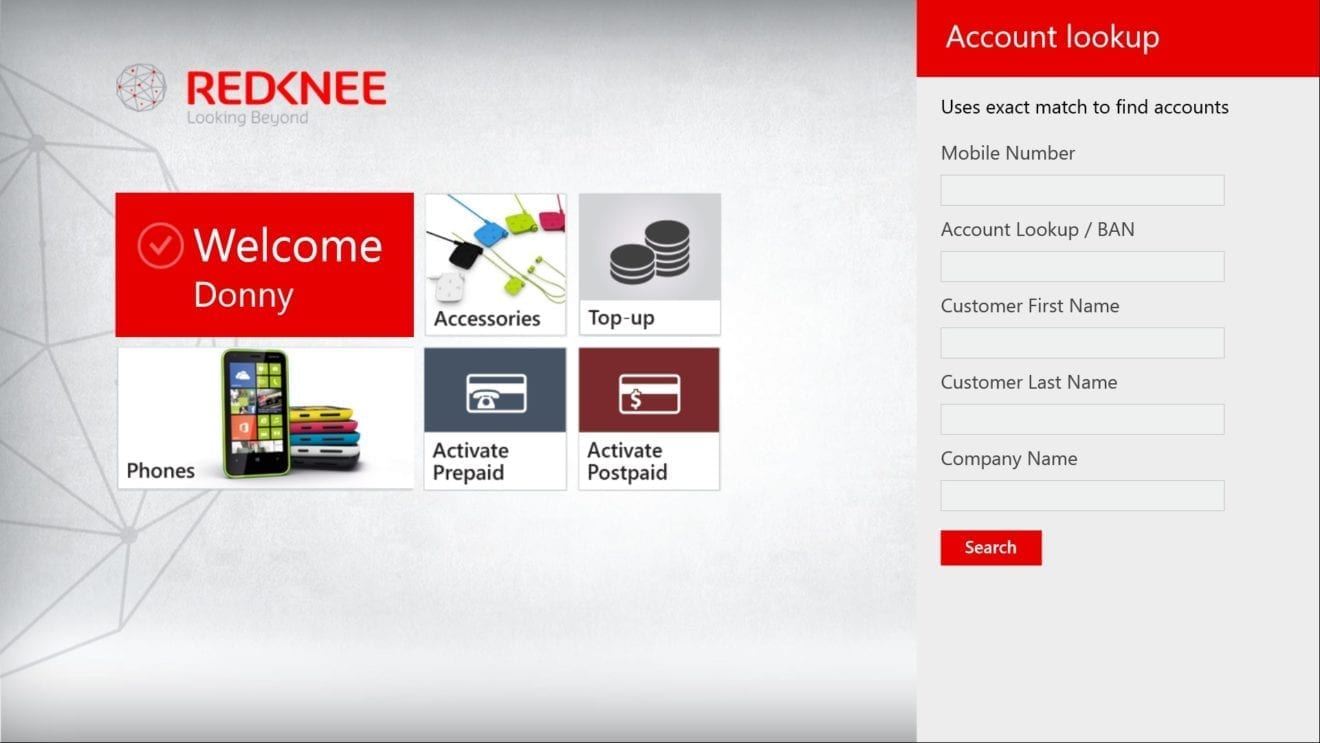
    A Tier 1 communication service provider in Japan has awarded Redknee Solutions has won a multi-million dollar.

    The operator is experiencing increasing demand for 4G services while its subscriber base expands rapidly. The solution will upgrade Redknee’s integrated policy and charging solution to support more than 30 million subscribers.

    The solution will also add support for new capabilities such as Voice-over-LTE (VoLTE). The win will see Redknee scale its solutions to meet the needs of a growing Tier 1 CSP while supporting 4G service offerings that require an agile and innovative approach to achieve customer satisfaction and success.
    Consumers are increasingly using data rich services such as HD voice and multimedia services, and this is prompting CSP’s to invest in new technologies that support increasing volumes of data and traffic. VoLTE is quickly being adopted because it can deliver faster onboarding, shorter call setup times, and improved spectral efficiency.

    “Redknee understands the importance of customer success. Redknee’s agile and scalable solutions support new technologies and service offerings, such as VoLTE, which allow our customers to improve quality of service, drive innovation, and deliver successfully to all of their subscribers,” said Danielle Royston, Redknee’s CEO.

  • DHL unveils new outbound cross-border distribution center in Japan

    DHL unveils new outbound cross-border distribution center in Japan

    HL eCommerce, a division of Deutsche Post DHL Group (DPDHL Group), is set to give an extra boost to Japan’s booming cross-border e-commerce industry which is growing at a CAGR of 16 percent and estimated to exceed EUR1.1 billion in 2018. The company officially launched its new outbound cross-border Distribution Center located in Narita, to enable Japan’s online merchants to sell directly to some of the hottest e-commerce destinations worldwide.

    “In Japan, SMEs and sellers on marketplaces such as Amazon and eBay are the main cross-border e-commerce players, targeting markets in Europe, Asia, and the Americas. To enable them to grow their business and reach a wider customer base internationally, they need a greater variety of international shipping solutions with high-quality services while keeping their operational costs low. Specific e-commerce services are also needed, such as IT integration from shopping cart to delivery for a seamless logistics process,” said Yoshihiko Sasaki, managing director, DHL eCommerce Japan.

  • Qualcomm, Apple go to war over licensing

    Qualcomm, Apple go to war over licensing

    Qualcomm and Apple will battle it out in court over patent licensing for technology used in the iPhone, with both filing suit against the other.

    Apple recently filed three lawsuits against Qualcomm, in the US, China and the UK, accusing the chipmaker of abusing its dominant market position to force Apple to pay billions in superfluous royalty payments for components that have nothing to do with Qualcomm baseband processors.

    These components include Touch ID and Apple Pay. The US lawsuit is seeking $1 billion in damages, while the lawsuit in China is seeking $145 million.

    Now Qualcomm is hitting back, filing an answer to Apple’s lawsuit as well as a counterclaim accusing Apple of failing to engage in good-faith negotiations regarding Qualcomm’s 3G and 4G standards-essential patents on fair, reasonable and non-discriminatory (FRAND) terms.

    Qualcomm has also accused Apple of breaching agreements and negotiations with the company, interfering with Qualcomm’s agreements with licensees that manufacture iPhones and iPads for Apple and encouraging “regulatory attacks” on Qualcomm’s business by making false claims.

    Apple also allegedly deliberately chose not to utilize the full performance of Qualcomm chips in the iPhone 7 to misrepresent the performance disparity between iPhones using Qualcomm’s modems and those using competitor-supplied modems, and threatened Qualcomm in an attempt to prevent it from making public comparisons about the relative performance of iPhones.

    “Over the last ten years, Apple has played a significant role in bringing the benefits of mobile technology to consumers with its popular products and services. But Apple could not have built the incredible iPhone franchise that has made it the most profitable company in the world, capturing over 90% of smartphone profits, without relying upon Qualcomm’s fundamental cellular technologies,” Qualcomm EVP and general counsel Don Rosenberg commented.

    “Now, after a decade of historic growth, Apple refuses to acknowledge the well established and continuing value of those technologies. It has launched a global attack on Qualcomm and is attempting to use its enormous market power to coerce unfair and unreasonable license terms from Qualcomm.”

  • ZTE, China Mobile complete NB-IoT field trial

    ZTE, China Mobile complete NB-IoT field trial

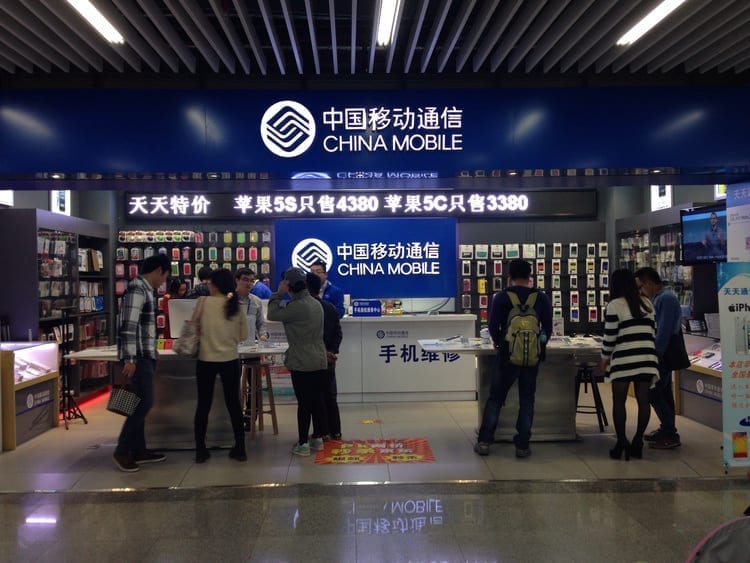
    ZTE and China Mobile have announced they have completed the operator’s first narrowband IoT (NB-IoT) field test in Guangzhou.

    The trial involved the validation of core network, service, terminals and wireless equipment for NB-IoT with both single mode and multi-mode networking.

    Testing concentrated on performance, including users’ data rate, delay and coverage enhancements. ZTE provided all the equipment for the trial, including virtual core network, 2T4R base stations and terminals using a ZTE custom-developed chip.

    China Mobile is conducting NB-IoT trials in four provinces – Guangzhou, Hangzhou, Shanghai and Fuzhou, and is working with only one vendor in each of these provinces to allow it to deeply study and verify various NB-IoT features.

    Guangdong Mobile’s field test is the largest-scale among the four provinces with nearly 200 sites constructed. ZTE said this trial was also the only field test to accomplish specified test items dedicated to the NB-IoT protocol, including all combinations of uplink channels and services specified in NB-IoT protocol standards.

    The trial also exclusively supported the sub-carrier interval of 3.75KHz and 15KHz simultaneously, marking the world’s first 3.75KHz test.

    ZTE separately announced it has completed verification for its emergency communication solution based on drone technology, in collaboration with the Quanzhou branch of China Telecom.

    The lightweight (15 kilogram) solution comprises a drone equipped with a ZTE Pico base station and customer premises equipment that can be easily transported and deployed to a rescue scene.

    The test demonstrated that the drone can complete preparation and be in the air within 10 minutes, and can deliver a downlink peak data rate of 30Mbps and a VoLTE speech quality mean opinion score of 3.3.

  • AirAsia X Boosts roKKi System With Inmarsat’s GX Aviation

    AirAsia X Boosts roKKi System With Inmarsat’s GX Aviation

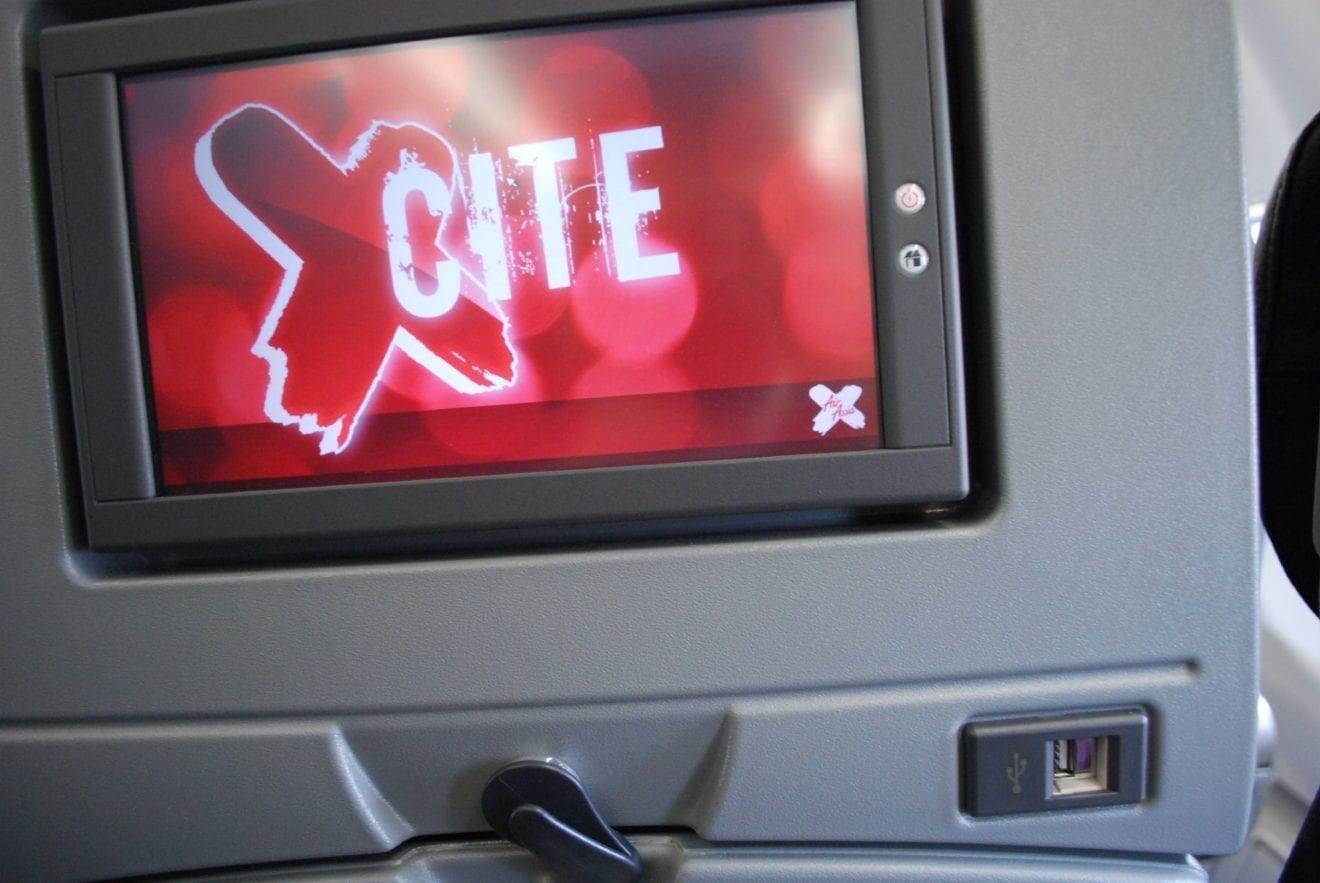
    AirAsia X announced that it will upgrade in-flight connectivity for its roKKi in-flight entertainment system using Inmarsat’s GX Aviation, with plans, not only to boost Internet speeds and provide seamless streaming, but to increase passenger spend on board.

    AirAsia X CEO Ben Ismail was at Aicraft Interiors Expo in Hamburg this afternoon to announce it would be upgrading its roKKi in-flight entertainment platform with Inmarsat’s GX aviation. The upgrade will bring faster Internet speeds for browsing, video streaming and social media.

    “Today marks a significant milestone for AirAsia and roKKi. This next-generation connectivity solution represents a major infrastructure upgrade that signals a long-term commitment in transforming AirAsia into a truly digital airline,” Ismail said.

    “This next-generation connectivity solution represents a major infrastructure upgrade that signals a long-term commitment in transforming AirAsia into a truly digital airline.” — AirAsia X CEO Ben Ismail

    “AirAsia is a really important win for us,” says Frederik van Essen, SVP, Strategy and Business Development, Inmarsat Aviation. “AirAsia has the attitude that we share of making things happen, not accepting the status quo. Once they take the decision to move, they want to move quickly.”

    The memorandum of understanding with Inmarsat covers AirAsia X’s A330 and A320 fleets, subject to final contracts. Installations begin later this year with GX Aviation connectivity expected to go live first on the A330s in 2018.

    “Connectivity is something desired by all passengers.” — Frederik van Essen, Inmarsat Aviation

    Aside from upgraded connectivity, Ismail says GX Aviation will help to drive ancillary revenues on board. “Currently our ancillary spend is about $60 US per passenger, and I think with this coming in, it’s going to drive that sales up to $80 or $90,” Ismail explained, adding that the average passenger flies four to eight hours on an AirAsia flight.

    “In Asia, showing this attitude with a low-cost carrier demonstrates that these are not only systems for premium carriers that want to offer this to first- or business-class passengers. Connectivity is something desired by all passengers,” van Essen said.

    “GX is different from the other offers out there. We own and operate satellites. We are seeing the fruits of that as we roll out the service next year,” said Leo Mondale, president, Inmarsat Aviation.

  • Jio accuses rivals of “unfair and deceptive” practices

    Jio accuses rivals of “unfair and deceptive” practices

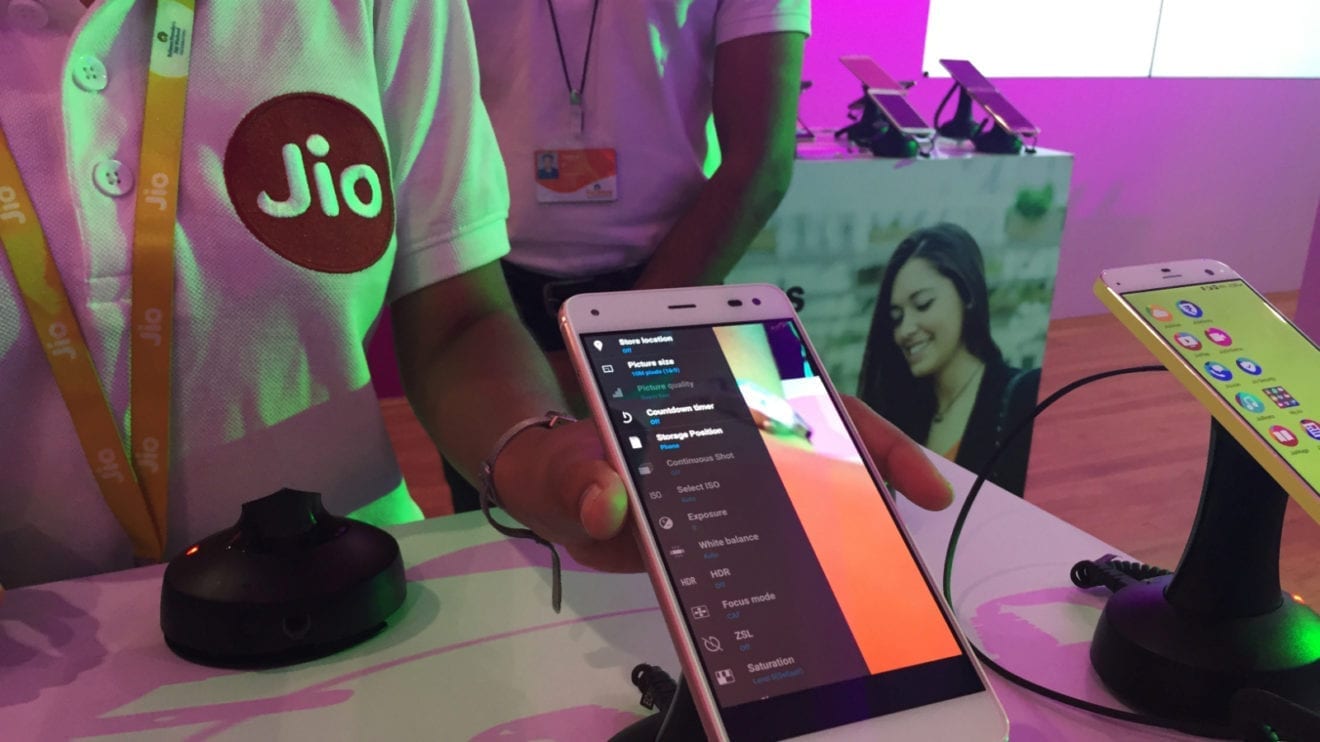
    India’s Reliance Jio Infocomm has called on the market’s telecoms regulator to penalize incumbent operators Bharti Airtel, Vodafone India and Idea Cellular for allegedly violating regulations covering mobile plans in an attempt to prevent more customers from porting to the new operator.

    Reliance Jio has accused the operators of using “unfair and deceptive” methods to retain customers, including by offering custom retention offers for subscribers thinking of porting to Jio.

    Jio said these custom offers are being offered on a one-off basis to existing customers, and as such are not advertised publicly as required by the regulations.

    The operator has further argued that the custom offers violate regulatory norms limiting the number of prepaid and postpaid plans allowed to 25.

    Finally, Jio has accused the operators of providing “false and malicious” information regarding the quality of Jio’s network to customers via call center interactions.

    The operator is requesting that regulator Trai issue a ceast and desist order prohibiting the operators from continuing with the alleged actions.

    But Both Bharti Airtel and Vodafone India strongly denied to the Press Trust of India any allegation that they are in violation of the regulations.

  • IPC, 1-Net plan interconnected data center network

    IPC, 1-Net plan interconnected data center network

    Philippines cloud services and data center provider IPC (IP Converge Data Services) has teamed up with 1-Net in Singapore to provide its customers with an interconnected data center network.

    This collaboration enables both organization to extend their data center capacity for faster access and deployment of customers in the countries.

    IPC and 1-Net are both data center providers who operate carrier-neutral and telco-grade internet data centers in Philippines and Singapore respectively.

    This strategic partnership will strengthen the data center services of both providers, ensuring that customers’ data is securely stored. This will also enable enterprises to run mission-critical systems in our facilities while they grow their businesses in the two countries.

    The partnership will enable both IPC and 1-Net to deploy customers in both Philippines and Singapore with a single contract, allowing quicker deployment without the need to renegotiate service level agreements and contracts.

    “Our partnership with 1-Net virtually expands the data center footprint of both companies. Gaining access to data center facilities in Singapore enables our enterprise customers to extend their network into the more mature market in Singapore, and likewise offers the same benefit to regional players present in Singapore who are looking to expand into our bustling Philippines economy for business expansion,” said IPC Chief Executive Officer Reynaldo R. Huergas.

  • China’s Dongfeng signs JV with Nexteer for power steering systems

    China’s Dongfeng signs JV with Nexteer for power steering systems

    China’s Dongfeng Motor Group Co Ltd will form a joint venture with auto parts maker Nexteer Automotive Group Ltd to design and make electric power steering systems for Dongfeng passenger vehicles, Nexteer said on Monday.

    The venture – to be equally owned by Nexteer and a unit of Dongfeng – will set up a facility near Dongfeng’s headquarters in Wuhan, China, Nexteer said.

    Nexteer, whose customers include Fiat Chrysler, General Motors, Toyota and Volkswagen , currently provides electric power steering systems for many Dongfeng-affiliated vehicles, including the Peugeot 2008 crossover.

  • BluJay acquires mobility solutions provider Blackbay

    BluJay acquires mobility solutions provider Blackbay

    BluJay Solutions, a provider of supply chain software and services powered by the ‘world’s first’ Global Trade Network, has acquired Blackbay Ltd. Blackbay is a provider of mobility-enabled solutions for the transport and logistics industry. With the acquisition, BluJay expands its mobile offerings with comprehensive shipment tracking and proof-of-delivery capture.

    “Intelligent mobility solutions have become an indispensable part of delivering a world-class experience for our customers and their customers,” said Doug Braun, CEO of BluJay Solutions. “Adding Blackbay to our Global Trade Network is a highly valuable and ideal extension of BluJay’s offering, expanding customers’ visibility into the supply chain and each stage of delivery.”