Author: Mei Ling Tan

  • Vietnam banks aim for high profit in 2017

    Vietnam banks aim for high profit in 2017

    At the AGM on March 25, LienVietPostBank’s shareholders agreed on this year’s development plan, aiming to reach US$66.2 million in pre-tax profit, 10 per cent higher than that of 2016 (US$59.5 million).

    Furthermore, the expected dividend rate was raised to 12%. LienVietPostBank also planned to raise capital from US$285.1 million to US$309.0 million by issuing 54 million shares.

    On April 10, VPBank organised its AGM. According to the AGM’s documents, VPBank’s pre-tax profit goal for this year is US$300.2 million, 38% higher than that of 2016.

    Its total assets are expected to reach US$12.4 million and total outstanding loans and corporate bonds US$8.9 million.

    With this expected total outstanding loan volume, to ensure the capital adequacy ratio (CAR) of 9% stipulated the State Bank of Vietnam (SBV), VPBank’s total capital must reach at least US$794.5 million.

    With its current owner’s equity of VND15.4 trillion (US$679.8 million), VPBank must increase capital by US$132.4-176.6 million.

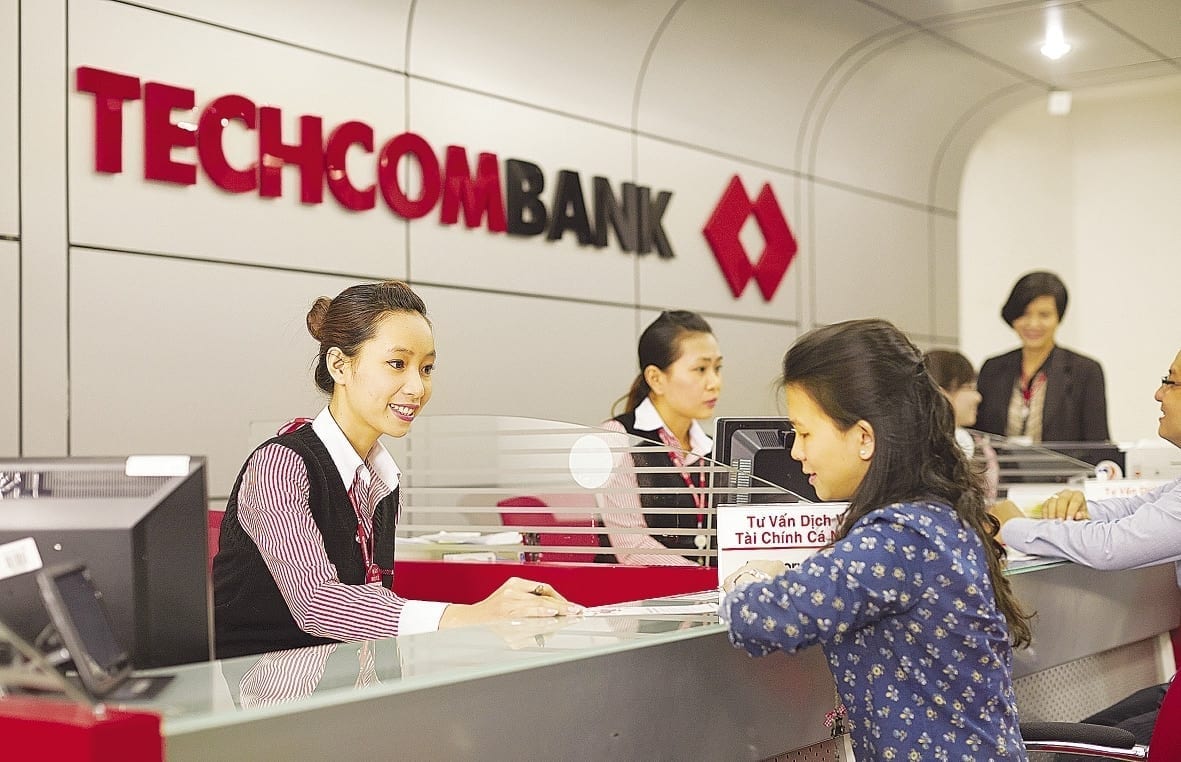
    Techcombank’s documents for its AGM on April 15 showed that the bank is aming to increase consolidated pre-tax profit by 26% over 2016’s US$221.6 million.

    This year, Techcombank planned to increase its chartered capital by US$220.7 million (from US$391.9 million to US$612.6 million), and raise its total assets to US$12.4 billion.

    Other banks also expect great increases in profit. For instance, at its AGM on April 21, HDBank plans to get shareholders’ approval on the US$72.5 million pre-tax profit target, 28% higher than that of 2016.

    Meanwhile, OCB is planning to aim for US$34.4 million at its AGM, 60% higher than the previous year. Also, Vietcombank’s board of directors has set a goal to reach US$406.1 million in pre-tax profit, a 12% increase on-year.

    Well-founded optimism

    These ambitious figures in expected profit correspond with the results of the survey on business trends in the second quarter of 2017 for credit institutions and foreign bank branches in Vietnam, which was conducted by the Monetary Forecasting and Statistics Department of the SBV.

    According to the results, 89.5% of the credit institutions reported improvements in the first quarter of 2017. 90.4% of the institutions expected great increases in pre-tax profit compared to 2016.

    The expected average increase for the whole system is much higher than that showed in the survey in December 2016 (+ 13.4%).

    The banks’ optimism is due to domestic economic circumstances and good forecasts for the industry.

    According to the report on the economic situation in the first quarter of 2017 and forecasts on the fiscal year conducted by National Financial Supervisory Commission (NFSC), aggregate demand will improve in the upcoming time since directions from the government have initiated major increase in public investments in several key projects and capital disbursement in the application of high-tech agriculture projects.

    This positive attitude is also due to the fact that, despite the recent wake of US protectionism, based on the economic optimistic potential of the US and the globe at large, the International Monetary Fund (IMF) has forecasted the trade growth of Emerging Markets and Developing Economies at 4% in 2017, higher than the estimated 1.9% for 2016.

    A senior leader of the SBV shared with VIR that the bank would adjust the interest rates flexibly, in correspondence to macroeconomic indicators, inflation, and the currency market.

    Also, SBV would continue directing credit institutions to balance their capital and interest rates, economise operating costs, and increase business efficiency to lower interest rates.

    SBV continues its policy on operating currency rates flexibly, closely following the interbank foreign exchange market, the currency rate on the global market, economic and currency balances, and the monetary policy.

    It would also introduce measures to improve credit quality, focus lending on manufacturing and prioritised areas.

    “We would closely inspect the credit granting situation in some industries and fields that have high chances of risk, such as medium-long term credit, credit for large customers, credit for real estate, as well as BOT and BT transportation projects,”, the senior leader shared.

  • Garuda Indonesia Posts USD 9.36mn Profit

    Garuda Indonesia Posts USD 9.36mn Profit

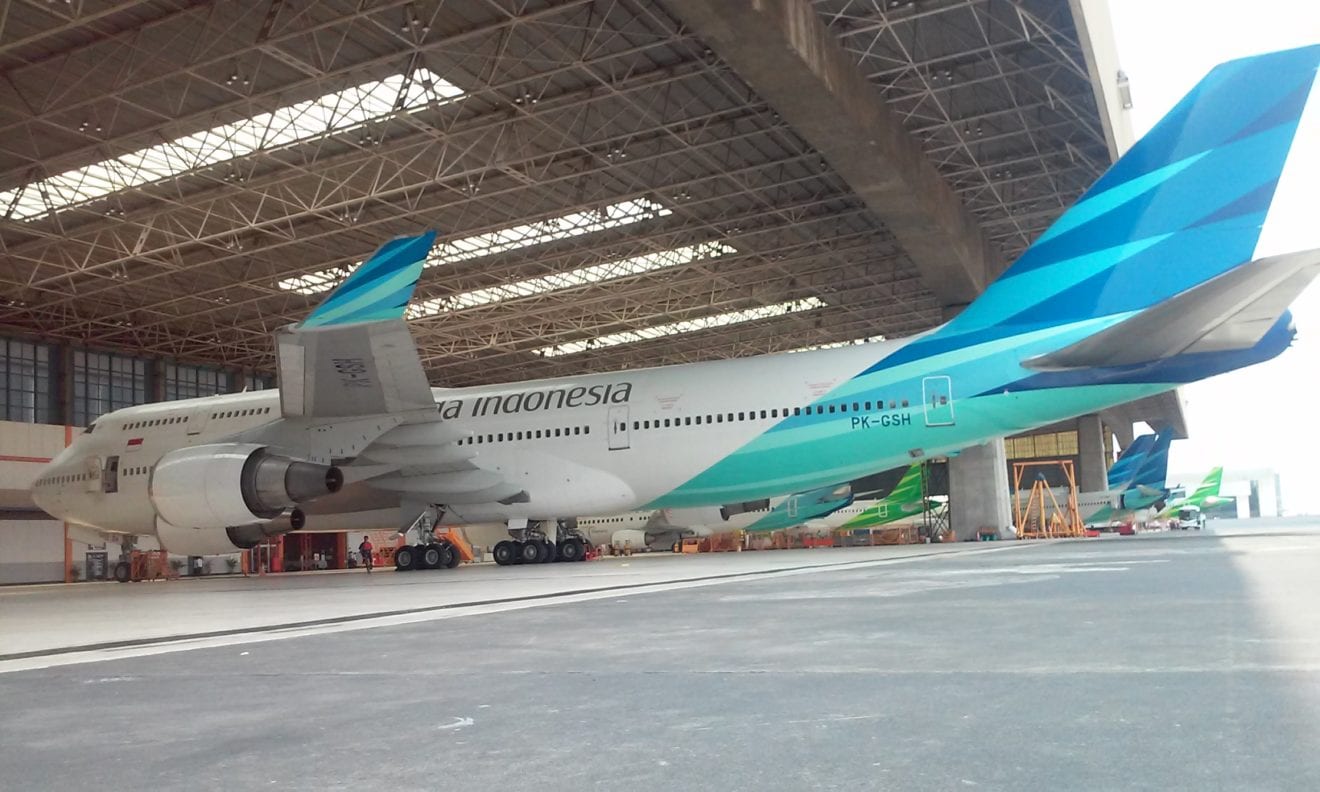
    Flag carrier PT Garuda Indonesia (Persero) posted a net profit of USD 9.36 million, or IDR 124.5 billion, as of the end of 2016, as flight frequency increases by 9.89 percent to 274,969 flights from 249,974 in 2015.

    “The increase in flight frequency was in line with the company’s effort to expand both domestic and international flights,” Garuda Indonesia Vice President of Corporate Communication Benny S. Butarbutar said in a written statement received in Jakarta on Wednesday, April 12, 2017.

    In 2016, the company carried 35 million passengers by both Garuda Indonesia and its subsidiary Citilink Indonesia. Garuda Indonesia Group also recorded increase in ancillary revenue, strategic business unit (SBU) revenue, as well as other sectors at US$392 million or a 13.7 percent increase compared to 2015 at US$344.4 million.

    The press release stated that Garuda Indonesia’s on time performance (OTP) in 2016 was recorded at 89.51 percent, an increase compared to the previous year at 88 percent. The OTP figure was achieved despite challenges in developing aviation operational infrastructures, such as service migration to newly opened Terminal 3 of Soekarno-Hatta Airport and weather-related force majeure.

    The average occupancy rate in 2016 was 73.1 percent for Garuda and 76.8 percent for Citilink. As for air cargo business, Garuda Indonesia managed to improve air cargo transport to 415.824 tons, or an 18.22 percent increase compared to 2015 at 351.724 tons.

    All in all, the total air cargo revenue in 2016 amounted to US$219.15 million or a 16.65 percent increase compared to 2015 at US$187.87 million. In 2016, Garuda Indonesia Group added its flight capacity as part of fleet revitalization by purchasing 17 aircraft, namely four ATR 72-600 aircraft, four A330-300 aircraft, one B777-300ER aircraft and eight A330-200 aircraft. As such, as of the end of 2016, Garuda Indonesia Group operates 196 aircraft with an average age of 4.6 years.

  • GMR Hyderabad Airport Offers ‘Mumbai Central’ delivering the Authentic Street Food from Mumbai

    GMR Hyderabad Airport Offers ‘Mumbai Central’ delivering the Authentic Street Food from Mumbai

    GMR Hyderabad International Airport (GHIAL), which operates Hyderabad Airport today announced the opening of ‘Mumbai Central’ near EAT at Hyderabad food court at the domestic departures Security Hold Area (SHA) of the airport. With the opening of its outlet at Hyderabad Airport, ‘Mumbai Central’ takes a maiden venture into airport Food & Beverage segment.

    Mumbai Central offers a live counter with a menu distinct from other outlets. It brings to the platter the popular west costal cuisine of India including some of the mouthwatering popular street food from the heart of Mumbai to the passengers flying from Hyderabad Airport. Now the travelers in love with the authentic and popular street food from Mumbai, could savour it when at Hyderabad Airport.

    Mumbai Central has been appealing to the travellers throughout the day, allowing them to relax, enjoy their meal and time at the airport. Mumbai Central brings the bustle of the Mumbai street food culture to Hyderabad Airport, offering high quality, authentic and famous Mumbai delicacies. Offering a quick serve world of cuisine, Mumbai Central is focused on directly triggering the customers appetite and to introduce the beauty of fast and fresh cooking; a lot of food is made and finished in the front of the customers.

    A wealth of fresh ingredients and spices adds spontaneous bursts of tasteful experience and stimulates the senses at every step of the way. Diners can order from the digital menus featuring daily specials, which are updated regularly to continuously delight the customers. Strongly promoting the traditional emphasis on healthy eating, balanced meals and fresh food, Mumbai Central uses the freshest of ingredients for recipes, flavors and spices, developed and preserved for many generations.

  • Cyient, Amdocs to implement GIS for NetLink Trust

    Cyient, Amdocs to implement GIS for NetLink Trust

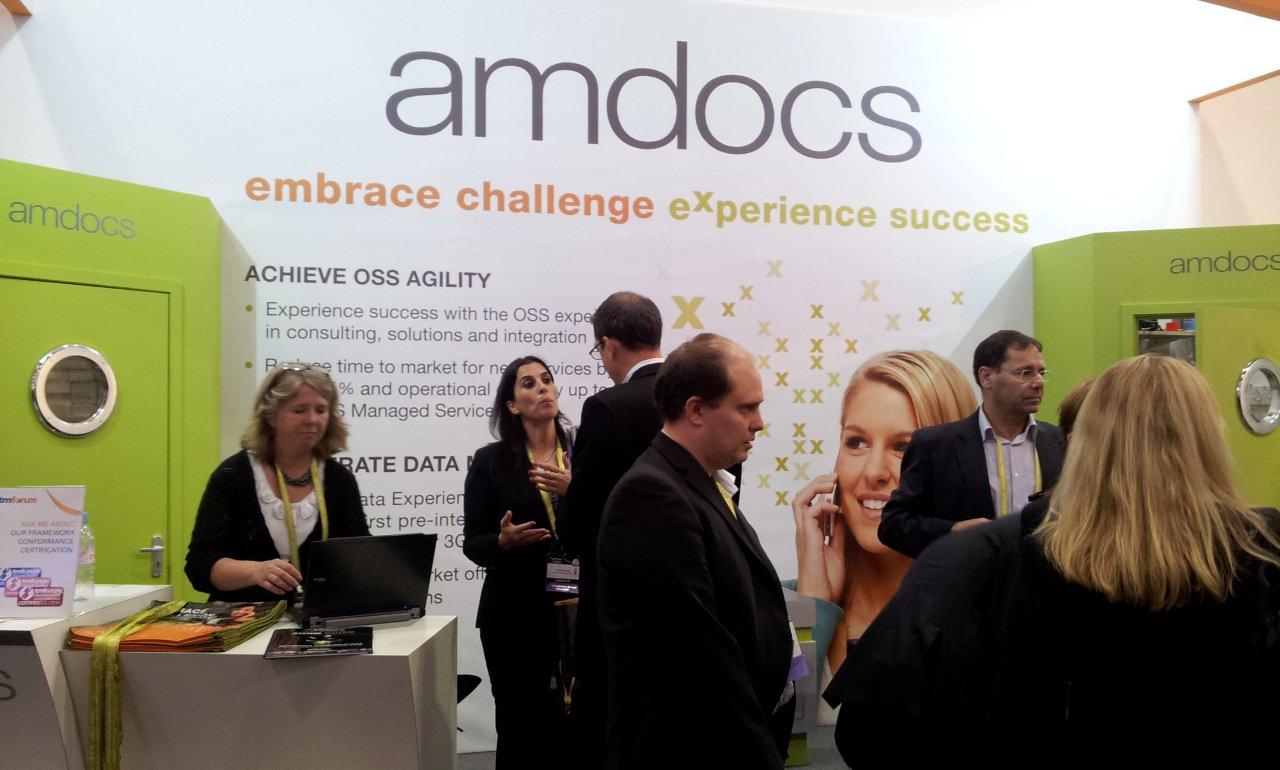
    Cyient is collaborating with Amdocs to implement GE’s Geographical Information System (GIS), Smallworld, as part of the next-generation business/operations support system (NGBOSS) project for NetLink Trust.

    The NGBOSS project aims to improve the user experience for NetLink Trust’s customers with faster deployment of new fiber networks while reducing fault repair and outage times, as well as delivering improved service quality.

    As part of the overall solution, Amdocs will deliver a comprehensive BSS/OSS suite that includes an online portal, billing, order orchestration and service order management, workforce management, and service assurance components.

    Amdocs will assume the role of solution provider and will also act as the prime system integrator of third-party software and hardware. Cyient will install and configure GE Smallworld 5.1 GIS, enabling NetLink Trust to plan and design modules to model fiber to the x (FTTx), including homes and businesses.

    The project includes end-to-end operations support planning, operations, fulfillment and assurance teams, consolidation, as well as migration of the business processes and network data from existing systems to new systems without disturbing the current operations.

    Ongoing maintenance and support of the GIS subsystem/component will also be provided by Cyient in the effort to ensure that the implemented solution continues to provide NetLink Trust’s customers with an uninterrupted service.

  • Vietnam gov’t tells fifth airline Vietstar to stand in the waiting line

    Vietnam gov’t tells fifth airline Vietstar to stand in the waiting line

    The airline will have to wait for Tan Son Nhat International Airport to complete expansion. Vietstar Airlines, a military-run company, will have to wait for the completion of an expansion project at Ho Chi Minh City’s Tan Son Nhat airport before it can get a license to fly passengers and cargo, the Vietnamese government said.

    The government will review the licensing for Vietstar Airlines, the fifth in Vietnam once operational, when Tan Son Nhat International Airport completes building new terminals and parking space, Prime Minister Nguyen Xuan Phuc was quoted as saying in a recent government document.

    Vietnam’s airline market has the third fastest growing pace in Asia-Pacific and the country is grappling with an acute dearth of airport capacity.

    A project to expand the country’s largest and yet overcrowded Tan Son Nhat airport has been under way, aimed at building runways, parking space and two terminals by 2018 to raise the passenger handling capacity to 45 million a year. The airport has to serve 42 million people annually, well over its design capacity of 25 million.

    In February Deputy Prime Minister Trinh Dinh Dung instructed transport, planning and aviation authorities to speed up work to finish upgrading the airport within this year.

    Vietstar Airlines was granted a general aviation license in 2011 when it was founded with a registered capital of VND400 billion ($17.6 million). It has been providing ground handling, aircraft maintenance and pilot training services.

    In 2015 it sought permission for flying passengers and goods, but was instead asked to raise its registered capital before it could get a license. The airline reported an equity of VND652.7 billion at the end of 2015, below the VND700-billion government requirement.

    It has since raised its charter capital to VND800 billion and last September, the transport ministry’s aviation department said Vietstar Airlines was qualified to get license for offering passenger and goods transport services.

    Vietstar aims to serve 500,000 passengers and carry 32,000 tons of good in the first year of operation, which had previously been expected to be in 2017.

    National flag carrier Vietnam Airlines, two budget carriers VietJet Air and Jetstar Pacific as well as Vietnam Air Services Company have been competing in a market that served 52,2 million passengers last year, up 29 percent from 2015, while the domestic sector alone grew 30 percent with 28 million passengers, based on aviation authority data.

  • HLIB Research retains Sell on Pharmaniaga

    HLIB Research retains Sell on Pharmaniaga

    Hong Leong Investment Bank (HLIB) Research is maintaining its Sell rating on Pharmaniaga and target price  of RM4.29, based on FY18 price-to-earnings multiples of 15.6 times , which is in line  with the international peers.

    It said on Thursday that despite Pharmaniaga’s monopoly in the government concession business, “we expect near term headwinds driven by lower orders and higher finance cost to drag earnings”.

    HLIB Research said the uninspiring FY16 earnings (RM52.9mil, down 40.3% on-year) largely reflected the government’s move to rationalise its expenditure and shift towards a leaner procurement model.

    “We expect the trend of slower government offtakes to follow through in FY17 as evidenced by the 2017 Budget healthcare allocation (RM4bil in 2017 vs RM4.6bil in 2016).

    “Whilst the group has been working on a sleuth of measures aimed at diversifying its earnings base in the long run, which we are inherently positive on; its interim outlook still remains downcast by weaker demand from the concession business amidst a rising cost environment,” it said.

    The research house said that to address immediate concerns, it expects Pharmaniaga to undergo an internal cost recalibration programme in FY17 to address some of the margin pressures it faces amidst the slower concession off-take (inventory optimisation and efficiency drive in its logistics department).

    However, in the mid-term, it is upbeat on the prospects of Pharmaniaga’s venture into the Indonesian market, which augurs well for the group’s diversification strategy.

    Pharmaniaga’s 55% stake subsidiary PT MPI has 31 distribution points across Indonesia as at FY16 and is in a strong position to benefit from the nation’s increasing demand for medicines.
    GlobalData estimates that the Indonesian pharmaceutical industry is expected to grow to US$12.6bilin FY20 from US$7bil in FY15.

    HLIB Research said furthermore, PT Errita (manufacturing) is well positioned to benefit from the JKN initiative; a universal healthcare programme which aims to provide 100% coverage to all Indonesian by 2019. This has fueled the demand for generic drugs in the nation. Indonesia accounted for 29% of non-concession revenue in FY16 (FY15: 23%).

    “However, the success of their Indonesian ventures largely hinges upon the successful registration of the right offerings into the JKN system having passed the drug registration hurdle and conquering the logistical challenge that Indonesia presents.

    “We anticipate advancements into the private sector in FY17 on the back of the low base effect. The group has turned its attention to capture a greater share of the private business domestically amidst waning concession orders.

    “Despite its Indonesia and private sector segments having shown positive signs, we anticipate the near term prospects to remain challenging for the bread and butter business, as lower concession orders (FY16: 51% of revenues vs. FY15: 56% of revenues) drag earnings.

    “Downside risks to the stock stems from lower than expected government offtake and a further depreciation of the ringgit,” it said.

  • The Road to World Car journey ended today with the declaration of a double win

    The Road to World Car journey ended today with the declaration of a double win

    The JAGUAR F-PACE won the 2017 World Car Design of the Year award as well as the overall 2017 World Car of the Year. The winner was announced during a press conference hosted by the New York International Auto Show, Bridgestone Corporation and Autoneum.

    Dr Ralf Speth, CEO Jaguar Land Rover said: “The F-PACE was designed and engineered as a performance SUV with exceptional dynamics, everyday usability and bold design. Winning these two awards endorses the talent and great work of our teams that have delivered the world’s most practical sports car and Jaguar’s fastest selling vehicle.”

    The JAGUAR F-PACE was chosen from an initial entry list of 23 vehicles from all over the world, then a short list of ten, then three finalists as announced in Geneva last month: the Audi Q5, the Jaguar F-PACE and the Volkswagen Tiguan

    To be eligible for the overall World Car award, the candidates must become available for sale on at least two continents during the period beginning January 1, 2016 and ending May 31, 2017.

    This year, vehicles were selected and voted on by an international jury panel comprised of 75 top-level automotive journalists from 23 countries around the world. Each juror was appointed by the World Car Steering Committee on the basis of his or her expertise, experience, credibility, and influence. Each juror typically drives and evaluates new vehicles on a regular basis as part of their professional work. Through their respective outlets they collectively reach an audience of many millions world-wide. The international accounting firm KPMG tabulates the jurors’ ballots.

    Previous World Car of the Year winners were the Mazda MX-5 (2016), Mercedes-Benz C-Class (2015), the Audi A3 (2014), the Volkswagen Golf (2013), the Volkswagen Up! (2012), the Nissan Leaf (2011), the Volkswagen Polo (2010, the Volkswagen Golf (2009), the Mazda2 / Mazda Demio (2008), the Lexus LS460 (2007), the BMW 3-Series (2006), and the Audi A6 (2005).

    The Road to World Car began in Paris on September 29, was followed by test-drives in Los Angeles in November, continued in Geneva with the Top Three in the World announcement, and finally ended today with the declaration of the winners in six categories at the New York International Auto Show.

    2017 marks the 11th anniversary of the partnership between World Car and the New York show, and the fourth consecutive year that the World Car Awards have retained their ranking as the number one automotive awards program in the world in terms of media reach.

    The Global Trends Report, co-presented annually by Prime Research and Autoneum, was also released today.The report is the culmination of research and insights across the past six months. Autoneum CEO Martin Hirzel said, “The auto industry is in the midst of an upheaval that goes far beyond anything it has experienced in the past 100 years. Emerging industry trends such as autonomous driving, electric mobility and connected cars are changing not only vehicles and their technologies but also their concepts and forms. As the market leader in acoustic and thermal management for vehicles, Autoneum today already offers a large variety of multifunctional and lightweight technologies and components to meet the requirements of modern mobility. With our recently established “Competence Center for New Mobility” in Sunnyvale, California, Autoneum is taking a committed and active role in driving vehicle advancement by developing innovative technologies and components for all forms of mobility.”

    World Car of the Year is more than just an awards program. The World Car community brings together a large cross section of experts and professionals from every segment of the automotive industry. World Car connects the global industry around the very best of today and inspires, with insights, the ideas and trends of tomorrow. Thus defining The Road Ahead platform shared with our presenting partners Bridgestone Corporation, Prime Research, Autoneum and, most recently, Brembo.

    “As the world’s largest tire and rubber company, we are proud to partner with the World Car program for the 9th consecutive year,” said Mike Martini, president, original equipment tire sales, U.S. and Canada, Bridgestone Americas Tire Operations. “This is an important forum for leaders in the automotive industry to celebrate achievements in innovation, performance and sustainability. As new mobility preferences emerge, we must continue to collaborate across our industry to deliver cutting-edge technology and world-class products that meet the needs of a changing global customer base.”

    In a rapidly changing automotive world, Brembo is also focused firmly on the future and the vehicles it will bring to market. Brembo is committing significant resources to perfecting ever more sophisticated virtual simulation methodologies that includes the study of forms, materials, technologies and surface treatments able to meet the needs of the new-generation vehicles, with a particular focus on environmental impact aspects, which drives all of Brembo’s development activities.

  • Game marketplace “itemku” has raised USD 1.2 Million

    Game marketplace “itemku” has raised USD 1.2 Million

    Five Jack (fivejack.com), a company that operates an e-commerce game platform called itemku (itemku.com) for gamers in Indonesia, recently raised an additional investment of USD 1.2 million.

    On April 10th 2017, Five Jack announced to have raised investments from 500 Startups and Korean venture capitals, an addition to investments made by BonAngels in 2014 and 500 Startups in 2015. This adds to an accumulated total investment of nearly USD 1.7 million.

    Denis Kim, CEO of Five Jack, commented that itemku’s rapid growth averaging 30% a month is what attracts new and existing investors to back the company. “Our team has extensive experience in the local game market in Indonesia and Southeast Asia, an industry that has high growth potential in the near future.”

    With a population of 250 million, Indonesia is an emerging market where the e-commerce-based tech industry has been growing rapidly in the past few years.

    Five Jack was founded in South Korea and Indonesia in 2013 and currently operates game e-commerce platform, itemku, in Indonesia.

    In March, Five Jack launched a trial version of gokil (gokil.me), a service developed to identify the potential development of game community in Indonesia. The service is building on the existing customer base of hardcore gamers that itemku has secured.

    In the second half of 2017, Five Jack plans to expand its presence in Southeast Asia while keep growing their business in Indonesia.

    Indonesia, where Five Jack is currently focusing its business efforts on, is a market with great potential. Success in Indonesia directly depends on the company’s ability to localize its business and tailor their service to adapt to the local market. I expect Five Jack to grow and become one of the top game communities, not only in Indonesia, but also in Southeast Asia in general,” said Kim-Jong-kap, Chief Executive Director of K-ICT Born2Global Centre, a startup incubator in South Korea.

    More information about Five Jack, including recruitment information, can be found on the company’s website (fivejack.com).

  • Papua releases export containers to China

    Papua releases export containers to China

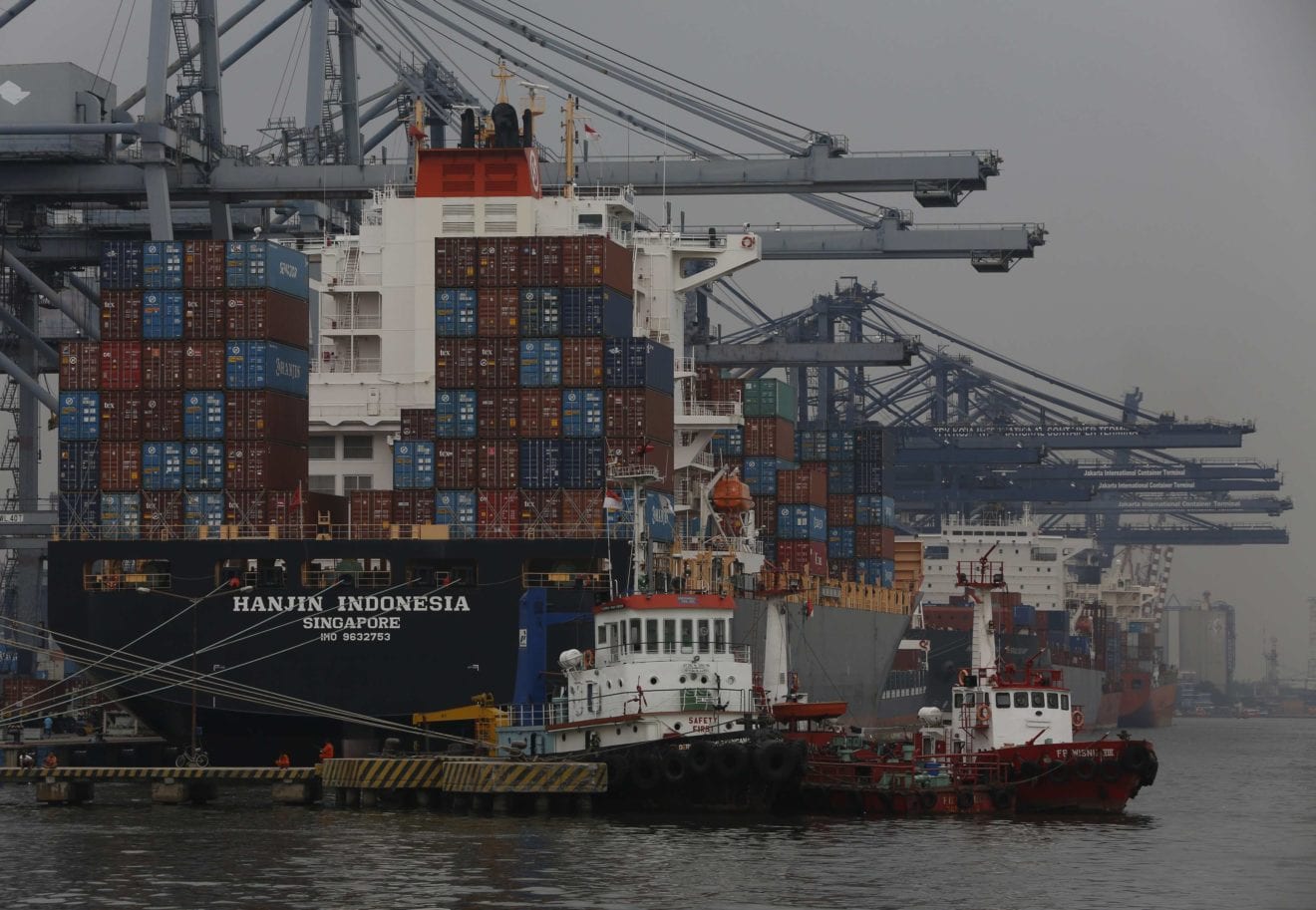
    The Papua provincial government, facilitated by the Indonesian ship management PT. Pelindo IV, has released 100 containers of forest products to China.

    President Director of PT Pelindo IV, Doso Agung, said in a statement received by ANTARA here on Tuesday that the exported containers released by the Governor of Papua, Lukas Enembe, along with the Board of Directors of Pelindo IV, is expected to bring in a revenue to Rp20 billion (or about US$1.5 million).

    Doso stated that Pelindo IV will continue to carry direct export to transport Papua’s commodity crops to a number of countries.

    “Direct export is expected to stimulate the economy in regions where the Pelindo IV operates. We will boost the direct exports, particularly in the ports managed by Pelindo IV,” he noted, adding that the Papua provincial administration will provide ships from Australia to open seaweed markets.

    The release event was followed by a groundbreaking of the Jayapura seaport extension development in order to increase the capacity of the port.

    Enembe appreciated Pelindo IV for engaging in direct overseas export.

    Lukas hoped the direct export will immediately open up overseas market for Papuas commodities, and the area can attract investors.

    He also hoped that the direct export would not only include forest products but also other commodities in Papua such as coffee, cocoa, and fisheries.

  • Viu OTT service users hit over 6m in 14 markets

    Viu OTT service users hit over 6m in 14 markets

    PCCW Media said its Viu OTT video service has reached over 6 million active users in one and half year after launch and is driving 3G/4G acquisition and mobile data consumption for its telco partners in the region.

    Speaking at Broadband Forum Asia in Hong Kong Tuesday, Helen Sou, senior vice president and digital media head of OTT at PCCW Media, said Viu is now available in 14 markets in Southeast Asia, Middle East and India and the company is expected to continue to see strong growth in its user base.

    As of February, Viu had 6 million monthly active users, 80% of which were Generation-X with high disposal income and millennials who were receptive to digital ads. These users, Sou said, are highly engaging and valuable viewers, consuming an average of 1.8 hours of content per day or 12 videos per week.

    “These 6 million users are very sticky and consistent. They are not just coming in and leave in two months, they view video quite often and consume quite a long while,” she said.

    “They are valuable users for us, our advertisers and telco partners, because they are willing to spend money, consume data, pay for content and be responsive to digital advertisements.”

    Sou said Viu service has also created quantifiable value for its telcos partners in the region, driving up mobile data usage and 3G/4G customer acquisition in the markets where the service is available.

    “We’ve heard a lot of good things from partners, especial telco partners…In some markets, there are users afraid of buying data plans or either buy low-end data plan, but because of Viu they upgrade their data plans or their smartphones, and in some cases, some extend their Wi-Fi plans from hourly to weekly or migrate to the mobile network,” the executive said.

    Citing statistics from telco partners from one unidentified country, she said the Viu service has helped telcos achieve 3.5GB average monthly mobile data consumption per user and 25% incremental data revenue and APRU growth in three months.

    Launched in October 2015, Viu targets emerging markets with strong potential growth for 4G, where there are expected to have 600 million 4G users in 2020, according to the GSMA.

    The company is currently working with 20 telco partners in the region, including U Mobile, Maxis, TM, Indosat, AIS, Vodafone, Airtel, Digi, Idea Cellular and Singtel.

    According to Sou, OTT video revenue, including subscription revenue and advertising revenue, is expected to grow tremendously in these emerging markets next four years, with Middle East growing at CAGR 33%, India CAGR 62.8% and South East Asia CAGR 27.3%.

    There is also strong potential for OTT video, which is expected to account for around 75% of mobile data traffic, generating 69 exabytes in 2020, compared to 8.5 exabytes of mobile data traffic in 2016, she added.

    Sou said Viu is now a dominant OTT player in the region, attributing its success to good product, localization and good content for the success.

    Instead of Hollywood content, the company started with premium Asian video content – Korean, Bollywood, Japanese and Chinese dramas – and variety shows from over 200 content partners. The company also differentiates with fast local subtitling by promising viewers to deliver popular content as fast as 8 hours after local telecast.

  • Alibaba Group’s UC News crosses 100 mn active users in India, Indonesia

    Alibaba Group’s UC News crosses 100 mn active users in India, Indonesia

    Alibaba Mobile Business Group-owned company UCWeb’s news app UC News has garnered more than 100 million monthly active users (MAUs) in India and Indonesia. With 100 million daily article views, UC News has rapidly grown in the India and Indonesia markets since its launch in June 2016.

    UCWeb is increasing its focus on digital content aggregation and distribution in India, the world’s second-largest internet market.

    Talking about the latest milestone, Alibaba Mobile Business Group, president of overseas business, Jack Huang said, “We are experiencing a fast rise in the average time spent on UC News. As of this quarter, an average user spends over 23 minutes on UC News. Users are embracing diverse digital content and their appetite for such content is being met by UC News. Going forward, we are also targeting more diversified and localised content on our platform by end of 2017 to make the local content ecosystem stronger. With over 100 million MAUs, UCWeb envisions itself as powerful as Google and Facebook, and aims to bring the global mobile internet to an era of ‘GUF’ (Google, UCWeb and Facebook).”

    Leading the user-generated content ecosystem in India, UC News recently announced We-Media Reward Plan 2.0 for self-publishers, bloggers and independent writers with an initial investment of Rs 50 million. UCWeb is investing Rs 2 billion for driving content distribution in India over the next two years.

    With the changing mobile internet landscape, UCWeb has adopted a strategy of becoming a content distribution platform from being a browsing tool by engaging and aggregating diverse form of content on its platforms—UC Browser and UC News.

    According to web analytics firm StatCounter, UC Browser now holds the highest browser market share in India. UC Browser is now the most popular browser in India in terms of internet usage across all platforms, with a market share of 43.31%, followed by Chrome’s 36.07% and Opera’s 8.34% share. UC Browser is also the dominant browser for mobile internet in India with over 100 million MOUs (as of September 2016).

    According to StatCounter, internet usage in India by desktop and tablet fell from 33.2% in January 2016 to 21% this year. Mobile internet usage jumped from 66.8% to 79% over the same time period.

  • Bolloré Logistics Korea Installs an Urban Farm in the Center of Seoul

    Bolloré Logistics Korea Installs an Urban Farm in the Center of Seoul

    Bolloré Logistics Korea recently installed an urban farm on its office rooftop building in Seoul, South Korea, as part of the Group’s initiative to promoting “Green Projects” and protecting biodiversity.

    Urban farming is a practice of growing your own food in the city, with limited space. Bolloré Logistics Korea has transformed the available rooftop space of its 6-floor office building into an urban farm, optimizing current available space resources. This urban farm is split into four parcels and covers a total space of 264 sqm.

    Bolloré Logistics Korea signed an agreement with Pajeori*, a non-profitable organization, to maintain the farm with volunteers from the nearby neighborhood in order to cultivate each a small parcel of the Urban Garden, therefore making it a community base project as well.

    The urban farm is growing organic fruits and vegetables as only natural fertilizers mostly made from rice bran are and will be used. Bolloré Logistics Korea also plans to grow traditional Korean fruits and vegetables which are not always found anymore in big retail stores, as they are difficult to grow and conserve since they require a wide range of unique resources for food and agriculture.

    Some honey plants will also be planted in order to attract pollinators. Back in 2016, Bolloré Logistics Korea sponsored a wooden beehive structure (“Honey Factory”) to create awareness of the vital role of bees in our lives as they are a crucial component of food production and are responsible for a third of the food that we eat.

    Bolloré Logistics Korea looks forward to harvesting the very first crops in the upcoming months.

    Fully in line with the biodiversity action plan put into effect within the Group, Bolloré Logistics’ biodiversity strategy has three fundamental pillars based on the ARC concept (Avoid / Reduce / Compensate):

    • Embracing biodiversity as one of the company’s environmental concerns;
    • Working with customers and suppliers on biodiversity issues and the impact of our activities;
    • Make our sites models for biodiversity, all over the world.
  • UL wire, cable laboratory inaugurated in North Jakarta

    UL wire, cable laboratory inaugurated in North Jakarta

    A United States safety consulting and certification company, Underwriters Laboratories (UL), inaugurated on Tuesday a wire and cable laboratory operated by its subsidiary, PT UL International Indonesia, in North Jakarta as part of its business expansion in Southeast Asia.

    UL commercial and industrial business president Ben Miller said after the inauguration ceremony that the company had chosen Indonesia for the laboratory’s location because of the county’s fast-growing economy.

    UL said in a statement that the laboratory, the company’s first wire and cable certification facility in Southeast Asia, had been accredited by the National Accreditation Committee as a testing laboratory and by the Product Certification Agency (LSPro) for the certification of Indonesian National Standards (SNI).

    The statement said that UL Indonesia had signed an agreement with the Industry Ministry’s Center for Material and Technical Products (B4T) on the expansion of the SNI certification scope by UL.

    UL Indonesia is allowed to provide testing services in line with SNI certification.

    Miller said that UL standard certification required ongoing surveillance and comprehensive monitoring of products starting from their designing until their selling.

    Meanwhile, vice president and managing director for UL ASEAN Region Anthony Tan said that UL operated three laboratories in Southeast Asia.

    The company had two laboratories in the consumer technology and transaction security fields in Singapore and a textile and consumer goods laboratory in Vietnam, Tan said.

    Tan added that the company would open another laboratory in the heating and ventilation field in Thailand this year.

  • Huawei pushing into public cloud market

    Huawei pushing into public cloud market

    Huawei is entering the public cloud market, placing the company in competition with AliCloud, AWS and other major global public cloud providers.

    At the Huawei Global Analyst Summit in Shenzhen yesterday, Huawei said it will work with industry partners to promote ten scenario-specific cloud services covering HPC Cloud, SAP Cloud, IoT Cloud and other common scenarios.

    “Cloud technology is becoming the new growth engine as digital transformations accelerate,” Huawei president of cloud business unit and IT product line Zheng Yelai said at the event.

    “Huawei has continued to step up its R&D, one result culminating in the cloud service offering. Huawei has become the preferred partner for many of the world’s top customers and will continue to provide high-quality cloud services with our partners as we persist in building a healthy ecology in the sector.”

    The vendor is establishing a dedicated cloud division with 2,000 staff and last month launched 54 full-stack public cloud services in ten categories. Huawei said since the launch it has attracted customers in China, Europe, North America, Latin America and the South Pacific.

    Huawei is also working with operators including China Mobile, Deutsche Telekom and Telefonica to provide tailored public cloud services to their respective customers.

  • Vietnam moves ceiling price mechanism for dairy products

    Vietnam moves ceiling price mechanism for dairy products

    The Government removed price ceilings on dairy products for children under six from April 1, 2017 according to the Ministry of Industry and Trade’s proposal.

    The Government has direct the ministry, other ministries and related agencies to manage prices of dairy products for children under six according to the Law on Price and other legal documents. They were also told to enhance State management in price control, anti-speculation and monopoly controls.

    After three years of use, the mechanism had many limitations so abolishing the mechanism was necessary and suitable with price management measures in a market economy.

    Experts said after removing the ceiling price mechanism, the State should encourage competition and a healthy business environment. They also suggested the State regulate the price if a firm gains a monopoly of dairy products or if dairy firms violate the Law on Competition.

    The most important task of the price management agency should be to follow the development of factors used to calculate the selling price. The agency should manage the prices of dairy products according to market rules, the experts said.

    Price ceilings were put in place in May 2014 by the Ministry of Finance. At the end of the second quarter of 2015, the ministry extended the price ceiling to March 1, 2017.

    The Ministry of Finance’s Pricing Management Department said after stabilising milk prices, the prices dropped by between 0.1 per cent and 34 per cent for milk products for under six year-olds.

    Experts said in the short term, buyers have enjoyed lower prices thanks to the price ceiling. But in the mid and long term, the mechanism would hinder the development of milk firms and reduce competition.

    They said the price ceiling for dairy products of children under six would not be for the long term because Việt Nam signed free trade agreements that forbade it from using price ceilings to manage the market.

    At present, 877 milk products for children under six have their prices listed on the websites of the Finance Ministry and local finance departments across the nation.