Author: Mei Ling Tan

  • South Korea’s tallest skyscraper to open early next month

    South Korea’s tallest skyscraper to open early next month

    The skyscraper built by South Korean retail giant Lotte Group is due to open early next month, the group’s operating unit said Tuesday.

    The 123-story Lotte World Tower will officially open to the public from April 3, housing offices, luxury residence and a hotel, and an observation deck at the very top, Lotte World said in a press release.

    The construction of the landmark was a mega real estate project long envisioned by Lotte founder Shin Kyuk-ho, who always aspired to have “something world-class” to further grow his sprawling retail and tourism businesses.

    It almost took three decades for Lotte to finally realize Shin’s dream, as his grand plan had faced strong opposition from past administrations and the public over safety concerns.

    Six years after the ground breaking, the 555-meter high skyscraper is now the world’s fifth-tallest building after the Burj Khalifa in Dubai, the Shanghai Tower, the Makkah Royal Clock Tower Hotel in Saudi Arabia and One World Trade Center in New York, the company said.

    The lower floors of the Lotte World Tower will consist mainly of offices, with some 30 stories above them accommodating a lavish residence named Signiel Residence, one of which has been bought by the current Lotte Chairman Shin Dong-bin.

    Signiel Seoul, a luxury hotel will be located in the upper part of the landmark building, where the guests can stay in some 235 rooms. The Signiel Seoul will be the world’s second-tallest hotel, with one of its top suite rooms costing about 20 million won (US$17,860) per night.

    Between the 117th to 123rd floors is a glass-made observation deck designed to accommodate 900 people at once, who will be able to see the entire view of Seoul and, if they’re lucky, as far as the East Sea, according to Lotte.


  • Anya Hindmarch teams with Smiley Company

    Anya Hindmarch teams with Smiley Company

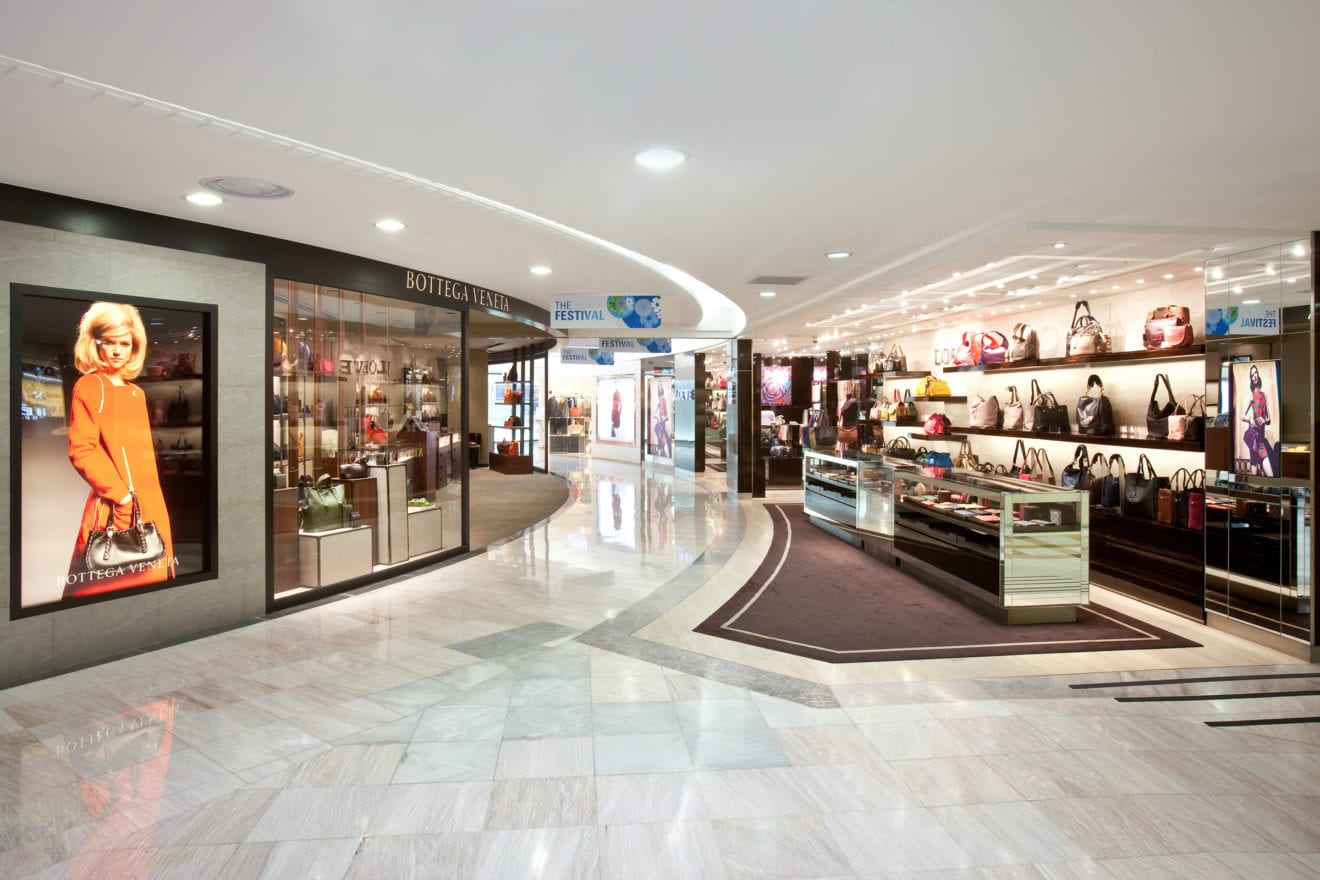
    English fashion accessories designer Anya Hindmarch has launched a marketing campaign for its partnership with the Smiley Company.

    The upscale designer’s global retail activation aims at “making the world a happier place”. It is also a social-media engagement mechanism with a call to action to “share your #smiley selfie @anyahindmarch” via a range of giant Smiley icons in window displays and on the shop floor.

    The window elements feature all-over Smiley print decals and vinyls across Hindmarch’s retail portfolio, includes stores in Aoyama in Tokyo and Lee Gardens in Hong Kong.

    “It’s great to see Anya Hindmarch spreading happiness at some of the world’s most luxurious shopping areas with her new Smiley window campaign,” says Smiley CEO Nicolas Loufrani.

    “Smiley has never been so big, so obvious, so fun and yet so chic. There is no better way to celebrate our 45th anniversary.”

  • Emerging markets like Vietnam help Inditex outpace H&M

    Emerging markets like Vietnam help Inditex outpace H&M

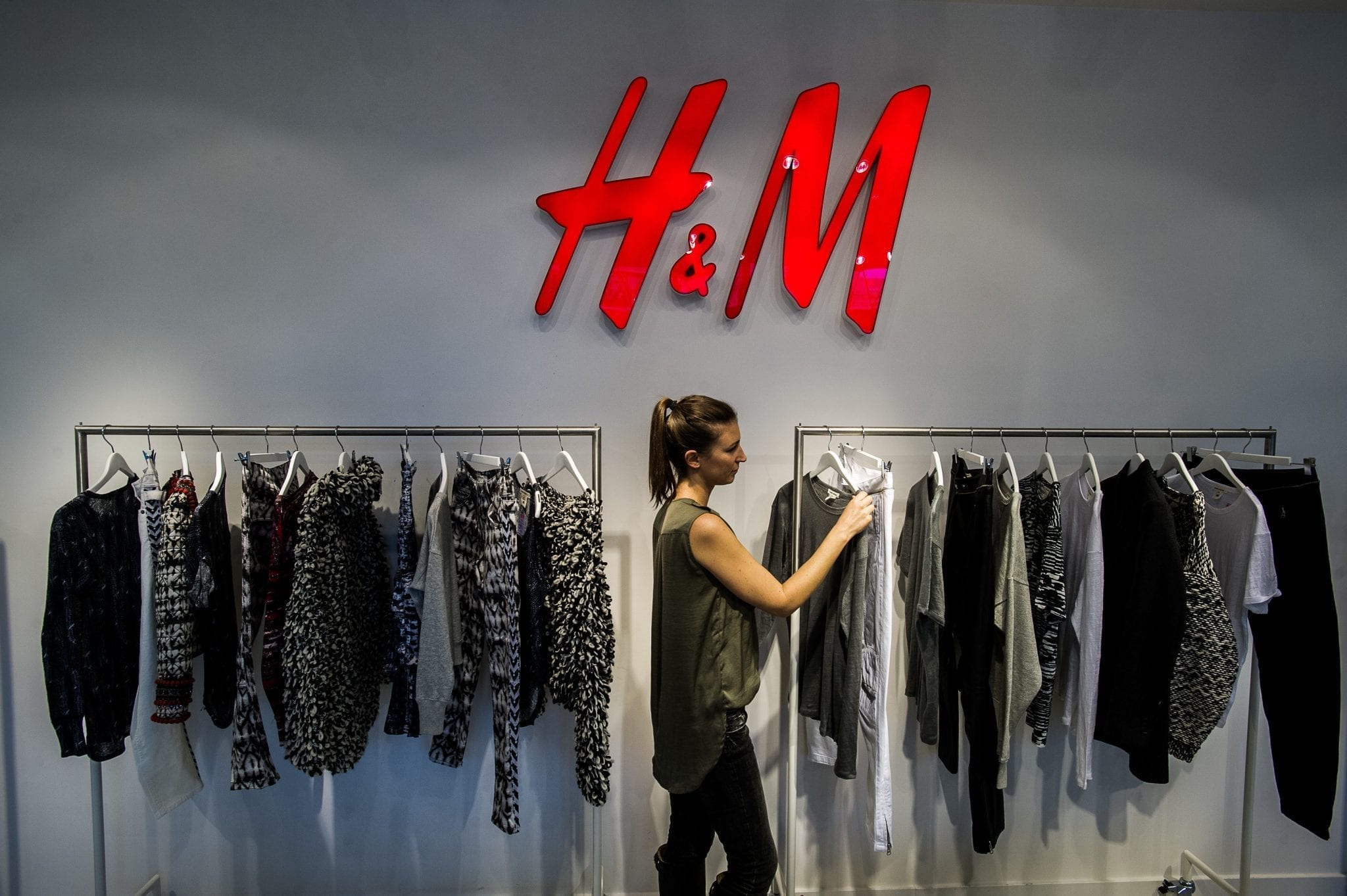
    Fashion retailer H&M’s sales fell unexpectedly in February while Inditex, which owns Zara, pulled further ahead of its Swedish rival, helped by its expansion online and a bigger emerging market presence.

    Inditex, the world’s biggest clothing retailer, has consistently outperformed H&M in the past few years as a result of online growth and its push into new markets. The Spanish company has also diversified more quickly into higher-priced brands, reducing exposure to the rise of discount chains like Primark.

    H&M has embarked on plans to roll out ecommerce in more markets this year and speed up expansion of newer brands such as the mid-market COS and & Other Stories.

    But on Wednesday H&M revealed that local-currency sales fell in February for the first time in four years, slipping 1 percent year-on-year, against a forecast in a poll of analysts for a 6 percent rise. H&M’s shares fell 5 percent.

    In contrast, Inditex’s local currency sales rose 13 percent from February 1 to March 12, as customers snapped up items from spring collections like double-breasted jackets, palazzo trousers and embroidered tulle tops.

    This was adjusted for an extra trading day in February 2016. H&M sales were up 3 percent in February, taking that calendar effect into account.

    Inditex results highlight the success of its strategy, with like-for-like sales up 10 percent in the year to end-January, helped by a shift towards opening bigger stores in prime locations that are then integrated with online operations.

    emerging-markets-like-vietnam-help-zara-owner-inditex-outpace-hm

    Inditex opened stores in 56 countries during the year, including its first opening in Ho Chi Minh City, Vietnam.

    Forex pressure

    Inditex’s gross profit margin missed analyst expectations, falling to 57.0 percent in its 2016 financial year from 57.8 percent in 2015. This weighed on the company’s shares which were down 1.4 percent by 1014 GMT.

    Inditex, known for speeding the latest trends from runway to stores in a matter of days, reports in euros but makes more than half its sales in other currencies, exposing it to falls in the likes of the Mexican peso and the Russian rouble.

    Chairman and Chief Executive Pablo Isla said this margin metric would have increased on the year had it not been for the negative currency effects.

    Analysts expect this effect to swing in Inditex’s favor over the next 12 months with a consequent boost to profit margins.

    “We are very keen buyers of Inditex for 2017,” Anne Critchlow, analyst at Societe Generale, said. She said Inditex trades on 26 times forward earnings, compared to H&M on 21 times.

    Inditex opened stores in 56 countries during the year, including first openings in New Zealand, Vietnam and Paraguay, bringing its total store count to over 7,200. It launched online sales across its stable of brands in Turkey and said on Wednesday it would start online sales in India in 2017.

    H&M is more reliant on Europe than Inditex. In Germany, for example, which is H&M’s biggest market, apparel sales fell 9 percent in February, according to trade journal Textilwirtschaft.

    “Market conditions are the main driver of the weak February number,” UBS analyst Adam Cochrane said. “There’s a fear that they are losing market share on a like-for-like basis.” UBS has a “buy” recommendation on H&M.

    H&M reported that sales in local currencies rose 4 percent in its fiscal first quarter to February 28. That compares with a new target for annual sales growth of 10-15 percent. H&M is due to publish its full fiscal first-quarter report on March 30

  • Barry Callebaut Expands Cocoa Nurseries Program in Indonesia

    Barry Callebaut Expands Cocoa Nurseries Program in Indonesia

    One of Barry Callebaut’s primary goals in Forever Chocolate is to lift more than 500,000 farmers out of poverty. To get there, we can improve farm productivity and increase the yield of high-quality cocoa. Doing this will enable farmers to sell their cocoa at higher prices and gain access to a better quality of life.

    But how can farmers grow more high-quality cocoa on the same amount of land? With better trees. Barry Callebaut aims to deliver 500,000 seedlings from its cocoa nurseries to farmers in Indonesia in 2017 and is in the midst of trialing a range of interventions to produce the best trees.

    Richard Fahey, Barry Callebaut’s Vice President for Cocoa in Asia says: “Indonesia has been struggling to increase cocoa production because of ageing cocoa trees. Most of them were planted in the 1980s, are vulnerable to diseases and are well past their peak production years. Cocoa trees are strong, and will produce pods for a long time. However, the high-productive years of a cocoa tree are finite, and usually after 25 years, the trees are less productive. Indonesia desperately needs new trees in order to get back to a productivity level of around 1 mt of beans per hectare.”

    “Most Indonesian farmers are willing to invest in their farms, and they understand that new trees will be more productive.  But they simply have not had access to good planting materials and therefore prefer to stick with their old trees rather than risk planting new trees that may or may not be effective. High-quality nurseries are therefore are essential to provide the supply of seedlings the farmers need and give them the confidence that the seedlings they purchase will turn into high-yielding, disease resistant trees,” he notes.

    Indonesia-based Sustainability Manager Ani Setiyoningrum says: “The purpose of cocoa nurseries is to provide a conducive environment in which young cocoa plants can grow a good number of leaves and fully develop its root system to a certain stage that will give cocoa plants a better chance of survival at the cocoa farm. These nurseries will require shade, water and protection from wind, and whenever necessary, protection from stray animals.”

    But there are already cocoa nurseries in Indonesia, but as Fahey notes, plantations in Indonesia typically have 400-600 cocoa trees growing per hectare. “Let’s do the math. If we are to estimate that there is 500,000 hectare of cocoa farms in Indonesia, we are basically looking at replacing at least 200 million trees. This nationwide replanting initiative is massive and would take a lot of effort not just from Barry Callebaut but across various organizations.”

    Setiyoningrum says: “These are community-run nurseries that we help to kick-start by providing them with a start-up investment and best-practice models. These nurseries are also a form of income for these nurseries owners, some of whom are cocoa farmers themselves. Our field experts work closely with these nurseries owners to teach them to produce high quality seedlings with a high survival rate. They are given proper planting material, high-quality seeds, and the right potting mix, and are guided to develop good nursery management skills and standard operating procedures. These nursery owners then work as a professional service provider for other farmers which is becoming an avenue for additional income. The project model we are testing with around 50 nurseries across Sulawesi is suitable for nurseries producing at a large scale. Our intention is that the nurseries we start-up will eventually become totally self-sufficient businesses in their own right.”

    Also in Indonesia, the company is piloting a new way of setting-up these nurseries and distributing these seedlings to the farmers. “The challenge is how we can escalate the seedling propagation program while also try to reduce the production cost of each seedling. We have learned a lot from our colleagues in Brazil and we are borrowing some of their best practices, including using elevated tables and space efficient planting tubes. While setting up these improved nurseries and distribution networks, we continue to support farmers to establish nurseries in their own communities because it helps to increase the overall supply of new trees,” Fahey concludes.

  • Go-Jek secures title sponsorship right for Indonesia’s top soccer league

    Go-Jek secures title sponsorship right for Indonesia’s top soccer league

    Local online transport and services app Go-Jek announced on Tuesday its partnership with PT Liga Indonesia Baru to become the title sponsor for the country’s top professional soccer league for the 2017 tournament season.

    The company expects the partnership will help popularize its distinctive service solutions to cater activities related to the soccer league, such as providing transport to and from games using its Go-Ride and Go-Car and purchase of game tickets through Go-Tix.

    “We are excited to become part of Liga 1’s management, as we feel that soccer has become a widely loved sport that is able to unite all layers of Indonesian society,” Go-Jek CEO Nadiem Makarim said in a statement.

    “We also see the economic enthusiasm by the people surrounding the tournaments themselves, which is in line with our mission to empower Indonesia’s micro-entrepreneurs and small businesspeople.”

    Liga 1, previously known as the Indonesia Super League, will kick off this year’s season on April 15, with 18 participating teams, including Arema FC, Bali United, Barito Putera, Madura United, Mitra Kukar, Persib Bandung and Persija Jakarta.

  • Djarum Owners Top Indonesia’s Richest List

    Djarum Owners Top Indonesia’s Richest List

    Forbes magazine has published the list of 2017 world’s richest billionaire, and those who have a net worth of over USD 1 billion. Forbes has particularly drawn a list of Indonesia’s 20 richest people.

    Djarum owners Robert Budi Hartono and Michael Hartono ranked first and second on the list. Budi has a net worth of USD 9.5 billion – higher compared to Budi’s wealth recorded in 2016 of USD 8.1 billion. Meanwhile, Michael Hartono’s net worth increased from USD 7.9 billion to USD 8.9 billion.

    Following Michael Hartono is Indorama owner Sri Prakash Lohia and CT Corp owner Chairul Tanjung. Mayapada Group owner Tahir jumped from seventh place last year to fifth after increasing his net worth from USD 2 billion to USD 2.8 billion. Property business owner from Surabaya Alexander Tedja, the leader of Pakuwon Group, ranked twentieth with a net worth of USD 1 billion.

    Forbes particularly highlights MNC Group owner Hary Tanoesoedibjo who has a net worth of USD1.1 billion. Hary, who ranked 19th in Indonesia’s richest list and 1795th in Forbes world’s richest list, has a close relationship with US President Donald Trump. Forbes dubbed Hary as ‘The Donald Trump of Indonesia’.

    The 2017 Forbes rich list noted increasing assets of world billionaires by 18 percent compared to last year amounting to USD 7.67 trillion.

  • Zara Thailand launches online

    Zara Thailand launches online

    Zara Thailand is launching online sales in Thailand this month.

    Vietnam will follow, with the service already introduced in Malaysia and Singapore this month.

    Also this year, the brand will start selling online in India, where the Spanish fast-fashion chain is expected to reach sales of US$200 billion by 2025, according to a study by consulting firm Wazir Advisors.

    Additionally, Zara parent Inditex has said it will open a 5000 sqm flagship Zara store in Mumbai, which will be the largest of its 21 outlets in India.

    Inditex says its bottom-line profit rose by 10 per cent to €3.16 billion (US$3.3 billion) last year, beating out its main rival, Sweden’s H&M, which had a net profit of about US$2.1 billion.

    Opening 279 stores in its latest fiscal year, to the end of January, it has nearly 7300 outlets in 93 countries, with five new markets including New Zealand and Vietnam.

  • Vietnam driven to protect domestic automobile industry

    Vietnam driven to protect domestic automobile industry

    Vietnamese policymakers are looking at ways to safeguard the domestic automobile industry against foreign rivals, based on an official document released by the government office.

    Vietnam’s automobile industry is expected to face more hurdles in the years to come as the local market opens up to foreign competitors.

    Locally-assembled cars could cost 20 percent more than those imported from neighboring countries such as Thailand and Indonesia in 2018, when tariffs on car imports into Vietnam from other ASEAN countries will be cut to zero from the current 50 percent, the trade ministry said.

    The government has asked trade officials to look at ways to prevent a surge in car imports.

    Meanwhile, the finance ministry will review import tariffs on cars and monitor their origin to prevent tax dodging.

    Vietnamese policymakers also plan to adjust import tariffs on automotive parts that are not available in the domestic market.

    The Southeast Asian country has targeted car manufacturing as a “spearhead industry” that could help it move up the global chain.

    However, the fact that it still heavily relies on imported cars to meet local demand has exerted tremendous pressure on local manufacturers.

    Vietnam imported 15,270 units in the first two months this year, a 35 percent jump from a year ago, customs data showed.

    The import surge comes as Vietnamese people switch from motorbikes to cars, with more than half of the imported cars classed as midsize sedans, based on official statistics.

  • Lotte Department Stores take in online retailers

    Lotte Department Stores take in online retailers

    Online retailers in Korea are set to open 13 outlets at Lotte Department Store branches in the next three months.

    “Online brands are continuously expanding into offline stores to raise their brand value and to receive real-time feedback from consumers,” says Lotte Department Store.

    Statistics Korea says online sales of apparel and fashion-related items have grown each year by double digits from 6.2 trillion won (US$5.48 billion) to 10.2 trillion won between 2013 and last year.

    As these brands gain traction against traditional fashion houses, they start opening brick-and-mortar outlets as well, first as showrooms then as stores, says the Korea Herald. This helps them to tap into consumers who prefer to see products before they buy.

    A report from Open Survey last year shows that 53 per cent of consumers want to buy their clothes at offline stores.
    Lotte Department Store’s first offline store was for Style Nanda in 2012. Now about 100 online brands have offline outlets at Lotte’s department stores. Opening soon at Lotte are such brands as Imvely, Migun Style and Sappun.

    Some Korean brands, such as Liphop and Style Nanda, have even expanded to offline stores overseas in countries like China and Singapore.

  • Harvest rain takes the flavor out of Vietnamese coffee crop

    Harvest rain takes the flavor out of Vietnamese coffee crop

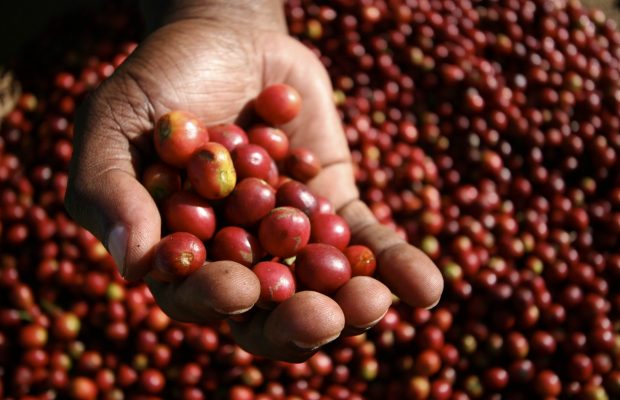
    Heavy rain that hit swamped Vietnam’s 2016/2017 coffee harvest has raised the ratio of low-quality beans and defects, traders said on Wednesday, with one major exporter saying quality is at its worst in nine years.

    Unseasonal rain that fell from October-December last year in Vietnam’s Central Highlands coffee belt delayed the 2016/2017 crop harvest, resulting in more black and broken beans. The rainy season normally ends in early October.

    The harvest was completed in January as usual, but a higher ratio of black and broken beans – counted as defects in export standards – has emerged.

    These defects, coupled with India’s ban on Vietnamese coffee imports from March 7, have made it more difficult for the world’s top robusta exporter to find buyers for the low-quality commodity this year.

    “The ratio of defects this year has risen by 50 percent from 2016,” said Le Duc Huy, deputy general director of Simexco, a major export firm based in the Central Highlands province of Dak Lak. “The quality is the worst since 2008.”

    Downpours cut Vietnam’s 2007/2008 coffee output by 15 percent to 1.08 million tons.

    Traders say India often buys Vietnam’s low-quality robusta grade 3, with 25 percent black and broken beans and 3 percent foreign matter, to produce instant coffee. Vietnam’s benchmark coffee for export is robusta grade 2 (5 percent black and broken), which is priced at a premium of $120-$180 a ton compared to the grade 3 beans.

    The harvest usually starts in late October and ends in January. Rain during the blossoming period reduces yields, while the wet weather disrupts the outdoor drying process, necessitating the use of electric dryers that turn the beans black and worsen the taste. The exportable volume is therefore lowered.

    Two traders at foreign firms in Ho Chi Minh City, Vietnam’s largest coffee trading market, estimated that low-quality beans made up 10-20 percent of the country’s output this year, which is projected to ease 8 percent from last year to 26.7 million bags, or 1.6 million tons, the U.S. Department of Agriculture has said.

    Vietnamese trade experts say India’s ban is a tit-for-tat action after Hanoi announced it was going to suspend the import of five Indian commodities from late April to prevent peanut beetle from spreading.

    Officials at the Indian Embassy in Hanoi did not immediately comment on the matter.

    The impact of the ban on Vietnam’s overall coffee exports is minimal, Vietnam Coffee and Cocoa Association Chairman Luong Van Tu said.

    India imported 6,900 tons of Vietnamese coffee from January-February this year, down 17 percent from the same period in 2016, based on Vietnam Customs data.

    Last year it spent $79.4 million to import 46,000 tons of coffee from Vietnam, a tiny fraction of the Southeast Asian nation’s total shipments of 1.78 million tons.

    India has the world’s third fastest growing retail coffee market behind Indonesia and Turkey, global market intelligence agency Mintel said in its latest report earlier this month.

    Robusta with high ratios of black and broken beans has also been sold to Vietnamese firms to produce instant coffee, traders said.

    But the ban has affected Indian roasters who had been sourcing their raw material from Vietnam, traders said.

    “Since the ban has been in place, several shipments have been held up and importers do not know how to solve the situation,” said a Vietnamese dealer at a Ho Chi Minh City-based firm which ships coffee to India.

    The ban has also made it difficult for Indian roasters after back-to-back droughts in the past two years damaged various crops, including coffee.

    “Indian roasters may have to switch to other sources, such as the Ivory Coast and other African nations,” a second trader at a European firm in Ho Chi Minh City said.


  • Subscribe to Food launches in Singapore

    Subscribe to Food launches in Singapore

    Just launched in Singapore, Subscribe to Food is an e-commerce subscription service that offers food and wine products for consumers.

    Upon launch, the service acquired e-commerce start-ups The Frank Food Company and WineMasons.

    Philip Raff, who is also executive director of Velocity Property Group, out of Australia, led the investment group and acquisition of the two companies.

    “We believe that through e-commerce, modern logistics via our partner Yojee, and a commitment to a subscription model, even city folks can access premium, fresh, small-batch food and wine,” says Raff. “It’s all about cutting out the middleman and paying a decent price that takes into account the effort and expertise that goes into food production.”

    Subscribe to Food first acquired The Frank Food Company, which focusses on supporting regional farmers practising sustainability, fair-trade and organics, mainly in Indonesia. Its co-founders, brothers Liam and Duncan McCance, took up roles as CEO and food/content director respectively.

    WineMasons was set up by Matt Allanson and Josh Sims and has focussed on Australian small-batch wine producers, with a Singapore subscription commerce offering.

    After Subscribe to Food moves its newly acquired businesses to a shared e-commerce and logistics platform, it plans to launch a third brand focussed on premium beef from farmers in Tasmania.

  • Malaysia’s MYEG partners with Philippine I-Pay to bring e-services to Philippines

    Malaysia’s MYEG partners with Philippine I-Pay to bring e-services to Philippines

    I-Pay Ventures Commerce Ventures, Inc. (I-Pay) recently signed a joint-venture agreement with MY E.G. Services Bhd (MYEG) to enable government and large enterprises in the Philippines to offer a Payment Gateway and related value-added online services.

    I-Pay is the company behind the NBI’s online registration system. MYEG is Malaysia’s fastest-growing company as the country’s civil service embraces the digital way of providing services to the public. Its tie-up with the Immigration Department and Road Transport Department has resulted in massive growth in the company’s top and bottom lines.

    Both parties envision the joint venture will replicate the business model of MYEG in Malaysia. The new agreement represents each organization’s strong commitment to provide Philippine public service sector with the best and trusted e-commerce platform with an excellent track record.

    According to its latest annual report, MYEG recorded a 36.8% compounded annual growth rate (CAGR) in revenue for the five years between 2011 and June 2016 while its profit grew at a CAGR of 45.1% over the same period.

    MYEG has also been constantly recognized by Forbes as one of Asia’s “Best Under A Billion” companies.

    “We are very excited to work with I-Pay to offer a superior G2C user experience in the Philippines,” said TS Wong, managing director, My E.G. Services Bhd. “Our unique model provides significant cost savings and increased efficiency to all stakeholders. Combined with I-Pay’s established operating record, we are confident of achieving mass adoption in the coming years.”

    I-Pay’s vision is to facilitate Government and enterprises in delivering technology-driven services encompassing the Internet, automation, big data and electronic payments.

    I-Pay is a payment processing provider and a direct agent of Western Union in the Philippines. It is the payment processing investment of the IP Ventures Group (IPVI).

    IPVI has successfully built market leading companies in the data center space, IP Converge Data Center Inc. (CLOUD); online gaming space, IP E-games (EG); and business outsourcing, PCCW Teleservices Philippines, Inc.

    IPCVI is backed by renowned investors such as IP Ventures Inc. (leading technology and retail conglomerate in the Philippines), Kaikaku Fund (Softbank affiliated fund), JJ Atencio (Founder and CEO of 8990 Holdings Inc.) and Derrick Chiongbian.

    “Our partnership with MYEG gives us access to world class technology that can upgrade Internet infrastructure and government services in the Philippines. Its ultimate goal is to improve delivery of government services for the Filipino people,” said Enrique Y. Gonzalez, president of IP Ventures Group.

  • Saigon cab firm takes on Uber with unexpected weapon: grapefruit

    Saigon cab firm takes on Uber with unexpected weapon: grapefruit

    With Uber and other app-based car-hailing services becoming increasingly popular in Vietnam, one local taxi firm has decided to improvise in order to give its drivers a competitive edge.

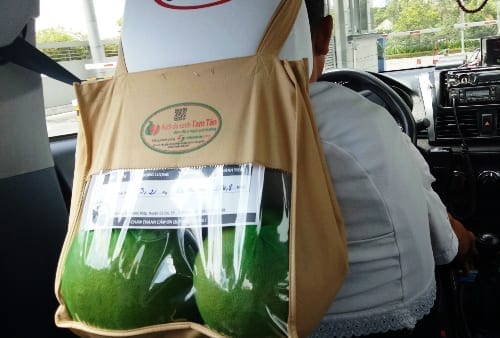
    Vinasun, the country’s second biggest taxi firm, has found a way to boost its drivers’ incomes by turning 800 cabs in Ho Chi Minh City into mobile grapefruit stalls.

    A kilogram of pomelo, a green-skin grapefruit, sells for VND64,000 ($2.81)

    “Drivers receive a bonus for selling large quantities of fruit,” a driver said.

    The taxi operator typically keeps 80 percent of the revenue from its grapefruit business and awards the remaining 20 percent to the drivers, said executive officer Ta Long Hy.

    Vinasun drivers are making on average between $2 and $4 a day from selling grapefruit, he estimated, adding that the best sellers can add up to $17 to their daily incomes.

    Since ride-hailing companies like Uber and Grab appeared on the scene, traditional taxi drivers have seen their incomes rapidly plunging.

    Traditional taxi companies have been lobbying the government for a lower VAT levy to allow them to compete with cab-hailing apps. The government has, however, turned down the request saying there’s no grounding to claim traditional taxi companies have to pay higher taxes and fees than their ride-hailing competitors.

    Uber and Grab cut into at least 10 percent taxi operators’ revenue last year in Ho Chi Minh City, the local association of taxi companies estimated.

    The number of private minicabs, mostly offering transportation services via car-hailing apps, has reached 20,000 in Ho Chi Minh City, twice as many as the number of traditional taxis.

    Last year Vinasun, which has around 6,000 cabs and operates chiefly in Ho Chi Minh City, launched a counteroffensive against the ride-hailing menace: its own app.

    Passengers using Vinasun’s ride-hailing app can easily recognize their minicabs with a ‘Vcar’ logo, Vinasun’s luxury version. They will be offered the option to fix the price at the beginning of a journey rather than rely on the taxi meter, according to Vinasun.

    Vinasun Group, which has been listed on the Ho Chi Minh City Stock Exchange since 2008, made VND4.3 trillion in revenue ($189 million) last year, down 6 percent from 2015.

  • Alipay gains Hong Kong foothold with Standard Chartered tie up

    Alipay gains Hong Kong foothold with Standard Chartered tie up

    Ant Financial Holdings, which operates the Alipay online payments service for the world’s largest e-commerce platforms, has extended its service to Hong Kong through a partnership with Standard Chartered Bank, the two companies said in a statement on Tuesday.

    The bank’s customers will be able to top up their Alipay HK accounts through their online and mobile banking portals, shop and pay online without incurring any transaction fee.

    Alipay has been working with Hong Kong businesses to promote digital payment since 2014, primarily aimed at tourists and visitors from the Chinese mainland, who are already familiar with cashless payments.

    “We are hoping to extend digital payment services to Hong Kong residents soon and the partnership with Standard Chartered is our first step,” said Venetia Lee, general manager of Alipay Hong Kong, Macau and Taiwan.

    Vicky Kong, head of Hong Kong retail banking for Standard Chartered Bank said that the partnership would enhance customer engagement with existing clients, and help reach out to new ones.

    Many foreign banks already have a partnership with Alipay in mainland China, but Standard Chartered is the first bank to offer this particular service to Hong Kong.

    Ant Financial is an affiliate of Alibaba Group Holdings, which operates the Taobao and Tmall online shopping sites. Alibaba is also owner of the South China Morning Post.

  • Matsuya opens its own online store in China

    Matsuya opens its own online store in China

    Luxury Japanese department store Matsuya has opened its own online store in China.

    The company plans to use the store to lure repeat business from Chinese shoppers who have visited its Ginza flagship while on vacation, once they return home.

    Inbound Chinese travellers account for about 20 per cent of Matsuya’s store sales.

    Prior to opening its own site Matsuya had a presence on online malls, but after partnering with a local Chinese firm, the Japanese retailer is confident it can better tailor its offer and marketing to mainland Chinese.

    Stock will be shipped from Japan rather than from a local warehouse and the site will be backed by an investment in advertising and promotional marketing.