Author: Mei Ling Tan

  • New plans serve cheaper power to Singaporeans

    New plans serve cheaper power to Singaporeans

    Shopping for customised electricity plans has been an option for businesses in Singapore for the past year or so, but not many have decided to make the switch away from public power utility SP Services.

    As at the end of the third quarter of last year, only about a third of the 35,000 eligible commercial and industrial consumers had chosen to do so, the latest figures from the Energy Market Authority show.

    Businesses with an average monthly electricity usage of at least 2 megawatt-hours – a monthly power bill of about 450 Singapore dollars (Bt11,100) – could choose an alternative to SP Services from July 2015.

    Before that, only consumers that used more than 4MWh of electricity monthly were eligible.

    On the low take-up rate, Julius Tan, manager of energy retail at Singaporean electricity retailer Sunseap, said some might worry that electricity supply could be less reliable with a different retailer.

    But he said electricity supply would still come from the grid. “The only difference is that they are paying an electricity retailer that can offer them plans customised to their needs,” he said. This is similar to how mobile-phone users choose price plans from various telecommunication companies.

    Customised price plans, for example, will allow consumers to power up their premises with a mix that includes solar energy without the need to install and maintain their own solar panels. This may appeal to eco-conscious consumers and those who want to save money, as electricity generated in part by solar energy is cheaper than the regulated tariff.

    Last month, Sunseap started offering eligible consumers a GoEco price plan, which guarantees that a portion of electricity used will come from the sun. Its website says doing so can cut electricity bills by 20 per cent.

    As a gauge, it costs about 20 cents for 1 kilowatt-hour of electricity from SP Services at the regulated tariff.

    Sun Electric, another Singaporean solar electricity retailer, is also offering a variety of price plans that allow eligible consumers to tap varying amounts of solar energy, resulting in savings of between 15 and 20 per cent.

    “You don’t need a roof … to get solar electricity, and a lot of electricity consumers like to get clean electricity. All of our products are also cheaper than the tariff,” said Dr Matt Peloso, Sun Electric chief executive.

    Logistics firm Ninja Van has made the switch from the regulated tariff. It subscribed to Sunseap’s GoEco plan for one of its two facilities last month. The other facility will also be on the same plan from next month.

    Pang Sing Yang, vice president of strategy at Ninja Van, said of the switch: “We believe in supporting other local start-ups and want to play our part in environmental conservation by using a form of renewable energy. We also enjoy some cost savings.”

    Next year, 1.3 million households can also get to benefit from this flexibility when the electricity retail market is fully open to competition.

    Under the government’s SolarNova scheme, which aggregates solar demand, agencies such as the Housing and Development Board provide rooftop space for firms to install the panels. In return, town councils enjoy discounted electricity rates.


  • Kitchenware firm thrives by cooking up new ideas

    Kitchenware firm thrives by cooking up new ideas

    There is often something new on the menu at kitchenware retailer ToTT. Since opening its first outlet in 2010, the firm has branched out into e-commerce, cooking lessons and even customised kitchenware.

    Re-invention has always been at the heart of the company’s ethos, said ToTT director Grace Tan.

    Her grandfather founded ToTT’s parent company Sia Huat, which started in 1959 in Temple Street selling kitchenware to industrial kitchens, restaurants and chefs. The company noticed a gap in the market for household kitchenware products, and ToTT – which stands for Tools of the Trade – was born.

    The retail chain now has two stores here and remains a family business – Ms Tan’s father, Mr Tan Choon Boon, is Sia Huat’s chief executive.

    Both of ToTT’s outlets integrate shopping with in-store kitchens where classes and cooking demonstrations are conducted.

    The company also set up a bistro at its Dunearn outlet to complement the culinary retail experience.

    These additions contribute about 20 per cent of overall revenue, Ms Tan, 38, said, with kitchenware retail still making up the bulk of sales at 80 per cent.

    ToTT also launched an online store in 2013.

    “These measures attract the attention of consumers and keep them consistently engaged in the shopping experience,” said Ms Tan.

    The retailer, which employs around 60 people, noted that sales held steady last year despite sluggish economic conditions.

    Ms Tan acknowledged that competition in the retail industry is fierce, but added that a focus on quality is ToTT’s best bet for the future.

    “While sites such as Taobao may offer cheaper deals, their products do not come with any form of quality assurance,” she said. “ToTT allows customers to try out various products before purchasing them. We set high expectations for product and service quality.”

  • Lazada Dominates Ecommerce Activity in Southeast Asia For Now

    Lazada Dominates Ecommerce Activity in Southeast Asia For Now

    Southeast Asia’s ecommerce sector may not yet get as much attention as China. But as recent ecommerce estimates suggest, online B2C spending Southeast Asia is set to grow by double digits through at least 2020, making the region a key area of interest for retailers and marketers.

    For now, much of the ecommerce activity and web traffic in Southeast Asia is dominated by one large ecommerce retailer—Lazada Group. In fact, Lazada’s control of the region’s ecommerce sector was enough to entice Alibaba as a suitor; the China-based ecommerce giant purchased a controlling stake in the company last year for $1 billion.

    According to data from SimilarWeb cited by ecommerceIQ, Lazada properties drew the largest number of page views among B2C retail sites in Thailand, Indonesia, Singapore, Malaysia and Vietnam in December 2016.

    Take, for example, SimilarWeb’s figures for Thailand, where Lazada claimed almost 41 million monthly page views during the month. That was more than 16 times the number garnered by JIB.co.th, the second-place finisher.

    Ecommerce has yet to really catch fire in markets like Thailand, where eMarketer estimates retail ecommerce sales will make up just 1.7% of total retail sales this year. But companies like Lazada are betting that growth in internet use will create a new class of consumers looking to make digital purchases. eMarketer projects that retail ecommerce sales in Thailand will hit $5.7 billion by 2020.

    However, Lazada’s long-term success in the region is far from assured. US ecommerce heavyweight Amazon has reportedly been eyeing a launch in Southeast Asia with Singapore sometime in Q1 2017. The moves could kick off a heated battle between Amazon and Alibaba’s proxy for both market share and customers as the region’s ecommerce spending expands.

  • German supermarket Aldi opens online store in China

    German supermarket Aldi opens online store in China

    The soft opening of a bricks and mortar store meanwhile is scheduled for 20 March and the official grand opening will be held in Shanghai in April, the company said in a statement on its website.

    Most of the products will be sourced from its existing Australian suppliers to serve the China market with a focus on value.

    “For decades, the Aldi’s own brands have enjoyed the reputation of providing excellent value for money,” said Christoph Schwaiger of Aldi. “We are convinced that Chinese customers are also very interested in the quality and the reasonable prices we can offer them.”

    Terry von Bibra, general manager Europe of Alibaba Group, commented: “The name Aldi is a concept in many countries of the world and like Alibaba, the company is a pioneer in its industry. We are very pleased to support Aldi Sud at the Chinese market with Tmall Global, one of the largest e-commerce platforms for consumers in China, and to work as a strategic partner with Aldi  in other areas, such as B2C, B2B and marketing.”

    “Alibaba’s e-commerce platforms reach not only the approximately 443 million active users, but also serve the strongly growing interest of the Chinese middle class in products Made in Germany. The products of Aldi South will undoubtedly be very popular among consumers. ”

  • Strong consumer confidence propels Philippines retail

    Strong consumer confidence propels Philippines retail

    The Philippines is experiencing a new wave of retail property construction, thanks to strong consumer confidence and enhanced purchasing power among Filipinos.

    Among SNL-covered companies, the Philippines has the largest volume of shopping centers and regional malls under construction, outpacing both China and the U.S. As of Feb. 24, the Philippines had 44 shopping center and regional mall properties under construction by SNL-covered companies, compared to 32 in China and 19 in the U.S.

    Although shopping centers have sprung up across the Philippines since the 1990s, when local developer SM Prime Holdings Inc. kicked off what it called the “malling” phenomenon as trips to the mall became a way of life for Filipinos, the retail market there appears to be nowhere near the saturation point, with new supply set to come online this year. According to the Colliers International Philippines Retail 3Q 2016 report, close to 500,000 square meters of leasable retail space is expected to be added across the country in 2017.

    Megamall-ed

    According to SM Prime’s website, the malling phenomenon became evident in the Philippines in the early 1990s as the developer started building one new mall after another, including SM City Sta. Mesa in 1990 and SM Megamall in 1991, both of which are situated in the nation’s capital region of metro Manila. Since then, the company has grown to become one of the largest mall developers in the country and one of the top mall operators in Southeast Asia. Continuing its expansion, SM Prime said it plans to invest as much as 65 billion Philippine pesos to build at least five new malls in the country in 2017. The company also launched SM City East Ortigas in the eastern part of metro Manila in December 2016.

    An SNL analysis found that SM Prime has the greatest exposure to the Philippines retail market among covered companies, with a total of 91 shopping centers and regional malls in operation or under development as of Feb. 24. Trailing SM Prime is Robinsons Land Corp., with 46 properties, followed by Ayala Land Inc., with 43.

    Meanwhile, DoubleDragon Properties Corp. has the highest number of retail properties under development in the country. As of Feb. 24, the company had 18 regional malls and one shopping center under construction. DoubleDragon is also pursuing aggressive expansion on the provincial retail front. In an investor presentation at the Macquarie Capital ASEAN Conference, the company said it envisions adding 700,000 square meters of retail leasable space, including 100 CityMalls, by 2020.

    SNL Image

    The Philippines retail market is also likely to attract foreign developers; media reports have indicated that the current administration is considering new regulations that would ease foreign investment in the country. One foreign developer that has made its foray into the market is Hong Kong-based Kerry Properties Ltd., which owns the Shangri-La Plaza Mall in Mandaluyong City in Metro Manila.

    Confident consumers

    The retail boom in the Philippines is spurred in large part by increased confidence among Filipino consumers. According to the Department of Economic Statistics’ most recent survey, the consumer outlook index in the country soared to 9.2% in the fourth quarter of 2016, marking its highest reading since the poll was launched in 2007. Improved consumer sentiment was generally seen across all income groups, and consumers were most confident in the country’s economic condition, followed by family income and family financial situation. Nielsen also reported that consumers in the country were the second most confident worldwide during the third quarter of 2016 and ranked third a year earlier.

    From the outside in

    With a higher level of consumer confidence comes increased domestic spending backed by both external and internal funding sources. Colliers said the rising purchasing power among Filipino consumers is driven primarily by overseas remittances and business process outsourcing revenues, particularly in Metro Manila.

    Colliers noted that remittances from overseas Filipino workers jumped 4.4% year over year to US$19.5 billion for the first eight months of 2016, and such growth is expected to continue as demand rises for skilled Filipino workers and remittance service providers work to expand market coverage. Meanwhile, BPO revenues are poised for continued yet slower growth, as the local outsourcing sector is forecast to employ 1.8 million full-time employees and generate US$38.9 billion in revenues by 2022, Colliers reported, citing the IT and Business Process Association of the Philippines.

    Staying relevant

    The Philippines RE index, comprising seven diversified real estate companies, all of which have exposure to the country’s retail sector, outperformed its peer Asia Pacific indexes, including the SNL Hong Kong RE index, SNL Singapore RE index, SNL Australia RE index, and the SNL Japan RE index. As of Feb. 24, the index recorded a 1-year total return of 28.71%, 9.21 percentage points higher than the SNL Asia-Pacific RE index.

    Despite the anticipated surge in new supply, Colliers is bullish that the Philippines retail market will continue to flourish in 2017 as vacancy rates remain low and demand for retail space supports higher lease rates. But with the evolving retail scene, characterized by increased competition and the emergence of online shopping, Colliers said malls should be “more lifestyle-oriented rather than retail-centric” in order to stay relevant. In Metro Manila, the primary driver of retail spending is food and beverage, making up 30% to 40% of leasable space in shopping centers and accounting for roughly 40% of Philippine household spending. With this trend likely to continue over the long term, developers should carve out a portion of their retail properties to feature unique food and beverage concepts, Colliers said.

  • Retailers snag prime spots for flagships amid lower rentals

    Retailers snag prime spots for flagships amid lower rentals

    Rising vacancies and plunging rentals in shopping malls may be a headache for landlords, but it is not all bad news for retailers who have taken advantage of lower rentals to snag prime locations for their flagship stores.

    More than 10 flagship stores were set up islandwide last year, noted property consultancy Cushman & Wakefield’s research director Christine Li. This is the highest number since the global financial crisis in 2009, she said.

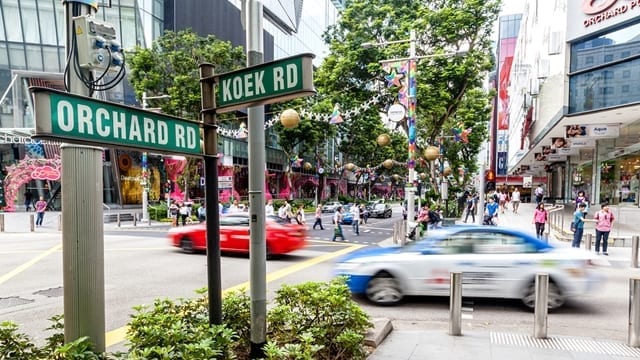
    The last wave of flagship stores were set up between 2007 and 2009, when Orchard Road was undergoing a makeover.

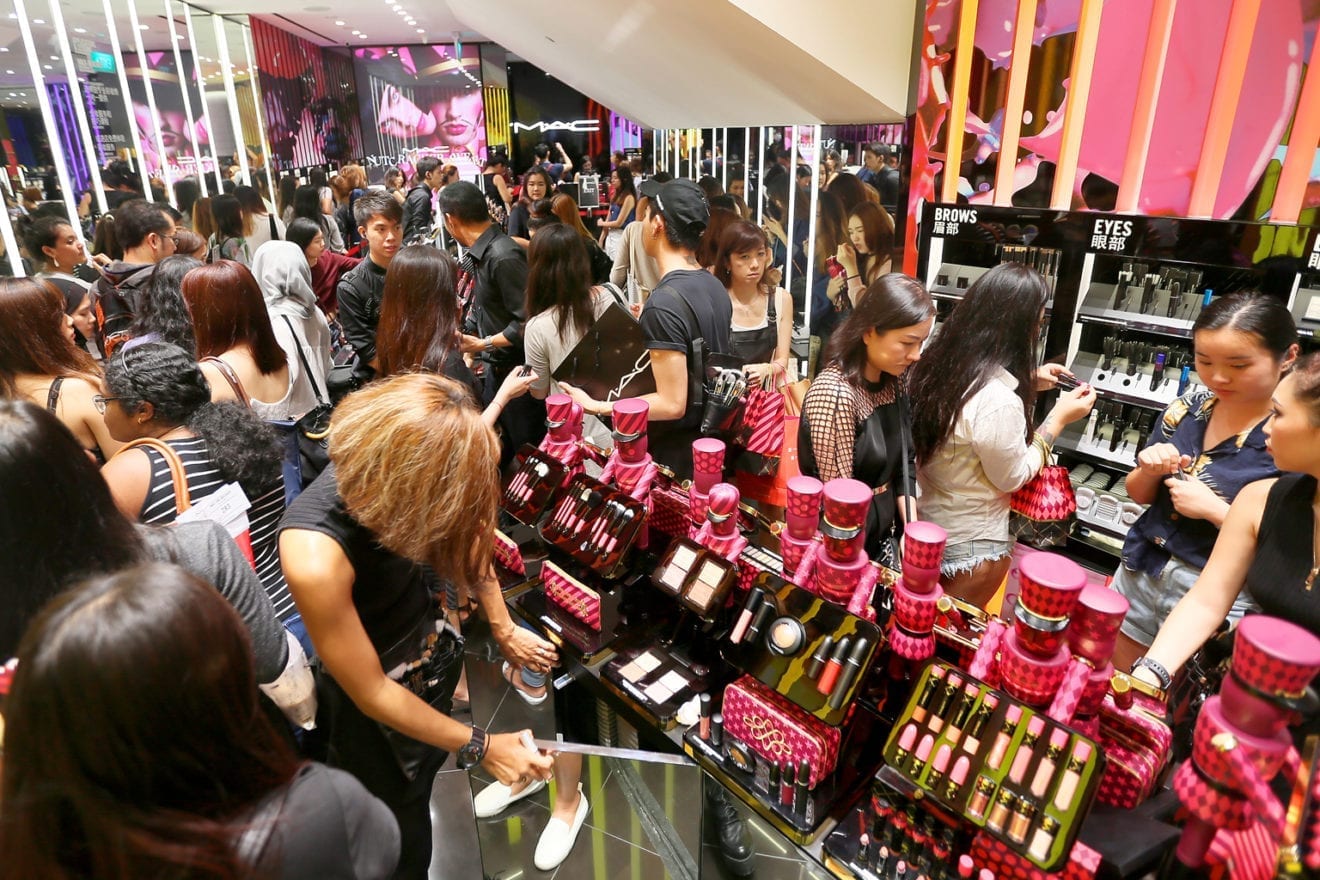
    Last year, cosmetics label MAC and Sephora opened flagships at Ion Orchard, while Japanese fashion retailer Uniqlo unveiled a three-storey store in Orchard Central. Other new flagships include those of watch brand Rolex at Marina Square and German leather goods brand Braun Buffel at Marina Bay Sands.

    Ms Li said: “In the lower rent environment, 2016 saw a ‘flight to quality’ as retail brands that are still optimistic on expansion took this opportunity to upgrade to larger prime retail spaces vacated by previous tenants.”

    • 10 At least this number of flagship stores were set up islandwide last year. This is the highest number since the global financial crisis in 2009.

    She said flagships are strategic, as they reinforce and enhance a brand’s presence and status.

    Uniqlo’s founder Tadashi Yanai said the firm decided to open a flagship in Orchard Road as it sees Singapore as a gateway to not only the markets in South-east Asia but also in the Middle East and Africa.

    “Despite the faltering retail climate in Singapore, Uniqlo’s belief in the potential of this region is what has driven (our) decision to launch the three-storey Global Flagship store here,” he said.

    The islandwide vacancy rate for retail space was 7.5 per cent at the end of last year, up from 4.5 per cent at the end of 2013, Urban Redevelopment Authority (URA) data showed.

    The climbing vacancy rate has, in turn, reduced rental rates. The median rental rate for retail space in the third quarter of last year was the lowest on record, falling to $9.82 per sq ft per month for the Orchard Road area – the first time it fell below $10, URA data showed.

    Riding on the wave of soft rents, French sporting goods retailer Decathlon even secured a 15-year lease for a 35,000 sq ft outlet in Viva Business Park in Chai Chee, which opened in January last year.


  • Mall bad news but some bright spots

    Mall bad news but some bright spots

    In just over a year, clothing retailer Hang Ten has closed more than a third of its stores.

    The 12 outlets, in suburban malls, had been bleeding money. Consumers were spending less but Hang Ten’s landlords were still charging high rents, said its general manager Andrew Kee.

    “We started to close non-profitable suburban shops since Q4 2015 to reduce losses and just concentrate on a few strategic locations.”

    The days of suburban malls as the retail sector’s bright spot are coming to an end, said property consultancies.

    For the past five years, as the rise of e-commerce and growing economic uncertainty pushed Orchard Road retailers out of business, suburban malls were fairly resilient.

    Such malls could fall back on shoppers living in the area, unlike the tourist-reliant Orchard Road, which is susceptible to competition from overseas destinations and lacklustre tourist arrivals.

    The turning point was last year, when the pace of decline of suburban rents quickened – from 1 per cent quarter-on-quarter in the first quarter to 2 per cent in the fourth quarter, said R’ST Research’s director Ong Kah Seng. This is a sign that rents in suburban malls are going downhill, he added.

    But as the challenges drag on, suburban malls are being dealt a belated reality check.

    Some mall managers are fighting back by offering short-term leases, filling their spaces with food and beverage outlets, and adding more lifestyle elements to their malls.

    According to property research consultancy R’ST Research, rents of retail properties in Orchard Road fell by about 11.1 per cent on average from 2012 to 2015.

    Over the same period, rents of suburban retail spaces dipped only marginally at about 1.4 per cent.

    The turning point was last year, when the pace of decline of suburban rents quickened – from 1 per cent quarter-on-quarter in the first quarter to 2 per cent in the fourth quarter, said R’ST Research’s director Ong Kah Seng.

    This is a sign that rents in suburban malls are going downhill, he added.

    Tenants are also feeling the heat.

    Czech shoe company Bata’s country manager Pierluigi Pontecorvo said it is increasingly difficult to operate in suburban malls now, compared with two years ago.

    Footfall has reduced “drastically”, while little has been done by malls to attract customers, he said, adding that landlords were also not flexible in reducing rental costs to help retailers cope with the challenges.

    To retain customers, Hang Ten – which has 21 stores – revamped its loyalty programme in 2015.

    With online stores such as Taobao, Zalora and Lazada gaining traction, retailers that sell mass market items and clothing are finding it harder to survive.

    Malls are hence devoting more space to food and beverage, a trend that became more prominent since mid-2015, according to real estate consultancy Knight Frank Singapore.

    Its executive director and head of retail Wendy Low said F&B, on average, makes up up to half of a suburban mall’s tenants, compared to about a quarter previously.

    Mr Desmond Sim, head of CBRE Research for Singapore and South-east Asia, said suburban malls are banking on experiential elements to draw shoppers.

    Next month, Waterway Point in Punggol will launch a new party room next to the mall’s playground on the second storey, where shoppers can hold family gatherings.

    Frasers Centrepoint Malls is working with existing tenants to pilot new ideas, including temporary short-term leases or pop-up stores, said its general manager of retail properties Stephanie Ho.

  • KL Gateway has been launched

    KL Gateway has been launched

    Kuala Lumpur has a new mall, KL Gateway, with a gross floor area of about 500,000 sqft (46,451 sqm).

    Connecting with corporate office towers, KL Gateway has a 10,000 sqft outdoor landscaped garden and offers free Wi-Fi internet access in its common areas. A 100m link bridge connects the mall to the KL Gateway-Universiti LRT station.

    Tenants at the mall include Daiso, H&M, Home’s Harmony, Mr DIY, Times Bookstores and Village Grocer.

    Korean fashion brand The Twee will be opening its first flagship store for Southeast Asia on the ground floor. The store, with more than 929 sqm of retail space, will stock a broad range of trendy Korean apparel, accessories and footwear for both men and women.

  • BCBG Max Azria bankruptcy is on process

    BCBG Max Azria bankruptcy is on process

    BCBG Max Azria has filed for bankruptcy protection.

    The filing is the latest step in a restructuring plan aimed at rescuing the business, following the closure of 120 stores.

    “Like many other apparel and retail companies, BCBG has fallen victim in recent years to adverse macro-trends, including a general shift away from brick-and-mortar to online retail channels, a shift in consumer demographics away from branded apparel,” said chief restructuring officer Holly Felder Etlin in papers filed with the Federal Court in Manhattan.

    As reported in January, the fashion label is crippled with a debt said to be as high as US$665 million. More recent reports say the “secured debt” is worth about $485 million. But its total sales last year were just $600 million. The restructuring plan is dependent on a $45 million loan which must be approved by the court.

    The company had embarked on a restructure which would involve slashing its US store network and refocusing on e-commerce and wholesale sales. The company has flagship stores in Tokyo and Hong Kong, but it is the wholesale division which supplies stores bearing the brand’s name in other Asian cities, including Ho Chi Minh City. Retail accounts for 71 per cent of its turnover.

    One of BCBG Max Azria’s advisors told landlords in February that its retail sales had declined 20 per cent during the past three years – a major change of fortune for a company which in 2013 was mulling an offer valued at $1 billion.

    Under January’s restructure plan, the company was looking at closing 120 of its 200 US stores – but now reports suggest almost all of them will be closed under bankruptcy protection. The company also has mounting debt to landlords in unpaid rent.

    BCBG Max Azria Group was founded by Tunian Max Azria in 1989. Educated in France before developing a passion for fashion, he was later based in California where he drove the BCBG Max Azria brand, but he is no longer associated with the company. His brother Serge founded women’s fashion labels Joie, Current/Elliott and Equipment.

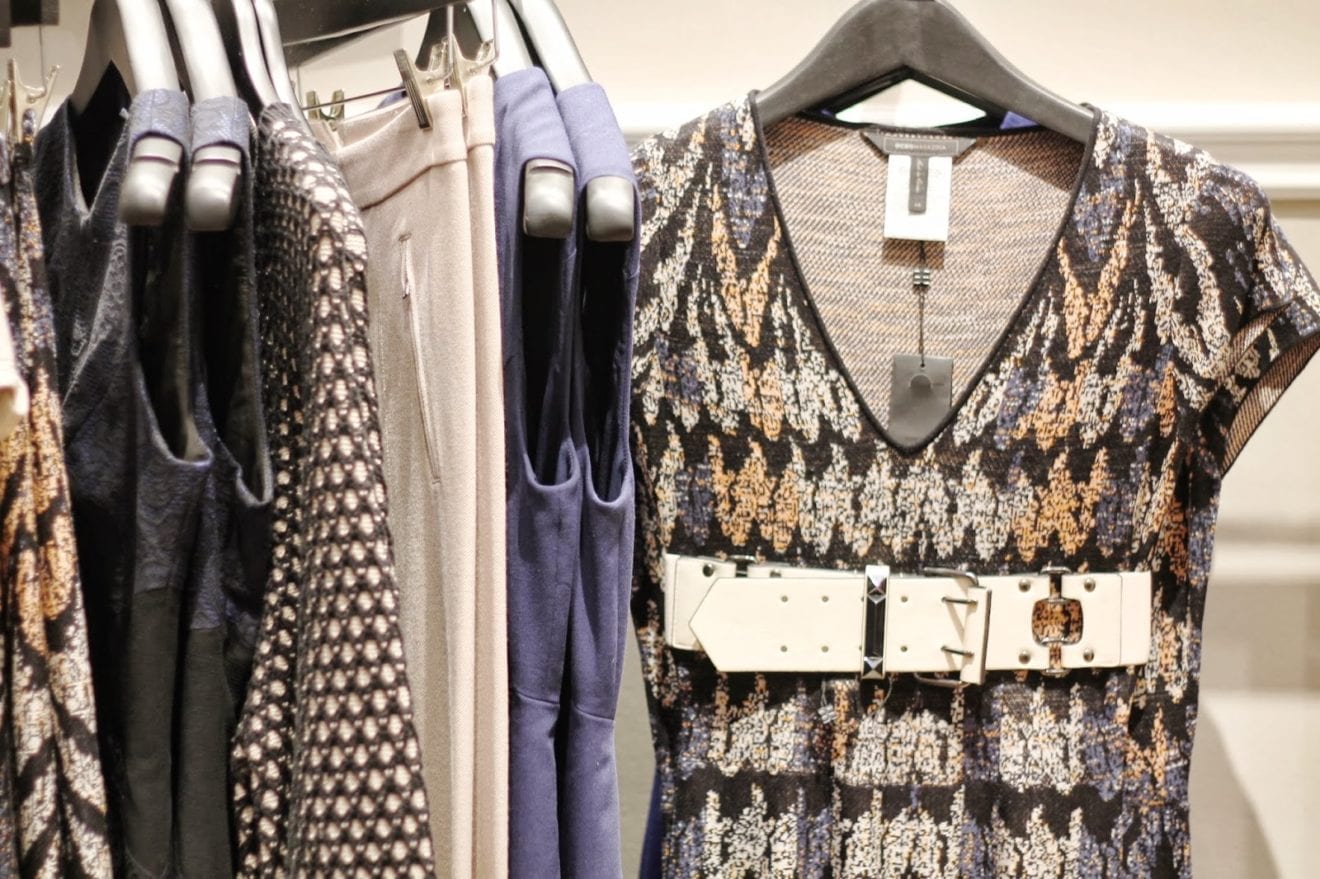
    Dresses from BCBG Max Azria have been photographed firmly fitting celebrities including Selena Gomez and Drew Barrymore.

    BCBG is an acronym for the French phrase “bon chic, bon genre” or “good style, good attitude”.

  • Pizza Hut Thailand moves ownership

    Pizza Hut Thailand moves ownership

    PH Capital, a subsidiary of Thoresen Thai Agencies (TTA), has signed an agreement to acquire the Pizza Hut business in Thailand from Yum Restaurants International (Thailand) for an undisclosed amount.

    PH Capital is a 70:30 JV firm established by TTA and PM Capital, a company run by the Mahagitsiri family that manages global F&B brands.

    “We see food business as a fast-growing, low-volatility business. We make decisions to invest based on the target businesses’ management vision and reputation,” says TTA CEO/president Chalermchai Mahagitsiri.

    PH Capital will run all 92 Pizza Hut restaurants in Thailand under the supervision of Pizza Hut by the end of the second quarter of this year, says the company. Director Ausana Mahagitsiri says it will modernise the outlets, add seats and revamp its home-delivery service – and open more than 100 new restaurants.

    Pizza Hut Thailand is an affiliate of restaurant firm Yum! Brands, which also manages KFC, Pizza Hut and Taco Bell with 43,500-plus restaurants in more than 135 countries.

  • Asians top buyers of Moncler clothing

    Asians top buyers of Moncler clothing

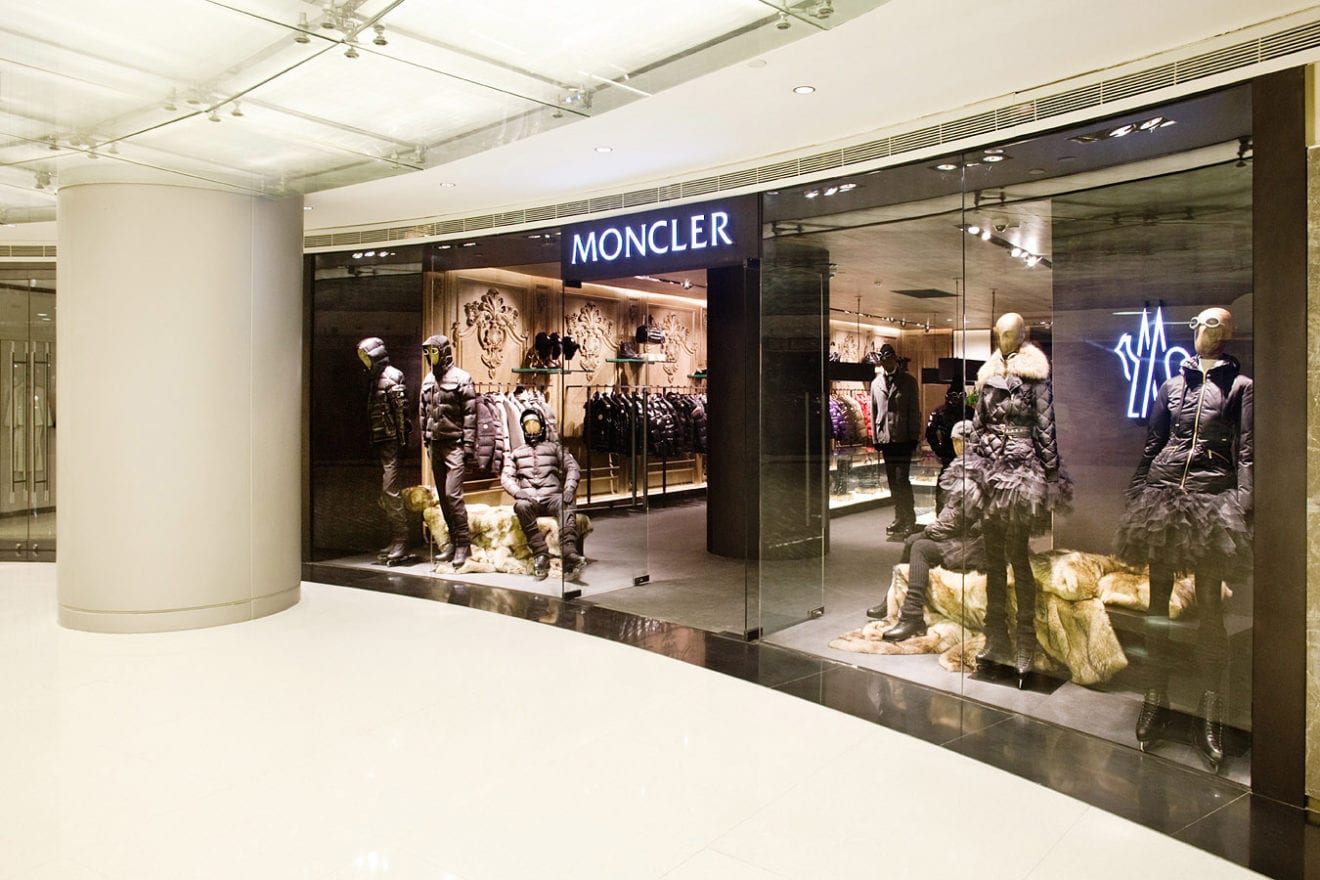
    China and South Korea were the top markets, along with the US, for Italian luxury clothing maker Moncler last year.

    Sales of Moncler clothing rose 18 per cent with revenues of €1.04 billion (US$1.1 billion). Same-store-sales were up 7 per cent, and at the end of the year the group had 190 directly owned stores, 17 more than 12 months previously.

    Moncler chairman/CEO Remo Ruffini says he is convinced the group will continue to grow this year.

    COO Roberto Eggs says the group has started talks with Swiss travel retailer Dufry to open in airports, with timing depending on opportunities.

    CCO Luciano Santel says most of the company growth last year came from volume, with prices being mostly stable.

  • Mazda to recall 460,000 cars globally for diesel engine defects

    Mazda to recall 460,000 cars globally for diesel engine defects

    Japan’s Mazda Motor Corp said on Thursday it was recalling about 460,000 CX-5, Mazda3 and Mazda6 cars globally to fix multiple defects in their diesel engines, including a problem that could lead to engines stalling.

    The cars subject to the recalls were produced between Feb. 13, 2012 and Feb. 2 this year. No injury or fire has been reported from the defect, Mazda said.

    Of the total, 170,000 cars were sold in Japan and the remainder overseas.Japan’s Mazda Motor Corp said on Thursday it was recalling about 460,000 CX-5, Mazda3 and Mazda6 cars globally to fix multiple defects in their diesel engines, including a problem that could lead to engines stalling.

    The cars subject to the recalls were produced between Feb. 13, 2012 and Feb. 2 this year. No injury or fire has been reported from the defect, Mazda said.
    Of the total, 170,000 cars were sold in Japan and the remainder overseas.

  • AirAsia plans to restart expansion, fly international by 2018

    AirAsia plans to restart expansion, fly international by 2018

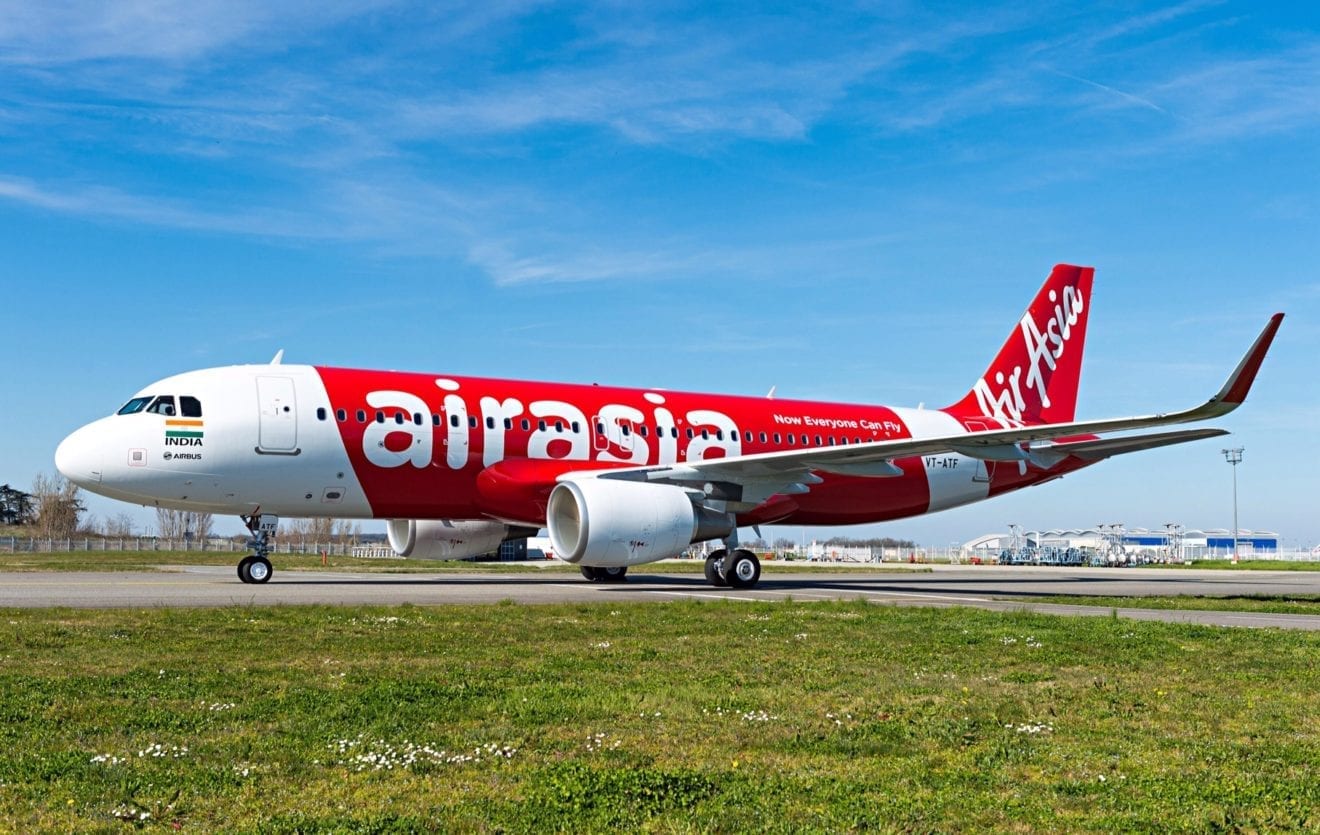
    AirAsia India, which is in the midst of a court case about foreign control and investments, plans to restart expansion and fly international by next year after regulatory authorities gave it tacit approval last month.

    Aviation regulator Directorate General of Civil Aviation (DGCA) said in a 8 February ruling that it would not terminate AirAsia’s licence as the airline had not violated any rules. The order, however, noted that the airline’s budget, airfares, ancillary services and aircraft leasing among other things are approved by the parent AirAsia Group in Malaysia under the brand licence agreement signed between AirAsia India and AirAsia Group.

    “The issues continue but the DGCA ruling on the brand license agreement was quite in our favour. We have always maintained it. It’s not new to us, it’s probably new to the competition,” AirAsia India chief executive Amar Abrol said at a media roundtable in Delhi on Thursday. “We are again getting ready for the second wave of growth.”

    The Bengaluru-based airline plans to expand its fleet to 14 Airbus A320 planes by October from the current eight. These will be used planes and not from the AirAsia Group, Abrol stressed.

    Planes previously used by US-based Frontier Airlines will be leased from the aircraft lessor who owns the plane. The airline will fly largely between metros and tier-II cities as it expands, Abrol said, adding that “the overall strategy is route dominance rather than getting hammered everywhere”.

    Abrol said a new team was coming in to work on the international plans. “There is a project team coming in to get us ready for international. It will take us at least one year to get to international—so if not summer, autumn next year (we will fly international),” he said.

    The airline will focus on South-east Asia, where it has several sister airlines under the AirAsia group providing ready infrastructure. “We literally don’t have to do anything we just have to land up in Kuala Lumpur… airports ready, staff is already there. It’s all there,” Abrol said.

    AirAsia Indonesia is starting Bali-Mumbai flights, AirAsia Thailand is flying into Kolkata, AirAsia Malaysia is flying into Bhubaneswar and AirAsia X is looking at increasing its frequency to Delhi.

    It only makes sense to marry the traffic so AirAsia India will tie-up with these airlines and make its network in such a way that they can sell common tickets, he said. For example a passenger can buy a Jaipur-Bengaluru-Kuala Lumpur ticket, where AirAsia India does the first leg and AirAsia Malaysia the second, he explained.

    The sister airlines and AirAsia will gain 12% traffic each after these agreements are in place, Abrol estimated.

    To be sure, the airline is yet to make profits and Abrol did not specify when it expects to become profitable. He said the next fiscal will be an investment year for the firm, and while the airline has already received two rounds of funding since inception, it will look at more funding at the end of the year if required as it goes international.

    Tony Fernandes-promoted AirAsia Bhd, through AirAsia Investment Ltd, owns 49% in AirAsia India. The Tata group owns 49%, and two directors of AirAsia India—S. Ramadorai and R. Venkataramanan (both Tata loyalists)—hold the rest.

    Bharatiya Janata Party (BJP) leader Subramanian Swamy, who sought the quashing of the airline’s licence by the court, told Mint on 10 February that he was not convinced by the DGCA ruling and would pursue his case in the courts.

    Abrol said he hoped 2017 would be better than 2016.

    “By the end of the year we will have 1,800 people working for us. I am sure the government will take cognizance of investments, Make in India, people employed,” he said.

  • Fintrax and Lotte form JV to boost tax-free shopping in Korea

    Fintrax and Lotte form JV to boost tax-free shopping in Korea

    Eurazeo Capital portfolio company Fintrax Group has formed a joint-venture (JV) with The Lotte Group subsidiary Lotte Data Communications Corporation (LDCC).

    Fintrax will join Lotte as shareholding partners in CubeRefund, an existing refund operator in Korea and will drive the business forward together.

    Fintrax Group is the second largest tax-free operator in the world with over 150,000 retail outlets including leading luxury and retail brands such as Dior, Gucci, Dolce and Gabbana. The JV will firmly establish CubeRefund, which will use the Fintrax Group’s tax-free subsidiary Premier Tax Free’s name and logo, as the leading VAT refund company in Korea.

    The JV project will contribute to the expansion of Lotte Group’s sales as well as the economy by increasing visits to overseas tourists through duty-free shops, department stores, and outlets in the mid to long-term.

    CubeRefund is recognised for its innovative technology, which aligns with Fintrax Group values. Through this agreement, CubeRefund (t/a Premier Tax Free) will provide high-quality tax refund services to foreign tourists visiting Korea. In addition, the company plans to become more active in expanding its business by promoting international joint marketing, increasing the luxury goods tax refund business, and establishing a bridgehead for overseas market entry.

    Fintrax CEO Patrick Waldron commented: “We are delighted to invest in this joint venture with CubeRefund. We have a great partner in the Lotte group, who is one of Asia’s leading companies. This latest investment underpins our commitment to Asia as a growth strategy for our Group.”

    Waldron will be joined on the board of the JV operation by Gary Byrne, head of New Markets at Fintrax, who leads the Asian strategy and led the deal on behalf of Fintrax. Byrne added, “We are pleased to begin our operations in Korea, this is increasingly an important market for our international brands.”

    “CubeRefund is the first successful case to attract foreign investment as an excellent venture company discovered by LDCC,” said LDCC CEO Yong-deuk. “We will continue to explore various win-wins. I will take the lead in spreading the culture of mutual growth.”

    The tax refund market in Korea has grown almost 10 times since 2010 from circa W41.7bn to  circa W413bn in 2017 and is expected to grow in the future in line with the continued growth of overseas tourists. Tax-free shopping is a fundamental part of the country’s Government strategy to attract Chinese and other international tourists.

    Fintrax were advised by Natixis and LDCC were Advised by PWC Korea.

  • Optus, Huawei complete Massive MIMO field test

    Optus, Huawei complete Massive MIMO field test

    Australia’s Optus and Huawei have announced they have completed a successful infield test of Massive MIMO as part of the operator’s upgrade path to 5G.

    The trial used 128 transmit 128 receive Massive MIMO technology, achieving aggregate cell throughput of 665Mbps over a single 20 MHz carrier on the 2300-MHz frequency band, shared by 16 devices.

    Optus managing director for networks Dennis Wong said the trial demonstrated an aggregated speed improvement of up to eight times the capacity of existing 4G cell sites.

    “We’re seeing a 75% year on year increase in data consumption. Massive MIMO is an important step along the journey to 5G as it allows us to immediately increase cell site capacity and spectrum efficiency,” he said.

    “For customers, this means that their experience will be of consistently high standard even in high usage situations – regardless of whether your neighbour is downloading movies, or the person across the hall streaming 4K videos off YouTube.”

    He said the testing also indicates that the beamforming capabilities of Massive MIMO can deliver significant improvements in areas with high density populations, such as high-rises.

    In January, Huawei also completed field verification of the first FDD-based Massive MIMO technology, in collaboration with China Unicom. Major vendors showcased Massive MIMO technologies at Mobile World Congress 2017 this week.