Author: Mei Ling Tan

  • Construction of Kertajati Airport reaches 64.2%

    Construction of Kertajati Airport reaches 64.2%

    Kertajati Airports construction project in Majalengka, West Java, comprising access, drainage, interchange ramp, and parking lots has reached 64.2% on Jan 29, PT. Bandarudara Internasional Jawa Barat Director Virda Dimas Ekaputra stated.

    The construction of the Kertajati Airport comprises three working packages, Ekaputra noted.

    Package 2 encompasses the construction of the main passenger terminal building in cooperation with PT. Wijaya Karya and PT. PP, with a contract value of Rp1.39 trillion.

    Meanwhile, Package 3 comprises the construction of facilities for supporting operations, such as a cargo terminal and regional electrical connection by PT. Waskita, with a contract value of Rp416 billion.

    “The work on Package 2 has reached 19.94%, while that on Package 3 has reached 35%,” Ekaputra stated.

    Hence, he noted that the overall progress of the Kertajati airports construction project has reached 30% on February 5, 2017.

    Ekaputra pointed out that the cost for Phase 1 reaches Rp2.1 trillion of the total development investment of Rp4.5 trillion.

    He expressed optimism that the infrastructure work would be completed on July 3, 2017; the building to support operations on August 8, 2017; and the terminal building on December 6, 2017; while the initial operations will begin in January 2018 and full operations in March 2018.

  • Indonesia launches Telkom 3S satellite successfully

    Indonesia launches Telkom 3S satellite successfully

    The Indonesia’s biggest telecommunication company Telekomunikasi Indonesia (Telkom) has successfully launched its Telkom 3S satellite from Arianespace’s spaceport in Kourou, French Guiana, at 6.39 p.m. on February 14 local time or Wednesday at 4.39 am Jakarta time.

    The US$215 million worth satellite carries 24 C-band, eight extended C-band, and 10 Ku-band transponders, which intends to provide high-definition television services, faster mobile communications and Internet applications across the sprawling archipelago of over than 17,000 islands.

    “With Telkom 3S, Telkom will have a total of three satellites. The launching intends to increase the coverage since Telkom 1 and Telkom 2 has the same coverage with Telkom 3S. The reason is that our capacity is not enough; we still rent [transponders] from other countries,” Telkom’s president director Alex J. Sinaga said.

    Telkom 3S will first travel to 135.5 degrees east for testing purposes; then it will reach the final orbital position at 118 degrees east. The US$215 billion worth satellite is fitted with 24 C-band, eight extended C-band and 10 Ku-band transponders.

    Alex said that it would take ten days from the satellite launched until it could reach 135.5 degrees orbital position for testing purposes. After that, the spacecraft would be moved one degree a day to reach its fixed orbital position at 118 degrees east, he added.

    Top executives from PT Telekomunikasi Indonesia including president director Alex J. Sinaga (center), chief technology officer Abdus Somad Arief (second from right) and satellite project head Tonda Priyanto (right) pose after the successful launch of Telkom 3S on Tuesday. The satellite was launched according to plan at 6.39 p.m. from Kourou, French Guiana.(JP/Winny Tang)

    Arianespace has successfully orbited two satellites: Telkom 3s for Telkom Indonesia, together with SKY Brasil-1 for the operator AT&T/ DirectTV.

    “Arianespace is delighted to announce that SKY Brasil-1 and Telkom 3s have been separated as planned on the targeted geostationary orbit,” Stéphane Israël is the Chairman and CEO of Arianespace said in the satellite viewing site named Jupiter control room on Tuesday night local time.

    Replacing the position of Telkom 2, the Telkom 3S, which has a lifespan of 15 years, will cover Indonesia and a part of neighboring Malaysia.

    Apart from Indonesia, other countries, such as Brazil, Mexico and other South American countries, have also launched their satellites from the country.

  • Liverpool FC Indonesia support could bring investment to the city

    Liverpool FC Indonesia support could bring investment to the city

    Liverpool FC ’s massive fanbase in Indonesia could help bring investment to Liverpool according to Britain’s ambassador to the Asian giant.

    The Reds have millions of fans in the South East Asian nation. And that, says Moazzam Malik, could help the club’s home city as Indonesia looks to invest money around the world.

    Reds fan Mr Malik has been the UK ambassador to Indonesia since 2014 and is working to grow links between the UK and Indonesia in business, the creative industries, higher education, and sport.

    Asked what Liverpool meant to Indonesians, he said: “They know about Liverpool football, music and its port. They’re the three things that make Liverpool stand out for Indonesians.”

    And he added: “There’s so much potential in this market through football, not only to push football but to push a wider range of business partnerships and relationships.”

    Liverpool FC has an estimated 66.1 million followers in Indonesia according to research by SportsDNA in 2014. The club last visited the country on tour in 2013 when 90,000 people watched the Reds beat the Indonesia XI.

    It has one central Official Supporters Club in Indonesia, with 24 sub branches, which is one of the largest in Asia.

    The club’s Indonesian language website was launched in May 2013. Its Indonesian Facebook page launched in June 2013 and now has nearly 3 million likes.

    Mr Malik said: “They’re football-mad. There’s Liverpool alongside Manchester United, then Chelsea and Arsenal have big fanbases.

    “They (Liverpool) have got fan clubs in all the big cities. Membership is going great guns. They’ve got people in very prominent positions in Government and politics who follow LFC.”

    Mr Malik said LFC’s sponsorship deal with Indonesian airline Garuda had also “cemented Liverpool’s place in the popular psyche”.

    Why Indonesia?

    Mr Malik says Indonesia “is going to be a driver of the 21st century”.

    Indonesia is made up of more than 17,000 islands, including Java – home to the country’s capital, Jakarta – and the popular holiday destination of Bali.

    It’s the 4th most populous country in the world, with a population of more than 250m, and is the world’s largest majority Muslim country.

    A report this week from accountancy giant PricewaterhouseCoopers said Indonesia could grow to become the fourth-largest economy in the world by 2050.

    That means Britain is going to want to do deals with it, particularly after Brexit – and Liverpool is well placed to benefit.

    Mr Malik said Indonesians are interested in Liverpool’s experience in sectors including ports and logistics, advanced manufacturing, renewable energy and the creative industries. And he said Indonesia’s second city, Surabaya, was particularly keen to strengthen its relationship with Liverpool.

    He said: “Surabaya is a huge port city, Indonesia’s second-largest port. There are things they can learn from Liverpool. They can partner with Liverpool. In sports, creative industries and higher education, there’s a lot we can do.

    “I’m speaking to Mayor Risma, and she says she’s keen to come to Liverpool in spring.”

  • Yakult Indonesia still relies on imported milk for dairy drinks

    Yakult Indonesia still relies on imported milk for dairy drinks

    Yakult Indonesia Persada, one of the major producers of fermented milk products, still relies on imported raw materials for its production in Indonesia.

    Yakult Indonesia vice president and director Hiroyuki Kawada said the company had to import ingredients because local milk had yet to meet the standards for the company’s fermented milk |production.

    “We mostly import the skimmed milk from Australia, and the rest is from Belgium,” he said.

    Yakult Indonesia Persada, a subsidiary of Japan-based Yakult Honsha, was established in1990. The company operates a factory in Sukabumi, West Java, and another in Mojokerto, East Java.

    The factories can produce 6.6 million 65-millilitre bottles of cultured dairy drink a day. The company sells its fermented milk through supermarkets and through “Yakult Lady”, a sales force of women who sell the product door-to-door in many parts of the country.

    “There are 7,600 Yakult Ladies now, and they can reach 30 houses per day each,” said Antonius Nababan, the companies marketing communication and commercial (MCC) director. Zulkarnain, the MCC’s senior assistant manager, said sales averaged 5 million bottles a day.

    Indonesia was the second-biggest market for Yakult products after Japan, which has 10.18 million consumers.

  • BEI of Jayapura office opens share investment clinic

    BEI of Jayapura office opens share investment clinic

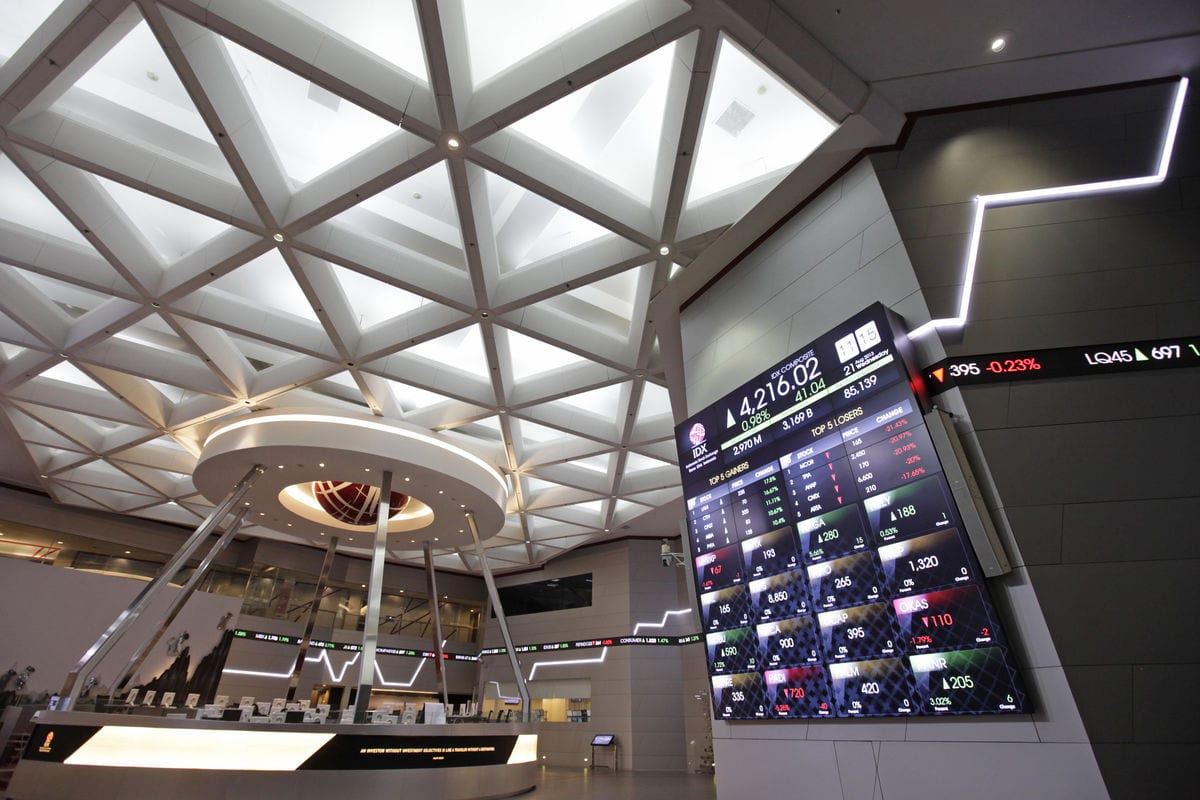
    The representative office of the Indonesian Stock Exchange (BEI) in this Papua capital city has opened a clinic class for non active registered share investors.

    “They need guidance especially as the share customers are different in type. Therefore, we open share investment class for them,” head of the BEI representative office of Jayapura Kresna Aditya Payokwa, said here on Tuesday.

    Participants are told how to buy and sell shares, and how to analyze the marker trend, Kresna said.

    “We open the share investment clinic every Monday, Wednesday and Friday . Now it is already the fifth group,” he said.

    From the class it could be seen who among the investors more active in the share trade, he said, adding a prize is given to the most active traders.

    The clinic is part of the program to promote share trading in a bid to increase the number of investors in BEI.

    By January , 2017, BEI recorded 2,391 investors , up from 1,300 investors a year earlier.

    The number of investors in Papua has continued to increase. Transactions in 2016 were valued at Rp1.3 trillion. Monthly transactions average Rp100 billion, he said.

    Many of the investors at the Jayapura representative of BEI are not active, he said.

    “Transactions in January 2017 were valued at Rp70 billion with active participants making up only 60 percent of the total number of registered investors,” he said.

    Most of the people do not understand share trading. “BEI is new for them , therefore, we need to intensify socialization,” he added.

  • InMobi sees gold in Indonesian ad market

    InMobi sees gold in Indonesian ad market

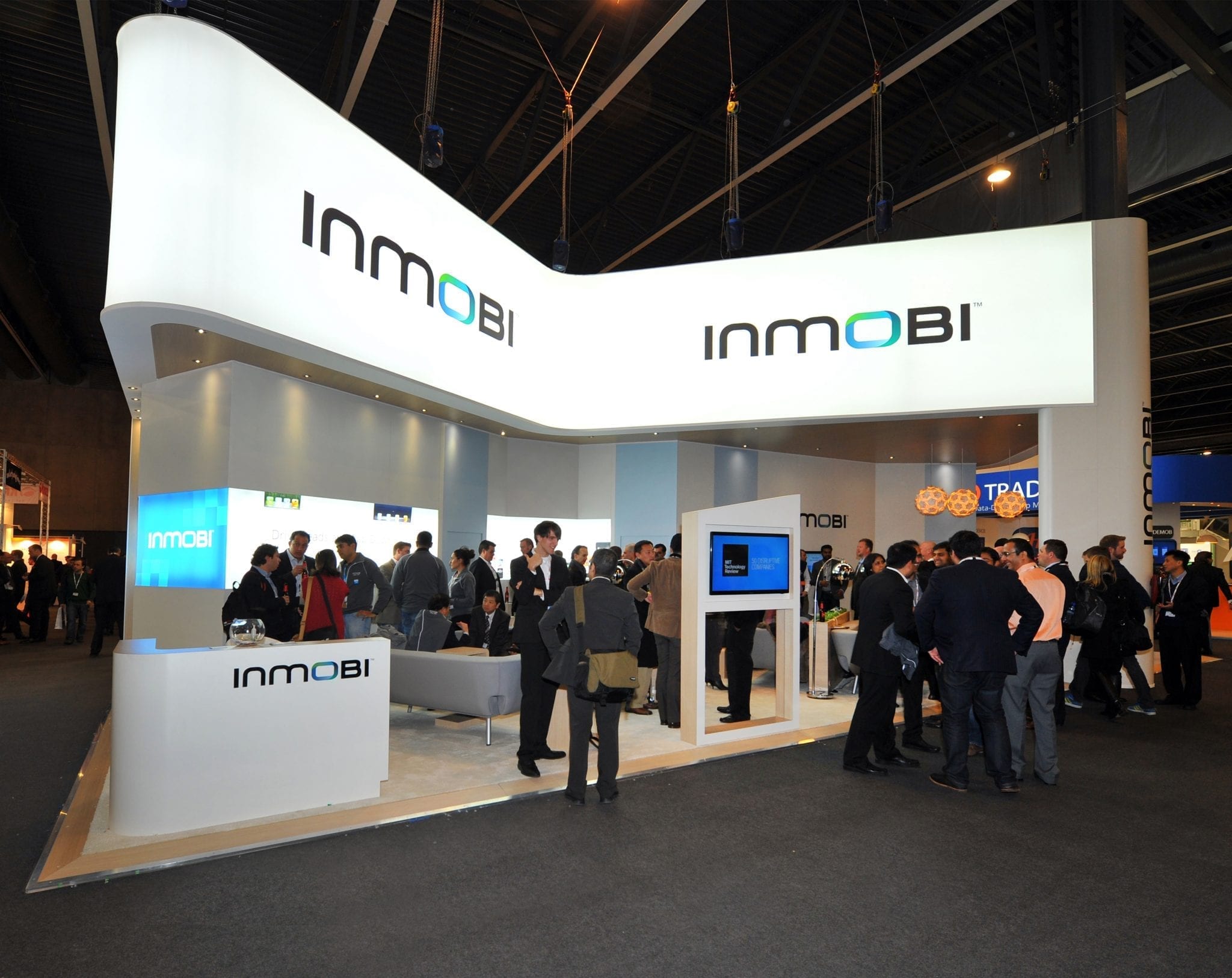
    InMobi, an India-based mobile advertising platform provider, will invest up to US$50 million within the next five years to expand its business in Indonesia.

    InMobi founder and chief executive officer Naveen Tewari said in Jakarta on Monday that the company would focus its investment on developing a mobile video advertisement and customer-relationship management platforms.

    “We are going to expand our business, also use the money for team resources, product customization, and partnerships,” Naveen told a media briefing.  “We are also going to bring our team from India, as well as hire local [human] resources in Indonesia,” he added.

    The mobile advertisement market in Indonesia is quite promising because of the shift in advertisement placement from conventional media such as television to mobile devices and the increasing number of smartphone users, according to InMobi.

    The company’s survey showed that in 2016, video-based advertisement on mobile devices in Indonesia rose by 380 percent.  InMobi is a mobile advertising platform, which was established in Indonesia in 2008, marking its first office outside India.

    “By 2016, our platform has reached 90 percent of smartphone users, or approximately 69 million users in Indonesia. We offer an ads platform that can reach a larger scale than television advertising,” Naveen added.

  • Made-in-China truck sales lose ground in Vietnam

    Made-in-China truck sales lose ground in Vietnam

    Made-in-China trucks which had once dominated the Vietnamese market are facing the slow sales since early 2016. According to the General Department of Customs, import of made-in-China trucks into Vietnam reached a record high of 26,700 units in 2015 worth a total USD1 billion compared to 13,700 units worth USD530 million in 2014.

    However, since early 2016, the sales of Chinese trucks have considerably fallen in Vietnam. The General Department of Customs reported that only 10,900 Chinese trucks had been imported into Vietnam in 2016 and this figure reached just 94 units in January of 2017 compared to 1,700 units in January 2015.

    Explaining about the surge in Chinese trucks imported during the 2014-2015 period, owner of an auto-agent in Hung Yen Province, said that it was low prices which attracted customers. Meanwhile, Vietnamese auto agents could owe payments for buying Chinese trucks for between 6 months and one year.

    In early 2014, the Ministry of Transport issued a regulation to tighten control over overloaded vehicles also helped to fuelled the import of large-sized Chinese trucks.

    Earlier, trucks were allowed to transport larger quantities, 2-3 times over their load capacity. But they will be fined heavily if they carried that much now with the new policy. So as to carry the same amount of goods as before, local transport firms had to increase the number of trucks.

    The slow sales of Chinese trucks in Vietnam are also attributed to the stronger competition from rivals. More trucks produced by South Korea’s Hyundai, Japan’s Hino, Russia’s Kamaz and German’s Shacman are all being sold in Vietnam with more affordable prices.

    Many showrooms of made-in-China trucks have been set up along National Highway 5A, however, over the past year, they have sold only a few units.

    Representatives of a showroom in Hai Duong Province said despite low prices, the company sales of Chinese trucks have been on the sharp fall, which is partially due to quality which is not good as those made by South Korean, Japanese or European firms.

    After being imported into Vietnam, many Chinese trucks have their bodies extended for the higher loading capacity, which is aimed to meet the Ministry of Transport’s regulations and this also seriously affects the trucks’ life-span.

  • FedEx to bolster its e-commerce business in Asia

    FedEx to bolster its e-commerce business in Asia

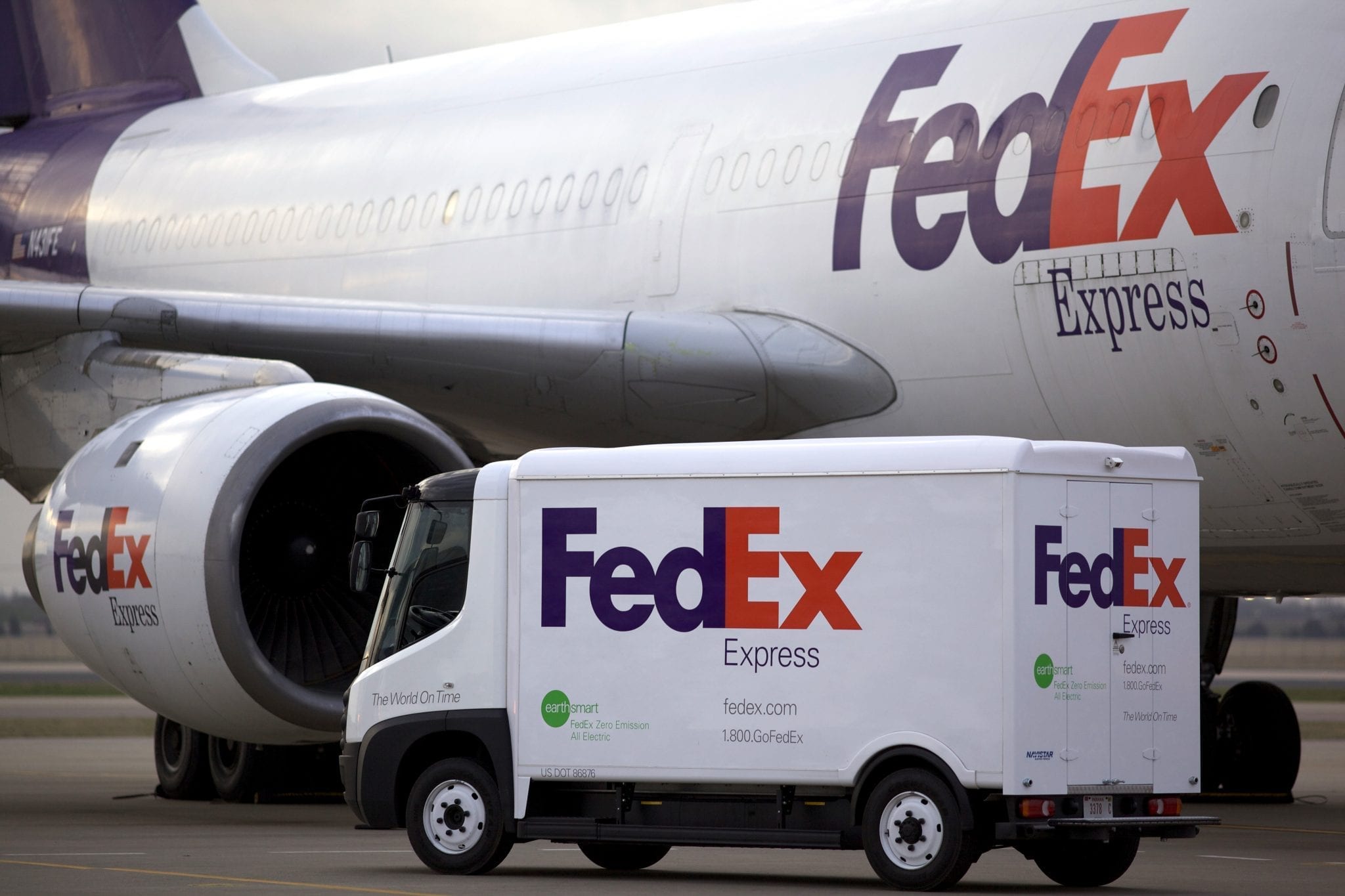
    FedEx will expand its global e-commerce business in an effort to compete for the growing number of packages shipped to consumers from China and Japan, executives said Monday.

    The company, which in 2014 acquired Bongo International, a company that helps shoppers purchase goods from foreign retailers by automatically adjusting currencies, and customs and shipping costs, by location, is rebranding the business as FedEx CrossBorder. The company plans to expand its services to merchants in China and Japan by next June, said Chip Hull, vice president of the newly named division. The company already consolidates shipments for global e-commerce retailers in the U.S., Europe and Peru.

    Asia “is the second-largest region from an export perspective in the cross-border space, on par with Europe, and is growing at a faster rate,” Hull said. As global e-commerce grows at double-digit rates around the world, “Asia is certainly the 800-pound gorilla in the room.”

    FedEx’s international e-commerce efforts have come as other companies are investing in helping retailers with international online-shopping services. United Parcel Service acquired i-Parcel around the same time that FedEx bought Bongo, and Pitney Bowes acquired Borderfree last year. Deutsche Post AG’s DHL also offers international e-commerce services.

  • Mobile growth marketer expands to Japan

    Mobile growth marketer expands to Japan

    Growth marketer platform YouAppi is expanding into the Japanese market.

    With the official opening of YouAppi Japan, the company will be able to help Japan-based CMOs and those targeting the country to acquire users over online channels and identify fraud better.

    The company, founded in 2012, uses its OneRun platform for a variety of marketing functions for its clients, from discovery to user acquisition on video, social and other channels through app re-engagement.

    The platform features advanced anti-fraud functionality to help CMOs reduce their risks, and offers a single point for streamlining mobile media buying and combining machine learning with the company’s proprietary predictive algorithms that reportedly analyze over 250 terabytes of data every day.

    With Yoshie Nakabayashi at the helm as the country manager of YouAppi Japan, the company aims to help leading brands, agencies and publishers in Japan to improve their mobile experience.

    “A year after closing our B Funding Round which was earmarked for Asia, I’m excited that we delivered nearly 600% growth in the region in 2016, and are now opening a strategically important office in Tokyo,” YouAppi CEO and co-founder Moshe Vaknin said.

    According to the company, it ran 15,000 campaigns for 450 leading advertisers with 100 billion monthly impressions served around the world over the last four years.

  • Indonesia Uses Big Data Digital Technology To Boost Tourism Performance

    Indonesia Uses Big Data Digital Technology To Boost Tourism Performance

    Indonesia is now using big data Mobile Positioning Data (MPD) digital system in a bid to boost up performance of the nation’s core business sector, tourism, China’s Xinhua news agency reported.

    The MPD to support the tourism activities is operated by Indonesia’s central statistic agency of BPS by detecting the cellular phones used by visitors entering Indonesian territory from several gates, including from land borders with neighboring countries.

    Besides in big cities’ airports, the system is also applied in 19 regencies and 46 subdistricts which host Indonesia’s border areas to neighboring countries as well.

    The MPD digital system have been operated since October last year and is scheduled to serve until 2019.

    Indonesian marketing guru from University of Indonesia (UI) Rhenald Kasali said that option to ultimately use the MDP digital system is a correct move to respond the ongoing digital lifestyle adhered by people globally with smart phone.

    “The official data provided by the BPS would not only be useful in analyzing tour markets and outlining policies in the sector. The data is also essential for those indulging in tourism business to expand their businesses,” Kasali said.

    The tourism ministry would breaking the data down into more specific information about the visitors, including their length of stay, frequency of their visits, spending and even their tour activity preferences during their holiday in Indonesia.

    Head of ASITA (Association of Indonesian Tours & Travel Agencies) Asnawi Bahar said that with processed information resulted from data, travel agents and hotels would be able to prepare resources and proper accommodations for the visitors.

    “It would be very useful for us as we can digitally learn plans of the visitors’ movements since their departures,” Bahar said recently.

    He added that most of foreign visitors have now booked their travel packages in Indonesia through digital applications in advance, including the payments, through their gadgets.

    Indonesia has been taking herculean efforts to develop its tourism sector, replacing the previous oil and gas, coal and palm oil sectors.

    The current government expects to see 20 million foreign visitors with earnings gained from the sector at over US$24 billion the time its service term ends in 2019.

  • Burger King announces Valentine’s Day ‘adults meal,’ complete with ‘adults toy’

    Burger King announces Valentine’s Day ‘adults meal,’ complete with ‘adults toy’

    When making plans for Valentine’s Day, most couples wouldn’t consider Burger King an option for a romantic night out.

    The fast food chain is trying to change that in Israel, where they’re offering a special “adults meal” just in time for Valentine’s Day.

    The adult meal comes with two Whoppers, two orders of french fries, two beers, and one romantic adult toy.

    No word on what that toy might be exactly, though Burger King Israel’s promotional video gives us a few hints. It shows a takeaway box with an eye mask, a feather duster, and a scalp massager.

    The “adults meal” will only be available on Valentine’s Day after 6 p.m. to customers who are 18 years or older at Burger King’s Israel locations.

  • Transport Ministry rejects Uber Vietnam proposal

    Transport Ministry rejects Uber Vietnam proposal

    The Transport Ministry has declined to approve a Uber Vietnam request to pilot an IT upgrade for its services, citing, among other things, a lack of authorisation and validation from its parent firm. In an indication of regulatory obstacles that stand in the way of companies using ridesharing apps that people can use to hire transportation in major cities around the world, the ministry said Uber Vietnam had not met several conditions for regularising its operations in the country.

    A similar application by Uber’s rival, GrabCar, has been approved.

    An official document sent to the company by the ministry said the authorisation given to Uber Vietnam by Holland-based Uber International Holding BV (Uber BV), which provides the smartphone application for Uber services, was insufficient.

    It said Uber Vietnam was presenting itself as the developer and applicant of the test launch with Uber BV having no legally binding responsibility in project implementation.

    Furthermore, the registered fields of operation in Uber Vietnam’s initial business certification are “managerial activities” and “market research”, that has no relation to any action authorised by Uber BV.

    If Uber Vietnam is developer of the IT component and wants to apply it, it has to add this activity to its list of registered operations, according to the Ministry.

    Also, as the party directly responsible for signing and implementing the project, Uber Vietnam should work with other commercial transportation units and provide these and their direct clients (drivers) with the necessary contracts.

    The ministry also said that under the nation’s e-commerce laws, the Uber mobile application has the same function as an electronic exchange. Therefore, the company needs to register its services with the Ministry of Industry and Trade.

    Regarding Uber Vietnam’s use of electronic contracts and data instead of traditional paper contracts, the ministry demanded more details and analysis on the content and process before approving the project.

    In particular, the pilot project must clarify Uber’s rights and responsibilities as a supplier of technological applications and transportation services. This includes the authorisation given by Uber BV to Uber Vietnam, as also the resolution of any legal issues that arise during the latter’s operations.

    The ministry’s communiqué said it could not approve Uber Vietnam’s request before the company satisfies all the conditions mentioned therein. It said this was required so that the company would not continue working with vehicle owners and other transportation units in contravention of regulations.

    The project under which Uber has sought approval is officially titled “Application of information technology in supporting the management and connection of commercial passenger transportation by contract.”

    The project’s stated aim is to enhance State management of information technology-based passenger transportation, and create preconditions for future science and technology application projects in the transportation sector.

    Uber entered Vietnam in June 2014 as a foreign company operating in the country without resident offices. The company has undergone previous scrutiny by the Government on matters of tax avoidance and its legality in the country.

  • Singapore CIOs taking action against BYOD threats

    Singapore CIOs taking action against BYOD threats

    CIOs in Singapore are stepping up their fight against the security risks posed by the widespread adoption of BYOD practices.

    More than one in three (36%) CIOs say a lack of employee knowledge and skills around data security is the most significant security risk their organisation will face in the next five years, according to a report from Robert Half.

    While traditionally, the response to IT security has been to find the optimum way to protect a business’ assets from external security attacks, a growing risk now faces organisations in the form of potential internal security threats.

    This threat is made evident by the fact that almost three in four (74%) CIOs allow their employees to access corporate data on their personal devices.

    Matthieu Imbert-Bouchard, managing director of Robert Half Singapore said that BYOD practices offer many advantages such as increased employee satisfaction, productivity and cost savings, so companies must take steps to balance both their employees’ needs and their security concerns.

    To combat the ongoing threat posed by BYOD, nearly all (97%) of CIOs are taking action to protect their company from potential data breaches.

    The most common response (58%) is to train personnel on cyber-security policies and corporate practices when using their personal devices. Signing an acceptable use policy also seems to be standard practice for more than half (57%) of the Singaporean companies.

    Technical applications are being implemented as 53% say they are deploying mobile device management technology and 52% are using authentication software.

    There is an increased demand for IT security specialists with the niche skills needed to protect companies against data security risks, including risks related to BYOD. But finding the right skillset is a challenge, with all of Singaporean CIOs saying it is difficult to source skilled technology professionals, with one in three (29%) saying professionals with mobile security skills are the most in demand.

  • Bus-assembly line fire inflicts $11m loss

    Bus-assembly line fire inflicts $11m loss

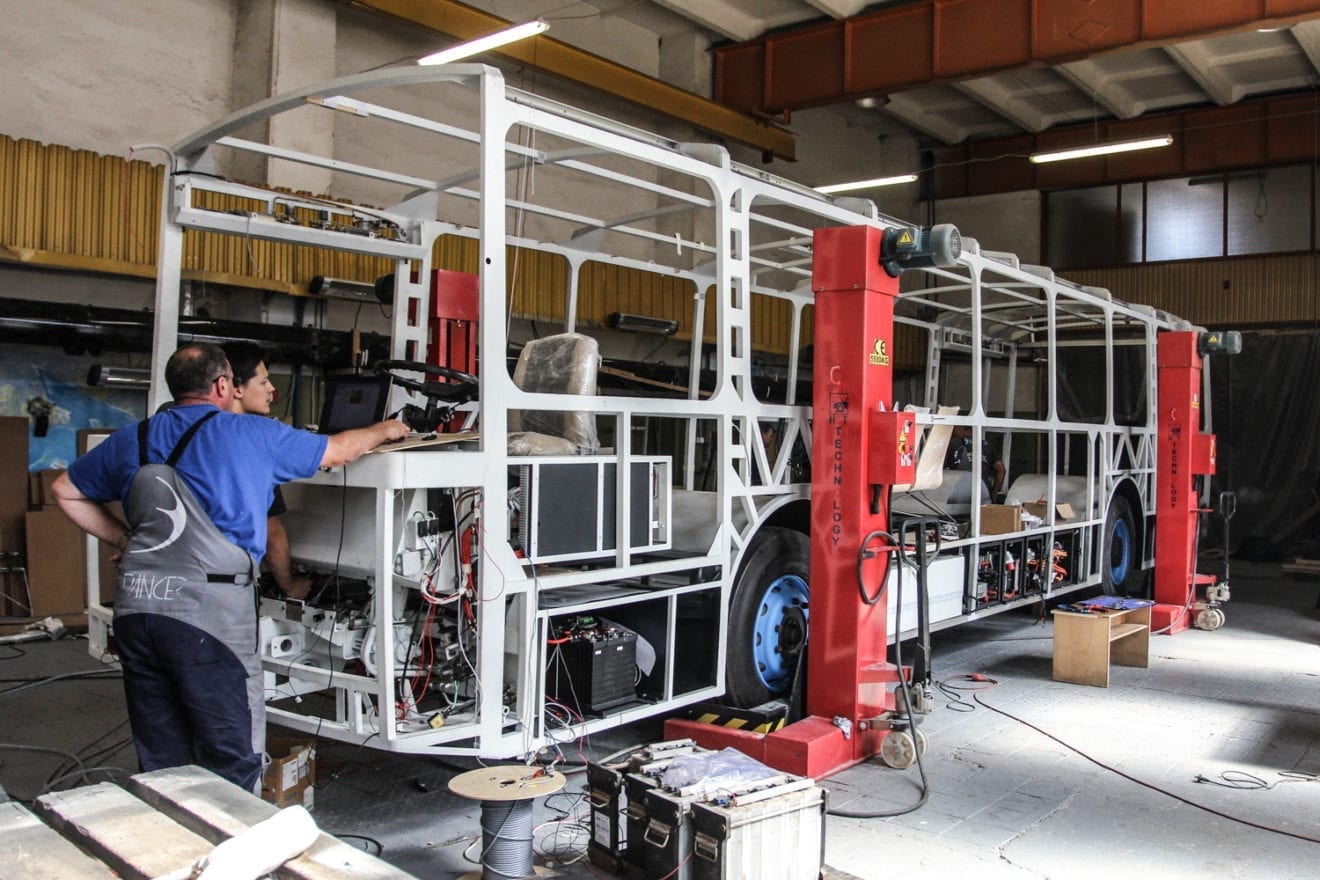
    A fire that broke out at two sites of a bus assembly plant early this month destroyed spare parts and components worth VND250 billion (US$11 million). A bus is assembled at its plant by the Truong Hai Automobile joint stock company (Thaco) in Quang Nam Province. Production was resumed nine days after a fire broke out at the plant on February 2.

    The assessment was revealed by Chairman of the Truong Hai Automobile Joint Stock company (Thaco), Tran Ba Duong, at a press conference on Sunday in central Quang Nam Province, where the plant is located.

    He said initial investigations point to the fire being caused by short-circuits.

    The fire broke out on February 2 after working hours at around 6pm at the Chu Lai-Truong Hai Auto Manufacture and Assembly Complex and blazed for around three hours.

    Components and accessories stored in the 5,400sq.m assembly workshop were burnt, Duong said.

    He said over 1,000 workers in the complex and firemen from Quang Nam, Quang Ngai, Da Nang, soldiers and staff of the Chu Lai Airport joined hands to stamp out the fire and remove components out the workshop.

    The plant resumed operations on Sunday after an initial investigation and recovery, he added.

    “The fire was out of reach of the plant’s automatic extinguishing system. It took four hours to mobilise a large fire-fighting force and extinguish the blaze,” Duong said.

    ‘Our fault’

    “It’s our fault that we collected components and accessories to service big orders while a new production line was under construction,” he said.

    Duong said Thaco had an insurance deal with the HCM City-based Bank of Investment and Development Bank (BIC) and Da Nang-based PVI for a total of VND638 billion ($28.2 million).

    He said BIC had asked an independent unit, Viet Nam International Adjuster (VIA) to assess the damage.

    The accident is still under investigation and final results will be announced after the probe is completed, he said.

    Also present at the conference was Dinh Van Thu, Chairman of the provincial People’s Committee. He said the fire was a lesson in fire prevention not only for Thaco, but other companies in the province’s industrial zones.

    Thu said Prime Minister Nguyen Xuan Phuc had asked the province to speed up the investigation and help the business resume production soon.

    The Thaco chief said the fire had delayed delivery of buses by three days to seven days.

    Thaco has invested US$400 million in constructing the Chu Lai-Truong Hai Industrial Complex, which has a logistics centre, car production factories, a vocational training college, a seaport, storage facilities and shipping services.

    Last year, Thaco earned total revenues of VND65 trillion ($2.8 billion), a 40 per cent growth, contributing VND18 trillion ($796 million) to the State budget.

    The nation’s biggest automaker plans to build three more plants with the total annual capacity of 215,000 trucks, vans, commercial cars, and achieve a localisation ratio of 16 per to 46 per cent.

    It currently manufactures and distributes Korea’s Kia model, Japan’s Mazda and France’s Peugeot. It has exported its cars to Laos, Cambodia, Myanmar and Columbia.

    Thaco plans to earn revenues of VND71 trillion ($3.1 billion) this year, equivalent to two per cent of the country’s Gross Domestic Product.

  • China Mobile HK migrates to cloud core network

    China Mobile HK migrates to cloud core network

    China Mobile Hong Kong has migrated its services to an NFV-based cloud core network provided by Huawei.

    The operator has migrated its legacy networks to cloud networks based on the 3GPP system. Working closely with Huawei, the migration took only around six months, according to CMHK CEO Sean Lee.

    “The synergy between CMHK and Huawei is expected to ensure our entire cloud networks will be smoothly put into commercial use, bringing better service to our customers,” he said.

    CMHK’s new cloud core network provides services for more than 20 network systems including IMS, evolved packet core, mobile number portability, HSS/HLR and mobile switching center server.

    Lee said the migration will pave the way for CMHK’s eventual migration to 5G based on the Network 2020 vision.

    “On CMHK’s cloud network, network elements in [the] IMS, packet switched and circuit switched domains are co-deployed. VoLTE, VoWiFi and mobile data services are co-operated,” Huawei VP of cloud core networks Wang Yonge said.

    “Compared to legacy core networks, cloud core networks are more elastic and robust. CMHK and Huawei are jointly developing new technologies, such as network slicing and edge computing to lead the transformation to cloud networks.”

    News of the completion of the project comes shortly after CK Hutchison’s Three UK announced plans to deploy a fully integrated cloud native core network in collaboration with Nokia.