Author: Mei Ling Tan

  • E-mart launches Marie’s Baby Circle brand and store

    E-mart launches Marie’s Baby Circle brand and store

    South Korea’s E-mart has launched Marie’s Baby Circle – a new baby brand, created by UK-headquartered Dalziel & Pow.

    The concept aims to place new and expectant parents centrestage, providing everything they need to enjoy their pregnancy and prepare for parenthood.

    Marie’s Baby Circle 1

    Marie’s Baby Circle opened its doors at the launch of Starfield Hanam, Korea’s newest and largest shopping mall complex, late last year, and the brand’s first destination is far more than just a shop. In a project that spanned strategy and brand creation through to design and communications, Dalziel & Pow created an aspirational ‘home from home’, a supportive community that talks to adults about all things baby.

    Instead of the chaotic nursery feel of standard baby stores, Marie’s Baby Circle offers shoppers modern domestic furniture cues and luxurious feeding and changing facilities. At the heart of the store, pregnant women can sit back in comfort and enjoy a personal shopping experience, with products brought to them. The brand will stock a range designed ‘by mums for mums’, and works with bloggers and outside influencers – spotlighting these mothers’ recommended products in feature displays.

    Marie’s Baby Circle 6

    “This concept recognises the unique cultural and contextual needs of South Korean consumers,” said a Dalziel & Pow spokesperson.

    “The country has one of the world’s lowest birth rates at just 1.1 per woman – making the majority of modern parents first-timers who seek knowledge and reassurance. Marie’s Baby Circle answers the call as a supportive, inclusive brand that offers to hold new parents’ hands.”

    Marie’s Baby Circle 4

    Meanwhile, South Korea’s thriving mCommerce market and lightning-fast delivery can present a challenge to physical store visits. The solution? Social, interactive and supportive elements that enrich the store experience, encouraging parents to spend time with this new community of peers and credible experts.

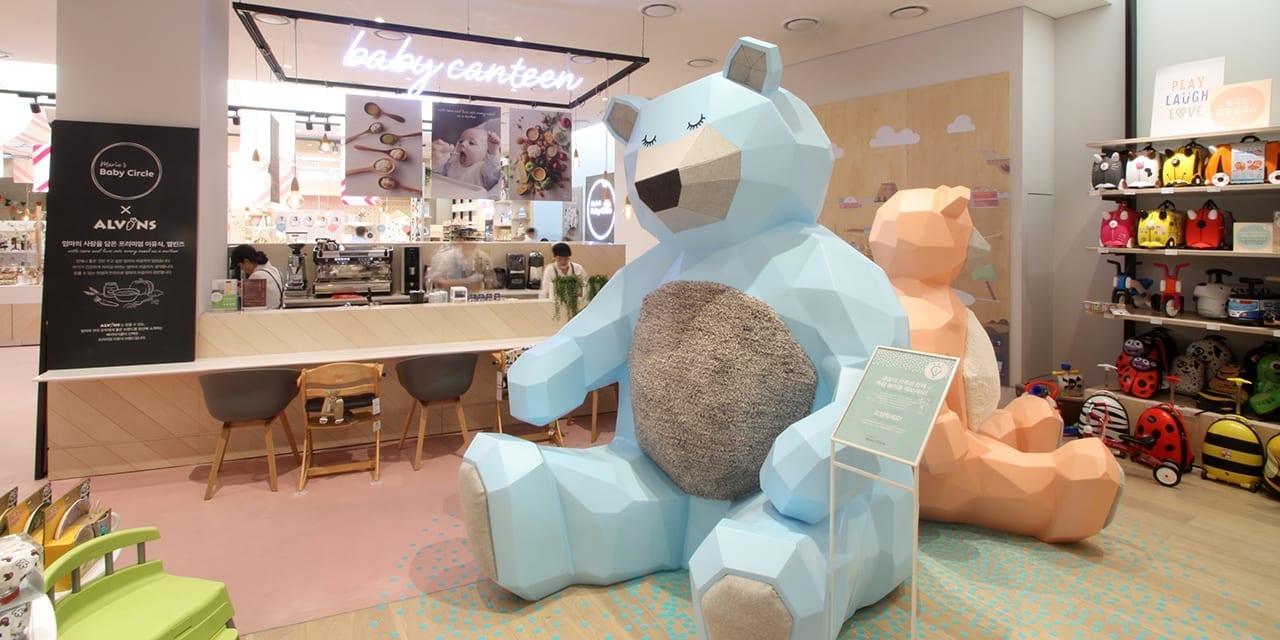
    “Marie’s Baby Circle also captures the excitement and joy of starting a family by weaving a thread of playfulness throughout the store via interactive, sharable moments. A family of snuffling and snoring giant bears in different textures form a tactile point where children can cuddle up and hear stories, while across in fashion you can see and hear a giant toy space rocket in ‘lift off’ which also doubles as an innovative unit for displaying babywear. Over in Sleep, owl and cricket sounds echo around the department as if under the night sky.”

    Marie’s Baby Circle 2

    Digital projection wall

    One key focal point is an engaging, interactive and fun wooden digital projection wall for kids and parents alike. The wall, designed using projection and conductive ink, responds to touch, triggering different animations and sounds involving a new range of bespoke animated characters. Inhabiting their own weird and wonderful world, each character is dedicated to a different part of bringing up a baby – from Ice-cream Susan for feeding, to Lord Peter for sleep.

    Marie’s Baby Circle 3


    These bespoke characters will hopefully become a key feature in the store’s communications and beyond, tapping into the hugely popular emoji and character-driven culture that is prevalent in South Korea. The wall has been designed to appeal to all different heights of children and adults; the bottom half features more robust sound design for younger children, with simpler colours and geometric shapes triggered, while further up the wall the animations become more imaginative, colourful and fantastical.

    The store is intuitively zoned to cater to different shopping missions. Entering through an open, pushchair-friendly storefront, the first section presents collections of toys and fashion, which are most accessible to the widest range of shoppers from expectant mothers to gift givers looking for that special present.

    Marie’s Baby Circle 5


    A Baby Canteen offers a nutritious menu for both adults and infants, with recipe inspiration, ample highchairs and buggy parking. Around this space customers can browse pop-up displays, gift registry and baby shower inspiration.

    The final part of the store journey is dedicated to more in-depth purchasing of essentials, broken up into three key areas of the day: feeding, bathing/changing and sleeping. Helpful conversational communications focus on breaking down what can be an often overwhelming array of product information with intuitive adult friendly need-to-know messaging; a tightly edited approach combats choice fatigue, comprising only the best and trusted products, with room sets providing ‘get the look’ ideas.

    Designed with a new generation of aspirational parents in mind, Marie’s Baby Circle is set to become synonymous with care, credibility and celebrating pregnancy.
  • Soo Kee Group forming JV in Thailand

    Soo Kee Group forming JV in Thailand

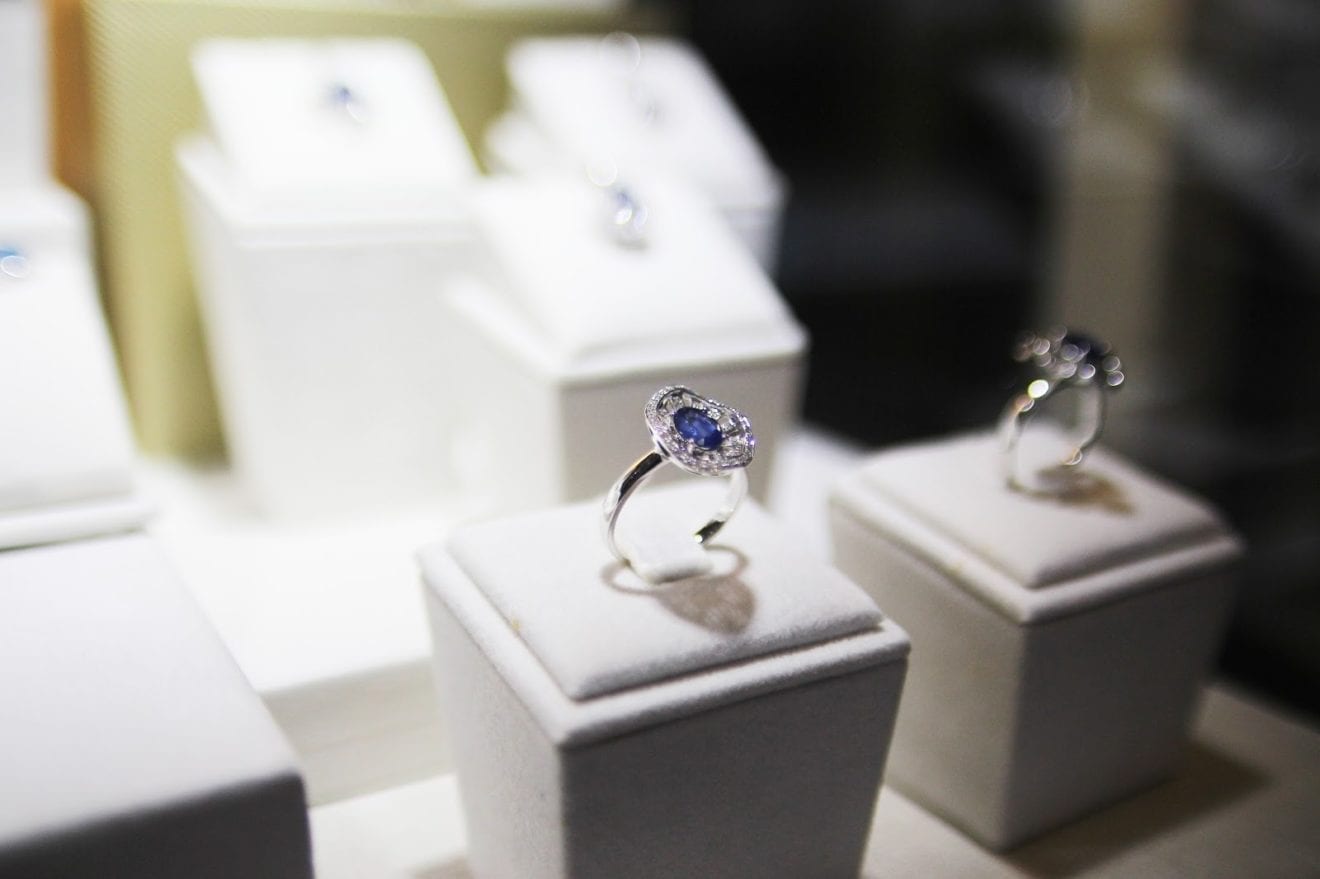
    Soo Kee Group has sealed a deal to form a company with Thai jeweller Aurora Design.

    With an initial paid-up capital of S$1.2 million (US$845,000), the JV will be set up in Thailand. Soo Kee will hold a 40 per cent stake in the company with Aurora holding the balance. The move will help Soo Kee launch its bespoke bridal jewellery brand, Love & Co, on the Thailand market. It is also in line with the group’s growth strategy to widen business networks and strengthen its market position in the region.

    Under the agreement, the JV will sell gold and diamond products under the Love & Co brand while Soo Kee will license and supply intellectual property rights, products and support to the company.

    “Thailand’s huge population and growing upper and middle classes provide a large target market for luxury spending,” says Soo Kee Group CEO Daniel Lim. “We believe the sheer size of the country also presents many untapped opportunities for the group.”

    Meanwhile, the group has entered the bullion business as part of its product diversification plan. It acquired a 70 per cent stake in DK Bullion for S$800,000 this month.

    Soo Kee, founded in 1991, has more than 60 retail stores across Singapore and Malaysia.

  • Zara China closes giant flagship

    Zara China closes giant flagship

    Zara China has shuttered its giant three-story, 3000 sqm Chengdu flagship store in what a retail commentator describes a “fine-tuning” of its retail network.

    The store, at Lesen Shopping Center, No.31, Zongfu Road, was previously occupied by luxury brands Louis Vuitton and Dior. It opened at the end of 2011 as Zara China’s single largest store and closed last weekend.

    Pascal Martin, partner with OC&C Strategy Consultants in Hong Kong, said the flagship was “probably a lower performing site”.

    “Zara recently opened another front nearby, in a trendier part of the city, which seems to be doing well. This move is probably just part of Zara’s ongoing normal fine-tuning of its store network strategy in China.”

    Martin said Zara has already built a strong brand in China and is thus now less dependent on large and expensive brick-and-mortar flagship stores to maintain their brand.

    “Also, Zara has built a powerful eCommerce capability in China. Therefore they can continue to be successful with fewer retail outlets than competitors H&M and Uniqlo.

    “The resulting lower fixed costs should serve them well during the continued retail slowdown and market saturation. We may see them selectively further reduce the size of their 190-store network or relocate some outlets to stronger locations,” he said.

    Zara China opened its first store in Hong Kong in 2004, before expanding onto the mainland two years later. It now has more than 190 stores in the country.

  • Hermes sales rise 7 per cent in Asia

    Hermes sales rise 7 per cent in Asia

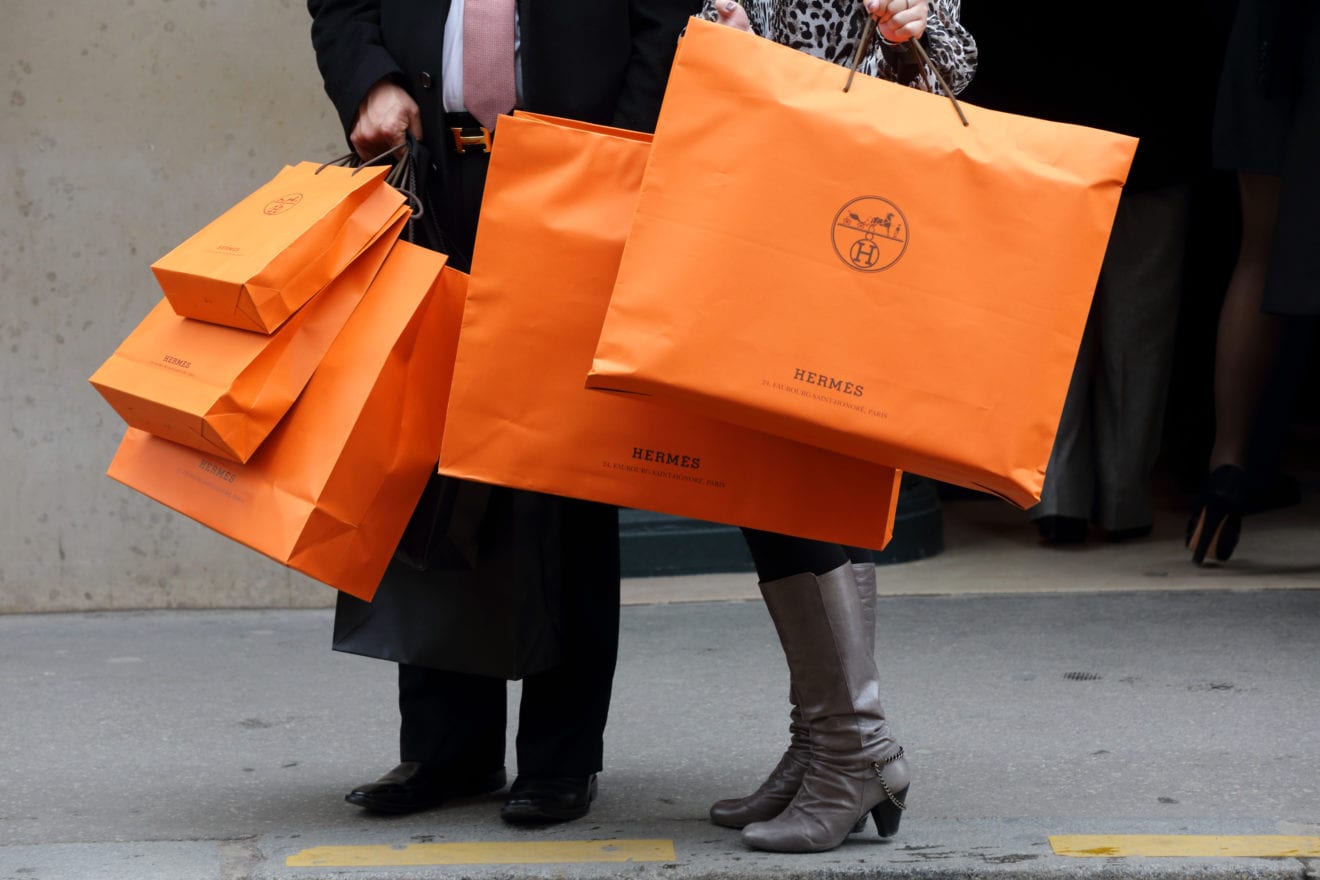
    Hermes sales rose 8 per cent last year for French high-fashion goods manufacturer Hermes International.

    In what it describes as a “difficult context”, the group’s consolidated revenue reached €5202 million (US$5.5 billion).

    Sales growth was sustained in the fourth quarter (up 8 per cent at current exchange rates, and 7 per cent at constant exchange rates), with all geographies progressing.

    Hermes continued to improve the quality of its distribution network, with four store openings and renovation and extension works.

    Japan (up 9 per cent) performed well thanks to its selective distribution network, despite the strengthening of the yen and a high comparison basis.

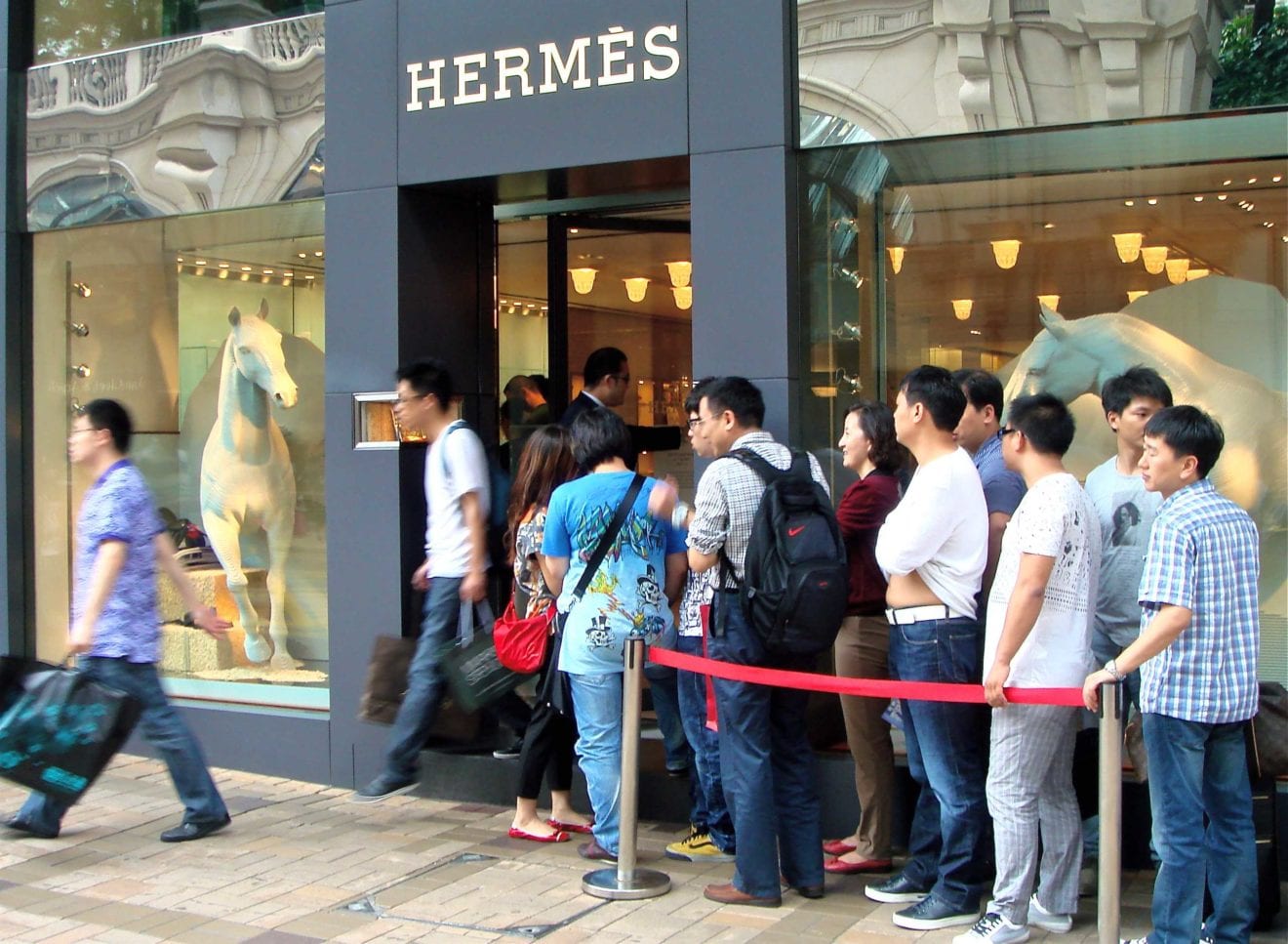
    Asia excluding Japan (up 7 per cent) pursued growth, particularly with extensions of the Liat Towers and Takashimaya stores in Singapore and store openings in Macau, at Hong Kong Airport and in Chongqing in China.

    In Mainland China, the group says it continued to develop even though the context remains challenging in Hong Kong and Macau.

    Growth over the year was driven by leather goods and saddlery products, which continue to be the mainstay of the group. Otherwise, sales benefitted from a positive momentum at year end in such sectors as silk and the ready-to-wear and accessories division.

    Growth “remarkable”

    Hermes says the 14 per cent growth in leather goods and saddlery was remarkable, thanks to the success of the collections and the diversity of models, particularly the Constance, Halzan and Lindy bags alongside the Birkin and Kelly.

    The ready-to-wear and accessories division was stable over the year, posting a 4 per cent increase in the fourth quarter driven by the latest women’s collections, particularly shoes.

    While sales eased 1 per cent for the silk and textiles business line in the fourth quarter, Hermes says it was a good result in the face of being penalised by events in Europe and slowing sales in Greater China during the first half of the year.

    A 9 per cent growth in sales of perfumes was driven by the success of Terre d’Hermes, the launch of Galop d’Hermes and the latest creations such as colognes Eau de Neroli Dore and Eau de Rhubarbe Ecarlate.

    Down 3 per cent, the watches division was penalised by a still challenging market and a high comparison basis at year end. Sales rose 2 per cent for other Hermes business lines, encompassing jewellery, Art of Living and Hermes Table Arts.

    Meanwhile, Hermes is pursuing its long-term development strategy based on creativity. This year it is celebrating the “Meaning of Objects”.

  • Max’s Group taking Yellow Cab Pizza to Vietnam

    Max’s Group taking Yellow Cab Pizza to Vietnam

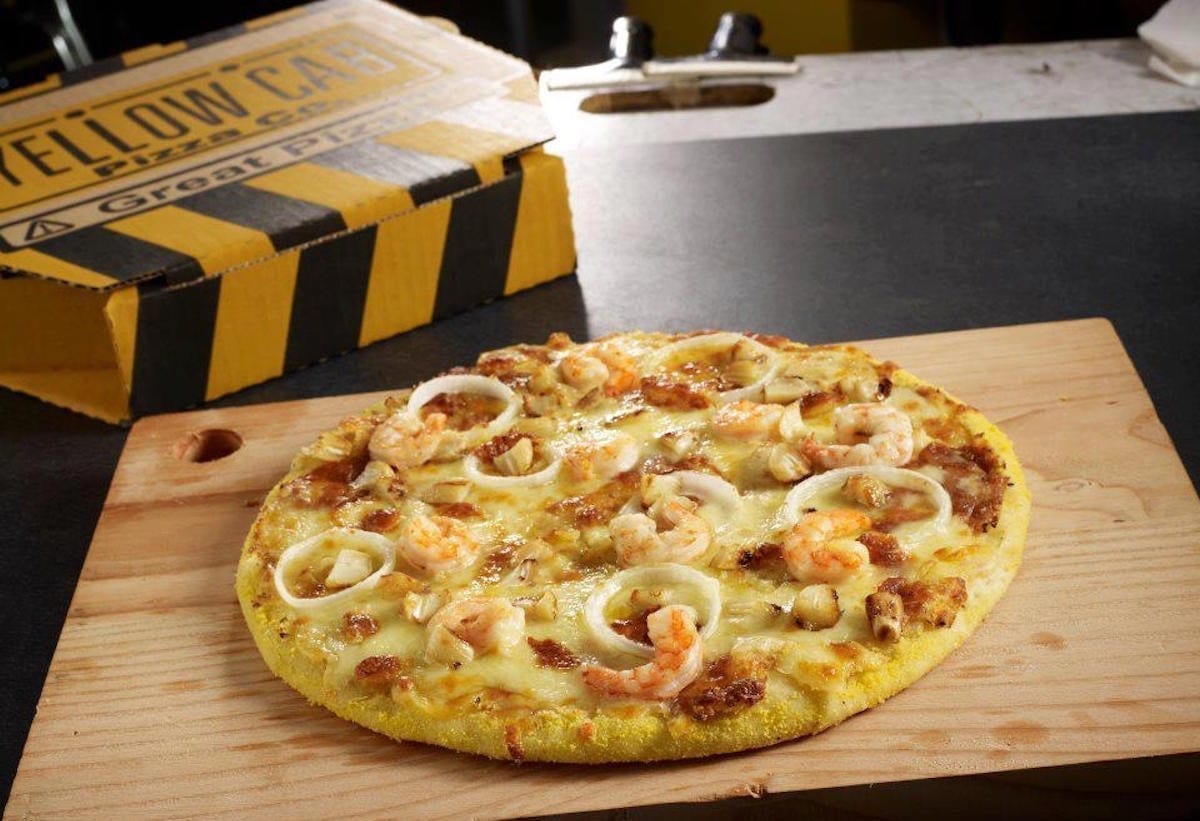
    Filipino casual-dining company Max’s Group is taking its pizza chain Yellow Cab Pizza to Vietnam.

    Max’s Group says it has signed a development agreement with Blue Star Food in Ho Chi Minh City to roll out at least 12 Yellow Cab Pizza stores in Vietnam within five years, says president/CEO Robert Trota.

    The timing and locations of the Vietnam restaurants have not been revealed, but the plan will raise Yellow Cab’s international network to 165 outlets.

    Blue Star Food CEO Nguyen Thanh Nam says Vietnam’s young and affluent population has been targeted by significant developments in the F&B industry.
    “A lot of Western and casual-dining restaurants are flourishing in Vietnam,” he says, including McDonald’s and Starbucks.

    Blue Star Food oversees 45 ice-cream parlours for US brand Baskin Robbins.
    Western food represents 7 per cent of dining-out visits in Vietnam, according a survey by UK market research company Decision Lab.

  • Doutor Coffee arrives in Malaysia

    Doutor Coffee arrives in Malaysia

    Japan’s Doutor Coffee has opened three outlets in Malaysia – in Aeon Tebrau (Johor Baru), Sunway Velocity Mall in Kuala Lumpur and Aeon Bukit Tinggi.

    This follows other international expansion in Singapore, South Korea and Taiwan.

    Doutor Coffee was founded in 1980 by Toriba Hiromichi with a 9 sqm outlet in Tokyo’s Harajuku district. There are now more than 900 outlets in Japan.
    MD Yasuhiro Yamamoto says Doutor decided to open in Malaysia because it had found a good partner in the Texchem Group, which owns 106 Sushi King outlets in Malaysia. More outlets are being planned, with some to open next year.
    All will follow the Doutor Japan formula with a strong focus on coffee and freshly made food.

    “We have good-quality black coffee, espresso and cappuccino, and the food will be a Japanese fusion concept,” says Yamamoto.
    He says the secret to the brand’s success lies in the quality of its beans and the roasting.

    Doutor Coffee master roaster Masahiro Kanno says the beans are sourced from more than 10,000 plantations all over the world, including its own two plantations in Kona, Hawaii.
    Kanno personally goes to select the beans, sometimes buying in bulk and sometimes buying just a few, depending on whether they will be featured as single-origin roasts or blends. The beans are flame-roasted.

  • Chinese consumers crave premium products

    Chinese consumers crave premium products

    Chinese consumers are increasingly craving premium-tier products to underscore their success, says Nielsen China.

    The market research company defines premium-tier products as items that cost at least 20 per cent more than the average price for the category.

    The global information company’s retail sales data, which covers major retail chains, shows that factors on both the supply and demand side are driving the growth of the premium segment in China.

    And in a Nielsen survey, 56 per cent of Chinese said they buy premium products in order to feel successful or show their success to others.

    Also, 48 per cent of consumers said they are willing to pay a premium for electronics, followed by clothing and cosmetics (both 38 per cent).

    Many consumers have greater buying power than ever before, with purchasing power growing from 7 to 9 per cent annually in China.

    “With increasing affluence, consumers are craving products that offer an enhanced, premium experience,” says Nielsen China MD Vishal Bali. “Beyond basic needs and benefits, Chinese consumers are making purchase decisions based on how products make them feel.”

    In its study, 65 per cent of online respondents in China said they will try a new and innovative premium product based on the recommendations of friends and family. Additionally, 60 per cent said  of respondents said they are “very willing” to pay for premium products with high quality and safety standards.

    Electronics favoured

    Chinese consumers are most willing to pay a premium for electronics, says the study. Globally, 42 per cent of consumers say they are willing to pay a premium price for electronics, while in China the number reaches 48 per cent.
    Apart from electronics, 38 per cent of respondents in China said they are willing to pay for a premium offering in clothing and cosmetics. Globally however, 39 per cent are willing to buy premium clothing while only 33 per cent say they would buy a premium offering in cosmetics.

    Other key categories where Chinese consumers are willing to pay a premium include dairy products (37 per cent), cars (32 per cent), oral care (31 per cent) and meat and seafood (30 per cent).

    Status is also a more important consideration for consumers in China compared to the rest of the world, with 54 per cent of respondents saying they buy premium products because these items show other people that they have good taste. Premium products are also regarded as an important indicator of accomplishment, with 56 per cent of Chinese respondents saying they buy premium products because it makes them feel successful or (also 56 per cent) shows other people that they are successful.

    “Emotional motivation is a key factor for Chinese consumers, and we see premium products driving this trend,” says Bali. “Consumers want unique experiences they can share with their friends. They want products that express their individual taste while also projecting a positive image of success and status.”

  • China to build more charging points for electric vehicles

    China to build more charging points for electric vehicles

    China plans to build 800,000 charging points, including 100,000 public ones, for electric vehicles this year to meet increasing demand, the National Energy Administration (NEA) said Thursday.

    A total of 100,000 public charging points have been installed nationwide in 2016, bringing the total number of public charging points in China to 150,000, according to the NEA.

    A total of 14,000 kilometers of highway has also been equipped with inter-city fast-charging stations, with an average spacing of 48.6 kilometers.

    Electric vehicles consumed more than 1.2 billion kilowatt-hours of electricity in China last year, saving about 400,000 tons of fuel, according to the NEA.

    In Beijing and Shanghai, a charging facility can now always be found within a radius of less than 5 km, while other major cities such as Guangzhou and Shenzhen are working toward this goal.

    “For the new year, China will work to solve the payment and information-related problems for charging facility operators and implement a unified national standard for charging ports of electric vehicles,” said the NEA.

    According to China’s 13th Five-Year Plan (2016-2020), the country will build a nationwide charging-station network that will fulfill the power demands of 5 million electric vehicles by 2020.

  • Gemfields introduces Faberge to India

    Gemfields introduces Faberge to India

    Faberge, owned by UK emeralds and rubies mining company Gemfields, is the latest in a growing list of global luxury brands to enter India.

    It is following on the heels of such brands as Burberry and Rolex as India’s economic expansion spawns more billionaires than in Japan, the traditional bastion of ultra-rich in Asia, reports ET Retail.

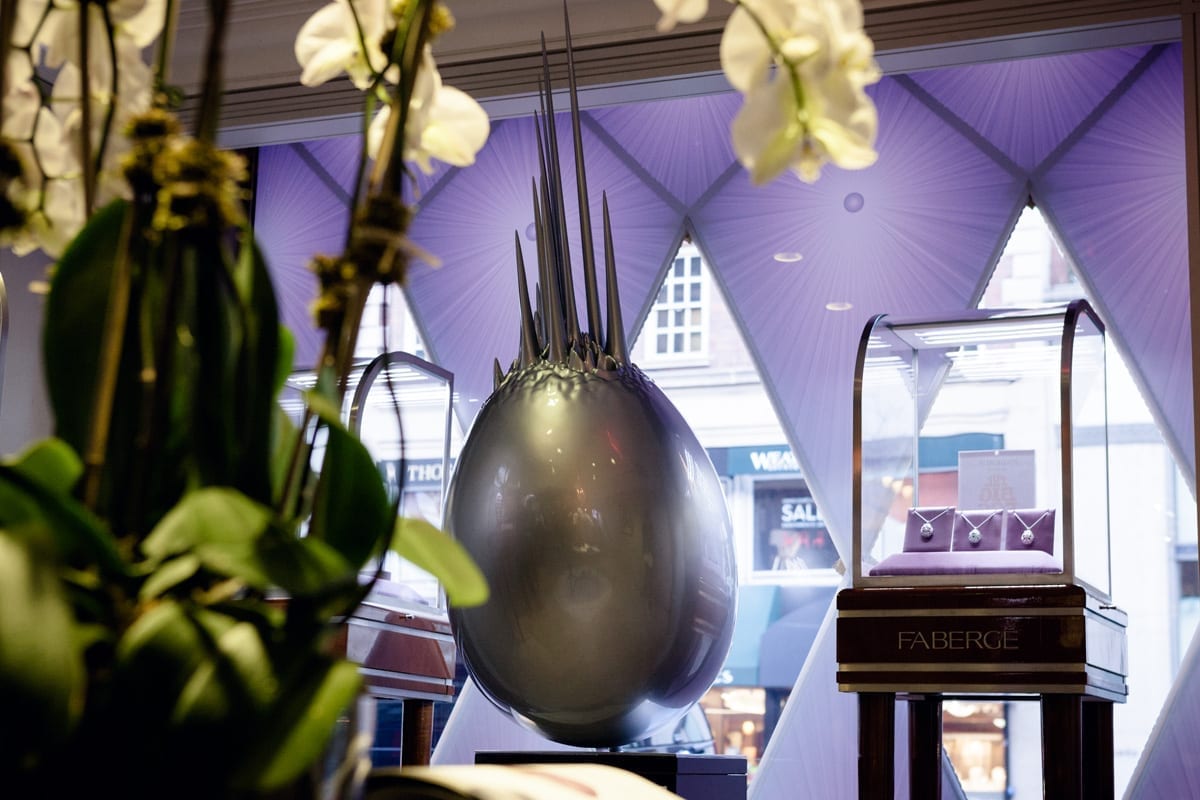
    Faberge, an ultra-luxury jeweller known for its Easter eggs and tracing its roots back to Russia in the days it had royalty, will set up in Delhi and Mumbai, selling its products through select showings for the uber-rich.
    “India and other Asian markets have tremendous potential,” says Faberge CEO Sean Gilbertson. “Asia has largely been an unexplored area for us.”

    Faberge, which retails through 39 multi-brand outlets including Harrods and Mayfair, plans to hold more trunk shows in Hong Kong, Malaysia and Singapore.

    Products being sold in India include coloured gemstones, emeralds, rubies and sapphires, and timepieces including the award-winning Lady Compliquee peacock watch. Prices range from US$5000 to $3 million.
    Founded in 1842, the company was founded by Peter Carl Faberge, who was official goldsmith to the Russian Imperial Court.

    In the quarter to the end of December, Faberge’s sales jumped by 48 per cent over the same period in 2015, says Gemfields, while the average selling price per piece increased by 12 per cent.

    Faberge has not been affected by the overall slowdown in the luxury market, says Gilbertson, as it deals with a smaller clientele with an average selling price “extraordinarily high compared with most other brands”.

  • Is ‘50 Shades’ still too sexy for Vietnamese moviegoers?

    Is ‘50 Shades’ still too sexy for Vietnamese moviegoers?

    The erotic series once again faced a release hiccup in Vietnam, where censors are known for being tough with steamy scenes.

    “50 Shades Darker” and “John Wick: Chapter 2” could not have their premiere in Vietnam on Friday morning as planned as censors did not give their blessings.

    It is not immediately clear why the much-anticipated sequels were hold up, but “50 Shades” may be too sexy and “John Wick” too violent.

    Vietnam adopted a new film rating system in January, allowing censors for the first time to completely block out anyone under 18 from films rated “C18.”

    Nguyen Hoang Hai from CGV, the biggest cinema chain in Vietnam, said it did not receive permission to start showing “50 Shades Darker” on Friday morning. Screenings for the press were reportedly canceled earlier this week.

    Hai also said that the version intended for the Vietnamese market already “had several sex scenes cut” and that local theaters were also expecting an adult-only “C18” rating.

    CGV’s website began to list showtimes for both films again in late Friday afternoon.

    The first “50 Shades” film did not have so much luck either two years ago, when censors unexpectedly canceled all planned screenings. Then a so-called “Asian version” managed to hit theaters but moviegoers complained that there were no sex scenes left.

    Moviegoers were expecting less censorship when the authorities announced a new rating system with a series of age-based classifications C13, C16 and C18, besides P for general viewers.

    Before that, local cinemas adopted only two ratings – G for general viewers and NC16 for those above 16.

    But an industry insider told anonymously that new system apparently does not really change how a film is reviewed and edited. Officials from the Cinema Department still recommend precuts before officially assigning their ratings, the source said.

    Sex generally remains a controversial subject in movie and arts in Vietnam. In 2015, officials proposed banning all sex scenes that lasted over five seconds in local films and full-frontal female nudity. The proposal was not discussed after that due to strong opposition from filmmakers.

  • First-half 2017 GTR sales improve at Pernod Ricard

    First-half 2017 GTR sales improve at Pernod Ricard

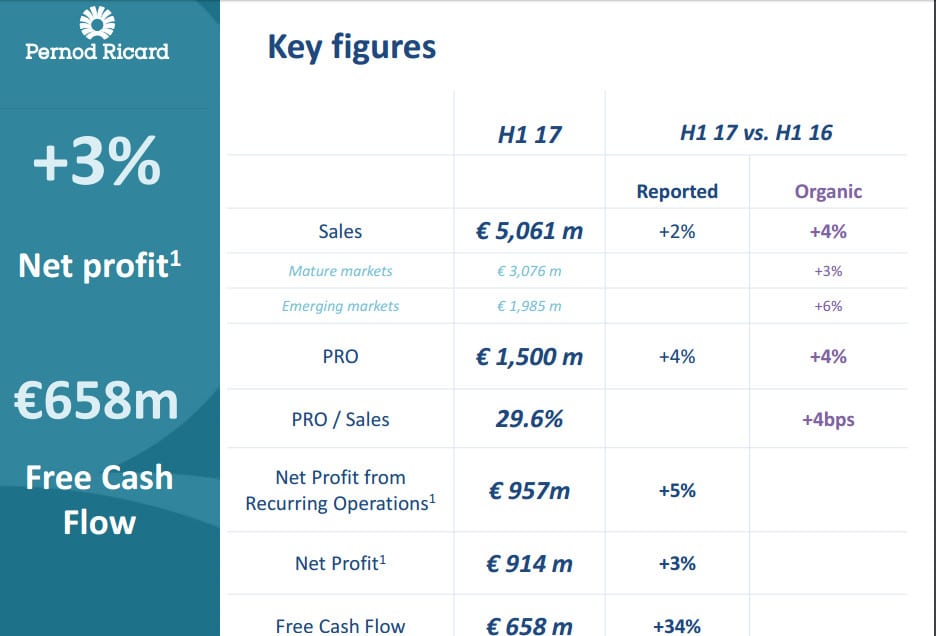
    Pernod Ricard saw improved performance in the global travel-retail (GTR) channel, helping sales and recurring operations to grow 4% organically in the first half of 2017 to €1.5bn ($1.6bn). Total group sales reached €5.061bn.


    The positive numbers in the travel-retail channel were as a result of new organisations getting up to speed. Improvement was also seen in the Americas region, where achieved +7% organic sales growth during H1 2017, more so than in the +4% growth recorded in the same period last year. Sales in the region’s travel-retail channel reached +14%, sparking a return to growth, which has been driven by Martell expanding its distribution channels and increasing its visibility across airports in the US.

    Martell saw sales grow +7%, with a return to strong growth in China, shaped by new product releases such as the Cordon Bleu Intense Heat Cask Finish, although all segments also seemed to see a positive lift. Ballantine’s also managed to see a sales lift in the Asia travel-retail market.

    Travel-retail Asia saw sales in modest decline, albeit an improvement on H1 2016. However, the scotch category is still faced with a tough market in the region and a competitive environment. Difficulties were also experienced in the European channel.

    Pernod Ricard Group chairman and CEO Alexandre Ricard declared: “Our half-year results are strong, delivering a continued performance improvement.  Our strategy remains consistent and is driving results.

    “For full-year FY17, in an uncertain environment, we plan to continue improving our business performance year-on-year vs. FY16. We will continue to support priority markets, brands and innovations while focusing on operational excellence. We expect to deliver organic growth in Profit from Recurring Operations in line with the guidance of +2% to +4%.”

    Photo of Pernod Ricard H1 2017 1

  • How Thai e-wallet startup T2P is going to help Myanmar go cashless

    How Thai e-wallet startup T2P is going to help Myanmar go cashless

    It’s a little hard to believe, but, four years ago, sim cards in Myanmar used to cost around US$500. If that price is considered exorbitant for even a first world nation, think about how out-of-reach it would be for the working class Burmese, whose minimum wage is only US$87.

    But that all changed thanks to the entrance of two foreign telecoms in 2013, Qatar’s Telenor and Norway’s Ooredoo, which saw sim card prices slashed to about US$1.50. Since then, the mobile penetration in Myanmar has skyrocketed to 90 per cent, up from 7 per cent in 2012, according to government figures. And of that, more than 80 per cent use smartphones; as a result, Burmese are hooking up to the internet more than ever.

    Now, Thailand-based fintech company T2P wants to help Burmese catch up to a tech product already prevalent in many other markets — mobile payments.

    Earlier this week, T2P signed a joint venture deal with City Mart Holdings Co.,Ltd, a leading Myanmar retail chain with over 200 outlets across the nation, which includes fast food restaurants, bookstores and supermarkets.

    The signing was held during a Myanmar-Thailand Business Cooperation event presided over by Myanmar State Counseller Aung San Suu Kyi and Deputy Prime Minister of Thailand Dr. Somkid Jatusripitak.

    The joint venture will see T2P integrate its suite of fintech offerings including its payment platform, loyalty and e-gift platforms, as well as e-wallets to cater to Myanmar’s burgeoning smartphone user demographics.

    According to an official press release, T2P’s overarching goal is to democratise financial services to the country’s large unbanked population.

    “At a company level, we are not only bringing our technology platform to help accelerate technology deployment for our partner, but also indirectly drawing attentions from our investors and other potential investors to take a deeper look at opportunities in Myanmar. When more of this happen[s], I’m sure there will be more parties to help accelerate the growth of startup ecosystem in Myanmar,” said T2P’s CEO Taweechai Pureetip, in an interview.

    He added that through regional events such as Mekong Investment Forum, Thai entrepreneurs are raising awareness about the great potential of tech innovations, as well as enabling other entrepreneurs by sharing their experiences and lessons.

    But like any emerging economy, Myanmar’s tech ecosystem still have many obstacles to overcome. Basic infrastructure is still dysfunctional in certain parts, especially rural areas. And although foreign investments are on the rise in Myanmar, the law regarding such investments in the country’s newly-minted stock exchange is still restrictive.

    Pureetip is aware of such challenges, having faced similar problems in his home market.

    “Since the beginning of our company, we aimed to help improve financial access to those unbanked in Thailand.  We have to take into accounts technology literacy of our customers, access to services, and connectivity issues that may arise in some areas.  These are similar issues but may be more common in Myanmar,” said Pureetip.

    “Aside from technology, both Burmese and Thais are cash base society. Changing cash into electronic money will be our big challenge for us but we also see great opportunities there. We will be working closely with CityMart in adapting our service offerings to encourage them to use more electronic money,” he added.

    Founded in late 2011 by MIT Alumni Pureetip, Natwut Amornvivat and Charatpong Chotigavanich, Panop Kasemsarn, T2P has been providing white label cash and reward card solutions to national retailers in Thailand since 2013. It currently process over 1.5 million card holders,

    In 2016, it raised its first outside financing round in 2016 from 500 Startups, 500 Tuk Tuk and a strategic partner Benchachinda Holding.

  • Garmin sets up regional HQ in Singapore with eye on SEA

    Garmin sets up regional HQ in Singapore with eye on SEA

    Global manufacturer of fitness products Garmin has selected Singapore as its regional headquarters as part of the brand’s strategic plan to strengthen its presence in the region.

    Garmin’s consumer products have been sold in Singapore through distributors since the early 1990s. The company has a strong foundation in engineering products for aviation and marine since 1989.

    With the opening of its Singapore headquarters, Garmin will now directly manage sales and marketing of its consumer business devices in South-East Asia and India region.

    Leading Garmin’s Singapore business is its managing director for South Asia/ India region, Engelhard Al Sundoro, who will manage Garmin’s consumer business in six Southeast Asian (SEA) countries that include Singapore, Malaysia, Philippines, Indonesia, Vietnam and Thailand.

    “Outside of US, China and Taiwan, it is a natural step for the brand to strengthen our presence in SEA with Singapore as our headquarters as consumers here tend to be early adopters of technology,” said Al Sundoro.

    Garmin had recently announced its partnership with EZ-Link to launch a special version of its vivosmart HR activity tracker with built-in NFC contactless payment capability. This would allow commuters to use their fitness band to pay for their train, bus, cab rides and even purchase items at selected retail stores in Singapore.

    “As a company, we need to be an enduring brand that consistently innovates. In order to do that, it is essential for us to be closer to our customers to understand what they need. Even as a global brand, Garmin sees each market differently as the customer needs in each region is diverse,” he added.

  • Apple’s In-Store Story, Android Pay Goes Wearable And Samsung Open For Business In Thailand

    Apple’s In-Store Story, Android Pay Goes Wearable And Samsung Open For Business In Thailand

    Samsung’s global march added another stopping point this week, as Thailand became the latest nation to come online for Samsung Pay. That announcement comes as most of the global payments-watching community was watching Samsung Pay’s imminent foray into India.

    Speaking of watching — and watches

    After four months of waiting, Android Pay has finally made the leap onto an Android Wear-powered smartwatch — thanks to a bit of as assist from LG. It’s not Android Pay’s first foray onto a wearable, but it is the first time Android Pay will be open for business on a smartwatch not made by Samsung.

    Apple’s move this week is about merchants. New research suggests that Apple Pay has gone from being accepted at 16 percent of U.S. merchants to 36 percent of U.S. merchants — which said report notes is good enough to make it the most favored form of in-store mobile payment among American merchants.

    So how’d all the territory grabbing come out this week – and who gained the most ground? Well…

    Samsung Pay In Thailand

    Samsung Pay is not entirely new to Thailand — the service has been rolling out slowly under the radar since a November soft launch with about 100 retail partners — but as of Tuesday, Samsung Pay was out in full for any Thai customer interested in taking it for a smartphone spin.

    And, it should be noted, Samsung has great expectations for the Thai market and has set a goal of attracting 1 million users to the platform by the end of the year.

    “Thailand is the ninth country in 10 markets globally with which we have established our mobile payment presence, and the third country in Asia-Pacific apart from Singapore and Australia,” said Elle Kim, vice-president for the payment business group at Samsung Electronics.

    Kim noted that Thailand presents a natural opportunity for a mobile payments platform — given the government’s national e-payment scheme and the widespread use of smartphones and e-commerce.

    At launch, to use the service, customers must use a Visa or Mastercard issued by one of the nation’s six largest banks: Bangkok Bank, KTC Credit Card, Citibank, Siam Commercial Bank, Kasikornbank and Krungsri Consumer.

    Those six collectively cover about 70 percent of the cards issued in Thailand — Samsung has confirmed that by the end of the year it hopes to have upped that to covering 90 percent of the nation’s card holders.

    And it is a 90 percent that Samsung will compete for unopposed, since neither Apple nor Android Pay have any immediate plans to take on the Thai market. As of right now, mobile payment transaction value in Thailand is estimated to reach US$4 million in 2017. That figure is forecast to reach $36 million by 2021.

    Samsung is also widely expected to announce an expansion into India for Samsung Pay by the end of the quarter — with more international expansion slated for 2017.

    Android Pay And Android Wear – Better Together?

    After a very public announcement of Wear 2.0 last October that included Android Pay — the updated and enhanced version of Android OS for wearables — the world sort of had to wait a while to see it in action, since there was no wearable on the market sporting the feature.

    That changed this week with a pair of new watches from LG that marked a collaborative design effort with Google: the Watch Sport and the Watch Style.

    The big change involves making the watch a device capable of standing apart from a smartphone — a true computer for the wrist.

    And while that extends to many of the Wear’s various features, it is drawing praise particularly in relationship to the Android Pay support now available on the wearable.

    Unique to this version of wearable-based payment, however, is its level of independence. Android Pay runs as a standalone app on the watch — a connected smartphone is not necessary to pay for stuff (though a phone pairing is necessary to set up Android Pay on the watch for the first time). Android Pay on a watch does not actually even need an internet connection for a limited number of transactions (though to fully complete the transaction the watch must eventually go online).

    Android Pay is not entirely new to wristbased devices — Samsung’s smartwatches support it — but as of this week, Android Pay supported by Android’s wearable OS is now on the market for the first time — though not the last.

    Google has announced that many more Wear 2.0 watches will be out in the market by the end of the year — presumably to satisfy a consumer demand that will make itself apparent any day now.

    Apple’s Adding Merchants

    According to new published data from Boston Retail Partners, Apple Pay has garnered the largest percentage of U.S. merchants supporting mobile in-store payments, with 36 percent of said merchants accepting the 2.5 year old mobile payments app. The study further suggested that an additional 22 percent of retailers will accept Apple Pay in the next 12 months and 11 percent on top of that plan to do so within the next one to three years.

    Apple’s lead is notable — but also highly explainable by time. Apple Pay is the granddaddy of in-store mobile payments apps, so it’s had more time to add merchants to its roster. But as we’ve noted, being present at the POS is only half the battle for Apple Pay — consumers still have to chose to use it. So far, by our numbers here at PYMNTS, they aren’t — at least 19 out of every 20 who can.

    Which, as it turns out, maybe the lesson this week. More is good — more devices, more ground and more merchants — but only if at the end those things net more customers — and more transactions.

    We’ll keep you posted on how more turns into market share for transactions. By the way, we’ll be releasing totally new data on mobile payments adoption – based on what consumers actually do at the point of sale when they are paying for what they bought – at Innovation Project 2017. This new study will measure adoption for the major in-store “Pays” – Apple, Android, Samsung, and Walmart (at Walmart only, of course).

  • Soo Kee to add shine to Thai market in $1.2m joint venture

    Soo Kee to add shine to Thai market in $1.2m joint venture

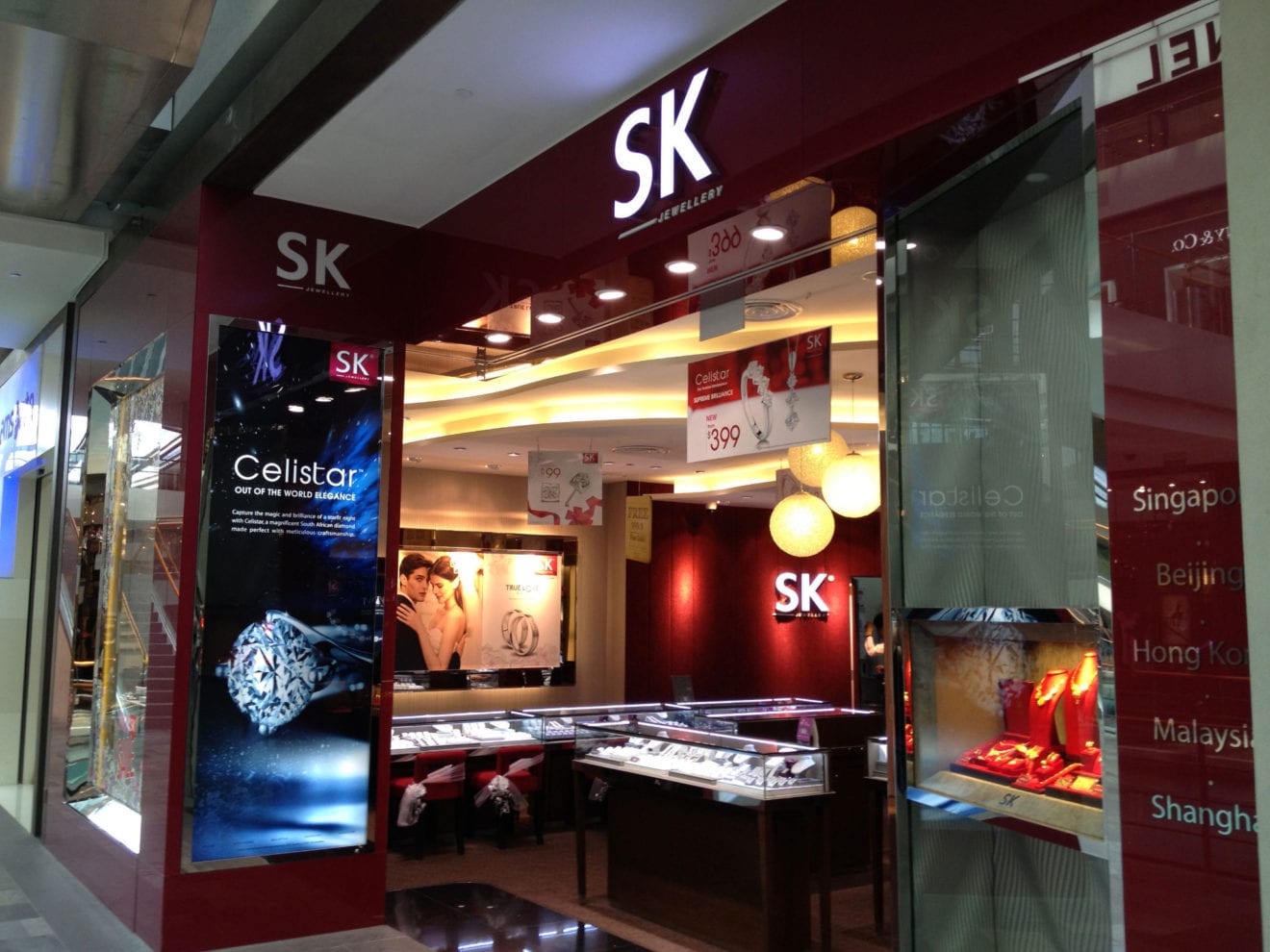
    Home-grown jeweller Soo Kee Group is setting up a joint venture in Thailand. The collaboration is with leading Thai jeweller Aurora Design and will be set up with an initial paid-up capital of 30 million baht (S$1.2 million). Soo Kee will hold a 40 per cent stake and Aurora a 60 per cent stake, according to a memorandum of understanding signed yesterday.

    The joint venture firm will sell gold and diamond products under Soo Kee’s Love & Co brand, which was set up in 2007 to focus on bespoke engagement rings and wedding bands.

    Soo Kee will also license and supply intellectual property rights, products and support. Group chief executive Daniel Lim said after the signing ceremony at Soo Kee’s Changi Business Park headquarters that the plan is to take the bridal jewellery concept to Thailand, where there is a gap in the market.

    “Thailand is a huge market for jewellery. It’s also highly fragmented as far as diamond consumption is concerned,” he noted.

    “There are no decent business concepts yet to capture the diamond market, which is similar to what it was like in Singapore 20 to 30 years ago when people traditionally bought gold and the diamond market was underdeveloped.”

    He noted that last year, the Thai jewellery market, mostly consisting of diamond and gold, was worth more than 76 billion baht.

    Soo Kee started talks with Aurora, which has more than 170 stores across Thailand, last year as part of regional expansion efforts.

    Mr Lim said the initial plan is to have 20 retail points in Thailand in the first five years. Soo Kee expects to break even after the first year.

    Mr Lim added: “We will target key cities and strategic locations as part of the first phase.

    “We’re looking at concept stores and depending on the location, there are also opportunities in high-end department stores, where we can possibly open boutiques within them to exploit their traffic flow and footfall.”

    Aurora chief executive Aniwat Srirungthum said the firms are looking at cities such as Bangkok and tourist hot spots such as Phuket and Pattaya.

    Mr Aniwat said: “We are confident of Love & Co’s market potential, and this will widen our product offering and strengthen our capability to grow our customer base.”

    Soo Kee also said yesterday that it will be the first Asian partner of The International Institute of Diamond Grading & Research, part of diamond giant De Beers.

    Soo Kee, whose other brands are Soo Kee Jewellery, SK Jewellery and SK Bullion, is keen on growing in the region.

    Mr Lim said: “Thailand is important to us, but we will not stop here. Thailand is also recognised as the most important bullion market in the region.

    “Be it in the form of gold jewellery or bullion, we see other possible opportunities in Thailand. We are definitely interested in the regional markets and are constantly looking out for new opportunities.”