Author: Mei Ling Tan

  • Xiaomi targets 10bn yuan revenue from 1000 new offline stores

    Xiaomi targets 10bn yuan revenue from 1000 new offline stores

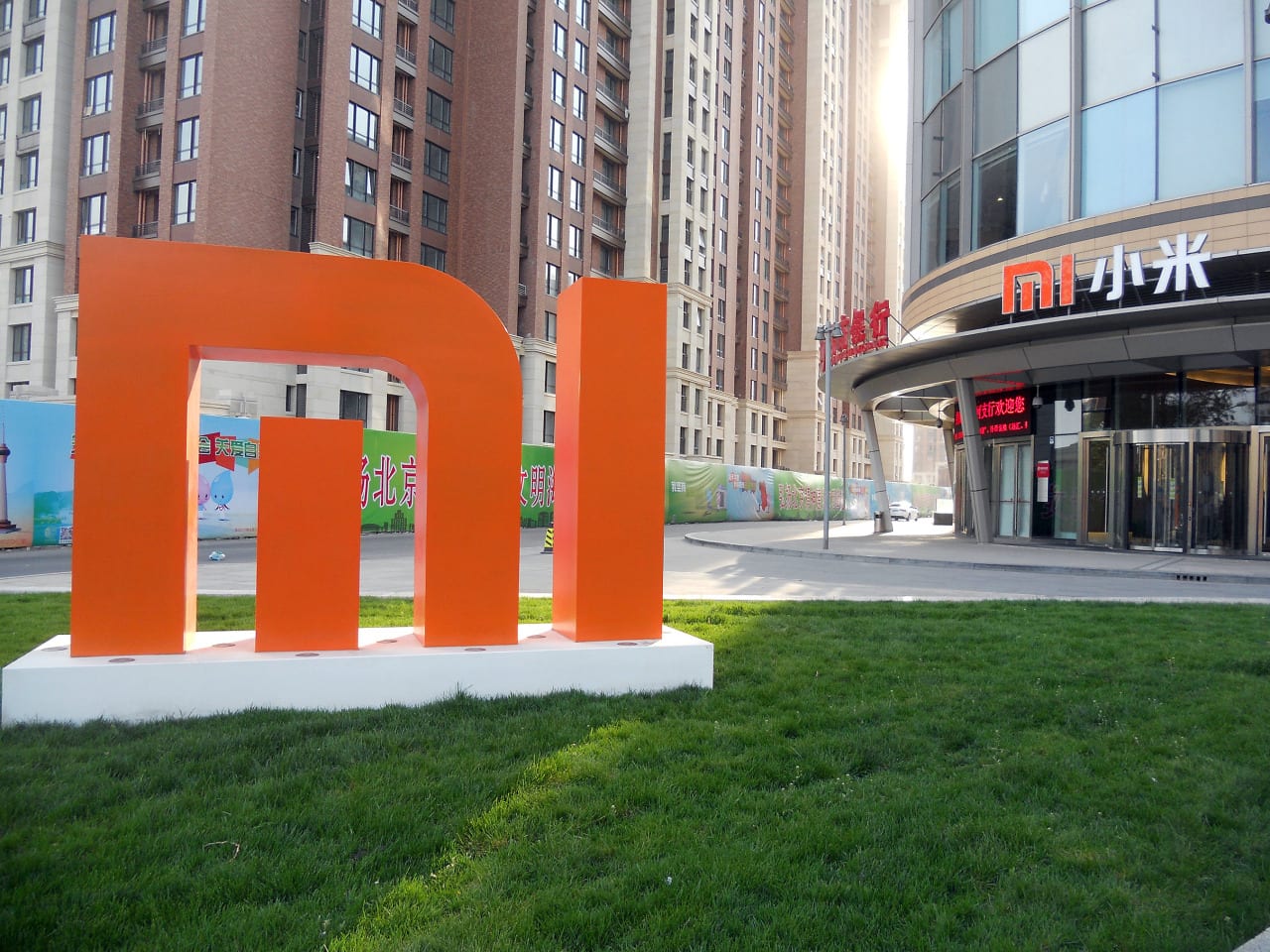
    Chinese smartphone maker Xiaomi has pinned its hopes on offline sales with a plan to open 1,000 brick-and-mortar stores over the next three years, targeting 10 billion yuan in revenue from this channel, its founder and chief executive Lei Jun said on Wednesday.

    Xiaomi aims to boost the number of its physical stores, called Mi Home, to 200 this year from 51 at the end of last year, Lei said at a forum in Yabuli in the northeastern province of Heilongjiang.

    “I am confident that each of the offline stores can achieve sales of 10 million yuan [per month],” he said. That means Mi Home retail stores are expected to contribute 2 billion yuan (HK$3.39 billion) in sales per month.

    Lei said 2016 was a tough year for Xiaomi as he was “confused” about how to expand into more innovative sales channel from just e-commerce.

    Traditionally, running brick-and-mortar stores will inflate costs and erode profits, making it hard to offer high quality and inexpensive products to customers, Lei said. The toughest part is therefore to build new stores with high efficiency to control costs, he said.

    One of the challenges for Xiaomi is that we need to make essential adjustments after rapid growth

    Lei Jun, Xiaomi founder and CEO

    “Unlike other chain stores, Mi Home stores are all self-operated by Xiaomi. At the end of last year, our 51 stores were able to achieve sales per square metre of 260,000 yuan,” he said.

    Lei told his staff last month that Xiaomi has targeted 100 billion yuan in revenue this year, which was subsequently described by market watchers as unrealistic, with many sceptical it was achievable.

    However, Lei said he is confident that Xiaomi can meet the target.

    “Considering Xiaomi’s foundation, this small target is not too difficult to achieve. I am more concerned about how to make our foundation more solid,” he said. “One of the challenges for Xiaomi is that we need to make essential adjustments after rapid growth.”

    Despite China’s continuous growth in e-commerce, companies have been putting increased efforts into expanding offline channels, or integrating their online and offline businesses.

    E-commerce giant Alibaba Group founder Jack Ma Yun has said that e-commerce had become a “traditional business” which would soon disappear. A new retail model which integrates online and offline, as well as logistics and data across a single value chain, would be the next trend, said Ma, who first raised this idea in October last year. Alibaba owns the South China Morning Post.

    This article appeared in the South China Morning Post print edition as:

    Xiaomi targets 10b yuan in offline sales
  • BMW Group achieves new sales record in China in January

    BMW Group achieves new sales record in China in January

    German automaker BMW Group announced on Friday that its sales in China achieved double-digit growth in January, hitting a new record.

    A total of 51,345 units of the premium brands BMW and Mini have been delivered to Chinese customers, representing a year-on-year increase of 18.2 percent.

    It is the first time the Bavarian automobile company delivered more than 50,000 units in a single month in China, the largest market in Asia for BMW Group, the announcement said.

    In January 2017, a total of 163,288 vehicles were sold worldwide, an increase of 6.8 percent year-on-year. Among them, 21,219 vehicles were delivered to customers in the United States, down by 0.5 percent compared with January 2016.

    “We’ve started the year well. We’re confident that the new models we’re bringing to market this year will ensure further momentum as the year goes on,” said Ian Robertson, member of the board of management responsible for sales and marketing.

  • Japan Airlines to launch NYC-Tokyo Haneda flights

    Japan Airlines to launch NYC-Tokyo Haneda flights

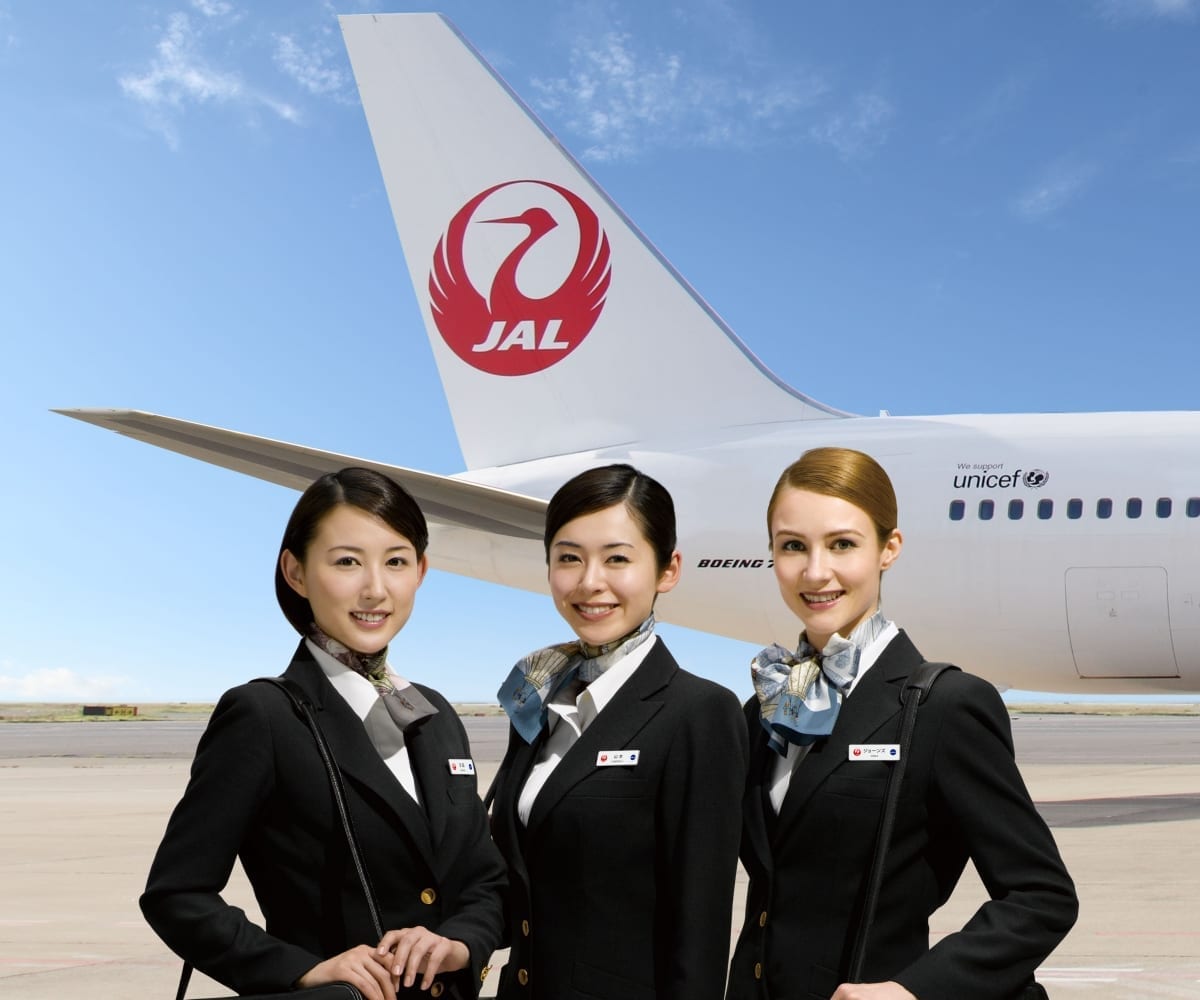
    Japan Airlines will add nonstop service between New York JFK and Tokyo’s close-to-downtown Haneda Airport, the carrier announced Thursday.

    The new route – which will be in addition to JAL’s existing service between JFK and Tokyo’s more-distant Narita airport – will launch April 1. The airline will fly one daily round-trip flight on the route using Boeing 777-300ER aircraft.

    Narita is Tokyo’s primary international gateway while Haneda’s route map is more heavily tilted toward regional flights. For many travelers, Haneda is the preferred Tokyo airport because of its proximity to the city.

    JAL was able to add the route at slot-controlled Haneda airport by freeing up slots from another route. To make that happen, JAL’s Honolulu-Haneda route will be shifted to Narita, according to the airline.

    Meanwhile, JAL also said it would expand capacity on its existing flights between New York JFK and Tokyo Narita. The airline will do that by switching to 244-seat Boeing 777-300ER aircraft, providing an 83-seat boost from the 161-seat Boeing 787-8 “Dreamliner” the carrier currently flies on the route.

    The switch to the 777-300ER also will allow JAL to offer a first-class product between JFK and Narita. The airline’s 777-300ERs seat eight in first class, 49 in business class, 40 in premium economy and 147 in standard coach. JAL’s 787-8s are configured with 38 business class seats, but they do not have a first-class cabin. The 787-8s also seat 35 in premium economy and 88 in standard coach.

  • Lao Dairy Farm carves out healthy market niche

    Lao Dairy Farm carves out healthy market niche

    The farm is located in Naxineua village, Naxaithong district. It keeps a variety of animals, including goats, pigs, ducks, chicken, and fish, but its mainstay is ists herd of dairy cows.

    Farm Director Sengmany Yathotou told last week that they began in 2014 with 16 cows which they kept for the family’s use and tended to after work because the family enjoyed agricultural activities.

    To start with, they never thought about how much milk they obtained from the cows each day and didn’t think about selling it. They used it only for their own consumption, sometimes giving some to their neighbours, friends or relatives.

    After a year, people in the neighbourhood and nearby shops started asking them to provide milk for sale because they had tried it and liked the taste.

    They started to sell the milk in markets and shops in Vientiane such as M-Point Mart, and coffee and cake shops, and have since expanded their distribution from four to eight minimarts.

    Their 16 original cows were bred in Australia but were imported from Thailand. The family now has 110 cows including some calves that were born on the farm.

    Sengmany says the farm is equipped with modern technology that ensures all the milk is hygienically produced and the milk-based products are made on the premises.

    The farm is now promoting its “Crysta” brand and hopes it will become widely recognised and be able to compete with overseas milk brands.

    The cows are milked twice a day, with each giving 10 to 15 litres, making a daily total of about 450 litres.

    Sengmany plans to expand her milk market in the provinces of Luang Prabang, Xieng Khuang and Attapeu, and is currently looking at transport costs.

    “Keeping a dairy herd is still something new for us, especially getting the cows pregnant so that they produce calves. It’s very difficult as we’re not very familiar with this and run the risk of the newborn being a male rather than a female, and of course we would prefer females,” she says.

    “The second challenge is that we have to get more people interested in eating and drinking food produced in Laos. But we’re sure that if they try our products they will find that the taste and quality is the same as international brands.”

    The farm covers more than 10 hectares, including fields of Napier grass and sweetcorn for the cows to eat.

    The family makes pasteurised milk, yogurt, and yogurt drinks.

    The milk is popular with expatriates and is also used to make cheese, which is sold to shops.

    The Lao Dairy Farm employs 40 people including two specialists from Thailand and Vietnam who studied milk production in Denmark.

    “Some of our cows are pregnant and there are three or four births each month, so that means we will have more cows and we’re sure to get at least 700 litres of milk a day in the next three months and then we will expand our market to the provinces,” Sengmany says.

    The cows’ pregnancy lasts for nine months after which they produce milk. The calves can become pregnant when they are one year old.

    Some of her customers ask Sengmany why her products are not cheaper since they are made in Laos. But she explains that everything on the farm is new and imported, especially the medicines and vitamins that are given to the cows. They use high quality materials but she points out that their retail prices are no higher than anyone else’s.

    The Lao Dairy Farm plans to open a cafe on the first floor of Lao-ITECC, which will feature milk and yogurt, as part of its market expansion plans.

  • iFashion Group acquires lifestyle marketplace Megafash

    iFashion Group acquires lifestyle marketplace Megafash

    Singapore-based lifestyle venture platform, iFashion Group, announced today it has acquired Singaporean independent designer brands marketplace Megafash for S$3.5 million (US$2.23 million), in a cash and shares deal.

    iFashion group also appointed Jeremy Khoo, the CEO and founder of Dressabelle – an O2O fashion marketplace that it acquired last year for S$7.5 million (US$5.5 million) – as its new CEO.

    This new development will strengthen iFashion Group’s position as a major lifestyle portal in Southeast Asia. Megafash has both a strong online and offline presence, with its 7 stores occupying over 15,000 sq ft. It works with over 2,000 indie brands globally to sell over 300,000 unique products on its marketplace. In 2016, Megafash’s annualised revenue was reported to be S$8 million (US$5.7 million).

    “It’s an exciting time for us at Megafash. The brand has grown significantly, from 3 stores in 2015 to 7 stores currently. In times of economic downtown, we are pleased to say that our revenue grew five times from 2015. Megafash continues to grow as Singapore’s leading lifestyle marketplace. In fact, in December we received as many as 2,000 orders a day,” said Megafash’s CEO and Co-Founder, Jiawen Ngeow, in an official press release.

    The acquisition of Megafash will also accelerate iFashion Group’s plans to go public. A press release said that the company is mulling an IPO at the end of April or May.

    Last year. besides Dressabelle, iFashion Group made two other acquisitions: online retail real estate booking platform INVADE, and Malaysian fashion brand NOSE.

  • SM Aura Premier the first and sole mall in the Philippines to achieve Leed Gold certification

    SM Aura Premier the first and sole mall in the Philippines to achieve Leed Gold certification

    The LEED (Leadership in Energy and Environmental Design) rating system, developed by the U.S. Green Building Council (USGBC), is the foremost program for buildings, homes and communities that are designed, constructed, maintained and operated for improved environmental and human health performance.

    According to LEED Consultant Raymond Andrew Sih, SM Aura achieved LEED Gold by meeting and exceeding international standards in indoor air quality, thermal comfort, then energy and water efficiency. He cited the mall’s very own waste water treatment plant that recycles water for non-potable use, the energy efficient LED lighting system, the centralized air conditioning system cooled with recycled water, and double low emissivity insulated glass panels, to name a few. In addition, the entire operation is run optimally with regular measurement and verification.

    “SM Aura Premier was built with the environment in mind. Almost a third of the cost of construction materials were locally sourced, over twenty percent of the cost of construction materials were from recycled materials, and over ninety-five percent of the construction waste was recycled,” Sih said.

    Sih also pointed out SM Aura Premier’s Sky Park, which covers more than half of the building. The roof garden, according to Sih, not only “provides visitors with a great place to dine, relax and enjoy views from up high; it also gives plants plenty of soil, recycled water, and room to grow while protecting the building from the heat of the sun.”

    Apart from this outdoor green feature, SM Aura also maintains good indoor air quality for its occupants. The mall is also conveniently located where one can walk or bike to various businesses, offices, homes, public amenities, and transportation facilities.

    Mahesh Ramanujam, president and CEO of USGBC, underscored the significance of SM Aura Premier’s LEED Gold certification. “Achieving LEED certification is more than implementing sustainable practices. It represents a commitment to making the world a better place and influencing others to do better,” Ramanujam said. “Given the extraordinary importance of climate protection and the central role of the building industry in that effort, SM Aura Premier demonstrates their leadership through their LEED certification of Gold.”

  • Nokia plans to buy Comptel to boost software portfolio

    Nokia plans to buy Comptel to boost software portfolio

    Nokia has revealed an interesting M&A move over in Europe this morning. The vendor has announced an intention to acquire Finland-based Comptel, launching a recommended cash tender offer for the company’s shares.

    The deal would bring Comptel’s service orchestration, data processing, customer engagement, and agile service monetization solutions under Nokia’s roof.

    There they would be combined with Nokia’s own software capabilities, which include Cloudband and Nuage. Those of course derive from the Alcatel-Lucent acquisition.

    The result would be the ability to offer end-to-end orchestration of complex NFV and SDN deployments, and thus make a more complete case to the carrier market going forward. One might see this deal as having a similar plan in mind as we saw in the Ciena/Cyan deal a year and a half ago.

    The price tag for Nokia is approximately €347 million, which derives in part from an offer price per share of €3.04 ($3.24), a 28.8% premium above the closing price yesterday. That price has been unanimously recommended by Comptel’s board of directors.

  • Starbucks’ social gifting feature launches in China

    Starbucks’ social gifting feature launches in China

    Starbucks has extended its social gifting promotions into China, where it has launched a major expansion program to double its stores within the next five years.
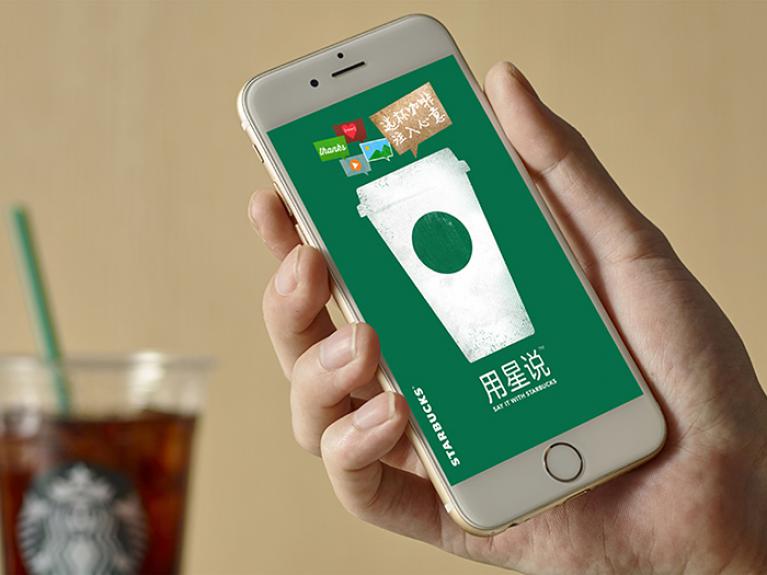
    The coffee giant’s new “Say It With Starbucks” program, created by Starbucks and Weixin, China’s leading mobile social communications app, enables users to gift a Starbucks beverage or digital gift card via a social gifting platform.
    A sister product of WeChat, China’s leading mobile social messaging app, Weixin’s platform has 846 million global monthly active users, as of third quarter 2016. The launch comes on the heels of a strategic partnership between Starbucks and Tencent, WeChat’s developer, in December 2016.
    Users will be able to select from a curated selection of Starbucks-branded gifts and add a personalized message in the form of text, images or video to uplift the day of a loved one, Starbucks explained. Once a gift is received, it will be saved in the recipient’s Weixin app and can be redeemed at any Starbucks store in Mainland China.
    During the initial launch period, Weixin added access to ‘Say it with Starbucks’ users in its Weixin Wallet-function. This partnership makes Starbucks the first retail brand to bring a locally-relevant social gifting experience in China, the coffee giant said.
    Starbucks launched a trial phase two weeks ago among employees and Starbucks customers.
  • Lotte looks to US to boost sales of 3 drinks

    Lotte looks to US to boost sales of 3 drinks

    The Korean energy drink Hot 6 will take on Red Bull and Monster in the American market from this month.

    Lotte Chilsung Beverage said Thursday, it will start selling the caffeinated drink from this month in the U.S., starting in on the West Coast.

    The company said it has already shipped 2,000 boxes of 30 units each.

    Korea’s energy drink industry saw a boom in the early part of this decade and became a 100 billion won ($87.3 million) market. Pioneers Red Bull from Austria and California-based Monster were followed by the launch of Hot 6, which sells for a cheaper price.

    But growth has stalled in recent years with the number of health-conscious consumers rising in Korea. Health authorities have also warned the public not to drink too many caffeinated drinks.

    According to industry sources, the energy drink market in Korea has slipped to 70 billion won and Hot 6 has a 60 percent market share.

    Its U.S. marketing will begin at the Genesis Open 2017 PGA golf tournament in California, which will be held from Feb. 13 to 19.

    Lotte Chilsung Beverage said it will introduce the drink with the slogan “Brand New No. 1 Korean Energy Drink” and emphasize its natural caffeine extracted from guarana.

    Lotte’s global ambition will continue by expanding U.S. retail sales of its Milkis and Chilsung Cider soft drinks. Milkis was introduced in 1989 and has loyal customers fond of its unique, yogurt-like flavor. Chilsung Cider was a pioneer in Korea’s soft drink industry when it was launched in 1950.

    Until now, Milkis, a white opaque fizzy drink, and Chilsung Cider, a Korean version of Sprite, have been only available online or in small retailers and Korean markets in the United States.

    “There are five flavors of Milkis being sold in Korea, including strawberry and melon. If the local response is good, the possibility of launching different flavors in the U.S. also exists,” the company spokesman said.

    The company said two of its drinks will be retailed at 2,000 branches of Kroger, the No. 1 supermarket chain in the U.S., from March.

    “Lotte Chilsung Beverage aims to create a ‘Hallyu beverage’ in the U.S. by expanding retail channels to appeal not only Koreans but Americans as well. Hot 6, Chilsung Cider and Milkis will be at the forefront,” the beverage subsidiary said in a statement.

    Lotte Chilsung Beverage’s foray into the U.S. is part of the group’s effort to expand beyond Asia. To become more global, Lotte Group has been holding the LPGA Tour Lotte Championship in Hawaii since 2012 and acquired the New York Palace Hotel located in Manhattan in 2015, renaming it the Lotte New York Palace Hotel.

  • Samsung Pay Service Comes To Thailand

    Samsung Pay Service Comes To Thailand

    Similar to Android Pay from Google and Apple Pay from Apple, Samsung Pay works like other mobile payment platform by using NFC. Samsung Pay, which was made to build brand loyalty from consumers allows users to pay for things online with their smartphone or smartwatch.

    Samsung has fully unveiled the Samsung Pay in the Thailand. The company aims to entice at least one million users within this year. The mobile payment platform was already made available in Malaysia, Singapore and China a while ago. Samsung apparently already boasts a network of 100 retail partners found in Thailand following a soft launch just in November of 2016. Thailand has been working to adopt a more cashless society much like other Western countries.

    “Samsung is the first phone maker jumping into the mobile payment fray in Thailand,” said the Thai corporate Vice President for IT and Electronics of Samsung Electronics, Wichai Pornpratang. The company is expecting to bring in one million customers using Samsung’s Pay service by the end of the year.

    Consumers can use the Samsung Pay by just tapping their compatible Samsung smartphone on near field communication (NFC) or magnetic security transmission (MST). Doing this will allow them to proceed to making payments in stores.

    Samsung Pay is considered as one of the best mobile payment solutions but it can only be supported on the Galaxy S7 family, Galaxy S6 family, Galaxy Note 5, Galaxy A5 and Galaxy A7. Samsung Pay Mini, however, was reportedly just launched and what’s nice about the service is that it is not limited to just Galaxy smartphones. With an Android smartphone that has a 1280 x720 pixel resolution or higher than Android 5.0 Lollipop, the Mini version will function well. An offline payment option feature, however, that can be found on the Samsung Pay is nonexistent on the Samsung Pay Mini.

  • CIR finds growth in Chinese travel to Japan and Thailand

    CIR finds growth in Chinese travel to Japan and Thailand

    Chinese outbound travel tilted in favour of destinations in Japan and Thailand in the 12 months to October 2016, according to CiR Business Lounge – creating more sales opportunities for duty-free and travel retailers in key airport locations in these markets.

    New research on the Chinese passenger by duty-free and travel-retail analyst and researcher, Counter Intelligence Retail, pointed to booming growth at Tokyo Haneda airport (HND) of +140% and +96% at Bangkok’s Don Mueang airport (DMK)) – both secondary airports to the two capital cities’ main hubs.

    Haneda’s triple-digit growth enabled the airport to break the one million barrier for international Chinese arrivals, while Don Mueang reached 1.18 million.

    The main hubs of Tokyo Narita (NRT) and Bangkok Suvarnabhumi (BKK) saw respective growth of +1.6% and +17.9%. While their growth was of a lesser scale, these bigger airports handled more absolute numbers of Chinese passengers than their smaller counterparts.

    Other strong airports for Chinese travel among the top 10 destinations were Japan’s Osaka (KIX) at +18.7%, while traffic to Singapore Changi (+17%) and Seoul Incheon in South Korea at (+16.2%) saw a return to growth. South Korea, traditionally strong market for Chinese visitors, suffered dramatically after the MERS virus outbreak in May 2015 but traffic to Incheon has recovered.

    There was less favourable news for duty-free and travel retailers in Taiwan and Hong Kong. Taipei’s Taoyuan International airport saw its Chinese traffic decline by -0.8% to 2.7 million international passengers in the 12 months to October 2016, while Hong Kong – the biggest hub for Chinese travel – was sluggish at +2.3% to 4.5 million.

    CIR president Garry Stasiulevicuis said: “From our CIR Business Lounge data it is clear that Japan and Thailand are the clear winners in the drive for Chinese passengers. The more settled political situation in Thailand has seen Chinese passengers return to the country in droves while Japan’s relaxation of visa regulations (in January 2015) has benefited Chinese travel to Japan.”

    Tokyo Haneda’s astonishing growth can be specifically attributed to the commencement of flights from three new routes out of China, coupled with huge uplifts in seat capacities by airlines already operating flights on this route.

    “It is worth noting that HND’s Chinese traffic boom has come despite the Japanese yen’s strong gains against the Chinese yuan from August 2015 to October 2016,” adds Stasiulevicuis. “Since November, however, the yen has fallen back somewhat which may open the door to even more Chinese travel to Japan.”

    The report is part of a new series from CiR on Chinese passenger shopper behaviours and traffic trends, including forecasts, which complements the newly available Chinese Shopper Tracker.

  • Xiaomi Goes All-In On Retail to Revive China Smartphone Sales

    Xiaomi Goes All-In On Retail to Revive China Smartphone Sales

    After pioneering online flash sales in China to reach the top of the smartphone market, Xiaomi Corp. is turning to old-fashioned retail to arrest its slide. The phonemaker will roll out a chain of about 1,000 brick-and-mortar stores under the Mi Home banner over the next three years, as co-founder Lei Jun mimics a strategy that’s helped the Oppo and Vivo brands leapfrog Xiaomi to the top of China’s smartphone market. The new target accelerates plans outlined just last month to open 200 stores in 2017.

    Xiaomi, which was valued at about $45 billion in 2014, is resorting to traditional selling techniques to make inroads into the next generation of smartphone buyers who eschew buying online. While Oppo and Vivo use a network of resellers to reach consumers in rural areas and smaller Chinese cities, Lei’s strategy would be more akin to Apple Inc.’s, with plans to own and operate its own signature outlets.

    “This is Xiaomi’s biggest problem: how we can overcome the obstacles of our business model,” Lei said in a video clip from a business forum posted by national broadcaster CCTV. “Our model can no longer be online, it has to be new retail.”

    “We have a chance to do 60 to 70 billion yuan in business” from those stores, Lei said without specifying a timeframe.

    Xiaomi is overhauling its approach to try and regain its perch atop the world’s largest smartphone arena. While it’s expanding globally — particularly in India — plugging all manner of household appliances and deepening research into artificial intelligence and online finance, the company still gets much of its revenue from its first hit product.

    Oppo and Vivo’s retail strategy has helped them take two of the top three spots in the Chinese market, providing rebates and incentives for the shop owners that dominate sales in far-flung provinces to push their products.

    That has driven down Xiaomi’s share of the home market. Oppo’s smartphone shipments more than doubled to 78.4 million units last year as it took top spot with a 16.8 percent share, according to IDC data. Huawei Technologies Co. and Vivo both rose at a double-digit pace to rank second and third. Xiaomi’s shipments slumped 23 percent and had just 8.9 percent after topping the market two years earlier.

    Savvy use of social media and flash online promotions, where a limited number of devices are available for a short period, helped build buzz around a company that has drawn comparisons to Apple for the fervor of its fans. But that doesn’t work so well in rural areas, where more than 600 million people live and new buyers want advice and demonstrations.

    Having its own network could also help Xiaomi push a wider variety of products.

    While the company is best known for phones, it’s invested in dozens of startups and now offers air purifiers, drones, speakers, TV set-top boxes and robot vacuum cleaners. Its Mi Home outlets resemble Apple stores with their white walls and spare space, but on display is the wider range of appliances that Xiaomi’s invested in over the years. It operates about 50 locations across China currently.

    Apple has about 40 stores across mainland China, most of which are in large cities, but its iPhones are also sold through about 40,000 locations such as outlets controlled by wireless carriers and spots within electronics chains.

    Xiaomi’s not just relying on offline retail to jazz up its phone sales. The company is close to using its own “Pinecone” processors and could introduce the chipset within a month, the Wall Street Journal has reported. In so doing, it would join Apple, Samsung Electronics Co. and Huawei in employing their own processors, which can heighten the user experience by making hardware and software work together more efficiently.

  • We’ll Only Shop For Groceries in This Hello Kitty Supermarket From Now On

    We’ll Only Shop For Groceries in This Hello Kitty Supermarket From Now On

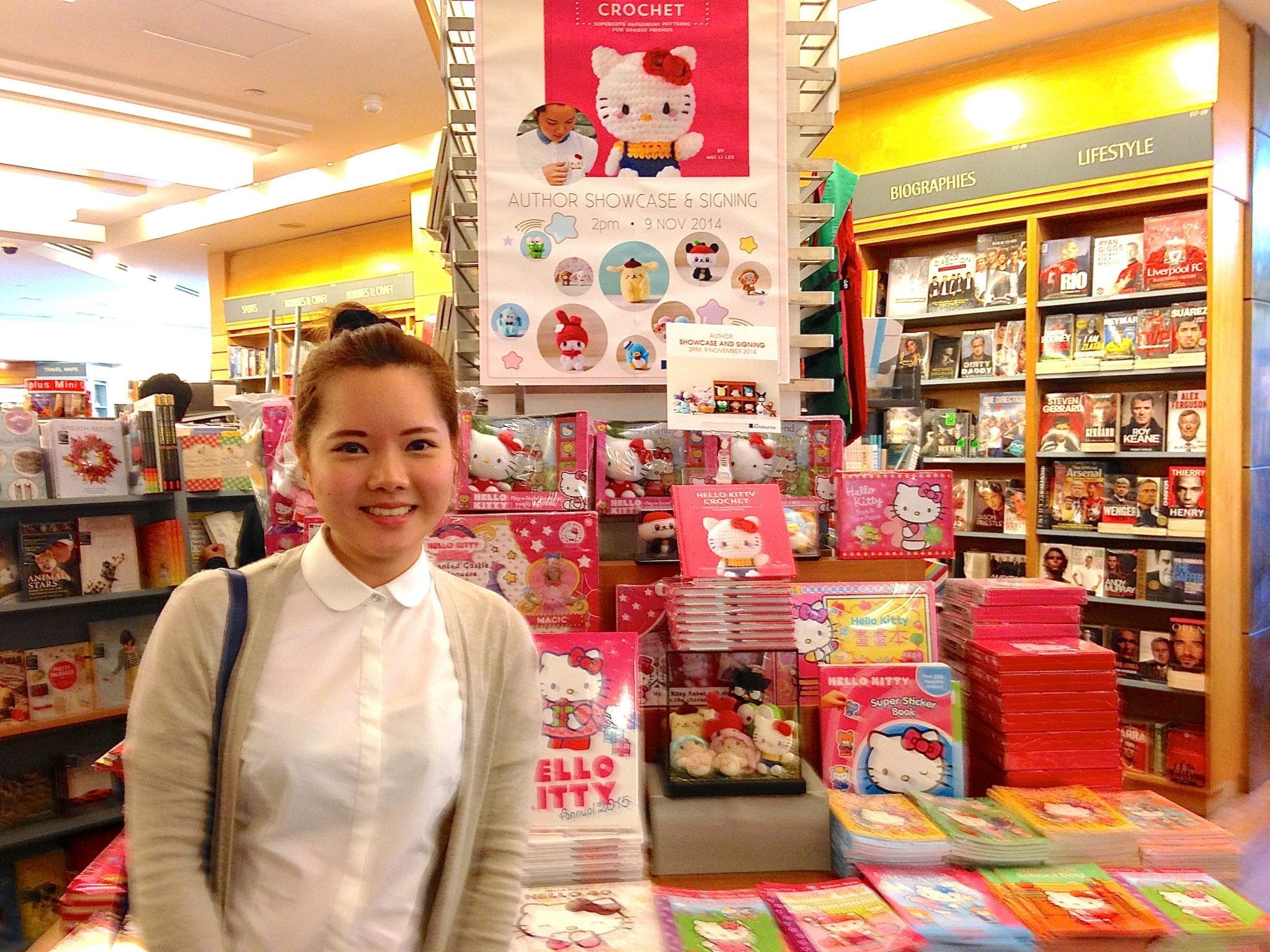
    A Hong Kong supermarket is turning grocery shopping into an unbearably adorable experience with its Hello Kitty pop-up. The delightful shop will be officially open for business — operating within Sai Wan’s Yata Supermarket — from Feb. 12 to May 31.The pop-up offers desserts, dry grocery items, home decor products, and general merchandise all inspired by the beloved Sanrio character.

    In addition, all of the shopping bags and carts will reflect the same theme, turning it into a truly immersive experience. Preview pictures reveal that the limited-edition popcorn and light-up cotton candy are hot commodities. It can also be expected that Hello Kitty herself will be stopping by the store from time to time.According to the South China Morning Post, the pop-up could be an attempt to boost Hong Kong’s struggling retail sector.

    We have a feeling the Instagram-ready supermarket will certainly be a step in the right direction.

  • P&G pilots program for ‘sari-sari’ stores

    P&G pilots program for ‘sari-sari’ stores

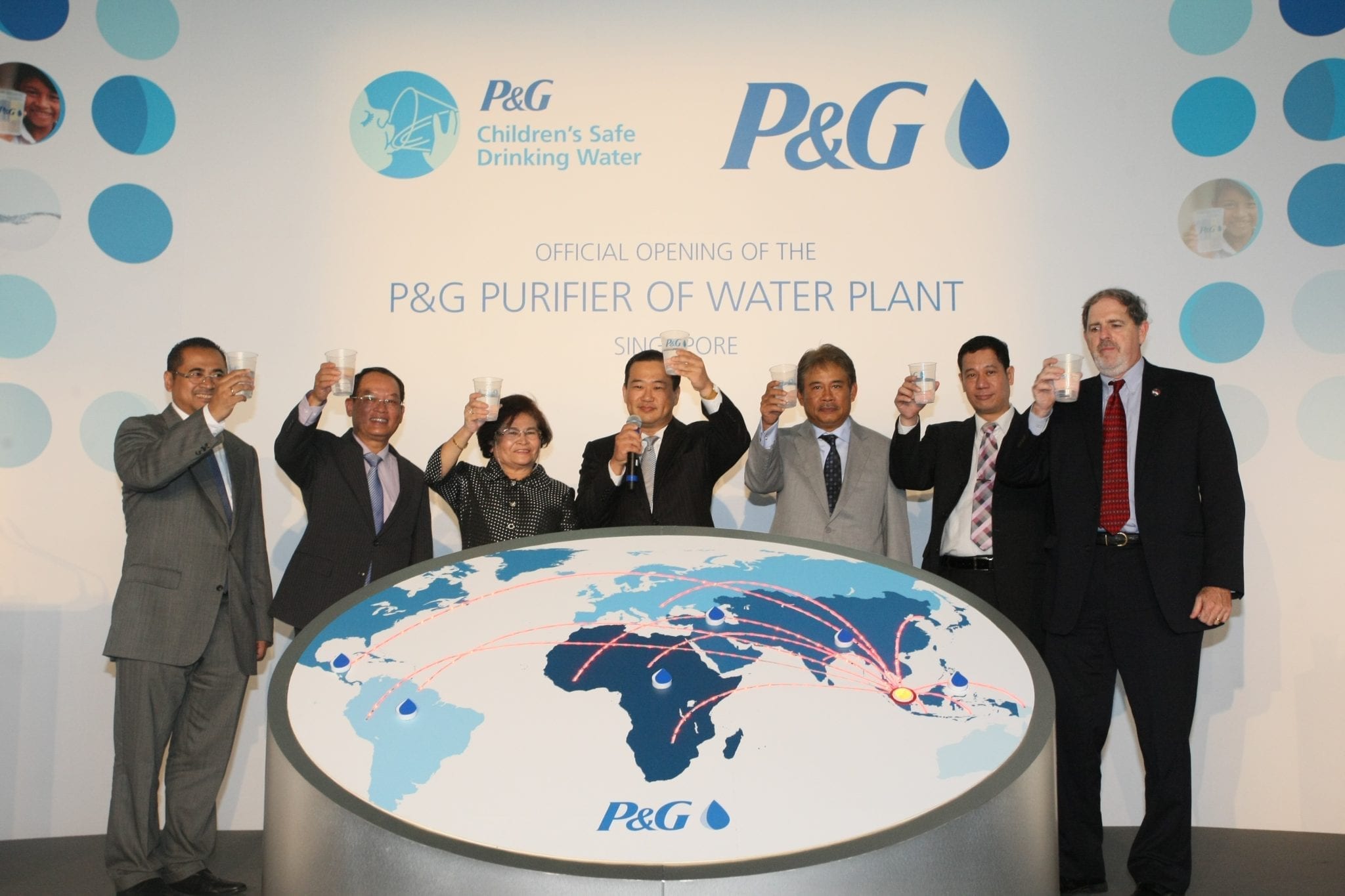
    Consumer goods giant Procter & Gamble (P&G) has inked an agreement with the Department of Trade and Industry (DTI) to pilot a micro-entrepreneur development program that will equip “sari-sari” store owners with fundamental entrepreneurial knowledge and business seed capital.

    Called “Angat Kita,” the program aims to help interested sari-sari store entrepreneurs to realize their full potential to generate income, sustain livelihood, and eventually uplift their current status.

    P&G said participants need to attend a series of training workshops developed by the company’s retail experts before gaining access to seed capital to put to practice what they learned.

    Through its wide distribution network, P&G said it hopes to introduce the Angat Kita program to thousands of micro-entrepreneurs and have them enroll at the DTI Negosyo Centers nationwide.

    The pilot program is targeted to be rolled out in Mandaluyong City and  four other locations within the next few months.

    “P&G has a unique capability to contribute specifically in the area of leadership development. As a humble enterprise that started small and grew to one of the leading and lasting FMCGs (fast moving consumer goods) globally, we take seriously our social responsibility to cultivate the next generation of successful entrepreneurs,” P&G Asia-Pacific president Magesvaran Suranja said.

    According to company, the program will focus primarily on small-sized sari-sari store owners and help them level-up to medium-sized sari-sari store owners.

    The partnership also hopes to help uplift women in society and enable them to be productive entrepreneurs while carrying out their roles as housewives.

  • Vietnam to digitize medical records for all citizens

    Vietnam to digitize medical records for all citizens

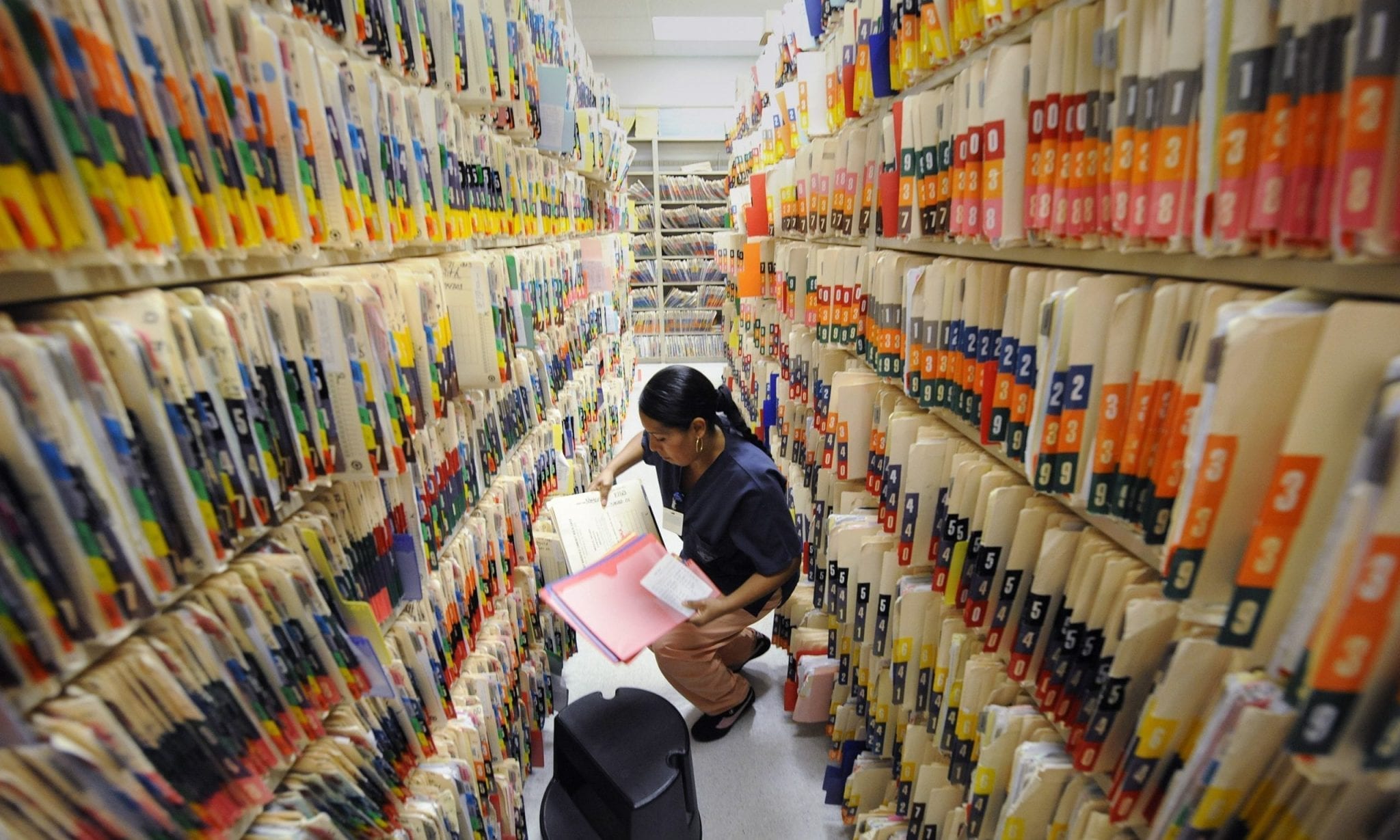
    The electronic system can be shared by healthcare providers across the countries to save time and money. The Vietnamese government has announced a plan to spend VND5 trillion ($220 million) on an ambitious project to create a nationwide system of electronic medical records.

    Under the plan, the government will still issue paper-based records to patients first but these will gradually be replaced by a digital system, built and run by the welfare agency Vietnam Social Security.

    The system, which will store personal medical records for all citizens, can be shared by health care providers to save time and money.

    Vietnam, like many other developing countries, is dealing with the double burden of infectious and non-infectious diseases, said Luong Ngoc Khue, a senior health official, adding that among non-communicable diseases, cancer has emerged as an alarming problem.

    Online personal health records can make it more efficient for doctors to make early diagnosis as well as easily monitor symptoms.

    The Vietnamese government has also announced a plan to issue electronic healthcare cards to all citizens to certify their rights to medical services anywhere, according to the government’s online news portal. With the new system, electronic healthcare registries in all 63 cities and provinces will be synced.

    Vietnam Social Security is in charge of developing a plan to sync health, social security and unemployment insurance into one single card.