Author: Mei Ling Tan

  • Casinos open, but Vietnamese find it difficult to gain admission

    Casinos open, but Vietnamese find it difficult to gain admission

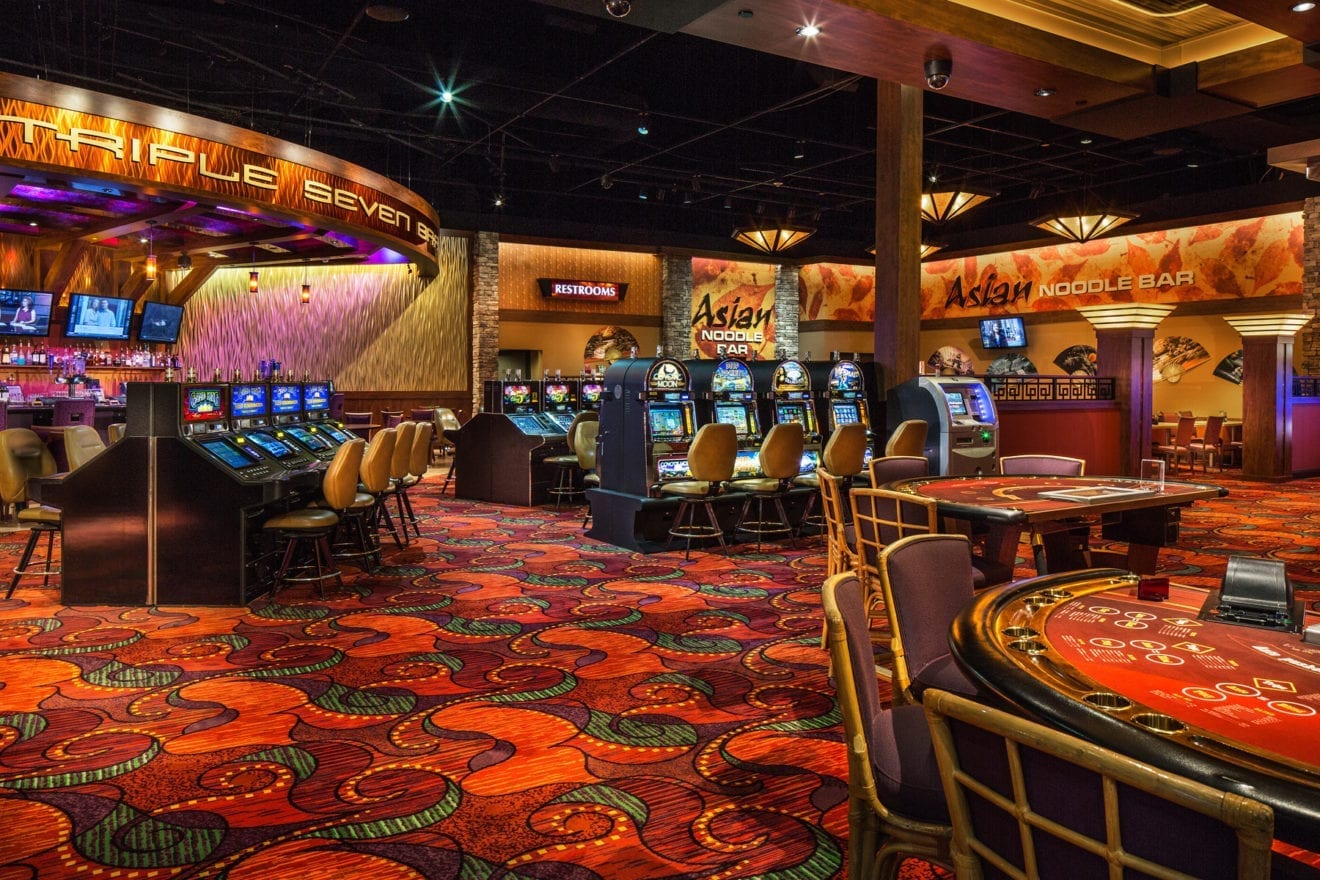
    From March 15, 2017, Vietnamese citizens will have the right to play at casinos licensed by the government. However, they must be 21 years old or above with “full capacity for civil acts of individuals” according to Vietnamese law, have proof of regular monthly income of VND10 million ($450), and be subjected to third-degree taxation according to the law on individual income tax.

    The admission ticket is VND1 million ($45) for 24 hour entry, or VND25 million ($1,126) per person monthly.

    Nguyen Hoang Hai, deputy chair of the Vietnam Association of Financial Investors (VAFI), warned that players would find it troublesome to follow procedures to prove their income.

    “There would be no problem for employees to prove their income, but it would be difficult for businessmen and freelancers to do this,” Hai said, adding that it is unclear what documents people have to show.According to the Ministry of Finance, about 70 percent of taxpayers are subject to first- degree taxation. The people subject to third-degree taxation are those with net monthly income of VND10-18 million.

    Hai said that strict requirements would not attract players. Meanwhile, in Singapore, the requirements on players at Marina Bay Sands are not too complicated: people just need to pay the daily fee of 100 SGD (VND1.6 million), or 2,000 SGD a year (VND32 million).

    Meanwhile, the gambling limit of VND1 million for 24 hours is described as ‘too low’ which cannot satisfy players. Ngo Thanh P, a young businessman in Hanoi, said the low limit would not attract real high-income earners. If so, the goal of increasing revenue from tax collection would be unattainable.

    The owner of a privately run business in Hanoi also said that the low gambling limit would keep successful businessmen and rich people away.

    “VND25 million a month won’t be able to satisfy them. They would rather go gambling abroad than go to domestic casinos,” he said.

    However, opinions about the issue vary. Ha Ton Vinh, an expert on casinos, while agreeing that it is a right decision to open casinos to Vietnamese, stressed that it is necessary to control them strictly.

    In South Korea, there are 17 licensed casinos, but only Kangwon Land is opened to domestic players. The casino is located in a remote area, hundreds of kilometers from Seoul. In Nepal and Cambodia, casinos are open only to foreigners.

  • Vietnam expects 10 percent rise in leather, shoe exports

    Vietnam expects 10 percent rise in leather, shoe exports

    Viet Nam’s leather and footwear industry expects to reach a total export value of US$18 billion this year, up 10 per cent from last year, said the Viet Nam Leather, Footwear and Handbag Association (Lefaso)

    According to Lefasco, there are plenty of chances for expanding exports given that orders for footwear and bag processing may be diverted from factories in China that have cut back on incentives for investment in garment and footwear manufacturing to focus on high technology.

    Another promising element is the Viet Nam-European Union free trade agreement, which will take effect in 2018 and afford Vietnamese footwear makers more opportunities to boost exports.

    To achieve this year’s target, the leather and footwear sector needs to boost technological innovation, invest in new equipment and modernise existing equipment, expand the production scale of domestic enterprises to increase productivity as well as improve the quality of products, Lefasco said.

    Lafesco reported that the sector raked in $16.2 billion from export last year, up 8.8 per cent from 2015. Of which, $13 billion came from footwear and the remaining was from handbags and leather items, marking respective annual increases of 8.2 per cent and 11.1 per cent.

    According to Lefaso, leather and footwear exports last year faced many difficulties as orders from the EU market plummeted and the sector’s export to ASEAN markets was also unstable.

    Since January 1, 2016, the tax levied on footwear and leather handbags and items circulated within the ASEAN bloc have been reduced to 0 per cent, leading to stiffer competition from regional rivals.

    Vietnamese enterprises also confronted obstacles due to the lack of capital and increasing input costs, which significantly affected the footwear sector’s export. Footwear currently ranks fourth and suitcase-bag-briefcase ranks tenth among Viet Nam’s top 10 foreign currency earners.

    The sector’s manufacturing index in 2016 rose a modest 3.7 per cent year-on-year, much lower than the 17.4 per cent and 22 per cent growth in 2015 and 2014, respectively.

  • Energia Communications to deploy G.fast nationwide

    Energia Communications to deploy G.fast nationwide

    Japan’s Energia Communications has signed a partnership and reseller agreement covering Nokia’s G.fast technology.

    Energia Communications plans to offer G.fast nationwide across Japan as part of an initiative to expand its utility service provider operations.

    G.fast is designed to squeeze fiber-like speeds from copper cable over last-mile connections such as apartment buildings with no fiber wiring. Energia Communications will use G.fast to replace the use of traditional VDSL2 technology.

    Energia Communications last year became Nokia’s first G.fast customer in Japan and one of its first customers for the technology worldwide, according to Energia Communications CEO Satoshi Kumagai.

    “We have been very happy with the service and have complete trust in Nokia’s capability and strengths of its fixed access business, which is why we decided to take the relationship forward as a successful business partnership/reseller model,” he said.

    Nokia’s Bell Labs holds the current world speed record for a single copper pair, having demonstrated speeds of 10Gbps using its XG-FAST technology in 2014.

    “This strategic partnership with EneCom will increase G.fast deployments in Japan, providing real benefits to subscribers who might otherwise be unable to enjoy ultra-broadband speeds. Japan is a very important market to us, and we look forward to a successful venture that will boost local economies,” Nokia Japan head Jae Won added.

  • AirAsia launches flights to Honolulu

    AirAsia launches flights to Honolulu

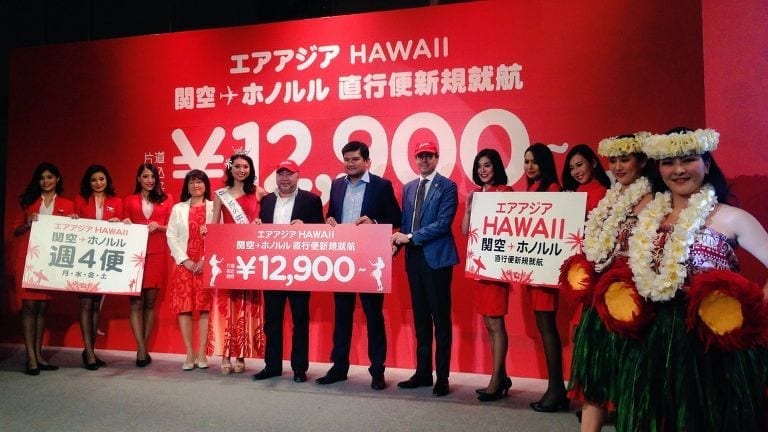
    Malaysian low-cost carrier AirAsia will be flying to Hawaii’s capital city Honolulu from June this year.

    The company announced on Friday (Feb 10) that its long-haul unit, AirAsia X, will fly to Honolulu four times a week from Kuala Lumpur via Osaka, and tickets will start from RM499 all in each way.

    The first flight will be on Jun 28, it added.

  • Cebu Pacific says it flew 19 million passengers in 2016

    Cebu Pacific says it flew 19 million passengers in 2016

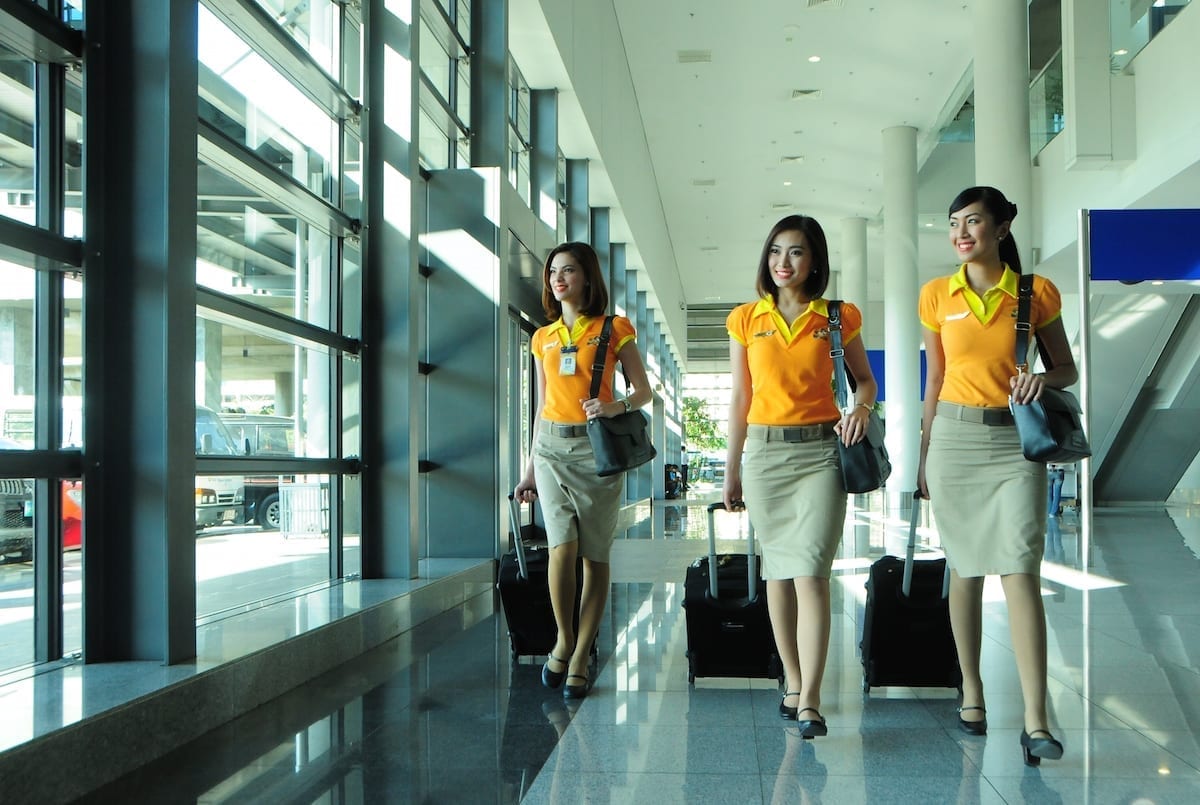
    Cebu Pacific, the country’s largest airline, said Friday it flew 19.1 million passengers in 2016, a 4-percent increase from the previous year on the back of its short-haul services.

    The airline said it set a new record for most passengers flown in a single day, 64,638 on Dec. 27, 2016.

    Cebu Pacific said there was “notable” growth in passengers to Beijing, Xiamen, Taipei, Hanoi, Ho Chi Minh among international destinations.

    Locally, passengers increased in Cauayan, Siargao and Ozamiz, the airline said.

  • Vietnam spends $5 million daily on chemical imports

    Vietnam spends $5 million daily on chemical imports

    A GDC report showed that in 2016 alone, Vietnam imported $1.8 billion worth of chemicals, including $1.02 billion worth of products to make other compounds. This means that Vietnam spent VND112 billion daily to import chemicals.

    The imports were mostly from China, while imports from countries with developed chemical industries such as India, the US, Canada, Israel, Japan and South Korea were modest.

    According to Ngo Tri Long, there are three reasons for Vietnam to import chemicals from China. First, Vietnam has high demand for chemicals, but it still cannot produce chemicals domestically. Second, Vietnamese enterprises prefer importing chemicals from China to other countries because Chinese products are cheaper. Third, Vietnam, like other countries neighboring China, want to import chemicals across the border gates instead of through official channels in order to avoid tax.

    Le Cao Doan from the Central Economics Institute has also expressed concern about imports from China, especially in the context of Vietnam’s high trade deficit and the risks of relying on Chinese imports.

    The high imports from China are problems to many countries including Vietnam, which imports low-quality and dirty products.

    “If Vietnam continues importing chemicals from China, it will become the place containing low-quality products and relying on Chinese imports,” he said.

    Doan said that Vietnam is facing two big problems.

    If continuing to rely on China, the Vietnam economy would lag behind, because the  economy would be based on industrial production, similar to what China once experienced in the past. In addition, Vietnam would see the damage to the environment and the platform for development.

    What does Vinachem do?

    Vinachem, or the Vietnam Chemicals Group, is known as the largest domestic chemicals producer which regulates big fertilizer and chemical factories in Vietnam.

    However, the big factories put under Vinachem’s management are incurring huge losses of trillions of dong.

    Meanwhile, Vu Dinh Duy, a member of Vinachem’s board of directors, has left Vietnam for medical services and has been unreachable for many months.

    In the latest news, Vinachem has set up a steering committee to solve existing problems at fertilizer plants which are incurring big losses.

    Besides the chemicals companies in which the state holds the controlling stakes, Vietnam also has many privately run companies in the field.

    However, an analyst said domestic chemical output remains modest and Vietnam still has to rely on imports.

  • Travel agents issue official letter to boycott Garuda

    Travel agents issue official letter to boycott Garuda

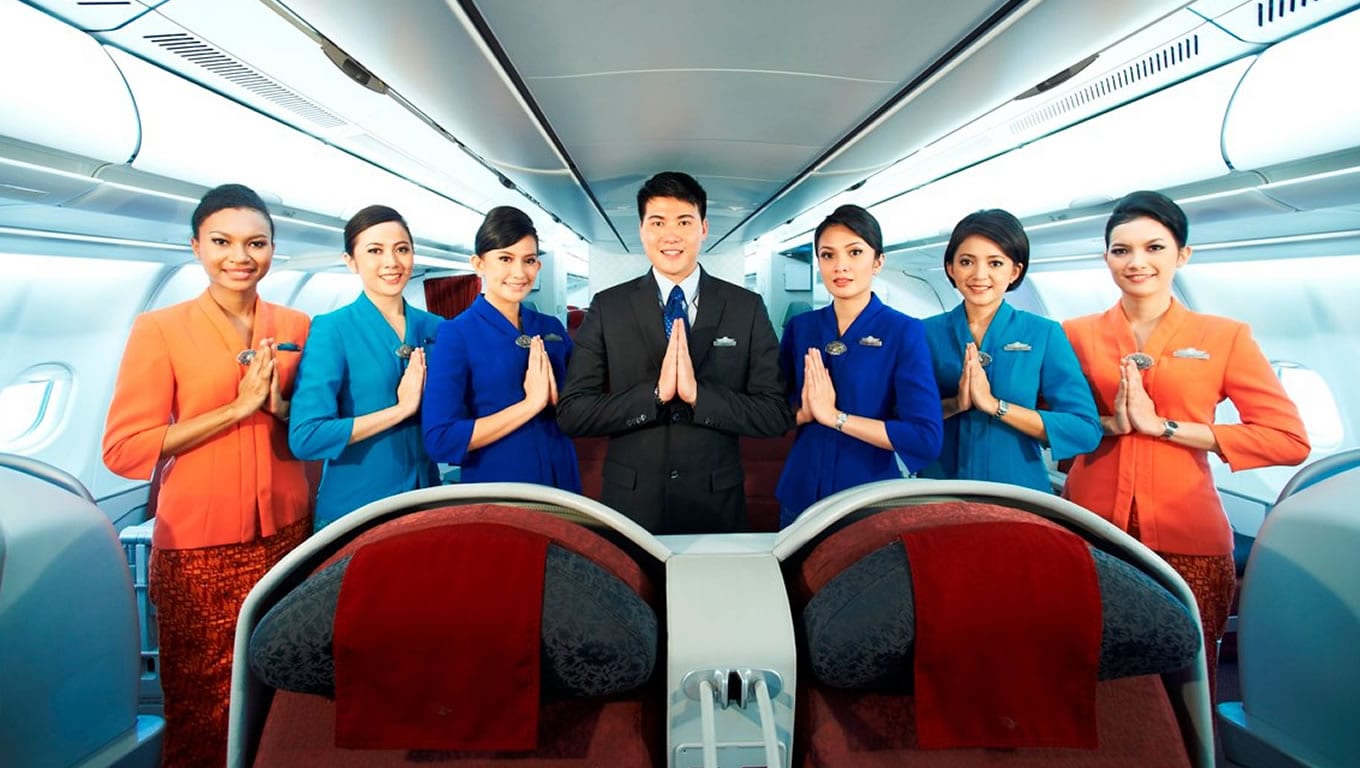
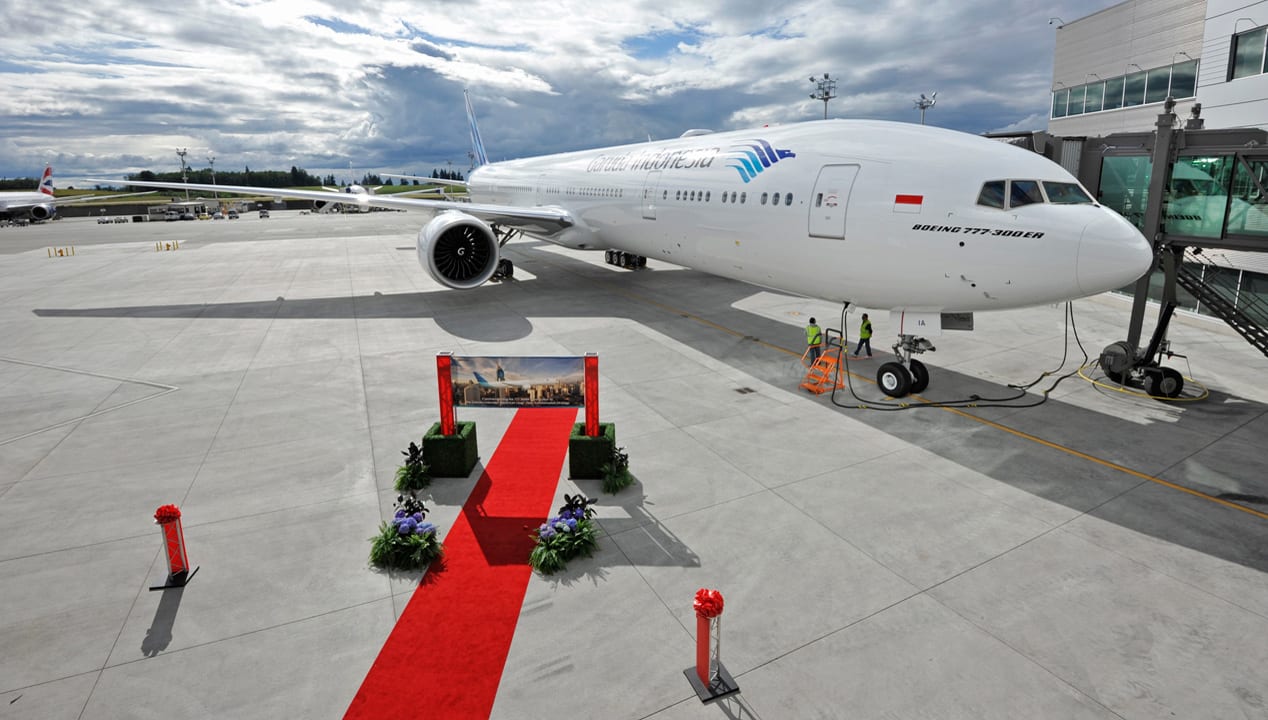
    Following up on their recent statement, the Association of Indonesian Tour and Travel Agents (ASITA) officially boycotted through a circulating letter national flag carrier Garuda Indonesia over the decision to reduce commissions for travel agents.

    The letter, signed by ASITA chairman Asnawi Bahar, noted that Garuda Indonesia had not responded to the association.

    “During the period to resolve the problem with Garuda Indonesia, ASITA Indonesia has decided that all ASITA members are prohibited from participating in any activities involving Garuda Indonesia,” the letter stated.

    Previously, Asnawi said that the airline’s commission from ticket sales would be cut from 7 percent to 5 percent for international flights and 5 percent to 3 percent for domestic flights.

    Garuda Indonesia vice president of corporate communications Benny S. Butarbutar also previously confirmed that the airline would reduce commissions for travel agents.

    “We are adjusting the business pattern with our partners, travel agents. The business situation is changing really fast, with online travel being much stronger, but we will also want to keep traditional travel agents,” he said.

    Benny added that the decision might be temporary, as it would depend on the market situation. He declined to comment on the protest.

    ASITA currently has around 6,300 members of tour and travel agencies across Indonesia, including Panorama Tours Indonesia–a core unit of Panorama Group, Indonesia’s largest integrated travel group.

  • Garuda Indonesia to Open Lombok-Guangzhou Route

    Garuda Indonesia to Open Lombok-Guangzhou Route

    General Manager of national carrier PT Garuda Indonesia of Mataram branch Mochammad Yansuerio said that in the near future, Garuda Indonesia would open a direct flight serving Lombok–Guang Zhou, China.

    “Lombok and Sumbawa are getting more popular both at the national level and at the international level. This has become our consideration to add frequency of flights in several routes, including by opening up Lombok – Guangzhou route,” Yansuerio said in Mataram on Friday.

    “The flight is twice a week,” he added.

    In addition to opening Lombok-Guangzhou route, Yansuerio Garuda Indonesia would also increase flights serving Lombok, including Lombok-Yogya and Lombok and Makassar from once week into twice a week.

    “As for Lombok-Surabaya route and Lombok-Jakarta route whose occupancy reach 80-85 percent, we plan to increase the frequency of flights,” he added.

  • AEON cooperates with Thai Airways to organize “Journey of Happiness with Thai Airways 2017”

    AEON cooperates with Thai Airways to organize “Journey of Happiness with Thai Airways 2017”

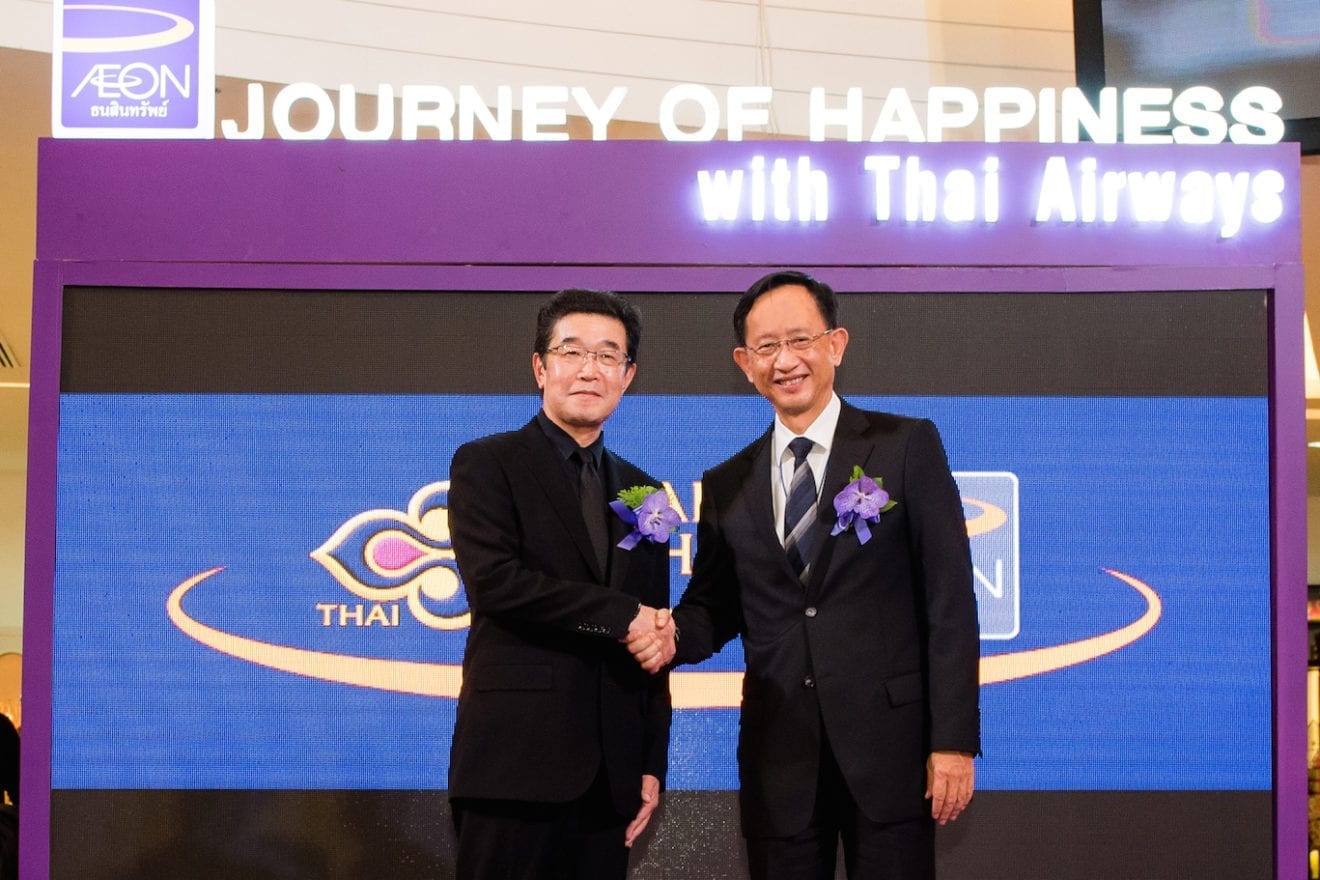
    Kiyoyasu Asanuma (left), Managing Director of AEON Thana Sinsap (Thailand) Public Company Limited together with Teerapol Chotichanapibal, Executive Vice-President Commercial of Thai Airways International Public Company Limited joined the recent launch of “Journey of Happiness with Thai Airways 2017” campaign at Fashion Hall, Siam Paragon. The campaign offers privileges to AEON credit cardholders from AEON, Thai Airways, H.I.S, and JCB partners.


  • Abercrombie & Fitch unveils new store concept

    Abercrombie & Fitch unveils new store concept

    US casualwear retailer Abercrombie & Fitch is about to unveil its first concept store for 15 years.

    In a dramatic change of direction, customers will be able to actually see the stock on display, the brand’s heavy scenting has been toned down and stock will be visible from outside.

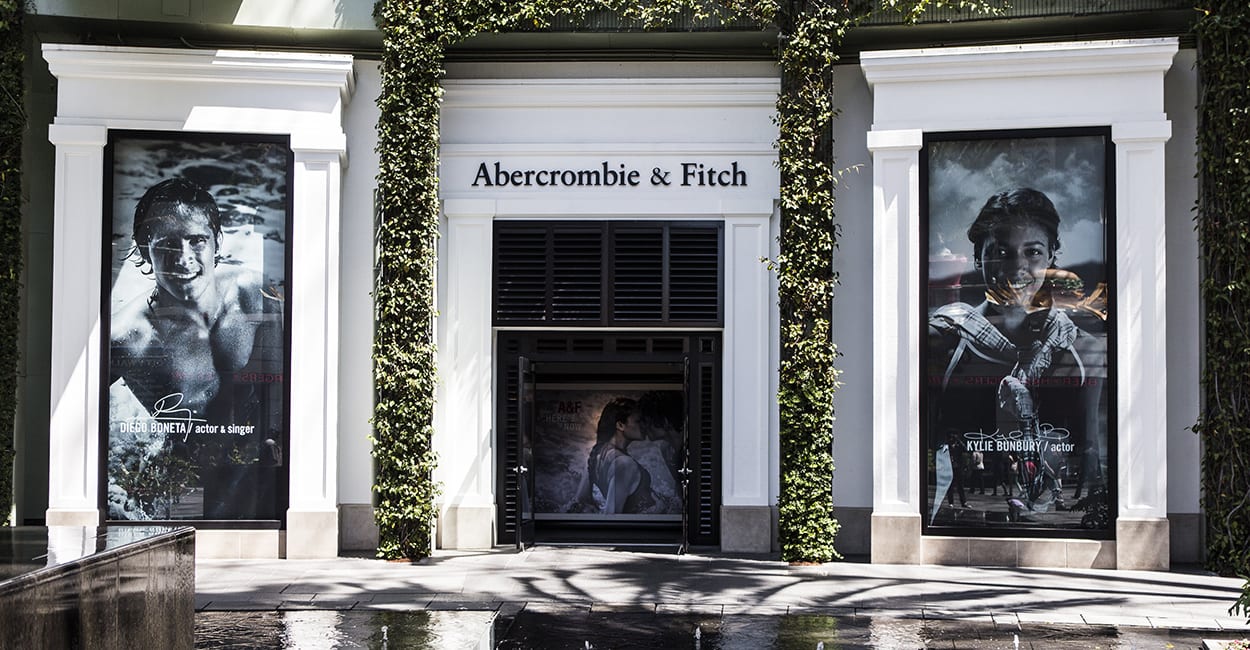
    Only two images have been released by the brand, but these show the magnitude of the change of direction.  The concept store will open its doors on February 17, inside the Polaris Fashion Mall in Columbus, Ohio.

    Abercrombie & Fitch previously took pleasure in assaulting customers’ nasal senses as well as providing never-ending entertainment for store staff members who could watch customers walking into mirrors, squinting as bright spotlight beams shining directly into their eyes – and for special kicks, watching mothers with pushchairs trying to navigate narrow aisles, staircases and darkened passages, or children crying because they were scared of the dark.

    In place of the “mausoleum” style of store, the new design is a soft brown hue, strong lighting and subtle fixtures. The concept store was designed by MJ Sagan Architecture, which was also involved in creating the company’s New Albany headquarters.

    An A&F statement says the prototype’s look and feel “is in line with the brand’s new evolution”.

    However, A&F is in serious trouble. In November, Neil Saunders, New York-based MD of GlobalData Retail, described the company’s latest quarterly performance as “disastrous” by any standard.

    “Not only are total sales sequentially worse than last quarter, but revenues at Abercrombie have slumped and net income is down by more than 80 per cent.”

    At the core of the problem is the fact that consumers have grown out of clothing ranges bearing oversized logos.

    “A&F is changing – moving away from its traditional brash, image-obsessed focus toward a more inclusive and more gentle approach with an emphasis on stylish, quality clothing,” said Saunders.

    A&F concept store 2017

    First of seven

    Meanwhile, the new Ohio boutique, which covers 4860 sqft (451 sqm), is the first of seven to be built this year, providing the customer “with a new vision of the brand,” A&F says in a statement.

    “In line with the changes that have taken place over the past 18 months, the space was imagined with the best customer experience in mind, encouraging the discovery of the brand’s new collections.”

    A&F and Abercrombie Kids brand president Stacia Andersen says she hopes customers old and new will rediscover what is at the core of the American Heritage brand: “timeless, high-quality clothing you want to live in”.

    “The new A&F store design illustrates a strong brand, with a rich history that is evolving and moving forward. A cohesive material palette, an elevated collection and residential-scale elements enhance the personal, more intimate aspect of the A&F shopping experience,” says architect MJ Sagan.

    In place of the dark, product-devoid entrances more akin to a theme park’s “House of Horrors” than a retail store, the new storefront is transparent and features a metal sculpture of an A&F logo first used in the early 1900s. Inside, there are two shops-in-shops: a fragrance “apothecary” and an area for seasonal capsule collections. There is also a dedicated denim room.

    Mannequins for both genders stand on a concrete platform running from the storefront through the middle of the store, showcasing key trends and ideas for the current season. Throughout the store, the collections are merchandised to inspire the customer and showcase how pieces can be mixed together.

    “Looking to provide a unique and personal shopping experience, the updated layout includes accommodating features such as innovative fitting rooms and omni-channel capabilities,” says the company.

    “The fitting rooms will serve as a comfortable haven from the mall or street, comprising two individual capsules within a larger private suite. This allows each guest to share new looks with a friend or family member while also enjoying privacy. Each suite has thoughtful amenities that heighten the customer’s mood, including separate controls for light and music, as well as a phone-charging dock.”

    The interior features a cohesive palette of modern, tactile materials including cork, bronze, galvanised steel, concrete, “vegan leather”, wood and marble that act as a neutral but complementary background to the collections.

    And that obnoxious olfactory assault that is a trademark of A&F will – thankfully – be laid to rest: “The store will be subtly scented with a lighter, cleaner, gender-neutral fragrance.”

    Store staff members will help shoppers place and pick up online orders in store, and cash wraps will be located throughout the space rather than hidden in a back corner, which was a challenge for first-time visitors to find. Clearly, A&F realised it was too hard to find the register in the old store format, its statement conceding the new approach will “enable a quicker and more accessible checkout experience”.

    Gilly Hicks in comeback

    Meanwhile, A&F’s Hollister Co brand says it has relaunched its intimates brand, Gilly Hicks, in all Hollister stores across the US and will sell it globally online at HollisterCo.com.

    Gilly Hicks, “the brand to start and end your day with”, includes bras, bralettes, undies, swimwear, loungewear and sleepwear. The company launched the brand in 2008 and built a network of 28 exclusive stores, but these were closed in 2013. An online store was rolled into Hollister two years later.

    “We recognised an opportunity to redefine the Gilly Hicks brand, and we know our Hollister customer will enjoy another destination for fun and cozy bras, undies and sleepwear,” says brand president Kristin Scott. “We’ve designed our Gilly product to be effortless and comfortable to align with our customer’s on-the-go, busy lifestyle.”

    Some US stores will host shops-in-shops to provide “a unique Gilly Hicks brand experience”.

    The Old A&F look...(Image: A&F Canada)

    The Old A&F look…(Image: A&F Canada)
  • Vietnam retail revenue reaches $11 billion

    Vietnam retail revenue reaches $11 billion

    Vietnam retail and services revenue rose 10 per cent year-on-year last month to US$15 billion.

    Excluding inflation, the amount marked a yearly increase of 6.7 per cent, says the General Statistics Office (GSO).

    Statistician Vu Manh Ha attributes the growth to stable prices, despite high local consumption in preparation for the Tet holiday and sufficient stocks in supermarkets for the country’s biggest festival.

    Retail accounted for more than three-quarters of total sales, reaching $11.5 billion – up 6.5 per cent from the previous month and 11 per cent more than the same period last year.

    Sectors recording positive growth included food and foodstuffs (up 13 per cent), textile and garments (up 11.5 per cent), transport services (up 11.2 per cent) and home appliances (up 7.8 per cent).

    Accommodation, restaurant and catering services, which made up 11.3 per cent of the total, topped more than $1.64 billion, representing a yearly rise of 3 per cent.

    Localities that did well in accommodation, restaurant and catering sales included Ba Ria-Vung Tau with a 12 per cent rise, Thanh Hoa (8.6 per cent), Kien Giang (7.4 per cent), Hanoi (5.7 per cent) and Da Nang (5.2 per cent). However, there were downturns in several localities, including Quang Binh with a 12.4 per cent drop, and Ho Chi Minh City and Nam Dinh, falling by 5.3 per cent.

  • DFS Group completes City of Dreams store

    DFS Group completes City of Dreams store

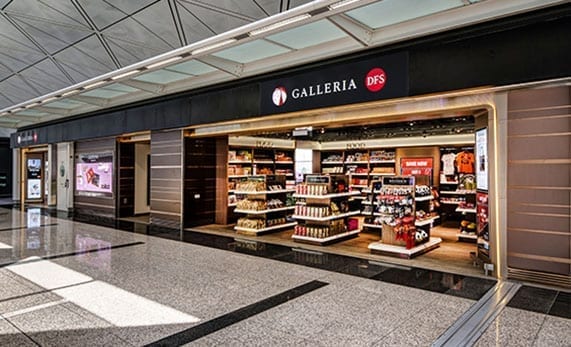
    Luxury travel retailer DFS Group has unveiled the final phase of T Galleria by DFS, City of Dreams store in Macau following a year-long expansion.

    DFS Group chairman/CEO Philippe Schaus says the the store offers travellers the breadth of a luxury shopping mall with the personalised service of a high-end department store.

    An expanded jewelry offering was also unveiled in December, bringing key luxury jewelry brands Tiffany & Co. and Van Cleef & Arpels to T Galleria by DFS, City of Dreams as well as new watches boutiques from Audemars Piguet and Vacheron Const
    An expanded jewelry offering was also unveiled in December, bringing key luxury jewelry brands Tiffany & Co. and Van Cleef & Arpels to T Galleria by DFS, City of Dreams as well as new watches boutiques from Audemars Piguet and Vacheron Constantin

    Opening in 2009, T Galleria by DFS, City of Dreams expanded throughout last year to more than three times its original size. Stretching across 173,000 sqft (16072 sqm), the expanded store includes the group’s debut shoe hall. The largest shoe floor in Hong Kong and Macau, it features more than 50 men’s and women’s shoe brands across two levels, including exclusive-to-Macau brands such as Aquazzura and Rupert Sanderson.

    Men can also enjoy a dedicated multi-branded, lifestyle area that mixes ready-to-wear, accessories, shoes, watches and grooming all in one space to allow shoppers to complete a head-to-toe look with ease
    Men can also enjoy a dedicated multi-branded, lifestyle area that mixes ready-to-wear, accessories, shoes, watches and grooming all in one space to allow shoppers to complete a head-to-toe look with ease


    There are more than 40 fashion and accessories brands in the outlet, including Dior, Fendi, Louis Vuitton, Miu Miu and Prada. The expanded beauty offering comprises two wings across 23,000 sqft and nearly 70 beauty and fragrance brands, making it the largest beauty hall in southern China. Highlights include Korean brands Hera, Laneige and Sulwhasoo.

    DFS Macau, City of Dreams – beauty

    For men there is a multi-branded lifestyle area that mixes ready-to-wear, accessories, shoes, watches and grooming in one space.

    DFS Macau. 1

    DFS Macau. 3

    An expanded jewellery offering was unveiled in December, bringing in such brands as Tiffany & Co and Van Cleef & Arpels. There are also new watch boutiques from Audemars Piguet and Vacheron Constantin.

    DFS Macau, City of Dreams - WJA Event

    T Galleria by DFS, City of Dreams is one of four T Galleria stores in Macau, including T Galleria by DFS, Shoppes at Four Seasons; T Galleria by DFS, Studio City; and the standalone beauty hall T Galleria Beauty by DFS, Galaxy Macau.

  • SmartBuyGlasses opens Kennedy Town store

    SmartBuyGlasses opens Kennedy Town store

    Online eyewear retailer SmartBuyGlasses has opened a physical store at Kennedy Town.

    Located beside the suburb’s MTR station, the store displays and sells well-known designer brands of eyewear.

    The store, the first in Hong Kong, marks a step from online to offline which the company’s co-founder David Menning describes as “an exciting new chapter for the team” after operating 10 years as a pureplay online retailer.

    SmartBuy Glasses HK 2

    “Our distribution centre has been based in Hong Kong since we started out in 2006. Quite often we get members of the public turning up at the office itself looking to buy products directly from us, so it was clear there was an opportunity here to do something bigger that would serve the Hong Kong public directly.”

    SmartBuy Glasses HK 4

    Menning says the new store reflects the brand identity and entrepreneurial spirit of the SmartBuyGlasses team. “Using their access to the world’s most famous eyewear brands, SmartBuyGlasses has created a unique space where customers can try and buy top sellers and all time classics at the best prices anywhere in the city.”

    SmartBuy Glasses HK 1

    He says the decision to branch out into brick-and-mortar stores reflects the wider industry omnichannel trend, which involves brands and businesses linking their online and offline strategies in order to provide a truly comprehensive customer experience across all touch points.

    SmartBuy Glasses HK 3

    “For us, omnichannel is a key area to focus on in order to provide a truly localised experience for our customers around the world.  We felt that 2017 is the right time to make this leap, and we decided to begin this journey in Hong Kong because our roots run deep here and we wanted to give back to the community that has helped us build our business from a start up to a global leader in eyewear retail.”

    SmartBuyGlasses is an independent eyewear e-tailer, with websites in more than 30 countries. Through its Buy-One-Give-One program, the company donates a free pair of glasses for each pair purchased on its website to a community in need via a network of not-for-profit partners across the globe.

  • H&M Conscious Exclusive range made from shoreline waste

    H&M Conscious Exclusive range made from shoreline waste

    Swedish apparel giant H&M has launched a sustainably sourced high-fashion line made from recycled shoreline waste as part of a wider strategy to source more of their products from sustainable materials.

    The line, called ‘Conscious Exclusive’ will include a full collection for women and – for the first time- kids’ pieces. It will be available in 160 stores worldwide from April 20.

    HM Conscious Exclusive

    Marketing material for the new range, including a video below, challenge consumers: “Imagine a world where a dress can have a positive impact on the planet.”

    The products are made using Bionic, a material made from recycled polyester, and is designed to showcase the different ways that sustainable materials can be used to create stylish fashion.

    HM_Conscious_Exclusive_2017_Campaign_Natalia_Vodianova

    “For the design team at H&M, this year’s Conscious Exclusive is a chance to dream and create pieces that are both quirky and beautiful. It’s great to show just what is possible with sustainable materials like we have done with the delicate plissé dress made of Bionic,” said Pernilla Wohlfahrt, H&M’s head of design and creative director.

    HM Conscious Exclusive 1

    The campaign is part of a wider strategy that has already seen H&M produce at least 20 per cent of its products from sustainable materials. Also a user of organic cotton, the Swedish brand has committed to sourcing 100 per cent of its cotton sustainably by 2020.

    Supermodel and philanthropist Natalia Vodianova has come on as the star of the Conscious Exclusive campaign, in her first partnership with H&M.

  • Fewer sales, but more profit for Courts Asia

    Fewer sales, but more profit for Courts Asia

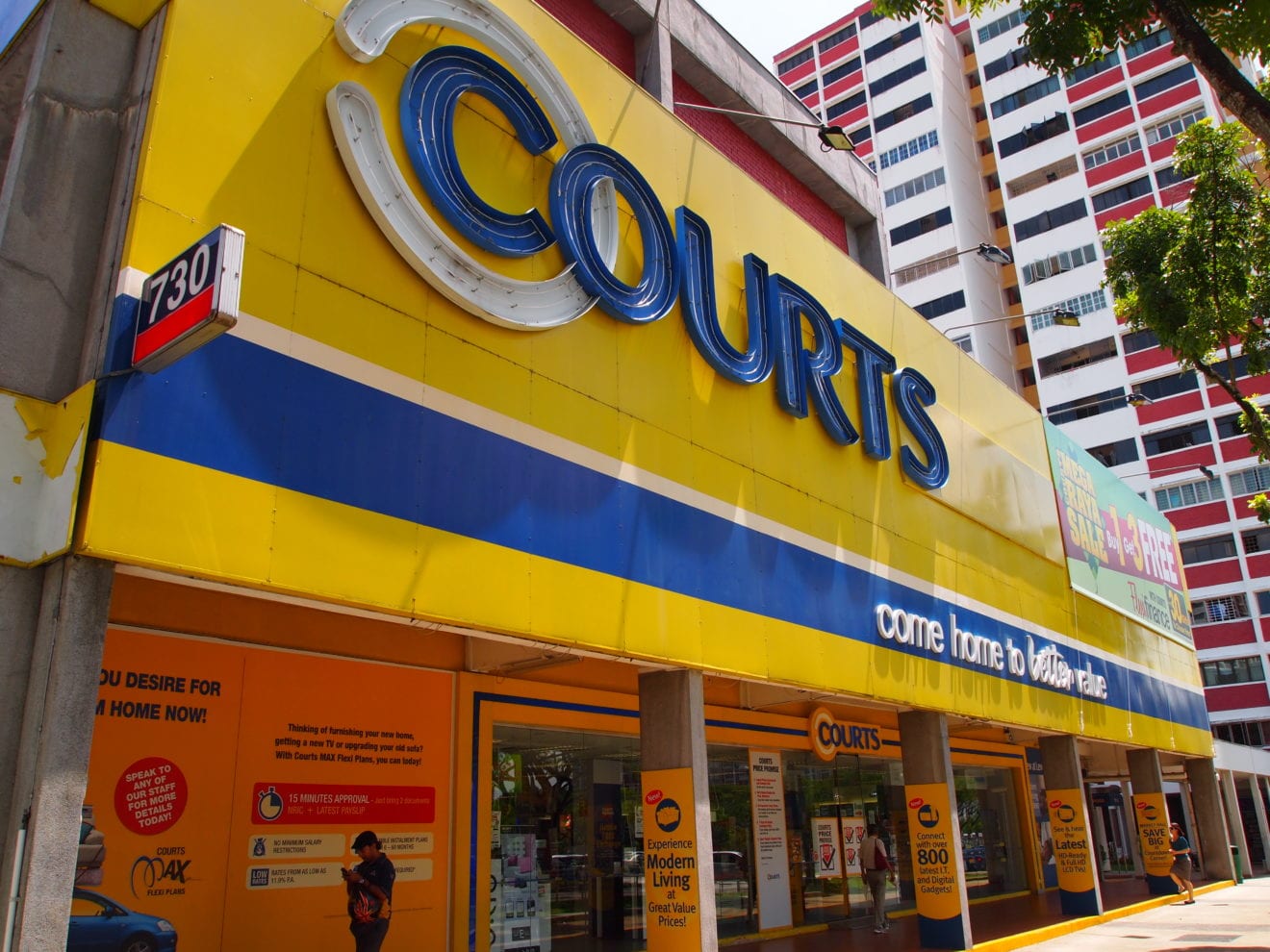
    Electrical, IT and furniture retailer Courts Asia reports 24.4 per cent growth in net profit to S$5 million (US$3.5 million) for the third quarter to December 31.

    This is despite revenue falling 8.6 per cent year-on-year to $187.2 million, attributed to lower corporate sales for digital products, coupled with the recall of the Samsung Note 7 smartphone.

    Courts Asia executive director/group CEO Terry O’Connor says the growth in profitability despite a lacklustre retail environment underscores the sustainability of the company’s cost-savings initiatives and productivity measures.

    “We were also able to achieve better gross profit margin of 33.1 per cent, compared to 29.7 per cent for the previous third quarter.”

    He says Singapore will lead the way for the group’s vision to be a regional omnichannel player by investing in the continuous improvement and innovation of its stores, both offline and online. “We will use Singapore’s e-store as the benchmark for improving the front-end experience and back-end capabilities for our Indonesia and Malaysia online stores.”

    Singapore revenue, which made up 66.8 per cent of Courts Asia’s top line in the quarter, slid 12.3 per cent. Revenue in Malaysia, which contributes 29.3 per cent of the group’s turnover, fell 5.9 per cent, while in Indonesia, still a relatively new market, there was a 104.3 per cent jump in revenue mainly because of new stores. O’Connor says Indonesia represents an “insignificant portion” of the group’s overall revenue at just 3.9 per cent.

    Group gross profit margins increased marginally to 33.1 per cent from 29.7 per cent the previous third quarter.

    Meanwhile, O’Connor says Courts Asia is seeking to achieve the right store portfolio balance in terms of number of locations or store format. In Malaysia, the company expects to increase its store base from 67 to 70 by the end of this financial year, while in Indonesia one store opened during the quarter, with its ninth outlet on track to open this year.