Author: Mei Ling Tan

  • Give yourself a break with Japan’s limited-edition Kit Kat sushi

    Give yourself a break with Japan’s limited-edition Kit Kat sushi

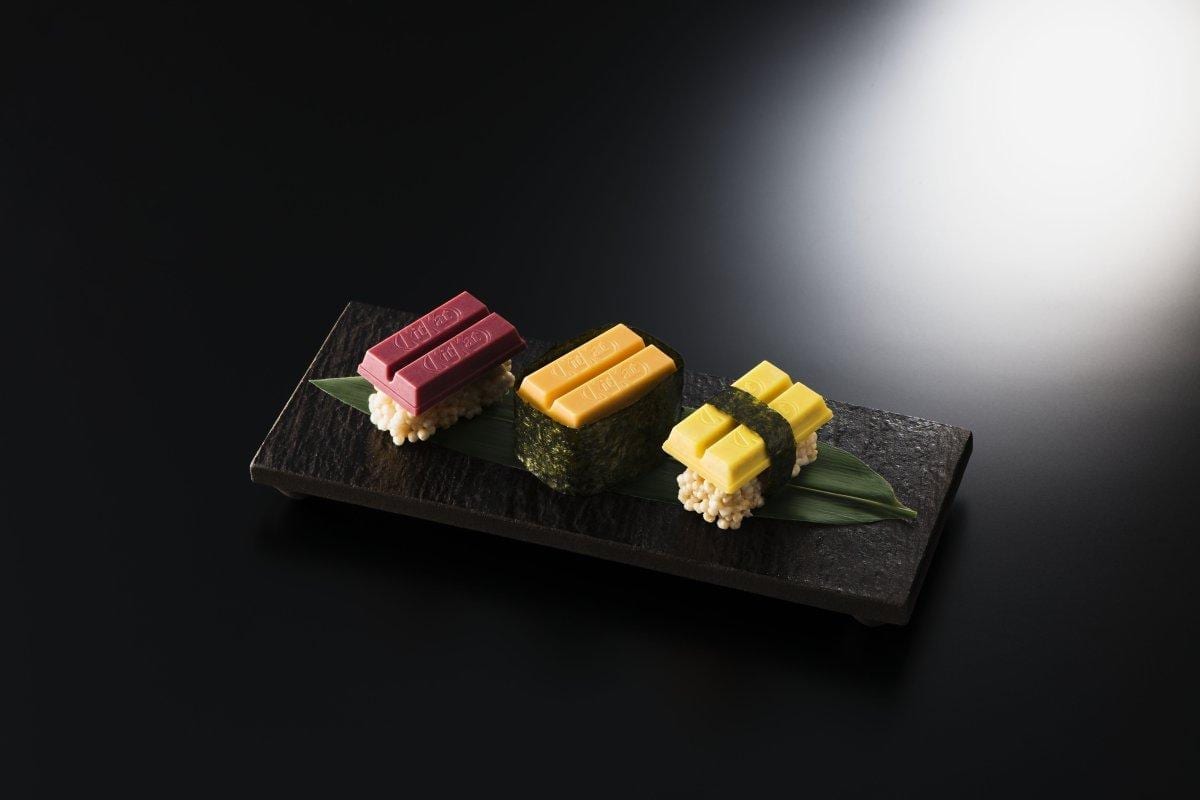
    Kit Kat, trusty purveyor of cocoa-coated wafer bars, has swooped in with the break you never knew you craved: chocolate sushi.

    The unimaginable “sushi cut kits” debut Thursday at Tokyo’s first-ever street-facing Kit Kat specialty store, according to former Gawker property Kotaku and Japanese media. The treats reportedly come in three flavors: “Maguro” (tuna), “Uni” (sea urchin) and “Tamago” (egg).

    https://www.flickr.com/photos/nestlejapan/sets/72157677570905932

    Maguro consists of raspberry flavor Kit Kat on puffed rice.

    If those sound unpalatable, take heart: There’s no real fish involved. The “tuna” variety is actually raspberry-flavored Kit Kat on top of a white chocolate rice puff; “sea urchin” is Hokkaido melon and mascarpone cheese-flavored Kit Kat encased in seaweed; and “egg” is a pumpkin pudding-flavored delicacy, also wrapped in a thin band of seaweed.

    https://www.flickr.com/photos/nestlejapan/sets/72157677570905932

    Tamago is pumpkin pudding-flavored.

    The sushi kit sets will retail for 3,000 yen (just over $26) at the so-called Japanese “Ginza shop” from Thursday to Saturday.

    Japan, evidently, has a thing for the shareable Nestle-produced confections: The country has sold more than 300 flavor varieties since the brand first went on sale there in 1973, per a 2015 report. And the candy’s name sounds fortuitously similar to the Japanese phrase “kitto katsu” — meaning “you will surely win.”

    https://www.flickr.com/photos/nestlejapan/sets/72157677570905932

    Uni features Hokkaido melon and mascarpone cheese-flavored Kit Kats.

    Chef Yasumasa Takagi, who whips up gourmet delectables for the Kit Kat Chocolatory in Tokyo, says, “The challenge is how to make something handmade out of an industrial brand.”

    “The KitKat has three perimeters: the chocolate, the wafer and the cream. The chocolate and cream are where we can be most creative,” he told the Telegraph. “For me, my goals are the same as in my work as a patissier. I want to surprise people, I want to make them happy and I want to somehow create an emotional reaction.”

  • Foxconn to help Japanese firm sell robots around the world

    Foxconn to help Japanese firm sell robots around the world

    What guise will robots of the future take? Some see as them as faceless automatons, capable of performing basic tasks for us, whilst the Supermatrix predicts a future where they’ll be actively concious but subdued through a dream within a dream. SoftBank Mobile however believes robots can be our friends before they do our bidding, which is why it launched its Pepper robot in Japan last year and is now partnering with Foxconn and Alibaba to help sell it around the world.

    Pepper doesn’t perform any particularly useful tasks around the house or office, but he can read facial expressions and judge emotions based on language and tone of voice and can react accordingly. If you are sad, he might engage you in conversation or play your favourite song to cheer you up. Over time he learns your emotions and different moods and can compliment or help alleviate them depending on your preferences.

    To date he’s mostly been used as a greeter in Softbank stores, but there are other potential uses such as babysitter, party greeter, serving staff or a companion for the elderly. It’s expected that retailers may be some of the most interested in Pepper, but that there are plenty of other applications for him where end users and other organisations may see him as a good fit for the role.

    Projected costs for the robot are expected to be $1,660 (£,1044) up front, followed by monthly payments of £125 to cover ongoing insurance coverage (should it fall over and break) as well as access to the cloud processing facilities required to make many of Pepper’s more complicated analysis and decisions.

  • Japan December retail sales below expectations as BOJ meets

    Japan December retail sales below expectations as BOJ meets

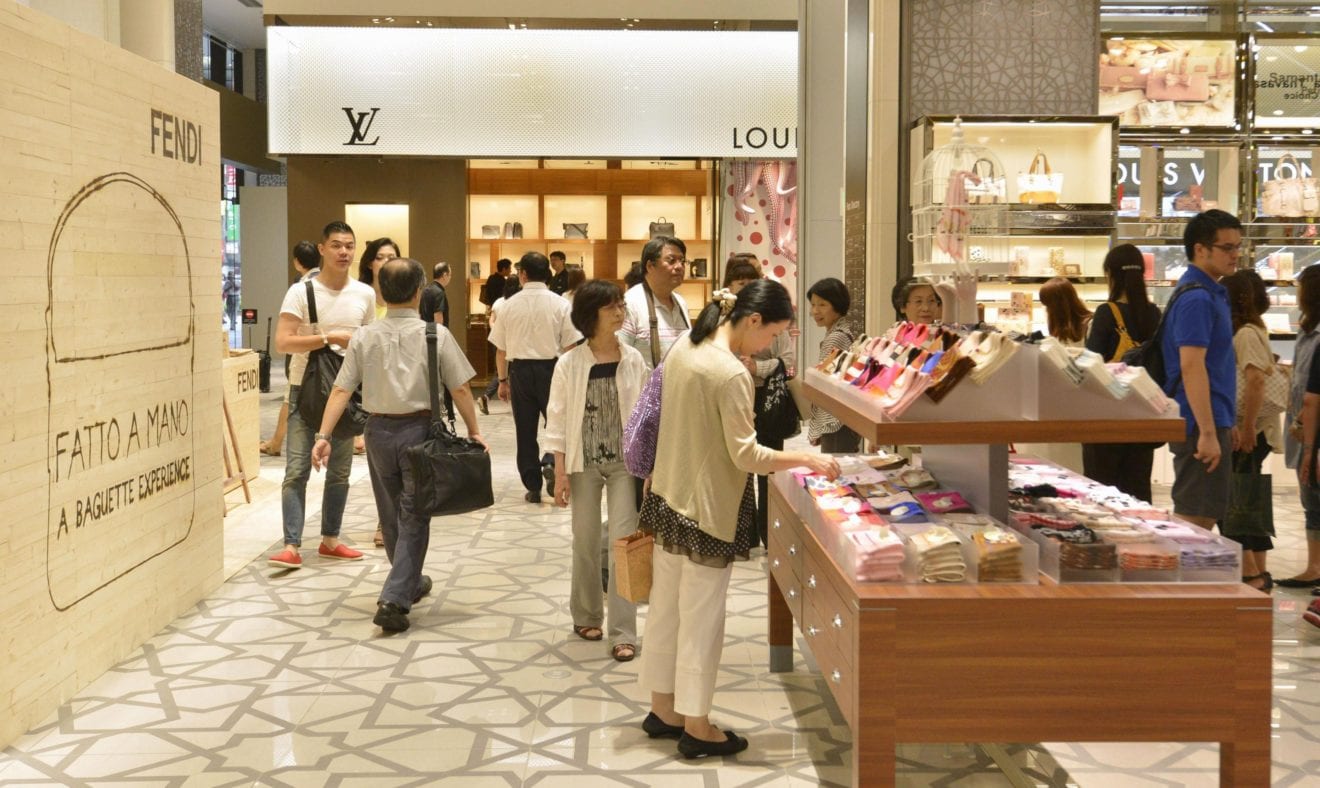
    Japanese retail sales rose less than expected in December, government data showed on Monday, unwelcome news as the Bank of Japan meets to set monetary policy.

    Retail sales rose 0.6 percent in December from a year earlier, below the median market forecast for a 1.3 percent increase.

    The Bank of Japan is expected to announce a steady monetary policy after its two-day meeting Tuesday and seek to allay speculation of an early tapering of its massive stimulus.

    Weak consumer spending has dogged Japan’s economy, which has struggled to achieve steady recovery after decades of deflation and stagnation.

    “I didn’t expect December retail sales to be strong because end-year private consumption wasn’t strong,” said Shuji Tonouchi, senior market economist at Mitsubishi UFJ Morgan Stanely Securities.

    “Prices have been rising but it’s mostly due to the rise in energy prices, and domestic demand hasn’t changed…We are looking carefully at whether this would lead to sustained inflation,” Tonouchi added.

    Japan’s economy expanded for a third straight quarter in July-September as exports recovered, but domestic activity remained weak. Recent data has shown Japan’s core consumer prices fell at the slowest annual pace in nearly a year, a tentative sign that inflation and domestic demand may pick up in the coming months.

  • MUFG to Buy $773 Million Stake in Philippines’ Security Bank

    MUFG to Buy $773 Million Stake in Philippines’ Security Bank

    Mitsubishi UFJ Financial Group, Japan’s biggest bank, agreed to buy a 20 percent stake in Philippine lender Security Bank Corp. for 36.9 billion pesos ($773 million) as it deepens its expansion in Southeast Asia.

    Security Bank accepted MUFG’s offer to buy 150.7 million newly issued common shares at 245 pesos each and 200 million preferred shares at 0.1 peso apiece, the Manila-based bank said in a filing Thursday. That represents an 81 percent premium on Security Bank’s Wednesday closing price of 135 pesos.

    The deal will be the largest equity investment in a Philippine financial institution by a foreign lender, allowing Security Bank to accelerate its growth strategy and expand its branch network, the Manila-based company said. Japan’s biggest lenders have expressed interest in investing in the Philippines after the country loosened its rules on foreign bank ownership in 2014. The nation’s central bank said after the announcement that it welcomes the entry of foreign bank investments.

    “Security Bank will benefit from the deal by having a bigger war chest to execute its strategy,” Charles William Ang, an analyst at COL Financial Group Inc., said by telephone. “The deal is also a sign that foreigners are still very bullish about our banking industry, which remains under-penetrated. There are more opportunities for growth and profit compared with Japan.”

    ‘Right Price’

    Ang said the transaction amount reflects the large size of the stake. MUFG is paying a 78 percent premium to Security Bank’s average price over the past month, the fourth highest among all bank acquisitions in Southeast Asia, according to data compiled by Bloomberg. The price of 245 pesos a share is 2.8 times book value, the data show.

    “People say that it’s expensive, but we believe this is the right price,” Go Watanabe, chief executive officer for Asia-Oceania at MUFG’s main lending unit, said at a briefing in Manila. “We believe this price is fair, calculating the intrinsic or future value of the bank.”

    Shares of Security Bank climbed 6.7 percent, the most since June 2013, to 144 pesos. MUFG dropped 2.4 percent in Tokyo as Asian equities resumed their New Year tumble.

    Second Biggest

    MUFG is comfortable with a 20 percent stake, Watanabe said. The investment will make its Bank of Tokyo-Mitsubishi UFJ Ltd. unit the second-biggest shareholder of Security Bank, behind the Dy family. The deal is expected to close in the middle of the year, and MUFG will appoint two directors to Security Bank’s board, according to the statement.

    Security Bank will target 500 branches by 2020 from the current 262, the company’s President Alfonso Salcedo told reporters. The investment will allow it to tap new markets through MUFG’s relationships with Japanese companies and its global network, according to the statement. Security Bank’s operations range from retail banking to brokerage services and leasing, its website shows.

    Investments by foreign lenders “further reinforce bank capitalization, introduce global best practices and know-how and expand markets,” Bangko Sentral ng Pilpinas Governor Amando Tetangco said in a mobile-phone message. “These also promote more job-creating foreign direct investments.”

    Indonesia and India remain missing parts in MUFG’s expansion in Asia, Watanabe said. The financial group has been expanding in the region as a declining population and near record-low interest rates constrain growth at home.

    Thailand, Vietnam

    It was among 12 firms that expressed interest in buying United Coconut Planters Bank from the Philippine government, people with knowledge of the matter said last June. MUFG owns 77 percent of Thailand’s Bank of Ayudhya and it bought a 20 percent stake in state-owned Vietnamese lender VietinBank in 2013.

    Sumitomo Mitsui Financial Group Inc., Japan’s second-biggest lender by market value, was the first foreign lender to get a license to operate in the Philippines under a 2014 law allowing full entry of overseas banks. Five more lenders have since received approval, President Benigno Aquino said Tuesday at the opening ceremony of Sumitomo Mitsui’s first branch in the Southeast Asian nation.

    Japan’s Mizuho Financial Group Inc. ended talks to buy San Miguel Corp.’s controlling stake in Philippine lender Bank of Commerce, people with knowledge of the matter said in October.

  • Japanese leasing firm expands in Indonesia

    Japanese leasing firm expands in Indonesia

    Mitsubishi UFJ Lease & Finance Company Limited (MUL) has announced its subsidiary in Indonesia, MULI, has opened a branch in Bandung, in a bid to capture new business as the country’s economy improves.

    The Bandung Branch is MULI’s second branch in Indonesia following the opening of its Surabaya Branch in October 2014. Since establishing a subsidiary in Jakarta in 1995, MUL has provided financing services focusing on mechanical equipment leasing and other activities for over 20 years.

    MUL says it aims to tap into growing demand in Indonesia, which is experiencing high economic growth in the ASEAN region, and expand the business opportunities. To this end, MUL is actively working to develop its business through such measures as acquiring an auto lease company, diversifying funding sources with the issuance of Indonesian rupiah-denominated notes, and providing asset management services that attract strong demand in Indonesia.

    Located about 150 km southeast of the capital Jakarta, Bandung, site of the latest branch, is the third largest city in Indonesia where the manufacturing and fiber/sewing industries are thriving. As a growing number of domestic and foreign companies are setting up their business there, growth is expected in the region. Through the establishment of the Bandung Branch, MULI will expand business bases in the West Java area and provide tailor-made services to meet the diverse needs of companies in Bandung and the surrounding areas.

  • Southeast Asian ride-hailing firm Grab hires former Indonesian police chief

    Southeast Asian ride-hailing firm Grab hires former Indonesian police chief

    Southeast Asian ride-hailing firm Grab said on Monday (Jan 30) it has appointed Indonesia’s former national police chief to oversee corporate governance and long-term plans for its biggest market.

    Grab said it plans to expand to more cities in Indonesia, grow its transport services and invest in a mobile payments platform.

    Badrodin Haiti, who was Indonesia’s chief of the National Police from April 2015 to July 2016, “brings extensive experience working with government stakeholders and ensuring aligned interests among different stakeholders,” the company said in a statement.

    Grab and its competitors, Uber of the United States and homegrown company Go-Jek, have faced regulatory obstacles in Indonesia.

    The government has ordered ride-hailing service providers to pass vehicle safety tests and get local partners, among other conditions.

    “As the technology and ride-hailing sectors evolve in Indonesia, Mr. Haiti will play a guiding role to ensure Grab contributes constructively to the implementation of new transport regulations and safety guidelines,” Grab said.

  • Indonesian govt to embrace IoT

    Indonesian govt to embrace IoT

    By 2019, 20% of local and regional governments in Indonesia will use IoT devices to turn infrastructure like roads, street lights, and traffic signals into assets instead of liabilities, IDC predicts.

    This year, however, it said 90% of Indonesian cities will fail to take full advantage of smart city data and digital assets due to a lack of process, project management, and change management skills.

    “In Indonesia, digital transformation is still not adequately represented within the enterprise, and this disparity in leadership will lead towards a delayed response towards market changes that will adversely impact business,” IDC Indonesia country manager Sudev Bangah said.

    Timing is critical, and archaic thinking of riding out trying economic times is no longer relevant and should be addressed with process-led innovation.”

    These insights are among the top technology predictions announced recently by IDC Indonesia at the IDC FutureScape Media Briefing.

    The research firm highlighted that digital transformation will attain macroeconomic scale over the next two to three years in the country, changing the way enterprises operate and reshaping the global economy. IDC calls this as the dawn of the “DX Economy.”

    “As digital transformation reaches macroeconomic levels, a DX economy will emerge and will become the core of what industry leaders do and operate,” IDC Indonesia research manager for consulting Mevira Munindra said.

    “Essentially, to succeed, Indonesian enterprises must begin to think of the relevancy of their business in 10 years, and how they should react in the face of disruptive forces.”

    In the enterprise sector, IDC’s predictions are as follows:

    1. By 2019, 50% of IT organizations will create new customer-facing and ecosystem-facing services to meet the business DX needs.
    2. By 2018, lack of vision, credibility, or ability to influence will keep 80% of IT executives from attaining leadership roles in enterprise DX.
    3. By 2020, Indonesian firms will use open innovation to allocate expertise to 15% of new projects, aiming to increase their new product introduction success rates by over 50%.
    4. By 2020, nearly 20 percent of operational processes will be self-healing and self-learning — minimizing the need for human intervention or adjustments.
    5. By 2018, online brand ambassadors and social media influencers will have more marketing power than traditional digital advertising, yet this will subside through 2019 and beyond.
    6. By 2019, digital transformation investments will double, drawing funds away from store capital and profoundly changing the retail industry.
    7. By 2019, only 30% of manufacturers investing in digital transformation will be able to maximize the outcome; the rest will be held back by outdated business models and technology.
    8. By 2019, cloud adoption will reduce infrastructure spend by 25% among top-tier banks.
  • China interested in establishing direct flight to West-Java

    China interested in establishing direct flight to West-Java

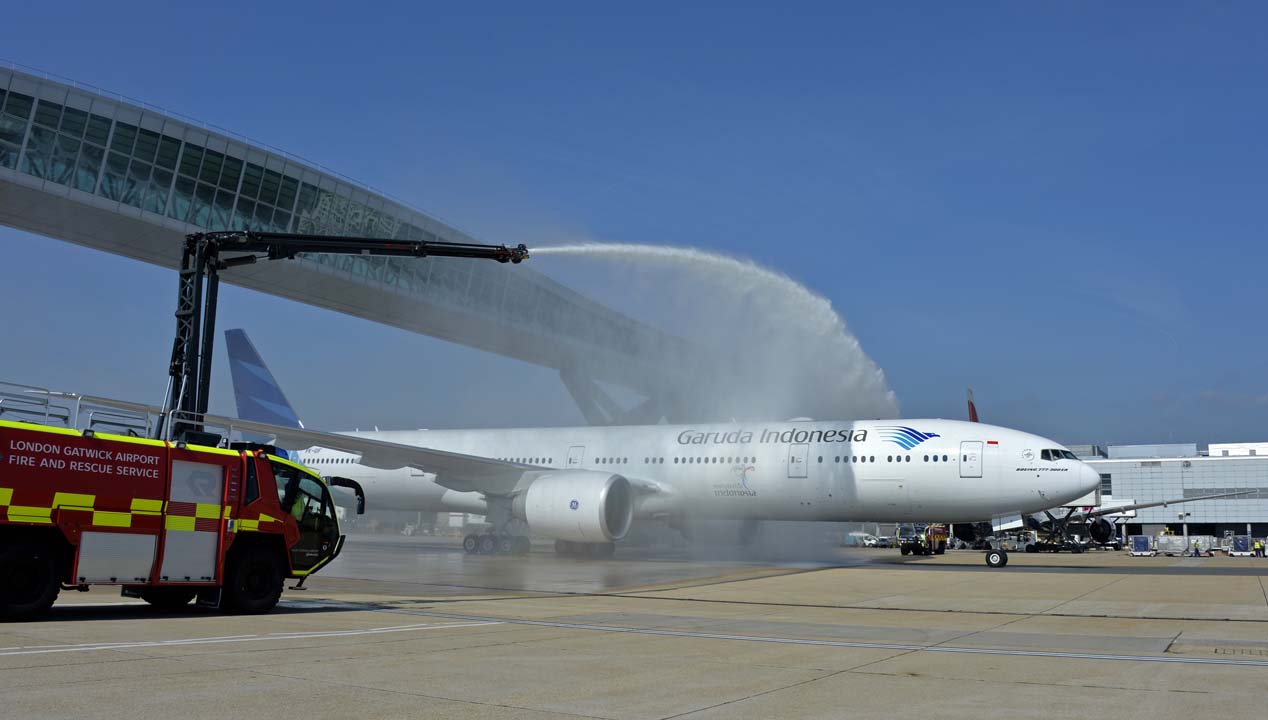
    The Executive Director of PT Bandara Internasional Jawa Barat, Virda Dimas Ekaputra, said that the Chengdu administration of China has stated its interest in establishing direct flight to Kertajati Airport of West Java Province.

    “They were excited when they knew that the West Java administration was to build a new international airport in Kertajati of Majalengka District,” Ekaputra said here on Tuesday.

    According to the director, the Chengdu administration has proposed the direct flight to Soekarno-Hatta Airport of Tangerang City.

    However, Soekarno-Hatta Airport could not accept their proposal due to the flight slot being full.

    Ekaputra stated that all ASEAN countries, except Indonesia, have maintained connection of their cities with Chengdu.

    He hoped that the establishment of the airport in West Java Province could develop the tourism sector in the area.

    Thus, the company will cooperate with West Java Cultural and Tourism Service to promote tourism in the region.

    “West Java would be one of the tourism destinations. The development would contribute to achieve 20 million foreign tourists,” Ekaputra added.

  • WHSmith expands Southeast Asia retail footprint

    WHSmith expands Southeast Asia retail footprint

    International news, books and convenience retail operator WHSmith has further expanded its presence in Southeast Asia by opening its first stores in the Philippines alongside extending its retail coverage in Indonesia and Malaysia.

    In Indonesia, WHSmith has secured three stores at Jakarta’s terminal three. The stores will be operated by its local franchisee, KPU; a subsidiary of the Indonesian Listed company PT Sona Topas. Once the first store is inaugurated, two further stores will be opened when the terminal construction is completed in the coming months. Covering over 400,000sq m, T3 is one of the largest in Southeast Asia.

    In the Philippines, WHSmith has recently opened the second of its stores at Manila Ninoy Aquino International airport, following the opening of its first Philippine store at Cebu Mactan International airport. Manila is the largest airport in the Philippines. With over 36 million passengers using the airport annually, it is a top 40 global airport. With 8 million passengers forecast in 2016, Cebu is the second largest airport in the Philippines.

    Regent Travel Retail is currently working under a franchise agreement with WHSmith and has created a management team to ensure the smooth running of the stores. , Regent Travel Retail General Manager Joey Esteban said: “Regent is pleased to be opening its first WHSmith stores in Cebu and Manila in partnership with WHSmith. It is an important milestone in our development of the brand in the Philippines.”

    In Malaysia, WHSmith has opened a WHSmith Express format store in Kuala Lumpur’s Terminal 1 Satellite building. There are now nine WHSmith stores in four Malaysia airports, under a joint venture with Bison consolidated.

  • BRI posts net profit of Rp25.8 trillion

    BRI posts net profit of Rp25.8 trillion

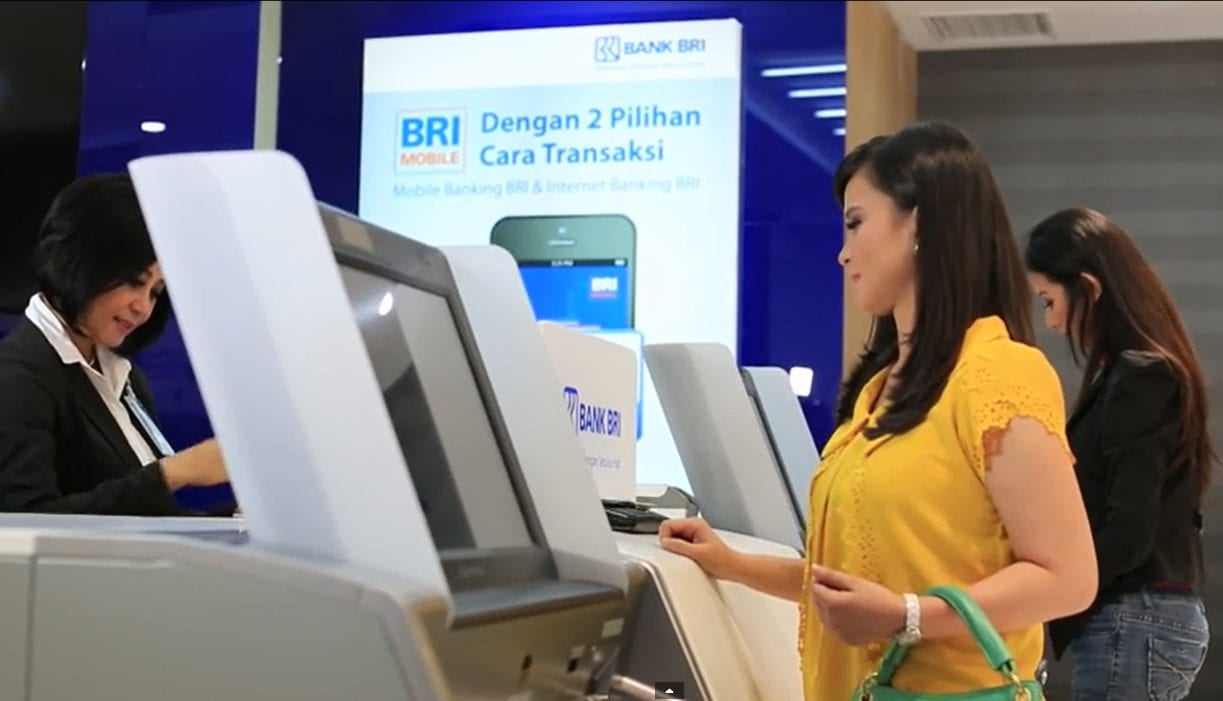
    State-owned lender Bank Rakyat Indonesia (BRI) last year posted a net profit of Rp25.8 trillion, up 2.18 percent from a year earlier.

    The profit growth was attributable to the banks prudential efforts as indicated by a rise in the ratio of reserves to non-performing loans to 170.53 percent in 2016 from 151 percent in 2015.

    The 2016 income was mostly contributed by fee-based income which grew 25.2 percent to Rp9.2 trillion, BRI President Director Asmawi Syam said in a press conference here on Tuesday.

    Meanwhile, net interest income increased 16.2 percent to Rp65.7 trillion, he added.

    “The interest income was fueled by credit growth which reached 13.8 percent or Rp635.3 trillion,” he said.

    BRI Vice President Director Sunarso said the banks net profit grew only 2.18 percent as it adopted prudential principles amidst economic downturn and an upward trend of the banking industrys non-performing loans.

    “The profit did not fall short of target. It continued to grow positively,” he said.

    By adopting the prudential principles, the bank managed to keep down its non-performing loan ratio in 2016 to 2.03 percent from 2.02 percent (gross), while its reserve ratio rose to 170 percent from 151.5 percent.

    He said the banks loan-to-deposit (LDR) ratio reached 87.7 percent and its capital adequacy ratio (CAR) stood at 22.9 percent.

  • Indonesia Eximbank to boost SME exports

    Indonesia Eximbank to boost SME exports

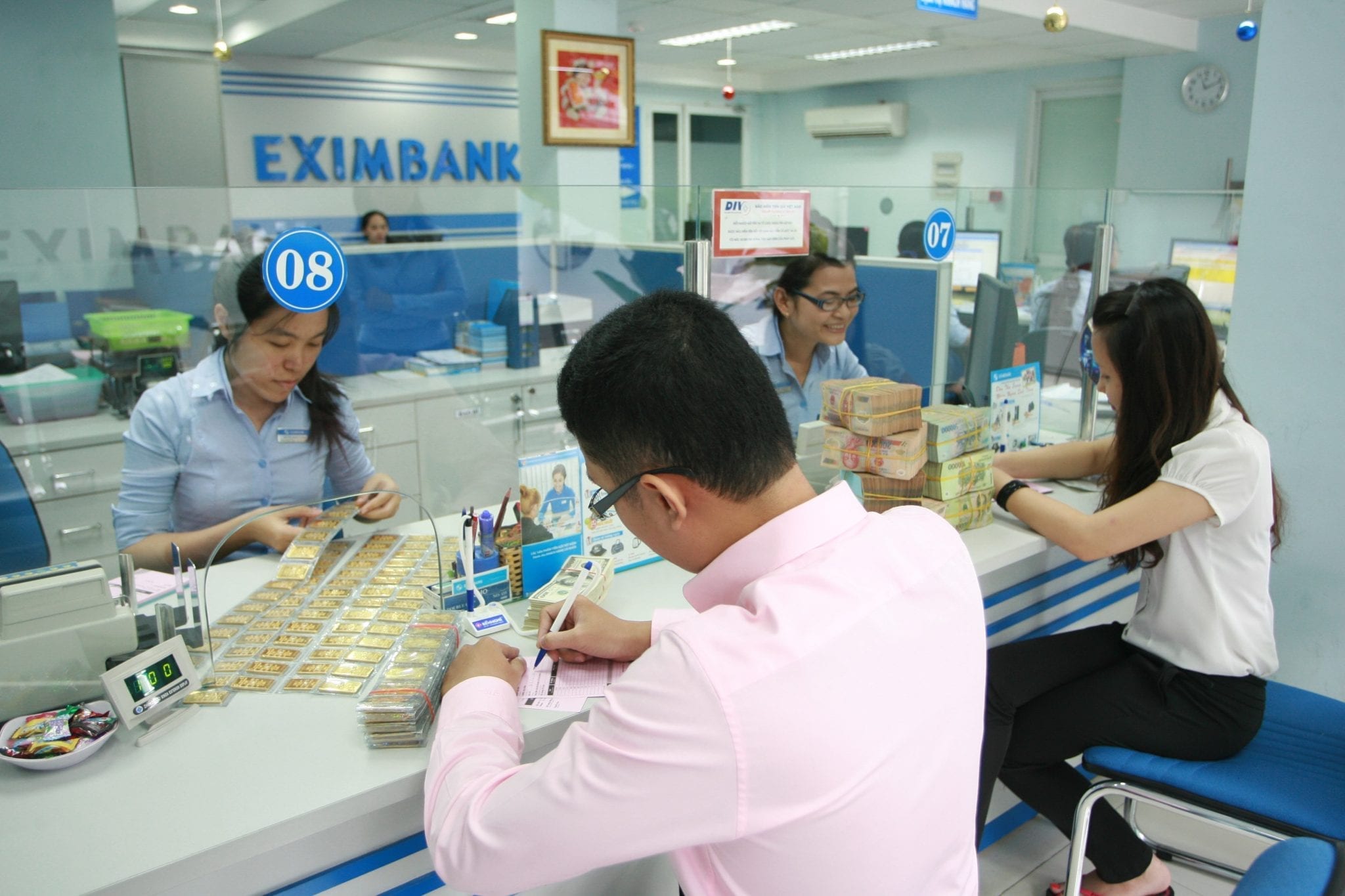
    State-owned Indonesia Eximbank will play a pivotal role in boosting small and medium enterprise (SME) exports through export based people’s business credit (Kurbe) and an incubator program.

    Indonesia Eximbank acting president director Suswijono Moegiarso said it already disbursed Rp 1 trillion (US$74.95 million) Kurbe in 2016, a cross subsidy between big debtors and SMEs.

    For 2017, the Financial Service Authority (OJK) has recommended the bank to the Economic Coordinating Ministry for channeling government’s Kurbe, he said.

    “The Kurbe will help boost SMEs exports this year, we are really thankful to OJK for the recommendation,” Suswijono said during the Export Purposed Import Facility (KITE) event in Tumang Village, Boyolali, Central Java, on Monday.

    There are five SMEs that already have Kurbe from the Eximbank with a total value of Rp 13.3 billion, namely UD Daffi Art,  CV Inducomp, CV Yudhistira, PT Banyan International and PT Bali Tangi.

    Those five SMEs also have a KITE import facility from the customs office.

    The bank would also provide mentoring and an incubation program for the export oriented SMEs called coaching programs for new exporters (CPNE).

    Indonesia Eximbank managing director Indra Wijaya Supriadi said that in 2016 the program already created five export oriented SMEs. “These SMEs successfully exported modified cassava flour (mocaf), broomsticks, room insulators, catfish fillets and frozen beef,” Indra said.

  • Asian shares rattled by Trump policy worries, dollar soft

    Asian shares rattled by Trump policy worries, dollar soft

    Asian shares slipped on Tuesday as stringent curbs on travel to the United States ordered by President Donald Trump brought home to investors that he is serious about carrying out his controversial campaign pledges.

    Global stocks posted their biggest loss in six weeks on Monday after Trump signed an executive order to bar Syrian refugees indefinitely and suspend travel to the United States from seven Muslim-majority countries, sparking widespread protests.

    European bourse are expected to remain fragile after big losses on Monday, with spread-betters seeing opening losses of as much as 0.1 per cent in major indexes, including Britain’s FTSE, Germany’s DAX and France’s CAC.

    “Investors are becoming worried as it appears as if he was setting fire to geopolitical risks that already exist,” said Yoshinori Shigemi, global market strategist at JPMorgan Asset Management.

    Trump’s move drew criticism from some US policymakers, and business leaders, with technology companies, which depend on talent from around the world, planning to discuss a legal challenge.

    “His stance is really inward-looking, making investors nervous about his ’moderateness’,” said Masahiro Ichikawa, senior strategist at Sumitomo Mitsui Asset Management.

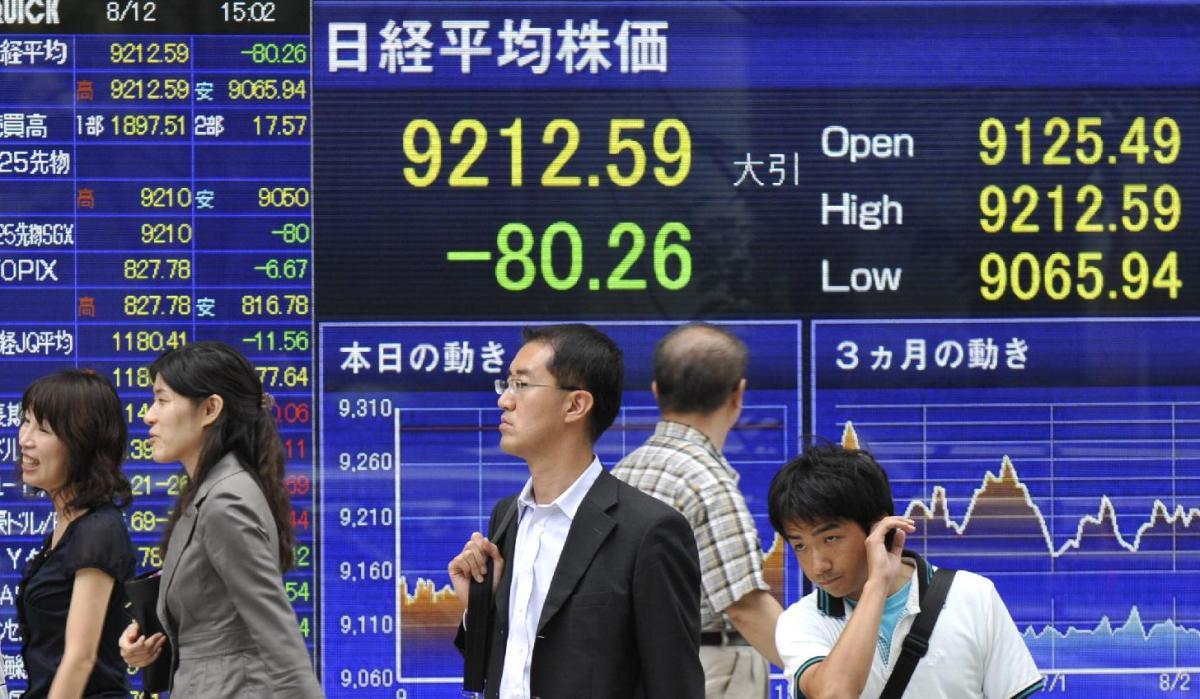
    MSCI’s broadest index of Asia-Pacific shares outside Japan fell 0.5 per cent while Japan’s Nikkei dropped 1.7 per cent, its biggest fall in almost three months.

    On Monday, the US S&P 500 Index fell 0.6 per cent, its biggest fall in a month, though it remained well above levels seen before the November 8 presidential election.

    MSCI’s gauge of the world’s 46 stock markets shed 0.6 per cent, its largest loss in a month and a half.

    The mood soured further when Trump fired the federal government’s top lawyer after she took the extraordinarily rare step of defying the White House.

    US stock futures ESc1 shed 0.3 per cent on Tuesday and the dollar extended losses against the yen.

    Still, most share prices were up on the month, supported by signs of accelerating momentum in the global economy and hopes of large fiscal stimulus from Trump.

    MSCI’s ex-Japan Asian shares index was up 5.7 per cent this month while its index of world markets was up 2.5 per cent. They were also higher than their levels before the US elections.

    In the currency market, the dollar was broadly weak and fell 0.3 per cent against the yen to 113.49 yen. It was down 3.1 per cent so far this month, after three straight months of sizable gains.

    The Japanese currency showed no reaction after the Bank of Japan kept its policy on hold, as expected. A string of recent data has suggested the economy is slowly regaining traction.

    The euro edged up to US$1.0710, consolidating after its rebound this month from its 14-year low of $1.0340 set on January 3.

    In a possible sign of increased anxiety among investors, the safe-haven Swiss franc strengthened to a seven-month high of 1.0637 franc per euro on Monday.

    Worries are also growing about a political shift to populist leaders in Europe.

    French bond yields rose to the highest level since September 2015, on rising uncertainty over the Presidential election later this year.

    Conservative leader Francois Fillon, seen as the front-runner, is now battling to contain a scandal over allegedly unlawful payments to his wife while the Socialists on Sunday picked a hard-left candidate, possibly helping popular far-right leader Marine Le Pen.

    Italian debt yields climbed to 1 1/2-year highs partly as early elections could be called following a ruling from the country’s constitutional court last week.

    Italian assets have also been hit by worries over its banking sector after UniCredit, the country’s biggest bank, revealed on Monday it expects to book a net loss of around 11.8 billion euros ($12.6 billion) for 2016 and fall short of European Central Bank capital requirements.

    By contrast, the yield on German debt fell on Monday even as data showed inflation in Germany hit a 3 1/2-year high in January.

    News that Germany posted a national inflation rate of 1.9 per cent stoked talk of an unwinding of monetary stimulus by the ECB, even though the inflation outcome was below expectations.

    Elevated uncertainty about Trump’s policies, including a lack of detail so far on his plans for tax cuts and fiscal spending, offset optimism on the US economy.

    Data on Monday showed US consumer spending accelerated in December while inflation showed some signs of picking up last month.

    The core PCE price index, the Federal Reserve’s preferred inflation measure, rose 1.7 per cent on a year-on-year basis after a similar gain in November.

    “We’ve seen a jump in US economic sentiment after Trump’s victory. But the improvement in hard economic data remains moderate,” said Haruka Kazama, senior economist at Mizuho Research Institute.

    “And if Trump takes more steps to limit permits for immigrants, that would surely boost inflation as the US is now near a full employment,” she added.

    The Federal Reserve, which will start its two-day policy meeting today, is widely expected to keep interest rates unchanged as it awaits greater clarity on Trump’s economic policies.

    Oil prices dipped as rising US drilling activity offset efforts by OPEC and other producers to cut output in a move to prop up the market.

    Brent crude futures LCOc1, the international benchmark for oil prices, were trading at $55.14 per barrel, down 0.2 per cent from Monday’s settlement price.
  • Tourism expected to drive Hải Phòng forward

    Tourism expected to drive Hải Phòng forward

    Favourable transport infrastructure and the beautiful landscape are expected to boost tourism in the northern port city of Hải Phòng.

    Cát Bi International Airport and the Hà Nội-Hải Phòng expressway, which were put into service in early 2016, have helped reduce travel time from Hà Nội to Hải Phòng.

    Direct flights between Hải Phòng and countries such as Thailand and the Republic of Korea, localities such as HCM City and Phú Quốc Island District in Kiên Giang Province in the south, Đà Lạt City in the Central Highlands province of Lâm Đồng and Nha Trang City in the central coastal province of Khánh Hoà have been launched.

    Along with favourable transport infrastructure, efforts made by agencies to promote tourism and the involvement of large investors have turned Hải Phòng into a popular tourist destination.

    At a workshop on Hải Phòng tourism held by the municipal Department of Tourism, leading experts in this field from across the country discussed ways to boost local tourism through social communication and developing standard tourism products.

    Various tourism promotion activities have been conducted in Cát Hải District, which is the administrative management unit of the Cát Bà Archipelago, an attractive tourist site with leisure, exploration and ecological tourism in the Cát Bà National Park in the island commune of Việt Hải.

    Firms such as Vingroup, Sungroup and Him Lam have invested in luxurious resorts in Cát Bà and Đồ Sơn. Once operational, the projects are expected to become ideal destinations for both domestic and foreign holidaymakers.

    According to the Vietnam National Administration of Tourism (VNAT), Hải Phòng, particularly Đồ Sơn beach town, has experience in tourism development.

    The northern port city welcomes a large number of visitors every year. In 2017 the locality is expected to greet 5.7 million tourists, the agency said, noting that the target is within reach as about 5.6 million tourists visited Hải Phòng last year.

    Nguyễn Quý Phương, head of VNAT’s Travel Department, at a recent workshop on tourism development in Hải Phòng said the city should make a breakthrough in tourism and consider the sector a driving force for local economic development.

    He also suggested the city step up State management to synchronously conduct tourism activities.

    To that end, Hải Phòng should revamp the municipal Tourism Department, ensuring it has enough human resources capable of implementing the city’s guidelines and plans, Phương said.

    At the same time, it is necessary to develop spearhead tourism products, such as leisure tourism on Cát Bà Island in a sustainable manner, he added.

    Nguyễn Thị Hà, director of Viettravel Hải Phòng, described tourism products as decisive to tourism promotion, saying Hải Phòng should connect with other localities to promote tourism products for the northern coastal region.

    Travel companies will introduce products for their customers, she said, underlining the need for Hải Phòng to turn into an attractive and safe destination, different from others in culture and landscape.

    Channels should be built and updated with new mechanisms, policies and information about tourist attractions and Hải Phòng’s connection with foreign and domestic localities, Hà suggested.

    In particular, information about Cát Bi International Airport needs to be updated more regularly for partners and tourists, she added.

    Trần Thị Kim Quy, deputy director of Hùng Vương Investment JSC, investor of international brand names such as Cát Bà Resort and Flamingo Đại Lải in the northern province of Vĩnh Phúc, said the Cát Bà Archipelago has advantages for tourism development, with the most noteworthy being its biodiversity and Cái Bèo, the most ancient fishing village in Việt Nam.

    However, Cát Bà has failed to fully tap its potential, she said, suggesting Hải Phòng extend the duration of tourism projects on the islands to 70 years and shorten the time for administrative procedures while upgrading infrastructure in Cát Bà.

  • Attapeu, Laos loses commercial service

    Attapeu, Laos loses commercial service

    Attopeu airport, located in the south of Laos near the borders of Vietnam and Cambodia, has ceased commercial operations.

    Lao Airlines (QV, Vientiane) had been running a scheduled service to the small aerodrome 2x weekly from Vientiane via Pakse since April 2016 using an ATR 72-600, but the service appears to have been suspended. According to FlightRadar24 ADS-B data, the last commercial flight to Attapeu was on October 26, 2016.

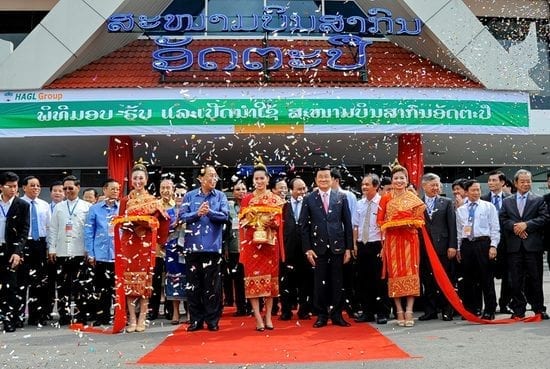
    Attapeu Airport was officially opened on May 30, 2015 after an investment from Vietnam’s Hoang Anh Gia Lai Group.

  • Nokia launches a digital assistant for telcos

    Nokia launches a digital assistant for telcos

    Nokia has announced the launch of MIKA, the first digital assistant customized for the telecommunications industry.

    MIKA (multi-purpose intuitive knowledge assistant) is designed to provide voice-activated access to information for telecoms engineers, to reduce the time needed to find essential information needed to maintain complex multi-technology network environments.

    MIKA is powered by the Nokia AVA cognitive services platform, and provides access to the AVA knowledge library of best practice gathered from Nokia’s network projecs around the world.

    The platform combines augmented intelligence with automated machine learning based on Bell Labs learning algorithms.

    “Finding the right information is a daily challenge for telco engineers tasked with boosting network quality,” Nokia head of global services Igor Leprince said.

    “MIKA taps into the power of the Nokia AVA platform to provide quick and accurate answers, avoiding time wasted on fruitless searches. MIKA is customized to support the specific needs of telecoms, and can deliver recommendations based on experience from networks around the world.”

    Nokia also introduced a new predictive repair service, which will enable operators to reduce costs by predicting hardware failures and recommending replacements up to 14 days in advance. The vendor said the service can achieve up to 95% accuracy.

    Predictive repair will be available to operators using Nokia’s 3G and 4G equipment.