Author: Mei Ling Tan

  • Foreign Taobao shop owners in China share experiences and secrets to their success

    Foreign Taobao shop owners in China share experiences and secrets to their success

    Taobao.com, founded by Alibaba in 2003, has become the single most popular e-retailer in China with 423 million active registered shoppers by the end of March 2016. The figure has also far surpassed American e-commerce giants Amazon and eBay. Taobao has not only transformed China’s retail marketplace by providing products and online convenience to rural customers, but it has also created millions of jobs and alternate sources of income for private entrepreneurs, many of whom have become millionaires thanks to the country’s booming e-commerce phenomenon. Foreigners living and working in China are now hoping to get in on the action by opening their own Taobao shops, but are the cultural challenges and business hurdles facing them worth the payout?

    To glean some insight into expatriate e-retailing, the Global Times recently reached out to two foreign Taobao shop owners about their experiences and successes (or lack thereof).

    Kaikai, the Chinese name of a 29-year-old American, became a Taobao shop owner in 2012. He said that his first visit to China was in 2007, when he studied Putonghua at Peking University and National Taiwan University.

    “I can say everything in Chinese, I can also read and type the words on computers and mobile phones,” he said. “However, I didn’t dedicate my Chinese studies to handwriting as there is not much practicality for it in this day and age.”

    His excellent command of Putonghua laid a solid foundation for his future Taobao career. In 2012, Kaikai began selling household kitchen appliances, electronic devices and travel accessories on Taobao.

    He said he was inspired by Chinese friends who kept asking him to buy iPhone 4S from the US for them.

    “At that time, I had a need to convert my salary (paid in dollars) into yuan, so it was a win-win for both sides,” he said.

    Realizing the viability of this new trade, Kaikai decided to quit his job and begin selling products on Taobao full time.

    In terms of procedure, he said foreigners without Chinese partners need only a passport and the completion of a simple Chinese-language test. Like many budding entrepreneurs, Kaikai didn’t have any help at the beginning of his business.

    “I first started the business by myself, living and operating out of a youth hostel in Shanghai. From product procurement overseas, to logistics, importing, sales and final fulfillment, I controlled every step of the process,” he said. “I didn’t have anyone to hold my hand, so I had to learn everything on the fly.”

    Authentic American

    Even though he is not a native Chinese speaker, Kaikai conducted all his customer service interactions himself. “I would often send messages using Taobao’s voice function, which made the sales experience with customers a lot more intimate and congenial, because Chinese are happy to know that it’s really a foreigner communicating with them,” he added.

    Kaikai admits that his identity as an American guy selling American products in China is his biggest competitive advantage on Taobao.

    “In most of my listings, I take all the product photos and videos myself to differentiate my store from other sellers,” he said. “It’s an effective strategy to give my customers peace-of-mind knowing that they are buying authentic American products from an authentic American.”

    Fortunately, Kaikai’s efforts eventually became profitable. According to him, his store’s sales volume has increased exponentially through a combination of positive feedback, solid reputation and product expansion.

    He also attributes persistence to his success. “I see many small stores come and go because they quickly give up. But if you’re willing to dedicate yourself by putting immense focus and effort into your business, then the possibilities are limitless,” he said.

    Profiting from pollution

    Thomas Talhelm is an assistant professor of behavioral science at the University of Chicago. During his stay in China in 2013, he noticed smog becoming a crucial environmental issue and thus founded the social enterprise Smart Air Filters to promote DIY air filters as cheaper alternatives to expensive air purifiers.

    These DIY purifiers primarily consist of a fan and a high-efficiency particulate air (HEPA) filter, which are the major components of any standard air filter. To ship them to and sell them in China, Talhelm and his team set up their own Taobao store in 2013.

    “We started simple, but since then we’ve expanded to other products that we’ve personally tested and published results for, such as carbon filters for formaldehyde, pollution masks and particle counters,” he said, adding that their customer base is comprised of both expats and locals concerned about China’s worsening air pollution.

    “Opening a Taobao store allowed us to get affordable clean air options to more people in China,” he said. “Taobao is clearly the major online commerce platform in China. The choice is a no-brainer. Now there are more options with Weidian and JD, but Taobao is still huge.”

    When asked about the logistics of opening a Taobao store, Talhelm said that he registered Smart Air Filters as a Chinese company under the name of his Chinese partner, so the registration process was quite simple.

    According to Talhelm, his shop currently has five full-time employees, three part-time employees and several volunteers, most of them foreigners from different cultural backgrounds. All have good command of Putonghua, so language and culture are not barriers for their business.

    “Knowing Chinese is essential, but it’s not enough,” Kaikai countered. “Knowing what to sell, how to buy, how to arrange logistics and how to cope with customer and product issues are equally vital.”

    Talhelm himself designed his Taobao home page and wrote all the Chinese descriptions of their products. He concedes that the business didn’t take off at first, selling less than 10 purifiers in the first week.

    But with China’s “airpocalypse” making domestic and international headlines in recent years, their most popular purifier has now sold over 2,000 units.

    “Over time our open data and tests have reached more and more people, so our sales volume has also gradually increased,” Talhelm said. “Smart Air’s core idea has always been that if people just see the data, most people wouldn’t spend so much money on the expensive purifiers.”

    Trial and error

    Despite such achievements, both foreign shop owners said that they have also encountered numerous challenges and obstacles along the way.

    Kaikai explained that at the beginning he was unsure how to export products from the US into China, which required plenty of logistical research and trial-and-error attempts. “We are now shipping about 12 metric tons of goods each month via air and sea,” he said.

    Kaikai pointed out that learning how to delegate tasks to increase scalability is essential. “Initially, I was a bit of a control freak, as I wanted to control all aspects of the business to ensure the best quality service,” he said.

    “However, I realized that I had to delegate tasks, such as customer service, which is why I now have about five employees just in customer service.”

    Talhelm believes that evaluating customer feedback is extremely helpful, especially negative comments.

    “First we try to figure out what the customer is talking about. Is it true? Where was the problem? If it’s a scientific or technical question, I send data (or even run a new test if it’s something we haven’t tested),” he said.

    He added that the most common negative comment about his product is noise, which is a fundamental problem with almost all air purifiers.

    “Any machine that is pushing out air will create noise, but people want less noise. There are quiet purifiers out there, but they don’t push out enough clean air. We’re working on radical new designs for quiet yet clean filters,” Talhelm said.

    “The reality of day-to-day operations are the less glorious part of my work,” Kaikai said. “Those who can’t handle this will give up and close shop, but if you persevere and are willing to go to battle every day, then you can be a winner.”

    In terms of what administrative or promotional support he expects from Taobao, Kaikai said that he doesn’t expect Jack Ma to just hand over to foreign shop owners a magical key to the castle.

    Thus, his only expectations are for Alibaba to continue maintaining a fair, reliable – and, most importantly, trustworthy – marketplace for both buyers and sellers.

    “There are hundreds of thousands of Taobao shops; my store is just a number in the system. That’s one of the reasons why I love e-commerce in China, though, because I don’t have to deal with guanxi (connections with influential people)” Kaikai said.

    “For the most part, e-commerce in China is very transparent and a level playing field for sellers,” he said. “My success is achieved strictly through hard work and merit, not through relationships with insiders (like bricks-and-mortar stores).”

  • AirAsia X gets license to fly to US

    AirAsia X gets license to fly to US

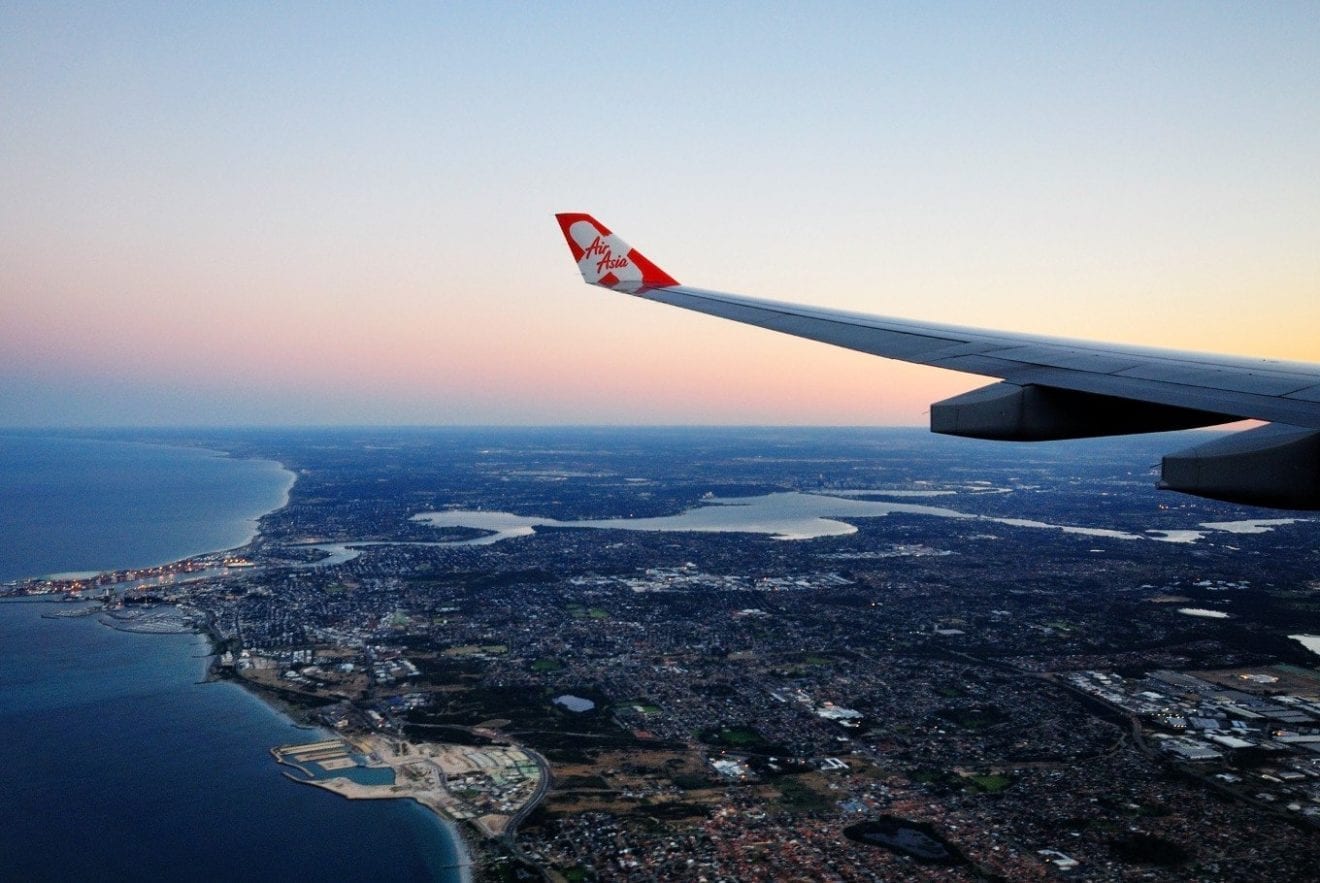
    AirAsia X has obtained a license from the Federal Aviation Administration (FAA) to fly to the United States, AirAsia X CEO Datuk Kamarudin Meranun has said.

    With this achievement, AirAsia X becomes the first Asian budget airline to hold a license to fly to the US, said Kamarudin.

    “It is an extraordinary achievement. Our expansion so far only focused on Asia, Australia and the Middle East. We are in high spirits to expand farther than just the Asia-Pacific,” he said on Monday.

    With such a license, AirAsia X planes would be able to fly to any place in the country, said Kamarudin, adding that his company also planned to restart its flights to London and the relevant licenses were being arranged.

    The AirAsia Group has 120 flight destinations in the Asia-Pacific, including 60 routes within ASEAN countries.

  • Thai tourism officials expect 10 percent growth in 2017

    Thai tourism officials expect 10 percent growth in 2017

    Thailand received a record 32.59 million foreign visitors last year, with revenue beating expectations and likely to exceed previous forecasts this year by growing 10 percent or more, officials said Monday.

    Thailand is proving popular even as terror scares, including a series of bombings in resorts towns killing four people, and the death of King Bhumibol Adulyadej had hotels and tour guides across the country on edge. Tourism fared better than expected after a bloodless coup deposed Thailand’s elected government in 2014 as well.

    The Tourism Authority of Thailand said Monday that the tourist industry earned 2.52 trillion baht ($71.4 billion) last year, up 11 percent from 2015.

    It said the country’s tourism industry is projected to bring in 733 billion baht ($20.8 billion) in the first quarter of this year, up 8 percent from the first quarter of 2016. Officials said their estimates, covering foreign and domestic tourists combined, indicate tourism revenue for all of 2017 may surpass earlier forecasts of 2.77 trillion baht ($78.5 billion).

    Thailand is the eleventh most-visited country in the world and boasted the sixth largest tourism industry by revenue in 2015, according to a U.N. report. Most travelers come from China, South Korea, and Japan, lured by Thailand’s year-round warm weather, as well as Western countries and Thailand’s neighbors in Southeast Asia.

    Foreign tourists are by far the most lucrative for the economy. Foreign arrivals are projected to total 9.3 million in the first quarter of this year, accounting for 490 billion baht ($13.9 billion) in revenue. In the same period, some 32.5 million Thai travelers accounted for 240 billion baht ($6.8 billion).

    “Thailand is still a popular destination,” Yuthasak Supasorn, governor of the Tourism Authority of Thailand, said at a news conference. “We have a lot of different things to offer our foreign visitors.”

    A steady economy and a growing number of travelers worldwide explain the boom, Yuthasak said.

    “Stability and improvements in the economy mean more foreign tourist arrivals,” he said. “So there’s clearly demand, and it’s up to us to accommodate everyone who wants to come.”

  • Toyota Philippines To Increase Production Despite Looming Excise Tax

    Toyota Philippines To Increase Production Despite Looming Excise Tax

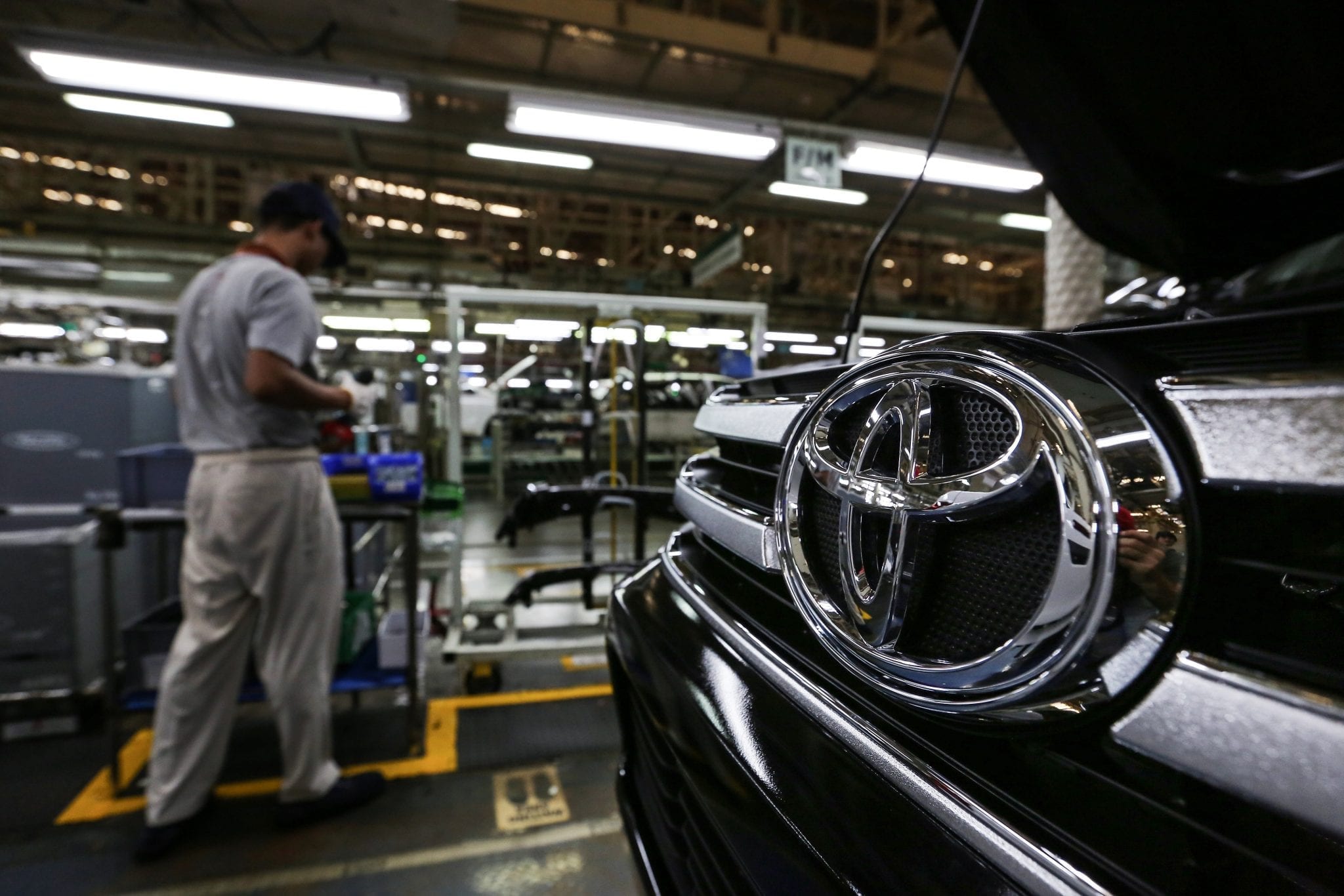
    Toyota Motors Philippines (TMP) has made it clear that it is still looking at increasing its production in 2017. This is despite a looming excise tax that may soon be imposed in the industry and bring vehicle retail prices significantly up.

    Modest production target to begin with

    “We’re projecting a minimum 10 percent growth. So this year we started conservatively. Of course, the looming excise tax is an issue that we have to be aware of,” Business World Online quoted TMP Vice-Chairman Alfred Ty as saying. The company has long been committed to increasing its production as part of its involvement in the Comprehensive Resurgence Strategy (CARS) Program that had been established during the Aquino administration. Aside from TMP, Mitsubishi Motors Philippines Corporation has also agreed to participate in the CARS program.

    The goal had been to produce at least 200,000 vehicles in a span of six years, averaging at 33,333 vehicles each year. In 2016, TMP managed to produce as much as 55,028 units, with its top-selling Vios and Innova vehicles assembled in its facility in Laguna.

    Tax will hurt luxury vehicles the most

    Ty has also said that since the looming excise tax will impact the luxury market more, he believes the impact may be small. “We understand where we’re coming from but we also have to be careful not to kill the market because again the luxury cars from this country do not even comprise 1 percent of the total cars,” he explained. This would readily affect Toyota’s Camry and Fortuner models.

    According to a report from Business Mirror, a vehicle selling from P600,000 to P1.1 million will be subject to an excise tax of P24,000 plus 40 percent of the value in excess of P600,000. Meanwhile, higher priced vehicles will be subject to significantly higher tax. For instance, vehicles with a retail price of P2.1 million may face a tax amounting to P1.22 million. Vehicle buyers would also have to pay 200 percent of the value exceeding P2.1 million in additional tax.


  • Watches stolen during sledge hammer raid on luxury shop in Hong Kong

    Watches stolen during sledge hammer raid on luxury shop in Hong Kong

    Two burglars smashed the window of a luxury goods shop in the IFC mall in Central and fled with 40 watches in front of a security guard during a Lunar New Year’s Day raid.

    In a drama that lasted for barely two minutes, one of the pair broke open the glass door of Montblanc with a sledgehammer at about 11.40pm on Saturday, when the shop had been closed for the whole day.

    The duo, said to be non-Chinese and wearing surgical masks and knitted caps, defied the guard and smashed three glass showcases inside, sweeping the watches into a bag and ran.

    At one point, they attempted to intimidate the guard by threatening him with the sledgehammer.

    At a taxi stand outside, the pair got into a car driven by a third man and sped off.

    Police said the Germany-based chain, which specialises in several lines of products including watches, writing instruments and jewellery, had confirmed that about 40 watches valued at a total of HK$1 million were snatched.

    Central district crime squad was investigating

    A sledgehammer has been used in previous burglaries in the city. In September, a group of five or more burglars stole about HK$2 million worth of handbags and watches from the Chanel store at Lee Garden One on Hysan Avenue – one of Hong Kong’s prime retail strips in Causeway Bay, in just 80 seconds.

  • Xiaomi to expand retail footprint, device ecosystem in India

    Xiaomi to expand retail footprint, device ecosystem in India

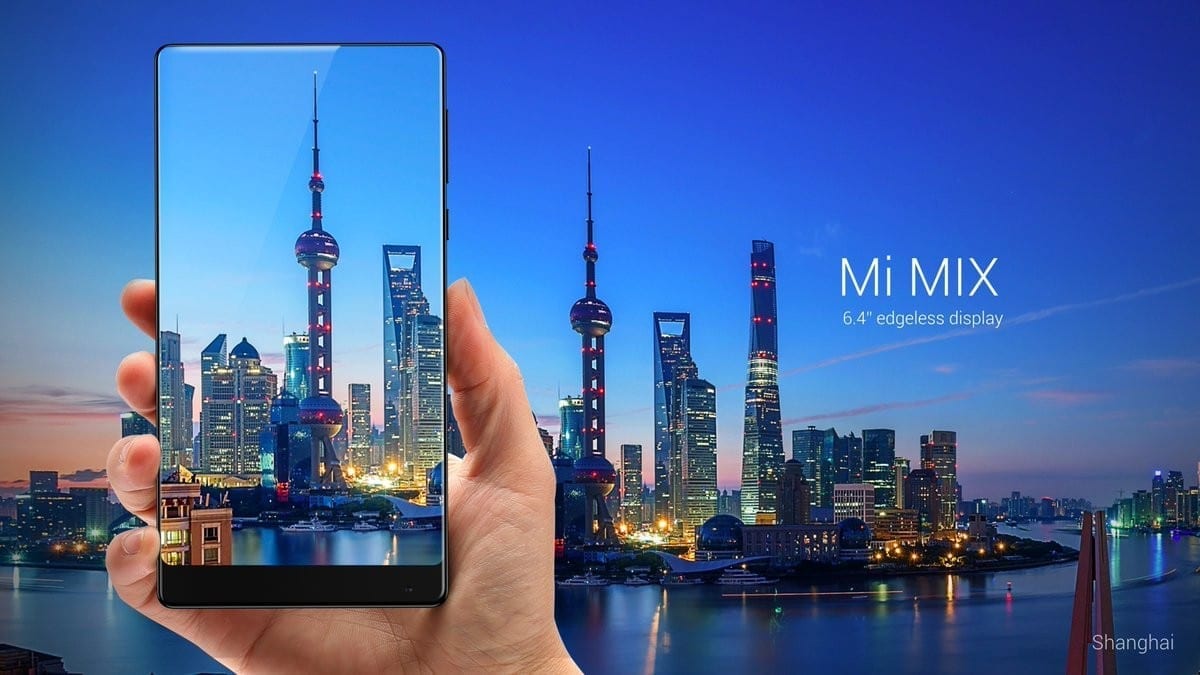
    Founded in 2010 in China, Xiaomi entered the Indian market in mid 2014. Since then, the company has aggressively launched its value for money smartphones and accessories. As per the latest numbers shared by IDC, Xiaomi has become the third-largest smartphone brand across the top 30 cities in India. In 2016, Xiaomi India passed $1 billion in annual revenue for the first time. The company claims India to be its primary global market and will continue to customize and make products for India.

    Donovan Sung, Director of Product Management, International, Xiaomi Global, explains, “We look very carefully at the different market segments in India and what our users are asking for. Redmi note 3 hit two very important price segments of Rs 9,999 and Rs 11,999. We have seen that those price points are extremely important in India and so we focus a lot on these segments. We have changed the price segment under Rs 10,000. And our current strategy for high end products is to launch one flagships product in India every year. India is by far a key market for us, outsider China.”

    About 75 per cent of the Xiaomi smartphones sold in India, are made in India. Under its ‘Mission of innovation’, the company believes that innovations and products should not be restricted to people with lot of money and the products should not be sold at a premium. Sung adds, “We are open about the fact that all our products are sold near cost. That means we have low cost in everything we do – the channel structure. That is why we started selling online. We don’t spend a lot of money on marketing. Even though we are experimenting with TV ads in China as well as in India, offline ads, but we are not splurging on it maybe like some other companies would. We are keeping it very low in single digit percentage of our revenue.”

    Besides online, Xiaomi started selling its devices at around 7500 retail points and is looking at expanding its offline reach as well. He further adds, “We expanded in China pretty aggressively and this year will expand in India this year. We have a lot more to share on that. But the way we will do offline in many ways will be similar to the way we do online. It will be a very high efficiency channel for us as we have a very interesting approach for offline, which we have already been trying in China, and we are going to adopt that strategy in India as well”, says Sung.

    Earlier this month, Lei Jun, Xiaomi’s chief executive said in a letter to its employees, ‘Our e-commerce strategy has also faced some challenges. E-commerce now makes up just over 10 per cent of overall retail in China, and the online smartphone market only makes up 20 per cent of the overall smartphone market. Xiaomi has great ambitions, and we are not satisfied with just being an e-commerce smartphone brand, so we have to upgrade our retail model, and incorporate offline retail for a new retail strategy.’ The company upgraded its Mi Home outlets into full-fledged retail stores aims open 200 more Mi Home stores in 2017, and open a total of 1,000 stores over the next three years.

    Apart from smartphones and accessories, Xiaomi is also looking at expanding its product ecosystem in India. Last year, just before Diwali, Xiaomi launched its air-purifier for the Indian market, which received great response. “We have even started launching our ecosystem products in India. In 2017, we plan to bring many more ecosystem products in India. We have a range of different connected devices – TV, Ninebots, toys, air purifiers, etc. and would seriously consider getting all of these things to India,” says Sung.

  • IDC Philippines Unveils its Top ICT Predictions for 2017 and Beyond

    IDC Philippines Unveils its Top ICT Predictions for 2017 and Beyond

    IDC Philippines announced its top predictions for the Philippine ICT industry for 2017 and beyond and predicts 25% of its top 1,000 companies will see majority of their business depend on their ability to create digitally enhanced products, services and experiences by 2020.

    IDC expects digital transformation (DX) will attain macroeconomic scale over the next three to four years, changing the way organizations operate and reshaping the global economy and calls this as the dawn of the “DX Economy”.

    “The rise of DX definitely has an incredible effect on the market. It opens massive opportunities for businesses as it helps strengthen relationships with end users, flattens organizational structures, and redefines traditional industries,” says Jubert Alberto, Business Operations Head, IDC Philippines.

    IDC Philippines’ technology and industry analysts also revealed the strategic top predictions and major technology trends that are set to present opportunities and challenges to IT leaders in 2017 and beyond.

    #1: DX Economy. By 2020, 25% of top 1,000 companies in the Philippines will see the majority of their businesses depend on their ability to create digitally enhanced products, services, and experiences.

    The market dynamics are quickly changing, and the enterprise must continually improve productivity and effectiveness while lowering costs in order to enable a transformation that will allow it to best compete in the constantly evolving market environment.

    „Year 2020 will see Filipino companies level up their DX journey to a macroeconomic scale, as their ability to offer digitally transformed offerings and experiences becomes an important measure of competitiveness and success in the market,” says Karen Rondon, Research Manager for Enterprise Computing – Networking, IDC Asia/Pacific.

    #2: Pinoy DX Teams. By 2018, 25% of Philippine organizations will have dedicated digital transformation/innovation teams.

    „These specialized ‚PH DX teams’ will be in charge of formulating plans both for internal and external applications of digital technology. These include identifying and using new technologies to improve operations, creating digital marketing strategies, developing their IT capabilities, and other related initiatives,” says Jan Edward Tañeca, Market Analyst – Imaging, Printing, Document Solutions (IPDS), IDC Philippines.

    #3: More Strategic ICT Push. By 2021, the government will have a more strategic ICT push to enable technology adoption among Philippine organizations.

    Year 2016 has been a good year as far as the country’s ICT agenda is concerned. According to the latest findings of the United Nations E-Government Survey, the Philippines went up 24 notches to rank 71st out of 193 countries in e-government development. With a dedicated, centralized agency at the helm of the country’s ICT development, IDC sees that by 2021, the government will be able to lay the much-needed groundwork that would enable robust technology adoption among Philippine organizations and raise the nation’s standards to be on par with other digital economies.

    #4: Cybersecurity. By 2018, cybersecurity will become a tier-1 business priority receiving fixed capital spending for 30% of the top 1,000 companies in the Philippines.

    Increasing security breaches and attacks has significantly raised interest in and awareness of the need to modernize security infrastructure in the Philippines. „In the coming years, enterprises will realize that rather than reacting to global security trends, the best-run businesses try to anticipate them. Thus, they will make cybersecurity a core part of their overall business strategy, taking into account the existing security industry trends and evolving criminal tactics and couple those factors with the organization’s risk tolerance, security program maturity, a holistic security strategy and, most importantly, business targets,” says Jan Edward Tañeca, Market Analyst – Imaging, Printing, Document Solutions (IPDS), IDC Philippines.

    #5: Information-Based Products. By 2020, revenue growth from information-based products will be double that of the rest of the product/service portfolio for a quarter of the top 1,000 Philippine companies.

    “In the Philippines, companies in the telecommunications, retail, and banking industries, among others, have unlocked new opportunities in creating revenue through analyzing and making sense of the aggregated customer information. Some organizations that have explored these options benefited in the form of penetrating new markets and generating new revenue streams as the information may vary from customer data to consumer buying patterns,” says Nicolo Santos, Market Analyst – Imaging, Printing, and Document Solutions (IPDS), IDC Philippines. „This opportunity requires a constant effort for organizations to address data privacy and security issues, and government regulations that surround the collection, storage, use, and sale of consumer data.”

    #6: Hyper-disruptive marketplaces. By 2019, 40% of customer-facing top 1,000 companies will experiment with augmented reality/virtual reality (AR/VR) as part of their marketing efforts.

    The potential impact of AR/VR across industries will become so big that by 2019, IDC sees 40% of the Philippines’ top 1,000 companies experimenting with these technologies to create their own unique experiential marketing strategies. „Consumer brands will be compelled to think out of the box and reinvent their marketing approaches – incorporating more AR/VR elements and placing emphasis on gamification – in a bid to gain the patronage and loyalty of consumers, especially young and tech-savvy millennials,” says Sean Agapito, Market Analyst – Client Devices, IDC Philippines.

    #7: Customer-/Ecosystem-Facing Digital Services. By 2019, 65% of Philippine IT organizations will create new customer-facing and ecosystem-facing services to meet the business DX needs.

    Customer-experience initiatives are on the rise across organizations, and as they increase the level of control customers and business-to-business (B2B) organizations have over their own experience, the scale of interactions will concurrently explode. „Failure to scale up the number of direct and indirect customers with whom an organization does business will lead to revenue shortfalls and uncompetitive cost structures. Improve profitability, we expect organizations to increase their use of virtual agents or digital assistants. Intelligent assistants will use artificial intelligence (AI)/cognitive technology to automatically adjust experiences to the users’ preferences and context,” says Alon Anthony Rejano, Market Analyst – IT Services, IDC Philippines.

    #8: Digitalized Customer Support Interaction. By 2018, 60% of customer support interactions will be digitalized and occur in online communities.

    With an increasing proportion of the Filipino population – reaching nearly half of the country’s total population in 2016 – actively using social media, IDC expects more organizations to interact with customers through social and online communities. Online customer support not only help solve customer problems but it also improves brand image. Additionally, a successful community will create brand champions or advocates and will not only recommend the product or the service to customers but will help solve customer problems on behalf of the brand. „This will make the theme of customer reciprocity strong moving forward. Also in the near future, more organizations will use IT to integrate existing customer services and support systems like integrating pre-built connectors, mining the community for insight into customers’ behavior, and proactively solve any emerging issues,” says Jerome Dominguez, Market Analyst – Client Devices, IDC Philippines.

    #9: Next-Wave Sari-Sari Store. By 2020, 30% of Philippine sari-sari stores will evolve to become another channel for one-stop payments and remittance centers.

    Something unique in the Philippine retail scene will be the presence of sari-sari stores in different localities. IDC foresees a future where sari-sari stores, a Pinoy cultural phenomenon, can offer services such as payment of utility bills, e-loading, and buying of travel tickets can also be done through these neighborhood stores. Serving as complimentary touchpoints especially in the rural areas, sari-sari stores play a pivotal role in filling the „unbanked” gap in the countryside. Organizations looking to engage more in the rural areas will have a viable channel, as in alternative to building brick-and-mortar branches, which may be cost-prohibitive to most companies.

    #10: ICT and BPO Disruption. By 2020, ICT and BPO markets will be disrupted by the pivot and policy changes from the Duterte and Trump administrations, if the industry does not take critical steps safeguarding the country’s inherent growth drivers.

    The BPO industry is one of the great contributors to the total ICT spending in the country. IDC maintains that the burgeoning and evolving to higher-value services around contact centers, medical transcription, software development, animation and game development, and global captive operations centers will still be very much viable in the short term, given the country’s inherent strengths. „In the longer-term view, however, this may change due to the shift in pivot and policy changes from the Duterte and Trump administrations. This may lead to an impression of the country’s volatility and together with issues on manpower and availability of skillsets, it may result in the industry stagnating in the near future due to lack of new investments and expansionary plans from incumbents. Far-reaching measures to address key issues are of paramount importance this year,” adds Alberto.


  • Scuba Diving Equipment Market in South Korea to Grow

    Scuba Diving Equipment Market in South Korea to Grow

    The scuba diving equipment market in South Korea to grow at a CAGR of 5.97% during the period 2016-2020.

    The report covers the present scenario and the growth prospects of the scuba diving equipment market in South Korea for 2016-2020. To calculate the market size, the report has taken into consideration the revenue generated from the retail sales of scuba diving equipment to individual consumers, as well as rental and sports clubs in South Korea. However, the break-up of these end-users has not been provided in the report.

    A trend which is helping to boost market growth is product improvements in diving equipment and apparel. The growing number of value-added and innovative scuba diving equipment launches is an important trend, which is expected to have a positive impact on the market’s growth during the forecast period. Vendors are focusing on the introduction of innovative product offerings in terms of design, color, shape, and weight, to cater to the varying needs of consumers. The transition from beginners to seasoned recreational divers necessitates the use of diving equipment that is required for diving deeper, staying underwater for longer durations, and also requires carrying more equipment.

    According to the report, a key growth driver is the rising interest in shark diving. Shark diving is garnering huge popularity among both local divers as well as tourists in South Korea in recent times, which is one of the major factors driving the growth of the scuba diving equipment market in the country. Shark diving in South Korea is now being promoted as an eco-tourism initiative by the government, and is expected to increase the interest for scuba diving among diving enthusiasts, particularly among tourists.

  • Singapore businesses eye growth in China despite slowdown

    Singapore businesses eye growth in China despite slowdown

    Singapore brands continue to eye growth in China despite increased domestic competition, higher costs and a slowdown in the world’s second-largest economy.

    For some, China provides an alternate avenue for growth in sectors such as property and retail, helping to buffer lower-performing regions.

    Other Singapore companies in sectors that have taken harder hits recently, such as manufacturing, have been reassessing and realigning their business models to stay competitive.

    China is, after all, “too large a market for ambitious foreign investors to ignore” despite having lost some shine, said Mr Chio Kian Huat, CEO of accounting and business advisory group Stone Forest.

    This is especially so as the central government continues its crackdown on corruption and improves the transparency and predictability of doing business in China, said Ernst & Young Asia Pacific transaction advisory services leader, Harsha Basnayake.

    For CapitaLand, diversification in China has provided “respite from weakness in the Singapore property market”, said Maybank Kim Eng analyst Derrick Heng.

    The real estate developer has increased its presence in China over the years with the country accounting for 45 per cent of its asset base today, up from just six per cent in the early 2000s, Mr Heng told The Business Times.

    “With robust China home sales in recent years… we expect strong earnings contribution from the country in the next one to two years,” he said.

    CapitaLand Retail China Trust Management Limited (CRCTML), the manager of CapitaLand Retail China Trust, announced its 2016 Q4 net property income (NPI) on Jan 26, bringing the NPI for the whole of 2016 to a total of RMB669.8 million (S$139 million) – 4.1 per cent higher than in 2015.

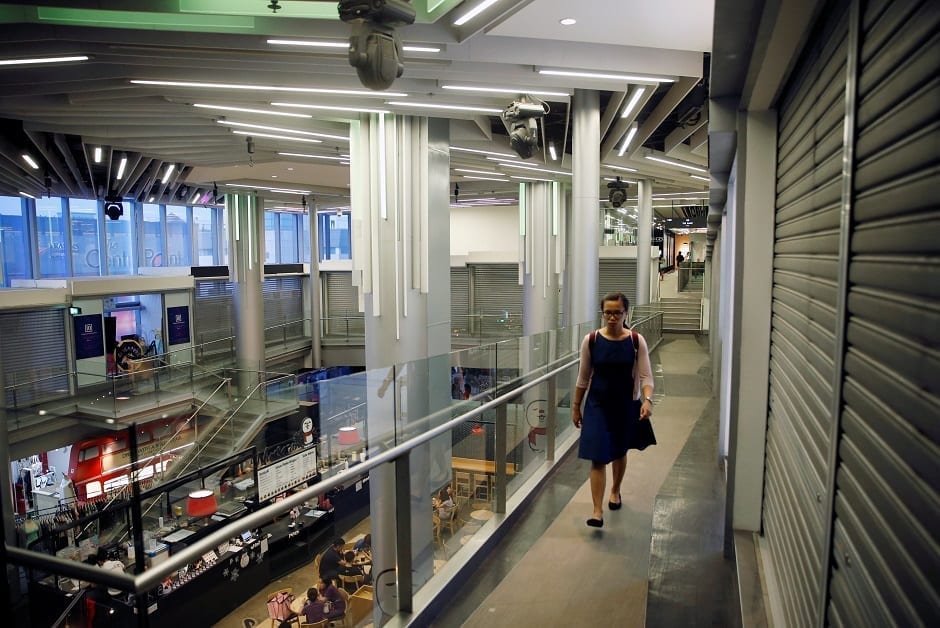
    “We remain positive that CRCT’s portfolio of family-oriented shopping malls will continue to benefit from China’s growing urban population and rising retail sales,” said CRCTML chairman Victor Liew.

    Singapore-based beauty products seller Best World International is also projecting growth in China, its second largest market.

    China contributed 30 per cent of the group’s revenue as of the third quarter of 2016, after growing more than 200 per cent year-on-year, and the company is aiming to grow its sales in China eight-fold from 2016 to 2020, said Maybank Kim Eng analyst John Cheong.

    “Demand for Best’s products has not been impacted by the general slowdown, its products continue to gain traction from a low base, market expansion in China and increase in popularity from the recent approval of its direct selling licence,” he said.

    In announcing the licence approval in November, which allows Best World to conduct direct selling in Hangzhou, group co-chairman and president Doreen Tan said Best World is “cautiously optimistic” about its China growth prospects in the next five to eight years.

    “We will continue to expand the geographical coverage of our direct selling licence, drive membership growth through more marketing activities and introduce new products and services,” she said.

    Those in manufacturing have not been as fortunate – labour costs in China have been increasing at an average of 20 per cent annually for the past four years, and other rising costs such as electricity and natural gas are also eroding margins, said Mr Chio.

    Singapore design manufacturer Koda would know.

    The company was forced to shut down its manufacturing facilities in China in the last few years and has shifted its focus to its furniture retail arm, Commune, “to cater to the rising middle class”, Koda chief financial officer Joshua Koh told BT.

    “Commune is well received by this younger and more design-savvy generation and we still have a positive outlook on growth in this segment.”

    The China arm has been “growing consistently” and has “helped to buffer the drop in sales from our other markets like Malaysia, which has suffered due to the uncertain economic situation and reduced margins”, he added.

    Over in the food and beverage sector, stiffer domestic competition and changing consumer demands have translated into a race to deliver fresh tastes.

    BreadTalk, for one, has been working on new concepts for its stores to continually engage and excite customers, said a company spokesman. The company’s first store in China, which opened in 2003, has since undergone “its fifth round of renovations with a brand new concept”.

    BreadTalk has grown its total number of outlets from 453 across the mainland and in Hong Kong as of end 2015 to “about 500 outlets in 50 Chinese cities” today.

    Annual reports show that the company’s business in Hong Kong and mainland China contributed about 42.7 per cent of total revenue in the 2015 financial year, up slightly from 41.3 per cent in 2012.

    “Despite the slowing economy, the growth of consumerism and influx of new brands in China remains unabated,” said the BreadTalk Group spokesman.

    “Consumer spending continues with the desire to try new products and experiences all the time. Brands will always need to present exciting and engaging offerings to attract consumer loyalty with competition being stiff in such a diverse market.”

    For restaurants, establishing a niche product is the key to good business, said Mr Basnayake.

    Singapore’s Jumbo Group of chilli crab fame may be one such example of building success on a signature dish that continues to draw crowds of Chinese diners.

    Jumbo had percentage revenue contribution from its restaurant operations in Shanghai increase from eight per cent in the 2015 financial year to 15 per cent in 2016, and intends to expand its brands to other major Chinese cities, CEO and executive chairman Ang Kiam Meng told BT.

    China’s economy may not be expanding at the rate it was a decade ago – the Chinese Academy of Social Sciences forecast economic growth to dip again this year to 6.5 per cent, which would be the slowest pace in more than 25 years – but Mr Ang is among those who are confident that business opportunities remain.

    So, too, is Citi’s chief China economist Liu Li-Gang.

    “It is no longer as easy as in the past for foreign investors to make money… but in many areas there should be many investment opportunities, especially in the service sector,” said Dr Liu, noting that China is progressively liberalising its healthcare and financial services.

    Stone Forest’s Mr Chio said: While China is no longer a low-cost producer, there is a still a “huge market for services and products that cater to the needs of its growing middle class.”

    China is also making strides in technology and other emerging sectors, he added.

    “These factors, along with China’s growing middle class and their increasingly sophisticated demand, mean that businesses need to look at the Chinese domestic market for opportunities and not depend on low cost production to succeed.”

  • Services as a New Driver of Growth for Thailand

    Services as a New Driver of Growth for Thailand

    There’s a good chance you work in the service sector. Services account for 17 million jobs in Thailand, or approximately 40 percent of the Thai labor force. Service encompasses diverse industries such as tourism, retail, health, communications, and transportation, and many sought-after professions in architecture, engineering, law and medicine, for example. Many Thai parents aspire for their children to join the service sector, which carries many of Thailand’s economic hopes and ambitions.

    Industries that are likely to be important in the future such as medical and wellness tourism as well as logistics and aviation are in the service sector. Other key industries like robotics, food for the future and smart electronics will depend on services for critical inputs. Education services will also provide the training and skills necessary for any modern and innovative economy.

    Why do services matter for the Thai economy? A dynamic and growing service sector can become a critical engine of growth for Thailand. Advanced economies like the U.S. and the Euro area are dominated by the service sector, which makes up more than 70-80 percent of  GDP. Much of the value—even of manufactured goods—is derived from support services rather than manufacture itself. For example, approximately two-thirds of the value-added of smartphones, such as the Apple iPhone or Nokia N95, stem from internal support services, licenses, retailing, distribution and operating profit. Assembly accounts for less than 10 percent of their value.

    Even the value-added of a typical jacket made in China and sold in the U.S. is accounted for largely by invisible assets such as services, intellectual property and profits. While developing Asia accounts for most of the world’s manufacturing and assembly needs, most of the benefits go to service providers based in advanced economies.

    How does Thailand’s service sector fare? Thailand’s service sector share has remained static at approximately 50 percent over the last two decades. It is dominated by lower-productivity industries employing lower-skilled workers, and a low share of service exports which tend to be in ‘traditional’ sectors. Thailand has not shown sustained increase in the share of the service sector observed in ASEAN and non-ASEAN peers as well as in advanced economies. For example, China’s service sector as a share of GDP is growing rapidly and is close to catching up with Thailand.

    How can the potential of the service sector be unleashed? A number of examples from ASEAN countries highlight how a combination of private sector initiative and government support to enable businesses and monitor quality standards can increase service output and exports. For example, financial services in Singapore, higher education in Malaysia, health services in Thailand, and telecommunications-based services in the Philippines.

    Thailand’s commitment to structural reforms can unleash the potential of its service sector and lift income levels.

    For Thailand, a supportive regulatory environment for doing business, reduced policy restrictiveness both at the border and behind the border, greater competition and deeper trade integration through, for example, implementation of the ASEAN Economic Community commitments will be critical for fostering productivity growth and innovation, particularly in services. In addition, addressing skill gaps and ensuring quality education for all are also important for ensuring worker readiness.

    A global World Bank study finds that Thailand has a more restricted service market on average compared to ASEAN peers and other regions in the world, particularly in professional services such as accounting, legal, architecture, engineering and management consulting. For example, a dentist from the Philippines would have to take an exam in Thai to practice in Thailand.

    While Thailand has reaped the benefits of past liberalization in manufacturing, merchandise trade and imports of capital with tariff rates coming down from 40 percent in the 1980s to 9 percent in 2006, liberalization failed to encompass the whole economy. Many services, state enterprises and domestically oriented industries remained relatively sheltered from competition.

    For instance, foreign entry and investment into many of the service sectors, as well as delivery of some services by foreign firms, are restricted. Education and health facilities, for example, are required to be majority Thai-owned. In the financial services sector, liberalization has made progress despite apparently restrictive laws. Most, if not all, commercial banks are majority foreign-owned, but not necessarily foreign-controlled. So far, two foreign bank licenses for both wholesale and retail have been granted.

    Thailand’s economic growth is expected to attain 3.2 percent in 2017, from 2.8 percent in 2015. While there will be external challenges from more uncertain global economic prospects, Thailand’s continued commitment to structural reforms can unleash the potential of the service sector and lift Thailand’s long-term growth path above 4 percent per year and take the country from upper-middle to high-income levels.

    Thailand’s economy is on track to recovery, and further strengthening the service sector will help create new and better jobs, higher incomes and more opportunities for Thai people.  And who knows, perhaps you could be the next Jack Ma or Tony Fernandes.

  • Safilo Group signs exclusive distribution agreement with Seeone in South Korea

    Safilo Group signs exclusive distribution agreement with Seeone in South Korea

    Italian eyewear specialist Safilo Group has signed an exclusive distribution agreement in South Korea with Seeone, a respected local commercial eyewear operator.

    The new partnership is effective from 1 February. However, Safilo’s Korean duty free business will continue to be managed through the group’s global travel retail organisation and its local agents.

    Safilo said the distribution deal is in line with the company’s plans to change its local affiliate business model in Korea where it aims to further develop its brand portfolio.

    Seeone stated it would ensure a “seamless transition and smooth continuation of customer service to all optical retailers for all Safilo brands, including supply of products and after sales service”.

    Safilo Group CEO Luisa Delgado said: “We welcome Seeone to Safilo’s worldwide partner network, where our over 50 exclusive partners across the world contribute their unique commercial capabilities and local market leadership to Safilo’s growth strategy, serving the local retailers on our behalf.

    “Seeone brings an excellent track record of service and understanding of the Korean customers trade dynamics. We share a mutual belief in growing optical brands through quality distribution and operations, and relevant product design.

    “South Korea has for Safilo a strategic global importance, as a domestic market, design trend setter for Asia and worldwide, and as an important Asian tourist destination. We are therefore committed to building an effective business in Korea for the longer term,” Delgado concluded.

    Seeone CEO Sungjoo Ko commented: “This partnership is important for us. Safilo’s brand portfolio covers all market segments, with high quality eyewear. Their products are innovative and they have a history of leading craftsmanship and product design. With them, we see important growth opportunities that will strengthen our business in Korea.

    “Safilo is the world’s second global eyewear leader. We will represent them with rigour and quality in Korea’s independent optical channel.”

  • China retail sales grow 10.4 pct in 2016

    China retail sales grow 10.4 pct in 2016

    China’s retail sales of consumer goods, a key indicator of consumption, grew 10.4 percent year on year in 2016, the same as the first three quarters, official data showed Friday.

    Retail sales grew 9.6 percent year on year after deducting price factors, according to the National Bureau of Statistics (NBS).

    Total retail sales of consumer goods hit 33.23 trillion yuan (4.84 trillion U.S. dollars) last year.

    The data showed strong consumption potential in rural areas, with retail sales expanding 10.9 percent, outpacing the 10.4 percent rate in urban areas.

    The NBS said that retail sales of communication equipment and housing goods had grown fast. Sales of communication equipment jumped 11.9 percent year on year, furniture went up 12.7 percent, and building and decoration materials climbed 14 percent.

    The catering industry garnered 3.58 trillion yuan in revenue last year, up 10.8 percent year on year.

    Online sales boomed, surging 26.2 percent year on year to reach 5.16 trillion yuan.

    Per capita spending was 17,111 yuan, representing a nominal growth of 8.9 percent year on year, though real growth was 6.8 percent after deducting price factors.

    In December, nominal growth of retail sales was 10.9 percent year on year, slightly higher than the 10.8 percent increase in November.

    Retail sales contributed significantly to China’s economic growth as the country shifts from an export-driven economy to a consumer society.

    Consumption contributed 64.6 percent of China’s economic expansion in 2016, the NBS said.

    Retail sales of consumer goods are expected to jump by 10.2 percent year on year to exceed 37 trillion yuan in 2017, contributing more than 70 percent of the country’s economic growth, according to a report issued by the China General Chamber of Commerce.

    China’s economy grew 6.7 percent year on year in 2016, well within the government’s annual growth target of 6.5 to 7 percent.

  • Philippine Airlines awards five-year DF contract to ISG

    Philippine Airlines awards five-year DF contract to ISG

    Inflight Sales Group (ISG) founder and CEO Jean-Marcel Rouff has confirmed that the retailer has been awarded a five-year contract to operate the Philippine Airlines (PAL) duty free contract.

    This follows the narrowing down of the list of bidders to a final three in mid-2016, led by ISG, DFASS and the Regent Travel Retail Group in partnership with Duty Free Philippines’ ground shops.

    As exclusively reported last July, the airline amended the concession length from three to five years with the inclusion of a two-year extension, according to Resty Tizon, Inflight Duty Free Director who handled the process last year.

    INTEREST WAS HIGH IN THIS LONG-RUNNING TENDER

    At that time she confirmed to TRBusiness that there were additional companies who showed initial interest in the contract, but ultimately decided not to bid. These were Tourvest Duty Free and Lagardère Travel Retail.

    According to the airline, the average spend onboard last year was around $2, although the airline has been trying to attract more Chinese passengers.

    In the last 18 months it has also acquired several new aircraft, including five Airbus 321 planes and two B777s. This year it is also due to take delivery of another two A321s.

    NEW ROUTES – MORE INTERNATIONAL PASSENGERS

    On January 1 this year, Philippine Airlines also launched its first international flight from Clark Airport, marking its new policy to try and spread more international connectivity outside the heavily congested capital city of Manila.
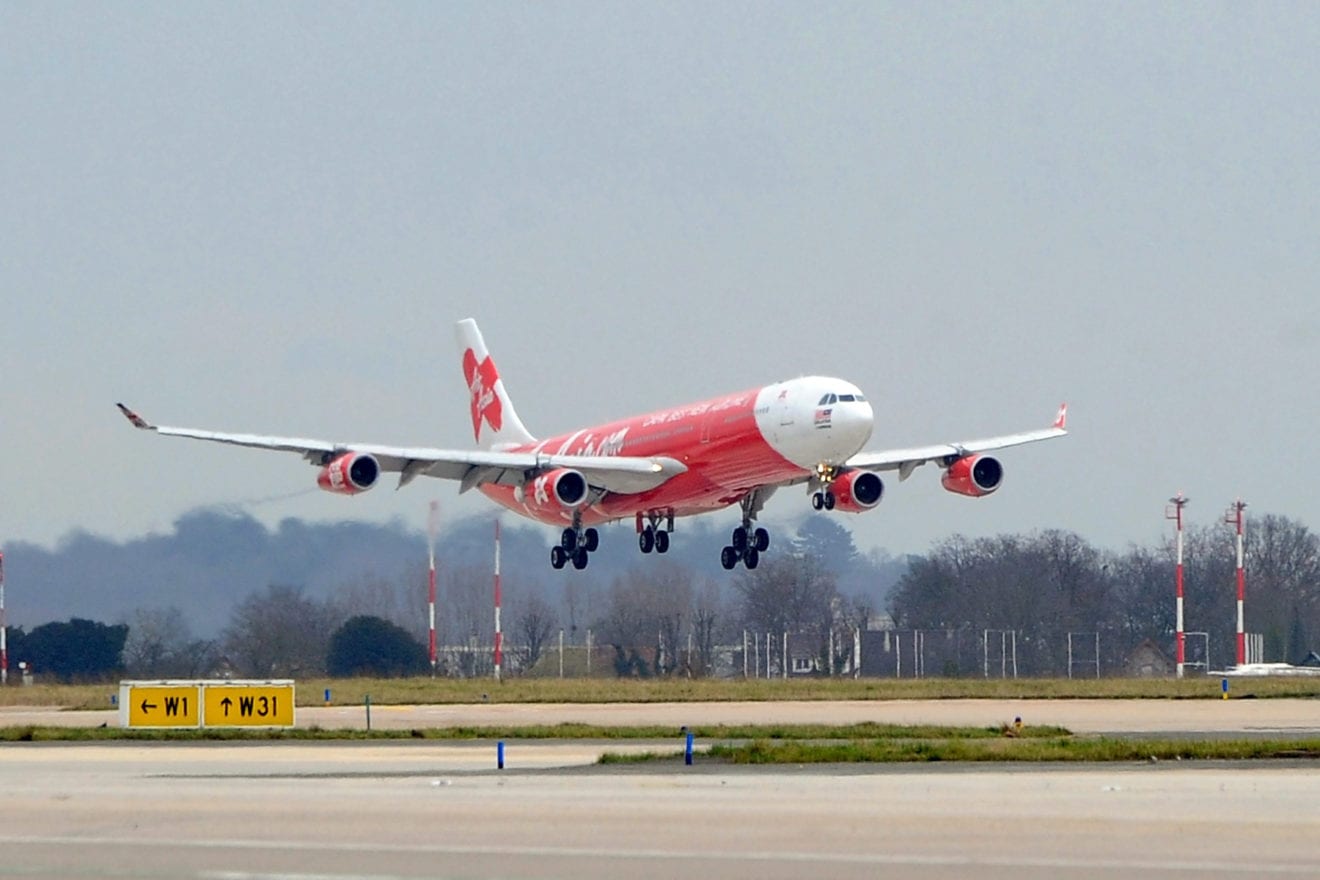
    A Philippine Airlines Airbus A340.

    PAL also launched a second new non-stop service to Singapore from Mactan-Cebu Airport in December 2016.

    In addition to the duty free contract to sell goods onboard, PAL has also increased the number of products now available through its Philippine Airlines Boutique online store.

    This offers online purchasing of ‘lifestyle merchandise’, including special hotel deals, car rentals, tours and recreation packages, fashion items and gadgets.

  • AirAsia X plans to lease two used 777-300ERs for London Gatwick summer 2017

    AirAsia X plans to lease two used 777-300ERs for London Gatwick summer 2017

    Malaysian long haul low cost airline AirAsia X is planning to dry lease two 777-300ERs from 2Q2017 to support the resumption of services to London Gatwick in Jun-2017. Its joint venture airline in Thailand is also aiming to launch long haul services to Europe in summer 2017 with a new route to Frankfurt, using the group’s existing A330-300ceo fleet.

    The lease of second hand 777-300ERs enables AirAsia X to accelerate the relaunch of flights between its main home market of Malaysia and Europe. Previously AirAsia X was intending to wait for the delivery of the A330-900neo to resume long haul flights, which it last operated in 2012 with inefficient A340-300s.

    The group was initially aiming to start operating A330-900neos from 2018, but first delivery has been delayed to early 2019. Short term leases on two 777-300ERs therefore give AirAsia X at least an 18 month jump on resuming London – a strategically important market.

    However, the 777-300ERs come with high risks and costs, particularly given the current market conditions and the relatively low density full service airline configuration that AirAsia X inherits with the aircraft.

  • SGX Welcomes Dasin Retail Trust To Mainboard

    SGX Welcomes Dasin Retail Trust To Mainboard

    Singapore Exchange (SGX) welcomed Dasin Retail Trust to Mainboard under the stock code “CEDU”.  

    Dasin Retail Trust is the first SGX-listed China retail property trust providing direct exposure to the fast-growing Pearl River Delta region.  Dasin Retail Trust’s principal investment mandate is to own, develop or invest in land, uncompleted developments and income-producing real estate in Greater China, used primarily for retail purposes, as well as real estate-related assets initially focused on retail malls. The Trust has an initial portfolio comprising three retail malls strategically located in Zhongshan City in the People’s Republic of China.

    Yang Bin, Chief Executive Officer of Dasin Retail Trust Management Pte. Ltd., the trustee-manager of Dasin Retail Trust, said, “We are pleased to celebrate Dasin Retail Trust’s successful listing on the SGX-ST as the first mainboard listing in 2017. Our defensive asset portfolio offers a mix of stable and growth assets, which offer investors cash flow stability and strong growth potential. Backed by the vast economic growth opportunities in the Pearl River Delta region, strong consumer spending culture, standard of living in the region and the Sponsor’s strong fundamentals, we are confident of the portfolio’s potential to provide unitholders with attractive returns from regular distributions and long-term income growth.”

    Simon Lim, Head of Equity Capital Market (Sectors), SGX, said, “We are delighted to welcome Dasin Retail Trust as the first Mainboard listing in 2017. This listing offers investors a proxy to invest in China’s growing retail market through our robust business trust framework.”

    The listing of Dasin Retail Trust brings the total number of SGX-listed REITs and property trusts to 43, with a combined market capitalisation of about S$70 billion.

    Dasin Retail Trust opened at $0.805 today.