Author: Mei Ling Tan

  • Spending power to back China’s growth in 2017

    Spending power to back China’s growth in 2017

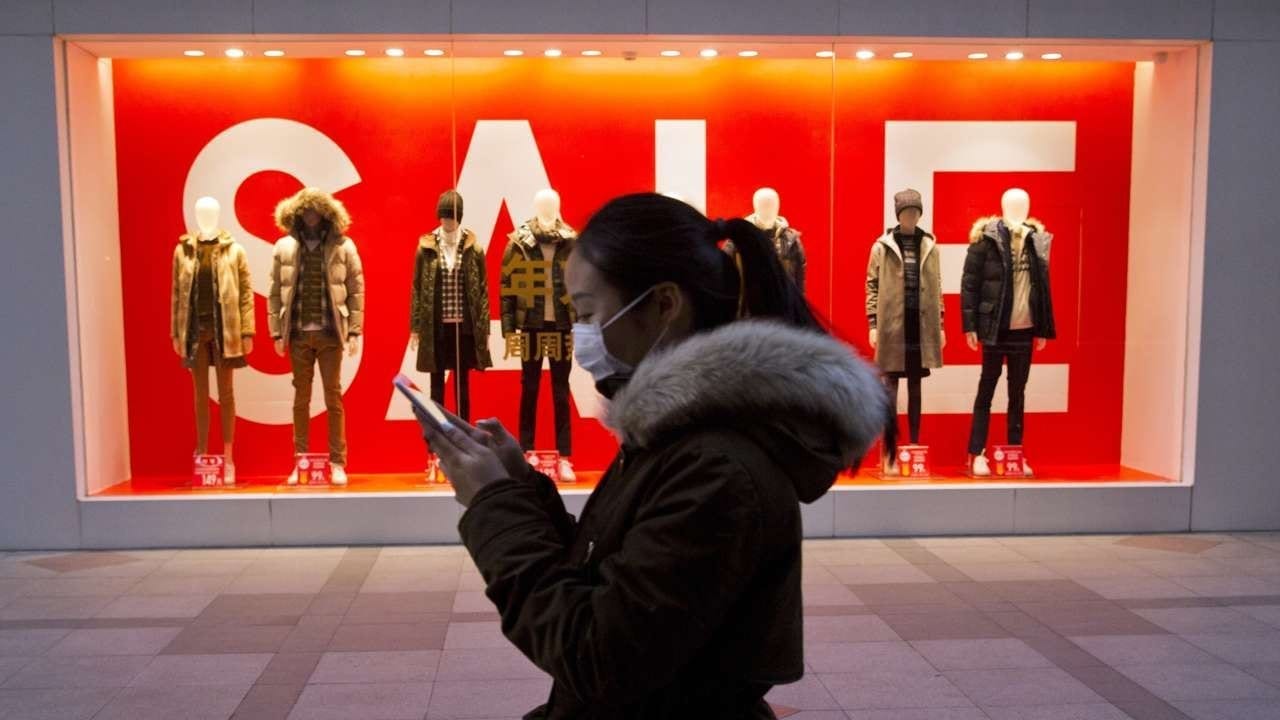
    Consumer spending will continue to grow at a healthy pace in 2017 as the country moves quickly toward a consumption-driven economy, analysts have said.

    Market observers estimated the country’s consumption will grow at an annual rate of 10 percent in 2016 and 2017, a key driver of overall growth eclipsing investment and exports.

    Consumption has played an increasingly important role in stabilizing the world’s second-largest economy, with its contribution to GDP growth up from 50.2 percent in 2014 to 71 percent in the first three quarters of 2016.

    Li Yang, an expert with the Chinese Academy of Social Sciences, expected retail sales in China to increase by 10 percent to reach 33.1 trillion yuan in 2016. Consumption will contribute 73 percent of GDP growth, the highest level since 2001.

    Consumption data in the fourth quarter of 2016 is slated to be released on Friday.

    China has embarked on a historic rebalancing from exports and investment to consumption in order to boost the economy’s potential amid volatile global conditions.

    China’s fast-growing middle class has become a key driver of consumption growth as they seek more expensive and premium brands and spend more on high-quality goods and services.

    According to research by the Economist Intelligence Unit (EIU), a think tank, the proportion of the population earning upper-middle and high incomes in China will expand from 10 percent to 35 percent by 2030.

    Gao Yuwei, an analyst with Bank of China’s research department, estimated retail sales will grow at around 10.2 percent in 2017, with spending on healthcare, telecommunications and high-end products rising rapidly.

    To encourage the spending potential of wealthy families, Chinese authorities are considering reducing tariffs of imported goods, which typically cater to the demands of the upper-middle class.

    In the past, Chinese consumers tended to buy foreign premium brands overseas to avoid high customs duties, which usually account for at least 15 percent of the full price.

    The Ministry of Commerce is creating policy to further reduce import tariffs for high-end consumer goods, expand categories of duty-free products, and open more duty-free malls to guide consumption back to China.

    With consumption becoming a key engine of growth, experts warned the slowing growth of personal income could restrain spending power.

    China’s economy grew 6.7 percent in the first three quarters of 2016. Analysts have forecast China’s 2016 annual growth to remain at 6.7 percent, significantly faster than the growth rate of other major world economies.

  • Bank Indonesia warns illegal money changers to apply for license

    Bank Indonesia warns illegal money changers to apply for license

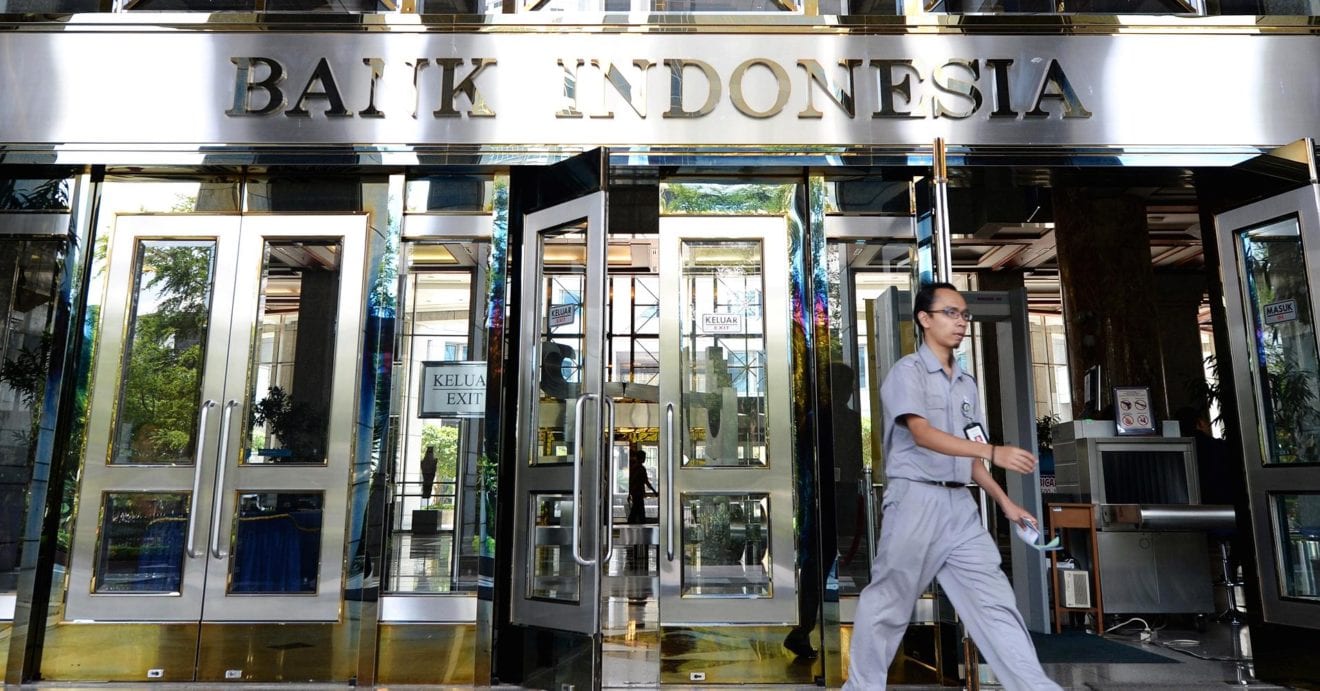
    Bank Indonesia (BI) has warned unlicensed non-bank money changers to apply for a license during the ongoing transition period as a requirement to operate legally.

    The central bank has imposed the transition period since Oct. 6 last year when it issued a regulation and circular concerning the licensing requirement. The unlicensed money changers were given until April 7 to submit applications.

    BI will work together with the National Police, the Financial Transaction Reports and Analysis Centre (PPATK) and the National Narcotics Agency (BNN) to crack down on illegal money changers that fail to comply with the regulation after the transition period ends.

    “Applicants need only to submit a written application attached with several documents to Bank Indonesia. It is free of charge,” said BI executive director of payment system policy and supervision Eni V. Panggabean in a press briefing on Monday.

    Money changers, formally called non-bank foreign currency exchange businesses, comprise transactional activities related to currency exchange through a trading mechanism of foreign currency banknotes as well as the purchase of traveler’s checks.

    “One of the requirements for non-bank money changers to apply for a license is to become a limited company that should be fully owned by Indonesian citizens,” Eni said.

    The central bank’s warning came following findings by the National Police, the PPATK and the BNN regarding the rising trend of money laundering activities involving illegal money changers, which were used for transactions related to graft, narcotics and terrorism.

  • AirAsia to operate flights on Patna-Delhi route from July

    AirAsia to operate flights on Patna-Delhi route from July

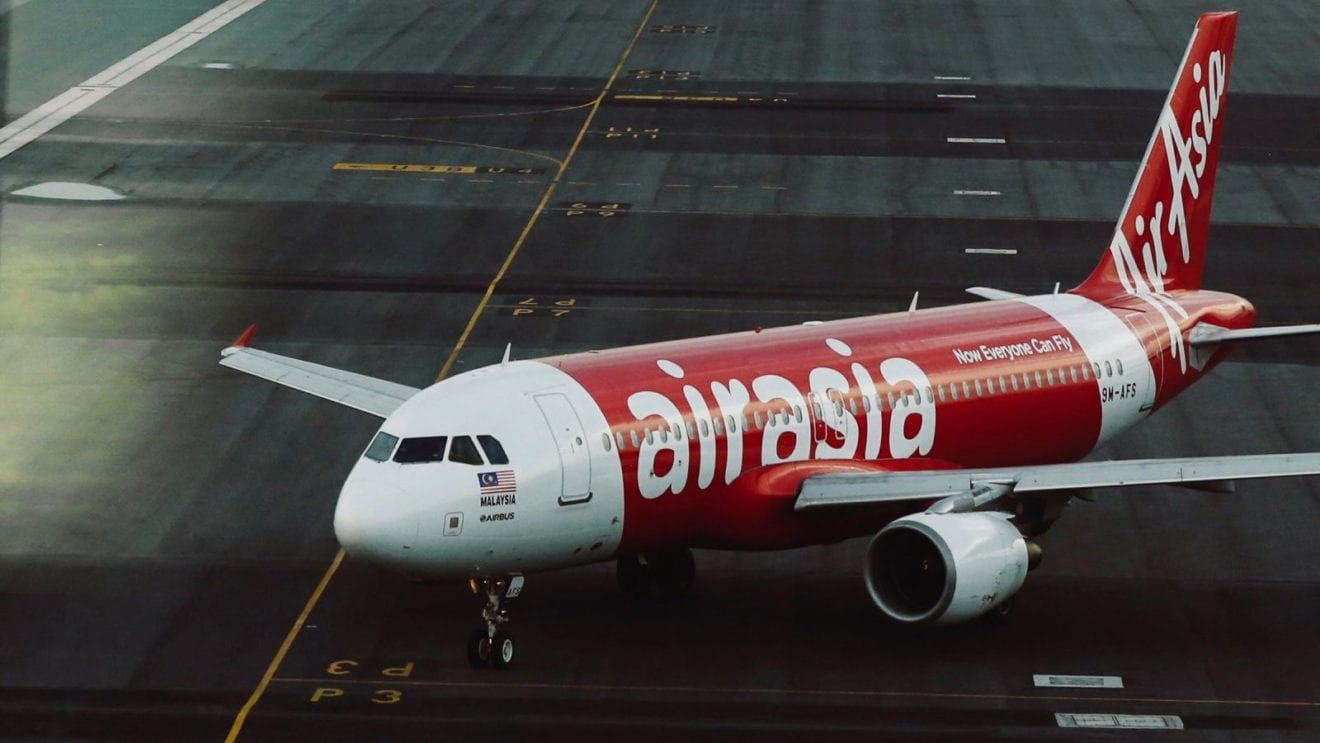
    Malaysian budget airline AirAsia is most likely to start its flight operations from Jayaprakash Narayan International Airport here in July. It will operate two flights on Delhi-Patna-Delhi route from July following a final nod from the Director General of Civil Aviation (DGCA).

    In fact, different airlines have made proposals to operate total 32 flights from Patna airport under the summer schedule. Twenty flights operate from Patna airport at present under the winter schedule, which is likely to end by February 15.

    Patna airport director Rajendra Singh Lahauria told TOI on Friday, “AirAsia has submitted a schedule to the DGCA for operating two flights between Delhi and Patna from July. The first flight will land here at 8:30am and the second at 8:30pm.”

    AirAsia apart, four other airlines operating from Patna airport — Air India, IndiGo, GoAir and Jet Airways — have also sought permission to increase their number of flights from Patna in July.

    As flights are mostly not allowed to land at the city airport before 10am due to foggy conditions normally from first week of November, most airlines had cancelled or rescheduled their morning flights and added in the afternoon under their winter schedule, which came into effect from December.

    IndiGo sources said the total number of flights has been proposed to increase from 11 to 14 from February 16 under their summer schedule. Its seven flights would operate on Patna-Delhi route.

    GoAir has also proposed to increase the number of flights from Patna from five to eight. Also, both Air India and Jet Airways have proposed to increase the number of flights from 2 to 4.

    Patna airport has witnessed a steep surge in aircraft traffic over the past few years as it has increased from 10 flights in 2010 to 20 at present. Altogether 26 flights were operating from the city airport last summer.

    The rise in number of flights has been attributed to the increase in passenger traffic. The passenger flow at the city airport increased from 14.5% in 2014-15 to 32.4% in 2015-16.

    Efforts are also being made to expand the terminal building at the city airport with two-storey swanky building with six aerobridges in order to accommodate an expected traffic of 30 lakh passengers per annum. Union cabinet on Tuesday approved the transfer of 11.35 acres of land to Bihar government in exchange of equivalent land of the Airports Authority of India (AAI) at Anisabad. Airport director Lahauria said construction work is expected to commence from June this year.

  • Taiwan, South Korea feel pinch as Chinese Lunar New Year tourism slows

    Taiwan, South Korea feel pinch as Chinese Lunar New Year tourism slows

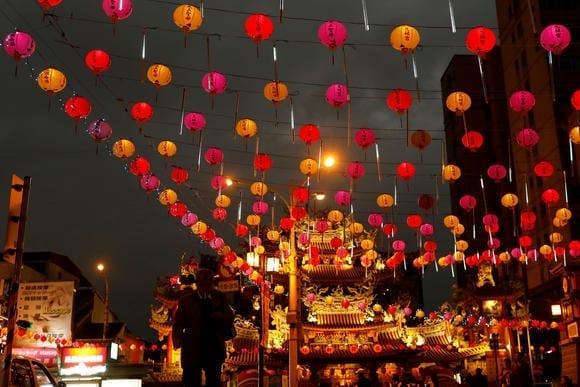
    The weeklong Lunar New Year holiday season has started in China, and surrounding countries and regions are expecting the usual surge in spending by Chinese tourists. This year, however, things may be different.

    According to China’s biggest online travel agency, Shanghai-based Ctrip, the number of Chinese visiting foreign countries during the holiday period this year is expected to level off, at around 6 million, as a weaker yuan has made shopping overseas less advantageous.

    The depreciation of the yuan has slowed the growth in the number of Chinese tourists going abroad. A survey found that prices of tours to Asian destinations from China during the Lunar New Year holiday season rose more than 10% after the yuan fell 6.6% against the U.S. dollar.

    In addition, the popularity of countries and regions whose relations with China have been strained has sharply dropped among Chinese tourists. The hardest hit may be Taiwan and South Korea.

    Taiwan has seen a decline in Chinese tourists since President Tsai Ing-wen, whose party advocates independence for the island, took office last May. Relations between Taipei and Beijing have cooled significantly under Tsai, compared with the eight-year reign of her predecessor, Ma Ying-jeou.

    The number of Chinese tourists visiting Taiwan during all of 2016 fell to 3.51 million from 4.18 million a year earlier, according to the Taiwanese Tourism Bureau.

    “We haven’t been seeing Chinese tourists lining up for visas for Taiwan since mid-2016,” a Taiwanese Tourism Bureau official said. The situation has been improving recently thanks to the approaching Chinese New Year holiday, but “incoming Chinese tourists will still drop substantially from a year ago, for sure,” the official said.

    The decline in tourists participating in group tours has been the most noticeable, compared with visits by self-guided Chinese tourists, according to the bureau.

    Self-guided Chinese travelers tend to go to different places and eat differently, compared with group tourists. Group tourists visit popular spots such as Sun Moon Lake or Alishan, shop more in souvenir stores, and eat group meals, while self-guided tourists like to visit exotic towns such as Jiufen, Shifen and Pingxi. Independent travelers also spend more time in the southern Taiwanese town of Kenting, enjoying beaches and water activities.

    South Korea

    South Korea expects 140,000 Chinese tourists will come to the country during the Lunar New Year holidays, an increase of 4% from a year earlier, according to the Korea Tourism Organization.

    The country used to be one of Chinese tourists’ most popular destinations. During all of last year, 8.1 million Chinese visited South Korea, up 34.8% from 2015. They accounted for 46.8% of foreign visitors to the country. But growth has slowed, reflecting China’s souring relationship with South Korea over the U.S. military’s introduction of the Terminal High Altitude Area Defense missile defense system on the Korean peninsula. Word in the local tourism industry has it that Chinese government officials have instructed travel agencies to reduce the number of visa applications for South Korea.

    The slowing growth in Chinese visitors is worrisome for duty-free shop operators in South Korea. In an attempt to attract Chinese tourists, industry leader Lotte Duty Free has begun giving gifts to all shoppers from greater China at its head store in Seoul if they make purchases worth $1,000 or more.

    At Gimhae International Airport in Busan, the Busan Tourism Organization set up a photo zone where tourists can take a photo with a model dressed in Korean royal apparel. The agency will also host welcoming events at the Busan International Passenger Terminal for Chinese tourists arriving on cruise ships. Interpreters and volunteers will be dispatched to the terminal to help them.

    In a distinct contrast, Malaysia, which has maintained good relations with Beijing, is enjoying a substantial surge in Chinese tourists.

    Thanks to a number of promotions by the Malaysian government, tourist arrivals from China have increased considerably. Between March and December last year, the number reached 2.2 million, compared with 1.2 million during the same period in 2015. That number is expected to increase further as the country looks to draw in more holidaymakers during China’s “golden week” break.

    Alibaba Group has launched Alitrip Malaysia Tourism Pavillion, an e-marketplace offering travel products and services.

    Following in the footsteps of budget carrier AirAsia, Malaysia Airlines has extended its reach further into China’s second- and third-tier cities. The national flag carrier will start nine new routes in 2017, connecting Malaysian cities to destinations including Haikou, Nanjing, Fuzhou, Wuhan, Chengdu and Chongqing. AirAsia is one of the biggest foreign airlines operating in China, offering over 300 weekly flights.

    Retailers in Hong Kong are also feeling the effect of the weaker yuan. Mainland visitors may be back for the Chinese New Year, but their waning spending power is seen as bad news. “Many of them are looking for bargains rather than luxury goods, and shopping for themselves rather than friends and relatives,” said Thomson Cheng Wai-hung, chairman of the Hong Kong Retail Management Association.

    Businesses have mixed views on Chinese New Year sales. Retailers are worried about a falling Chinese yuan that discourages spending. The Hong Kong dollar’s peg to the stronger U.S. dollar will make shopping more expensive for mainlanders. “This is negative for us,” said Cheng. Tourism sector lawmaker Yiu Si-wing expects hotel bookings to be satisfactory, as a recent correction in room rates will partly offset the currency impact for mainland tourists.

    In December, Chinese tourist numbers in Hong Kong reversed months of declines to grow 6.1% from a year earlier, led by a 9% spike in mainland arrivals during the four-day Christmas holiday. But recent official statistics show that their average spending per trip was 7,100 Hong Kong dollars ($915) in the first half of last year, down from HK$9,000 in 2014.

    “Hong Kong’s tourism industry has entered a period of adjustment,” Gregory So Kam-leung, the territory’s secretary for commerce and economic development, said on Jan. 23. He said the territory would roll out 16 food trucks selling local snacks and international cuisine, in addition to an annual night parade at an estimated cost of HK$33 million, to woo visitors during the week of the Chinese festival.

  • Resurgent Tesco surprises with $4.6 billion swoop for wholesaler Booker

    Resurgent Tesco surprises with $4.6 billion swoop for wholesaler Booker

    Britain’s biggest retailer Tesco has agreed to buy leading wholesaler Booker for 3.7 billion pounds, reasserting its dominance in food with a bold move into the faster-growing catering market.

    Tesco’s planned takeover of Booker shows the supermarket chain’s renewed confidence after two years of gradual recovery under Chief Executive Dave Lewis following an accounting scandal.

    The group also said on Friday it would restart paying dividends for the 2017-18 financial year, having not paid one to investors since the second half of its 2014-15 year when it was mired in crisis.

    Lewis joined in September 2014 when Tesco was rapidly losing market share and then had to deal with the accounting scandal. He has simplified the group’s operations, focusing on revitalising its core grocery business in Britain, while cutting costs and selling assets both at home and overseas.

    Friday’s move marked a dramatic return to acquisition mode and signals an increased focus on its British business where it has a 28 percent share of the grocery market.

    “It’s the next evolution of our strategy…We think it’s the right time,” Lewis told reporters.

    In a joint statement Tesco and Booker said that together the pair would be able to address more of Britain’s growing food market. Some analysts said the deal would face hurdles from Britain’s competition regulators.

    Lewis also said that non-executive director Richard Cousins, who resigned on Jan. 3, did not support the deal.

    “The Tesco of old is back,” said John Ibbotson of Retail Vision. “This is an extremely bold move and demonstrates an intent and sense of purpose that have been missing for the best part of a decade.”

    By adding Booker, Tesco will gain exposure to supplying Britain’s cafe, restaurant and pub trade, which is growing faster than the eat at home market served by its stores. Booker supplies 450,000 catering outlets including chains such as Wagamama and Carluccio’s.

    Booker owns about 200 cash and carry warehouses in the UK and supplies the Budgens, Londis and Family Shopper grocery chains, which are run as franchise operations.

    “This merger with Booker will further enhance Tesco’s growth prospects by creating the UK’s leading food business with combined expertise in retail, wholesale, supply chain and digital,” said Lewis.

    Shares in Tesco traded up 8.7 percent at 205.5 pence, and Booker had risen 16 percent to 212.7 pence at 1105 GMT.

    Competition Issues?

    Tesco and Booker said the deal would lead to synergies of at least 200 million pounds within three years and would boost earnings per share in the second full year of the deal.

    However, analysts said the deal could face close regulatory scrutiny.

    “Our instant reaction is that the Competition and Markets Authority will have a field day with this,” said independent retail analyst Nick Bubb, noting that Tesco owns the One Stop chain that competes with Booker’s interest in convenience store retailing.

    However, Lewis and Booker CEO Charles Wilson, who owns about 6 percent of Booker’s equity, disagreed, saying their legal advice had indicated a “compelling story” to gain regulatory approval.

    “As a retailer and a wholesaler coming together, this is not an acquisition of stores … independent retailers get a better deal here than perhaps they do on a standalone basis,” Lewis told reporters.

    “We think this is pro-competition,” said Wilson, pointing to price, choice and service benefits for Booker’s customers, be they retailers or caterers.

    Terms

    Under the terms of the deal each Booker shareholder will receive 0.861 new Tesco shares and 42.6 pence in cash.

    Based on Tesco’s closing share price on Thursday of 189 pence the deal represents a value of 205.3 pence per Booker share – a premium of about 12 percent on its Thursday close.

    The deal will result in Booker shareholders owning approximately 16 percent of the combined group.

    On completion Wilson and Booker chairman Stewart Gilliland will join the combined group’s board.

    Lewis said he thought the deal would complete in late 2017 or early 2018.

    Greenhill acted as lead financial adviser to Tesco while Barclays and Citi also worked on the deal as financial advisers and corporate brokers on behalf of Tesco. JPMorgan was sole adviser to Booker.

  • International Commercial Bank Lao Wins GBO 2016 Awards

    International Commercial Bank Lao Wins GBO 2016 Awards

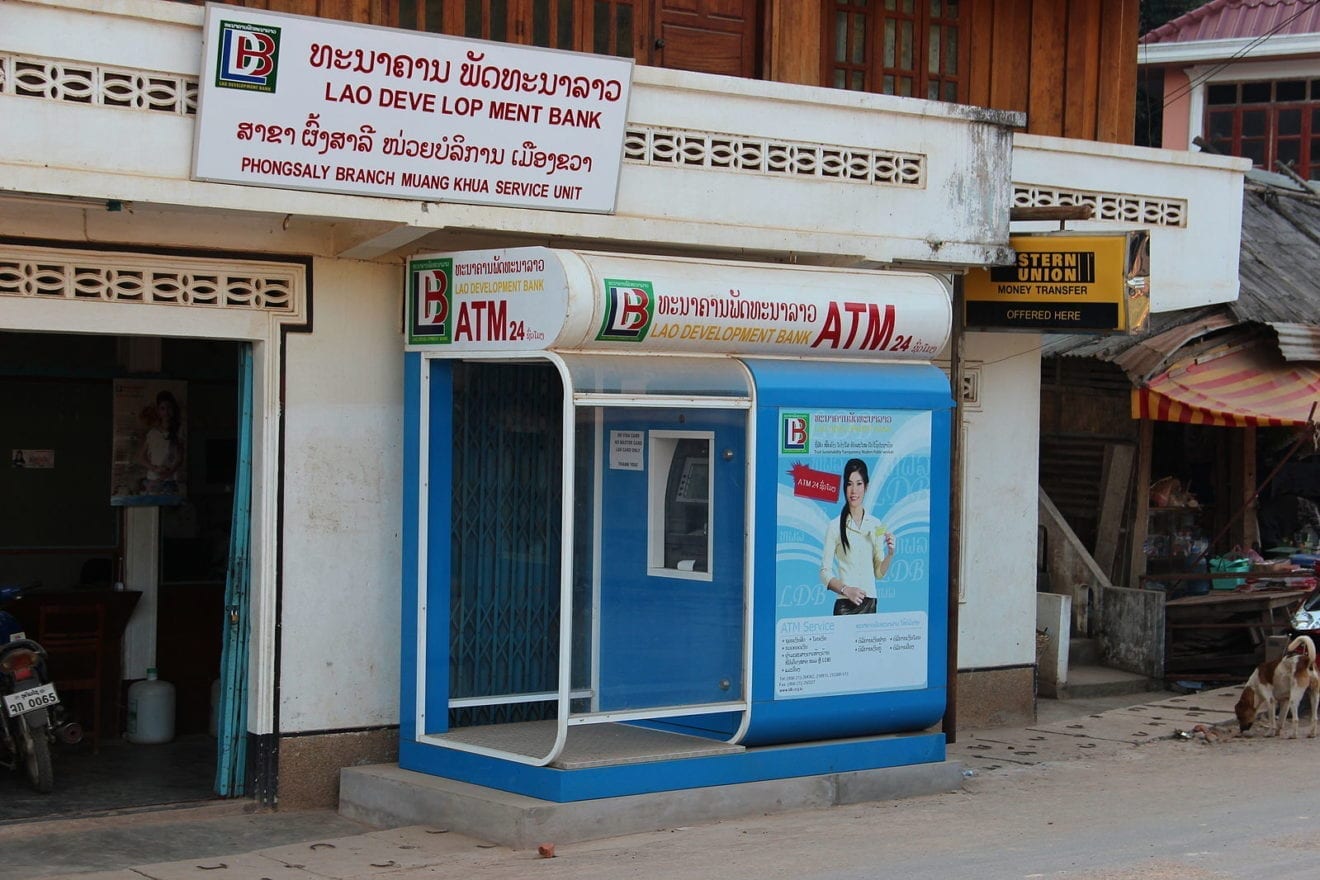
    International Commercial Bank Lao Limited provides banking and related financial services in the Lao People’s Democratic Republic. It offers various deposit products, including current, savings, education fund savings, and senior citizen savings accounts; and fixed deposits, fixed deposits with advanced interest, demand deposits, and term deposits.

    The company also provides loans, such as vehicle/auto express loans, housing/shoplot/mortgage loans, and educational loan schemes; and other services comprising bills discounting and bank guarantees. In addition, it offers international banking services, such as inward and outward remittances, import/export collections, documentary letters of credit, and foreign currency operations. The company provides its products and services through head office and two branches located in Vientiane; and one branch located in Pakse.

    The company is headquartered in Vientiane, the Lao People’s Democratic Republic. International Commercial Bank Lao Limited is as a subsidiary of Asia Investment and Financial Services Co., Ltd.

    Mr. Zulkiflee Kuan Shun Abdullah, Chief Executive Officer of International Commercial Bank Lao Ltd. Upon receiving this award said “We are indeed honoured to win the “Best Retail Bank – Laos 2016″ award by Global Business Outlook. This would not be possible without the dedication, hard work and commitment from all the staff and the support from the stakeholders. It has been a great achievement for the Bank in 2016. The Bank has been accorded awards in the same category by 2 other international publications. These awards are recognition of their invaluable contribution to the Bank. The stakeholders share this award with all the staff and together we will continue to strive to provide Value Banking to our customers. ”

  • Singapore Airline not fussed by empty seats while ACT records rise in tourism

    Singapore Airline not fussed by empty seats while ACT records rise in tourism

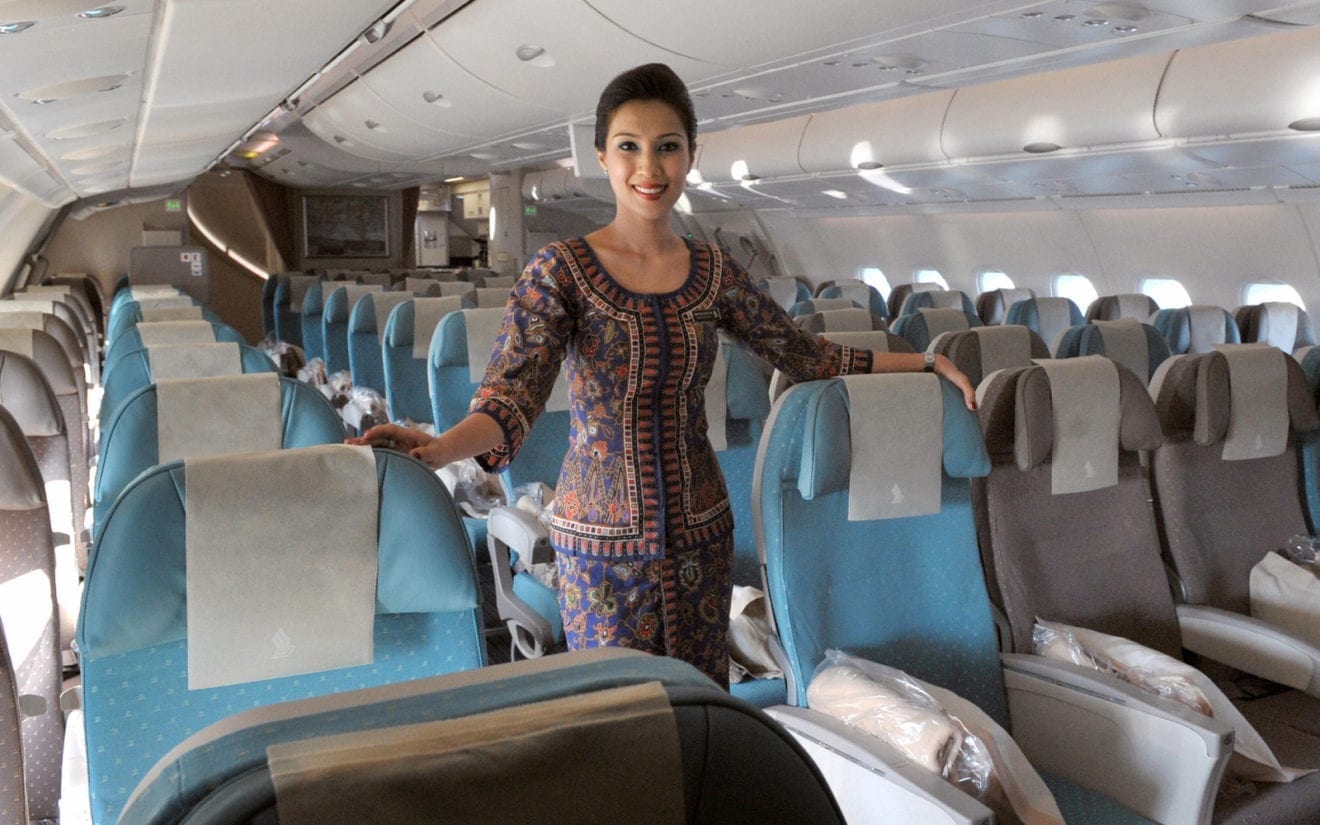
    Singapore Airlines is “pleased” with the number of passengers flying in and out of Canberra although a federal government report has revealed lots of empty seats on its first flights.

    A report into international airline activity in September by the Department of Infrastructure and Regional Development showed more than 3200 people flew in and out of Canberra after the Capital Express route launched on September 21.

    But while the first flight that touched down was 95 per cent full, analysis has shown the six flights from Wellington to Canberra had an average of 94 seats occupied.

    Flights from Singapore to Canberra fared a little better, with an average of 142 seats occupied per flight.

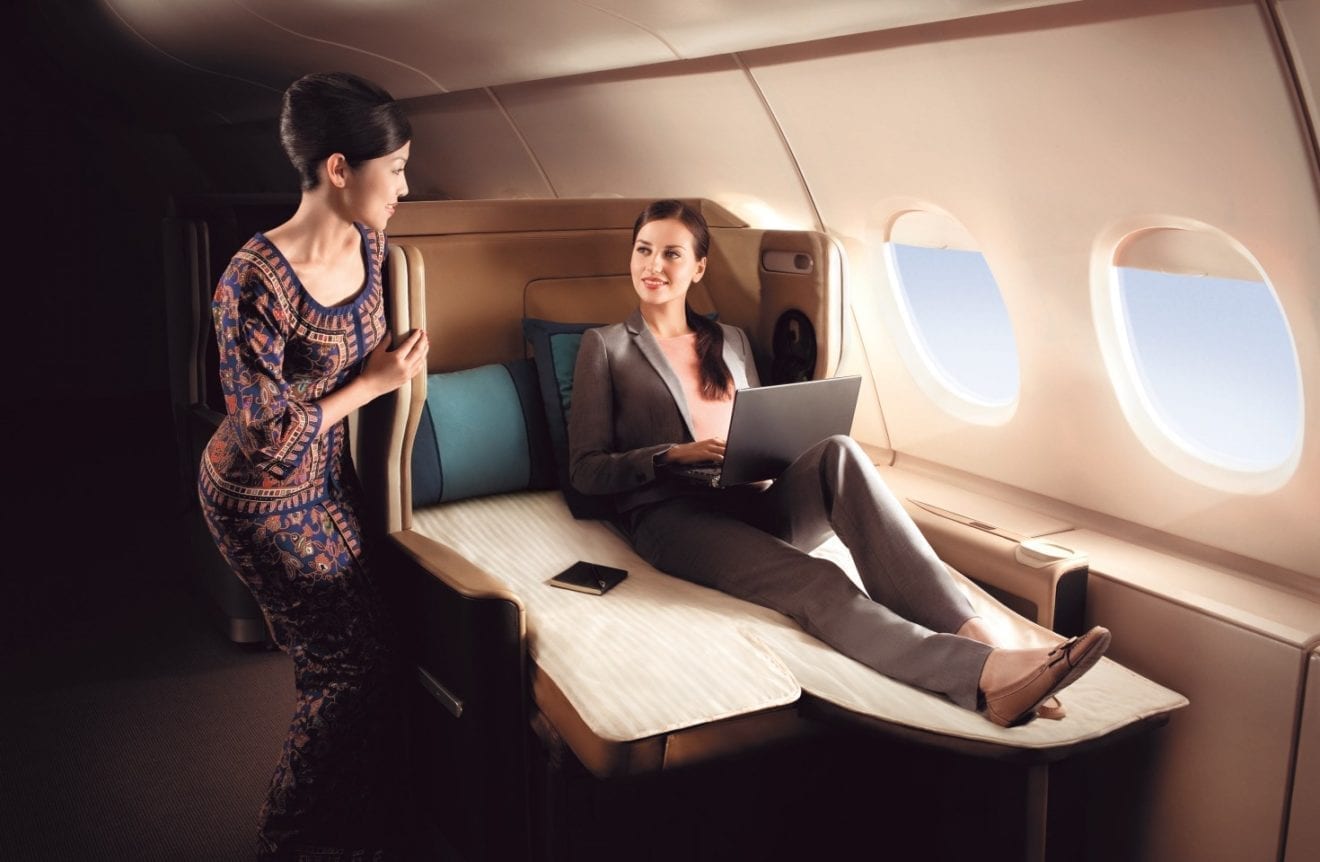
    The Boeing 777-200 can carry up to 266 passengers, which includes 38 business class seats and 228 economy seats.

    However these figures do not take into account traffic carried via Canberra between Singapore and Wellington, a spokesman from the Department of Infrastructure noted.

    The carrier wasn’t fussed by the low numbers either, Singapore Airlines ACT manager, Tan Chin Yu said.

    “We have been encouraged by the support from the local community since we went on sale in January and remain pleased with the number of customers choosing to travel on the new service, both to Singapore and beyond with direct connections to UK/Europe,”  he said.

    “There has been a good mix of business and leisure travellers in both the business and economy class cabins.”

    The data also revealed around a quarter more people flew out of Canberra than into the capital on the first six flights.

    The international airline activity showed there were 1421 inbound passengers to Canberra in September compared to 1784 outbound passengers.

    Flying out of Canberra, flights to Wellington had an average occupancy of 142 passengers. Flights to Singapore had an average of 181 passengers.

    The report came as the ACT recorded a 45.5 per cent swing in visitors from SIngapore and a 25.5 per cent spike in visitation from New Zealand.

    New Zealand and Singapore are now respectively fourth and fifth on the list of the ACT’s top international markets, behind China, the UK and the US.

    Singapore tourists now make up 5 per cent of the ACT’s international market while New Zealand tourism accounts for 8.6 per cent.

    A record 206,915 people visited the ACT in the year to September 30, up 11.2 per cent on the previous year. Visitors spent a record $432 million in the capital, a surge of 13.4 per cent.

    Chief Minister Andrew Barr said the visitor reporting period ended in September and covered only nine days of international flights, but the numbers boded well for the future.

    “The latest results reflect the ACT Government’s commitment to growing the visitor economy to $2.5 billion by 2020. VisitCanberra’s One Good Thing After Another marketing platform and enhanced travel trade engagement are among the activities taking place in addition to the cooperative work with Singapore Airlines,” Mr Barr said.

    Last week Qatar Airways announced it would be the second international carrier to fly into Canberra, opening up another gateway into Europe and vice versa.

    The decision sparked excitement within Canberra’s business community that direct flights could help bring in more tourists during the soft summer trading period and that more airlines could soon follow suit.

    But Air New Zealand has hosed down speculation the airline could be the next to fly into Canberra.

    “Air New Zealand is constantly assessing its route network however we don’t have any current plans to operate flights to Canberra,” a spokeswoman said.

    Emirates and Etihad Airways also shot down suggestions they could be next.

  • The stars of 2016’s Year of Startups

    The stars of 2016’s Year of Startups

    Vietnam’s hottest buzzword for 2016 must have been startups, as never before have millions of young Vietnamese been so warmly encouraged to innovate and start their own business. To show its commitment to young entrepreneurs, the Vietnamese government named 2016 as “the year of startups”.

    Under the spotlight, the passion young Vietnamese have for innovation is more evident than ever. In just a few years, these ambitious minds have come up with creative solutions for various industries within Vietnam, and brought some fresh ideas to seemingly “boring” sectors.

    Take financial technology (fintech) as an example. According to the World Bank, 70 per cent of the Vietnamese population remains unbanked, while the rising middle-class has more sophisticated financial needs than ever before. Vietnam Banking Forum also estimates that 38 per cent of the Vietnamese population owns a smartphone.

    Young entrepreneurs have immediately identified opportunities regarding these trends, and 30 fintech startups have been launched within the last four years. Unlike banks, which tend to be conservative and formal, fintech startups are user-friendly and trendy in design.

    Among them is MoMo, which implements the novel idea of making cashless payments via point-of-sale terminals in urban and rural areas. Via mobile technology, the startup aims to make e-payments easier, even for those living in remote areas without a bank account.

    “To gain customers’ trust, MoMo has built a two-level security system for e-wallet users. We launched fingerprint identification and acquired the PCI DSS security certificate. 2016 has been a wildly successful year for us, as we currently have 4.5 million users, 2.5 million of whom have registered for the e-wallet,” MoMo deputy chairman Nguyen Ba Diep told VIR.

    Besides fintech, Vietnamese entrepreneurs have used their creativity to tap into other traditional sectors such as agriculture and medical care, although returns may take longer. For example, Le Anh Duc, the owner of Lee Farm, beamed with excitement when talking about his 10,000sq.m organic farm in Binh Phuoc province.

    “I realised that as Vietnamese customers become more health-conscious, the demand for organic produce will surpass supply. As a fruit and vegetable lover myself, I’ve seized this opportunity by adopting a Thai-based greenhouse farming module and a drip irrigation system from Israel. This combination for organic farming is the first of its kind in Vietnam,” Duc said. In 2017, he plans to double the size of his farm and apply for a business licence.

    In medical care technology, eDoctor is a mobile app that allows people to access healthcare information and connect with doctors, hospitals, and pharmacies via smartphones. And it all started with a simple observation: the founders noted that people in the countryside have to travel long distances to get medical care in the city, which is costly and time-consuming.

    “Using eDoctor, people can find and connect with their doctors through calls and in-app messages. If they need to see a specialist, they can even use the app to book a visit to the closest clinic. People are also able to save and track their own health records, as well as records of family members and dependents,” said the firm’s CEO Vu Thanh Long. As of December 2016, eDoctor had reached 210,000 users. A target of one million users is set for the end of 2017.

    The legal roadblock

    With the wide range of examples above, it is not hard to see that Vietnamese entrepreneurs are bursting with creativity. However, just like a young bird that is excited to fly, Vietnamese startups still need more assistance to reach the distant horizon.

    One of the major issues is Vietnam’s legal system, which lags behind the fast-changing world of startups, and creates confusion that frustrates entrepreneurs. In July 2016, controversy broke out over Article 292 of the revised Criminal Law, which stated that all businesses must acquire permission before offering online services.

    As processing paperwork in Vietnam can take longer than in countries like Singapore, many startups have called on the government to install more progressive rules. In response to the uproar, last October lawmakers proposed to eliminate Article 292 and assured that it would not hurt startups’ activities.

    Diep of MoMo hoped that the legal framework would be more responsive to new services and products made by startups. For instance, the State Bank of Vietnam has released guidelines on intermediary payment but not peer-to-peer lending or crowdfunding.

    “The government has paid due attention to creating a startup ecosystem on a national scale, to attract investors as well as entrepreneurs. The legal procedures, however, are somehow much more complicated than in neighbouring places like Singapore or Hong Kong, posing a major hurdle for investors who want to reach out to local startups,” said CEO of Liti Florist Krystine Nguyen.

    Meanwhile, Long of eDoctor acknowledged recent efforts made by the Ho Chi Minh City People’s Committee to promote entrepreneurship, but called for more detailed rules on preferential taxes and bank credits for startups. He also feels a stronger startup ecosystem in Vietnam is necessary.

    Vu Tuan Anh, head of the Community Startup Division at Hoa Sen Group and founder of Vietnam Institute of Management, suggested that the government dedicates a certain amount of seed money for startups and provide training for entrepreneurs – essentially acting as an angel investor. He called this “a startup value chain” that can groom young students into business-savvy entrepreneurs within five years.

    Helping from outside and in

    The government is indeed listening to the suggestions of startups as part of its master plan to turn Vietnam into a startup nation. Prime Minister Nguyen Xuan Phuc, during a meeting with university students in Hanoi last November, remarked on his belief that Vietnam must do everything it can to push the entrepreneurial spirit in young people.

    “The young generation in Vietnam is very creative, and yet among 90 million Vietnamese, there are only 600,000 businesses. I request relevant ministries, the Youth Association and universities to help young entrepreneurs create new value for society and move the country forward,” he said.

    In response to the prime minister’s request, the authorities have rolled out various programmes to assist startups. Last month, the Ho Chi Minh City Department of Science and Technology commenced Speedup 2017, under which entrepreneurs can receive up to VND2 billion ($88,500) in capital from the department and participating investors. Startups will receive training and networking opportunities as well.

    The Ho Chi Minh City People’s Committee has also launched a Business Startup Support Centre as an incubator for startups to raise capital, learn management skills, and network. Similarly, the Hanoi People’s Committee established an incubator for IT startups last November.

    Besides clarifying the issue with Article 292 of the revised Criminal Law, lawmakers are pushing the entrepreneurship agenda in their meetings. The National Assembly has added startups into the proposed Law on Supporting Small- and Medium-sized Enterprises, which will be up for further debate in 2017.

    Various companies such as FPT Corporation, Hoa Sen Group, Lotte Group, and AIA have announced plans to support Vietnamese startups, in the form of capital or knowledge sharing.

    However, it is vital that startups themselves have enough confidence, drive, and talent to serve their community. In his meeting with university students, the prime minister reminded aspiring entrepreneurs that their innovations do not have to be grand or exotic – it can begin with a need to solve a common, everyday problem.

    “Sometimes new ideas aren’t accepted by the market yet, but that’s fine – young startups should not let failures block their way to success,” Phuc said.

    “Please remember that as long as you follow your dream, you’re contributing to the future of Vietnam. I suggest that you focus on your studies, participate in community activities, and intern at companies to understand what Vietnamese society needs and build your product offerings around that.”

    Similarly, CEO of FPT Corporation Truong Gia Binh advised young entrepreneurs to start small and focus on serving the needs of their community. Binh himself built FPT Corporation in 1988 to give Vietnamese people access to technological breakthroughs, such as internet, TV, and computer software.

    “When we started FPT Corporation we struggled a lot. It’s true that nine out of 10 startups will fail, but it also means one chance of success – and I think young entrepreneurs should go for that. I believe this is a great time to start a business in Vietnam as the country is growing, the majority of the population is young, and the average income level is rising,” said Binh at a recent startup event in Ho Chi Minh City.

    Anh from Hoa Sen Group noted that new startups should also reach out to a wider variety of sectors, such as education, tourism, niche e-commerce, or the overseas export of Vietnamese traditional specialities.

    Of course, as Vietnam is new to the startup landscape, more debates will follow. For now however, Vietnam will enjoy a young generation full of innovative ideas, a drive to succeed, and a national campaign to push them forward. And hopefully, this spirit will bring on a new chapter for Vietnam.
  • Singapore Airlines celebrates 70 years with biggest travel fair, affordable deals

    Singapore Airlines celebrates 70 years with biggest travel fair, affordable deals

    Singapore Airlines (SIA) marks another milestone as they celebrate their 70th anniversary across the globe with exciting deals, service expansion, and the largest showcase and travel fair for its Filipino patrons.

    According to Carol Ong, SIA general manager in the Philippines, “Innovation has always been at the core of SIA’s operations. For our 70th year, we continue to push our boundaries by expanding our network and pioneering services guaranteed to give the best experience to our customers.

    “We want to continue doing our best to exceed our customers’ expectations—whether it be more travel destinations, more frequent flights, or more great value deals.”

    Premium Economy class. Photo courtesy of SIA.

    Travel for less
    All-inclusive round-trip Economy Class fares to Singapore and other Asian destinations are available from US$160. Fares to Australia are offered from US$570 while traveling to key destinations in Europe starts at just US$670. Customers can also travel to South Africa at fares starting from just US$770 and to the United States starting from US$970.

    As parts of its 70th anniversary celebration, Singapore Airlines' airfares to Cape Town start at USD770. Photo courtesy of SIA.

    Passengers can experience SIA’s newest cabin offering, the Premium Economy Class, with the most attractive all-in round-trip rates. All-in fares on Premium Economy Class to Asian destinations are available from US$1,000, to Australia from US$1,350, to Europe from USD1500, and to South Africa from US$1,700. A trip to New Zealand is offered from USD1800, and to the United States for just US$1,850.

    Customers can choose to travel in luxury and style with SIA’s all-in Business Class fares. Travelling to various Southeast Asian destinations is offered from US$850 all-in, and to Australia from US$2,000. Discounted rates to Europe and New Zealand are also available from just US$2,500. Starting at US$3,000, passengers can already fly Business Class to the United States or South Africa.

    Travel to Austria and visit the Vienna Opera House.  As part of its 70th anniversary celebration, Singapore Airlines is offering special airfare to Europe for as low as US$670.

    Travel to Austria and visit the Vienna Opera House. As part of its 70th anniversary celebration, Singapore Airlines is offering special airfare to Europe for as low as US$670.

    For this year’s Singapore Airlines Showcase and Travel Fair, customers will also have access to SIA’s network of subsidiaries and partners and enjoy exclusive promotional rates. Customers will be able to travel from the Philippines to SIA’s online gateways in Europe and connect to additional destinations such as Brussels, Madrid, Hamburg, Oslo, Vienna, Venice, Lisbon, Prague and its newest destination, Sweden.

    With 85 destinations to choose from at exceptional rates, SIA provides its customers the perfect opportunity to achieve their travel goals this year for less.

    This sale is still valid for purchase at the Singapore Airlines Showcase and Travel Fair 2017 at the TriNoma Activity Center on February 26 to 28, 2017. The sale is also available online and at SIA and SilkAir ticket offices until 20 February 2017. Travel period is from February 1 until December 31, 2017. Promotional fares are available for travel from Manila, Cebu, Davao and Kalibo.

    The promotional fares are exclusive to Singapore Airlines KrisFlyer members, BPI credit cardholders, Globe Platinum customers as well as TriNoma and Ayala Center Cebu shoppers.

    Travel to Athens and visit Cape Sounion and the Temple of Poseidon for only USD570 via Singapore Airlines. Photo courtesy of SIA.

    Travel to Athens and visit Cape Sounion and the Temple of Poseidon for only USD570 via Singapore Airlines. Photo courtesy of SIA.

    Exclusive rewards
    Loyal patrons will also enjoy perks and rewards such as the Real 0% Installment Plan of up to 6 months for BPI credit cardholders and upfront US$50 Cash Back, an exclusive introductory offer of SG$25 Singapore exPass that gives access to two of Singapore’s world-class attractions, and a SG$20 Changi Dollar Voucher that passengers can redeem at Singapore Changi Airport, valid for use at participating shops and restaurants at the airport. Terms and conditions apply.

    All these exclusive deals are in cooperation with SIA’s network of partner companies like BPI, Ayala Malls, Globe Platinum, Changi Airport Group and Singapore Tourism Board.

    Visit singaporeair.com and Singapore Airlines’ Facebook page for the complete set of mechanics and guidelines, and for other announcements.

    For bookings and inquiries, visit Singapore Airlines and SilkAir ticket offices, or call SIA Manila Reservations at (+632) 756-8888, SilkAir Cebu at (+6332) 505-7871, SilkAir Davao at (+6382) 227-5301, SilkAir Kalibo at (+6336) 500-7226, or contact any participating travel agent from 20 January to 20 February 2017. For details, visit singaporeair.com/FLYSQ70.

    To enjoy up to 6 months Real 0% interest Special Installment Plan on your BPI credit card, book through SIA or SilkAir ticket offices.

    Singapore Airlines flies from Manila to Singapore four times daily, which conveniently connects to onward flights to the rest of the world. Passengers traveling from Cebu, Davao and Kalibo can fly to Singapore via SilkAir, which flies 12 times weekly from Cebu, nine times weekly from Davao, and three times weekly from Kalibo.

  • Home appliance retailers gear up in race to expand

    Home appliance retailers gear up in race to expand

    Opened in 2010, Dien May Xanh in late 2014 reported revenue of VND1 trillion a year. Since early 2015, Dien May Xanh has been gearing up with the application of digital technology to internal administration and sales management.

    In August 2015, Dien May Xanh began conquering the northern market. It had opened 75 supermarkets by the end the year which brought the turnover of VND4.4 trillion, holding 5 percent of the market share. The figure reportedly had increased to 14-16 percent by the end of 2016.

    According to Tran Kinh Doanh, CEO of The Gioi Di Dong JSC, the owner of Dien May Xanh brand, after two years of following the ‘fast fight fast victory’ strategy, with 266 supermarkets, Dien May Xanh has become the biggest partner of home appliance manufacturers and distributors in Vietnam.

    The owner of Dien May Xanh hopes its revenue in 2016 can reach VND12 trillion and the figure would be double in 2017 to VND25 trillion.

    Analysts commented that unlike other retailers, Dien May Xanh has been following its own business strategy because it arrived later than other rivals.

    A Dien May Xanh center covers 800-1,000 square meters, while the standard area for one home appliance supermarket is 4,000-5,000 square meters. With such a scale, the cost for one Dien May Xanh is VND6-10 billion, which is much lower than the traditional model.

    Meanwhile, Dien May Xanh can receive financial support from The Gioi Di Dong which is believed to have powerful financial capability.

    Analysts also praised Dien May Xanh’s policy on developing centers in city suburbs and provinces. This is believed to be a reasonable decision as retail premises in the central business districts of Hanoi and HCMC have become too expensive.

    Other home appliance retail chains, having realized the efficiency of Dien May Xanh’s small-center model, have also followed the development model.

    The centers of Media Mart developed recently, for example, have an area of between 700 and 1,500 square meters.

    Even Nguyen Kim, which only developed large shopping centers, has also changed its strategy. Eight of 14 supermarkets put into operation in December 2016 run under the shop-in-shop model with the average area of 300 square meters. They are located in big shopping malls such as Big C in HCMC, and the provinces of Binh Duong, Binh Thuan and Thanh Hoa.

    Meanwhile, strong brands including Thien Hoa, Nguyen Kim, Phan Khang and Dien May Xanh all have spent money to develop online sales. The number of customers buying goods on nguyenkim.com rises by 400 percent during sale promotions.

  • Vietnam may export chicken to choosy markets

    Vietnam may export chicken to choosy markets

    Hoang Thanh Van, director of the Ministry of Agriculture and Rural Development’s (MARD) Animal Husbandry Department, said MARD plans to boost trade promotion to export chicken.

    In 2016, Dong Nai provincial authorities sent a delegation of businessmen to Hanoi to work with MARD and agencies on the plan to export chicken to Japan.

    If implemented, this will be the first time Vietnam has exported chicken products through official channels to choosy markets.

    Some enterprises in Dong Nai are following necessary procedures to export chicken to the countries. After negotiations, if Japan agrees to accept Vietnam’s exports, it will take next steps to examine farming conditions in Vietnam and ensure the fulfillment of the two parties’ commitments.

    As the activities are being carried out promptly, Vietnam may see the first consignments of chicken exports in 2017.The Binh Phuoc provincial authorities have also been organizing trade promotion activities in an effort to export chicken, targeting the Japanese, the EU and some Asian markets.

    Exporting Vietnam chicken was also the goal set by MARD in Decision No 4377 released recently.

    Under the decision, the chicken exports would be in two stages. The first stage, from 2016 to 2018, Vietnam would strive to export processed chicken to Japan. The products of at least one Vietnamese enterprise will be shipped to the market in 2017.

    In the second stage, which begins after 2018, Vietnam will export processed meat of some enterprises to other potential markets, including Hong Kong, Singapore, Malaysia, Myanmar and South Korea.

    In the immediate time, if approved by the government, the Department of Animal Health and foreign investors, Vietnam will export the first consignment of processed chicken to Japan. Koyu & Unitek Ltd will be the first company to join the project, while it is completing the building of a processing factory that meets the standards set by the country.

    According to MARD, Vietnam’s livestock and poultry processing industry can produce 500,000-700,000 tons of meat and 8 billion eggs. Despite the high production capacity, only Vietnam’s salted eggs are exported to Hong Kong and Singapore, while the other products are consumed in the domestic market only.

    Van, talking to the local press, was optimistic about the possibility of exporting livestock products and animal feed.

    Vietnam is a big animal feed importer, but it exported 500,000 tons of animal feed in 2016. As for pork, 2016 witnessed a sharp increase of 40 percent in suckling pigs  compared to 2015 to 100,000 tons.

  • Lack of timber threatens wood industry

    Lack of timber threatens wood industry

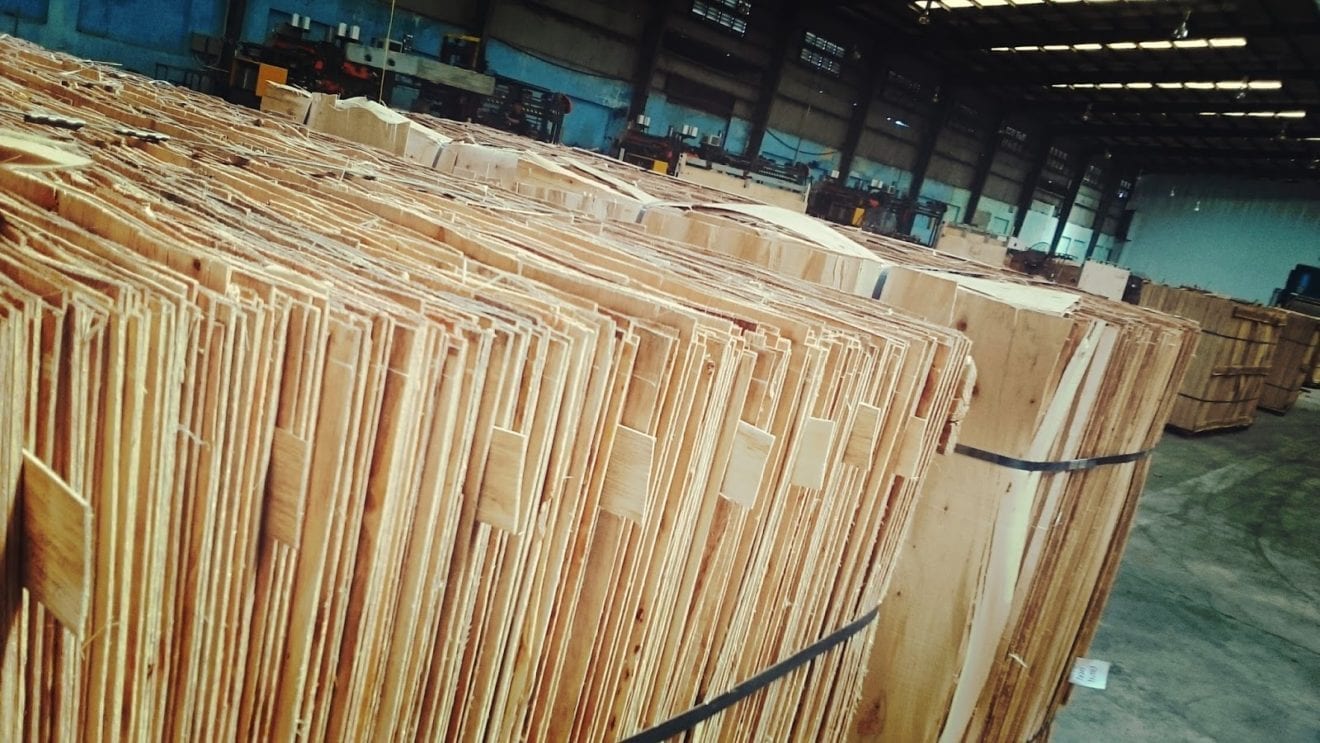
    This was stated by Bui Chinh Nghia, deputy head of the Ministry of Agriculture and Rural Development’s (MARD) Forestry Department. Nghia said this would result in a cut of some 40,000 cu.m. of raw material this year. Ensuring timber supply for domestic manufacturing is a problem in Vietnam as a large amount of raw timber is exported despite many domestic producers lacking raw material.

    To have enough material for processing and exports, many businesses have proposed that the government prohibit the export of raw material to other countries.

    If the quantity of exported wood is retained in the country, it would help local businesses take the initiative in signing orders with their partners in Europe and the United States.
    Sharing his opinion on this proposal, Huynh Kim Bau, assistant to the director of Saigon Furniture Co. Ltd, said the government should levy a tariff of 30-35 per cent on raw timber exports, the same level as applied by some regional countries, such as Cambodia and Thailand, to lower exports. In addition, enterprises need to plant high-quality tree species that grow in a short period of time to meet the industry’s increasing demand.

    Huynh Van Hanh, deputy chairman of the Handicraft and Wood Industry Association of HCM City, said small- and medium-sized enterprises (SMEs) needed to co-operate with each other if they wanted to compete with foreign firms globally.

    The association should make decisions based on three criteria — they are in real need of co-operation with other, they should trust their partners, and their rights and interests should be based on fairness as the work will be divided equally based on production and supply for each participant.

    As for those enterprises which are capable of expanding their business, they should invest in advanced technology to raise capacity and quality to overcome difficulties and access large orders.

    Hanh said Vietnam had more than 4,000 timber processing and export businesses but only seven per cent of them were large and could easily access huge orders from clients from the United States, Japan and the European Union. The remainder, which was small and medium enterprises, had weak competition capacity and small investment capital, hence they faced more difficulties while seeking orders.

    Meanwhile, the number of foreign investment businesses in the country was few, but they retained more than 50 per cent of the market share. Vietnamese SMEs mostly did outsourcing work of foreign investment businesses.

    Duong Phuong Thao, deputy director of the Import-Export Department under the Ministry of Industry and Trade, said Vietnam exported processed wood worth US$7 billion in 2016, while global demand stood at $400 billion for wood products. Vietnam’s wood industry, he said, must grow further to capitalise on the huge global demand.

    In 2017, MARD will switch the use of 200,000ha under small tree forests to growing large trees and issue sustainable forest certificate to those land areas. The total area under large trees granted sustainable forest certificates is expected to reach 500,000ha by 2020, promising a high-quality and certified source of timber for processing and exporting.

    Thao added that the Vietnamese Government planned to negotiate with its Lao and Cambodian counterparts to create better conditions for Vietnamese firms to source timber from forests in these countries to increase the supply of raw material.

    The local wood industry uses 30 million cu.m. of raw timber for manufacturing every year and has shipped products to more than 100 countries and territories. Only two-thirds of the timber is sourced domestically while the rest has to be imported.

  • Office and retail rents slip, but outlook improves

    Office and retail rents slip, but outlook improves

    Challenging market conditions continued to hit office and retail rents in the fourth quarter, although there are signs pointing to a brighter outlook for some landlords.

    Office rents fell by 1.8 per cent from the third quarter to the fourth quarter last year, a far sharper fall than the 1.1 per cent from the second to the third, according to Urban Redevelopment Authority (URA) data yesterday.

    That took the drop in rents to 8.2 per cent for the full year, markedly steeper than the 6.5 per cent decline in 2015.

    “With continual supply pressure in 2017, we reckon rents will continue to soften at least for the first half,” noted Dr Chua Yang Liang, JLL’s head of research for South- east Asia.

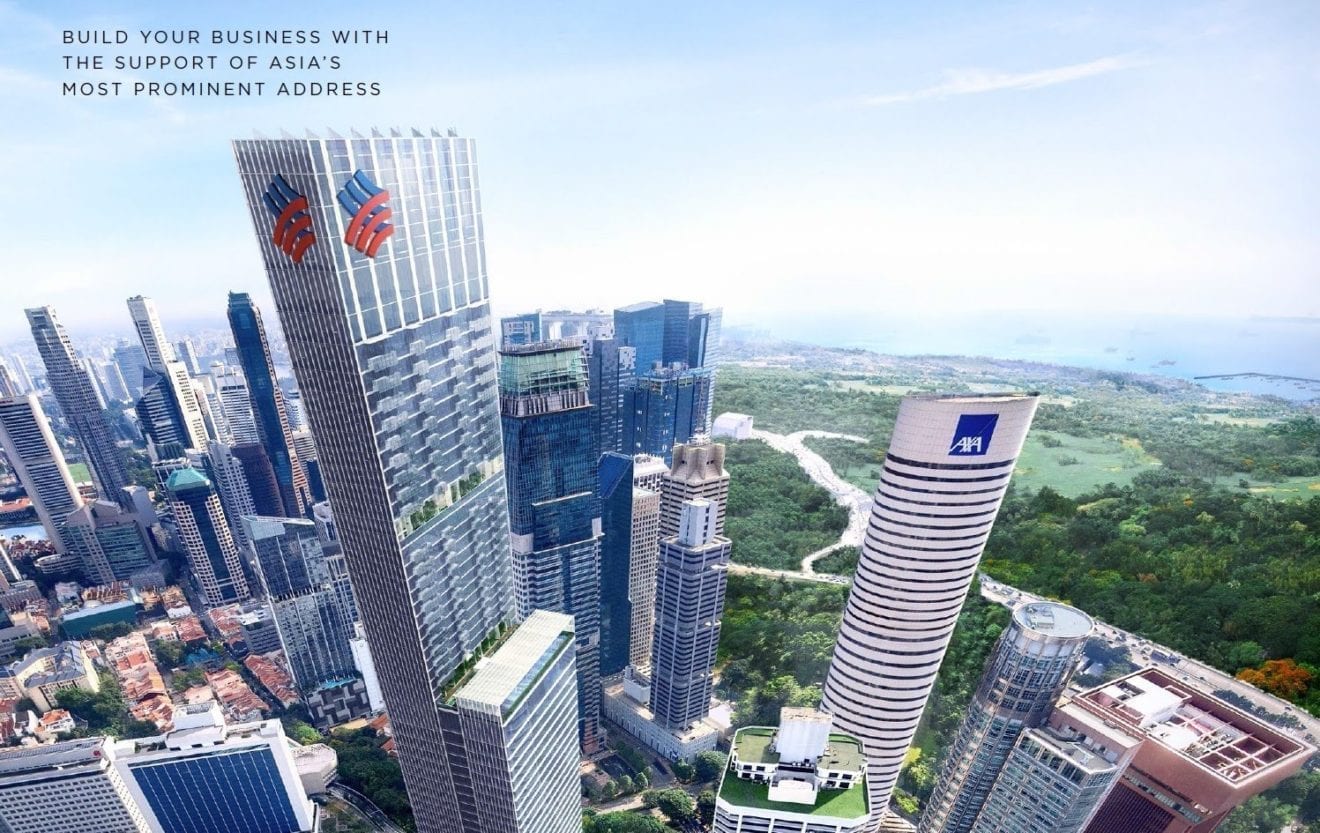
    But new office buildings such as Guoco Tower and the upcoming Marina One have enjoyed good take- up over the past year – prompting talk of better prospects ahead.

    “Large deals announced in January, such as Facebook taking up prime space at Marina One and co-working operator Distrii leasing in Republic Plaza, further point to signs that the office leasing market is stabilising,” Cushman & Wakefield research director Christine Li said.

    The completion of Duo Tower in Bugis last month helped push office vacancy rates to a four-year high at 11.1 per cent, up from 10.4 per cent at the end of the third quarter.

    Prices of office space, meanwhile, fell by 0.6 per cent from the third to the fourth quarter, taking the full-year drop to 2.8 per cent.

    The retail sector fared slightly better, amid challenges posed by e-commerce and uncertain economic prospects. Rents eased 1.2 per cent from the third to the fourth quarter – better than the 1.5 per cent drop from the second to the third.

    The islandwide vacancy rate for retail space improved to 7.5 per cent at the end of last month, snapping four straight quarters of rising vacancies.

    “The uplift in occupancy was probably supported by the continued opening of flagship stores, along with gyms and large food and beverage clusters,” said Mr Desmond Sim, head of CBRE Research for Singapore and South-east Asia.

    Retail rents fell by 8.3 per cent last year, and JLL expects them to remain weak, amid the 169,000 sq m of retail space which will become available this year.

    Although conditions in the retail sector will remain tough, there have been some changes that bode well for the future.

    “We are encouraged by the introduction of new retail brands and concepts through 2016… This should help to add more colour and vibrancy to Singapore’s cookie- cutter retail scene,” noted Ms Tricia Song, head of research at Colliers International, Singapore.


  • Luxury cars flooding Vietnamese market

    Luxury cars flooding Vietnamese market

    From now to 2020, Mercedes Benz Vietnam plans to double its sales agent network, an important step for the luxury car manufacturer to cement its position in the Vietnamese market.

    Speaking to local mass media on December 3, Choi Duk Jun, CEO of Mercedes Benz Vietnam, said together with the expansion of product items, the enlargement of sales agents will be a strategic move that helps Mercedes increase its market share in Vietnam.

    Mercedes Benz has the highest number of sales agents in Vietnam with 12 centers throughout the country.

    Sources said Rolls-Royce, a brand of German BMW, which also owns two other strong brands – BMW and Mini — is also preparing to enter the Vietnamese market.

    Toyota Vietnam has opened an authorized agent in the central region, raising the number of total sale agents in Vietnam to 44.

    Ford Vietnam has opened an authorized agent in Binh Duong province, while it has upgraded Pho Quang branch of Sai Gon Ford into a 3S branch. It is preparing to open another showroom, belonging to Sai Gon Ford, in the central business district 1 in HCMC.

    The new centers are reported as having investment capital of VND120 billion. The number of Ford’s sales agents and service centers in Vietnam has increased to 27.

    The Vietnamese market had its highest sale growth rate of 60,000 cars in 2016 compared to 2015.

    The sale of luxury cars and sports cars also increased sharply. Mercedes led the market segment with 4,401 cars sold in 2016, an increase of 22 percent over the year before.

    Meanwhile, Lexus sold 1,665 cars, up by 73 percent. Audi, Porsche and BMW  have not revealed the sales, but reported growth.

    A source said Porsche had fulfilled its yearly sales plan in Vietnam by mid-2016.

    The sales surprised many analysts, because prices had increased sharply.

    Lexus LX570, for example, saw the price increasing from VND5.7 billion to VND8 billion, while Maybach S600 was from VND10 billion to VND14 billion. Rolls Royce Phantom price soared from VND54 billion to VND84 billion.

    Oxfarm, a non-government organization, on January 12 released a report on inequality in Vietnam, pointing out that the income gap between the richest and poorest Vietnamese people is very large. The richest Vietnamese has the daily income higher than the 10 year-income of the poorest.

    In related news, Marquardt from Germany had a working session with Da Nang authorities on its plan to set up an automobile part factory in the city.

  • Vietnam E-commerce well placed to meet growth targets

    Vietnam E-commerce well placed to meet growth targets

    Last year, e-commerce revenues increased to $5 billion, accounting for about three per cent of the total retail trade and services revenue.

    It has become an indispensable extension for businesses as a rapidly growing country with growing Internet connectivity deepens its global integration process.

    The development of multi-channel businesses that combines physical stores with an online presence has become an inevitable trend.

    Viet Nam has a gross domestic product (GDP) growth rate of more than six per cent per year. Internet connectivity is growing by 50 per cent plus every year. Online marketing revenues in the country increased from US$26 million to nearly $330 million in the 2010-2015 period.

    It is not surprising that with these advantages, the nation’s e-commerce market has witnessed the entrance of large players in the last few years.

    The Vingroup officially stepped into e-commerce in 2015 with its Adayroi trading floor. Earlier, several savvy entrepreneurs had launched online shopping websites that became popular, like sendo.vn, nguyenkim.com, tiki.vn, zalora.vn and lazada.vn.

    The South Korean Lotte Group also entered e-commerce market in Viet Nam last year with its lotte.vn website. It was followed soon by Japan’s largest retailer Aeon, which launched aeoneshop.com at the beginning of this month.

    Given their brand prominence and their large story systems, aeoneshop.com and lotte.vn are expected to offer stiff competition to sites like lazada.vn and tiki.vn that currently dominate the domestic market.

    Tran Trong Tuyen, general secretary of the Viet Nam E-commerce Association, told the Hai Quan (Customs) online newspaper recently that in the past, it was important for businesses to open their stores at a good location, but the situation has changed with 40 million Internet users having the option to buy things online.

    “If retail companies do not invest properly in e-commerce, they will gradually lose customers,” Tuyen said.

    The newspaper also quoted Trinh Van Hoa, director of the Nguyen Kim E-commerce Centre, as saying that the centre studied customer’s shopping habits and understood that they were looking for multi-business shopping facilities.

    Its focus on providing the most convenient shopping solutions for customers has seen the company grow rapidly in recent years, she said.

    The growth of the company, accordingly, also increased several times compared to the previous years, she said.

    Impressive figures

    E-commerce revenues in Viet Nam reached $4.07 billion in 2015, a 37 per cent year-on-year increase. It also accounted for about 2.8 per cent of total retail trade and services revenue.

    Last year, e-commerce revenues increased to $5 billion, accounting for about three per cent of the total retail trade and services revenue.

    The popularity of Online Friday, a mega sales event held every December, has soared, with last year’s sales of VND664 billion, triple that of the previous year.

    These figures show that the nation is well placed to meet its e-commerce targets. The 2016-2020 e-commerce master plan envisages $10 billion in business-to-consumner (B2C) turnover by 2020, accounting for five per cent the country’s total retail sales.

    Despite the rapid growth and enormous potential, the e-commerce market share of Vietnamese enterprises was still modest, Tuyen remarked.

    He said that even though famous names like Tiki and Sendo had millions of users and tens of thousands of orders per day, they were limited to the national scale, and although e-commerce revenue in 2015 was five times that of 2012, the Vietnamese market, had yet to match world leaders.

    In the US, e-commerce transactions accounted for five per cent of total retail sales, and it was 9-10 per cent in China, and about three per cent in Viet Nam.

    Shopping trends

    Market research firm Nielsen recently released the results of an online survey covering 63 countries

    It found more than six out of ten (64 per cent) Vietnamese consumers purchased fashion products online.

    More than half the Vietnamese respondents said they purchased books, music and stationery products (51 per cent) and 47 per cent said they bought travel products or services online.

    Four in 10 respondents (40 per cent) said they purchased personal-care and beauty products online.

    About one-fourth (26 per cent) said they placed online orders for babies and infants; an equal number ordered meal-kits or restaurant deliveries and one-fifth ordered packaged groceries online.