Author: Mei Ling Tan

  • Four strategies of China’s top 10 e-commerce apps

    Four strategies of China’s top 10 e-commerce apps

    Pushing advertisement online and offline has been the typical strategy of China’s e-commerce giants to bring in customers, explaining why e-commerce sector is one of the toughest battlegrounds for freshly born startups since they have little money to spend on advertising. However, the trend is changing.

    As startups like Bolome, combining live streaming into cross-border e-commerce, and Yitiao, a WeChat public account-based e-commerce platform with high-quality content and storytelling around their handmade products, even the e-commerce behemoths are following the trend of live streaming and content marketing. Of course, Chinese e-commerce giants were not lazy on their investment and M&A to consolidate the market.

    Seeing the ranking, Alibaba stayed competitive in its forte, e-commerce sector. Alibaba’s C2C e-commerce platform Taobao ranked first, its B2C e-commerce platform Tmall ranked second, its second-hand retailer ranked seventh, and its electronics retailer Suning ranked the eighth. The report was jointly published by Cheetah Global Lab, Cheetah’s big data platform libra and 36kr.

    China’s e-commerce market will get even bigger, with a boost from the Chinese government. Online retail sales could reach 10 trillion yuan in 2020 as the country’s online population will pass 1 billion, growing by 7.8 percent a year from 2015, according to the 2016-2020 e-commerce development plan released by the Ministry of Commerce and other government departments. The e-commerce market will employ over 50 million people by the end of 2020, according to the plan.

    Screen Shot 2017-01-26 at 10.01.45 AM

     1. Live Streaming

    Taobao, JD and Mogujie added live streaming to their platform. Online celebrities live stream and recommend products on the video, and shoppers can click on the link while watching the video to buy the featured product.

    Online celebrities, mainly female broadcasters in their 20s and 30s, try on brand cosmetics and clothing at home. Online celebrities in overseas countries visit the local supermarket and explain each product while putting them in the cart and visit the local cosmetic shop to get further explanation of the cosmetic product from the clerk.

    2. Content is king

    Some e-commerce platforms added content-reading features to their apps, such as Taobao Headlines (淘宝头条) and JD Findings. Since Alibaba’s content cannot go on WeChat public accounts, Alibaba had no option but to come up with a content service on its e-commerce platform to encourage their customers to get to know more about their products.

    Vipshop is a Guangzhou-based online discount retailer for brands in China. After listing on New York Stock Exchange, the company reported its revenue up 38.4% YoY to 12 billion RMB (1.8 billion USD) in the third quarter of 2016.

    3. Consolidating the market using M&A and investment

    Some e-commerce companies showed consolidation. Hangzhou-based Mogujie now takes control of its previous rival Meilishuo (ranking 20th in the list) through a stock swap in January last year. Ranking 5th in the list, Mogujie was founded in 2011 by a former Alibaba engineer.

    Suning is an electronic product focused retailer in China. The company invested in Eight Days, an e-commerce startup targeting university students to get a grip of post-95 consumers in April 2016.

    4. Focusing on the second-hand market

    Xian Yu (meaning Idle Fish), a second-hand e-commerce has risen from no.10 to no.7. Alibaba spent 15 million USD to acquire Xianyu in March 2016. The customers can use their smartphones to run their stores, and add promotional voice recordings to sell their products, which makes the app more like a social app.

    Other e-commerce companies include Zhe800 and Juanpi. Pinduoduo is an e-commerce company invested by James Mi, the co-founder and managing director of Lightspeed China Partners.
  • Shang Xia launches airport strategy

    Shang Xia launches airport strategy

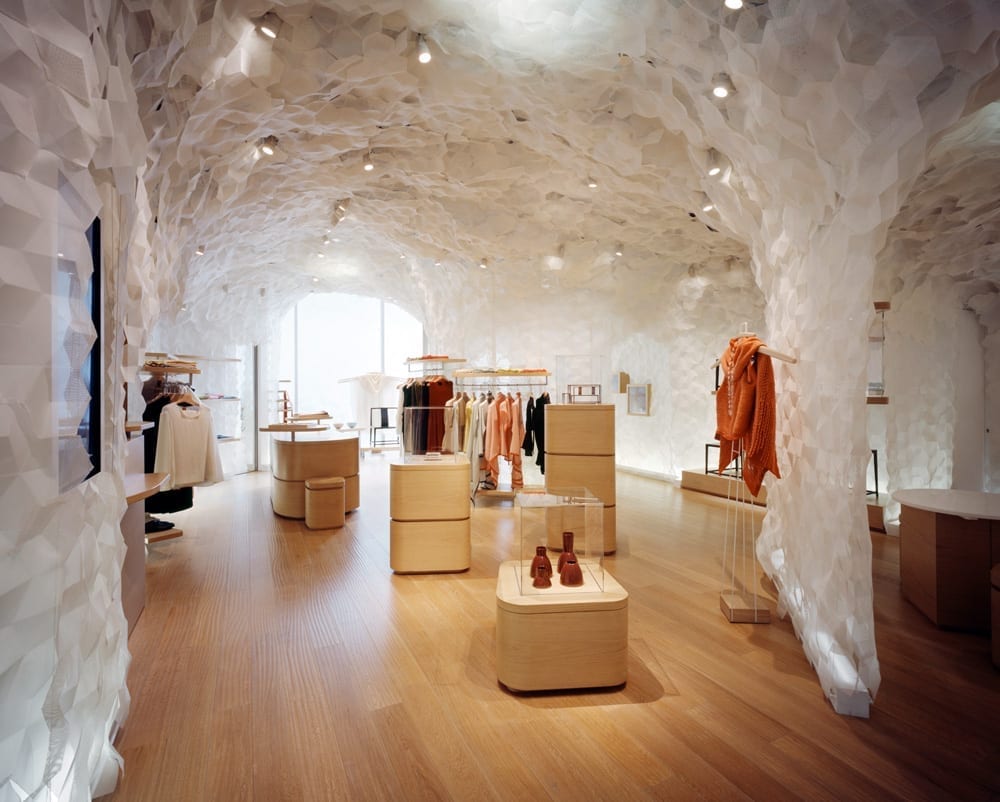
    Backed by Hermes, Chinese lifestyle, home and fashion brand Shang Xia plans to open standalone boutiques at Hong Kong, Beijing and Heathrow international airports over the next five years.

    Shang Xia’s VP of travel retail for Asia Pacific, Tina Priscilla Tam, says she believes travel retail is the ideal channel to communicate the brand’s message to travellers who “value and appreciate the beauty of the culture”, .

    “Shang Xia strives to preserve China’s fading traditions of craftsmanship and re-evaluates the tradition in the context of contemporary lifestyles,” says Tam.

    “China’s great heritage of technical ingenuity shimmers with potential. Wooden furniture, bamboo woven on porcelain, cashmere felt, eggshell porcelain … these remarkable materials are transformed by the CEO and creative designer Qionger Jiang. Her inspiration embodies both beauty and utility.”

    Tam says the translation of Shang Xia, “as above, so below”, is simple but profound. “It speaks of heritage and construction, of intangible bridges that link tradition and the present, east and west, art and lifestyle, human and nature.”

    She says travel retail is a window to the world, considered by some brands as “a sixth continent”, and Hong Kong International Airport is perfect for a standalone boutique because it offers exposure to international tourists.

    “It is a place where ‘east meets west’, reflecting the cultural mix of the territory’s Chinese roots with an influence of foreign cultures. It is a good standpoint for the brand to transmit the message of beautiful Chinese heritage and tradition to the world.”

    The brand already has boutiques in Paris, Beijing and Shanghai. Through a partnership with the Shankong Group in Taiwan it opened two shop-in-shop concept stores in August, with the next step being Hong Kong in January.

    “We focus not only on destinations for Chinese travellers. We review destinations and partners who understand the brand and share the same core values.”

    A Shang Xia standalone store will open at Beijing Airport’s Terminal 2 next year, building on its success at Shanghai’s Hongqiao Airport. It will carry ready to wear, costume jewellery, teaware and homewares.

  • Australian Wine to China

    Australian Wine to China

    Australian wine exporters expect to receive a profit boost from this week, with a further reduction of tariffs to China now in effect.

    China is now Australia’s biggest export market for wine — worth almost half a billion dollars.

    Gemtree vineyards in McLaren Vale, near Adelaide, is confident its 2016 shiraz is a good match for the Chinese market.

    The winery has a Chinese joint venture, and was one of the first to crack the market seven years ago.

    Growth has since stabilised, but from this week exporting to China may be more profitable, with tariffs down to 5.6 per cent.

    The free trade agreement has led to a staged tariff reduction from 14 per cent, hitting zero in 2019.

    “China’s now our biggest market, so this is a great chance to increase our profits,” Tony Battaglene from the Winemakers’ Federation said.

    The Chinese export market grew 50 per cent last year and wine exporter Kandy Xu said her business had also doubled.

    “[In the] beginning we exported about two containers per year, but now from last year we export 15 containers,” she said.

    She said Chinese consumers had developed a wine drinking culture and Australia was now China’s biggest supplier.

    “We’ve got around 24 per cent, 25 per cent of their market ahead of France. We’re now beating the old world at their game so that’s a really good outcome for us,” Mr Battaglene said.

    According to winemakers, about 1.8 million tonnes of grapes were crushed for wine last year in Australia.

  • Diversification is driving Brunei’s banking sector forwards

    Diversification is driving Brunei’s banking sector forwards

    As a result of a wider economic expansion and diversification strategy, Brunei’s banking sector is growing at a rapid rate and attracting a new wave of international players

    Despite its small size, Brunei, a southeast Asian nation on the island of Borneo, is a formidable economic power in the region. A thriving oil sector has ensured a very high standard of living for the population. However, similar to many oil-producing nations in the present climate of plummeting prices and global oversupply, the economy’s reliance on the energy industry has become problematic. In response, the Brunei Government is taking comprehensive steps to reduce the economy’s reliance on oil and gas revenue and instead focus on the growth and development of local businesses.

    In 2015, ASEAN – of which Brunei has been a member since 1984 – established the ASEAN Economic Community, achieving a major milestone in regional economic integration. “The integration of ASEAN members can potentially represent a huge opportunity for growth”, said Pierre Imhof, CEO of Baiduri Bank. As such, the possible increase in trade and investment flows, which will result from a single market for goods, services, capital and labour, can open the doors to a far broader customer base for Bruneian banks, while also enabling local SMEs to venture outside of the country.

    National interests
    With the recent implementation of Darussalam Enterprise (DARe), a statutory body established by the government earlier in the year to monitor and nurture the development of local enterprises in Brunei, diversifying the economy and supporting SMEs has become a major priority for a nation that is heavily dependent on revenue from the oil and gas sector. “We have always had a strong focus on SMEs, which has consistently been one of our major customer groups from the very beginning”, Imhof told World Finance. “With the establishment of DARe and its assistance in the development of SMEs, I hope to see the SME market develop to become even more competitive locally, and to eventually become competitive internationally as well. In line with our commitment to develop local businesses and SMEs, Baiduri provides a wide range of financial products to businesses in order to ease their cash flow management and support their growth.”

    Baiduri Bank recently rolled out enhancements to its online banking platforms to coincide with the growing demand for flexibility

    The bank also offers Business i-Banking, Baiduri’s internet banking facility catering specifically for businesses. “Our aim is to provide customers with a modern, user-friendly and secure channel for businesses to manage their banking more efficiently”, Imhof said.

    In April of last year, Baiduri introduced Business Banking – a new unit as part of its retail banking division – that was designed to target the growing number of SMEs in Brunei. According to Imhof, the unit serves to complement the bank’s corporate banking department by tapping into non-borrowing and small-borrowing accounts. Services provided by Business Banking include card merchant services for local retailers and setting up the Baiduri Internet Gateway System, which allows retailers to accept payment from their online customers. The Business Banking unit also helps SMEs apply for credit facilities.

    Moreover, Baiduri Bank is launching a new online payment solution with affordability at its core – again with local SMEs in mind. According to Imhof: “Our latest product, known as MerchantSuite, aims to provide a very accessible and user-friendly method of facilitating online payment without the merchant needing to create their own website. This way, our SMEs are able to conduct business efficiently with minimum difficulty. With over 90 percent of our corporate clients being SMEs, Baiduri Bank clearly recognises their ability to generate revenue in the country and the vital contribution they make to the long-term economic stability of Brunei.”

    Race to expansion
    Another vital aspect to consider when trying to stay competitive in a rapidly changing society is keeping up with the latest technological innovations. In response to this necessity, Baiduri Bank recently rolled out enhancements to its online banking platforms to coincide with the growing demand for greater flexibility, in order to meet various business needs.

    This transition towards the modern digital economy also required the bank to provide a safe and secure digital environment for its customers. According to Imhof: “We continue to invest heavily in our systems to ensure a high level of service delivery along with the highest level of security in the industry.” In fact, Baiduri Bank is at present the first and only bank in Brunei to receive the PCI-DSS certification, a payment card industry standard for the secure processing, transmitting and storing of cardholder data. In line with this trailblazing approach, Baiduri Bank has implemented hi-tech security features for its online banking platforms, such as authentication via mobile or tokens, dual-factor authentication and SMS notification for logins and transactions.

    In response to a shifting customer trend towards diversified investment portfolios, Baiduri Bank launched Baiduri Capital, a wholly owned subsidiary that offers a range of global investment products and services. Baiduri Capital was also the first business in the country to launch an online securities trading platform, thereby leveraging technological developments in the global market.

    “We feel that this is the right time for the Baiduri Bank Group to go into securities trading, as there is a growing number of Bruneians looking for opportunities to build their wealth by investing in stocks and shares, in addition to deposits”, said Imhof. “Therefore, the establishment of Baiduri Capital is very much in line with the bank’s long-term strategy of playing a leading role in the development of Brunei’s financial sector and in serving the people of Brunei.”

    The timing of this strategic move was crucial. “Through our online trading platform, our customers can already trade online in various international stock exchanges, such as those in Malaysia, Singapore, Hong Kong and the US”, said Imhof. As indicated by a statement made by Brunei’s financial regulator, there is more and more talk about a stock exchange being established in Brunei Darussalam in the near future. Baiduri Capital has the capacity to play an important role in educating Bruneians and building their experience of stock trading in light of this potential and significant development.

    This commitment to Brunei’s economic development is further indicated by the bank’s acquisition of the retail banking business of United Overseas Bank’s Brunei branch at the end of 2015. “We look at strengthening and developing our retail business in line with our long-term strategy”, Imhof said.

    In fact, the retail business is now a pillar of the bank’s business activities. With this acquisition, Baiduri has significantly increased its customer base in a bid to get ahead in Brunei’s challenging economic environment. “The acquisition of United Overseas Bank’s Brunei retail business was made possible thanks to Baiduri’s high level of excess liquidity and strong capital base, as evident from its credit rating of BBB/A-2 with a ‘stable’ outlook from Standard & Poor’s, which we believe reflects the bank’s excellent performance.”

    Tackling challenges
    Being rooted in the domestic market, Baiduri Bank has the competitive advantage of an in-depth knowledge of its customers and cultural preferences, in addition to having strong brand name recognition. Imhof explained: “Some of the main benefits of being a local bank are that the decision process is done internally. This allows us to tailor our products and services to specifically suit our clients’ needs. From a business banking perspective, it also means that we are able to be more flexible and faster in making decisions to grant facilities or in structuring financing options.”

    When asked about the recent arrival of the Bank of China in the Bruneian market, Imhof spoke of the move being demonstrative of the strong interest in Brunei from overseas. “Brunei’s local banks are perfectly equipped to cater to the needs of clients, just as well as, if not better than, other international banks. They can offer those clients a wide, if not wider, range of products and services. In terms of the Bank of China specifically, I believe that its presence will have a positive impact on the image of the country and that, as with any newcomer, there will be a learning curve to understanding Brunei’s unique market culture.”

    Amid the current international financial landscape, the global banking industry is operating in an increasingly regulated environment – and Brunei is no exception. “Though it is expected that the business environment will continue to face challenges, the opportunities for businesses and for the Baiduri Bank Group to grow are very promising, throughout the process of Brunei promoting economic diversification and development”, Imhof said. Moreover, the prospect of a stock exchange coming into fruition in the coming years is expected to firmly cement Brunei’s place on the map, which may encourage a surge in both local and foreign investment.

  • Wyndham Opens Tryp Hotel in Yangon, Myanmar

    Wyndham Opens Tryp Hotel in Yangon, Myanmar

    Wyndham has expanded its Tryp brand to Myanmar, formerly known as Burma, with the opening of a new-construction hotel in Yangon, Myanmar.

    The 60-room Tryp Yangon is Wyndham’s inaugural hotel to open in the country.

    Tryp Yangon is located in the heart of Yangon’s Mayangone Township less than five minutes from Myanmar Plaza, which offers upscale retail and dining options, and is a short stroll from many of the city’s glittering golden temples, including the majestic 34-meter-high Kabar Aye Pagoda and the vast Inya Lake.

    “Myanmar is quickly becoming a must-see destination for international travellers with nearly eight million arrivals in 2015 thanks to an influx of foreign investment and Yangon’s expanded international airport,” said Mr Barry Robinson, President and Managing Director of Wyndham Hotel Group South East Asia and Pacific Rim. “The country’s travel and tourism sector is primed to spike even higher as people seek out new business opportunities, setting the stage for increased hotel demand in Yangon. Tryp by Wyndham’s unique urban flair will help visitors uncover the side of Yangon not in guidebooks, putting the city in a new light for visitors who want to experience it like a local.”

    Tryp Yangon features a restaurant and a lounge bar for evening cocktails as well as free Wi-Fi for guests to stay connected.

    The hotel is operating under a franchise agreement with developer Dragon Mountain Holding Co. Ltd. and is managed by Kosmopolitan Hospitality, a hotel management company headquartered in Bangkok, Thailand.

    Mr Glenn DeSouza, Chief Executive Officer of Kosmopolitan Hospitality, said, “The opening of Tryp Yangon will invigorate Yangon’s hospitality landscape with its edgy concept and high speed internet connectivity. Along with the exceptional service expected from one of the world’s most renowned international brands, the hotel is poised to be a favourite among regional and international travellers.”

    Wyndham Hotel Group plans to expand the Tryp by Wyndham brand to other key Asia Pacific destinations within the next 12 months. The brand currently has more than 110 hotels globally, each curating a unique experience that reflects its location.

  • Qantas Launched Beijing Flight

    Qantas Launched Beijing Flight

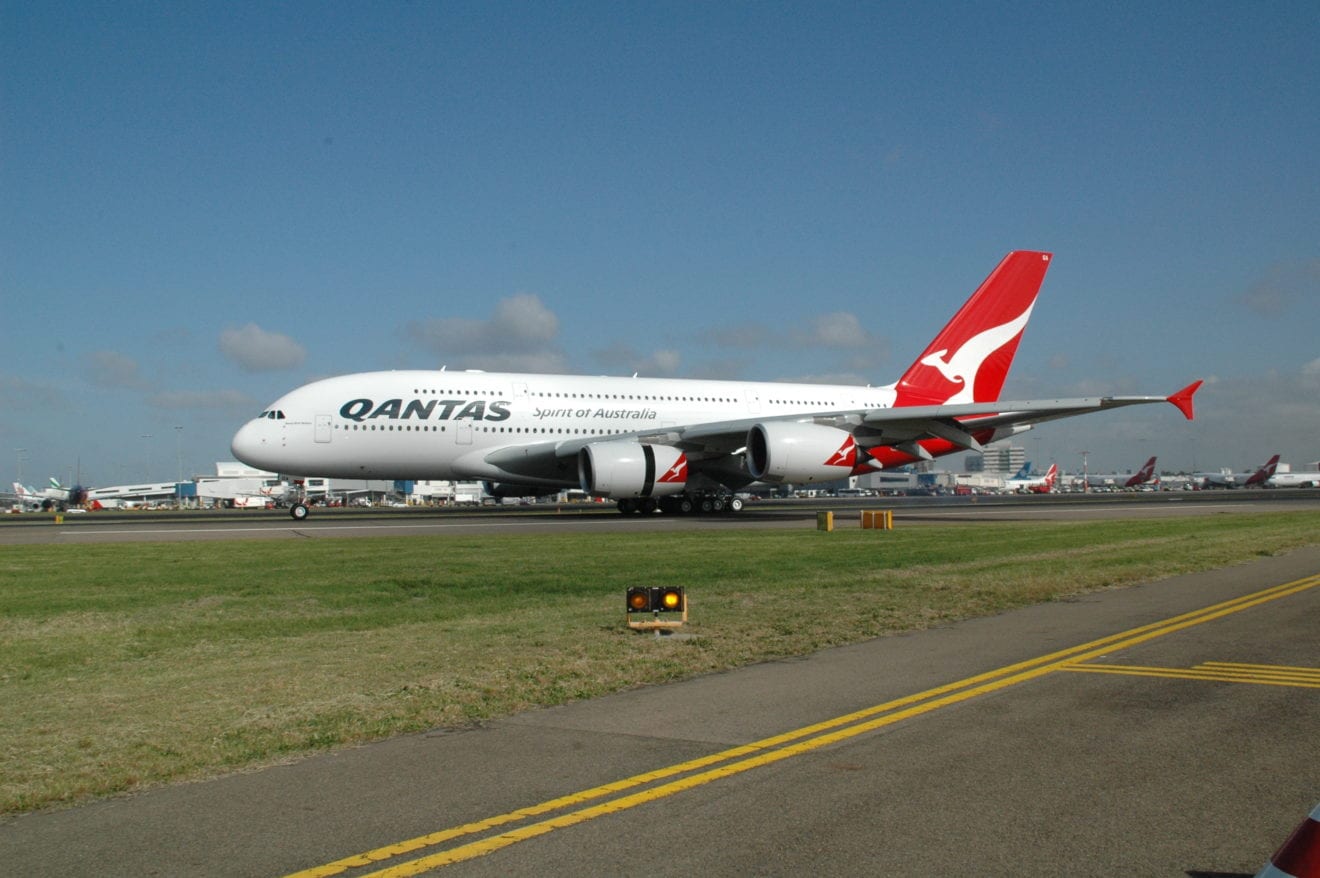
    The new flight is operated daily with an Airbus A330-200. “It’s the perfect time for Qantas to fly to Beijing,” said Alan Joyce, CEO of Qantas. “The China-Australia Free Trade Agreement is hitting its stride and China is on track to become the number-one source of visitors to Australia within the next year or so. What’s really exciting is the potential we see for the future. We now have the Qantas Group’s biggest-ever network in Greater China, and our goal is to make our Beijing route a flagship corridor for tourism and trade.”

    The airline also flies to Hong Kong from Brisbane, Melbourne and Sydney, and to Shanghai from Sydney. It suspended flights to the Chinese capital in 2009.

    The schedule for the new flight is as follows.

    QF107

    SYD 13:50

    22:40 PEK

    QF108

    PEK 00:15

    14:55 SYD

  • AirAsia India offers 50% discount on round trips

    AirAsia India offers 50% discount on round trips

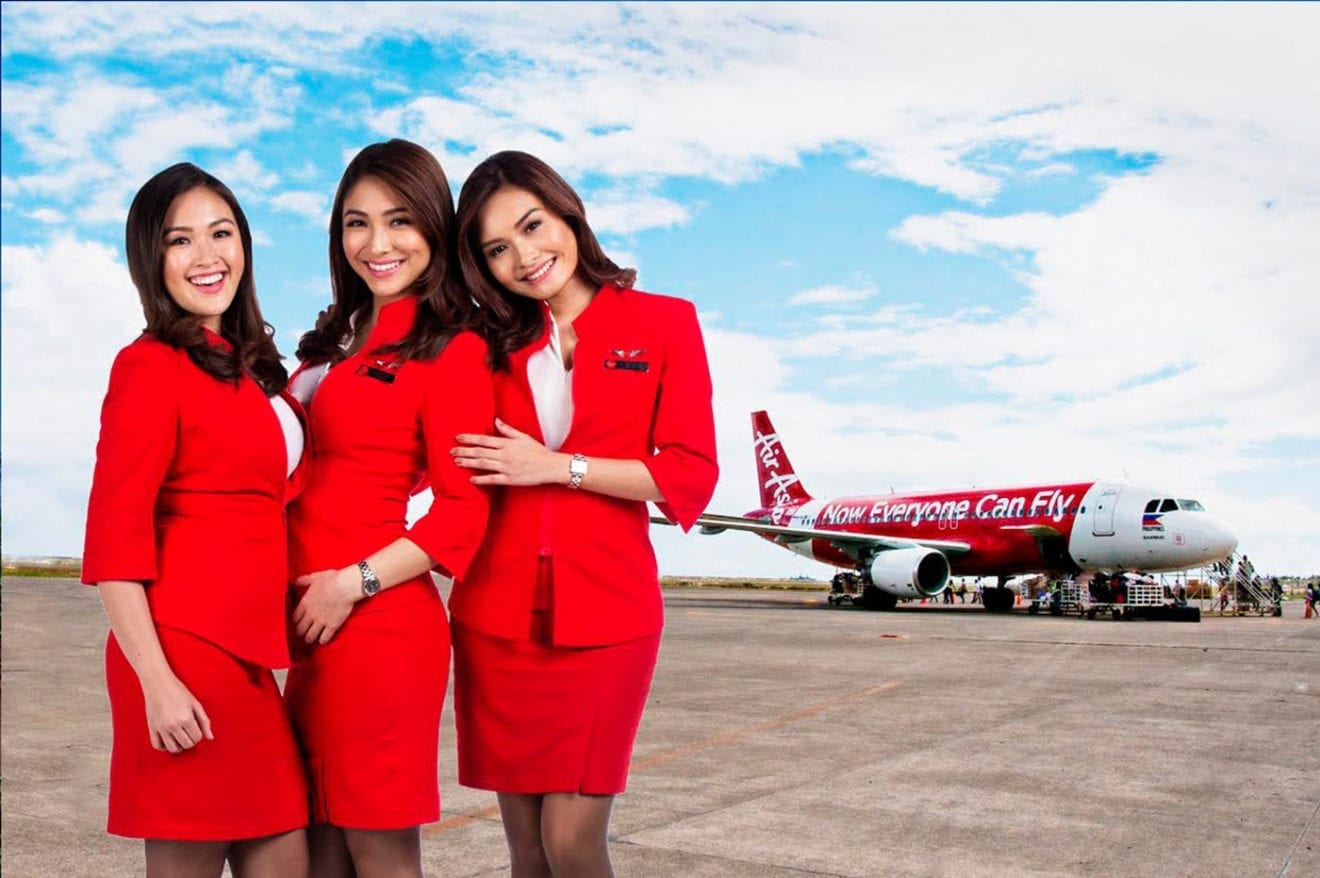
    Budget passenger carrier AirAsia India has started a discount offer of 50 per cent on the return leg of round trips booked via its website and mobile-based application (App).

    “The discount is available on airasia.com and the AirAsia mobile App from January 23 to 29, 2017 for travel between February 1 and April 30, 2017,” the airline said in a statement on Tuesday.

    “It (offer) covers flights operated by AirAsia India spanning all destinations including recently added Srinagar and Bagdogra.”

    The airline will start flying to Srinagar and Bagdogra from February 19.

  • Vietnam’s bank CEOs receive sky-high salaries

    Vietnam’s bank CEOs receive sky-high salaries

    Meanwhile, the managers at VP Bank receive twice as much as Vietcombank’s managers, about VND3.6 billion if the bank can fulfill the business plan. At ACB, the average level for key personnel is VND530 million a year.

    Vietnamese banks are more generous, accepting to pay billions of dong a year to their key personnel.

    VP Bank is believed to lead the banks in pay to members of the board of directors and supervisory board. Shareholders agreed to pay one percent of pretax profit, or VND32 billion to the members if the bank can make the pretax profit of VND3.2 trillion in 2016.

    There are nine members on the boards, which means that if the business plan can be fulfilled, each of the members can receive VND3.6 billion a year.

    Techcombank also promises attractive awards to the managers. Its shareholders approved the pay of VND29.54 billion in 2016 to the board of directors and supervisory board. With 11 members, each of them expects to receive VND2.6 billion this year.

    With satisfactory business result, Vietcombank’s shareholders approved the pay of VND1.9 billion for every member of the boards in 2015.

    The bank has consulted with shareholders about the pay equivalent to 0.35 percent of post-tax profit to the members of the boards in 2016, while the bank plans the pretax profit of VND7.5 trillion. This means that if the business plan is fulfilled, the pay would be VND2.3 billion.

    Meanwhile, Maritime Bank plans a little bit lower pay for the members of the boards, at VND16 billion. Every of nine members expects to get VND1.7 billion in 2016.

    Orient Bank plans a relatively modest pay to its key personnel with the budget of VND8.2 billion only for the members of the board. However, the figure is still higher by VND1.2 billion than the last year.

    Nam A Bank plans to pay VND18 billion to 18 members of the boards in 2016, the level which some shareholders think is too high icompared with the dividend of 5 percent paid to shareholders in 2015.

    Banking is the business field which offers high pay to staff.

    A report of Navigos Search showed that the two positions which received the highest pay in the first three months of the year were the senior executive of a joint stock bank and a service company. Each of them got over VND200 million a month.

    The following positions were ones in the fields of healthcare, service, trade and bank.

    Meanwhile, the managers of state-owned conglomerates, keep complaining that the pay is unreasonably low which cannot reflect the effective business performance of the enterprises.

  • China cuts retail fuel prices again

    China cuts retail fuel prices again

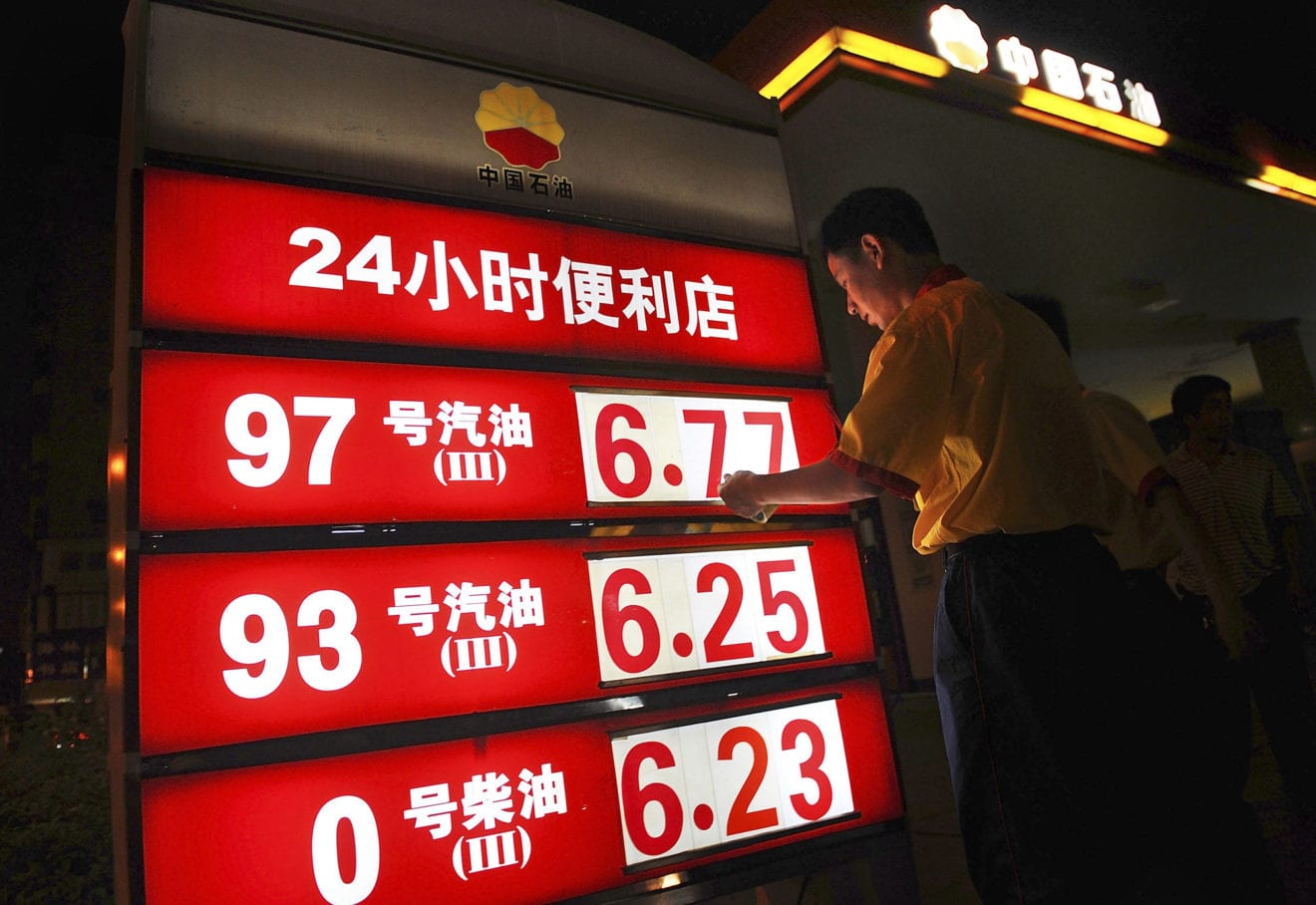
    China will cut the retail prices of gasoline and diesel for the first time this year as international oil prices fell, the country’s top economic planner said Wednesday.

    Both gasoline and diesel prices will be reduced by 70 yuan ($10.2) per tonne starting Thursday, according to the National Development and Reform Commission (NDRC).

    Analysts attributed the lower international oil prices to recovery of drilling activity in the United States and a stronger US dollar.

    Under the current pricing mechanism, if international crude oil prices change by more than 50 yuan per tonne and remain at that level for 10 working days, the prices of refined oil products such as gasoline and diesel in China will be adjusted accordingly.

  • Retail seen robust in Year of the Rooster

    Retail seen robust in Year of the Rooster

    Retail scene in the metro is expected to remain robust given the enhanced purchasing power of Filipinos. Never has the local retail scene become more competitive than it is today.

    Considering that shopping malls and commercial centers have sprouted in practically every corner of the country, it would be hard to believe that the local market remains far from its saturation point.

    Sure, competition may have gotten stiffer today compared to a decade ago, as more local and foreign brands fight over a share of the Filipinos’ increasingly insatiable appetite for consumer goods and services.

    But the fact remains that there remained huge and potentially lucrative business opportunities that can be tapped.

    And this is being attributed to the country’s young and growing population and its strong, sustained economic growth, which make it more economically viable for retailers to further expand their presence, and for developers to put up more malls in whatever form or wherever these may be.

    Property consultancy firm Colliers International Philippines said in its 2017 forecast that it expected Metro Manila retail to remain robust given the enhanced purchasing power of Filipinos fueled by revenues generated by the IT and business process outsourcing (IT-BPO) industry and remittances by the overseas Filipino workers (OFWs).

    “Colliers sees a bullish retail segment over the next 12 months given a vastly improved consumer outlook. According to the Central Bank’s latest poll, consumer confidence is at its highest since the survey started in the first quarter of 2007,” said Joey Roi Bondoc, research manager at Colliers

    Colliers sees a bullish retail segment over the next 12 months given a vastly improved consumer outlook.

    High occupancy

    In an interview, Bondoc noted that retail vacancy in Metro Manila has remained low as regional and super-regional malls continue to record high occupancy rates.

    “Regional and super regional malls are at near full-occupancy, registering occupancy rates of 98 to 99 percent. If we factor in smaller formats such as neighborhood and district shopping centers, overall vacancy in Metro Manila remains at about 7 percent,” he said.

    “Colliers expects the figure to rise to about 10 percent following the completion of additional retail space in the fourth quarter of 2016, but we see this easing to 7 to 8 percent as retailers absorb the new space,” Bondoc further explained.

    According to Bondoc, food and beverage remained the major driver of retail spending in Metro Manila, accounting for anywhere between 30 and 40 percent of the leasable space in shopping centers—reportedly the highest in Asia Pacific.

    This is supported by Filipinos’ high expenditure on food and beverage, which typically covers about 40 percent of Philippine household spending.

    “Colliers sees this trend being sustained over the long term as consumer spending, which accounts for about two-thirds of the country’s gross domestic product (GDP), continues to drive the overall growth of the economy,” he added

    Higher consumption

    Real estate consultancy firm Santos Knight Frank Inc. meanwhile predicted that upcoming retail developments in Metro Manila will add about 485,000 square meters (sq.m.) of gross leasable area until 2018.

    “Retail expansion will be driven by developments outside Metro Manila as demand in the countryside remains robust. In the long run, there will be sustained consumer confidence backed by strong consumption pattern and increased disposable income,” the company said in a statement.

    According to Santos Knight Frank, the year 2016 was marked by increased consumption expenditure. Shopping malls, it noted, have adopted a lifestyle-oriented trend, building community malls and retail podiums in Metro Manila as well as outside cities.

    “Retail openings in clothing apparel and food chains were still prevalent because of current lifestyle trends. The steady increase of consumer spending evident (last) year has required manufacturing firms to expand operations and increase size of storage facilities,” it said.

    “Firms have been aggressively searching for warehouses and manufacturing spaces in known industrial locations especially in Central and North Luzon,” it disclosed.

    Aggressive expansion

    Such opportunities are not lost on companies like DoubleDragon Properties Corp., which is aggressively expanding its retail footprint nationwide.

    Through its subsidiary CityMall Commercial Centers Inc. (CMCCI), DoubleDragon is looking to put up 100 CityMall branches by 2020 and become the become the largest independently branded community mall chain in the Philippines.

    As of end 2016, there are already 10 operational CityMalls located in prime provincial city centers mostly in the Visayas and Mindanao region.

    The first CityMall opened its doors to the public in Roxas City, Capiz last March 2015.

    CityMall will not only provide prime spaces to the top Philippine fast food brands such as Jollibee, Mang Inasal, Chowking, Greenwich, Red Ribbon and Highlands Coffee. It will also serve as a platform for the provincial expansion of modern retail brands such as Savemore, Ace Hardware, Watson’s, SM Appliance, SM Simply Shoes, BDO, and Chinabank Savings, among others.

  • Bacardi kicks off major CNY promotion in Asia Pacific

    Bacardi kicks off major CNY promotion in Asia Pacific

    Bacardi Global Travel Retail is running a major Chinese New Year (CNY) campaign at 11 airport and border crossing locations in six countries across the Asia Pacific region, in a three-month campaign running to March.

    Highly prominent CNY branded activations are now running at airport locations such as: Shanghai and Beijing airports with Sunrise; at Sydney with Heinemann; at Brisbane and Perth airports with JR/Duty Free; at Kuala Lumpur with Eraman and Heinemann; at Seoul with Lotte and Shilla; with Flemingo in Colombo Sri Lanka; Lo Wu and Lok Ma Chau with Anway and Zhuhai land border crossing with Cheer Signal.

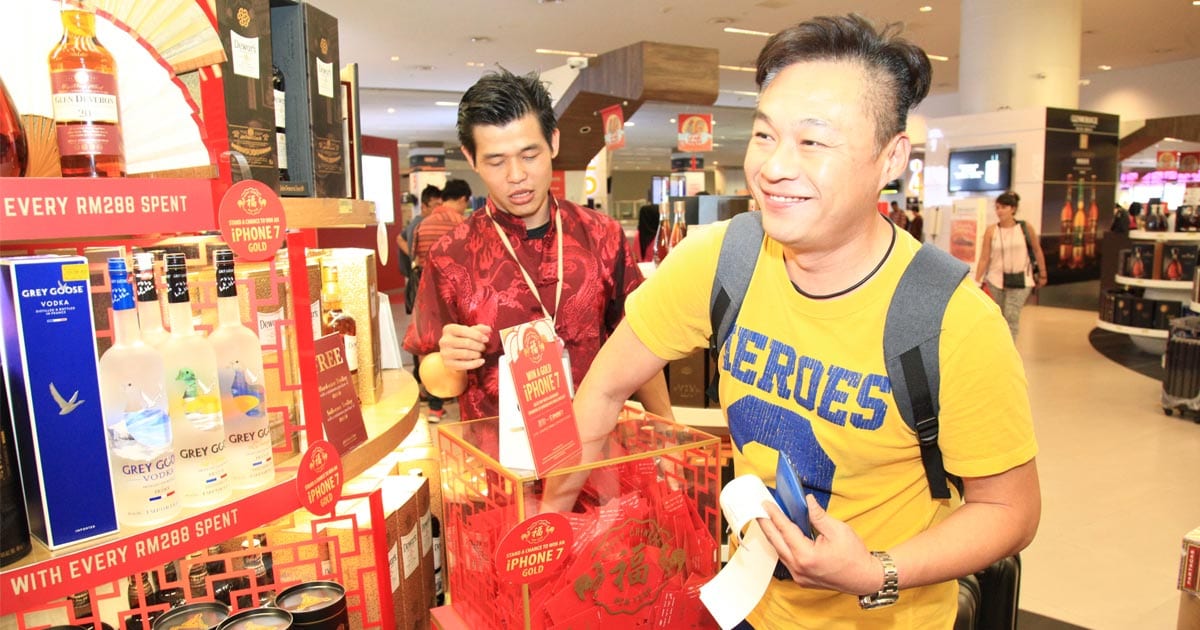
    Part of the campaign involves the offering shoppers the chance to win a range of prizes. Shoppers spending a certain amount (location specific) on Dewar’s whiskies and single malts are invited to try their luck in an Instant Win Lucky Dip by selecting a lucky red envelope to reveal their prize.

    Prizes range from travel-size bottles of spirits in the Bacardi portfolio, travel accessories and top prizes of an Apple Watch or Apple iPhone 7 Gold 32GB (location specific).

    The campaign focuses on the Dewar’s blends portfolio and its single malts Craigellachie, Aberfeldy, Royal Brackla, Glen Deveron and Aultmore as well as Baron Otard cognac.

    BENEDICTINE DOM AT CHANGI AIRPORT

    In addition Benedictine Dom is a key focus with DFS at Singapore Changi with an exclusive, limited edition ‘Good Luck’ gift tin. Sampling is also being made available.

    Vinay Golikeri, Regional Director Asia Pacific, Middle East and Africa, Bacardi Global Travel Retail comments: “We want to make the Chinese New Year period our biggest yet with this shopper engagement campaign across key airports and border crossings in the region.

    “We are focusing on encouraging Chinese travellers to try our brands, especially with our premium whisky portfolio. The extended New Year period is a prime opportunity to engage and connect our brands.”

    Bacardi-GTR-CNY-2017-social-image

    A customer digs for buried envelopes at Kuala Lumpur Airport.

  • Australian E-Commerce Looks to China for Global Growth

    Australian E-Commerce Looks to China for Global Growth

    Chemist Warehouse is geared up to target its online Chinese consumer market this weekend, by supporting the Melbourne Chinese New Year 2017 Festival with a Tai Chi Masterclass Series in Southbank, to celebrate the Year of the Rooster.

    In 2015, the pharmacy chain announced its plans to directly target the burgeoning demand for Australian complementary medicines in China, via its e-commerce website hosted on online retail giant Alibaba’s Tmall platform, projecting $88 million in sales in 2016 via the offering. in China.

    A part of Alibaba Group, Tmall Global is an e-commerce platform developed for international sellers to access Chinese consumers. China’s online shoppers interested in products from a specific country can go to an online country pavilion and access the country that way.

    The strong demand for high quality Australian products in China was one of the factors which drove Swisse and Blackmores to be one of the highest performing Australian brands during Alibaba’s 11.11 Singles Day last year, China’s largest e-commerce shopping event.

    The Pharmacy Guild of Australia, along with other Australian health and wellbeing suppliers, have been asked to attend China’s inaugural Health Product Expo in Qingdao in March this year, which is expected to attract over 60,000 visitors, 7,000 of which are industry buyers.

    Through online shopping, Australian products have found a lucrative channel into the economic powerhouse of China.

    Woolworths set up shop on Tmall Global a year ago, aiming to tap burgeoning Chinese consumer demand for Australian food and grocery products.

    Australia’s largest supermarket retailer engaged with Chinese e-commerce company eCargo Holdings, to build and manage a Woolworths store front the Tmall platform, selling rougly 80 products including Woolworths’ Select and Woolworths Gold milk powder, Swisse vitamins and Devondale milk powder.

    In April last year, one of our largest cosmetics online retailers Adore Beauty, backed by Woolworths (who have 25 percent stake in the company), announced its expansion into the Chinese market by selling its beauty products through Tmall.

    Adore Beauty’s Tmall offering features 50 products, including six popular Australian brands that are currently not available in China, namely Lanolips, Alpha-H, ELEVEN, asap, evo and Skinstitut.

    As off last year, cross border e-commerce in China now favours cosmetic imports, with the tax rate, if the purchase is above 100 yuan, now set at 32.9 percent, compared to 50 percent previously.

    Kate Morris, founder of Adore Beauty says the Chinese market is an exciting and huge prospect for the company, especially in light of China’s demand for our high quality Australian products.

    On a broader perspective, the company recently told us that 2017’s growth strategy is to expand its footprint globally, with China being an important part of that vision.

    Adore Beauty now offers thousands of products to more than 150 countries and territories via its Borderfree e-commerce platform.

    Which Australian products are most popular in China?

    According to Startrack, the most popular Australian product categories in the Chinese market are supplements, dairy, honey, food, skincare and cosmetics, maternity and baby products.

    Why sell to China?

    “China’s middle class is booming. And they want to buy Australian products. Aussie produce is considered clean, green, authentic – Australian retailers are already meeting this growing demand,” says Startrack. 

    According to the e-commerce and parcel delivery company, here are the six most important factors why China is such a great economic powerhouse for our e-commerce industry:

    • China’s middle class is booming
    • Chinese incomes are rising
    • Chinese consumers are shopping more than ever before
    • And most importantly, they want to buy Australian products

    Wine is another up and coming e-commerce market fro Australia to coin in on, in the Chinese market. According to a new report that came out yesterday from the Australian wine industry, our local wine exports are seeing major gains in the Asian market due to changes in our free trade agreement with China.

    If we go back three years, this time, Australia was losing major market share in the global wine industry, mainly to New Zealand and Chile. The reason being, these countries had a free trade agreement with China, but Australia did not.

    Things have changed, and with that has come rapid revolution of the Australian wine market. In 2016 the value of our wine market grew by 7 percent to $2.2 billion, driven by big increases in bottled wine. Exports to China grew by 19 percent to $ 875 million, which overtook the US as our most important wine export market.

    Online wine retailer Vinomofo looks set take advantage of this, with plans to launch into the Chinese market by 2018, which will follow its US launch planned for 2017.

    Following the success of their launch in New Zealand six month ago, the company launched in Singapore last month, which it says will help set it up for its big US expansion, and then China.

    “We’ll start in English, but we will then localise the content. We’ll have plenty of leanings from our Singapore launch, and learning how to operate in a different country. As a startup launching in a different country, we’re always aware that we have to assume that we’re pretty dumb and we have to learn hard about all these things,” Andre Eikmeier, Vinomofo’s co-founder and joint chief executive, told us at the Singapore launch.

  • Service providers failing to meet enterprise expectations

    Service providers failing to meet enterprise expectations

    Solutions that network service providers offer don’t always meet the expectations of enterprises, a global study commissioned by Tata Communications reveals.

    Conducted by IDC amongst enterprises and service providers across 32 countries in Africa, Americas, APAC, Europe and MENA, the research also shows that enterprise customers rank security (52%), cloud (43%) and mobility (32%) as their top technology priorities.

    Enterprises see partnerships as key in their decision-making process, indicating that by finding the right partners, service providers could win more business from this market segment.

    The global study shows that enterprises consider service providers best equipped to increasing their network capacity or reach (73%), or delivering hybrid networking (66%) services, while around half (48%) of enterprises feel that their network service provider is best suited to address their cloud needs.

    Approximately a third (31%) of enterprises feel that having access to cloud services developed by their service provider would help support them better on their cloud journey.

    “Through the right partnerships, service providers are able to open up new revenue streams in growth areas such as cloud and unified communication and collaboration (UCC), without having to invest in developing their own solutions from scratch,” said James Parker, president of global sales at Tata Communications.

    “By joining forces with like-minded organizations, service providers are best-placed to address their customers’ increasingly complex IT requirements and facilitate their digital transformation.”

    Around three-quarters (76%) of service providers think that supporting employee mobility is key for enterprises’ UCC strategy, yet only a quarter (26%) of enterprises rank this as a top priority.

    While more than a quarter (27%) of enterprises cite lack of employee readiness as a barrier for UCC adoption, the service providers surveyed don’t see this as an issue for their customers.

    The research suggests that close to a half (41%) of service providers don’t have a definite stance on partnering. In contrast, more than half (57%) of enterprises say that when choosing a service provider, it is important that they find the right partners to fill gaps in their offering or extend their reach.

    Additionally, service providers overestimate the importance of reputation in enterprise decision making by a third (30%).

  • Cebu Pacific adds flights to Siargao

    Cebu Pacific adds flights to Siargao

    Cebu Pacific (CEB), through its wholly owned subsidiary Cebgo, increased flight frequencies to Siargao, the Surfing Capital of the Philippines.

    Starting February 1, Cebgo passengers will be able to choose from 12 weekly flights between Cebu and Siargao. From April 2017 onwards, guests can book up to twice daily Cebu-Siargao flights.

    Siargao lies in Surigao Del Norte in Mindanao, and is home to world-renowned surfing breaks. The most well-known of these is the Cloud 9, which is where the annual Siargao Cup is held every September. It was also recognized as CNN’s ninth best surf spot in the world.

    “With these additional frequencies, not only do we boost traffic to Siargao from Cebu, but we are also able to strengthen Cebu as a hub, while giving everyJuan more chances to explore one of the most beautiful islands in the Philippines,” Alexander Lao, President and CEO for Cebgo, said.

    CEB’s Cebu hub was recently strengthened with the launch of direct flights to Ormoc, Roxas and Calbayog.  CEB continues to increase connectivity between Cebu and other destinations such as Tandag, Camiguin and Clark, among others.  Overall, it operates direct flights to 25 domestic destinations and 5 international destinations from Cebu.

  • China leads growth ins smartphone market in Q3

    China leads growth ins smartphone market in Q3

    Three Chinese vendors — Huawei, Oppo and BBK Communication Equipment — jointly accounted for 21% of the smartphones sold to end users globally in Q3 of 2016.

    The trio were the only smartphone vendors in the global top five to increase their sales and market share during the quarter, according to Gartner.

    “China led the growth in the smartphone market in the third quarter of 2016,” said Anshul Gupta, research director at Gartner. “Sales of smartphones in China grew by 12%, and the vendors who most successfully exploited the sales opportunities there were Oppo and BBK Communication Equipment.”

    In Oppo’s case, 81% of its smartphone sales came from China, while BBK accounted for 89% of smartphones sales in China. These two vendors also grew strongly in India, Indonesia, Malaysia, Thailand and Russia.

    Global sales of smartphones to end users totaled 373 million units in the third quarter of 2016, a 5.4% increase over the third quarter of 2015. However, overall sales of mobile phones fell by 1.3%, largely due to the declining popularity of feature phones.

    Samsung had a good start to the quarter, but the battery problem that caused some Galaxy Note 7 smartphones to catch fire led to lower sales of the company’s high-end and high-profile line of Note products.

    Samsung’s smartphone sales in the third quarter of 2016 as a whole declined 14% year over year — their worst performance ever. Samsung’s previous worst performance for smartphone sales was a 12% drop in the fourth quarter of 2014.

    Apple’s iPhone sales continued to fall in the third quarter of 2016, with a 6.6% decline. Apple accounted for 11.5% of the global smartphone market, its lowest share since the first quarter of 2009.

    Huawei is closing the gap with Apple. In the third quarter of 2016, there was less than a three percentage point difference in market share between them in the smartphone market.