Author: Mei Ling Tan

  • First Starbucks roastery coming to Shanghai in 2017.

    First Starbucks roastery coming to Shanghai in 2017.

    Located along Nanjing Road (West), one of the world’s busiest shopping destinations, the Roastery will be part of the soon to be built HKRI Taikoo Hui Project, Shanghai’s newest premium world-class retail, office, and hotel area.

    Scheduled to open in late 2017, the new Starbucks Roastery and Tasting Room in Shanghai will be inspired by the first location that debuted in December 2014 in the company’s hometown of Seattle, Washington. The 2,700 square-meter (30,000 square-foot) Shanghai space will reflect a similar, immersive all sensory experience.  This interactive, retail environment will allow customers in China to better understand the craft of roasting and brewing a range of Starbucks coffees including the rare, limited availability of Starbucks Reserve coffees from around the world.

    “China represents the most important and exciting opportunity ahead of us. As our first international Roastery, we will take even bolder steps to make this Shanghai location our most stunning store, while making it completely unique and relevant to the Chinese customer,” said Howard Schultz, chairman and chief executive officer of Starbucks. “The Starbucks Roastery environment honors coffee innovation as a modern day Willy Wonka experience, where customers are only feet away from the theatre and artistry of our coffee craft. I am confident this will be one of the most highly-anticipated store openings in our international markets.”

    China is, today, Starbucks largest international market with more than 2,100 stores across over 102 cities, including 55 Starbucks Reserve® stores. The new Roastery represents Starbucks 45-year relentless pursuit for coffee excellence and promises to bring to China an unparalleled experience that starts with the passionate Starbucks partners. Exclusively at the Roastery, customers will be able to watch freshly-roasted beans arrive, connect with Starbucks coffee specialists and master roasters, enjoy a unique beverage and food menu, as well as savor some of the most unique, small-lot coffees brewed multiple ways. Starbucks believes this revolutionary retail concept will make the new Roastery one of the city’s latest and most iconic must-visit lifestyle destinations and landmarks, for Shanghainese and visitors from China and around the world.

    The Shanghai Jing’an Government has given Starbucks their full support to bring this first-of-its-kind coffee retail experience that combines coffee roasting, manufacturing, education and retail within a single facility in China. Following a meeting with Starbucks global leaders, Shanghai Jing’an Party Secretary, Mr. An Lusheng, and Shanghai Jing’an Mayor Mr. Lu Xiaodong reiterated: “The new Jing’an is focused on developing high-end commercial sectors, establish new developmental goals for a modern cosmopolitan city, and encourage new retail innovations within our district. The government fully supports this pioneering retail experience and initiative from Starbucks.”

    The Starbucks Roastery will be part of the HKRI Taikoo Hui complex, developed jointly between HKR International Limited and Swire Properties Limited, who are fully committed to launch this pioneering project with sustainability and quality at its core. The revolutionary retail experience of the new Starbucks Roastery will be located within a standalone semi-circle building of the complex that faces the bustling Nanjing Road (West), known as China’s Number One Commercial Street, due to its deep history and rich cultural heritage, which is set to become the most anticipated business and lifestyle destination in Shanghai.

  • Apple sues Qualcomm in China over technology fees

    Apple sues Qualcomm in China over technology fees

    Apple has filed suit in China challenging Qualcomm’s fees for technology used in smartphones two years after Chinese regulators fined the chipmaker for its licensing practices.

    Two lawsuits filed by the iPhone maker accuse Qualcomm of abusing its control over essential technology to charge excessive licensing fees, a Beijing court said on its microblog. It said Apple reports suffering 1 billion yuan ($145 million) in “economic losses” and asks for 2.5 million yuan ($360,000).

    Most of Apple’s iPhones and other products are assembled in China by contractors.

    Apple filed a similar complaint on Jan. 21 in U.S. federal court in San Diego, California, accusing Qualcomm of demanding royalties for innovations on iPhones that have nothing to do with Qualcomm’s technology. The U.S. lawsuit seeks $1 billion in damages.

    The U.S. Federal Trade Commission also has filed a lawsuit accusing Qualcomm of imposing unfair licensing terms on manufacturers.

    Qualcomm, headquartered in San Diego, said in a statement it had not seen Apple’s complaint to the Chinese court but defended its fees. The company said Apple rejected terms consistent with those accepted by more than 100 Chinese manufacturers.

    Qualcomm agreed to change its licensing after Chinese regulators fined the company 6 billion yuan ($975 million) in 2015 on charges it abused its control over technology to charge excessive fees.

    In a separate statement, Apple complained Qualcomm demands royalties for phone features that nothing to do with its technology.

    “For many years Qualcomm has unfairly insisted on charging royalties for technologies they have nothing to do with,” said the Apple statement.

    It also accused Qualcomm of withholding nearly $1 billion in payments due to Apple, headquartered in Cupertino, California, in retaliation for cooperating with investigations by regulators in the United States, Europe, South Korea and Taiwan.

    Qualcomm said its fees were consistent with changes worked out with Chinese regulators.

    “These filings by Apple’s Chinese subsidiary are just part of Apple’s efforts to find ways to pay less for Qualcomm’s technology,” said Don Rosenberg, executive vice president and general counsel of Qualcomm, in the statement.

    South Korean regulators last month fined Qualcomm $853 million for violating antitrust laws, a decision Qualcomm is fighting.

  • Thai e-commerce sector expected to expand by 20 per cent this year

    Thai e-commerce sector expected to expand by 20 per cent this year

    The bullish forecast came as it was revealed the Southeast Asia e-commerce market in 2015 was worth US$900 million (Bt31.7 billion) and is forecast to grow up to 16 times that figure – about $11 billion – by 2025.

    Worawoot Ounjai, chief executive of Central Online, said that the e-commerce market in Thailand would grow more than 15 per cent this year because more consumers would shop online.

    He said only about 3 per cent of Thai consumers currently shopped online, so there was obviously massive growth potential for the market. While the e-commerce ecosystem, such as online payment transaction fees, Internet broadband and logistic, were changing dynamically, he said.

    He added that the use of e-wallets via mobiles and the convenience of online payments would drive more consumers to shop online.

    Only 1 per cent of Central Group’s retail revenue last year came from online.

    Worawoot said an e-commerce marketplace platform would with the next couple of months be provided for all shops in the Central Group and all shops that rent space at Central department store.

    Central will also invest over Bt1 billion in warehouses to support its online business and use of robot management, he said.

    “I think that online shopping will be a big change in behaviour for customers since the coming of the e-wallet via mobile phones, which will create convenience to customers,” he said.

    Thanawat Malabuppha is CEO of Priceza, a provider of shopping searches and price comparisons in six countries – Indonesia, Malaysia, Philippine, Singapore, Vietnam and Thailand.

    Thanawat said the e-commerce market in Southeast Asia was one of the fastest-growing and most promising, with it forecast to grow $11 billion in 2025.

    He said Thailand expected to post e-commerce growth of about 20 per cent this year – the driving factors increased Internet and mobile phone use, as well as improved logistics and e-payment systems. This would create heightened convenience and consumer confidence to shop online.

    He said the quality and reliability of online shopping services were another driving force impacting on the acceptance of e-commerce in the region.

    Thanawat added that Priceza provided a price comparison platform to enable shoppers to search for products from multiple categories offered by the many online shops, which promoted fair competition and empowered buyers with informed buying decisions from shop ratings and buyer reviews while giving them better shipping options.

    Priceza envisions being part of the efforts to make the retail ecosystem in the region as transparent as possible and deliver excellent market competition that benefits both buyers and sellers.

    Nuttawit Polwattanasuk, managing director of LnwShop, said the firm provided an e-commerce platform to support more than 460,000 online shops and had online transaction of over Bt1.8 billion last year. The online payment system will have an important role in driving e-commerce in Thailand in the next few years, Nuttawit said.

    The Electronic Transactions Development Agency has forecast that the total e-commerce market in Thailand this year will be worth Bt2.52 trillion.

    That comprises business-to-business transactions totalling Bt1.38 trillion (54.74 per cent), business-to-consumer transactions worth Bt729 billion (28.89 per cent) and business-to-government transactions valued at Bt413 billion (16.37 per cent).

    This would represent growth of 12.4 per cent from last year’s market value of around Bt2.24 trillion.

    The country has around 41 million Internet users, 41 million Facebook users, 33 million Line users, 7.8 million Instagram users and 5.3 million Twitter users, the agency reported.

  • Telcos turn to machine learning as they drown in data

    Telcos turn to machine learning as they drown in data

    Machine learning in 2017 will become a mainstream tool for communications providers struggling to transform data overload into actionable analytics, according to Argyle Data.

    “The telecommunications industry is drowning in data,” said Padraig Stapleton, VP of engineering at Argyle Data. “Functions like support, billing, customer care and marketing, throwing off large amounts of data as a by-product of their activities, the exhaust fumes of data.”

    Stapleton said fraud and financial analysts alike are overwhelmed by the struggle to control and harness this fire-hose of information into actionable analytics. There is just too much IP traffic going across mobile networks for humans to review, detect and respond to fraud in the traditional ways such as discovering fraud and writing preventative rules.

    Machine learning does all the grunt work for analysts, sifting through data in real time and providing output instantly in understandable, accessible formats,” said Stapleton.

    Based on customer feedback, Argyle Data said the following rank among the top communications service provider (CSP) concerns for 2017 — subscription fraud and dealer fraud; fraud using mobile data services and IP applications; call bypass; mobile voice is going extinct; identifying, analyzing and monetizing IP-based traffic; and the explosion of IoT devices across communications networks.

    “These issues can only be addressed if CSPs have better insight into voice and data traffic passing through their networks,” added Stapleton. “New machine learning algorithms give them the ability to respond rapidly to new trends, anomalies or threats.”

  • Luxury Brands Advised to Reassess Physical Store Strategy

    Luxury Brands Advised to Reassess Physical Store Strategy

    Luxury brands looking to assess their global brick-and-mortar strategies would do well to remember it’s not a one-size-fits-all approach.

    A recent study by management consulting firm Boston Consulting Group and Bernstein research advises luxury labels to optimize existing physical locations, determine how best to cater to both tourists and locals, and consider streamlining stores in cases for which ecommerce would suffice.

    Looking at retail geographically, the report says some regions are oversaturated while others are ripe for expansion. For luxury brands with multiple stores in New York, Tokyo, London, Paris, Seoul and Hong Kong, the findings show retail is poised to remain strong, as tourists and locals support flagships and secondary locations, respectively.

    The report cautions against adding new doors in top Asian cities like Tokyo, Seoul, Hong Kong, Shanghai, Beijing, Singapore and Taipei where there are already too many locations and the size of the footprints outstrip demand.

    For brands looking to expand, research shows that the U.S. is still a solid market. While luxury companies may find opportunities for new locations in key hubs, the focus in those cities should be on drawing more shoppers into stores, the report said. Opening new stores could be the best approach in second-tier cities where the local population could offer consistent traffic and sales. But first, it’s up to brands to determine which cities represent their best prospects.

    “Brands must continue to invest in the tools and techniques that help them get better and better at segmenting markets and uncovering pockets of demand,” said Oliver Abran, a partner and managing director at BCG’s Paris office and the global leader of the firm’s luxury, fashion and beauty topic area. “Analytics software can be invaluable but it still needs the talent to make it effective and the processes to properly gauge potential markets.”

  • eBay sales struggle to emulate Amazon’s growth

    eBay sales struggle to emulate Amazon’s growth

    At first glance, eBay’s final quarter numbers look relatively subdued – with growth across every line sequentially worse than the prior quarter.

    However, digging beneath the headlines reveals a slightly better picture, if only because the strength of the dollar has deflated sales. On a currency neutral basis, gross merchandise volume increased by 5 per cent, and net revenue jumped by 6 per cent. While these numbers are not ultimately reflected in the accounts, they show that eBay’s underlying performance is not quite as bad as it first seems.

    All that noted, when put into a wider context the gains remain fairly unspectacular. Indeed, eBay’s growth remains well below that of total eCommerce sales growth across the markets it serves. As well as losing market share, its performance is also anemic when contrasted to that of online peers such as Amazon – which had a stellar holiday season. This is especially so in the sale of physical products from the marketplace (which excludes the more buoyant StubHub part of the business) where revenue rose by just 1.1 per cent over the prior year.

    As much as eBay did enough to meet market expectations, the results are disappointing in that they show the various improvements the company is making are not, as of yet, generating significant traction with consumers. This includes the use of more structured data to make listings easier to find and view, and an increase in the number of full-priced products available from the site.

    As sensible as these steps are, they are really about correcting deficiencies rather than putting eBay on an innovative footing.

    eBay needs to go much further in revamping the whole online experience in order to allow it to compete more effectively with rivals. This includes trying to create some stickiness around the brand and proposition, in the way that Amazon has done by creating a whole ecosystem of products and services. Admittedly, this is a very tough ask, but it is the direction in which eBay needs to travel if it is to win back market share.

    In looking at ways to improve, eBay needs to focus its attention on younger shoppers, among whom brand perception and site usage have weakened. From Conlumino’s data, younger demographics – while active digital consumers – do not have the affinity with eBay that the generation before them did, or that older consumers do. In this regard, eBay has lost out to players like Etsy which these consumers believe to be more authentic, and more likely to offer innovative and interesting products.

    Looking ahead, there is no overly negative forecast for eBay: the company is addressing its issues and is making steady progress that will continue to aid results. However, it is one of the slower players in the fast-paced digital arena and to date there are very few visible signs it will move into the fast lane in its new fiscal year.

    -Neil Saunders

  • Is big data losing steam in Australia?

    Is big data losing steam in Australia?

    The Australian big data and analytics market is forecast to grow from $244.1 million in 2015 to $585.1 million in 2019, according to IDC.

    Banking, retail and government sectors have made impressive strides into the analytics domain with an objective of driving market and competitive intelligence.

    While the numbers look attractive, big data adoption levels are yet to reach those of cloud and mobility. There is plenty of data and good intentions, but talent shortage continues to be a challenge which needs to be addressed.

    The assertion that Australia has always been an early adopter of technology is challenged when it comes to big data and analytics. While a few standout organizations are investing to build sophisticated data-science algorithms, many others are yet to categorize big data from technology fad to business advantage.

    Regardless of shape, size, structure and format, big data’s contribution to competitive differentiation for Australian businesses cannot be disputed. Social media and high device penetration present an enticing set of newer and richer data sources.

    To deliver results, scaled out architectural capabilities will be key, along investments to develop the skillsets, platforms and processes that are necessary to keep in pace with the rate at which data is created.

    “Undoubtedly, big data presents an opportunity for retailers to leverage customer data and buying patterns to maximize revenues,” said IDC industry analyst Jaideep Thyagarajan.

    “While lack of data standardization has inhibited big data investments in healthcare, legacy modernization efforts have paid off for the public sector and investments are picking up,” said Thyagarajan. “This enables the government to operate at a higher potential, thereby enhancing service delivery to citizens.”

  • Lunar New Year surge pricing enrages GrabBike users

    Lunar New Year surge pricing enrages GrabBike users

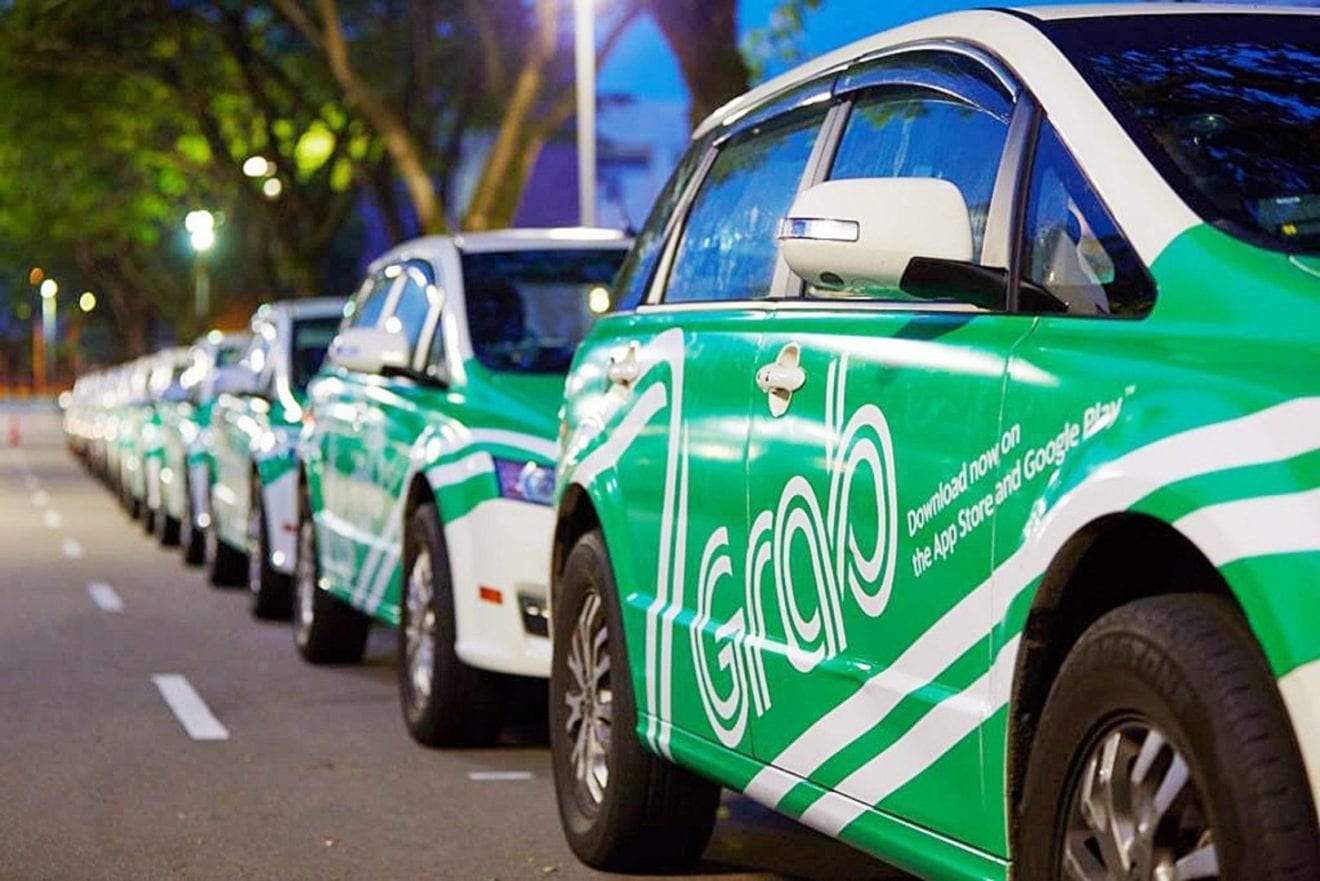
    Treble fares and heavy traffic add up to the Tet holiday stress in Vietnam. The week before Vietnamese people ring in the Year of the Rooster has been the busiest time of the year for ride-sharing services.

    Due to the rising demand, GrabBike, a mobile hailing app for motorcycle taxi services, has applied what is known as “surge pricing”, meaning that fares have more than tripled over the past week. The company says the move is aimed at ensuring there are enough drivers on the road, but customers are not impressed.

    Long, an office worker in Ho Chi Minh City’s financial district, headed home for the Lunar New Year holidays on a late night coach trip, leaving the city at 9 p.m. It usually costs him only $2.6 to travel the 7 kilometers by motorbike taxi from his apartment to the coach station. However, this time he was shocked to find that GrabBike had nearly tripled the fare to $7.1.

    The inflated cost annoyed Long who felt like he was getting fleeced by the service when he needed it the most.

    He decided to return to traditional motorcycle taxi drivers who pick up passengers on every corner in the city.

    “After negotiating, the driver agreed to take me for $3.5,” said Long, who had ditched old-fashioned motorcycle taxis for GrabBike thanks to its convenient booking service and lower fares offered by the app.

    The arrival of hailing mobile apps like Uber and Grab to Vietnam in recent years has put traditional motorcycle taxi drivers under great pressure with a rapidly shrinking market share.

    Many traditional motorcycle taxi drivers who are usually unable to compete with Grab have suddenly made a strong comeback over the past week as Grab’s surge pricing scares away customers.

    It usually costs Phuong, a resident in District 7, only $3 to get to Tan Son Nhat Airport. The price surged to $8 last Saturday despite her effort to avoid the rush hour by booking the trip at noon. Phuong agreed to the inflated fare, but after more than 30 minutes, there were still no GrabBike drivers in sight. She had no choice but take a cab to the airport.

    Higher prices are supposed to keep more drivers on the road during the busiest times. However, Long, a GrabBike driver, said the higher fares had made little difference to his income due mainly to heavy traffic that slows journey times.

    “A pick-up point was just 1.5 kilometers away but it took me more than 25 minutes to get there the other day,” said Long, adding that when he arrived at the pick-up point the passenger had already cancelled the trip.

    Ngo Nguyen Hoang, chief executive of Grab, said despite the higher fares leading up to Tet, the company has been unable to meet the demand.

    “We simply can’t reach our customers,” he said. “Before passengers book their trips, they will see the total cost of the rides in advance with upfront fares.”

    He confirmed that there will be no more unwelcome surprises heading into the holidays.

    “We are still offering discount coupons. There is no way we are fleecing our customers in the week leading up to Tet,” Hoang continued.

  • AirAsia travellers urged to arrive early, self check-in

    AirAsia travellers urged to arrive early, self check-in

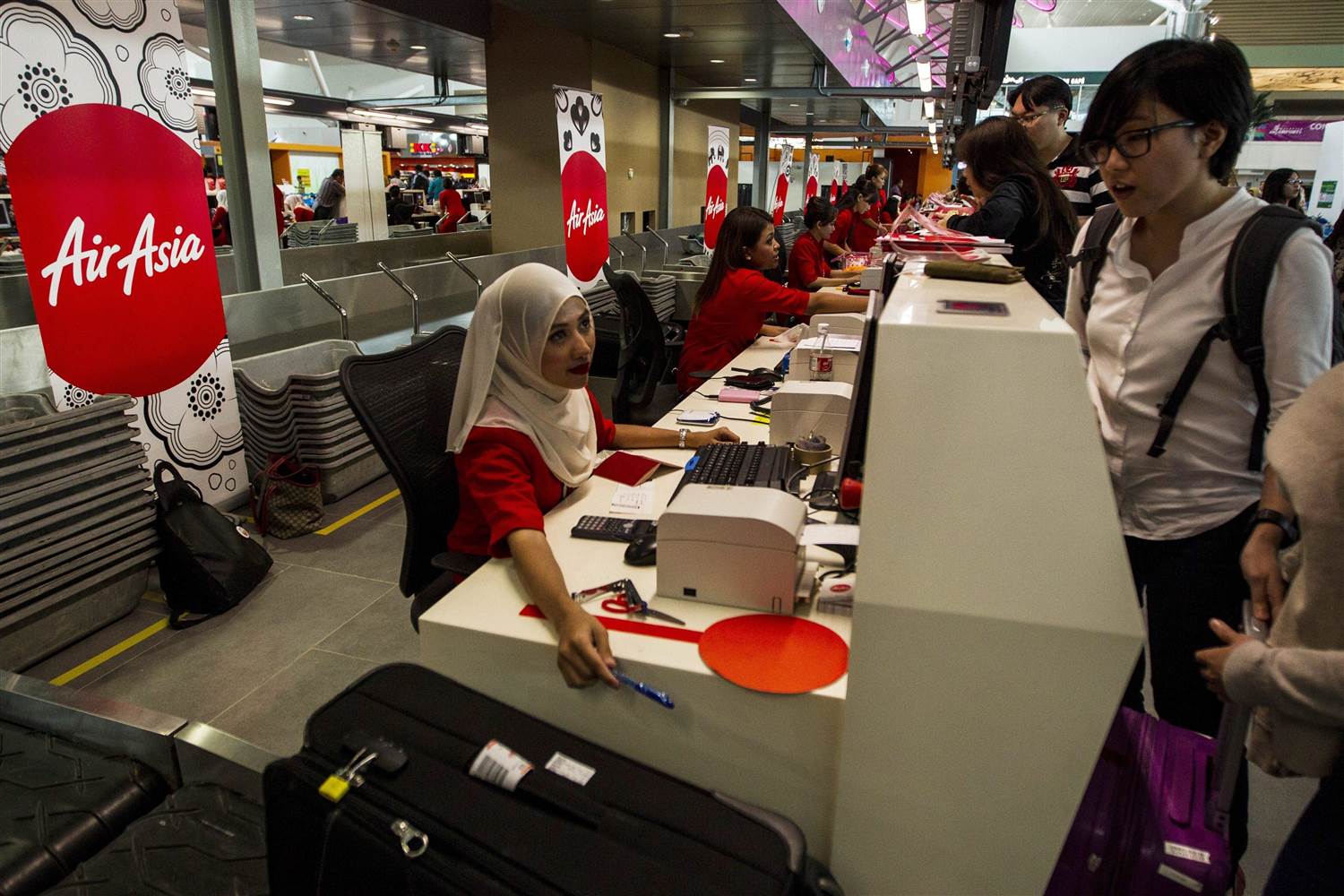
    AirAsia and AirAsia X have urged all guests travelling throughout the Chinese New Year period to arrive earlier at the airport to avoid congestion due to the expected surge in travellers.

    In a statement, the budget airline advised guests to arrive at least three hours prior to scheduled time of departure for AirAsia flights, and at least four hours earlier for AirAsia X flights.

    Travellers are also strongly encouraged to conduct self-check-in via web, mobile or kiosk services for a smoother journey at the airport.

    It said for guests with baggage to check-in, baggage drop counters close 60 minutes before flight departure for all AirAsia and AirAsia X flights.

    However, it is advisable to complete baggage drop and proceed to the boarding gate as early as possible.

    “Guests with group booking, reduced mobility or with special needs are only allowed to check-in at the counter and should allocate more time to clear all travelling formalities.

    “Each guest is only allowed one piece of cabin baggage (weighing not more than seven kg), and a laptop bag or a handbag on board,” it added.

  • Private cloud can cut IT costs by 25%

    Private cloud can cut IT costs by 25%

    Most large enterprises can save at least 25% on their IT costs over five years by migrating to a private cloud from a legacy IT environment, according to financial analysis from by Nokia.

    The analysis, known as the Nokia Enterprise Private Cloud TCO Model, also demonstrates that enterprises can expect to break even on their private cloud investment in less than three years.

    Advocates of enterprises moving to private cloud have typically focused on the operational and business benefits that this approach can offer, in terms of flexibility, agility and the ability to scale quickly.

    The analysis underlying the Enterprise Private Cloud TCO Model is among the first available in the market that exclusively explores the question that is most critical to IT managers – what are the cost benefits of this move?

    The model shows that the common assumption that private cloud is too difficult or costly to adopt is wrong, and that large enterprises should make the move directly to private or public-private hybrid cloud because it utilizes off-the-shelf components and is less expensive.

    The analysis began with an existing budget for a representative legacy IT environment, and contrasted that with the requirements of a shift to a private cloud model and associated costs.

    More specifically, the analysis takes the overall operational budget of the enterprise data center (eliminating costs that will be largely the same in either scenario such as facilities costs – power, rent, air conditioning/heating), and then provides a high-level breakout by the software or operational tasks performed. The breakout was then used to calculate potential cost impacts – both increases and decreases – for a cloud environment.

    Nokia’s financial model is based on a private cloud, or private-public hybrid cloud architecture that can be built at any large enterprise today, incorporating commercial components from a variety of vendors as well as open source components including OpenStack cloud management software.

    The model also assumes that the cloud architecture is one that does not require ‘forklift’ replacement of the IT environment, but instead sits on top of the existing IT infrastructure as an overlay. As a result, it also assumes a deployment strategy that would minimize changes to day-to-day IT operations.

    Leading industry analyst firm IDC validated the model overall, including the ranges of potential increased and decreased costs by category.

    The cost savings identified by the model were calculated using the most conservative assumptions available, based on the needs of highly regulated industries such as finance and healthcare. Further, increased costs, such as the costs of migrating legacy applications to the cloud, were calculated at the upper end of a possible range of values. Therefore the overall 25% cost savings can be considered a minimum baseline – actual savings in practice would likely be considerably higher.

  • How new network technology helps Singapore’s traditional retailers to cut expenditure

    How new network technology helps Singapore’s traditional retailers to cut expenditure

    While Internet-based competition has created serious issues for traditional retailers, the Internet is now benefiting established retailers by becoming a conduit for substantially reducing their computer network costs while offering increased flexibility, reliability and new options for servicing customers.

    Lower communications costs are helping traditional retailers to shrink the advantage gained by digital retailers whose go-to-market strategies have significantly lower operational expenses. These on-line traders have eliminated costs such as store rental, store staffing and store connectivity from headquarters.

    In response, conventional retailers are developing strategies that leverage their store and staffing investments to provide ‘value added’ in-store experiences that digital retailers are unable to match. Their tactics include introducing upgraded customer loyalty schemes and customer knowledge programs, better demonstration facilities, improved customer tracking, and increased investment in online customer service and sales training.

    Compounding the issues of raising the capital expenditure to invest in these strategies, established retailers are finding that their new IT-based solutions are increasing the volumes of data being sent to and from each of their stores, inevitably resulting in higher monthly costs.

    The answer lies in new technology – the software-defined wide area network, or SD-WAN.  This allows organizations to replace or augment their present networks, which run on a technology called multiprotocol label-switching (MPLS), with the far less expensive commodity Internet links. The cost advantages can be as high as 60 percent.

    SD-WAN is the latest iteration of data communications, which began with dedicated bandwidth via copper cable through telephone exchanges. In the early 2000s, these ‘pipes’ were replaced by frame relay technology which delivered greater flexibility and more bandwidth and lower costs. In turn, frame relay was replaced by MPLS, further reducing cost.

    Now SD-WAN is becoming the next stage of the evolutionary process, offering retailers a spectrum of technical and monetary benefits. It can help with most of the initiatives that traditional retailers are introducing to combat Internet-based retailers.

    The traditional retailers are working to create a compelling in-store experience, a key area where Internet sales organizations are unable to compete. Free Wi-Fi and the tracking of customers as they move through the store are projects that can benefit from inexpensive and flexible Internet-based networks, rather than MPLS networks. Using the Internet via SD-WAN, a store that wishes to demonstrate 4K television to a customer can simply download the demo from head office without delay or incur prohibitive costs.

    A marked trend among conventional Singapore retailers is to retain a brick-and-mortar presence while conducting business around an online e-store. Omni-channel retailing entails the maintenance of a seamless experience and connectivity across channels from physical stores, the mobile app and the website to drive sales.  Retailers must be prepared to handle the increase in customer data and improve their store-to-store communications.

    Loyalty plans are a trend at present, as stores reward good customers. Contactless payments such as e-wallet services like Apple Pay which was introduced last year in Singapore as well as mobile payments are changing the way traditional retailers collect payment.

    As these initiatives became globalized we expect a trend to their becoming cloud-based solutions, with data on customers stored in remote data centers. At present, most traditional retailers are using expensive MPLS bandwidth to reach their data centers.
    Many lack the network capacity to minimize computer equipment in each of their stores and do not have the option of administering their networks centrally.

    By switching to SD-WAN these retailers can gain low-cost Internet communications to all their branches, enabling them to run their software-as-a-service (SaaS) solutions more efficiently and cost-effectively.

    Another issue that SD-WAN can help resolve arises among retailers that need to backhaul all their network traffic, including cloud applications, to the data center then out to the Internet and back. This infrastructure is a source of network bottlenecks and poor application performance. SD-WAN is able to make this an all-broadband route, savings substantial costs, and increasing traffic speed.

    The rise of SD-WAN

    So how are Singaporean retailers and other organizations responding to the emergence of SD-WAN technology? We saw 2016 as the year of proof-of-concept. Organizations are looking to add branch or store locations incrementally by taking advantage of a localized SD-WAN solution initially and slowly, over time, migrating toward full SD-WAN coverage.

    Most have long-term contracts in place with telecoms providers for their communications links, so we are unlikely to see full savings of the new technology for two or three years as contracts come up for renewal. Singapore’s retailers can use the intervening time to proof SD-WAN and make sure it works optimally. When the time comes to retire their MPLS links, they will have a deep knowledge of the new technology and be well versed to appreciate the differences in cost and flexibility. They can switch over safely knowing it delivers the goods.

    Initially, we expect to see smaller retailers going 100 percent with SD-WAN, while larger organizations with more applications in their data centers will use a hybrid MPLS/SD-WAN setup. In this architecture, they would use MPLS only to exchange secure information between a store and the in-house applications at head office.

    Some are already leveraging SD-WAN to bring their idle Internet links to life, adding broadband Internet as part of a hybrid MPLS-Internet network, or even ditching MPLS and implementing dual broadband connections to the branch.

    The proven SD-WAN capabilities, including dynamic path control, zero-touch provisioning and path conditioning, which delivers forward error correction and real-time packet order correction, make Internet connectivity simple to deploy and manage and deliver retailers a more cost-effective means of achieving 99.99 percent service availability.

    Offerings from leading vendors such as Silver Peak are already linking users securely to their applications via the most cost-effective source of connectivity available. The flexibility of SD-WAN allows retailers to augment or replace MPLS with any combination of transport connectivity, including broadband, DSL, LTE and more. Its visibility and control allow network administrators to see and control all applications, and encrypt all WAN overlay traffic with AES-256 for maximum security.

    An SD-WAN-enabled architecture resolves the issues of high cost and complex MPLS; shows clearly what cloud applications are consuming a network; and puts an end to users complaining about poor application performance over distance.

  • ZC Rubber opens first overseas Autospace store

    ZC Rubber opens first overseas Autospace store

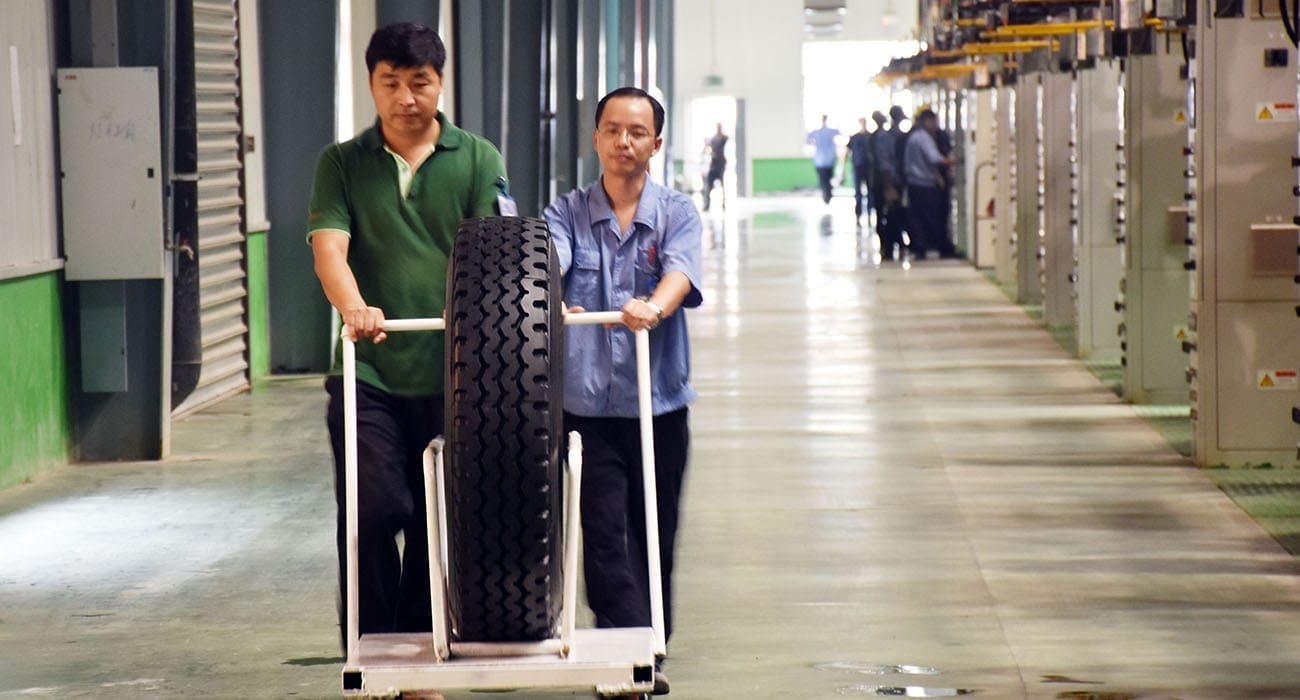
    Autospace, ZC Rubber’s retail chain, opened its first branch in Thailand on 18 January 2017. The new branch is also the firm’s first overseas flagship store.

    Autospace, established in 2015, is the service brand of ZC Rubber in automotive aftermarket. In China, there are more than 300 franchised Autospace outlets after just two years of operation. Furthermore, ZC Rubber says it is setting its sights on both the domestic market and the international market.

    Chen Hua, president of ZC Rubber Thailand, said that the building of new Autospace store in Thailand expands the new service for Thailand customers. Nowadays, ZC Rubber Thailand operates in the stage of rapid development and will actively support the development of Autospace store in local market.

    Autospace will provide not only tyres services (which include tyre changing, repairing, and alignment), but also an express service and a mobile service.

    “We have advanced systems to provide data analysis for all the dealers and stores, and will respond to the consumers’ demand and offer to-door targeted service timely”, deputy managing director of Autospace Ms. Chen Qin said.

  • Airtel profit slumps 54% due to Jio effect

    Airtel profit slumps 54% due to Jio effect

    India’s Bharti Airtel has reported a steep 54% decline in net income for its fiscal third quarter, as the operator grappled with competitive pressure from disruptive new market entrant Reliance Jio Infocomm.

    Profit for the quarter ending in December fell to 5.04 billion rupees ($74.1 million), with revenue staying flat at 233.36 billion rupees.

    Revenues from India grew 1.8% year-on-year, despite a slowdown in mobile revenue growth due to the competition posed by Reliance Jio, which has been offering free voice and data services as a promotional exercise since launching LTE services nationwide in September.

    Mobile data revenues also declined 3% year-on-year to 30.37 billion rupees, despite a 22% increase in mobile broadband customers to 37.7 million.

    “The quarter has seen turbulence due to the continued predatory pricing by a new operator,” Airtel CEO for India and South Asia Gopal Vittal commented.

    “The present termination costs at 14 paise which are well below cost has resulted in a tsunami of minutes terminating into our network. This has led to an unprecedented year on year revenue decline for the [Indian telecoms] industry, pressure on margins and a serious impact on the financial health of the sector.”

    But he noted that despite the competitive pressures, Airtel’s revenue market share in India grew to a record-high 33%. The company’s Indian mobile base also grew 2.3% quarter-on-quarter to 265.85 million.

    Airtel’s other Indian businesses, including digital TV, business services and home broadband, also recorded healthy year-on-year growth.

    African revenues meanwhile grew 6% year-on-year in constant currency terms – the highest in the past nine quarters. Data revenues grew 24% to $153 million, with data customers growing 21.3% and traffic up 91%.

    Airtel CEO for Africa Raghunath Mandava said Africa is now generating positive free cash and is profit before tax positive in constant currency.

  • PTT Philippines to supply Cebu Pacific’s jet fuel for 2017

    PTT Philippines to supply Cebu Pacific’s jet fuel for 2017

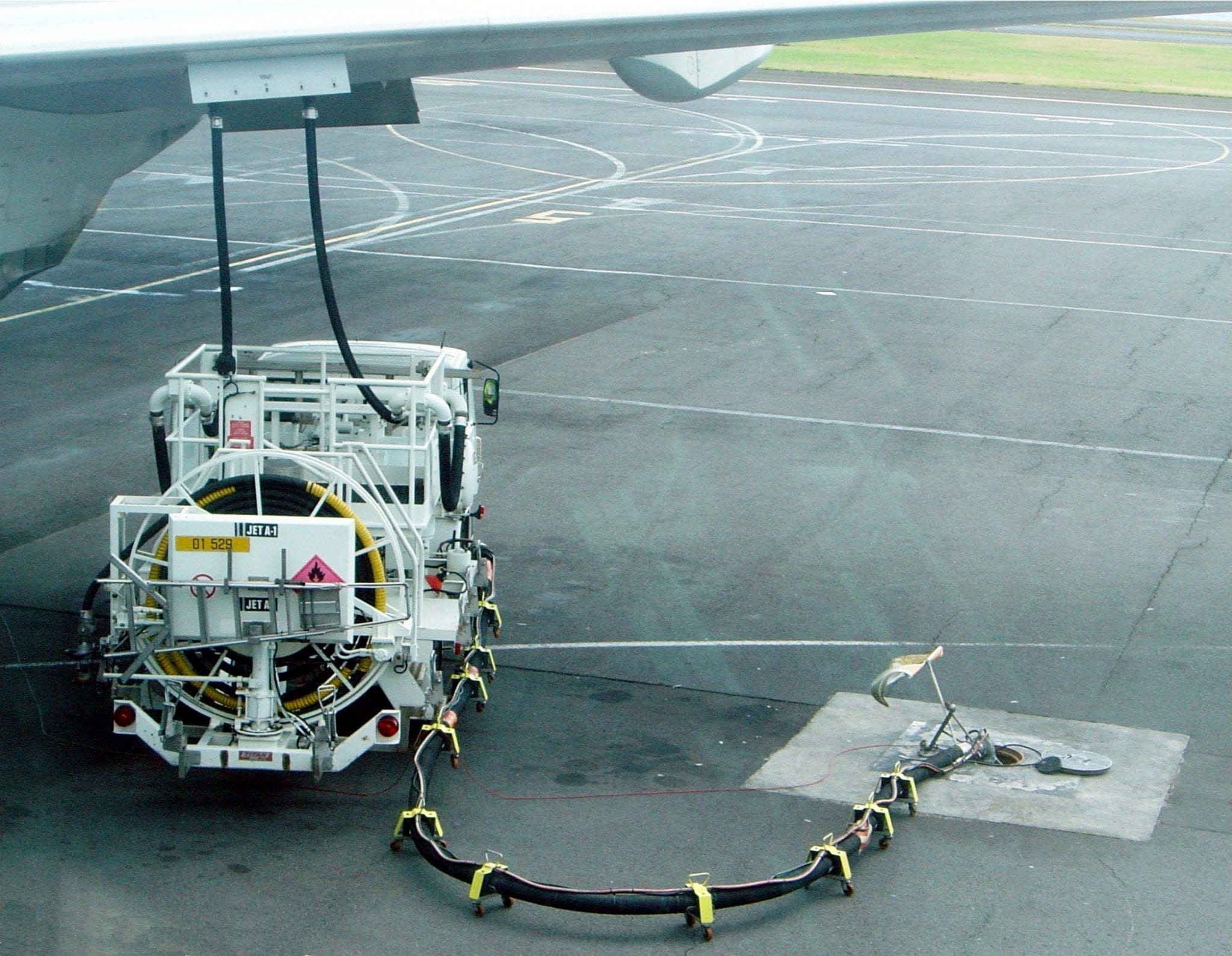
    PTT Philippines has renewed its deal to supply the bulk of Cebu Pacific airline’s fuel requirements this year. The local unit of the Thailand petroleum company will supply 1, 680,000 US barrel (267 million liters) of aviation fuel to Cebu Pacific for 2017.

    “We are always grateful to have partnered with Cebu Air. Our partnership has been growing stronger that is anchored on trust, loyalty, and commitment to providing the best and quality products and services that we could afford them,” PTT Philippines president and CEO Sukanya Seriyothin said.

    Seriyothin and Cebu Pacific president and CEO Lance Gokongwei recently signed the fuel supply contract for 2017.

    PTT Philippines has been supplying Cebu Pac’s jet fuel for over 10 years, and currently accounts for most of the airline’s total jet fuel requirements, particularly flights at the Ninoy Aquino International Airport, the Diosdado Macapagal Airport in Clark, and its Visayas routes.

    The local unit recently hiked its five-year investment plan to P5 billion for the expansion of its retail network to 300 and the Amazon Café brand from 2017 to 2021.

    The Thailand-based oil firm has been in the country for 20 years and is into retail with over 100 service stations across Luzon and Cebu. Its wholesale business also serves the maritime industry.

  • Small banks avoid being merged or acquired

    Small banks avoid being merged or acquired

    Small-sized banks are making great efforts to grow and avoid being merged or acquired, however, it is not easy, according to the Đầu tư chứng khoán (Securities Investment) newspaper.

    VietA Bank, for example, plans to promote retail sales and focus on individual customers and small- and medium-sized enterprises (SMEs).

    Although VietA Bank’s non-performing loan ratio in late September 2016 reduced to 1.17 per cent from 2.25 per cent in early 2016, its provisions for risky loans rose by 82 per cent to VNĐ71 billion (US$3.12 million), strongly affecting the profit result. Following the first three quarters of 2016, VietA Bank posted pre-tax profit of only VNĐ101 billion.

    Another case is Kienlongbank, which was transformed from a rural bank to an urban bank. The bank aims to become a retail bank targeting SMEs operating in agriculture and rural areas. However, Kienlongbank is also facing difficulties like other small banks in the banking system.

    The bank failed to complete its 2016 profit plan, with pre-tax profit of only VNĐ19.8 billion recorded in the first nine months of 2016, a decline of 90 per cent compared with the same period of 2015. Kienlongbank’s bad debts increased from 1.12 per cent in the beginning of 2016 to 1.46 per cent by late September 2016.

    Financial expert Trần Du Lịch said the more important task for small banks, at present, is to find solutions to successfully carry out restructuring and improve financial capacity, thereby avoiding being merged or acquired.

    In an attempt to avoid M&As, small banks also plan to raise capital and have conducted self-restructuring in recent years through internal resources, however, many have repeatedly been unsuccessful.

    Saigonbank, for example, has not fulfilled its plan to increase charter capital to VNĐ4 trillion following its refusal to merge with Vietcombank.

    VietA Bank also managed to raise its capital to just VNĐ3.5 trillion in early 2016 and no further progress has been recorded since then.

    Following the failure of the merger deal with Export Import Commercial Joint Stock Bank (Eximbank), according to insiders, NamA Bank has also been unable to increase capital as expected. The current charter capital of the bank is just more than VNĐ3 trillion.

    The central bank recently also allowed VietBank to increase charter capital from VNĐ3 trillion to VNĐ3.249 trillion. With this level of charter capital, VietBank remains at the top of banks with the lowest charter capital in the market, along with other banks whose legal capital has reached only VNĐ3 trillion, such as Kienlongbank, VietCapital Bank, NCB and Saigonbank.

    Experts said small banks which wanted to survive without conducting M&As, must raise their financial capacity.

    However, foreign investors are not interested in weak domestic banks if the controlling regulations are not relaxed. As long as the ownership limit of foreign investors is still less than 51 per cent, foreign shareholders cannot take control of the bank.

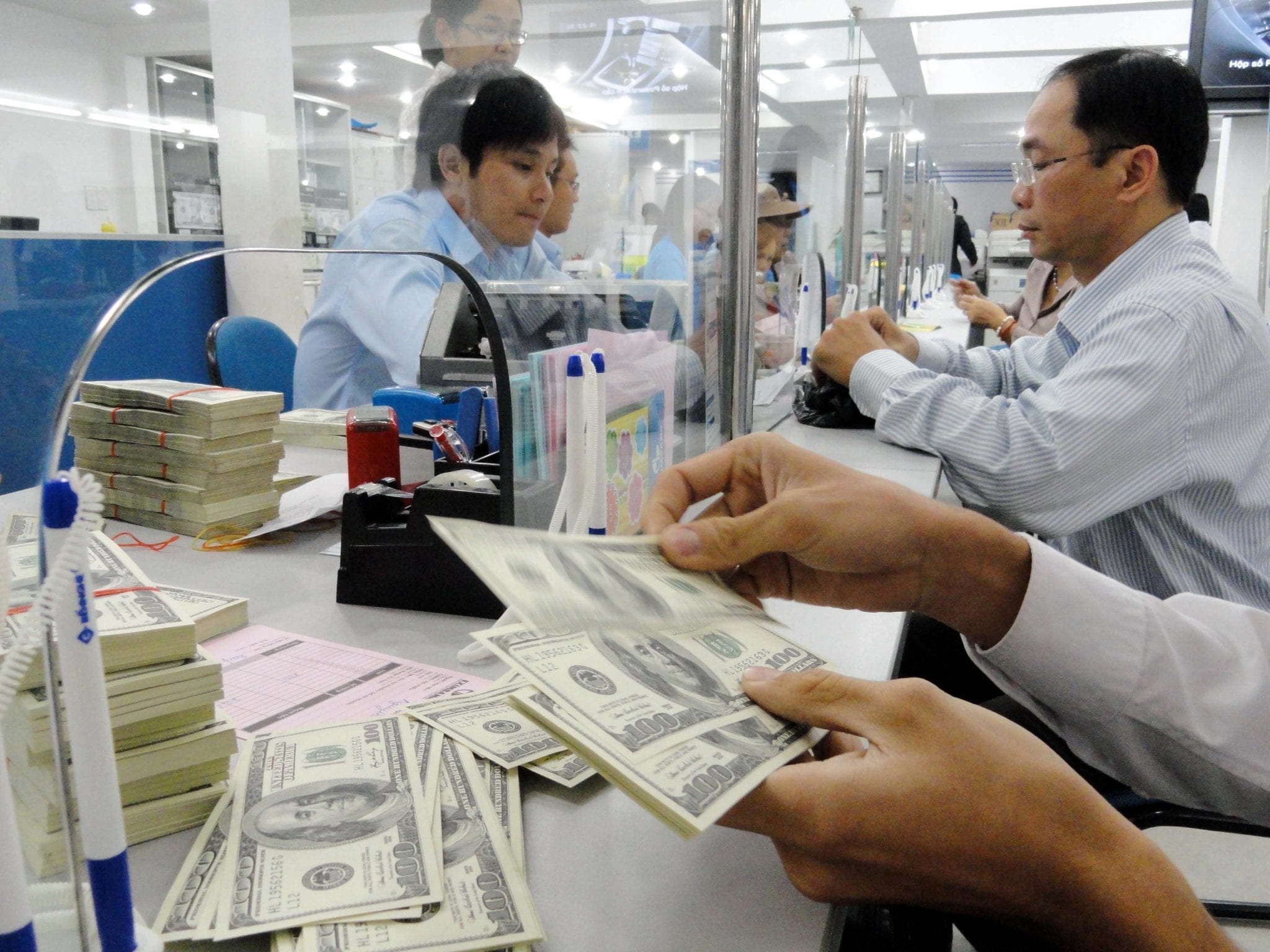
    According to economist Lê Xuân Nghĩa, since weak and small banks are finding it difficult to increase financial capacity to accelerate the settlement of bad debts and restructuring, it is in their interests to find potential partners to conduct M&As.