Author: Mei Ling Tan

  • AirAsia launches daily Manila-Taipei service

    AirAsia launches daily Manila-Taipei service

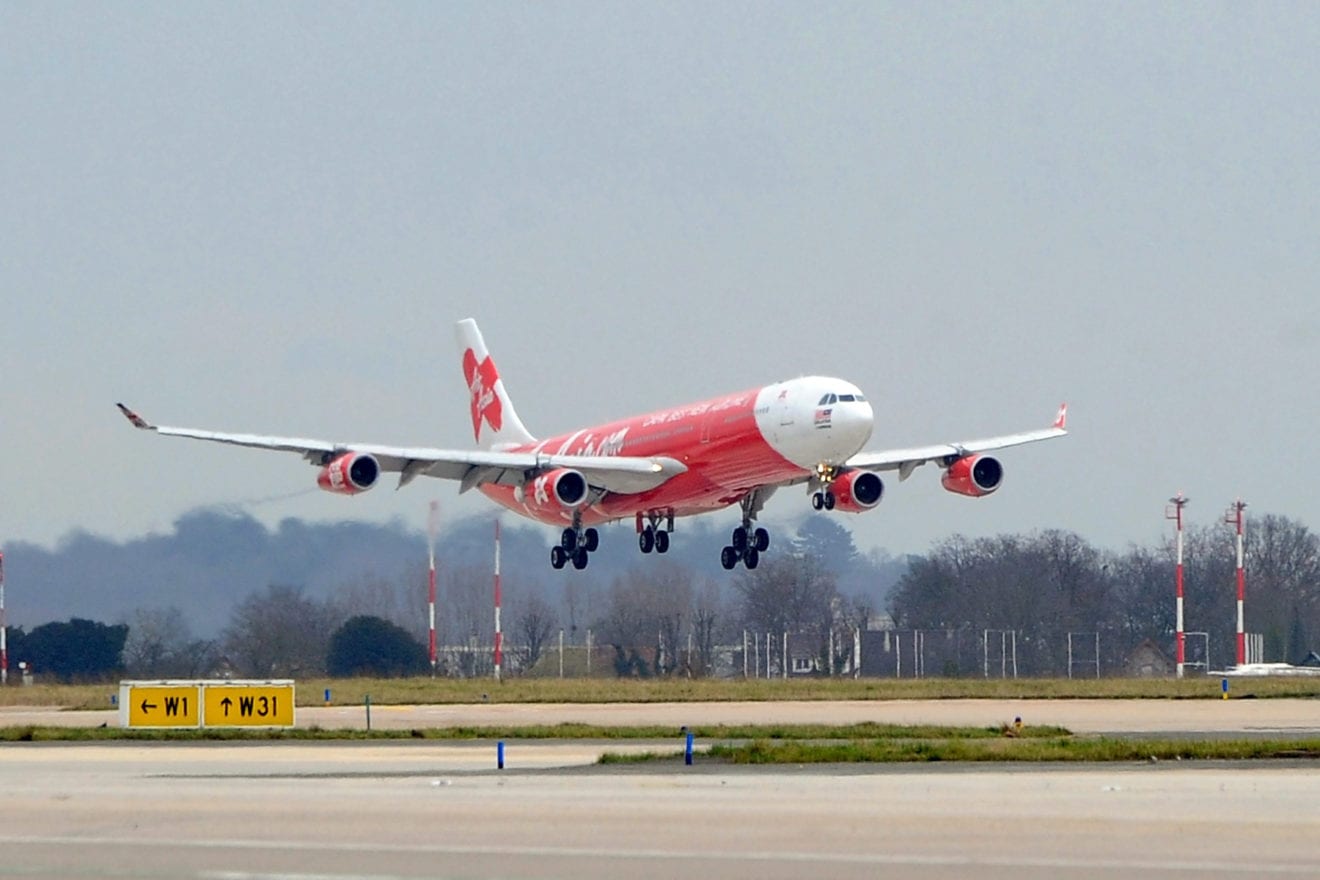
    Travellers from the Philippines now have more options when flying to Taiwan after Philippines AirAsia started its daily Manila-Taipei service last Monday.

    Philippines AirAsia chief executive Captain Dexter Comendador himself piloted the Airbus A320 to mark the budget airline’s maiden voyage from Manila to Taipei.

    “Today heralds a brighter and much closer ties between two countries to improve trade and tourism,” he addressed the passengers midway through the flight.

    “We have introduced amazing connections for our guests to enjoy and we are aiming to go further across Asia by strengthening AirAsia’s presence in Taiwan,” Comendador added.

    The flight touched down at the Taoyuan International Airport after midnight to a welcome water barrage from firetrucks.

    The Taipei-Manila route was officially launched Tuesday at a press conference at the Grand Sheraton in Taipei, which was attended by Philippines AirAsia chair Maan Hontiveros and AirAsia North Asia CEO Kathleen Tan.

    A thrice-weekly Cebu-Taipei service was also announced with performances from Sinulog dancers. Taiwanese celebrity travel blogger Patty Woo also regaled guests with her beach adventures during her recent trip to Cebu.

    Starting Friday, Philippines AirAsia will begin regular flights from Cebu to Taipei on Wednesday, Friday and Sunday.

    Taiwanese tourist arrivals in the Philippines have reached 157,517 from January to August this year. Taiwan is currently the country’s sixth top visitor market after Korea, the United States, China, Japan and Australia.

    “Taiwan and the Philippines share a strong affinity with one another. They enjoy robust economic ties, many Filipinos live and work in Taiwan and more and more Taiwanese are visiting the many beautiful islands in the Philippines. We are honored to be able to bring the countries even closer together,” Tan said.

    Taiwan is known for night markets, tourist attractions like Taipei 101, and foodie adventures with its diverse culinary offerings

    Philippines AirAsia has teamed up with TourMeAway Walking Tours to make exploring Taipei more fun. From now until November 30, Philippines AirAsia travelers to Taipei may join the Hunger Game Walking Tour or the Taipei Chillout Tour for free.

  • Australia’s nbn selects FTTC supplier

    Australia’s nbn selects FTTC supplier

    Australia’s nbn – the company building the National Broadband Network – has selected NetComm Wireless to supply equipment for the fiber to the curb (FTTC) proportion of the rollout.

    NetComm Wireless will supply the distribution point units for the deployment, which will be one of the world’s first wide-scale rollouts of FTTC technology.

    FTTC involves delivering fiber to the telecoms pit outside a building, using existing copper lines from the pit to the home. This technique brings fiber closer to the end-user than FTTN.

    NetComm Wireless, a Sydney-based equipment supplier, appears to have beaten out global vendors such as existing NBN partner Nokia for the contract.

    The agreement follows successful trials of FTTC in Sydney and Melbourne conducted by nbn, which achieved end-user speeds of 100/40Mbps using VDSL vectoring technology.

    “nbn is delighted to bring NetComm Wireless on board as a technology partner. We have tested FTTC over the past year and we’re confident we can now deploy the technology in areas where it makes better sense from a customer experience, deployment efficiency and cost perspective,” nbn Chief Network Engineering Officer Paul Ryan said.

    “Delivering FTTC will not only allow us to deliver speeds of up to 100/40Mbps using VDSL but will also allow us to offer even faster speeds in the future with some of the new technologies that are becoming available.”

    But industry groups such as Internet Australia have been sharply critical of the current government’s decision to switch from a planned all-FTTP deployment for the vast majority of the network to a multi-technology mix making use of existing copper last mile connections.

    Critics of the decision have argued that the multi-technology mix model will require further expense to upgrade rapidly aging copper with fiber for the last mile in 10-15 years if not sooner.

  • Facebook Is Next on Indonesia Tax List as Google Deal Nears

    Facebook Is Next on Indonesia Tax List as Google Deal Nears

    Indonesia is eyeing Facebook as its next target in a government tax crackdown as it nears a settlement with Google Inc. Facebook, which counts more than 88 million Indonesians among its users, owes about 2 trillion rupiah ($148 million) to 3 trillion rupiah in unpaid taxes and penalties, Muhammad Haniv, head of the special taxpayers office at the Finance Ministry’s Tax Directorate-General, said on Wednesday in Jakarta. The office has sent a letter to the company in Ireland, calling for a meeting to discuss the issue and seek information on the company’s business interests in Indonesia, he said.

    Yunita Purnamasari, an external spokeswoman for Facebook in Jakarta, said Thursday she couldn’t comment at this stage on the tax demand. Apple, which is also being targeted by the tax office along with Twitter and Yahoo!, didn’t immediately respond to a request for comment.

    Indonesia’s government is seeking to boost revenue as it tries to keep the budget deficit below the legal limit of 3 percent. Authorities have turned to Instagram Inc. stars and merchants peddling goods and services on social media to bridge a revenue shortfall as an ambitious tax amnesty program loses steam after earning the government 97.1 trillion rupiah in the first three months of its start in July.

    Indonesia’s government plans to drop claims on any unpaid taxes and penalties it has sought from Google if a settlement is arrived through negotiations, Haniv said. The settlement with Google, the largest unit of Alphabet Inc., may come as early as next week and the government will focus on ensuring the company pays all future taxes, he said. The company owes about 5 trillion rupiah in taxes and penalties, he said.

    Taj Meadows, Google’s head of policy communications for Asia Pacific, declined to comment on Wednesday and referred to an earlier statement that said the company had paid all applicable taxes and will continue to fully cooperate with the Indonesian government.

    Indonesian tax officials have visited Google’s office in central Jakarta several times in recent months. The government had earlier sent Google a warning letter for refusing a tax audit that can result in criminal punishment, Haniv said in September.

  • Toyota recalls 838,000 Sienna minivans to fix sliding door issue

    Toyota recalls 838,000 Sienna minivans to fix sliding door issue

    Toyota Motor Corp said it was recalling about 838,000 Sienna minivans to fix an issue that may arise while operating sliding doors of the vehicles.

    The recall affects about 744,000 vehicles in the United States and nearly 4,000 vehicles in South Korea and Taiwan, a Toyota spokesman said on Tuesday.

    “Toyota would like to refrain from commenting whether there were any injuries or crashes as a result of the safety flaw,” the spokesman said.

  • Toyota says aims to develop advanced electric-car battery in a few years

    Toyota says aims to develop advanced electric-car battery in a few years

    Toyota Motor Corp said it aims to develop a new, more advanced electric-car battery “in a few years” that will allow the Japanese automaker to come up with an electrified vehicle with driving range and battery life enhanced by up to 15 percent.

    Such performance-enhanced lithium-ion battery technology will likely enable all its electrified vehicles to be improved, Toyota said.

    “Lithium-ion battery is a key technology for electrifying cars, and there is a clear need, going forward, for improving this technology and its performance even more,” Hisao Yamashige, a battery technology researcher at Toyota, told a media briefing in Tokyo on Thursday.

    Improving the performance of lithium-ion battery technology is a pressing issue for traditional automakers such as Toyota and new entrants such as Tesla Motors Inc because of its limiting characteristics.

    Producers of all-electric battery cars, plug-in electric hybrids, as well as conventional gas-electric hybrids are all striving to source or develop more advanced battery technologies to give their electrified cars a better driving range, battery life, and safety.

    Toyota, Japan’s biggest automaker by volume, has pioneered gasoline-electric hybrids technology and is gearing up to launch a new, near-all-electric plug-in hybrid car called the Prius Prime. It also has recently said it is aiming to come up with an all-electric battery car by 2020.

  • Nokia, UAE to develop drone ecosystem

    Nokia, UAE to develop drone ecosystem

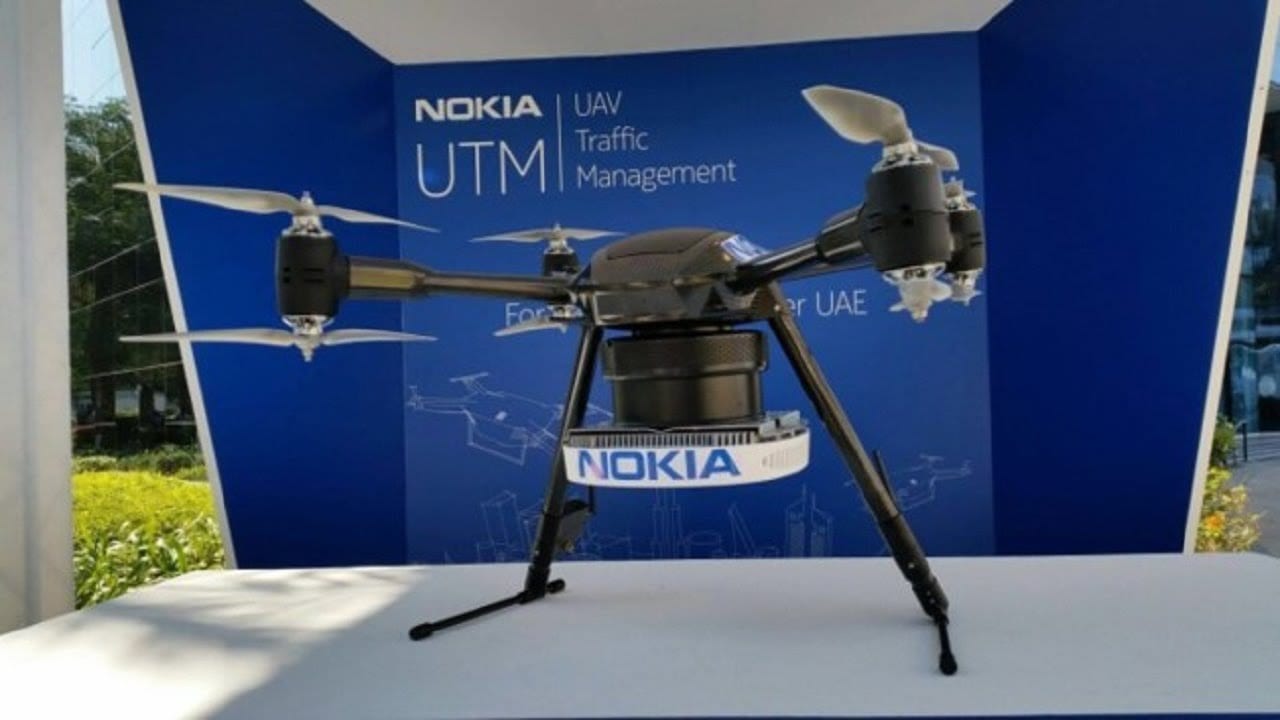
    Nokia has teamed up with the United Arab Emirates General Civil Aviation Authority (GCAA) to drive the development of an end-to-end Unmanned Aerial System (UAS) ecosystem.

    The collaboration will will make the UAE the first country in the world to allow the operation of drones by both businesses and government agencies in a safe, secure and managed environment.

    The project is part of an initiative by the GCAA to make Dubai one of the world’s smartest cities by 2017 and will allow Dubai government security network operator Nedaa to develop a next generation network for mission-critical and smart city services.

    At the heart of this new ecosystem will be Nokia’s UAV Traffic Management (UTM) concept, which is being developed to manage drones in and around cities, and coordinate their interactions with people, manned aircraft and an increasingly diverse array of connected objects.

    The Nokia UTM system will provide capabilities such as automated flight permissions, no-fly zone control and beyond-visual-line-of-sight (BVLOS) that are critical for the safe operation of UAVs in densely populated urban areas.

    The ecosystem will also serve as a testing ground for various applications of drone technology, which can be explored in a safe and controlled environment.

    Drones are quickly emerging as important tools for businesses and governments alike, providing substantial benefits such as infrastructure monitoring and maintenance, public safety applications, logistics and transport and much more.

    The GCAA has launched this initiative so businesses and local government can take advantage of these benefits, making the city smarter while minimizing any hazards that UAVs may present.

    Nokia’s UTM concept combines its expertise in 4G LTE and leadership in developing 5G and Mobile Edge Computing and related services – including managing the Network Operations Center, planning and optimizing the network for UTM connectivity and integrating UTM to other application platforms – to provide a platform that can support the extreme low latency and exceptional reliability and resiliency needed to manage UAV traffic.

    The system will be able to monitor airspace and flight paths, and share data between UAVs, operators, and air traffic controllers and establish no-fly zones that can be continually refreshed with the latest data.

    This agreement complements a recent Nokia’s initiative to establish and develop a UAV test facility at Twente Airport in the Netherlands.

    “The UAE is committed to making Dubai the smartest city in the world, and UAVs are expected to play a critical role in this process by supporting a wide variety of smart city services,” said Bernard Najm, head of the Middle East Market Unit at Nokia.

    Ismaeil Mohammed Al Blooshi, Assistant Director General of the UAE General Civil Aviation Authority, the UAE has superb aviation infrastructure and is qualified to play a key role in innovative aviation projects such as this drone collaboration.

  • Isetan Mitsukoshi launching online store

    Isetan Mitsukoshi launching online store

    As part of its aim to have digital strategy as the core of its business, Japanese department store company Isetan Mitsukoshi Holdings is preparing to launch an online store.

    It has started tests leading up to its launch this month of its first online store on Alibaba Group Holding’s Tmall Global.

    In the first half of this year, Isetan Mitsukoshi saw sales of duty-free items rise about 3.7 times compared with the same period in 2013. It says Chinese customers account for about 70 per cent of duty-free sales, and are interested in Japanese products that are popular in Japan. This has led to it seeking to develop a following in China through its strategic partnership with Tmall Global.

    It will offer safe, high-quality products, mainly Japanese, on Tmall Global; form an alliance between its Chinese and Japanese stores; and accumulate know-how on marketing in China.

    Isetan Mitsukoshi will initially offer hundreds of types of products on the platform ranging from fashion and cosmetics to foodstuffs and daily necessities, with plans to subsequently expand the scope of ifs offering.

    It will focus on its own brands and seasonal products, and gradually add other Japanese brands. From next year it will stage special campaigns in collaboration with designers.

    There will also be after-sale services, including repairs, as well as pop-up stores through its network in China.

    Alibaba Group, which runs Tmall – China’s largest B2C online shopping mall – and other eCommerce portals, had 434 million active users on China’s retail market as of June.

    Isetan Mitsukoshi was formed in 2008 by merging Mitsukoshi and Isetan, originally inaugurated in 1673 and 1886 respectively as kimono shops. It runs Japan’s largest department store network with 27 outlets in Japan and 31 overseas.

  • Microsoft extends CityNext project to Hong Kong

    Microsoft extends CityNext project to Hong Kong

    Microsoft has extended its global CityNext smart city initiative to Hong Kong and is seeking local partners to collaborate.

    Through the CityNext initiative, Microsoft is working with partners including system integrators to deliver smart city offerings to businesses and governments.

    Microsoft held an industry event in Hong Kong last week to discuss the transformative potential of intelligent systems and data analytics in smart city applications. Over 100 channel partners and potential customers attended.

    Speaking at the event, Microsoft Hong Kong national CTO Fred Sheu said the CityNext program will help governments deliver digital services to ensure their citizens enjoy healthier lives, as well as access to high-quality education and other critical needs.

    “Together with our partners, we can transform a city’s operations and infrastructure, engage citizens and accelerate innovation to create truly sustainable cities — where citizens, businesses and governments work alongside one another for a better tomorrow,” he said.

    “Through CityNext, we provide solutions that focus the most powerful modern technology — cloud, big data, mobile, and social technologies — on the city’s most pressing issues. For example, two critical components of any smart city are machine learning and IoT, which we are proud to offer to our partners via our much-heralded Azure cloud platform.”

    Microsoft CTO for data insights John Nisi added that the use of intelligent systems is helping businesses and governments re-imagine the value chain.

    “Modern businesses faced with economic uncertainty and disruptive competitors can leverage analytics and predictive data to create new revenue streams and opportunities that will allow them to thrive in the digital era,” he said.

    According to Sheu, more than 300 partners worldwide have already signed up for the CityNext program. In Hong Kong, over 10 partners have joined the program to provide smart healthcare, smart building, smart government and geographical information system (GIS) offerings and the like.

  • Jollibee to list Highlands Coffee in Vietnam

    Jollibee to list Highlands Coffee in Vietnam

    Jollibee Foods Corp’s subsidiary JSF Investment and its partner Viet Thai International plan to list the Highlands Coffee business on the Vietnam stock exchange.

    According to the announcement, Super Foods, the company owns 51 per cent of Highlands Coffee brand, will be listed publicly by July, 2019.

    The exact stake of the IPO has yet to be disclosed.

    Besides Highlands, Superfoods also owns and operates Pho 24 and the Hard Rock Cafe stores in Vietnam.

    After being acquired by Jollibee Food Corp in 2012 with a $25 million deal, Super Foods has rapidly expanded its Highlands chain throughout Vietnam up to 130 outlets in July.

  • SATO Aims for Auto-ID Market Leadership in Thailand

    SATO Aims for Auto-ID Market Leadership in Thailand

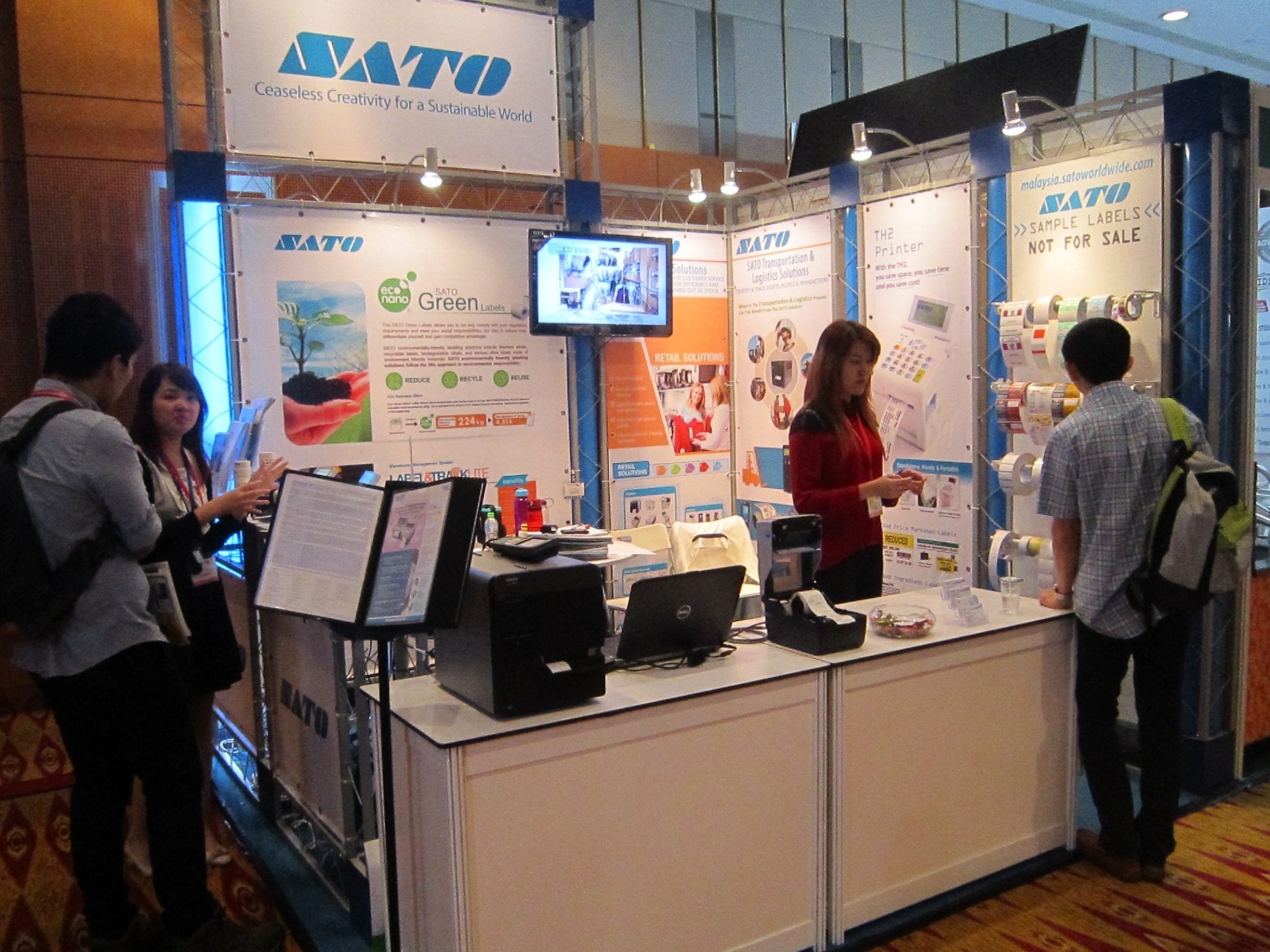
    SATO, a leading global provider of Auto-ID solutions that empower workforces and streamline operations, announced its aim to become the No.1 Auto-ID company in Thailand by 2018, through development of food safety and patient safety solutions for the Thai food and healthcare industries.

    SATO, the market leader in Japan with over 75 years of Auto-ID expertise and a culture of innovation, operates in Thailand as SATO Auto-ID (Thailand) Co., Ltd. By integrating technologies from RFID to visual recognition and robotics, it seeks to support the food and healthcare industries as Thailand moves towards becoming the “Kitchen of the World” and the “Region’s Medical Hub.”

    SATO Auto-ID (Thailand) Co., Ltd. General Manager Daisuke Tatsuta said, “Speed and accuracy are keys to increase business competitiveness in today’s world and especially for Thailand as it transforms itself to become an advanced economy driven by high tech and creativity. With our strong know-how and established presence in Thailand as well as end-to-end Auto-ID solutions, SATO is well positioned to help companies make the transition to the new Thailand 4.0 economic model, streamlining the movement of assets with speed and precision.”

    A leading food safety solution provider, SATO supports food manufacturers and restaurants alike, by developing solutions that integrate labels, barcode, printers, scanners, software and aftersales support to allow companies to quickly track products and control quality to ensure food safety. 

    As the patient safety provider, SATO delivers fast and reliable identification solutions to provide precision, labor savings and peace of mind for Thai hospitals. It seeks to provide fail-safe systems of patient identification to improve caregivers’ peace of mind, which is directly connected to patient safety.

    “In 2015, we achieved 475 million baht in sales and the second highest market share among direct distributing Auto-ID companies with approximately 14%. Considering the rate of Thai economic development and our strategic focus on food and healthcare, we aim to be the No. 1 auto-ID solution provider by 2018 with sales of 745 million baht,” said Tatsuta.

    In its 15 years in Thailand, SATO has supported leading automotive clients such as Toyota, Nissan, and Isuzu. It supported the manufacturing sector with efficient stock control systems, shipping labels, labels for hazardous materials, inventory-control and scheduling systems for just-in-time manufacturing to control the supply chain. It will now grow its presence in the burgeoning food, beverage, and medical industries, utilizing know-how from success cases with clients such as CPF, Ajinomoto, Nestle, Hoya, Thai Red Cross, Samitvej, Bumrungrad Hospital and Nipro. 

  • Indonesia, Netherlands to strengthen economic ties

    Indonesia, Netherlands to strengthen economic ties

    Indonesia and the Netherlands have pledged to strengthen economic cooperation in the future, boosted by a number of new business deals inked by the two governments and businesses.

    The partnership will involve various areas including agriculture and infrastructure development as stated during the three-day visit by Dutch Prime Minister Mark Rutte, which concluded on Wednesday.

    Rutte underlined Indonesia’s role as Netherlands’ strategic partner, saying that both countries had a lot to offer in the economic field, especially owing to the former’s status as Southeast Asia’s biggest economy.

    “Indonesia plays a big role in the region. It is one of the central players in ASEAN and Indonesia’s leadership in this region is highly valued,” Rutte said in a limited press briefing. “The country will contribute to maintaining stability in the world, particularly in this region.”

    The importance of the two countries’ economic ties is highlighted by an already robust bilateral trade, which amounted to €3.2 billion (US$3.4 billion) last year, according to figures released by the prime minister. Netherlands is now the main market for Indonesian exports to Europe.

    Dutch businesses invested a total of $1.3 billion in 2015, down 24.4 percent from 2014, in 421 projects, according to data from the Investment Coordinating Board (BKPM).

    During his visit, Rutte led a Dutch delegation comprising ministers, including Infrastructure and Environment Minister Melanie Schultz van Haegen, business leaders from 110 companies, educational institutions and NGOs.

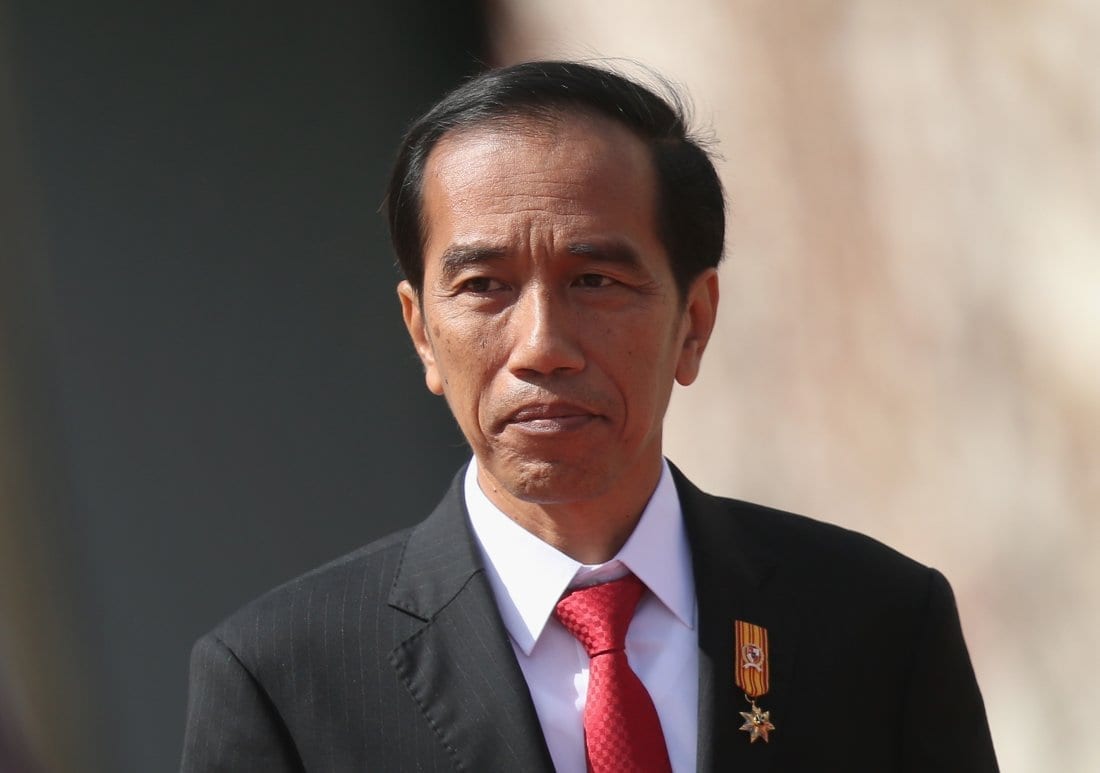
    Rutte’s second state visit to the former Dutch colony in three years followed a similar visit by President Joko “Jokowi” Widodo to the Netherlands in April.

    The delegates signed 38 memorandums of understanding (MoUs) and letters of intent (LoIs) covering economic and non-economic issues, such as water management, flood protection, climate change and health care, with their Indonesian counterparts, further intensifying ties between the two countries.

    On the occasion, Rutte also said the Netherlands was keen to enhance its bilateral relationship as business prospects in Indonesia had improved due to extensive reforms, particularly on the ease of doing business.

    “[Dutch] businesspeople find it is increasingly easier to do business here. But still, there is more room for improvement,” he said, adding that the 14 economic reform packages issued by Jokowi’s administration would boost the business climate, although they still depended on implementation.

    Indonesia climbed 15 places to 91st on the World Bank’s Ease of Doing Business Index for 2017 as its deregulation moves have attracted the attention of global investors.

    The Netherlands has reasserted its commitment to helping Indonesia develop its infrastructure, particularly in port construction and the National Capital Integrated Coastal Development (NCICD), popularly known as the Giant Seawall.

    Another major interest for the Dutch delegation is seaport management, according to Rutte. This follows an agreement signed last year by Indonesia’s state-owned port operator Pelindo I and the Port of Rotterdam Authority to develop a nationally strategic port at Kuala Tanjung, North Sumatra.

  • Indonesia Considers Importing Cows from Mexico

    Indonesia Considers Importing Cows from Mexico

    Indonesia is considering to import cows from Mexico and negotiations are now underway for that, an agriculture ministry official disclosed on Wednesday.

    “Private parties and a local government were currently in the process of negotiations,” Syukur Iwantoro, an expert staff on innovation and technology under the ministry, said after attending a calf harvest event.

    Regarding permit for import of up to 400,000 heads of cows, he admitted that private parties would be given full authority for this purpose and negotiations were on with partners in Mexico.

    Iwantoro noted that the government would ensure that cows to be imported from Mexico are free of foot and mouth disease.

    “So far, the government has been in touch with a number of countries, including Australia, in connection with beef supply,” he disclosed.

    He recalled that the government has put in place several alternatives to prevent escalation of beef prices in various regions in the country.

    “Price of beef in different regions in Indonesia varies from Rp85,000 to more than Rp100,000 per kilogram,” he pointed out.

    The imported cows were to be distributed in Jakarta and surrounding areas.

    “The country is now importing almost 700,000 heads of cows. So far, most of the cows are being imported from Australia,” he stated.

  • China Telecom Shanghai, Huawei test network slicing

    China Telecom Shanghai, Huawei test network slicing

    China Telecom Shanghai and Huawei have successfully jointly implemented access network slicing at a trial site.

    The trial solution involves slicing the access network into home, enterprise and campus connections, which will potentially allow the operator to use a single network to deliver all types of services.

    OLT hardware is shared by services, and all segments are isolated from each other in order to improve service reliability and network security.

    China Telecom Shanghai engaged Huawei to develop an access network slicing solution to address issues including insufficient equipment room space and runaway power consumption associated with rapid user base growth.

    “Traditional OLTs do not support the access of full services. Network slicing enables service isolation and optimizes resource utilization,” China Telecom Shanghai vice chief engineer Zhang Jun said.

    “Network slicing is our first step toward cloud. It is now being including in the related technical standards of China Telecom. In the future, we will cooperate with Huawei to further optimize network slicing.”

    The companies expect that network slicing will propel the development of gigabit networks. This will be essential to helping operators meet the enormous capacity demands of the cloud era.

  • Korean food companies move into direct retail

    Korean food companies move into direct retail

    Korean food companies are reaching out to consumers through face-to-face encounters at their own branded cafes and restaurants.

    And they are reaping the rewards: upgrading their company image, testing new products and increasing sales.

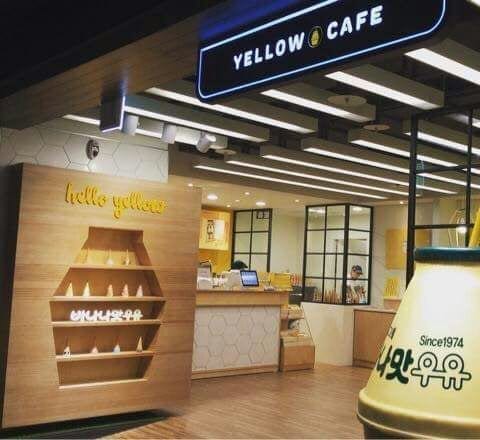
    Binggrae gave its Banana-flavored milk, a product that has survived for 40 years, a new twist in March by opening a cafe in downtown Seoul that sells beverages and ice cream based on the milk. Opened in collaboration with Hyundai Department Store that hosts the cafe at its downtown outlet, Yellow Cafe is making monthly sales of some 100 million won (US$85,178), company officials said.

    yellow-cafe

    Binggrae also worked with Olive Young, a health and beauty store chain, to sell body care products based on its milk brands. Last month, it opened a soft ice cream shop at a Lotte Department Store branch in southern Seoul.

    Company insiders say the moves are market tests for Binggrae, which is interested in starting a restaurant business.

    Orion, synonymous with its most popular snack Choco Pie, is operating a dessert cafe, Lab O, in southern Seoul. As its name suggests, the store serves as the company’s research center for dessert products, getting consumer reactions to different flavors and foods tweaked from its mainstream brands.

    Haitai Confectionery & Foods, which recently landed a smash hit with its honey-flavored potato chips, Honey Butter Chips, runs cafe Haitai Ro at two locations in Seoul. The stores sell desserts, as well as character figurines and stuffed animals that enjoy the company’s snacks. Officials at the firm say the cafes are more like “antennae shops” that catch consumers’ preferences.

    Lotte Confectionery has Guylian Cafe at the Lotte Department Store’s Lotte World branch that sells desserts made with the Belgian chocolate. Lotte took over the brand in 2008. Lotte separately operates exhibition booths for its own products in southern Seoul.

    Food companies likewise are working their way directly to consumers through restaurant-style shops.

    SPC Samlip has adopted “grocerant” as its concept store, mixing a grocery store with a restaurant. Its Glucks Schwein, which sells premium processed meats, has German sausages and beer on its menu. The company’s noodle line Hi-myon, launched in 1974, is being marketed at its noodle specialty restaurant Hi-myon Udon. Company officials say they are planning to open 20 Glucks Schwein franchises by 2018 on top of 10 noodle restaurants by the end of next year.

  • Dire Bonmarche sales reflect poor product offer

    Dire Bonmarche sales reflect poor product offer

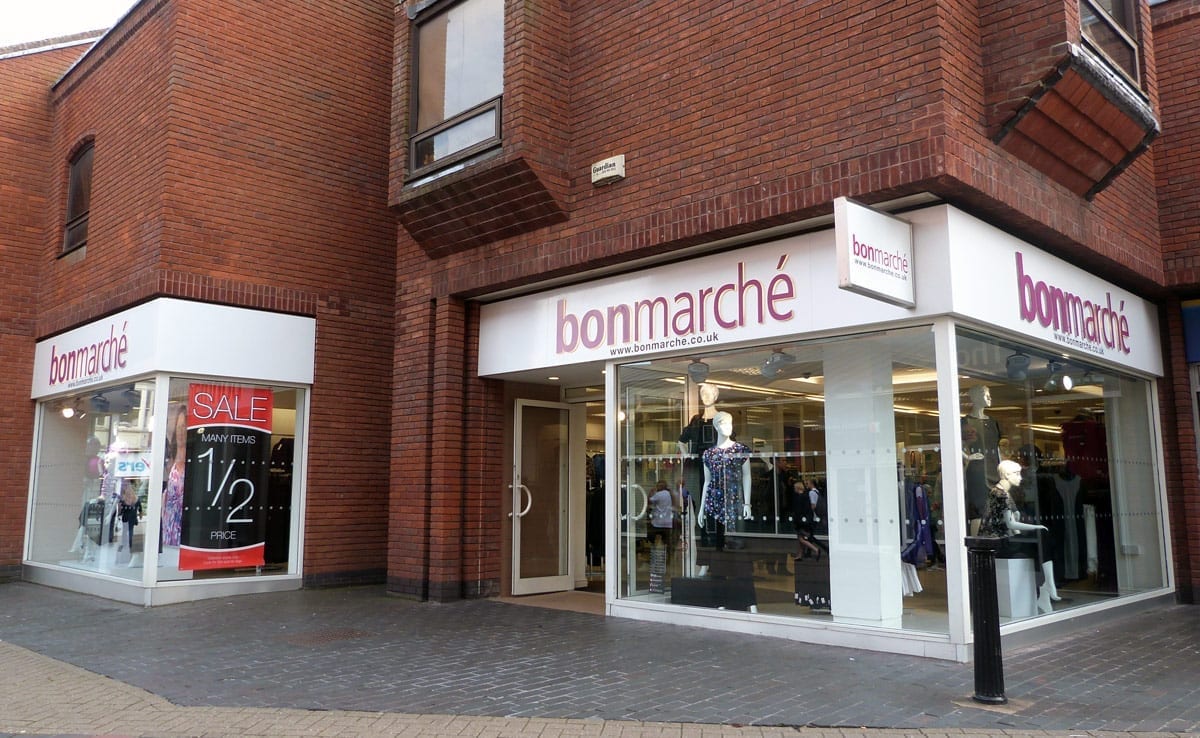
    A dire H1 performance from Bonmarche, on its first update with Helen Connolly at the helm, with sales falling by £3.9 million on the year, despite the opening of net six new stores and concessions.

    Like-for-like Bonmarche sales declined even further than its revised forecast in September.

    As a result, operating profit fell 62.8 per cent  to £2 million. While external factors such as unseasonal weather and BHS’s extensive closing down sale have taken their toll, the fault ultimately lies with Bonmarche and its lack of a compelling product offer.

    Bonmarche has an opportunity to become the go-to destination for 50+ females, especially given that BHS is no longer trading; however it must act quickly as competition will grow as more players target this lucrative segment, with the likes of JD Williams and Matalan holding potential. With mature shoppers feeling and dressing younger, Bonmarche has its work cut out to sufficiently modernise the brand and increase its relevance among shoppers.

    While the value specialist has made efforts to revamp its offer, and continues to reduce its focus on more traditional product, it has not gone far enough. Introducing more contemporary designs and cuts, and injecting more fashionability and style into its proposition will be key to building appeal among the mature customer base and shaking off its old-fashioned brand image.

    However, as shoppers’ discretionary spend comes under further pressure in 2017, Bonmarche’s value proposition makes it well placed to benefit from consumers trading down. Alongside more weather-appropriate and youthful ranges, Bonmarche needs to showcase its value for money offer, focus on full price sales and drive incremental purchases if it is to get back on track.