Author: Mei Ling Tan

  • Now you can book a cook on Singapore Airlines

    Now you can book a cook on Singapore Airlines

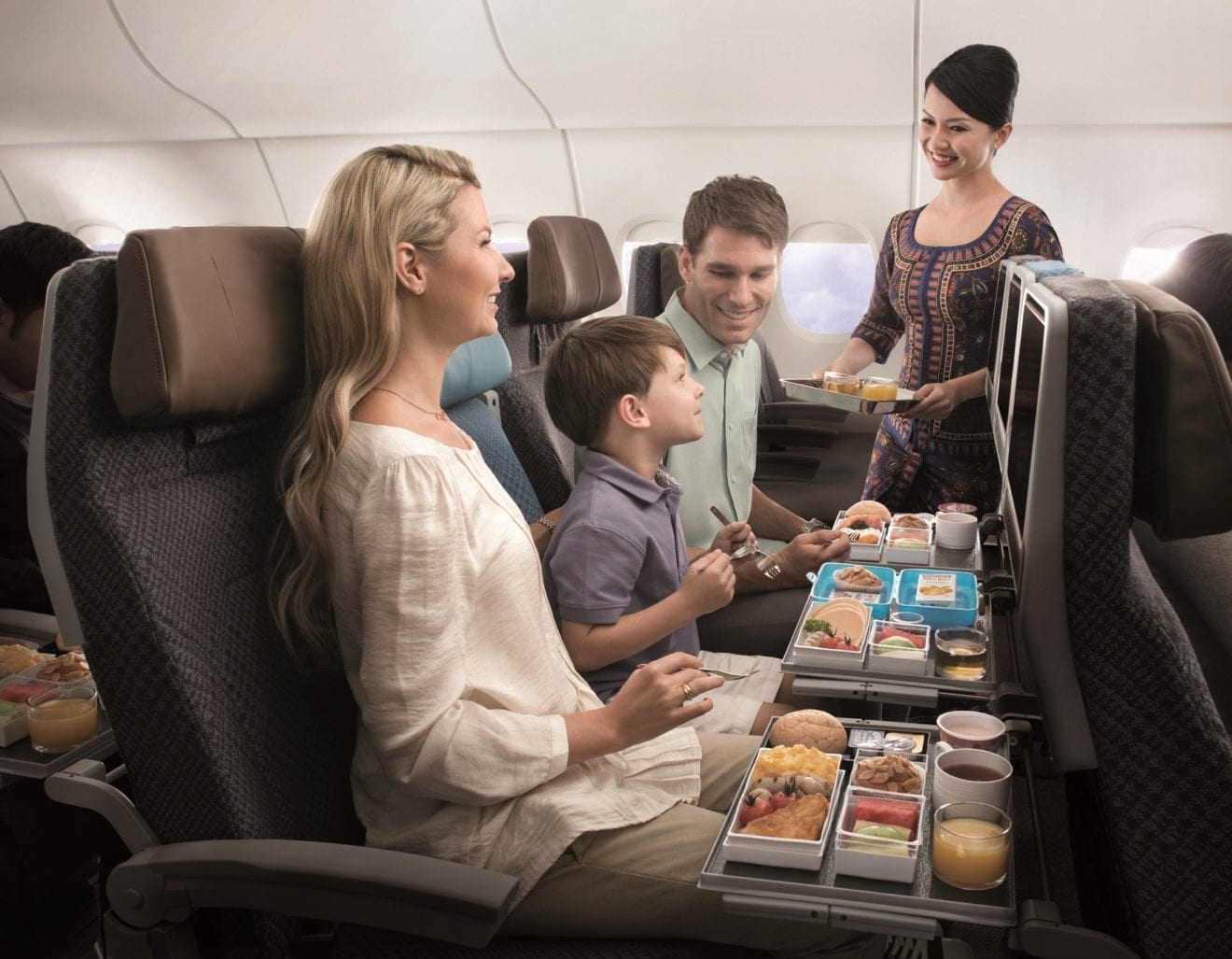
    It’s like dining a la carte 34,000 feet above sea level. That’s the “Book the Cook” experience that you get when you fly Singapore Airlines. It’s an exclusive advance inflight meal-ordering service that allows passengers in Suites, First Class, Business Class and Premium Economy Class to pre-select a gourmet dish of their choice before their flight.

    “It’s a departure from our regular meal service,” says Hermann Freidanck, food and beverage, inflight services manager. “You get to order your main course from a wide selection in a specially prepared menu up to 24 hours before your flight. Now you won’t have to settle for a dish that is not your choice.”

    At the exclusive meal presentation before local media recently at Singapore Airline’s new-concept Silver Kris Lounge in NAIA3, we got to experience firsthand what this was like. A couple of days before the event, we were sent a special menu to choose from, which included beef tenderloin steak, roasted rack of lamb, slow-cooked marinated duck leg with mushroom risotto, marinated free-range chicken, and baked herb-marinated salmon.

    The sit-down meal included an appetizer of marinated lobster with Mediterranean vegetable salad and balsamic dressing, as well as roasted pumpkin soup or snow fungus chicken soup with Chinese mushroom and quail egg. The salad was spinach and green frisée garnished with cherry tomatoes and olives with a choice of balsamic vinegar and extra-virgin olive oil or honey-mustard dressing, while dessert was a choice of  either chocolate and banana cake with vanilla ice cream and raspberry coulis or fresh mango tiramisu with verbena mango compote and biscotti by three-Michelin-starred chef Georges Blanc.

    As part of the Book the Cook service, passengers can choose from a menu of ICP dishes. “These are dishes created by Singapore Airline’s esteemed International Culinary Panel (ICP), which is a team of celebrated Michelin chefs who have restaurants or groups of restaurants in our main destinations in Europe, America and Asia,” Freidanck explains. “They work closely with our own chefs to develop unique dishes that we serve on board.” The panel includes Alfred Portale (United States), Carlo Cracco (Italy), Goerges Blanc (France), Matt Moran (Australia), Sanjeev Kapoor (India), Suzanne Goin (United States), Yoshihiro Murata (Japan), and Zhu Jun (China).

    “Our menus are planned four to five months ahead of time, on a four-month cycle. First Class and Business Class have four different main courses, while Premium Economy Class has a third choice in addition to the usual two choices,” Freidanck shares. “The way we do our menus is what we call ‘destination-specific.’ If you are going to Frankfurt, for example, you’ll have a German dish. In First Class and Business Class, you will always have  an ICP dish. Seasonal ingredients would also affect which dishes would be available.  The Japanese, as well as the Chinese dishes, go by the seasons. A bestseller is the Maine lobster, but not every country has it. It is difficult to get lamb, for instance, but because you can order in advance, you are guaranteed your main course.”

    “And then we have the Asian dishes. We look at the passenger profile, and if it’s predominantly Singaporean, for example, we try to put a Singaporean dish. We emphasize that we must represent the cuisine properly. It always has to be authentic. It must be traditional,” Freidanck adds. ‘There are also what we call the special meals which address certain conditions of the passenger, either due to religious beliefs, dietary or allergy restrictions. You can order them and we will serve you according to what you order. It’s not like other airlines where one menu fits all.”

    Singapore Airlines also launched a new “Deliciously Wholesome” program catering to the needs of an increasing number of health-conscious travelers.

    Preservation of freshness is an important consideration. Dishes are cooked with the reheating process in mind. “There is a fine line because we have to follow the hygiene regulations,” Freidanck explains. “Steak, for instance, has to be seared from the outside, so when it’s reheated on board, it’s just right. Sushi has to either be grilled or pickled or smoked. Nothing is raw. Oysters have to be cooked, following hygiene regulations.” Certain dishes can be a challenge. “Not impossible, but difficult,” Freidanck says. Dim sum, like pasta, does not reheat very well. The texture of risotto can be less appealing when overdone.

    The dishes are cooked in the kitchen, then kept in the chiller below 10 degrees so no bacteria can thrive, until it goes on board. The dishes are deconstructed and put into different containers. On board, it goes in the oven where the heat is calibrated to a certain temperature. “There is a training center in Singapore where the crew learn to do this. It’s very specific. There’s a lot of details which they have to go through,” Freidanck says. The crew gets a plating guide, which they must follow when they assemble the dishes.  First Class passengers get their meals served on real plates with fine cutlery.

    “Complementing Singapore Airline’s World Gourmet Cuisine is a selection of the finest wines from the very best vineyards, selected by some of the world’s most educated and sought-after palates. These wines are handpicked by world-renowned wine experts and blind-tasted under simulated cabin pressure, since our taste buds are affected by the cabin pressure,” notes Carol Ong, Singapore Airlines general manager for the Philippines, Guam and USTT. The Singapore Airlines Wine consultants include three Masters of Wine: Michael Hill-Smith, Jeannie Cho-Lee, and Oz Clarke.

    “So, you have just flown First Class, basically,” Freidanck says, addressing the intimate media group of happy diners at the end of the meal. The only thing missing was the altitude.
  • Cebu Pacific Air launches three domestic routes from Cebu

    Cebu Pacific Air launches three domestic routes from Cebu

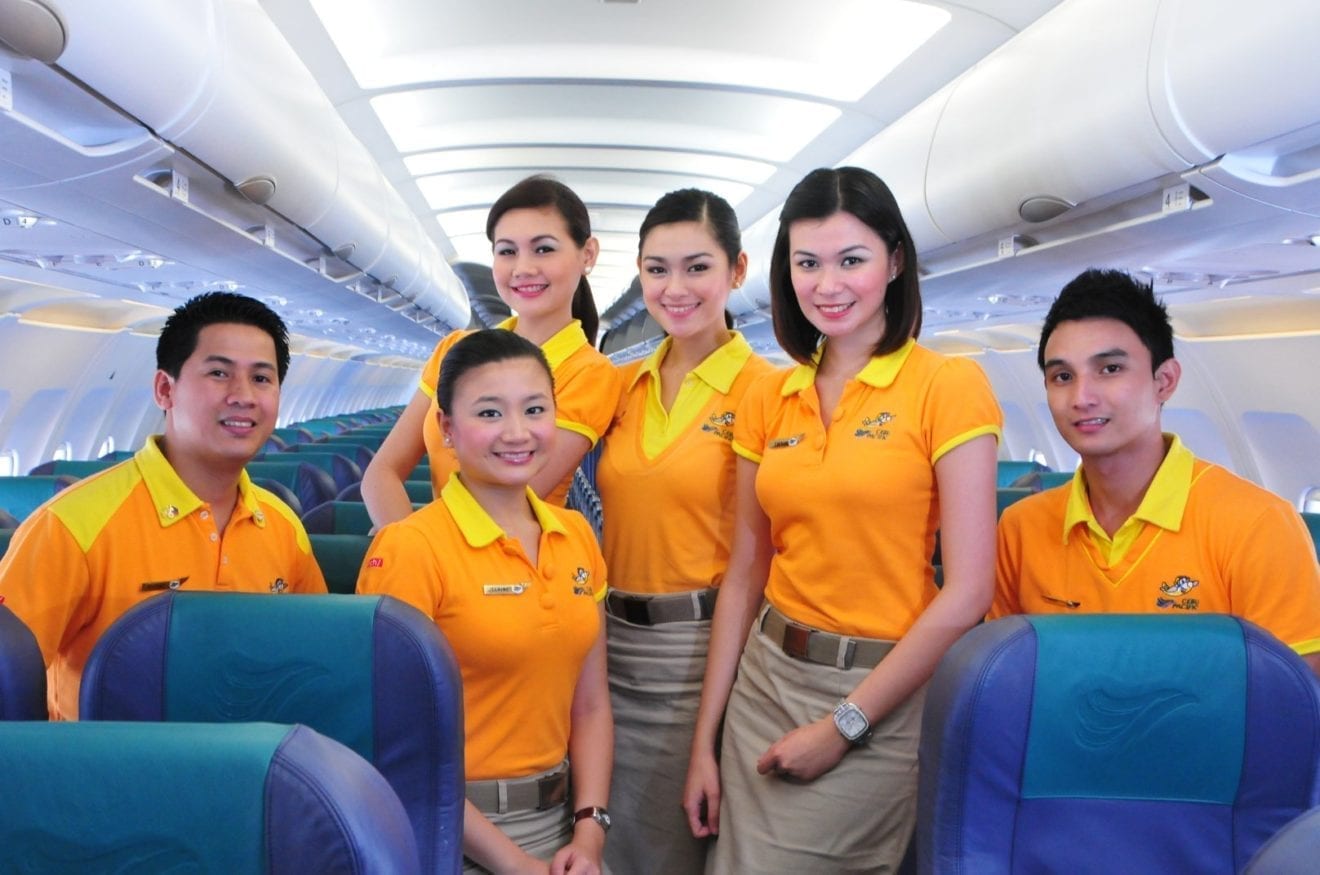
    Cebu Pacific Air has launched three new routes from Cebu (CEB). On 19 November, Cebgo, the fully-owned subsidiary of Cebu Pacific Air (and formerly known as Tigerair Philippines) began operating the routes on behalf of its parent company. Cebgo, which is now a pure turboprop operator, began daily ATR 72-500 flights to Ormoc (OMC) and Roxas (RXS) and a four times weekly service to Calbayog (CYP). None of these routes are currently served by any other carrier.

    At just 105 kilometres in length, the route to Ormoc is the shortest of the three, while the 204-kilometre route to Calbayog is the longest. According to OAG Schedules Analyser data Cebu is now connected to 26 other airports in the Philippines with non-stop flights, as well as 12 international destinations, including Los Angeles.

  • Rakuten Books expands store pickups

    Rakuten Books expands store pickups

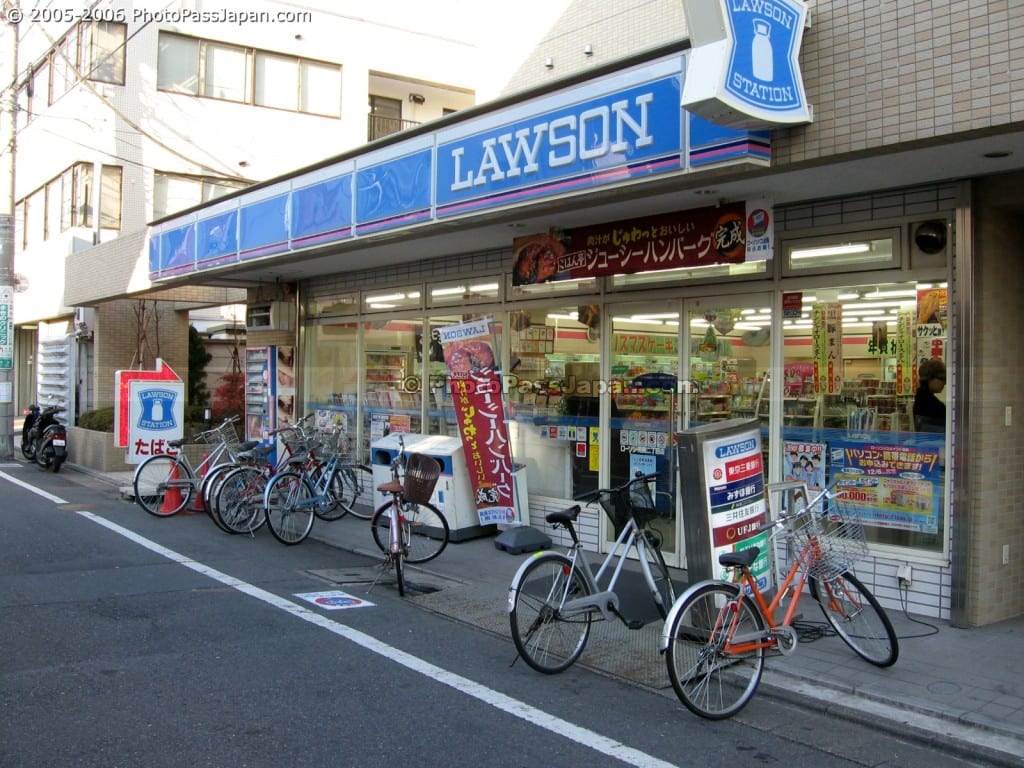
    Customers of Rakuten Books can now pick up their online purchases at Lawson convenience stores across Japan.

    This follows the forming of a collaboration between Rakuten and the Lawson chain, which has 11,922 stores around Japan, plus 100 Lawson Store outlets.

    Customers who buy products from Rakuten Books can pick up their purchases from the Lawson convenience store of their choice. The stores are open 24 hours a day, 365 days a year. Shipping is free, and customers opt to pay for their goods at the store counter.

    Rakuten Books’ pickup service launched in 2008, with next-day delivery service for certain products and regions added in 2013, broadened last year. Its latest move takes the service nationwide exclusively for Lawson stores. Goods will no longer be available for pickup at Circle K and Sunkus.

    Books, CDs and DVDs bought at Rakuten Books can be picked up from a Lawon store on the evening of the second day after the order is placed (one day longer than express home delivery), and the goods will be held in-store for one week.

  • Last Hanoi Parkson to close its doors

    Last Hanoi Parkson to close its doors

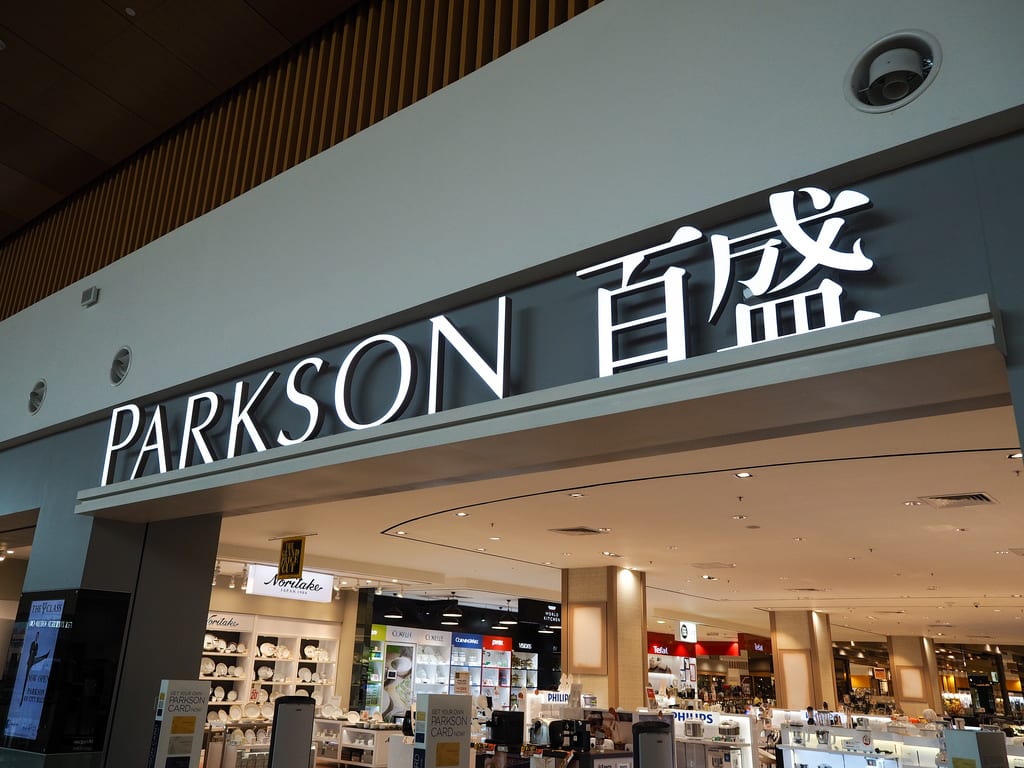
    The last Hanoi Parkson department store has been closed after eight years of trading.

    In an announcement to customers released on November 19, the company said the center “will be moved” on December 15.

    The 11,000 sqm department store located in Viet Tower in the city’s CBD was once expected to become the busiest shopping avenue in Hanoi. However, during eight years, the customer flow has been little.

    Another Hanoi Parkson in the Keangnam area was closed due to a dispute between the retailer and the building owner. All retailers had to move out of the building overnight. Former Parkson CEO Toh Peng Koon once said Vietnam was the toughest market for the company and poor sales was the main reason for that closure.

    In Ho Chi Minh City, Parkson Paragon was closed in May of this year, just five years into a 19-year lease.

    So within two years, Parkson Vietnam has closed three stores and now has none left in the capital.

    The Malaysian department store operator first came to Vietnam in 2005, opening in Saigon Tourist Plaza in Ho Chi Minh City.

    Positioning in middle market, Parkson expected to dominate the retail market in Vietnam. In fact, it brought many international brands to Vietnam such Porsche Design, Sub Jeans, and was considered a shopping icon in the city. However, it quickly faced difficulties when consumer trends changed and other retail giants from Japan, Korea and Vietnam joined the market.

    The most recent arrival is luxury Japanese department store brand Takashimaya.

    Parkson Vietnam now has seven stores in Vietnam – five in HCMC, one in Hai Phong, and one in Danang.

  • How to generate brand love on Singles Day

    How to generate brand love on Singles Day

    Singles Day is no longer just about Alibaba. It’s more like Black Monday or Christmas, a nation-wide shopping event, covering everybody looking for great deals, not just the singletons, as it was originally conceived.

    Alibaba founder Jack Ma said last year that his dream was to extend this shopping extravaganza beyond China, and establish a carnival for the world stage. Alibaba’s data shows 235 countries participated this year, while 224 used Alipay – a 60 per cent rise year-on-year, and significant step towards this dream.

    Similarly, international brands played better this year, taking better advantage of the spending power on offer. Tmall data shows us that international brand sales grew by 47 per cent (vs 2015).  The likes of Nike, Uniqlo, Adidas, New Balance and Gap headed to Tmall’s Top 20 Sales Store this year, compared to just three brands last year – testimony to the importance placed on brands and the tangible rewards being reaped for our international players.

    There is no doubt that Singles Day has become one of the most important consumption periods for a variety of categories in China, and beyond. No one wants to miss it.

    So, what was new this year?

    Technology and entertainment played crucial roles in this year’s Singles Day, with brands eager to gain public attention via the very latest technology.  A great example of this is Tmall’s partnership with the likes of KFC and Starbucks to execute the ‘Catch Crazy Cat’ VR game.

    Reaching 17 billion plays, the Pokemon-Go inspired VR game allowed consumers to catch the Tmall mascot cat via their mobiles in KFC, Starbucks and even Shanghai Disneyland.

    The number of cats caught translated into ‘Hong Bao’ (luck pocket money) to be used for discounts in a variety of stores. Overall, the game connected people online to offline, while engaging those physical stores that are usually less involved in the shopping festival.

    Tmall also launched its VR virtual shopping product Buy+ on November 1, aiming to add a fancy dress element to the shopping mania and further appeal to the Chinese consumer.

    While many critics cited this experience to be less immersive, data shows 8 million engagements, among which 76 per cent were post-millennial.

    A significant trend throughout 2016, it’s no surprise to see so many brands, celebrities and shops execute live-streaming tactics to further promote product. It’s estimated that close to 60,000 different live streams took place on Singles Day. The biggest live streaming event, the Tmall Party, saw attendees span a collection of top A-list celebrities, both international and local; including the likes of David and Victoria Beckham, and Scarlett Johansson. The move to secure former Super Bowl Director, David Hill, only helped to further propel this year’s Singles Day onto the global stage.

    China has coined this year’s model as ‘Double E’ – Entertainment meets eCommerce, unleashing consumer purchase potential via the simple act of entertainment. Brand advertising potential is now enormous, and will only continue to grow year-on-year.

    How can brands leverage Singles Day?

    Singles Day is not everything. While everyone is impressed by this year’s 120.7 billion RMB sales figure, many ignore the fact that this is less than 5 per cent of Alibaba’s annual sales.

    For brands to sell, it’s important to remember that the remaining 364 days of the year count. Ogilvy believes that annual content that can be weaved naturally into omni-channel planning will ultimately connect brand with consumer and drive sales.

    As Jack Ma said in 2013, Singles Day has reached a certain momentum – it’s not only about the sales numbers anymore. This year is testament to this thinking. Increasingly, big brands have started to dominate the top sales ranking. Given the attention and hype of the day, this is a great opportunity for brand building if done well.

    Marketers should ruminate on how their brand can cut through and develop content that drives attention, and also builds the brand for engagement longevity. Singles Day is not only a selling extravagance but also a unique platform for creative brand building.

    There are also proven successes of launching a less well-known brand or promoting a less-penetrated category during this period. We also helped clients successfully orchestrate limited edition launches. For example, this year’s partnership between Budweiser and celebrity Chen Weiting saw an exclusively designed Tmall pack, live-streaming, and an invite for the highest purchasing group to attend Chen’s upcoming concert – placing Budweiser as the best selling beer brand on the day.

    Similarly, Tmall was able to demonstrate how international players can reach more remote areas of China – where spending power is rising and physical product distribution proves difficult. Brands entering China tend to believe that consumers in larger cities have the biggest spending, however, Tmall data shows us that provinces such as Qinghai and Shanxi are not to be ignored. Here, low-price is not a factor that determines spending; it’s brand value and quality that counts.

    These were all put into the wider context of making a brand matter to consumers, so as to generate long-term and loyal customers. This year’s overall sales ranking of many categories shows us that when the promotion level went down, the stronger brands play better. So, what ensured top ranking sales for Suning, Xiaomi, Haier, Uniqlo and Nike is not only a result of promotional discounting, but the current sentiment and value of the brand to consumers.

    What main e-Commerce trends do we see in China?

    China is not only the biggest eCommerce country in the world, it’s also arguably the fastest moving one. Tmall remains one of the major eCommerce channels for many brands.

    However, it only provides limited customer data to brands. We see more and more brands start to develop their own eCommerce websites in order to provide an immersive brand experience. And, more importantly, to attain better customer data that allows them to drive loyalty via CRM.

    Personalised eCommerce shopping experiences are another mega-trend. Tmall first called this out as ‘Thousand People, Thousand Faces’, and many other platforms followed suit.

    Tmall’s enormous big data capability enables brands to profile a customer and design unique shopping experiences based on their preferences. Some brands have also started to pilot this. For example, last year saw us help Nestlé tailor a unique shopping experience on its Tmall shop based on customer profiles. The results were phenomenal – engagement rates and sales close to doubled.

    It’s no secret that mobile has become the main device for consumers to purchase products.

    This year, 82 per cent of the 120.7 billion came from mobile, a big leap vs 2015’s 68.7 per cent. The trend sees brand content link seamlessly to eCommerce on mobile, enabling consumers to purchase items while absorbing brand content. A great example of this is the Tommy Hilfiger Shanghai show on October 24. Tommy Hilfiger broadcast the event live stream in high-definition and, most importantly, drove the audience to instantly purchase items on stage via a simple click.

    It’s clear that the slow-down of economics in China has not discouraged an enthusiasm to buy. Yet Chinese consumers are now more brand conscious, more design conscious, and more quality conscious. Brands clearly play a crucial role in eCommerce, now more than ever, therefore making brands matter is essential.

  • Jollibee profit soars as Filipinos order more

    Jollibee profit soars as Filipinos order more

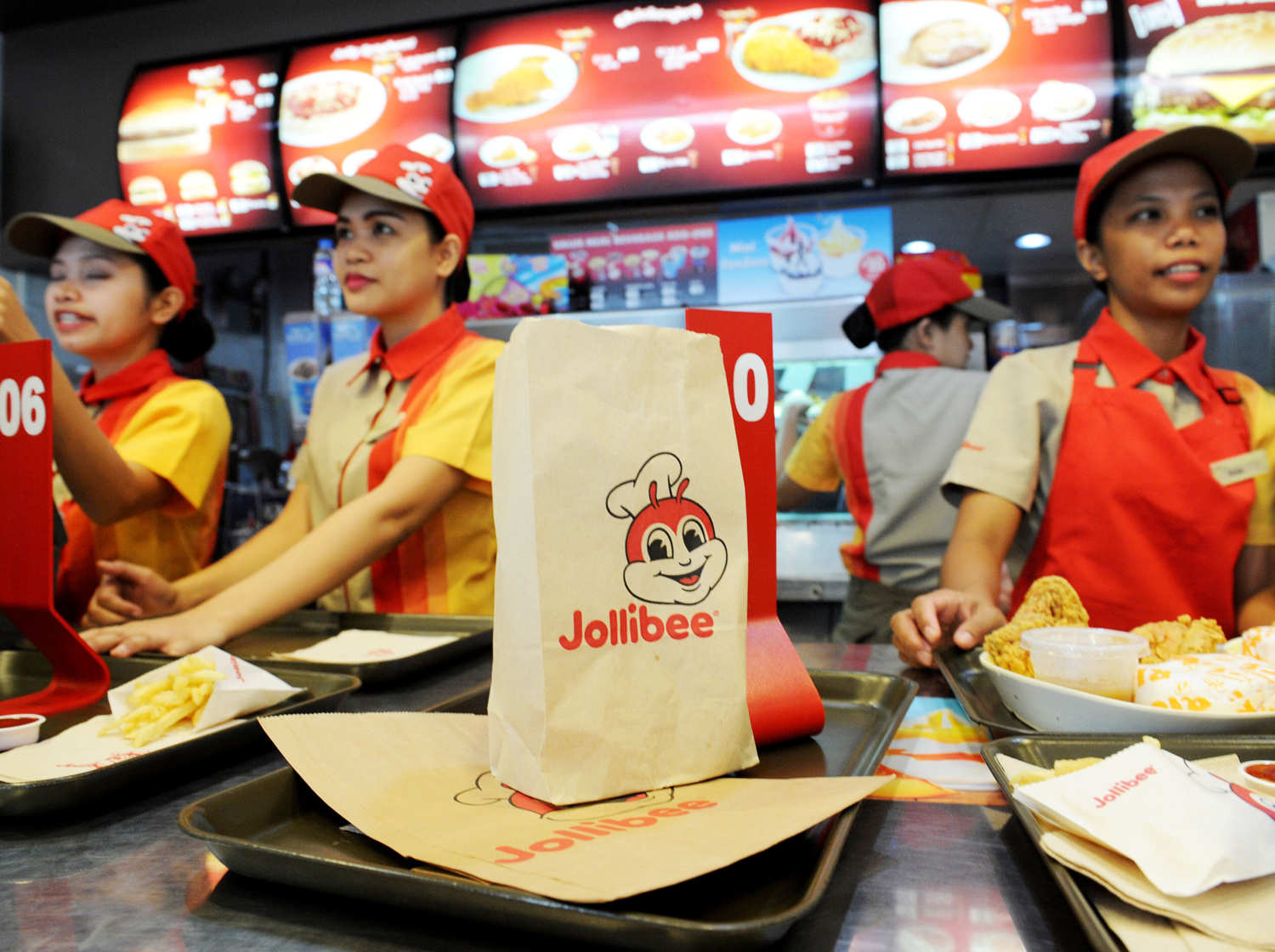
    Jollibee Foods has reported  13.8 per cent global sales growth in its nine-month net profit as sales soared to P4.39 billion (US$88.2 million).

    Most of the Jollibee profit growth came from the domestic market where sales rose 16 per cent year-on-year, with the expanding offshore business returning 6.4 per cent growth.

    During the third quarter, net profit rose 6.1 per cent to P1.33 billion.

    “Sales of our businesses continued to be strong. We expect to end the year 2016 with the highest system-wide sales growth in five years and the highest organic growth in at least a decade driven by strong same store sales growth and the highest store network expansion,” said Jollibee CEO Ernesto Tanmantiong in an earnings statement.

    Jollibee, Asia’s largest food company, grew systemwide sales in the third quarter by 12.4 per cent to P36.32 billion, taking nine-month sales to P107.76 billion or 14.1 per cent higher.

    On a global basis, sales from the same-store network grew by 6 per cent year-on-year while new stores contributed a growth of 6.4 per cent.

    Tanmantiong said the company was encouraged by improvements in China, which helped its international business return to growth.

    “We look forward to continued recovery of our China business in the months ahead with the introduction of new products. Our plans for 2017 and the years ahead call for continued strong same store sales growth and store network expansion in the Philippines and abroad with the aim of surpassing our historical performance,” he said.

    JFC opened 201 new stores between January and September – 133 in the Philippines and 68 abroad. That’s a higher number than for the whole of 2015, when 186 opened.

    Jollibee’s CFO Ysmael Baysa said gross profit margins on the company’s products improved in the third quarter as raw material prices stabilised.

    At the end of September Jollibee had 3221 stores worldwide, 2547 of them in the Philippines. It also has a stake in Highlands Coffee in Vietnam and the Philippines, Pho 24 in Vietnam, Indonesia, Cambodia, Korea and Australia, Hotpot in China Smashburger in the US.

  • Opening delay for Apple Store Singapore

    Opening delay for Apple Store Singapore

    Apple Store Singapore is not likely to open in time for Christmas, according to an updated information board outside its site in Orchard Road.

    Outside Knightsbridge mall, the sign now shows an expected completion date of January 30 – a three-month delay.
    No reason has been offered for the delay with Singapore’s first Apple Store, and the mall’s facade is still covered by white construction hoarding and canvas.

    Tall glass structures were already in place at the construction site in July, most likely for Apple’s signature glass facade for its flagship stores.

    Work on the store started in May, and it could potentially span four floors.

  • Philippines charges bankers for ignoring cyberheist

    Philippines charges bankers for ignoring cyberheist

    The Philippines has filed charges against five officials of RCBC bank and a former treasurer who “wilfully ignored” suspicious activity that led to tens of millions of dollars vanishing after a heist on Bangladesh’s central bank.

    Unknown cybercriminals tried to steal nearly $1 billion from the Bangladesh Bank in February in what was one of the biggest bank heists ever.

    They succeeded in transferring some $81 million via an account at the New York Federal Reserve to four accounts in fake names at a branch of Rizal Commercial Banking Corp. in Manila. Most of the cash was quickly withdrawn and laundered through multiple channels.

    In a 97-page complaint to the justice ministry, the Anti-Money Laundering Council (AMLC) said that former RCBC Treasurer Raul Tan, three retail banking officials and two workers at the branch where cash was withdrawn were guilty of money laundering because they should have noticed something was wrong and intervened immediately.

    Only about $15 million has been recovered and returned to Bangladesh, with a further $2.7 million frozen. The rest of the funds changed hands several times and vanished in the Philippines’ casino industry.

    No arrests have been made despite investigations by the U.S. Federal Bureau of Investigation, Interpol, Bangladesh police and authorities in the Philippines.

    Tan resigned as the bank’s treasurer in April.

    The AMLC complaint, filed on Nov. 18, covers three retail banking workers and two customer relations officers at the its Jupiter branch in Makati City. The complaint was based on evidence gathered from the bank.

    “Tan was in a position to order enhanced due diligence based on the red flags,” it said.

    “Tan could have convened the anti-money laundering committee to act on these red flags,” the AMLC said, adding Tan “wilfully ignored them and failed to conduct thorough investigation,” as required by law and the bank’s regulations.

    Tan’s actions showed he had “knowledge that the funds transacted represented the proceeds of an unlawful activity,” it said.

    RCBC in a statement said its own probe had found no official from the head office involved in the transaction, which was initiated and carried out by the Jupiter branch.

    “We welcome the charges as an opportunity to conclusively prove that our executives acted properly and had no knowledge or participation in any money laundering,” CEO and President Gil Buenaventura said.

    One longtime RCBC client, casino owner and agent Kim Wong, had admitted during a Philippine Senate inquiry that he received millions of the loot from two Chinese gamblers but did not know it was stolen. He denies involvement in the heist and has returned $15 million of around $35 million he said he received.

  • BreadTalk to take Din Tai Fung into UK

    BreadTalk to take Din Tai Fung into UK

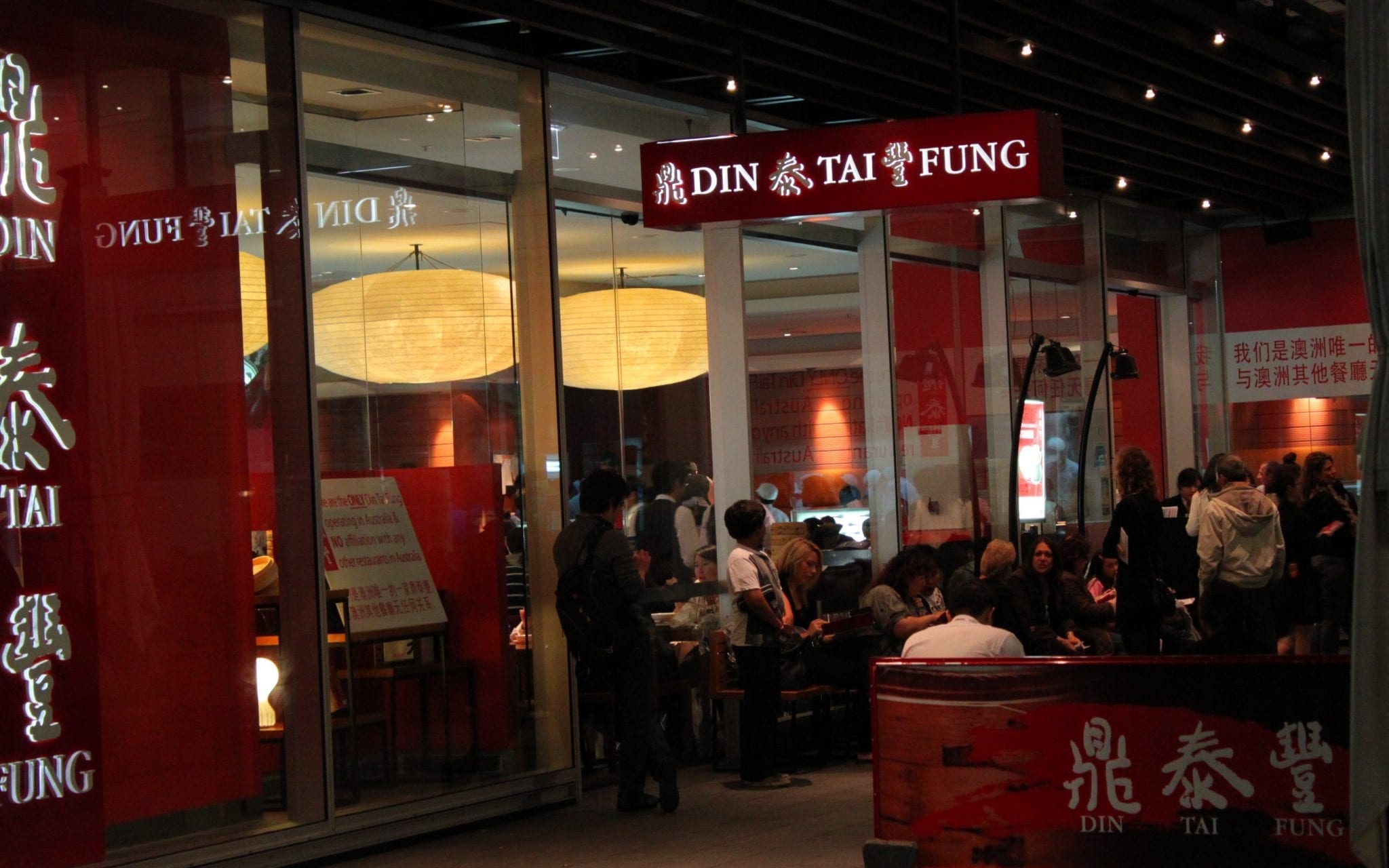
    BreadTalk Group has signed a franchise agreement with the parent of the Din Tai Fung brand of restaurants to take the Taiwanese concept into the UK.

    BreadTalk Group says the deal with Fairy Rise Development, the owner of Din Tai Fung, will see the first restaurant opened in London next year, followed by outlets in England, Ireland and Northern Ireland.  They will be run by a joint venture company TFUK, comprising BreadTalk subsidiary Together Inc as majority shareholder, Din Tai Fung Taiwan, Fairy Rise, a UK partner and Taiwanese investors.

    Cheng William, divisional CEO (restaurant) of BreadTalk Group says the deal will see the concept enter Europe for the first time.

    “With our experience in operating the brand for the last 13 years in both Singapore and Thailand, we hope to bring the much loved Din Tai Fung to new consumers who will appreciate this authentic Taiwanese cuisine,” he said.

    Din Tai Fung’s owner,  Chi-Hwa Yang, says the international recognition Din Tai Fung enjoys today “is in no small part attributable to our long-standing partnership with the BreadTalk Group. BreadTalk Group has played an integral role in our success by growing and exposing our Taiwanese brand to an international audience.”

    BreadTalk Group operates 21 Din Tai Fung restaurants in Singapore and three restaurants in Thailand with more planned.

    Globally, Din Tai Fung’s stores have won multiple awards, including a Michelin star in Hong Kong, and are favoured by celebrities and food critics alike with a total of 135 restaurants in 13 territories.

    BreadTalk Group won the franchise rights to operate Din Tai Fung in Singapore and Thailand, in 2003 and 2011 respectively. The Taiwanese brand also has branches in Australia, China, Hong Kong, Indonesia, Japan, Malaysia, the Philippines, South Korea, the UAE and the US.

    BreadTalk Group has nearly 1000 stores spread across 17 markets, its brand portfolio comprises BreadTalk, Toast Box, Food Republic, Din Tai Fung, Thye Moh Chan, Bread Society, The Icing Room and RamenPlay.

    BreadTalk Group has a network of owned bakery outlets in Singapore, China, Malaysia, Hong Kong, and Thailand, as well as franchised bakery outlets across Asia and the Middle East. It also owns the Food Republic food atria in Singapore, China, Taiwan, Hong Kong, and Malaysia.

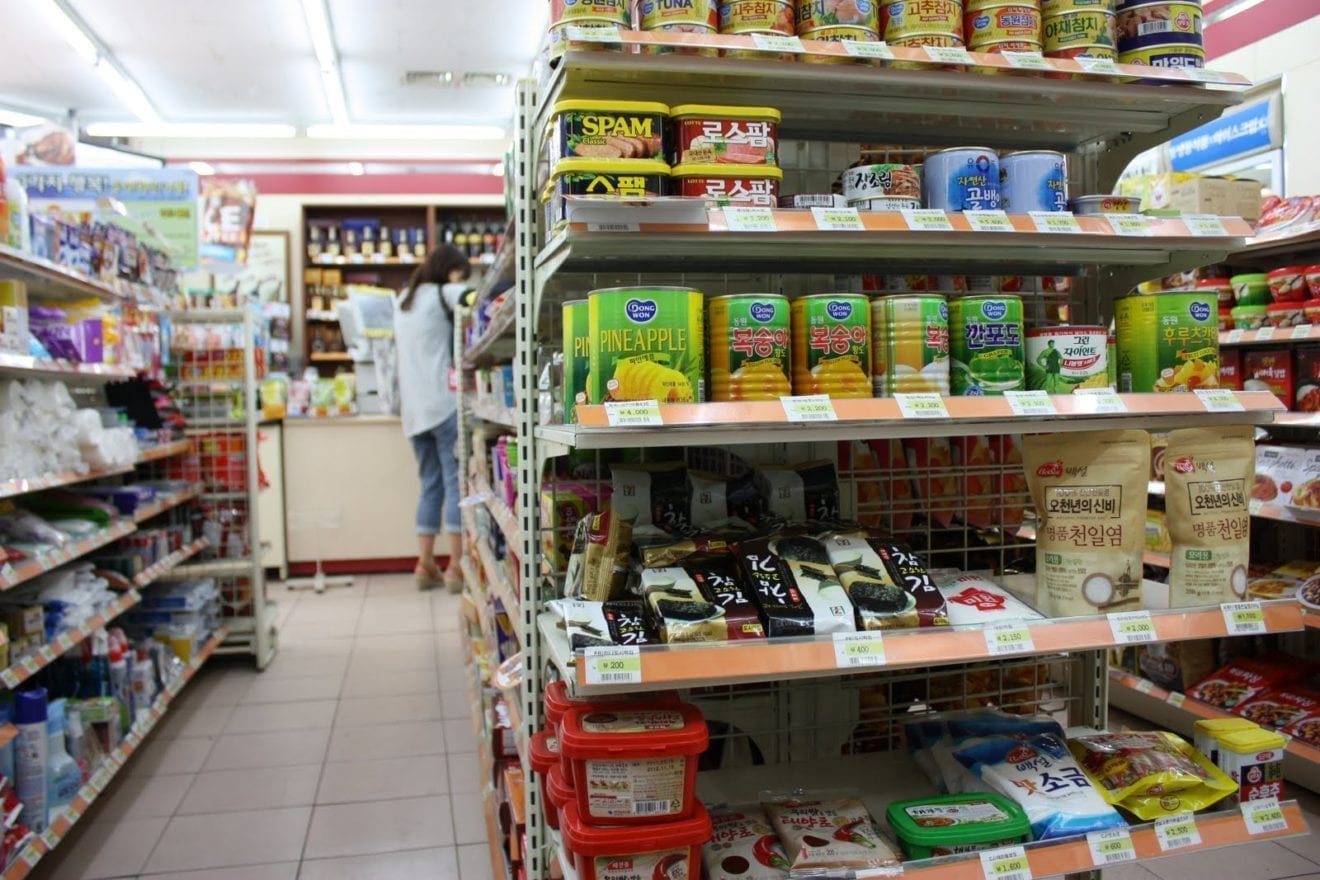
  • Boom time for Korean convenience store sector

    Boom time for Korean convenience store sector

    The Korean convenience store sector is experiencing rapid growth as heavyweights battle for market share.

    The number of convenience stores in South Korea surpassed 33,000 as of the end of October this year, marking a rapid growth since the opening of the first store 27 years ago, according to industry data.

    That’s a significant increase from the 28,994 counted at the end of last year.

    CU had the most with 10,634, followed by GS25 with 10,486 and 7-Eleven with 8486. Japan-affiliated brand Mini Stop had 2326, and With Me, a chain operated by Shinsegae Group, had 1615. There are some 100 others that are not part of franchises, according to the Korea Association of Convenience Store Industry.

    South Korea’s first convenience store opened in southern Seoul in May 1989.

    The rising number of single-person households and aging society are funneling consumers to convenience stores that are near their homes and sell small portions, industry watchers say. Convenience stores have been quick to adapt to such a customer base, expanding from conventional shelf goods, such as snacks and beverages, to lunch boxes and other kinds of meals for singles who don’t want to cook, as well as services, including delivery and financial transactions.

    The sector grew 11.4 per cent last year, visibly comparable with 1.2 per cent growth in 2013 and 4.7 per cent in 2014. Sales increased from 12.8 trillion won (US$10.96 billion) in 2013 to 13.8 trillion won in 2014 and to 17.2 trillion won last year.

    Industry watchers expect sales this year to exceed 20 trillion won, with room for more growth until 2030, considering that South Korea’s per-store sales is only about one-fourth of that in Japan. Japan currently has about 55,600 convenience stores.

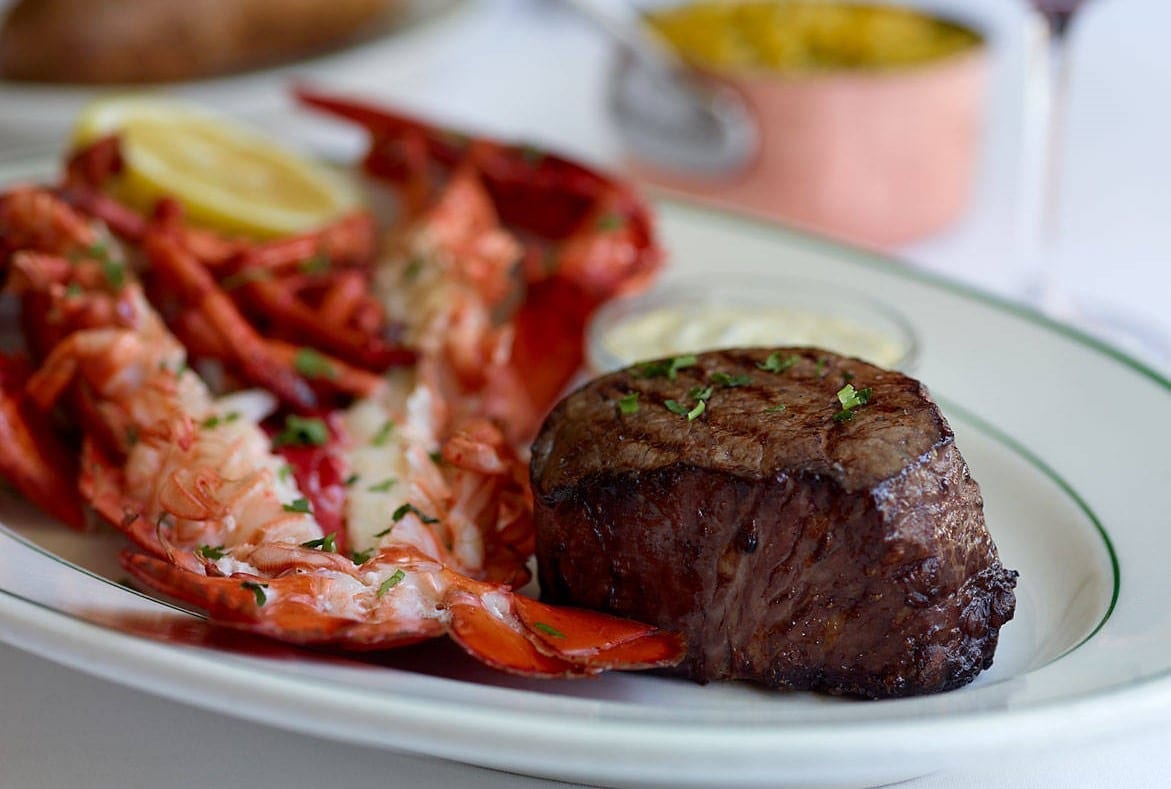
  • Smith & Wollensky restaurants going global

    Smith & Wollensky restaurants going global

    US steakhouse Smith & Wollensky, famously described by the New York Times as “the steakhouse to end all arguments”, is expanding its global presence, setting its sights initially on such cities as Bangkok, Hong Kong, Seoul, Singapore, Taipei and Tokyo, as well as Dubai and Mexico City.

    This follows Irish investment company Danu Partners acquiring Smith & Wollensky Restaurant Group (SWRG) from Bunker Hill Capital this year. Its first overseas restaurant was opened in London.

    “Our teams in the US and London have worked closely together to build a robust infrastructure, and this is a perfect platform on which to build a global business,” says Leonard Ryan of Danu Partners. Joining the team will be international development executive Oliver Munday, who in the past 20 years has worked at growing US restaurant brands internationally.

    “Having completed transactions in more than 30 countries with multiple restaurant brands including Hard Rock, Margaritaville and Planet Hollywood, Oliver brings the contacts and expertise needed to allow us to reach our full potential on the international stage,” says SWRG president/CEO Michael Feighery .

    “Smith & Wollensky occupies a special place among the great US fine-dining restaurant brands, and there is global demand for such a classic American steakhouse experience,” says Munday. “We will be entertaining only a handful of select markets … but interest is already strong.”

    Since Danu Partners bought Smith & Wollensky it has embarked upon a program of reinvestment, which as well as expansion includes upgrades of its restaurants in the US.

    Established in 1977 with its headquarters in Boston, Smith & Wollensky Restaurant Group has seven locations in the US. The restaurant has received such accolades as the Grand Award of Excellence from Wine Spectator and an Award of Excellence from Distinguished Restaurants of North America.

    An investment holding company based in Dublin, Danu Investment Partners was founded in 2009 and covers a range of business sectors, with a focus on the hospitality sector.

  • Alibaba Cloud to open new data centers

    Alibaba Cloud to open new data centers

    Alibaba Cloud has announced plans to open four new data centers by the end of 2016 in the Middle East, Europe, Australia and Japan.

    The new centers are expected to boost its data center network to 14 locations, covering key economic centers around the world. The data center in the Middle East, located in Dubai in the United Arab Emirates, commenced initial operations today.

    Alibaba Cloud’s expansion aims to provide customers in Asia and worldwide with improved latency and greater access to diverse offerings, including data storage and analytics services, enterprise-level middleware, and cloud security services. The new data centers are expected to support Alibaba Cloud’s growing client base beyond the current 2.3 million.

    Extending its global footprint in the Asia-Pacific, Alibaba Cloud will open a new data center in Sydney, Australia by the end of 2016.

    Alibaba Cloud will bring its most popular cloud services in data storage and processing services, enterprise-level middleware, and cloud security services to the Australian market. A dedicated team will be based in Australia, and build up a cloud ecosystem with local technology partners to drive cloud and big-data business in the region.

    The planned new Japan Data Center, hosted by SB Cloud Corporation, a joint venture between Softbank and Alibaba Group, will meanwhile provide Japanese enterprises with public cloud computing services from Alibaba Cloud.

    With the joint venture, Alibaba Cloud will further expand its cloud computing service platform by leveraging SoftBank’s extensive enterprise customer base in Japan.

    “Alibaba Cloud has contributed significantly to China’s technology advancement, establishing critical commerce infrastructure to enable cross-border businesses, online marketplaces, payments, logistics, cloud computing and big data to work together seamlessly,” Alibaba Cloud president Simon Hu said.

    “We want to establish cloud computing as the digital foundation for the new global economy using the opportunities of cloud computing to empower businesses of all sizes across all markets.”

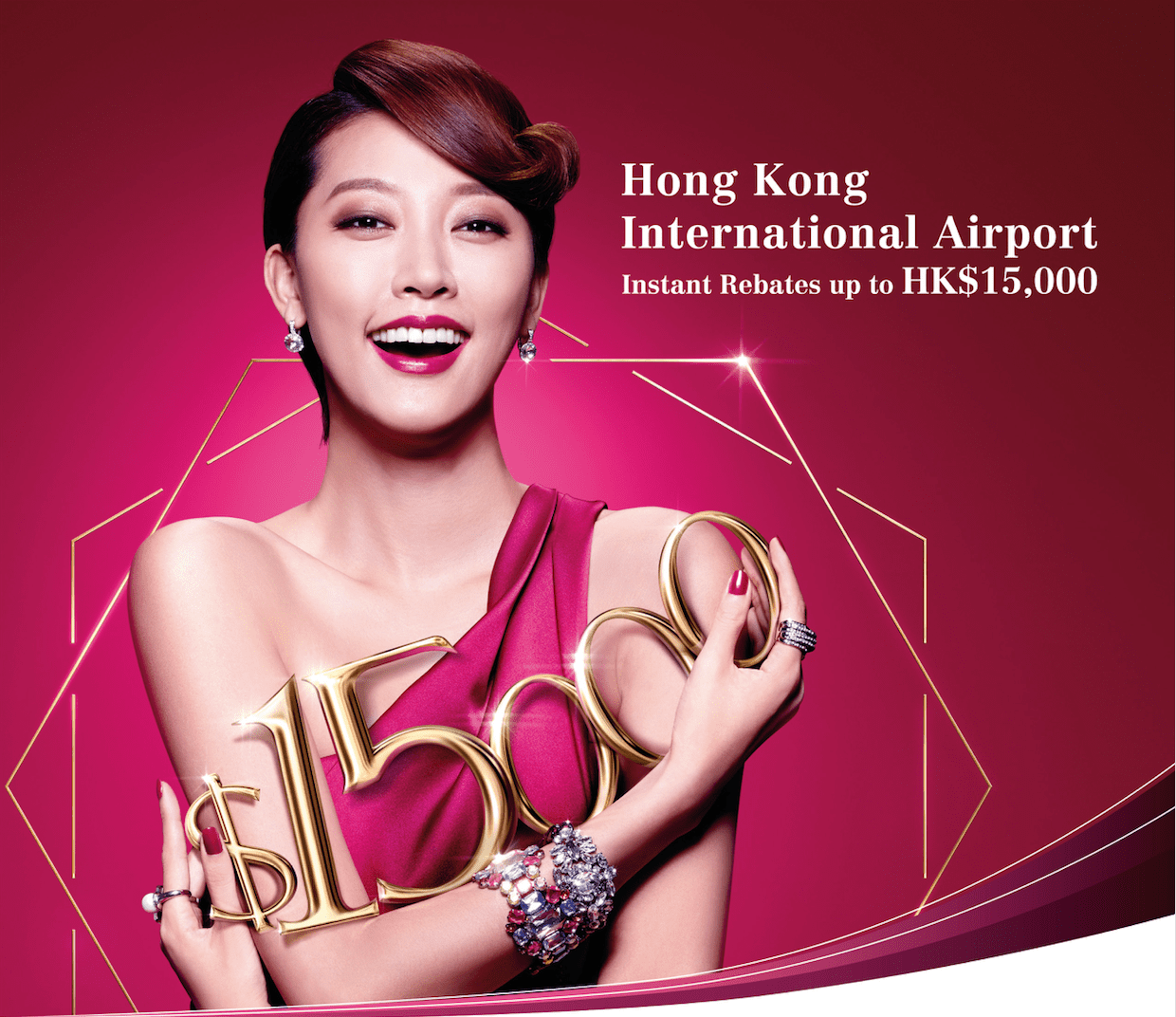
  • Hong Kong International Airport Offers Deluxe Promotion –  Instant Rebate of up to $15,000

    Hong Kong International Airport Offers Deluxe Promotion – Instant Rebate of up to $15,000

    Starting from 17 November, Hong Kong International Airport (HKIA) will launch a limited time deluxe promotion featuring instant cash coupons rebate to HKIA travellers. 

    From 17 November to 1 December 2016, travellers will be entitled to enjoy an instant cash coupon rebate worth up to HK$15,000 for spending by electronic payment. The November deluxe promotion is designed to enhance travellers’ shopping experience at HKIA.

    For details, please refer to the following table:

    Spending by Electronic Payment of

    HKIA Cash Coupons Redemption

    HK$20,000

    HK$1,200

    HK$50,000

    HK$5,000

    HK$150,000

    HK$15,000


    Shopping and Dining Offers

    During the promotion period, HKIA will also collaborate with retailers to provide an array of fabulous shopping and dining offers. Travellers can get more details by simply scanning the QR code on the promotion materials or visiting their website:

    https://www.hongkongairport.com/eng/shopping/special-offers.html

    Free Delivery Service

    Travellers spending HK$1,000 or more in a single transaction at HKIA can enjoy complimentary local delivery service. Free delivery service to Mainland (on clothing, bags and accessories only), Indonesia, Macao, Malaysia, the Philippines, Singapore, Taiwan, Thailand and Vietnam is also offered to travellers who spend HK$2,500 or more in a single transaction. For details, please check with the staff at the retail outlets.

    For more details on the promotions, please visit the Facebook Page, www.facebook.com/hkairport.official, or on the website

     https://www.hongkongairport.com/eng/shopping/index.html

  • BRI Launches JCB Platinum Credit Card for Travelers

    BRI Launches JCB Platinum Credit Card for Travelers

    PT Bank Rakyat Indonesia (Persero) Tbk. (BRI) and PT JCB International Indonesia, a subsidiary of JCB International Co., Ltd., the international operations subsidiary of JCB Co., Ltd. (collectively “JCB”), today announced the launch of the BRI JCB Platinum Credit Card in the BRI JCB Indonesia Open 2016. The card will be ready in the market in the next spring 2017.

    Bank BRI is a leading bank in Indonesia with an extended network of more than 10,000 outlets and more than 100,000 e-Channel outlets. JCB brand cards are currently issued in 21 countries and territories with 95 million cardmembers around the globe. BRI has cooperated with JCB for JCB card acceptance at BRI merchants with BRI EDC machines since April 2016. The launch of this new product is the next step of the partnership.

    BRI JCB Platinum Credit Card is a strategic complement to the BRI product line for the consumer segment, especially as a credit card product to tap the traveler segment.

    BRI JCB Platinum Cardmembers can enjoy special features such as:

    1. Double BRI points at all merchants such as restaurants, airlines, golf courses and car rental.

    2. Triple BRI points for transactions overseas.

    3. 0% installment conversion for all transactions overseas for the first 12 months.

    BRI points earned by BRI JCB Platinum Cardmembers can be converted into airline miles, exemptions of card annual fees and a variety of other exciting promos.

    “We are optimistic about issuing 50,000 cards from early Q1 2017 until Q4 2017,” said Sis Apik, Managing Director of BRI.

    “BRI believes that this JCB brand credit card will grab the travel segment, increase the BRI number of cards and card usage for travel, for both domestic and overseas destinations,” he added.

    To give extra convenience to BRI JCB Platinum Cardmembers who travel abroad, JCB provides a variety of features that support travel needs such as free access to 28 airport lounges in Japan, 26 lounges in China, 2 lounges in Korea, and 1 lounge each in Singapore, Thailand, and Hong Kong.

    Besides that JCB provides JCB Plaza Lounge in several world-class business and travel destinations: Tokyo, Paris, Honolulu, Hong Kong, Guam, and Singapore. Last but not the least JCB also provides free wifi hotspot access and discounts at many selected merchants in Japan.

    “JCB is very excited and proud to have a partnership with BRI for the issuance of BRI JCB Platinum Credit Card that means JCB market share expansion in the premium credit card segment in Indonesia. Our strategy to tap the premium segment has resulted in 60% growth in the number of JCB cards in the market since 2014,” said Koichiro Wada, Director PT. JCB International Indonesia.

    “As you may know traveling overseas is increasing year on year especially to Asian countries, therefore we are confident that the BRI JCB Platinum Credit Card with special features for travelers will be very interesting for Indonesians who love to travel, and increase the cashless society in Indonesia,” he added.

    The uniqueness of the BRI JCB Platinum Credit Card is not only the card features, there is also the card design of the Nuri Irian bird which is an exotic bird from the jungle of Papua, East of Indonesia. It expertly mimics diverse sounds and has charming feathers, ranging from blue, red, and green that dominate the whole body as well as black on the head, back and neck.

    In addition to beauty, the Nuri Irian bird also illustrates openness and freedom as the species loves being outdoors and singing beautifully. This is in line with the purpose of the BRI JCB Platinum Credit Card issuance for the traveler as well as the spirit of BRI and JCB to always develop and present new products and give the best service to their customers.

  • GEOX Launches Women’s Footwear Collection Autumn/Winter 2016-2017

    GEOX Launches Women’s Footwear Collection Autumn/Winter 2016-2017

    A breath of air is a source of life – a line where well-being starts and a symbol of sublime beauty and perfect function. Research and technology are stalwart companions in what Geox does.

    Geox’s “cool comfort” range fuses creativity, lightness and flexibility – be it for urban days, classical events, sporty afternoons or glamorous evenings.

    With the upcoming Winter season, the traditional qualities of breathability, thermo-regulation and water-tightness are bonded into Geox’s vanguard membrane and soles — further enhanced by the German TÜV SÜD FOOTWEAR MARK: that vouches for a rigorous control procedure on quality during production. The aim is to ensure harmful substances are not released during production. A mark of quality assurance is only right given Geox’s unflagging attention to standards and commitment towards society and the environment.

    One of these models is Sfinge, engineered with a hive of spaces which exalts its springiness, grip and cushioning sole. Featuring 3D breathable technology and Inner Breathing Lining, it caters for a female desire for finesse with its eclectic mix of leather, suede and patent finishes, available in both total black version and in a colour-block version featuring cornflower blue, pillarbox red and metallic gold.

    Fall/Winter features ankle boots customised with special embossed details which add dimension to the black leather. Waterproof, lightweight, easy to slip on and comfortable, these shoes have a modern and pared-back look. The rubber soles include the Amphibiox technology which keeps wet weather conditions at bay: the breathable and waterproof inner membrane protects both sole and upper, stopping water from getting inside the shoes whilst ensuring amazing breathability – meaning your feet stay warm, dry and breathe naturally.

    Walking shoes couldn’t get better than this whether to tackle old- town cobblestones or moss-covered boulders. Nebula continues to amaze as it slips into new skins crossing boundaries and seasons on a carpet of clouds: the fabric and suede, both smooth and with quilt-stitching, feature a colour palette spanning from light dusty pink, teal and grey all designed to match the original colour contrast of the soles. Boasting Geox outstanding patents in one shoe, Nebula fuses the Inner Breathing System, Net Breathing System and an inner EVA sole with strategically placed soft rubber inlays to ensure added grip and stability. Easy to slip on and with elastic laces, its natural heat-balancing properties, lightness, flexibility and cushioning effect fuse effortlessly with the hi-tech design.

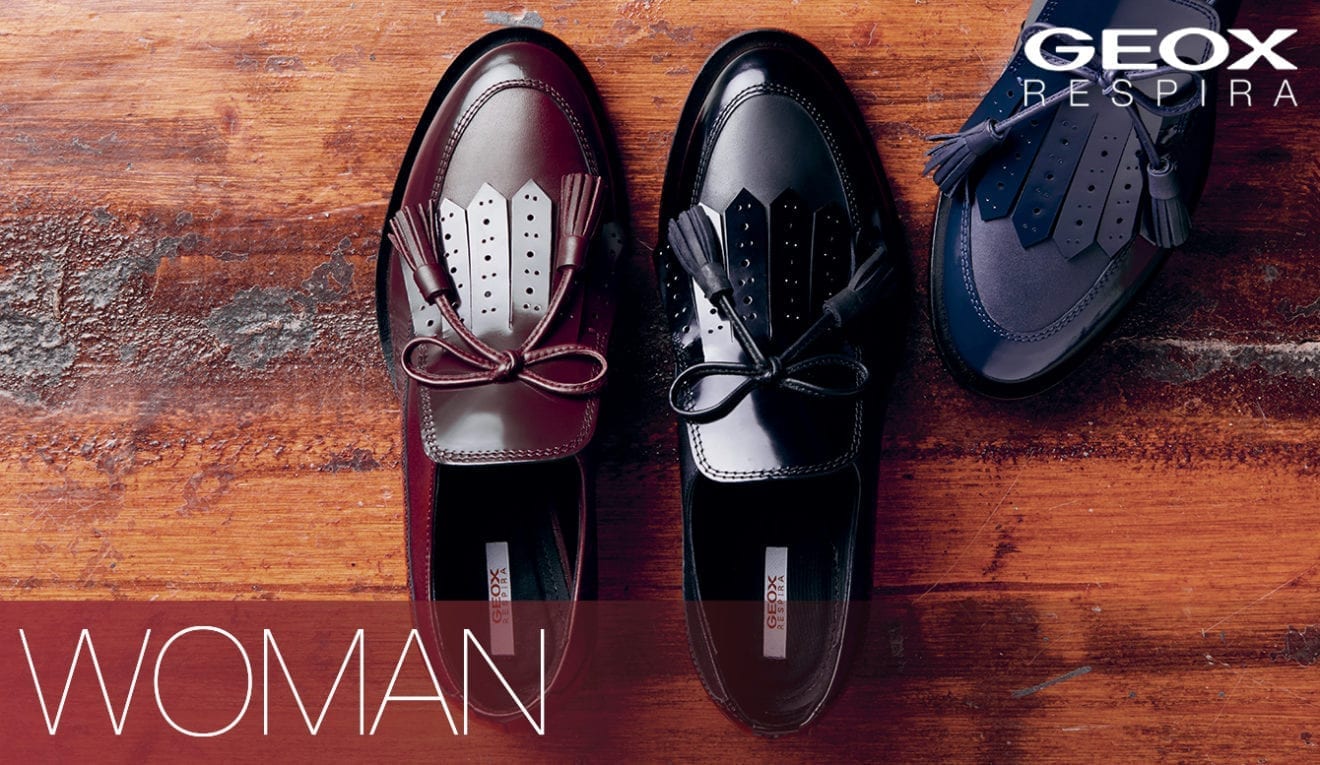
    One hot comeback is the good old moccasin, revisited in a modern-chic version, available in a wide range including pearly patent leather, brushed leather or crocodile print models as well as a preppy style with metal horsebits. Geox’s iconic loafers for men and women are crafted in the softest black and burgundy leather, with an ultralight, flexible rubber sole, these loafers combine the practicality of breathability with an upbeat urban feel.

    Last, the spotlight turns on a fashion-statement collection which includes boots, ankle boots, pumps, ballerina flats with tapered toes — all capturing the essence of the latest trends on the pret-a-porter catwalks. For the more sophisticated versions, the material mixture, such as smooth and laminated leather, creates eye-catching patterns of black & gold, lit up with small metallic buckle details. Fitted with inner memory foam soles, they are super soft, lightweight and flexible, specially designed for formal daytime looks or more glamorous evening engagements.