Author: Mei Ling Tan

  • PNG plans to open flight route to Papua

    PNG plans to open flight route to Papua

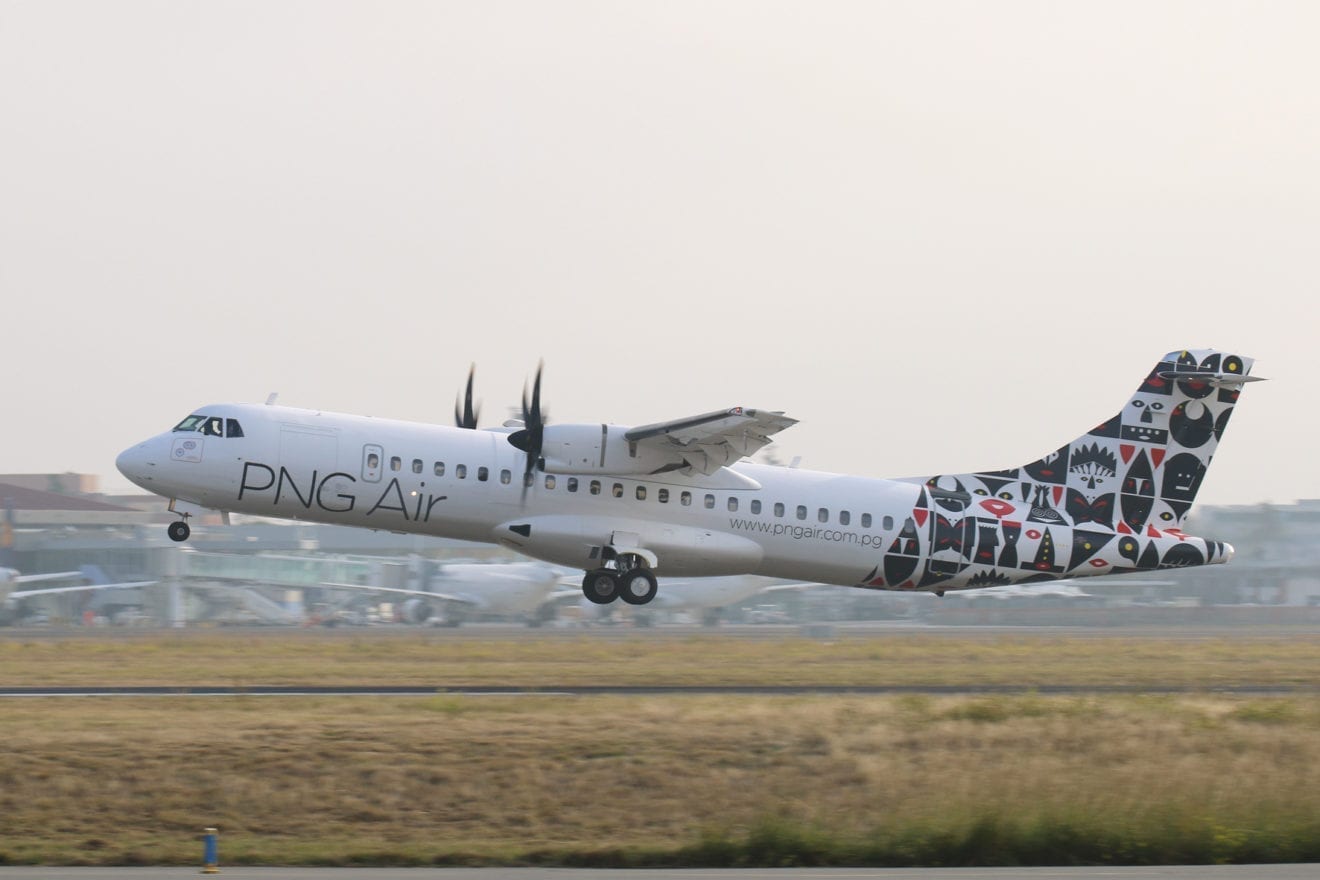
    Papua New Guinea has reiterated its plan to open a flight route from Mount Hagen to Jayapura during a meeting of the Border Liaison Officers held in Port Moresby, an Indonesian official said.

    Papua New Guinea will soon realize its plan but has not set a specific date for it, Director for East Asia and the Pacific at the Indonesian Foreign Ministry, Edy Yusuf, said on Tuesday.

    Yusuf said the Indonesian government is prepared to help realize the plan soon.

    “Indonesia is ready to help Papua New Guinea realize the plan since there is no flight from Papua to Papua New Guinea,” he added.

    The head of the Indonesian delegation to the meeting, Klemen Tinal, who is also the deputy governor of Papua, shared Yusufs view and expressed the hope that the plan would come to fruition soon.

    Most citizens of Papua New Guinea who live in Vanimo visit Indonesia by land through borders between Wutung in Papua New Guinea and Skouw in Indonesia, as well as by sea, he informed.

    If the plan to open the flight route is realized, they will no longer need to travel to Papua by land or sea, he stressed.

  • AsiaInfo strengthens cloud computing portfolio

    AsiaInfo strengthens cloud computing portfolio

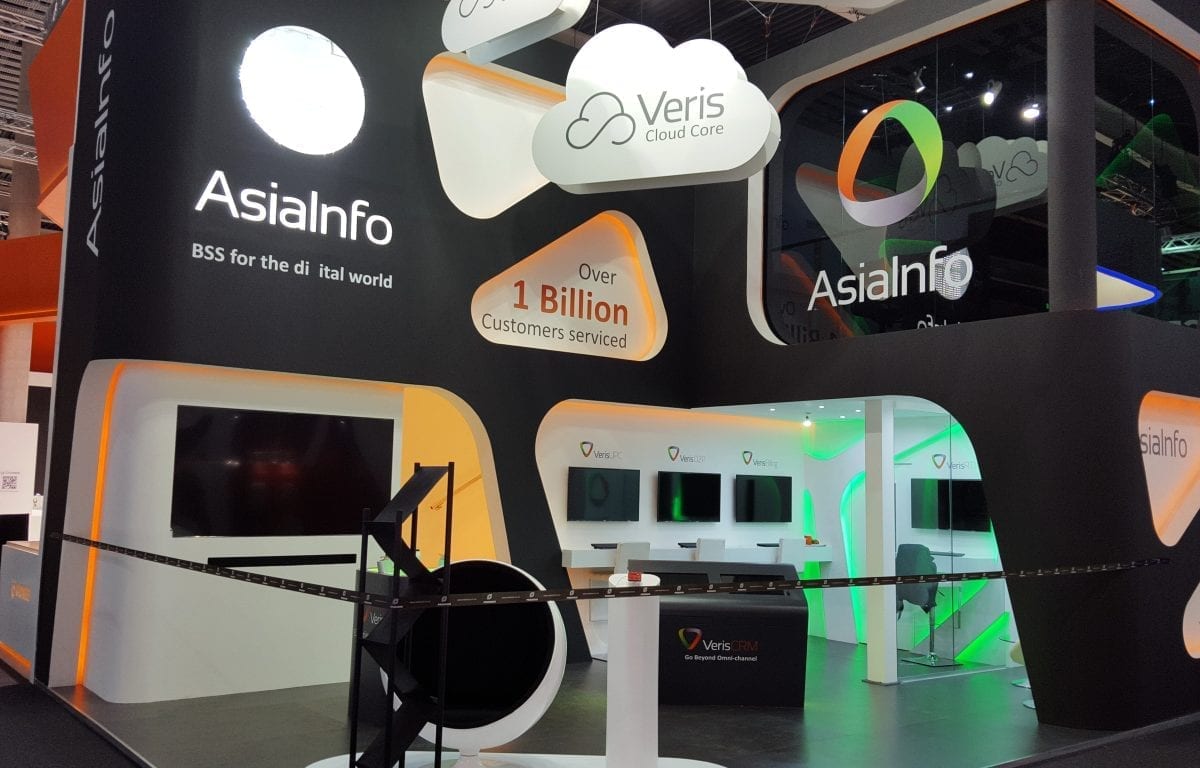
    Chinese telecoms IT software company AsiaInfo has signed a strategic co-operation agreement with Alibaba Cloud, the cloud computing arm of Alibaba Group.

    The two companies said they will work together on projects and jointly promote China as a center of excellence for cloud computing services and innovation.

    The partnership will also see the pair share a wide range of resources and jointly build a more open cloud ecosystem to form the basis of a comprehensive portfolio of cloud-based services.

    AsiaInfo said the company is stepping up its transition from a supplier of IT solutions to telco service providers, to a specialist in enabling digital business transformation for operators, their partners and other enterprises.

    Cloud-based delivery platforms and exchanges play a key role in the company’s vision of the industrial and business-led Internet, and the partnership with Alibaba Cloud will enable the company to continue to develop and deliver advanced operator and business solutions, the company added.

    “We are entering a new era of the internet. An era where people and things become customers, where service providers and businesses become operators, and where cloud-based business technology platforms will form both the backbone and the brains of the digital network,” said AsiaInfo CEO Michael Wu.

    “Our partnership with Alibaba Cloud will ensure we stay at the forefront of developments and provide innovative and ground-breaking solutions to our customers.”

  • Low-end smartphones hinder music streaming business

    Low-end smartphones hinder music streaming business

    Music streaming is quickly becoming a favored service, offering Indonesia’s music-seeking public a legal means to access music. However, with a majority of Indonesians possessing low-end smartphones, the outlook may not be as rosy as some think.

    According to a new report by McKinsey, the prevalence of low-cost smartphones among mass market consumers in Asia, including Indonesia, has hindered the take-up of music streaming apps.

    Indonesia experienced a particularly busy time for music streaming services in the first half, with the entrance of foreign-based names such as Spotify, Apple Music, Yonder Music and JOOX coming in around the same period, tapping into the potentials and eagerness of the largest Southeast Asian digital market.

    Services that previously entered and operated in Indonesia include Guvera, Deezer and Rdio, which closed operations in November last year.

    It turns out that 34.7 percent of Indonesians listen to JOOX, followed by 12 percent with Musixmatch, 10.2 percent with SoundCloud, 10.1 percent with Langit Musik and 9.8 percent with Spotify, the report shows.

    However, “in markets such as Indonesia, low-end smartphones cost as little as [US]$75 per device. These devices are slower and possess less memory capacity than other smartphones, posing a dilemma for music streaming services”, the report said.

    “They can optimize music streaming apps for these lower-end smartphones at the cost of functionality that is critical to the customer experience of more affluent consumers or retain the full functionality of streaming apps to maximize the customer experience for affluent customers at the cost of limited access to mass market consumers.”

    Among the most popular smartphone brands in Indonesia in the second quarter of 2016 were Samsung, OPPO, Asus, Advan and Lenovo, all of which offer low-end smartphones.

    Services usually offer an “offline” option, through which listeners can download certain tracks onto their phone for internet-less listening. Usually, streaming relies on an internet connection, making online connectivity necessary.

    Many services offer rates that have adjusted with the market’s emphasis on affordability, with fees as low as Rp 35,000 ($2.67) to Rp 50,000 per month, and varying payment methods aside from the usual credit card option.

    To make their products affordable and wide-ranging, the services partnered with telecom companies, with partnerships including Spotify with Indosat Ooredoo, Yonder with XL Axiata and JOOX and Guvera with Telkomsel.

    However, in terms of low-end smartphone capacity, some services are confident that their apps will give listeners optimum quality regardless of weak Indonesian bandwidth or poor connectivity in some areas.

    For one, Guvera operations and marketing director Onny Robert said that because its service primarily targeted “users who prefer not to pay for their music”, its bundling plans included latching onto smartphones themselves such as Lenovo devices in order to secure listeners.

    After evaluating field connections, Onny said Guvera was able to deliver a capable service even at 3G speed.

    “Bandwidth or phone capacity won’t really matter to Guvera users because our app is practically small in size, 20 megabytes, and because it is bundled with Lenovo devices, it will drive more interest into using our service,” he said recently.

    Guvera has 1.5 million active subscribers, with under-25s dominating their demographics.

    Yonder Music CEO Adam Kidron earlier said the service aimed to further cultivate the music streaming tradition and make it more affordable and accessible.

    Spotify, meanwhile, has seen its users stream over 100 billion minutes of local and international music and listen to an average of 90 minutes of music per day, since its launch in March.

  • Singapore’s retail forex market becomes overcrowded on back of many new entrants

    Singapore’s retail forex market becomes overcrowded on back of many new entrants

    The forex and contracts for difference (CFDs) market in Singapore is becoming increasingly overcrowded as a result of the inflow of new market participants in the recent past, citing a report by investment researcher Investment Trends. One in seven Singaporean forex traders placed in 2016  a trade through brokers that have only recently appeared to participate in the market, but most of these clients also operate accounts with local brokers as a risk mitigation measure.

    Despite the large number of new forex brokers, the market continues to be led by UK forex brokerages PhillipCapital, IG Group and CMC Markets. PhillipCapital is a strong market leader, while in the recent years the gap between IG Group, CMC Markets and Oanda has been shrinking.  In addition, Interactive Brokers also saw its market share growing in the past year.

    “The largest brokers are successfully maintaining their strong position in the market, and they are growing,” said Irene Guiamatsia, research director at Investment Trends, as cited by the media. “This is in line with the flight to quality that has been witnessed globally in the aftermath of the Swiss Franc crisis,” she added.

    The share of traders who switched from one forex/CFD broker to another halved to 7% from a year earlier. Oanda was ranked as the best broker based on clients’ overall satisfaction. CMC Markets was first in several categories – customer service, value for money, mobile platform, and education materials, while Saxo Capital Markets, part of Saxo Bank, was the broker with the highest customer rating in terms of offered platform features.

    “Increasing customer loyalty is the outcome of a combination of factors, and certainly a testament of high client satisfaction levels across the industry,” Guiamatsia said.

    The statistics shows that, since the witching activity in Singapore was very low, competition was predominantly for new traders. However, the total number of investors in Singapore who placed at least one trade in forex or CFDs in the past 12 months shrank to an estimated 22,300 from 24,500 in 2015.The decline comes from the CFD segment, since the forex segment managed to hold its own. One reason for the decline is the intense market volatility. Nearly half of the previously active traders did not place any trade over the course of the year, suggesting the level of volatility was too great for their appetite.

    Investment Trends’ report is based on the responses of more than 13,000 Singaporean investors from a survey conducted in August 2016.

    Singapore is one of the leading forex markets on a global scale. The country’s total turnover from forex and OTC derivatives trading jumped 35% on a tri-annual basis to $517 billion in April 2015, making it the third largest market after the UK and the US, according to data from the Bank for International Settlements (BIS).

  • Airasia to serve Kuala Lumpur-Jakarta-Labuan Bajo route

    Airasia to serve Kuala Lumpur-Jakarta-Labuan Bajo route

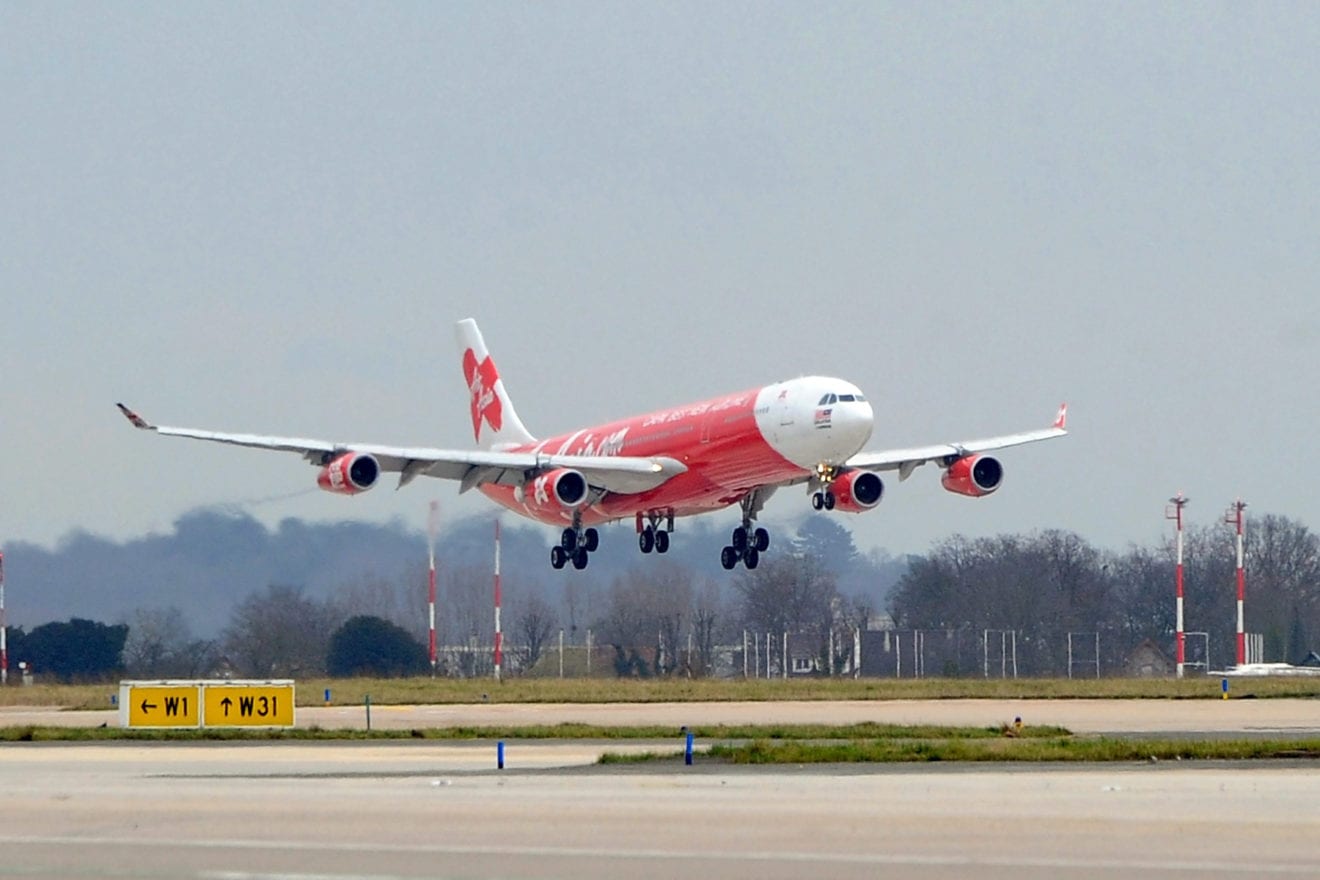
    The Malaysia-based low cost carrier AirAsia will soon serve the Kuala Lumpur-Jakarta-Labuan Bajo route, according to East Nusa Tenggara Tourism and Creative Economy Office Chief Marius Ardu Jelamu.

    “There has been an agreement with the central government and the airline company that AirAsia will serve this new route starting from next year,” Jelamu said here on Wednesday.

    He said the AirAsias new route will have a positive impact on the flow of tourists to the province of East Nusa Tenggara through the entry gate of Labuan Bajo.

    “This new service of AirAsia will enable more foreign tourists to visit the leading destinations in East Nusa Tenggara,” he said, adding that tourism progress is dependent on smooth air transport connectivity.

    Jelamu said that in addition to the Kuala Lumpur-Jakarta-Labuan Bajo route, his party is also trying to accelerate the implementation of Kupang-Dili-Darwin route.

    “In addition to air connectivity from the west, the one from the south, namely from Australia to East Nusa Tenggara, also has its share of attractive markets for linking the three countries,” he said.

    Jelamu expressed hope that the Kupang-Dili-Darwin route, which had been halted since 1990s, can be reopened soon to support the advancement of tourism in the island province.

    “We hope that the Ministry of Transportation will quickly agree on the proposed route service with the airline,” he said.

    Further, Jelamu said he appreciated the efforts of the Ministry of Transportation to have opened the Jakarta-Kupang and Jakarta-Labuan Bajo routes, served by Garuda Indonesia.

    However, he said the flight path from the south also has attractive market potential related to the flow of tourists and expressed hope that the Kupang-Dili-Darwin route would be reopened soon.

  • Asia Pacific airlines see further cargo uptick in September

    Asia Pacific airlines see further cargo uptick in September

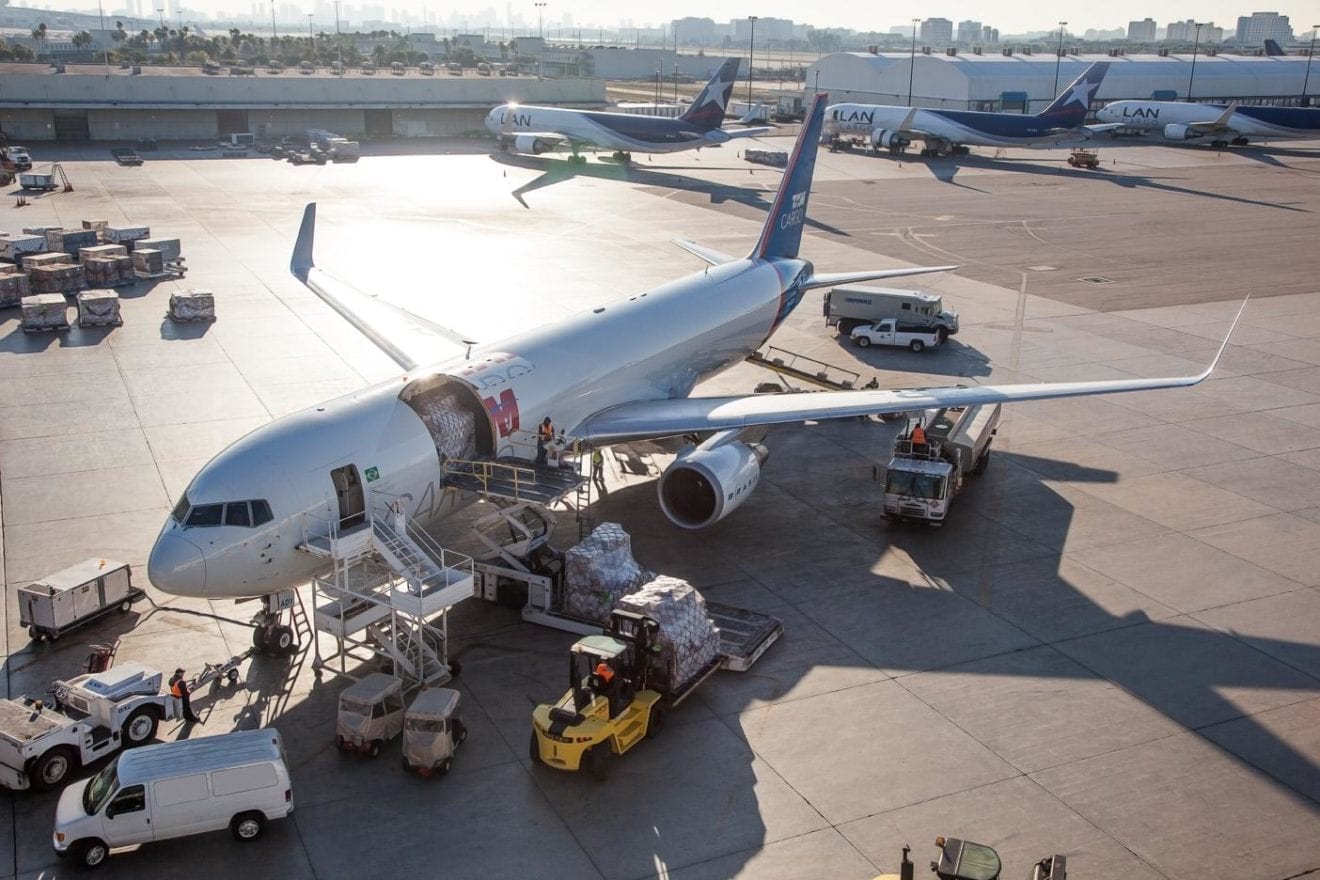
    Preliminary traffic figures for the month of September released by the Association of Asia Pacific Airlines (AAPA) showed further uptick in air cargo markets and steady growth in international air passenger demand.

    In spite of the prevailing weakness in trade conditions, air cargo markets experienced further improvement in September, as reflected in the 5.3 per cent growth in demand as measured in freight tonne kilometres (FTK). The average international freight load factor increased marginally, by 0.5 percentage points to 63 per cent for the month, after accounting for a 4.4 per cent expansion in offered freight capacity.

    Commenting on the results, Andrew Herdman, AAPA director general said: “Air cargo volumes aggregated for the first nine months of the year match those of the same period last year, reflecting the modest upswing in demand in recent months, bolstered by higher shipments of electronics designated for product launches.”

    Collectively, the region’s airlines carried 23.5 million international passengers in September, representing a 7.0 per cent increase compared to the same month last year. Spurred by continued growth in both long haul and regional markets, demand in revenue passenger kilometre (RPK) terms increased by 7.6 per cent, faster than the 6.7 per cent expansion in available seat capacity.

    Looking ahead, Herdman concluded: “Whilst air passenger numbers continue to demonstrate resilience, Asian carriers face challenges in the form of intense competition and cost pressures, as crude oil prices have risen from historical lows. In addition, the lack of impetus for a revival in global trade activity may present some headwinds to sustained growth in air cargo markets.”

  • Japan auto parts firm Usui settles U.S. price-fixing allegations

    Japan auto parts firm Usui settles U.S. price-fixing allegations

    Japanese auto parts maker Usui Kokusai Sangyo Kaisha Ltd will plead guilty and pay a $7.2 million fine for fixing the prices of steel tubes sold to car makers, the U.S. Justice Department said on Tuesday.

    Usui worked with other manufacturers to set prices and allocate customers for their steel tubes, which are used in fuel distribution, braking and other automotive systems, the Justice Department said.

    The department said a total of 47 companies and 65 people have pleaded guilty or been charged with price fixing of auto parts during its long-running probe of the industry.

    Attempts to reach Usui Kokusai Sangyo Kaisha were unsuccessful.

  • VICE Media Announces Launch of VICE Indonesia

    VICE Media Announces Launch of VICE Indonesia

    VICE Media, the world’s leading youth media brand, today announced a major market expansion into Indonesia, the world’s fourth largest nation. VICE will launch a full-scale operation in Indonesia, producing local content and creative agency services to reach the skyrocketing young population of over 100 million people in the country. In addition, VICE today announced multi-platform partnerships with Jawa Pos TV and Google that will bring linear and digital programming to the country. Content will be available in both English and Indonesian.

    Young people aged 18-34 comprise 50 percent of Indonesia’s overall population. In the country, mobile, linear and digital markets have grown so expansively that there are more mobile phones than people, and the average person spends five hours on the internet every day. This demonstrated thirst for multi-platform content opens the door for VICE to fill the void and reach young people on whatever platform they consume content.

    To date in Asia, VICE has operated out of Japan, China and South Korea, and last month the company launched branded VICELAND blocks, which will eventually become 24-hour VICELAND channels, in 18 Southeast Asian territories, including Indonesia, through a partnership with local media powerhouse MultiChannels Asia. Partnerships with DOCOMO Digital and AbemaTV have also brought original VICE content to mobile and digital platforms across Japan. In the coming months, VICE will launch full-scale offices in India and the Middle East.

    Building upon this growth in Asia, VICE Indonesia, which is based in Jakarta, will bring VICE’s award winning content to a young audience that is consuming mobile, digital and linear content at a staggering pace. VICE Indonesia will be at the forefront of content production in the country, creating and distributing local and international programming that appeals to the enormous young population. By working with young Indonesian talent and producers, editors, shooters and creatives, the content will maintain VICE’s distinct voice and satisfy the appetite for uniquely intimate content focused on culture, food, music, technology, sports and more.

    Through the partnership with Jawa Pos TV, a leading news television network in Indonesia, VICE News Tonight, VICE’s recently launched daily news show on HBO, will air every night on Jawa Pos TV in a primetime slot. Select VICELAND programming will also air on the network during primetime. Jawa Pos TV significantly expanded its reach earlier this year, and with infrastructure and other upgrades underway, will soon reach over 150 million people in Indonesia. As the company continues to expand its footprint in Southeast Asia, this partnership will bring VICE’s distinct, youth-oriented content to a growing market of young viewers in the region.

    “With Indonesia’s massive young audience increasingly consuming video content across all screens, launching VICE here is a no brainer,” said VICE Co-President James Schwab. “Combining our award-winning global content with content produced locally in Indonesia, both digitally and on TV through partnerships with Jawa Pos TV, Google and MultiChannels Asia, enables us to reach as many young people as possible, whenever and wherever they are consuming content.”

    “It’s been a truly life changing experience to bring VICE to Indonesia, a country I love and call home,” said Mo Morris, Managing Director of VICE Indonesia. “We will aim to produce some of the most unique content Southeast Asia has ever seen. Indonesia is a great fit for VICE, a beautiful, turbulent, and progressive country with an engaged young audience hungry for a media company that speaks their own language. By partnering with Jawa Pos TV and Google, we will be able to meet young people on whichever screen they are consuming content.”

    “Indonesia is the perfect environment for VICE,” said Ardyan M Erlangga, Managing Editor, VICE Indonesia. “The country is a diverse, complicated, and incredibly exciting place that is full of under-covered stories, unique characters, and young people hungry for compelling content. We will bring these stories to life with the best young talent locally, telling some of the world’s most important stories to the rest of the region and world.”

    “Jawa Pos TV is very excited to partner with VICE and VICELAND,” said Maesa Samola, CEO of Jawa Pos. “I am constantly fascinated by the VICE point of view and unique stand in the media world, and thrilled that VICE’s content is now available to experience through our very own Jawa Pos TV.”

    Along with VICE Indonesia launch partner Google, VICE will create digital content powered by the world’s most prolific search tool. Utilizing VICE’s unique lens and local talent, SEARCHLIGHT will showcase youth culture and nightlife across Indonesia to a global digital audience. Through a series of videos, stories and social events, SEARCHLIGHT will take viewers into unknown stories of Indonesian urban life, and expand VICE’s presence into Indonesia’s digital market.

    VICE’s expansion into Indonesia comes on the heels of a major global expansion for VICE and VICELAND. In June, VICE unveiled an expansive slate of international deals that, within the next year, will make its multi-screen programming available to audiences in over 50 new territories in Southeast Asia, Australia, New Zealand, Africa, the Middle

    East and India. In total, VICE’s award winning multi-platform programming will be available in over 80 territories.

  • Trump to seek Indonesia`s agreement on trade commitments

    Trump to seek Indonesia`s agreement on trade commitments

    The US President Elect Donald Trump will want Indonesia to agree to ratify international trade commitments including APEC and the Indonesia-US Strategic Partnership.

    “Donald Trump will be interested in making investments in the infrastructure sector, including air, land and sea ports, especially investments that have the potential to lessen the influence of the Peoples Republic of China in South-East Asia,” international relations observer from Padjajaran University, Teuku Rezasyah, told ANTARA News in Jakarta on Wednesday.

    Teuku Rezasyah added that Donald Trump will potentially urge Indonesia to explain the Free-Active policy adopted by the country in the context of the rivalry between the US and China.

    “Considering the importance of investment and trade security, Trump is likely to understand the challenges faced by Indonesia in following human rights principles in the country,” he noted.

    Republican Donald Trump won over his rival Hillary Clinton, the candidate of the Democratic Party.

    Trump was elected as the 45th US President with total electoral votes far above Hillary Clintons.

    His victory came as a shock since most surveys had predicted that Hillary Clinton would win the US Presidential contest.

  • Tesla buys Grohmann Engineering to help ramp up electric car production

    Tesla buys Grohmann Engineering to help ramp up electric car production

    Electric carmaker Tesla Motors Inc has agreed to buy Germany’s Grohmann Engineering GmbH, which develops automated manufacturing systems for batteries and fuel cells, as the California-based company seeks to expand its production more than sixfold by 2018.

    Unlisted Grohmann Engineering, based in Pruem, Germany, helped Tesla rivals Daimler and BMW build production facilities for electric car batteries.

    Tesla is seeking to raise its global manufacturing capacity to 500,000 vehicles in 2018 from an expected production rate of about 80,000 this year. Its main production facility is in Fremont, California.

    “To date, we have increased the production rate at our Fremont Factory by 400 percent in four years, and we expect this acquisition to accelerate that growth rate,” Tesla said in a blogpost.

    Following the acquisition, which still needs to be approved by the cartel authorities in Germany, several elements of Tesla’s automated manufacturing systems will be designed and produced in Pruem, close to Germany’s border with the Netherlands and Luxembourg.

    The deal, whose financial terms were not disclosed, is expected to add over 1,000 engineering and skilled technician jobs in Germany over the next two years Tesla said in its blog. Grohmann currently has around 700 employees.

    Tesla agreed on Sunday to buy a 74.9 percent stake from company founder and majority owner Klaus Grohmann, and a further 25.1 percent stake belonging to private equity firm Deutsche Beteiligungs AG (DBAG), DBAG said in a statement on Tuesday.

    DBAG said it expected to earn in the mid single-digit million euro range by selling its stake in Grohmann and that Grohmann had revenues of 123 million euros ($136 million) in 2015.

    DBAG said Grohmann had developed production lines for battery cells and batteries for “numerous” German and international automobile manufacturers. Grohmann was also specialized in the industrial production of fuel cells, DBAG said, and was active in the electronic and semiconductor industries as well as the biotechnology and medical technology sectors.

    Grohmann Engineering will be renamed Tesla Grohmann Automation after the deal and will serve as the initial base for Tesla Advanced Automation Germany with other locations to follow, Tesla said.

    The deal is expected to close next year.

  • Microsoft opens IoT innovation center in Taiwan

    Microsoft opens IoT innovation center in Taiwan

    Microsoft has opened its first IoT Innovation Center for the APAC region in Taiwan.

    The center aims to offer cross-discipline technology transfer, strategic alliances, business model transformation and innovation opportunities. Taiwan was chosen because of its renowned high-tech and hardware manufacturing sectors.

    The center will act as a link between regional IoT partners and the world, covering R&D project integration, technology development, and international collaboration.

    As IoT solutions will need to be tested, verified, and improved via actual clients’ projects, the Innovation Center will also include an IoT Community Lab that provides partners with IoT technology training, professional consultation, and three IoT Scenario Labs, delivering tailor-made services, such as technology development, architecture design, and business consultation.

    “The Microsoft IoT Innovation Center in Taiwan is our starting point for capturing the booming IoT opportunity in Asia,” Microsoft Cloud Enterprise GM Chris Phillips said during the Microsoft IoT Expo held in Taiwan.

    “We aim to do this by accelerating the collaboration between Taiwan-based companies and global partners. We are already collaborating with close to 50 companies at the Innovation Center and based on the initial interest, we expect to have many more join us before the end of the year.”

    Microsoft’s regional ecosystem consists of 370 partners from Taiwan, Singapore, Hong Kong, Thailand, Malaysia, Australia, Philippines, India, Japan, Korea and China and encompasses industries including manufacturing, healthcare, transportation and retail.

    The company has been investing in growing the IoT ecosystem in Asia. About 50% of all companies that are Microsoft Azure Certified for IoT exist within the region.

    Since the signing of a memorandum of understanding (MOU) on IoT with the Ministry of Economic Affairs (MOEA) in Taiwan last October, Microsoft has actively promoted several IoT related industry and talent development programs. For example, the first DevDays Asia took place in Taiwan last April with presentations from over 10 scientists and architects.

  • HKTDC Optical Fair Opens with Record Exhibitors

    HKTDC Optical Fair Opens with Record Exhibitors

    The HKTDC Hong Kong Optical Fair 2016 started its three-day run (9-11 November) today at the Hong Kong Convention and Exhibition Centre. A record of more than 780 exhibitors from 29 countries and regions are taking part in the fair, including new exhibitors from Indonesia, Poland and South Africa, providing a comprehensive trading platform for the industry. The show, which is in its 24th edition, is organised by the Hong Kong Trade Development Council (HKTDC) and co-organised by the Hong Kong Optical Manufacturers Association (HKOMA).

    To create more business opportunities for the exhibitors, the HKTDC has organised 72 buying missions from 47 countries and regions, comprising more than 3,000 companies. Participants hail from both mature and emerging markets, including The Eyecare Company and George & Matilda Eyecare from Australia, V.P.I. Canada Ltd from Canada, EXTEL CZ s.r.o. from the Czech Republic, Oriental Vision and 5lux.com from the Chinese mainland, Inter House Co. Ltd. from Japan, Eyespec2U Optical Centre from Malaysia, Empreus International from the Philippines, and INDO Optical, S.L.U. from Spain.

    Eye care and high-tech eyewear

    In today’s digital era, people are frequently using digital devices and the blue light emitted from these screens can be harmful to eyes, especially for youngsters. Responding to consumer demand, the Optical Fair is featuring protective lenses, including SWISSCOAT’s lens with blue-light filter, which can minimise eye fatigue while enhancing visual clarity.

    High-tech solutions continue to be a highlight at this year’s fair. With 3D printing technology maturing, a number of eyewear brands are leveraging the technology to design and manufacture spectacle frames. These include renowned German brands ic! berlin and Morgenrot, which are creating sophisticated, refined designs using 3D printing technology.

    Augmented reality (AR) is also seen in the application of eyewear-related products. A Hong Kong company is presenting its Faceme AR Glasses that enable users to “try on” virtual glasses by simply looking at the screen. Meanwhile, Austrian brand Swarovski Optik has designed lightweight binoculars for outdoor enthusiasts. Users can connect a smartphone to the product to easily see and record images.

    Famous names galore at Brand Name Gallery

    This year’s Optical Fair has nine product zones featuring a medley of eyewear products. The Brand Name Gallery returns with more than 220 top brands, including CONVERSE, EVISU, JAEGER, Markus-t, Miga, MINIMA, MUZIK, MYKITA, QUIKSILVER, Roxy, Superdry and Tonysame. Local artiste Luisa Leitao is displaying her eponymous brand’s eyewear products while Korean brand Sodamon is featuring its sunglasses collection that won the Grand Prize of the Good Design Award in both Korea and Australia.

    Other highlights include:

    – BIG HORN (Booth: GH-F12) is showcasing its large, circular-rimmed frames that were inspired by the angels and owls of Greek mythology. The Chinese traditional graphic pattern on the lens and bridge is a mix of eastern and western cultures. The design won the International Design Award (IDA) 2015 in the United States.

    – Korean brand MUZIK (Booth: GH-E06) is releasing its latest IMAGINE collection, paying homage to the legendary musician John Lennon. The collection features circular rims and bold cuts on the upper part of the frame.

    – Well-known German brand KUBORAUM (Booth: GH-M04) is featuring its latest collection, The Ceremony Capsule. Designer Livio Graziottin has hand-painted different exotic floral patterns for these classy sunglasses. Only a few dozen pairs of each model are available.

    – Italian brand MODO (Booth: GH-K04) is famed for producing eco eyewear with recycled and bio-based material, innovatively combining green elements with fashionable eyewear designs. The brand has even developed a patented “dual hinge” design for lightweight frames. The brand also advocates donating unwanted eyewear and runs an environmental programme to plant a tree for every frame sold.

    A number of eyewear parades are being staged during the fair, with models showcasing the latest collections of trendy eyewear brands. The winning and finalist works of the 18th Hong Kong Eyewear Design Competition are also exhibited at Hall 1D, displaying Hong Kong’s design prowess to international buyers. Buyers can also cast their votes to select the winner of the Latest Look Award.

    Other product zones at the fair display the latest eyewear and equipment in different categories, including sporting & professional eyewear, kids’ eyewear, reading glasses, eyewear accessories and optometric instruments & machinery.

    Conference and seminars examine industry trends

    A number of seminars will be held during the Optical Fair to help industry professionals gather and exchange global market intelligence. GfK, the renowned German market research institute, returns to the fair to speak on topic “How the Global Optics Industry Reacts to the Economic Development and Its Latest Trend”. Buyer forum on business opportunities in emerging markets will also be held.

    Tomorrow (10 November), the 14th Hong Kong Optometric Conference features experts from Hong Kong, Australia, Canada and the US to discuss the Advancement in Ophthalmic Treatments. Speakers include Professor Larry Abel, Associate Professor, Department of Optometry & Vision Sciences, The University of Melbourne and Dr Geunyoung Yoon, Professor, Department of Ophthalmology, University of Rochester in the US. A variety of topics will be examined, including “Effect of Myopia Control Lenses”, “Recent Development in Refractive Surgeries” and “Impact of 3D Printing in Spectacle Frame Design”.

    Hong Kong is a key trading platform for the eyewear industry, and local manufacturers continually strive to improve the quality and design of products for export. In the first nine months of 2016, Hong Kong’s total exports of spectacles, lenses and frames exceeded HK$15 billion, up 37 per cent year-on-year. Hong Kong’s top export markets are the US, Italy and the Chinese mainland. Exports to ASEAN have shown strong growth this year. These figures indicate the vibrant momentum of the local eyewear industry.
  • Minister hopes festival will promote Indonesian pearl to the world

    Minister hopes festival will promote Indonesian pearl to the world

    Maritime Affairs and Fisheries Minister Susi Pudjiastuti hopes that the Indonesian Pearl Festival (IPF) 2016 will introduce Indonesias original pearls to the world.

    “I hope the Indonesian South Sea Pearl (ISSP) would be introduced to pearl stakeholders and enthusiasts. The exhibition which has been held regularly would open access to the people,” the minister said when opening the IPS in Jakarta Wednesday.

    The exposition displays the Indonesian sea kept pearls to the public she said.

    It was the duty of everyone to introduce the Indonesian pearl to pearl stakeholders and enthusiasts, the minister said.

    If the ISSP is recognized as a new commodity which has a high value, it would benefit Indonesia, as it would serve as a new source of economy to Indonesia.

    The Indonesian pearl has good potential for the world market and therefore, noted designers are called on to present the latest pearl designs, she stated.

    “Many people will come to know and love the pearl when they see the creative and up to date designs,” the minister added.

    If the Indonesian pearl potential is cultivated properly it would boost the Indonesian economy, Minister Susi reminded earlier.

    Pearls have become the target of illegal export practices, she said, and added that in 2014 the pearl exports to Hong Kong were worth US$49.8 million.

    The figure is very different from the Indonesian pearl export data.

    In 2015, Hong Kong imported pearls from Indonesia worth $34.2 million. But Indonesias pearl export data to Hong Kong showed that it was worth only about $1 million.

  • Indonesia explores opportunities in brownfield investments

    Indonesia explores opportunities in brownfield investments

    Indonesia is planning to open up state-owned run infrastructure, such as toll roads, to private investors in an effort to generate fresh funding for new projects.

    President Joko “Jokowi” Widodo said on Wednesday that he would ask some state-owned enterprises (SOEs) to sell their concessions in major toll roads, such as the Jagorawi toll road in East Jakarta, to private investors.

    Jagorawi, which connects Jakarta to Bogor and Ciawi in West Java, is the country’s oldest toll road and is currently managed by state-owned toll road operator Jasa Marga.

    “For Jasa Marga and [state construction firm] Waskita Karya, which own many toll roads, your job is to build a toll road, not to own it,” the President said on Wednesday in Jakarta, during the 2016 Indonesia Infrastructure Week.

    Not many investors, he added, wanted to invest in greenfield infrastructure projects, which refers to fresh projects, and instead preferred to put their money in brownfield projects, which refers to projects that are already operating and generating cash flow.

    National Development Planning Board (Bappenas) head Bambang Brodjonegoro, meanwhile, said it was possible for SOEs to offer a concession-sharing scheme to private investors. The SOEs, for example, could sell shares of their subsidiaries that are in charge of toll-road management.

    “They can sell some [portion of shares], like 30 to 40 percent. The SOEs will still own the main concession [for the toll road],” he said.

  • BI Revises Regulation on E-Money

    BI Revises Regulation on E-Money

    Bank Indonesia (BI) will make another revision to regulation on electronic money and introduce electronic wallet in the Bank Indonesia Regulation. The new regulation on the payment transaction processing is expected to be finalized in November 2016.

    Bank Indonesia deputy governor Ronald Waas said that one of the revision points is related to the expansion of electronic money basis. Currently, Ronald revealed, there are two types of electronic money, namely server-based and card-based electronic money. BI is considering adding gadget-based money as a new category.

    “Currently we have Samsung Pay and Apple Pay. They don’t use cards,” Ronald said in Jakarta on Wednesday, November 9, 2016.

    Ronald explained that there are two categories of e money, namely Know Your Customer (KYC) and non-Know Your Customer (nKYC).

    In the new regulation, BI has planned to require electronic money issuer with total active members of no less than 300,000 to register the electronic money.

    “[Electronic money issuer] with below 300,000 users doesn’t need to obtain a permit, but they need to report. In addition, they have to establish a legal entity,” Ronald said.

    In terms of minimum balance, Ronald clarified that there would be no revision regarding the matter. The minimum balance for non-registered electronic money is Rp 1 million (US$77), while that for registered one is Rp 10 million (US$770).