Author: Mei Ling Tan

  • Reebok restructure to be fast-tracked

    Reebok restructure to be fast-tracked

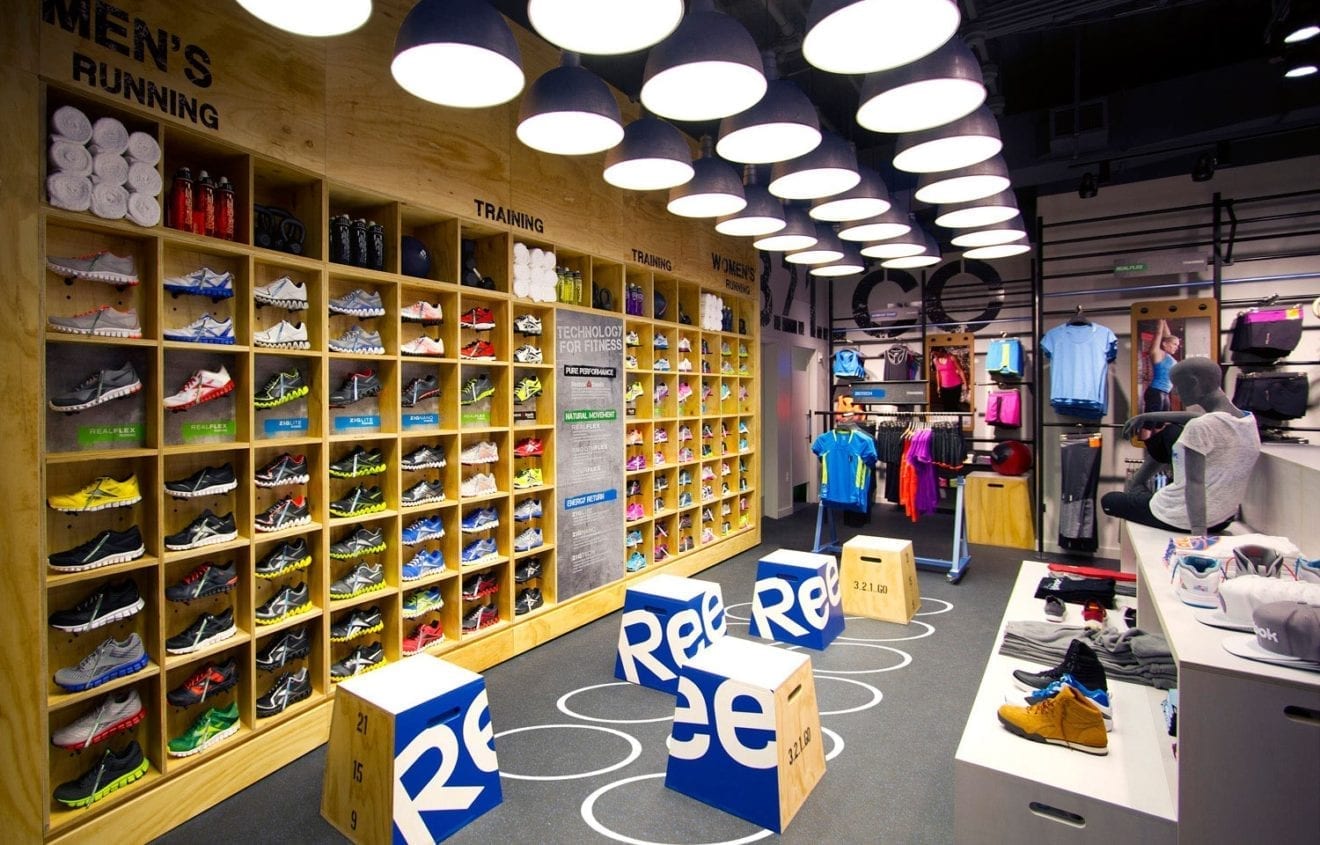
    The new CEO of Adidas says he plans to streamline and restructure the ailing Reebok business as a priority under his watch.

    CEO Kasper Rorsted, in a conference call with business media, also promised a completion of the sale of the Adidas TaylorMade golf business by the end of this year, even if that meant booking a loss.

    While its core Adidas brand business is performing well enough to prompt four raises in the company’s financial outlook this year, a Reebok restructure is necessary while the unit continues to struggle.

    “We’ll give Reebok more freedom to operate globally, and more responsibility in the US,” Rorsted said. “We’ll get a more focused organisation, and that will enable us to continue the momentum we have right now of Adidas in the US and it will make Reebok stronger.”

    Rorsted will move Reebok’s headquarters from Canton to new premises in Boston where the team will be 100 per cent Reebok, with about 150 jobs cut. At least one US factory will be closed and the US store network cut back to focus on wholesale. Restructuring is estimated to cost $33 million.

    Adidas has been converting Reebok from a traditional sports shoe maker into a fitness brand. Top-line sales growth has grown for the last 14 quarters, but it still lags its parent.

    “We have to be realistic. Reebok is growing slower than Adidas and our competition, and we have seen no growth in North America in the past three years. And lastly, the profitability is significantly below the group average. It’s time to get back to the gym and redouble our efforts on Reebok.”

    So strong is Adidas performing the costs of restructuring and  a potential loss on the sale of the golf business is unlikely to impact on group profit. And Rorsted indicated there was no sign of any slowing in Adidas’ growth.

    “The consumer centric approach has increased our brand desirability and relevance with the consumers. You can see that not only in our markets or in our revenue numbers, but also in the market share gains in the key categories and markets where we are active.”

  • President hopes economy to grow more than 6 percent in 2018

    President hopes economy to grow more than 6 percent in 2018

    President Joko Widodo (Jokowi) said he hopes the countrys economy could grow more than six percent in 2018 that the 2018 state budget would get healthier.

    “In entering the year 2018, the first thing we want is a growth of more than six percent,” the president said when opening a plenary session of the cabinet at the state palace here on Wednesday.

    Jokowi said he was aware it would not be easy because for that there should be a growth of more than 10 in the investment sector.

    He then asked the head of the Capital Investment Coordinating Board (BKPM) to report estimates including steps that have to be taken to boost investment.

    “The consumption sector needs to grow more than 5 percent, exports are also expected to grow by at least 4 percent and imports by at least two to three percent,” he said.

    He said, however, the figures still leave rooms for corrections or an increase.

    He said he wanted discussion and debate on the 2018 state budget made earlier that implementation would be better.

    Almost all cabinet ministers and head of government agencies attended the cabinet plenary session.

  • Indonesia, Australia discuss free trade agreement

    Indonesia, Australia discuss free trade agreement

    Australian Minister of Trade, Tourism and Investment Steven Ciobo has met Indonesian Minister of Trade Enggartiasto Lukita in Australia on Sunday to discuss free trade agreements.

    Press releases from the Department of Foreign Affairs and Trade of Australia received by ANTARA here on Sunday said that Minister Enggartiasto is visiting Australia to discuss the Indonesia-Australia Comprehensive Economic Partnership Agreement (IA-CEPA).

    IA-CEPA will generate economic framework which is expected to make closer relations between Indonesia and Australia besides opening up markets and new opportunities for both countries.

    According to Ciabo, the negotiations are going forward as the two countries continue to work to finalize the deal.

    “Minister Lukita and I have agreed to make ambitious and high quality deals,” Ciabo said, adding that the IA-CEPA can transform Australia and Indonesia economic partnership.

    Indonesia is Australias important neighbor and great regional partner, with the value of two-way trade between Australia and Indonesia amounting to US$15 billion in 2015, Ciabo noted.

    “IA-CEPA will bring our economies closer and allow Australian and Indonesian businesses to take advantages,” he said.

    IA-CEPA will create business opportunities for Australia and Indonesia to jointly work on those opportunities that will continue to develop in the future.

  • Australia leads top ten sources of tourist arrivals in Bali

    Australia leads top ten sources of tourist arrivals in Bali

    Australia led the ten top sources of tourist arrivals in the resort island of Bali in the January-September 2016 period, an official said.

    “The number of Australian tourists visiting Bali in the first nine months of this year reached 850,326, up 16.85 percent from 727,678 in the same period last year,” chief of the Central Statistics Agency (BPS) Office in Bali, Adi Nugroho said here on Sunday.

    Most of the Australian tourists traveled to Bali by direct flights. Only 18,554 of them went to the island by cruise liner.

    More and more Australians visited Bali as they regarded it as their “second home”, he said.

    Australia contributed 23.36 percent of the overall tourist arrivals in Bali at 3.63 million over the period, up 21.69 percent compared to the same period last year when the figure was recorded at 2.99 million.

    Adi Nugroho said nine of the ten top sources of tourist arrivals in bali saw a significant increase in the number of tourist arrivals in Bali. Only the number of Malaysian tourists fell 6.64 percent to 138,203 from 138,203.

    Meanwhile, China occupied the second place with 35.84 percent of the total budget fund.

  • Pharma in Indonesia: Competing for Higher Margins

    Pharma in Indonesia: Competing for Higher Margins

    IPMG members – including Novartis, Merck, Bayer, Boehringer Ingelheim, and Pfizer – have invested more than USD $1 billion in Indonesia’s pharmaceutical industry over the past few years, particularity for the construction of factories and clinical research (source: AmCham Indonesia).

    An example is Bayer, which recently invested 8.1 million euros in the expansion of its factory in Cimanggis (West Java). This factory produces multivitamins and medicines, about 75% of which is exported to 26 countries.

    Concurrently, Indonesia’s largest pharmaceutical company, Kalbe Farma, is shifting from being a maker of generic drugs to a high-tech pharma developer. Besides producing cancer drugs, Kalbe has been investing in R&D on stem cell therapies. Significantly, a lack of generic substitutes in these fields in Indonesia implies no government-set price ceilings, and therefore these products offer higher margins.

    In fact, there are more than 200 drugmakers in Indonesia, most of which produce only low-margin generics. While they control 95% of the market by volume, they have a combined 75% share in value terms. Therefore the few multinationals operating in the country have been able to make more profits because of their focus on high-value products.

    Such activities are taking place while Indonesian President Joko Widodo is pushing its universal health care program to cover the country’s projected population of 270 million by 2019, a leap from the 170 million currently covered. This year for the first time, government expenditures on health care reached the legally mandated 5% of the state budget. Health care spending is expected to grow 12% every year through 2020.

    To join the discussion on all developments in this industry sign up for CPhI South East Asia and its LinkedIn group. CPhI is the must-attend pharma event in Indonesia comprising of a trade show and state of the art conference where the regional industry meets to leverage connections, knowledge and insight to spur business. Launched 6 years ago, the next edition takes place during 22-24 March 2017 at JIExpo in Jakarta. Workshops and exhibitors’ presentations will add into the mix, and will complement the 3 days together with a business matchmaking platform.

  • E-commerce roadmap will boost Indonesian young entrepreneurs` growth

    E-commerce roadmap will boost Indonesian young entrepreneurs` growth

    The Indonesian Young Entrepreneurs Association (Hipmi) of Yogyakarta supports the governments plan to formulate an e-commerce roadmap by early 2017.

    “The e-commerce roadmap to be launched by the government is a step in the right direction as it will encourage Indonesian young entrepreneurs and help them in expanding their business,” a Yogyakarta Hipmi member, Gunarta Adibrata, said here on Wednesday.

    Also, such a roadmap will help those starting their businesses in accessing the e-commerce system.

    “Young entrepreneurs will find the e-commerce business roadmap very beneficial,” Gunarta noted.

    According to him, young entrepreneurs need such assistance in order to grow their businesses.

    In addition, the governments timely interventions and support will increase the markets confidence in the ability of the young entrepreneurs.

    “Such an e-commerce roadmap must have clarity about taxation and consumer protection. These two things will add a positive value and enhance business certainty for those using the e-commerce system,” Gunarta noted.

    Earlier, the government had stated that the e-commerce roadmap, aimed at regulating and stimulating e-commerce transactions in Indonesia, will be released in early 2017.

  • Indonesia to operate Becakayu Toll Road by 2017

    Indonesia to operate Becakayu Toll Road by 2017

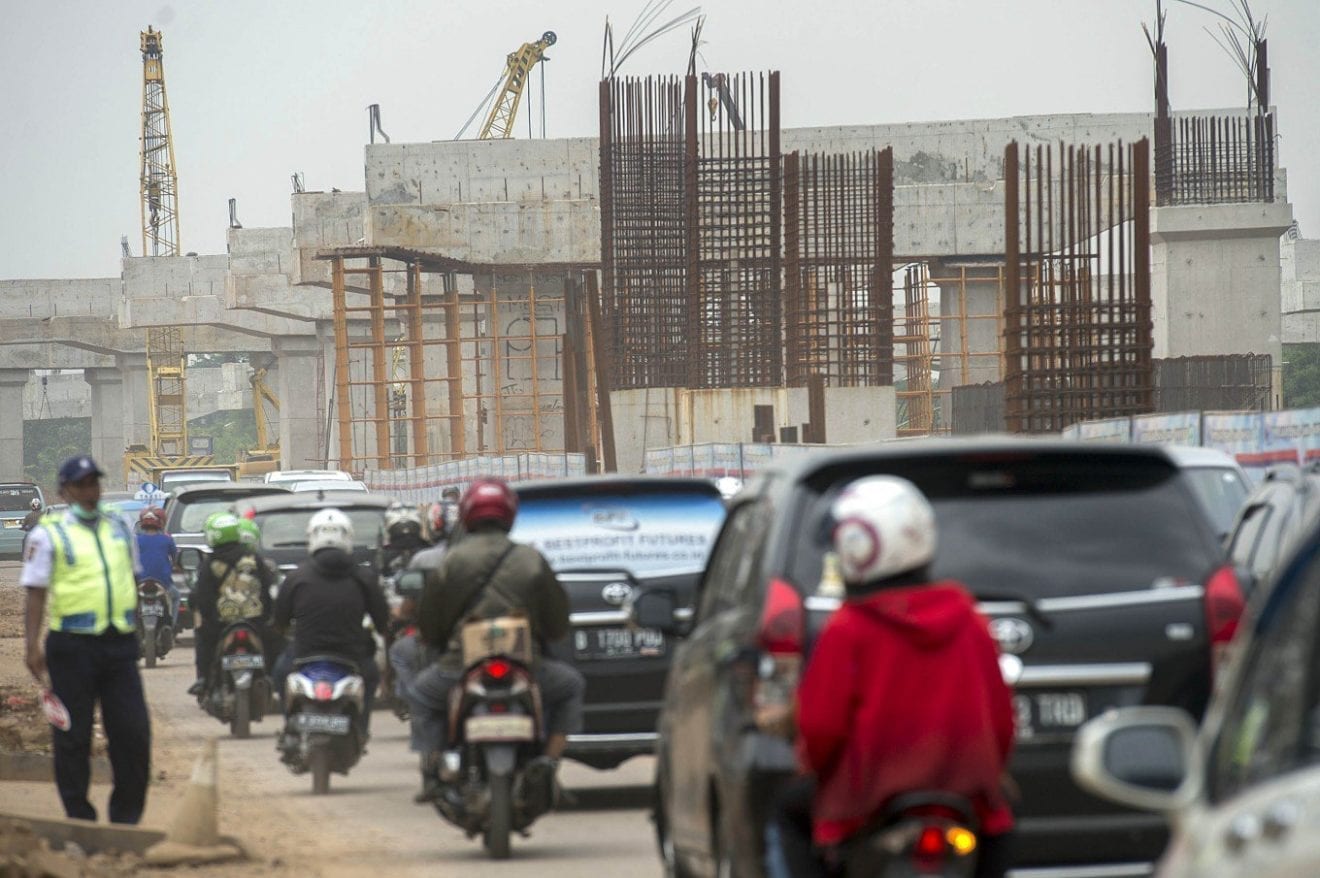
    Indonesia will start to operate 8 kilometers of the 11-kilometers section of the new Bekasi-Cawang-Kampung Melayu (Becakayu) toll road connecting Bekasi City and Jakarta by March 2017.

    “I believe by March, the 8 kilometers toll road can start operations. I hope we can operate both lanes, so there will be 16 kilometers of the new toll road,” Indonesian President Joko Widodo (Jokowi) said here on Monday.

    Jokowi conducted a visit to Becakayu toll road construction to observe the progress.

    According to Jokowi, the toll project had been stopped for 22 years since 1997. The government restarted the project in 2015.

    Indonesia plans to start operations of the 11 kilometers of the toll project by 2017.

    The toll road will hopefully decrease traffic density between Bekasi and Jakarta.

    The Becakayu Toll Road will also connect with the Jakarta Outer Ring Road (JORR) lane that integrates with outer Jakarta areas.

    Jokowi said there were no obstructions from land acquisition of Becakayu Toll Road.

    “We have no problems as we have bailout investment. The assistance could accelerate the construction,” he said.

    Indonesia is boosting its infrastructure sectors such as airports, ports, roads and highways, and railways to develop the economy.

    The president also asked ministers to help attract and support private investments in the infrastructure sectors.

    According to the president, there were several areas in which such investments can support the development of infrastructure. Such an investment can be made by private sector players, state enterprises or via Public-Private Partnership (PPP) route.

    “Infrastructure development shouldnt depend only on the State Budget or Regional Budget. We should open such opportunities for the private sector and for non-government investments,” the president said here on Wednesday.

  • UPS has entered into a definitive purchase agreement to acquire Marken

    UPS has entered into a definitive purchase agreement to acquire Marken

    UPS has entered into a definitive purchase agreement to acquire Marken, a supply chain company dedicated to the pharmaceutical and life sciences industries.

    The transaction is expected to close by December 31, 2016.

    “Healthcare logistics is a strategic market for UPS,” said Teresa Finley, chief marketing and business services officer at UPS. “Our acquisition of Marken strengthens our portfolio and demonstrates our commitment to customers. We plan to offer new solutions to our customers and generate further growth opportunities for UPS.

    Marken will be operated as a wholly owned UPS subsidiary and will have access to the UPS integrated global network.

    “We are excited to join the UPS organization,” said Wes Wheeler, chief executive officer of Marken. “UPS’s capabilities, particularly in mature markets, will provide many opportunities for us to enhance our service offerings in clinical trials logistics. With UPS, we will improve our efficiency, while continuing to provide our clients with the high-touch, personalized services that they have come to expect from us.”

    Marken has more than 650 employees in 44 locations worldwide and operates 10 depots that are compliant with Good Manufacturing Practices, according to UPS.


  • South Korea among G20’s top IoT-ready markets

    South Korea among G20’s top IoT-ready markets

    The United States, South Korea, and the United Kingdom ranked as the three countries in the G20 most ready to contribute to and benefit from the IoT, according to IDC.

    The research firm said  the US scored particularly well on measures such as ease of doing business, government effectiveness, innovation, and cloud infrastructure, as well as technology spending as a percent of GDP.

    Meanwhile, South Korea scored extremely well on IoT-specific spending and has a business environment that fosters innovation and promotes attractive investment opportunities.

    Similarly, the UK scored very highly on measures of ease of doing business, government effectiveness, regulatory quality, start-up procedures, innovation, and broadband penetration.

    The standout country in the ranking, however, proved to be Australia, which, despite its relatively small GDP, scored exceptionally high on ease of doing business and start-up procedures, government effectiveness and regulatory quality, and innovation and education.

    The original index was first published in 2013 but the updated index is now comprised of 13 criteria that IDC views as necessary for sustained development of the IoT and reflects each nation’s economic stature, technological preparedness, and business readiness to benefit from the efficiencies linked to IoT solutions.

    “Countries are keen to become or maintain a competitive advantage and, as such, are looking to the Internet of Things as one of those initiatives,” said Vernon Turner, senior vice president, Enterprise Systems and IDC fellow for the IoT.

    “Knowing where a country stands in the IoT Index will help global and local IT vendors know what opportunities lie ahead of them as they line up their strategies at federal, local, and enterprise levels.”

  • Huawei launches IoT accelerator in Singapore

    Huawei launches IoT accelerator in Singapore

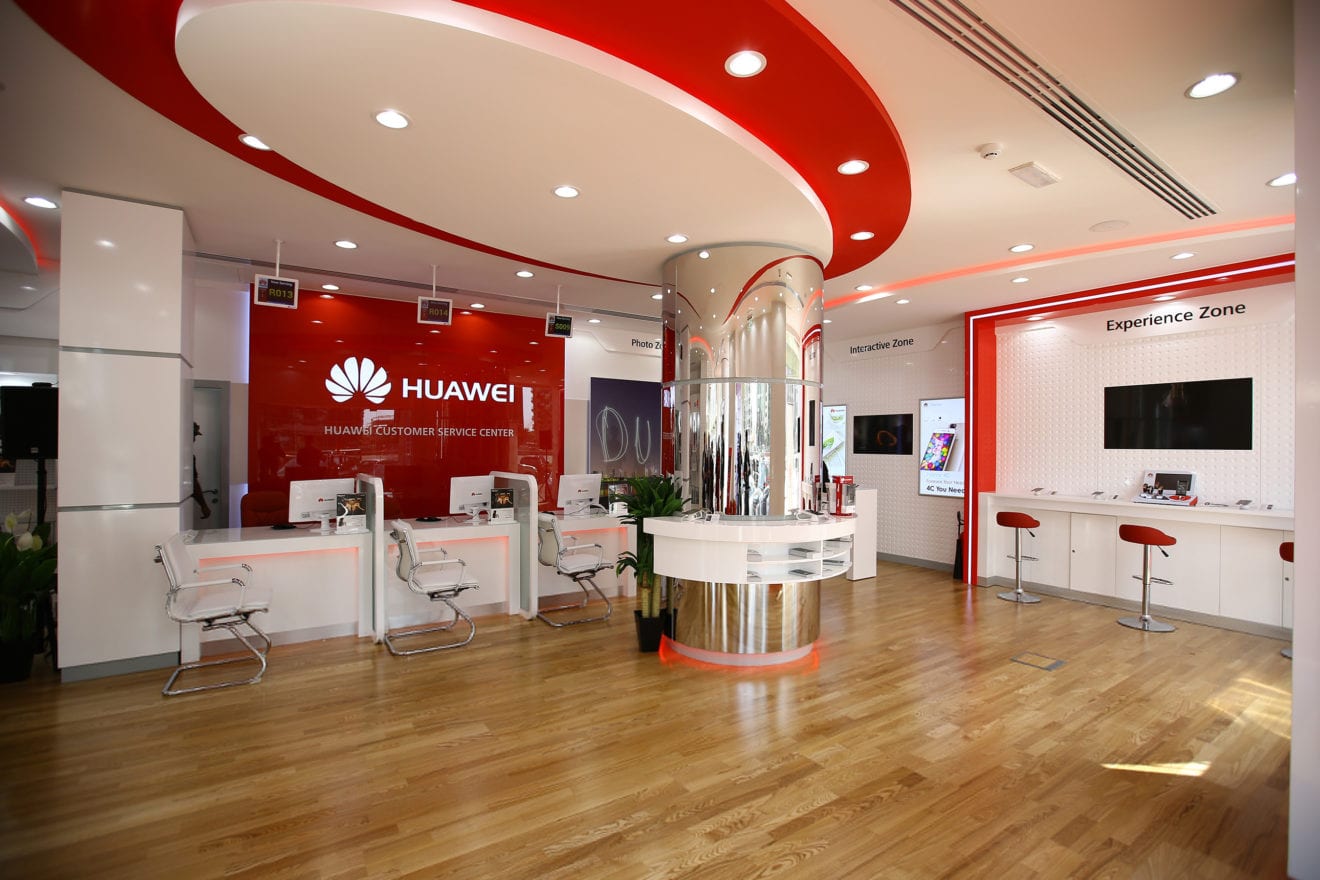
    Huawei has teamed up with the National University of Singapore (NUS) to launch its first IoT-focused accelerator in Singapore.

    The vendor will work with NUS’ entrepreneurial arm NUS Enterprise to provide start-ups with mentorship, access to investors, access to industry-grade test beds, and global co-marketing opportunities.

    Known as i5Lab, the accelerator seeks to support the development of Singapore’s next unicorn company by nurturing promising start-ups with Huawei’s real network environment and open platform as well as its global Go-to-Market channel capability.

    Huawei said i5Lab will follow the model of established Huawei collaborations with leading software and industry partners to develop solutions that will build a competitive industry ecosystem.

    As a global leading ICT player in 170 countries, Huawei works with 45 of the world’s top 50 telecommunications providers that provides connection to two-thirds of the world’s population.

    Start-ups will be able to leverage Huawei’s global partner ecosystem, and will also be invited to participate in joint marketing through Huawei’s Customer Solution Innovation & Integration Experience Center (CSIC), and large-scale events such as NUS Enterprise’s flagship event InnovFest unbound and CommunicAsia.

    “With one of the most connected societies, open data sets and high-skilled ready talent, Singapore is an excellent test bed to nurture IoT ideas that will bring us closer to a smarter future. We hope that start-ups will make full use of this collaborative platform and leverage on accumulated knowledge of industry-leading technology and expertise from Huawei and our global partners,” Huawei CMO for Southern Pacific Lim Chee Siong said.

  • HKBN expands OTT video tie-up with TVB

    HKBN expands OTT video tie-up with TVB

    HKBN has expanded its relationship with broadcaster TVB covering the delivery of TVB’s myTV SUPER set-top box service.

    The operator has ordered an additional 450,000 set top boxes from TVB to meet customer demand, and has raised its target for the number of set-top boxes to be installed by the end of 2019 to 850,000.

    HKBN first launched myTV SUPER set-top boxes for its residential broadband customers in April, and has so far signed up 250,000 customers to the service. Adoption has been faster than expected – HKBN had an initial sales target of 400,000 set-top boxes within the first 18 months.

    The expanded agreement also covers collaboration on market opportunities outside of Hong Kong, using TVB’s new OTT service TVB Anywhere. The service will allow users to buy VOD titles as a gift and send them to recipients around the world.

    HKBN is also using its expertise to introduce TVB to overseas operator partners. The first phase of the international expansion is commencing in Canada.

    “Throughout the past seven months, the launch of our broadband and myTV SUPER service bundles has been extremely successful. Mindful of this, we’re determined to step up our strategic cooperation,” HKBN CEO William Yeung said.

    “Not only will we continue to bring amazing entertainment content to the homes and mobile devices of HKBN customers in Hong Kong, but we will also extend our partnership to the overseas markets, creating a stronger alliance so that more customers can benefit.”

  • India’s BSNL seeks 700-MHz spectrum

    India’s BSNL seeks 700-MHz spectrum

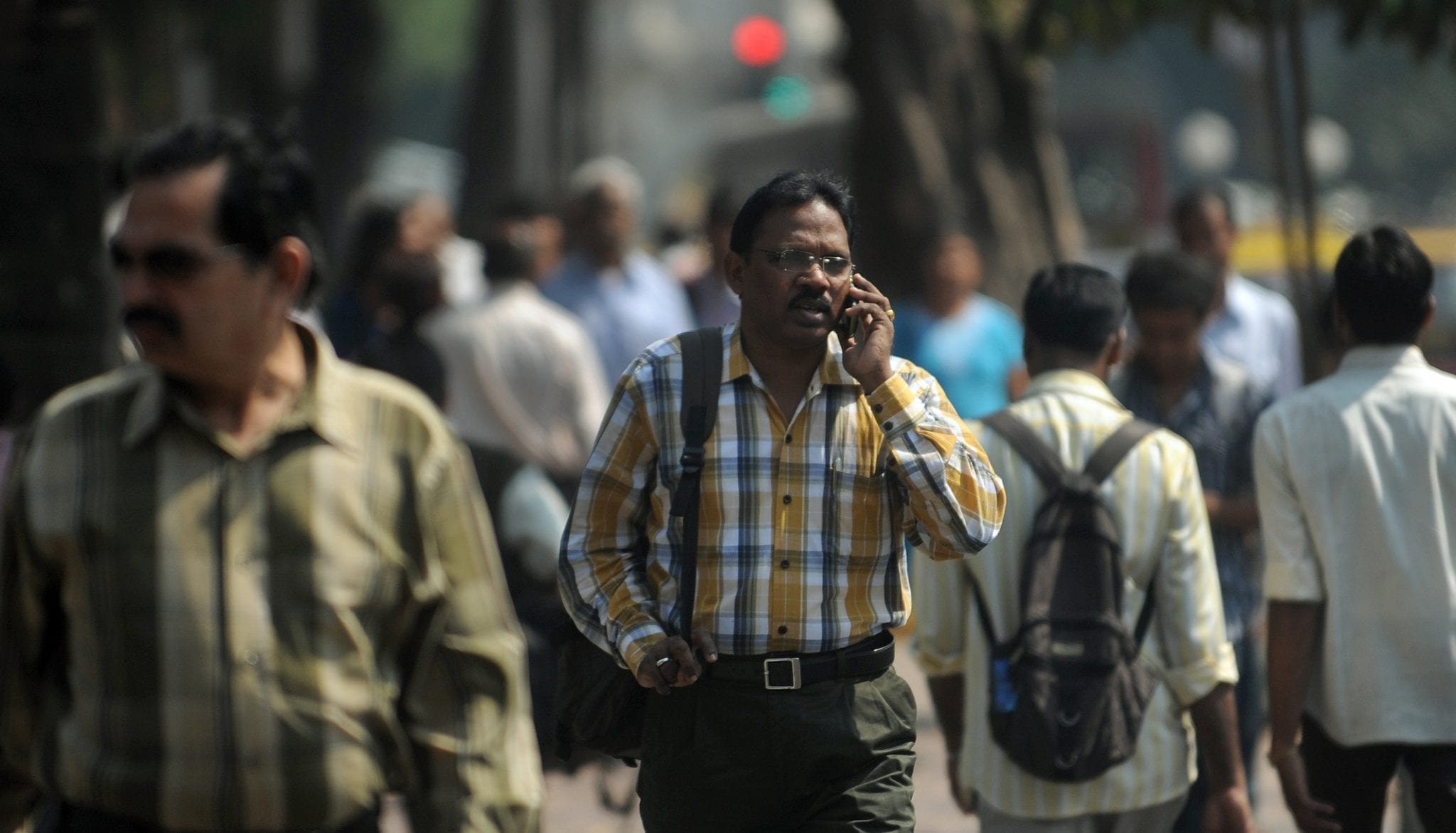
    Indian state-owned operator BSNL has approached the nation’s telecoms ministry seeking a portion of the 700-MHz spectrum that was left unsold during the recent major spectrum auction.

    The operator has proposed that a 5 MHz block in the 700-MHz band be assigned to the operator through an equity route.

    Under the proposal, in lieu of payment, the government’s paid-up equity in BSNL would increase by the value of the spectrum.

    BSNL officials told the news agency that the 700-MHz band, when combined with the company’s existing 2500-MHz holdings, would put the operator in a position to roll out 4G services across India.

    With India’s telecom market transitioning towards 4G, this would allow BSNL to compete against private sector incumbents as well as newcomer Reliance Jio Infocomm.

    The 700-MHz spectrum put up for sale during India’s recent $9.8 billion spectrum auction went completely unsold – despite the attractiveness of the band for mobile operators – due to a high reserve price. Operators had already accrued substantial debts during previous auctions, and shied away from both the 700-MHz and 900-MHz bands.

  • Bangladesh’s CityCell has spectrum reinstated

    Bangladesh’s CityCell has spectrum reinstated

    Cash-strapped Bangladeshi operator CityCell has resumed operations after having its spectrum temporarily reinstated by a Supreme Court ruling.

    The Bangladesh Telecommunication Regulatory Commission (BTRC) revoked CityCell’s spectrum last month for failing to pay its spectrum renewal, license and associated fees.

    But the court has asked the government to restore CityCell’s spectrum and allow it to continue operations for the time being.

    If CityCell fails to pay 1 billion taka ($12.7 million) to BTRC by November 19, the regulator will have the authority to revoke the spectrum again, the court order states.

    CityCell has been operating since 1993 but has a low market share and revenue base. The company earned just 1.39 billion taka in revenue during the 2014-15 financial year. The BTRC has calculated that CityCell owes 4.77 billion taka in unpaid fees.

    The operator is 44.5% owned by Singtel, 37.9% owned by Pacific Motors and 17.5% owned by Far East Telecom.

  • Korean Fashion Struts Authentic Style to Thailand’s Online Shoppers

    Korean Fashion Struts Authentic Style to Thailand’s Online Shoppers

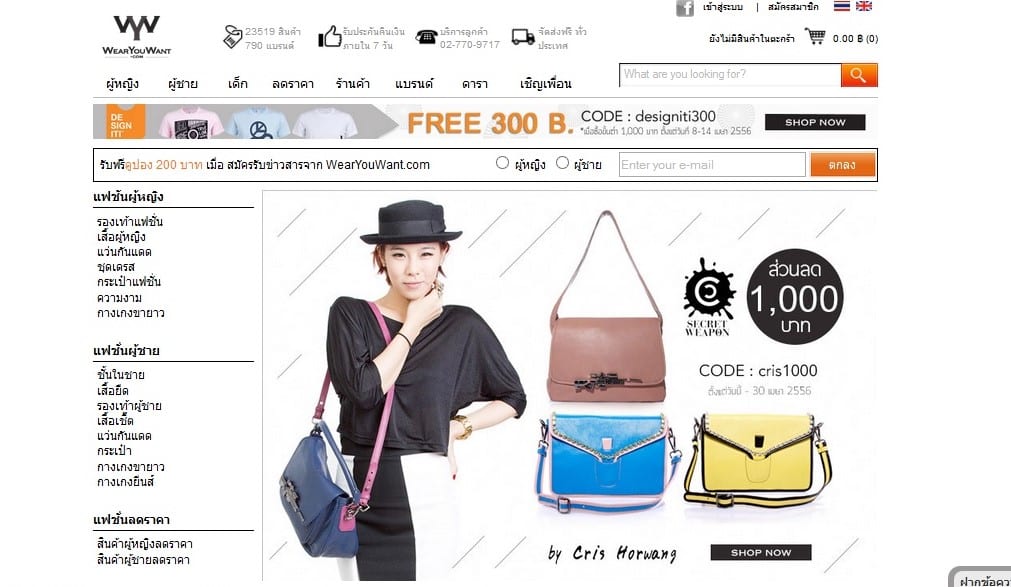
    WearYouWant, Thailand’s leading online fashion and beauty marketplace, is launching a premium, Korean fashion range in Thailand, designed and made in Korea, to satisfy the ever-growing love of Korean brands in the Kingdom. Developing a close relationship with online fashion house, Atria International Style, WearYouWant is sourcing authentic Korean brands, importing these for the Thai market from up-and-coming local Korean designers.

    Just as Korean pop music as captured a huge fan base in Thailand, there is high demand for Korean fashion too. The new Korean range of cool and stylish women’s apparel, accessories, bags and shoes, is to be showcased on WearYouWant. The launch, planned for December 2016, is big news for Thailand’s online shoppers. It is also a sign of growing focus from Korea on Thailand’s rapidly developing e-commerce market; the fastest growing in Southeast Asia.

    The WearYouWant collection is unique in Thailand and has been specially curated by fashion experts to assure quality and to appeal to the country’s online fashion-buying market who are actively seeking out Korean brands. Martin Toft Sorensen, Co-Founder and Co-CEO of WearYouWant confirms that this latest fashion collection launch is part of an ongoing strategy to understand and meet their customers’ needs and a response to the market in Korea too.

    Our decision to move forward with Korean brands is in part due to a general push for designers to expand beyond the saturated markets in Korea. WearYouWant is an ideal platform for this expansion as there is a great amount of passionate interest from our online shoppers for Korean fashions. We pride our success in being ahead of the curve with consumer trends and this is what makes our platform so vibrant, relevant and exciting.”

    This launch follows the Last Mile Fulfilment (LMF) Korea 2016 conference in September 2016, which Martin Toft Sorensen attended. The event focused on the attraction of Thailand’s solid e-commerce market and higher purchasing power for Korean brands looking to grow within Southeast Asia and succeed outside Korea’s competitive markets. Also clearly highlighted was the importance of fashion distributors in assisting Korean brands to spread out within the region and the value that this can bring to outside markets. The WearYouWant launch aims to add value to Thailand’s blossoming ecommerce market where demand is strong and expectations high.

    ATRIA STYLE (www.atriastyle.com), a powerful South Korean platform that sells contemporary fashion and beauty brands all over the world has been working closely with WearYouWant to fuel cross-border fashion and beauty relations in Thailand to build strong commerce presence between these two key retail luxury markets.

    Founder and CEO, Cindy Yun is optimistic about the future success of Korean fashion and beauty brands through the WearYouWant platform.  “Korean designer fashion is forward thinking, high quality and, in terms of production, there is a good lead time in creating output. This means that brands are stylish and affordable which greatly appeals to savvy Thai consumers. For designers looking to expand their collections outside of Korea, WearYouWant is a vital online lifeline and the e-commerce opportunity this launch entails will enable them to realize their true potential.”

  • Indonesian consumers regain confidence in Q3

    Indonesian consumers regain confidence in Q3

    Indonesian consumer confidence rose again in the third quarter of this year in line with their increasing confidence for the government’s recent economic policies, global research company Nielsen revealed on Wednesday.

    According to Nielsen’s Global Consumer Confidence Survey, the Indonesian consumer confidence index increased by three points to 122 in the third quarter from the previous quarter, an improvement that Nielsen Indonesia managing director Agus Nurudin attributed to a positive public response to the government’s tax amnesty, controlled inflation and manageable economic growth.

    “This is the first time we moved back to 120 after one year,” he told reporters, adding that Indonesia, since the third quarter last year, always scored below 120 in the quarterly survey because of political instability and economic uncertainty.

    The survey findings also suggested that although Indonesian consumers show an increasing willingness to spend, they are getting more rationale than before.

    “They prefer to reduce their spending on expensive tertiary goods, update their gadgets less often and change their foreign trips to domestic ones,” Agus said.