Author: Mei Ling Tan

  • Zalora Support Three Local Designers at Singapore Fashion Week

    Zalora Support Three Local Designers at Singapore Fashion Week

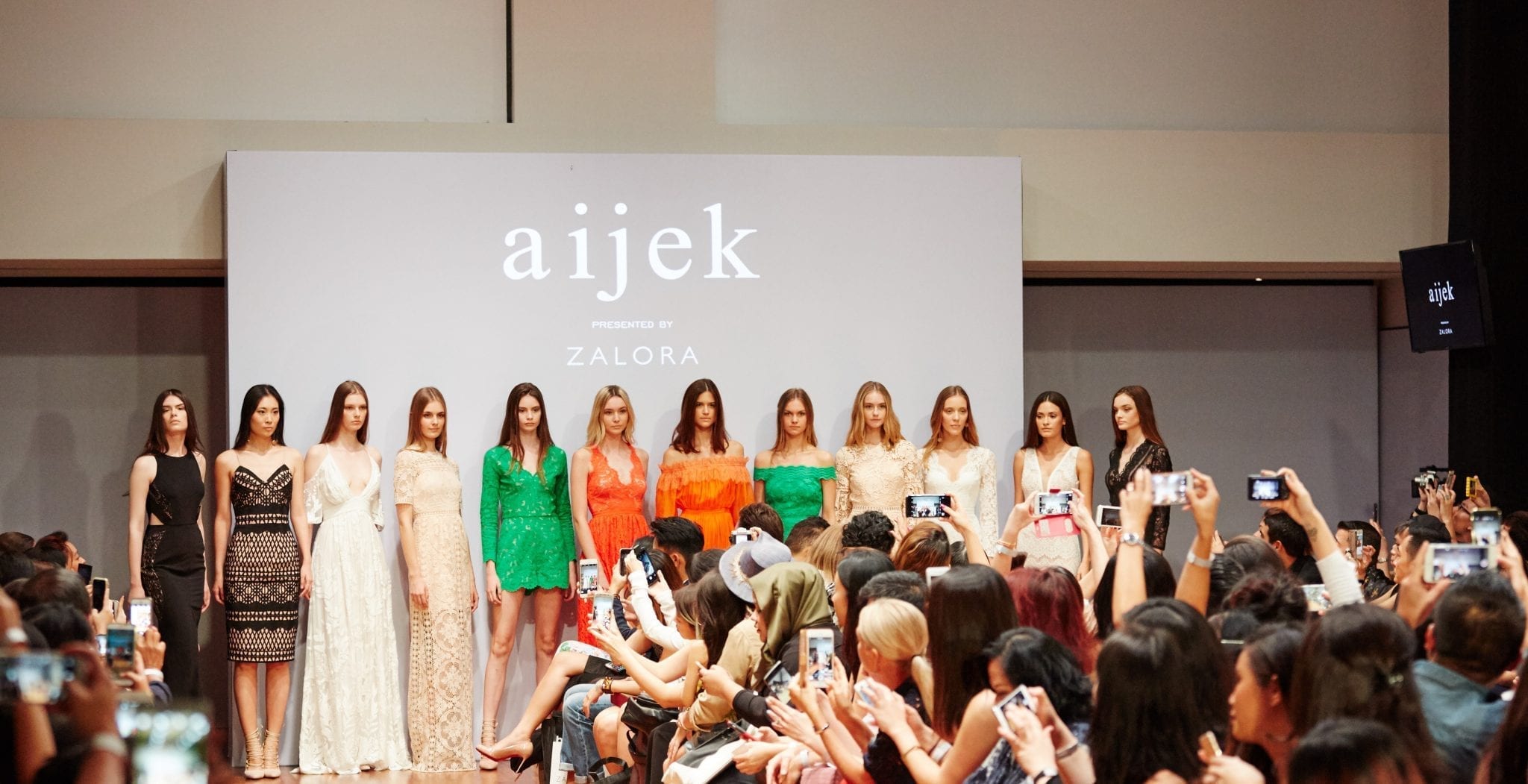
    ZALORA, Asia’s online fashion destination, today announced its partnership with Singapore Fashion Week as the Official E-Tail Partner. This is the second time the online fashion brand is taking part in one of the region’s biggest fashion events of the year. ZALORA will be presenting three Singapore designers and labels namely, Stolen, Aijek, and Max Tan in the Fashion Futures Showcase. Fashion fans in Singapore can purchase the collections on ZALORA from today onwards.

    As the Official E-Tail Partner, ZALORA will be hosting a shoppable Singapore Fashion Week microsite on ZALORA.com that will feature curated collections from Fashion Futures Showcase and Singapore Fashion Week Access, a dedicated show segment for Singapore designers. As part of ZALORA’s commitment to stay up-to-date with the latest trends within the industry, ZALORA is embracing the ‘see now, buy now’ model enabling fashion show goers to purchase their favourite looks immediately.

    Shop Max Tan Spring/Summer 2017, Stolen Spring/Summer 2017, and Aijek Fall/Winter 2016 collections at www.zalora.sg/fashion-week-singapore and on the ZALORA mobile app.

    “ZALORA is proud to be supporting local designer talent in one of the most anticipated fashion events of the year,” said Parker Gundersen, Chief Executive Officer of ZALORA Group. “We’re very passionate about supporting the local fashion industry across all of our markets in Asia, and Singapore Fashion Week provides a great opportunity for us to give the region’s top designers exposure to millions of new consumers on our online platform. It’s also an exciting way for our customers to discover new fashion and to buy product straight from the runway.”

    “Singapore Fashion Week is delighted to be working with ZALORA again this year, as we recognise the growing impact and importance of digital and social media, and connecting designers and labels

    with customers via e-commerce. With the growing trend of ‘See Now, Buy Now’ as well, I believe that online retailers like ZALORA will play an ever-growing role in partnerships with fashion weeks around the world,” commented Tjin Lee, Founder and Chairman of Singapore Fashion Week.

    ZALORA also strongly believes in making fashion more inclusive and accessible. To further engage fashion consumers, the Fashion Futures Showcase will be live-streamed on ZALORA where viewers at home can watch the shows and access exclusive content. Catch all the exciting happenings at Singapore Fashion Week Fashion Futures Showcase on social media at #ZALORAxSGFW.

  • Tycoon sells Century Link for $2.95 billion

    Tycoon sells Century Link for $2.95 billion

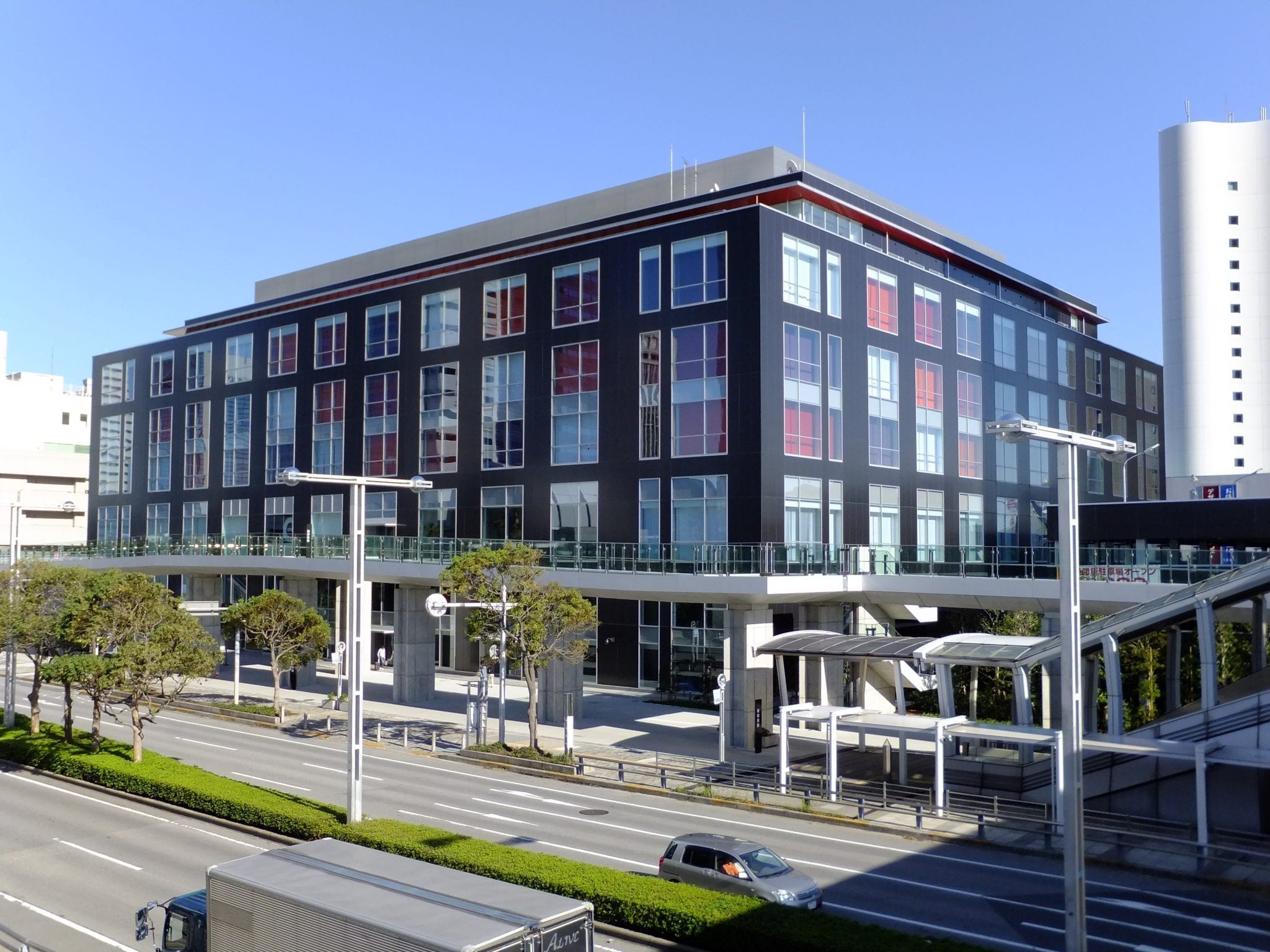
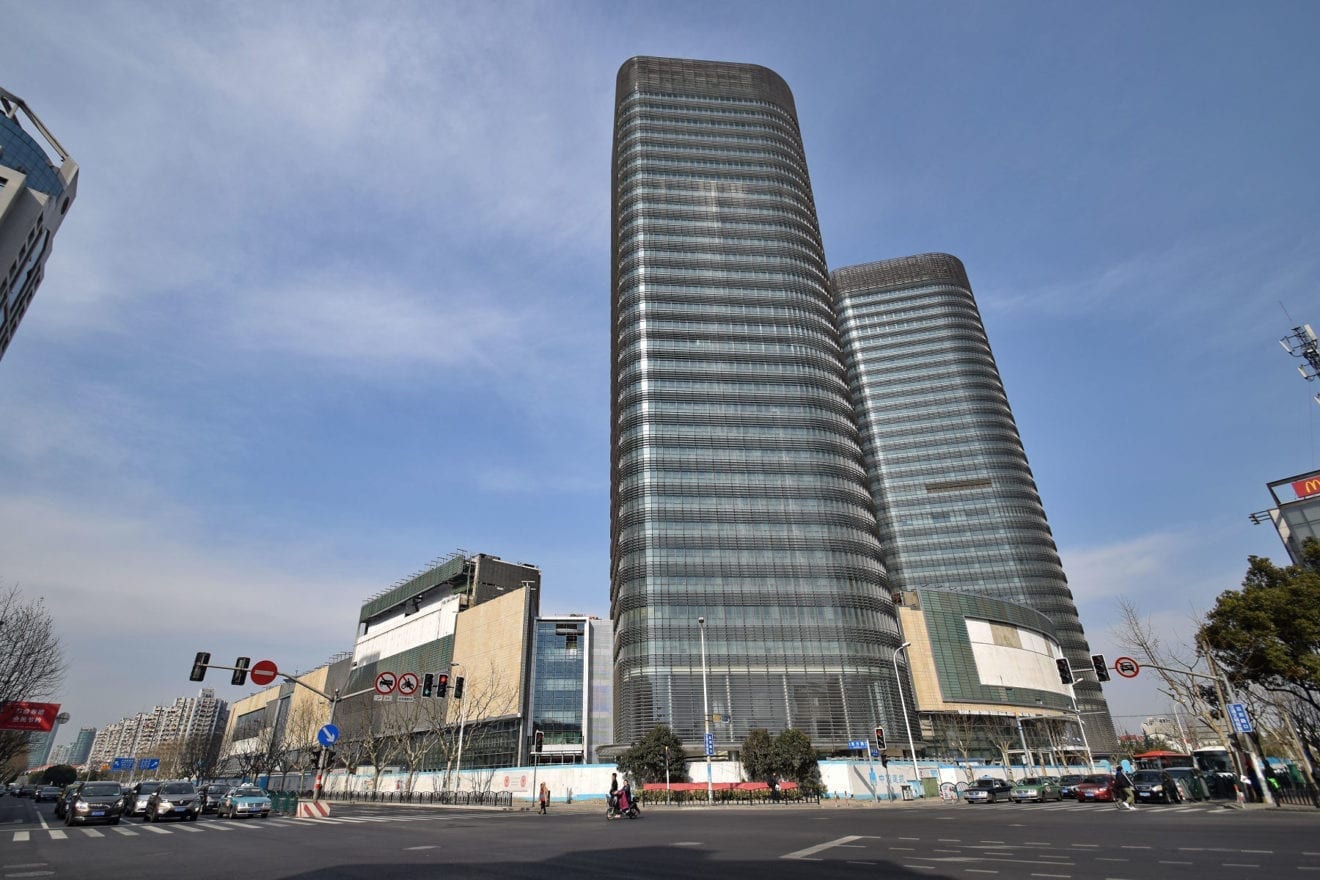
    Chinese tycoon Li Ka-shing has sold the Century Link office and retail complex in Shanghai for 20 billion yuan (US$2.95 billion).

    Li’s Cheung Kong Property Holdings (CK Property) and the Li Ka Shing (Overseas) Foundation agreed to sell their combined 100 per ownership of the complex, in Pudong’s Lujiazui district, to a company set up especially for the deal. China Life Insurance is the majority shareholder, with the minority stake held by closed-end funds managed by ARA Fund Management, in which CK Property owns 7.8 per cent. The purchaser, known as Mapleleaf Century, will be managed by ARA.

    Century Link comprises two 34-storey towers and a retail podium.

    “The disposal enables the company to realise its investment,” says CK Property. It expects to record an unaudited gain of about HK$6.22 billion (US$801.9 million) after the transaction.

    CK Property was reportedly looking for a buyer for the development last year. Over the past two years, companies backed by Li and his family have sold office and shopping mall projects in Beijing, Shanghai, Guangzhou and Nanjing.

    Many businesses have been prompted to shed renminbi-denominated assets, reports the South China Morning Post, following the yuan depreciating by 2 per cent against the US dollar since mid-August after having weakened by 6.6 per cent in the past year.

    Five days before the announcement of the sale, China Life led the acquisition of a US$2 billion stake in American hotels owned by Starwood Capital Group.

    The net proceeds from the Shanghai property disposal are intended to be used by the group as general working capital, says CK Property.

    In Hong Kong, CK Property is selling The Center in Central, the tallest building in its portfolio, with an asking price of HK$35 billion. The 73-storey tower, which has 1.2 million sqft (111,483.6 sqm) of office space, 13,000 sqft of retail space and 402 car parks, has attracted a handful of potential buyers.

    CK Property owns 48 storeys in The Center building after Malaysian developer Guoco Group bought 11 floors in 1997. Nine of the 11 floors were sold to Singapore’s DBS Group Holdings in 1998, while CK Property sold the 60th and 79th floors in 1999.

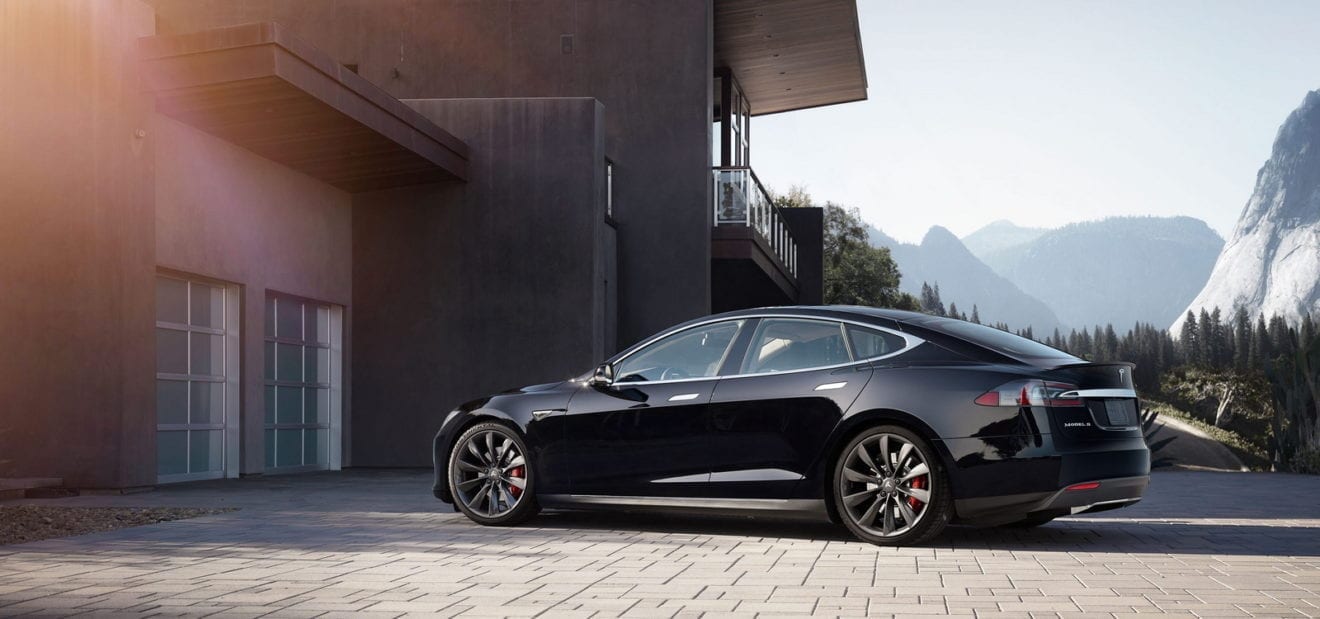
  • Tesla’s Musk unveils solar roof tiles, longer-lasting batteries

    Tesla’s Musk unveils solar roof tiles, longer-lasting batteries

    Tesla Motors Inc Chief Executive Elon Musk on Friday unveiled new energy products aimed at illustrating the benefits of combining his electric car and battery maker with solar installer SolarCity Corp.

    The products include solar-powered roof tiles that eliminate the need for traditional panels and longer-lasting batteries aimed at helping to realize Musk’s vision of selling a fossil fuel free lifestyle to consumers.

    “This is sort of the integrated future. An electric car, a Powerwall and a solar roof. The key is it needs to be beautiful, affordable and seamlessly integrated,” Musk said during an event to showcase the products at the Universal Studios theme park near Los Angeles. “If all those things are true why would you go any other direction?”

    Musk is the biggest shareholder in both Tesla and SolarCity, which is run by two of his first cousins. Analysts have been dubious of the deal’s proposed synergies, with some suggesting the merger is a way for Tesla to rescue money-losing SolarCity. A vote on the acquisition is scheduled for Nov. 17.

  • China Unicom developing 5G VR streaming tech

    China Unicom developing 5G VR streaming tech

    The China Unicom Network Technology Research Institute is working on a new use case for advanced technologies including 5G and VR – panoramic VR streaming of live video using drone technology.

    China Unicom and wireless broadband technology provider Baicells are developing a prototype mobile edge computing VR live video technology using Artesyn Embedded Technologies’ MaxCore mobile edge computing acceleration platform.

    The technology uses the emerging panoramic video collage algorithm and transmission protocol to provide VR video streaming from drones equiped with 360-degree high-definition cameras.

    Users can manipulate their perspective in real-time, providing a more immersive live VR experience.

    “This end-to-end solution can be applied not only to concerts, sporting events, films and other entertainment industries, such as the Mid-Autumn festival, live CCTV broadcasts using VR panoramic technology, but it can also be applied to public safety, emergency communication, UAV inspection, and much more,” Baicells research director Mingyu Zhou said.

    “We believe China Unicom and Baicells’ joint research and development can help users experience live HD VR video transmissions more quickly and smoothly.”

    “MEC provides a distributed computing environment for application and service hosting, bringing cloud technologies closer to the RAN and ultimately, closer to consumers,” Artesyn marketing VP Linsey Miller added.

    “Carriers are telling us that for these applications they need telco-grade features, which is Artesyn’s expertise.”

  • Kakao food-delivery service planned

    Kakao food-delivery service planned

    Korean internet company Kakao, known for its chat app KakaoTalk, plans to jump into the food-delivery sector.

    The Kakao food-delivery service is planned for launch by January, and it is expected to be incorporated into the app, which has four menu buttons. One of them lists extra services such as sending gifts or making reservations.

    A Kakao spokesperson says the deliveries would mainly be from franchise restaurants.

    In July, Kakao acquired a 20 per cent stake of CNT Tech, a developer of an order-receiving platform for more than 80 franchise restaurant brands in Korea.

    CNT Tech has 90 per cent of market share in the ordering platform sector. Once an order is placed through a franchise’s key number or homepage, the start-up connects orders to stores nearest the customer.

    Already companies are battling for share in the food-delivery market, including Baedal Minjok, Baedaltong and Yogiyo. Baedal Minjok, which has more than 50 per cent market share, is the only start-up that has turned around its business from losses.

    Kakao head of communications Lee Su-jin says its new on-demand service will follow the company’s business perspective that an online-to-offline service should add value both to individual service providers and customers.
    “Through our Kakao Taxi service, the annual income of taxi drivers rose by more than 3 million won [US$2650],” he says.

  • Shinsegae Group to run mall, arcade

    Shinsegae Group to run mall, arcade

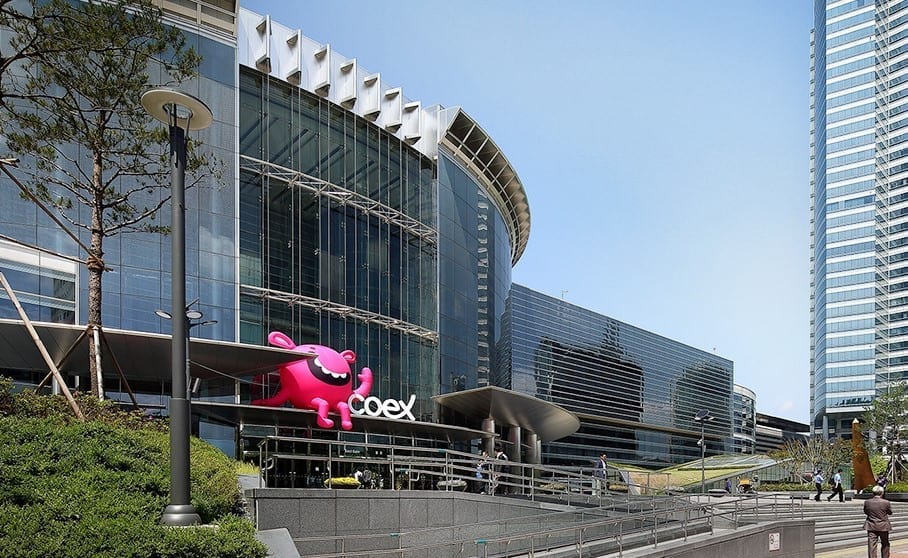
    Following a bidding process, Shinsegae Group has become the manager for Coex Mall and the adjacent CALT shopping arcade in Samseong-dong, southern Seoul.

    An official signing has taken place with the Korea International Trade Association (KITA), which owns the two venues.

    The confirmation comes three months after Shinsegae Property, the shopping-mall management arm of the retail giant, was chosen as preferred bidder.

    Shinsegae Group expects the lease profit to be around 66 billion won (US$58.3 million) this year.

  • Toyota to recall 5.8 million cars in Japan, China, Europe over Takata airbags

    Toyota to recall 5.8 million cars in Japan, China, Europe over Takata airbags

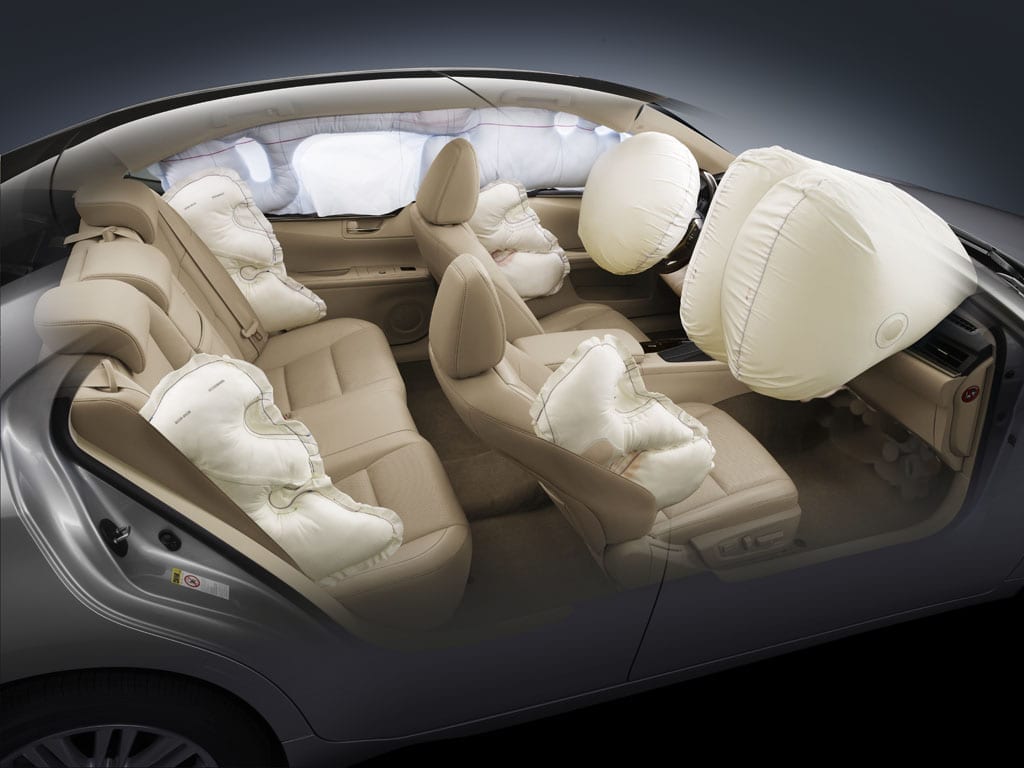
    Japan’s Toyota Motor Corp on Wednesday said it was recalling a total of about 5.8 million cars at home and abroad over potentially faulty air bag inflators made by Takata Corp.

    The recall, which includes the Corolla and the Vitz subcompact hatchback model which is marketed overseas as the Yaris, covers models produced between May 2000 and November 2001, and April 2006 and December 2014, the company said in an email.

    It affects about 1.16 million vehicles sold in Japan, and also includes about 820,000 cars sold in China and around 1.47 million cars in the European market.

  • BT to build cloud infrastructure for Randstad

    BT to build cloud infrastructure for Randstad

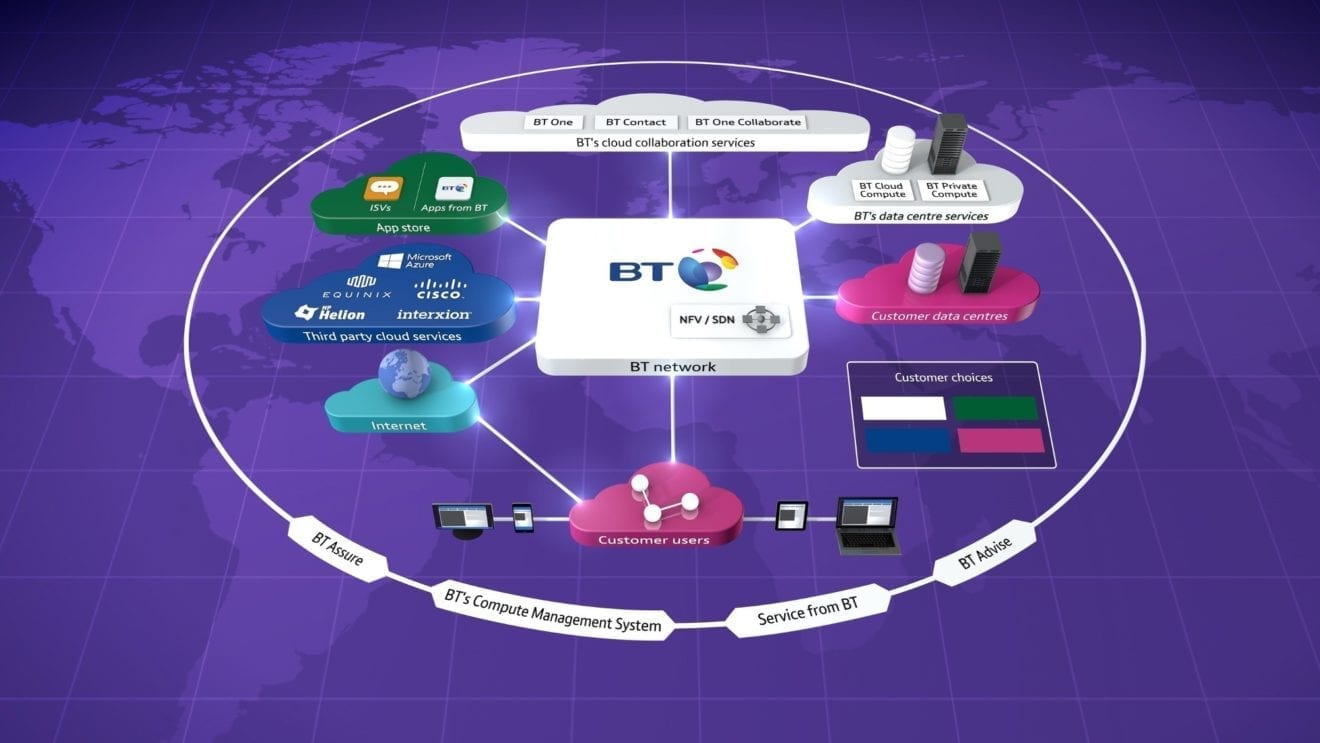
    HR services provider Randstad Group has contracted BT to build a new global IT infrastructure providing cloud connectivity to more than 3,500 sites worldwide.

    The network will connect 37 countries in Europe, North- and South-America, Middle East and Asia-Pacific.

    BT will consolidate, centralize and standardize Randstad’s network infrastructure, currently sourced from multiple domestic and regional providers. The new infrastructure uses BT’s IP Connect and Internet Connect services to combine the reliability and security of IP-based VPNs with the flexibility of internet connections.

    The network infrastructure will use BT’s Cloud Connect service to deliver high performance connectivity to multiple Amazon Web Services locations. In addition, BT One Cloud will deliver cloud-based voice services for Randstad’s 33,000 employees, hosted from data centers in Europe, North America and Asia. BT will also standardize Randstad’s in-office – fixed and wireless – networks.

    “We were looking for a global network and cloud services integration partner to help us gain more control over our network estate, increase efficiencies, maximize the benefits of the cloud and help accelerate our digital transformation,” said Bernardo Payet, general manager of Randstad Global IT Solutions.

    Payet said BT will take away the burden of managing a multitude of different suppliers and make it easier for us to implement new services for our employees and customers.

    “Our ambition is to be the leading global cloud services integrator, offering customers unparalleled choice, security, resilience, speed, flexibility and agility on their digital transformation journey,” BT Global Services president of Europe and global telecom markets  Corrado Sciolla said.

  • QVC Japan taps Verint to enhance quality assurance, customer experience

    QVC Japan taps Verint to enhance quality assurance, customer experience

    TV shopping firm QVC Japan is leveraging Verint Workforce Optimization in its in-country contact centers to drive operational improvements, as well as enhance the quality of calls and productivity of its customer service agents.

    QVC is also using and benefitting from Verint Speech Analytics, which continues to play an important role in its focus on customer engagement.

    Having used the Verint Workforce Optimization and Customer Analytics solutions for three years, QVC Japan is capturing, analyzing and acting on feedback from its customers to help ensure consistency in its service approach and deliver positive experiences.

    “QVC Japan was the first operation in the QVC global network to implement Verint’s workforce optimization and analytics solutions, and based on our positive results, we have gained a lot of attention,” said Masukawa, customer experience manager at QVC Japan.

    In particular, the combination of quality management and speech analytics helps us determine how best to maximize customer and other business insights coming into our operations and then apply them to new measures.”

    The QVC quality team was the first to introduce workforce optimization and speech analytics to the organization. In doing so, the business has increased quality scores, while enhancing productivity across its teams. Upon experiencing these results, QVC Japan’s customer experience division implemented the Verint Speech Analytics solution.

    By leveraging the data and valuable insights from the voices of its customers, the company says it is better able serve them, meet their expectations, and develop and launch compelling marketing initiatives and campaigns.

  • Emmi milk plans Asian expansion through Amazon

    Emmi milk plans Asian expansion through Amazon

    Emmi, a Swiss milk processor and dairy products company headquartered in Lucerne, plans to expand its Asian sales through a strategic partnership with internet giant Amazon. Emmi has been relatively uninvolved in Asia, with only a turnover of around CHF 20 million. CEO Urs Riedener said he believes he could double total sales “over the next five years”. In Asia, Emmi is pursuing an export strategy and is not producing on the spot.

    In Hong Kong, Emmi is already the third strongest yoghurt brand. In Singapore, Riedener sells Emmi products in many four- and five-star hotels and Singapore Airlines in Business Class as well as in expat shops in China. ording to Riedener, the happenings in Asia are analyzed “repeatedly”. But one must remain realistic: “We are a relatively small company, our opponents are world giants.” Emmi is currently active in twelve countries, perhaps it could be 15. “Can we have 25?” I believe this would be self-assessment, “said the Emmi CEO.

    However Riedener considers the pricing model at Amazon “difficult”. In principle, the dealer determines the final selling price. “Amazon keeps its margin in any case. This is relatively ugly in the calculation for the manufacturer. “Such a clause would not enter Riedener for the manufacturer and supplier Emmi with Amazon.

  • World’s Largest Lighting Marketplace Opens in Hong Kong

    World’s Largest Lighting Marketplace Opens in Hong Kong

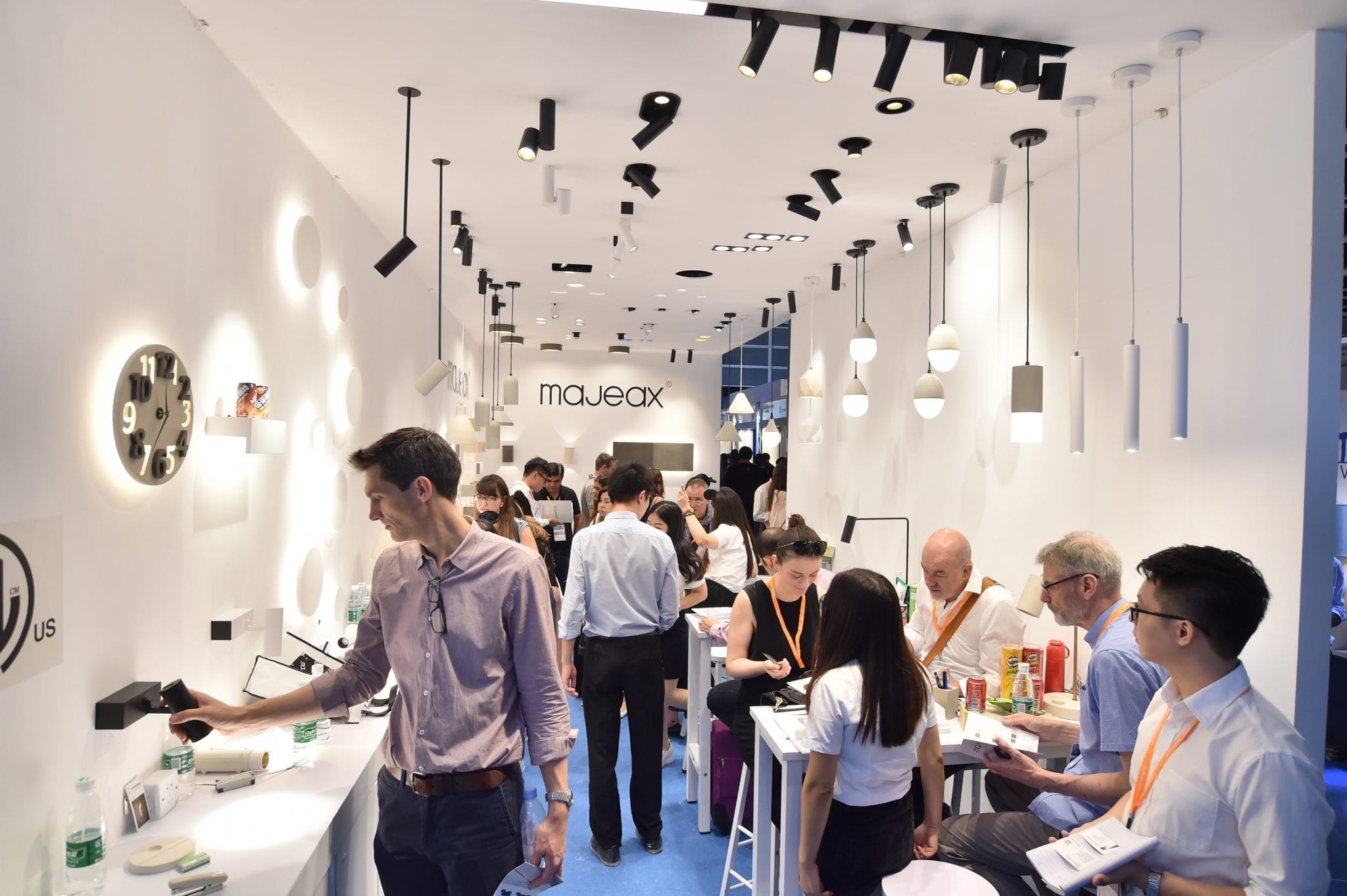
    Organised by the Hong Kong Trade Development Council (HKTDC), the 18th HKTDC Hong Kong International Lighting Fair (Autumn Edition) opened today and continues through 30 October at the Hong Kong Convention and Exhibition Centre (HKCEC). To encourage cross-sector business opportunities, the HKTDC has also launched the brand new HKTDC Hong Kong International Outdoor and Tech Light Expo this year, which runs from 26 to 29 October at the AsiaWorld-Expo.

    The inaugural Outdoor and Tech Light Expo and the 18th HKTDC Hong Kong International Lighting Fair together form the world’s largest lighting marketplace, welcoming over 3,000 exhibitors from 37 countries and regions to showcase their state-of-the-art lighting products and solutions. Compared to last year’s lighting events, the number of exhibitors this year has increased more than 10 per cent, which reflects the industry’s positive sentiment towards the market. Products such as LED green lighting, smart lighting and outdoor lighting products are in particularly sharp focus.

    The HKTDC has organised 77 buying missions with more than 7,000 buyers from over 4,900 companies, to seize new business opportunities during the fair period. Notably, a number of renowned lighting products distributors from emerging markets are participating in the buying missions, such as Etna Home Store from Brazil, Wipro Enterprise Ltd from India, Anh Minh Chau Trading from Vietnam, Seng Hup Lightings & Decor from Malaysia, LEDIN Sp. z o.o. from Poland, and Huda Lighting from the United Arab Emirates.

    Energy-efficient products and creative designs in the limelight

    The HKTDC provides a professional sourcing platform for the lighting industry by gathering exhibitors from around the world to present new energy-efficient and creative products as well as the latest technologies to potential buyers. This year, the Lighting Fair welcomes a record of over 2,650 exhibitors from 37 countries and regions. Companies from Canada, Hungary, Ukraine and the UAE are taking part for the first time, offering more diversified options for buyers.

    One of the fair’s highlights, Hall of Aurora features 530 local and international brands, including BJB, Citizen, EGLO, Lumileds, Neo-Neon and Megaman.

    To keep abreast of industry trends, more than 1,000 exhibitors are displaying a wide variety of energy-efficient products at the LED & Green Lighting zone, providing innovative energy-efficient lighting solutions. Other thematic zones include Smart Lighting & Solutions, Commercial Lighting and Household Lighting.

    Among the many innovative and creative products at the fair are the world’s first spiral shaped filament LED light bulb SIMBULB (Booth: 1D-D36), which won the Good Design Award 2015 and Red Dot Award 2016; the smart Aroma Diffuser Lamp (Booth: 1B-E37) that serves as a diffuser, humidifier, Bluetooth music player and lamp; 180 degrees motion activated LED Security Light (Booth: 3C-D18) equipped with a WiFi-enabled camera, built-in microphone and speaker, and a Floating Bulb (Booth: 3B-D35) that uses magnetic floating and wireless induction technologies.

    Inaugural Outdoor and Tech Light Expo makes bright debut

    Building on the success of the World of Outdoor Lighting & Lighting Accessories 2015, this year the HKTDC is expanding the scale of the event by launching the debut Hong Kong International Outdoor and Tech Light Expo, which opened yesterday and runs until 29 October at the AsiaWorld-Expo, to meet market demand and foster cross-sector business.

    The inaugural fair gathers about 380 exhibitors from Hong Kong, the Chinese mainland, Malaysia, Korea and Taiwan. It comprises four major zones: Outdoor Lighting, Lighting Accessories, Parts and Components, Professional and Industrial Lighting, as well as Advertising Lighting. A wide range of unique professional and industrial lighting products for different working environments are on show, including the LED Down Lights by Hella Marine made of high-grade 316 stainless steel, which is popular among the automotive, marine and industrial sectors (Booth: 10-A05), and the APOLLO 2 Series LED Street Light, which is made of die cast aluminium and equipped with a lightning and surge protection system (Booth: 8-G02).

    During the Lighting Fair and Outdoor and Tech Light Expo, renowned industry experts are invited to explore technological breakthroughs and analyse the latest market trends. Today’s (27 October) seminar on “The Latest Development of Smart Lighting” at the HKCEC features representatives of LEDinside from Taiwan, Leedarson Lighting Holdings Pte Ltd from Singapore and Neonlite International Ltd sharing up-to-date smart lighting technologies and product trends. Another seminar, “Latest Standards and Regulations for LED Products” will be held tomorrow (28 October) at the AsiaWorld-Expo. Experts from leading companies including TUV SUD, Intertek HK and DEKRA will discuss the regulatory standards for LED products in the United States, Australia, Asia and the Middle East.

    In addition to the lighting events, the Hong Kong International Building and Hardware Fair and Eco Expo Asia run from 26 to 29 October at the AsiaWorld-Expo. The four parallel fairs generate strong synergy across related business sectors, adding value to the experience for exhibitors and buyers and creating more business opportunities. A free shuttle bus service between the HKCEC and AsiaWorld-Expo is provided during the fair period.

    Hong Kong: a trading and distribution hub for the lighting industry

    In the first eight months of 2016, the total value of Hong Kong’s exports of lighting products reached HK$6.1 billion. The city’s top three export markets are the US, the Chinese mainland and Japan, which together account for nearly 60 per cent of the total export value. Hong Kong’s exports of lighting products to the US increased by 2.8 per cent compared to the same period last year.
  • Squeeze in Chinese tourists starts to bite

    Squeeze in Chinese tourists starts to bite

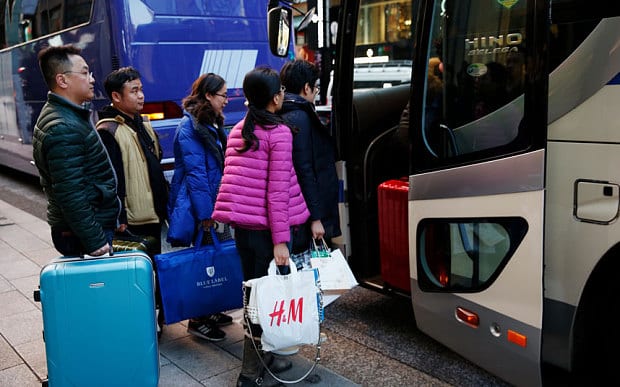
    The Chinese government’s forced reduction of tourists visiting Korea by 20 percent is already dealing a blow to businesses.

    “Even today, tourism offices in several provincial governments are acknowledging they are lowering the numbers of tourists going to Korea,” said an insider working in China’s tourism industry on Tuesday. “In several areas, there were even orders to send visitors to the Philippines instead of Korea.”

    chart

    Relations between China and the Philippines, which were sour for some time due to a territorial dispute in the South China Sea, recently softened after President Rodrigo Duterte visited China last week.

    Seoul’s ties with China have gotten frostier after it decided to deploy a U.S. missile defense shield that Beijing opposes.

    Businesses that rely on Chinese visitors are worrying that the decision will hit them hard. It hasn’t been long since they overcame the aftermath of last year’s Middle East respiratory syndrome (MERS).

    The first signal came from the stock market: shares of companies that could be hurt posted sharp declines Tuesday as news spread. Cosmetics leader AmorePacific fell 7.12 percent to 345,500 won ($305.06). LG Household and Healthcare lost 8.34 percent to 846,000 won. The impact was evident in tourism shares as well: Hotel Shilla lost 6.94 percent and HanaTour retreated 8.04 percent. All shares failed to recover Monday’s closing prices on Wednesday. Companies running group tours were most vulnerable.

    According to the Korea Tourism Organization, 2.4 million Chinese tourists came on group tours last year, 41 percent of the total number of Chinese tourists to Korea, which was approximately 6 million. As group tours are organized two to three months before departure, the decline is expected to really show by year’s end.

    “If Chinese group tours fall by 20 percent, the annual loss in relevant industries may reach a minimum of 2 trillion won,” said researcher Shen Jia at the LG Economic Research Institute. “If the decline spreads to individual tourists, the economic damage will deepen even further.”

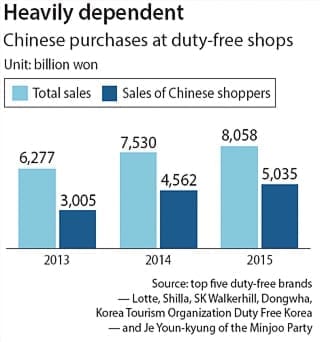
    Duty-free shops are nervous. Last year, the top five duty free operators – Lotte, Shilla, SK Walkerhill, Dongwha and Korea Tourism Organization’s Duty Free Korea – earned 5.4 trillion won in revenues from Chinese tourists, 62 percent of total sales of 8.6 trillion won.

    Through September of this year, Chinese tourists spent 3 trillion won at Lotte Department Stores. As soon as the news of the cutback spread Tuesday, duty-free stores organized emergency meetings with Chinese partners to devise some kind of a backup plan.

    There are currently nine duty-free shops in Seoul, with four more waiting to open next year. Competition in the duty-free industry is fierce, as it is one of the most robust retail markets in Korea. “A sudden drop in Chinese shoppers will cause considerable impact to both current and future duty-free operators,” said a spokesperson for Shilla Duty Free.

    Mid-priced hotels are nervous too. They are popular with group tours. “Half of the guests at business hotels in Myeong-dong or Dongdaemun are Chinese, and most are from group tours,” said Park Jong-mo, manager of the Ramada Hotel and Suites Seoul Namdaemun. “The market supply is rising, with new mid- and low-priced hotels being built in the city center. We’ll be seeing more vacant rooms.”

  • Hong Kong’s NOSH by Secret Ingredient Wins Investment with Alibaba Entrepreneur Fund

    Hong Kong’s NOSH by Secret Ingredient Wins Investment with Alibaba Entrepreneur Fund

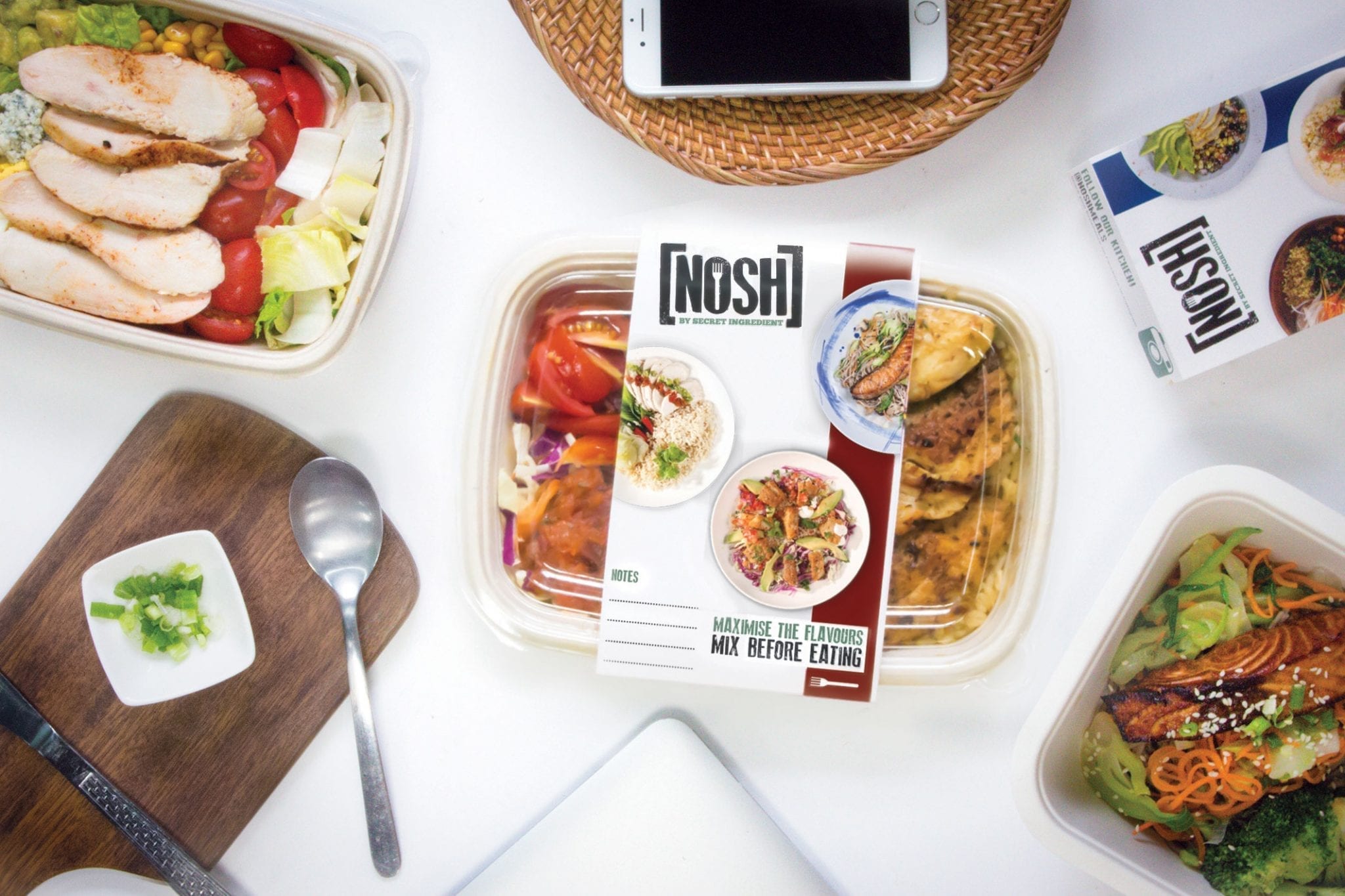
    Hong Kong’s first online to offline (O2O) healthy meal delivery concept, NOSH announced its latest round of fund-raising with the Alibaba Entrepreneur Fund. The investment will support NOSH in further revolutionising the food delivery and takeaway industry, meeting Hong Kong’s fast-growing market demand for convenient and affordable healthy meals.

    Created by the entrepreneur and chefs behind the award-winning Secret Ingredient, NOSH designs healthy meal options and uses cooking methods backed by a unique operation model specifically tailored for delivery. All chef-prepared nutritional meals contain less than 550 calories and are formulated to travel well, delivering to customers within 30 minutes.

    Alibaba Entrepreneur Fund, a not-for-profit fund launched by Alibaba Group, focuses specifically on finding opportunities with start-ups in Hong Kong.  Its financial investment will support NOSH in network expansion, sales & marketing and securing future partnerships. Alibaba’s international network and eco-system will also help the company grow its focus on inventory management and customer data.

    Founder Max Von Poelnitz shares, “We are extremely excited to work with Alibaba to change the game in the food delivery market in Hong Kong and abroad, making healthy, delicious and responsibly sourced food conveniently accessible and more affordable to our Hong Kong customers.”  

    “Without a restaurant space, we have created a unique meals-to-your-door concept that enables our delivery and retail partners to meet the evolving demands of our time-constrained, quality-conscious and price-sensitive consumers.”

    In line with the investment, the business is diversifying their offering by developing a complete Chinese-cuisine series that will use sustainable produce.  NOSH also has a full corporate business line that caters to companies across Hong Kong, giving their staff healthy and fresh meal options. Currently partnering with over 50 corporates, they are working towards joining forces with schools and hospitals. 

    Partnering with Food Panda, Deliveroo and Mai Dan, NOSH is available for individual orders between Kennedy Town and Chai Wan, while delivering corporate orders to Hong Kong Island and Kowloon.  In mid-November, the company will soon expand its service to Olympic and Tseung Kwan O to cover customers in Kowloon and the New Territories.

  • Philippine Airlines innovates in-flight retail

    Philippine Airlines innovates in-flight retail

    It used to be that some 20,000 feet above the ground, you browse a catalogue of duty-free merchandize to take home, chose some pretty standard stuff – cosmetics for the ladies, wine for the gentlemen, some cute airplane replicas for the kids, and maybe local goodies for the parents – and you have an instant take-home gift, paid for in cash and delivered to your seat with a smile by the friendly, in-flight crew.

    screenshot-2016-10-28-10-58-03

    Not anymore. In-flight retail has seen some highly innovative transformations in recent years – from offering huge discounts on luxury items to selling cars, bikes and even tractors inflight to home delivery to using the rewards cards for purchases.

    The Philippine Airlines recently embarked on its own transformation journey and re-imagine the retail experience in-flight and on the ground, starting off with turning the PAL Boutique, it’s in-flight catalogue, into a 24×7 online shopping site.

    With the newly launched website, shoppers can choose from a variety of products – from clothing and apparel, to electronics, travel essentials, beauty items and food. The site allows everyone to shop in the PAL Boutique store, not just those in the skies. It also features lifestyle merchandise such as hotel deals, car rentals, tours and recreation packages.

    Some of the items on sale at the online store are Sport 75, Heart 75, Southern shirts, Honeycomb polo shirts and hoodies as well as purse and tote bags by Team Manila. Press canvas wallets, heavy canvas Tote & Jotter notebooks, also by Team Manila, are likewise available.

    City Weekend, City Satchel, City Tourist, City Reach & City Envelope bag all by Fino, Amenity Kit by Bath Origins and Travel Wallet by Jacinto & Lirio as well as luggage tags and key chains are part of the product selection. Completing the line-up for travel aficionados is the myPALRoam, the global mobile hotspot that provides mobile data anywhere in the world.

    Collectible items include the Boeing 777 die-cast model, PAL bears by Natalya Lagdameo, PAL 75 anniversary fans and the PAL coffee table book. Chef Tony’s Butter Icing, Kesong Puti at Kondensada, Royal Peanut Butter and Tablea Tsokolate popcorns are also available for gourmet food lovers.

    The online shopping site is also linked to Mabuhay Miles, the company’s in-house rewards card and loyalty program. Every time a user shops at the online store, he or she earns corresponding rewards points. A 100-peso purchase ($2.07) at the PAL Online Boutique is equivalent to one mile.

    The online portal currently accepts Visa and Mastercard payments, but the online Boutique will soon accept Mabuhay Miles as payment.

    Marketplace solution

    PAL’s digital store is powered by the Voyager E-Commerce Marketplace (VEM) Solution, a cloud-hosted software-as-a-service (SAAS) platform with features catering to the needs of enterprises that want to bring their transactions online.

    The VEM Solution is a platform developed by Voyager Innovations, the digital innovations company of the PLDT Group and Smart Communications, the country’s biggest telecommunications company.

    Voyager Innovations VP for Digital Commerce Mitch Padua said VEM enables mid- to large-sized operators to build, manage and run world-class multi-merchant marketplaces. It provides platform that allows companies to easily sell online.

    “PAL Online Boutique is the product of a successful collaboration between PAL and Voyager Innovations. With just one click, a shopper can choose from premiere exclusive and co-branded items. If you are on the go, this online store is your shopping haven,” PAL Ancillary Business Unit VP Kevin Hartigan-Go said in a media statement during the launch of the service a few months back.

    Padua said the platform provides PAL an end-to-end solution – from the mobile app so that customers can view flight schedules, check in and purchase tickets to order management and customer care for their in-flight catalogue and online store to payment acceptance, which was provided by Voyager’s own payments company, PayMaya.

    “Airlines are the most progressive in terms of e-commerce,” he said at a recent media roundtable. “I think everyone buys tickets online. It makes sense for them (PAL) to not just sell tickets online but other things as well because they have a huge amount of traffic.”

    Citing a recent Google-Temasek study that within Southeast Asia, $88 billion is forecast on B2C transactions by 2025, Padua is optimistic there is a big opportunity for Philippine merchants, including online boutiques stores like PAL’s. “We are seeing about a billion dollars (in B2C transactions) now for the Philippines,” he said, adding that another study conducted by Visa hows nearly 9 out of 10  Filipinos connected to the Internet actually do online shopping.

  • VW brand profit plunges, Porsche lifts group

    VW brand profit plunges, Porsche lifts group

    Volkswagen said third-quarter operating profit at its core brand plunged more than half, adding weight to management calls for cutbacks at VW’s biggest division.

    Operating profit at the VW namesake brand dropped to 363 million euros ($396 million) from 801 million a year earlier, VW said on Thursday, or just 1.5 percent of sales.

    The figure was well below a consensus forecast of 462 million euros in a Reuters poll of analysts.

    Europe’s largest automaker needs to make savings at high-cost operations in Germany to help fund a shift to electric cars and self-driving vehicles while facing billions of euros in costs from its diesel emissions test-cheating scandal.

    “The results reinforce the need for cost cuts at the VW brand,” said Commerzbank analyst Sascha Gommel, who has a “hold” recommendation on the stock.

    In the seasonally slow July-to-September period, business at the VW brand was marred by suppliers halting parts deliveries to protest against the cancellation of a contract by VW, curbing output of the top-selling Golf and Passat models at the Wolfsburg and Emden plants by about 20,000 units.

    Analysts estimated the supplier dispute shaved a three-digit million-euro amount off the brand’s quarterly profit and said the carmaker also offered incentives to offset the impact of its emissions scandal on sales.

    Year-to-date sales of the VW brand swung back to growth on a 6.7 percent gain in September and posted the strongest growth in two-and-a-half years last month at group level, helped by strong demand in China and Europe.

    The VW group raised its guidance for profit and revenue this year after posting higher-than-expected quarterly earnings of 3.3 billion euros, adjusted for special items, reflecting strong gains at premium brand Porsche.

    The group said it expected revenue to match last year’s 213 billion euros after predicting in July that revenue would fall by as much as 5 percent this year.

    The group’s operating margin may come in at the upper end of VW’s 5-6 percent target range before special items, the carmaker said. It previously forecast the profitability benchmark to fall within that corridor.

    The shares were trading up 0.1 percent at 126 euros as of 0804 GMT.

    “Despite major challenges and the negative impact of the diesel issue, the Volkswagen Group remains on a solid financial footing,” finance chief Frank Witter said.