Author: Mei Ling Tan

  • Apple will open another R&D center in Japan

    Apple will open another R&D center in Japan

    Apple is on a research & development spree! The company has announced a bunch of new R&D centers over the past few months, and R&D spendings have skyrocketed. This time, Apple CEO Tim Cook announced that the company plans to open a new center in Japan during a visit in Tokyo.

    This isn’t the first time we’re hearing about a new R&D center in Japan. Previous reports have indicated that Apple was building a new R&D center for 2016 or 2017.

    Cook met with Japan’s prime minister Shinzo Abe to discuss all things Apple and Japan. Later at a press conference, Chief Cabinet Secretary Yoshihide Suga reported that Apple would complete its R&D center in December.

    So what is this R&D center anyway? Located in Yokohama, the building used to be a Panasonic factory. Apple has taken over the building and transformed it into an R&D center.

    This way, Apple can more easily hire talented Japanese engineers. It’s unclear what the Japanese team is going to work on.

    Overall, in addition to existing R&D centers, Apple will soon have R&D centers in Shenzhen, Israel, the U.K., France, Japan and Sweden. Maybe it’s time to rethink Apple’s tagline on all of its products — “designed by Apple in Cupertino and many other countries.”

  • BMW recalling 154,472 vehicles over fuel pumps

    BMW recalling 154,472 vehicles over fuel pumps

    BMW is recalling 154,472 vehicles registered in the United States and Canada for a fuel pump problem that could cause stalling, according to a filing with U.S. safety regulators and BMW.

    BMW told regulators that no injuries have been reported. Since 2014, the German-based company has conducted safety recall campaigns in China, Japan and South Korea for the same issue, according to a filing posted on Friday by the U.S. National Highway Traffic Safety Administration.

    Of the vehicles recalled in North America, 88 percent are registered in the United States.

    BMW is recalling certain vehicles in the United States and Canada for model years 2007-2012. Among them in the United States are the X5 3.0si, X5 4.8i, X5 M, X5 xDrive30i, X5 xDrive35i, X5 xDrive48i and X5 xDrive50i, 2008-2011 X6 x Drive35i, X6 xDrive50i and X6 M, 2010-2011 X6 ActiveHybrid, according to the filing.

    Also the 535i xDrive Gran Turismo, 535i Gran Turismo, 550i xDrive Gran Turismo and 550i Gran Turismo, 2011-2012 528i, 535i, 535i xDrive, 550i and 550i xDrive and 2012 535i ActiveHybrid, 640i Convertible, 650i Convertible, 650i xDrive Convertible, 650i Coupe and 650i Coupe xDrive vehicles.

    BMW will notify owners and dealers to replace a fuel pump module free of charge beginning in early December. BMW owners can call BMW customer service for details.

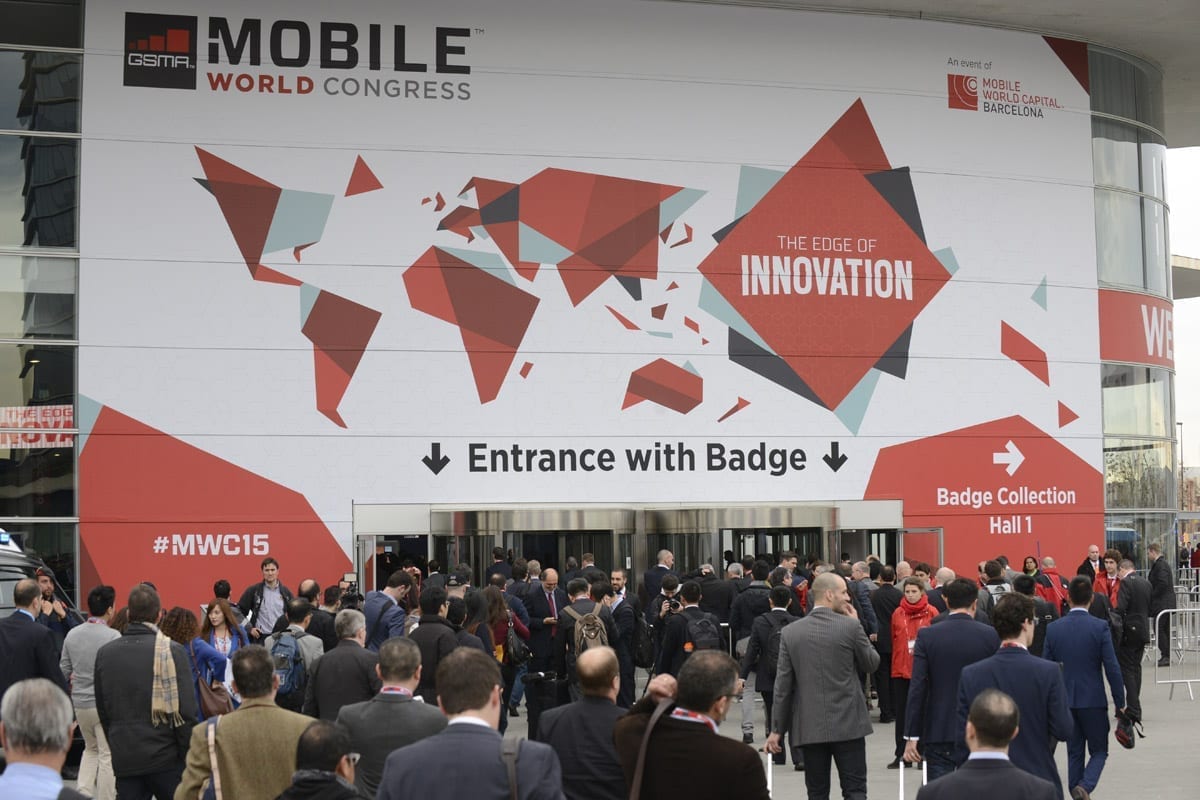
  • Sunil Bharti Mittal named GSMA chairman

    Sunil Bharti Mittal named GSMA chairman

    Sunil Bharti Mittal (pictured), founder and chairman of India’s Bharti Enterprises, has been named as GSMA chairman from January 2017 to December 2018.

    Mittal, the first Indian to be elected as chair of GSMA, will oversee the strategic direction of the organization, which represents nearly 800 of the world’s mobile operators, as well as more than 300 companies in the broader mobile ecosystem.

    Mittal will succeed Jon Fredrik Baksaas, who will step down from the board at the end of 2016, after holding this position for the past three years. He was elected as a member of the GSMA board in 2008.

    “I am delighted to be elected as chairman of the GSMA, and look forward to working closely with the rest of the board, the GSMA leadership team and our entire membership to address the critical issues facing our industry and our customers,” said Mittal.

    “I am excited about what the next chapter holds for us, as we work to connect everyone and everything to a better future. In my new global role, I am also excited to support the ongoing mobile broadband revolution in India to boost the Government’s Digital India Program and its vision of broadband access for all.”

    The GSMA has also elected the new members of the board and re-elected Mari-Noëlle Jego-Laveissiere, executive vice president, Innovation, Orange Group as a deputy chair for a two-year period.


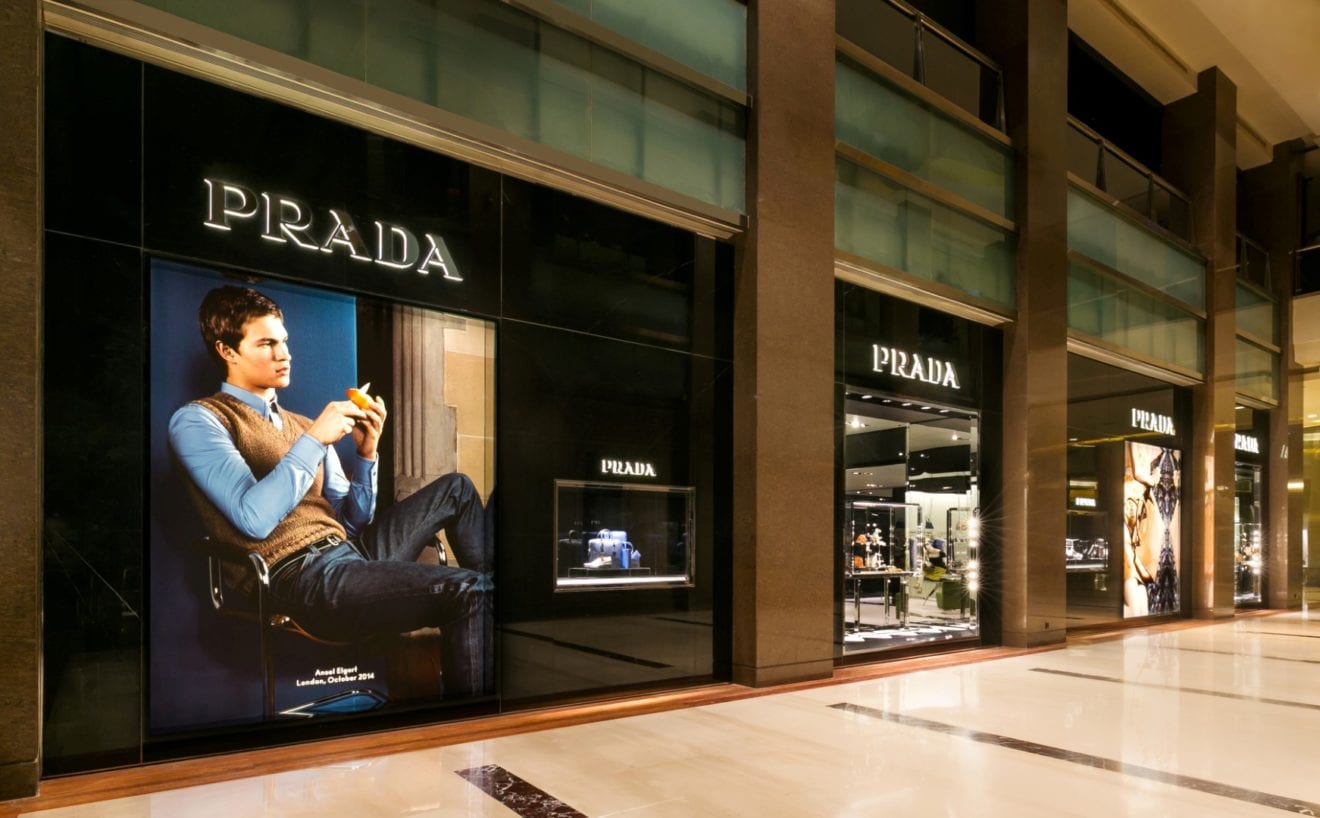
  • Asia to account for 50% of Prada sales

    Asia to account for 50% of Prada sales

    Prada expects that its sales in Asia will account for half of its total sales within one year, while sales in China will be 3 times of current sales in the next 2-3 years.

    Deputy Chairman Carlo Mazzi said, “Currently 40 percent of our business comes from Asia, it will rise to 50 percent in the coming year, and I do not think China’s economy will be much affected by the current European economic crisis.”

    Prada Brand completed its listing at Hong Kong stock market in June 2011. It also held its spring and summer fashion show in January, 2011 in Beijing.

    The brand announced that its sales for the first six months of 2011 rose 38 percent year on year to €223 million.

    In addition to Prada Brand, other global fashion brands, such as Burberry, Christian Dior, Rebecca Minkoff are also keenly eyeing the Chinese market.

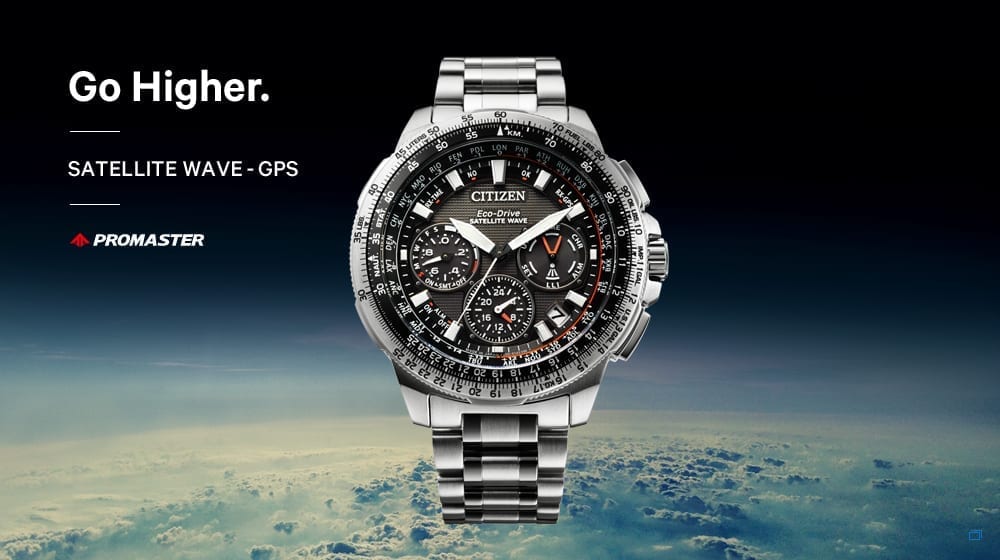
  • Citizen Watch signs Takeshi Kaneshiro for new campaign

    Citizen Watch signs Takeshi Kaneshiro for new campaign

    The summer of 2010 sees Citizen Watch (China) Co., Ltd., and Citizen Watches (H.K.) Ltd. revamping their brand image based on the fitting theme “Innovation, Powered by Willpower”. One of Asia’s top international actors, Takeshi Kaneshiro has officially been signed as the new brand ambassador to launch Citizen’s largest campaign in the history in China and the Asian region.

    In the world of wrist watches, Citizen has always been in the forefront in the deliverance of innovative functionalities. Eco-Drive, Radio-Controlled, and Titanium watches are just some of innovations by Citizen that revolutionised the world of wrist watches. And now with Takeshi Kaneshiro – who personifies sophistication, intelligence and inventiveness – fronting the new “Innovation, Powered by Willpower” themed campaign, Citizen will be embracing its vision to “extend the experience of the world embodied by the Citizen brand to individuals with innovative visions, who aspire to be innovative, and who are always one step ahead of the others”.

    Born on October 11th 1973 in Taiwan of mixed Japanese and Taiwanese parentage, Takeshi Kaneshiro has spread himself between cinema, dramas, and commercials. Some of Kaneshiro’s notable works include: the box-office hit Red Cliff (2008, 2009), K-20 Kaijin Nijumenso Den (2009), The Warlords (2008).

    The shooting of Takeshi Kaneshiro for Citizen’s new campaign was commissioned to world-famous photographer, Kaoru Ijima, who successfully captured Kaneshiro’s steely willpower and sophisticated aura in the advertisements that will resonate with consumers everywhere. Thus, through the astute collaboration between Kaneshiro and Ijima, was born a new innovative campaign visual for Citizen that will reinforce its image as the “ Symbol of Innovative Thinking “.

    True to its brand DNA, Citizen’s new range of Eco-Drive Super Titanium watches – to be launched in Malaysia in Sept 2010 – promises to be highly innovative, with eco-friendly features and sophisticated designs.

  • Amazon bans most ‘incentivized’ reviews

    Amazon.com is prohibiting most reviews made in exchange for free or discounted products, part of a wider campaign to bolster consumer confidence in its rating system.

    Sellers and brand owners have long used these so-called “incentivized” reviews as a way to get word out on their products, and until now they had been tolerated by Amazon as long as they were disclosed as such.

    But in a post on the Amazon site Monday, Chee Chew, Amazon’s vice president of customer experience, wrote that the practice will no longer be tolerated, unless done through the Amazon Vine program.

    That’s a program in which Amazon, not the third-party merchant of a product, chooses the reviewer. Amazon says it doesn’t reward positive star ratings, nor attempt to influence the review’s content in any way.

    Books are also an exception, with merchants and publishers still allowed to send out advance copies of books.

    The move highlights how customer reviews have become a major currency on Amazon’s site, as they are a big guide in purchasing decisions — and how the company endeavors to ensure these reviews remain trustworthy.

    The company in the past year has applied a new algorithm that gives preference to “newer, more helpful” reviews. It has also sued more than 1,000 parties for allegedly offering fake reviews for sale, and last June for the first time filed arbitration claims against merchants it accuses of paying for favorable opinions of their products.

  • Deutsche Bank woes may lead to job cuts in Singapore

    Deutsche Bank woes may lead to job cuts in Singapore

    The problems at Germany’s largest lender, Deutsche Bank, which has seen its share price tumble to record lows on concerns of a looming US$14 billion (S$19 billion) fine by US authorities, could raise questions over the fate of some of its 2,100-strong workforce in Singapore, analysts said on Monday (Oct 3).

    “For the German bank, the impact of negative interest rates and slower growth have affected profitability. As for the impact here in Singapore… we might find a possibility of the bank reducing headcount,” said CIMB Private Banking economist Song Seng Wun.

    “The knock-on impact on Singapore would be pressure on the labour market in the finance sector. The tough labour market within finance may get tougher,” he added.

    Singapore has been Deutsche Bank’s Asia-Pacific head office since 1988, after the lender first established a presence in the city-state in 1971, its corporate website showed. It has a wholesale banking licence here and its business lines including corporate & investment banking, global markets, asset management, and wealth management.

    When asked about possible job cuts at the Singapore office, a spokesperson for Deutsche bank said: “Singapore is and will continue to be a key hub for Deutsche Bank in Asia-Pacific, a region which delivered 14 per cent year-on-year revenue growth last year and remains a core part of our global network.”

    Deutsche Bank shares plummeted to a record low of 9.90 euros last week and were trading at 11.45 euros mid-afternoon in Frankfurt on Monday. The bank has been battling rumours that the German government may have to come up with a rescue plan in case it cannot pay the staggering fine imposed by US regulators for mis-selling mortgage-backed securities before the global financial crisis. The fine is more than twice the provision it had set aside for litigation.

    Deutsche Bank last October unveiled a sweeping plan to restore its finances, including eliminating 9,000 jobs or about 9 per cent of the global workforce, including 4,000 positions in Germany. However, unlike Australia and New Zealand Banking Group, a qualifying full bank which has slashed about 400 jobs in Singapore over the past year, any headcount reduction at Deutsche Bank here won’t likely to be as drastic, analysts said.

    “Deutsche Bank’s business in Singapore has… little retail exposure; it does more private and investment banking. The bank is still geographically strong in Singapore. It is a significant player here and would be more distant from the issues faced at the German headquarters,” said KGI Securities (Singapore) trading strategist Nicholas Teo.

    UOB economist Francis Tan said: “There will be some impact, maybe small cuts but not likely to be big for the bank. Asia is still rising, so even if there are cuts it would be more on the European side. Looking at the relative growth rates this area has compared to the Western world, it would not be a good move to cut a lot of jobs. You don’t want to kill the golden goose.”

    Global banks have been slashing headcount in the Republic against the backdrop of weak economic outlook and stricter capital rules. Besides ANZ, banks such as Barclays and Standard Chartered have let go some of their employees in Singapore over the past year.

    The crisis faced by Deutsche Bank is unlikely to be a ‘Lehman moment’, experts said, referring to the collapse of the storied US investment bank Lehman Brothers eight years ago that played a major role in the global financial crisis.

    “A lot of people who are looking at a bank like Deutsche, and easily they are comparing this to Lehman but it is not the same. If you look at the liquidity conditions of banks now, it is very different from 2008-09,” said Mr Tan.

    “Balance sheets are not as weak as eight years ago and banks are not as vulnerable as they were,” Mr Song said.

  • Eco Expo Asia, Building and Hardware Fair Open Today

    Eco Expo Asia, Building and Hardware Fair Open Today

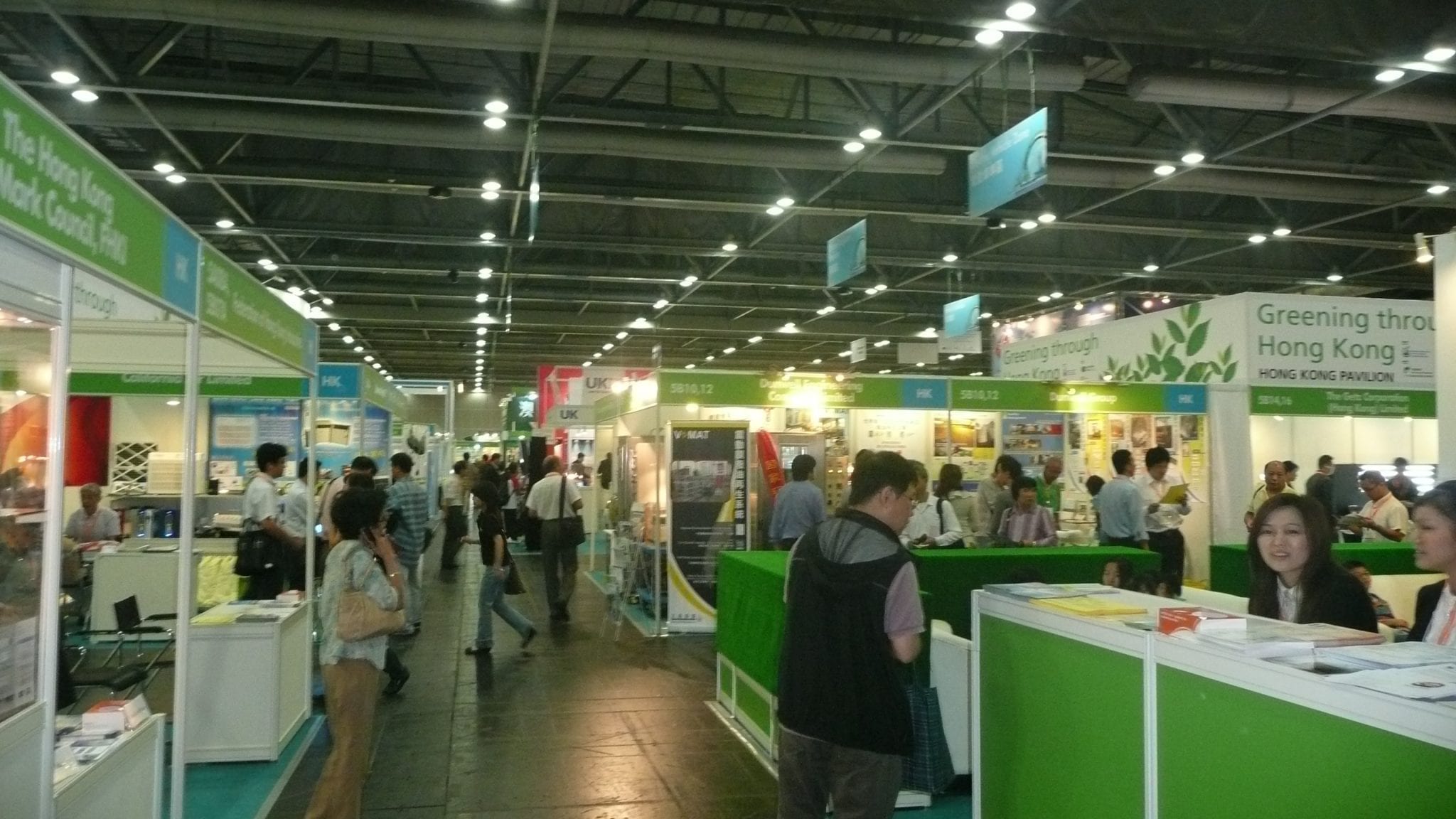
    The 11th editions of Eco Expo Asia and the HKTDC Hong Kong International Building and Hardware Fair opened today at the AsiaWorld-Expo. The opening ceremony of Eco Expo Asia was officiated by Wong Kam-sing, Secretary for the Environment of the Hong Kong Special Administrative Region (HKSAR) Government. Featuring more than 460 exhibitors, the two fairs run for four days (26-29 October). Nearly 90 buying missions were organised, comprising more than 4,000 corporate buyers from 30 countries and regions. Eco Expo Asia will open its doors to the public free of charge on the last day (29 October) to give visitors a better understanding of green industries.

    Eco Expo Asia spotlights climate change solutions

    The Eco Expo Asia is jointly organised by the Hong Kong Trade Development Council (HKTDC) and Messe Frankfurt (HK) Ltd, and co-organised by the Environment Bureau of the HKSAR Government.

    Speaking at the opening of Eco Expo Asia, Mr Wong said, “The Hong Kong SAR Government attaches great importance to combating climate change, and actions are being taken on various fronts to reduce greenhouse gas emissions with a view to reducing the territory’s carbon intensity between 50% and 60% by 2020, using 2005 as the base. We are on track to meet the said target.”

    Margaret Fong, Executive Director of the HKTDC, said, “For more than a decade, Eco Expo Asia has spotlighted exciting technologies for a cleaner and greener future. This year, with reference to the 2015 Paris Agreement on climate change, we have adopted ‘Green Solutions for a Changing Climate’ as the theme. This new focus aims to raise awareness of climate change solutions that will help governments and companies achieve their sustainability goals.”

    This year’s Eco Expo Asia has attracted more than 320 exhibitors from 19 countries and regions and features 12 overseas pavilions and group participations. The expo has nine product zones, spotlighting such topics as Green Transportation Experience, Waste Management and Recycling, Energy Efficiency and Energy, and Green Building Solution and Service as well as the newly-introduced Eco Home Tech zone. Industries, projects and technologies from various countries and regions are showcased, including a number of new green concepts:

    – Hong Kong EV Power Ltd. has brought its Smart Ceiling EV Charger, which can be installed at parking spaces without adjacent walls or columns. The charger is compatible with all EVs on the market.

    – Fortune Dragon Motors Ltd is featuring two pure electric commercial vans (models D11 and D12) that it distributes. The vans are compatible with European and Japanese charging standards and have a maximum range per charge of over 200 kilometres. The D12 model is available for visitors to test drive and test ride at the fair.

    – Eco-Green Group Ltd is exhibiting the Singapore-developed PlanterCell(R) SW-Tank, a high-strength, lightweight and innovative modular storm water storage tank. Made with recycled materials, the system provides a huge capacity for storm water collection and storage to prevent flooding.

    – China Water Industry Group Ltd is displaying its beverage bottle separation and crushing system. The recycled and assorted glass is crushed and processed into eco-friendly colour cullets, which can be used for wall, floor tiles, outdoor building and garden decorations.

    New Eco Home Tech zone

    The new Eco Home Tech zone is presented as a household setting that allows visitors to experience the green living concepts first-hand. An array of innovative green technologies, such as eco-friendly furniture and energy-efficient solutions are featured. Product highlights include the “ButterPly” Eco-friendly Plywood Furniture Series” brought by Upscaling Operations, which is easy to assemble with no screws or tools required; BAFCO Hong Kong Ltd’s Haiku(R) residential ceiling fan, which is equipped with the SenseME(TM) smart technology that monitors room conditions such as movement, temperature and humidity and adjusts fan speed automatically; and Ecopia (Hong Kong) Ltd’s compact household food waste processing system that can fit under the sink. With the use of micro-organisms to break down food waste into water and carbon dioxide, it helps minimise the accumulation of food waste at a cost of just HK$10 per day.

    Eco Asia Conference gathers industry leaders

    The fair’s signature event, the Eco Asia Conference, invites government officials and industry leaders from different countries and regions to discuss key green policies, sustainable developments and industry opportunities. Speakers this year include Yang Tiesheng, Deputy Head, Energy Conservation and Resources Utilisation Department, Ministry of Industry & Information Technology of the People’s Republic of China; and Enoch Lam, Director of Water Supplies, Water Supplies Department of the HKSAR Government.

    Other green topics, including Waste Management & Recycling, Air and Water Quality, Energy Efficiency and Energy, and Green Buildings are also in the spotlight. International industry leaders including Julius de Jong, Managing Director, Orgaworld Asia BV from the Netherlands; Murali Mohan Baggu, Group Manager, Power System Operations and Control Group, National Renewable Energy Laboratory of the United States; and Jan Zak, DGNB Senior Auditor and Member of the DGNB Technical Committee, ikl GmbH from Germany will offer insights into these hot topics.

    The inaugural Green Transportation Forum is also launched this year, comprising six seminars focusing on the development of the EV industry with topics covering the development trends of EVs, charging systems, technology advancement of solar energy vehicles, and more.

    Public Day to promote green living

    The public can take part in Eco Expo Asia for free on the last day (29 October), to experience the joy of green living through a range of fun activities. Mr Wong will also share his insights with secondary school students during the Dialogue with Secretary for the Environment session. Visitors may also join green workshops to learn how to make eco enzymes and practise permaculture. At the public day forum, representatives from the Hong Kong Observatory will discuss the impact of climate change. Furthermore, a renowned ecological educational consultant will offer tips on eco-photography while the Hong Kong Chinese Orchestra will introduce its “Eco Huqins Series” and stage live performances. “Green Mart” offers environmentally friendly products for sale, including DoDo Island’s handbags made with upcycled vintage fabrics from Chinese wedding gowns and Japanese kimonos.

    Building and Hardware Fair showcases innovative exhibits

    The HKTDC Hong Kong International Building and Hardware Fair features more than 140 exhibitors, including new participants from Australia and Malaysia. Shangyu District of Zhejiang Province’s Shaoxing City, well-known as a building industry cluster on the mainland, hosts a pavilion at the fair. The seven fair zones include BIM & Building Technology spotlighting software systems and solutions, and Green Building Materials showcasing various green architectural supplies, as well as Building & Decorative Hardware, Indoor Decorative Materials, and Coating & Chemicals zones.

    Various innovative products on show the Building and Hardware Fair include:

    – VHSoft Technologies Company Ltd’s VHSmart(TM) Mobile Construction management system, a multi-function application that can be used to monitor project progress and for material tracking.

    – BLJ Building Materials Ltd’s Buteline Plumbing System, a drinking water plumbing system from New Zealand that can be installed without soldering. The tough and durable fittings are free of lead and toxic chemicals and are able to prevent the build-up of scale.

    – Talent Forest Ltd’s Far-Infrared Carbon Nano-fibres Heated Wood Flooring, which allows for remote-controlled temperature control via a smart device. The temperature can be adjusted within 5 to 20 minutes and the system will power off while preserving heat after reaching the target temperature.

    The inaugural HKTDC Hong Kong International Outdoor and Tech Light Expo will be held concurrently with the Eco Expo Asia and HKTDC Hong Kong International Building and Hardware Fair at the AsiaWorld-Expo. The fair has attracted about 380 exhibitors from the Chinese mainland, Hong Kong, Korea, Malaysia and Taiwan featuring an array of exhibits in Outdoor Lighting, Professional and Industrial Lighting, Advertising Lighting, as well as Lighting Accessories, Parts & Components. As the lighting and building industries are closely related, the parallel fairs create a strong synergistic effect, creating more business opportunities for both exhibitors and buyers.

  • Lazada in talks to buy Redmart for rumored $30m to $40m

    Lazada in talks to buy Redmart for rumored $30m to $40m

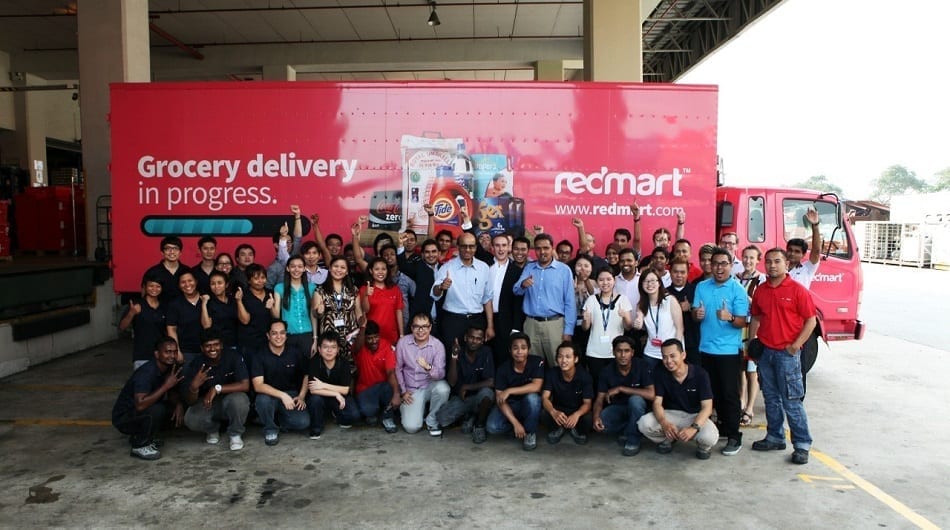
    Southeast Asia ecommerce portal Lazada is reportedly in talks to buy online grocery provider RedmartThe acquisition amount is said to be around US$30 million to US$40 million, which if true, is in the low range given it raised US$26.7 million last year.

    Redmart had apparently held unsuccessful talks with supermarket chain NTUC and Singapore sovereign wealth fund GIC. It also received a “lowball” offer from Amazon.

    The startup had been in trouble for some time. While its revenue grew, its expenses increased at an even faster clip.

    Lazada is controlled by Chinese online shopping Alibaba, which in April took a commanding stake in the Rocket Internet-born startup for US$1 billion.

  • DFS Group And Ant Financial Introduces AliPay

    DFS Group And Ant Financial Introduces AliPay

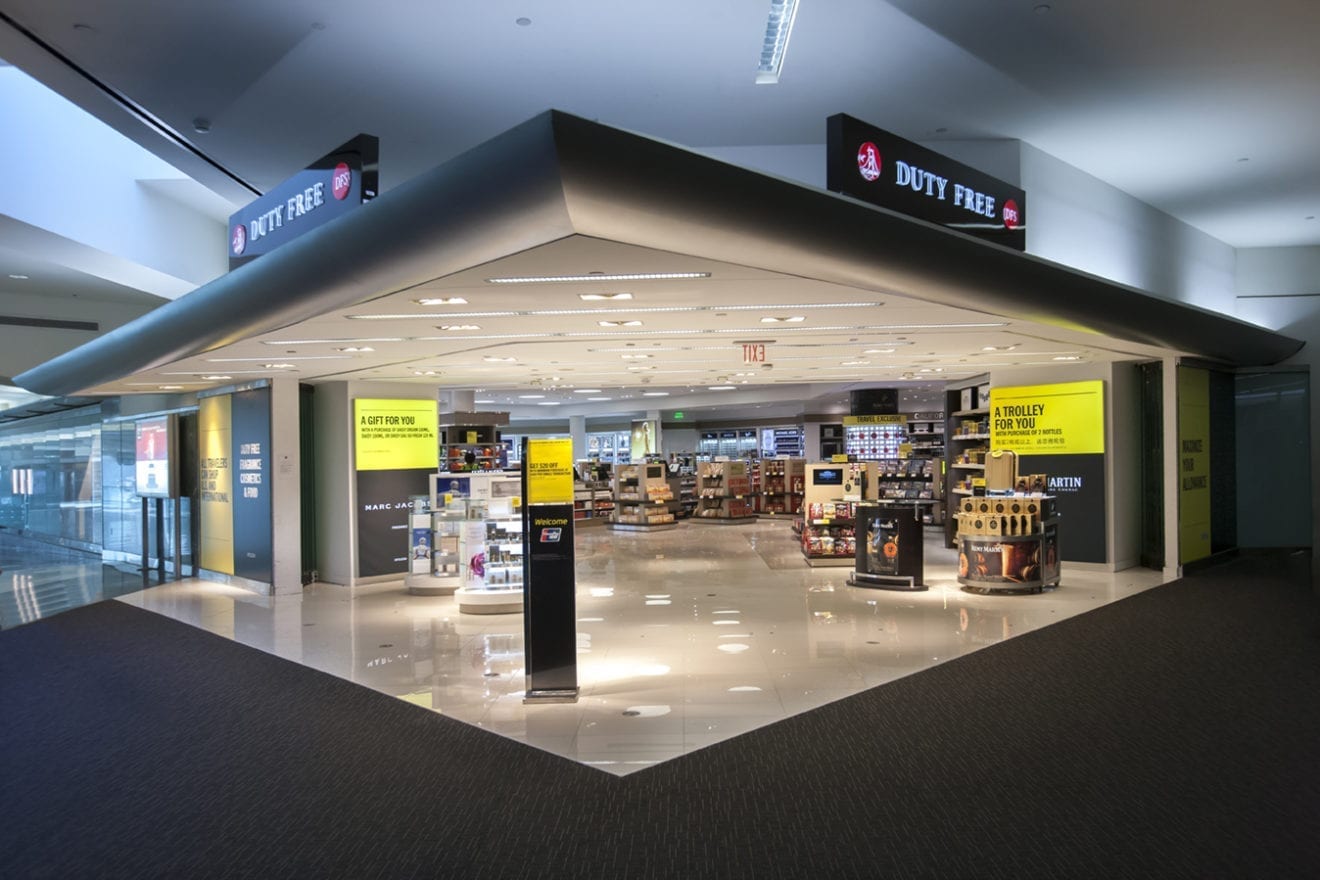
    DFS Group, the world’s leading luxury travel retailer, has partnered with Ant Financial Services Group, a related company of Alibaba Group, to launch Alipay at DFS, San Francisco International Airport, the first offline retailer in California to provide Alipay’s mobile payment option. Alipay, which provides consumers with fast, easy and safe mobile payment, caters to DFS’ global customer base that seeks out convenience and service when shopping in travel retail.

    “DFS is thrilled to partner with Ant Financial to bring leading mobile payment system Alipay exclusively in California to DFS, San Francisco International Airport,” said Mark Sullivan, Managing Director North America, DFS Group. “Here at DFS, we strive each day to ensure our customers receive the world’s best in customer service which means continuously innovating the shopping experience to meet their needs. With demand for mobile payment growing throughout retail, we are confident that with Alipay as our exclusive partner, customers will be delighted with this new and convenient approach to shopping with DFS.”

    To celebrate the launch, DFS will offer shoppers an exclusive promotion until November 30, offering 20 percent off key Origins beauty products when purchasing with the Alipay mobile app. 

    “DFS represents the most innovative approach to travel retail and we are excited to partner with them to continue to evolve this experience with the introduction of Alipay,” said Souheil Badran, President and General Manager, Alipay North America.

    This is the sixth DFS location to implement Alipay’s mobile payment system, which is also available at T Galleria stores in Hong Kong and Singapore as well as DFS, Hong Kong International Airport.

  • Holiday Season in Hong Kong: Good for Sales, Good for Theft

    Holiday Season in Hong Kong: Good for Sales, Good for Theft

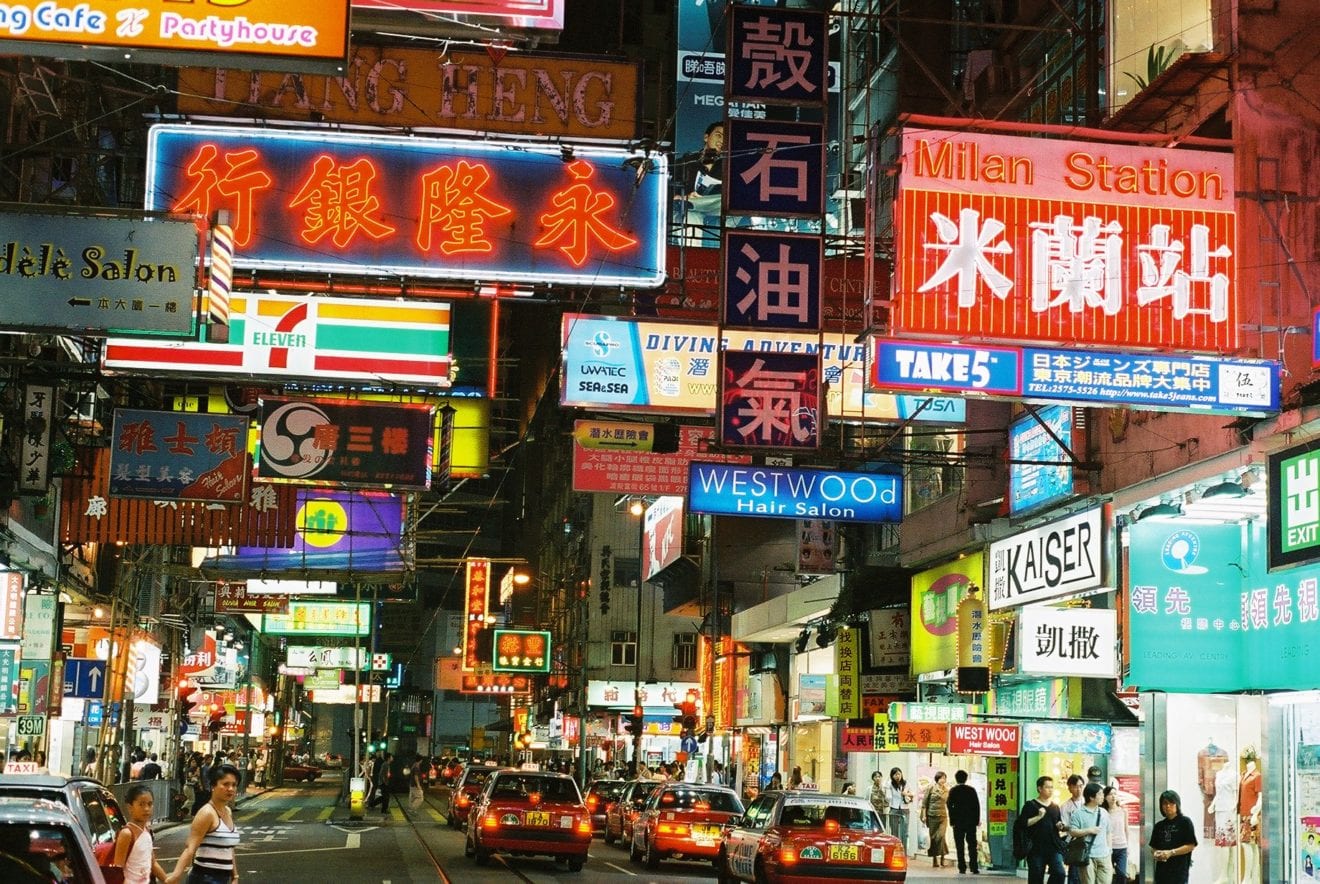
    With the holiday season fast approaching, a study report reveals that retailers around the world will experience both their highest sales and shrink distributions during this period. According to the 2016 Retail Holiday Season Global Forecast, 30% of the losses Hong Kong retailers incur due to internal and external theft will come during the holiday season, with apparel, children’s toys and electronics emerging the favourites among thieves.

    Theft from internal sources (primarily via employee theft and other sales reducing activities) and external factors (primarily via shoplifting/organized retail crime), which is referred to as shrink by retailers, is at its peak during the holiday season, which also sees 27% of annual retail sales of a retailer in Hong Kong .

    The study, underwritten by an independent grant from Checkpoint Systems , Inc., was carried out by Ernie Deyle , a retail loss prevention analyst, and provides an analytical view of business risks that major retailers face during this holiday season. The 13 markets covered in the report include North America , Europe and Asia , and include the U.S., Belgium , France , Germany , Italy , Netherlands , Portugal , Spain , UK, Australia , mainland China , Hong Kong and Japan .

    Mark Gentle , Vice President — Merchandise Availability Solutions Asia Pacific, Checkpoint Systems, said, “Building holiday inventories earlier and specifically for high-risk items may lead to increased sales reduction pressures, such as markdowns and shrink throughout the fourth-quarter. The report reveals that nearly 30% of sales reducing activities are incurred during this time period. This leads to increased shrink, and puts additional strains on brick-and-mortar retailers already reeling from an ongoing inhospitable retail market.”

    Even though Hong Kong has the lowest proportion of Q4 losses due to shrink of all the 13 markets surveyed, it is still significant and over 30% higher than during the first two quarters of the year.

    In addition, the cost of retail loss to Hong Kong shoppers in 2016, as absorbed or passed on from retailers, is expected to be HK$175 per person on average, of which HK$53 , or one-third, will be incurred during the holiday season. These increases in losses place an enormous burden on retailers and, ultimately, on honest consumers who pay for it in higher prices.

    “For most retailers, wholesalers and distributors, inventory — including the space to store it — is the largest single cost of doing business. While reducing inventory means lower costs, insufficient inventory leads to out of stock situations, lost sales and unhappy customers. Therefore balancing these two factors is critical to profitability and growth, particularly in omni-channel environments,” said Mr. Gentle.

    “The use of advanced data analytic tools, inventory management strategies, along with technologies such as RFID will provide retailers with enhanced visibility to track merchandise as it moves through the supply chain to distribution centers, retail backrooms and store shelves, helping retailers reduce losses due to shrink and other causes, ultimately increasing the financial contribution of each item.”

  • Samsung kills the Galaxy Note 7 for good

    Samsung kills the Galaxy Note 7 for good

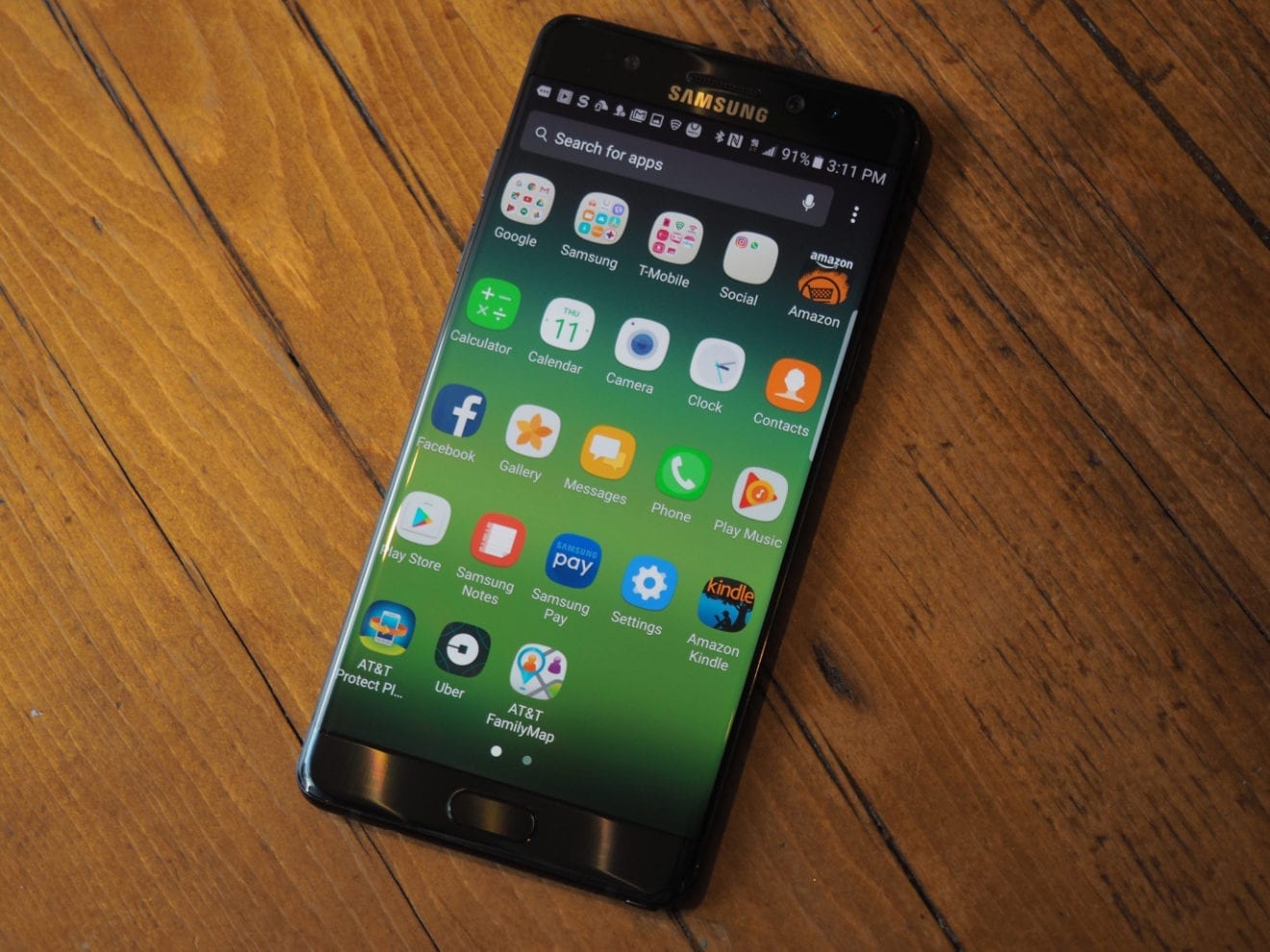
    Samsung is permanently discontinuing production and sales of the Galaxy Note 7 smartphone, owing to safety fears over defective batteries — including in replacement handsets the company had subsequently sent to customers following a recall of original devices.

    The news was reported earlier by the WSJ, and a spokeswomen for Samsung confirmed it is ending production of the device, telling: “We can confirm the report that Samsung has permanently discontinued the production of Galaxy Note7.”

    The company did not provide any additional statement explaining its decision but in a filing about ending production with South Korean regulators it cites ‘customer safety’ as the reason.

    Yesterday Samsung had asked carriers and resellers to halt sales and exchanges of Note 7 devices, as reports of problems with replacement handsets mounted. Note 7 owners were offered a full refund or a refund for a different Samsung smartphone, along with a $25 gift certificate or other add-on to sweeten the hassle of dealing with two rounds of recalls.

    The initial recall of the circa 2.5 million Note 7s in circulation was announced in early September.

    The company had also previously said it was adjusting production of the Note 7 to, in its words, “take further steps to ensure quality and safety matters”.

    However, in the event, and given the mounting PR nightmare of even replacement Note 7s having a demonstrable risk of an exploding battery — coupled with the model being namechecked as a safety hazard at airports and on flights all over the world — it’s hardly a surprise Samsung has decided to pull the plug and put the Note 7 out of its misery.

    Aside from the damage to Samsung’s Galaxy brand of being associated with exploding batteries, the cost of withdrawing the Note 7 will not come cheap. Reuters cites analysts estimating that a permanent end to Note 7 sales could cost the company up to $17 billion.

    Meanwhile, the company’s stock price has also taken a substantial hit on the news of the Note 7’s nixing: falling by 8 per cent today, its biggest percentage decline since October 2008, as investors wiped some $19 billion off the value of the company.

  • International Design Policy Conference and Design Week Forum

    International Design Policy Conference and Design Week Forum

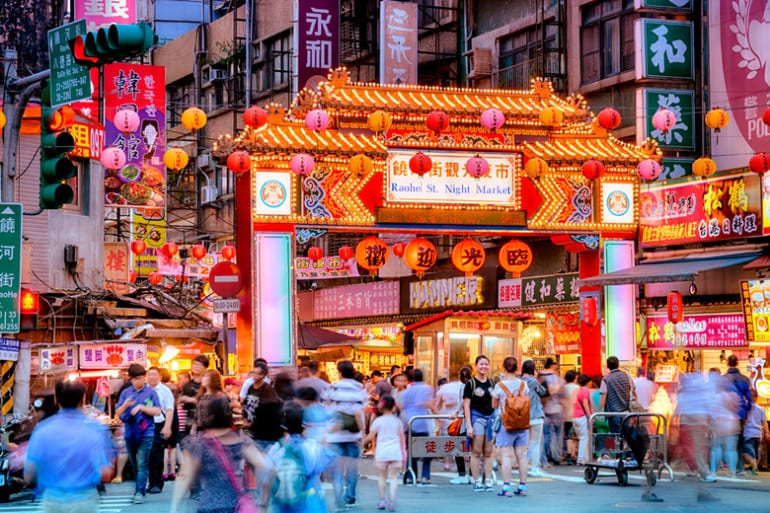
    The World Design Capital (WDC) Taipei 2016 International Design Policy Conference brought together leaders in design thinking from around the world in Taipei to share their ideas on the future role of designers, public servants, and private firms in facing the challenges of urbanization and resource scarcity.

    The conference, held on the weekend of October 15 and 16, was followed by the WDC Taipei 2016 International Design Week Forum on October 17 and 18, which saw organizers of leading design weeks discuss how to elevate the value of design weeks as platforms for promoting design.

    Prof. Mugendi M’Rithaa, President of ICSID, described the conference as an opportunity to “exchange practical and inspiring solutions that strengthen design’s role in urban planning, and which set the foundation for a design-led legacy program which resonates far beyond the designated World Design Capital year.”

    “Design is not just about seeking aesthetics in objects, it is about an attitude of thinking,” said Mayor of Taipei City Ko Wen-je. “To change Taiwan, we must start with the capital; to change the capital, we must change the culture; and to change the culture, we must start with design.” 

    Mayor Ko added that implementing design into urban development requires collaboration across different bureaus within government, as well as from citizens and professional designers, and stated that “our vision is to make Taipei a livable and sustainable city by 2050.” 

    Mayor Ko was joined in the first session by public officials from previous and future World Design Capital cities, including Jussi Pajunen, Mayor of Helsinki; Ian Neilson, Executive Deputy Mayor, City of Cape Town; and Miguel Torruco Marqués, Secretary of Tourism, Mexico City. 

    They shared thoughts on the role public officials can play in supporting and investing in social design innovation to develop a sustainable and inclusive urban future. Anne Stenros, the newly appointed Chief Design Officer of Helsinki, noted the trend of design moving away from a “user-centric” approach towards a “citizen-driven” mindset that encompasses a more holistic and participatory view of design.

    In further sessions, Jocelyn Wyatt, Co-Lead and Executive Director of IDEO.org, and Rama Gheerawo, Director of the Helen Hamlyn Centre for Design and the RCA Reader in Inclusive Design, elaborated on their approaches to human-centered, social design and the importance of empathy. 

    Having both conducted design interventions with lower socio-economic and disadvantaged communities, Gheerawo spoke of the importance of breaking down social barriers through simple, fun exercises in order to open up genuine conversations. Wyatt further emphasized the need for tangible and measurable results, and the value of deep listening in gaining insight and inspiration for solutions that can scale.

    Professor Dung-Sheng Chen, from the Department of Sociology at National Taiwan University, stated that “every citizen should be a social designer and have the ability to participate in the process of social design.” Professor Chen spoke of the rapid progression of Taiwan since 1987 towards a democratic and inclusive society, highlighting the many ways that now exist for citizens to participate in policy, budgeting, and shaping the city through platforms like join.gov.tw.

    In her first public appearance since starting in her role as the first and youngest Digital Minister without portfolio for the Executive Yuan, Audrey Tang gave an introduction to her involvement in hackathons with the civic tech community with the aim of bringing about greater government transparency. She was joined by Julia Kloiber, Project Lead for the Open Knowledge Foundation in Germany, who also spoke of the role designers can play in supporting software developers and engineers to make complex data sets accessible to citizens.

    Shikuan Chen, Vice President of Experience Design at Compal Electronics; Annete Baumeister, the Studio Director of Shanghai Designworks for the BMW Group; and Mike Orgill, the Director of Public Policy in the Asia Pacific region for Airbnb, spoke on the “sharing economy.” Since sharing of assets can reduce the demand for precious natural resources and limited urban space, the speakers suggested that designers’ efforts will increasingly focus on user experience over ownership. Baumeister showcased the Mini Vision Next 100, a futuristic concept car which is autonomous, electric, and designed to be shared. 

    The International Design Week Forum brought together organizers of design weeks from cities including Beijing, Chiang Mai, Dubai, Eindhoven, Holon, London, Tokyo Paris, Sydney, and areas and countries including Hong Kong, Mexico, Singapore, and Taiwan. During the fruitful exchange, organizers shared ideas on how to overcome common challenges and developed strategies to share resources in future.

    “I think that it’s important as design weeks that together we look into how we can strengthen the ties between the weeks, to make a network that is useful for our design communities,” said Ingrid Van der Wacht, International Projects Manager of Dutch Design Week. 

    “Through this forum we were able to get to know each other better, and understand how other people curate their own event. We’re already starting to think about the next step, of how we can work together in future,” added Ben Chiu, Executive Director of Taiwan Designers’ Week. 

    Organized by Taiwan Designers’ Web, the forum was held on Monday, October 17 at the Xue Xue Institute and Tuesday, October 18 at the Taipei Fine Arts Museum. The International Design Policy Conference was held at the Taipei International Convention Center. 

    The WDC Taipei 2016 International Design House Exhibition, located in the Songshan Cultural and Creative Park, will be open every day from 10AM to 6PM, from now until Sunday, October 30, and is free for all visitors. A free shuttle bus service will be provided from Songshan Cultural Creative Park to three satellite exhibition areas around the city, including Yongkang Street, Zhongshan-Shuanglian District, and Wanhua-Dadaocheng District. 

  • H:Connect brings Korean style to Singapore

    H:Connect brings Korean style to Singapore

    Contemporary South Korean fashion brand H:Connect, fronted by Korean celebrity Yoona of Girls’ Generation, has officially opened its first Southeast Asian store at Bugis Junction in Singapore.

    The brand plans to make the most of the rising appeal of hallyu, or the Korean Wave, across Southeast Asia, which is driving Korean exports of fashion, entertainment and cosmetics in particular.

    It joins more than 300 H:Connect stores across South Korea, China and Taiwan, including a flagship store in the Gangnam district of Seoul.

    In its new Singapore store, the 10-year-old brand features it latest collection for men and women, separated into three themes: City Dweller (understated designs), Nostalgic Insta (combining vintage denim with floral prints and embellishments) and Athleisure (statement sweaters, pullovers and denim with a Korean street-style vibe).

    Prices range from S$19 (US$13.64) for basic tops to $129 for jackets and overcoats.

  • Schiphol Aims to Reinforce Position as Smarthub

    Schiphol Aims to Reinforce Position as Smarthub

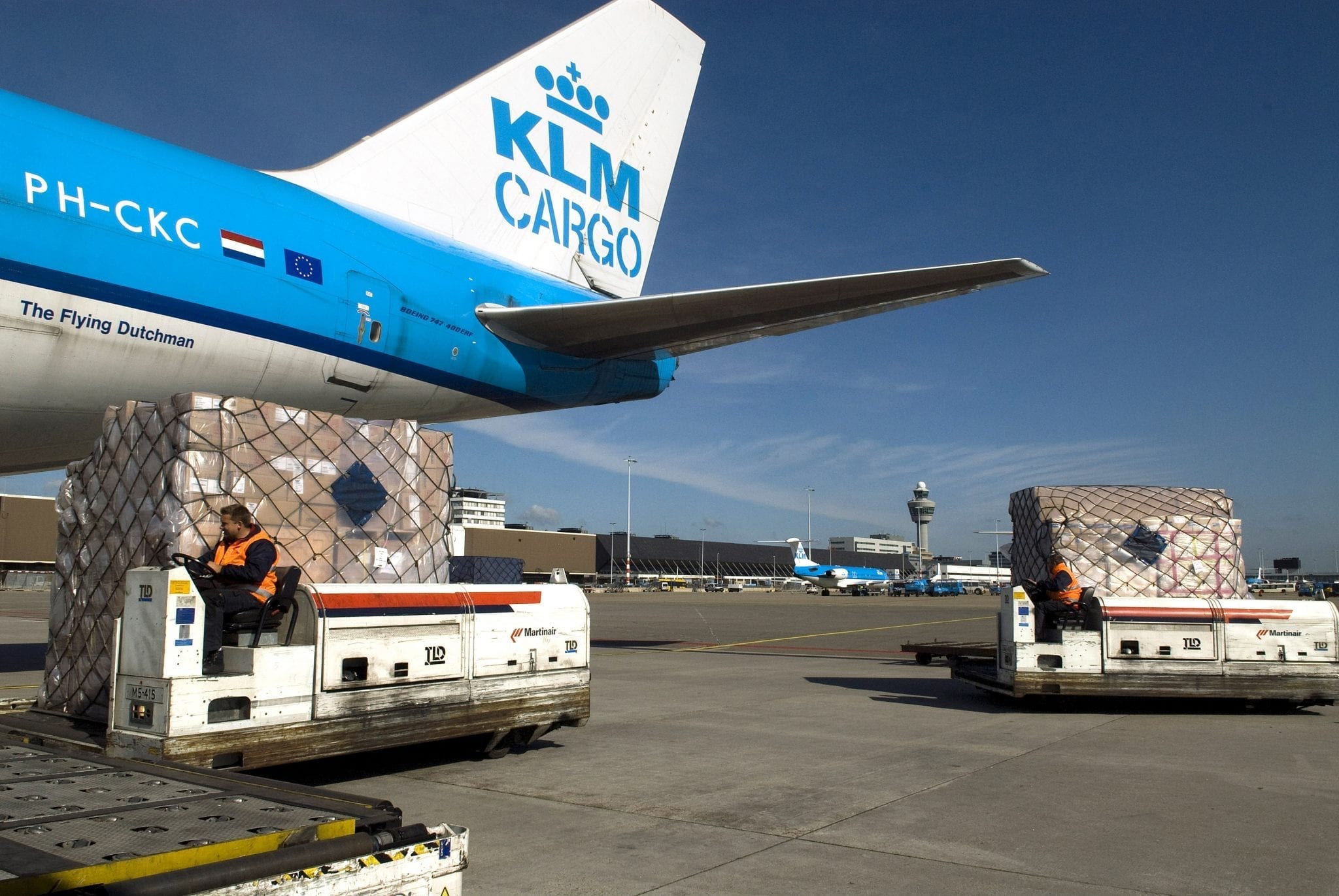
    Schiphol Cargo announced today that it will back further projects as part of its Smart Cargo Mainport Program, aimed at finding innovative schemes to improve cargo flow through the Amsterdam hub. The Smart Program projects centre on cargo flows, encouraging cooperation between the different parties in the supply chain, and is underpinned by transparent data sharing.

    The program brings together Schiphol Cargo as chair, with KLM Cargo, Dutch Customs, and Cargonaut, and has already attracted €375,000 (US$409,000) of Dutch government funding.

    A pilot scheme is currently underway with Royal FloraHolland becoming one of the first to successfully implement Smart Mainport elements in its operations.

    Last month, KLM Cargo also embarked on a pilot scheme aimed at speeding up and enhancing the efficiency of European supply chains bringing cargo to Schiphol for subsequent international shipment.

    The pilot, which kicked off on the route from Frankfurt to Amsterdam, is operated by a consortium which brings together Schiphol Cargo, Jan de Rijk Logistics, Swissport, Kuehne + Nagel, importer Fresco Flowers, Cargonaut and Dutch Customs.

    Under the scheme, a distinction has been drawn between shipments with shorter connecting times and those with less time pressure, and a new schedule is being trialled.

    The schedule marks the first step towards setting up a cloud platform facilitating data exchange amongst the cooperating parties. 

    “We constantly have to deliver value in the hyper-competitive air freight market,” said Marcel de Nooijer, EVP of KLM Cargo and MD of Martinair Holland. “In the ideal supply chain it is all about co-operation and optimization of the movement of shipments, both in the air as well as on the ground. Therefore transparency and access to data through digitization is key!”

    “The Smart Cargo Mainport Program is about facilitating the design and delivery of data driven predictable and compliant air cargo processes. It is not about the Cloud, it is about what we do with it,” said Nanne Onland, executive director of Cargonaut.

    Speaking, Jonas van Stekelenburg, head of cargo at Schiphol, said cooperation was in their DNA in the Netherlands. “We have taken a community approach to this initiative, and people are favourable to cooperating. People will share information with us because they view us as a trusted partner,” he said. “This doesn’t stop with the pilot route from Frankfurt to Amsterdam, and you will hopefully see more new projects in the coming months.”